
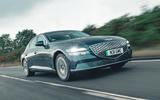


For many potential EV buyers it's range anxiety that often stops them from reaching for the wallet - that worry that you’ll be left stranded in the middle of nowhere with a flat battery. Yet wrapped up in these concerns about how far you can travel is the issue of how long you’ll be waiting to top up a battery when you find a charger.
For many owners charging at home overnight means waiting for a full battery isn’t a problem, because you’re asleep and the car would be parked up anyway. Yet when you’re out on the road and tackling a long journey, kicking your heels for a few hours is both frustrating and extremely time-consuming.
However, the advent of increasingly rapid DC (Direct Current) chargers means you’re unlikely to be stationary for as long as you think. And while it’s going to be a while before EV charging is as quick and convenient as filling a tank with petrol or diesel, the likelihood of you being at a loose end for large chunks of time continues to diminish as car makers develop increasingly fast and efficient charging methods.
For our top 10 fastest charging cars we’ve used manufacturer-claimed figures for the maximum rate in kW (kilowatts) at which the battery will accept charge, as well as the time it takes to reach 80% capacity (few brands recommend rapid-charging to 100%, and to protect the battery the final 20% is added much more slowly).
Top 10 fastest charging EVs on sale
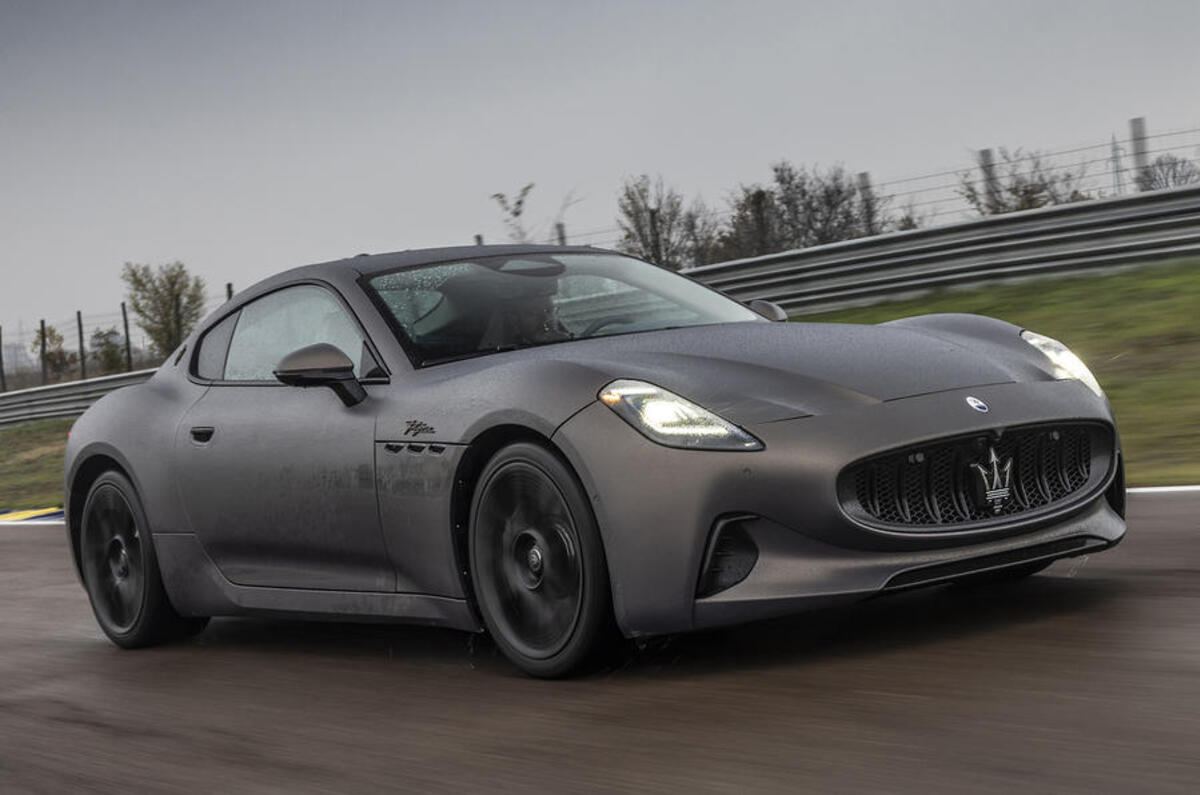
Maserati Granturismo Folgore - 270kW
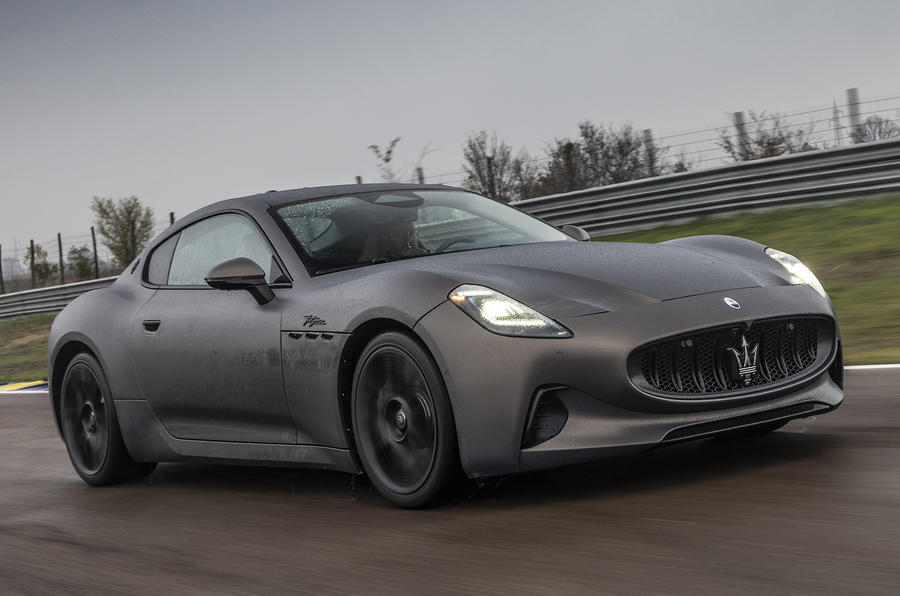
After years in the doldrums working with hand-me-down platforms and parts, Maserati has been given a new lease of life under new parent company Stellantis. The marvellous MC20 signalled the Italians’ intent, but it’s the new Granturismo that really showcases the sports car firm’s ambition. All-new from the ground up, the head-turning high-performance four-seat coupé has been designed from the outset with EV and ICE powertrains. Not only that, the all-electric version (called the Folgore) gets a powerful 800V architecture. That means DC charging at up to 270kW, with 20-80% battery capacity possible in as little as 18 minutes. More importantly, the Maserati gets a 751bhp tri-motor layout that delivers stunning performance (0-62mph in 2.7sec) and handling agility enhanced by genuine torque vectoring from the twin rear motors.
Porsche Taycan - 270kW
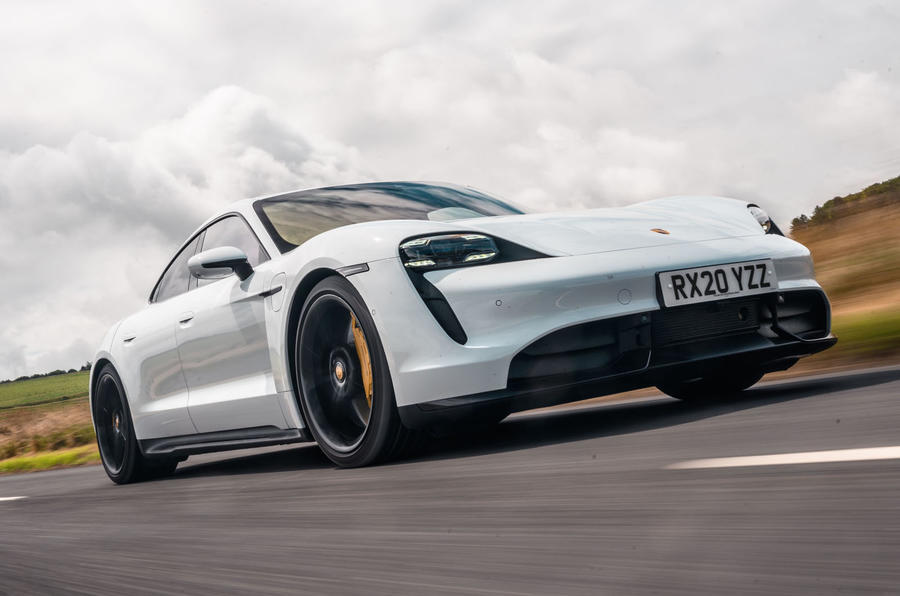
While Hyundai has flooded the EV market with advanced 800V electrics, it was Porsche that beat it to the punch. The Taycan was the first battery-powered son of Zuffenhausen, and as you’d expect it set new standards when it first hit the road in 2020. Despite a kerb weight the wrong side of two tonnes, the fleet-footed four-door handles with all the poise, polish and panache you’d expect from Porsche, while performance is strong whether it's the 397bhp entry-level model or the monstrously powerful 751bhp Turbo S. Crucially, all get the same high-voltage electrical system, which Porsche claims can charge at speeds of up to 270kW and can replenish both the 79.2kWh and 93.4kWh battery options from 5-80% in 21-and-a-half minutes.
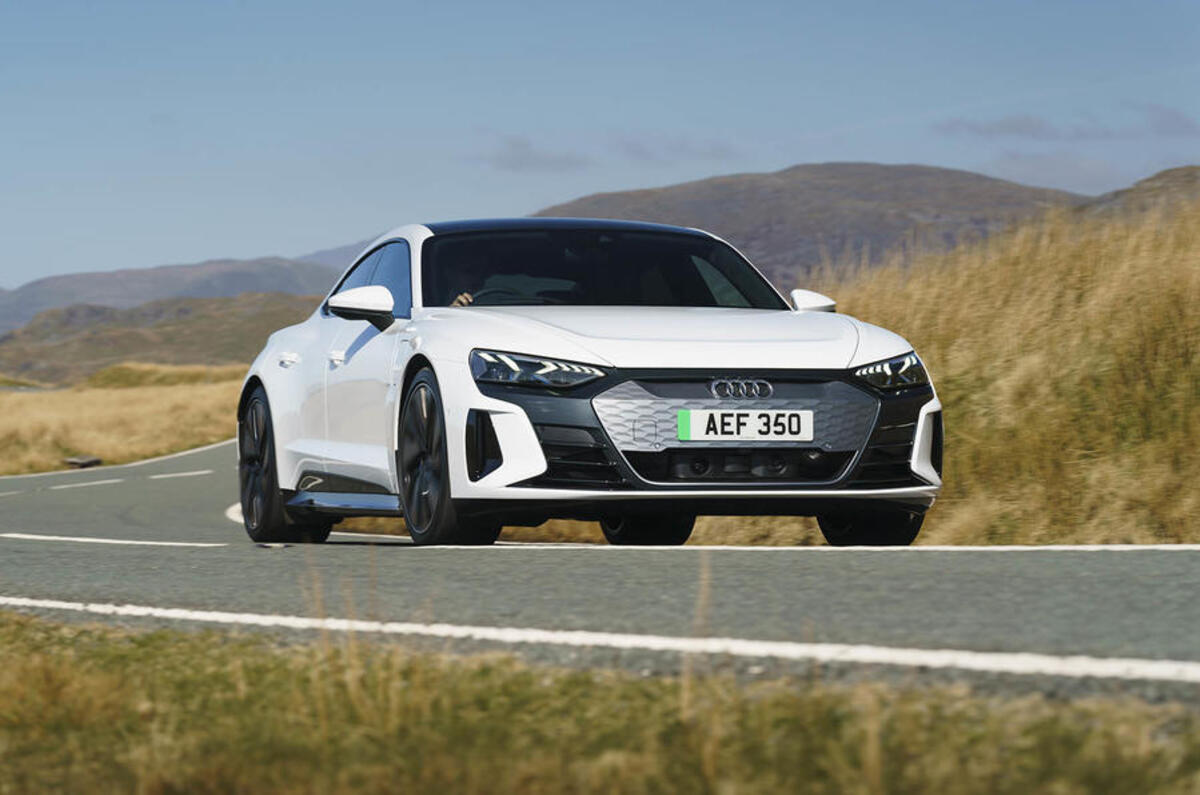
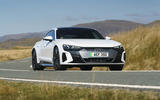
Audi E-tron GT - 270kW
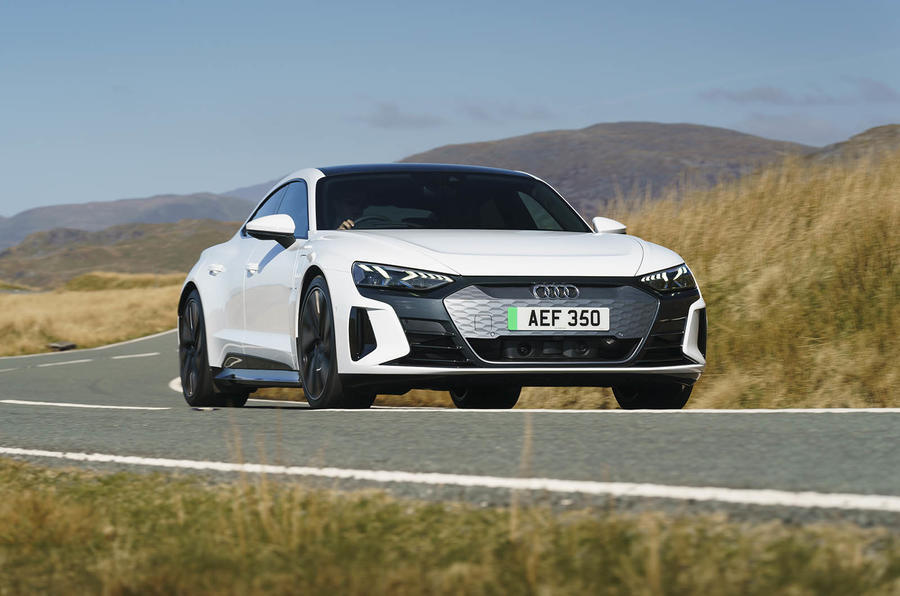
Much like the Hyundai, Kia and Genesis models, the Audi shares its DNA with another car - in this case the Porsche Taycan. As we’ve seen, these aren’t bad genes to have for an EV, with the E-tron GT benefiting from the same 800V underpinnings that allow 270kW rapid charging where available - although curiously Audi claims 23 minutes to zap the battery, and its figure is from 10-80% rather than 5-80%. Unlike the Porsche, the E-tron is only available with the larger, 93kWh battery, while in keeping with its all-wheel-drive heritage, there’s no single-motor option. At the top of the GT tree is the RS model that pumps out a handy 637bhp, yet neither it nor the standard versions are as sharp and involving to drive as the tauter Taycan.