



It has been three years since General Motors finally washed its hands of Opel and Vauxhall. After 17 straight years of losses totalling $20bn (currently £16.5bn) from its European division, it sold the business to the PSA Group.
That PSA quickly made the twin brands profitable shows how brilliant an operator Carlos Tavares is. But in the hands of mere mortals, Opel-Vauxhall’s performance under GM shows how hard it has been for US manufacturers to make Europe a successful outpost for their empires. GM hasn’t been the only American giant to have success elude it in Europe. Ford has had its own high-profile problems here, losing money in 12 of the 20 years before 2018, which meant a decision one way or the other needed to be taken.
Last January, Ford boss Jim Hackett announced his global restructuring plan – and Europe remained part of it, putting an end, at least temporarily, to two years of whispers from analysts and investors about whether Ford would ‘do a GM’ in Europe.
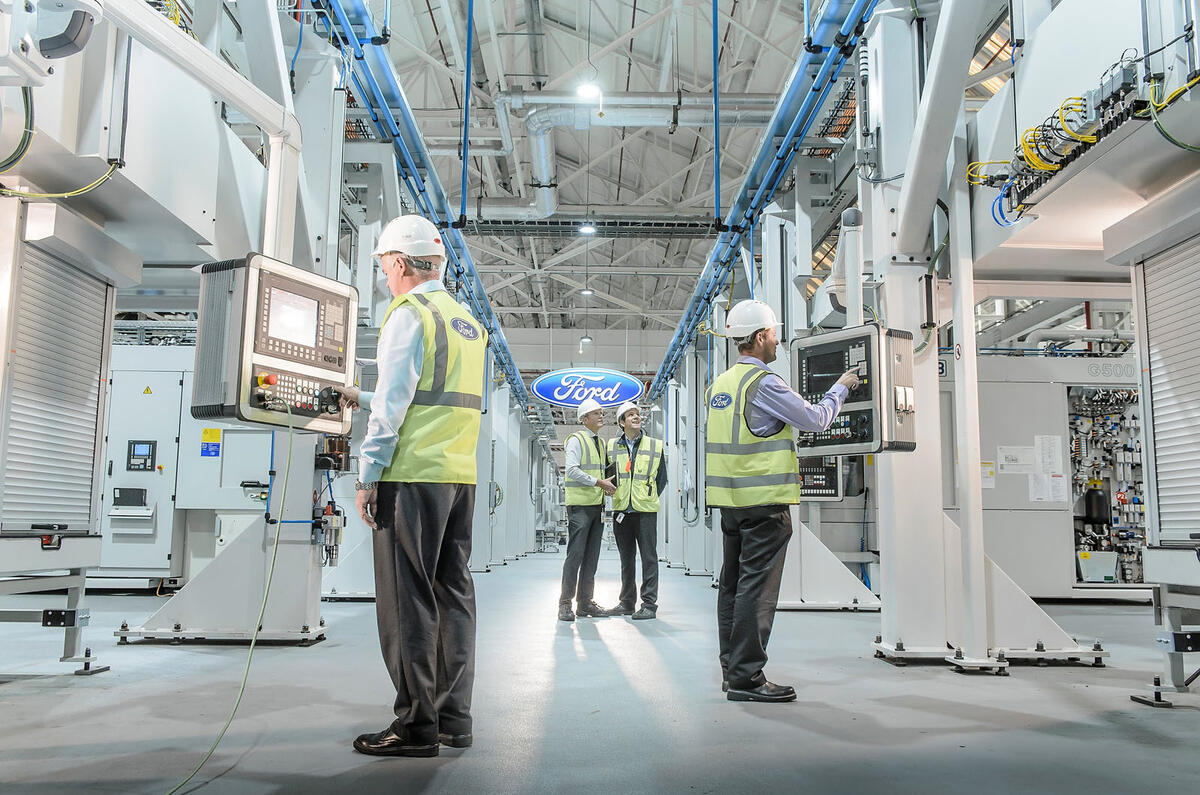
Restructuring in Europe includes Ford making redundant some 12,000 of its 51,000 European staff, factory closures – including Bridgend – and an overhauled model range that will include more SUVs, a growth area Ford was slow to respond to.
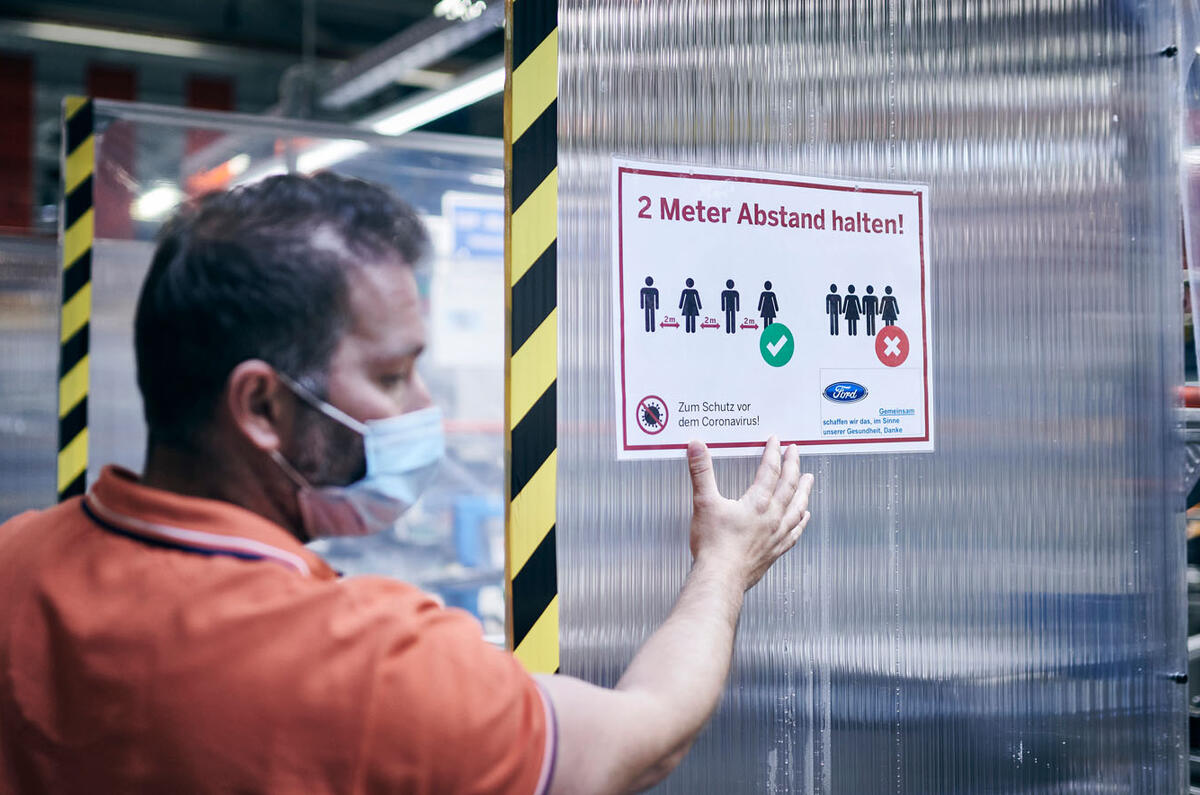
But then the pandemic hit, and it has hit Ford hard. Its first-quarter global operating loss was £500m this year, and Ford predicts that it could be as much as £4bn in the second quarter. It’s trying to save cash where it can, including by delaying new model launches, pushing back its autonomous vehicle programme and cancelling a joint venture between its Lincoln premium brand and electric car start-up Rivian. Yet eyes have turned to Europe once more, considering whether it’s somewhere Ford really needs to play.
So it has been asked again: will Ford follow GM out of Europe? “It’s too early to conclude,” says Felipe Muñoz, Jato Dynamics’ global analyst. “However, the current outbreak is going to have consequences on the way the industry operates. We will likely see more collaboration, agreements, alliances or even mergers.”
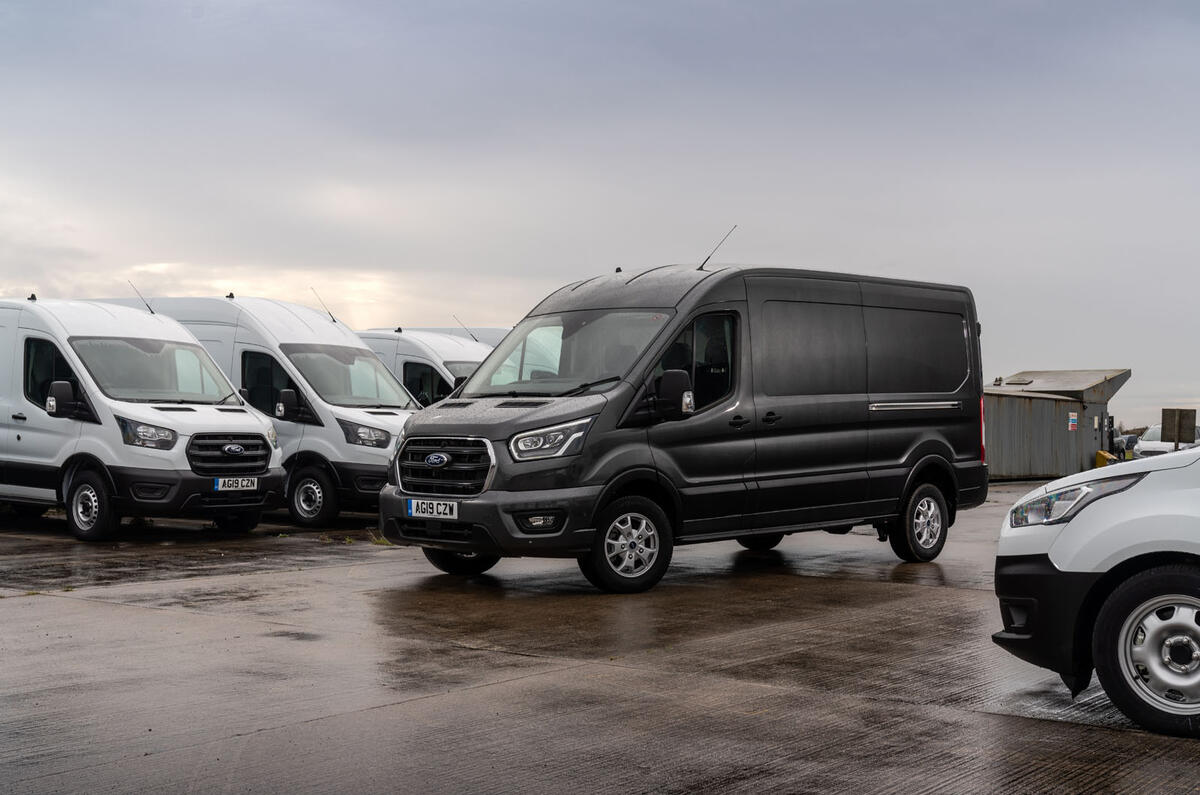
On that point, Ford is perhaps ahead of the game. It announced in 2018 an alliance with the Volkswagen Group, with the two committing to develop commercial vehicles (CVs) together. And it’s CVs where Ford is at its strongest in Europe. It’s the leader in this high-margin market, and it’s said that while Ford doesn’t make money on many of its cars, it does on its CVs.
“The case of Ford in Europe isn’t exactly as it was for GM,” says Muñoz. “Unlike the latter, the former has more solid operations in Europe and isn’t facing the tough times that GM had to face in the US some years ago [GM filed for Chapter 11 bankruptcy during the 2008 financial crisis, but Ford never did]. However, there are some similarities: their ranges of products are very similar, Ford is also exposed to Brexit and Ford is extremely dependent on Nafta markets [the US, Canada and Mexico], leaving fewer resources to its divisions in Asia and Europe.”