





Take a minute to draw a mind picture of the classic car restoration scene as you know it.
You’re probably seeing thousands of individual white males, handy with the spanners and well along in years, working away in garages up and down the country, restoring the old cars of their dreams.
Of course, there are expert, marque-specific restoration firms scattered around the country, too, but their clients tend to be yet more white males, perhaps the ones who aren’t so good in the workshop.
A billion-pound industry is run mostly by and for men in sheds. Jaguar Land Rover wants to change that – with a newly appointed director of its new Classic division, Tim Hannig, leading the charge.
Nine new Jaguar XKSS D-Types to be built in 2017
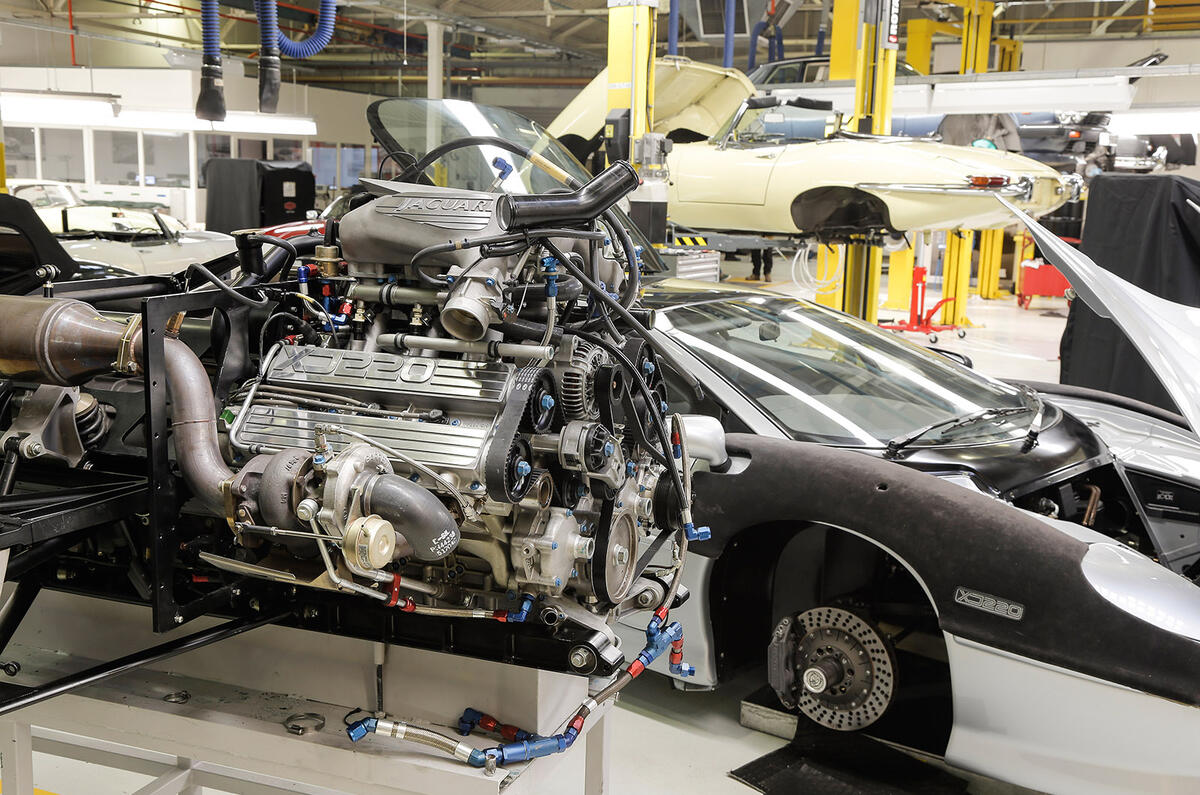
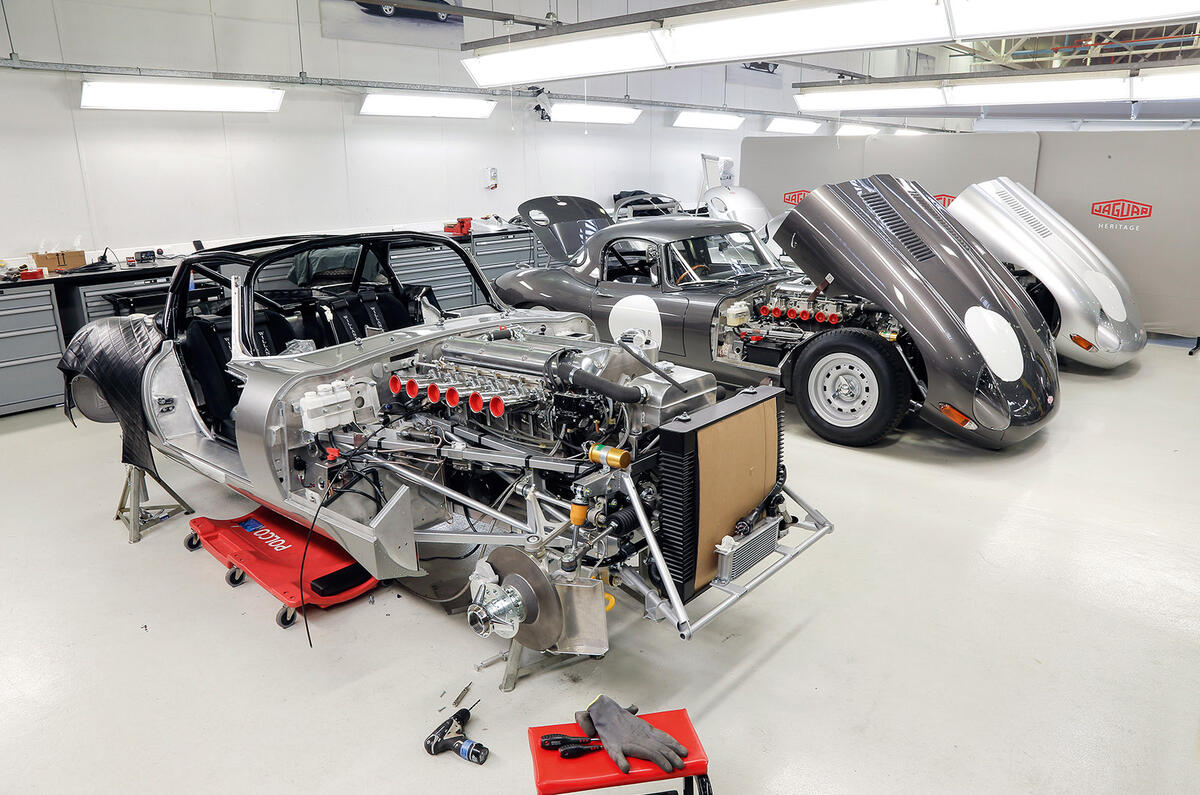
Back in 2014, JLR announced the founding of a Special Operations division that would devise a new range of models above the existing line-up, create small runs of very expensive, headline-grabbing vehicles – like the recent ‘completion series’ of six Lightweight E-Types built to a 1963 nut-and-bolt specification, and the similarly tiny run of XKSS models announced this week – and dream up a portfolio of brand extension products and activities for the two marques.
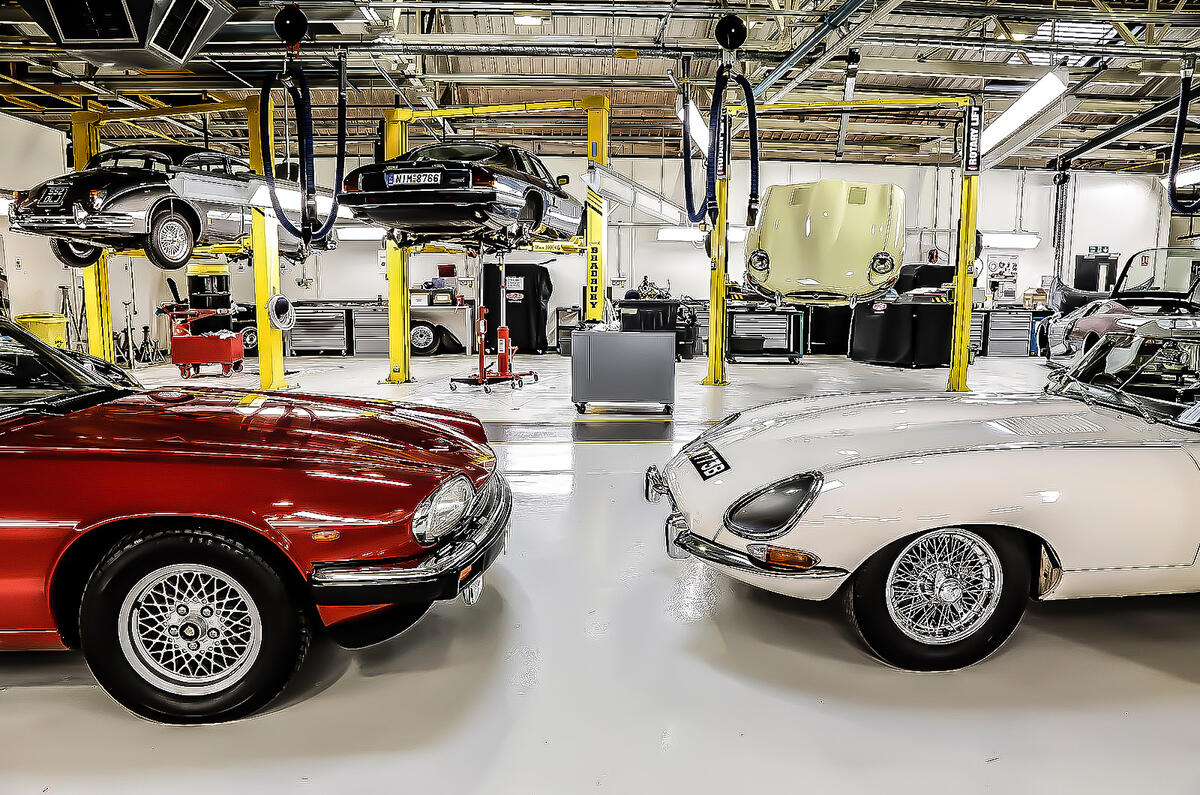
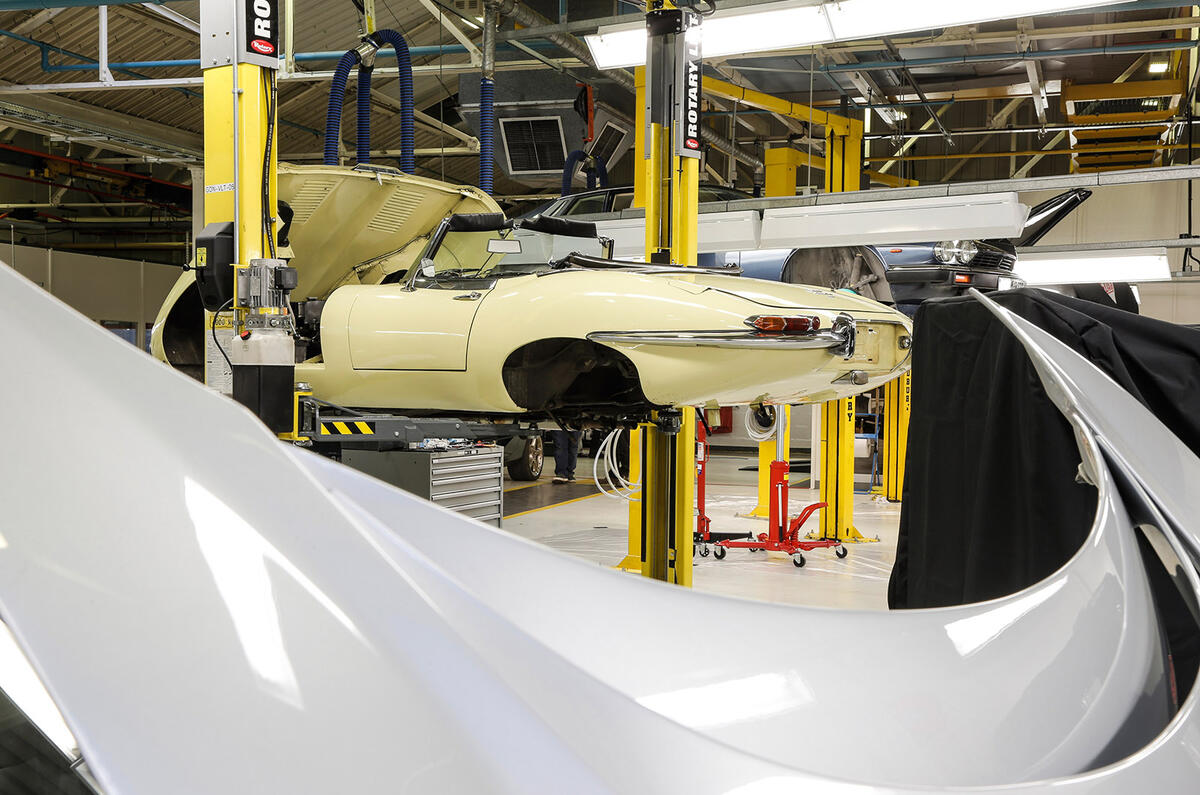
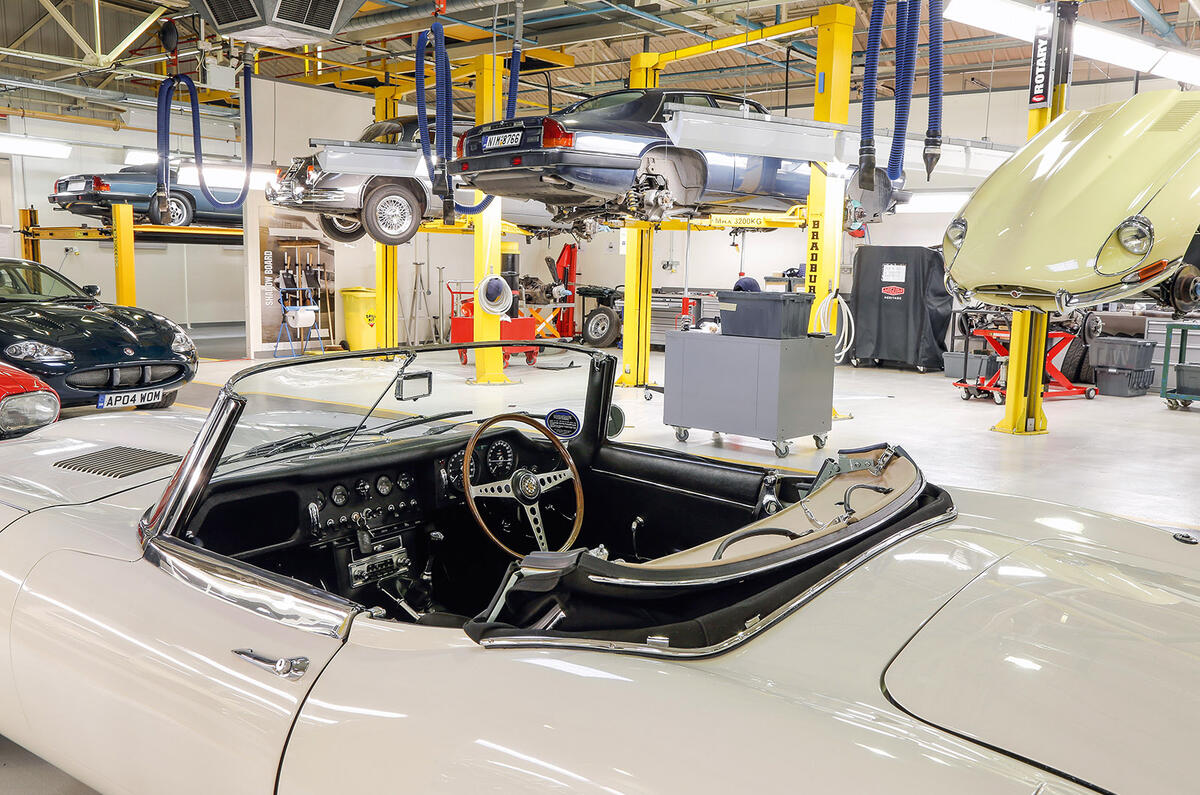
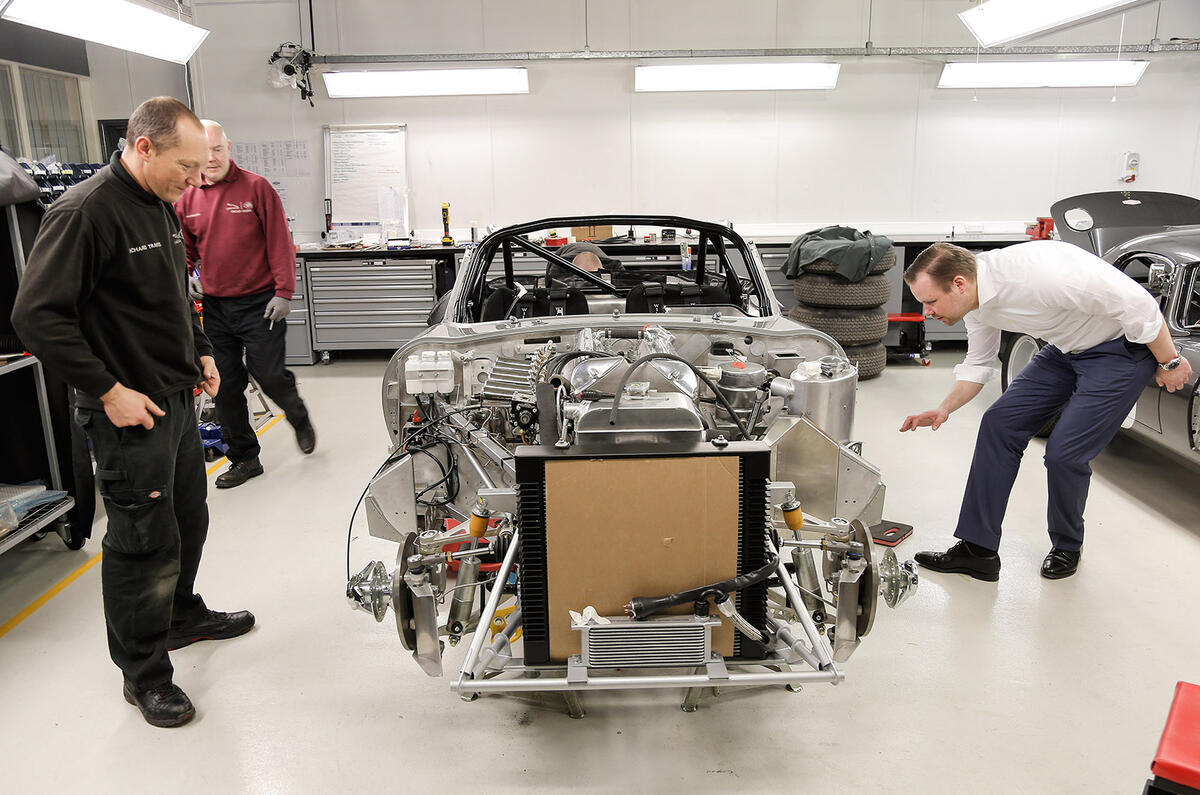
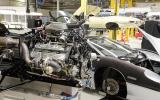
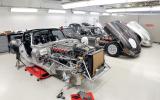
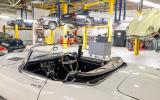
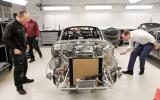
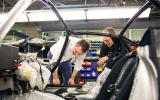
The plan was that Jaguar Land Rover Classic (previously known as Heritage) would start supplying correct, high-quality parts to customers – made wherever possible using original tools and plans – and it would also start accepting customer restoration work, to be carried out in a kind of ‘new but old’ Heritage workshop, opened recently in a part of the old Browns Lane site that the company has occupied for more than 70 years.
Together, these activities would build what, JLR was confident, could be a very profitable division.
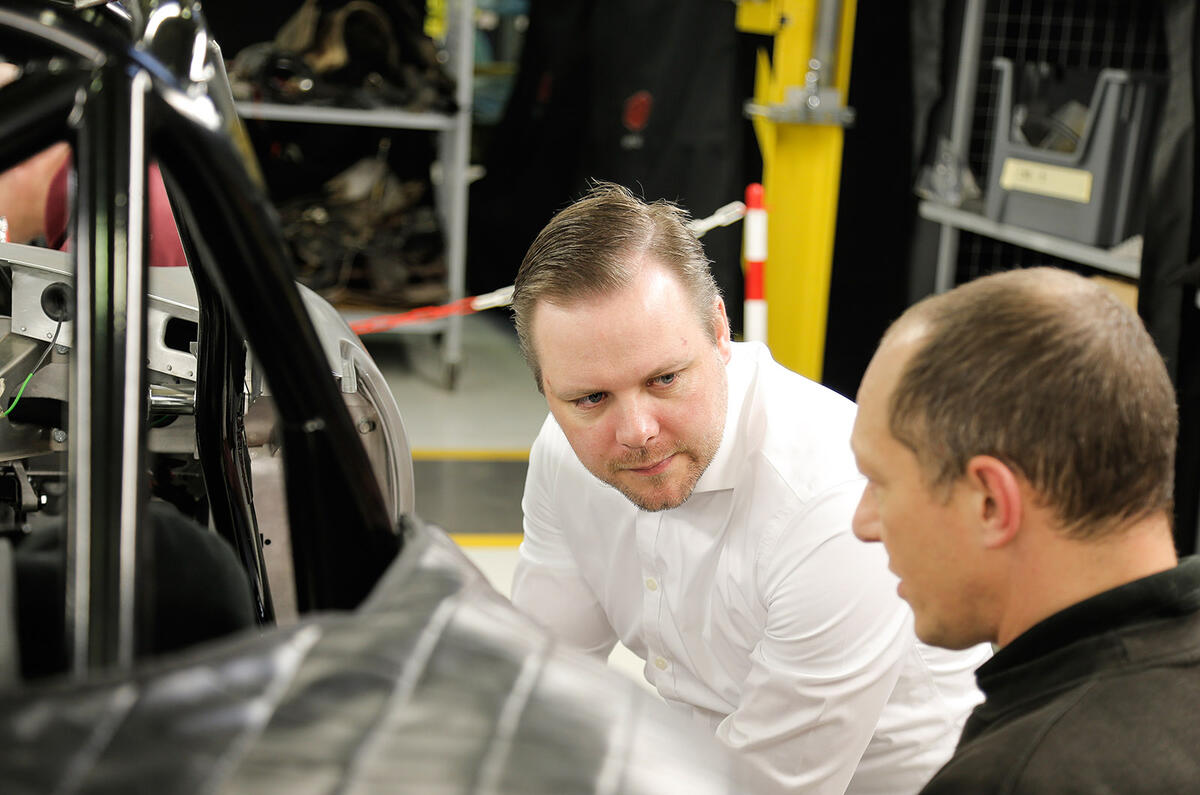
“Heritage had some great objectives when I arrived,” says Hannig, “and a huge amount of potential. But what we didn’t have was an action plan, and that’s what I was hired to create.
"Since joining the company, I’ve learned to view the classic car market in an entirely new way.” The 37-year-old Hannig never imagined that he would become part of a British old car business. It just sort of happened.
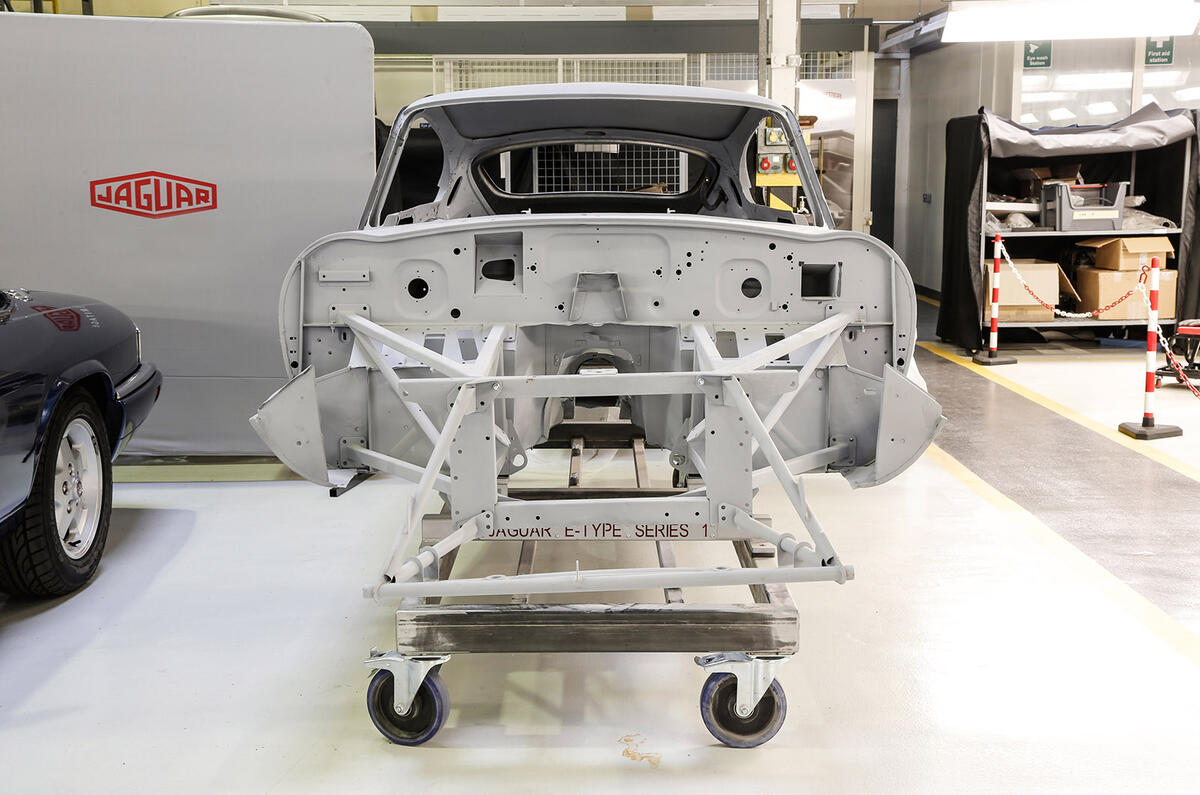
Building a Jaguar E-Type
German by birth, he was a British car enthusiast (a credential underscored by his ownership of a Daimler 2.5-litre V8 saloon), but he was also a successful young mechanical engineer working for a company making forklift trucks, first in Germany, then China and then the US.
When the recession began to bite at everything except classic car prices, he and his father-in-law decided to put money into a Jaguar E-Type, which they’d restore.
“I was pretty sure it would make us money,” Hannig says. “Then when I arrived in China, where labour is cheaper, I reckoned we could do even better. And better still if we simply reverse engineered the E-Type and made some cars from new. I wrote to the Special Ops chief, John Edwards, with the idea and he suggested I turn it into a proper plan, which I did.
"After taking some time to consider, John sent a ‘thanks but no thanks’ reply, which I presumed was the end of any association. Soon after, my company had moved me to America and I heard from Edwards again, asking if I’d be interested in the job of Heritage director. It was the dream job, of course, although it meant moving again.
I flew over for an interview with John Edwards, then with [JLR chief executive officer] Ralf Speth, answered a million questionsand discovered they were dead serious about the idea. It would be a valuable aid to marketing, they believed, as well as a profit centre in its own right. That sounded good, so I went back to the US to talk my wife into moving again.”
Classic car buyers
Hannig has studied the classic car market thoroughly and slices it in a completely new way. There are three major user groups today, he believes. Most prominent still is the familiar white male restorer, for whom the company will in future cater better by providing top-quality parts made from original tools and plans.
But there are two more groups: those who want a viable classic as alternative transport to a new car – something that looks cool and makes them feel special but need not be immaculate – and people who want a near-perfect car, in restored condition, that drives like a modern. These owners aren’t concerned with originality.
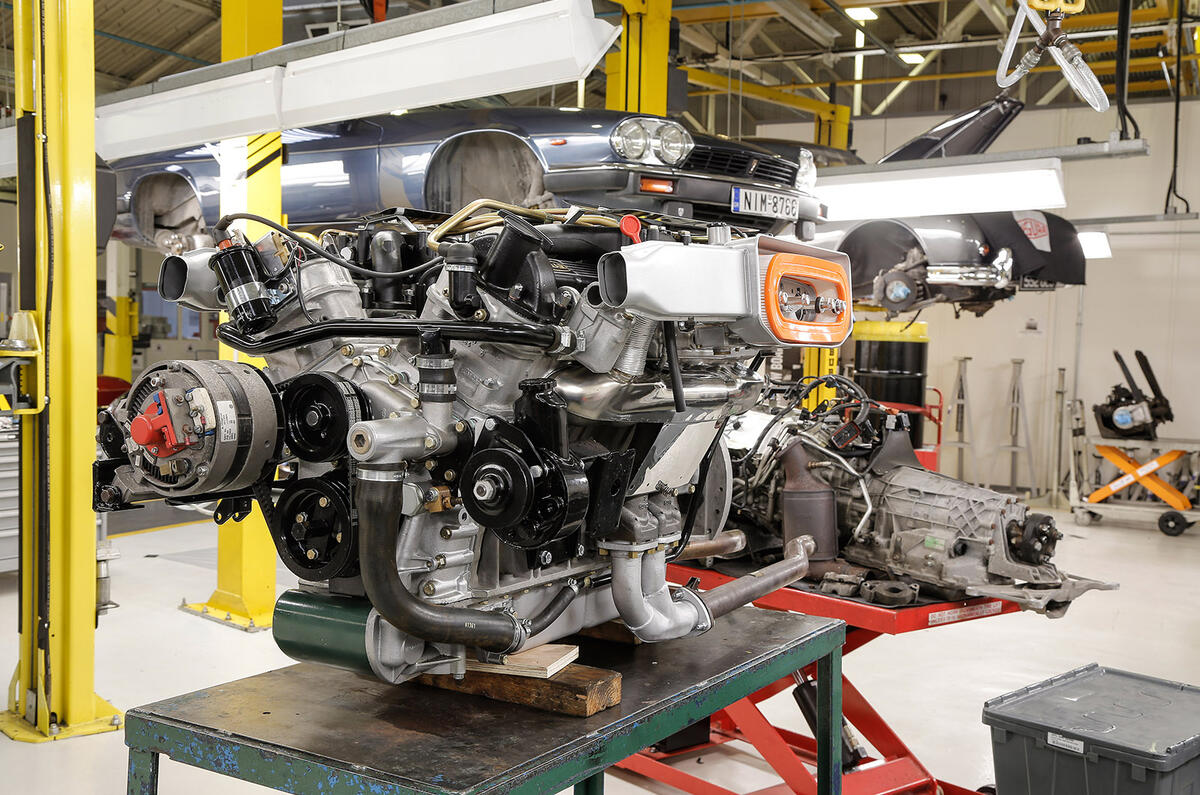
They might want an E-Type with modern brakes, a better gearbox, power steering or air conditioning. JLR Classic will cater for these people, says Hannig, even though such a move a few years ago would have created an outcry among purists. “We won’t make judgements about people’s dreams,” he says.
Suitable cars for these disparate udders are plentiful. Hannig believes that if you count every healthy Jaguar and Land Rover – including even early Freelanders and X-Type saloons – there are 1.5 million cars in the pool, and it will be two million by 2020, although they divide into very different strata of value and desirability.
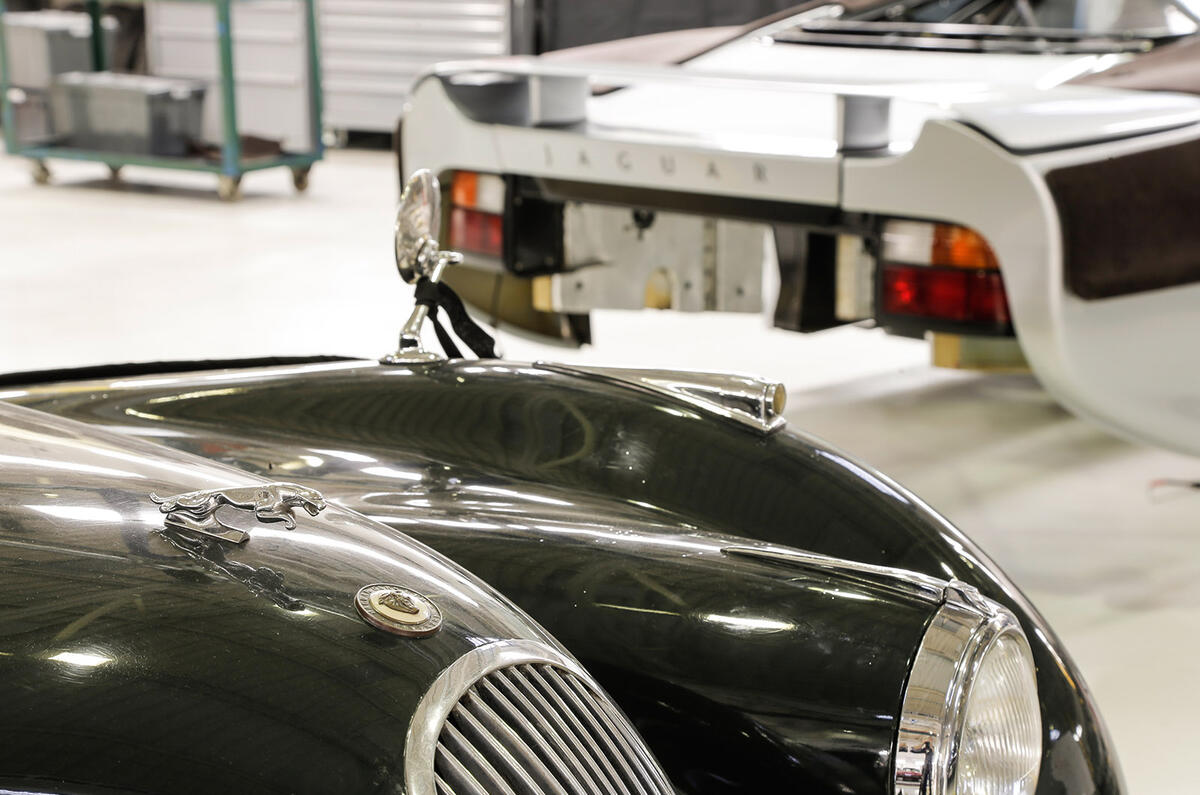
The obvious treasures are the C-Type, D-Type, E-Type, early XK sports cars and some rare early saloons. Those cars’ prices will justify their restoration, no problem. On the Land Rover side, there’s the Series 1 (“nearly every one is a unique specification”) and the original Range Rover.
Bespoke restoration
If you seek and don’t own one of these models, Classic will buy a suitable car and restore it to your specification. As a matter of fact, they have cars ‘in stock’ already, just as they do of the original two-door Range Rover.
A perfect 86in S1 Landie could cost you £70,000 by the time it’s finished to your specification, with a Station Wagon setting you back £10,000 to £20,000 more.
Cars like the Jaguar Mk2 saloon require more love and commitment on the part of the owner if they are to be restored, because although these cars cost just about as much as an E-Type to restore, they don’t command such high prices – although values are definitely moving the right way.
At the ‘available’ end of Jaguar Land Rover’s pool are cars like the newer XJs, XK8s and XKRs, and Classic will apply its high standards to any and all of them. “The one thing we can’t do,” says Hannig, “is make it cheap.”
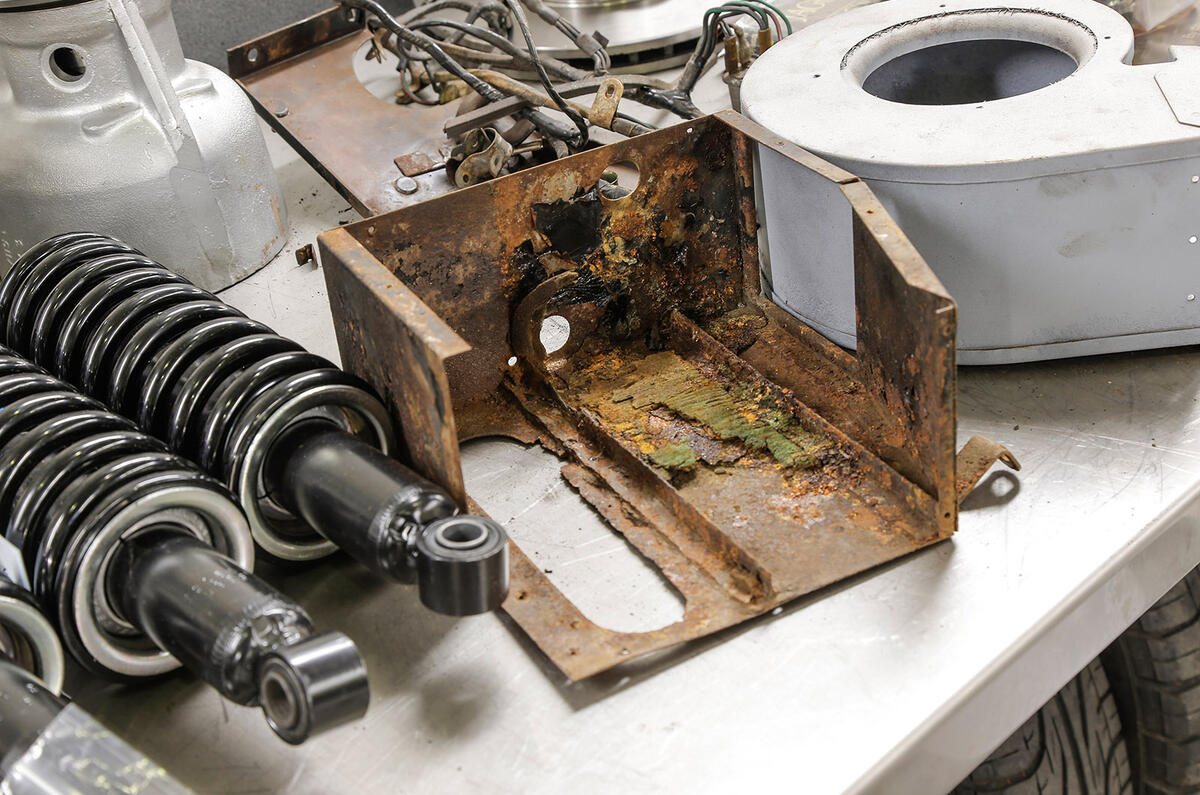
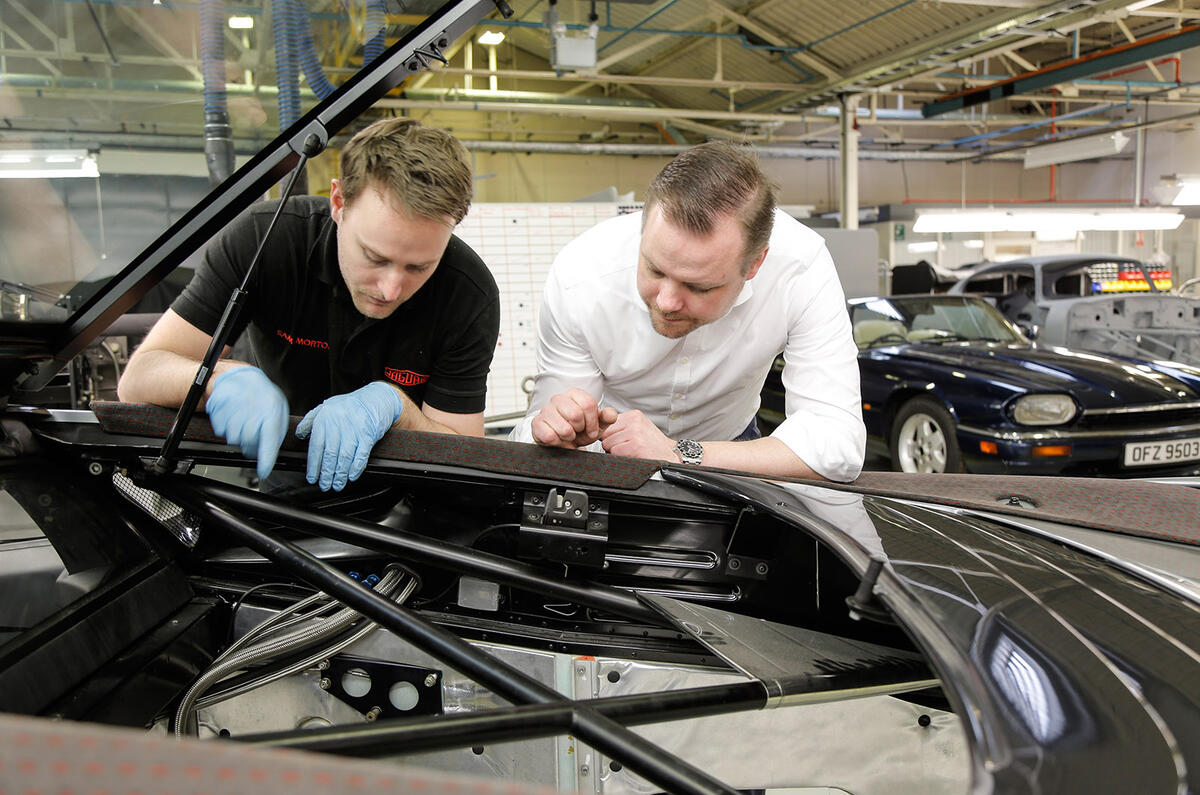
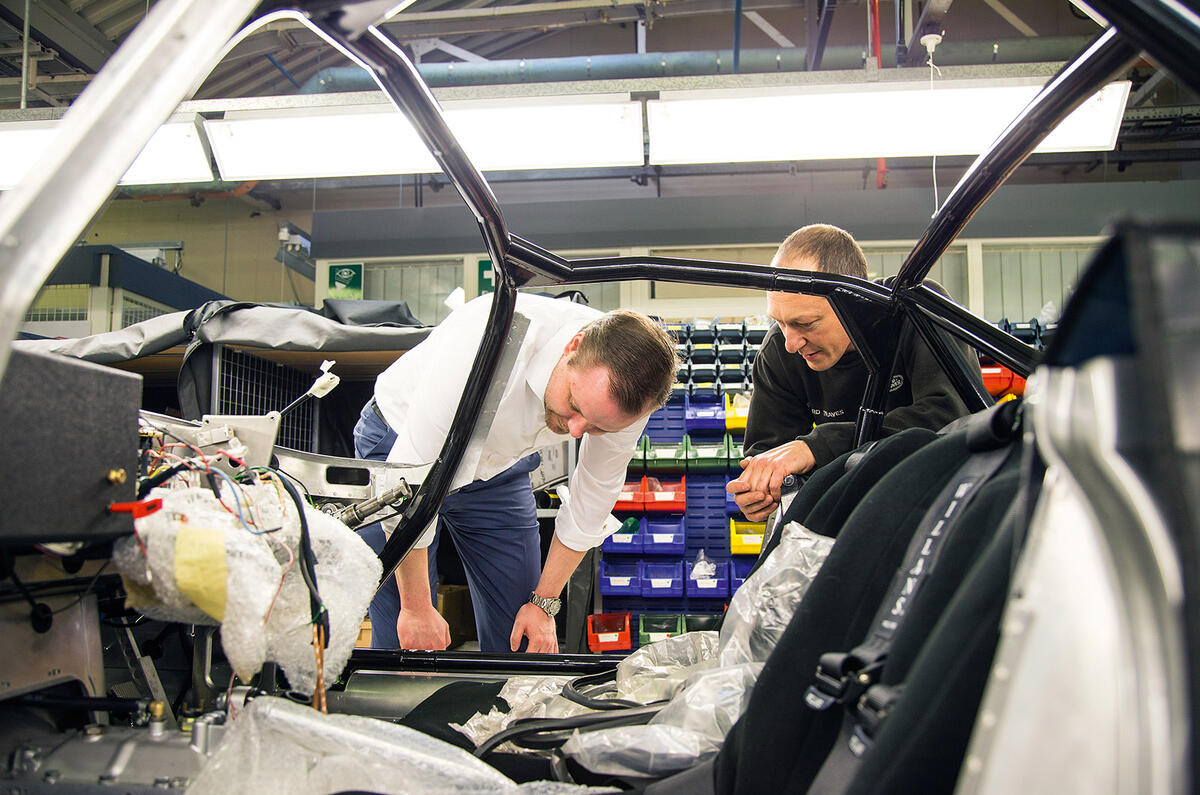
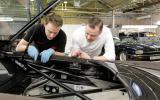
While we were strolling through the Browns Lane workshop, taking in the inspirational sights, sounds and smells, Hannig pointed out an early XK8 that, he said, had decent mechanicals and a neat interior but was in for £30,000 worth of body repair and a full repaint job. It was a fearful amount of work for a car worth half that.
“I tried to suggest to the owner that he could get a much better car for less than the cost of the restoration,” he says, “but he just wasn’t interested. He’d owned his Jaguar for a long time, had lots of enjoyable times in it and just wanted to preserve it. The money wasn’t the issue.”


Join the debate
Add your comment
I wonder if they get the sh!t
Cover up the bloody jewellery
We saw it happen on the programme 'Making a million pound car'. The presenter jangling about with his gold bracelet after the first car was built.
FFS if they want to be taken serious cover up the f***ing jewellery!!! These are not £10,000 Fiat Punto's. There are people's pride and joy. Very wealthy people who probably have a second or third car worth restoring.
Timing!