





Currently reading: Dacia Spring reinvented as sub-£18k EV with 155-mile range

Second-generation Spring leads new model push that will also bring an electric Sandero

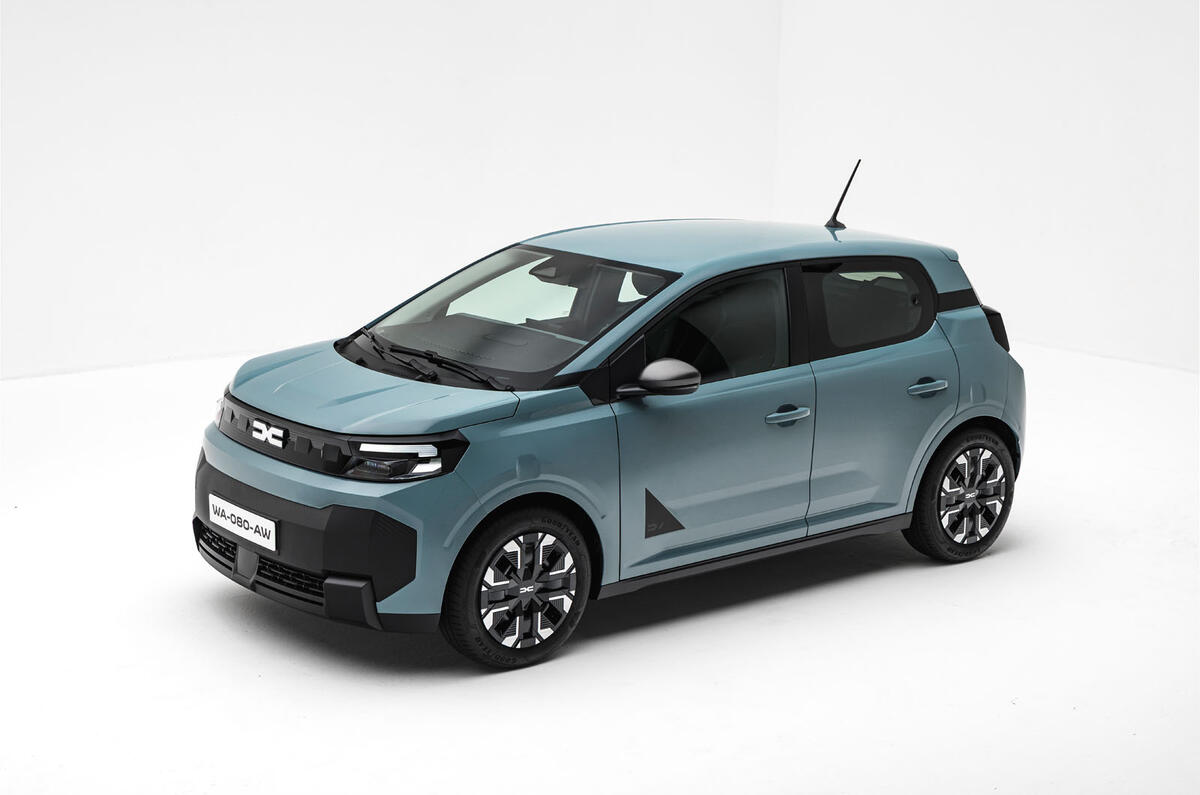
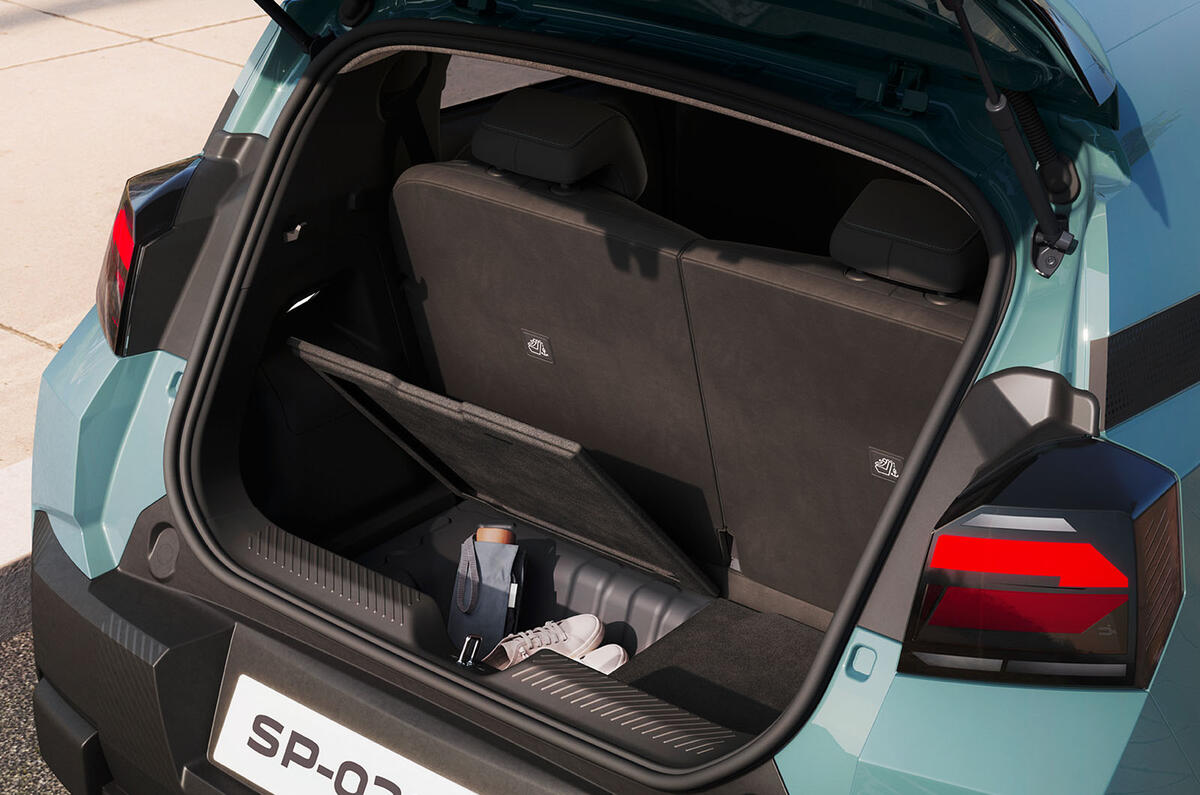
Dacia has reinvented its Spring city car as a value-focused Renault Twingo sibling with four seats, a range of 155 miles and a price that will make it one of the UK's cheapest cars.

The Romanian brand's answer to the upcoming Citroën 2CV has gone from conception to production in just 16 months - quicker than any Renault Group model yet. It is the first of four new EVs that Dacia will launch by 2030, at a rate of around one per year.

A new-generation Sandero with the option of electric power is among those four, and EV equivalents to the Duster and Bigster are likely. But brand CEO Katrin Adt told Autocar that the new Spring is arriving first because it is "exactly the right moment" for Dacia to double down on the city car segment.

The outgoing Spring has sold more than 210,000 units in Europe in just five years, and while Adt declined to give a precise volume ambition for the new car, she said "there is a place for us to be successful" with the Mk2. "We built up that market," she added. "We were number one in the A-segment last year with an electric car, and now we have a product that is even better-priced and which corresponds even more to customer needs."
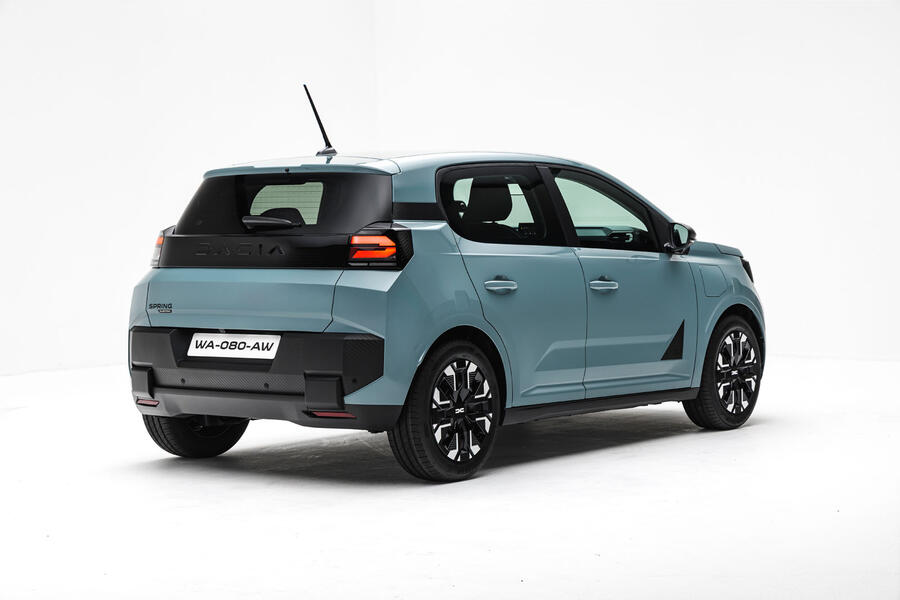
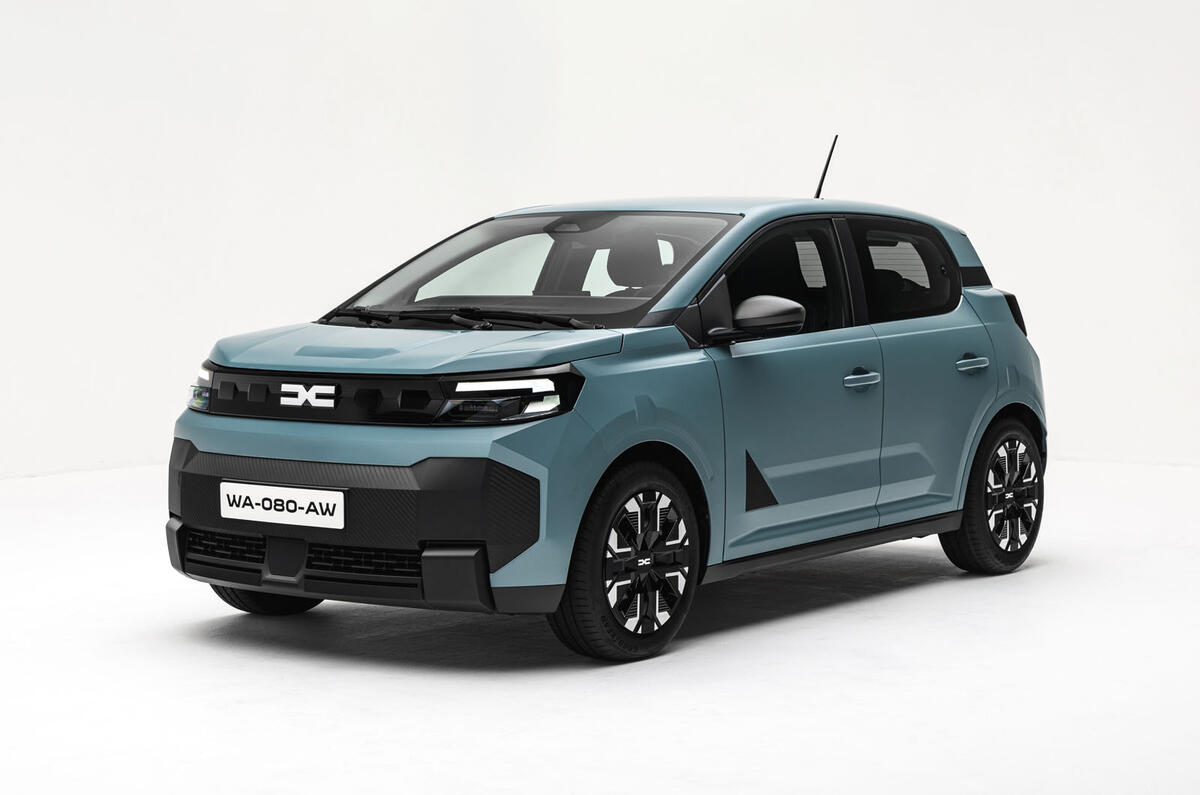
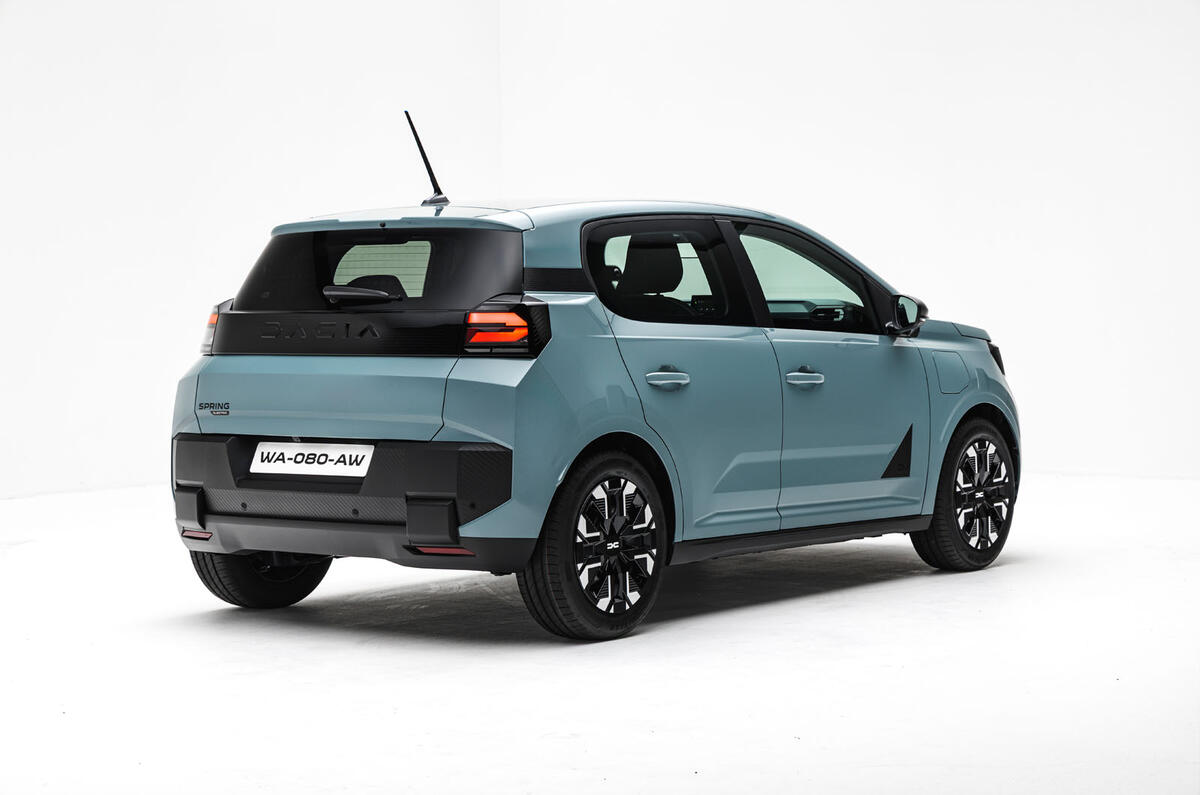
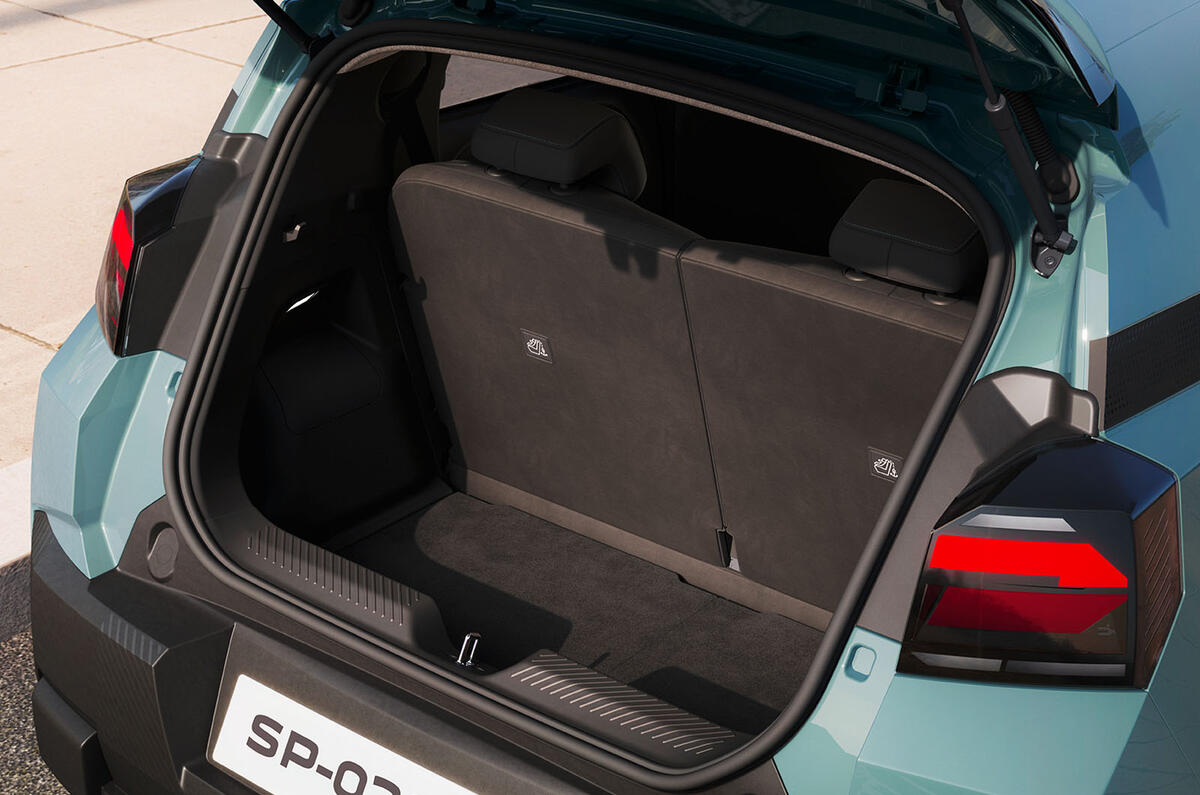
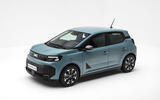
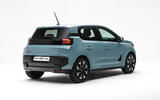
Mk2 Dacia Spring – rear quarter

Adt said declining demand for new cars in Europe is reflective of the fact that "cars are getting too expensive", which stokes the need for a resurgence of small, affordable hatchbacks in the vein of the Spring.

To that end, when the Spring lands in the UK in the first half of next year, prices are initially set to start at just below £18,000. However, given that it will be built in Slovenia alongside the Twingo, it could be eligible for a £3750 discount under the Electric Car Grant scheme, which would bring it down nearer to £14,000.

It will come with just one powertrain, combining a 27.5kWh battery with a 79bhp front-mounted motor for 0-62mph in 12.1sec and 155 miles of WLTP-certified range. That's enough to meet "the real needs of customers", according to Dacia, referencing the fact that the average Spring owner travels just 13 miles a day, at an average of 13mph usually using the supermini as a second car. The vast majority (75%) also plug in at home, which makes the new Spring's maximum charging speed of 50kW less inhibitive.

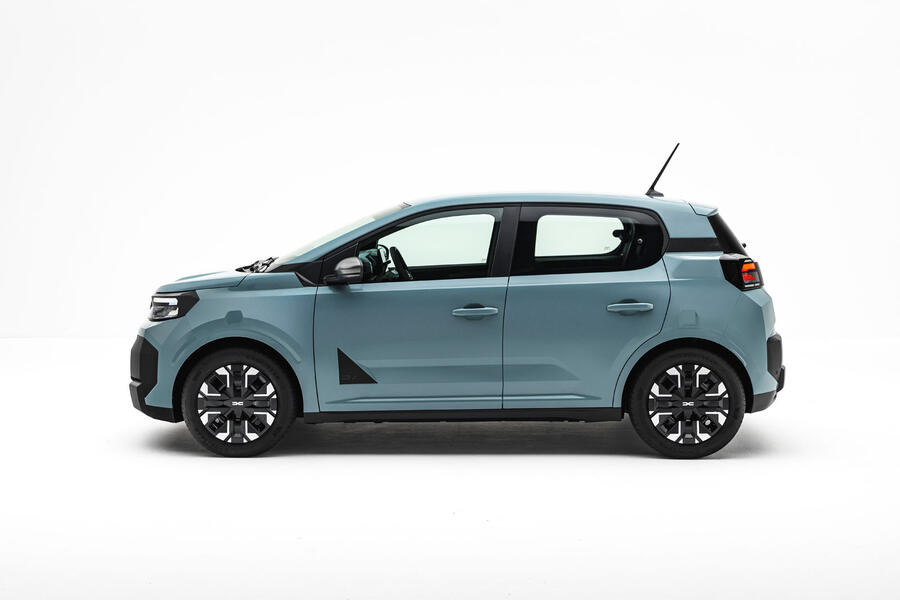
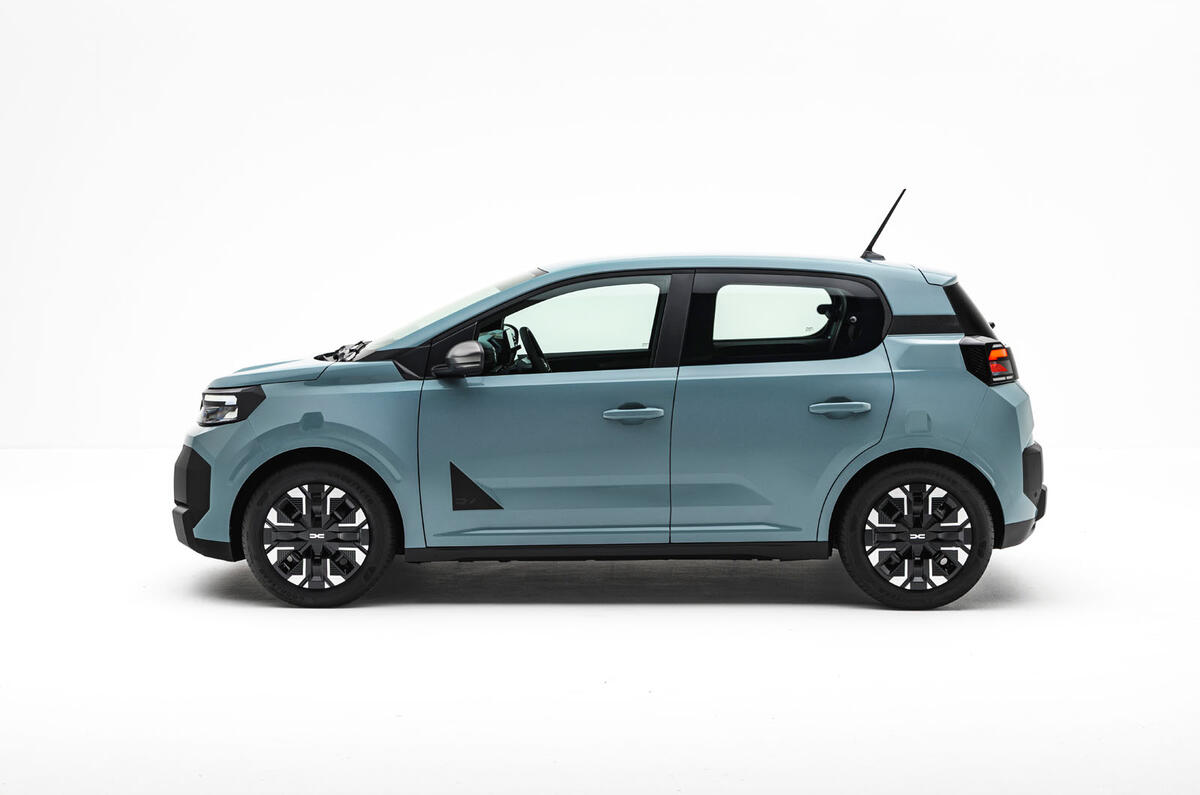
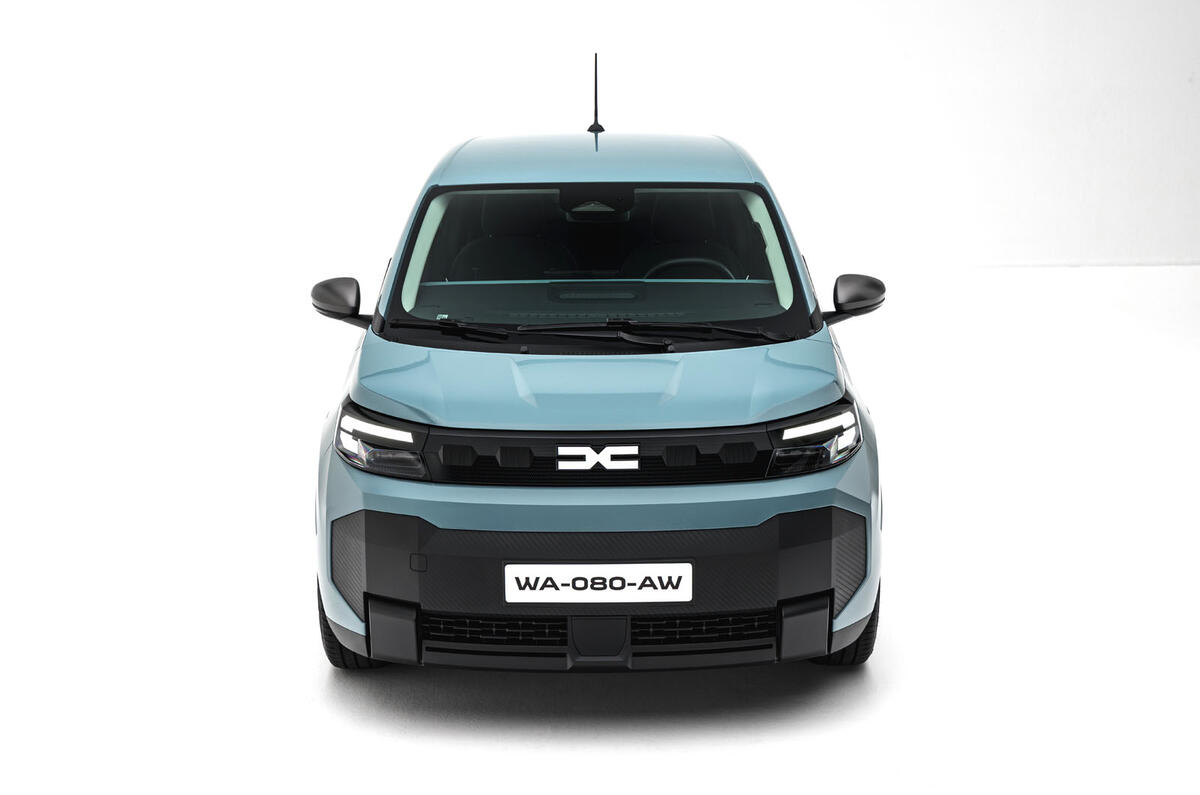
Occupying roughly the same footprint as the Twingo, the Spring is 3850mm long, 1740mm wide and 1490mm tall. That makes it significantly larger in all respects than its predecessor, and its chunky bumpers, swollen arches and bluff proportions give it what Dacia design boss David Durand calls a "tough, well-balanced stance".

Back to top

Mk2 Dacia Spring – side

He told Autocar that when designing the city car, "the challenge was to make it tougher than the previous Spring". He acknowledged the commercial success of the outgoing car, but said it would have had even more success "with better proportions - it was a bit narrow, with small wheels".

Moving the second-generation car onto a larger, EV-oriented platform allowed Durand to "express the good Dacia proportions". He highlighted the design cues that set the Spring apart from its French sibling.

"The Twingo is a smiling, round car with funky-pop colours," he said. "We are the more modern, serious, chunky little electric car."

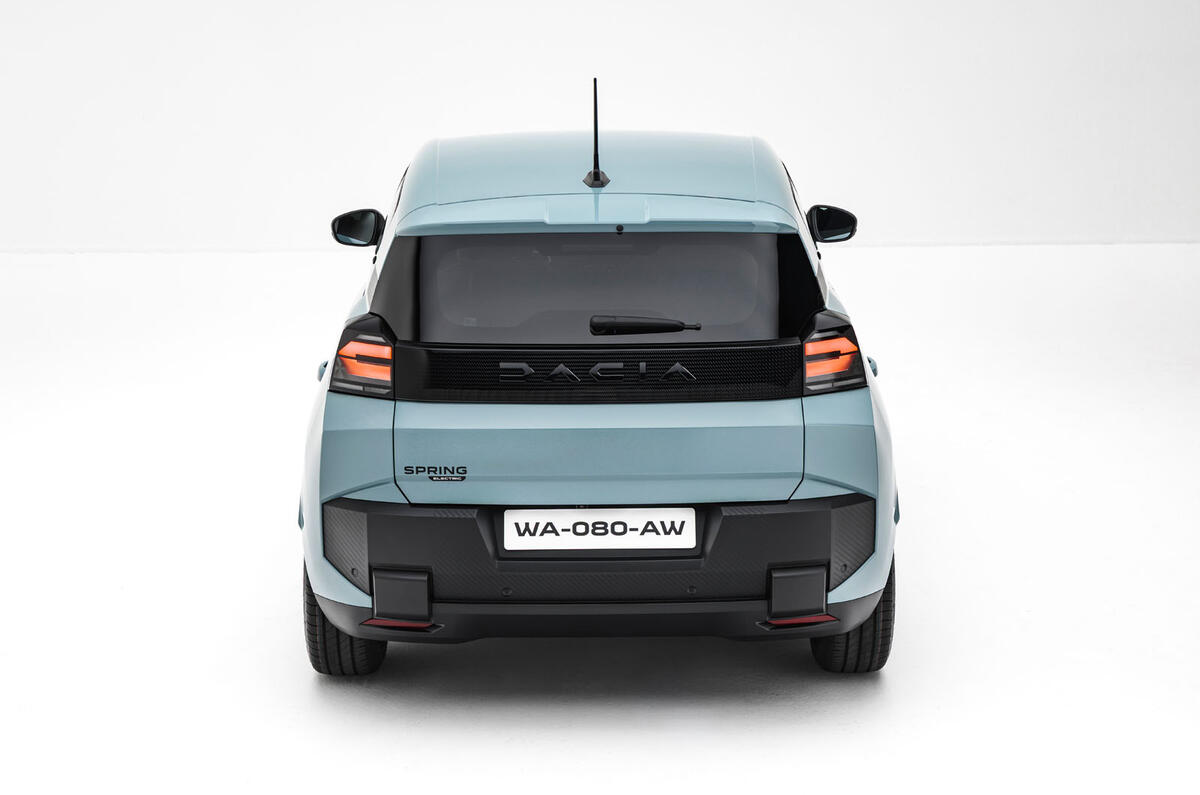
In particular, Durand highlighted the extra 60mm of rear overhang in the Spring, which gives it a beefier rear end while maximising space in the back seat and boot - important because the Dacia forgoes the Twingo's sliding rear bench.

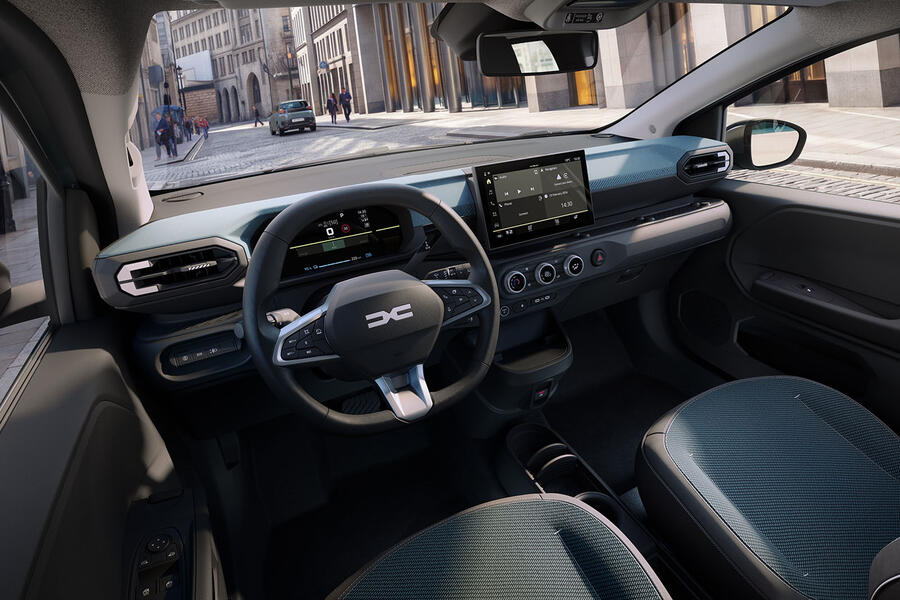
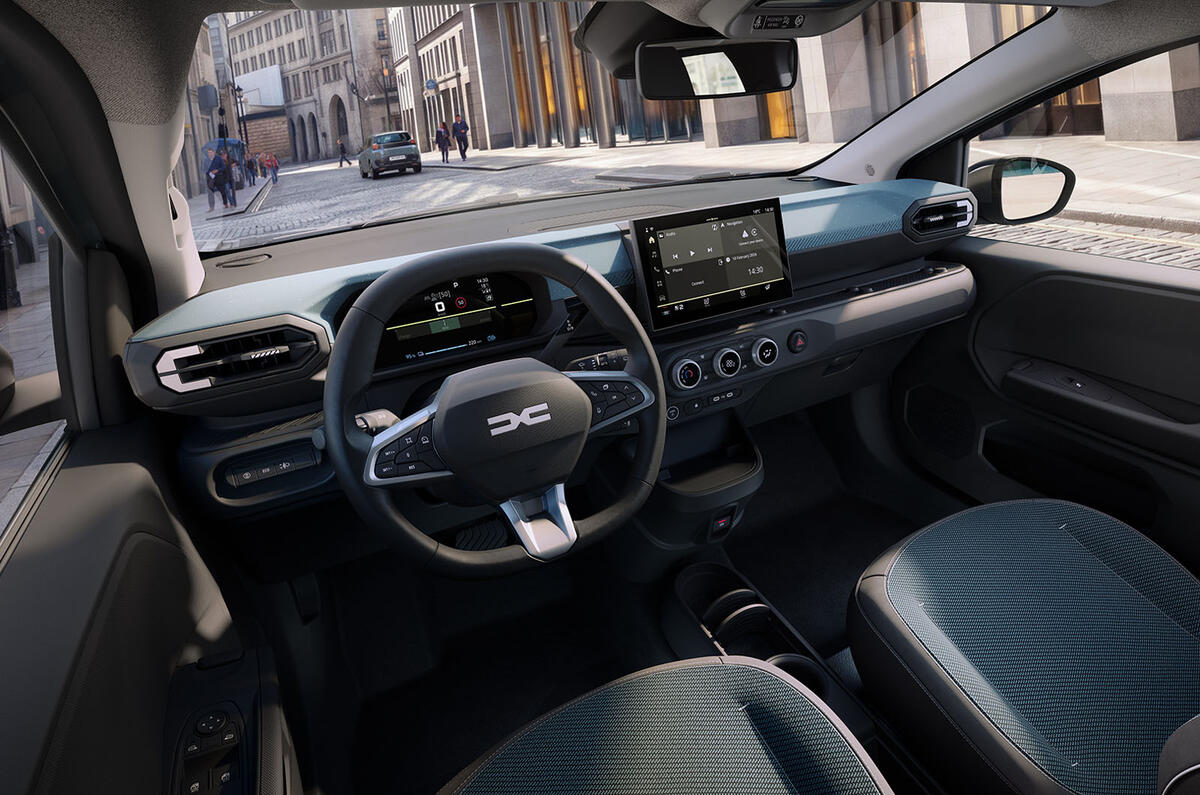
Mk2 Dacia Spring interior

Back to top

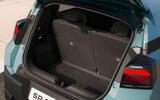
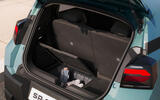
Nonetheless, with 337 litres of load capacity - including an underfloor tray the Spring's boot is almost as big as that of the larger Renault 5 and, unlike the Twingo, it has a small, 18-litre frunk, enabled partly by its higher-set, flatter-fronted bonnet.

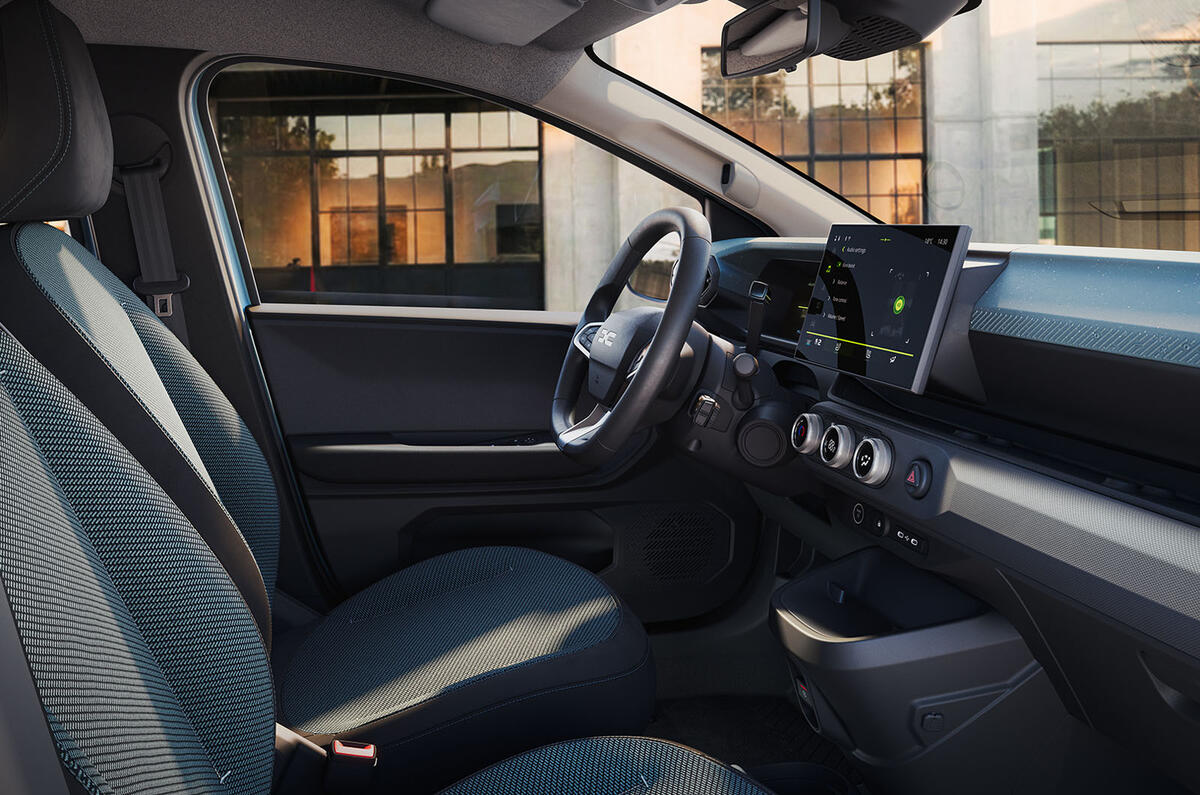
All bodywork below the window line is bespoke to the Spring, as is much of the interior-down to the trademark hexagonal air vents and YouClip mounting points for the installation of various Dacia accessories, including phone charger stays, bag hooks and extra cupholders. The entry-level Expression car comes with a smartphone mount in place of an infotainment display, while top-spec Journey adds a 10.1in touchscreen.

The new Spring will be a notably more capable car than the outgoing model in its power, range, tech and interior space. However, its expected price of just under £18,000 is significantly higher than the outgoing car's £11,990 (or £12,990 with a 100bhp motor). Even if the new Spring receives a full £3750 discount through the Electric Car Grant, it will give up its position as the UK's cheapest new car to the £12,995 Leapmotor T03.

Q&A: Katrin Adt, CEO, Dacia

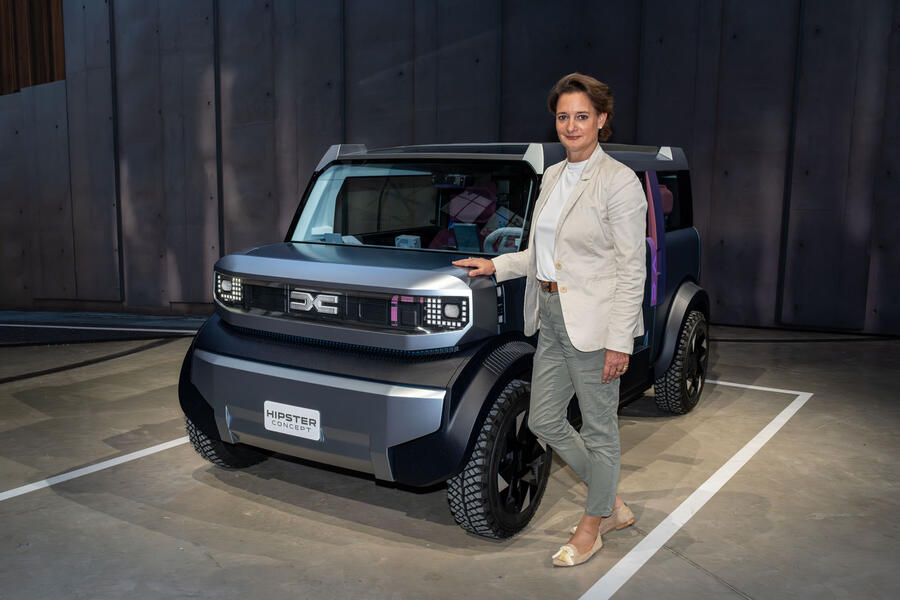
Katrin Adt

Is it challenging to embody Dacia’s rugged, outdoors values in a tiny city car?

It might be less ‘outdoor’ in its usage, but if you look at our line-up, there are cars which have more of some brand values than others, and I guess a car in the A-segment cannot be as ‘outdoor’ as a Bigster 4x4. But you see those attributes also, and you see the design language, which is very consistent.”

Can you make a profit on a small electric car like this?

“We would only do projects where we are profitable because otherwise our business model would not be sustainable. This is not good for our customers, either. We use the Dacia recipe to be profitable: this is first and foremost to concentrate on what is essential for customers and to deprioritise everything else.”

How could regulators make it easier for you to build cars like this?

Back to top

“We have fulfilled around 100 [safety and emissions] regulations so far, and we still have another 107 regulations to fulfil by the end of the decade – 25% of our R&D budget and 25% of our engineers are allocated to that. The question is: is that exactly what the customer needs and wants? Because the most used button in our cars is the so-called ‘magic button’ where you can switch off all the beeps. So we have asked the European Commission – together with other manufacturers – to have a regulation freeze on small cars to get a chance to offer more affordable mobility.”

So is this as close as you can get to building the Hipster microcar, for now?

“Stay tuned…”

Join our WhatsApp community and be the first to read about the latest news and reviews wowing the car world. Our community is the best, easiest and most direct place to tap into the minds of Autocar, and if you join you’ll also be treated to unique WhatsApp content. You can leave at any time after joining - check our full privacy policy here.

Felix Page

Felix Page
Title: Deputy editor

Felix is Autocar's deputy editor, responsible for leading the brand's agenda-shaping coverage across all facets of the global automotive industry - both in print and online.

He has interviewed the most powerful and widely respected people in motoring, covered the reveals and launches of today's most important cars, and broken some of the biggest automotive stories of the last few years.