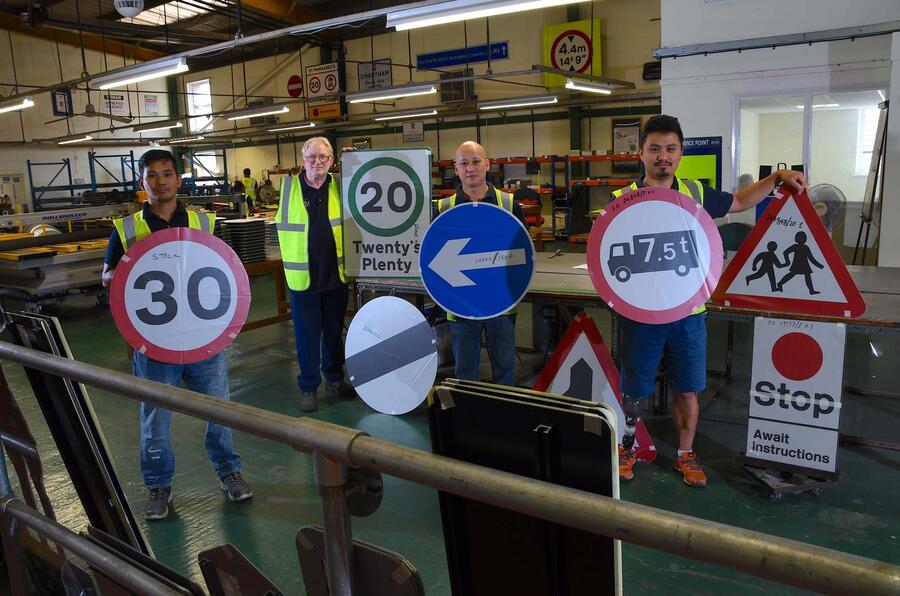

Listen hard enough and even a road sign has a story to tell. Like the one about Tirthraj Thapa, a rifleman in the Royal Gurkha Rifles who, in 2010, was on patrol in Afghanistan when he stood on an IED. It blew his left leg off.
He was immediately evacuated to Camp Bastion for emergency treatment from where, the following day, he was flown to a UK military hospital. He was in intensive care for three weeks. He was then moved to Headley Court, the military rehabilitation centre near Leatherhead in Surrey, where he remained for two years, recovering from his injuries and learning to walk using a prosthetic leg.
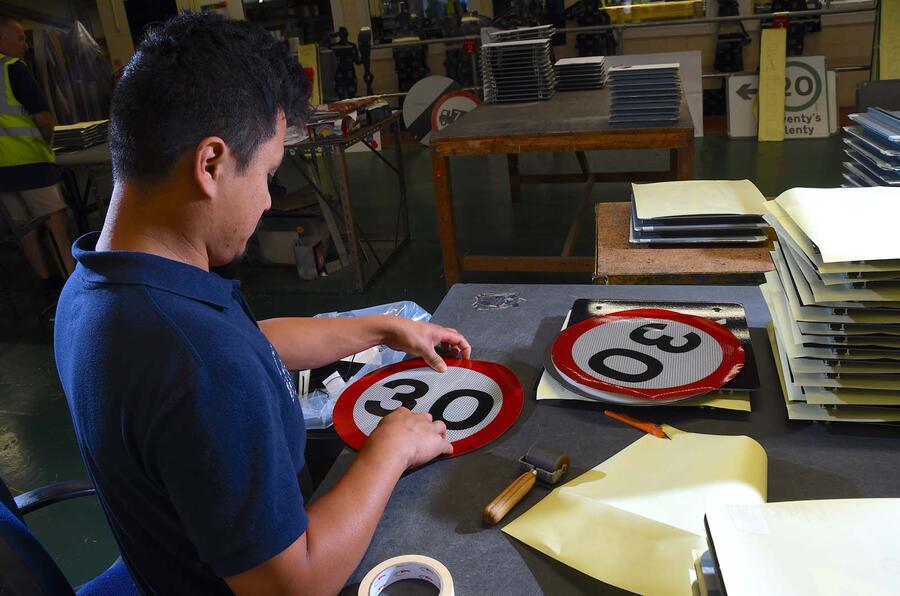
Eight years after he stepped on that roadside bomb, Tirthraj, 33, smiles as he describes his life today. Married with two children, he loves driving his car to visit friends and family and is a keen golfer. He doesn’t forget – “It was tough. I suffered terrible phantom pain” – but he has learned to manage the past and focus on the future, one made possible by, of all things, road signs.
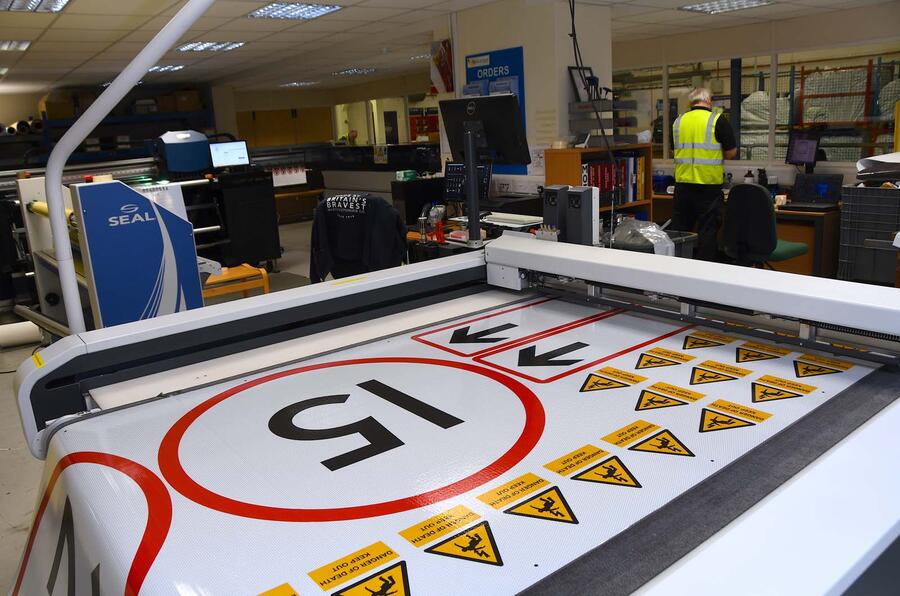
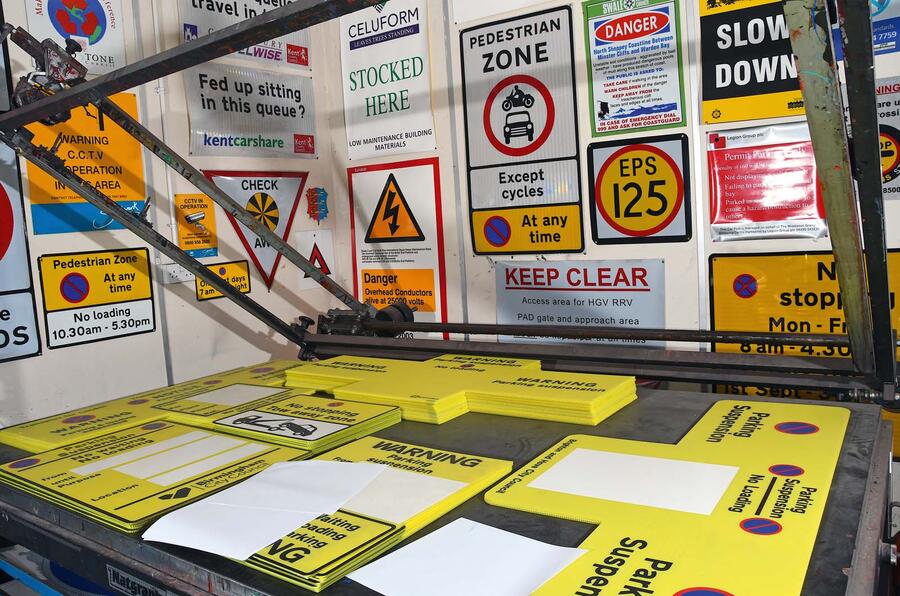
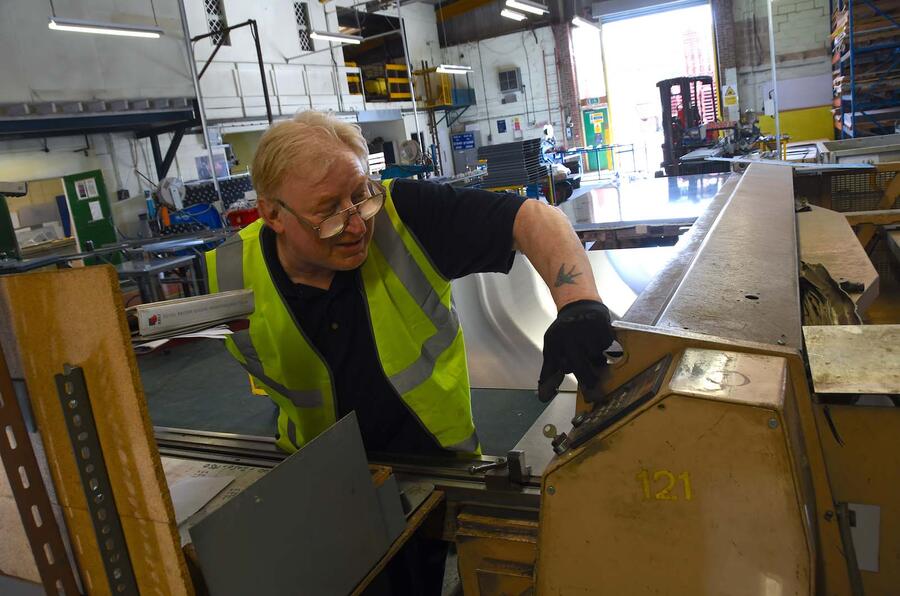
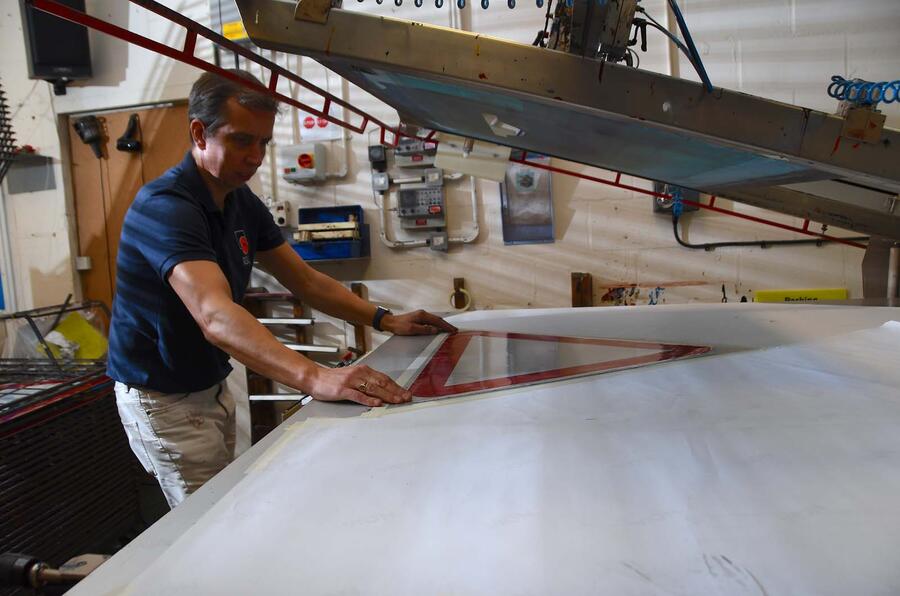
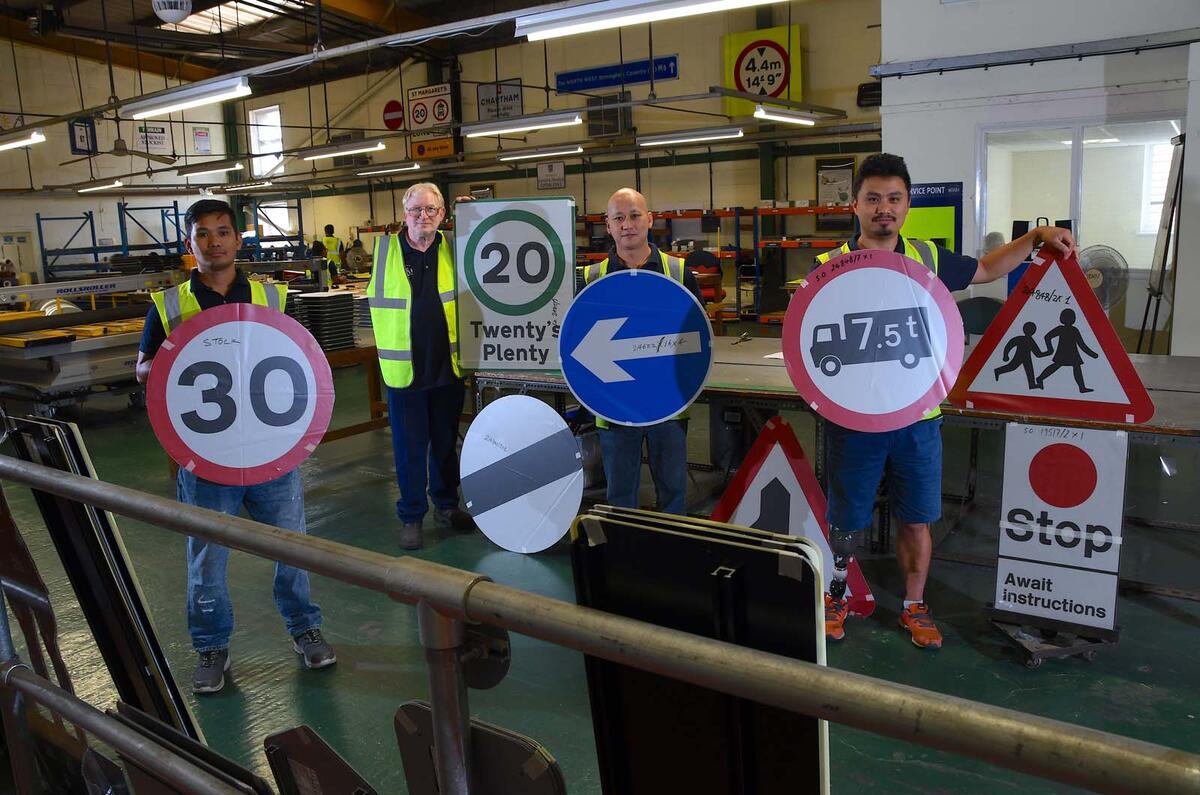
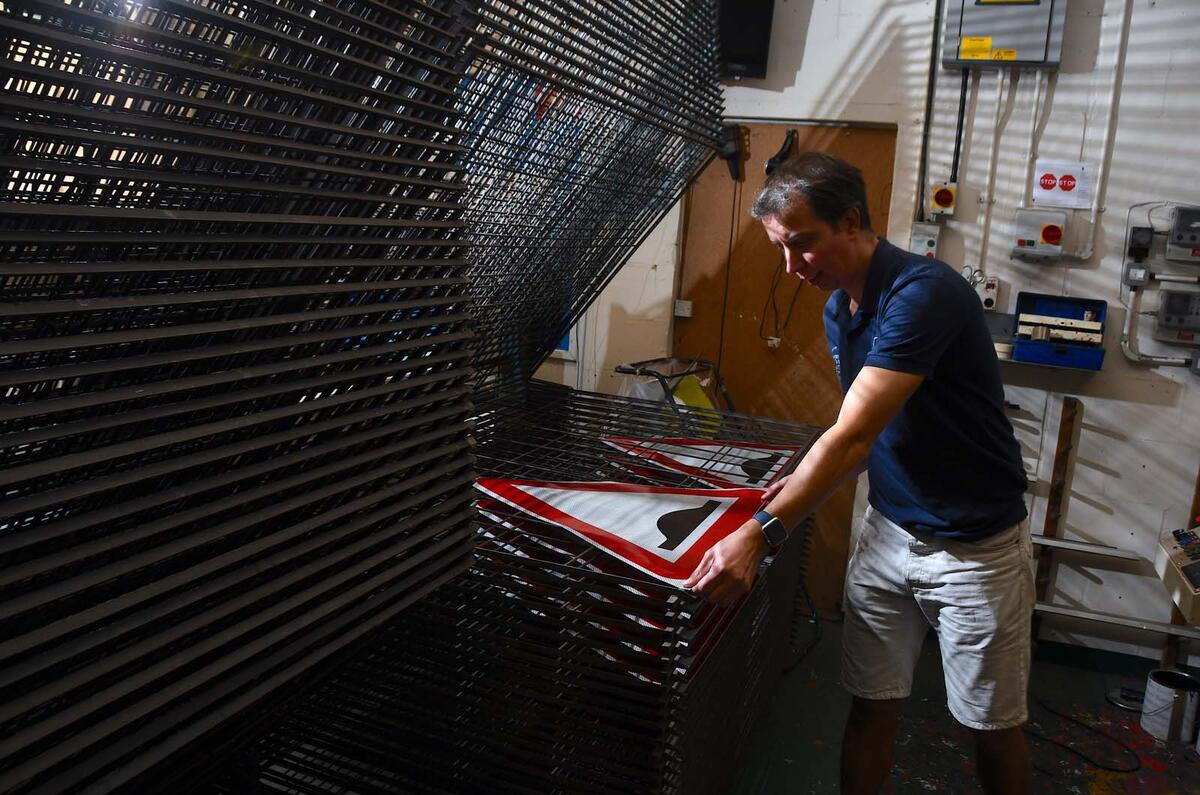
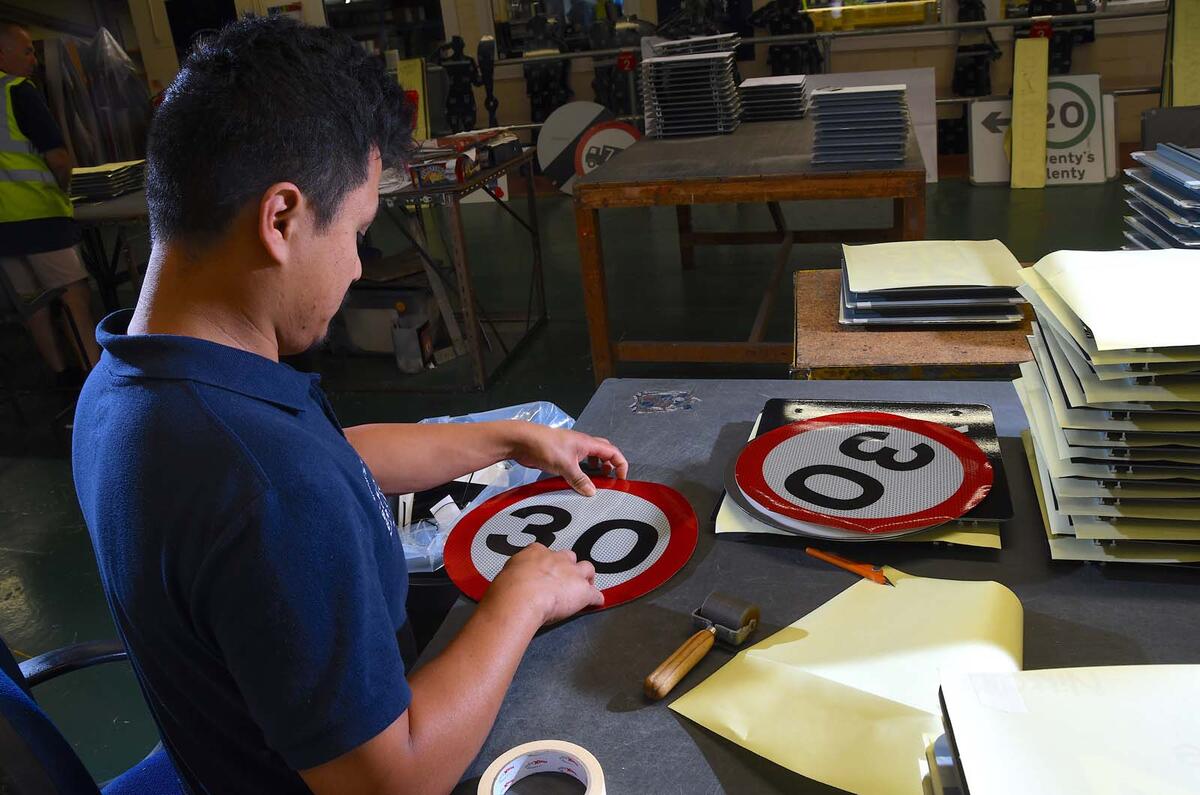
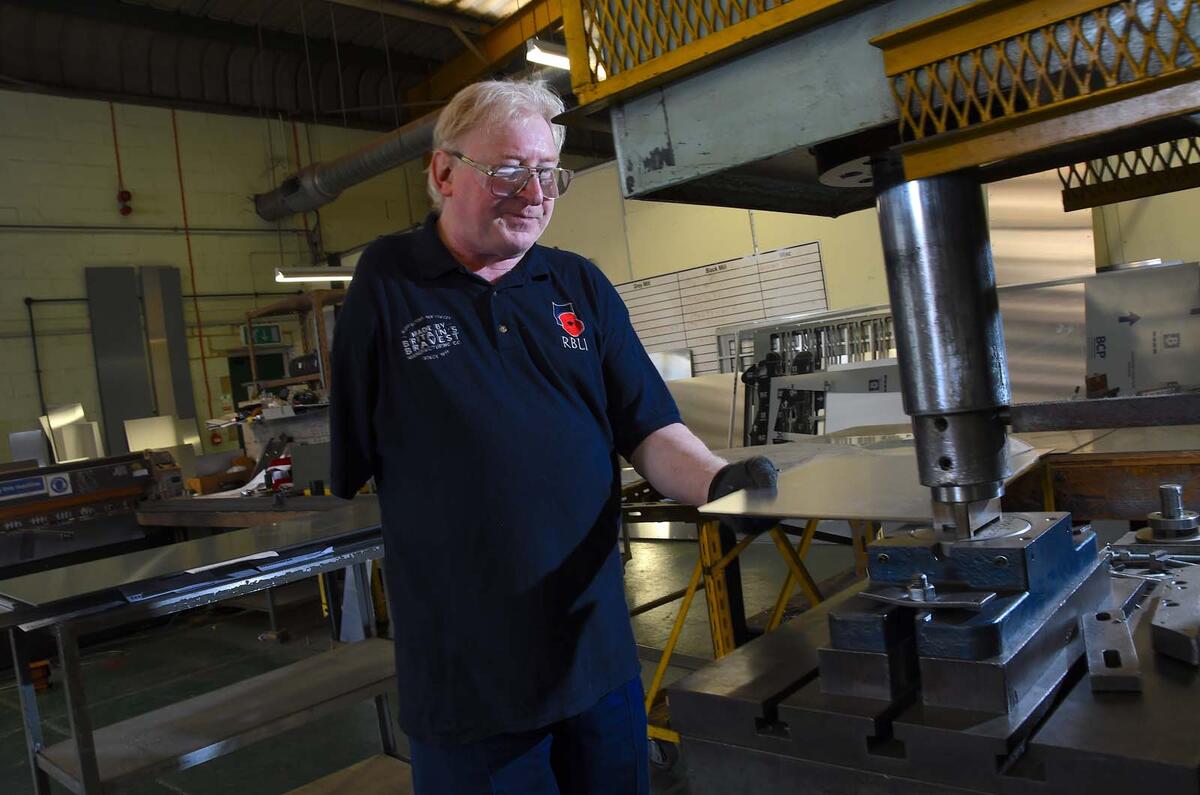
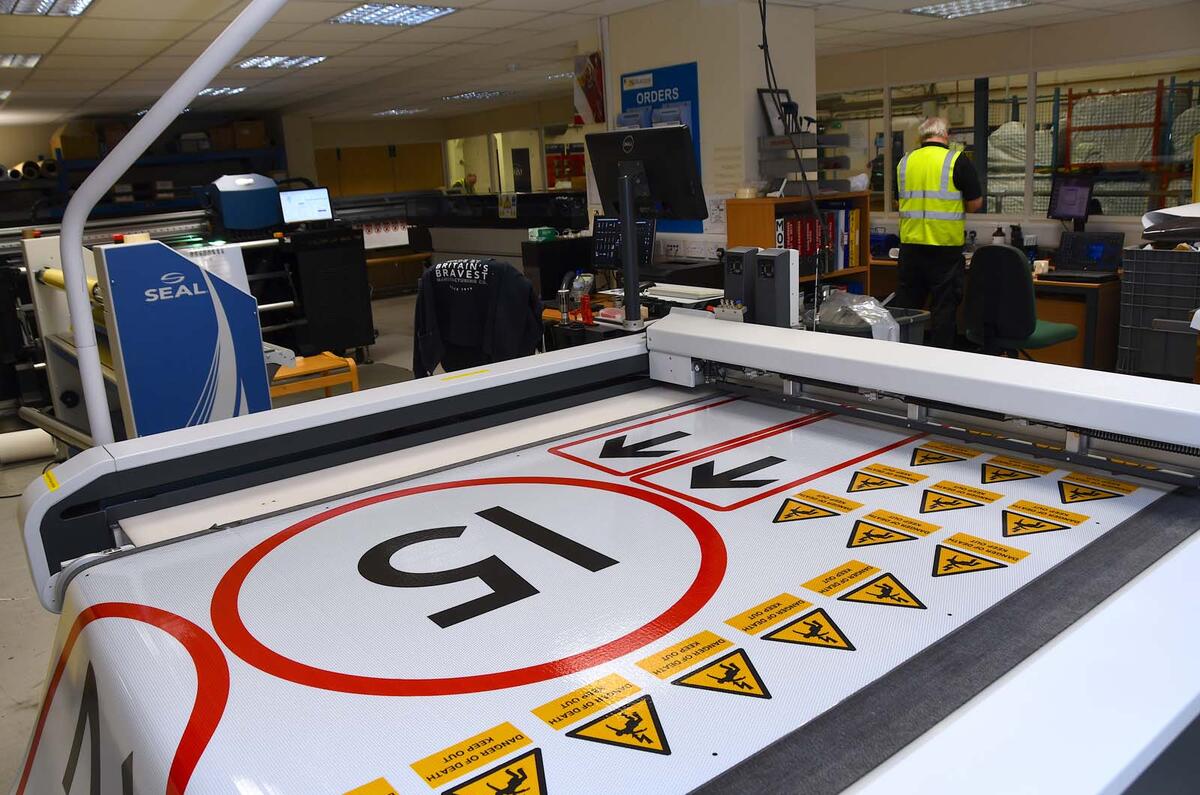
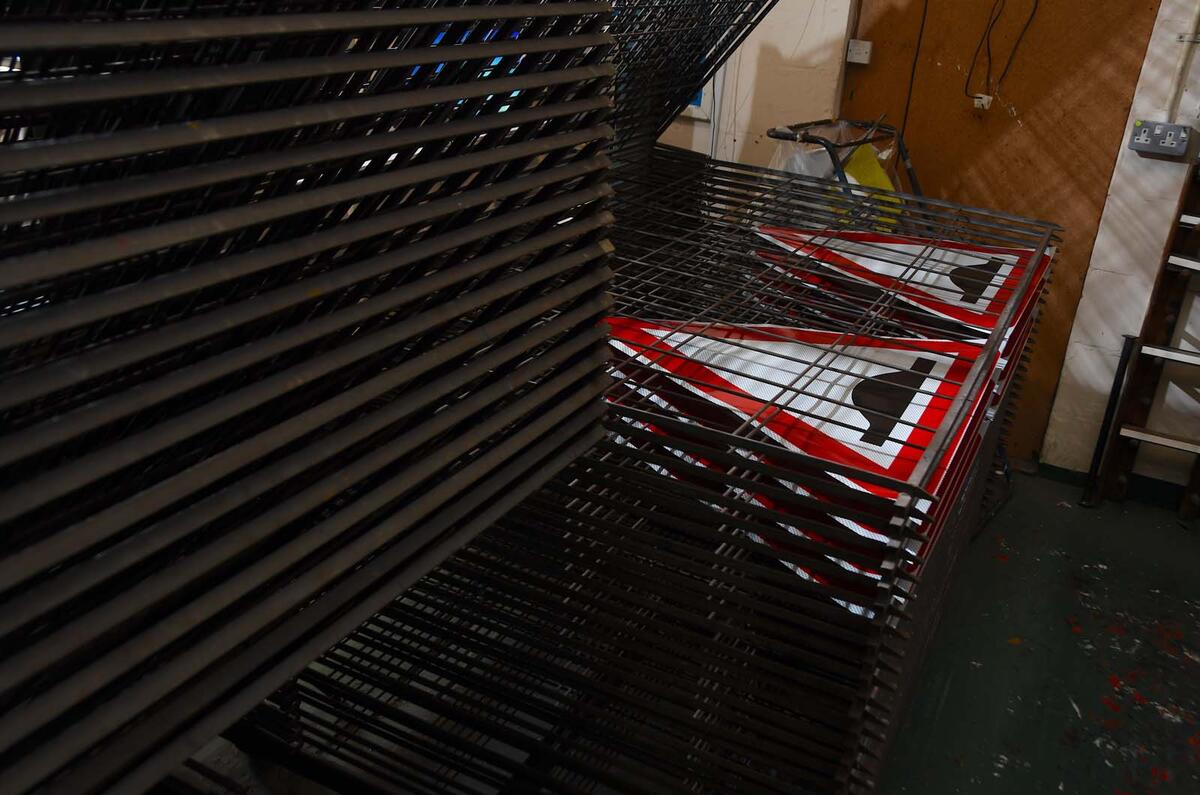
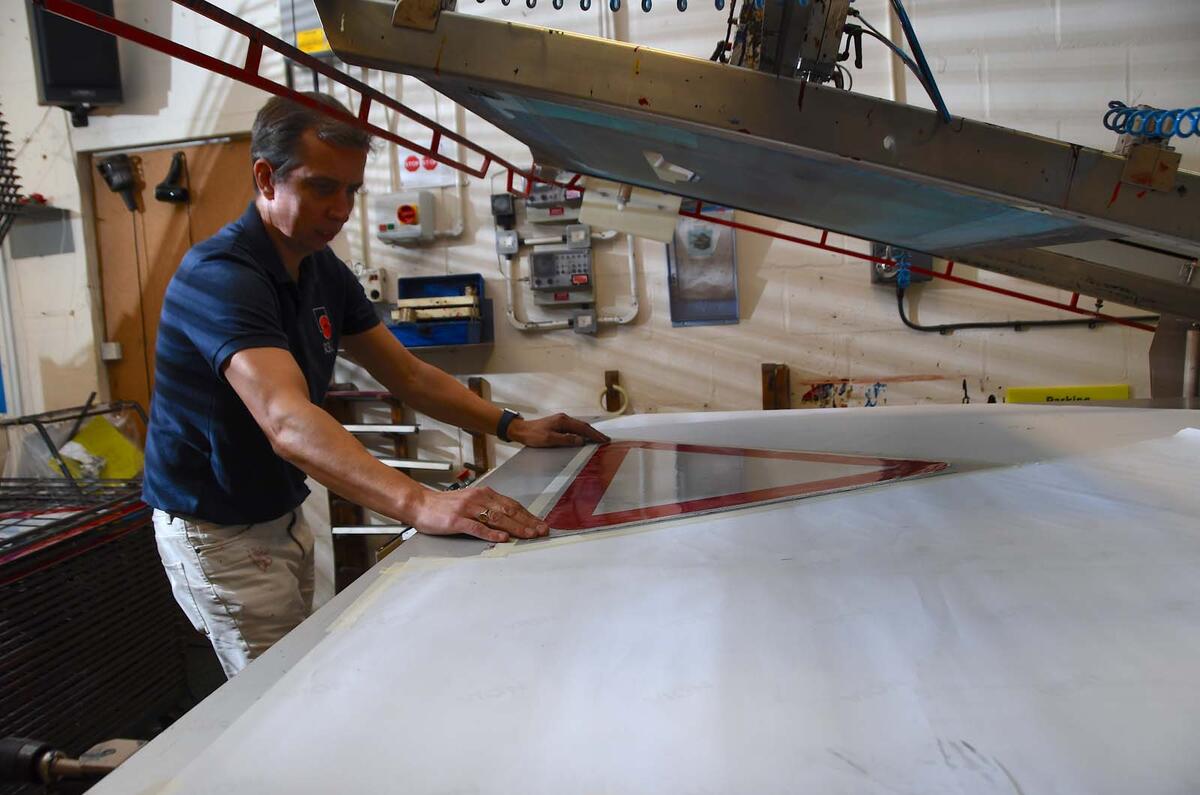
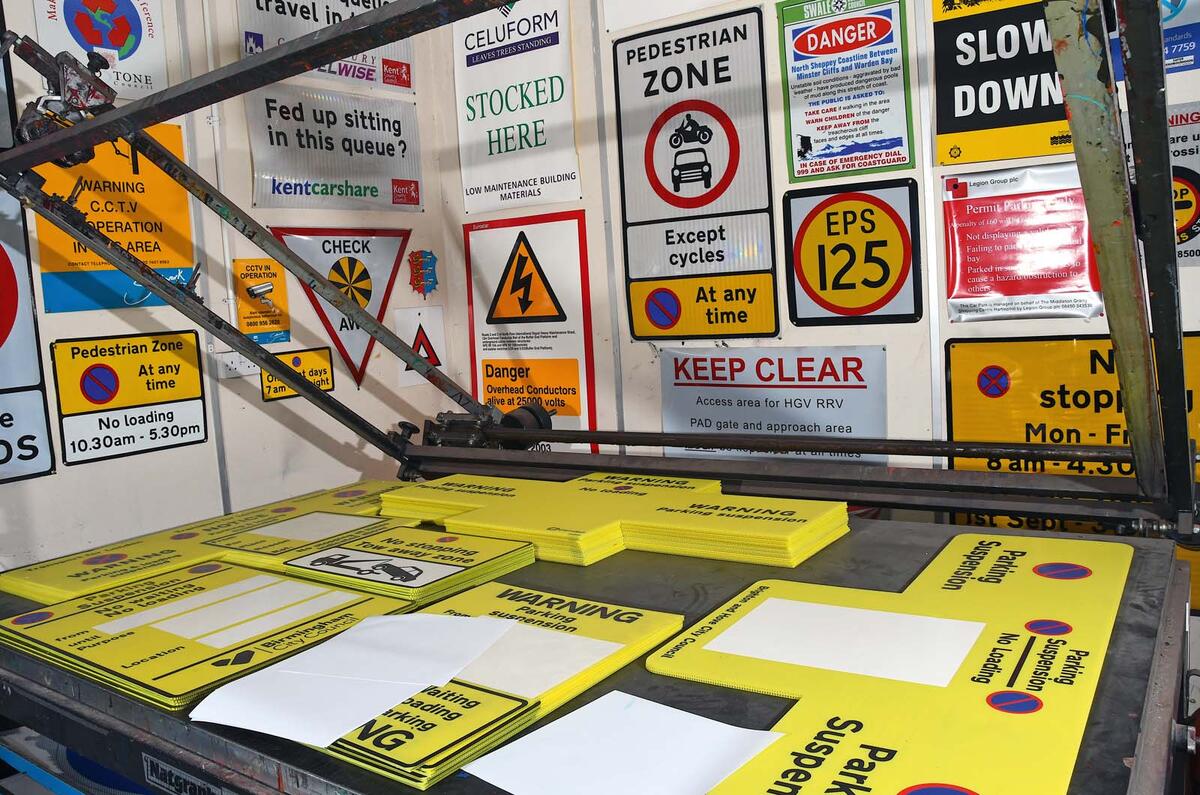
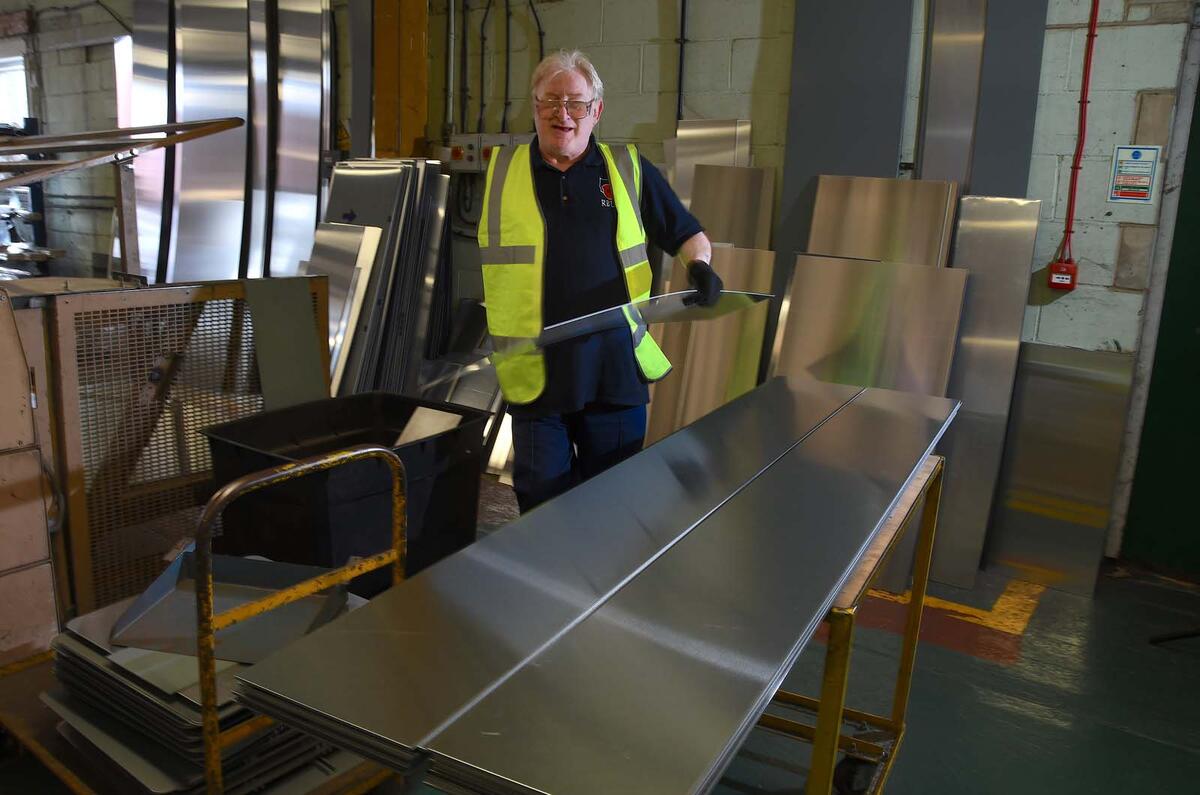
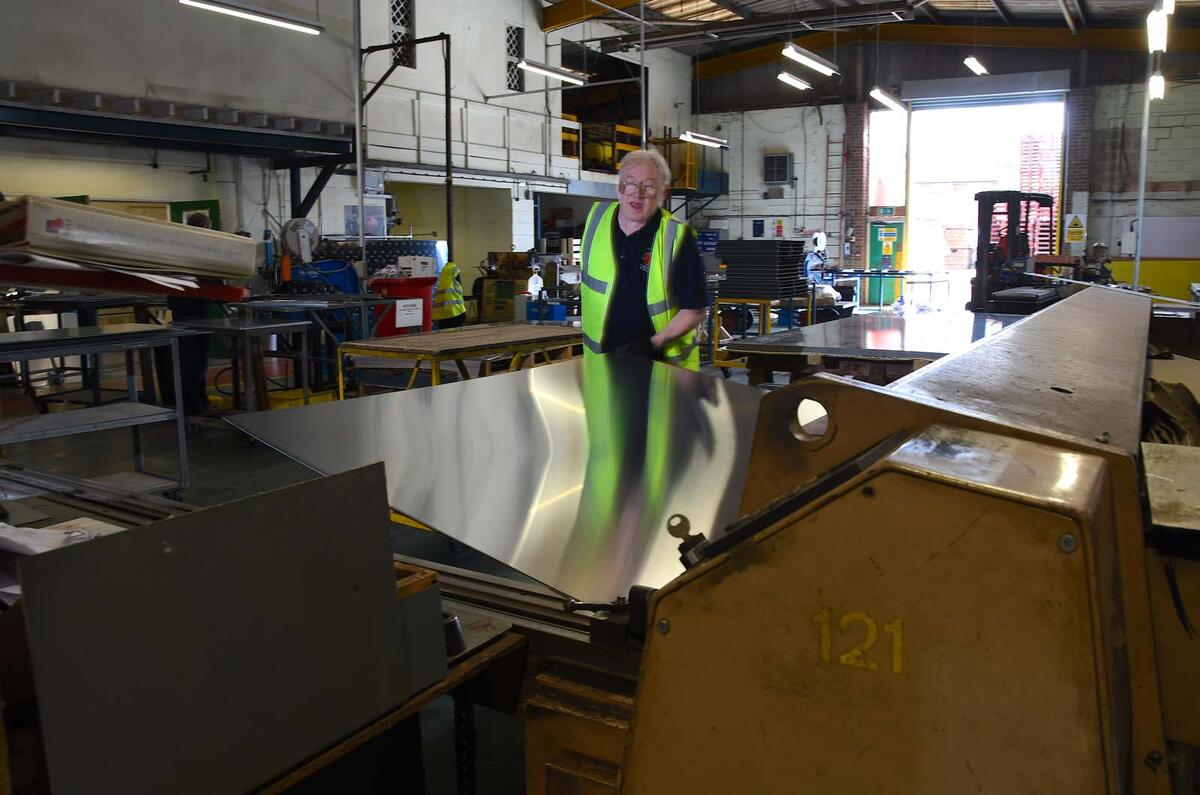
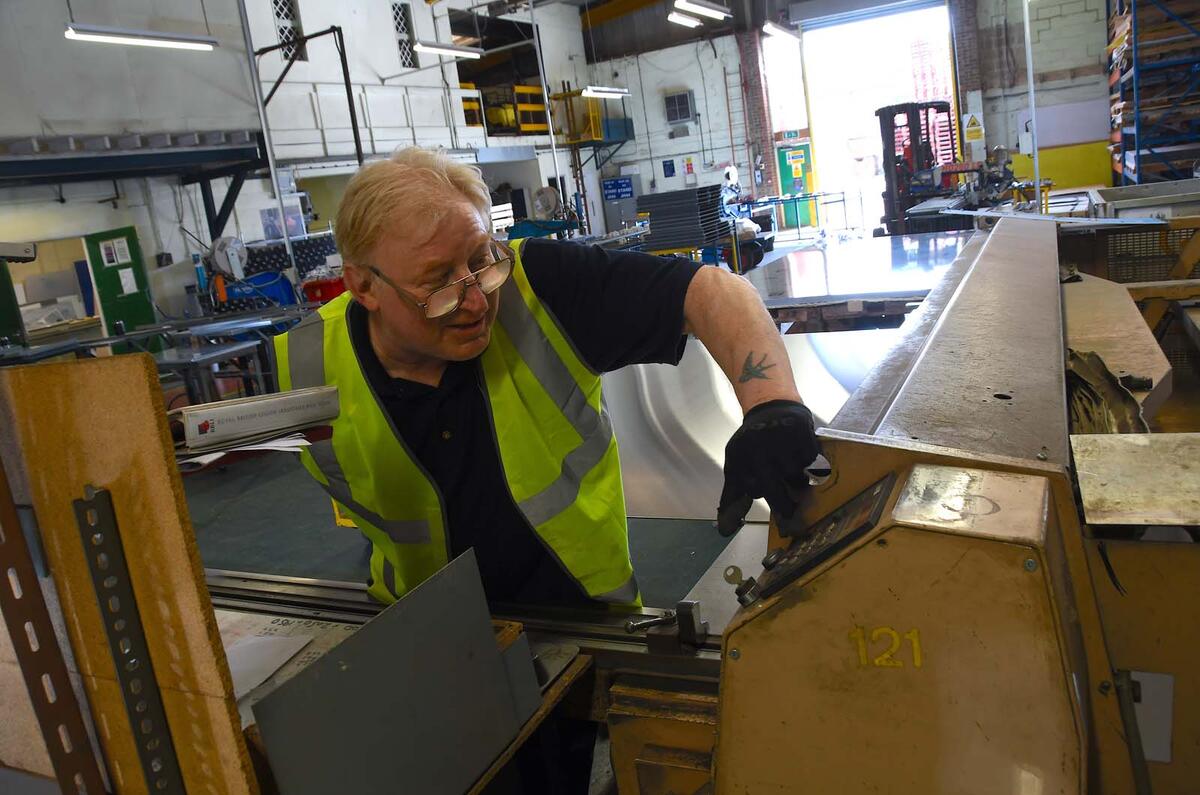
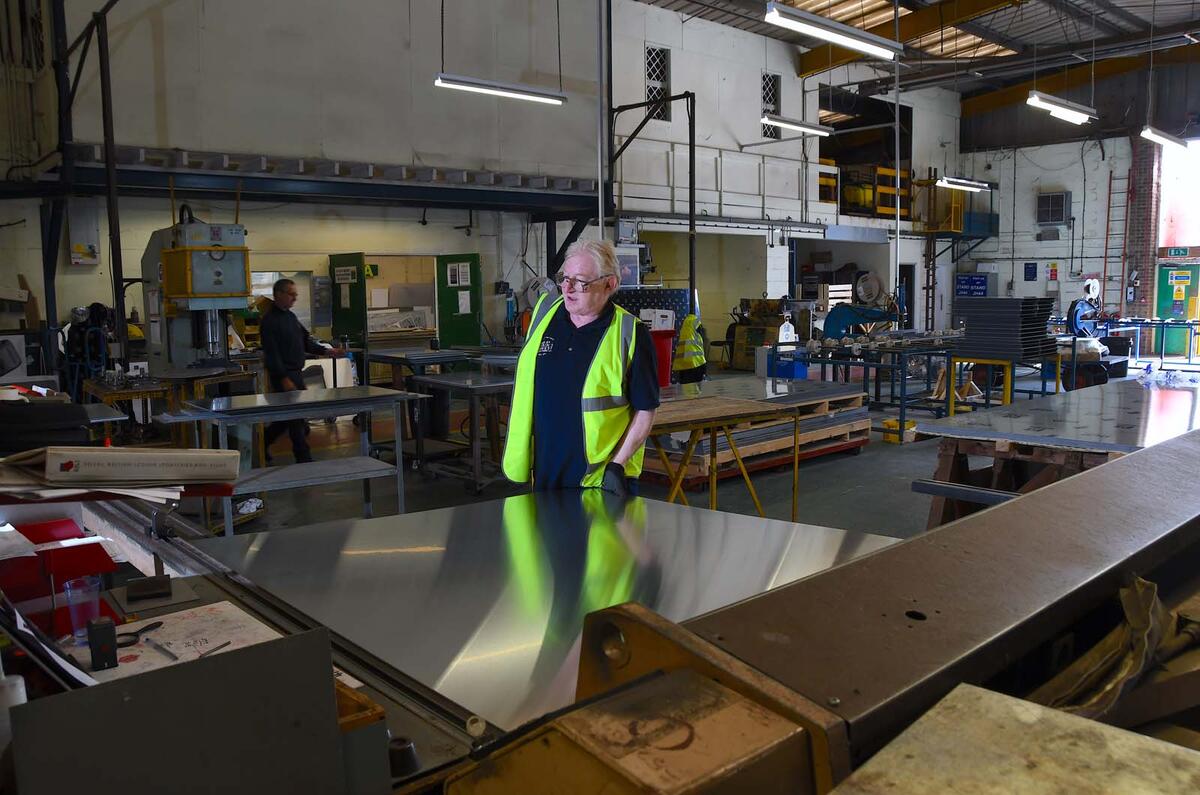
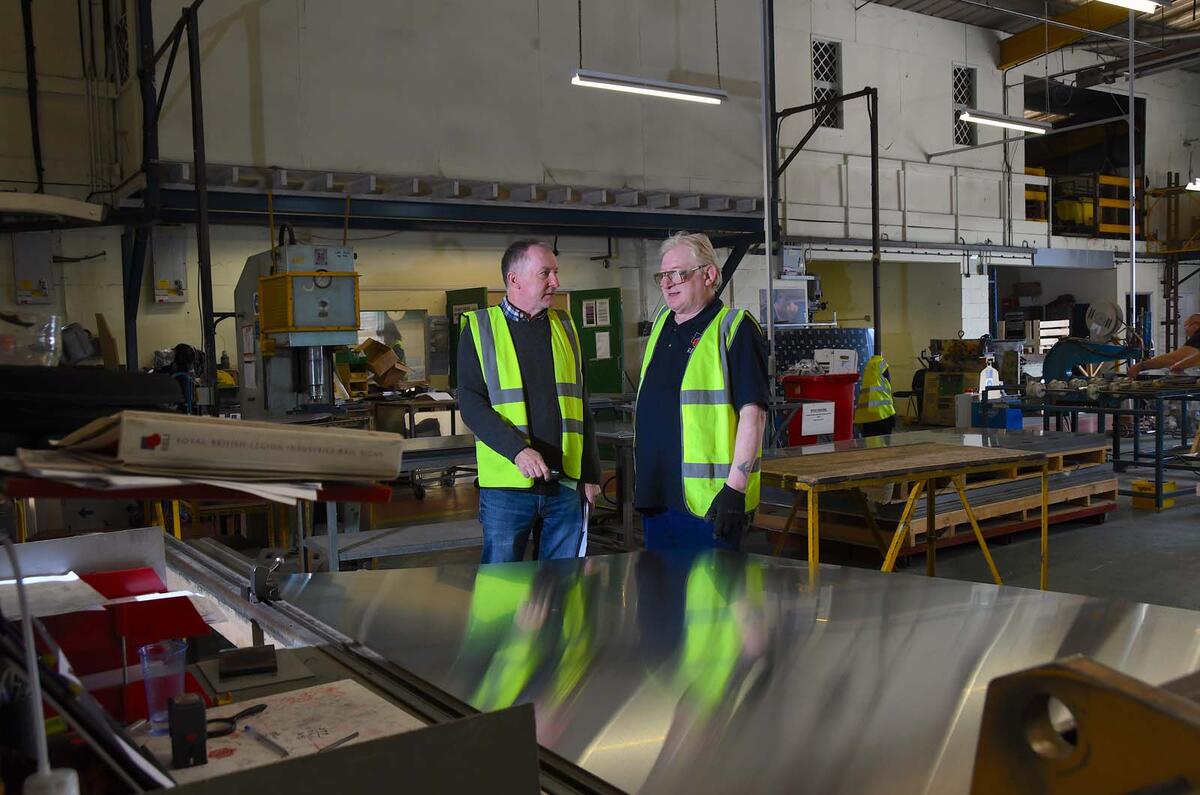
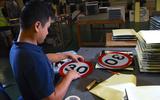
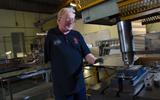
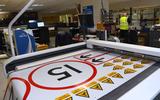
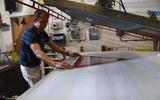
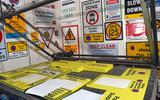
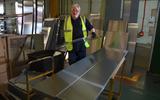
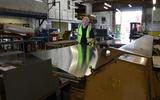
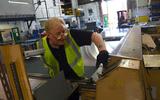
Along with more than 70 veterans of the armed forces, Tirthraj works in Royal British Legion Industries’ factory in Aylesford, Kent. He’s part of a team responsible for assembling many of the major road signs familiar to drivers in England and Wales (a new factory serving Scotland is about to open near Glasgow).
RBLI is a national charity that helps former service personnel integrate. Each year alone, 900 wounded or injured servicemen and women leave the armed forces. Unfortunately, many find the door to employment closed. RBLI supports them with work and skills training and the results are impressive.
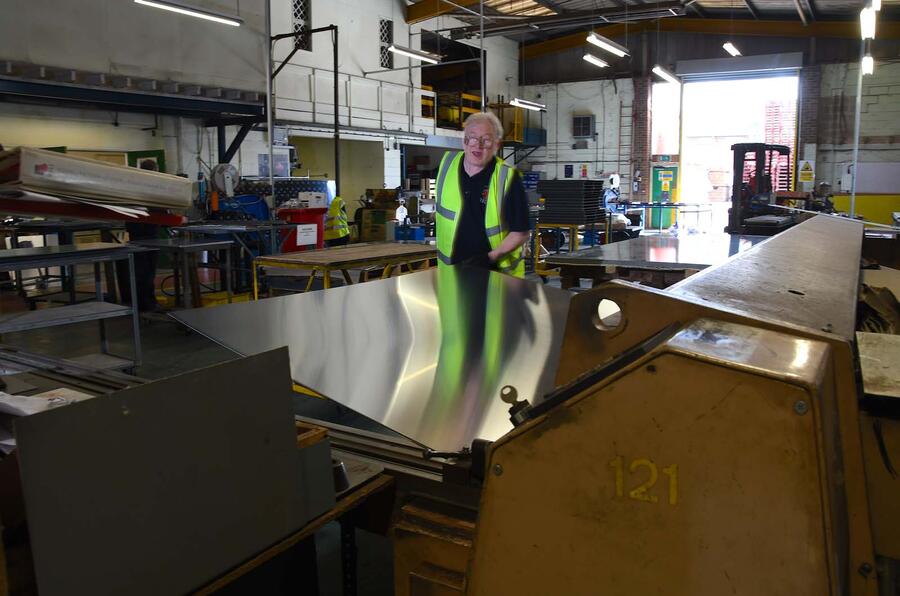
Thanks to the efforts of its workforce, 70% of whom have a physical or psychological disability, the company manufactures a range of products for the public and private sectors, turning over £5 million in the process. Some 40%, or £2m, of this comes from its road signs business, launched only six years ago.