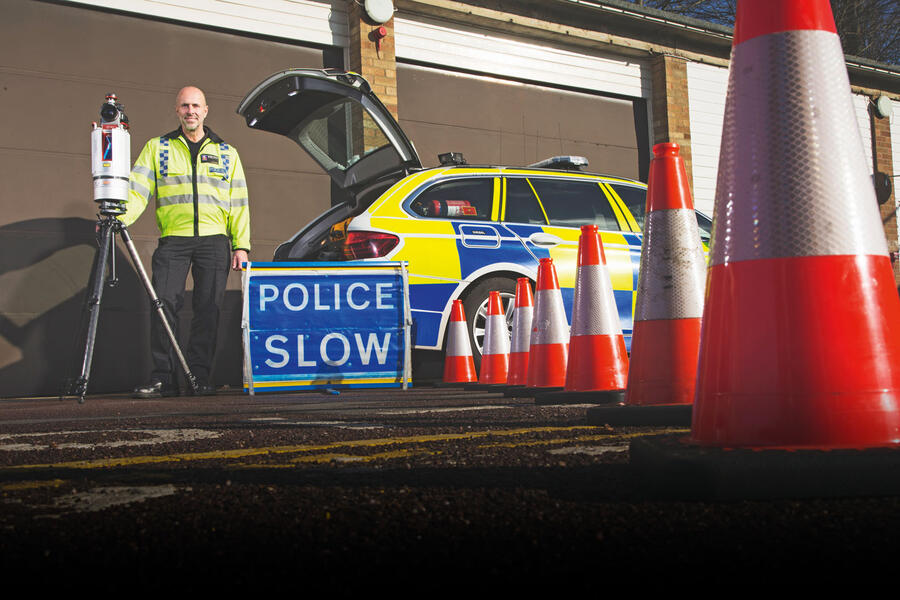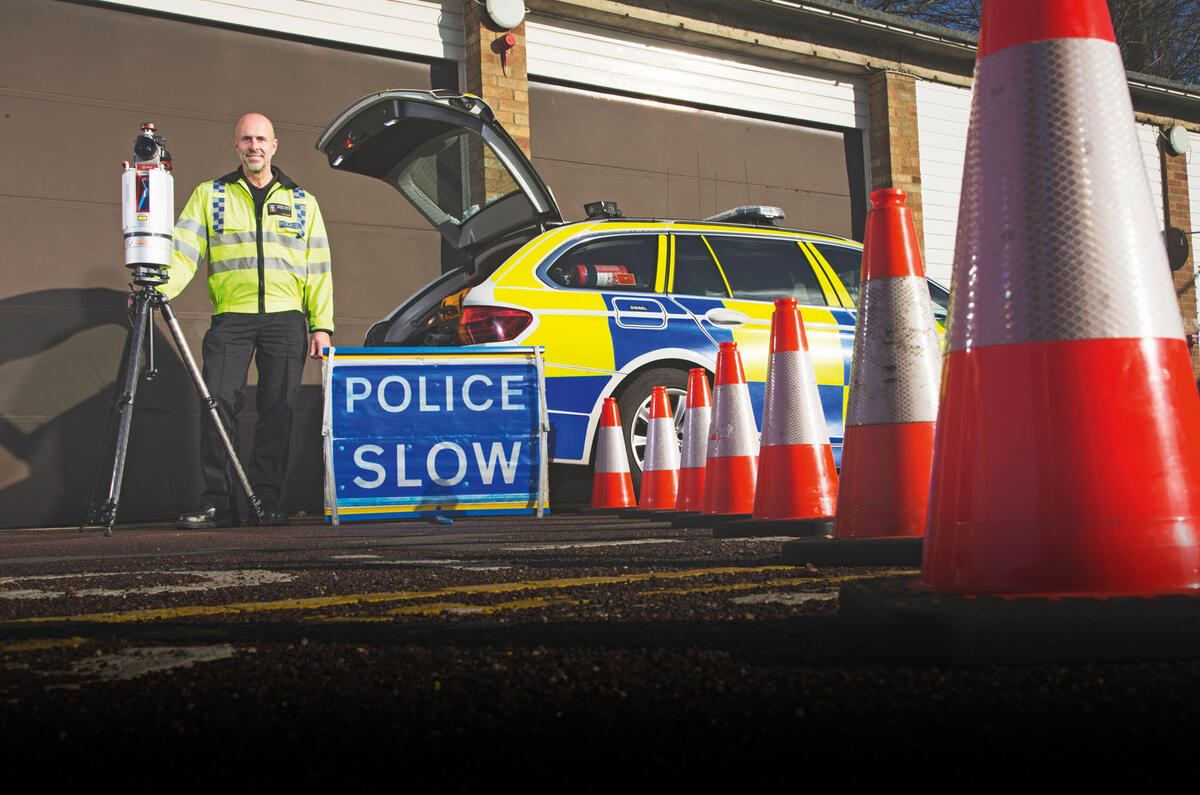

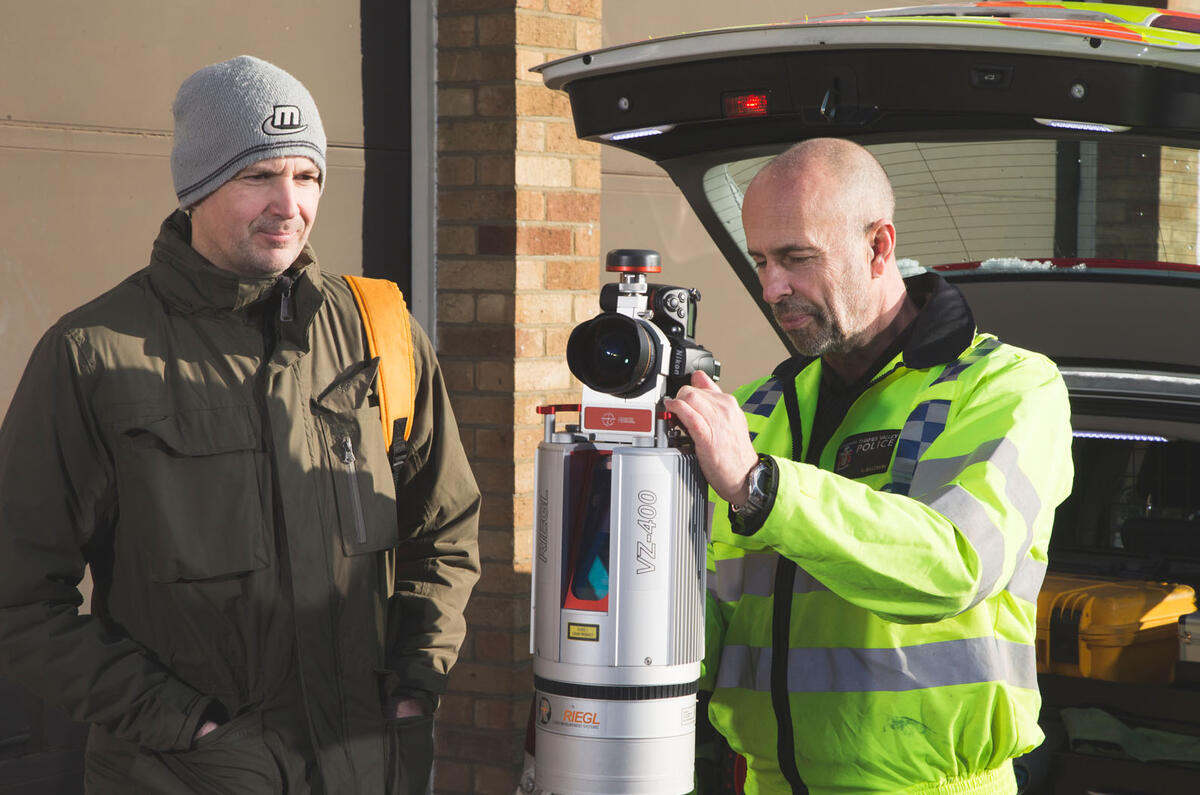

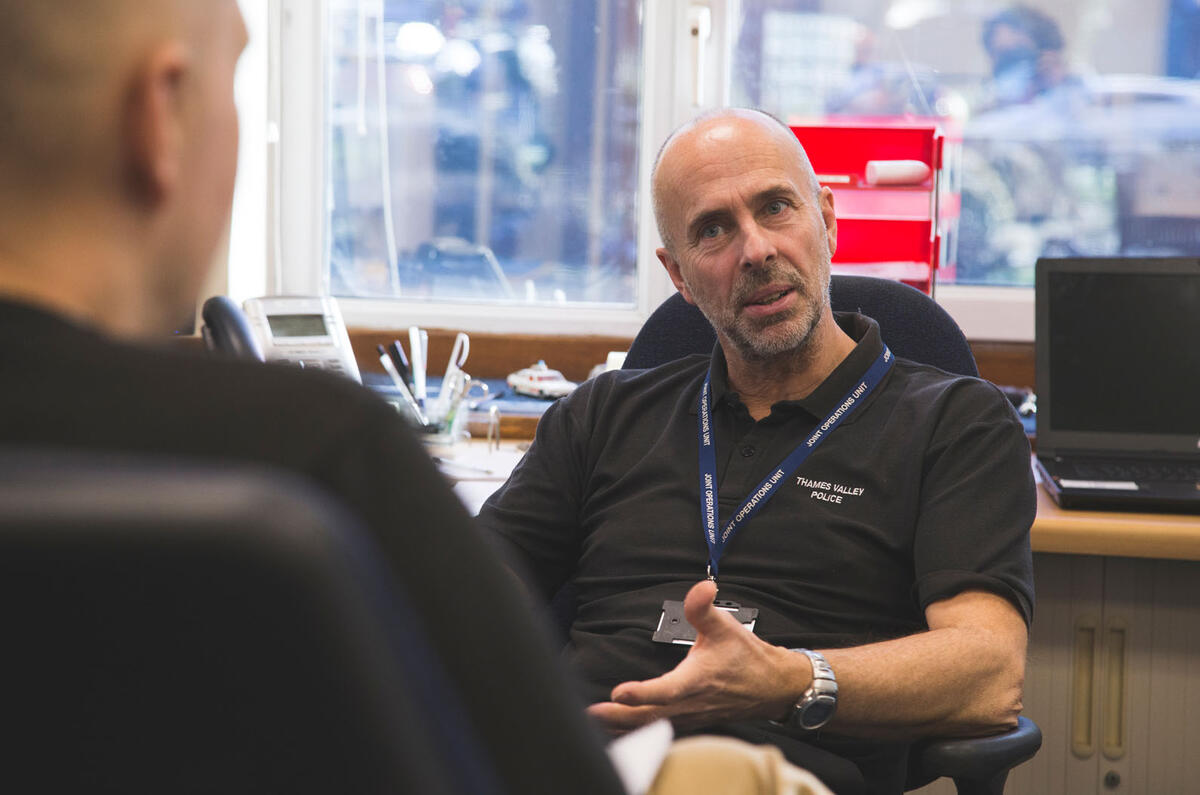
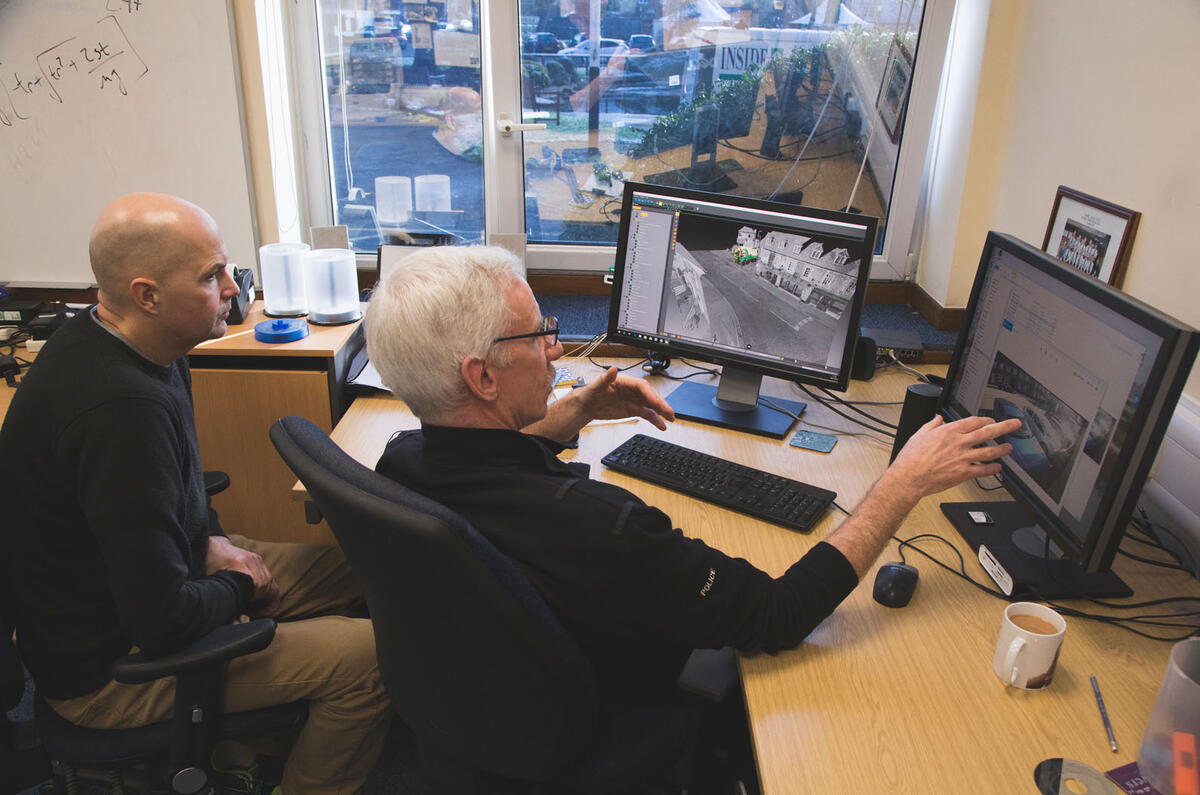
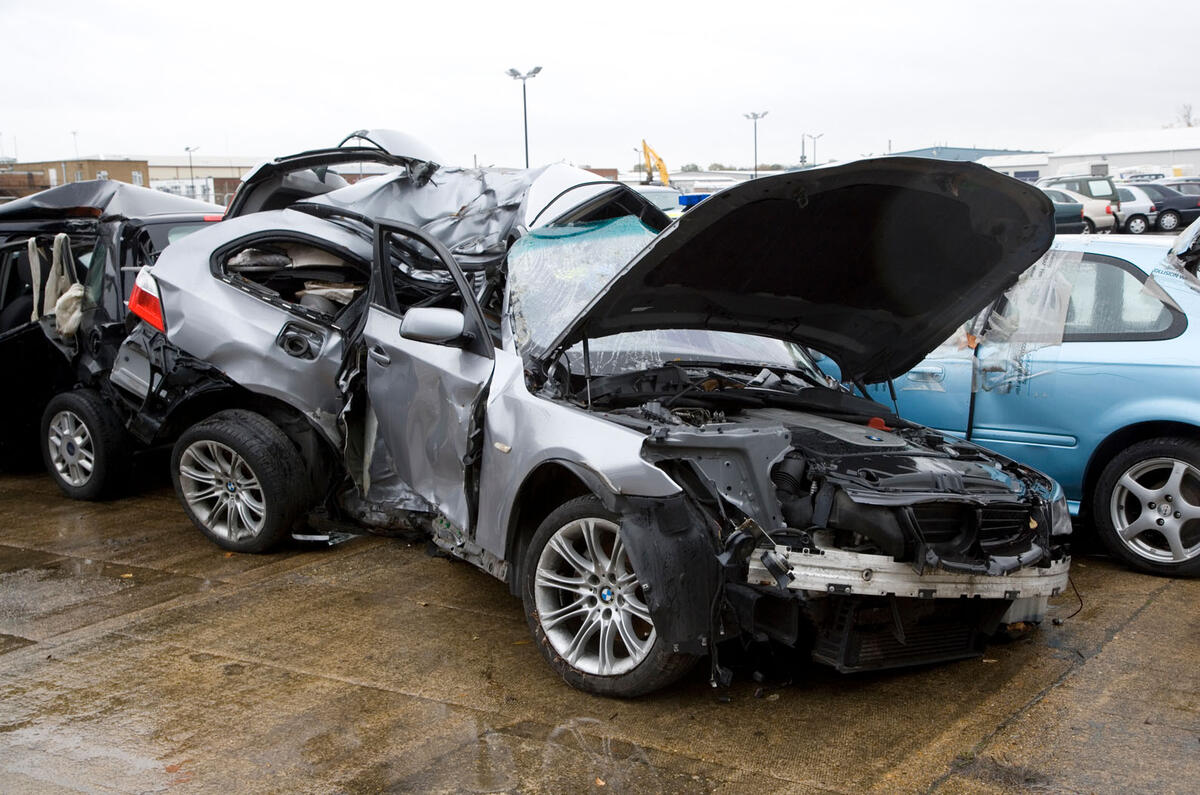
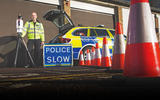

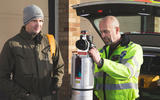




“This job used to be about grubbing around on the road, looking at tiny specks of stuff,” says Gary Baldwin, a 30-year veteran of Thames Valley Police’s Forensic Collision Investigation Unit, “but that’s only a tiny part of it now.” When Gary started his accident investigation work in 1988, skid marks were his “bread and butter”, but ABS put paid to those. Today, CCTV and dashcam footage are his staple.
“They have absolutely taken over,” he says. “At first, it was just CCTV in town centres and on motorway gantries, but dashcams have become more and more common. You don’t always get the full picture but they have definitely taken on a big role.”
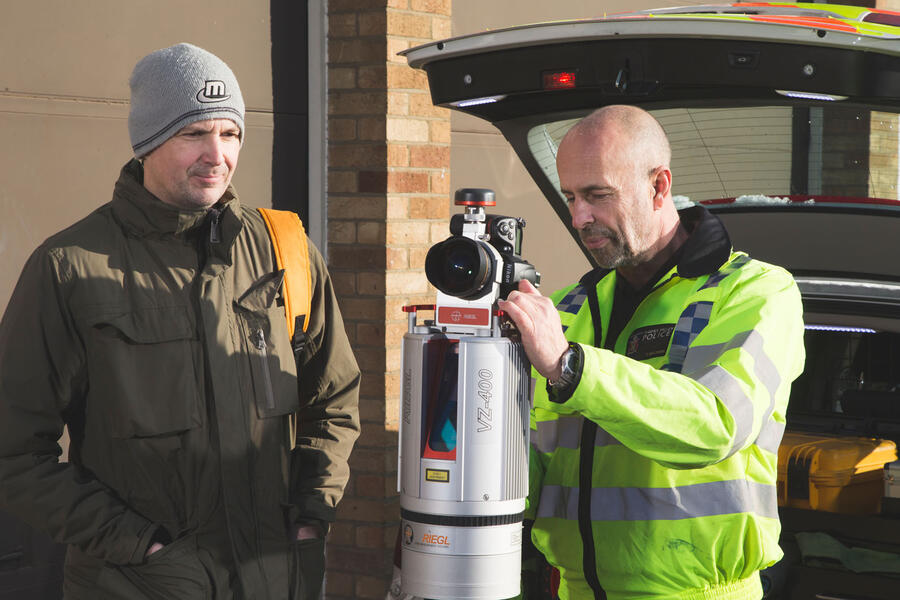
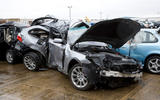
Gary is now retired as an officer but remains a civilian manager of a team of nine, and you really don’t want to be involved in the kind of accidents they look into. “It’s any fatal that’s connected with a motor vehicle,” he says. “From a car falling off a jack while you’re underneath it to a multiple shunt on the motorway.”
In the late 1980s, there were around 5000 UK road deaths a year. Today, it’s less than 2000, but a level of tragedy is “almost inevitable”, says Gary. “The problem is those that are not surrounded by a car: pedestrians, cyclists, motorcyclists – the ‘vulnerable road users’. Cyclists still don’t get the message about riding up the inside of big vehicles at junctions. People just don’t understand how hard it is to see out of a lorry.”
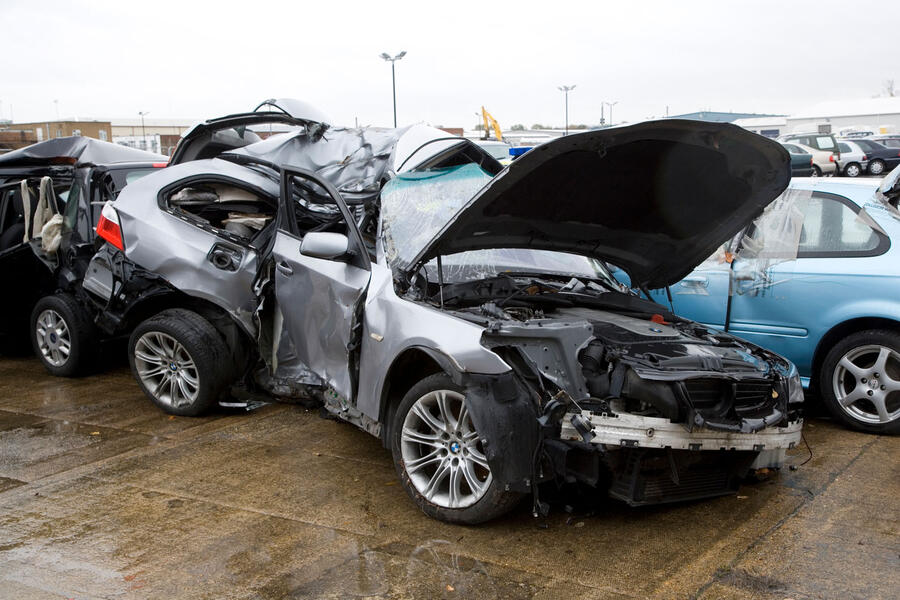
A number of causative factors have changed. Drug driving is the new drink driving, vehicle defects are far less of an issue and ‘unintended acceleration’ crashes by elderly drivers are on the rise. (“Old people are becoming big customers of ours,” says Gary.) And then there’s the mobile phone effect, which Gary describes as “massive”.