By 2015, we were familiar with brands like Porsche and BMW building high-riding family cars - yet some still felt that an SUV bearing the leaping cat was a step too far.
But exactly a decade on from our effusive first review ("looks like a Jaguar, feels like a Jaguar and, most crucial of all, drives like a Jaguar"), we can look back on this one-time pariah as a truly impressive and deservedly popular all-rounder.
The F-Pace isn't quite a jack of all trades, but it comes very close. Throughout its nine-year production run, we rated it near the top of the class for its combination of practicality and dynamics, which few could match.
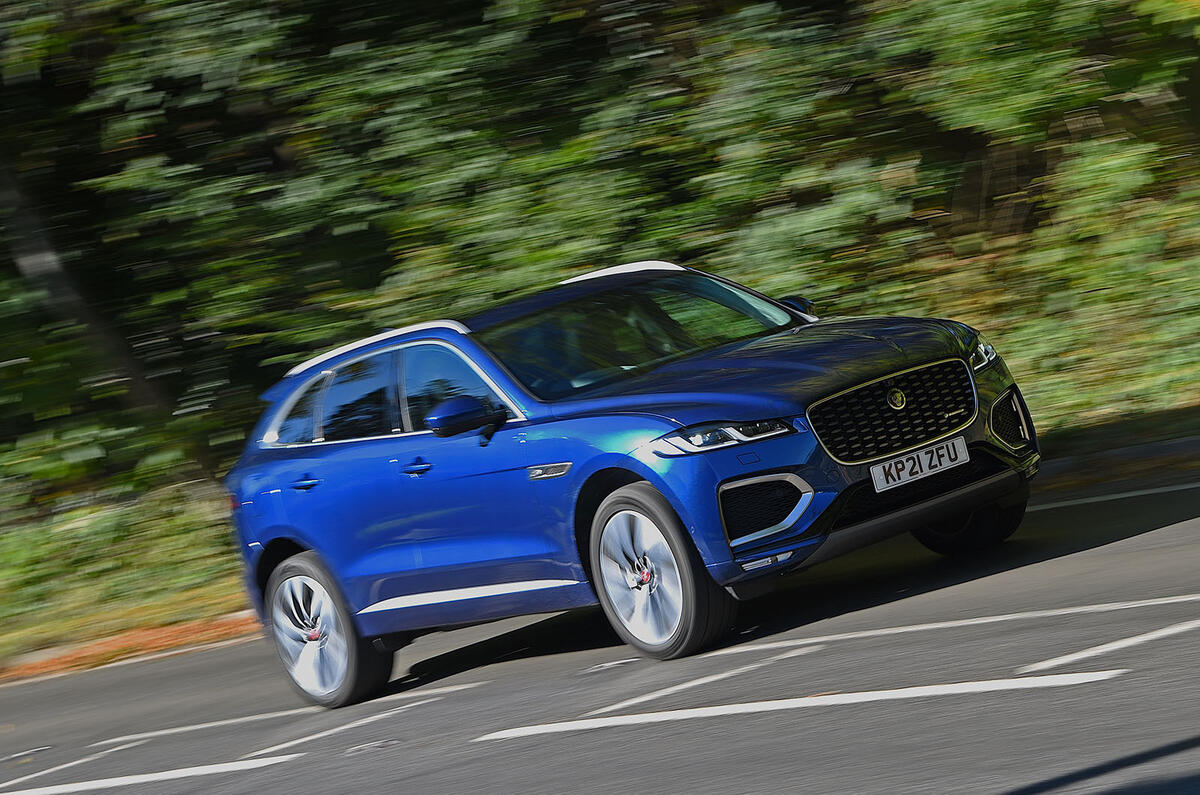
Those handsome, haunchy looks have aged well, as has the feel-good factor you get behind the wheel. It combines the space of an X5 and the sporty drive of a Porsche Macan with few concessions either way.

How did the engineers manage it? They started with a larger platform than was customary for the class (it's 100mm longer than the X3) to allow for a Skoda Superb-rivalling 650-litre boot and rear seats roomy enough for even larger passengers.
Enhancing that sense of duality is a driving position that convincingly splits the difference between SUV and GT (you sit high and straight but with the dashboard wrapped around you) and a technology suite that's the measure of any German executive car although the material richness wasn't quite up to scratch until the 2020 facelift.
It's by no means bad on the earlier cars, but some of the plastics feel a bit cheap and the standard 8.0in infotainment touchscreen wasn't great. The 10in one with Apple CarPlay and Android Auto is what you want.
The best bit about the F-Pace, though, is the way it drives. It's more practical than a Macan, yet it delivers smiles like almost nothing else. It feels lower and lighter than it is, doing a convincing dynamic impression of the closely related XF saloon.


Join the debate
Add your comment
In other news: the Easter bonus has arrived.