







It's hardly an enviable position, but Britain's transport minister has the power to improve commutes, reduce the rate of traffic fatalities, streamline public transport and reduce emissions.
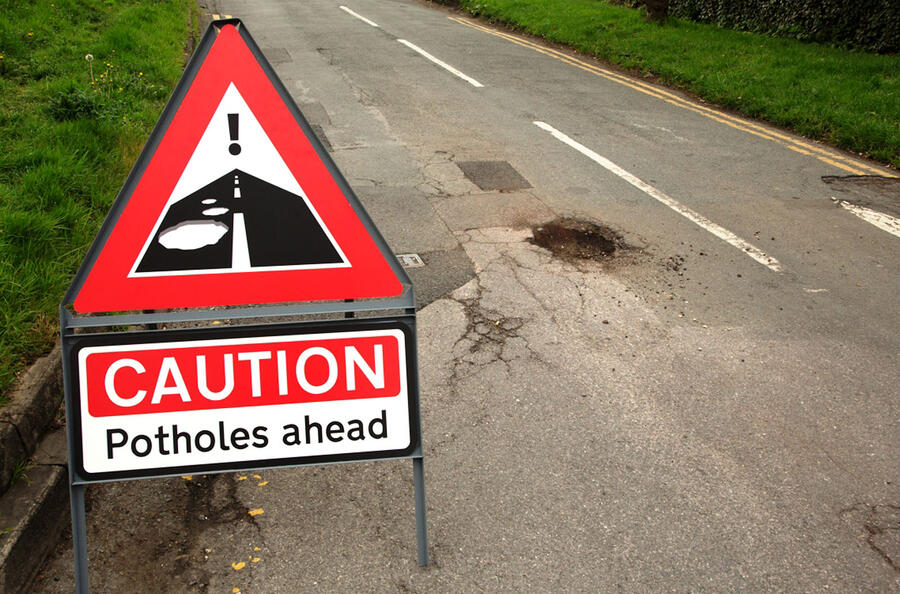
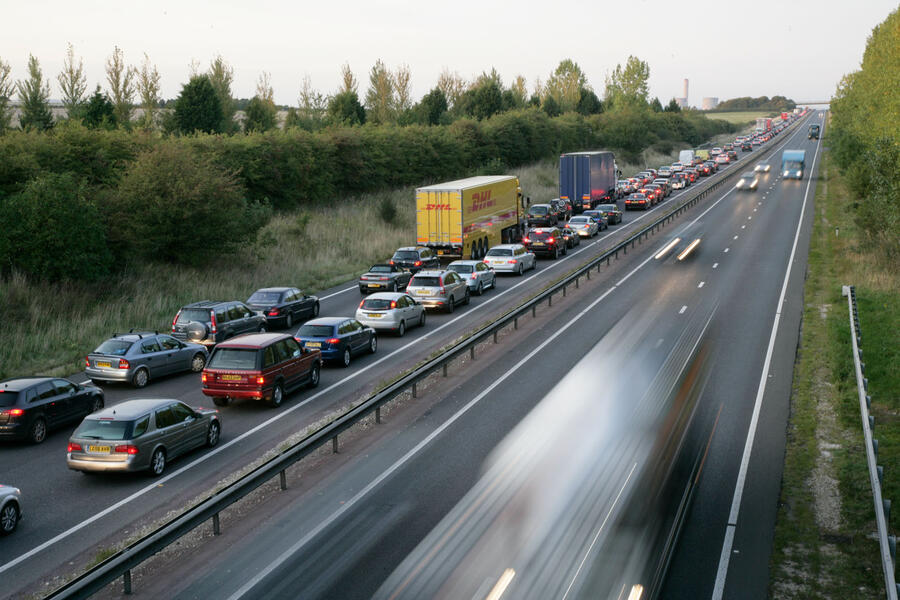
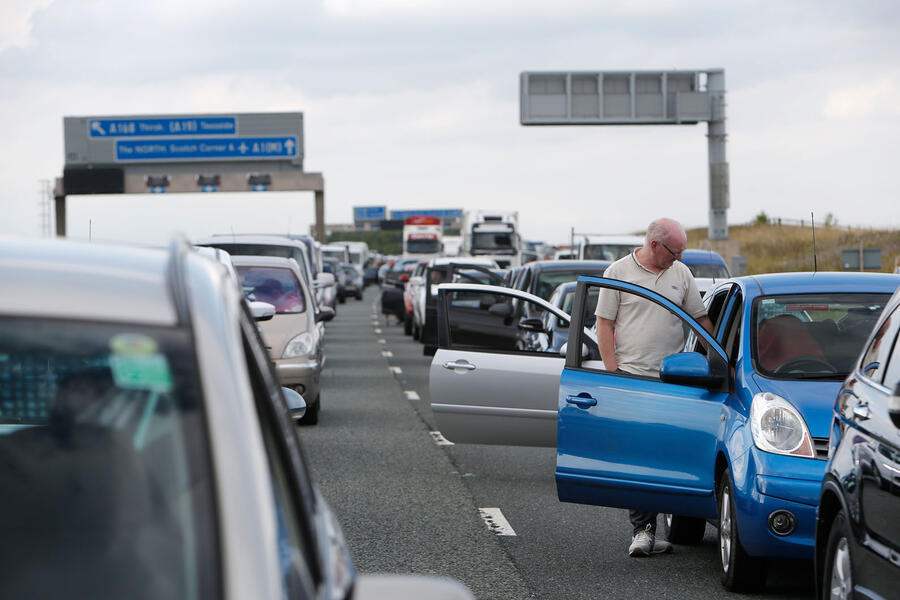
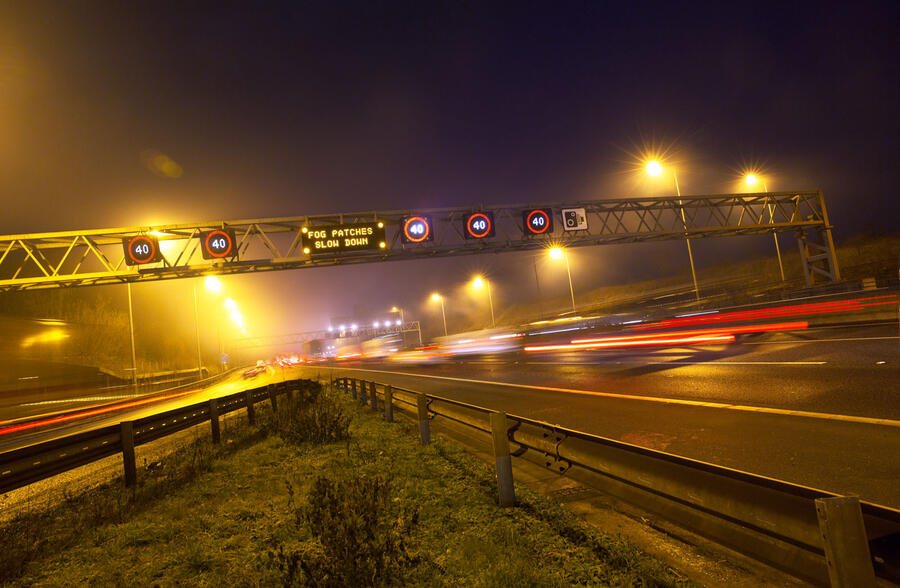
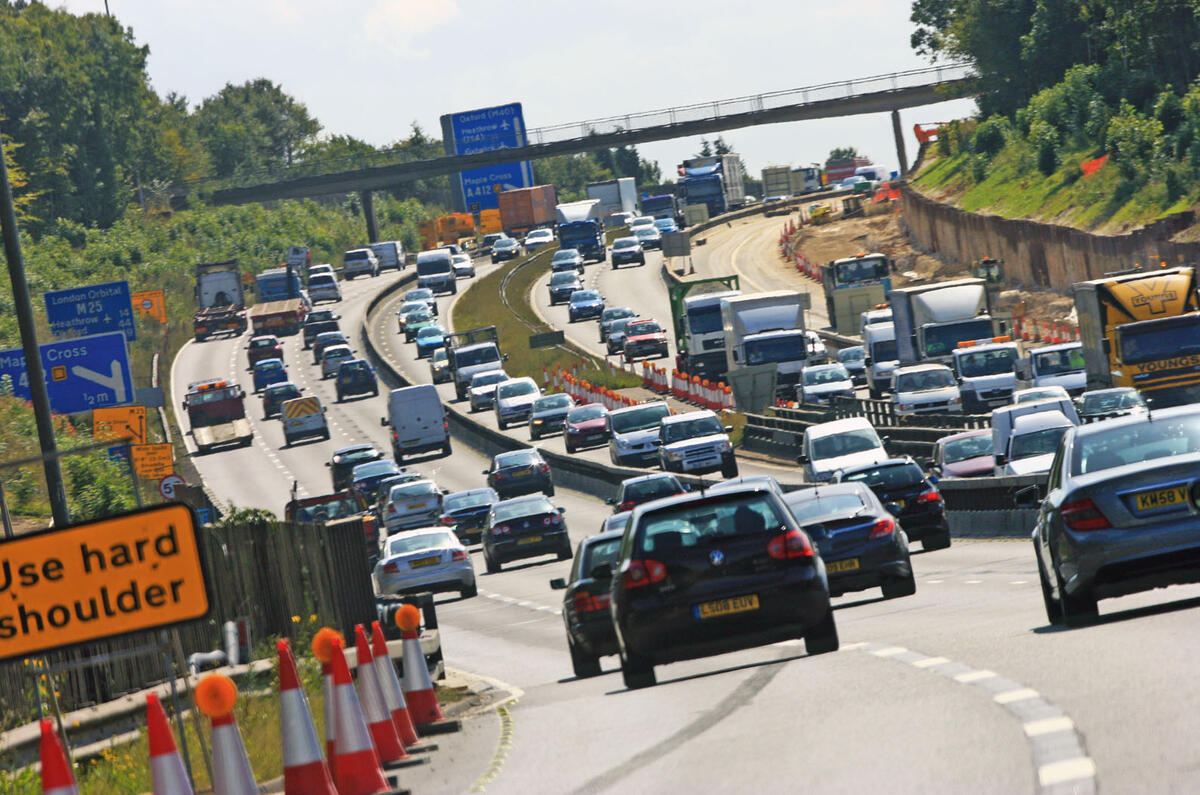
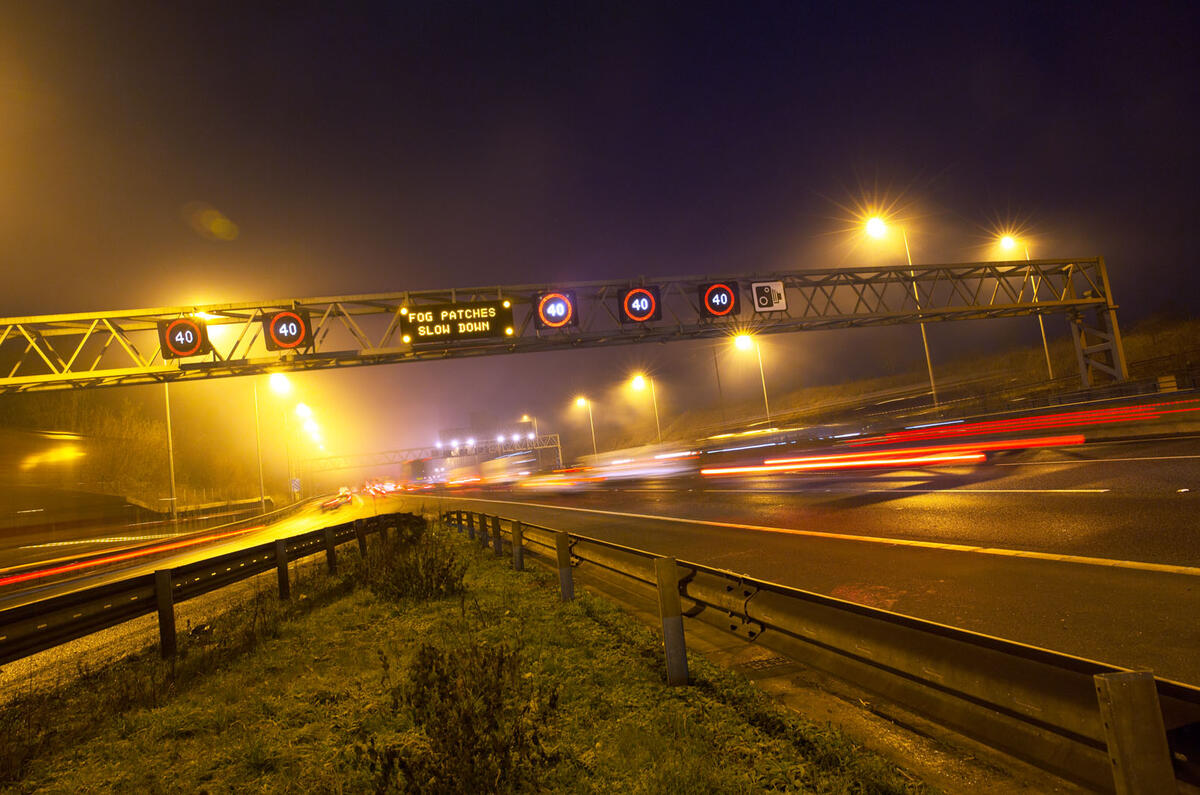
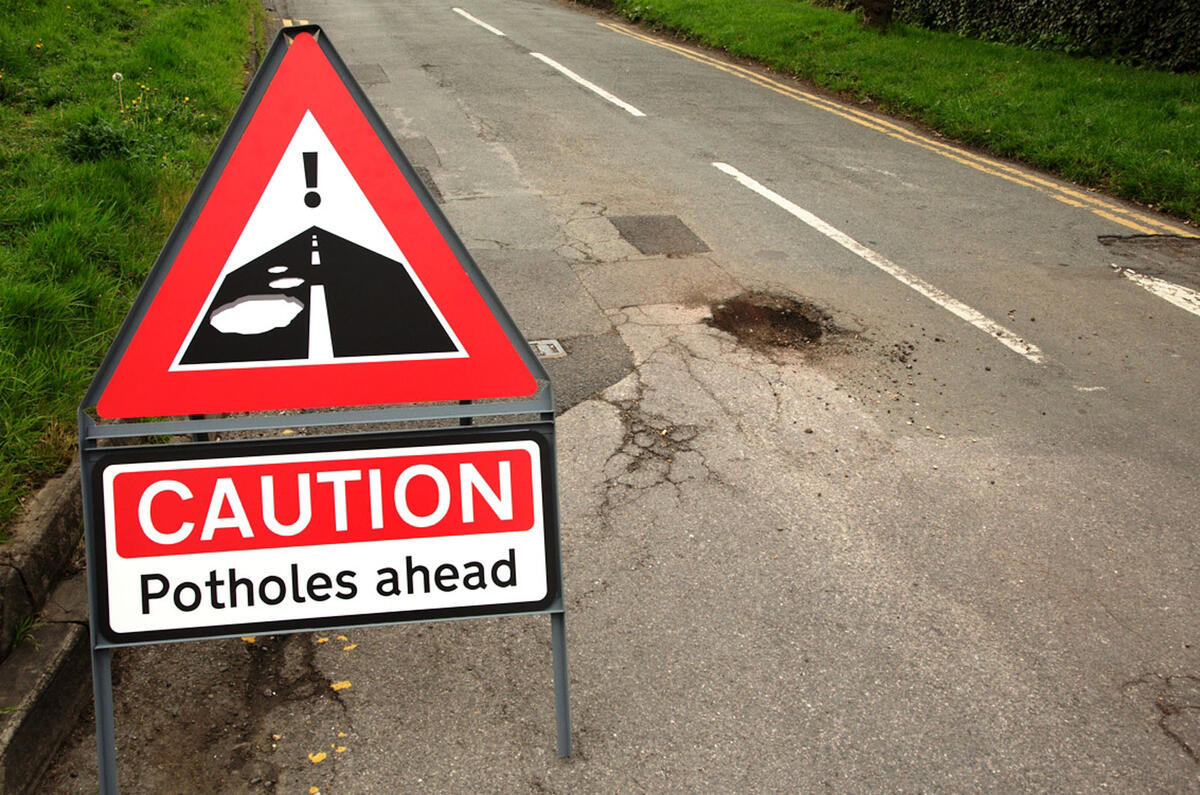
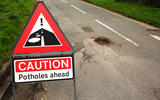
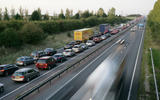
With our road network pockmarked by potholes, a nationwide upgrade to smart motorways causing lengthy tailbacks and a confused political position preventing a smooth shift to electrification, we ask: what would we do with the authority?
Here's what the Autocar writers would do if they were put in the hot seat for the day:
Matt Prior
Approve a massive transport infrastructure project, making the UK the easiest country in the world to travel around. Approve every bypass currently under consideration.
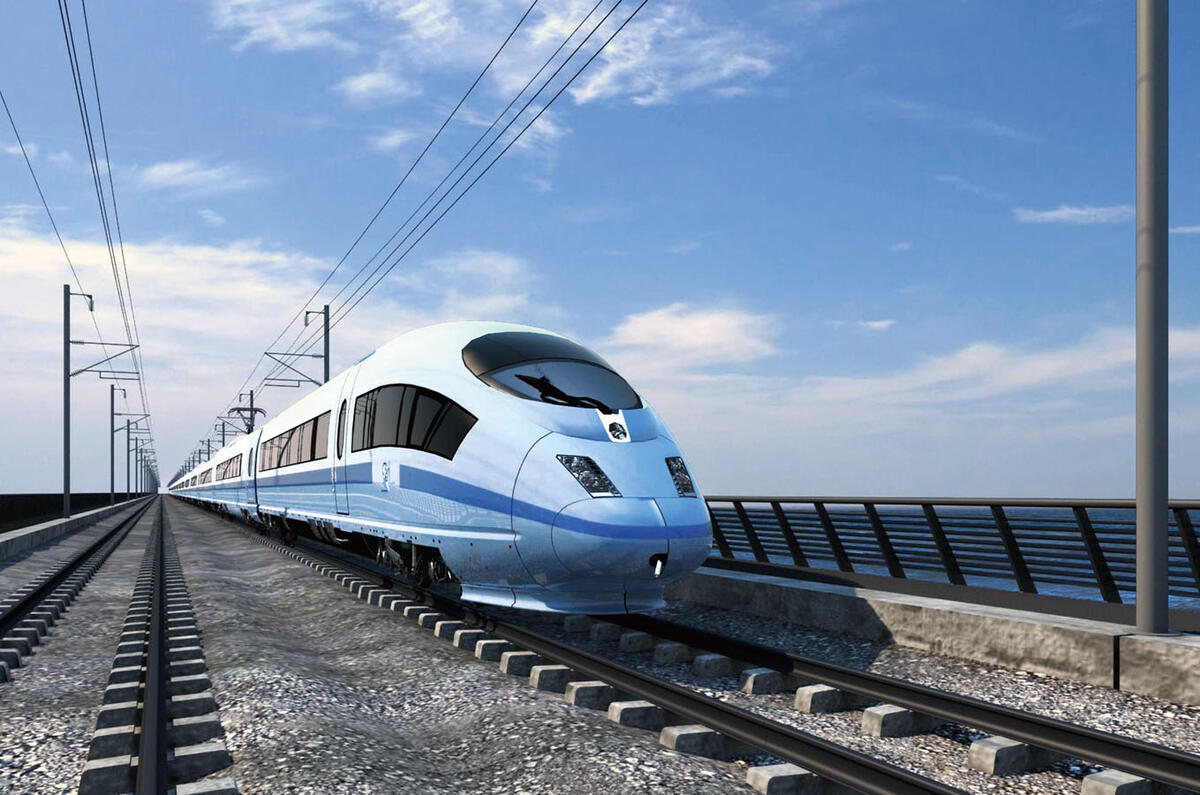
Commission a new national airport, in the middle of Oxfordshire – an hour from London, an hour from Birmingham, between the M1 and M40, with a new motorway link between the two, which then heads due west into Wales and due east into East Anglia. Modify HS2 to fit it. Make a straight motorway link to the M40 from the M6, to the west of Birmingham, and then from M40 to the south coast.
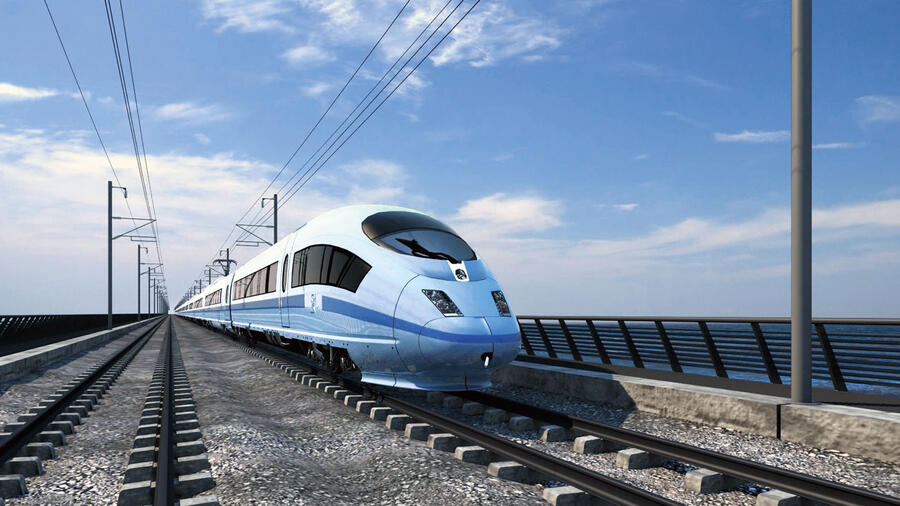
Install dual carriageway into Cornwall. Make a new motorway from north Wales for Liverpool to Manchester to Leeds to near York and make the A1 a proper motorway all the way to Scotland.
And crucially add a rail line alongside every one of these new or upgraded roads, with regular big, free car parks at stations near towns. And streamline train prices.
Andrew Frankel
If I were transport minister for the day, I would:
Use ‘smart’ motorways to raise speed limits as well as lower them. Create cycle lanes with solid white lines over which neither cars nor bicycles can cross. Lower speed limits to 20mph in all urban residential streets and outside all schools during term time.
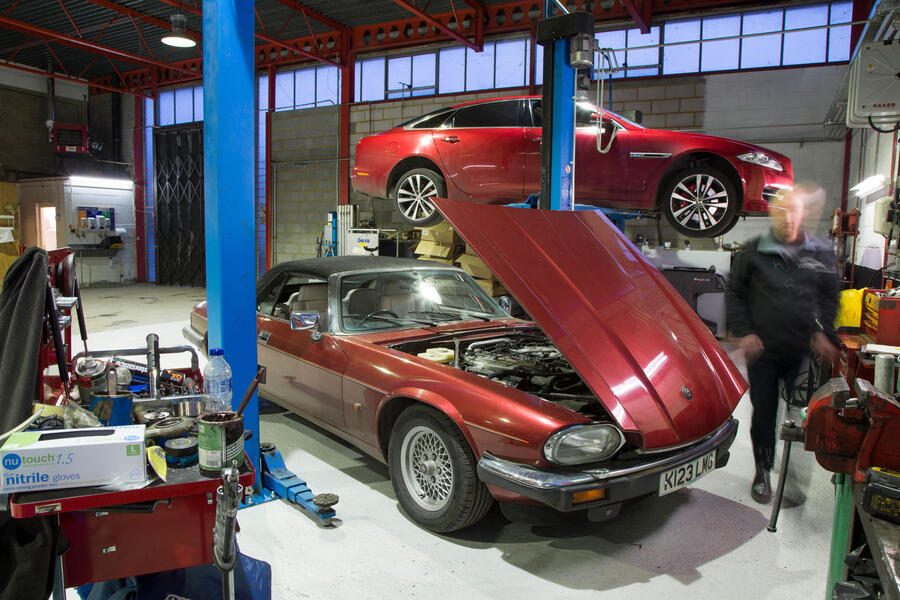
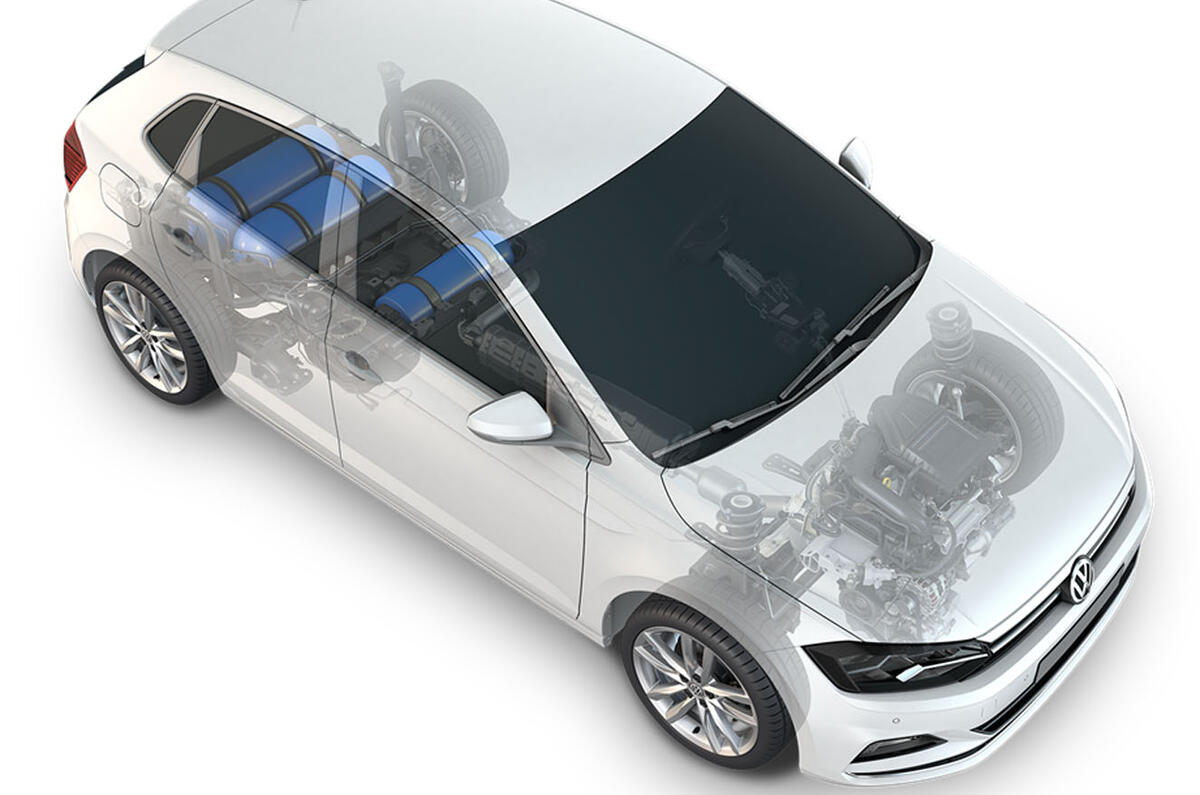
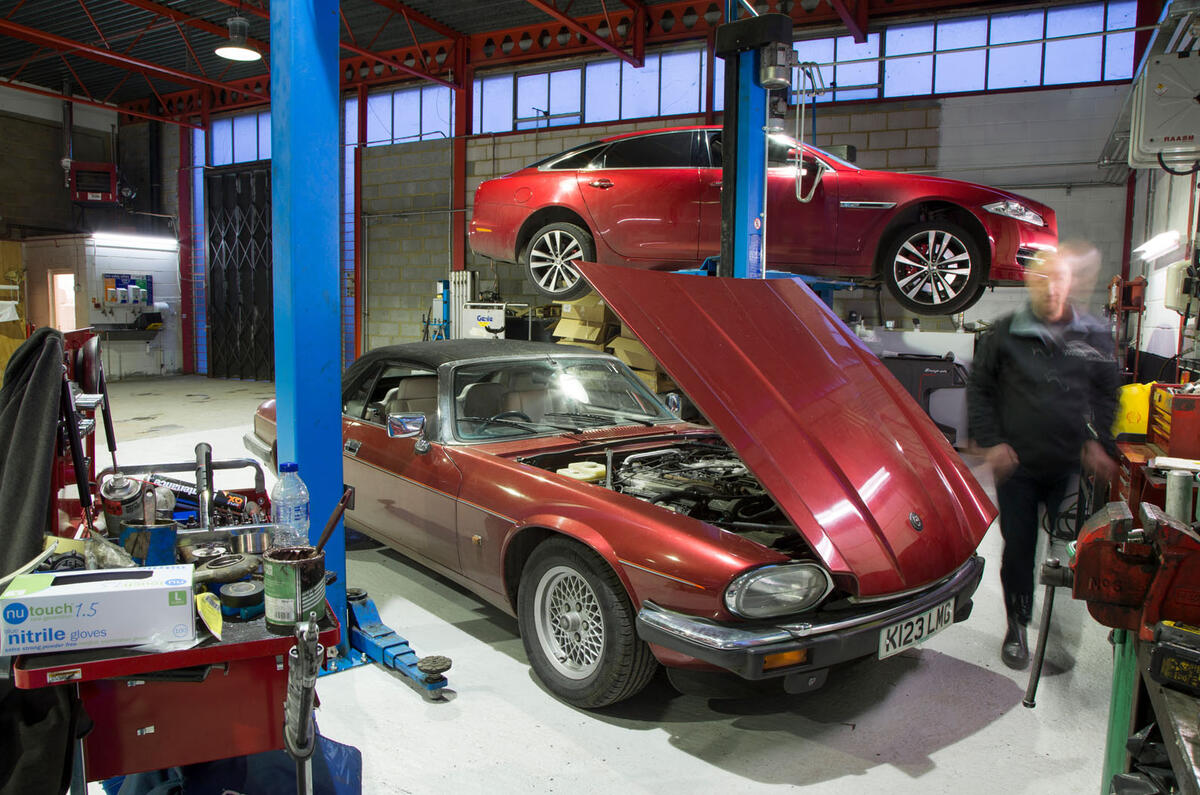
Reintroduce mandatory MOTs for classic cars, but increase the scope of tax exemption for classic cars. Ban old diesels; there is no justification for keeping them on the road. Support modern diesels, offering tax breaks for RDE2-compliant cars and recognising the vital role they play in limiting tailpipe CO2 emissions.