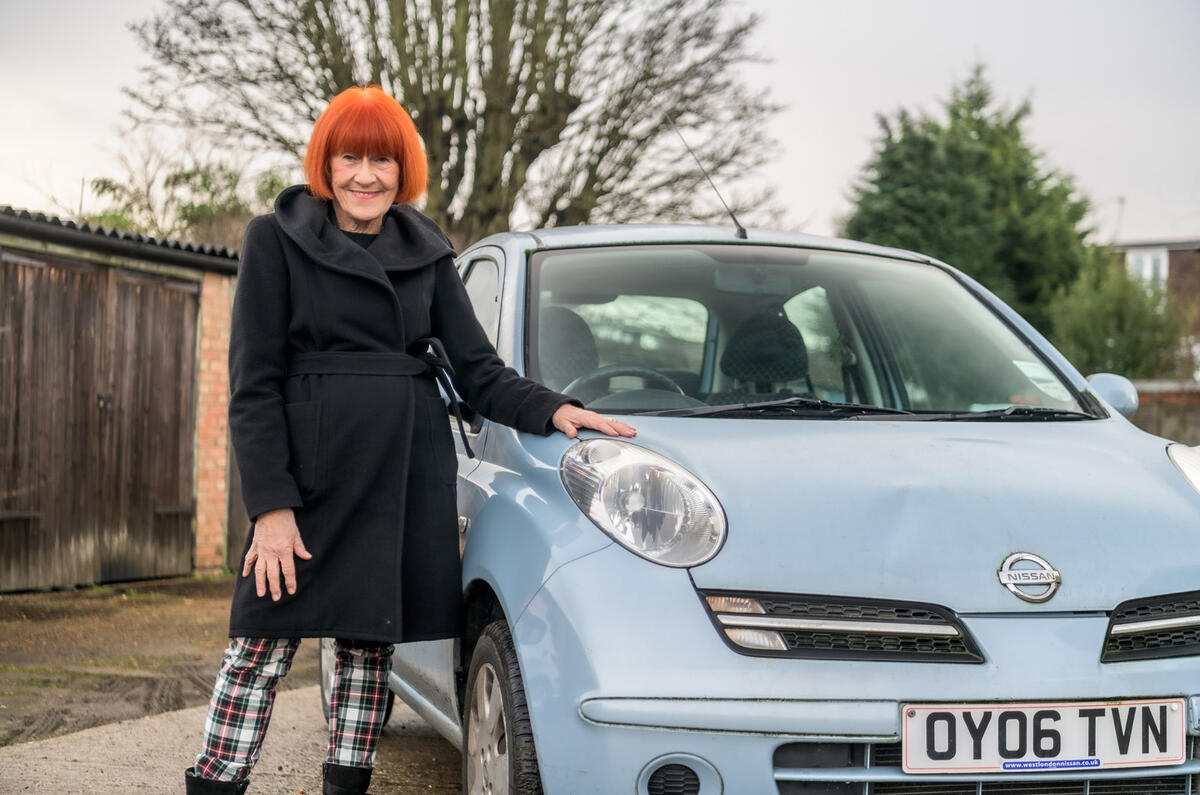
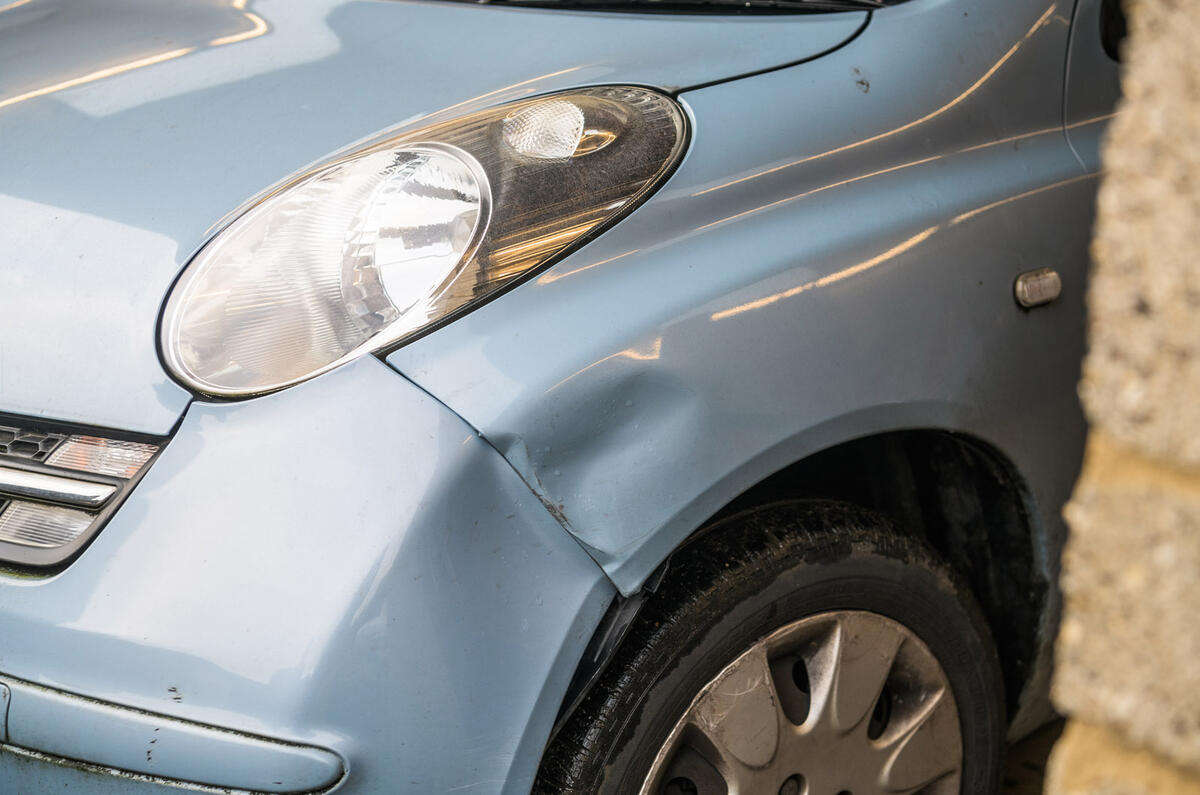




On receiving a £3211 settlement cheque for an aged Nissan Micra that has been declared a write-off by the insurer, most of us would happily cash it and hunt for a new set of wheels. Not Sally Cockburn. The retired teacher promptly put the cheque back in its envelope and contacted the company that had sent it to her, claiming the firm was unjustified in classifying her Micra as a Category B write-off, defined as a vehicle whose bodyshell must be crushed but which can be broken for parts. Instead, she asked the insurer to review its decision because her car had suffered only minor damage and was safe to drive.
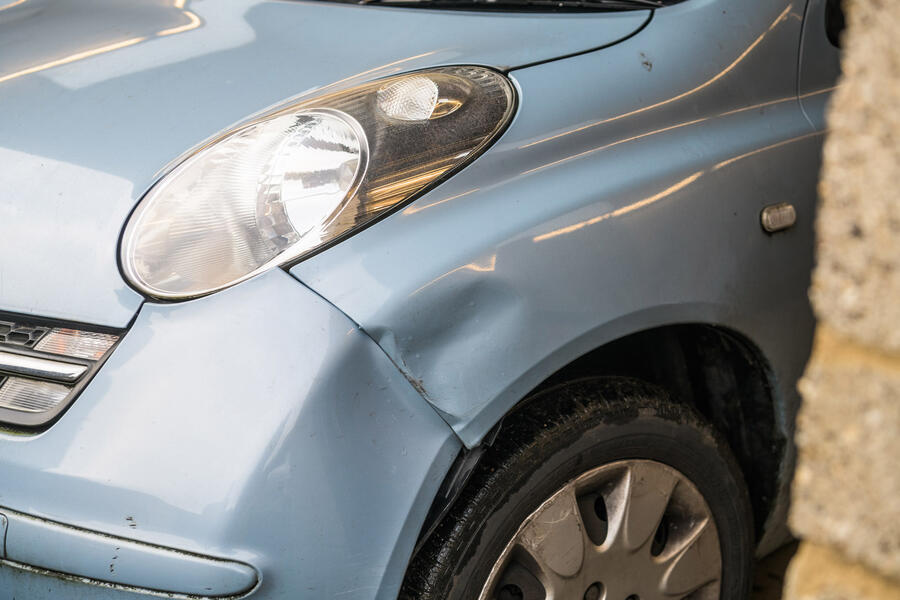
Fighting talk indeed, but Sally was not prepared to accept that because of some minor wing damage to her Micra – a car that she had owned for 10 years, loved driving and had bought with money left to her by her mother – it must be put on the scrapheap.
Her problems began one morning when a truck glanced the front corner of her Micra’s nearside front wing. To his credit, the driver left his details so that Sally was able to contact him and get the ball rolling. The claims assessor acting for the truck’s insurer asked Sally to send him photos of the damage. On the basis of this ‘desktop inspection’ of the images, the assessor judged the impact to be moderate. Even so, he reckoned the Micra’s steering and suspension were also likely to have been damaged.
He calculated that repairs to Sally’s car would cost no less than £4155 but there was worse to come. The assessor said that Sally’s Micra 1.4 SE auto 5dr registered in 2006 but with just 16,000 miles on the clock had a pre-accident market value of £3310 – almost £1000 less than it would cost to repair. As a result, he declared Sally’s Micra to be a Category B write-off. Its scrap value: £99.
“I couldn’t believe it,” says Sally. “How could he so easily write off my car on the strength of a few pictures? Is this common practice? Are insurers forcing motorists to accept their car is fit only for the crusher when it isn’t?”
Sally immediately appealed the assessor’s decision. He suggested she have the Micra’s front geometry checked and, if the report was satisfactory, he would review her case. At which point, Sally’s knight in shining armour stepped in.
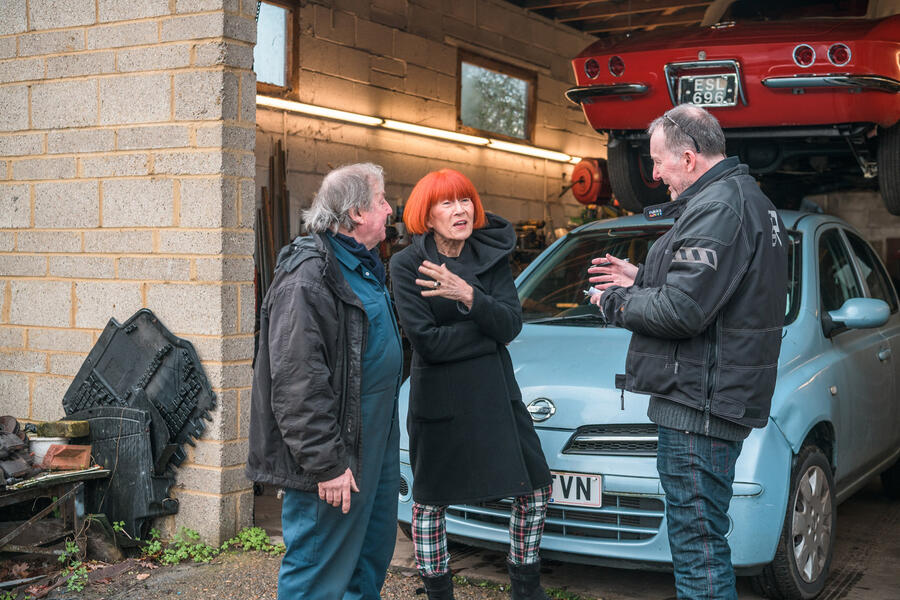
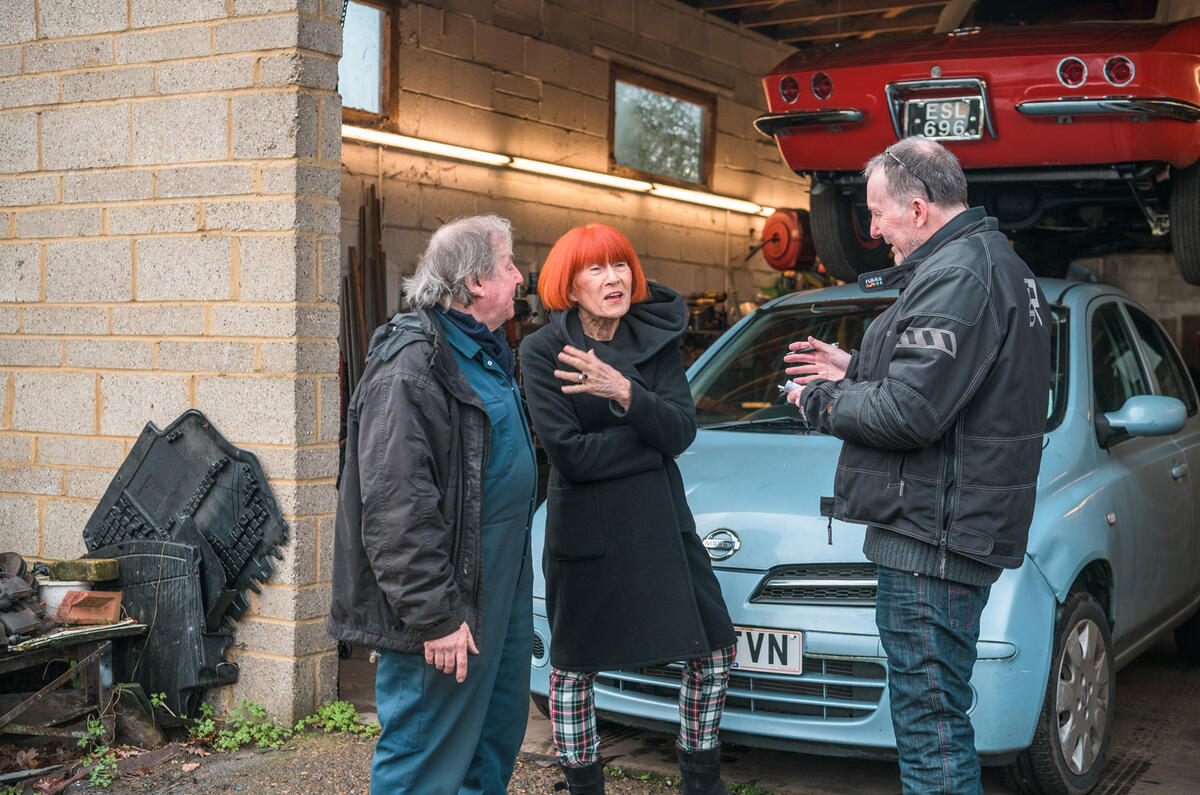
Colin Mullan owns a workshop not far from Sally. He’s a mechanic of the old school – a fixer not a replacer. He understood Sally’s attachment to her Micra and her fierce refusal to have it scrapped.
“The assessor knew Sally’s car was old but low mileage and in good condition,” says Colin. “He could have been more reasonable, viewed the car in person and judged it to be straightforward to repair. In my experience, however, insurers do things by the book, which makes them too quick to write off cars.”