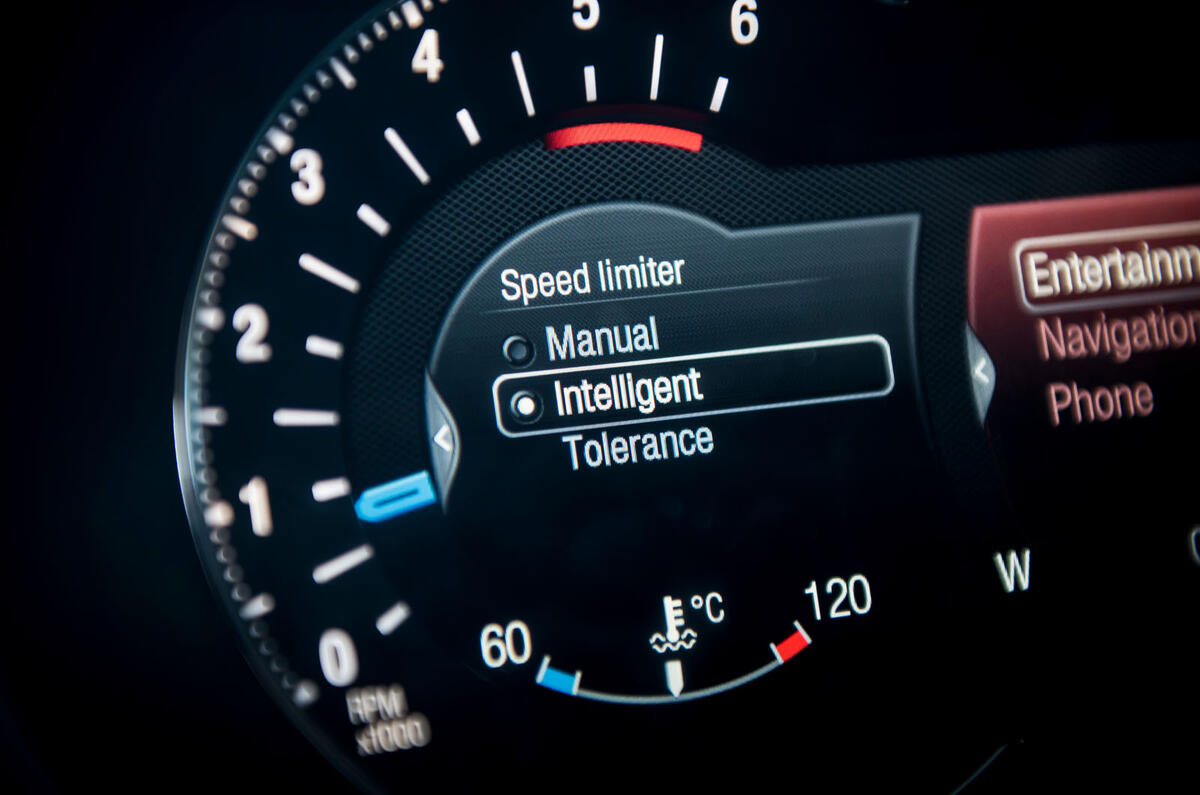
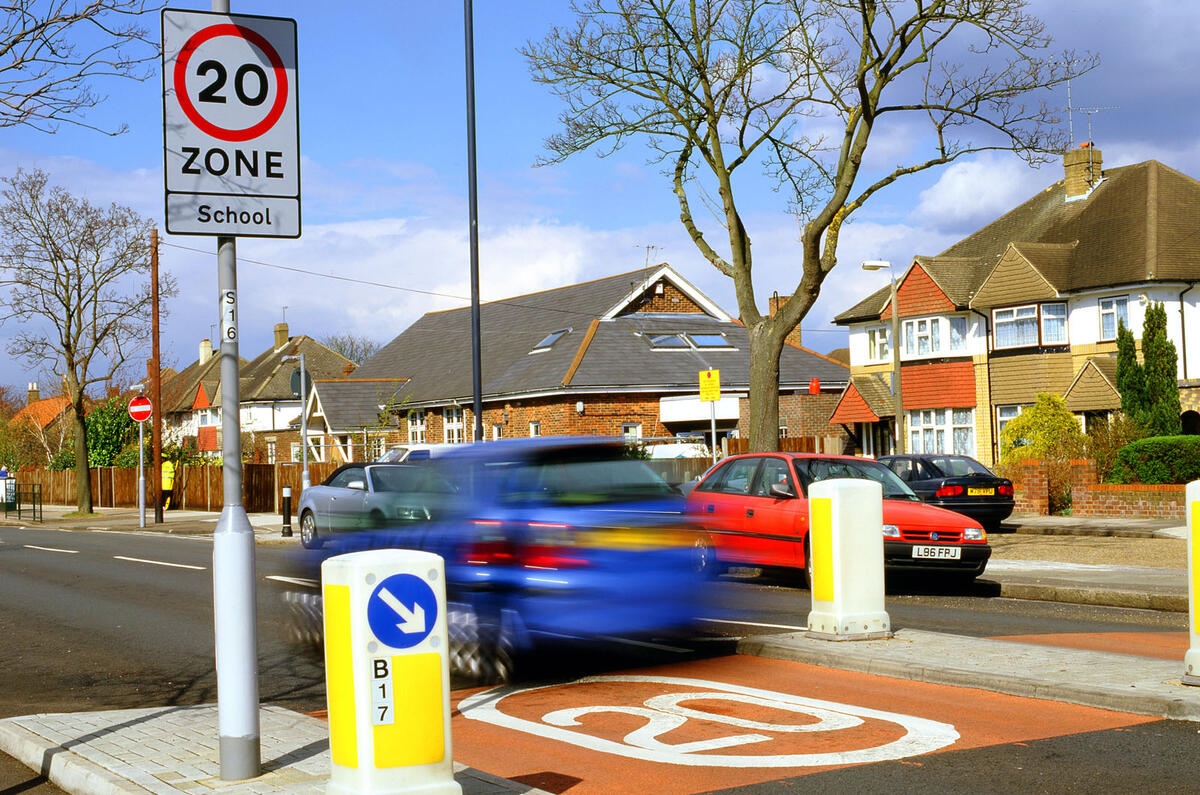
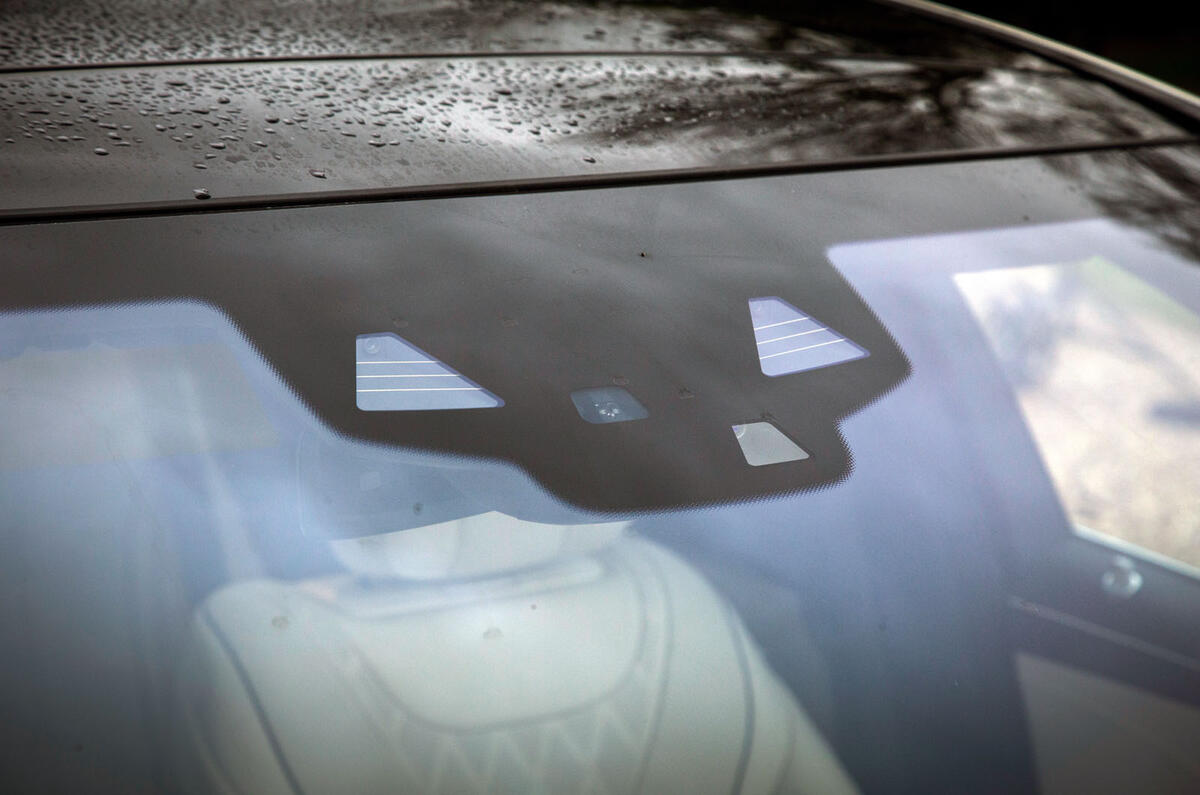


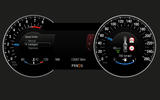


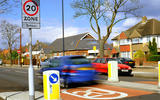


On 16 April 2019, the European Parliament gave the green light to the fitment of intelligent speed assistance (ISA) systems in new cars sold from 2022. That law will come into effect in the EU on Wednesday 6 July, and, while the UK government has yet to confirm its own plans, signs suggest it will follow suit by mandating the technology here.
It was the prospect of ISA that made the headlines in the days following the parliament’s provisional approval, though. Note that those headlines were about ‘speed limiting’ and not ‘intelligent speed assistance’, as the parliament terms it. As members of the media ourselves, we at Autocar know that compressing a news story into a headline that attracts maximum attention is the name of the game.
Speed limiters, driver monitors to become mandatory in EU
So, accordingly, in the press, the vital words ‘intelligent’ and ‘assistance’ that slow things up and pose more questions than they answer were junked and, almost to a hack, the headline was: ‘All new cars to have speed limiters by 2022’. Pot stirred, job done.
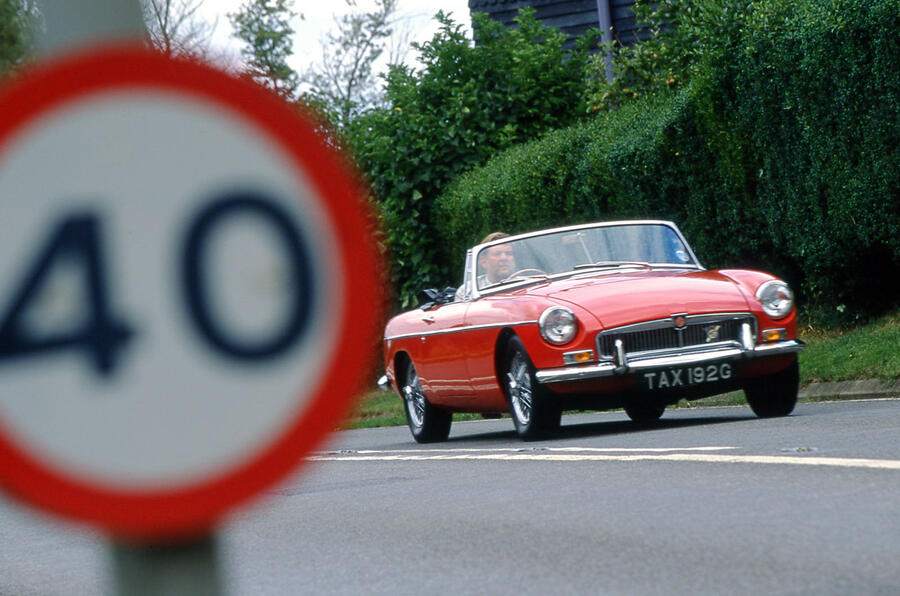
The conspiracy theorists and self-styled libertarians – among them, we must confess, readers of this very magazine – leapt on the proposals. One correspondent went so far as to predict that ‘speed restrictors’ would make performance and good handling irrelevant.
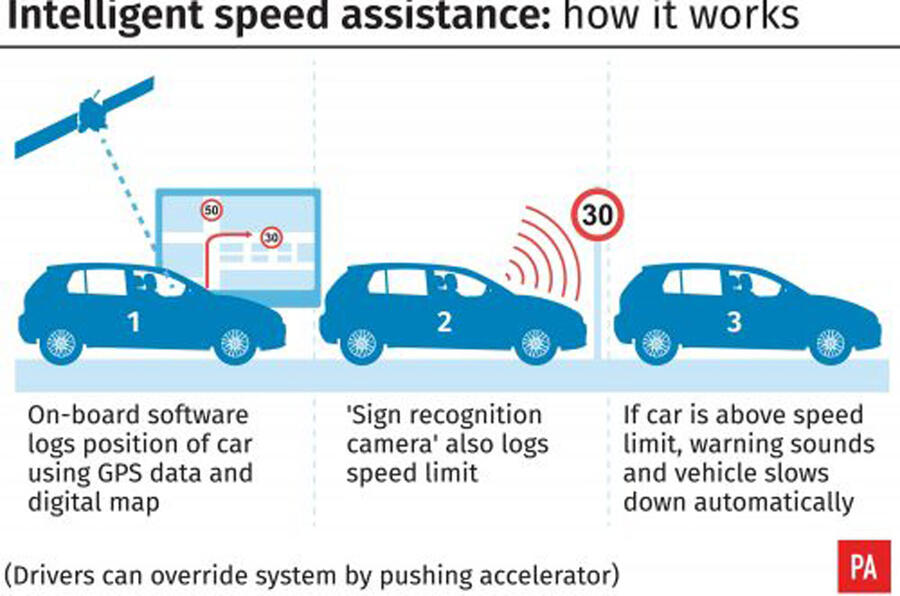
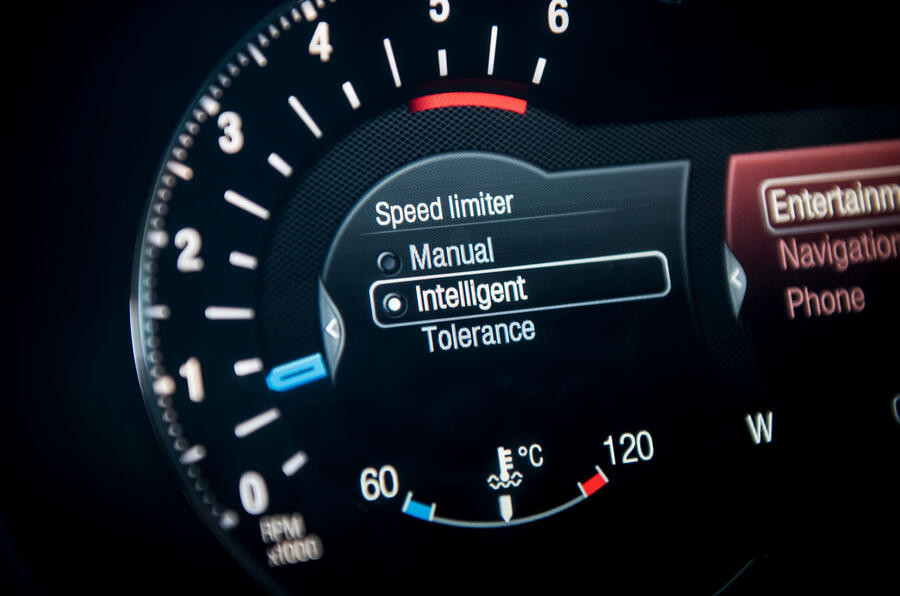
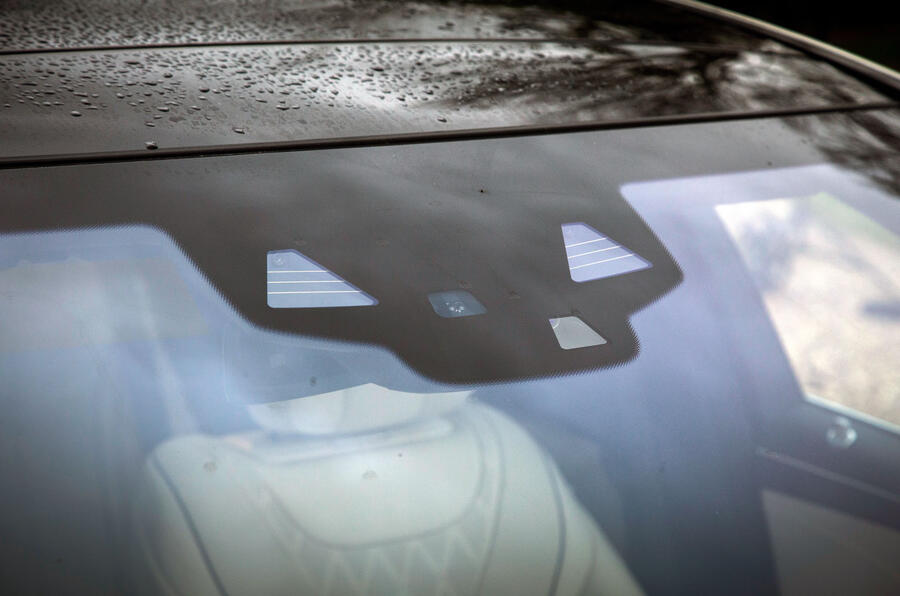
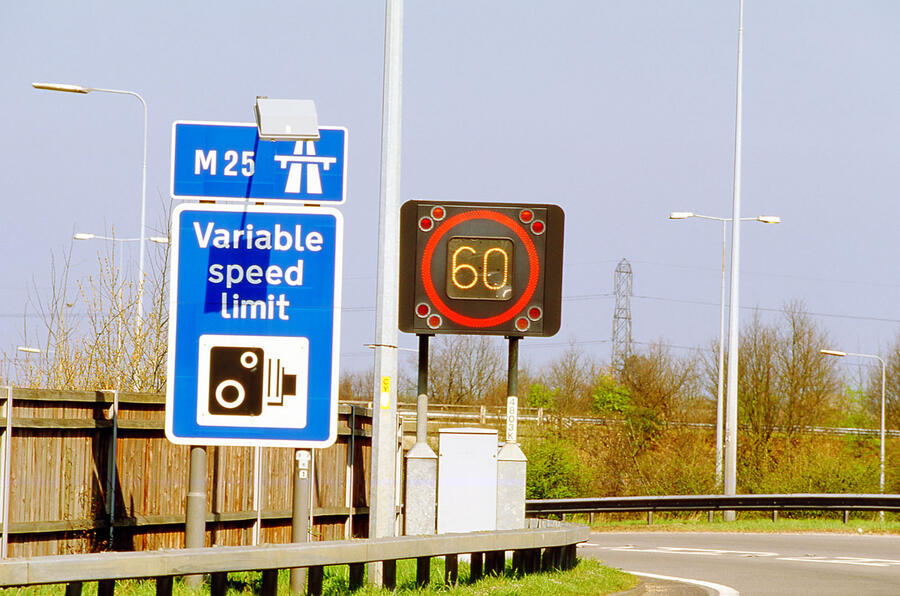
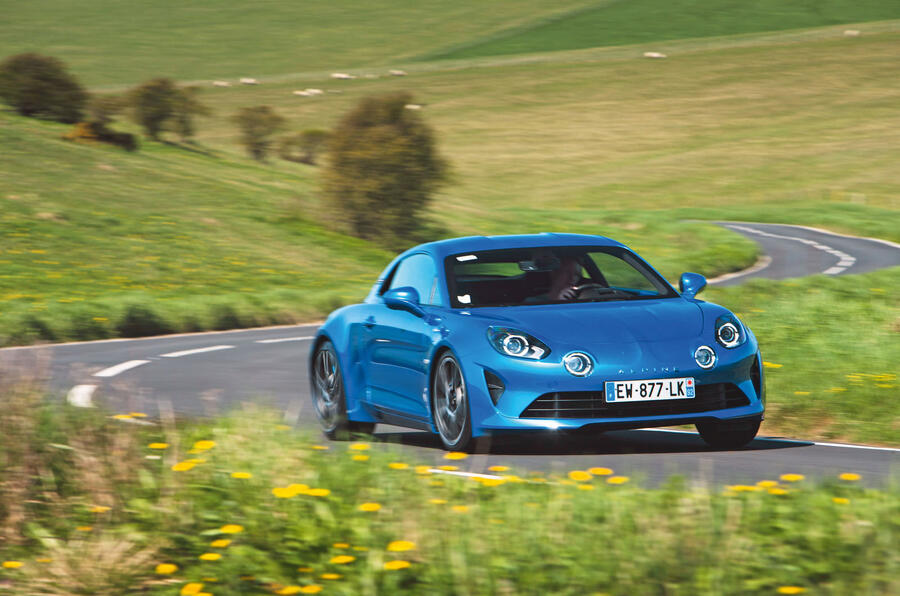
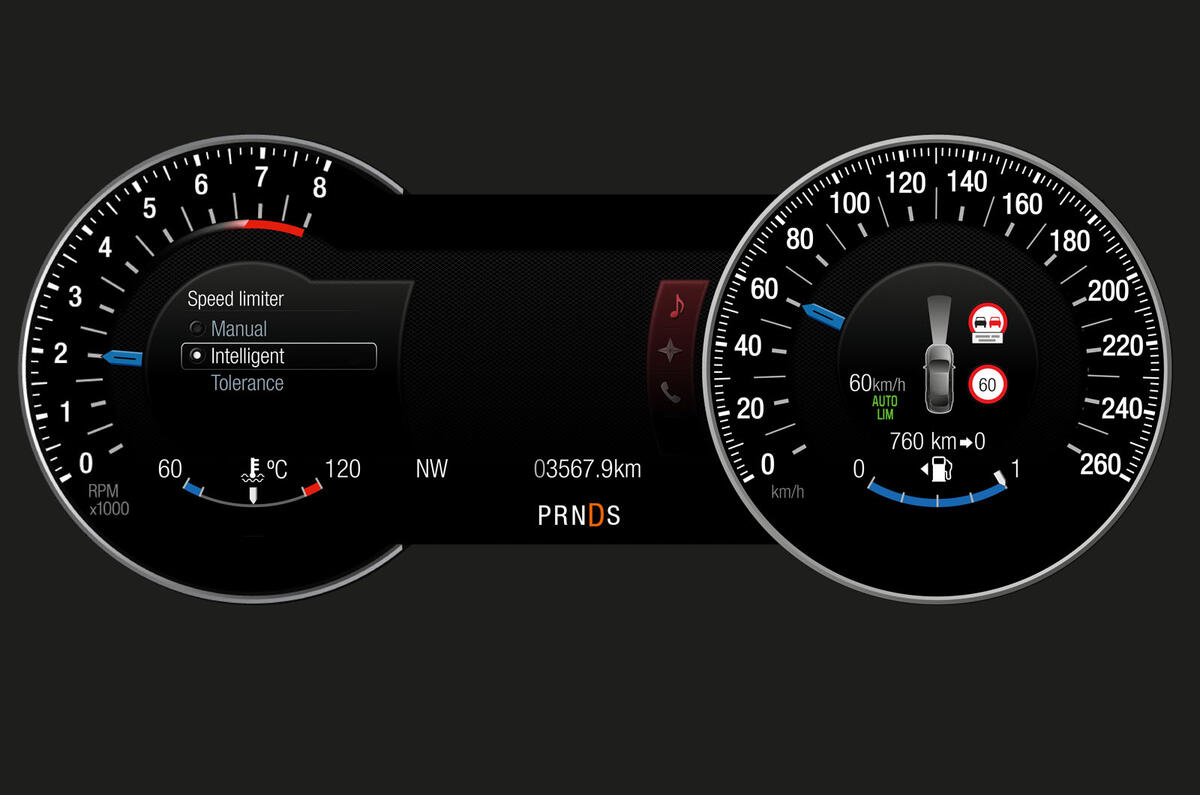
So what’s the truth? What is an intelligent speed assistance system, what’s it like to drive a car with one and will it still be possible to get your kicks on the A66?
Why do drivers need an intelligent speed assistance system?
According to the European Transport Safety Council (ETSC), which advised the European Parliament on ISA systems, speeding is a major problem in many European countries, with a large proportion of the 500 deaths each week on EU roads caused by drivers going too fast. Research in Sweden and the Netherlands has shown that when using an ISA system, motorists drive more slowly, even when it can be switched off.