

It’s a Monday morning sometime in the mid-1970s and a teenaged Colin Goodwin is sat in the back of class dreaming about cars, motorcycles and engines. At the front, the teacher is scribbling French sentences on the blackboard. “Why learn French,” I would have said back then. “Am I ever going to live or work in France?”
My parents spent a lot of money on my education, but for the return they got from it interms of exam results, they would have been better off going to the local greyhound track and blowing the lot. The trouble was that I was interested only in grafting in the subjects that interested me, and that was only English. I got good O-level grades in both literature and language. These subjects make up 50% of my total O-level count.
The tragedy is that I should have been as interested in physics and would have been if someone at the school had had the wit to explain to me that physics played a crucial part in the creation, function and performance of my beloved machines. A visit to the Brabham or Tyrrell Formula 1 teams, which were no more than 10 miles from my school, could have changed my life.
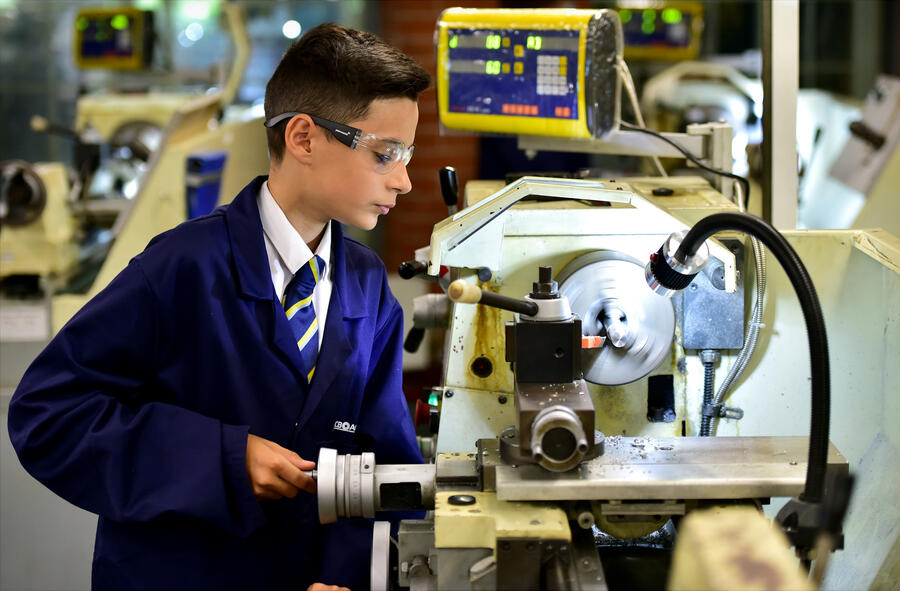
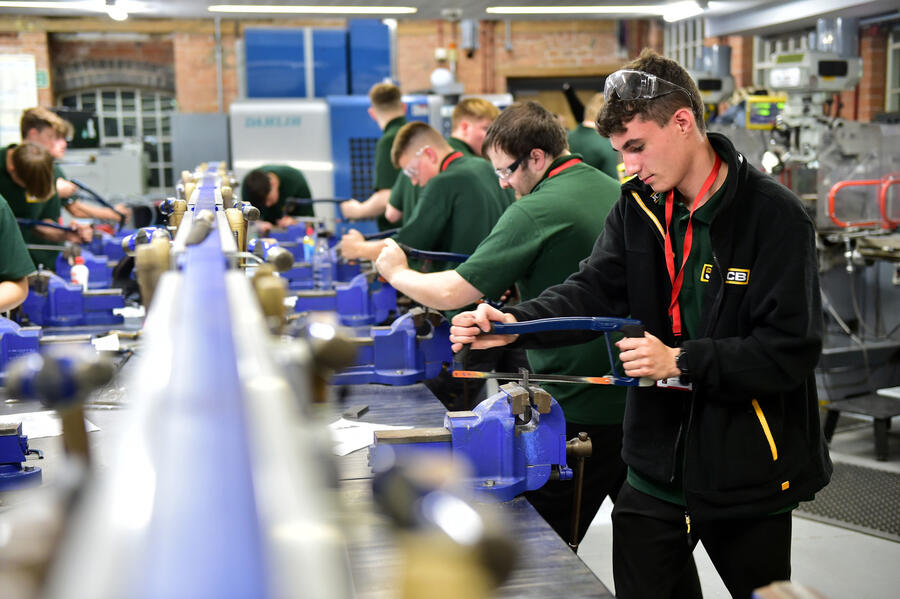
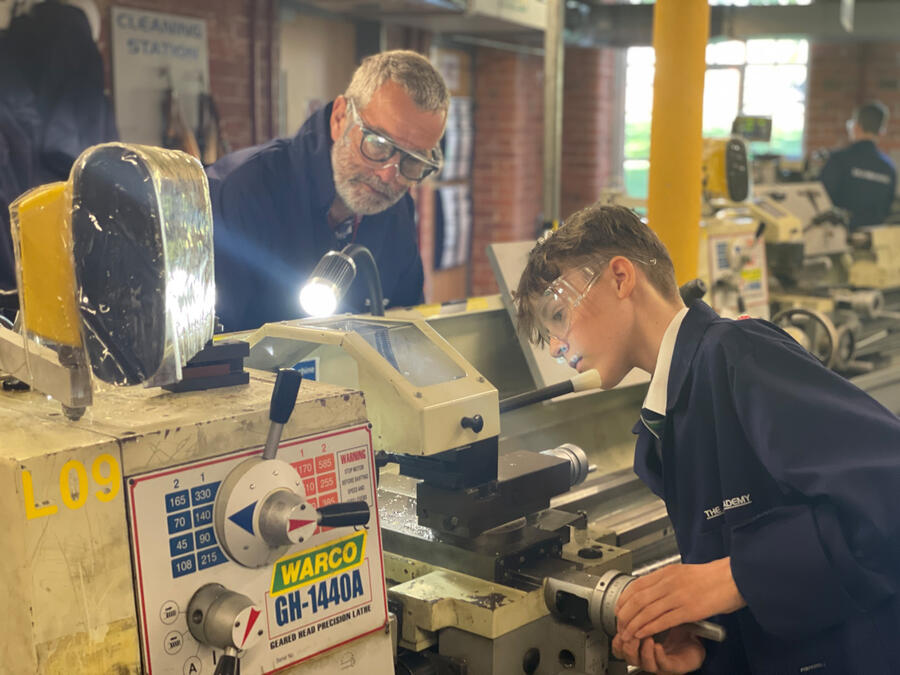
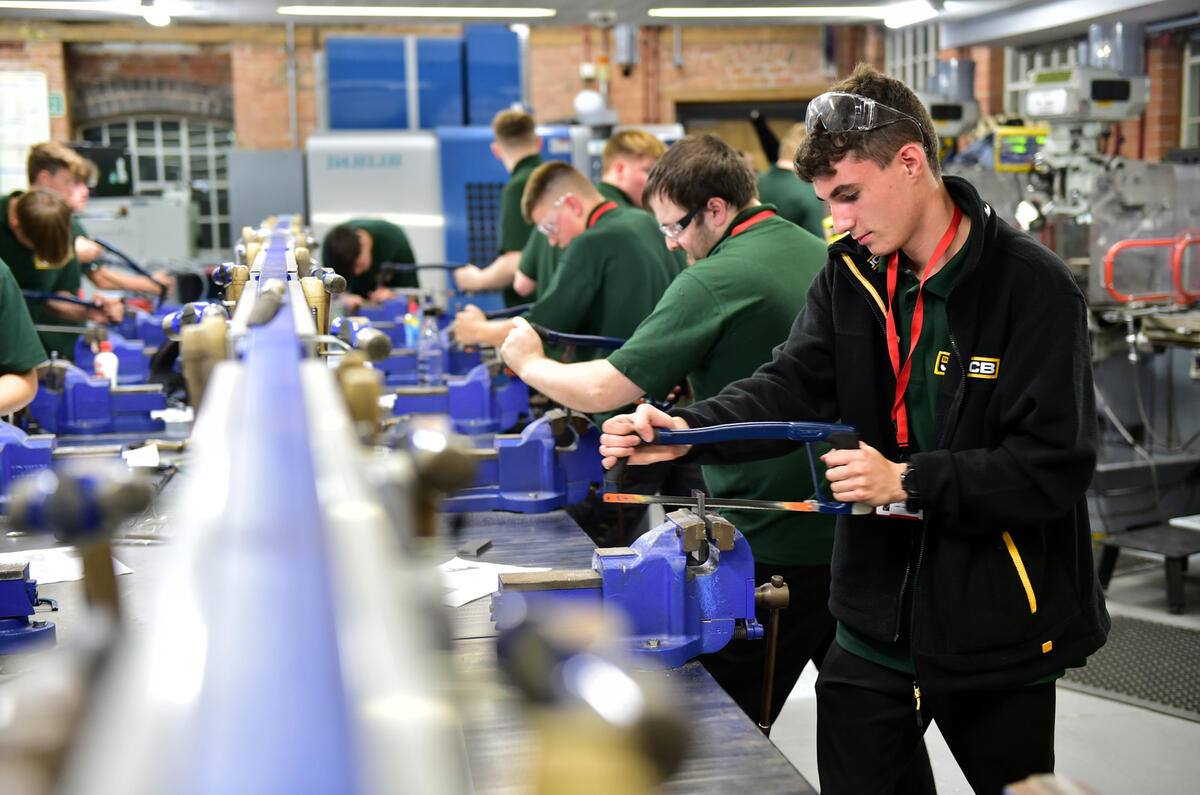
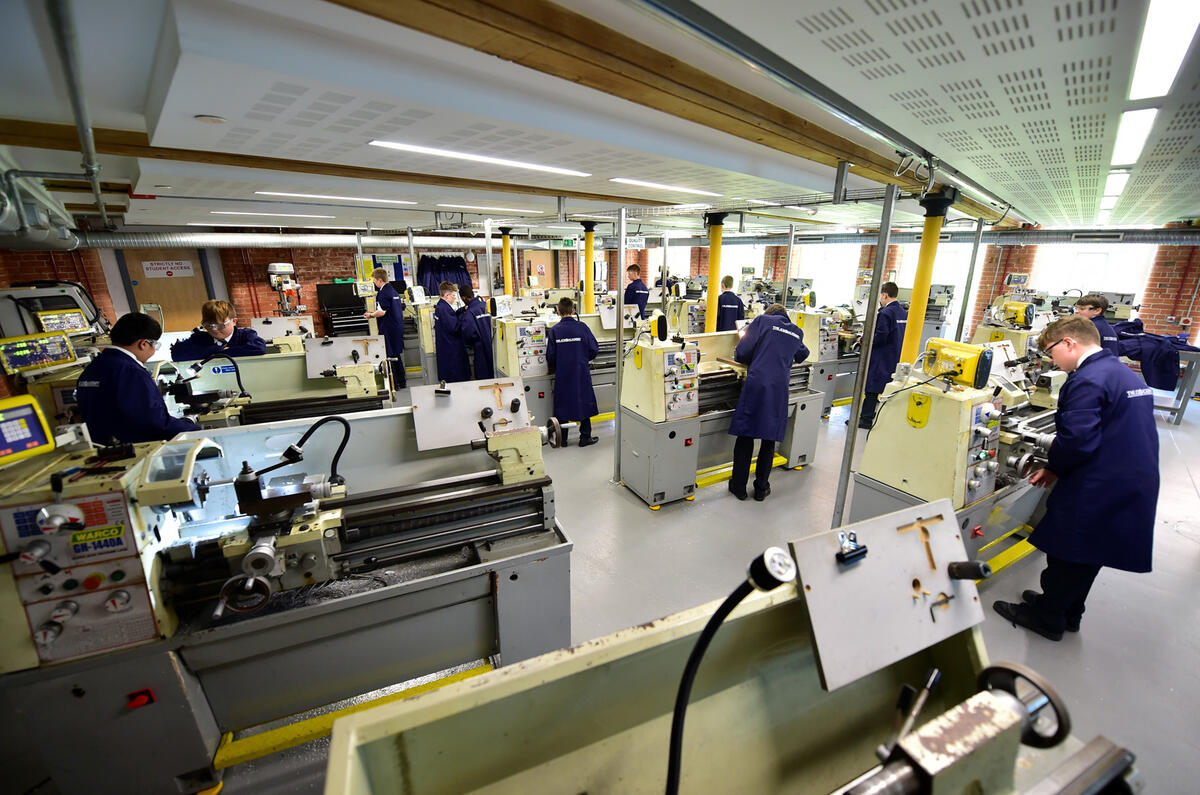
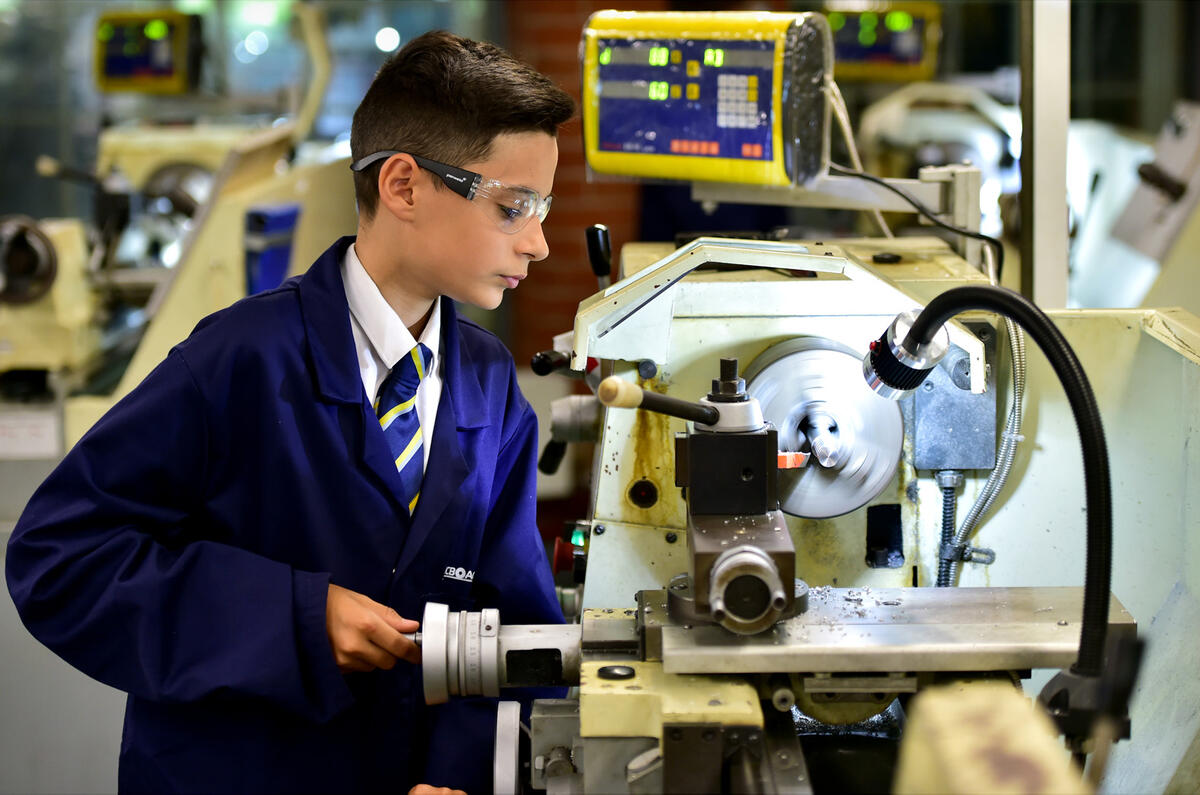
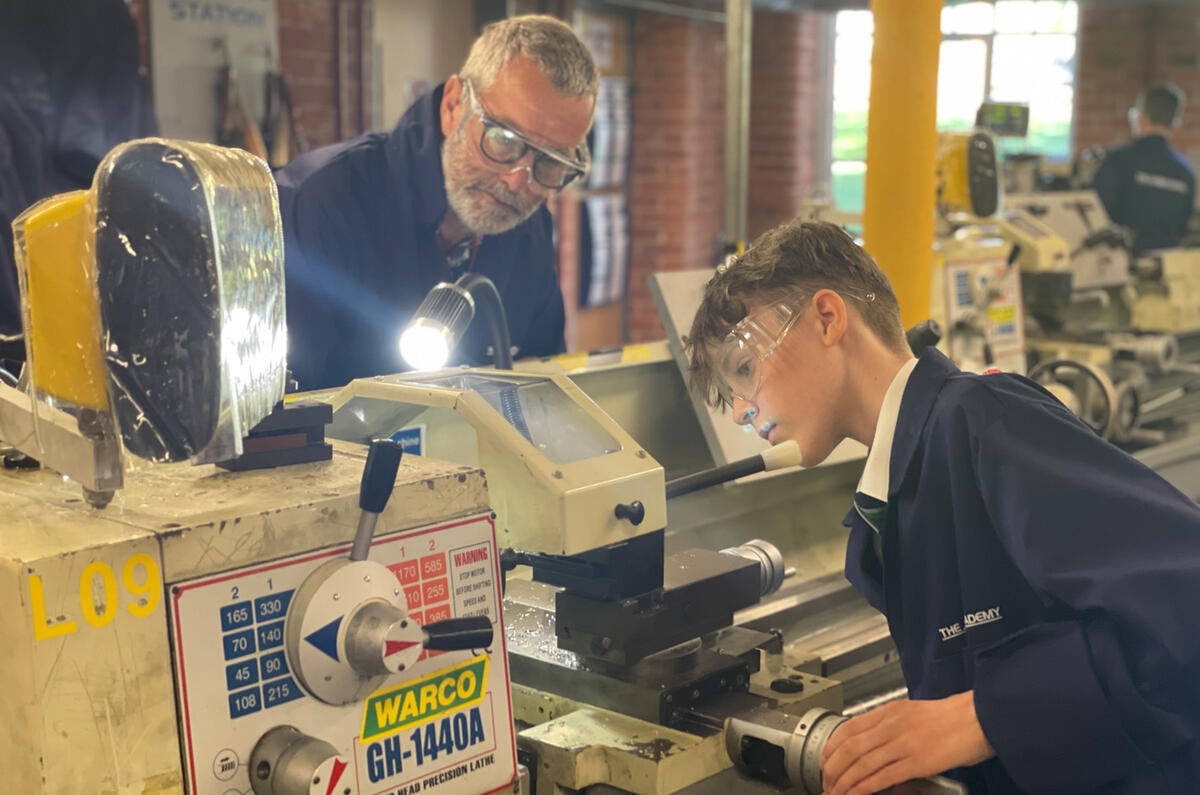
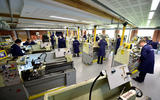
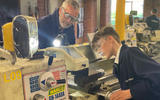
Forward 45 years and it’s the first lesson of the day on Monday for Year 10 students at the JCB Academy in Rocester, Staffordshire. Their noses aren’t in a Latin textbook, nor are they frantically copying French phrases into an exercise book. They’re instead turning a short bar of aluminium on a lathe. About a dozen pupils, boys and girls, each with their own machine. Their teacher is carefully observing and giving advice on tool positioning and setting up.
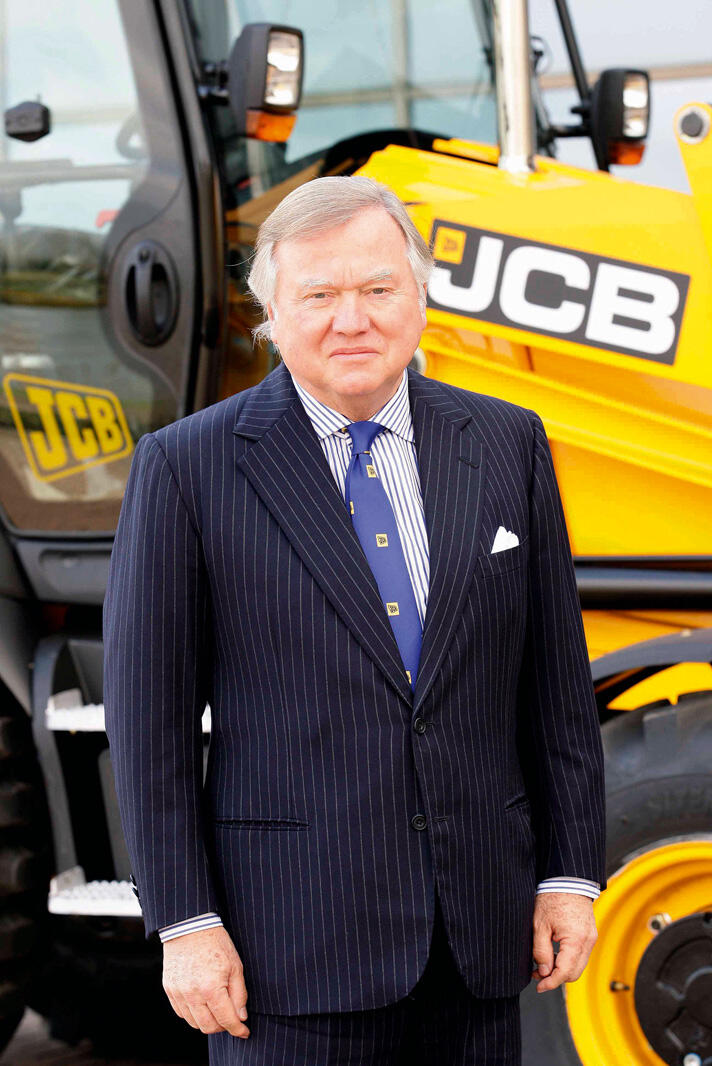
I had heard of the JCB Academy but had assumed that it was set up as a training establishment for the JCB factory itself in nearby Uttoxeter. I had also assumed that its students were either apprentices or post-graduates. Then a couple of weeks ago, I received an email from JCB’s press office saying that an ex-engineer at JCB called Bill Turnbull had recently passed away and donated to the Academy some of the proceeds from the sale of a Bugatti Type 57 that he had restored. From the press release, it was clear that my assumptions about the Academy were wrong.
First, the Academy takes in kids (they’re referred to as ‘learners’ by the staff) from Year 10 (ages 14 and 15). I’m sitting in front of the principal, Jenny McGuirk, who is a physics teacher by trade. “The Academy was established in 2010,” she explains, “and is focused on engineering and business. We have a totally modern approach to education at the Academy, with hours that are more like those in a business, rather than a school, and our curriculum is quite different. There’s no history or geography, for example, although those subjects will be touched upon if they’re relevant. What we do have are options that learners can take up. Modern languages, for example, or product design.”