





Currently reading: The white vans of Dover: Inside the port's used car exporting industry

Whither the second-hand BMWs and Mercs being towed into the Port of Dover weekly? We join the convoy

If you’ve ever wondered why you don’t see quite so many used BMW 5 Series, Volkswagen Passats, Suzuki Grand Vitaras, Mitsubishi Shoguns and Mercedes E-Classes these days, go to the Port of Dover.

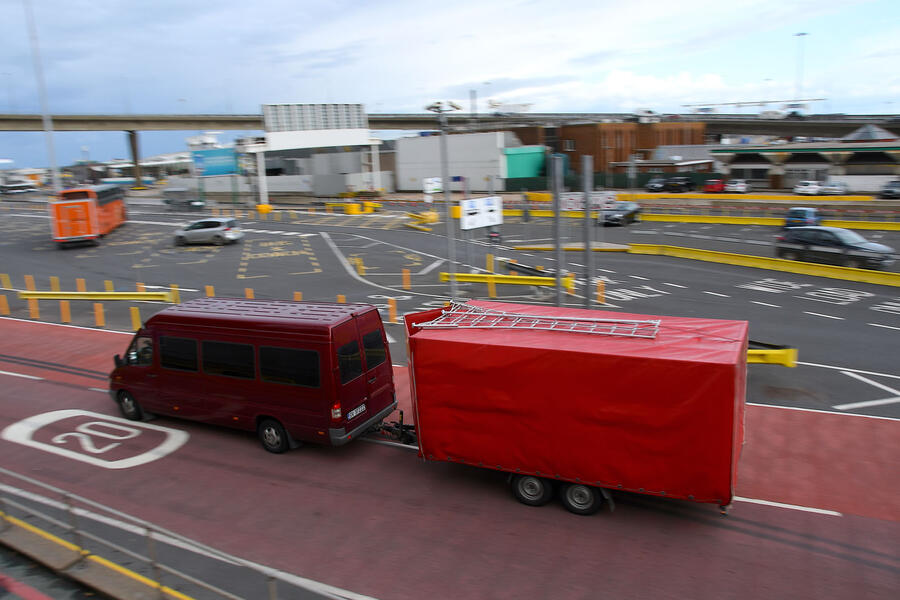
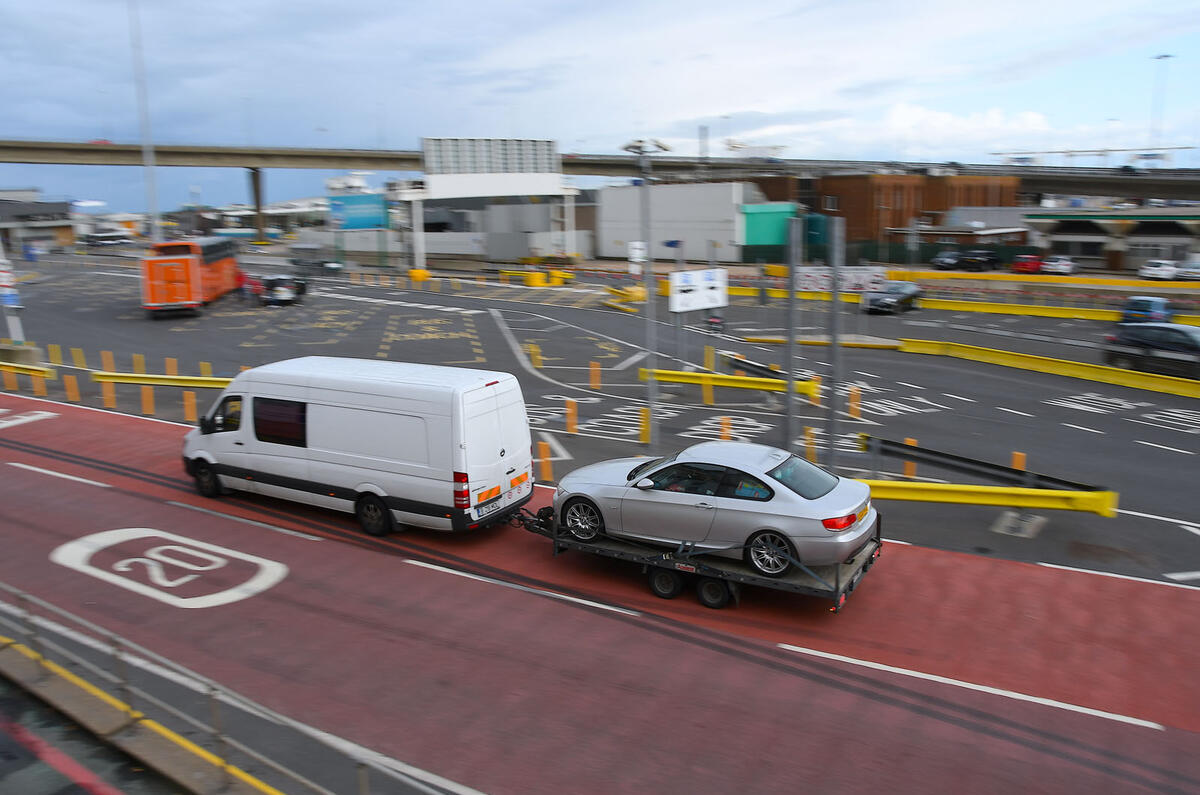
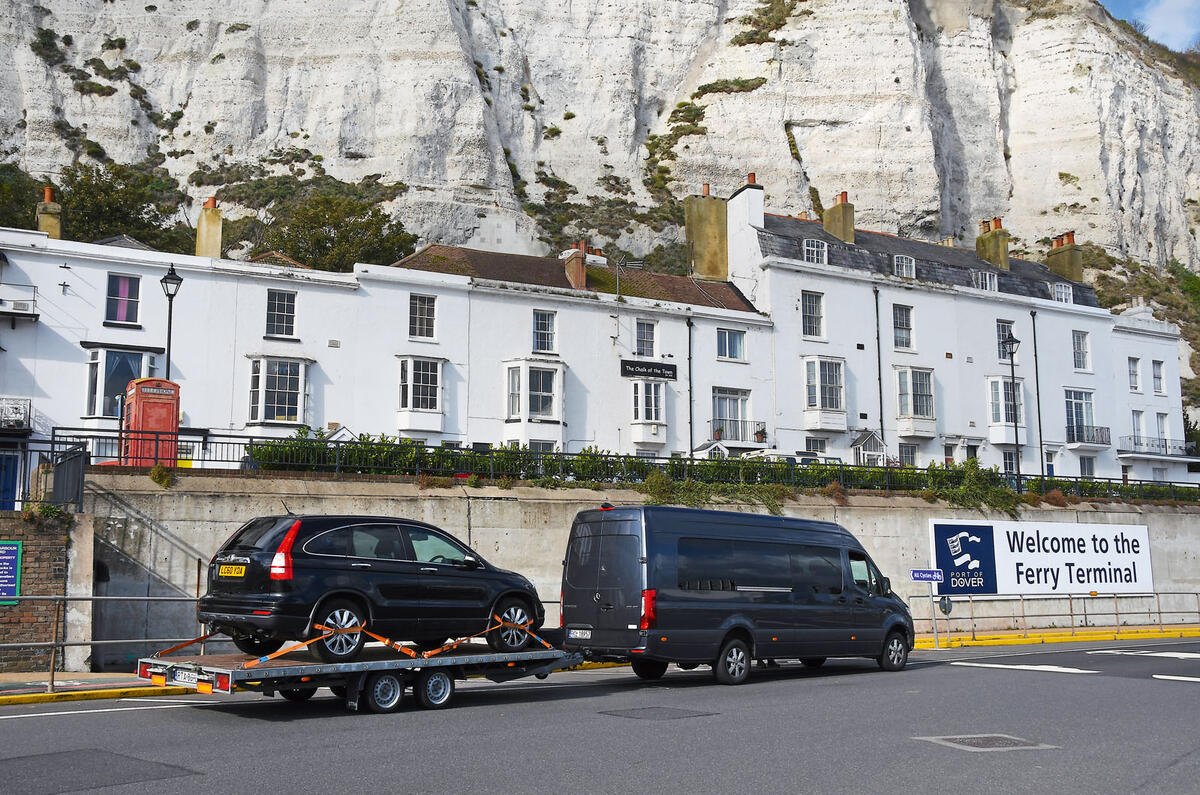
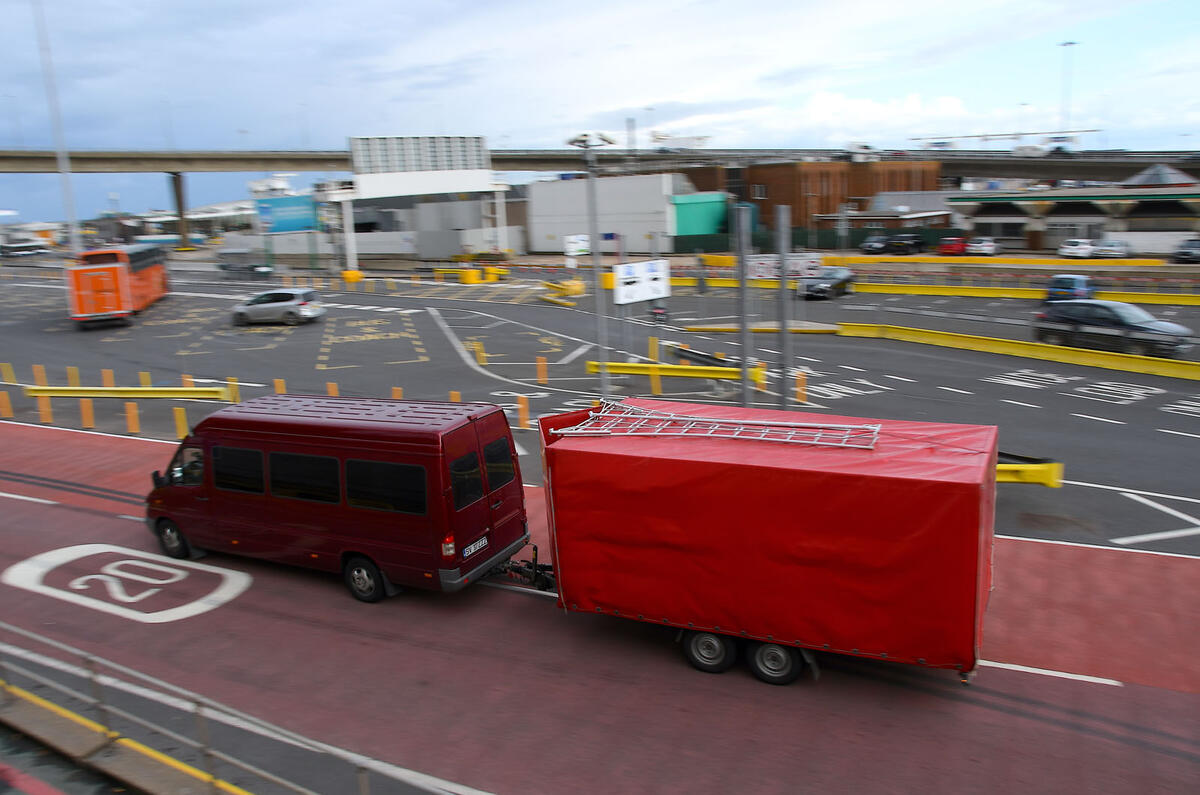
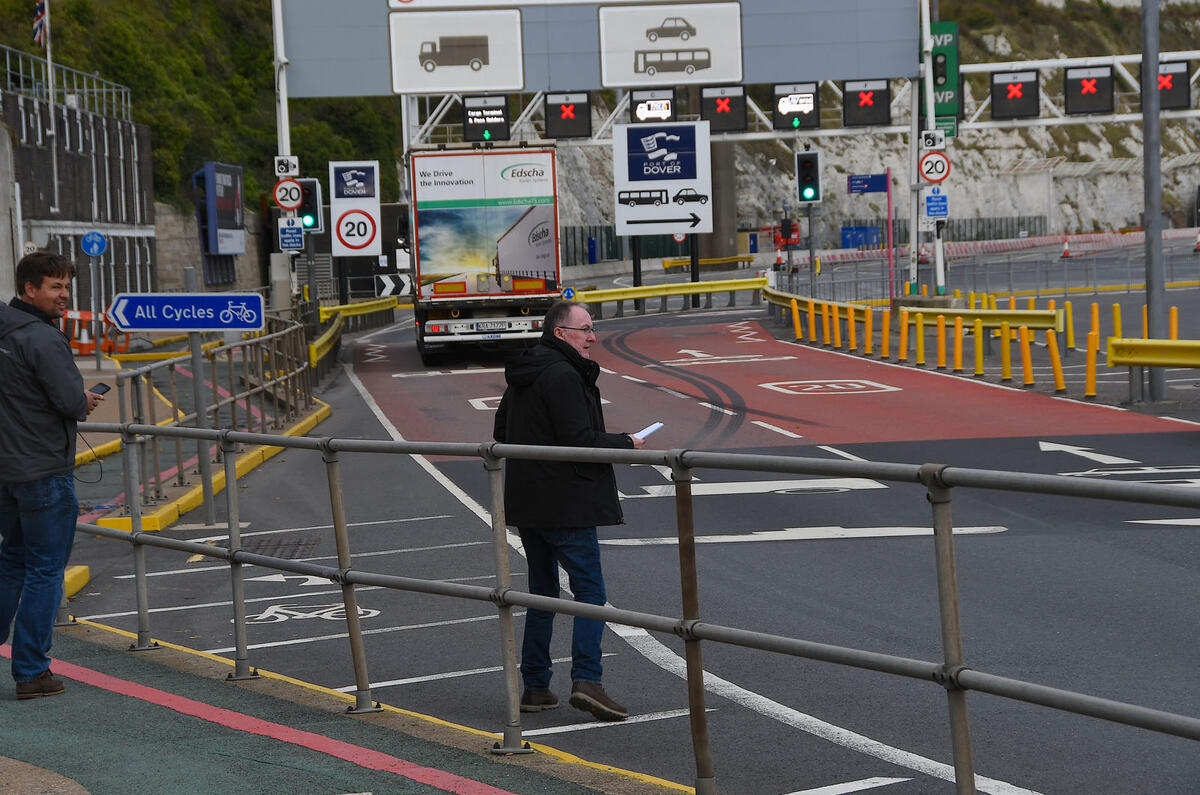
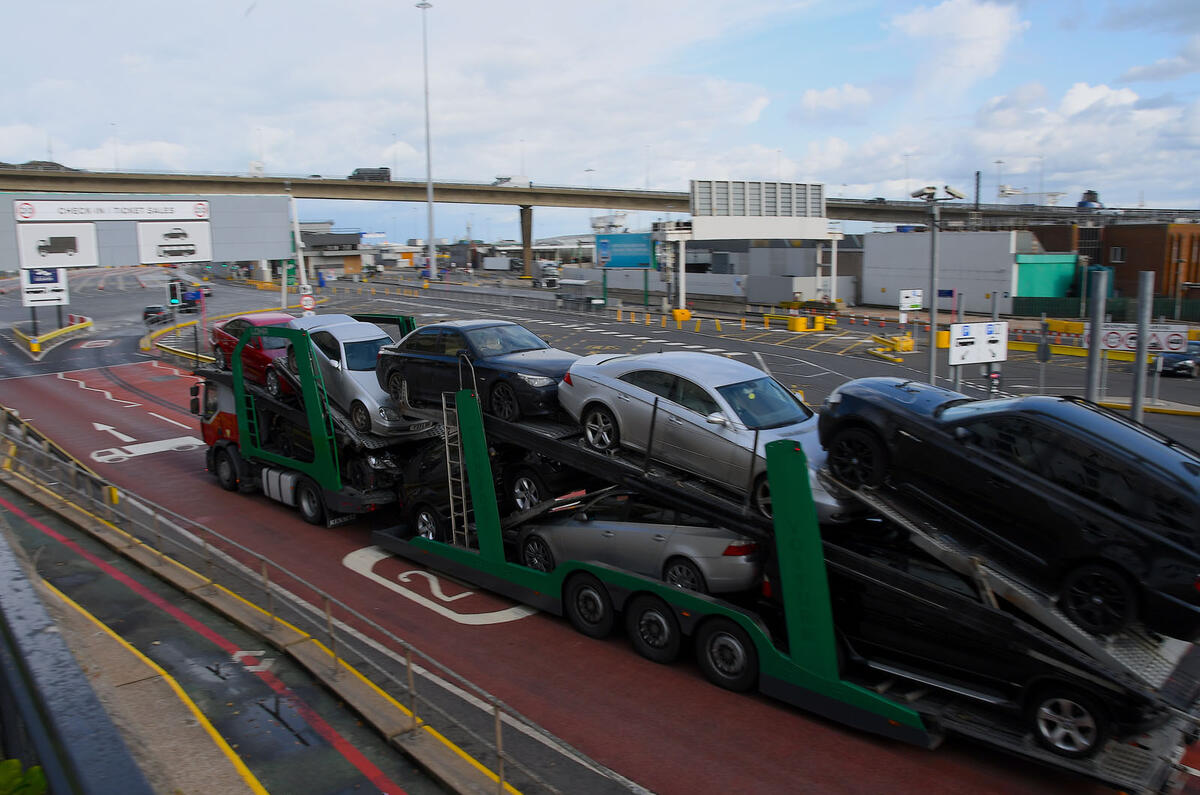
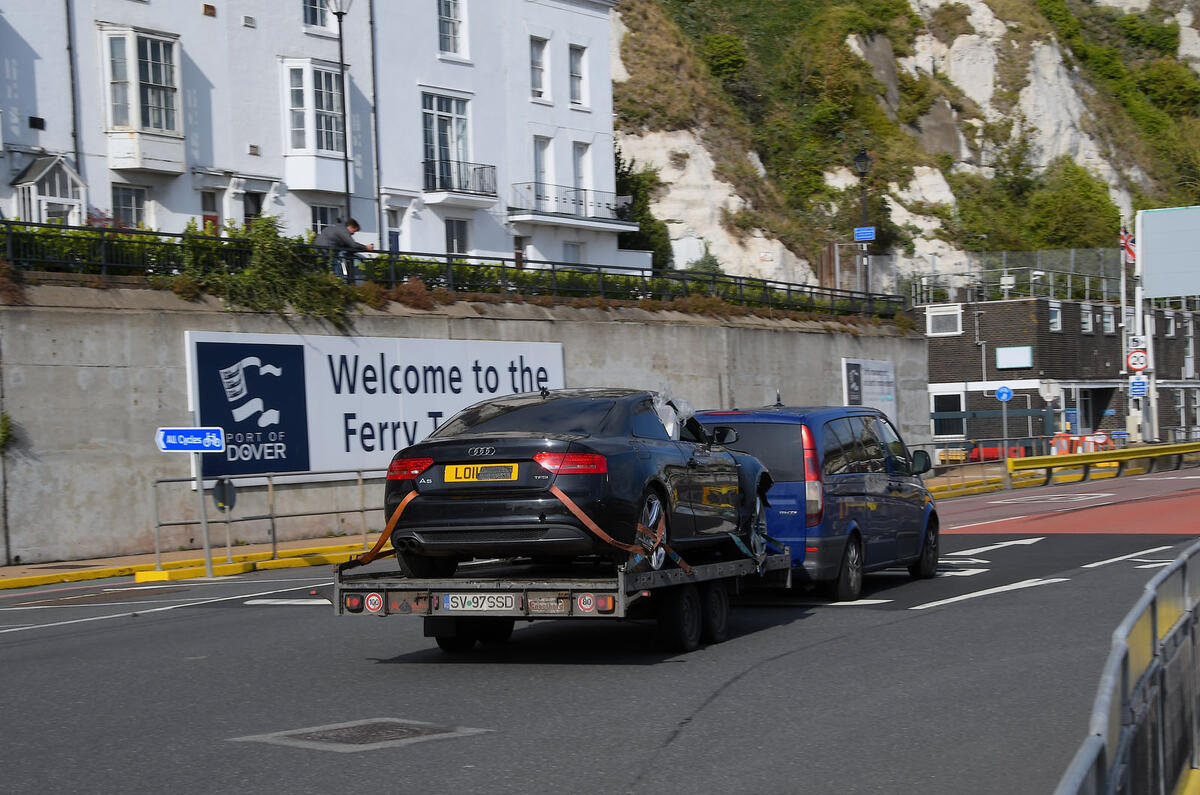
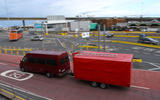
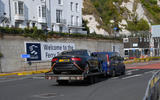
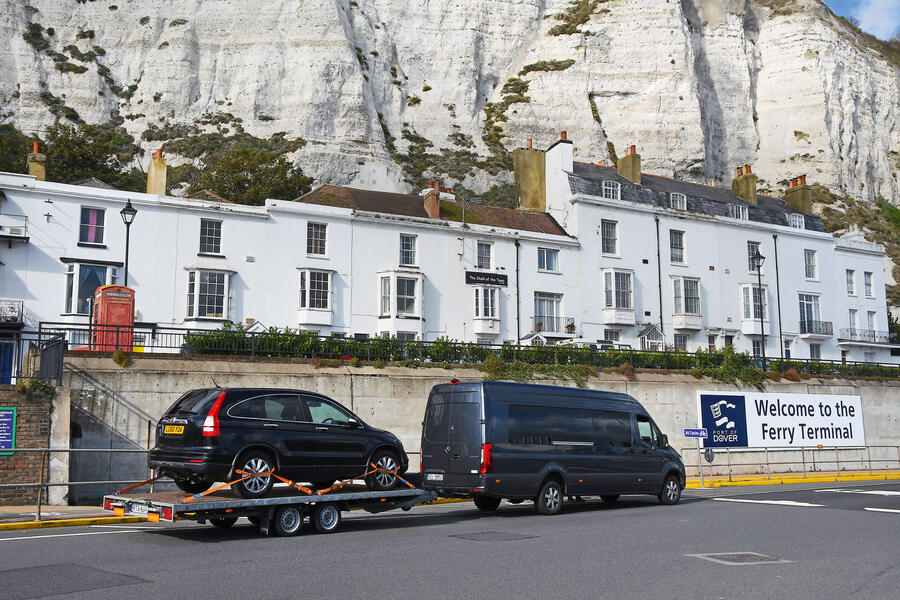
Every Sunday afternoon, a procession of ageing VW LT and Mercedes Sprinter vans, each dragging a one-car trailer, winds its way over the Jubilee Way ramp or, occasionally from the other direction, along the coast on the A20, and into the port.

Their registration numbers indicate they’re from Poland and Bulgaria but mainly from Romania. The registration plates of the cars they’re towing are UK. Mainly premium German cars and Japanese 4x4s, they also include Audi A6s, BMW 3 Series and Mercedes C-Classes.

Where inexperienced visitors might hesitate at the entrance to the port, deciding which lane to follow, the vans drive confidently towards border control. It suggests they’ve done this before and, indeed, many have been doing this journey, which begins on the French side on a Friday night, ever since Bulgaria and Romania joined the EU in 2007.
2 8

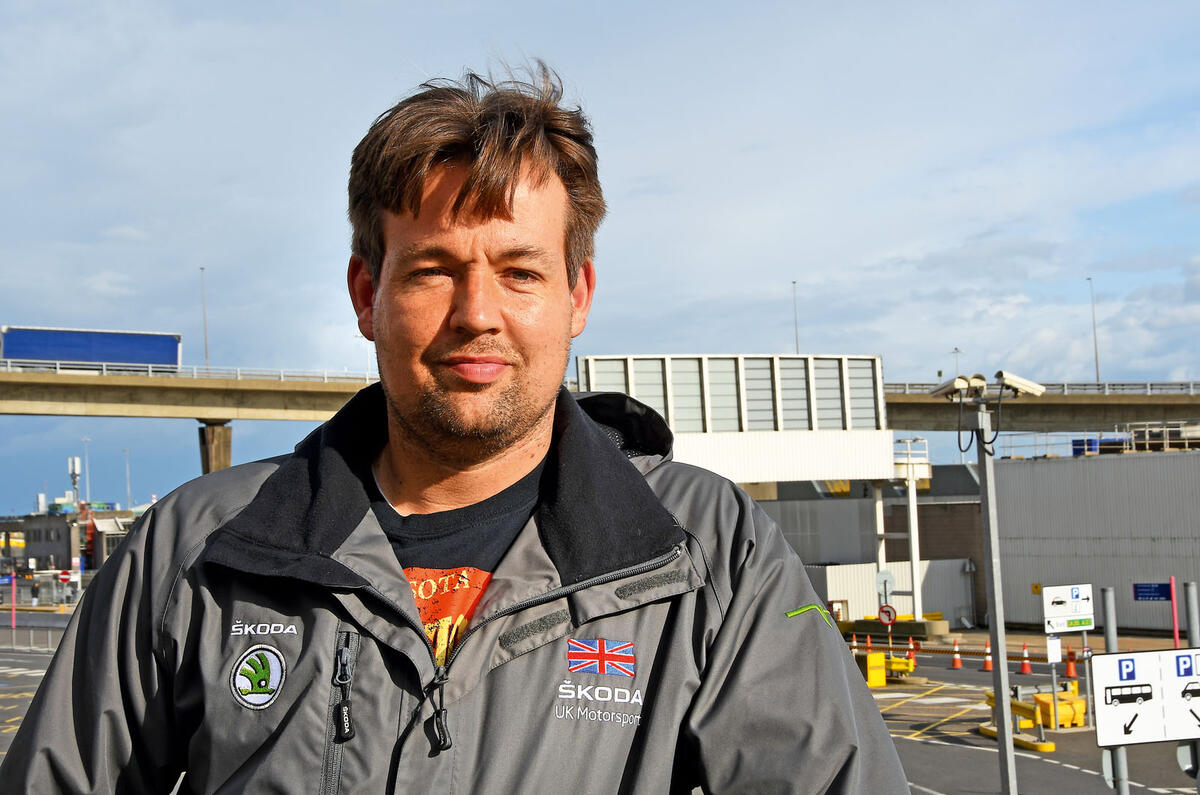
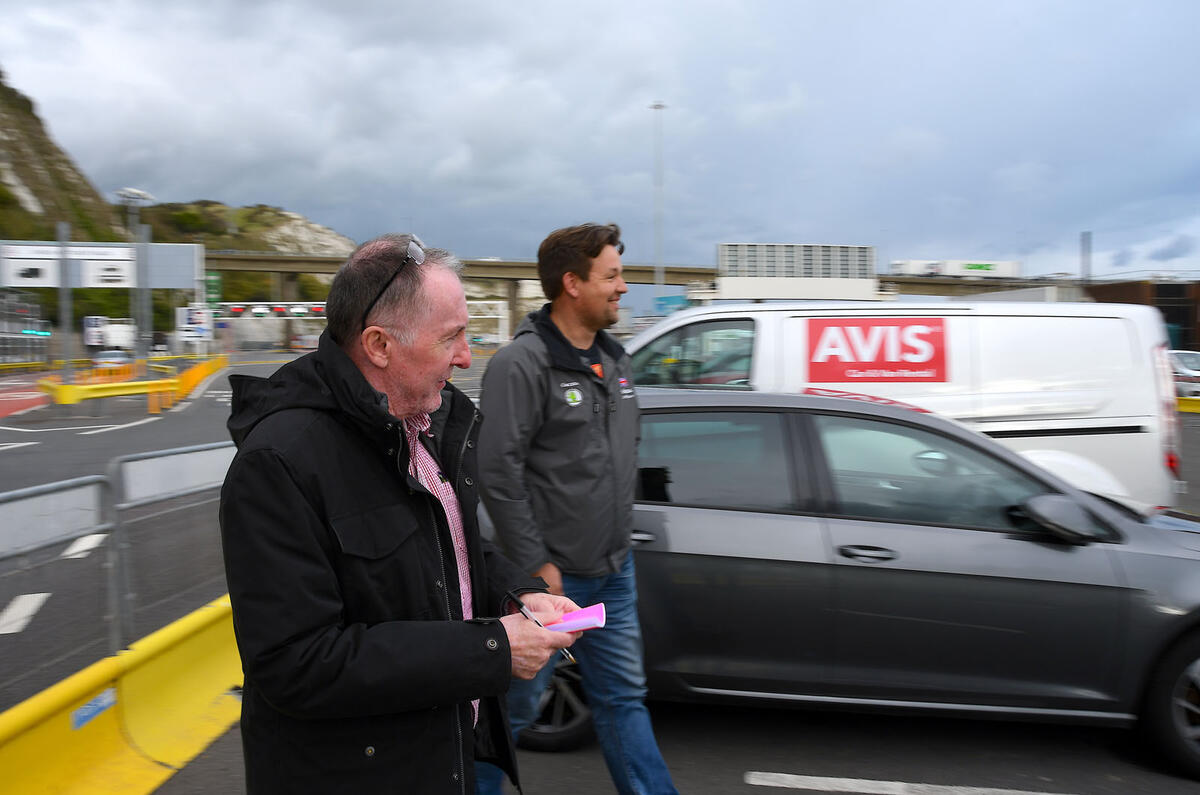
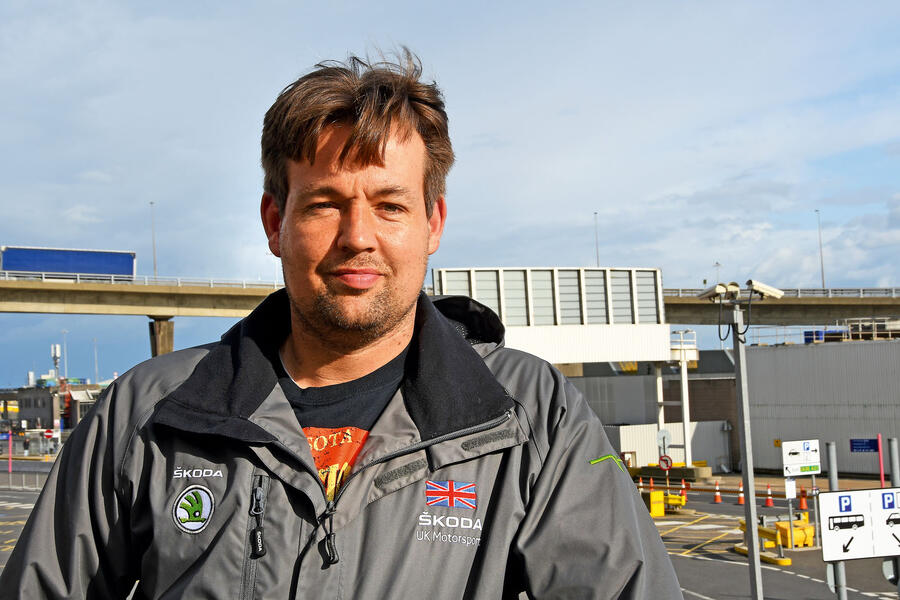
One Sunday afternoon in October, I joined Mark Torok at Dover to observe the latest convoy of used cars bound for Eastern Europe. Torok featured in Autocar last year in a story about his Skodas – he owns at least 80. He lives in Kent and his mother is from the Czech Republic.

“Every Sunday for the past few years, I have been treated to the sight of dozens of comically blinged-up and spectacularly knackered Merc Sprinters and VW LTs flying down the M2 and M20,” he told me when we met in the small public car park at the Torok’s fleet of Skodas came the other way entrance to the port. “They’re dashing for the ferries, each one towing a trailer with either an old German or Japanese diesel car or 4x4, destined for Poland but mainly Romania and Bulgaria.

“They must have depleted the UK of thousands of vehicles and, what with ULEZ and the demonisation of diesels helping to drive down prices, there’s every reason the trade will continue, assuming Brexit doesn’t stop it.”

Ah, Brexit. In fact, as this is written and the deadline for the UK leaving the EU looms, there are rumours that the inevitable extra paperwork and imposition of import duties might spell the end of the trade. But then as far as Brexit goes, nothing’s certain…
3 12

Back to top

Another reason the UK is a happy hunting ground for the Eastern European exporters is our habit of regarding a car as washed up by its third birthday. We can’t wait to change it, at almost any price, for a shiny new one. Romanians think we’re mad, as Torok found out when he had a brief chat outside his local Tesco with a Romanian driving a Mercedes Sprinter recovery truck.

“The UK is crazy,” he told Torok. “You think a car is too old from three years. Here, working for one month, I can buy a car. In my country, I have to work two, maybe three years, to buy one.”

Our old cast-offs are also a great source of spare parts, while what we would class as a wreck can, thanks to Eastern Europeans’ technical skills and resourcefulness, be put back on the road – although whether you’d want to drive the cut-and-shut BMW X3 that features in an online Polish repair film I watched while researching this story is another question…

Of course, the elephant – or maybe that should be large brown bear – in the room is the fact that we drive on the right and Eastern Europeans on the left. Apparently, it’s not an issue. Most people are happy to carry on driving on the right but, if it’s a problem, converting to left-hand drive is cheap and straightforward.

The economics of exporting UK cars to Eastern Europe are finely balanced. To help make the numbers add up, a van might carry UK-bound passengers (many vans have rear seats and side windows) and goods in the load space, taking the night crossing to save money.

And then it’s a quick run to London for a car or cars, and fresh passengers and goods, in preparation for the drive back to Dover in time for the cut-price Sunday night crossing. And don’t forget there’s the value of the car itself, which in Romania or Bulgaria is considerable.

Torok and I positioned ourselves at the entrance to the port in the hope of stopping a few drivers and hearing their stories.

5 4

Back to top

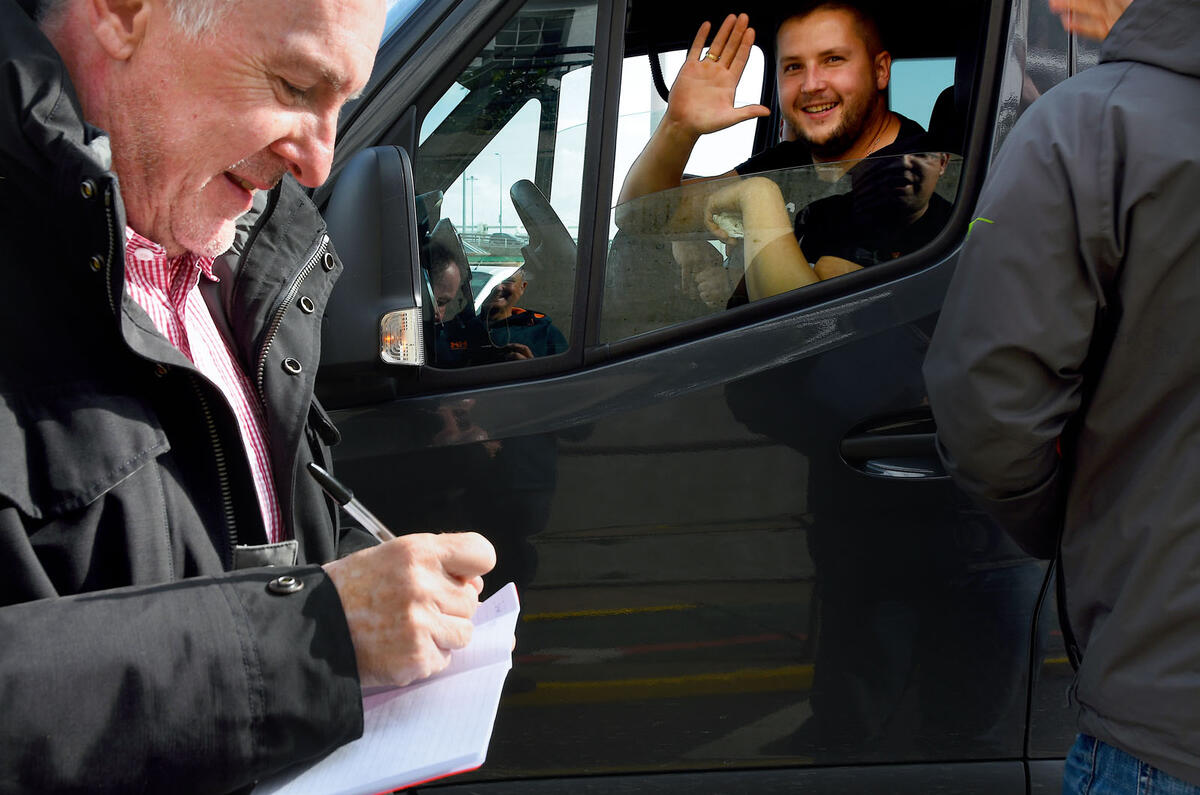
First up was Radu, a Romanian taking a Vauxhall Corsa home. He said he’d been working in the UK for six months and that he was returning home with his bonus, the Corsa. He was followed by Mateus, a Polish delivery driver who said he was a regular, collecting cars for the motor trade, some of which would be converted to left-hand drive.

“We have to change the mirrors and lights to conform to our regulations and pay import duty of 2% on cars under 2.0 litres, but 19% on those over that,” he said, which would seem to make the economics of exporting to Poland even more finely balanced. Incidentally, in Romania and Bulgaria, no import duties are payable.

Some minutes later, a Romanian-registered van towing a Jeep Cherokee drove past, its driver shaking his head as I attempted to flag him down. He was followed by an equally reticent countryman towing an Audi A6, and another a Porsche 911. A covered two-car trailer was next but, again, a shaking head signalled the driver wouldn’t be stopping for a chat.

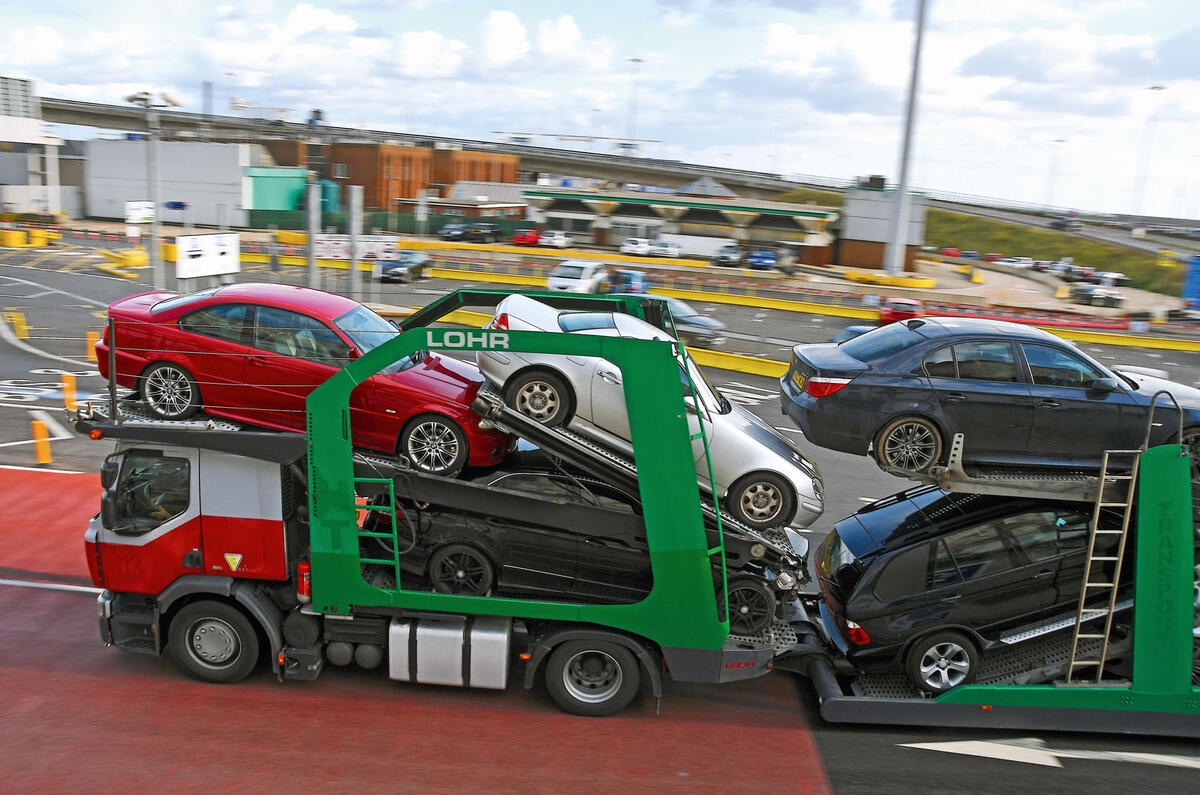
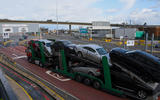
There seemed little point in trying to flag down the Bulgarian-registered nine-car transporter that followed carrying a BMW X3, BMW X5, 5 Series E60 and 3 Series coupé E46, and a Mercedes CLS, E-Class W212 and SLK.

9 1

“These are hugely desirable cars to East Europeans,” said Torok.

Back to top

Fortunately, Emanuel, towing a BMW 5 Series, did respond to my appeals to stop.

“Many people buy for themselves,” he said. “However, this car is for a friend. It’ll be cheap to convert.”

As he pulled away, Torok commented that the van’s Romanian registration plate identified it as hailing from Suceava.

“This is a poor part of Romania and most of the export outfits come from there, where it is obviously hardest to get by and purchase goods,” he said.

We’d seen enough and as more vans rolled by to meet their ferry deadline, we headed home – Torok in his Skoda Octavia and me in my nearly new Mazda MX-5, which, to be honest, already feels like an old car. Must get a new one.

7 2

In the dock

Unfortunately, not all of the used cars and spare parts leaving Dover for Eastern Europe have been honestly acquired. This September, members of the UK’s National Vehicle Crime Intelligence Service (NaVCIS) and the Romanian Stolen Vehicle Unit stopped a Mercedes GLA at Dover docks as it was being driven to a ferry. The car’s Romanian driver told the officers he was going home to a family event but a phone call to the finance company the vehicle was recorded with established that repayment arrears on the car totalled £1400. The finance agreement was immediately terminated and the car seized.

Back to top

Meanwhile, in the same operation, two stolen BMW engines en route to Poland and originating from two thefts – a car key burglary in the Thames Valley area and a stolen vehicle from a Heathrow airport car park – were also recovered.

“As a result of our intelligence gathering and actions at the Port of Dover, we’ve been able to take action against those who may be involved in organised crime,” said John Kiszely, an intelligence development officer at NaVCIS.

READ MORE

How car firms will alter their prices post-Brexit

Nissan 'to review future' of Sunderland plant in case of no-deal Brexit

EU motor industry leaders unite against ‘no-deal’ Brexit

Join our WhatsApp community and be the first to read about the latest news and reviews wowing the car world. Our community is the best, easiest and most direct place to tap into the minds of Autocar, and if you join you’ll also be treated to unique WhatsApp content. You can leave at any time after joining - check our full privacy policy here.