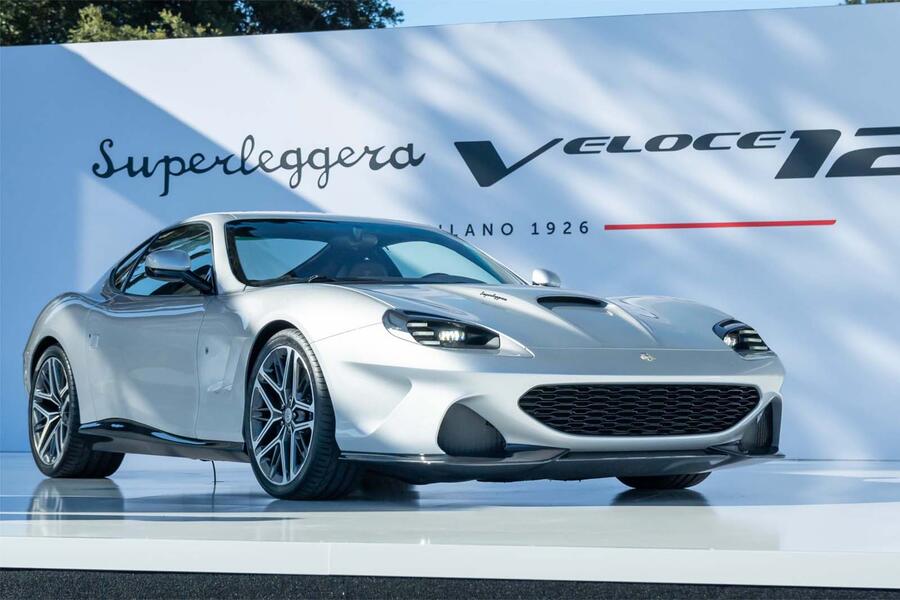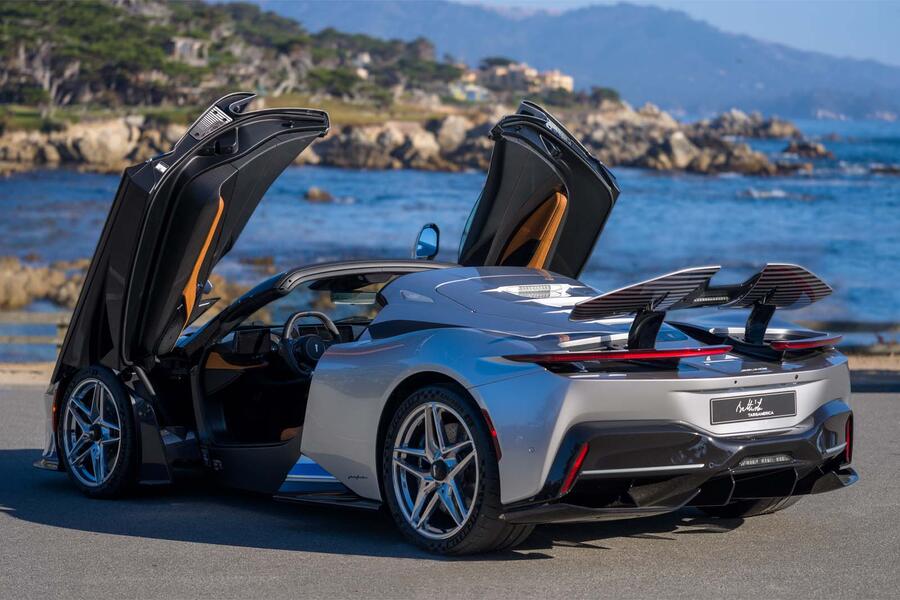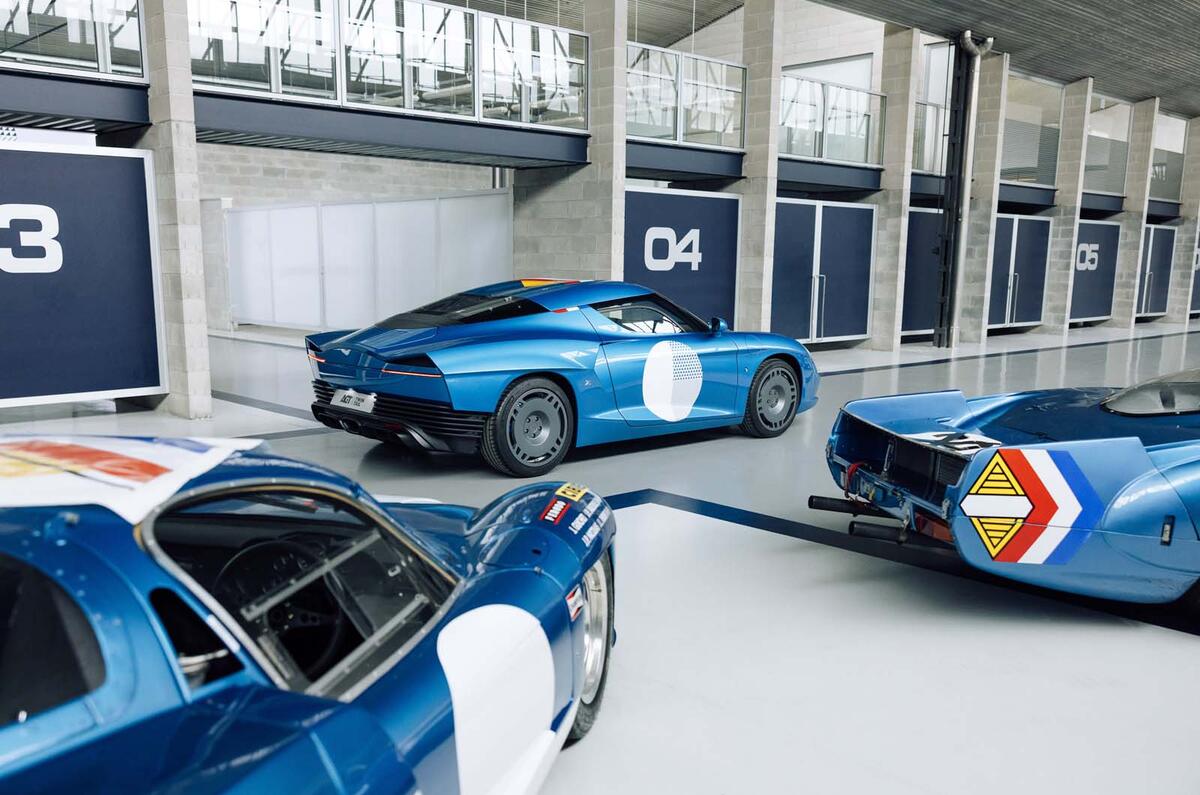
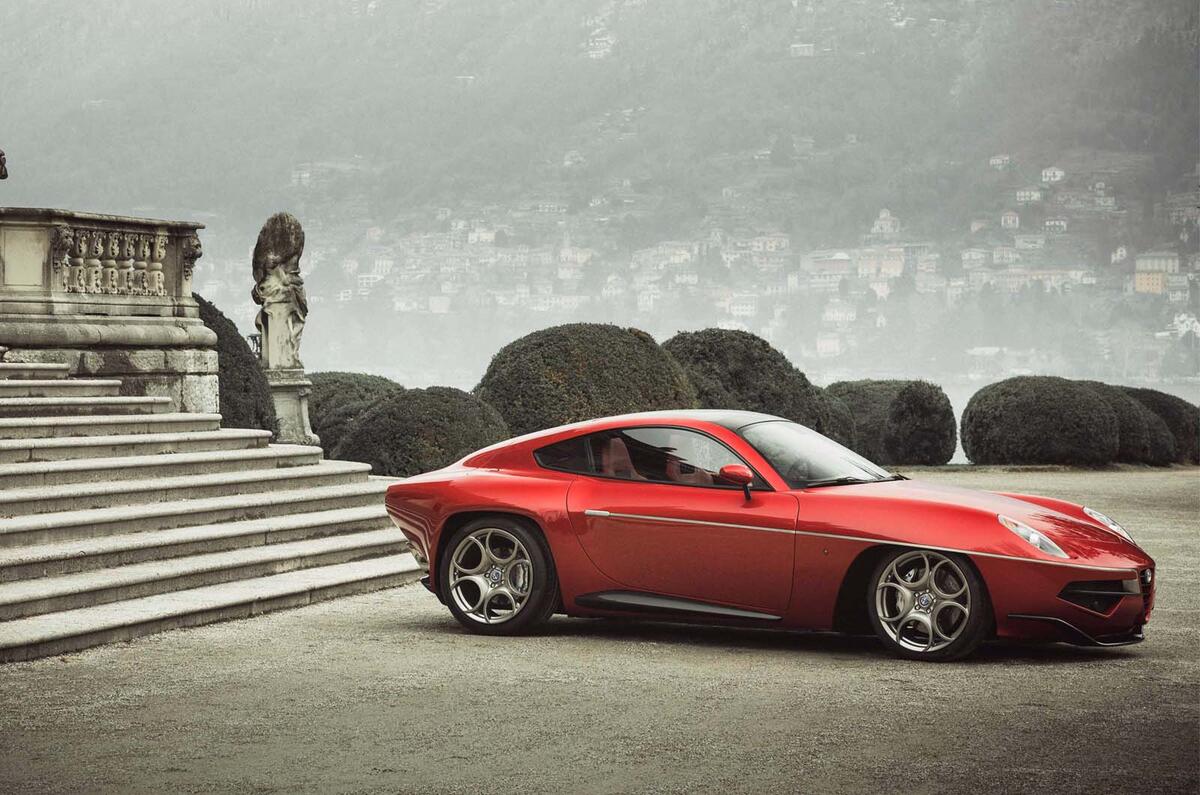
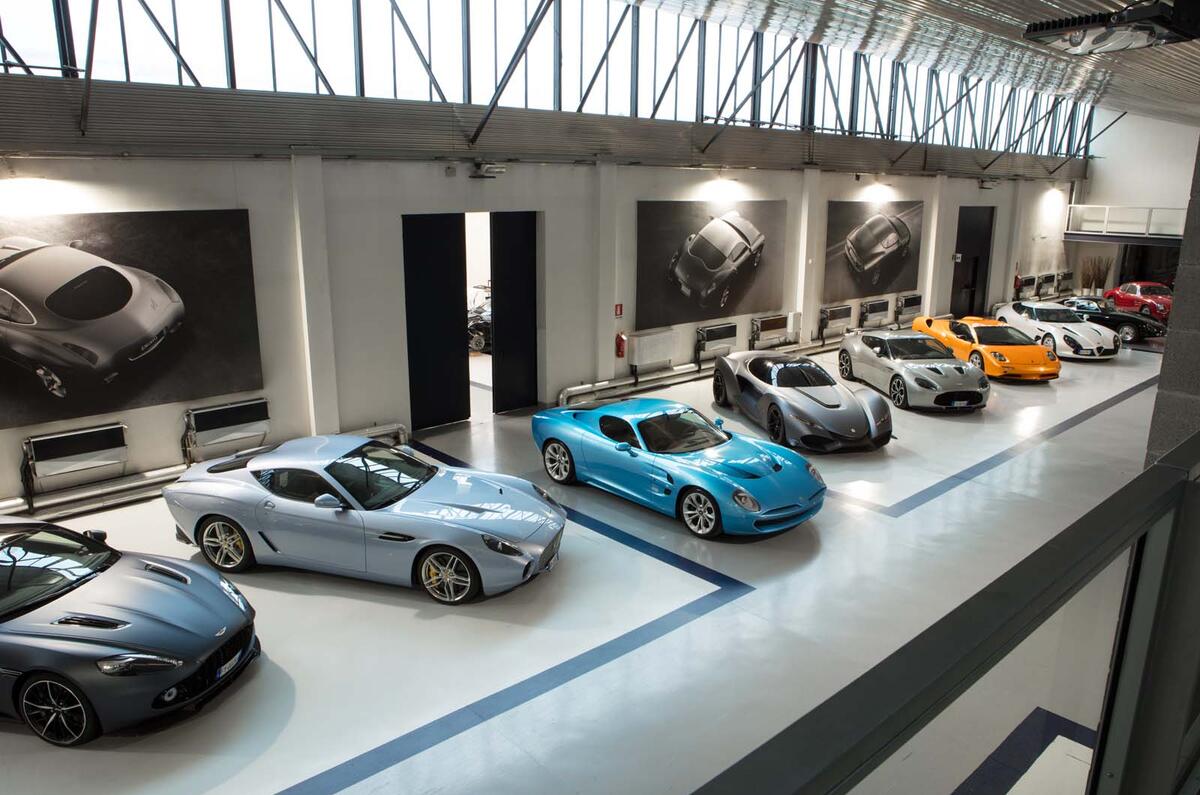
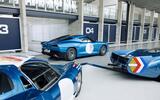
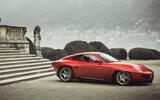

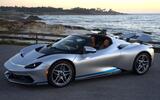
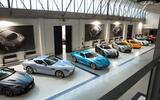
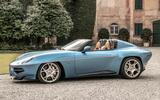

"It could be the revival of coachbuilding.” Andrea Zagato, CEO of the company bearing his surname, founded in 1919 by his grandfather, is confident.
Confident that his specialist industry is fit and ready to not only survive the new automotive era but thrive in it: “The art of coachbuilding is 500 years old, while automotive is around 150.
"We’ve already survived all possible technological shifts. I joined the company in the middle of the crisis of the early ’90s, when other coachbuilders were lost. We survived all of this. So why not a change of technology?”
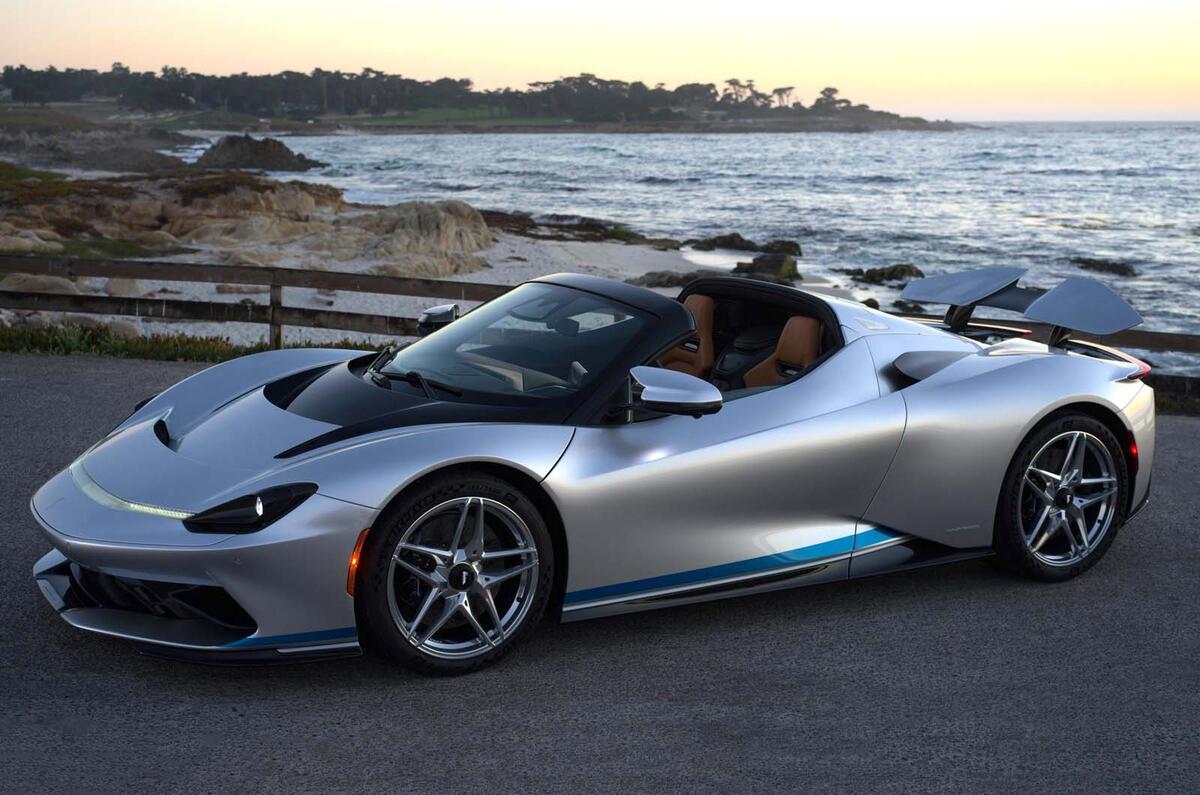
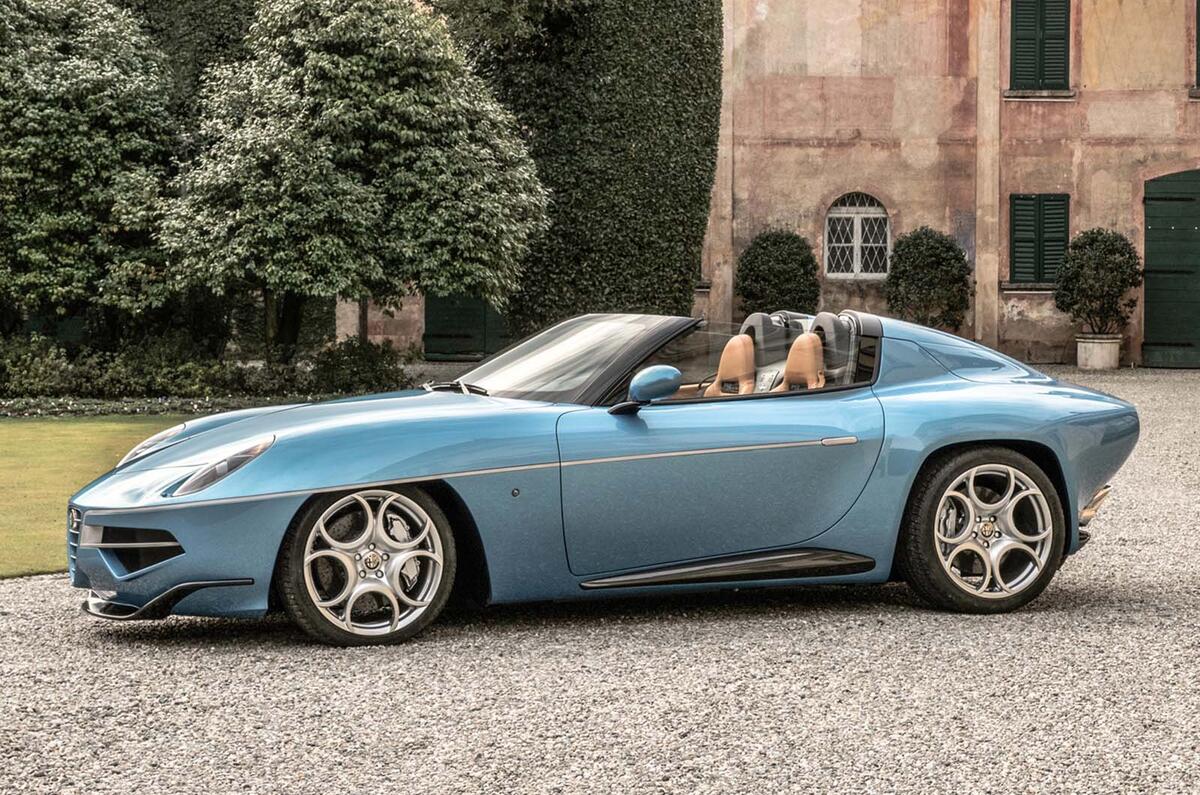
While the romance of automotive coachbuilding was perhaps strongest in its early decades, it stands to win over new audiences a century later, due to two diverging strands: the move to EVs with vastly shared platforms (just look at Ford and Volkswagen buddying up) and the nostalgic response of restomods and their ilk.
Whether on fully digitised or wantonly analogue bases, the need for individual designs and finely crafted bodies may be more crucial than ever.
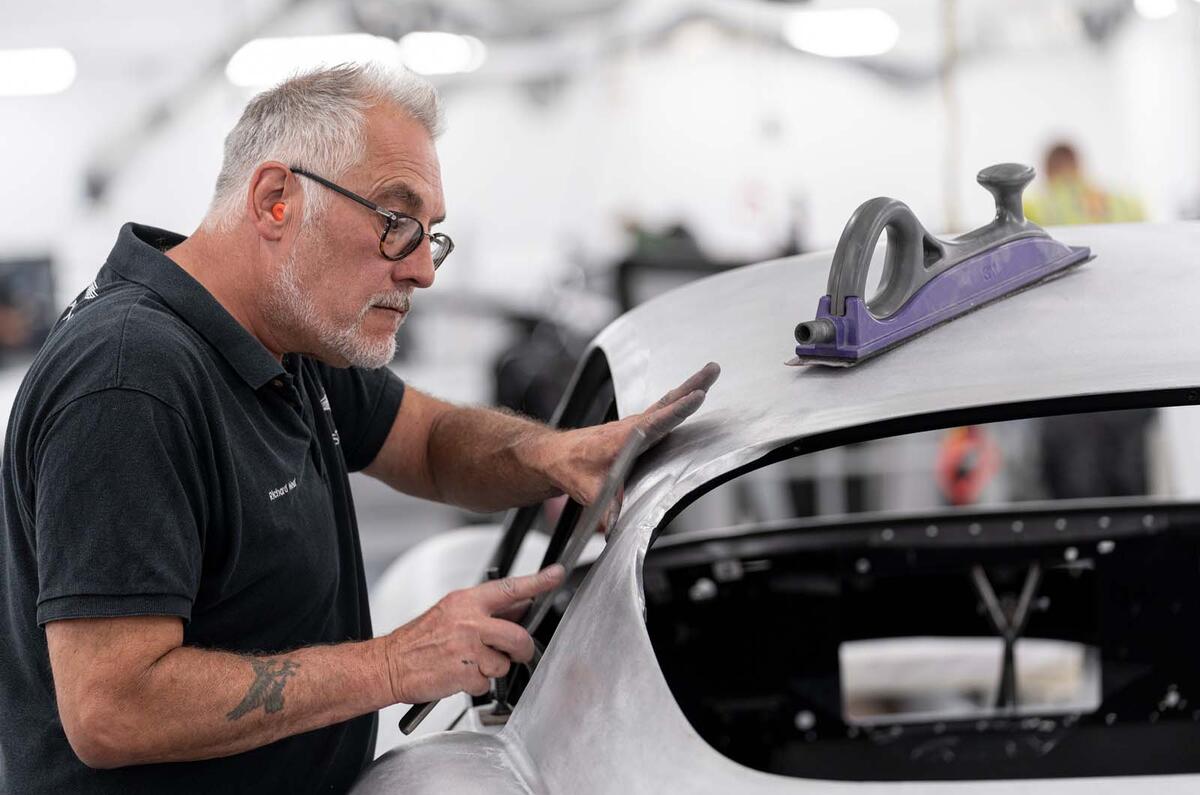
“We are case designers,” continues Zagato, “so we concentrate on what you see, what you touch. Whatever technology you provide us beneath, it’s not a big change for us.
"There are several converging trends in the automotive industry, and one is the growing demand for exclusivity. There’s also a standardisation of the components, even in internal combustion cars.
"Stellantis is a prime example: for me, the new Lancia Ypsilon is better-looking than the Peugeot 208, but they’re almost the same underneath. The styling might be the deciding factor for buyers.”

Zagato insists that his firm will embrace new technology, rather than fear it. He cites artificial intelligence and 3D stamping as beneficial for its small-scale projects, explaining: “You don’t have to invest thousands of euros in moulds or tooling, because you can quickly build the parts to create one-off and few-off cars. We’re already building many one-offs with 3D stamping.”
“We’re living through a technological challenge created by the war between EVs and ICE cars,” he continues. “If electric motors win, the standardisation in the industry will be maximised. I can see a time when you won’t be keen to own a mass-production car; you will rent, use, share. Design may become the main element of differentiation.