
In the summer of 1919 a young, impressionable German called Felix Wankel had a dream; he drove to a concert in his own handmade car while boasting to friends “My car has a new type of engine: a half-turbine, half-reciprocated engine. I invented it!”
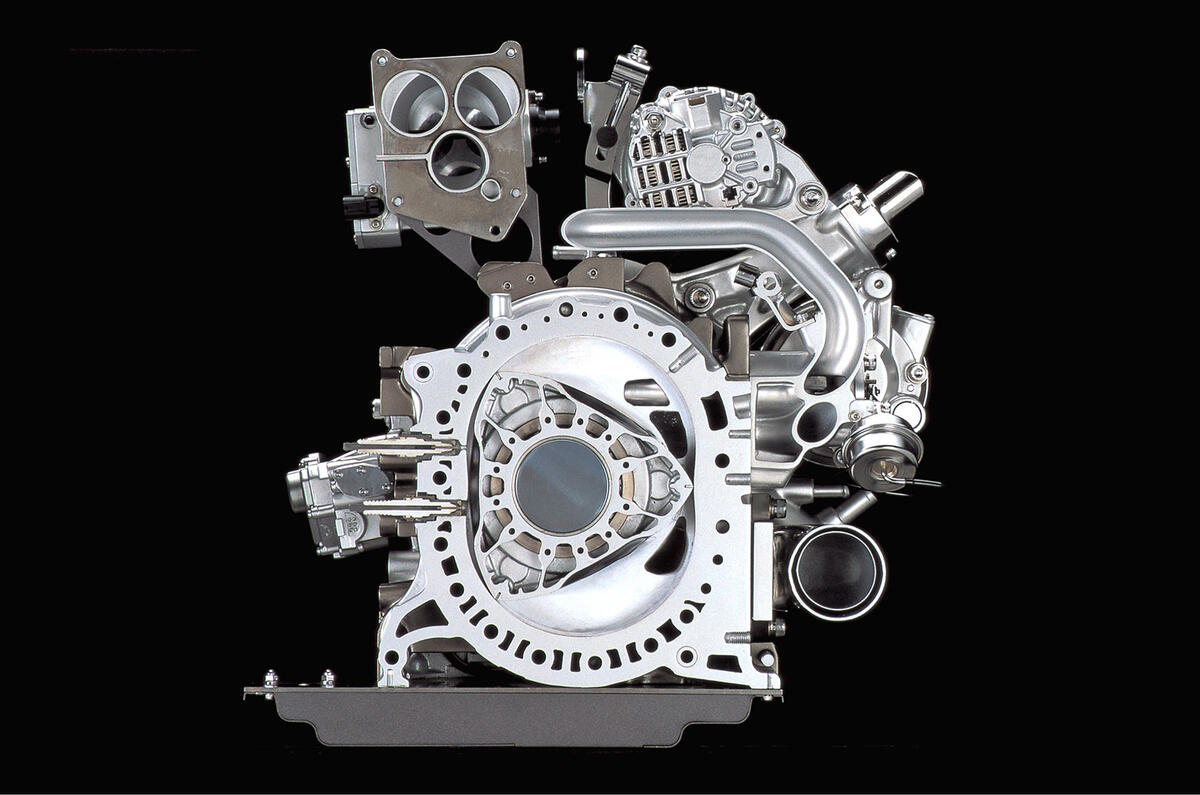
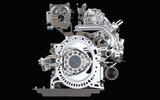
Upon awakening, Wankel was convinced the dream was a premonition and despite having no fundamental knowledge of internal combustion engines, he believed the engine could achieve four strokes – intake, compression, combustion and exhaust – while rotating.
Dream was fast becoming reality. After his first patent in 1929, it wasn’t until after the Second World War that development started, thanks to a deal struck with German motorcycle manufacturer NSU in 1951.
In 1957, Felix Wankel and NSU completed a prototype called the DKM. Fast-forward to July 1961 and Mazda’s President Tsuneji Matsuda instantly recognised the potential of the rotary engine - putting pen-to-paper on a technical cooperation deal with NSU.
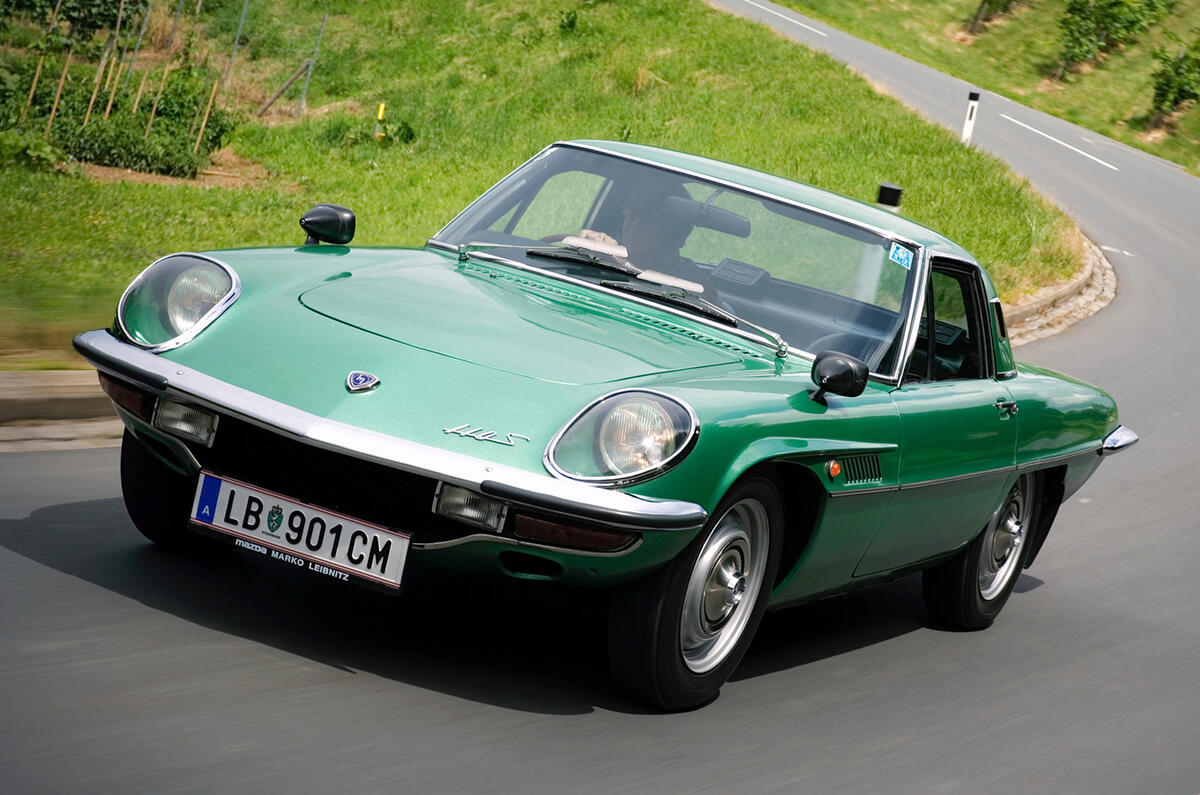
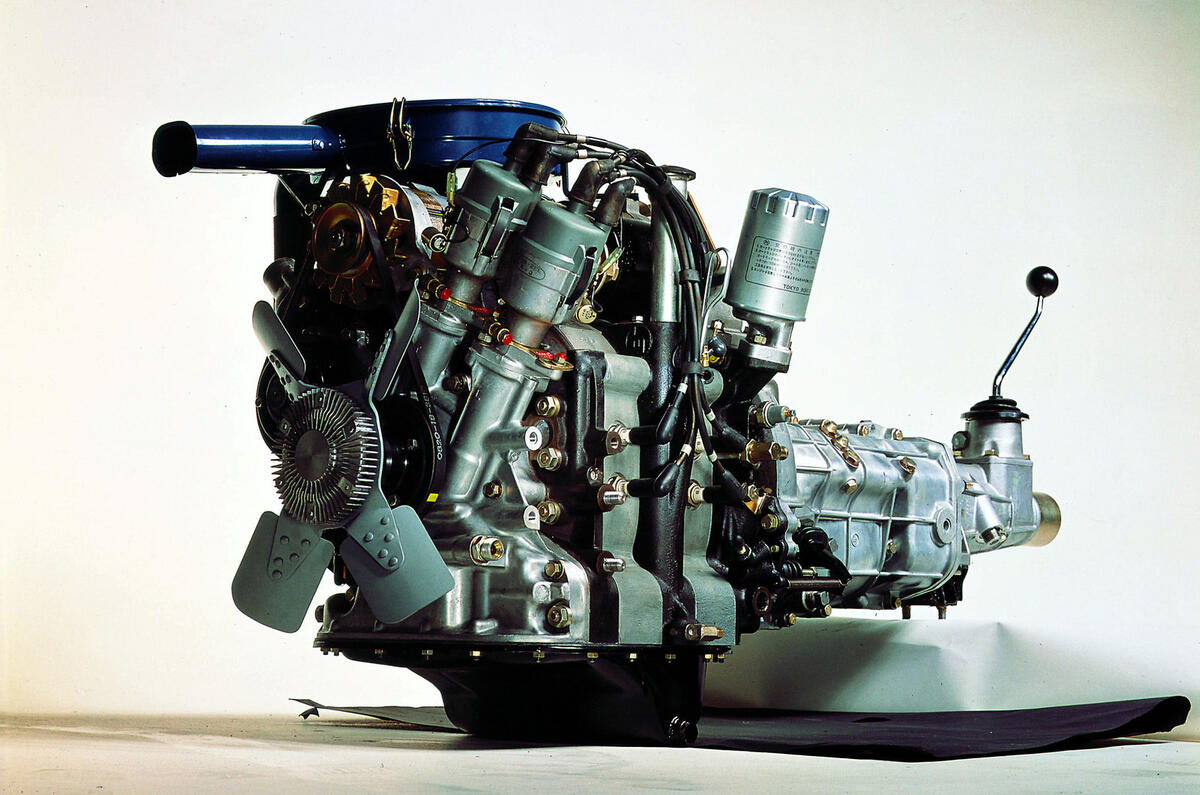
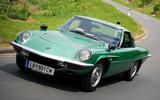
In May 1967, Mazda launched the world’s first dual-rotor rotary-engined car – the Cosmo Sport. With each rotor displacing 491cc for a total of 982cc, the Type 10A motor produced 110bhp at 7000rpm and 96lb ft of torque at 3500rpm, enabling the Cosmo Sport to dispatch the quarter-mile in 16.4sec and romp on to a top speed of 115mph.
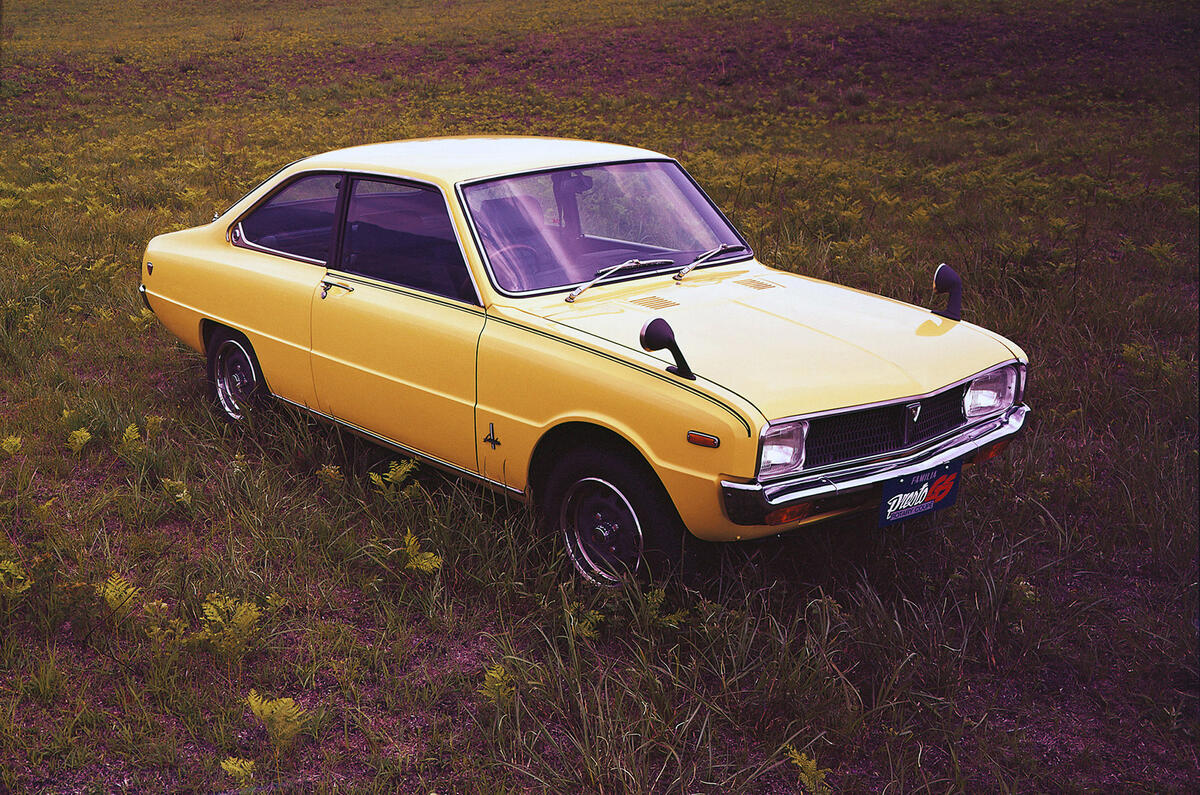
After starting mass production of the Type 10A dual-rotor motor with the Cosmo Sport, Mazda began to expand beyond the limited sports car market in 1968. That year, the Model R100 two-door coupé was launched in Japan. The first Mazda model to be exported to the United States in 1971, it proved to be a surprising hit with the American public.
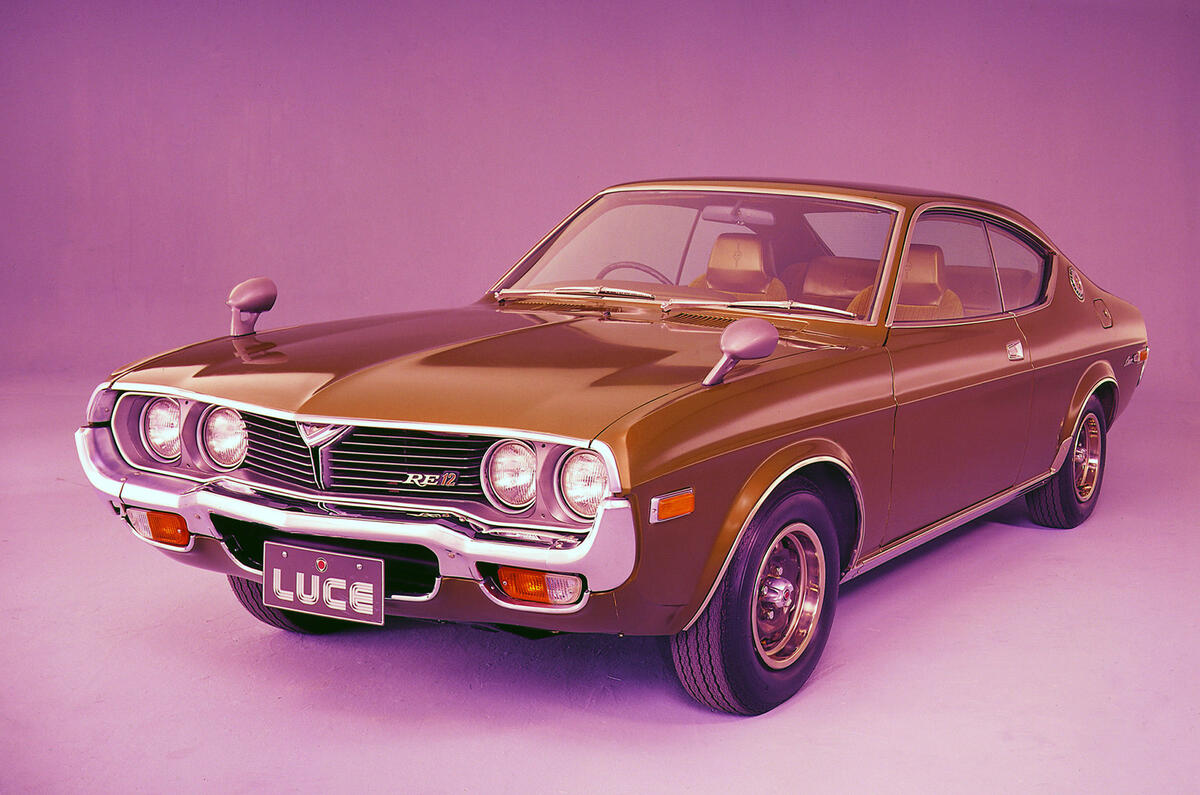
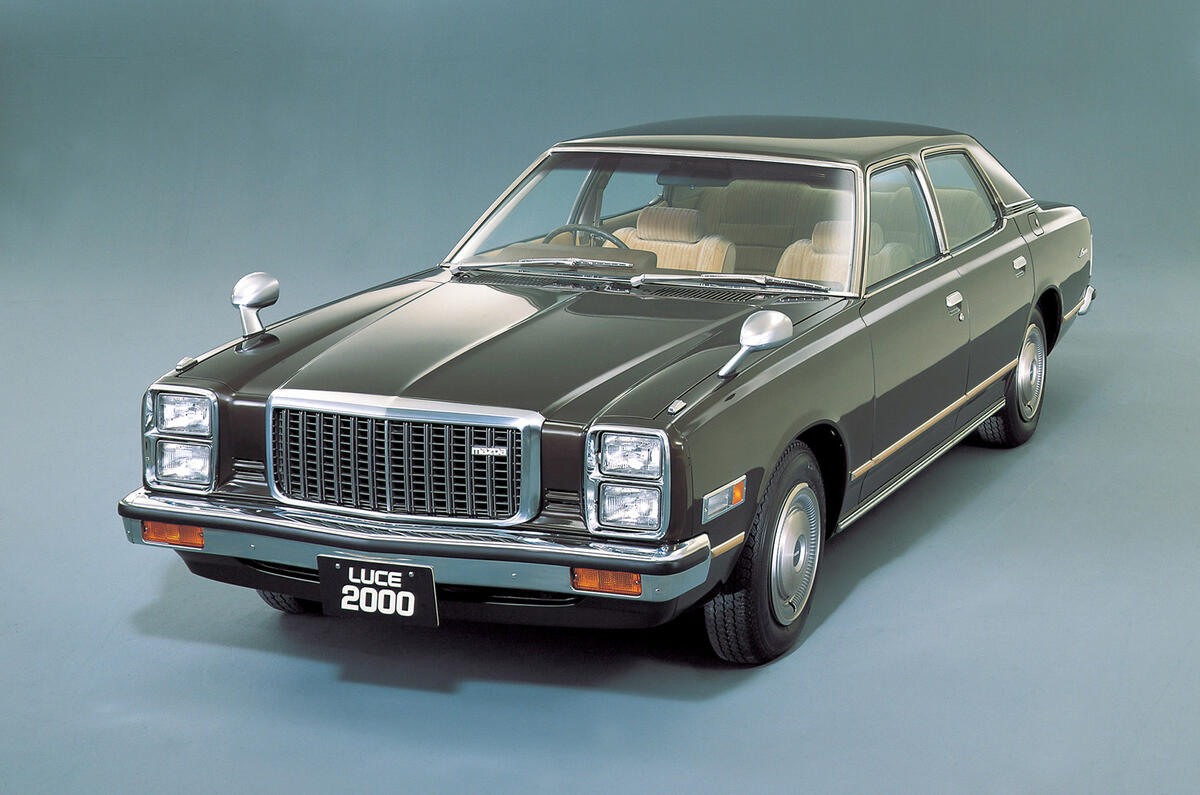
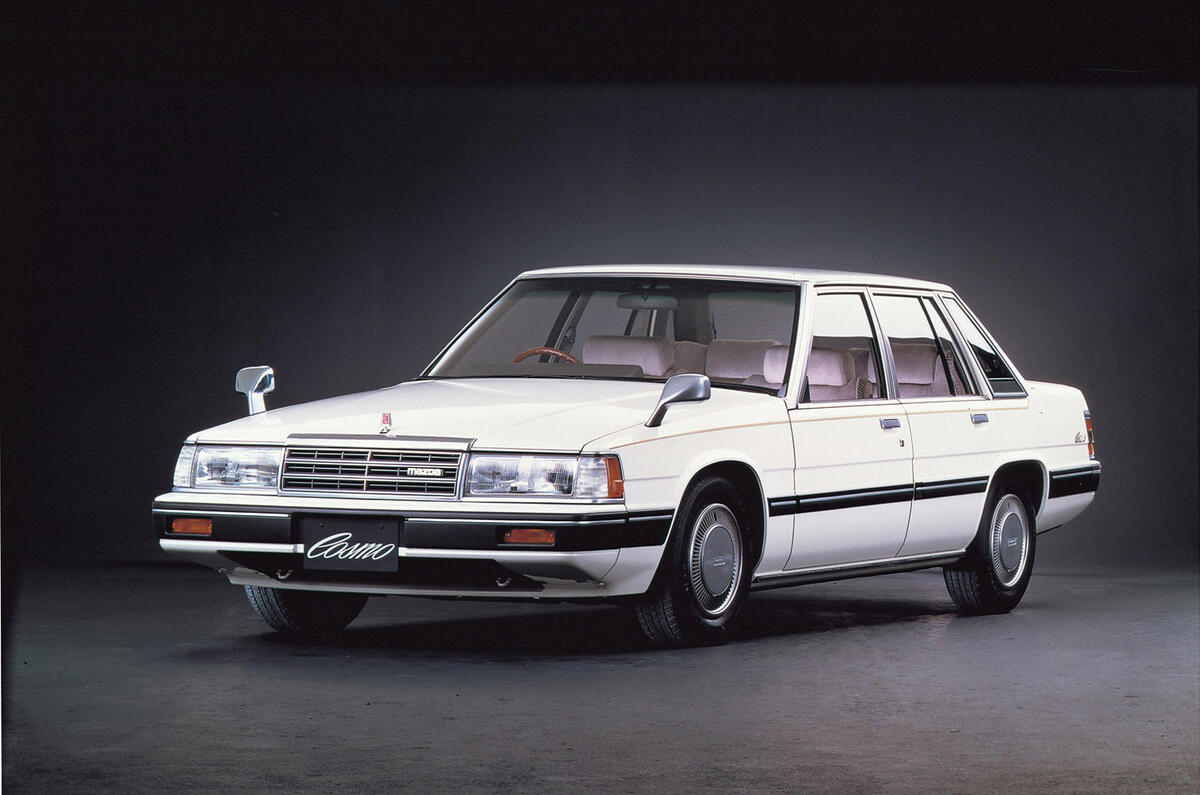
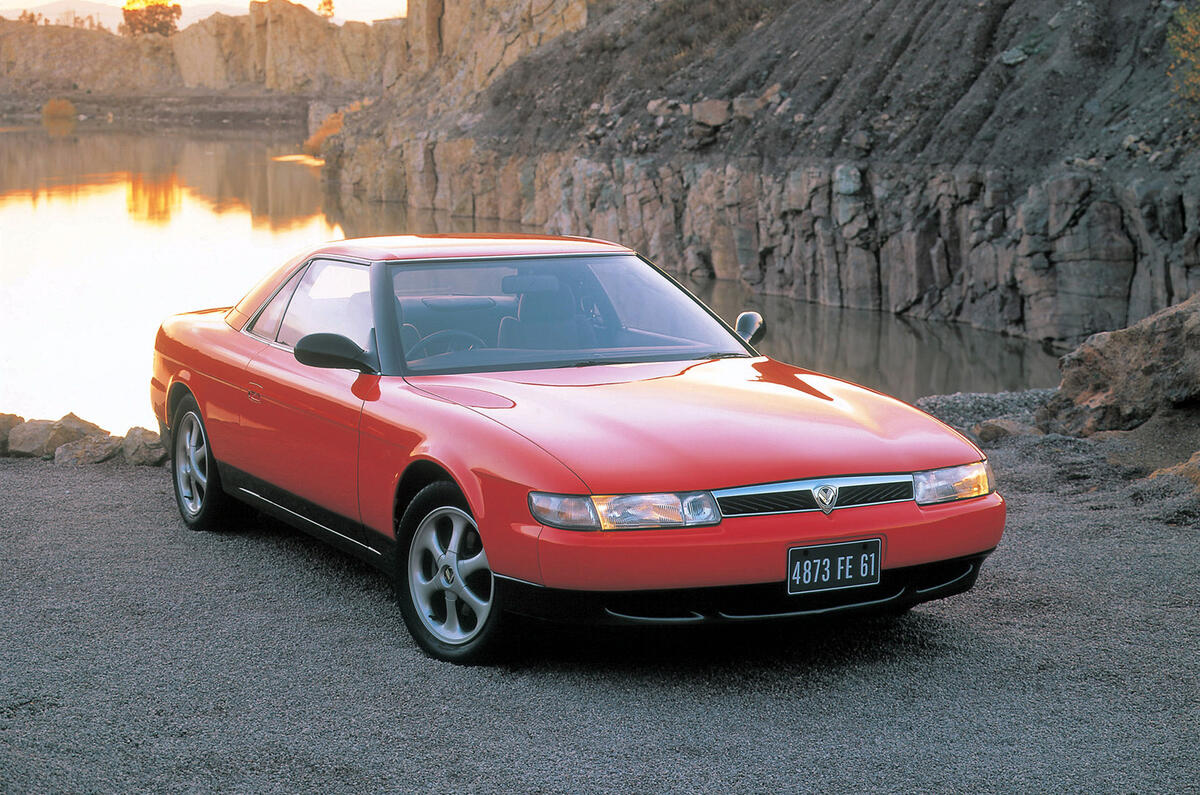
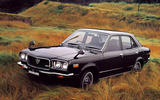
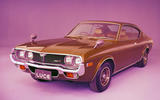
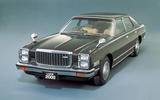
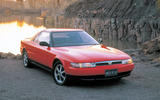
In 1969, Mazda was seemingly growing in confidence and took a punt, launching its first Luce model with a rotary unit – the Luce R130 coupé Penned by legendary designer Giorgetto Giugiaro, it was equipped with a 1.3-litre 13A engine producing 126bhp and 127lb ft of torque. With this model being Mazda’s only front-wheel-drive rotary, the Luce R130 is now seen as an ultra-rare collector’s car.
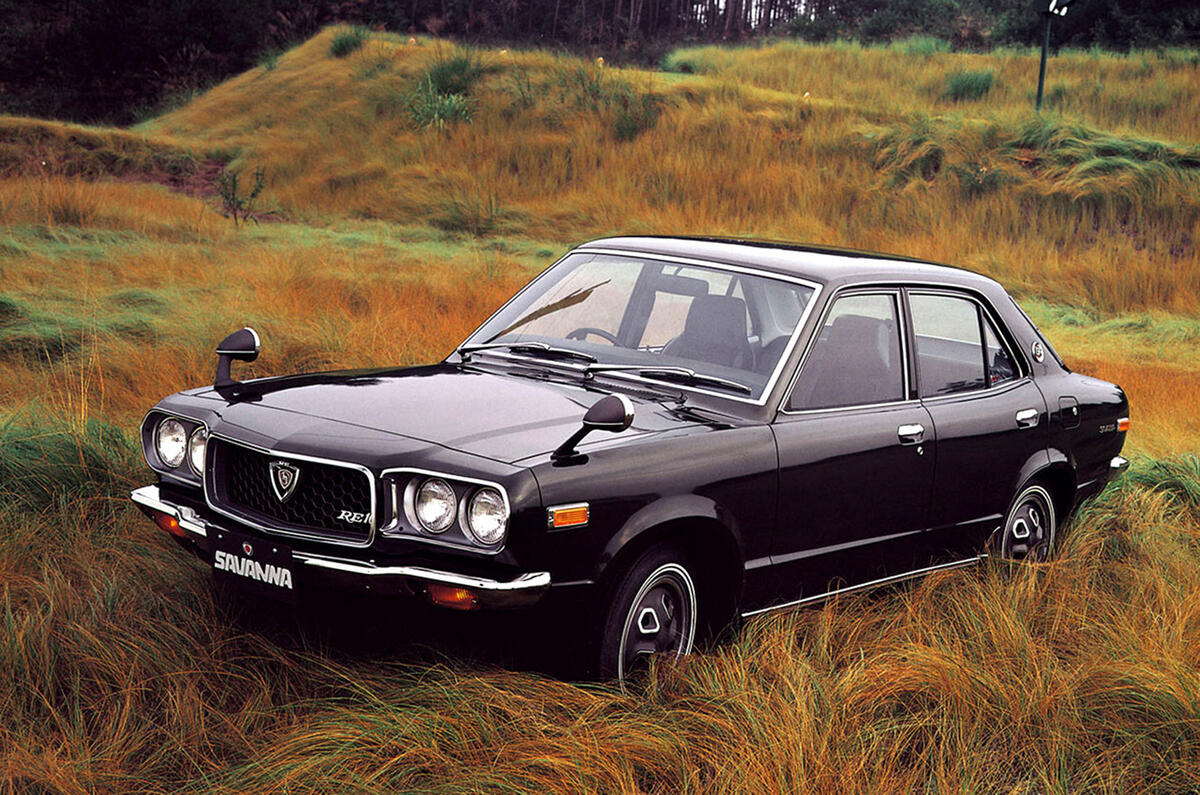
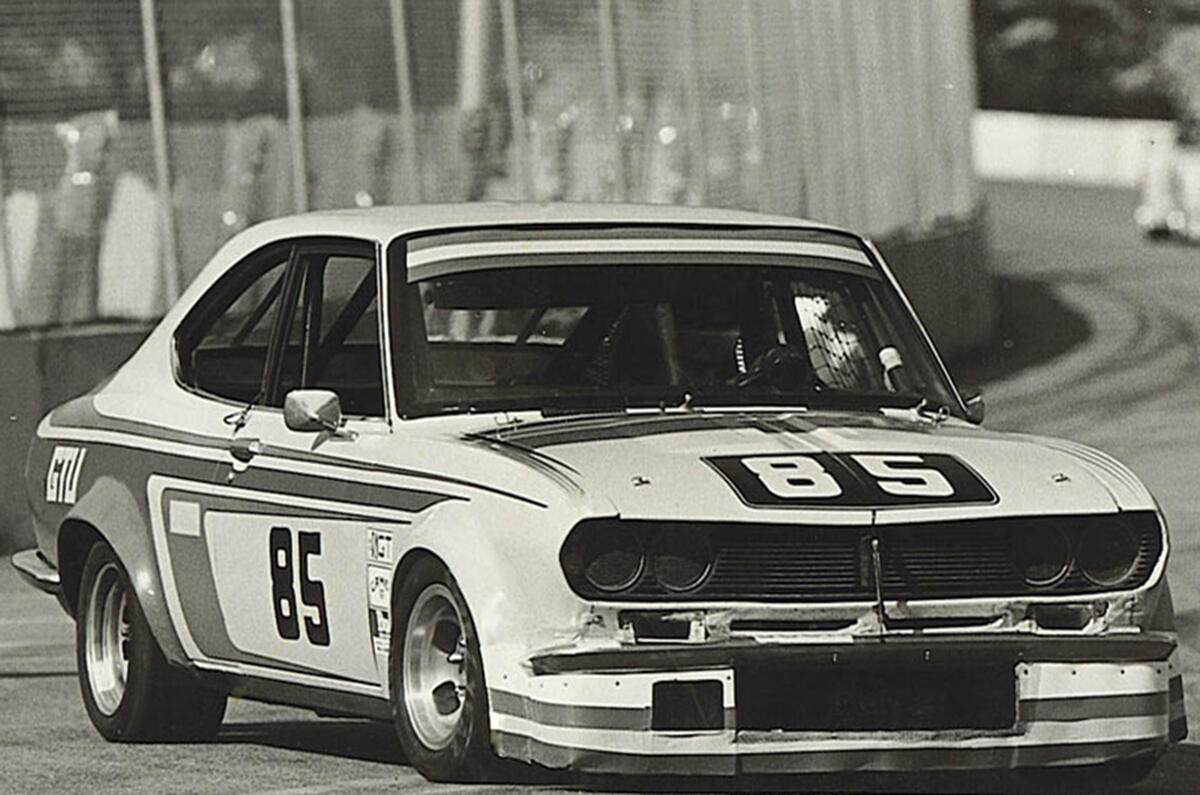
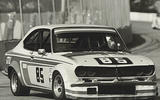
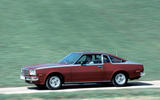
In 1971, the Mazda RX-3 arrived. Available in coupé or four-door saloon form and following in the footsteps of the Cosmo Sport, the RX-3 proved to be a precocious performer, with power still supplied by the 982cc (2x 491cc) 10A motor. Zero to 60mph was dispatched in 10.8sec and the quarter-mile mark passed in 17.6sec. Of all the pre-RX-7 rotary cars Mazda built, the RX-3 was comfortably the most popular and was a success right up to its demise in 1978.
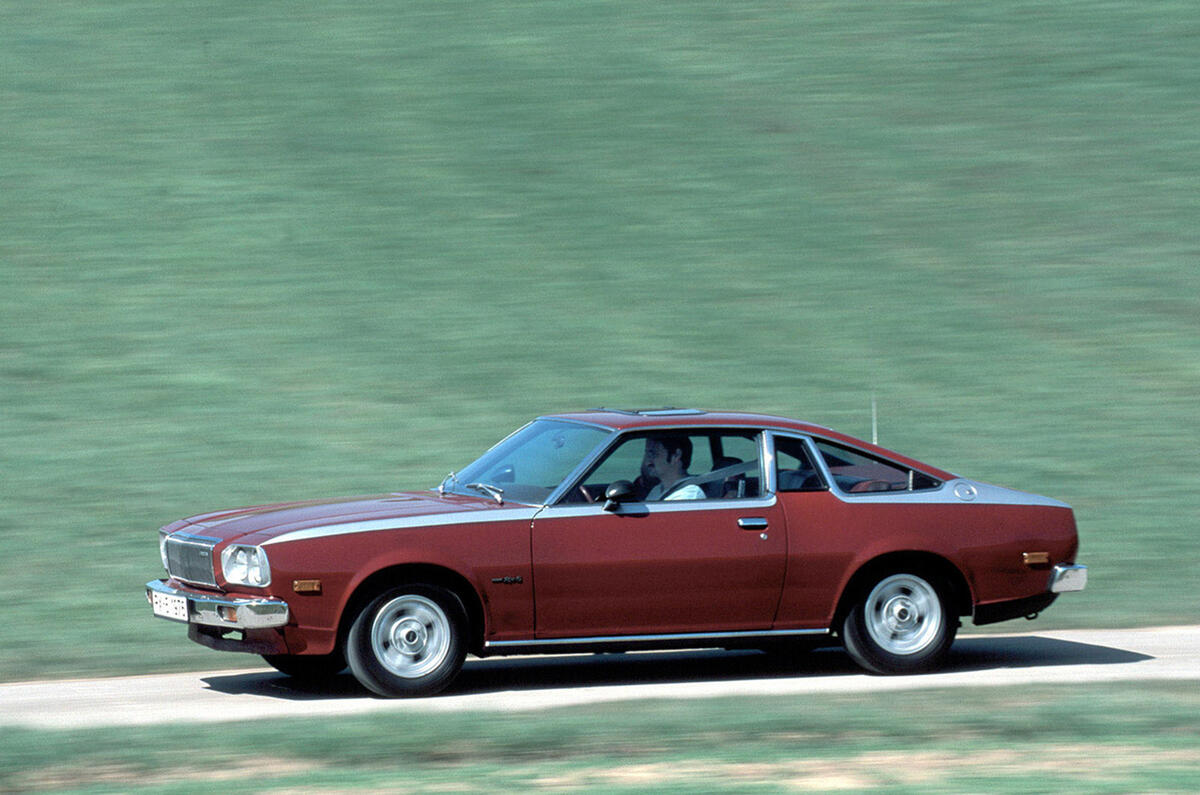
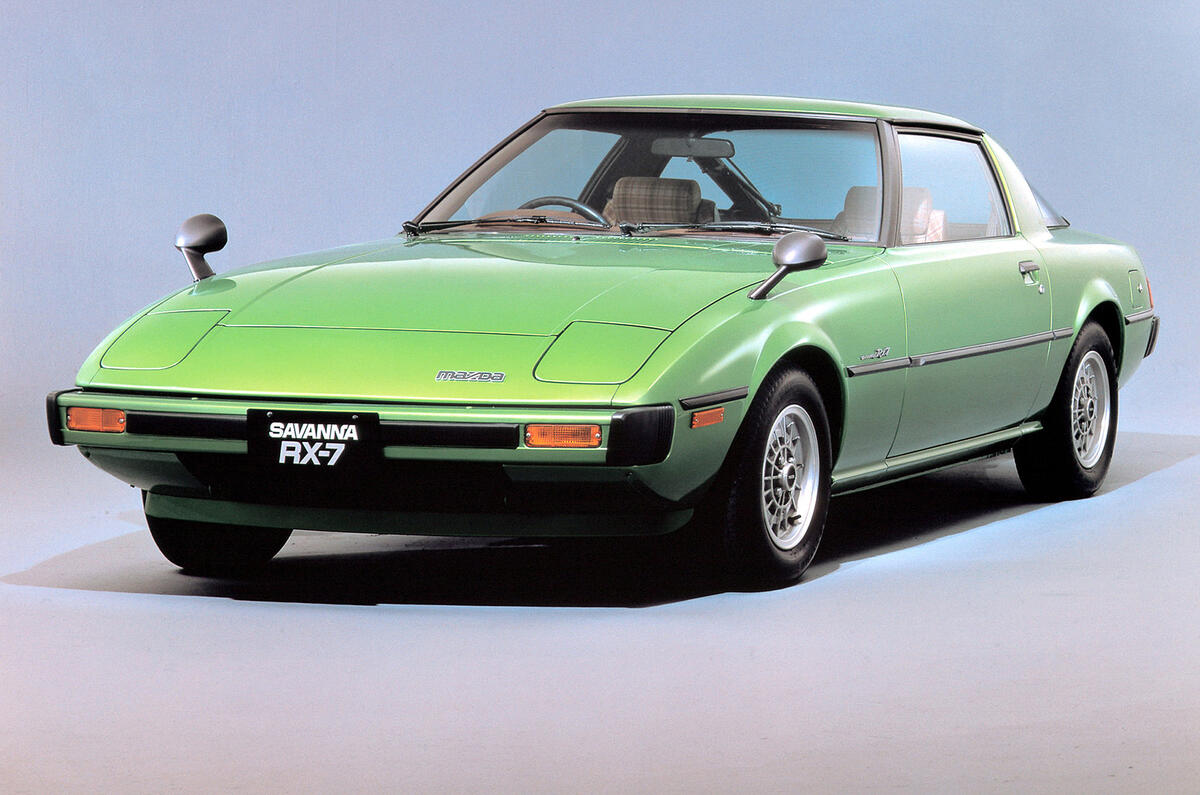
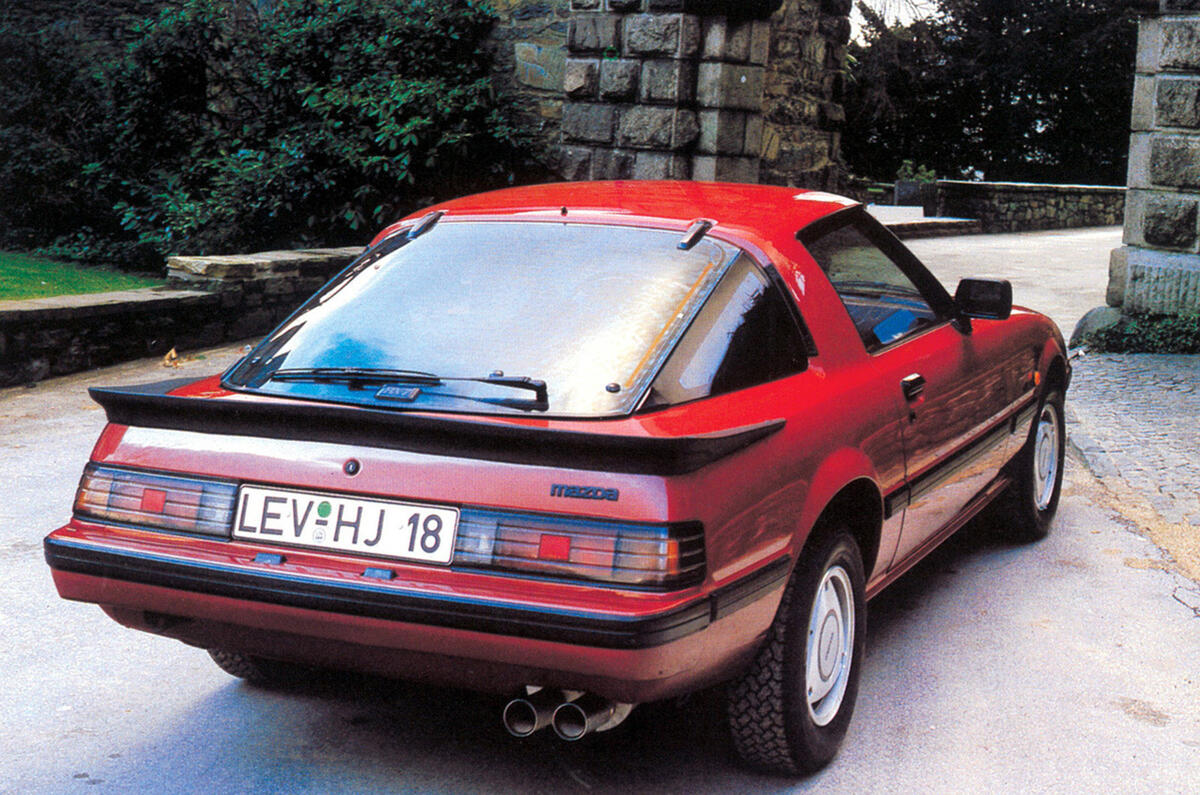
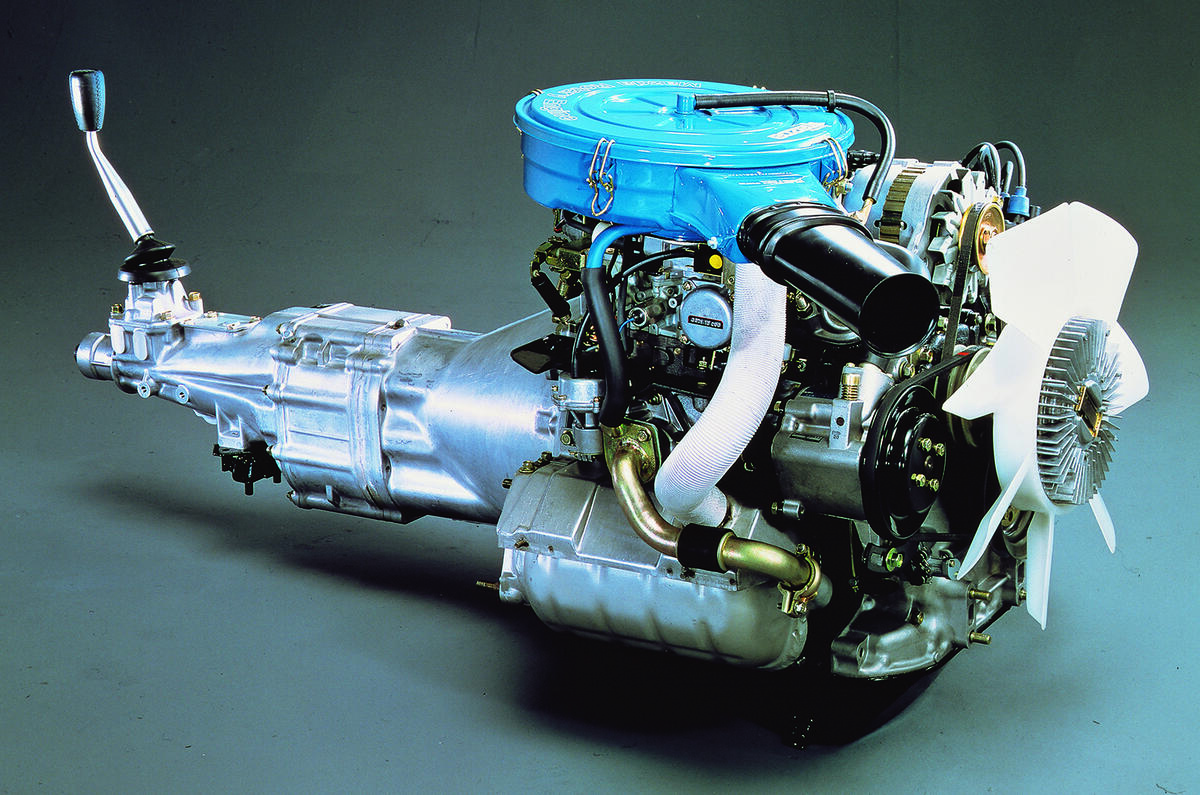
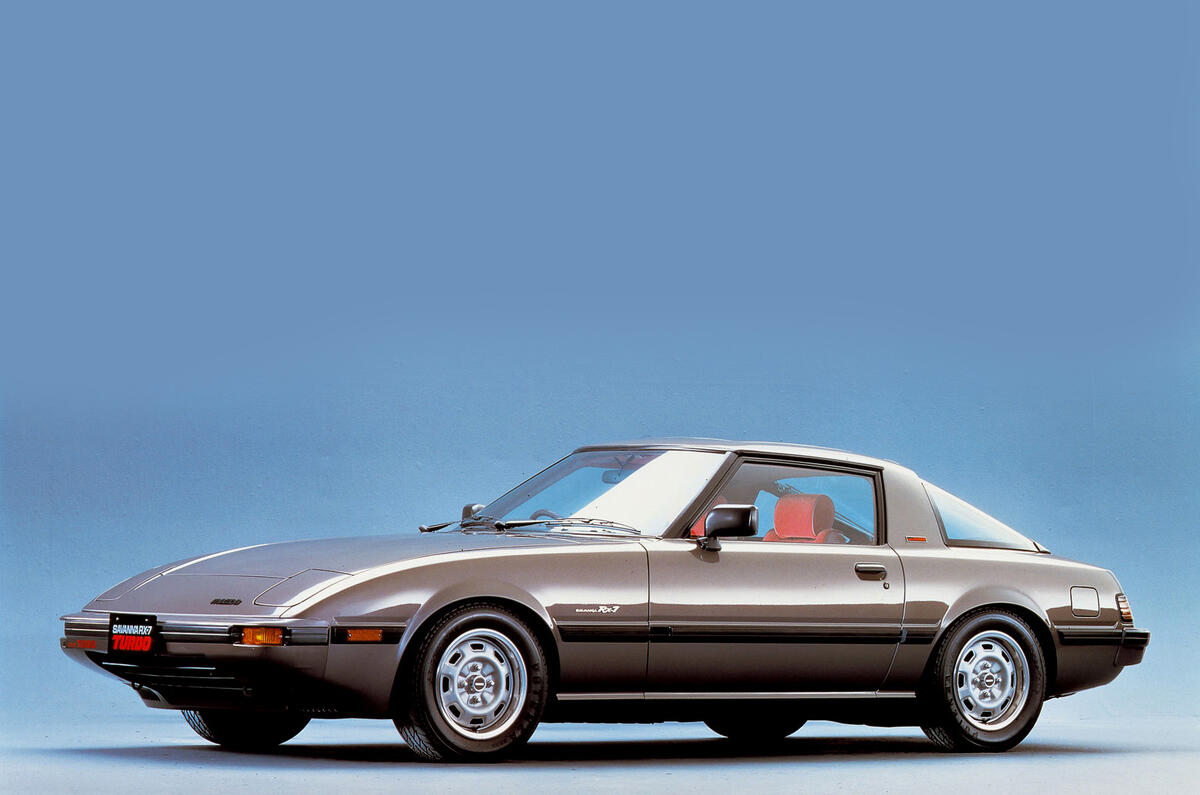
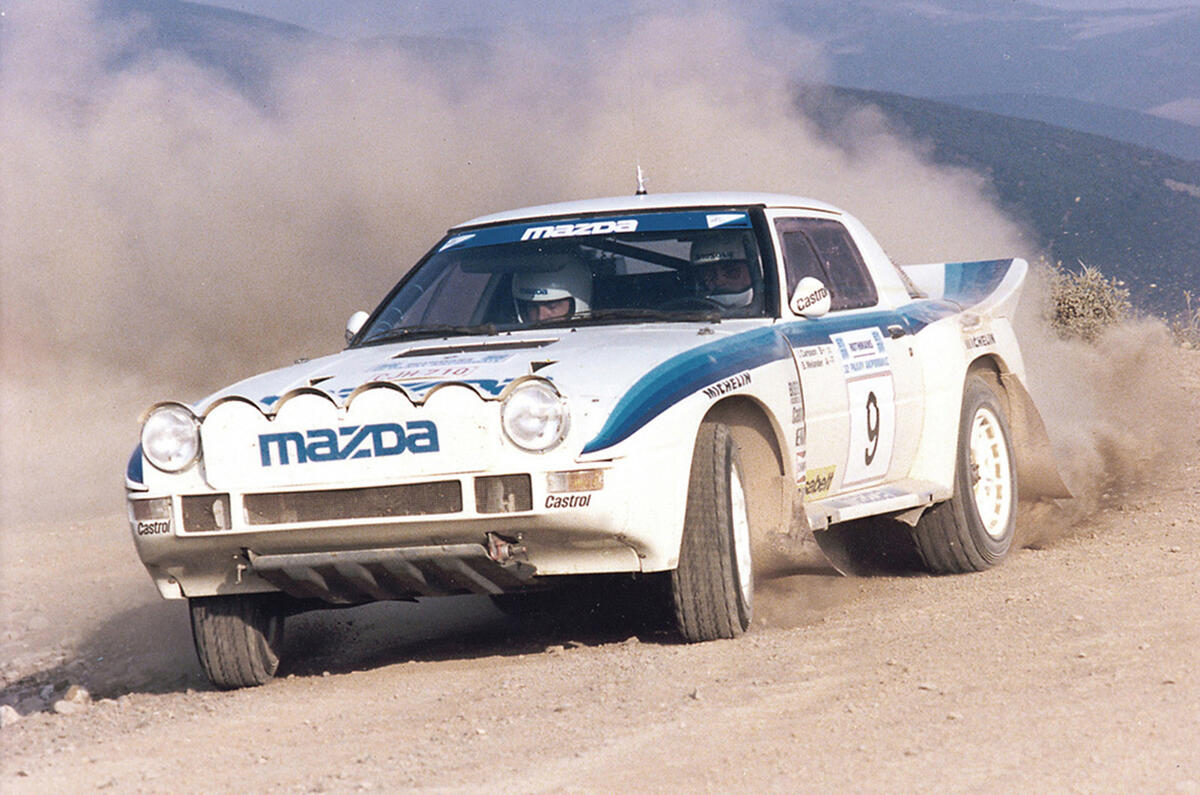
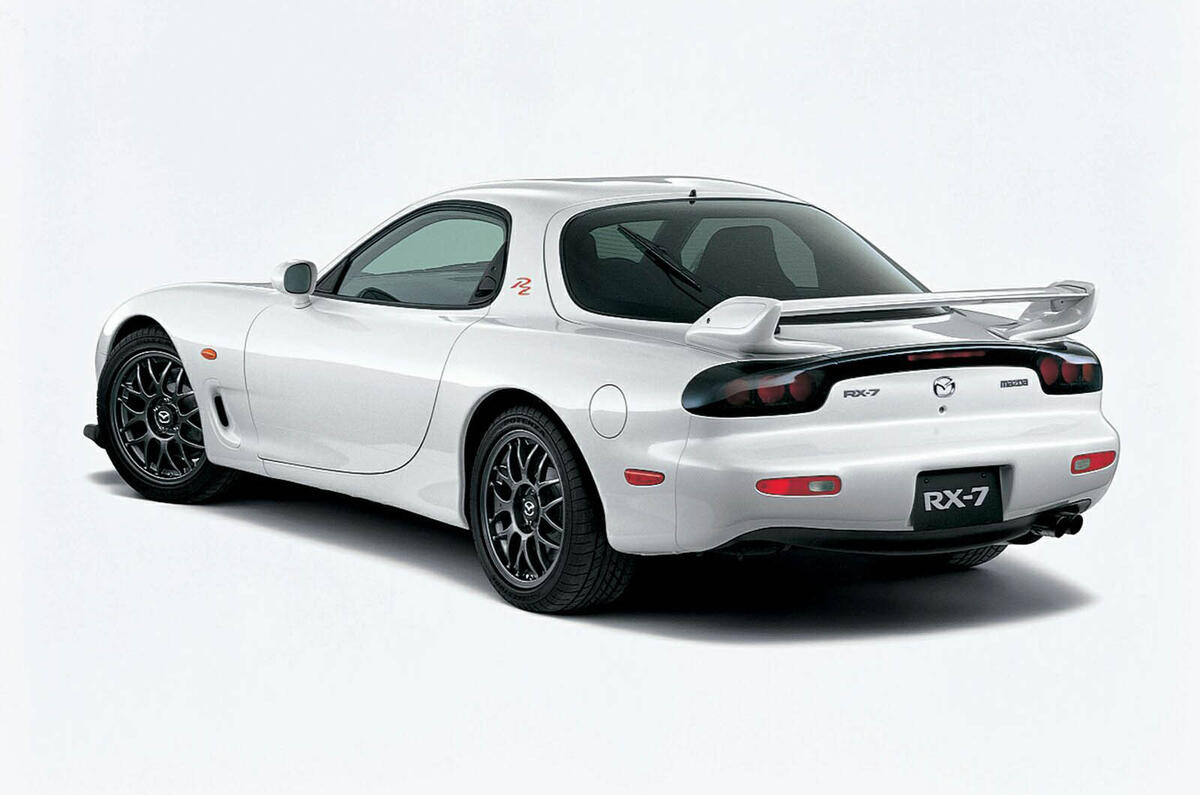
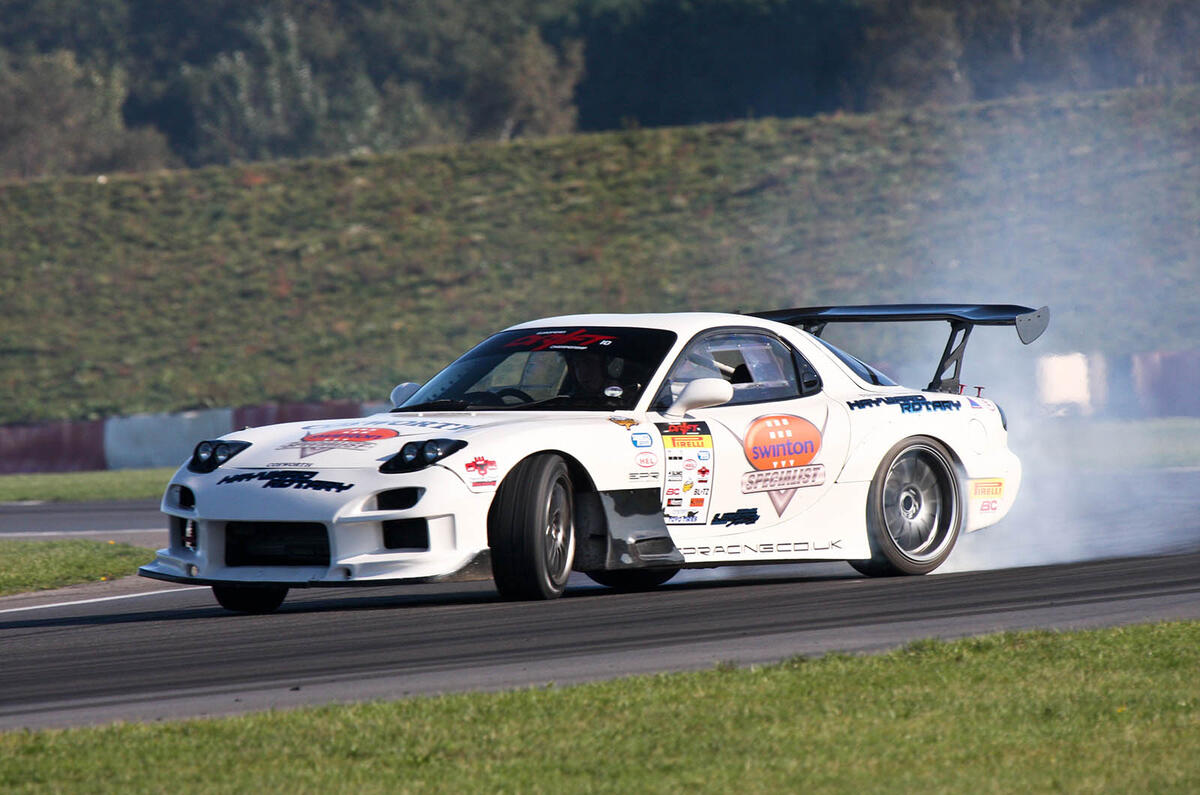
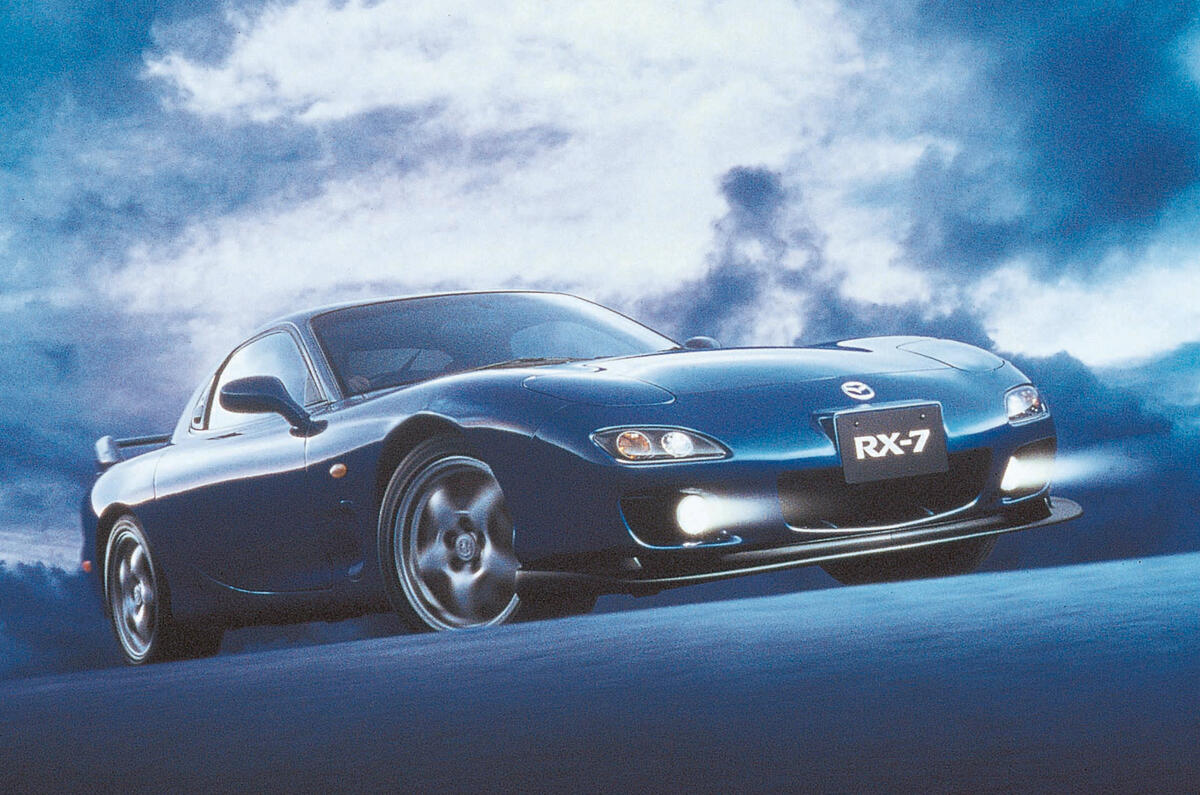
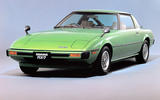
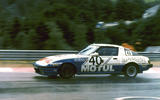
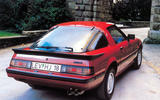
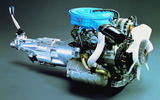
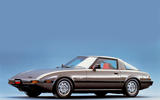
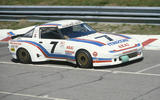
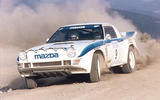
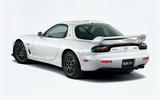
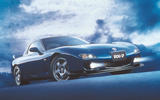
The sporty-looking Mazda RX-7 arrived shortly after. The Series 1 RX-7 featured a two-rotor 573cc (total 1146cc) 12A engine, putting out 105bhp at a lowly 4000rpm and 105lb ft at 4000rpm. Come 1984, the RX-7 was upgraded to a more potent 13B 1.3-litre rotary lump – with power up to 135bhp and torque increasing to 135lb ft.
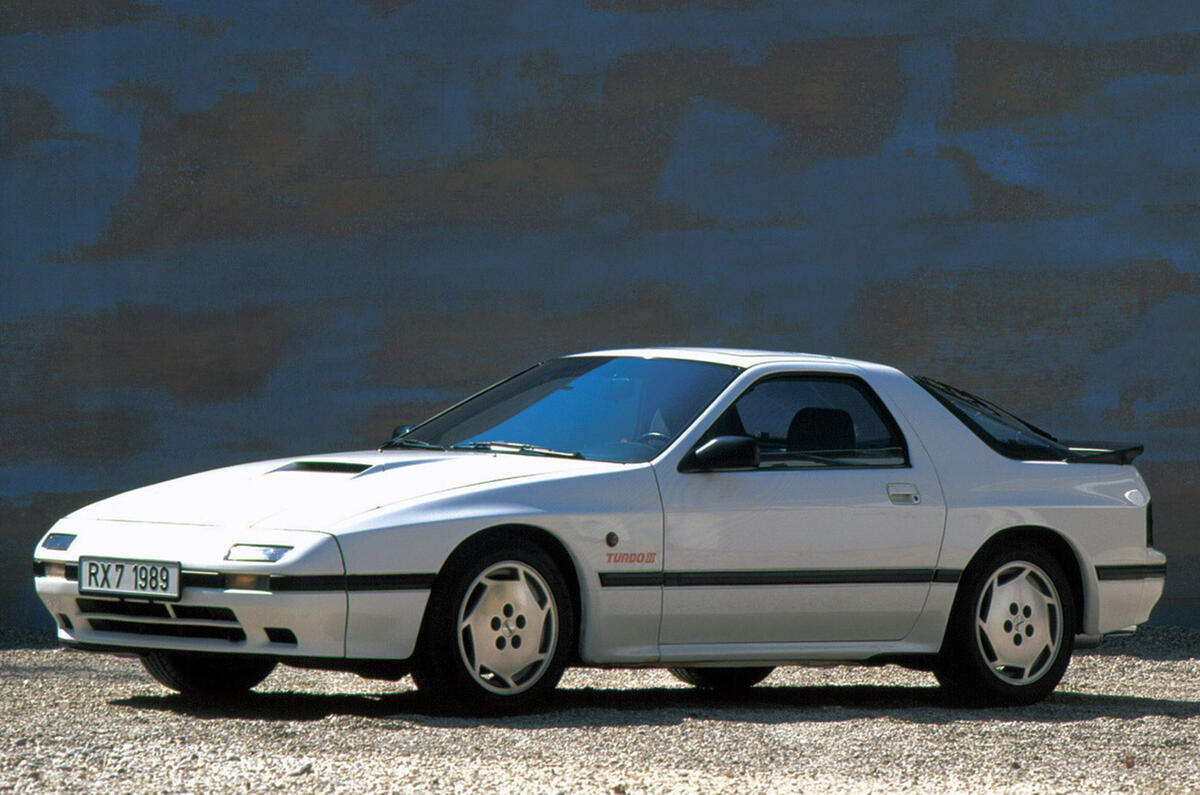
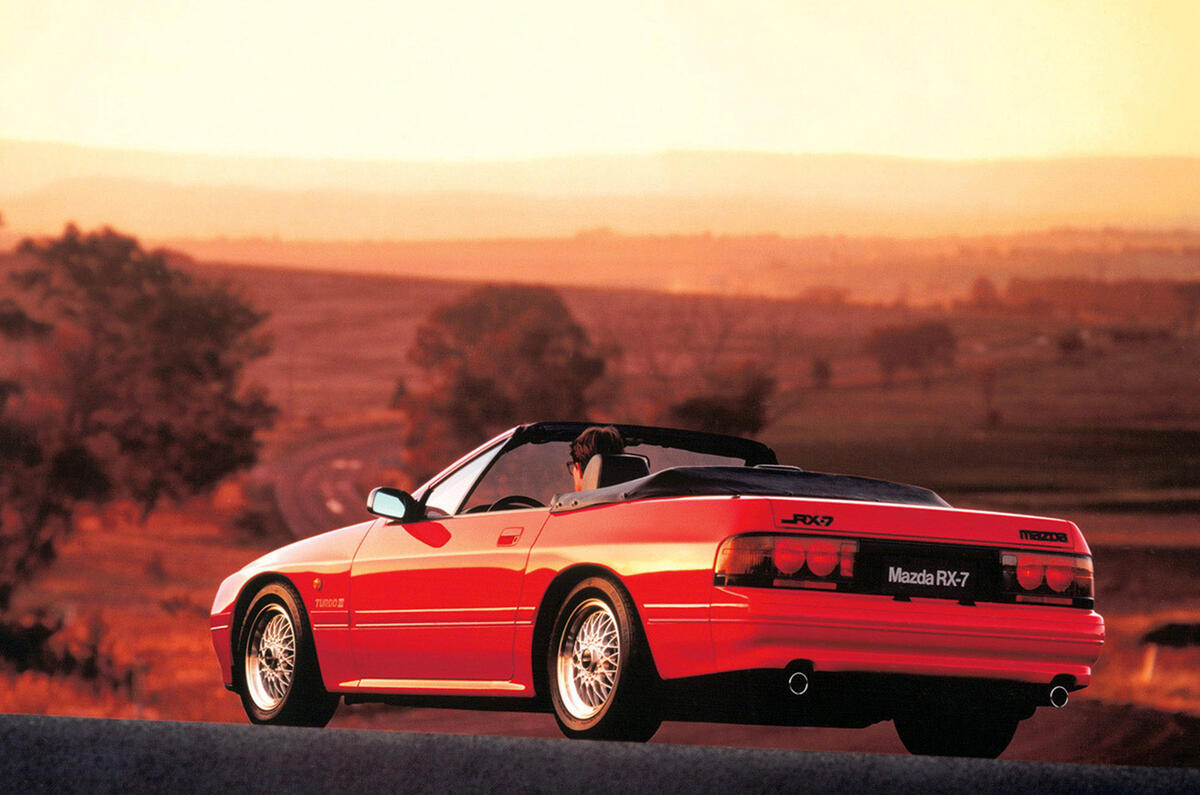
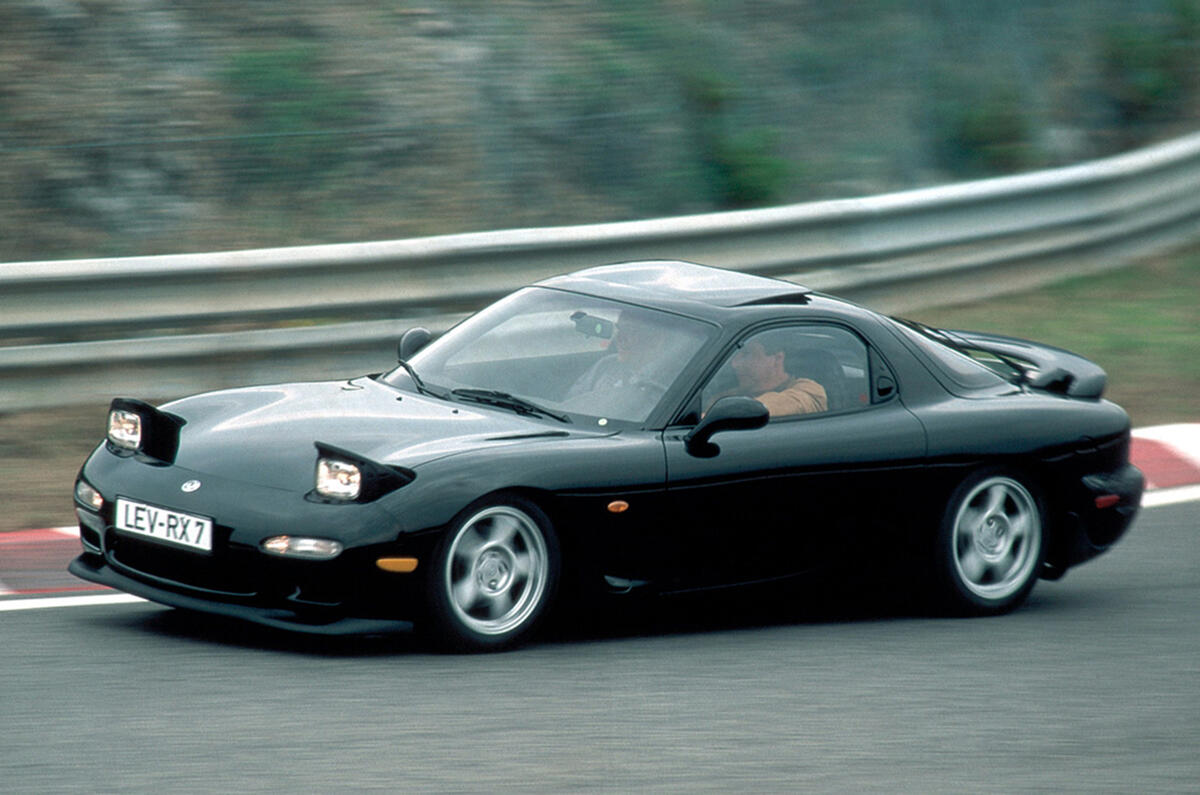
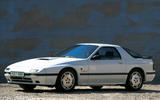
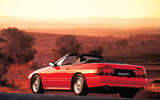
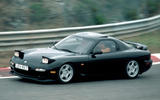
During the 1980s, Mazda brought the might of forced induction to the Wankel forefront. The second-generation (FC) Mazda RX-7 was unleashed with the Type 13B engine mated to a twin-scroll turbocharger.
Power was now up to a stout 200bhp and the RX-7s acceleration improved to 0-60mph in 6.5sec. Despite being 363kg heavier than its predecessor, the second generation RX-7 continued to win accolades from the press.