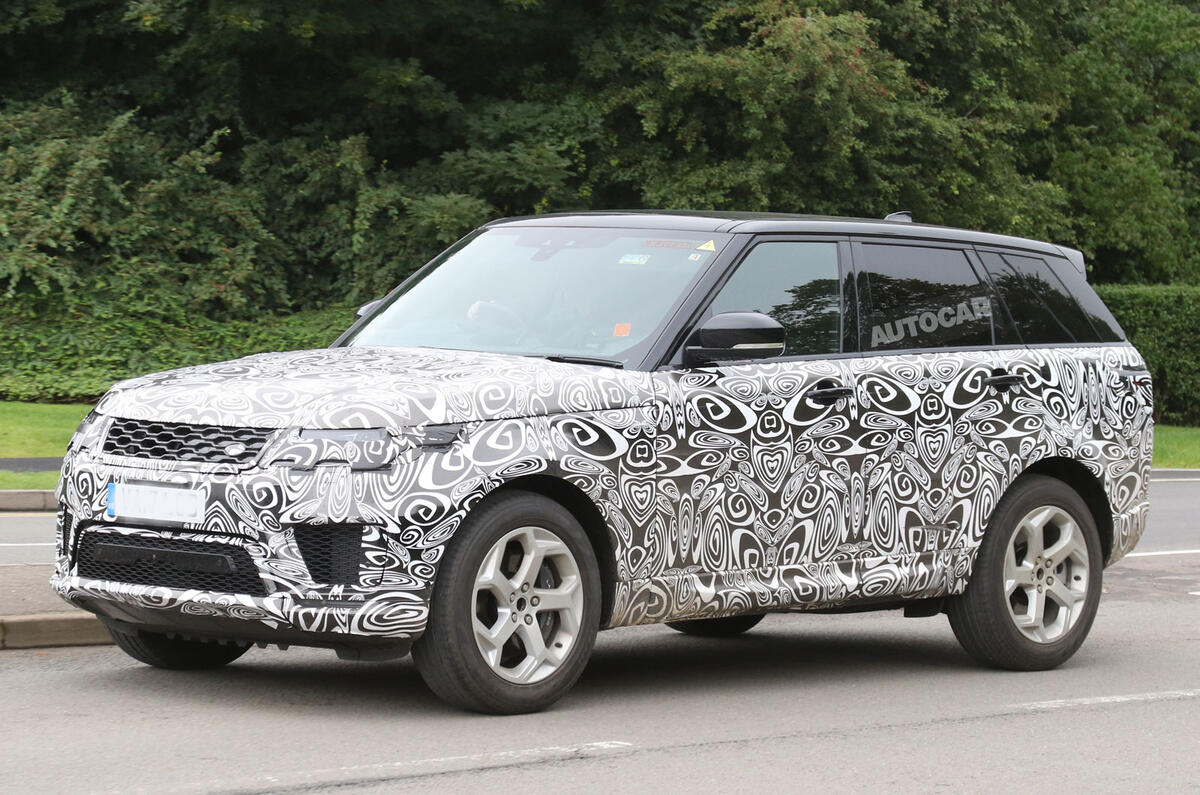
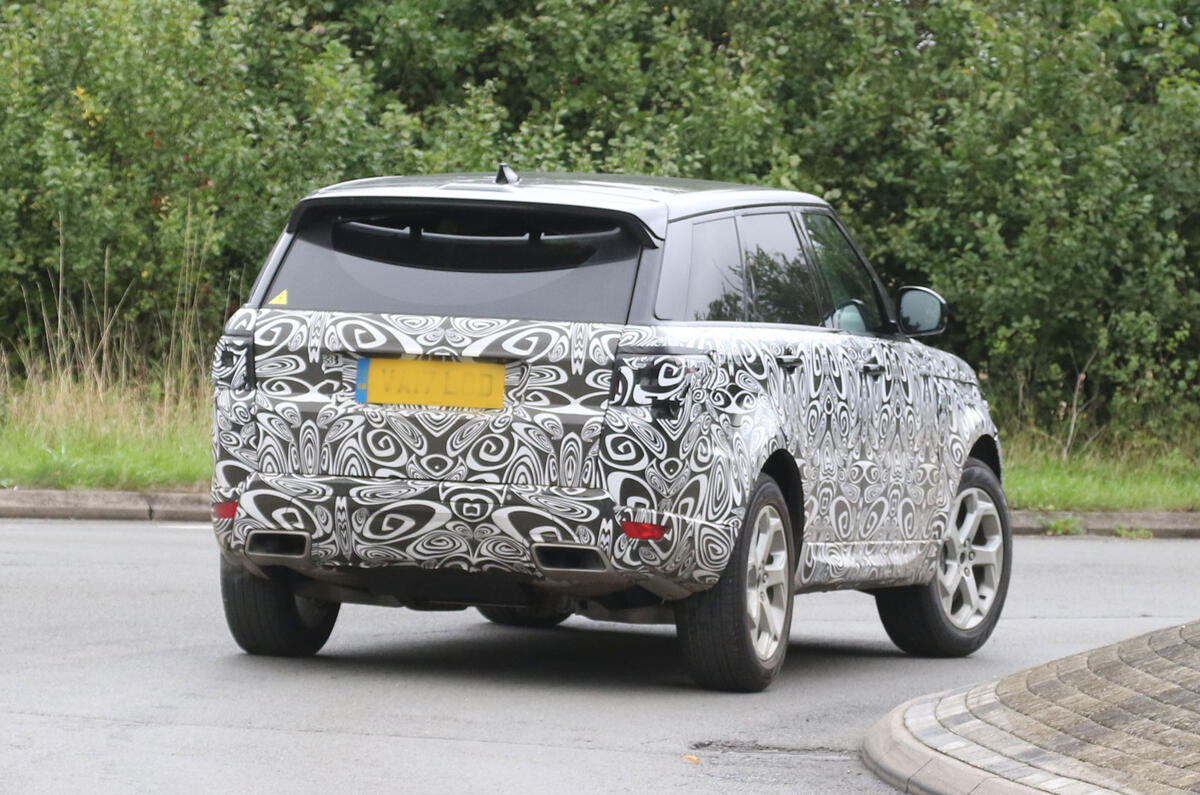
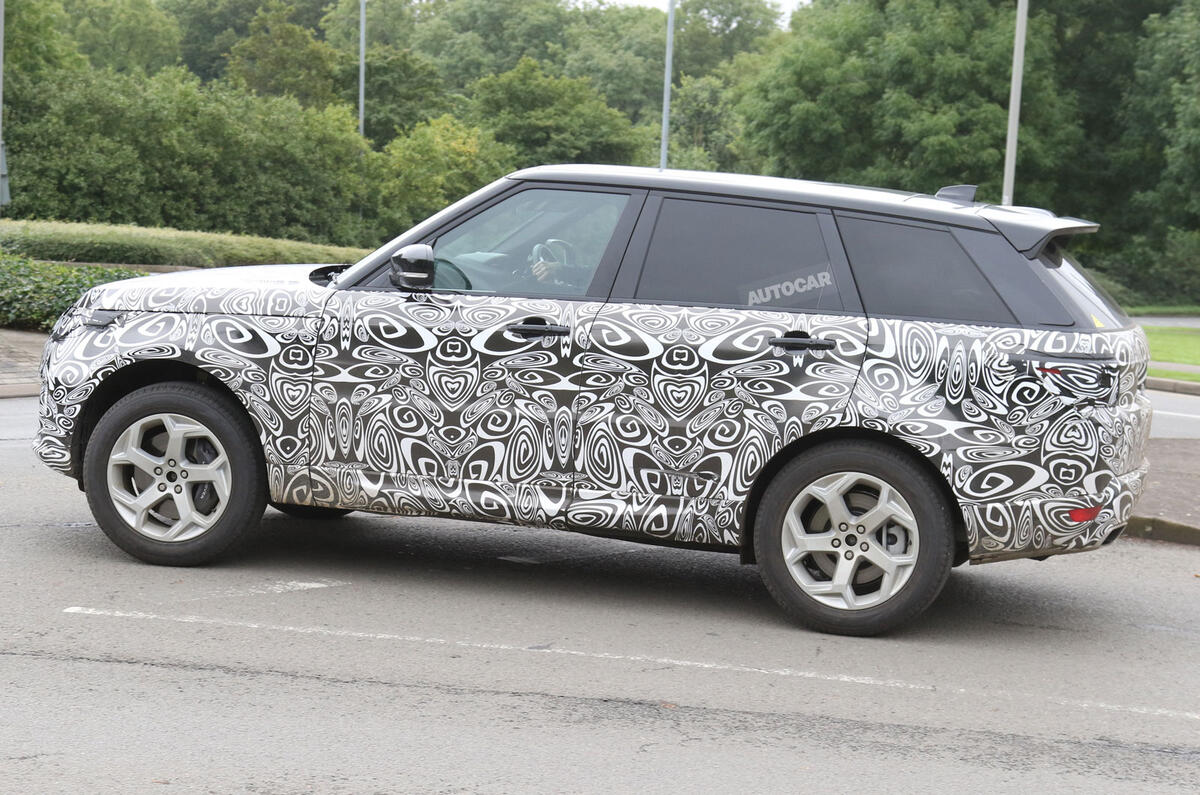
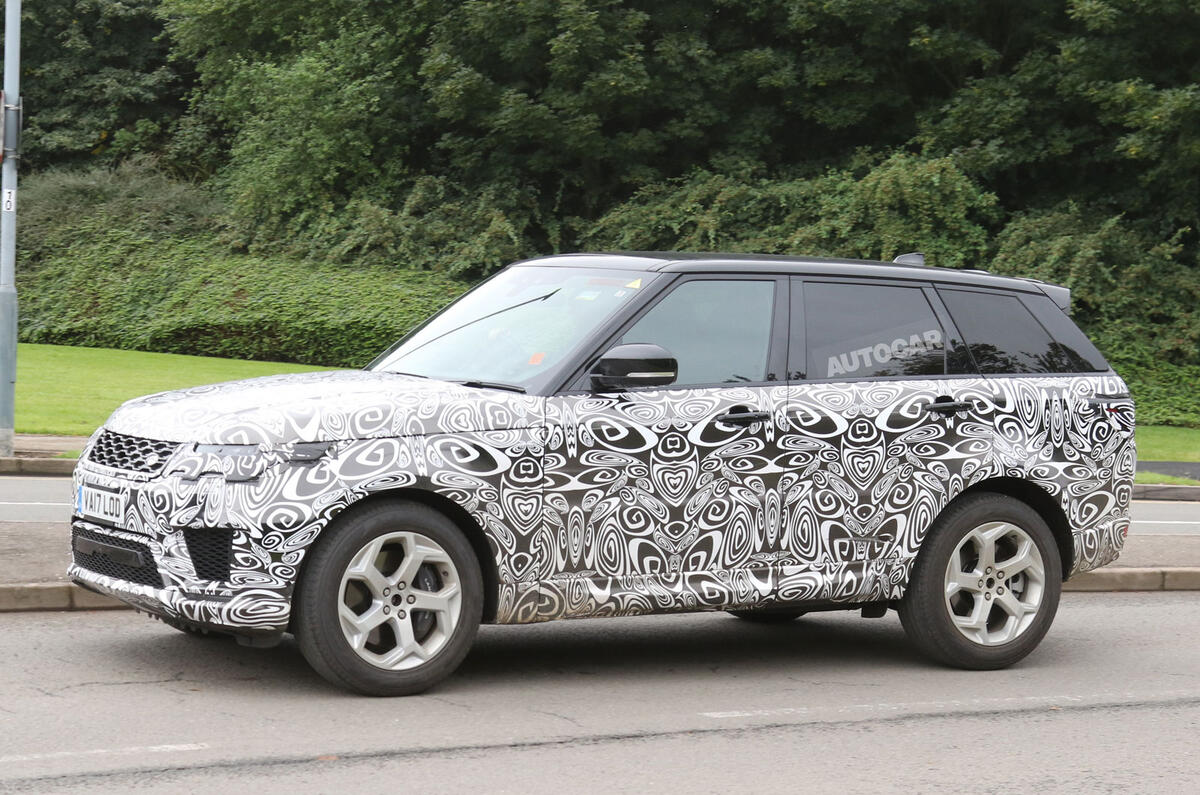
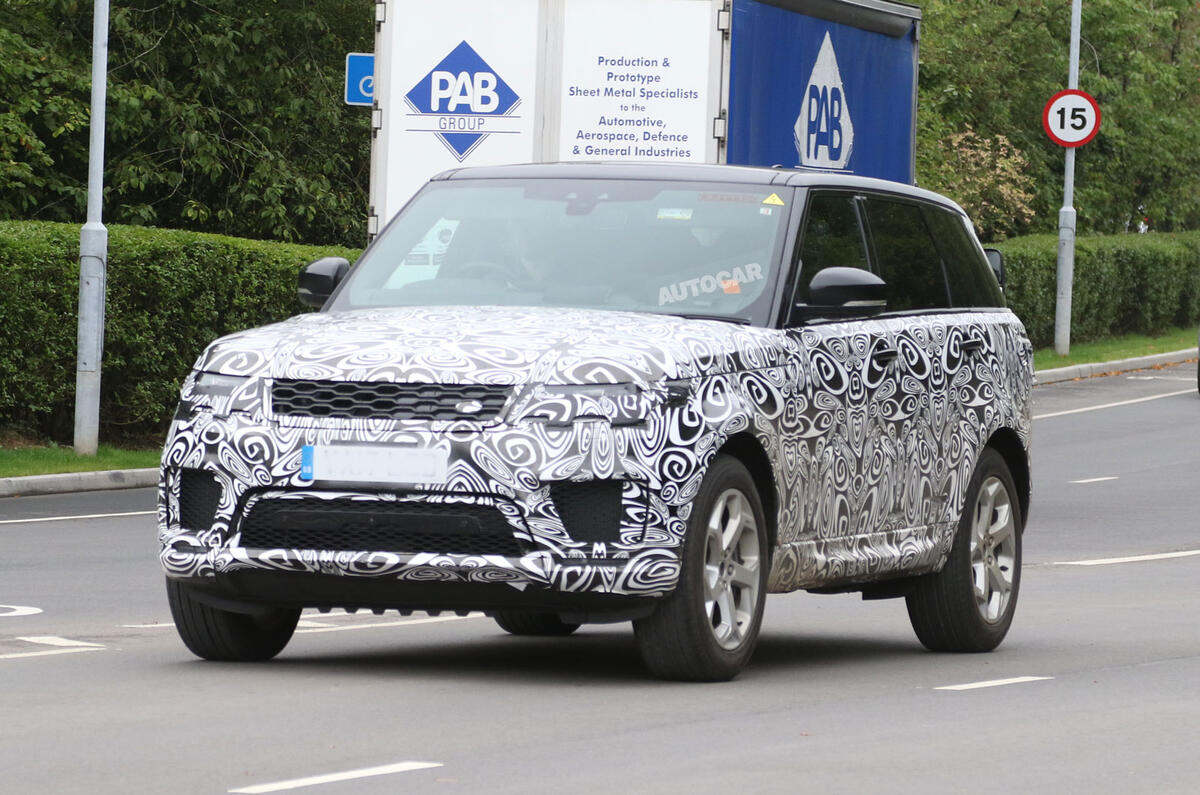
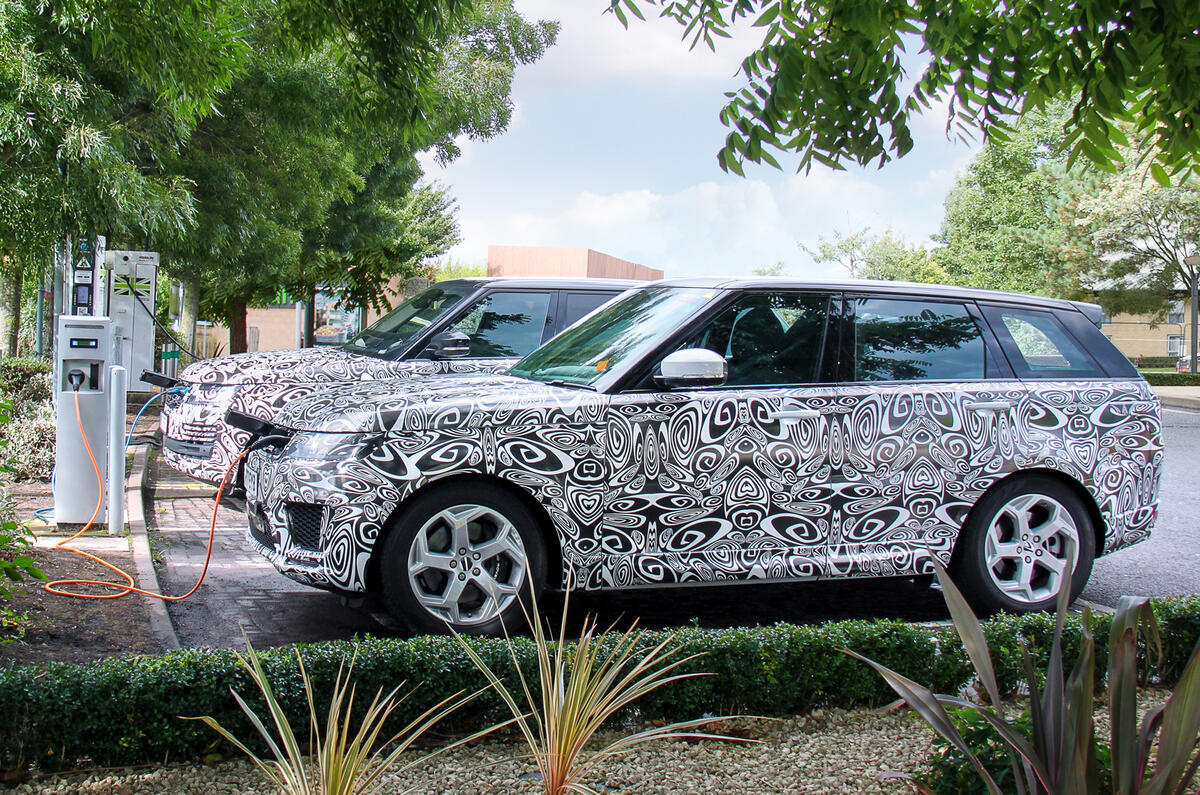
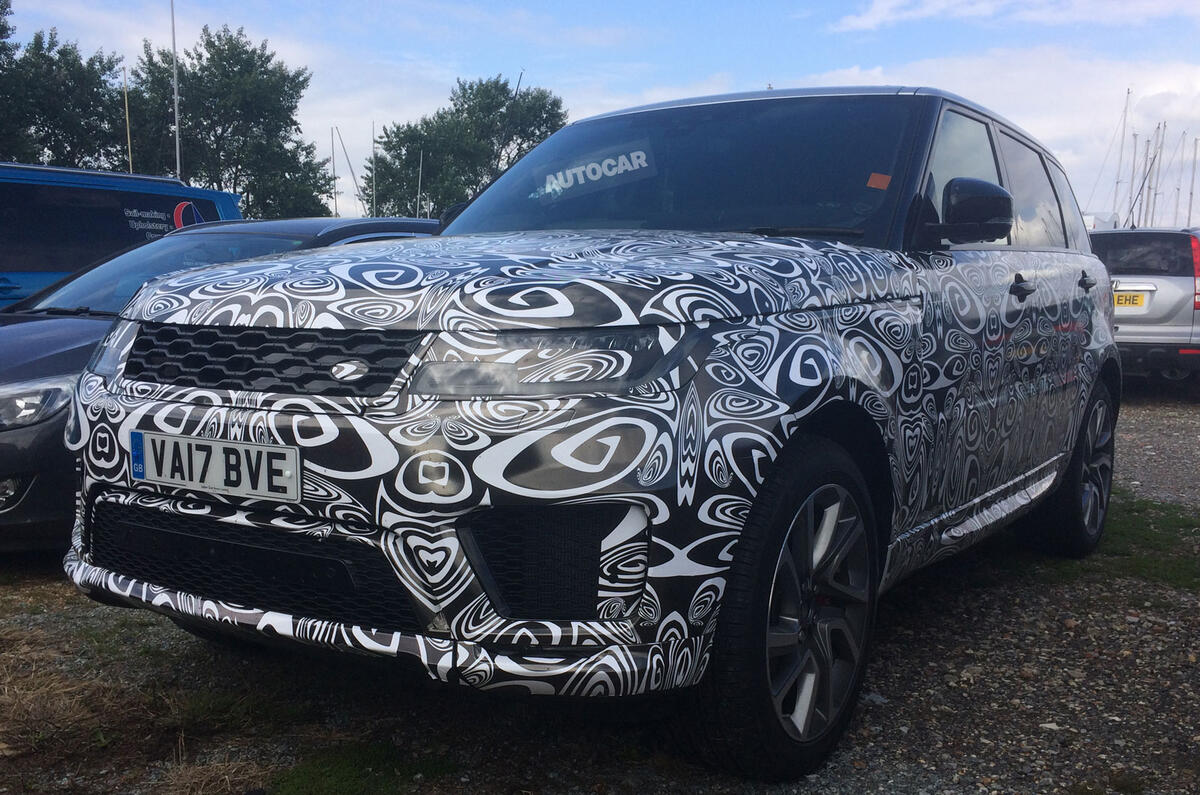
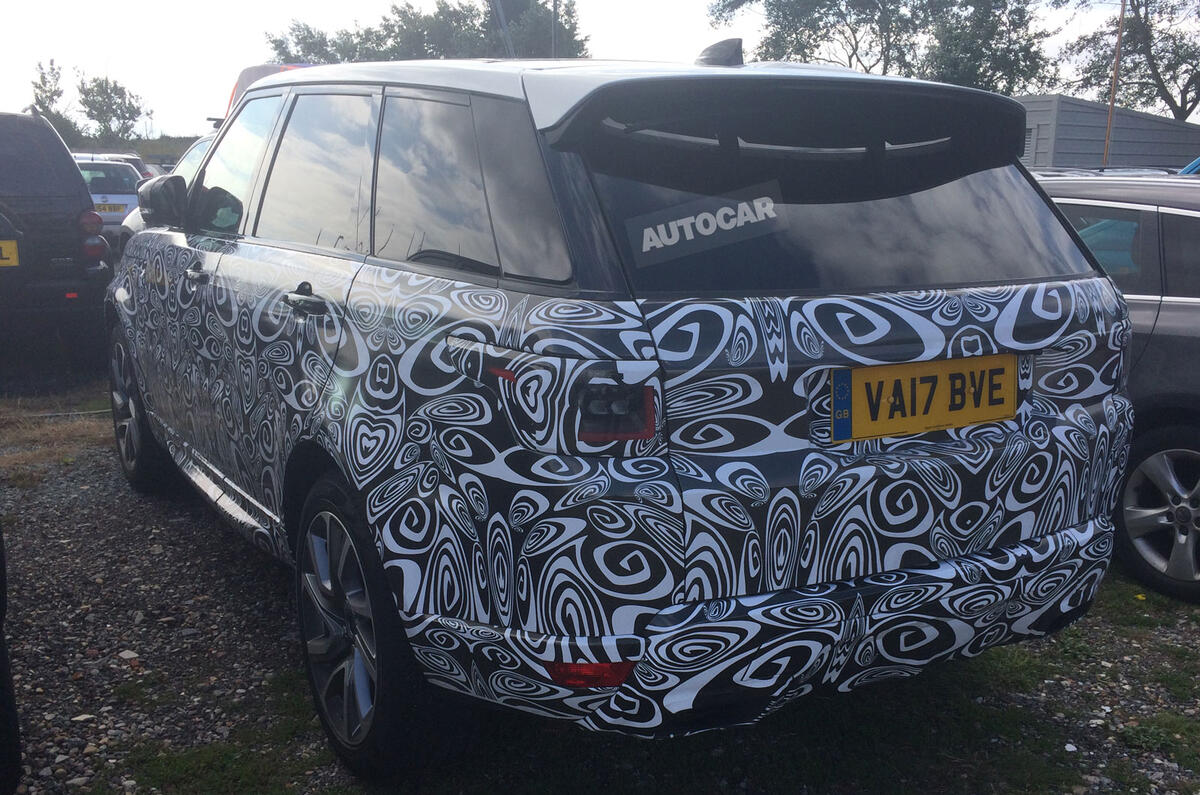
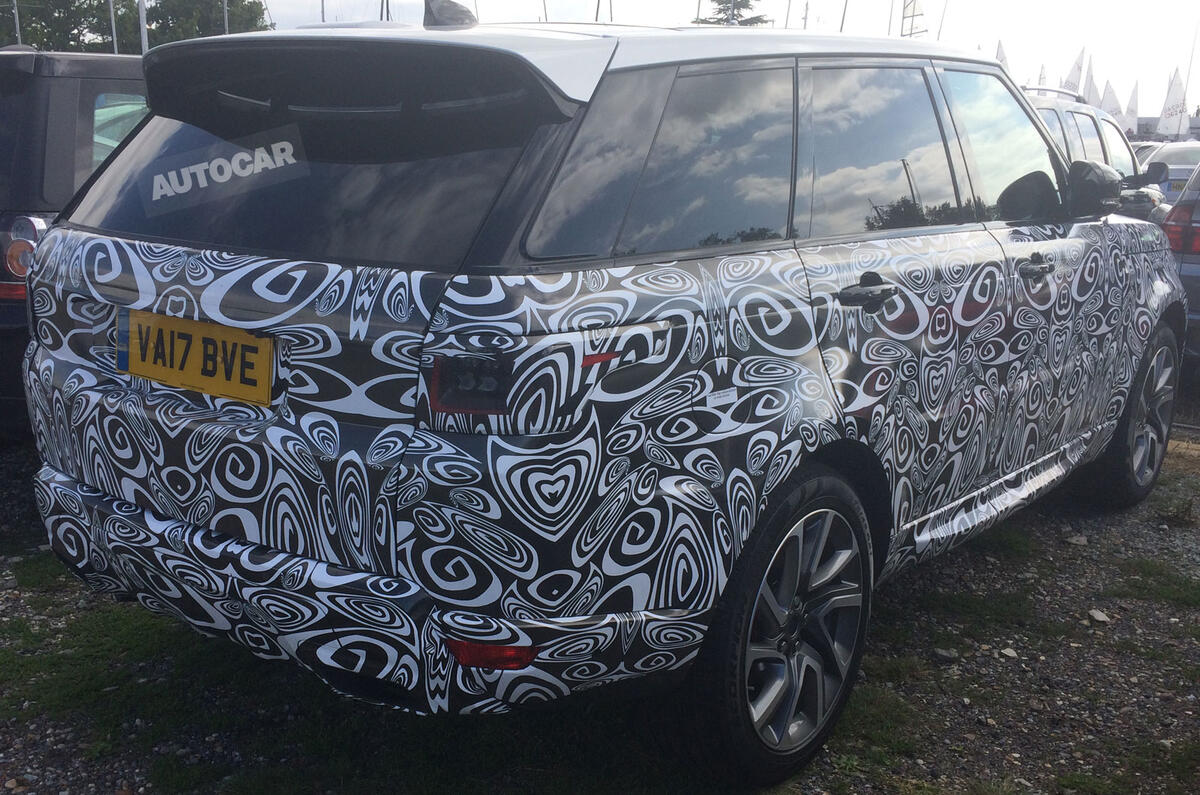
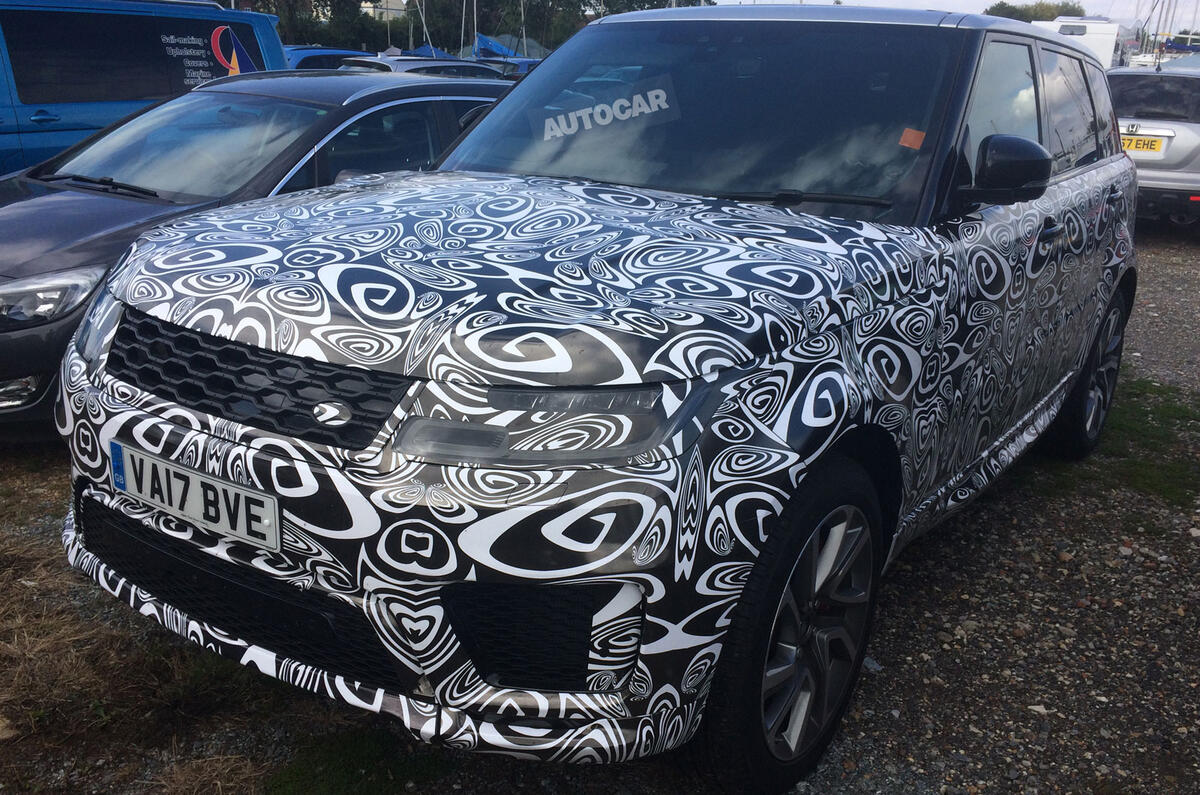
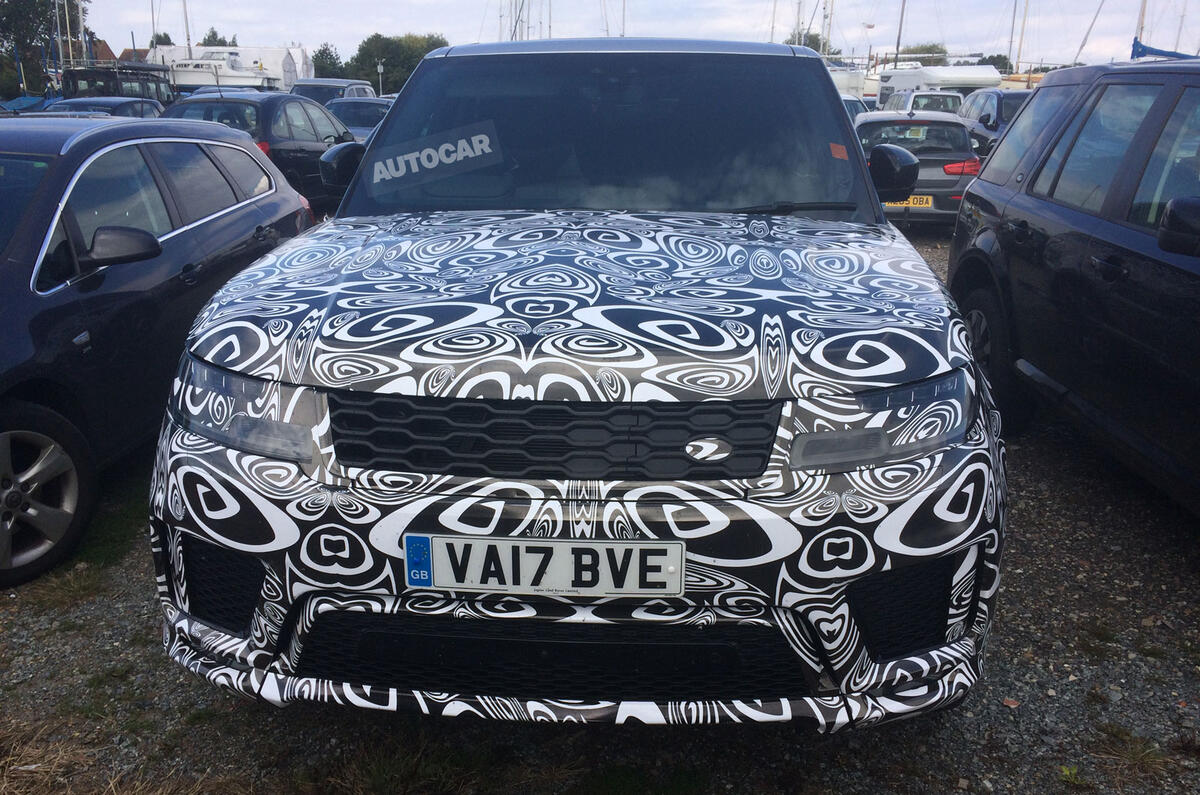
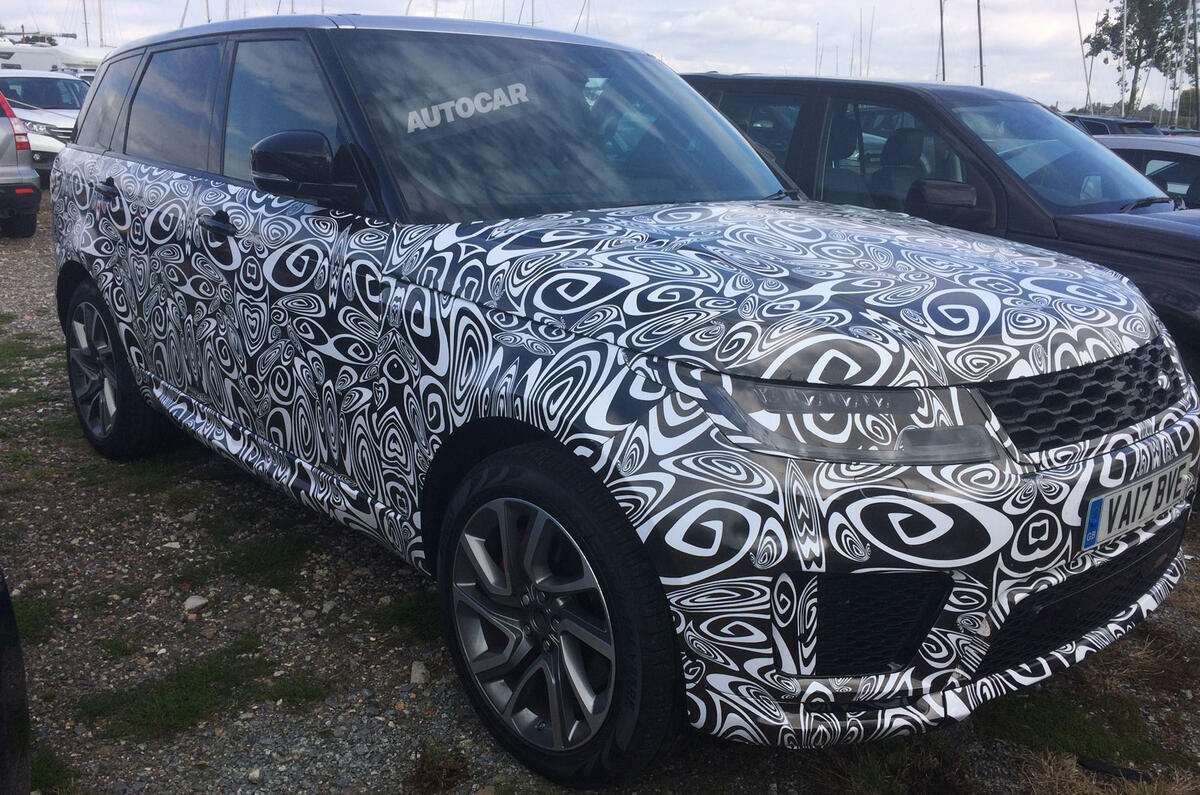
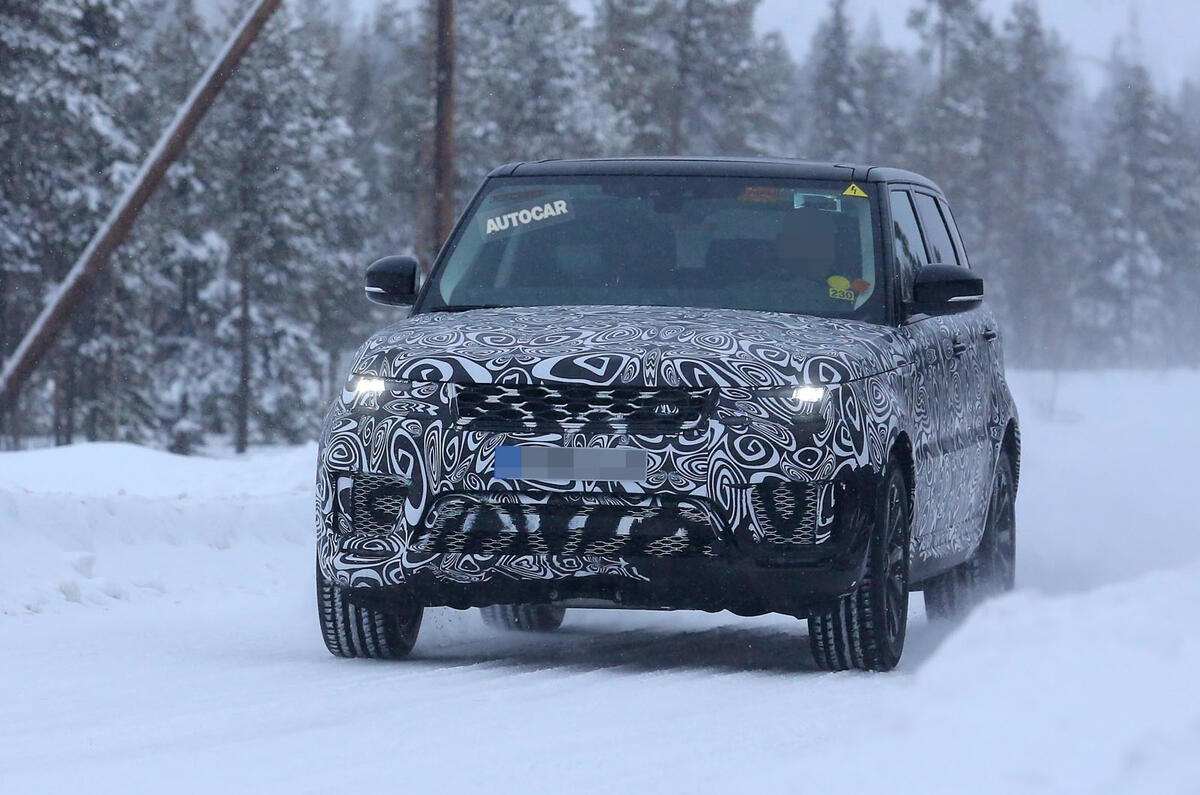
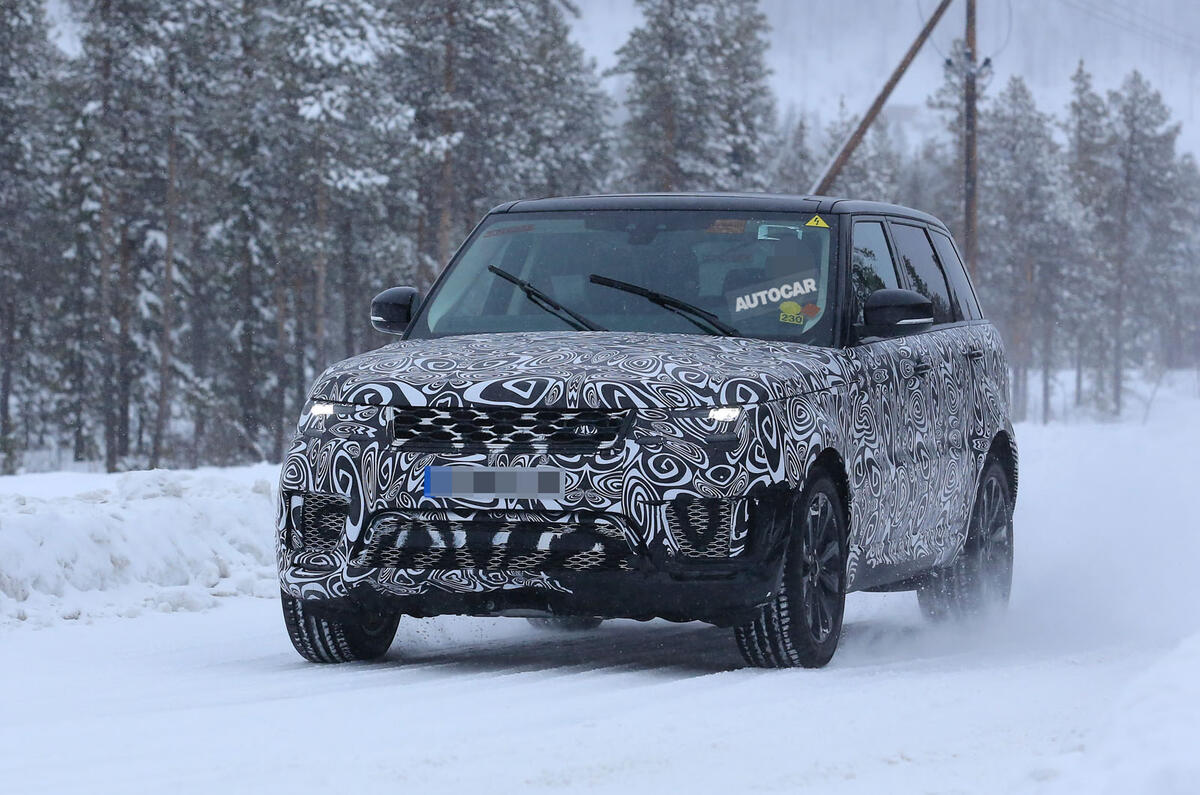
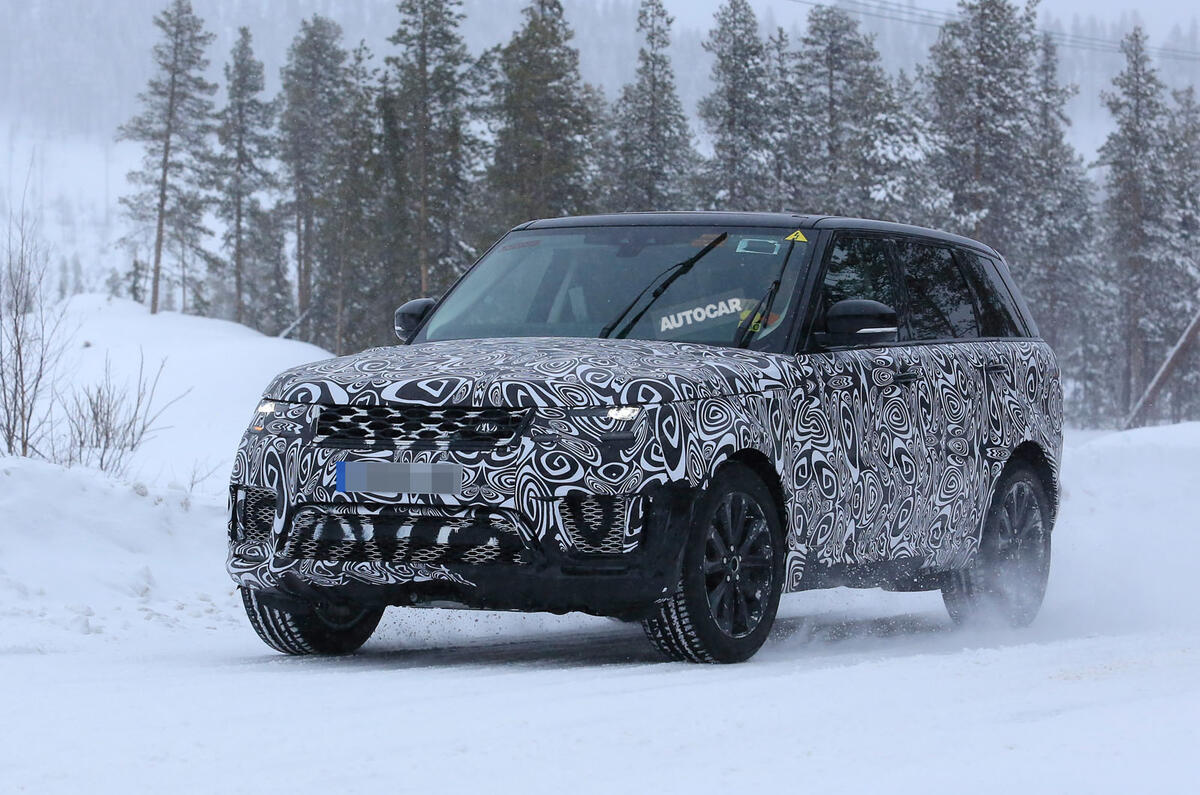
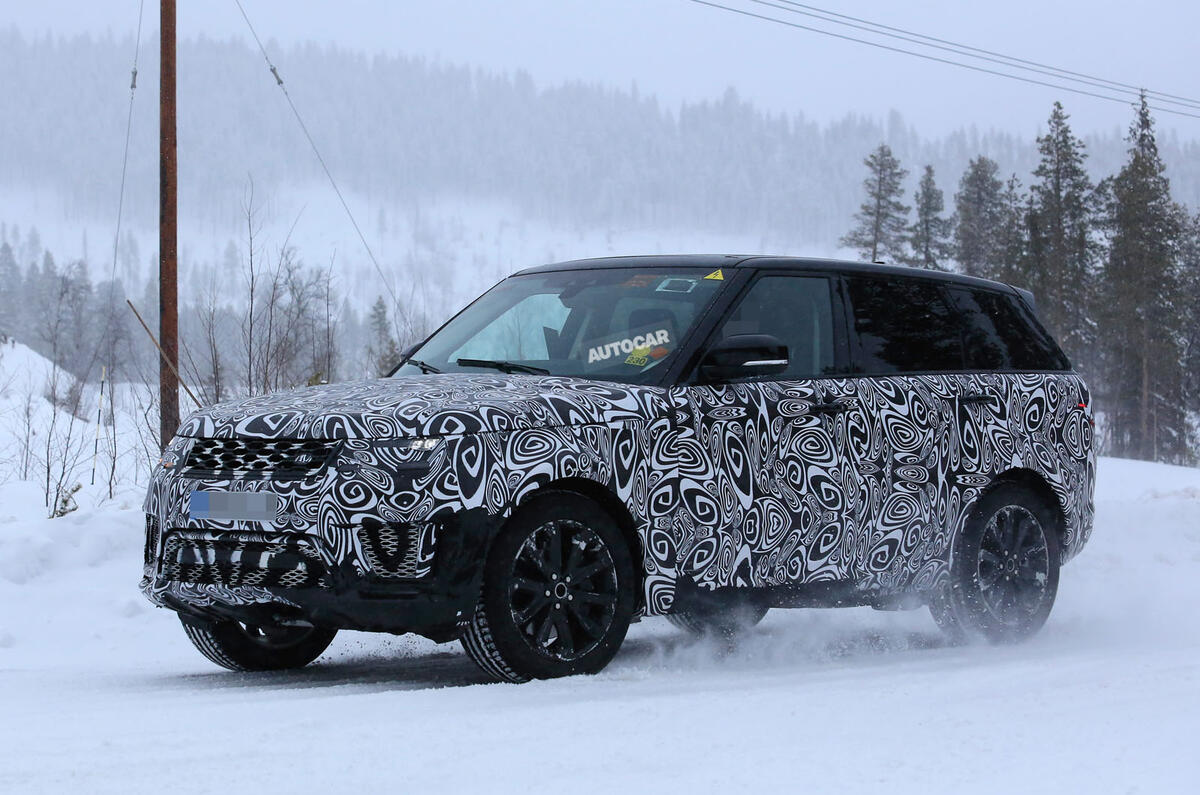
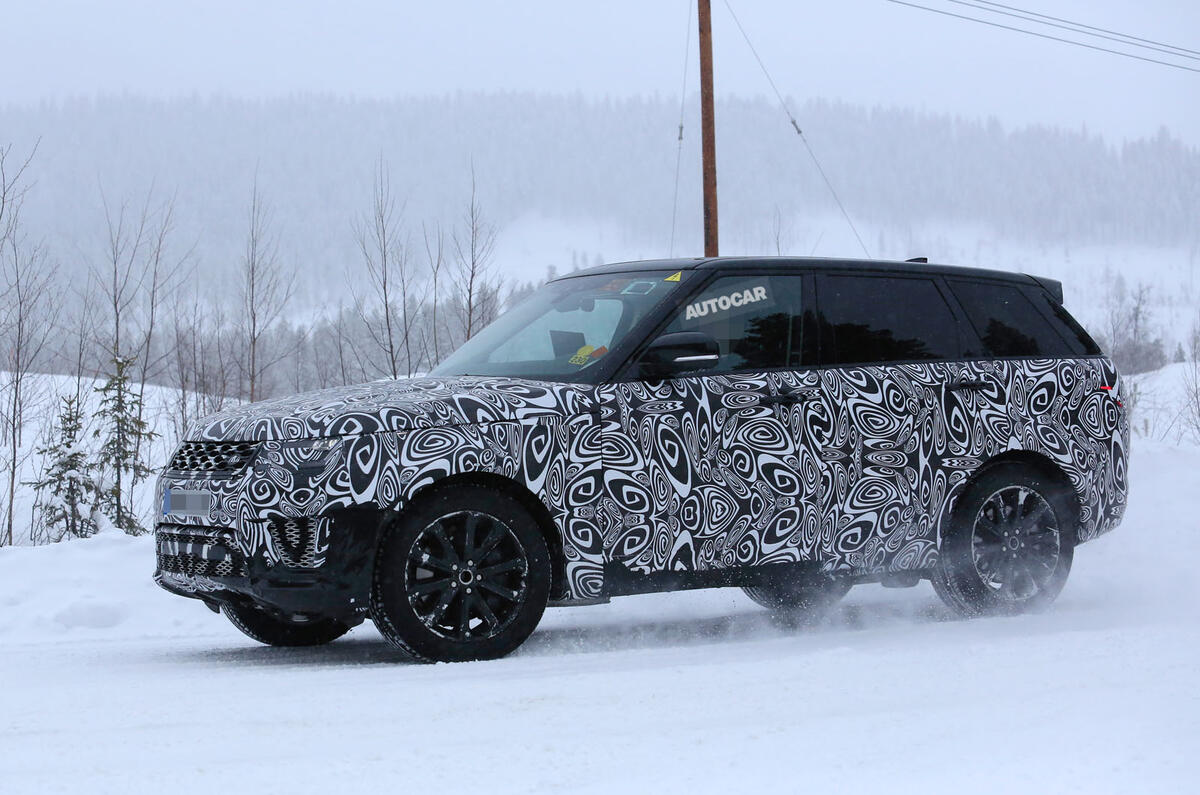
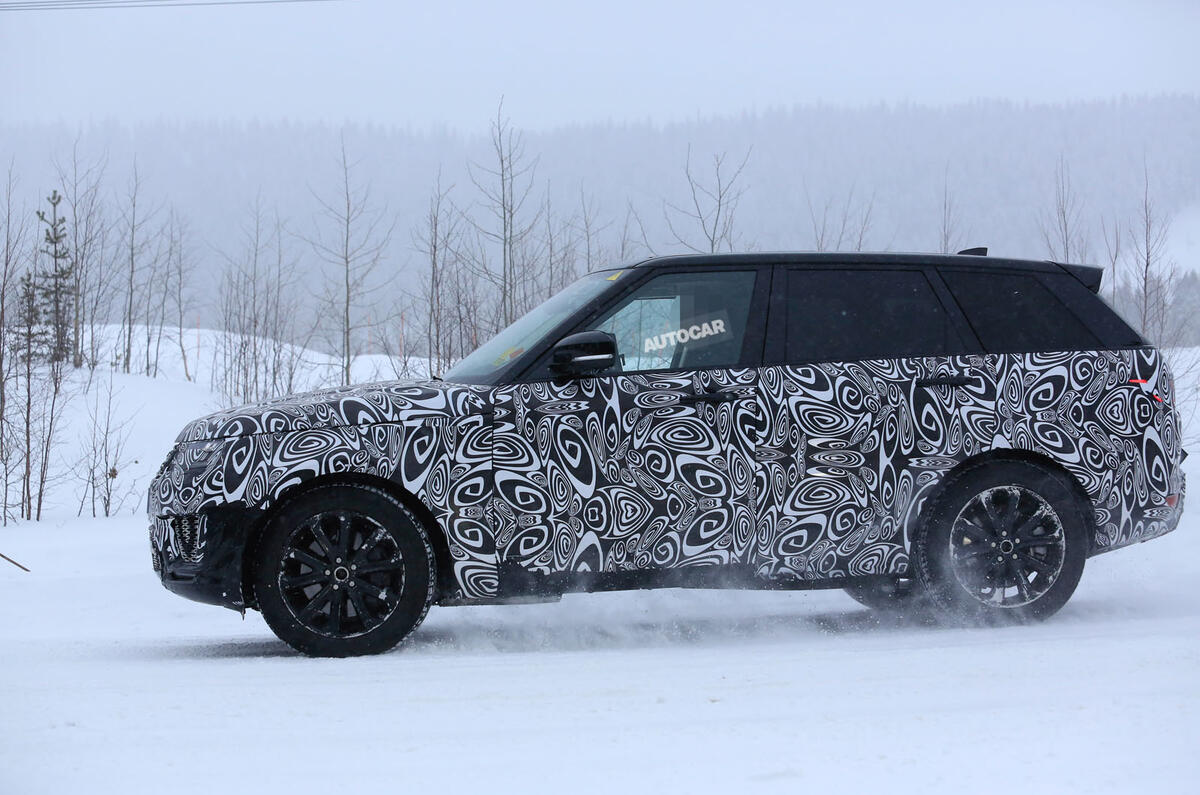
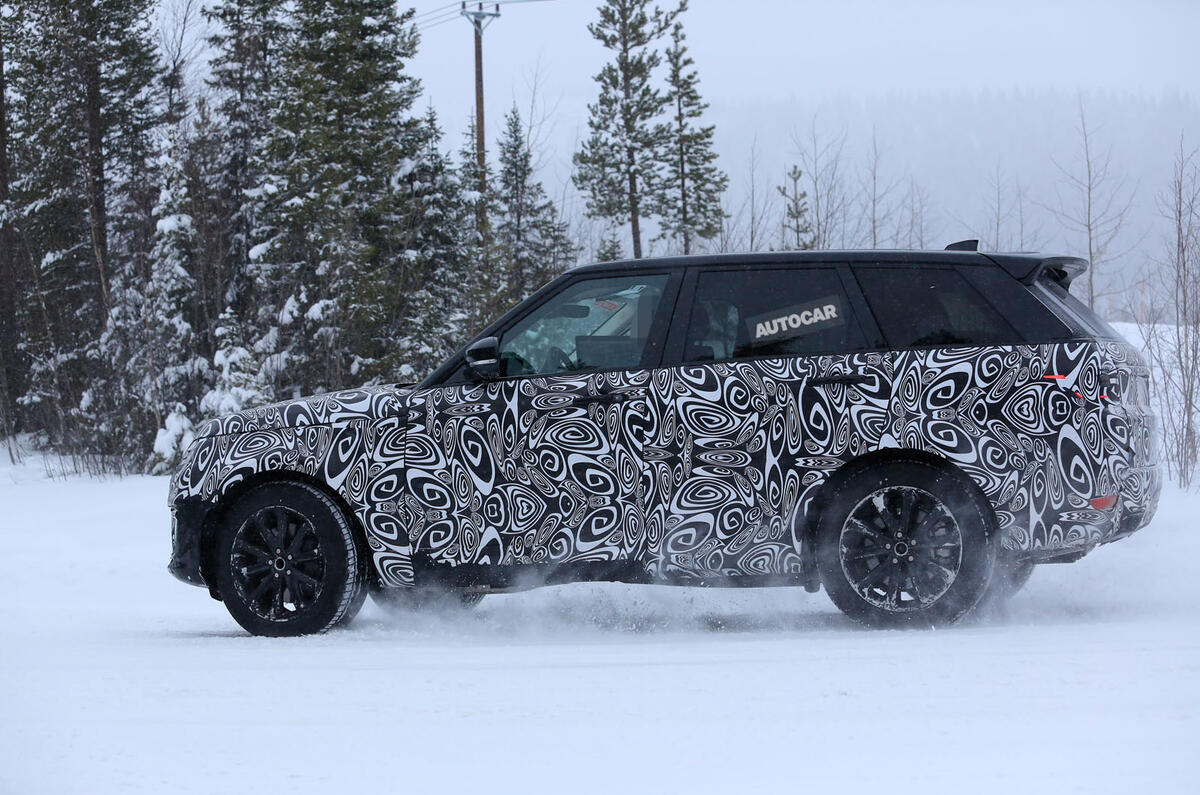
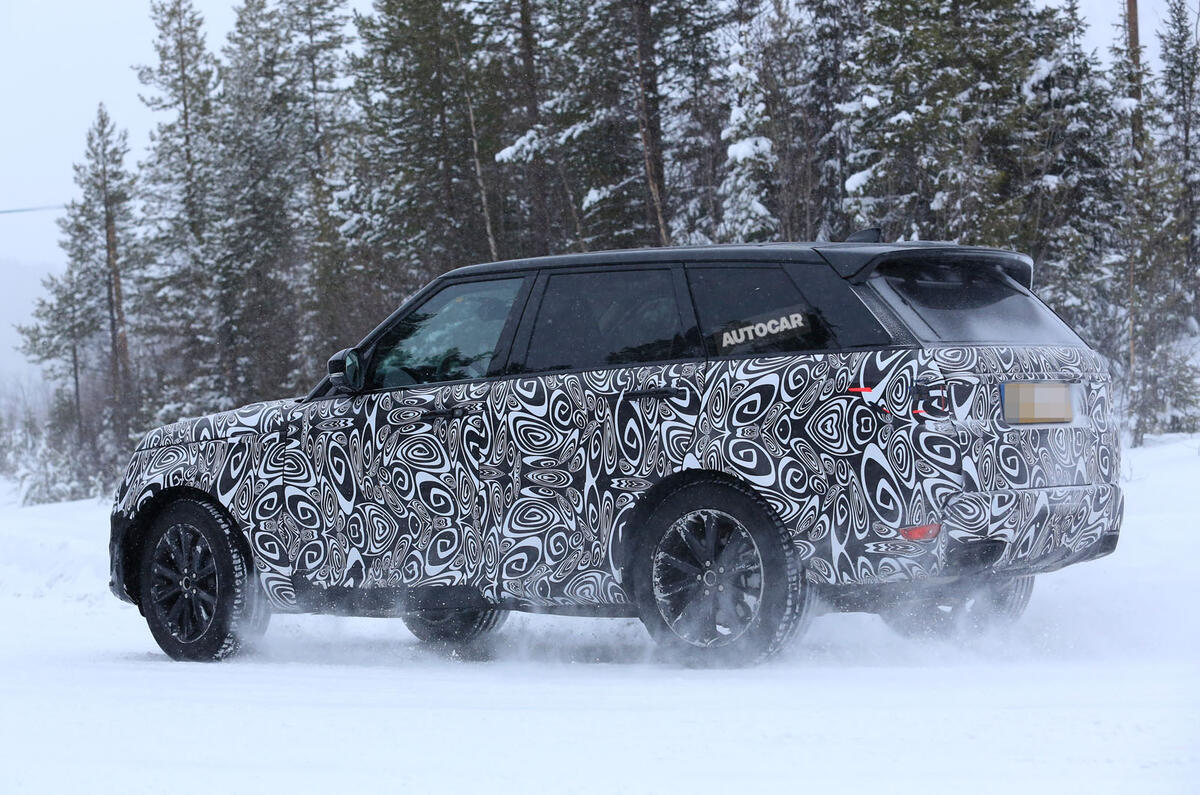
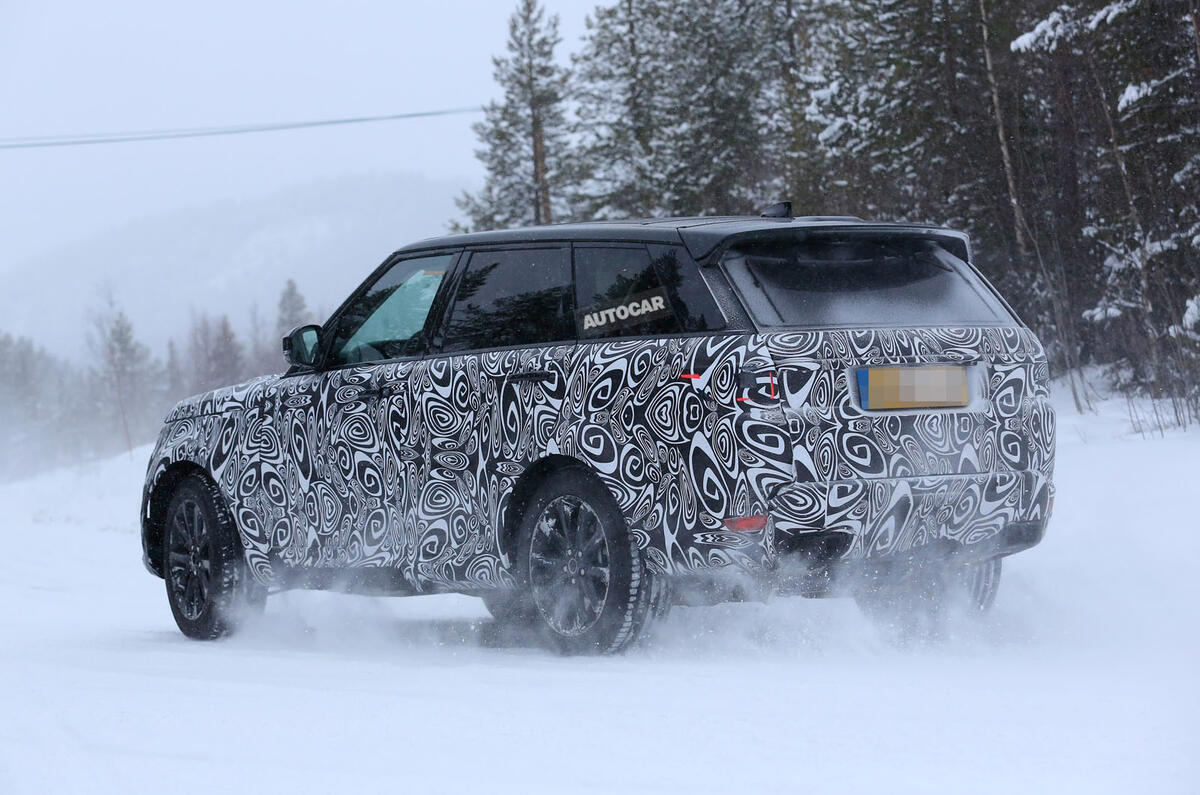
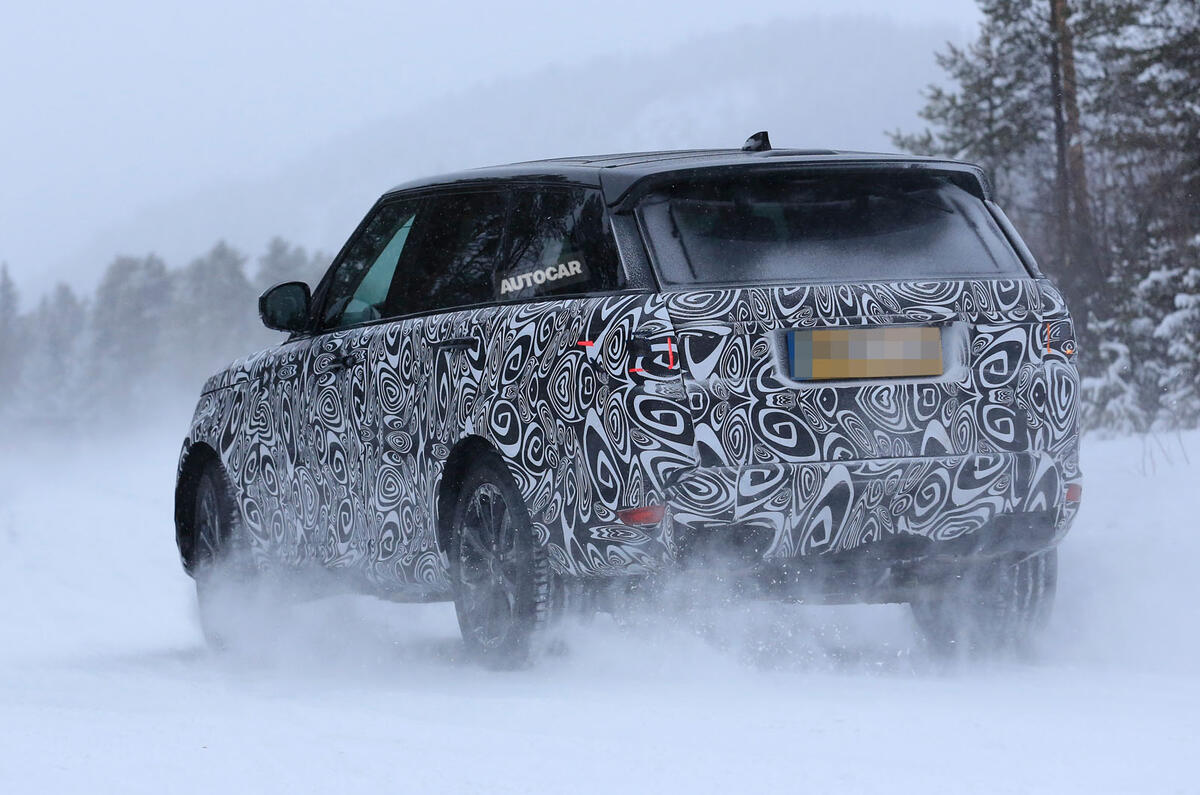
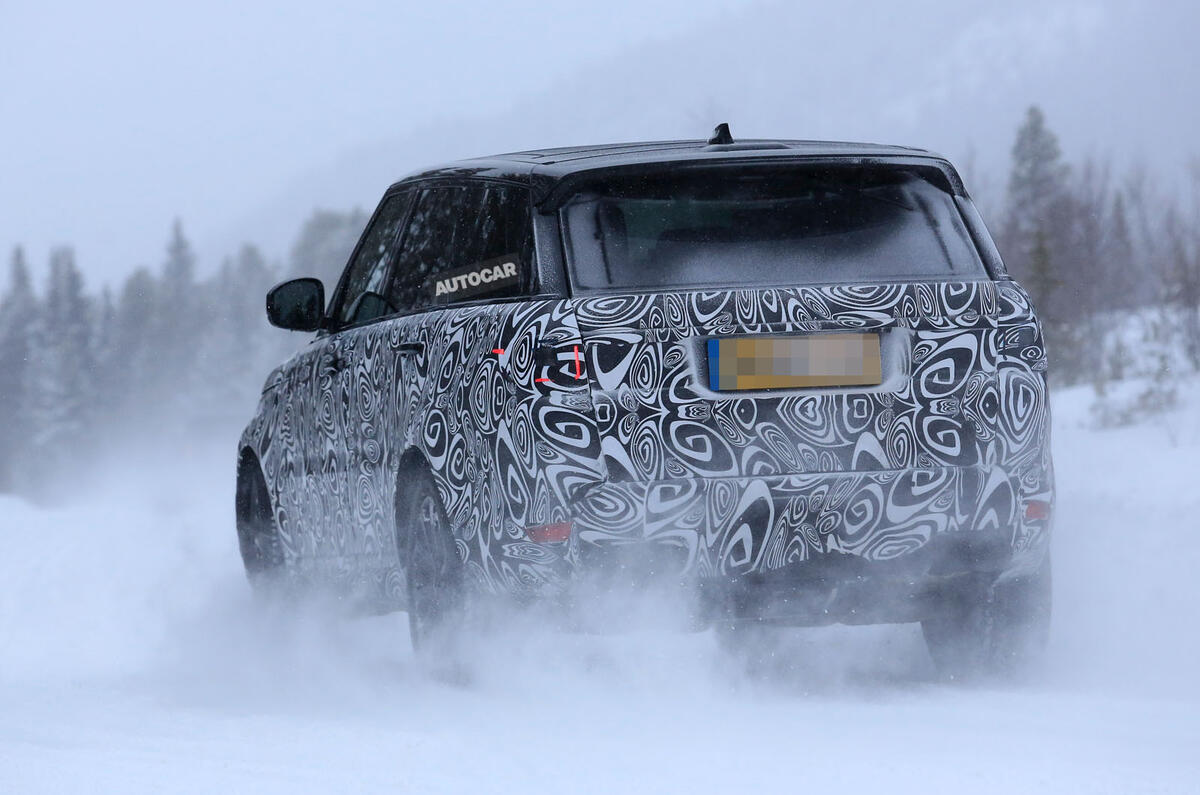
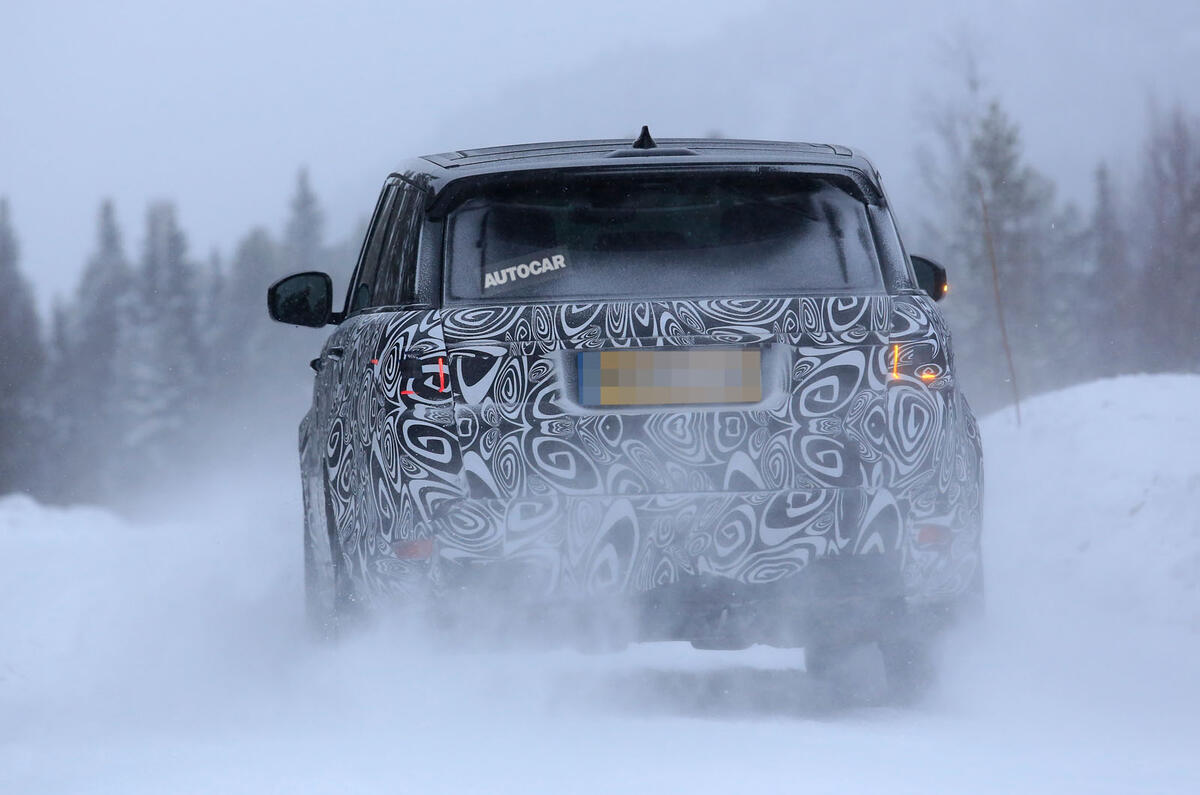

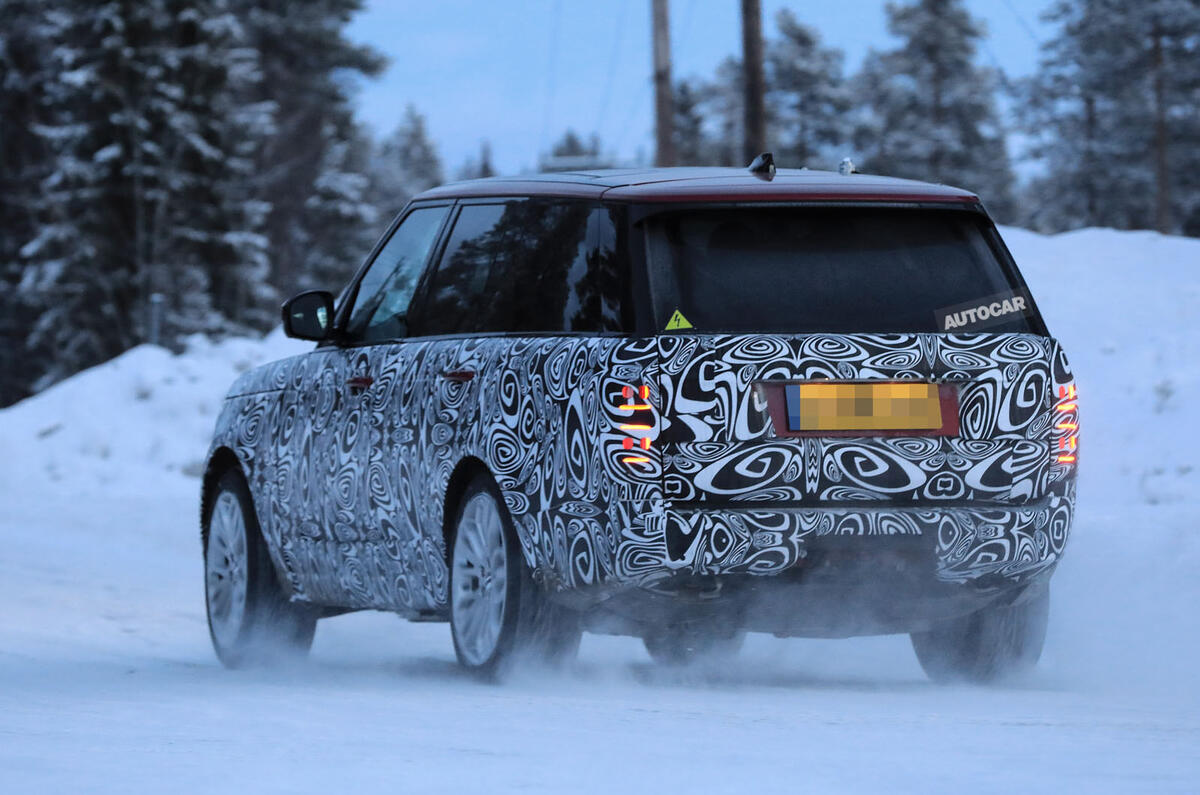
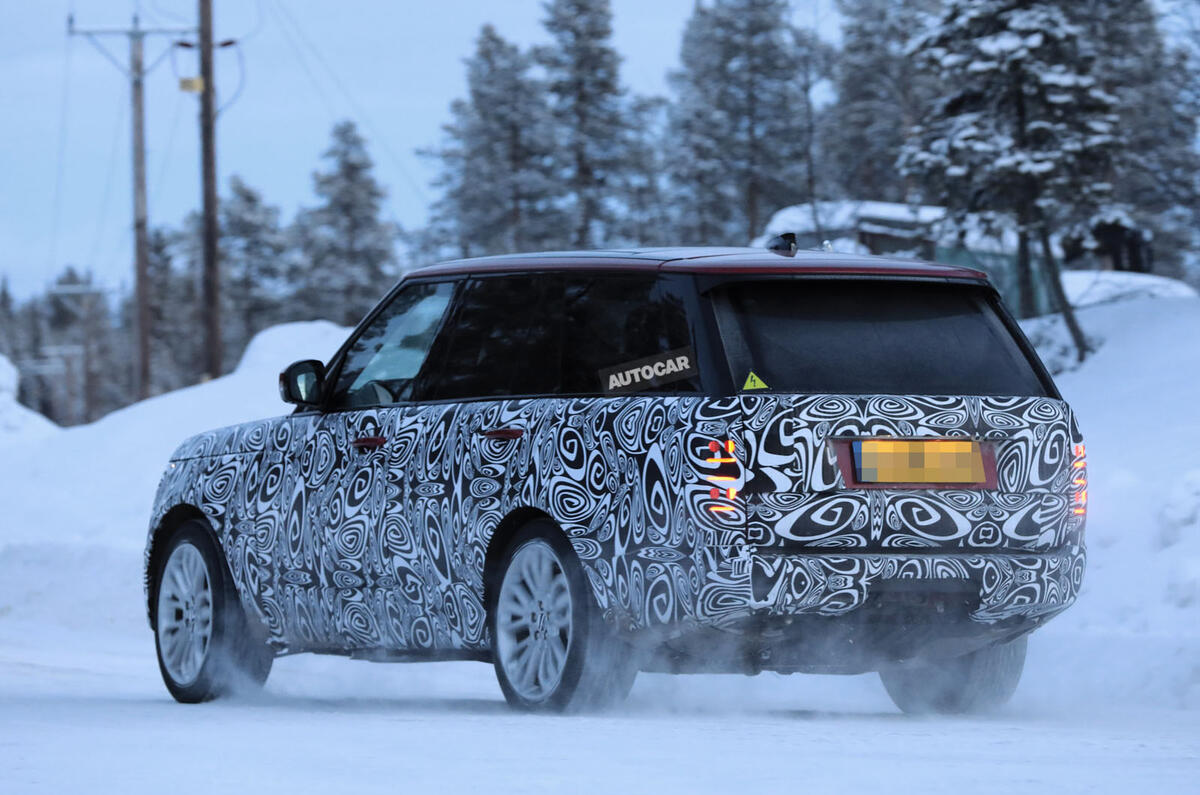
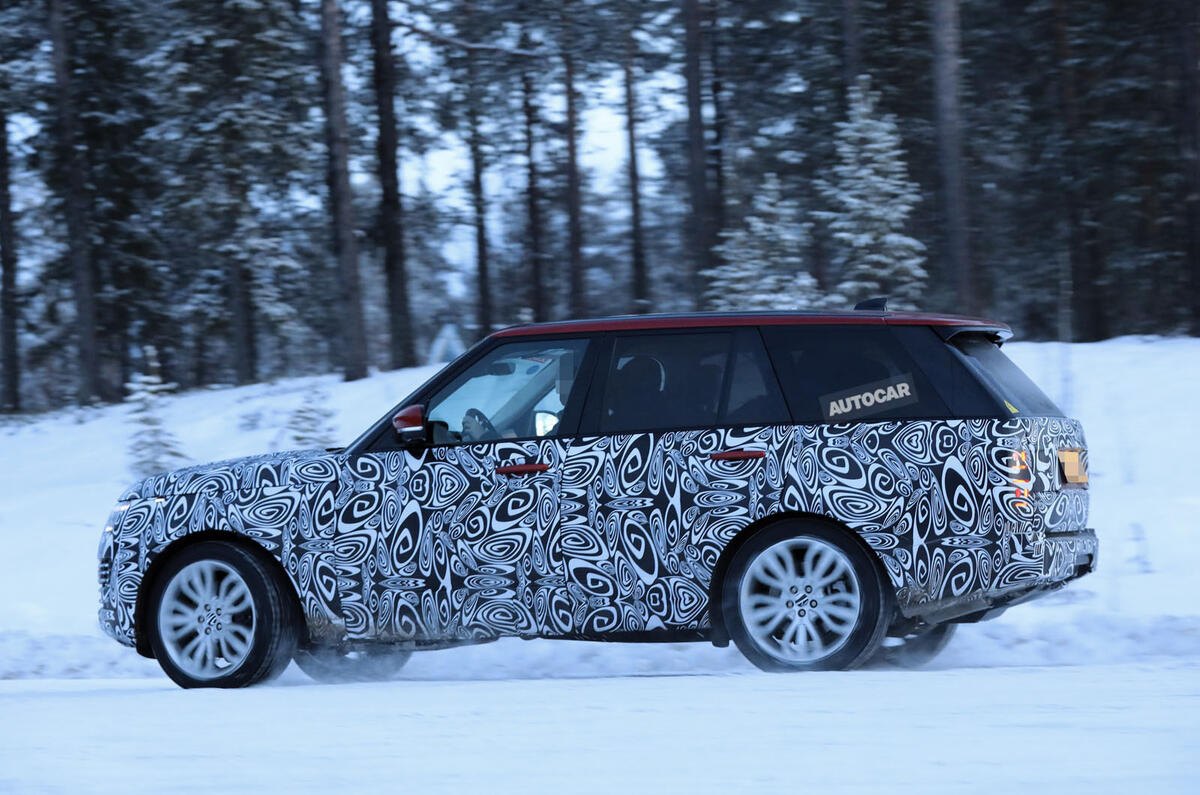
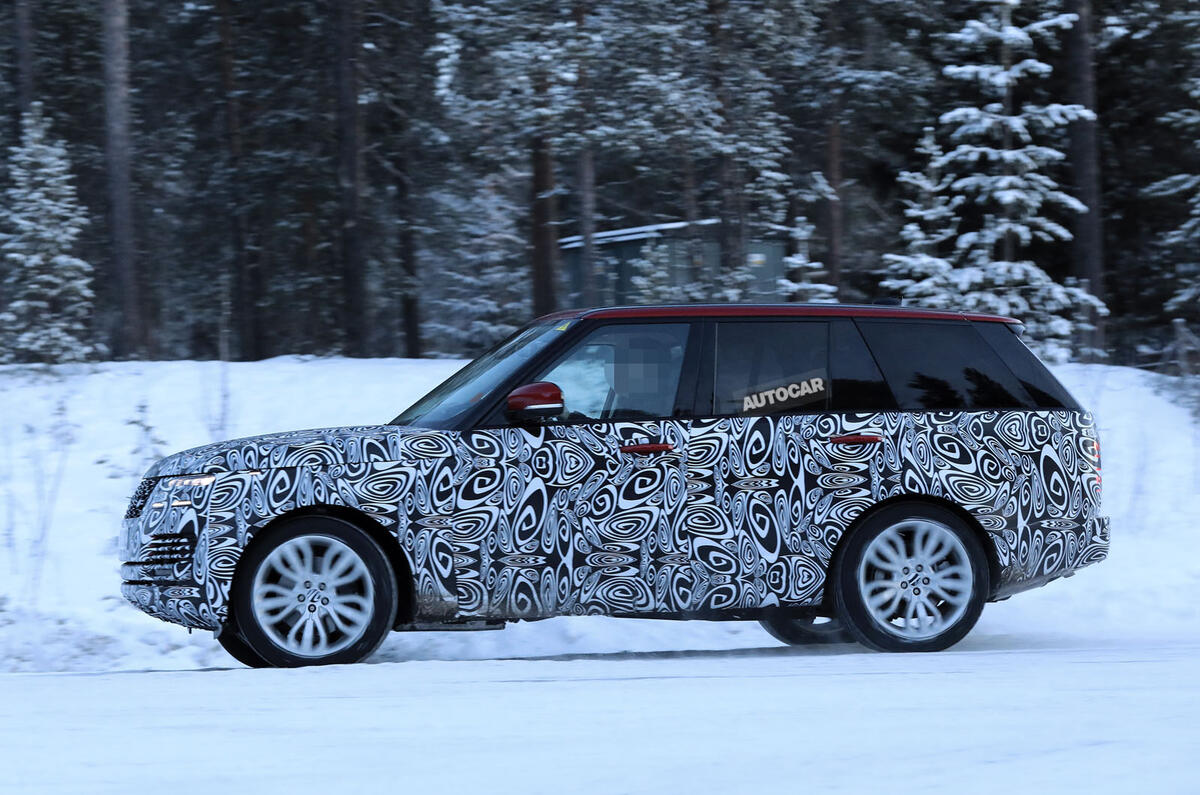
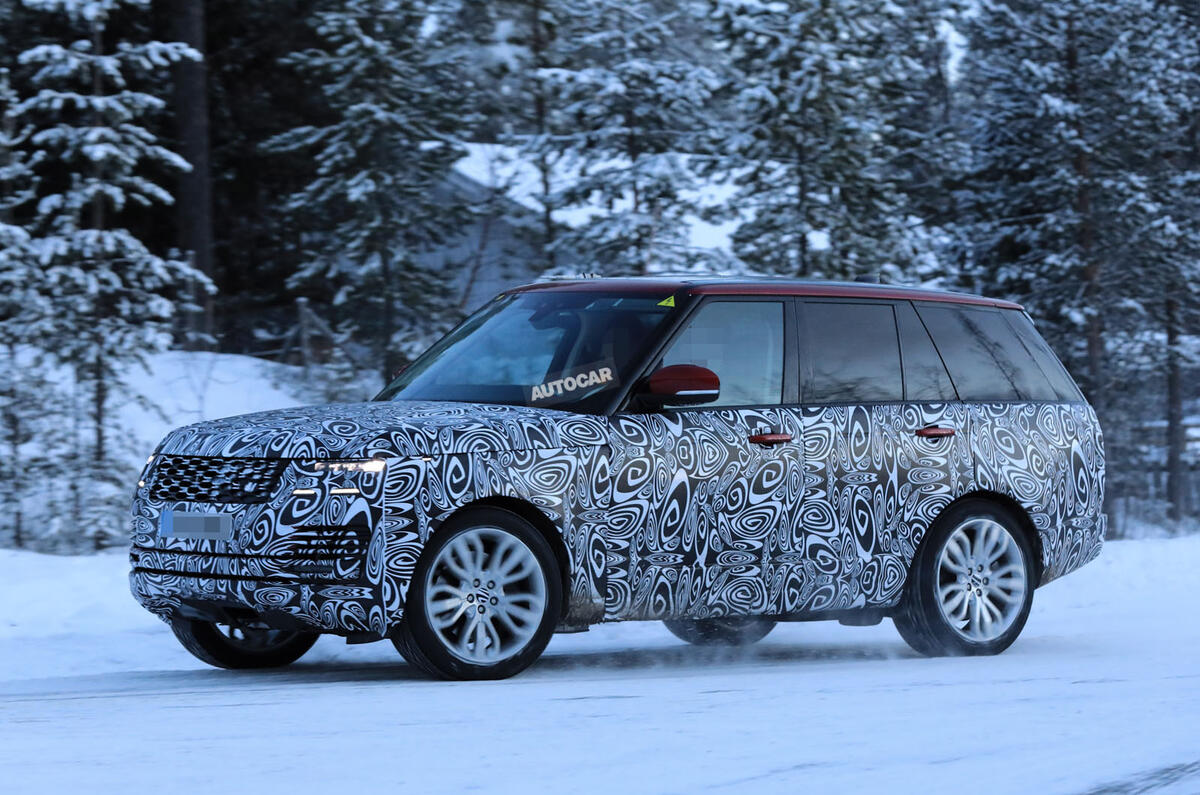
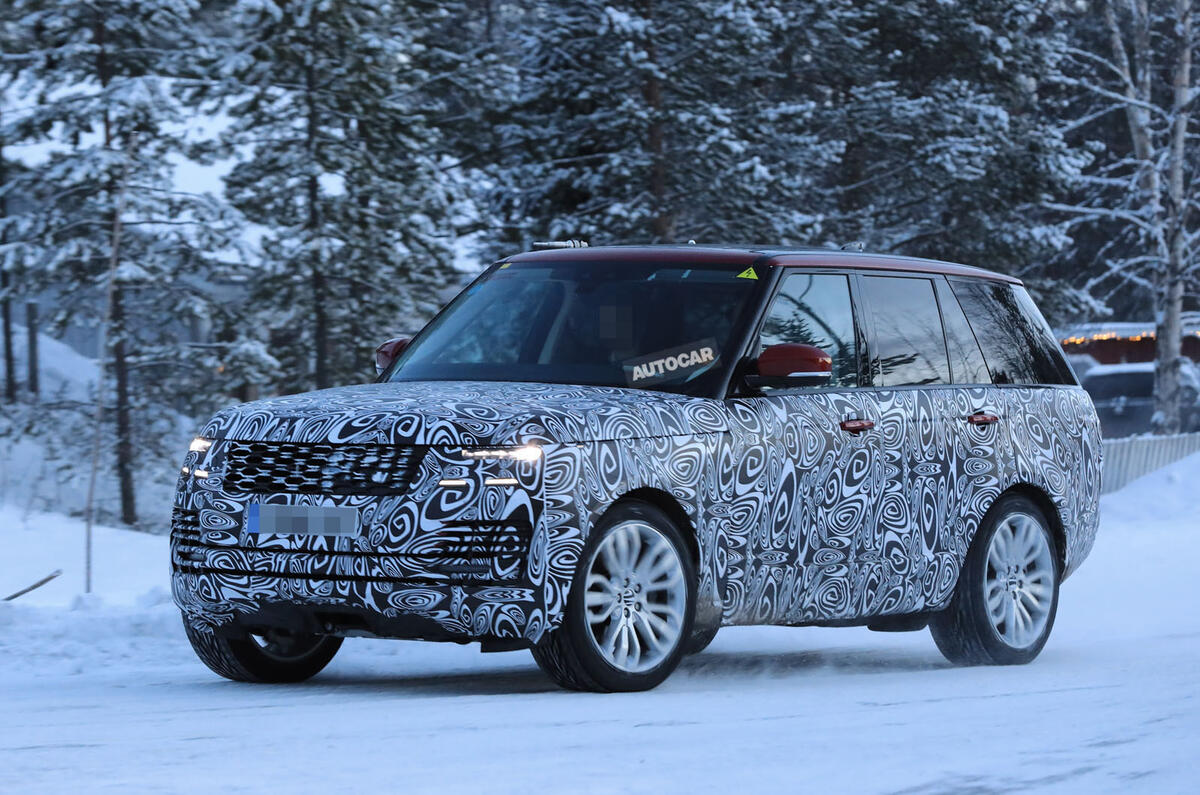
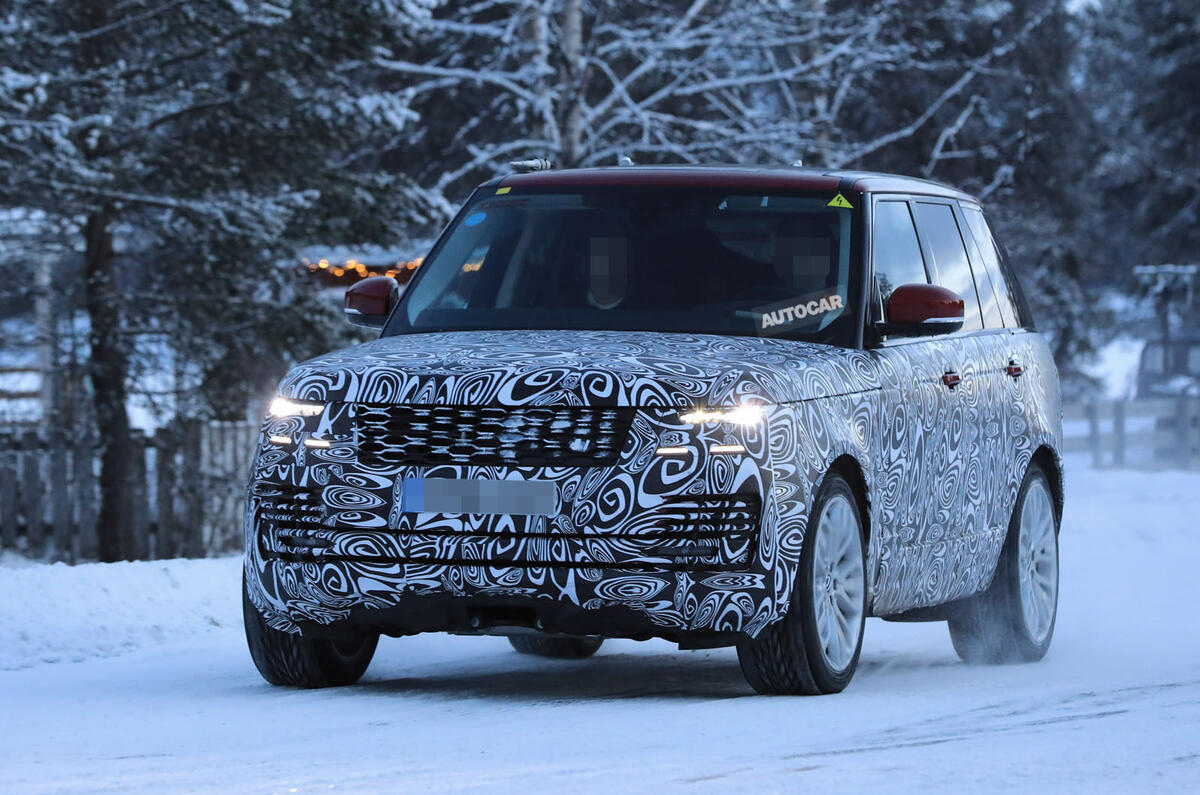
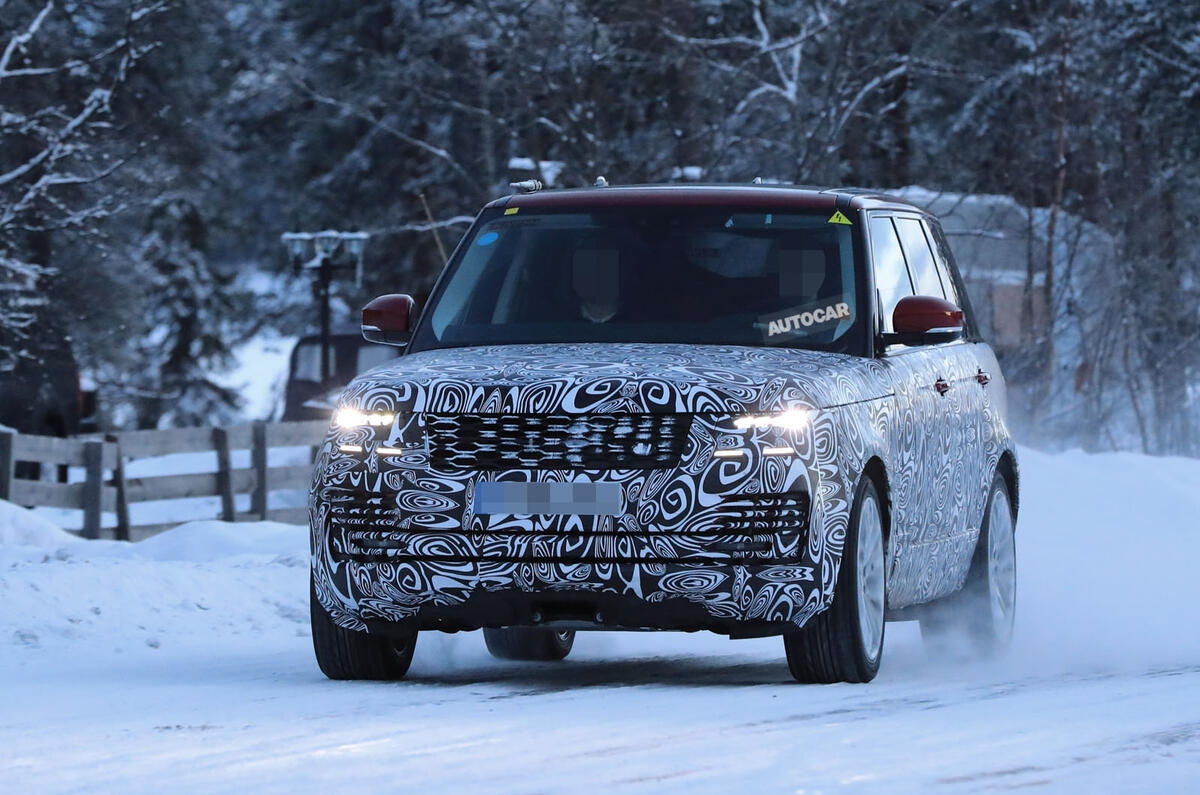
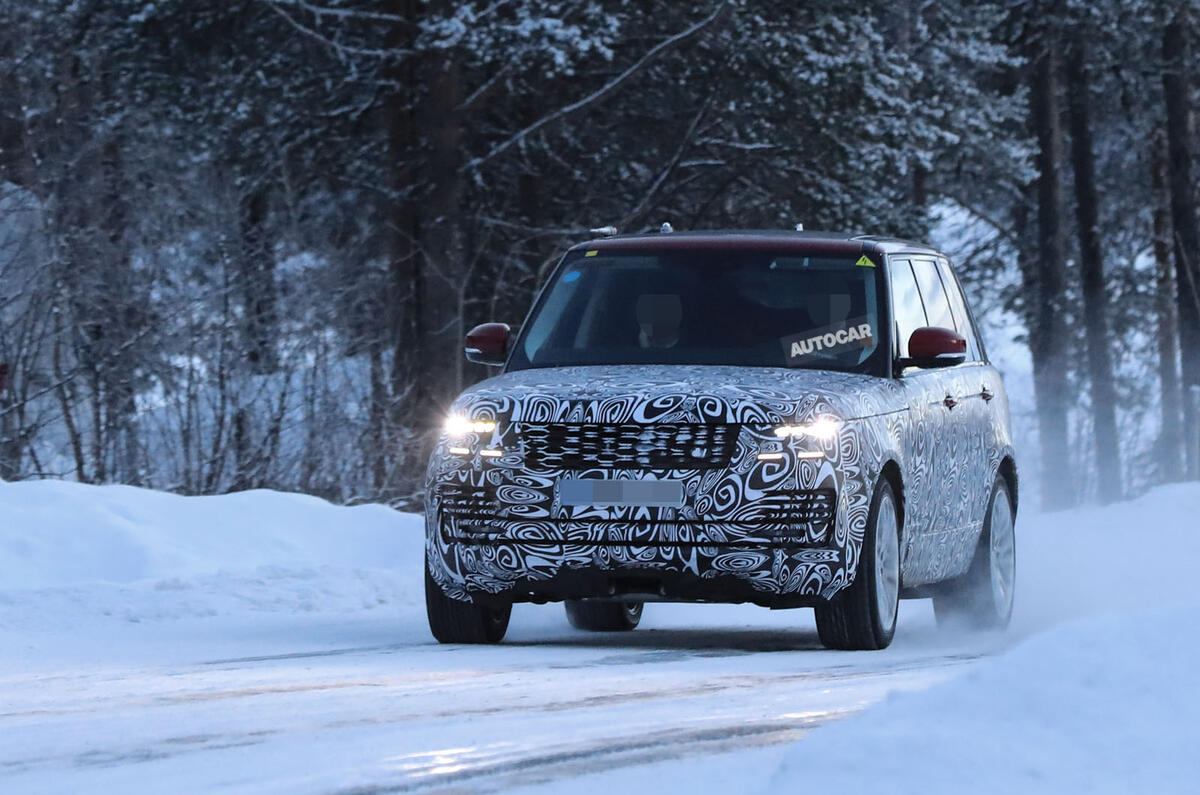
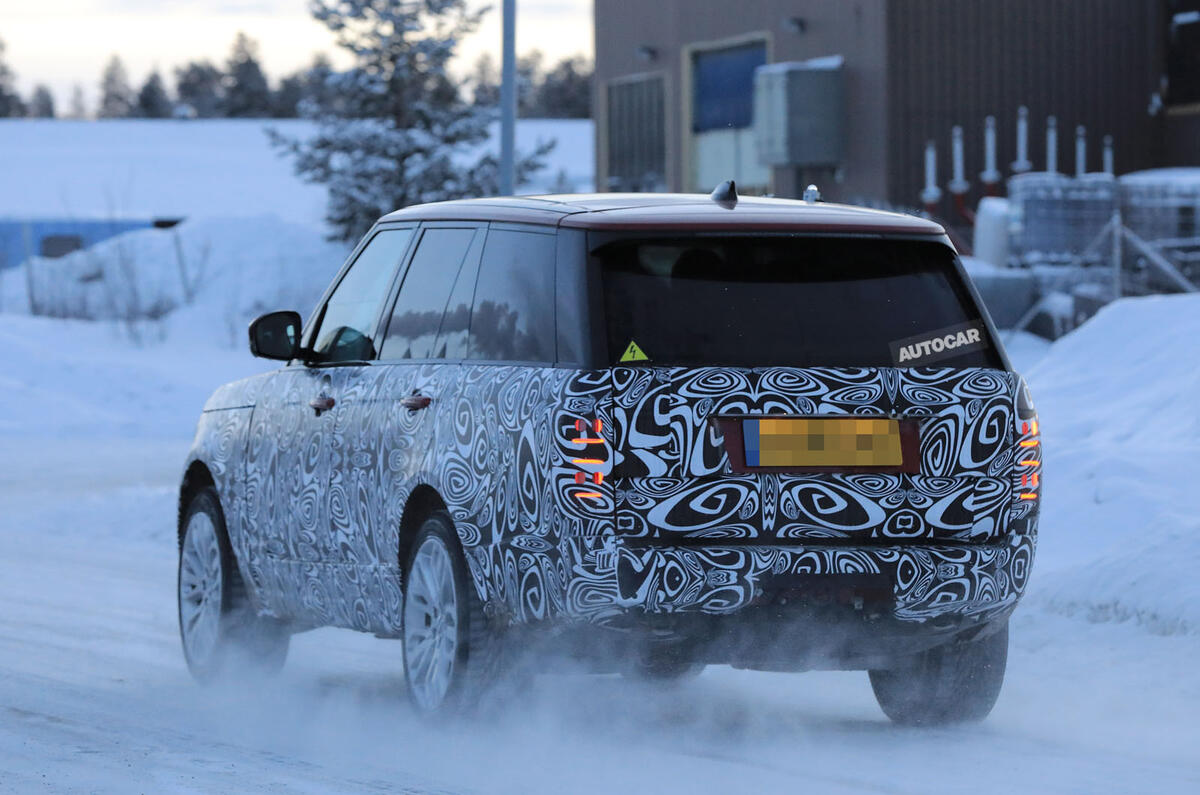
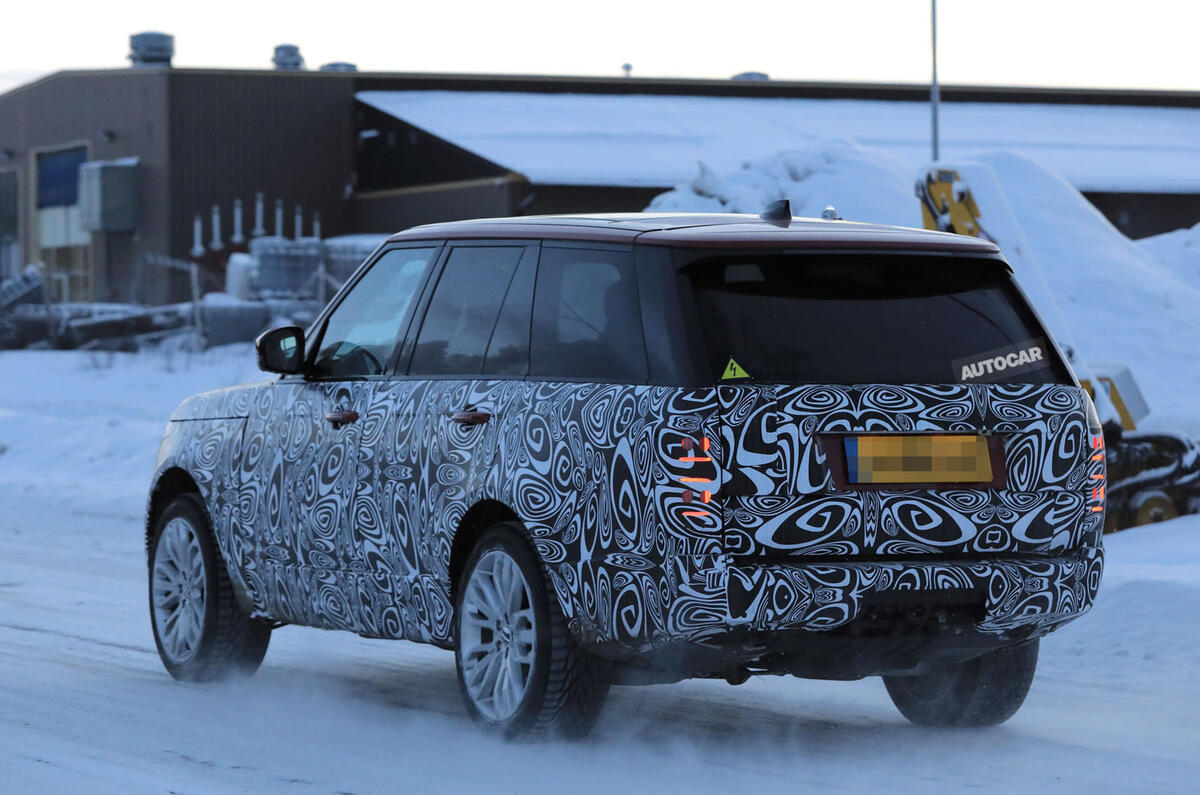
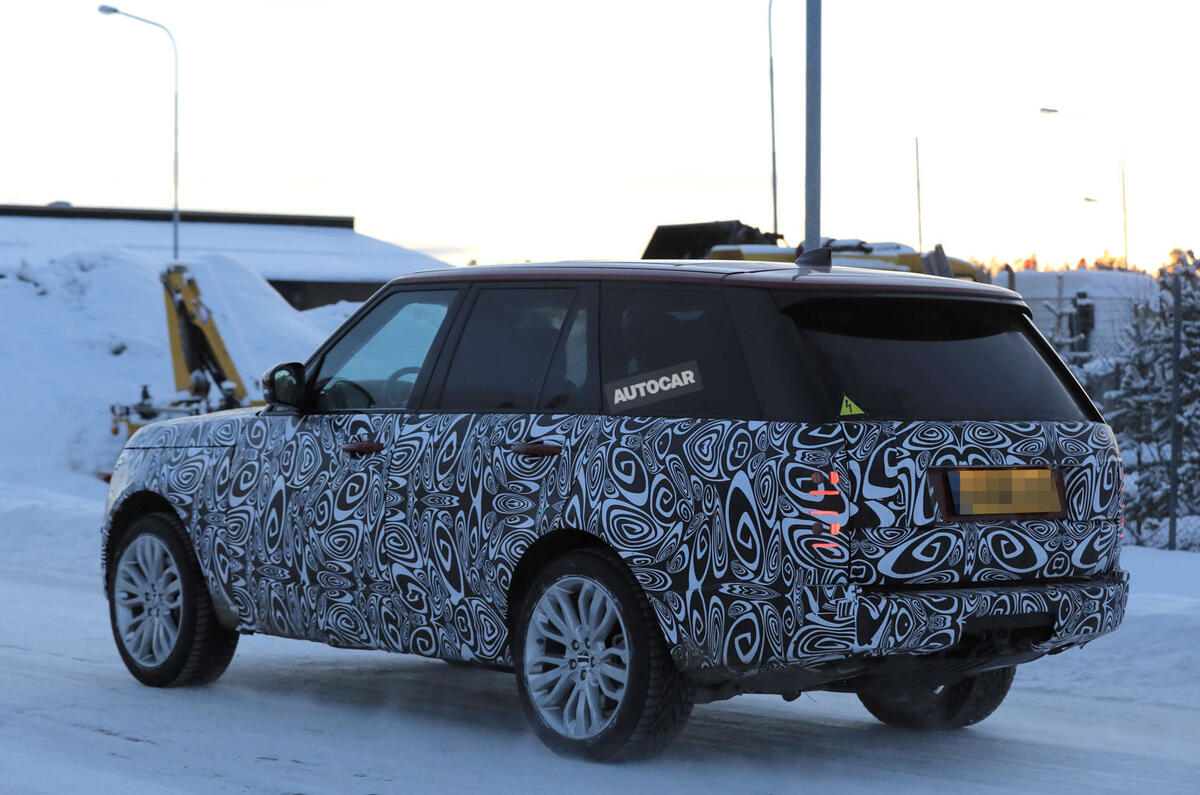
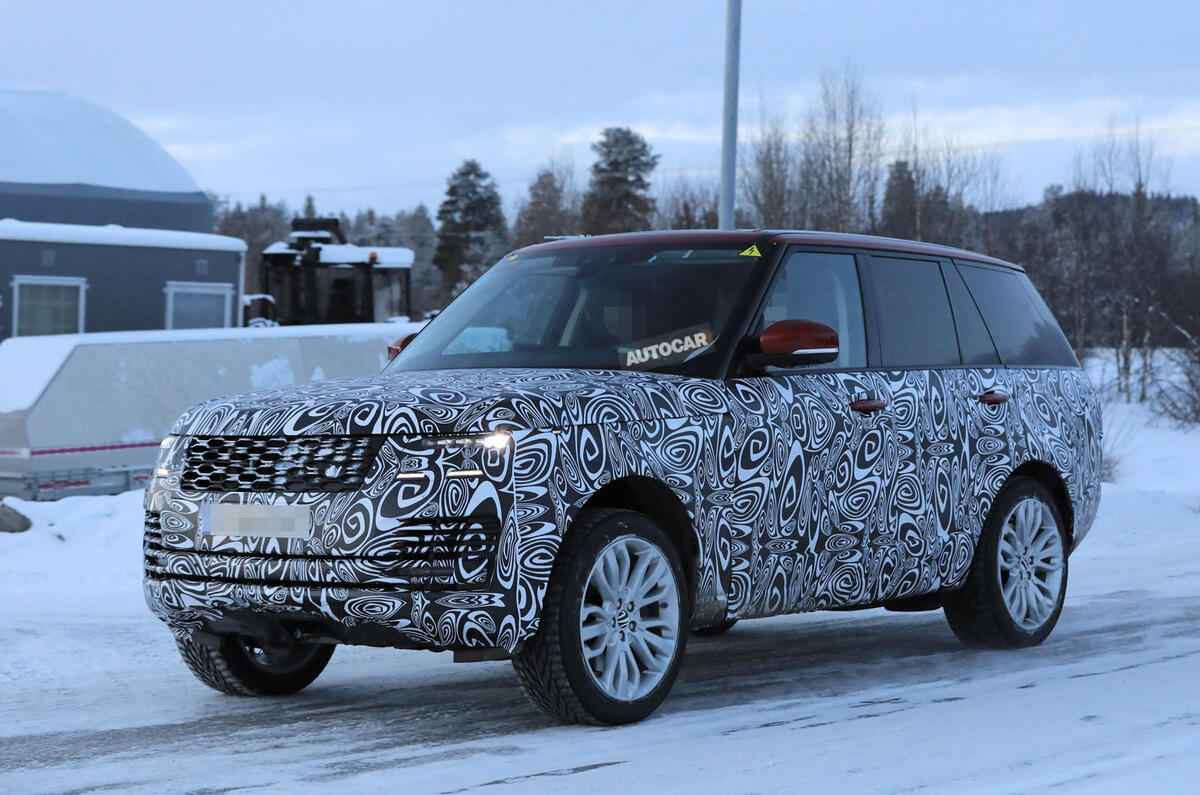
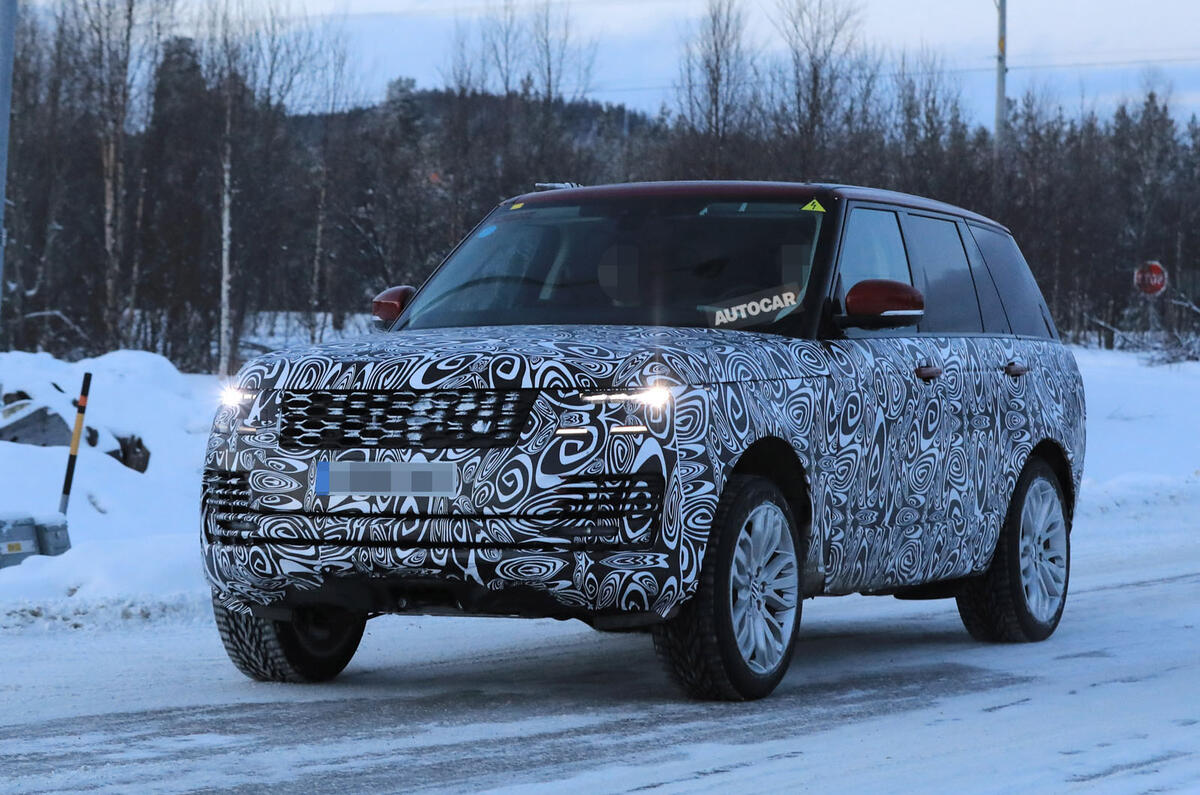
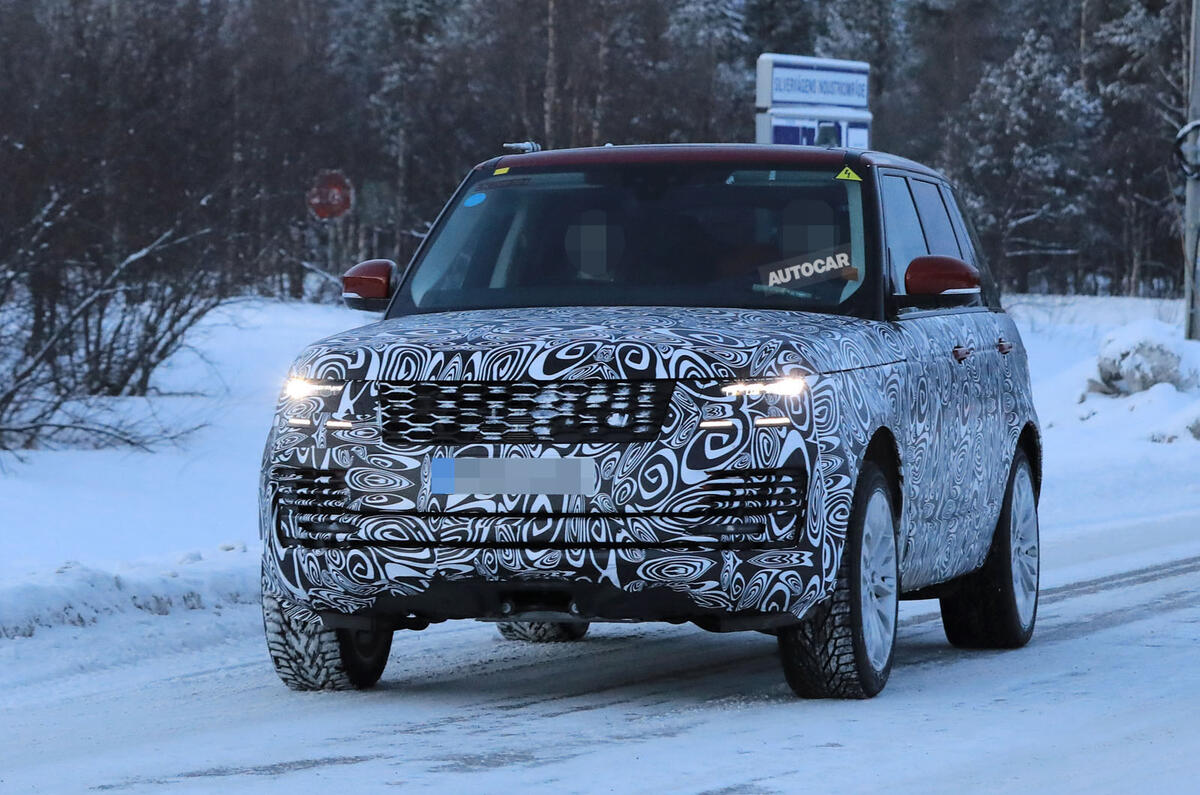
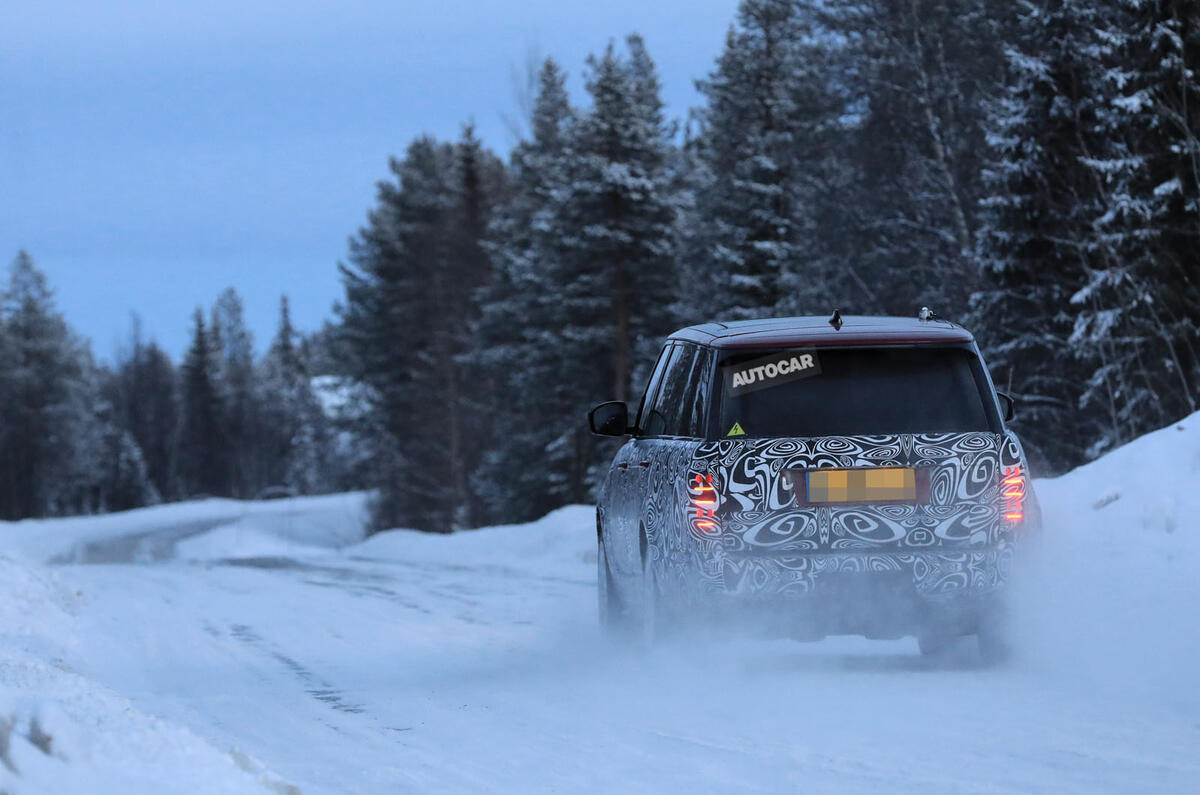
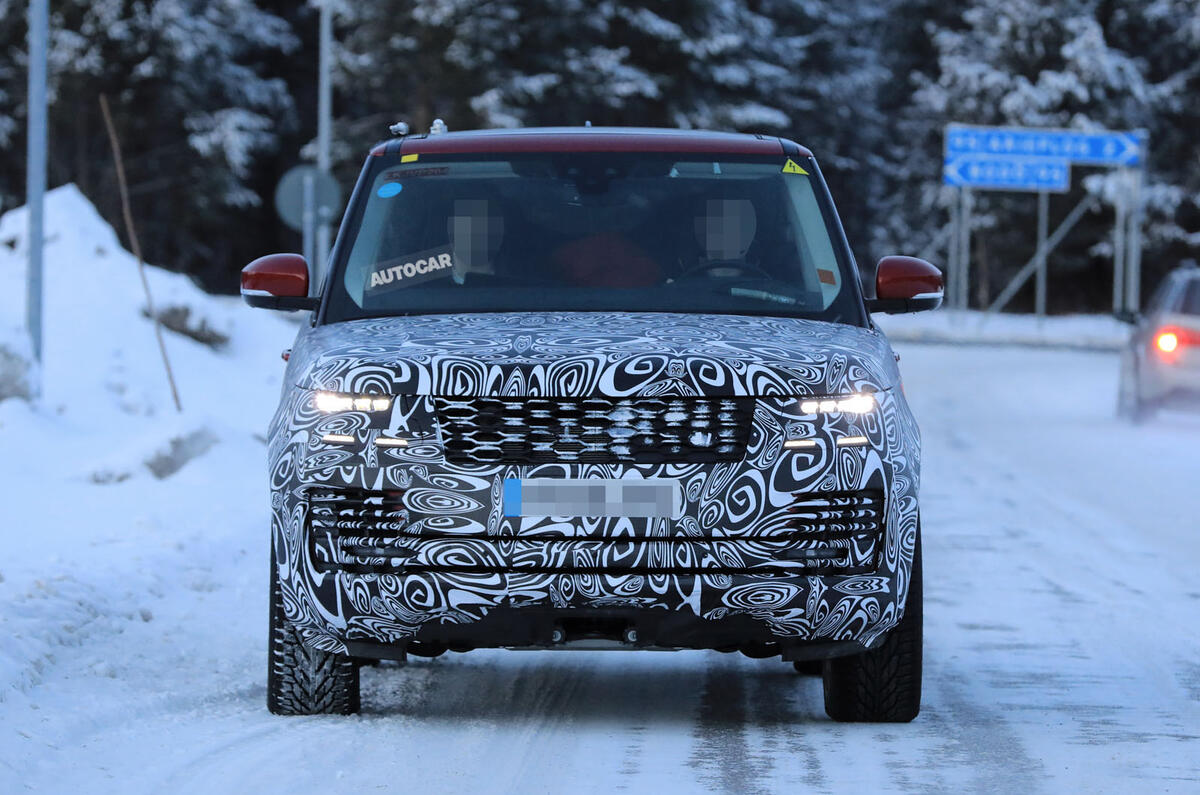
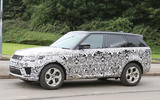
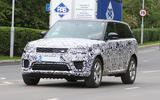
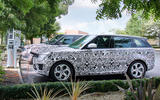

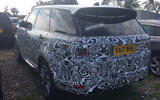

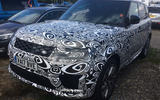

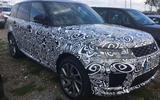
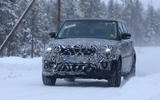
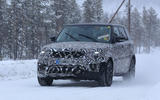
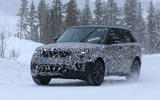
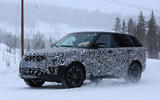
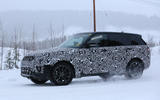
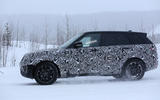
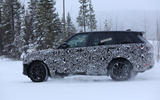
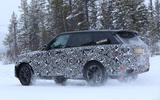
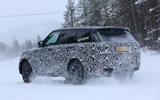
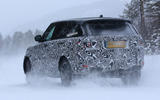




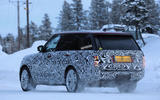

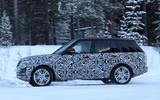
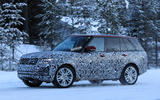
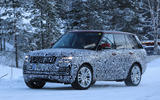

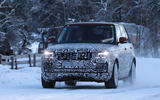

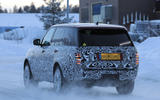

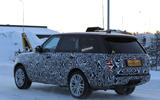
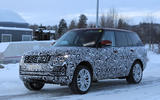



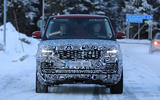

Land Rover is putting the finishing touches to its plug-in hybrid (PHEV) Range Rover ahead of the car's anticipated reveal.
Brand CEO Ralf Speth confirmed the model will be ready for market launch at the end of 2017, leaving sources convinced it'll be shown in production form in the coming days.
Speaking at the Frankfurt motor show, Speth said both the regular Range Rover and Range Rover Sport models will gain the new electrified powerplant, which is expected to combine 2.0-litre Ingenium petrol power with an electric drive unit.
The former power source is predicted to provide 295bhp and 295lb ft, while the latter injects 201bhp and 332lb ft and will also enable about 30 miles of electric-only range.
The electric drive technology was created in-house and fits into the existing structure of the Range Rover model line-up. It's mated to an eight-speed ZF automatic gearbox and sources ists power from a lithium ion battery located beneath the boot floor.
Sightings of several Range Rover Sport PHEV development cars have shown no major aesthetic changes to the model's exterior, suggesting little more than badges and a charging port will signify its zero-emissions capability.
The Range Rover PHEV's closest rival will be the BMW X5 xDrive40e, but the hybrid-electric X5 electric motor produces 113bhp, meaning it is likely to fall short of the Ranger Rover's straight-line and electric-only performance.
How JLR's new hybrid powertrain works
The model will be the first to use JLR's newly developed PHEV drivetrain, but it is expected to be introduced into the Jaguar F-Pace, Jaguar XF and Jaguar XJ ranges in the future. It will give each model drastically lower CO2 outputs (according to the New European Driving Cycle), helping these PHEV models to become the least-taxed models in their line-ups.
JLR already produces a diesel-electric hybrid version of the Range Rover, but that system mates a larger 3.0-litre V6 engine to electric drive. It produces more power than the new petrol-electric system with a peak of 349bhp available, but the new system should undercut the V6 diesel's 164g/km of CO2 emissions.
Watch our first drive of the new Range Rover Velar
Range Rover Velar UK first drive review