



The British van industry has never properly recovered from the blow of losing Ford Transit production to Turkey in 2013 but, against all odds, this unlikely arena is now host to the latest home-grown unicorn: a multibillion-pound start-up company.
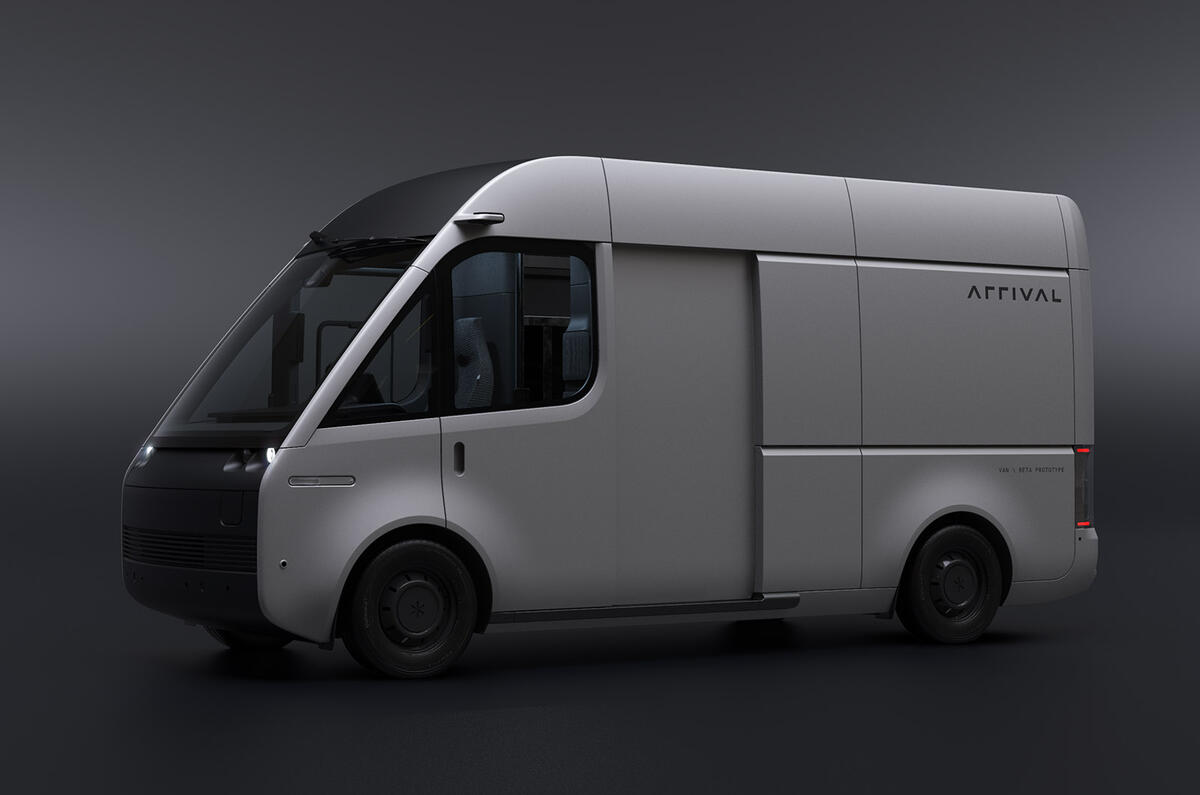
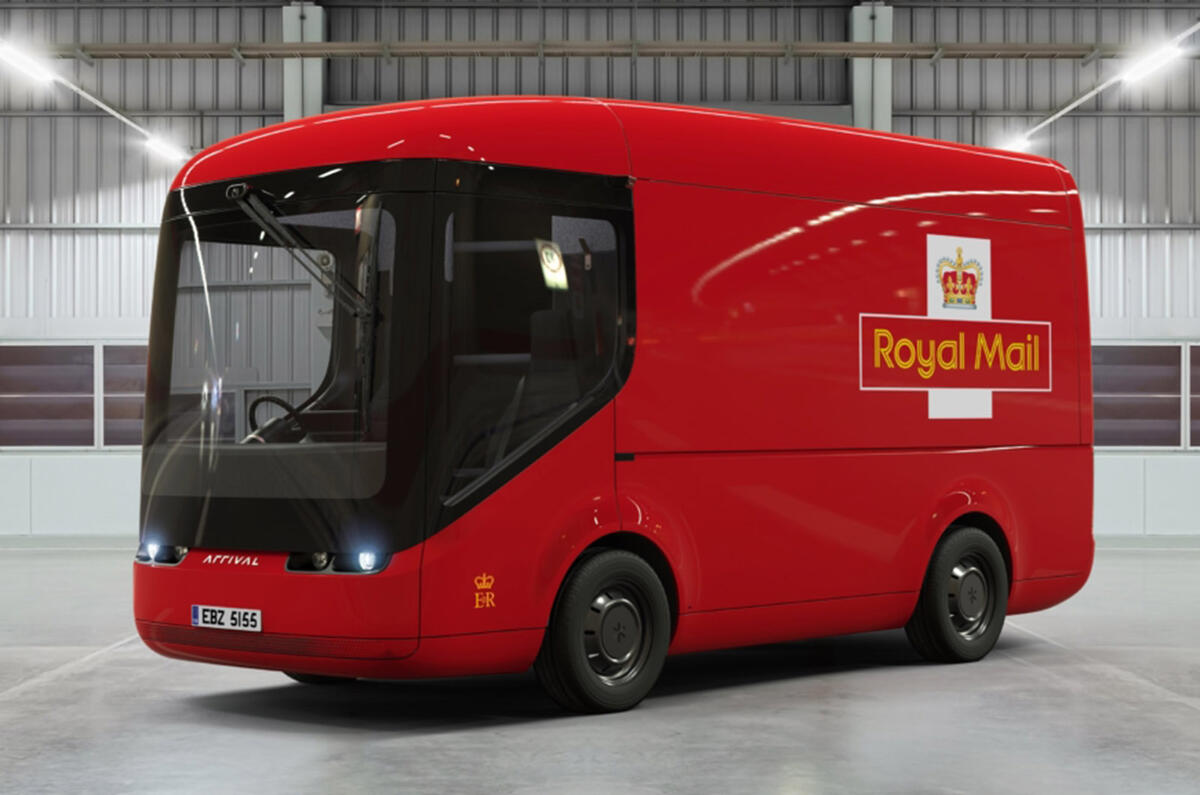
Arrival is aiming to disrupt the van (and bus) market with an electric alternative from its base in Banbury, Oxfordshire, and has amassed an impressive war chest of funds to make it happen.
In a canny move, the five-year-old company has jumped on the trend for a quick US stock listing by agreeing to merge with a SPAC (special acquisition company). If you add up the share price and use that to calculate the worth of the portion of the company held by investors, you get to an overall value of $5.4 billion (£4.0bn) – for a firm that hasn’t technically sold a single vehicle yet. You could probably buy Jaguar Land Rover for less than that, if Tata was selling.
Arrival is the brainchild of Russian-born tech billionaire and former politician Denis Sverdlov. He has made all the right moves and attracted big-name investors, most strikingly Hyundai and Kia, which together invested €100 million (£73m) a year ago.
Arrival has also impressed logistics firm UPS, which has a standing order of 10,000 vans and is helping ensure the design is perfect for delivery drivers.
But is it really worth $5.4bn? Arrival president Avinash Rugoobur, a UK-born Aussie with a deep background in automotive tech, says it is. He points to figures showing the commercial vehicle and bus market is worth £315bn globally and says Arrival will compete head to head with big-name van players by offering a well-designed electric vehicle comparable on size and price to a large diesel Transit but with lower running costs.
“As a fleet, you’ll get a vehicle that’s cheaper to operate and easier to maintain than a diesel. It’s a no-brainer,” Rugoobur told Autocar.
Claiming your battery electric vehicle will sell for a similar amount to a diesel is a bold promise, particularly when Arrival isn’t touting a battery breakthrough. It’ll use standard battery cells from LG Chem.
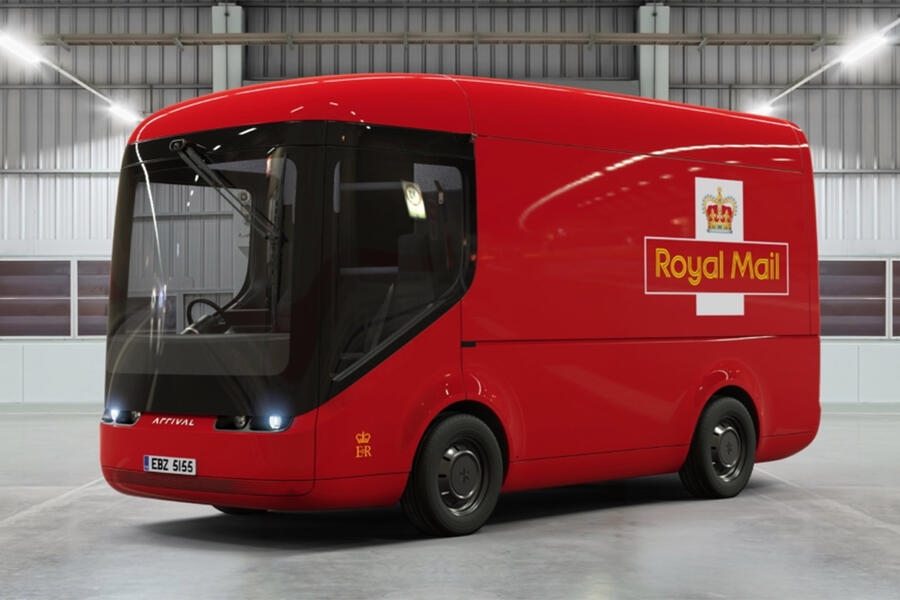
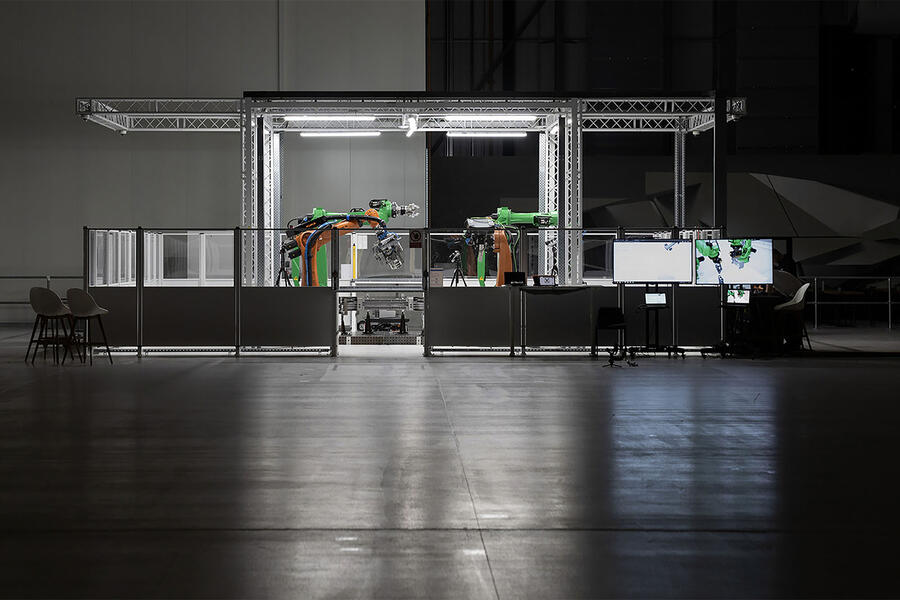
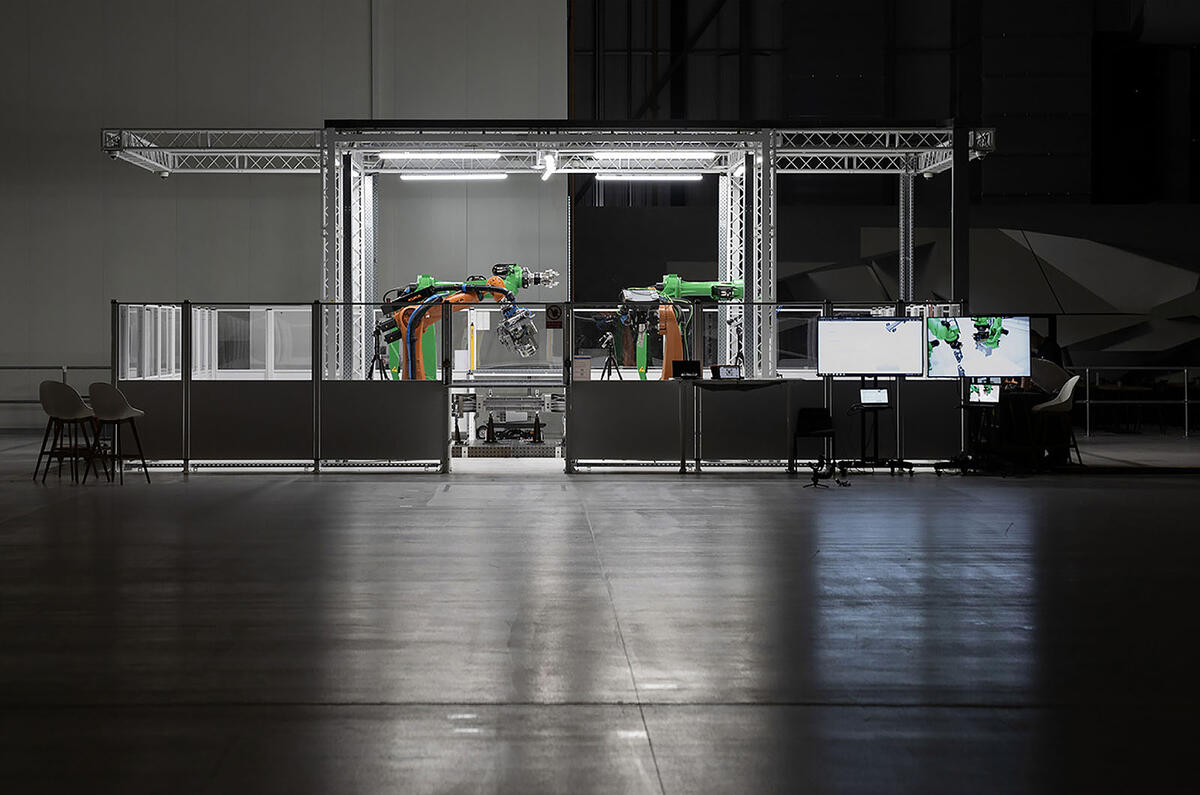
However, Arrival says it has kept a lid on costs thanks to its ‘micro-factory’ production plan. Essentially, it plans to set up a network of small factories globally optimised to produce around 10,000 vans a year each, or 2000 buses.
“It means van factories can be profitable with thousands of vehicles rather than hundreds of thousands. It’s a different payback model,” Rugoobur said.