
BMW’s first hydrogen-fuelled electric vehicles are most likely to be its larger SUVs, such as the BMW X5, BMW X6 and BMW X7, and will arrive from 2025.
The German manufacturer revealed the i Hydrogen Next concept at last year’s Frankfurt motor show and has now detailed more of its plans regarding hydrogen, including details of the powertrain.
BMW's board member for research and development, Klaus Fröhlich, said: “We are convinced that various alternative powertrain systems will exist alongside one another in future, as there is no single solution that addresses the full spectrum of customers’ mobility requirements worldwide.
“The hydrogen fuel cell technology could quite feasibly become the fourth pillar of our powertrain portfolio in the long term. The upper-end models in our extremely popular X family would make particularly suitable candidates here.”
The i Hydrogen Next concept is based on the current BMW X5 and will go into small-scale production in 2022 as a pilot for hydrogen vehicles, using technology being developed in a joint venture with Toyota.
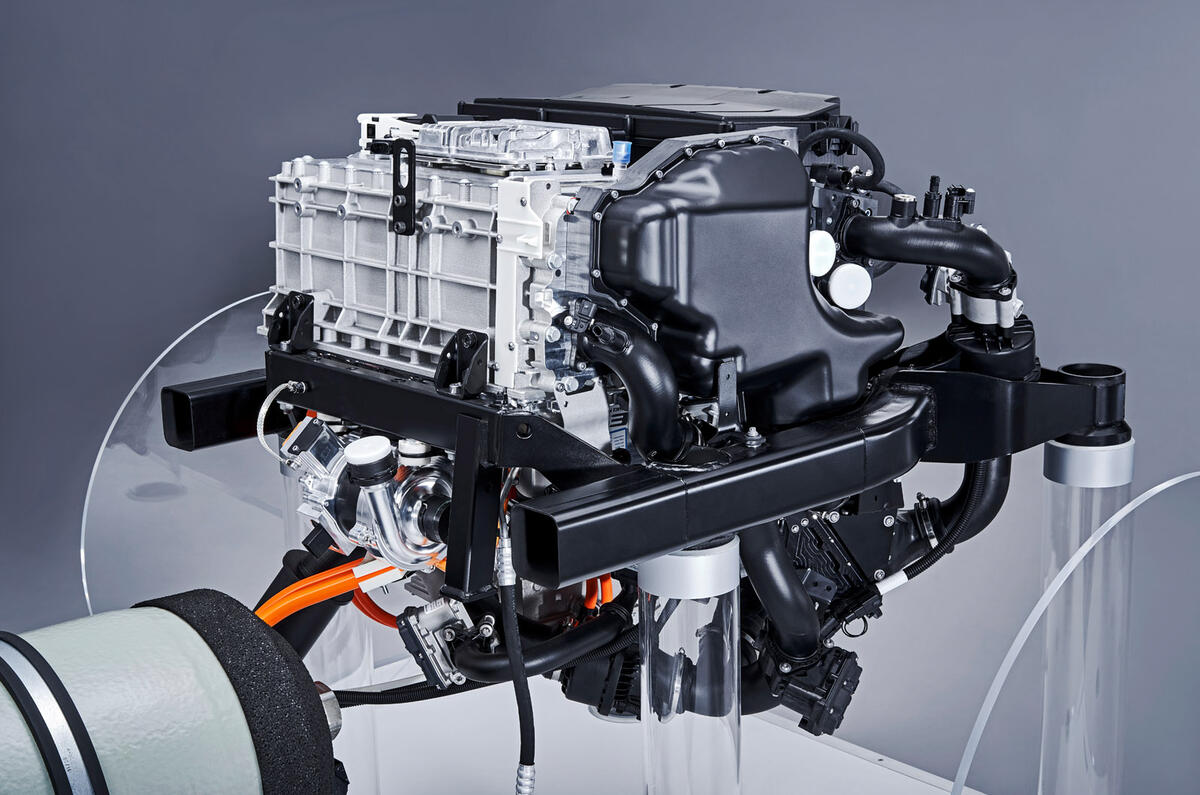
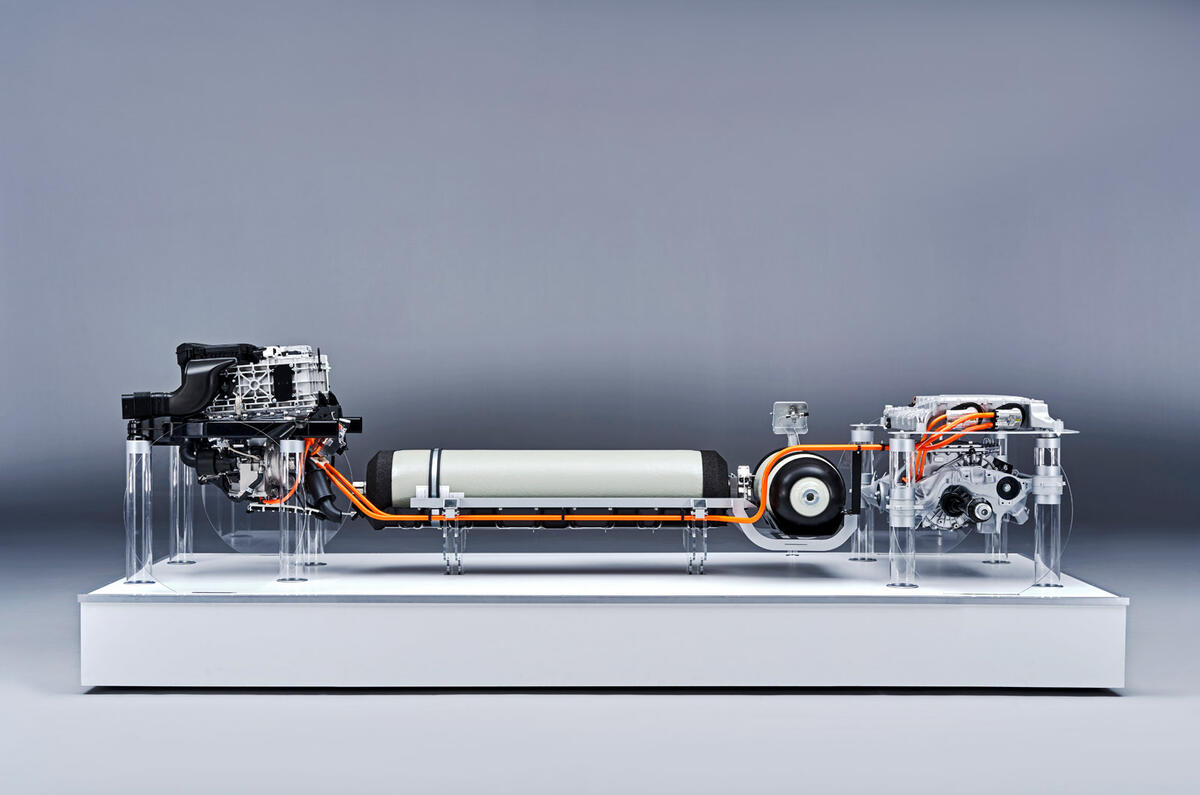
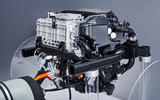
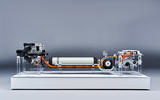
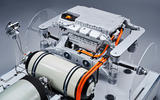
The hydrogen fuel cell system generates up to 168bhp of electrical energy. An electric converter located underneath the fuel cell adapts the voltage level to that of both the electric powertrain and the peak power battery, which is fed by brake energy as well as the energy from the fuel cell.
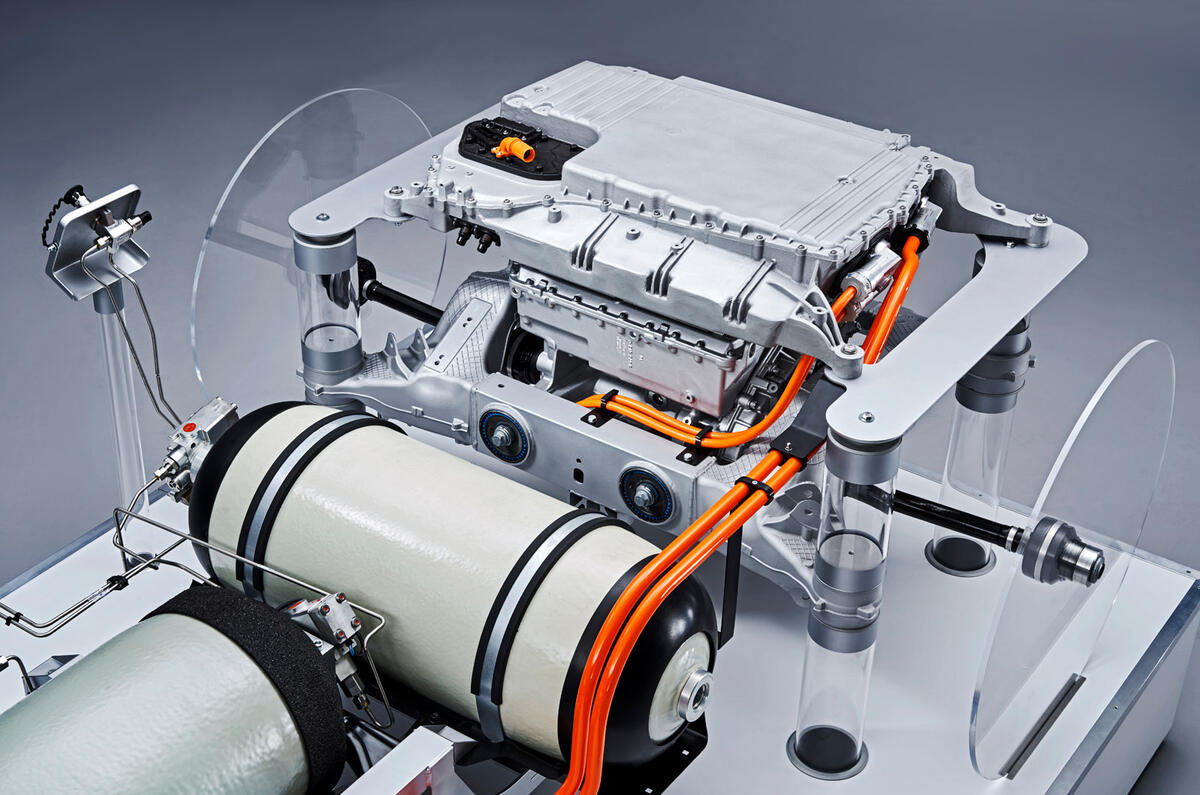
The car has a pair of tanks that can together hold 6kg of hydrogen at 700bar of pressure. BMW claimed that this set-up guarantees a long range regardless of weather conditions and promises refuelling in just three to four minutes.
This system is integrated with BMW’s fifth-generation eDrive unit, which will first appear in the battery-electric BMW iX3 this year. BMW said that in the i Hydrogen Next, the peak power battery positioned above the electric motor “injects an extra dose of dynamics when overtaking or accelerating”. The powertrain will deliver 369bhp overall.
BMW said mainstream production for hydrogen fuel cell technology “will be brought to market at the earliest in the second half of this decade by the BMW Group, depending on the global market conditions and requirements”.
The company highlighted the lack of a Europe-wide network of hydrogen filling stations and competitively priced hydrogen as two major barriers to adoption. It added that it's using the time until the infrastructure and sustainably produced hydrogen supply are in place to substantially reduce the cost of manufacturing the powertrain.
Fröhlich said: “In our view, hydrogen as an energy carrier must first be produced in sufficient quantities at a competitive price using green electricity. Hydrogen will then be used primarily in applications that cannot be directly electrified, such as long-distance heavy duty transport.”
By 2023, the BMW Group plans to launch 25 electrified vehicles, 12 of which will be fully electric.
READ MORE
BMW i8 hybrid sports car to end production in April
New BMW M2 to spearhead hotter junior M line-up
BMW confirms next 7 Series to be petrol, diesel, hybrid and electric