



Currently reading: Exclusive: 1200bhp Red Bull RB17 ready to hit the track

Adrian Newey-designed V10 hypercar has entered its final build phase; 50 to be built by 2028

Red Bull Advanced Technologies has begun final assembly of the first of the 50 Adrian Newey-designed, £5 million RB17 hypercars that it plans to launch next spring and deliver to clients over the following two years.

Circuit testing and development sessions are due to begin "within a few weeks".

In an exclusive meeting with programme chief Rob Gray, the highly experienced Red Bull Formula 1 designer turned RB17 technical director, Autocar viewed the first car's near-complete passenger cell and tail section, plus the Cosworth-designed V10 engine and Xtrac hybrid gearbox that will power it to a 220mph top speed via F1 levels of acceleration.

The new all-carbonfibre hypercar is being built in a gigantic former warehouse on the Red Bull estate in Milton Keynes, which now houses both the purpose-built RB17 facility at one end and Red Bull Racing's new F1 wind tunnel at the other.

A track-only two-seater weighing just 900kg, the RB17 packs 1200bhp in total: 1000bhp from the V10 and 200bhp from an electric drive motor.

It is engineered to be faster around a track than a current F1 car, and recent virtual estimates have proved the matter "on a variety of circuits". Its notional lap time at Spa, for instance, is a second or so quicker than a current F1 car, at around 1min 38sec.

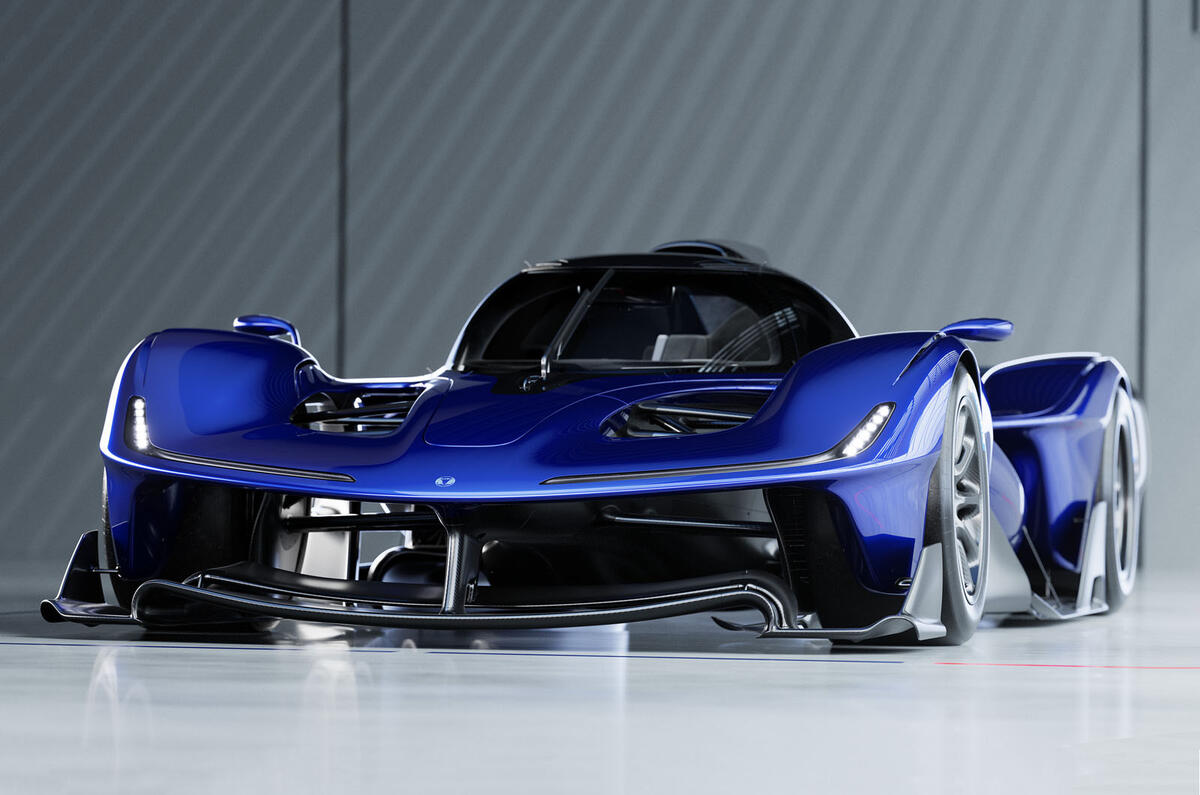
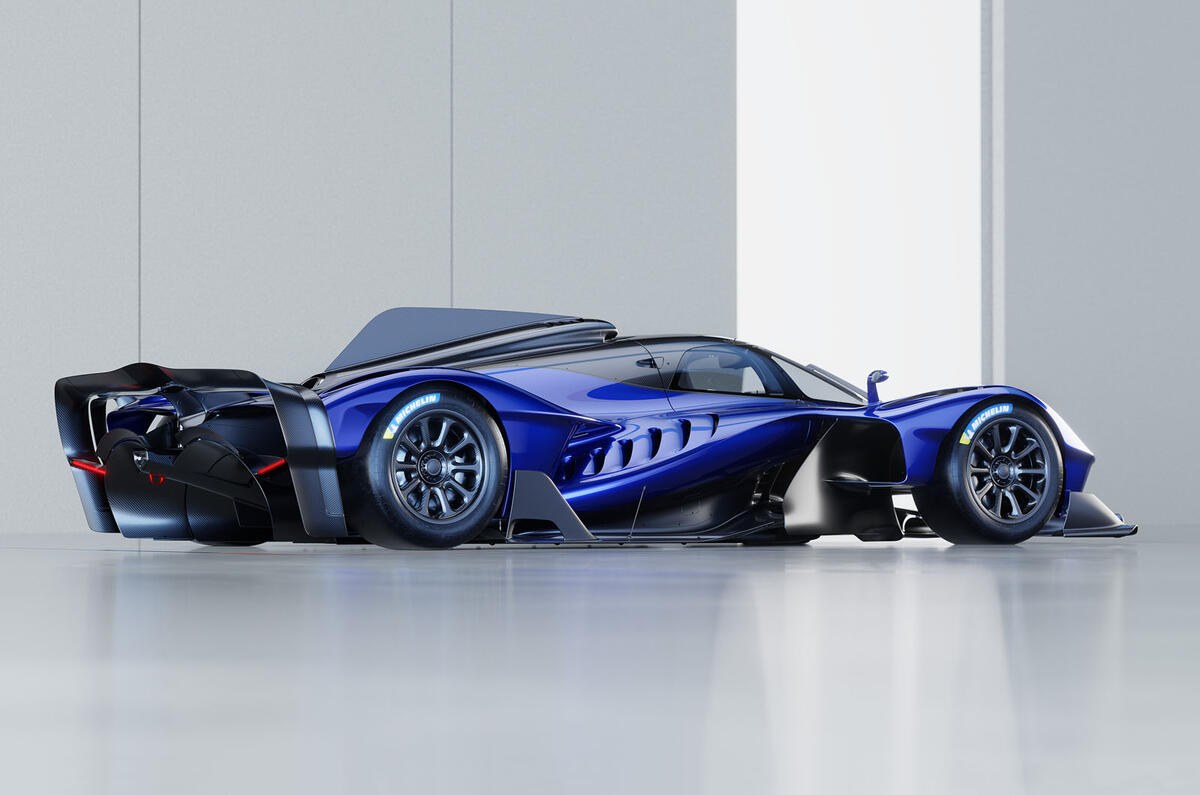
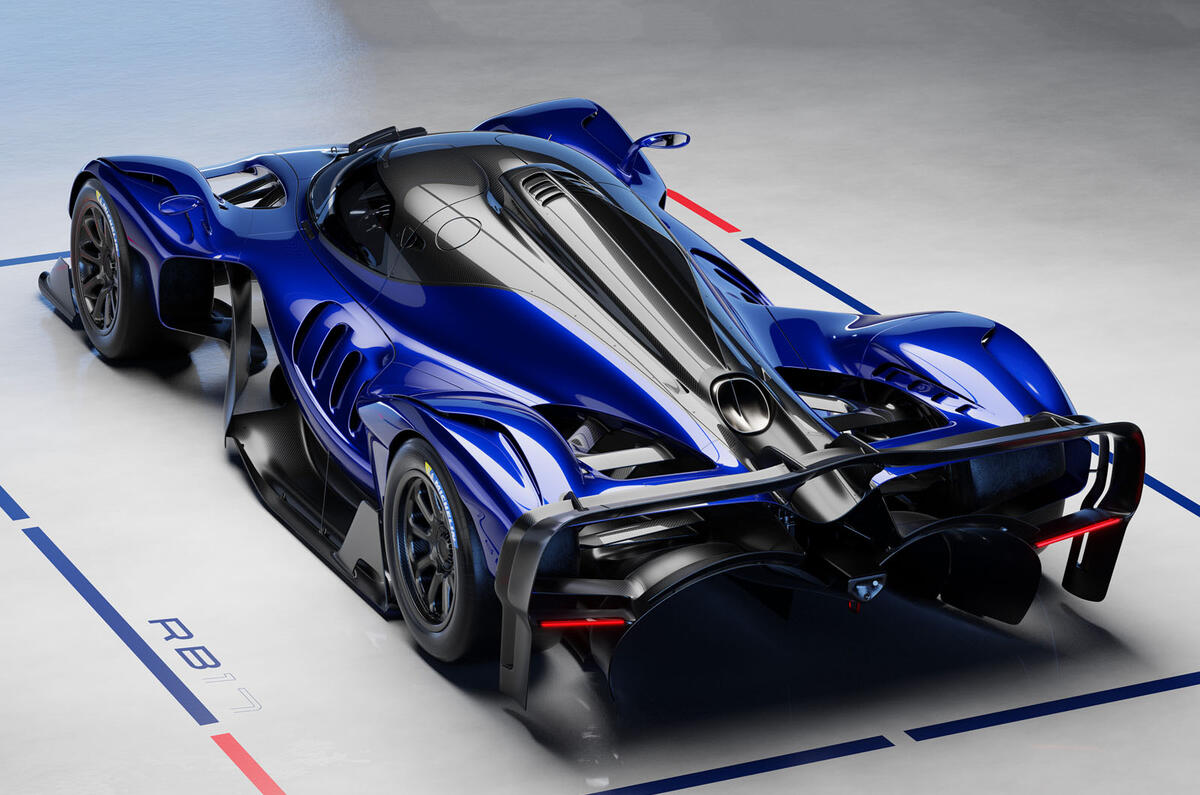
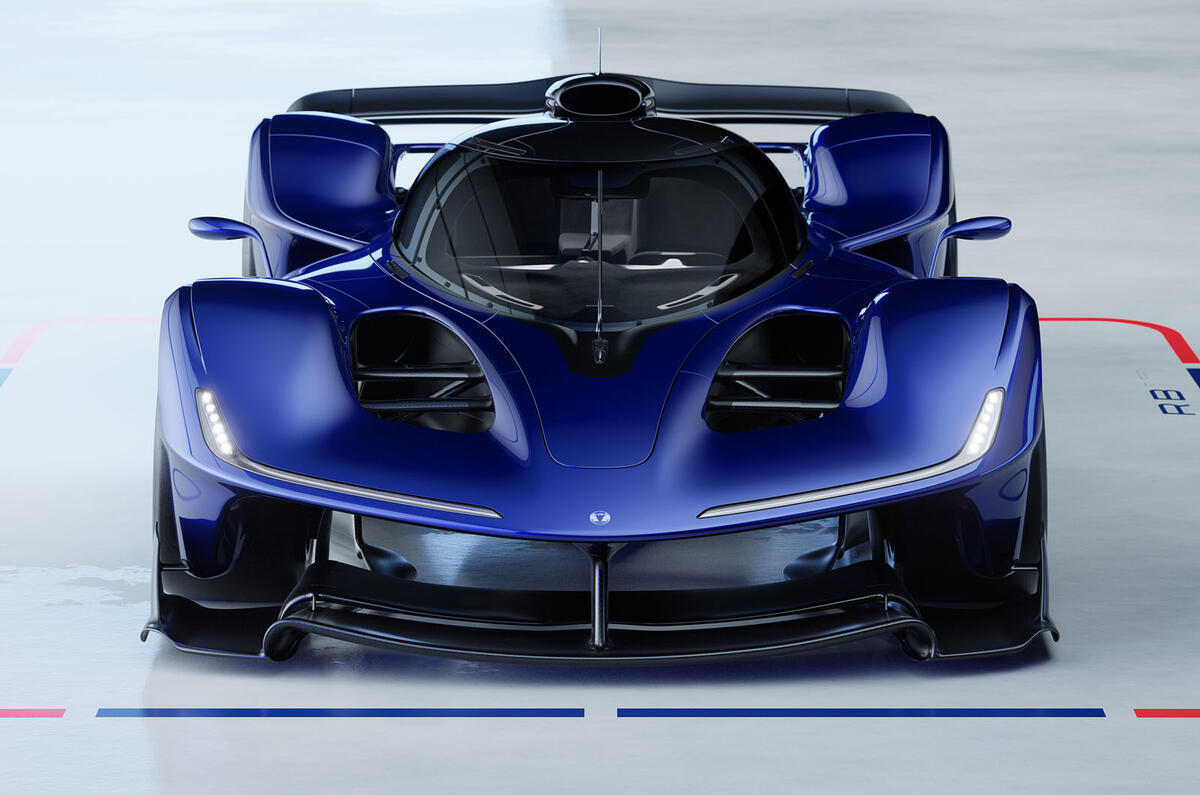
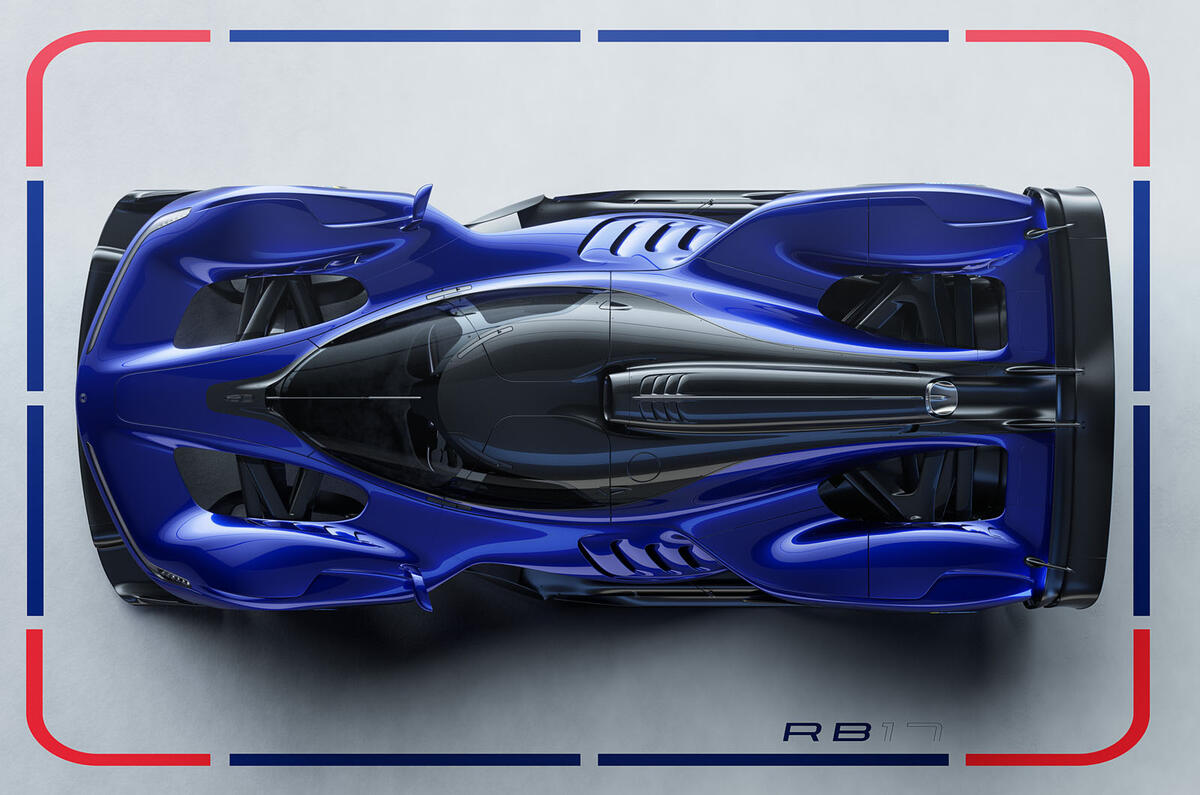
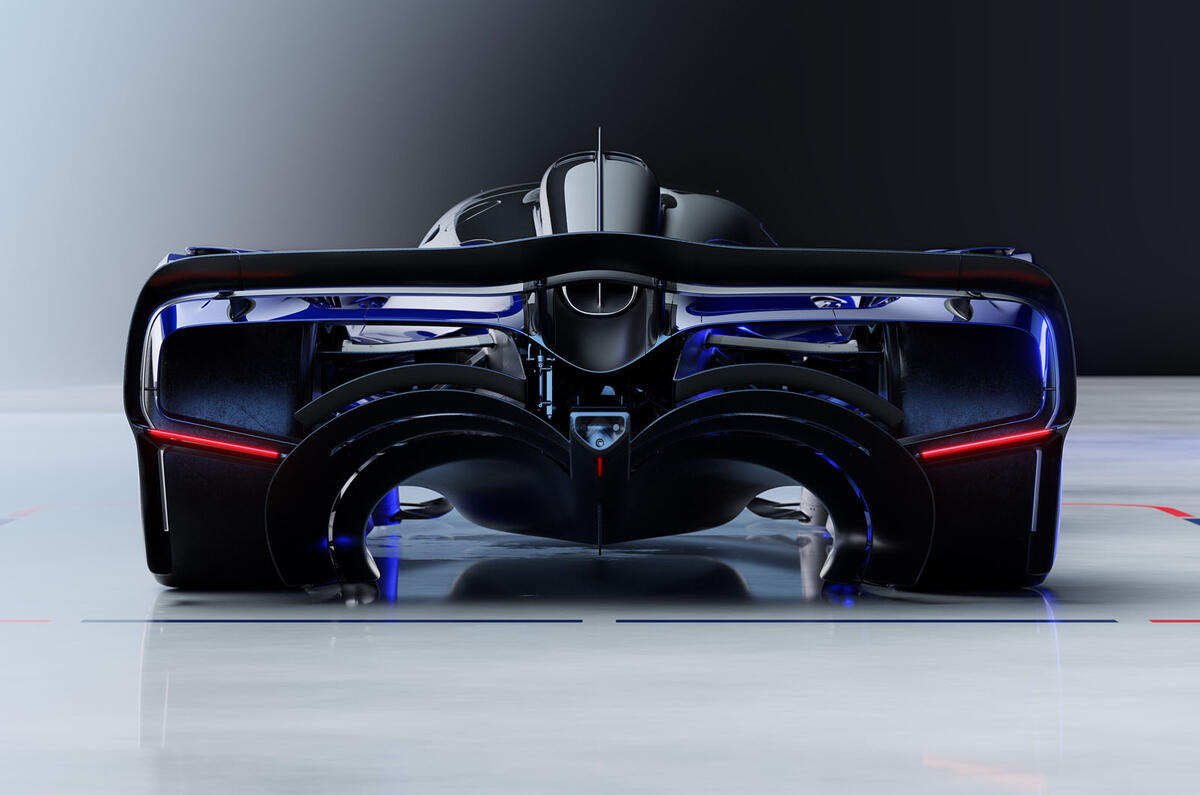
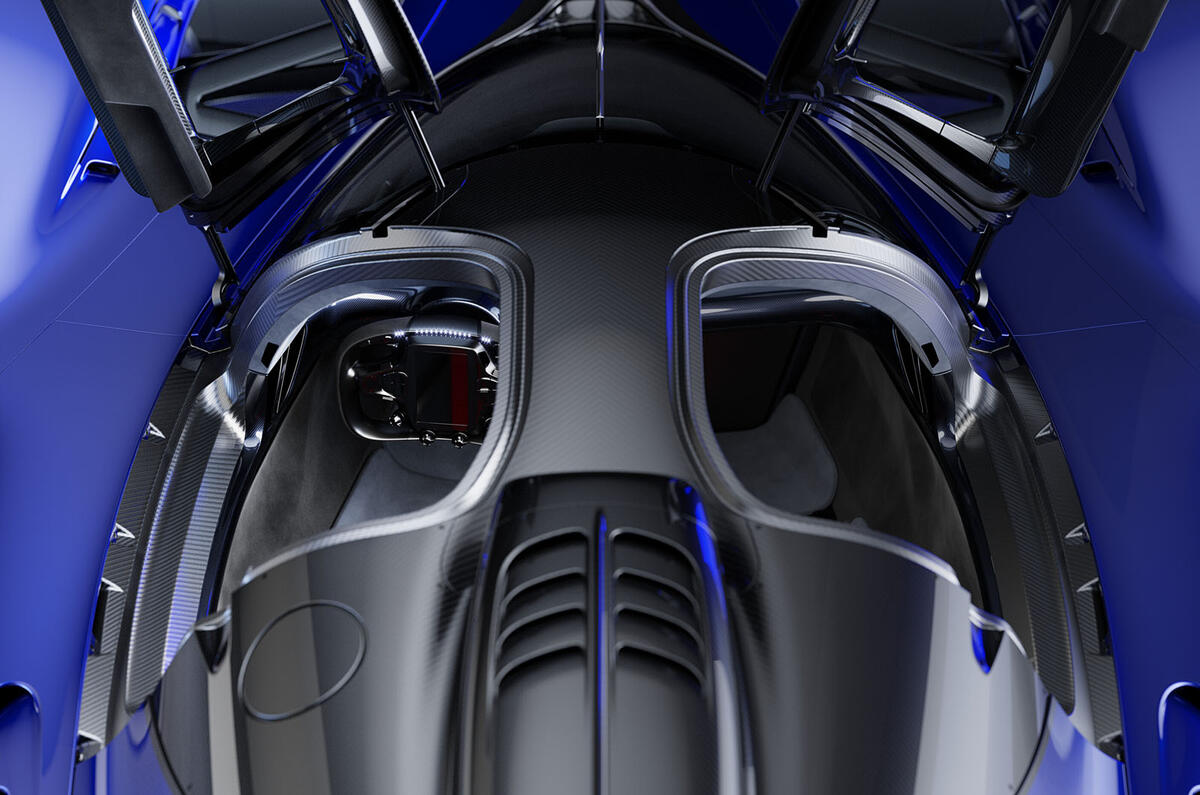
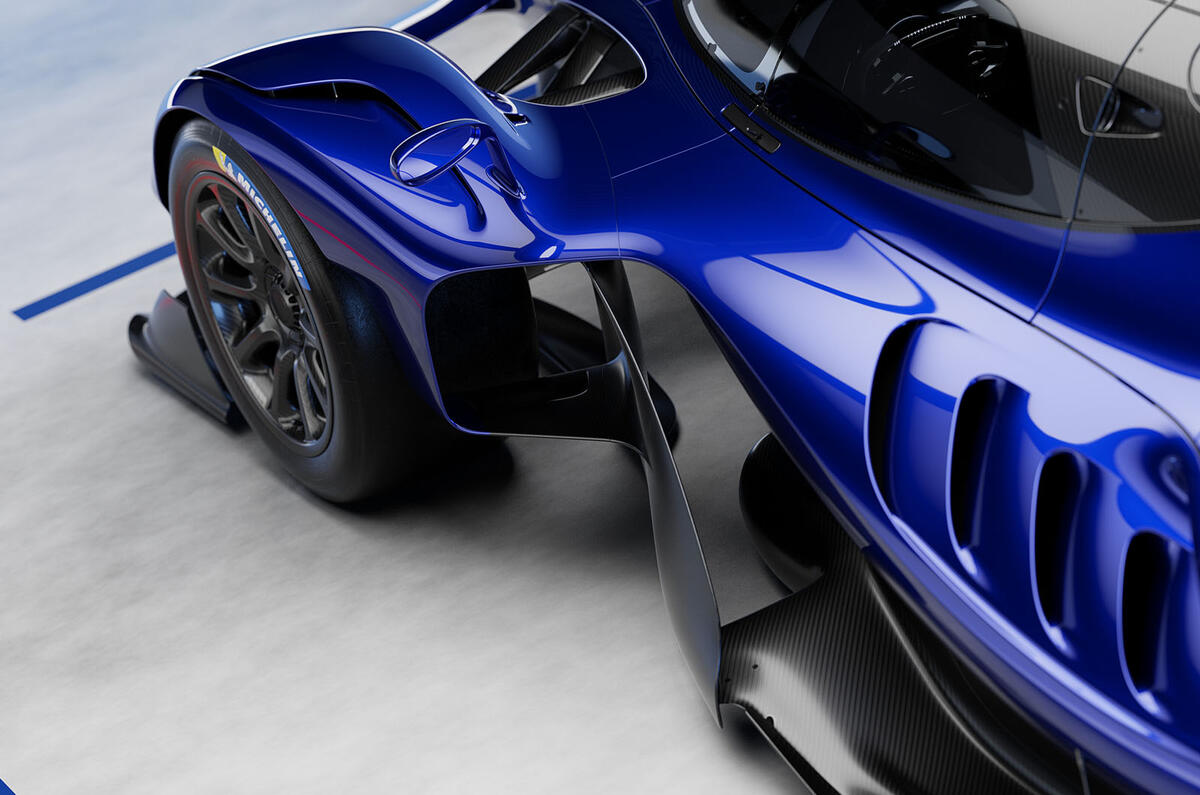
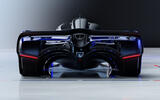
As our new pictures show, the RB17 has changed considerably from the model first shown at the Goodwood Festival of Speed in 2024, but its dimensions, proportions and major design elements are unaltered.
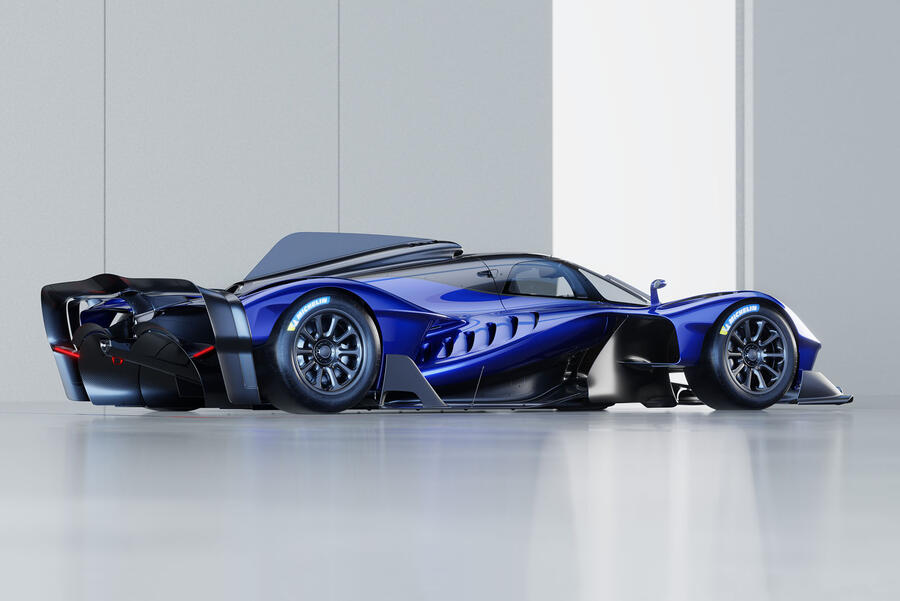
Red Bull RB17 – rear quarter

Speaking exclusively to Autocar at Red Bull headquarters ahead of a Siemens industry event, Gray wryly described the car as "something Adrian drew when he was bored one year over Christmas".

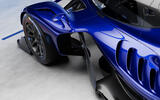
Very similar in overall dimensions to a current F1 car, the RB17's exterior was mostly decided by the end of 2023, then frozen before Newey left Red Bull to join Aston Martin early in 2025. Among the changes made since its unveiling are slim headlights that add extra definition to its overall shape and refinements to its air scoops and aero surfaces (which include active elements, like on the latest F1 cars), shaped by the all-important findings of aerodynamic testing.

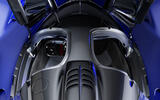
Notably, said Gray, there is now a long spine running down the engine cover, from which the V10's exhaust outlet now sprouts, directing gas to "blow" the underside of the rear wing and increase downforce.

Gray called the feature "Adrian Newey's parting gift, because it was a relatively late addition, which he asked for shortly before leaving, and required much development to cope with the thermal challenges that it presented.

Back to top

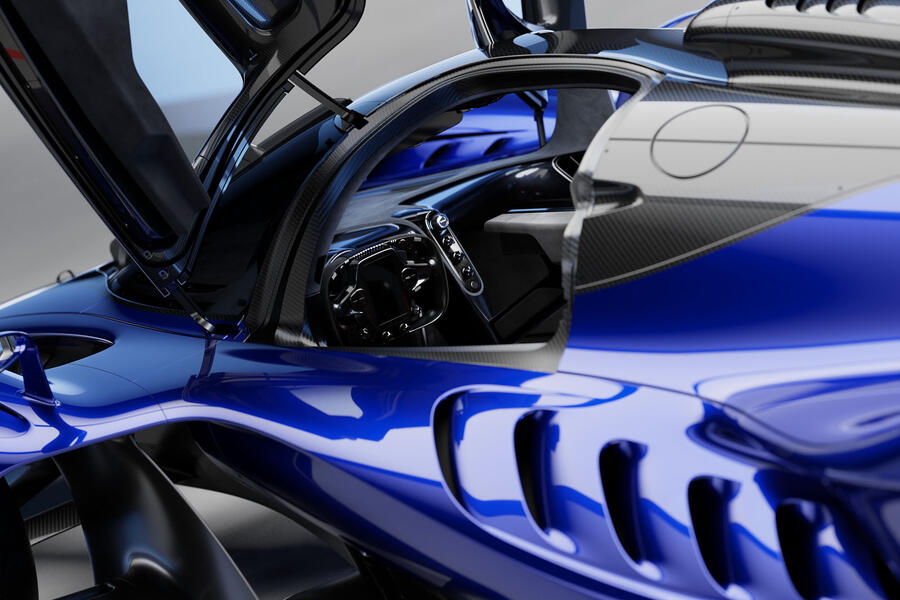
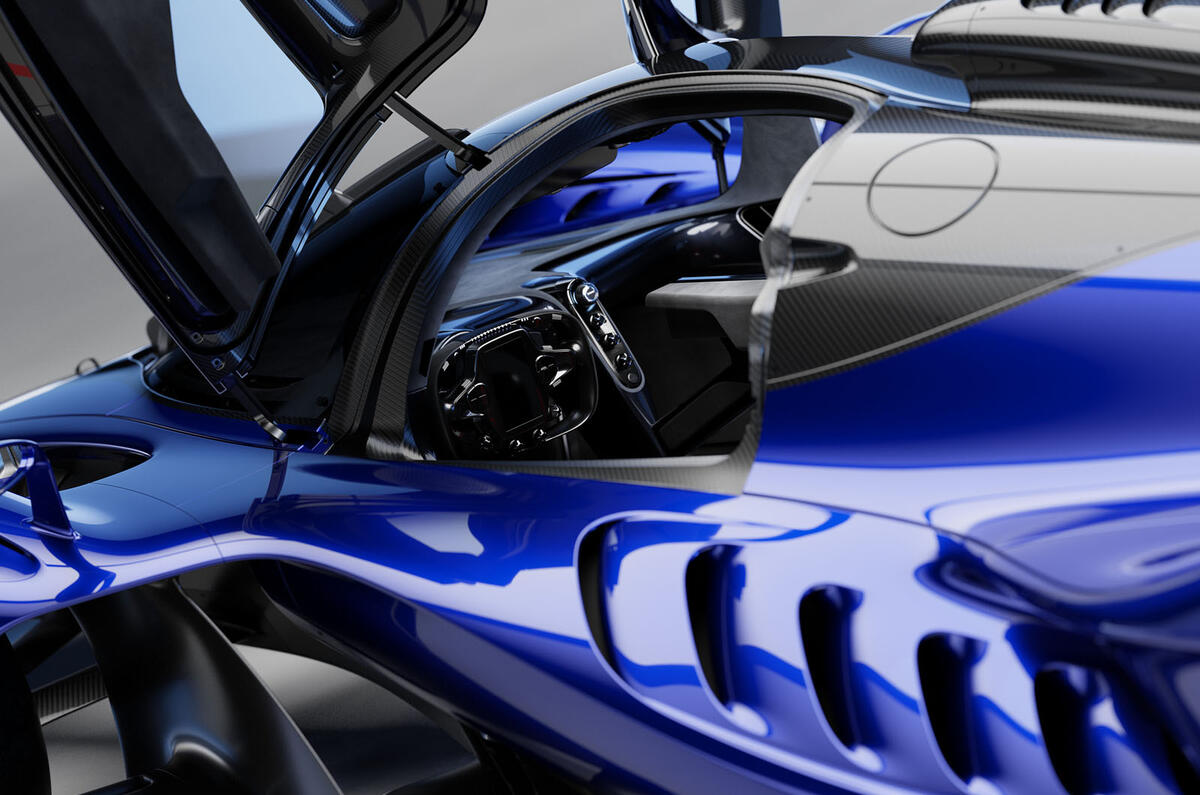
The same seriousness that encompasses the exterior can be seen on the inside too: the race-derived, snug cabin is controlled by "knobs and thumbwheels, not screens", said Gray.

The two-seat layout places the passenger beside but slightly behind the driver in order to provide decent shoulder room while keeping the car's frontal area to a minimum.

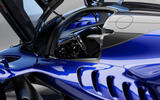
Red Bull RB17 cockpit

Two front-hinged doors swing forward to allow occupants to stand on the seat and "drop into the car, rather than bending around a less convenient gullwing arrangement, which is more usual for cars like this.

The car uses an active suspension system that controls its ride height and provides what Gray called "a nice stable platform", but the body can still develop up to 1700kg of downforce. This has to be curtailed beyond 93mph (using the active aero surfaces), however, to reduce straight line drag and to protect the tyres from overloading.

Although Newey always proposed the RB17 purely as a track-day car, there are now suggestions that Lanzante, the renowned hypercar modifier, will produce a kit of modifications that can convert it for UK road use, via the Individual Vehicle Approval process. The cost of the proposed conversion isn't firm, but estimates vary between £250,000 and £500,000.

Newey continues to follow the progress of the RB17, said Gray, and his relationship with the Red Bull team remains extremely cordial. He has seen the car only in photos since his departure, but Gray hinted that a visit is likely at some point.

Back to top

In the meantime, "all we have to do is deliver the car Adrian wanted", said Gray, which highlights the continuing closeness of the relationship.

The impressively permanent-looking nature of the RB17 facility, along with the size and capability of the project's creative team, prompts an obvious question: will this group progress to a new project when the currently planned 50 cars have been built around the end of 2028?

"That's a question we don't want to answer just yet," said Gray. "My own view is that I wouldn't be keen to build something faster than this. We have lots of ideas but no commitment."

Join our WhatsApp community and be the first to read about the latest news and reviews wowing the car world. Our community is the best, easiest and most direct place to tap into the minds of Autocar, and if you join you’ll also be treated to unique WhatsApp content. You can leave at any time after joining - check our full privacy policy here.

Steve Cropley

Steve Cropley Autocar
Title: Editor-in-chief

Steve Cropley is the oldest of Autocar’s editorial team, or the most experienced if you want to be polite about it. He joined over 30 years ago, and has driven many cars and interviewed many people in half a century in the business. 

Cropley, who regards himself as the magazine’s “long stop”, has seen many changes since Autocar was a print-only affair, but claims that in such a fast moving environment he has little appetite for looking back. 

He has been surprised and delighted by the generous reception afforded the My Week In Cars podcast he makes with long suffering colleague Matt Prior, and calls it the most enjoyable part of his working week.

Add a comment…