
Honda is aiming to expand its European market footprint by producing “unique” cars that “touch the sweet spot” for customers and major on engineering supremacy.
The Japanese company sold just 72,000 cars in Europe last year - down from a record 313,000 sales in the region as recently as 2007, putting it roughly level with compatriot luxury brand Lexus.
Mazda and Suzuki each more than doubled that figure in the same period, while even struggling Nissan clocked nearly 300,000 sales and Toyota nudged 900,000.
Honda’s European president, Hans De Jaeger, admitted to Autocar that the brand is “not a big player” in the region, but he outlined a plan to grow volumes in a “sustainable and healthy way” by creating cars that are tailored more specifically to customers' demands and stand out for being unique and putting a “smile” on their faces.
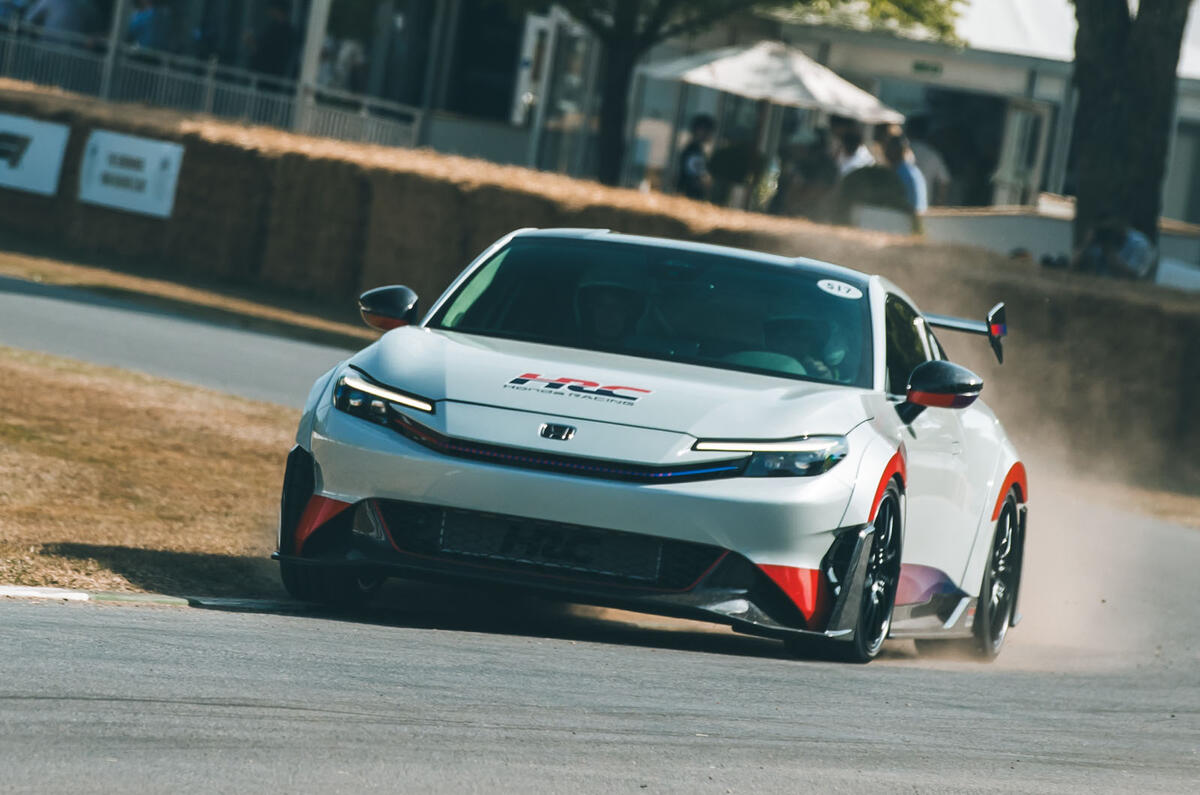
De Jaeger was speaking at the Goodwood Festival of Speed, where Honda staged a public debut for the Prelude HRC concept - a race-inspired reworking of its new hybrid sports coupé with performance enhancements engineered by its motorsport division.
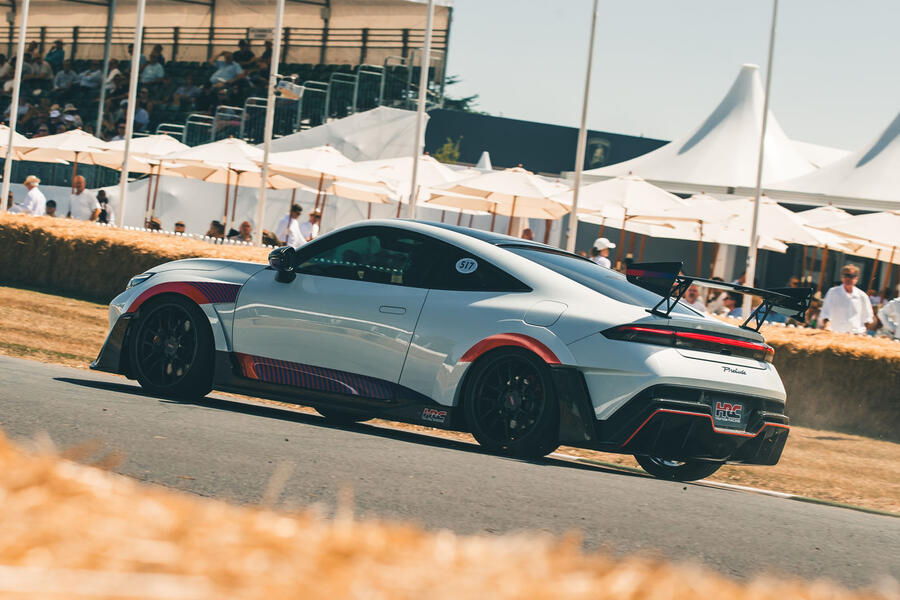
While he didn't confirm any firm plan to put the hot coupé into production, De Jaeger pitched the concept as emblematic of Honda’s plan to return to its roots as a brand that “stands for engineering dreams and gives products beyond customers’ expectations”.
Honda isn't aiming to “double or triple” its regional footprint but rather slowly increase its market share in the EU, the UK and Turkey, which collectively account for around 100,000 sales per year - and De Jaeger believes “the most important” pillar of this strategy is to “bring a product which touches the sweet spot for our customers”.
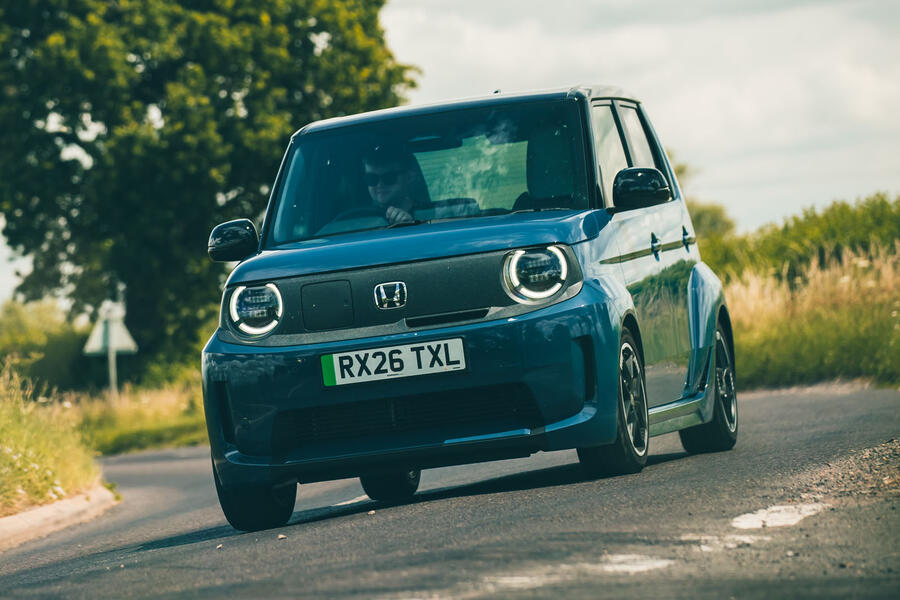
He said the HRC show car, and indeed the standard Prelude on which it's based, show that “we really want to bring that kind of product” - and pointed also to the new Super-N city car as an example of how Honda will buck mainstream trends to carve out anew a distinct brand positioning in Europe.
Reaction to the hot little EV has been “really, really positive”, De Jaeger said, because it embodies “the kind of quirky joy” that Honda cars (such as the 1980s City Turbo II that inspired the Super-N) were historically known for.
“You have a smile on your face when you drive the car, but it’s also very practical, and that’s exactly what we want to do: bring a product which is a little bit more unique into the market,” he said.