
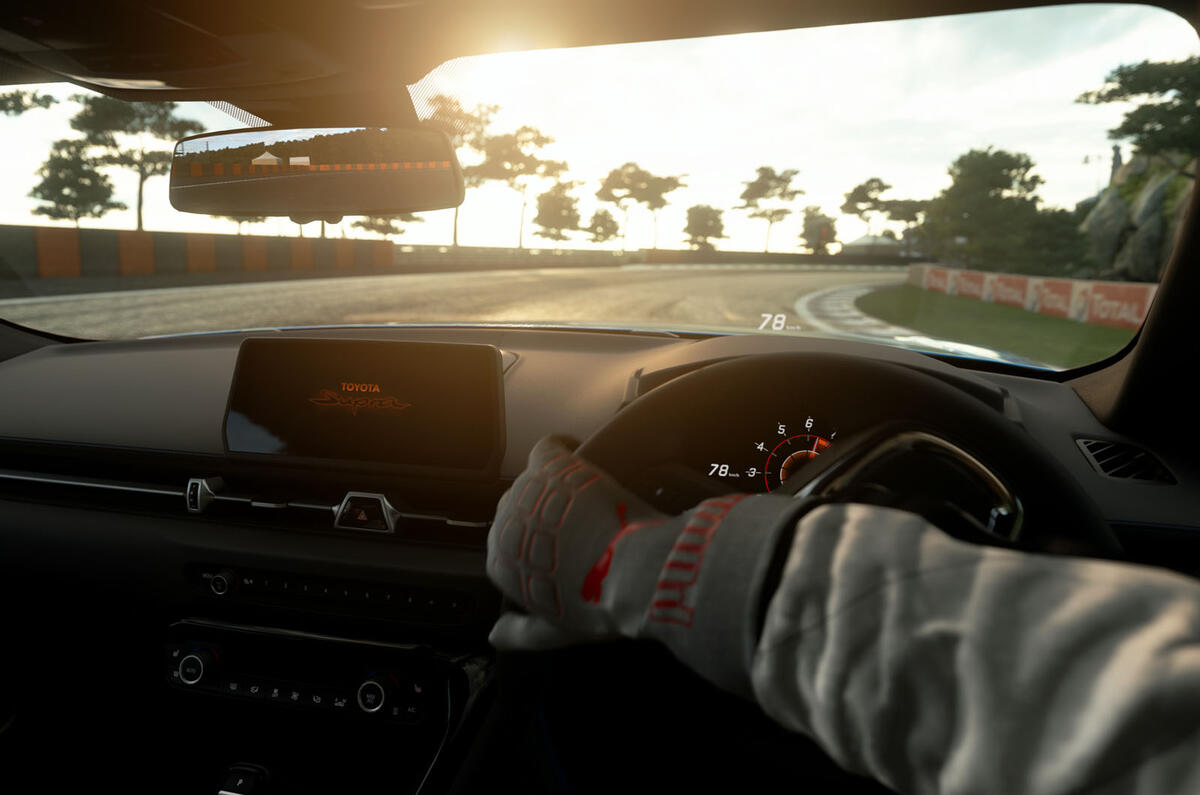
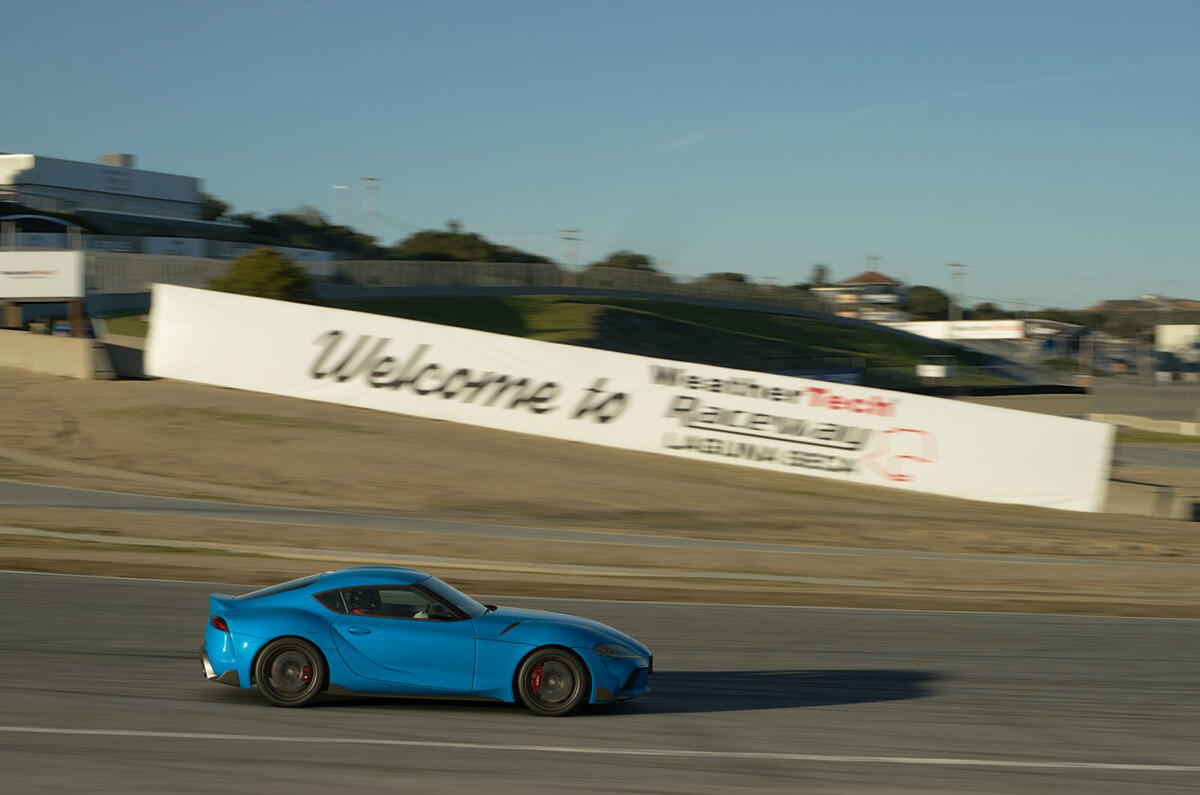
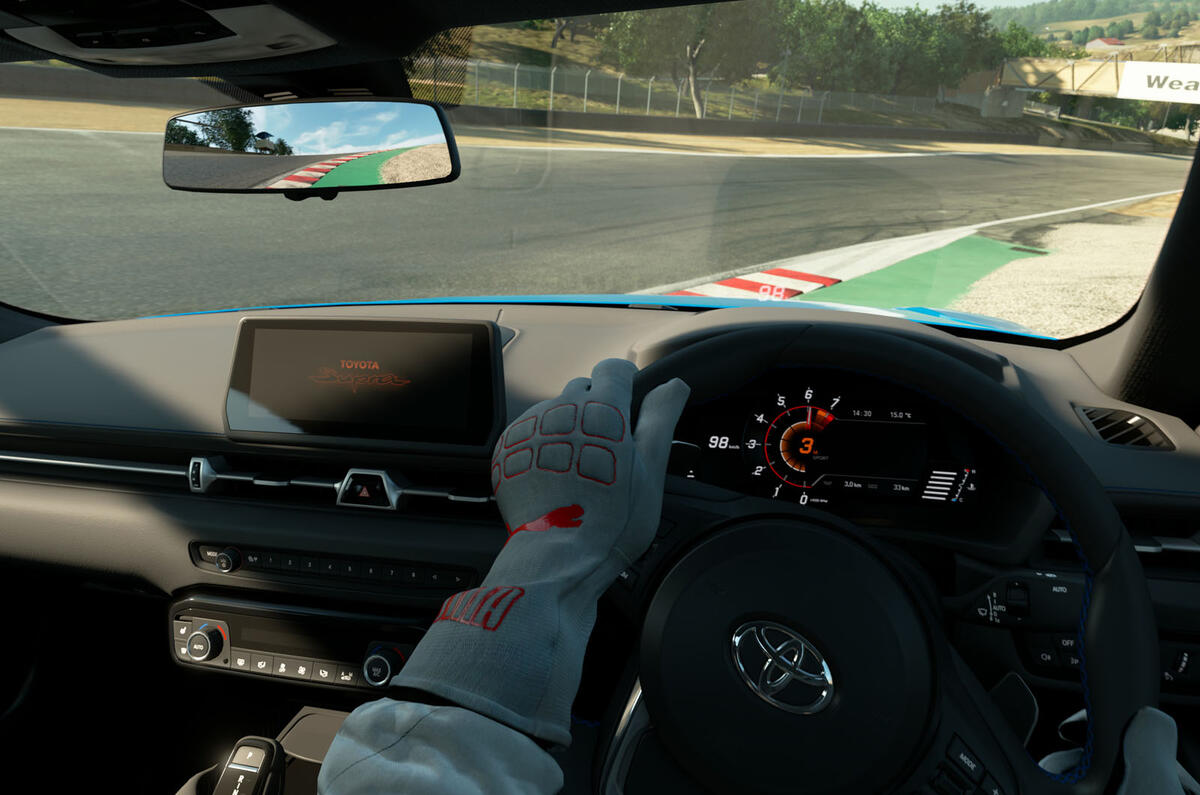
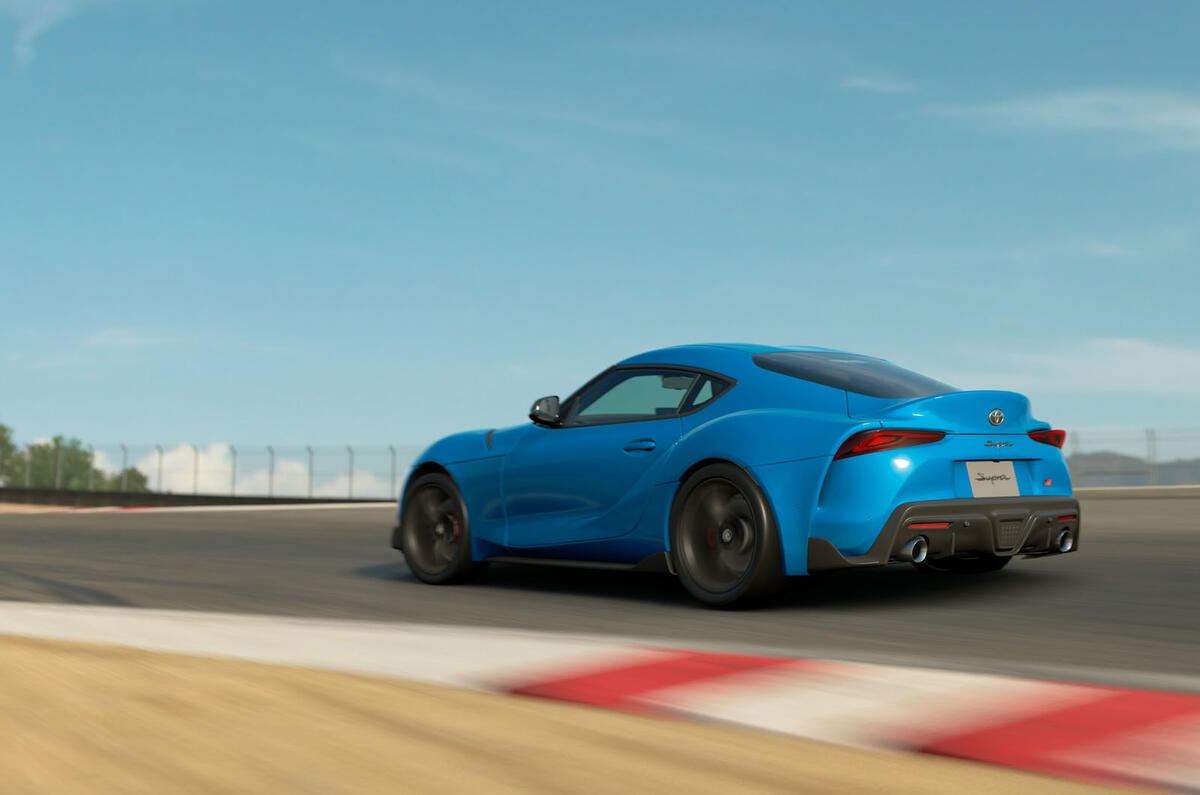
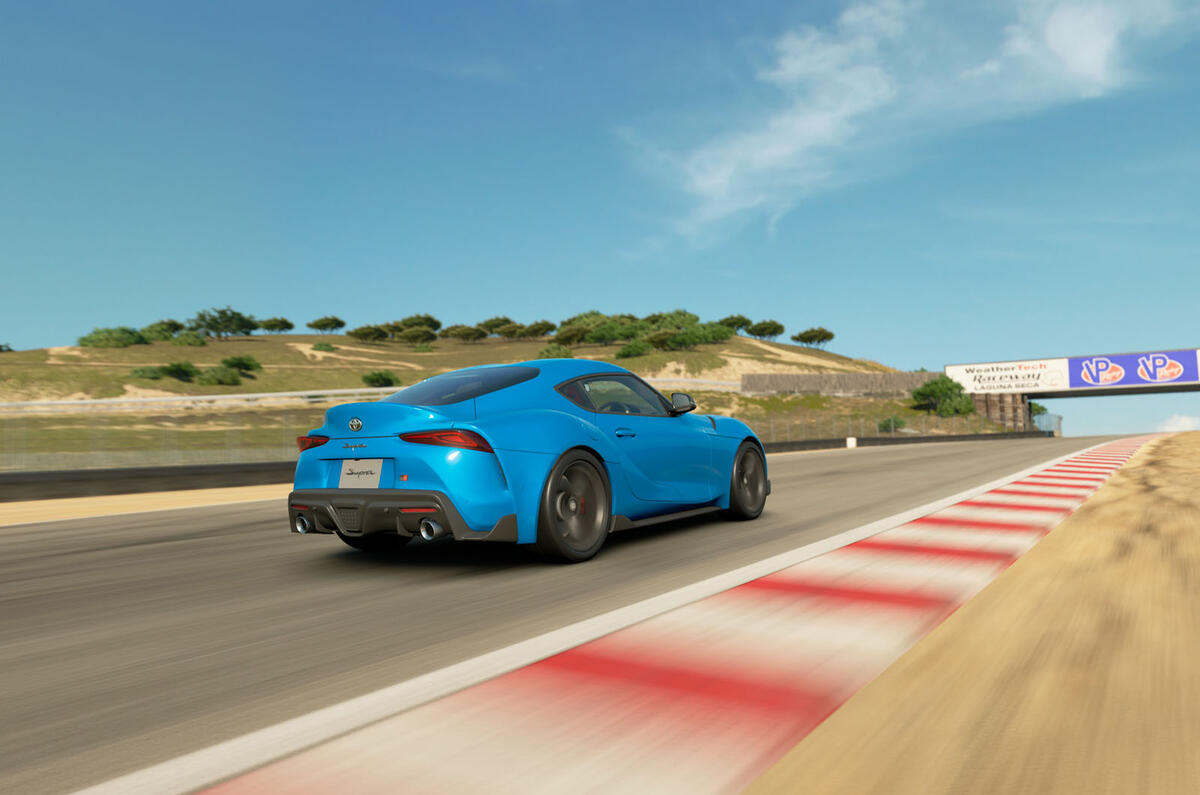
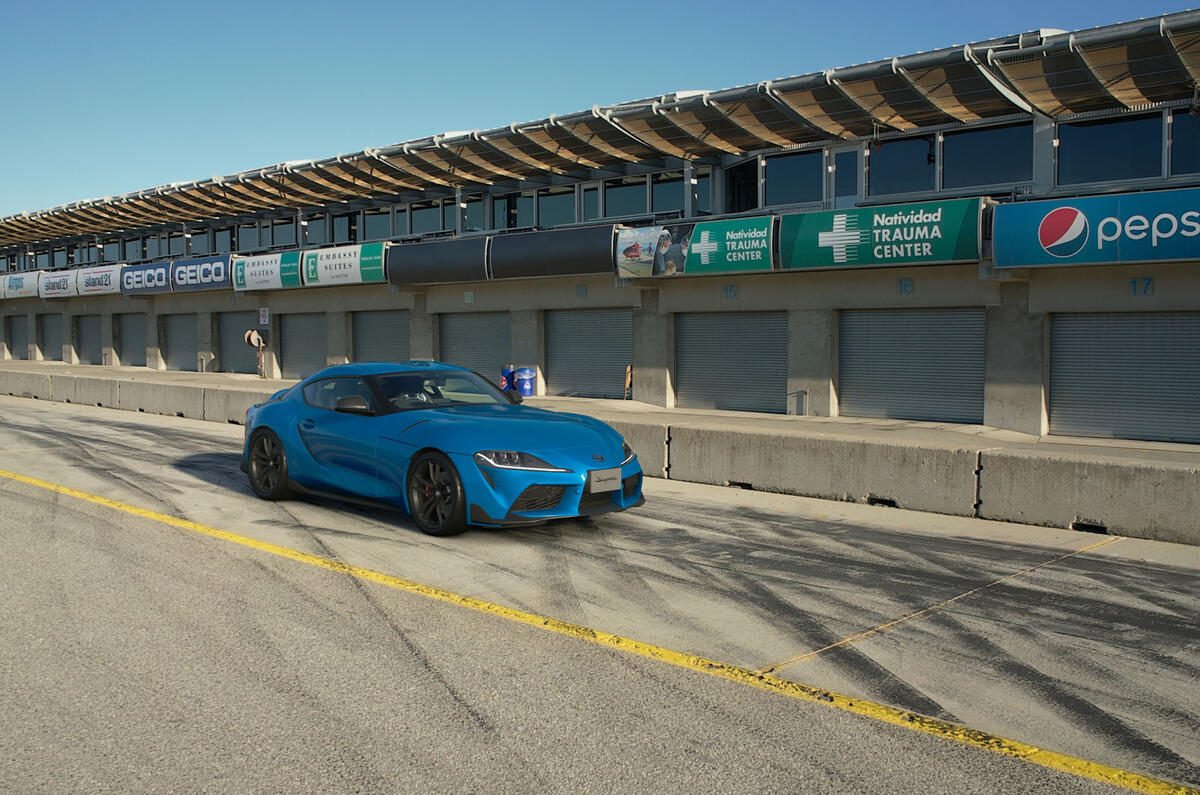
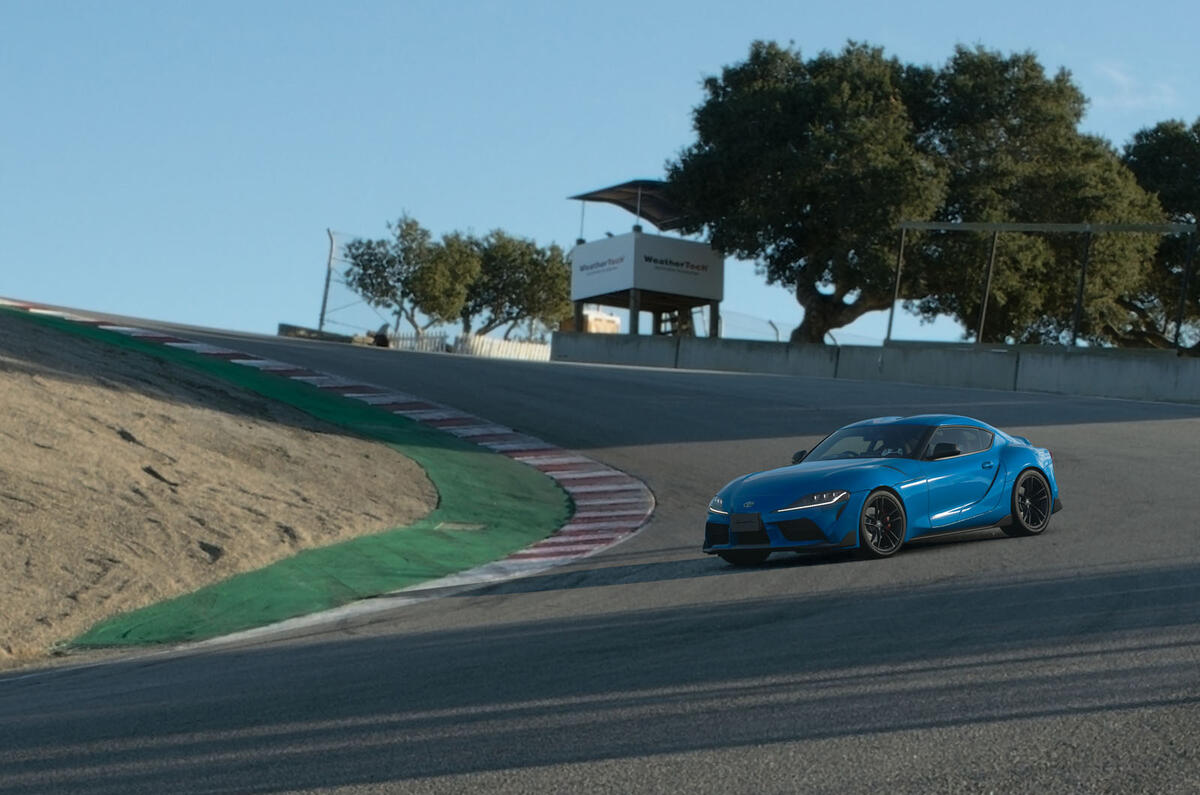



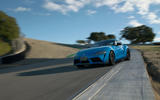

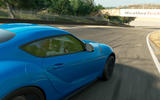

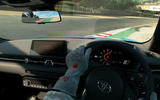

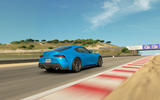



The Toyota GR Toyota Supra is a much more spacious two-seat coupé than I remember. There’s at least six feet of head room from my seated position, more wood than is typical in a Japanese sports car and softer furnishings, too.
Hold on, this is my living room… But we’ll come back to that. There’s a new, 2021-model-year Supra for the US market, you see, which will go on sale there this month. And it has more power. “Because, why not?” says the strapline in America.
I’ll tell you why not, m’laddio: because of EU emissions legislation. So the 37bhp power boost that the Supra is allowed in the US, taking the output of its straight-six engine from 335bhp to 382bhp, won’t make it to cars sold in Europe.
What might, though, are elements of a revised suspension set-up. There are different chassis tunes for Europe and the US already, but in the States the 2021 Supra gets strut braces, new bump stops, new damper tuning and revised calibration for its power steering, adaptive dampers, stability control and e-differential. All this is to tighten the car’s control and push it more towards being a hardcore sports car than a soft grand touring coupé.
The European-spec 2021 Supra might get some of those elements or it might not. We’d love to tell you which elements work and which ones don’t, but the car hasn’t made it to Europe and, even if it had, I wouldn’t be able to travel anywhere to try it.
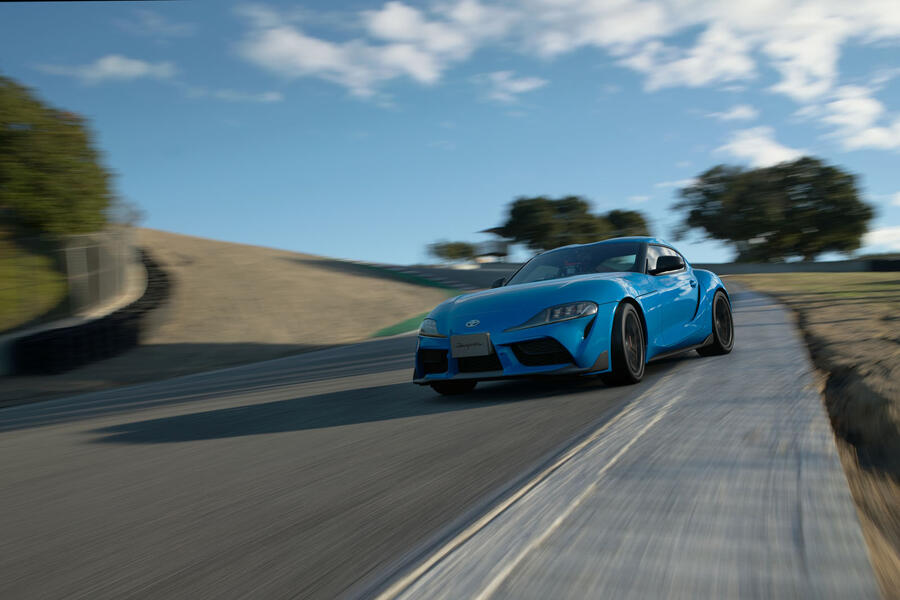
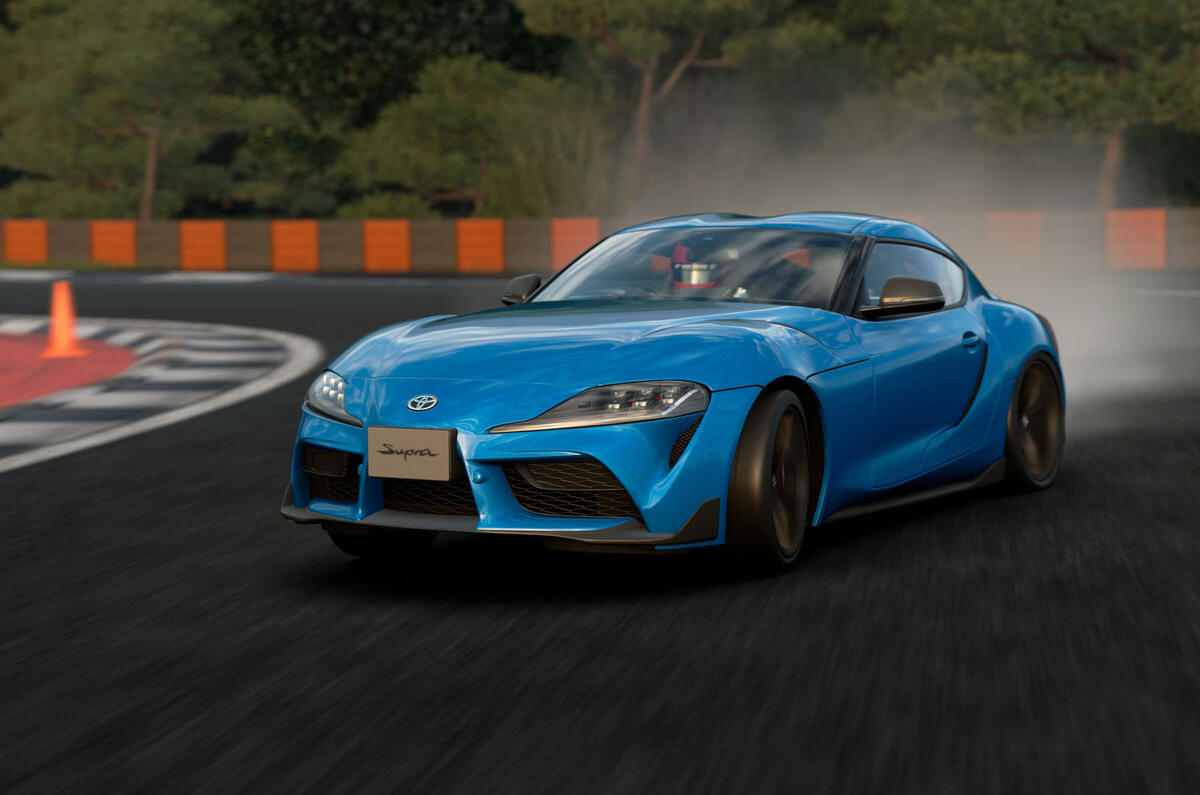
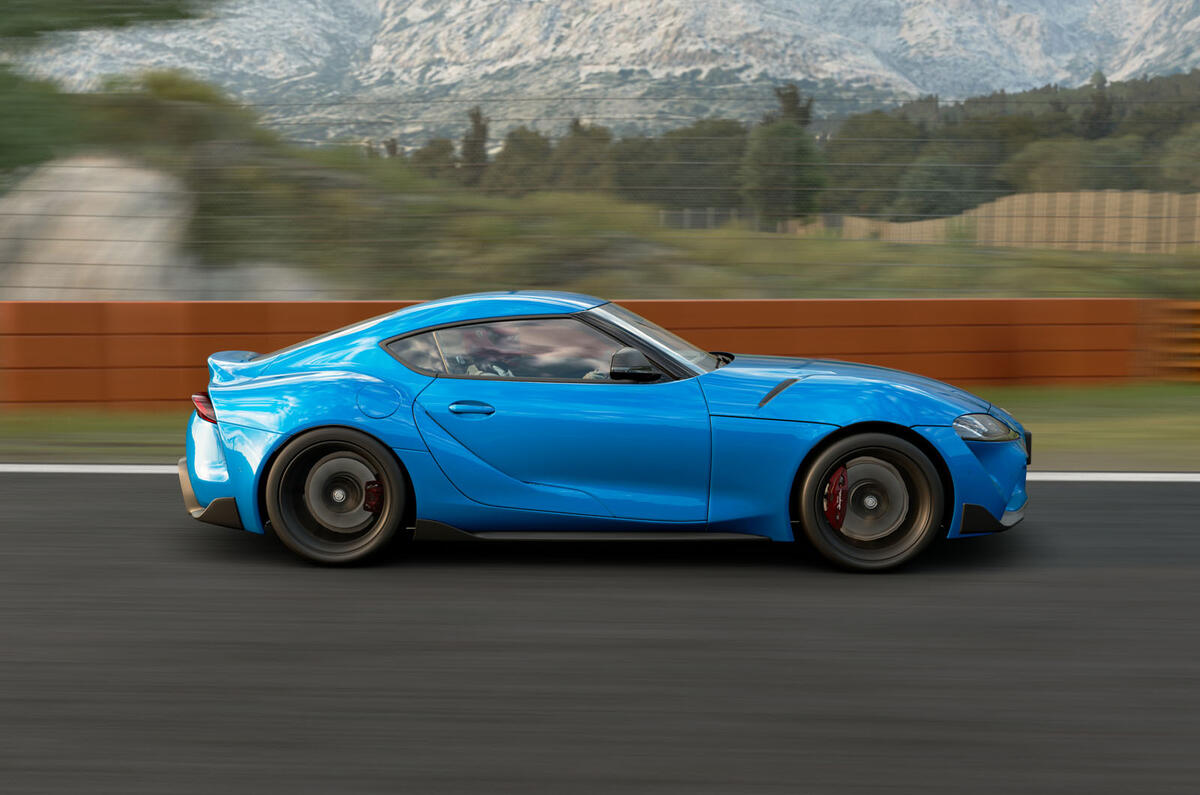
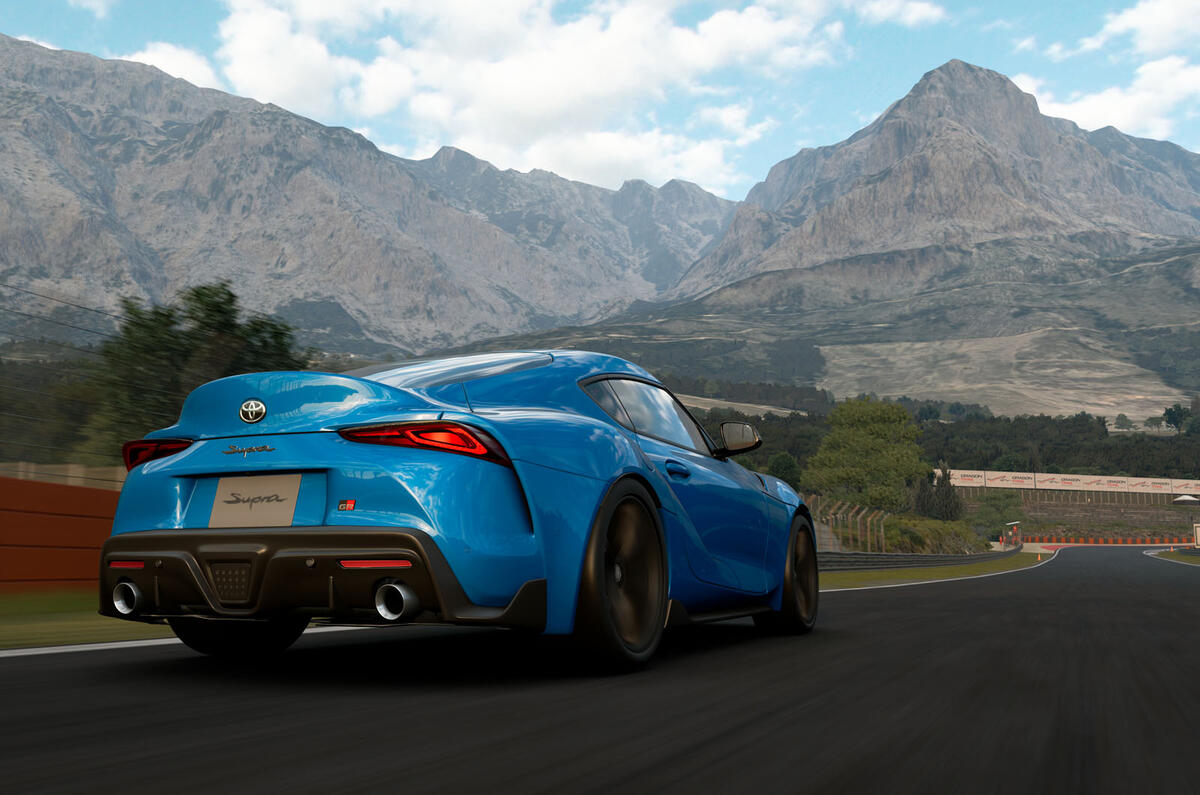
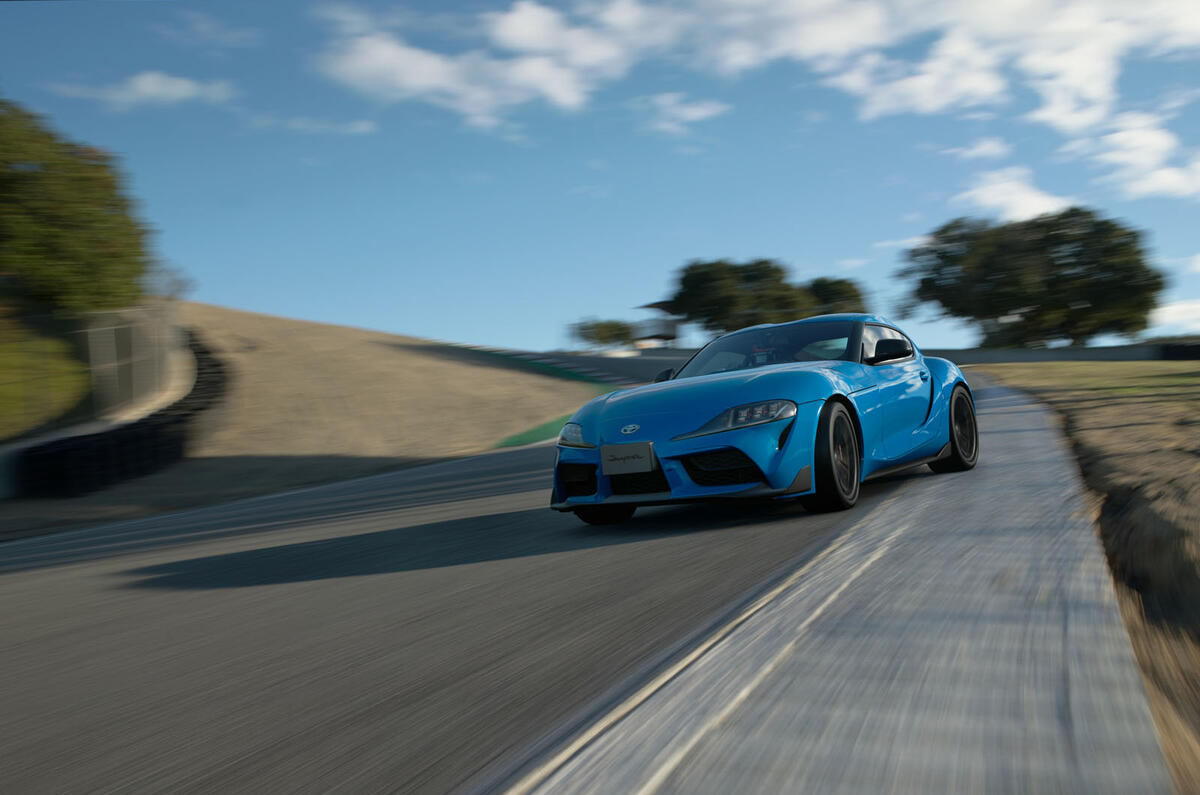
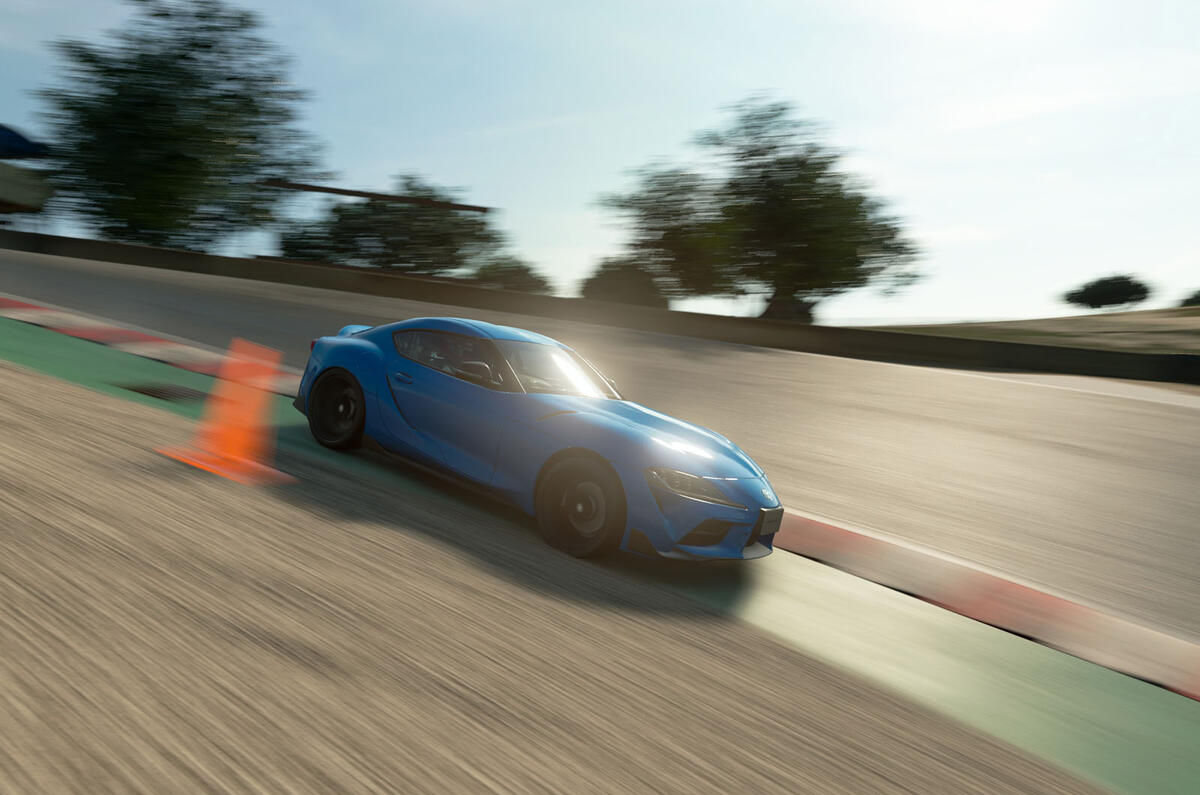
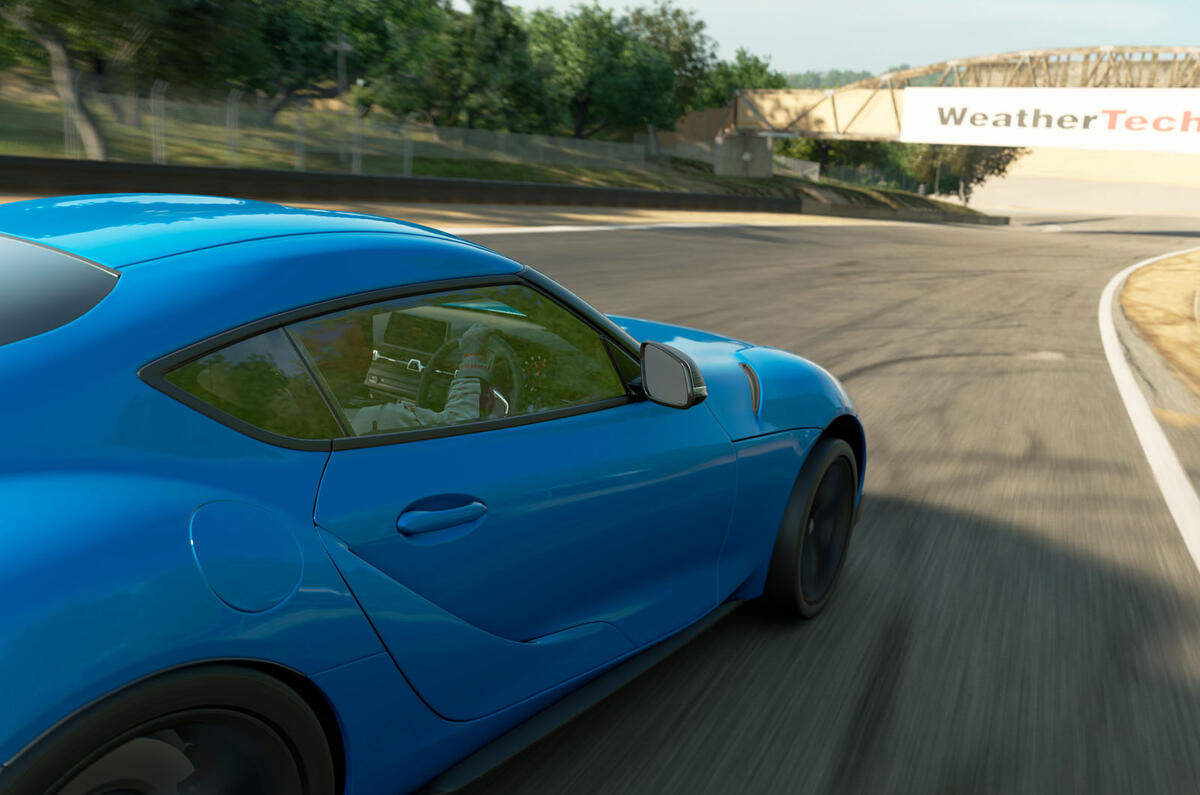
So here I am in my living room, in front of a Sony PlayStation, a steering wheel, pedals and the game Gran Turismo Sport, having downloaded both the current and 2021 US-spec Supras. Can a review work this way?
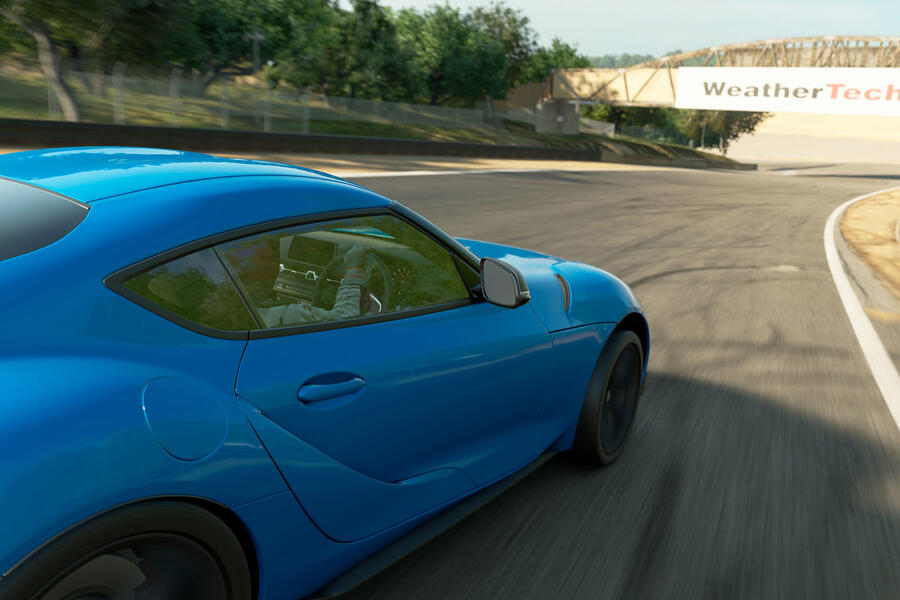
It might. Simulators, it should be noted, are already a big deal in the automotive industry (see above right), allowing quick assessment and development of cars that physically behave like the real thing. I’ll try to do similar, with a back-to-back test of existing and revised Supras. On a ‘car set-up’ screen, Gran Turismo reckons the new Supra has a 3mm-lower ride height and that, while the suspension geometry and damper rates are unchanged (they’re different in reality), the limited-slip differential is tuned more aggressively.
Going from old to new car, what I notice first is a change in urgency – the rate the needle moves around the rev counter. The new power peak of 382bhp, 14% higher than it was, is made between 5800rpm and the 3.0-litre engine’s limiter at 6500rpm, rather than from 5000-6500rpm. Torque is up too, although not by so much: from 365lb ft at 1600-4500rpm to 368lb ft at 1800-5000rpm. So it’s peakier, and I can feel it.