


Hydrogen fuel cell cars are becoming a popular option for car makers seeking to overcome the restrictions from the limited range and long charging times of battery-based electric vehicles.
However, despite increasing efforts in the development of a global fuelling infrastructure, hydrogen fuel cell vehicles' complex nature and high production costs mean they remain a rare sight on our roads.
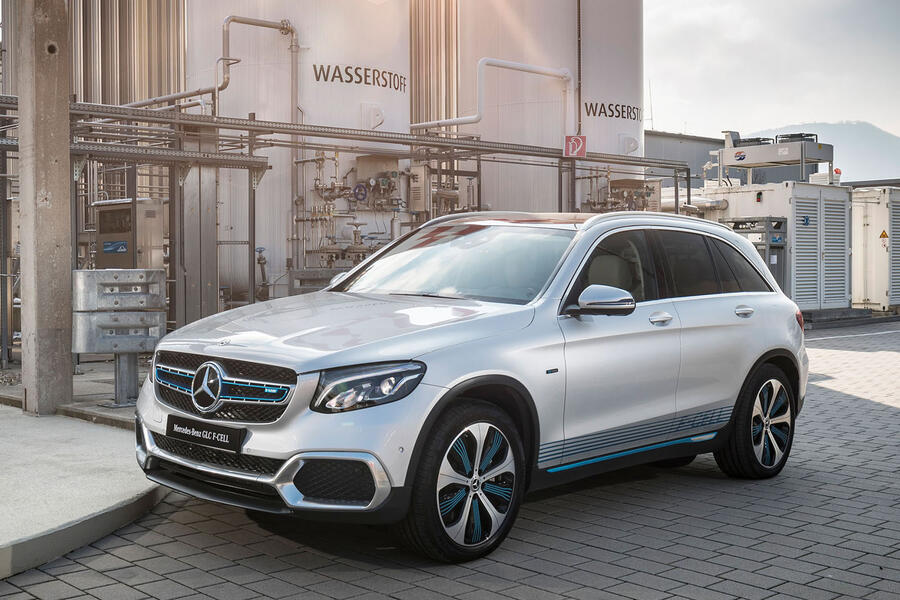
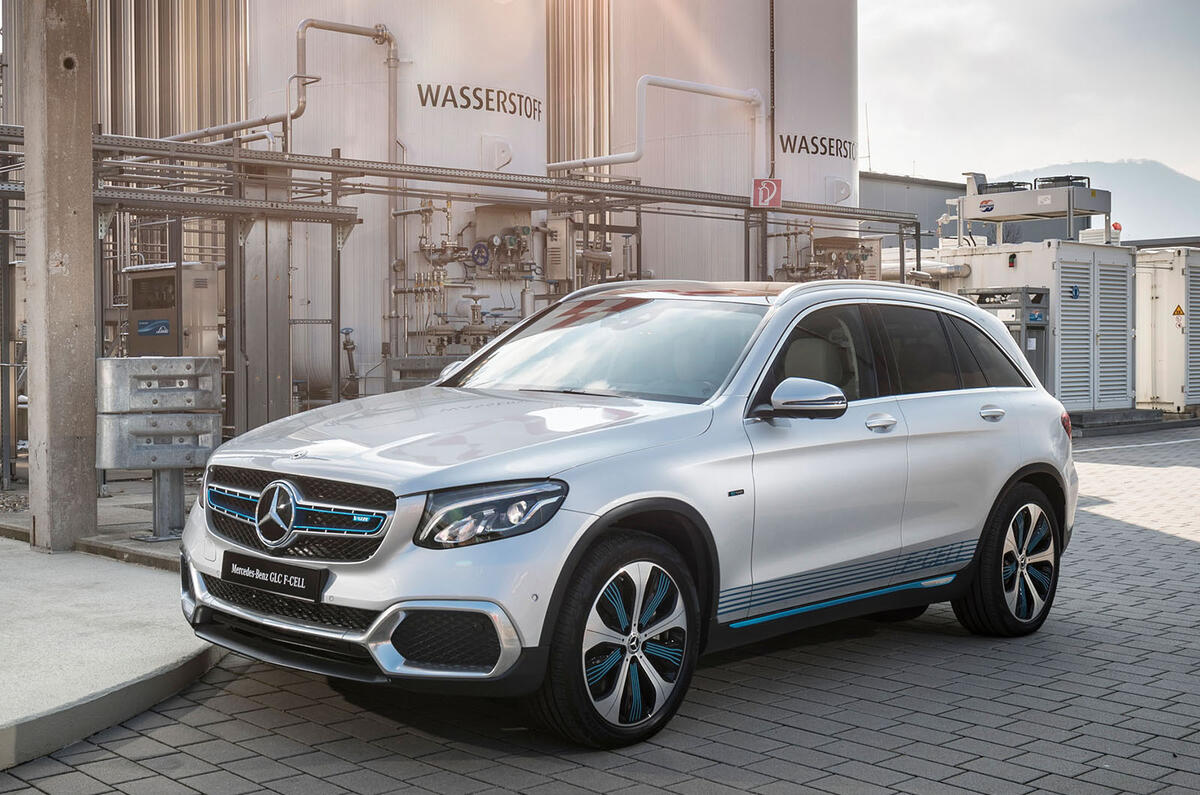
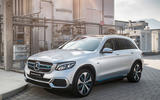
That hasn’t deterred a growing number of manufacturers from pouring vast amounts of money into the development of fuel cell technology, which can provide a car with the sort of range consummate to conventional petrol engine models while emitting nothing but water in the form of steam. This new Mercedes-Benz GLC F-Cell is the latest hydrogen-fuelled road car set to make production.
What is the Mercedes-Benz GLC F-Cell?
The advanced new SUV, based on the regular Mercedes-Benz GLC, is the result of a development project started by Mercedes in 1994. Available on a customer lease scheme in selected countries, it follows the B-Class F-Cell, of which some 200 examples were built.
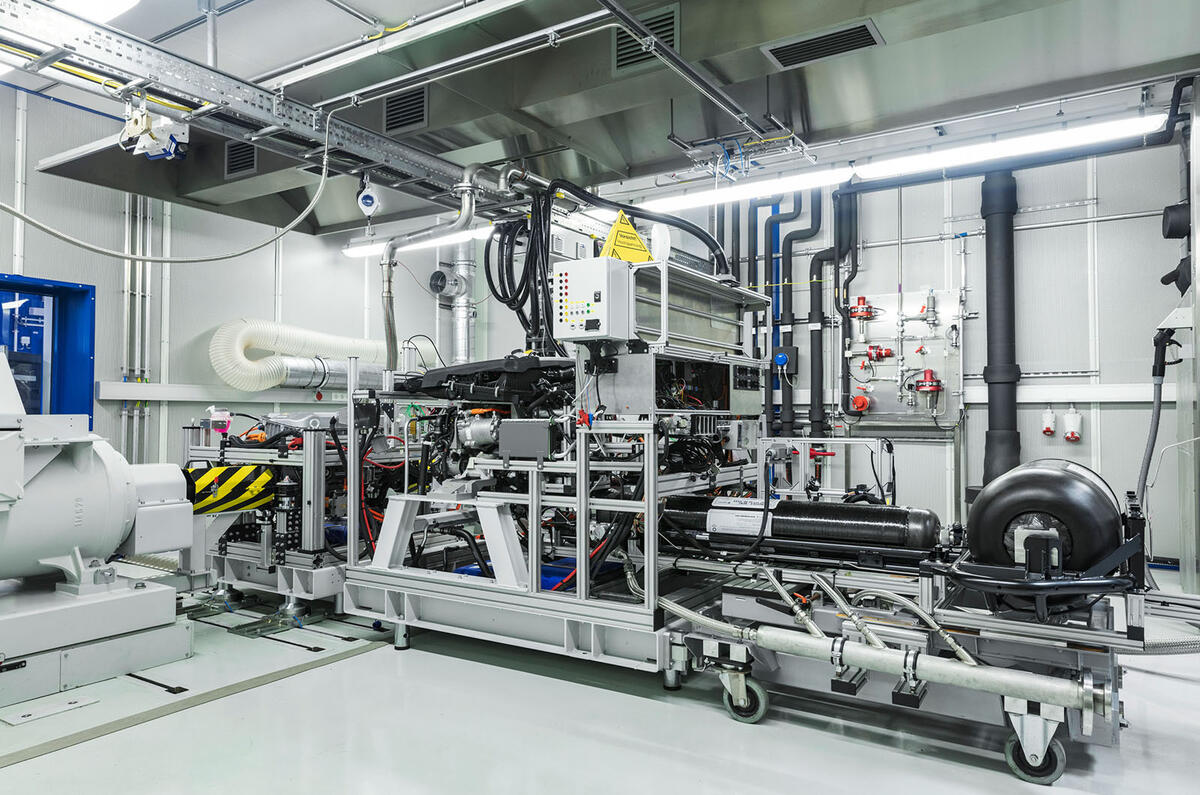
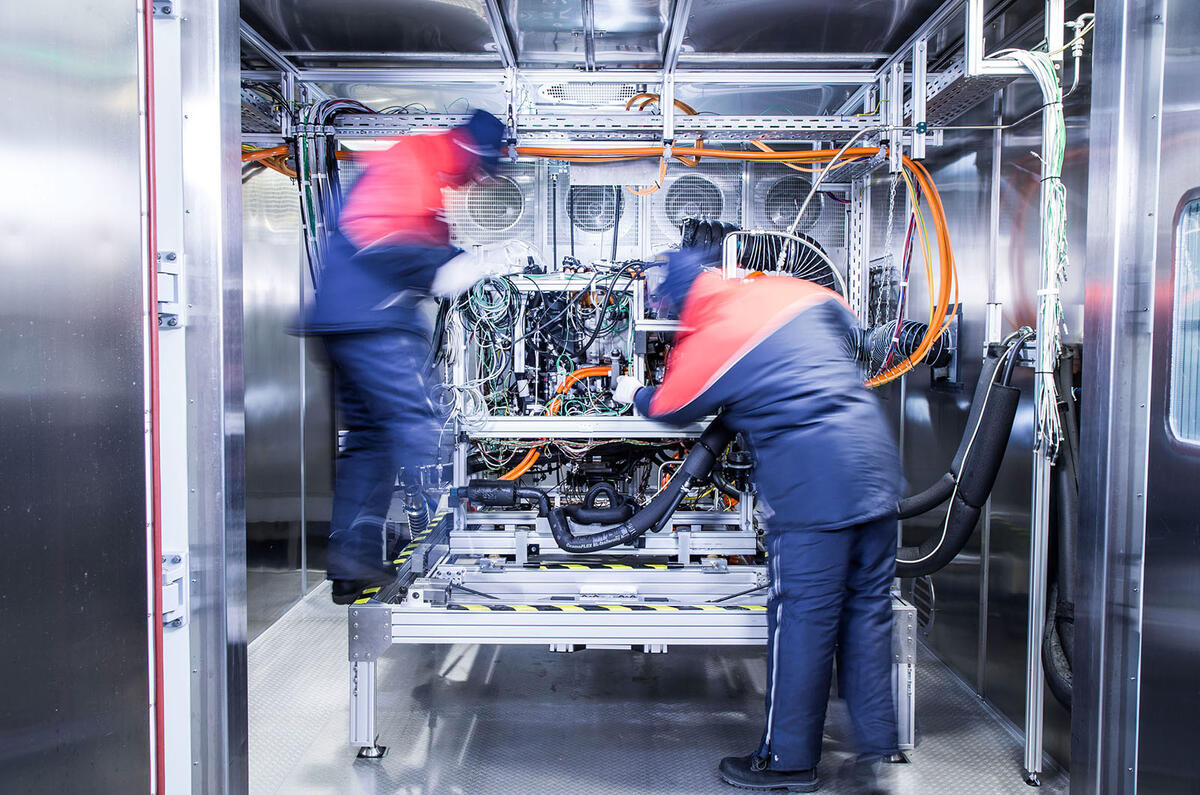
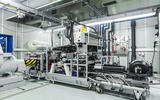
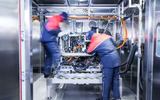
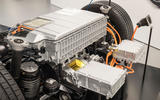
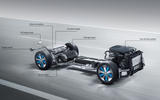
Mercedes claims the GLC F-Cell takes hydrogen fuel cell cars to a whole new level, leapfrogging the likes of the Toyota Mirai. The GLC F-Cell’s secret weapon is a fuel cell stack that is lighter and more compact than the unit in its predecessor, while offering 40% more power and using 90% less platinum.
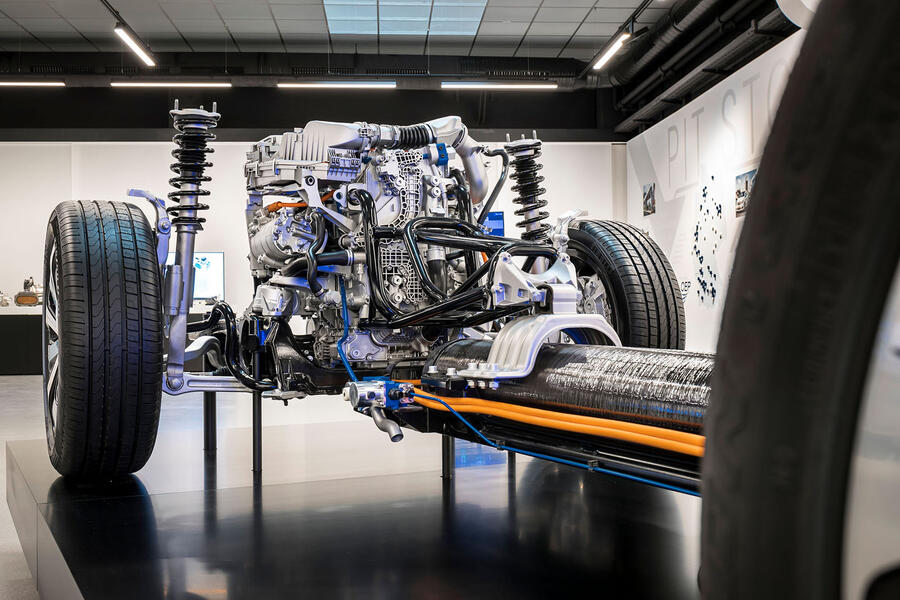
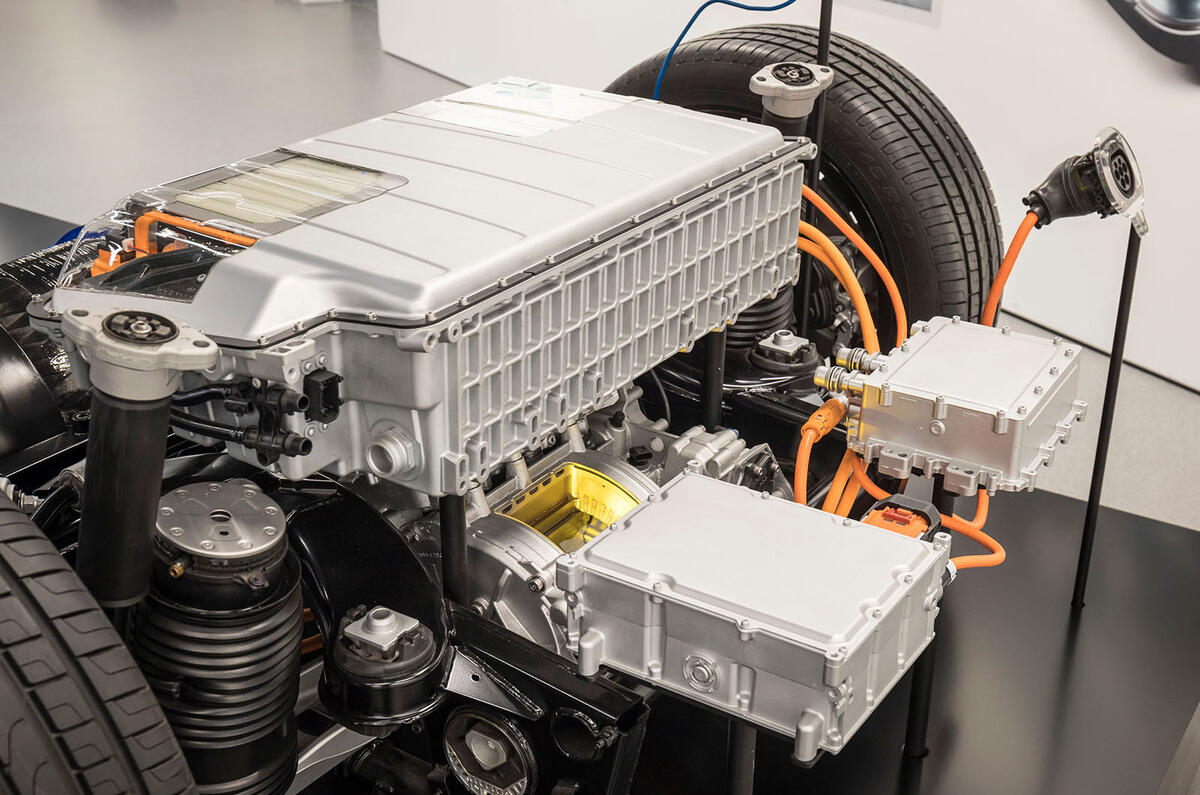
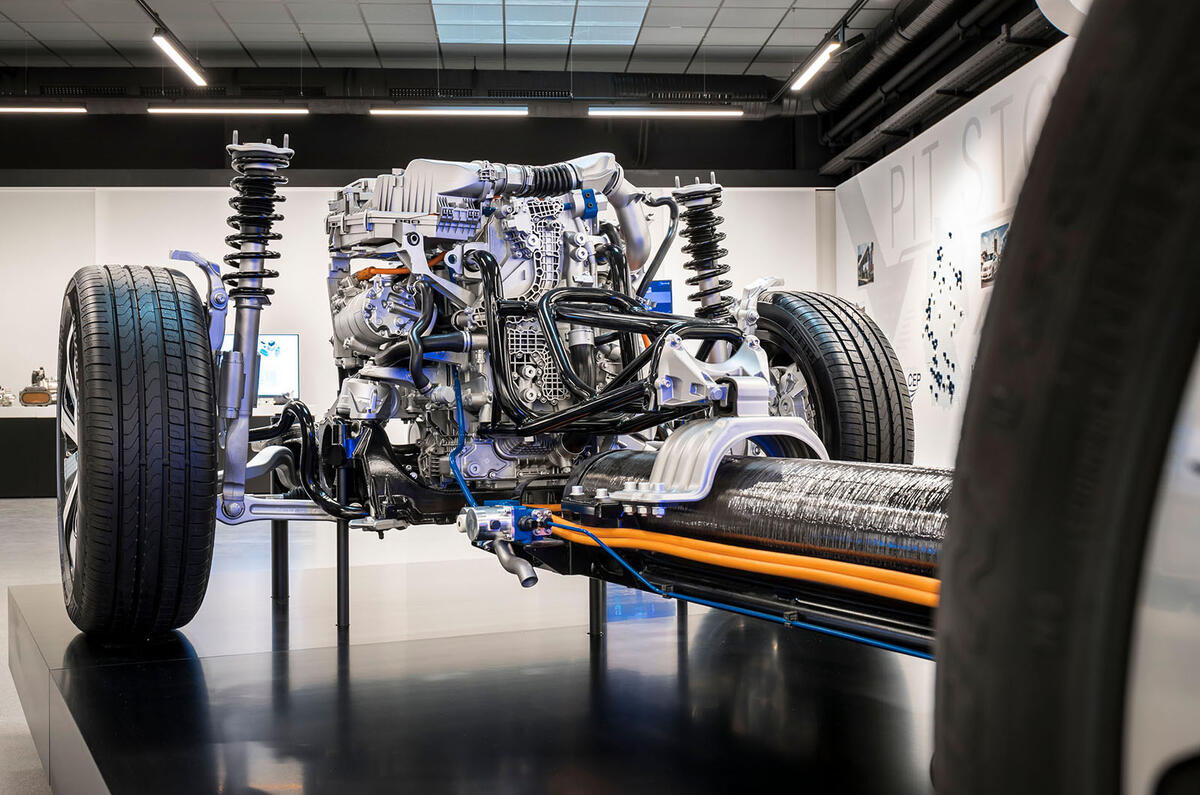
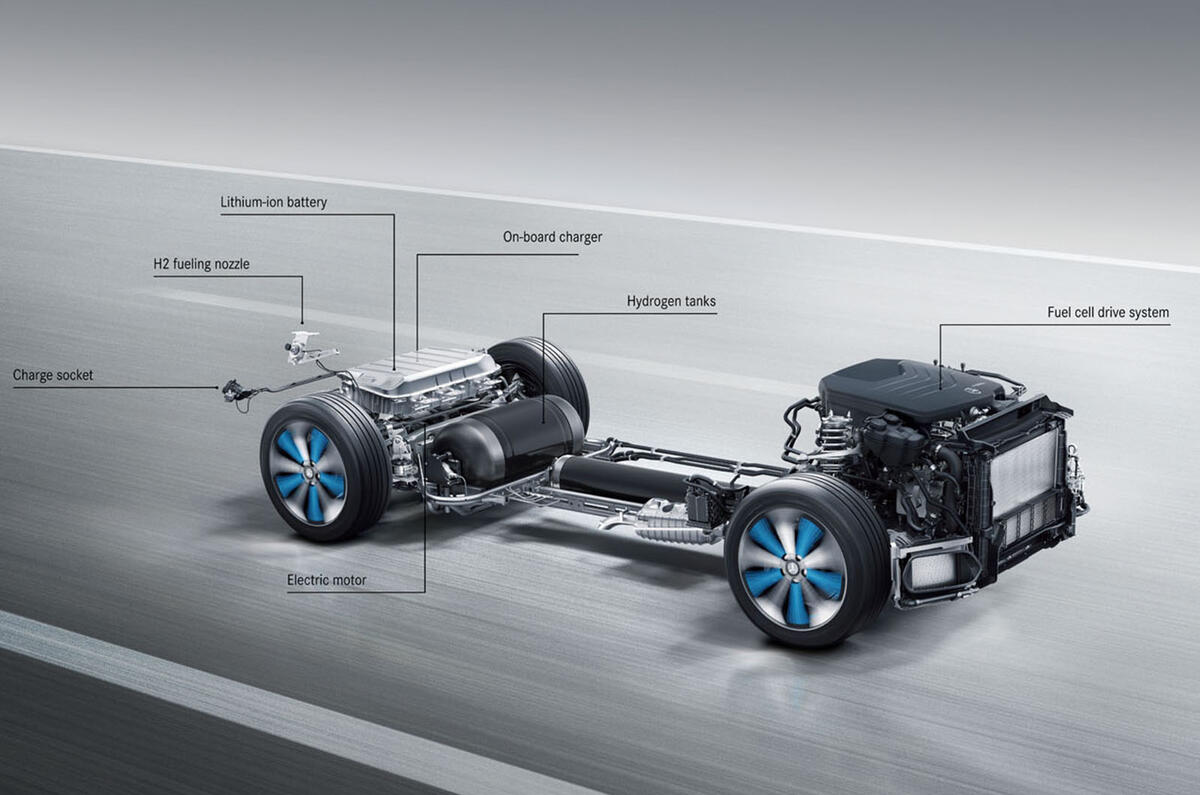
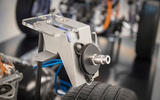
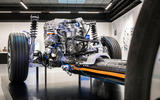
The unit sits on the same engine mounts as more conventional petrol and diesel units in the new Mercedes SUV. It produces electricity from a mix of hydrogen and oxygen that is sent to a battery to power an electric motor mounted within the rear axle, which in turn drives the rear wheels.
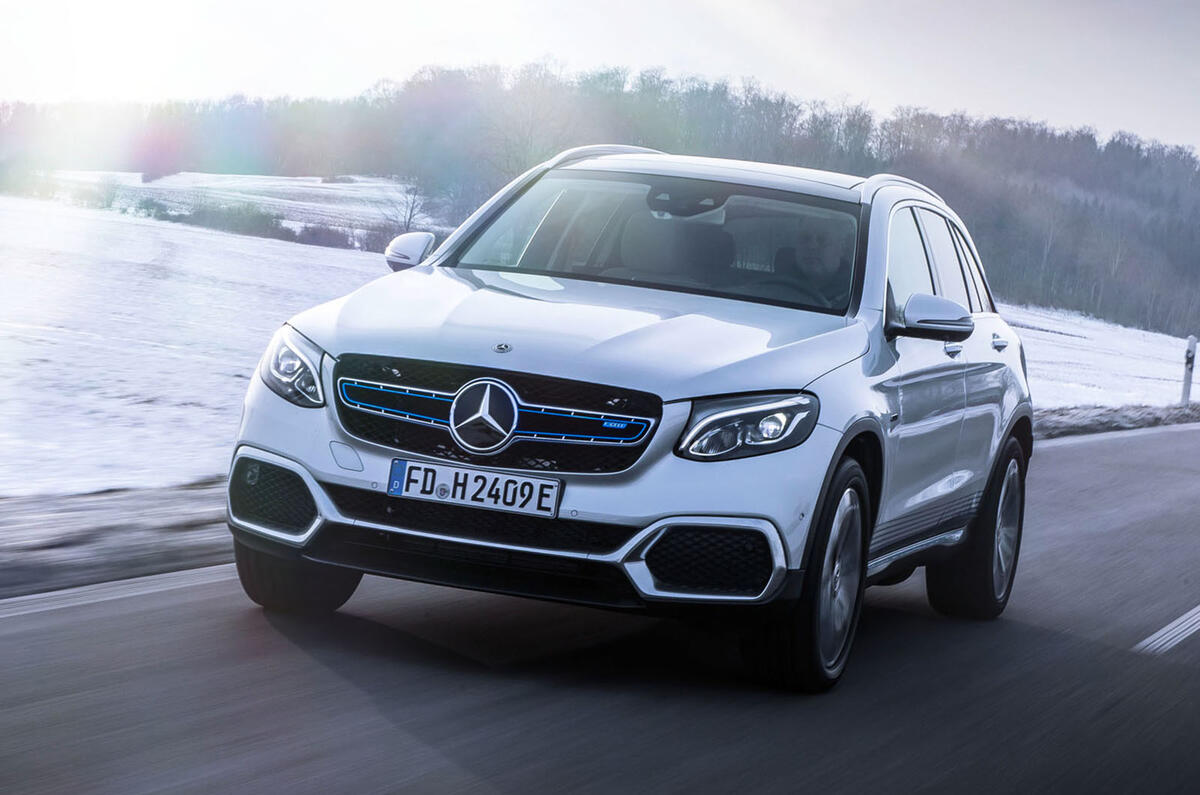
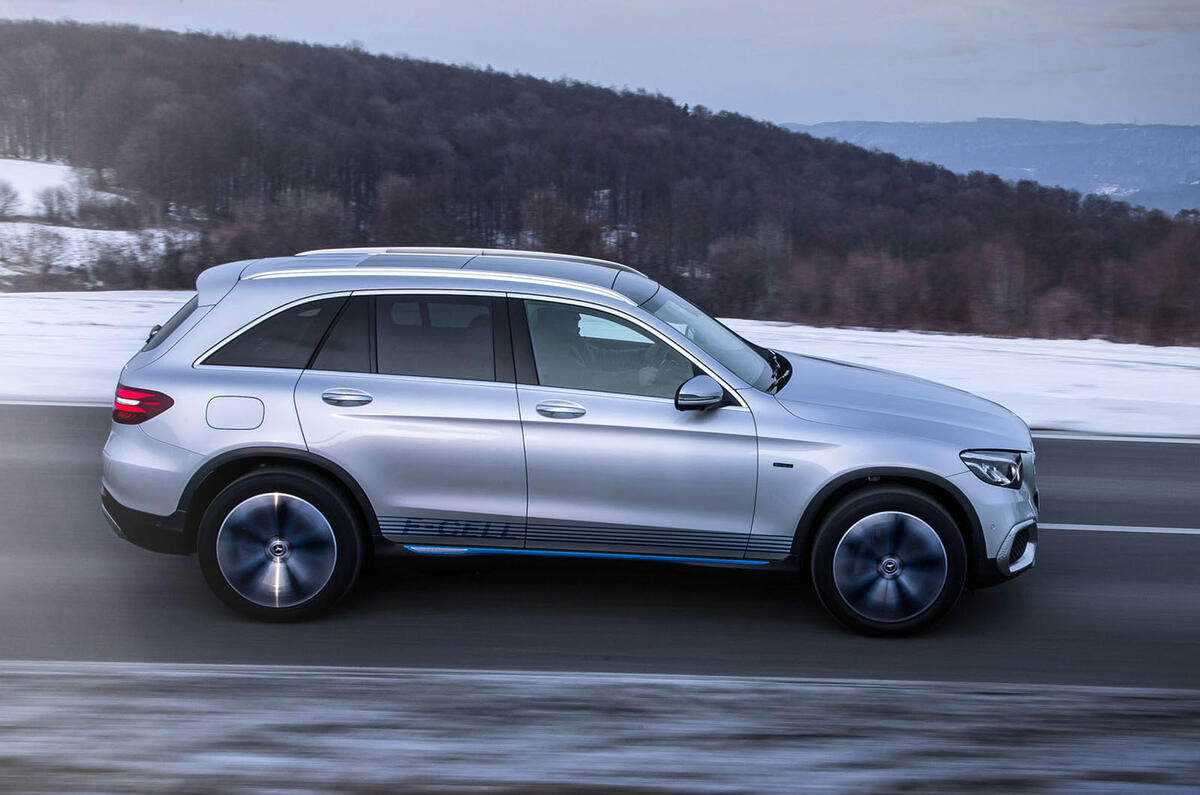
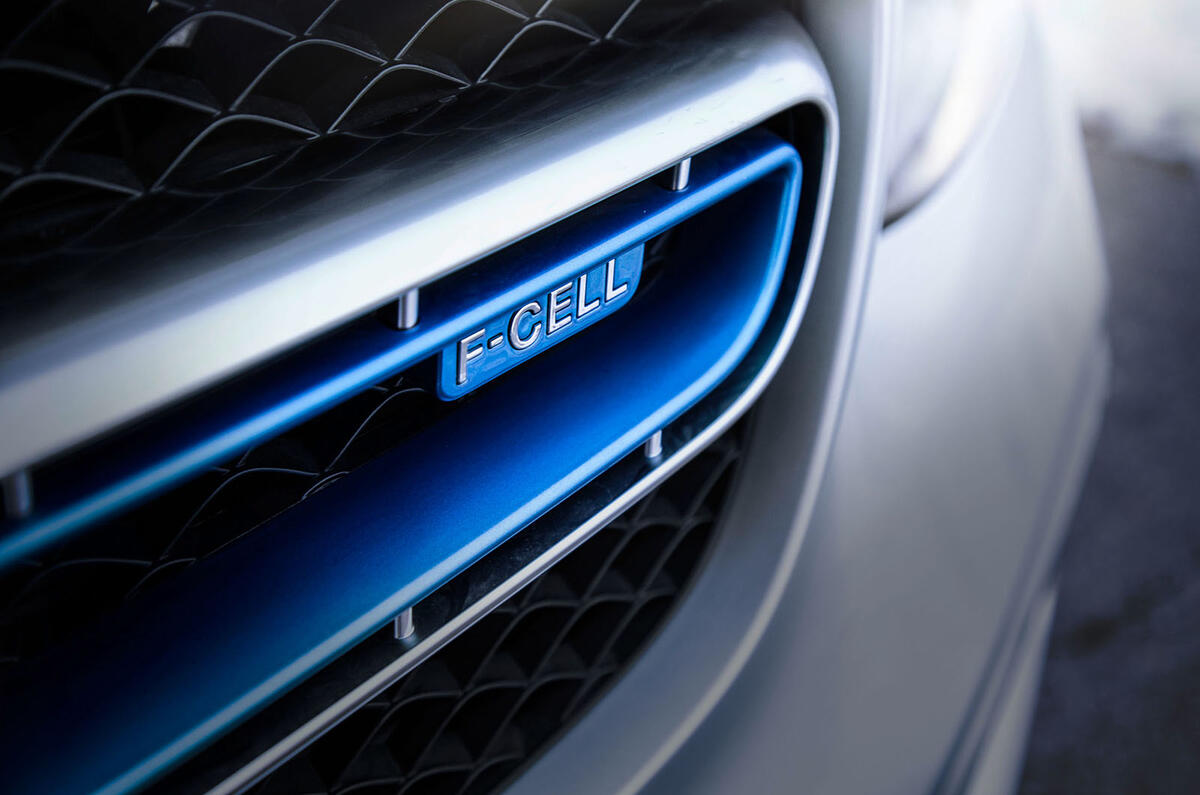
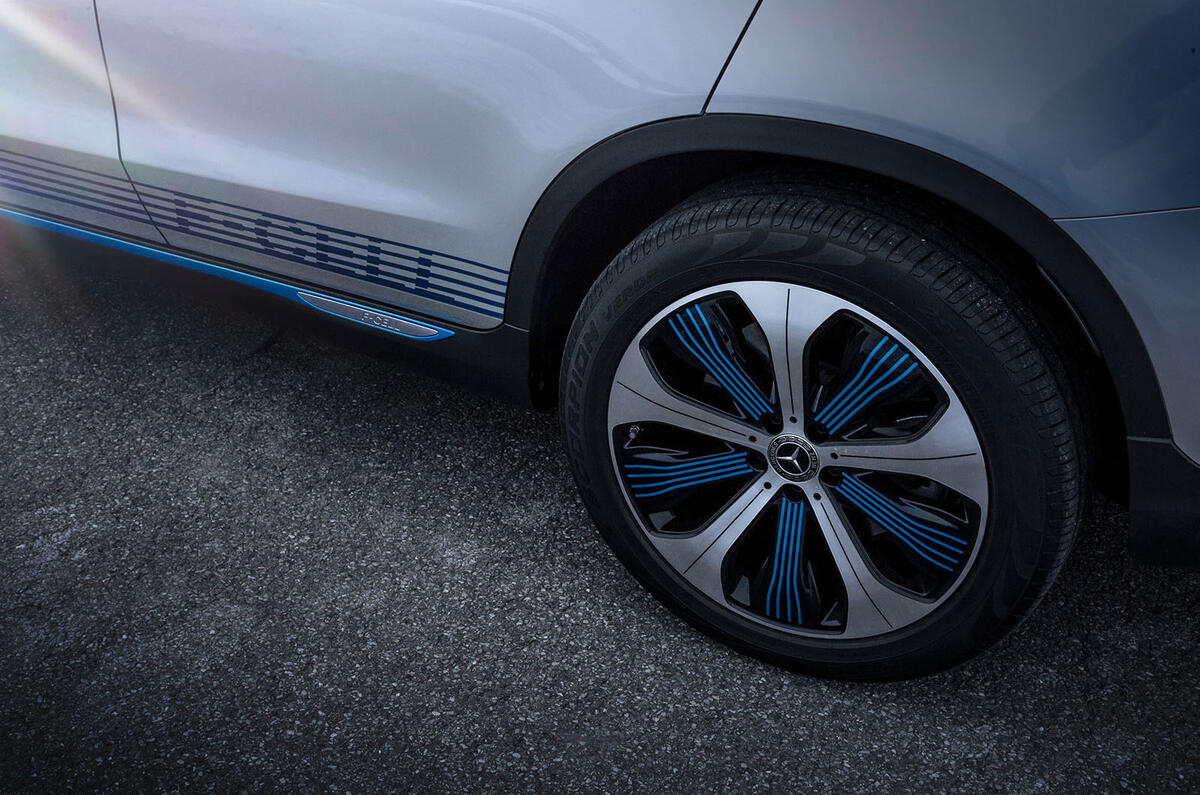
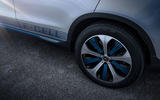
From the outside, the only signs of the car’s advanced powertrain technology are some blue highlights within the grille and sills, together with bespoke wheels and F-Cell badges at the rear.
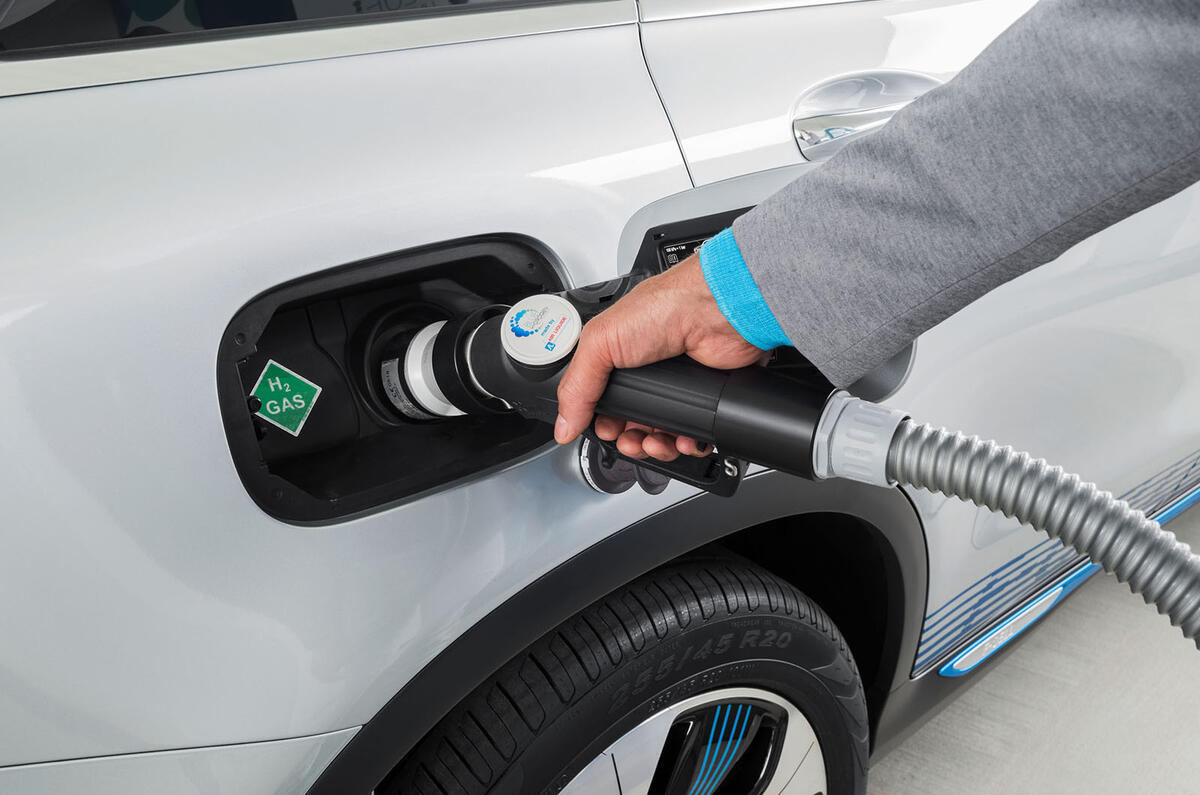
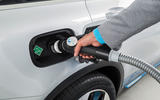
Along with its newly developed fuel cell stack, the GLC F-Cell accommodates two carbonfibre hydrogen tanks – one within the centre tunnel and the other underneath the rear seat, each pressurised to 700 bar. This permits a refuelling time of less than three minutes, similar to petrol and diesel cars. With 4.4kg of hydrogen on board, Mercedes claims a range of up to 272 miles.
Hyundai Nexo hydrogen fuel call car launched
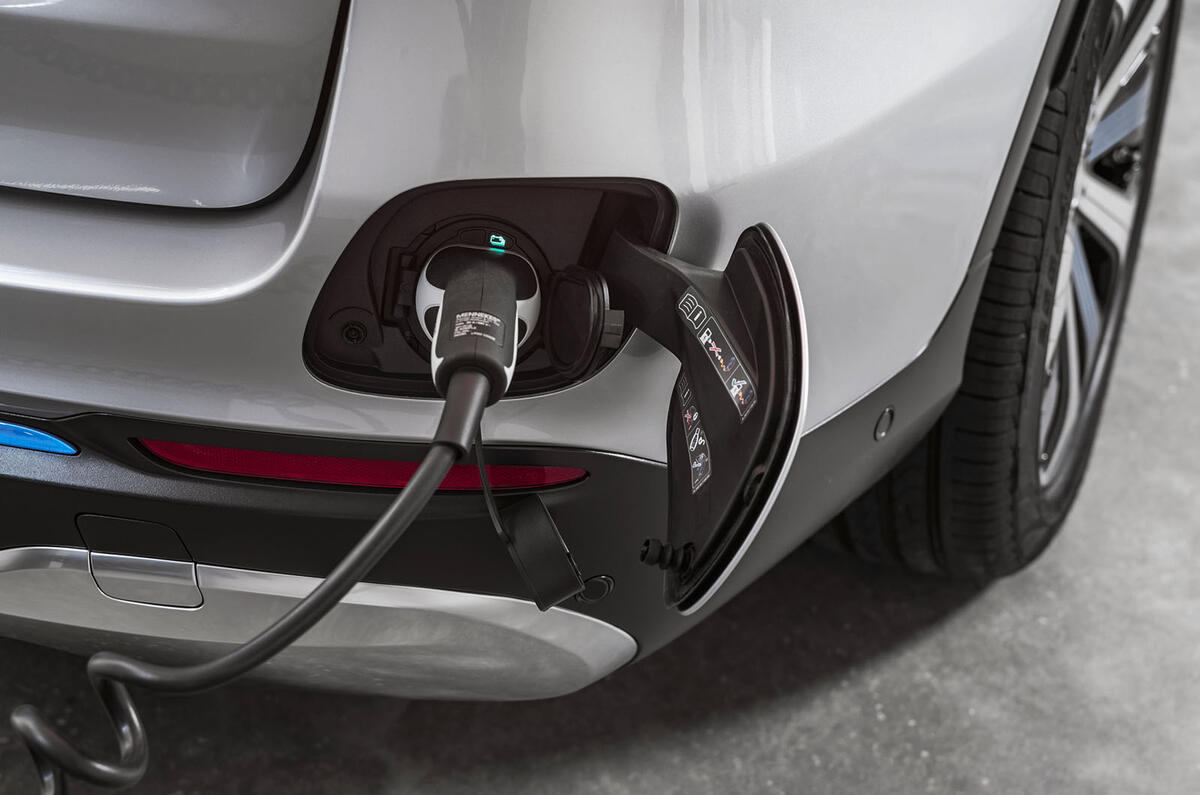
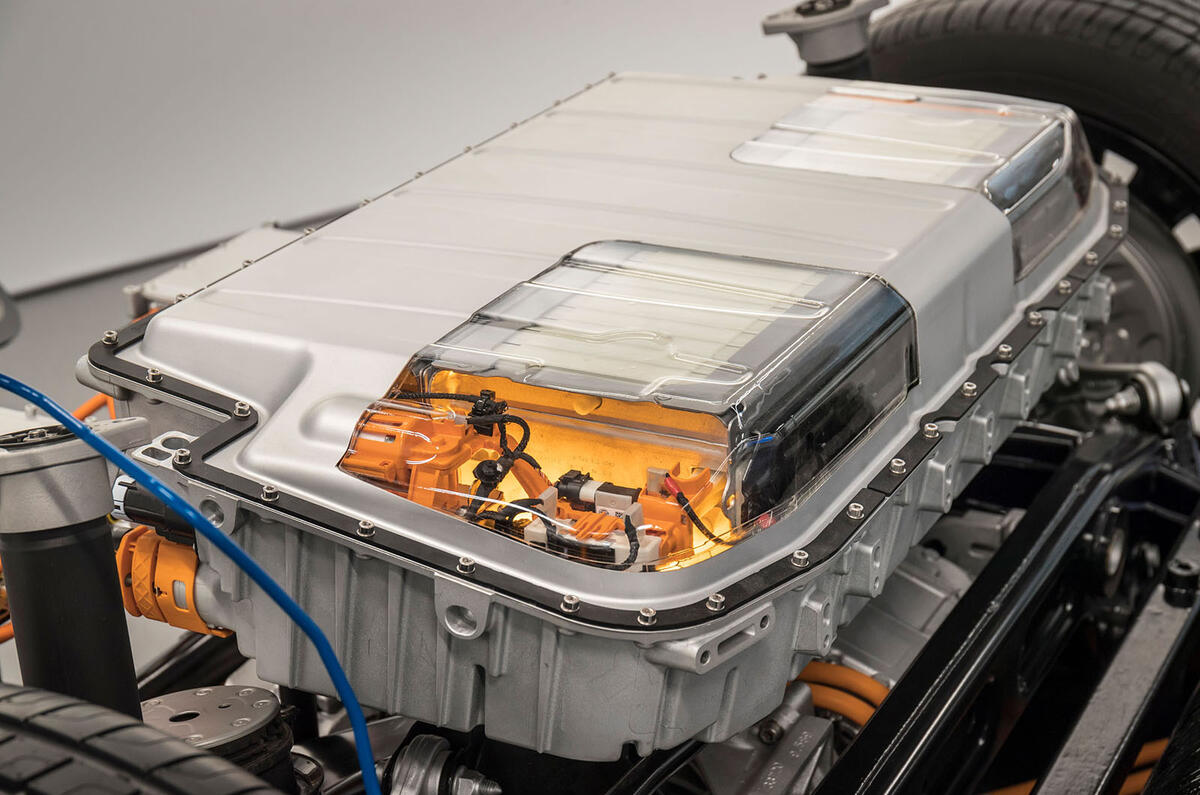
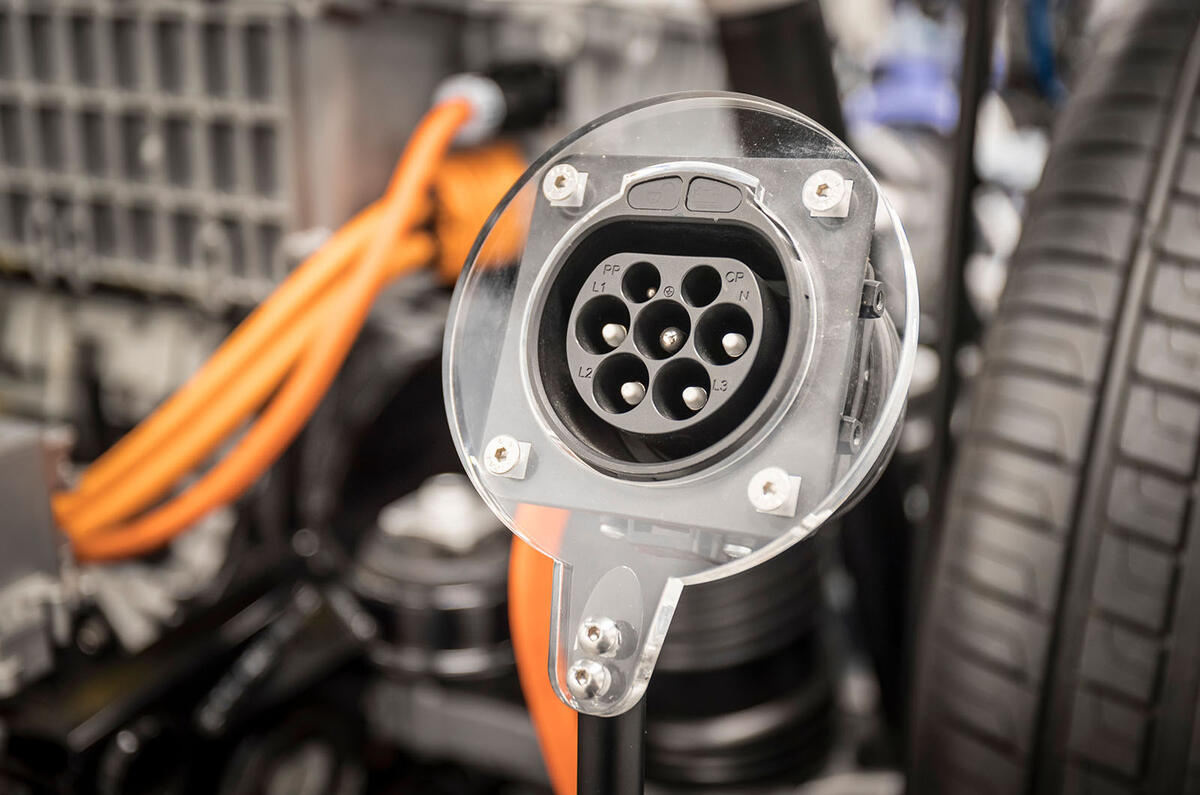
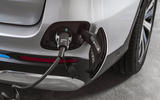
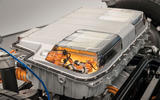
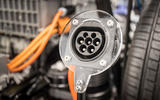
In a clever set-up mirroring that of the Mercedes-Benz GLC 350e plug-in hybrid, Mercedes has combined the fuel cell stack with a 13.8kW/h lithium-ion battery mounted within the floor of the luggage compartment. This enabled the GLC F-Cell to be plugged into mains power via a socket mounted within the rear bumper to increase its range by a claimed 30 miles, giving it a potential range of more than 300 miles in total.