Currently reading: Testing China's Ford Transit: Why £29k City is made for rush hour

New JMC-built electric van goes after Kia PV5 with huge load capacity and low running costs

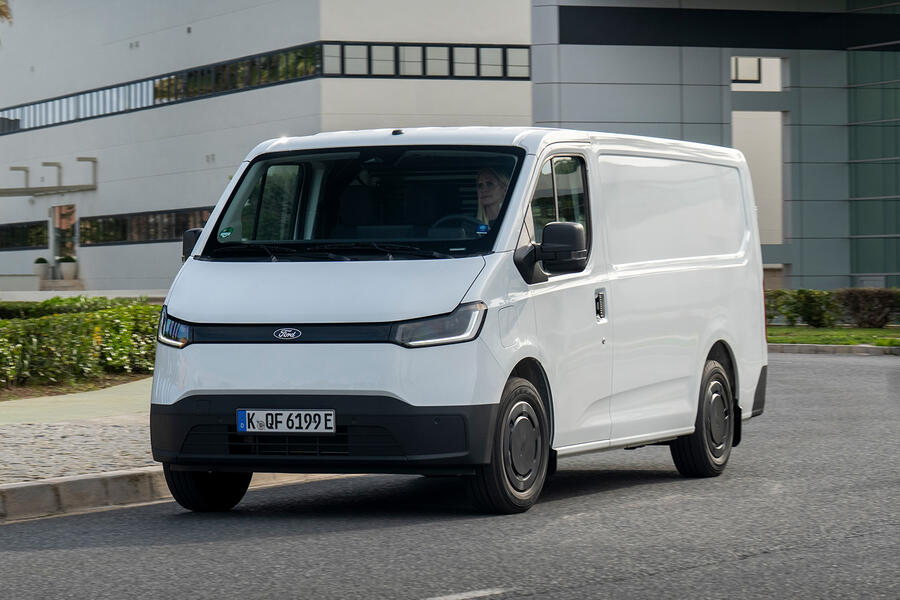
Specifying a new van often means wading through a maze of trims, wheelbase lengths and optional extras. With the new Transit City, Ford has gone back to basics, offering a single trim, two body sizes and just four colours. 

Built by Ford’s long-standing Chinese partner JMC in Nanchang, the Transit City uses the JMC Touring’s platform. It sounds like a bit of a gamble to put a Ford badge on something so unfamiliar, but not only has Ford changed everything ahead of the A-pillars, developed a new high-voltage battery system and revised the ride, safety and ergonomics for Europe, but also it has actually been working with JMC for more than 30 years. 

Perhaps more contentious is that it shares no components with the E-Transit Custom, its closest size match in the range and arguably the best electric van in its class. What the City does do, however, is substantially beat the Custom on both volume and payload. 
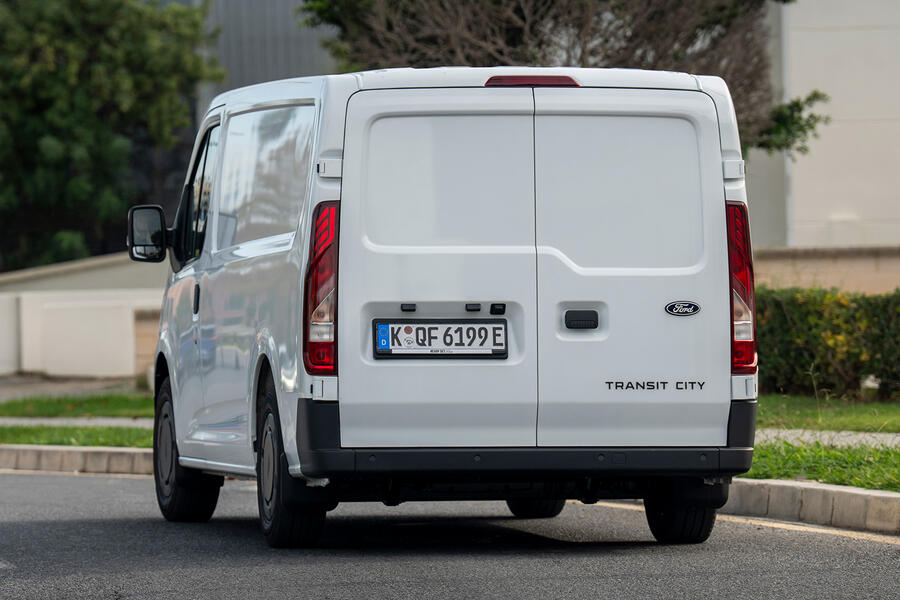
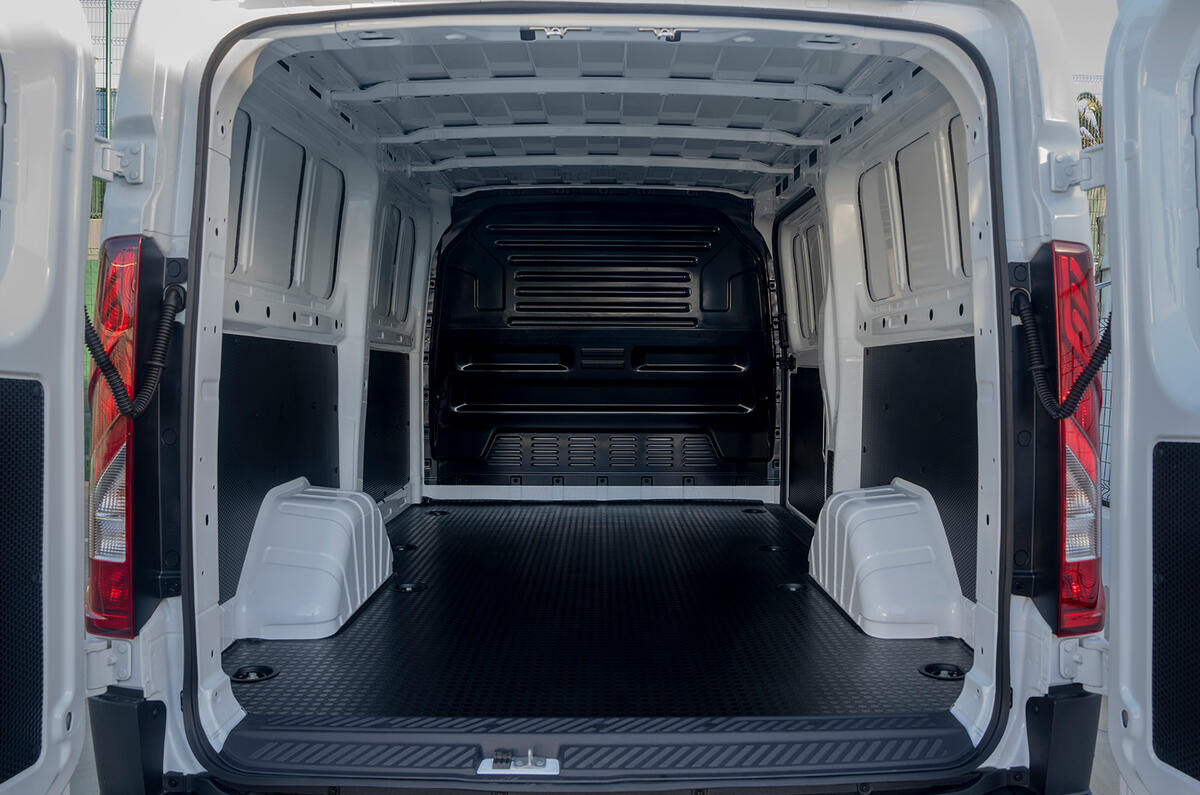
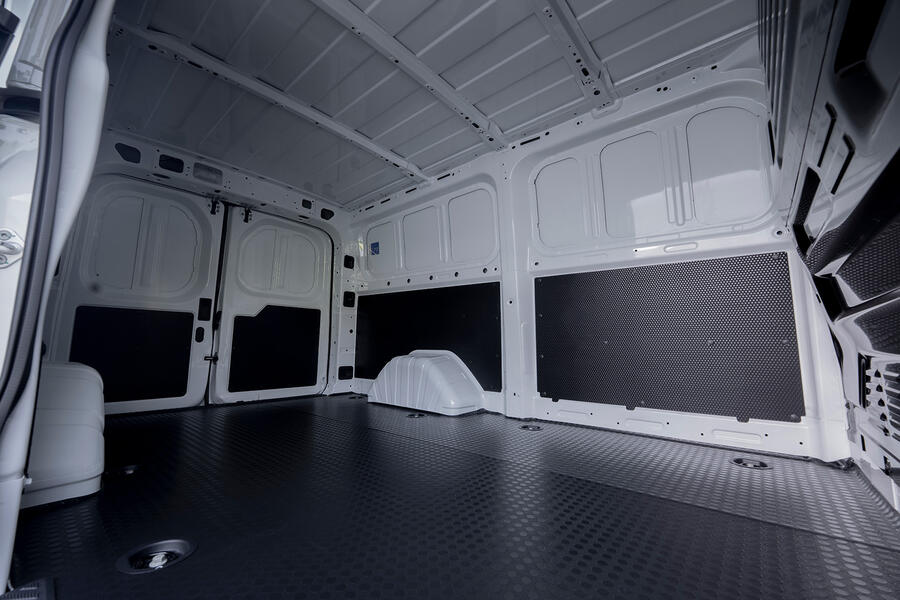
The smaller L1H1 version carries 1085kg and has a load volume of 6.4m³, while the L2H2, which is plated at 3.3 tonnes rather than the usual 3.0 tonnes, gets a 1275kg payload and up to 8.5m³ of cargo space.

The extra height of the L2H2 gives it substantially more room than the E-Transit Custom, which tops out at 6.8m³, making the Transit City the second biggest model in the Transit range, behind the eponymous big van itself.

There’s no towing capacity and although there is a chassis-cab option, you will have to wait until the third quarter of 2027 before you can get your hands on anything beyond a standard dropside or box van.

Power comes from a CATL-supplied 56kWh lithium-iron-phosphate battery, which gives the L1H1 a claimed range of 158 miles and the L2H2 one of 139 miles.

Charing speeds are up to 87kW and plugging in to an 11kW three-phase AC supply will mean a wait of just over five hours for a charge from 10-100%. 
Back to top

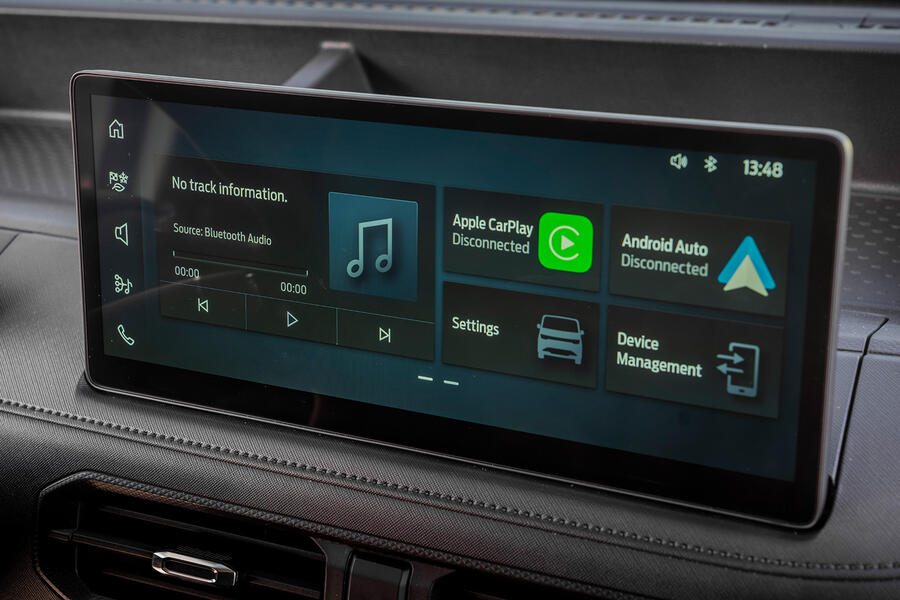
Although there’s just one trim level, standard kit is pretty generous, including a 12in infotainment touchscreen with Apple CarPlay and Android Auto, air conditioning, keyless start, a heated driver’s seat and adaptive cruise control.

Aside from paint choice, one option is to add Ford Pro fleet telematics to monitor performance, driving and vehicle health.

Prices start from £29,000, which with the UK government's £5000 electric van grant puts the Transit City competitively close to Ford's own E-Transit Courier as well as rivals like the Kia PV5 and Farizon V7E.

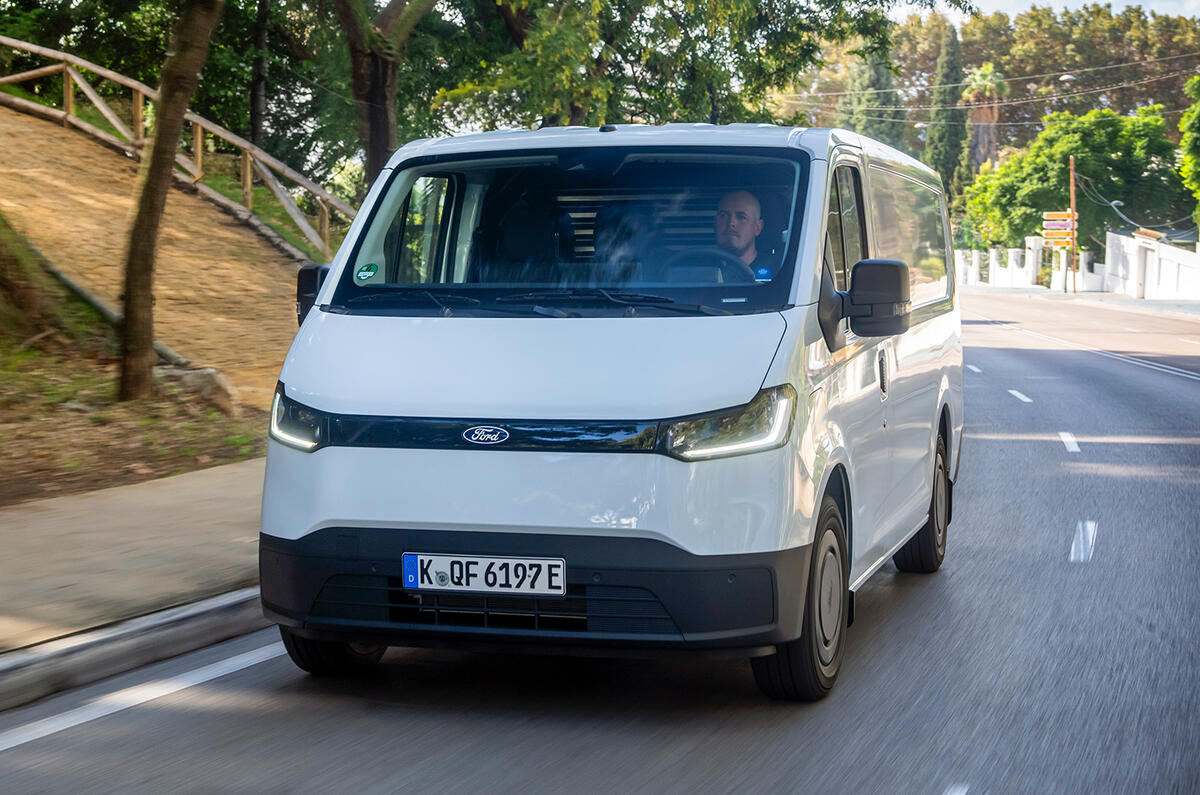
However, try not to think of the City as a cut-price Transit but as a van built for a life spent in traffic. 

With a modest 400–450kg on board, we saw around 3.9mpkWh in town – considerably better than the efficiency achieved on the motorway – which also showed up shortcomings in the City’s refinement and steering.

Faster roads not only meant a good deal of wind noise around the A-pillar and doors but also rather uncommunicative and less-than-impressive handling. The steering is wobbly at speed and feels disconnected to the road. It’s far better in urban environments, where its flaws are much less noticeable.

Back to top

Strong regenerative braking as soon as you lift off takes some getting used to, even when the City is in Normal mode, but by selecting the dedicated One-Pedal Drive mode you really do feel the effects.

It suits stop-start work and should save wear on the brakes, but the throttle requires a delicate foot if you want to drive smoothly, especially as the 148bhp motor delivers more punch than you would expect for a mid-sized van with just 192lb ft of torque.

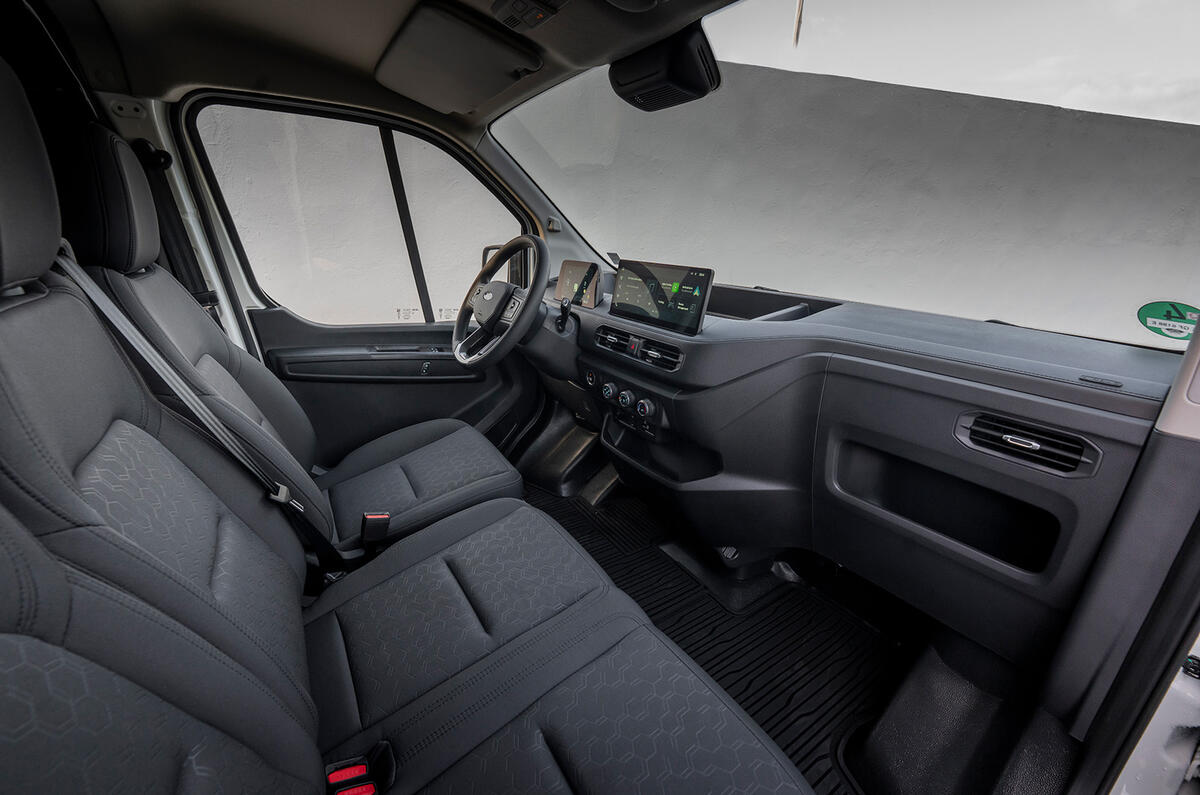
In the cab, the steering wheel is fixed and the driving seat is quite firm, but there’s enough adjustment in it for you to find a decent position.

An A-pillar grabhandle would make climbing aboard easier, while the outer passenger seat feels narrower than it is, because the belt buckle digs in.

Visibility is good, though, and the reversing camera and parking sensors respond promptly, which is more than can be said for some competitor vans from China. 

A Ford badge and a tempting price tag will earn the Transit City some admirers, but it’s largely a fleet product that fills a convenient gap in Ford’s commercial vehicle range – not least with the introduction of the chassis cab.

While it will be brought by people who will never drive it, for those who do it will be at its best in a city, as the name would suggest. 

Back to top

Verdict

A keenly priced, practical electric van that makes most sense in town or for those who are keeping a tight eye on costs. 

Specification Details
Price From £29,000 (ex-VAT)
Engine Permanent magnet synchronous motor
Power 148bhp
Torque 192lb ft
Gearbox 1-spd reduction gear, FWD
0–62 mph tbc
Top speed 75mph
Kerb weight 1915kg (L1H1) or 1995kg (L2H2)
Battery size 56kWh (usable)
Range 158 miles (L1H1) or 139 miles (L2H2)
Rivals Kia PV5 Cargo, Farizon V7E

Join our WhatsApp community and be the first to read about the latest news and reviews wowing the car world. Our community is the best, easiest and most direct place to tap into the minds of Autocar, and if you join you’ll also be treated to unique WhatsApp content. You can leave at any time after joining - check our full privacy policy here.