














Toyota is evaluating the feasibility of running conventional combustion engines on hydrogen as an alternative to all-out electrification.
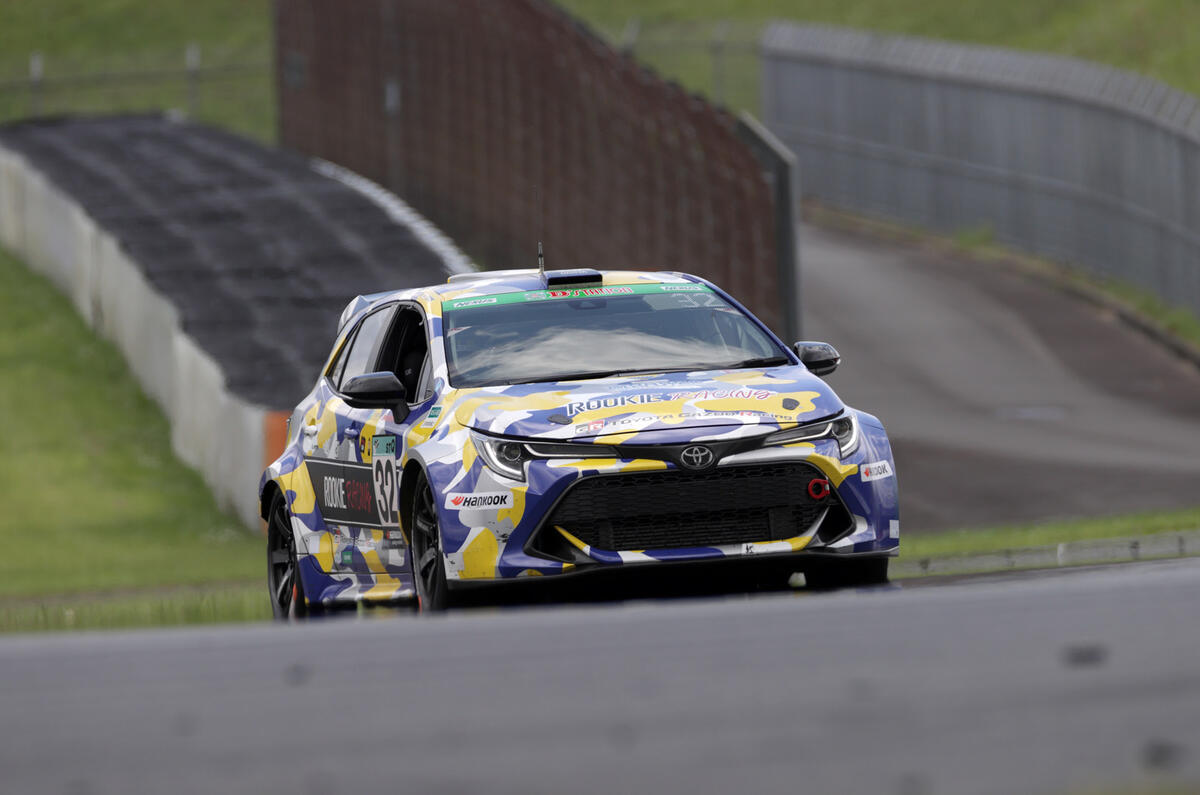
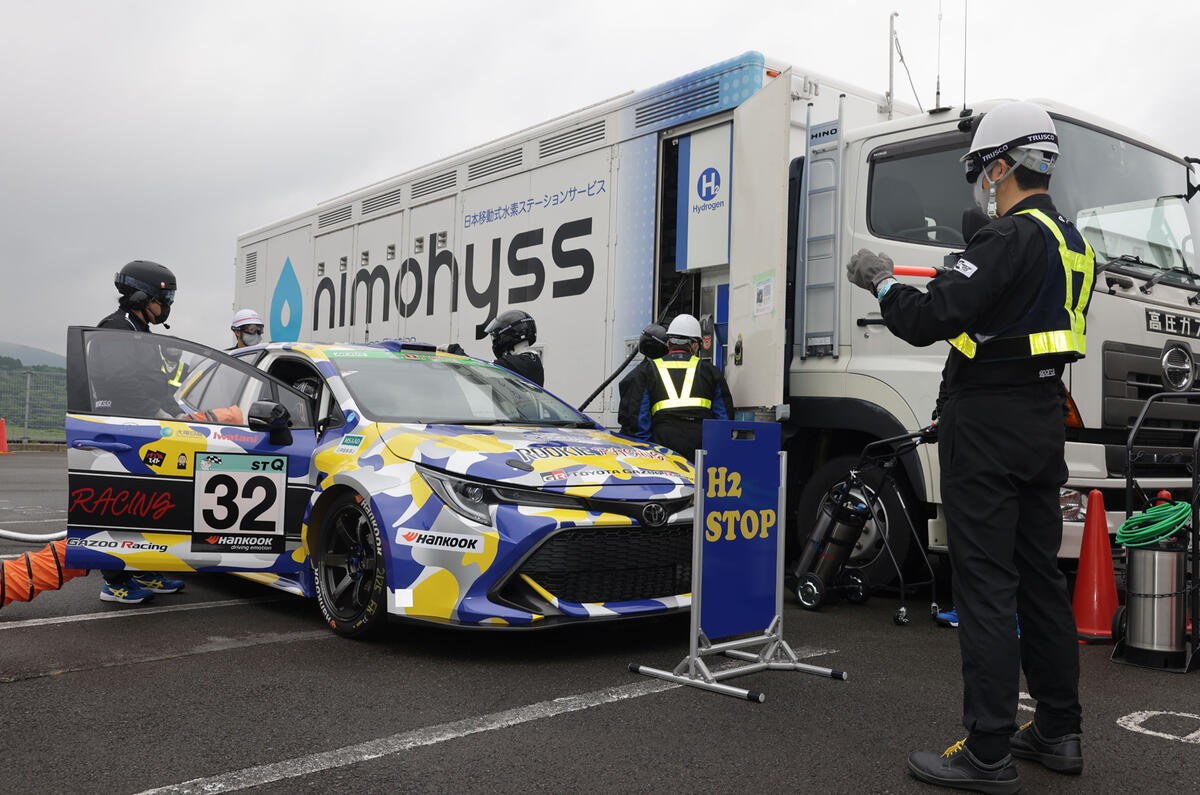
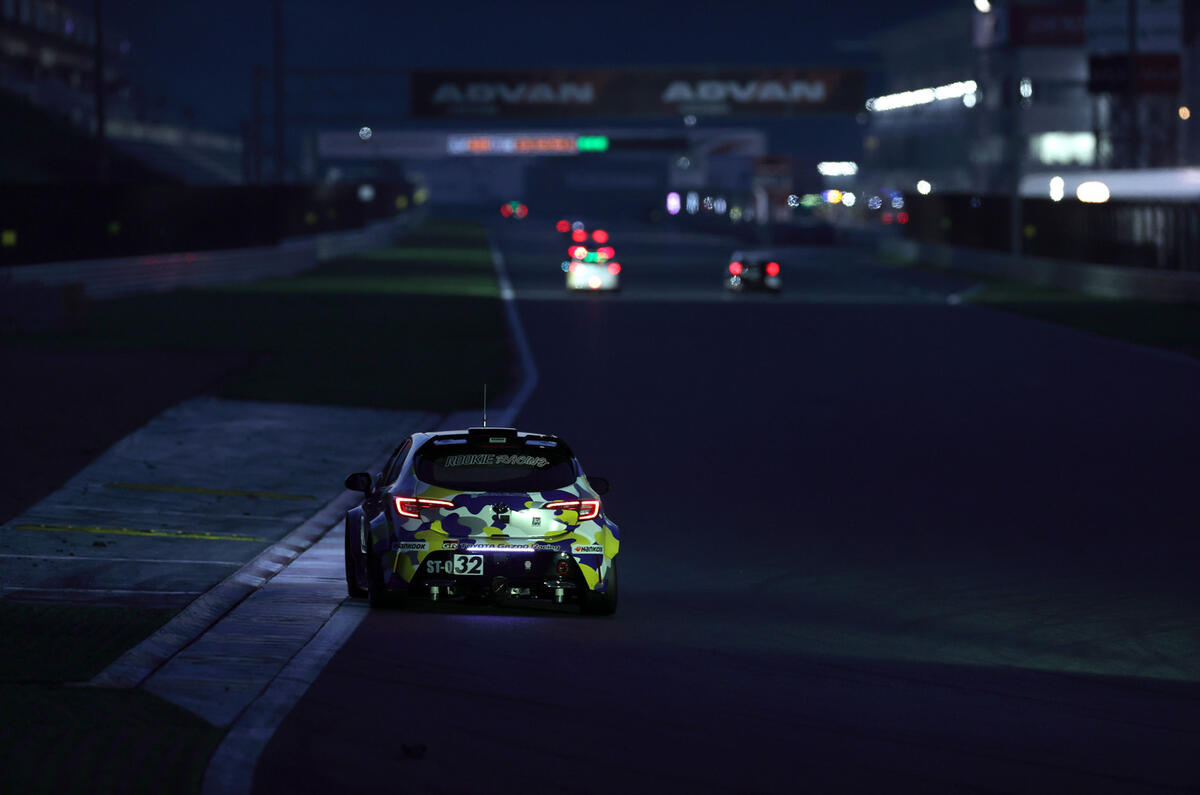
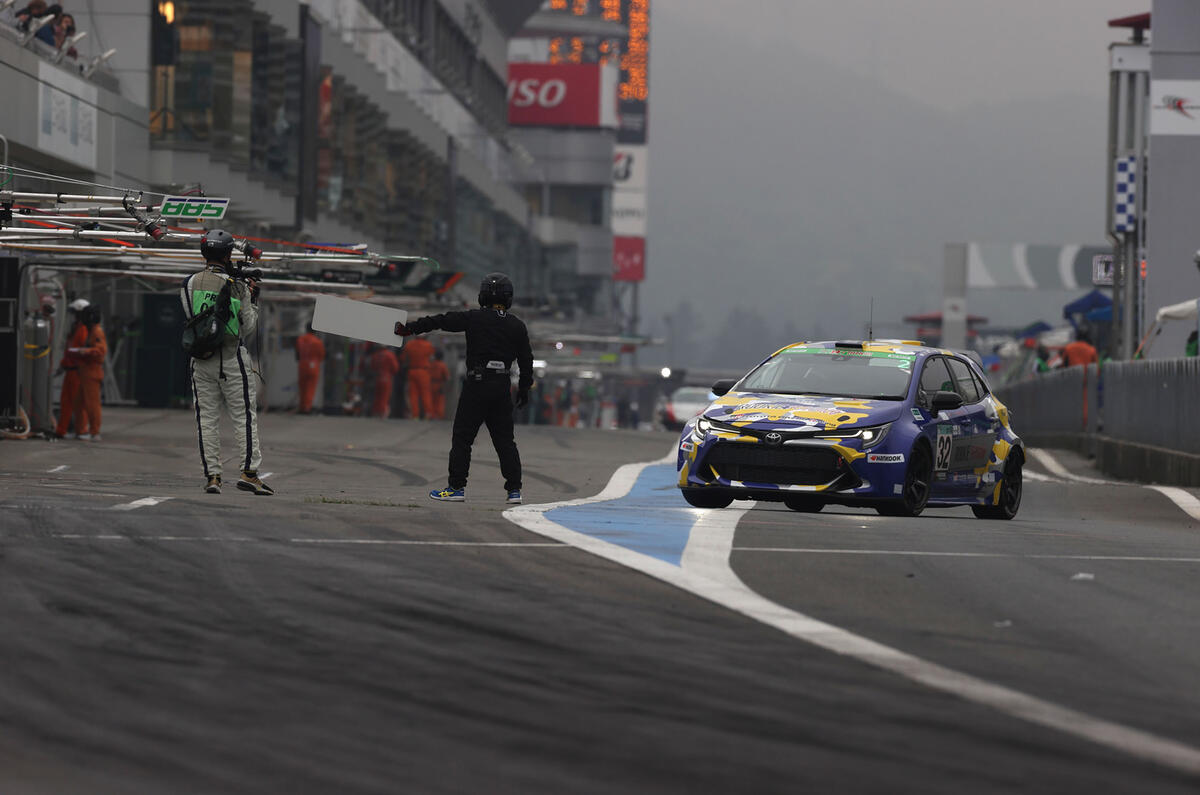
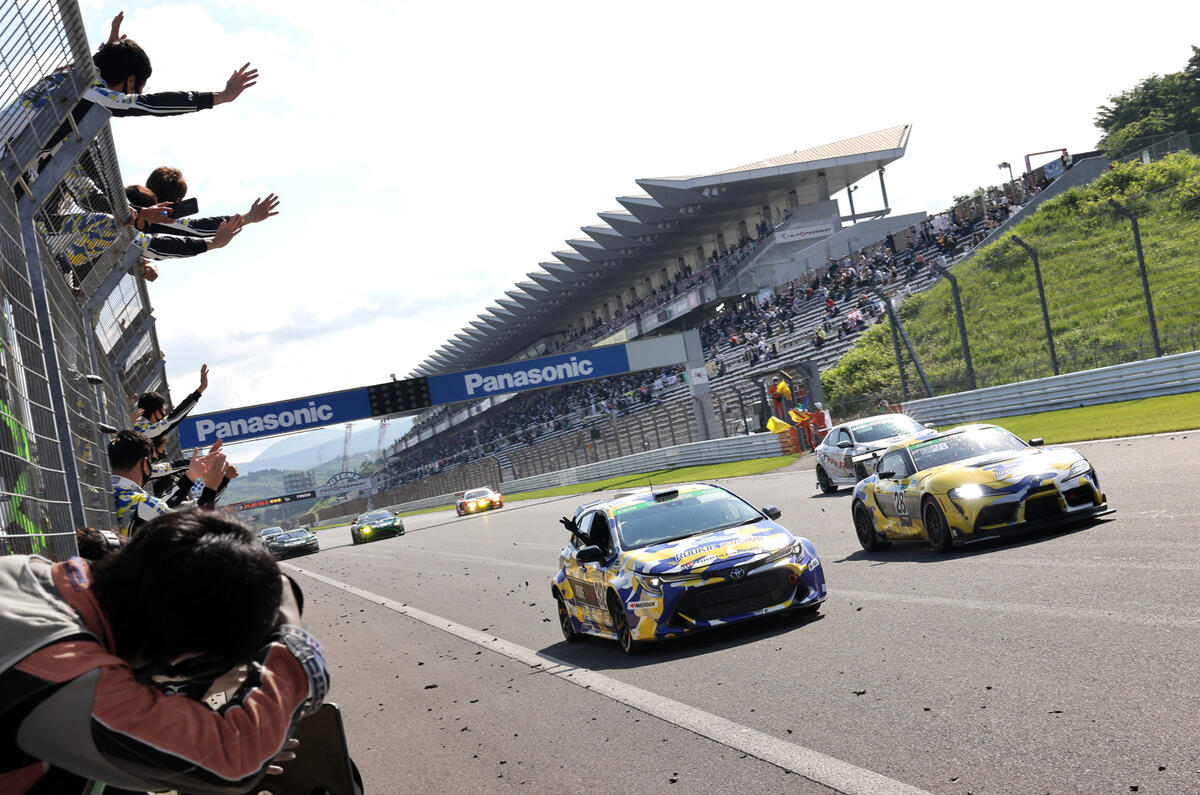
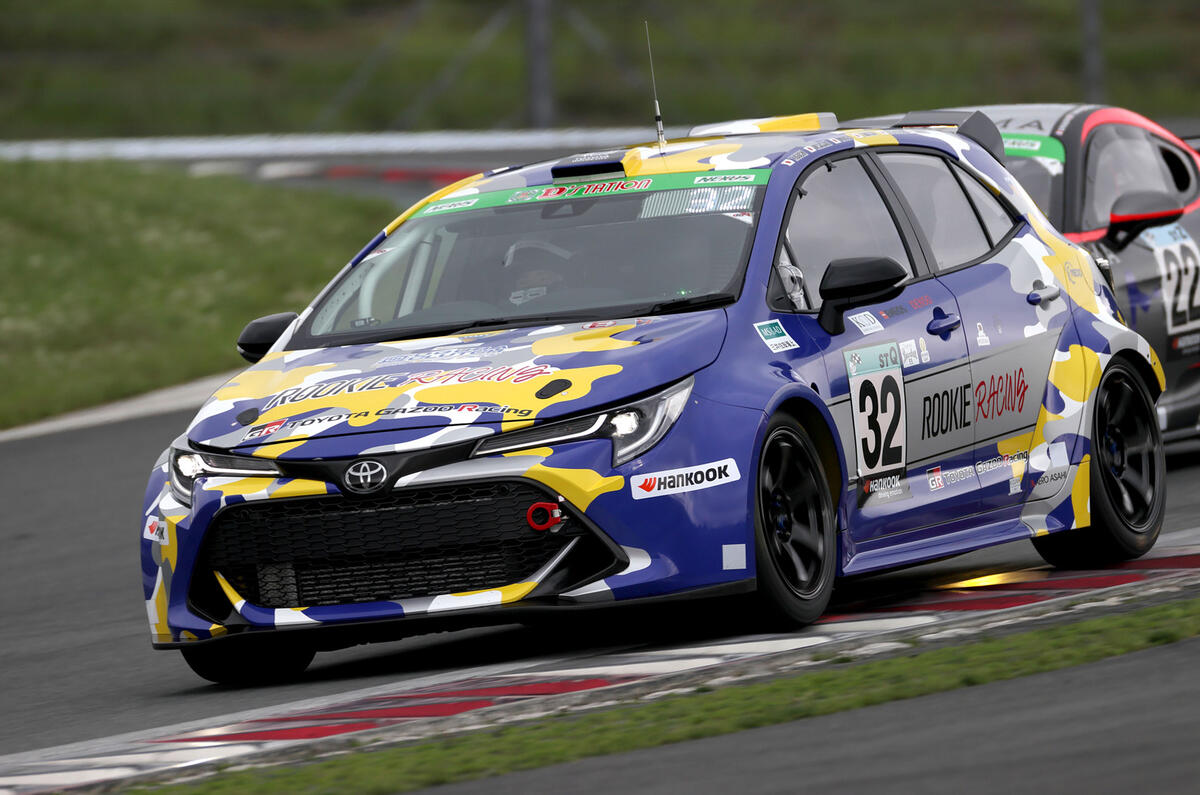
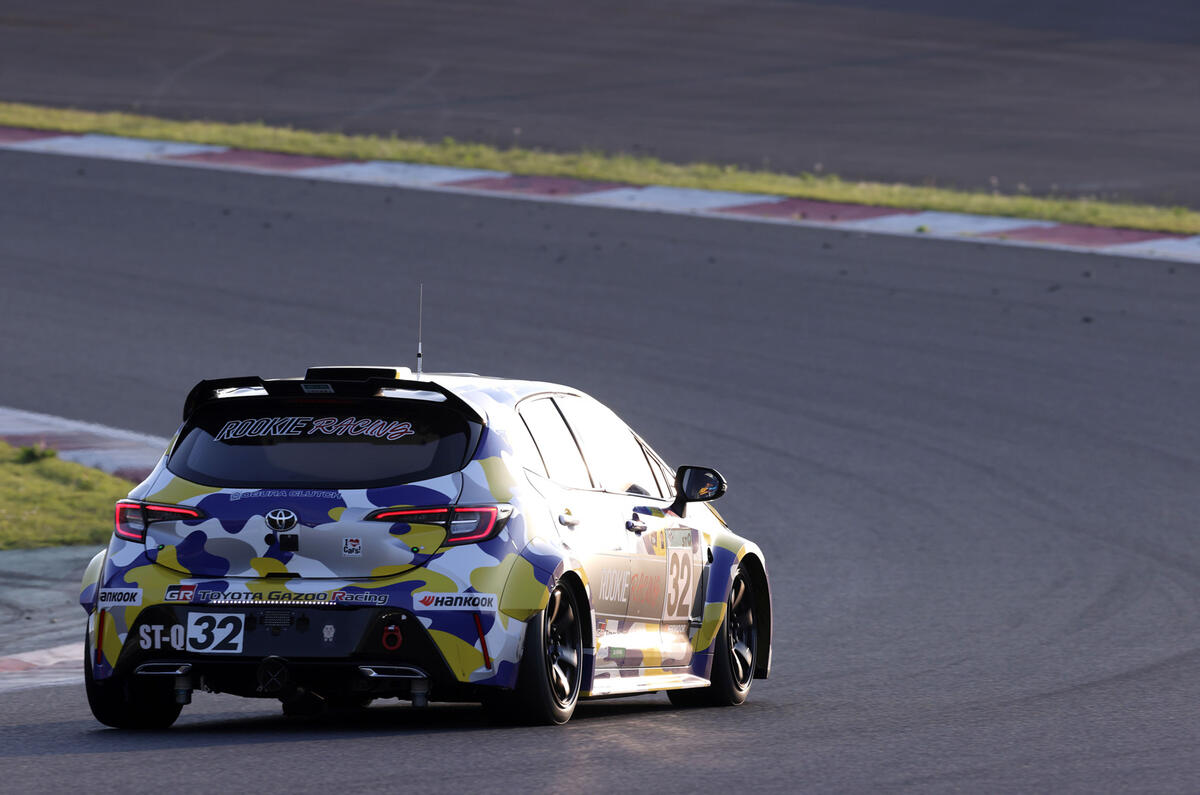
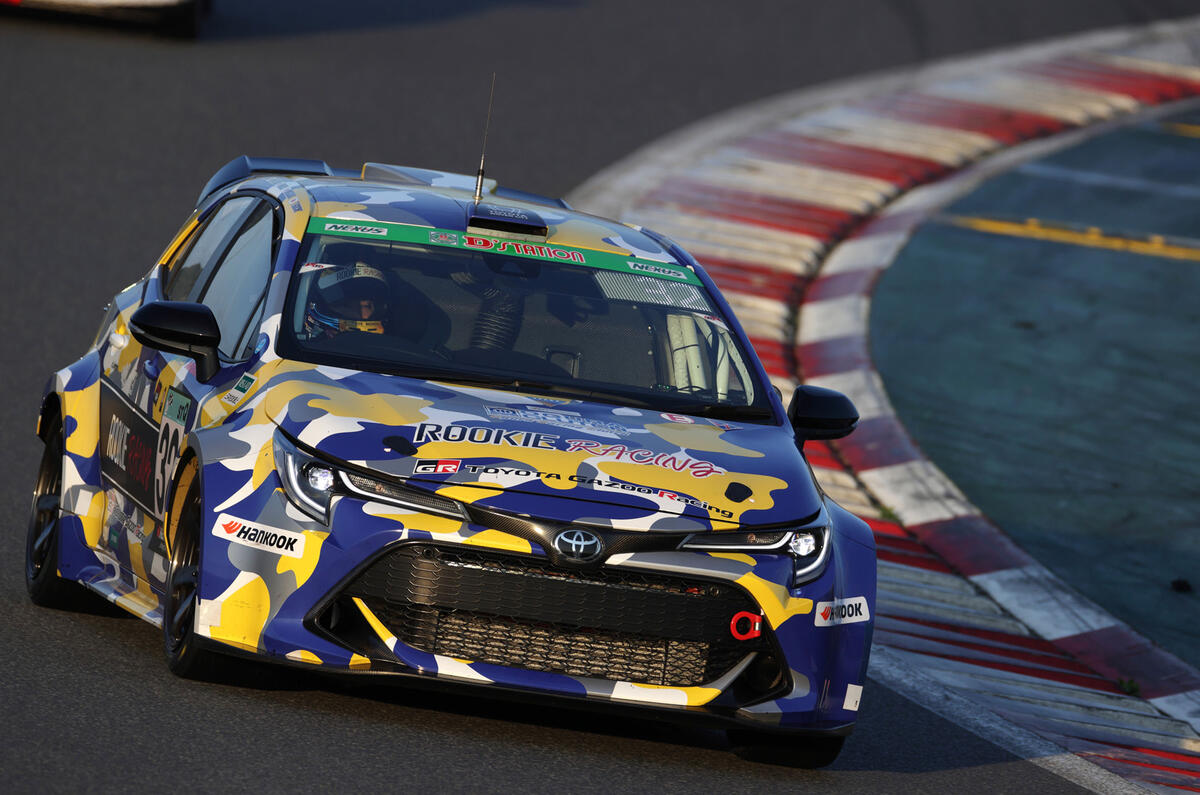
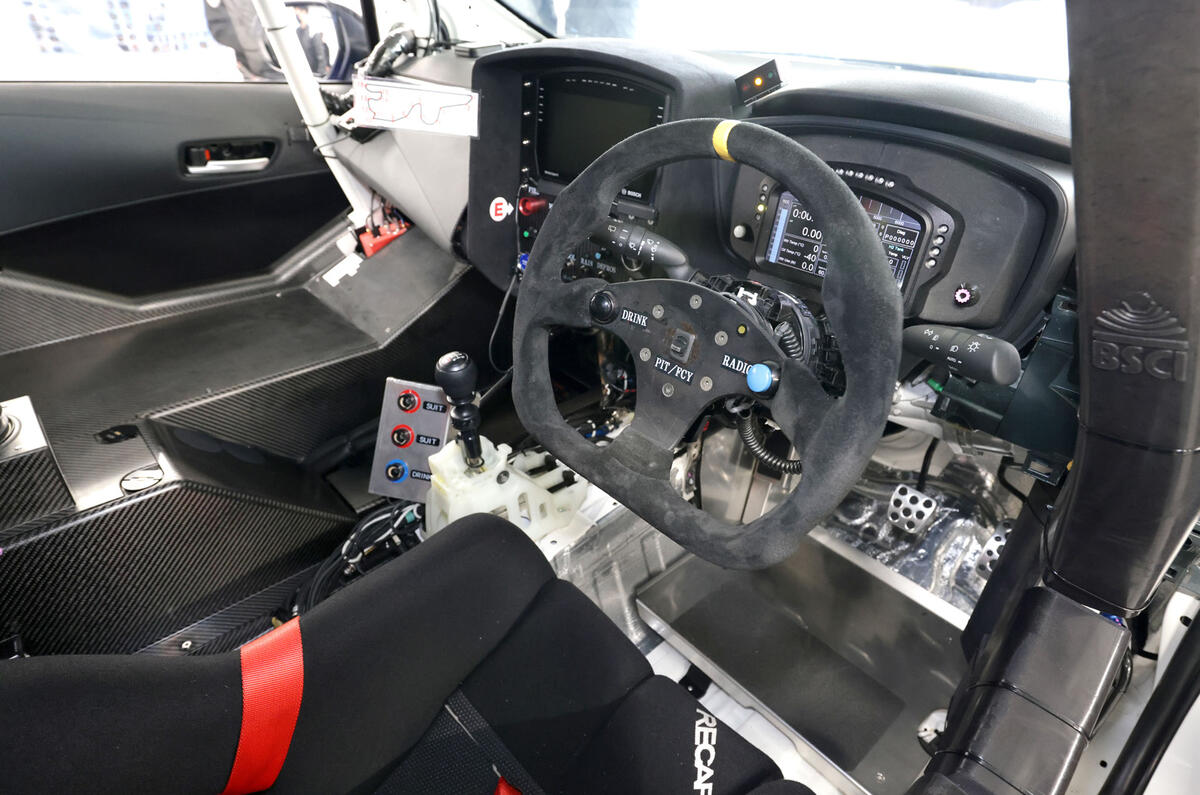
The Japanese firm recently entered a hydrogen-fuelled Toyota Corolla into a 24-hour endurance race at Fuji Speedway in Japan, using a lightly modified version of the GR Yaris's 1.6-litre turbocharged three-cylinder engine as part of its trial programme.
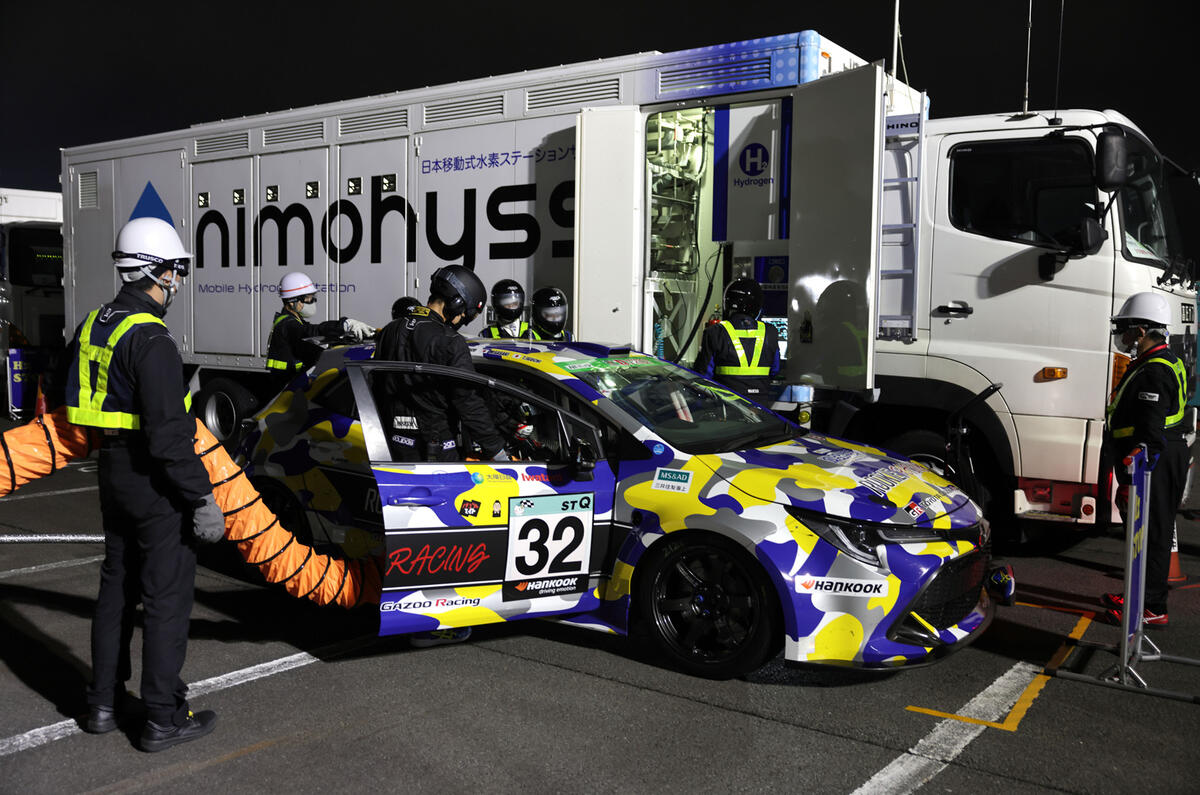
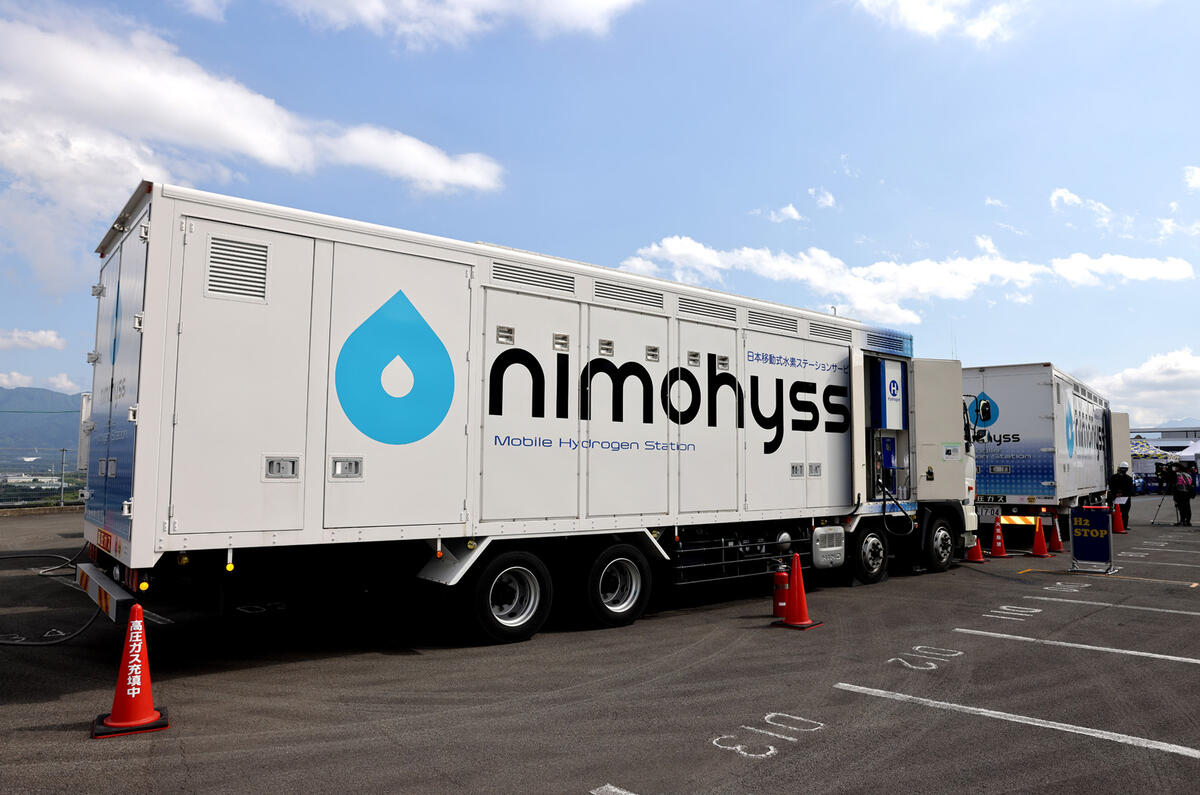
The race car spent just under half the race out on track, with the other 12 hours needed for repairs and hydrogen top-ups, but CEO Akio Toyoda claimed the event as a success, telling the Toyota Times: "It’s amazing that we completed the race… This means we ran over 1500km [932 miles], right?
"We faced many problems, but thanks to everyone’s hard effort, we completed the race with a car almost at a shakedown stage. I believe there were many findings because we made the car ready in time for this race."
Toyota's hydrogen powertrain development programme forms part of its ambitious strategy to reduce its vehicles' CO2 emissions by 90% by 2050, compared with 2010 levels.
The company already makes one of just two commercially available hydrogen-powered passenger cars, the Toyota Mirai, but the 24-hour endurance test shows potential for hydrogen cars to use more conventional powertrains in place of bespoke, electrified fuel cell (FCEV) set-ups.
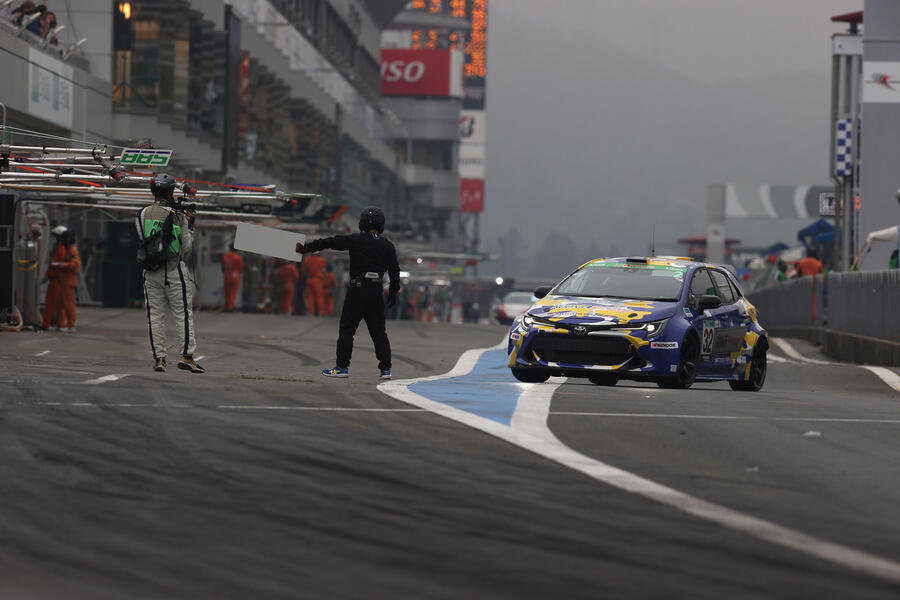
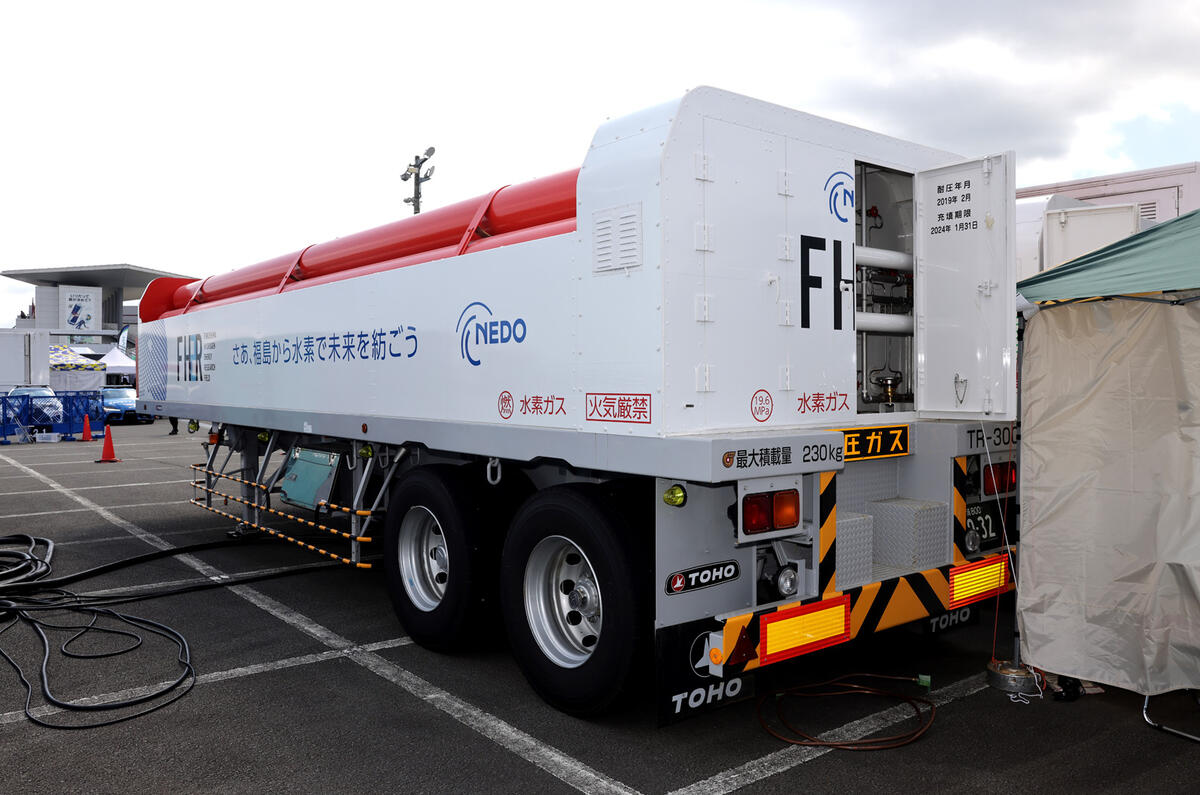
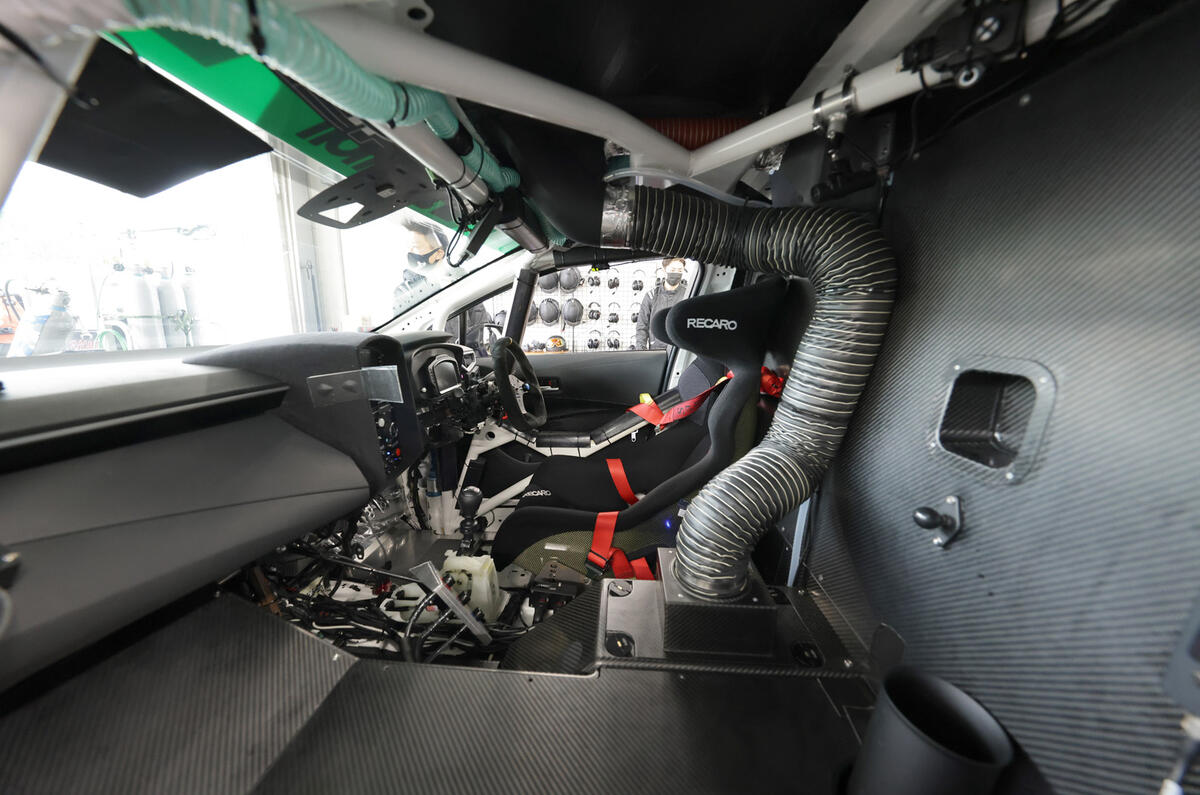
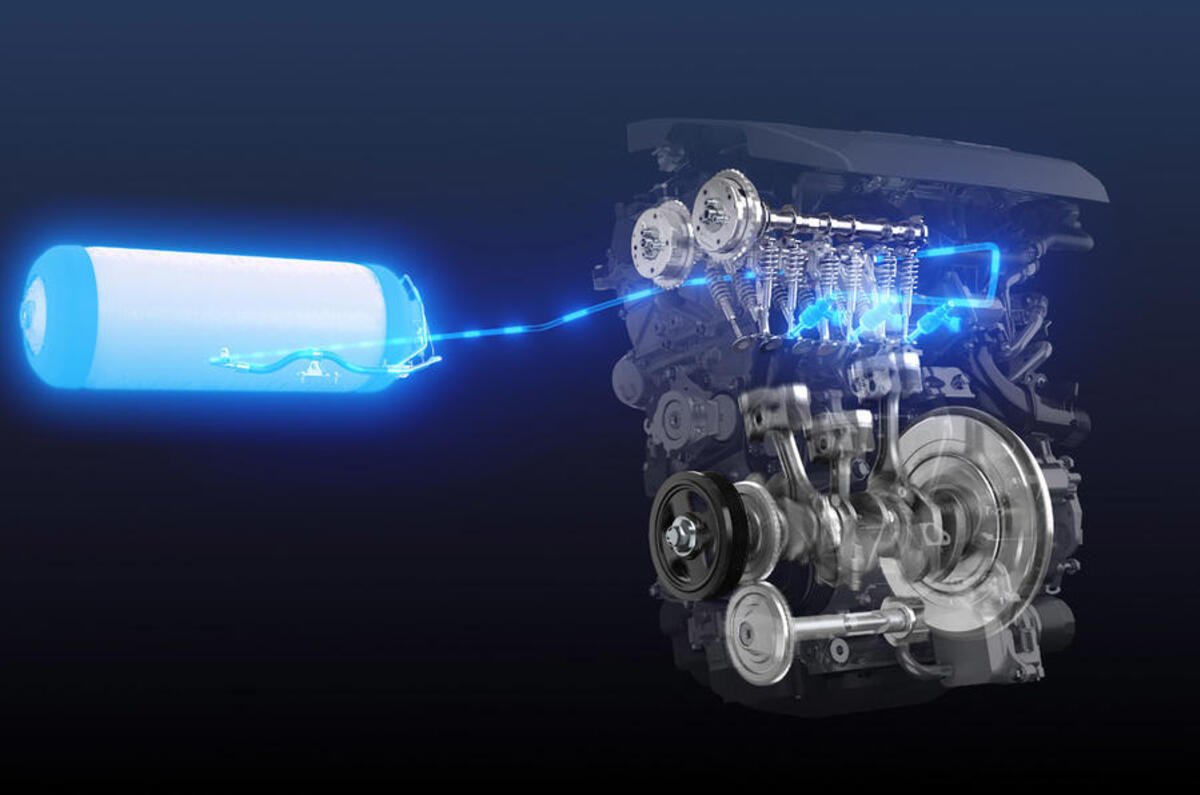
Toyota strived to use "the existing engine as much as possible" for the 24-hour race, changing only the fuel delivery system and spark plugs, while installing four hydrogen storage tanks and the associated piping from the Mirai.
Chief engineer for the project Naoyuki Sakamoto hinted at the commercial implications of the programme: "Toyota believes that our responsibility is to provide several options for each customer's situation. The purpose of this project is to study new options to go carbon neutral.
"We, as an industry, have been working on combustion engines, and accumulating knowledge and technology for many years. So it's a worth a try to use internal combustion engine technology for carbon neutrality."
Showcasing the potential for hydrogen combustion engines in a motorsport environment allows Toyota to "look through the issues" at a quicker pace than in traditional development cycles for production cars, Sakamoto said.
"Through the information and experiences that we gain in the races, we can then have an understanding of what type of models of vehicles we should be applying hydrogen-powered engines on," he added.