Currently reading: The greatest Ferraris ever tested by Autocar

In 2017 Ferrari marks its 70th birthday. We look back it its greatest cars, and what we said about them at the time

It was on 12 March 1947 that the first Ferrari roared into life, but few at the time could ever have realised what the Maranello-based brand would become.

In the intervening 70 years Ferrari has created one incredible car after another and it’s the only constructor that has competed in Formula One since the first race at Silverstone in 1950. Here we delve into the Autocar archives to chart seven decades of automotive brilliance.


Ferrari 212 two-seater (1951)
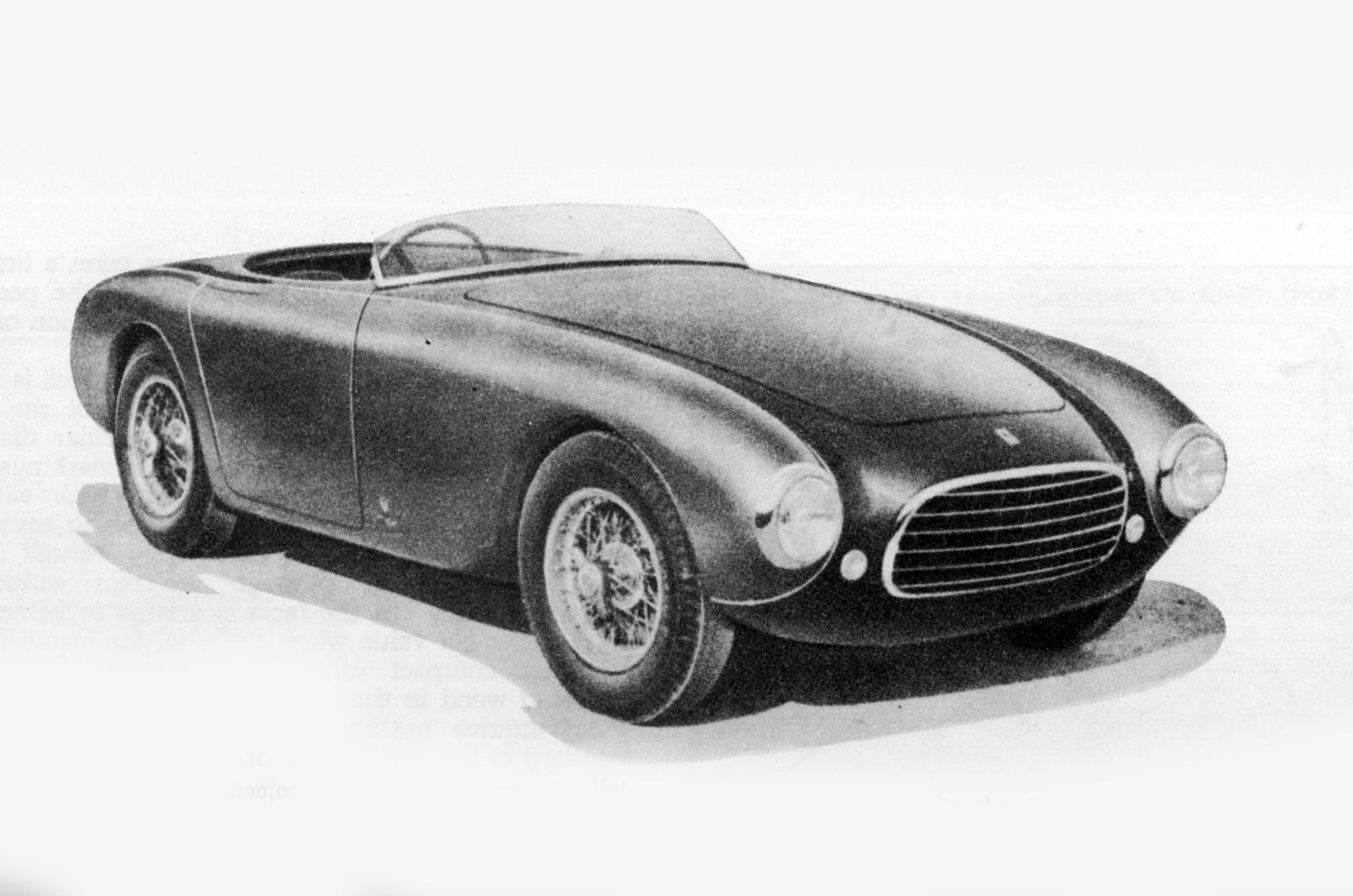
Ferrari 212 two-seater (1951)

We wrote about the 166 in 1949, but Autocar's first Ferrari test drive came in 1951. Priced at £3,200 (US$9,000) at a time when the average UK home was worth £2,100 and the same in America was $9,000, the 212 featured a front-mounted 2562cc V12 and a five-speed gearbox to give 0-80mph in 16.2 seconds. With just 400km on the clock we were restricted to just 6,500rpm – but our testers still got 120mph out of it.We said: “It would be easy to describe the Ferrari as a racing car with sports bodywork, but this would not do justice to its extraordinary docility and perfect road manners. It brings tumbling forth the superlatives which a cautious tester tries to keep in reserve for the really great occasion”.


Ferrari 250 GT 2+2 (1960)
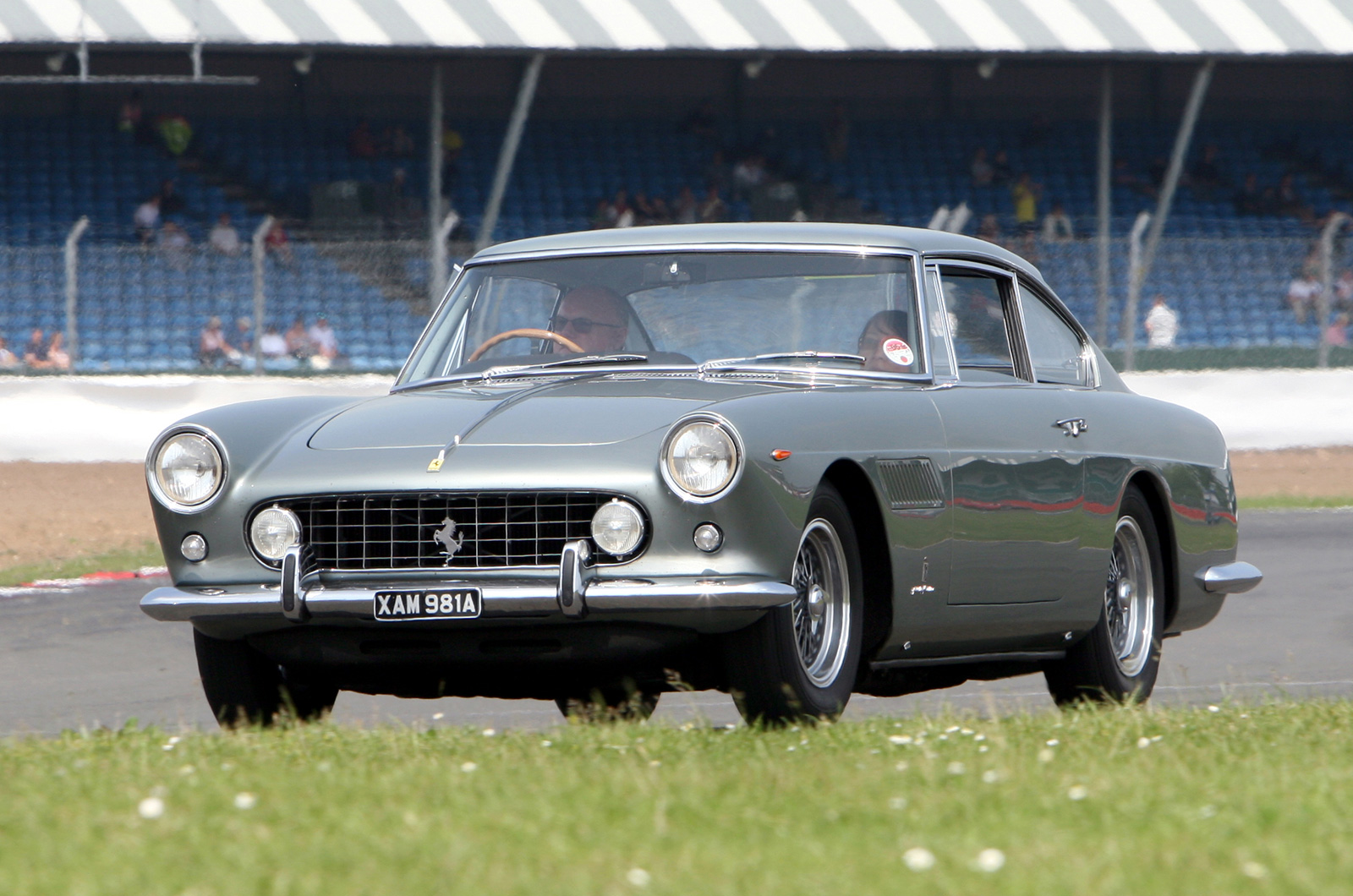
Ferrari 250 GT 2+2 (1960)

Launched in 1960, this was the first genuine four-seater Ferrari even though its predecessors were sold as 2+2s. The 250’s 2953cc V12 produced 240bhp – enough to take the car to 137mph when most family cars struggled to reach half that comfortably.We said: “Ferrari started in racing and thus knows all the tricks of providing performance allied to precision and safety in handling. When it was decided to market expensive grand touring cars it was realised that performance alone was not enough, for it must be combined with restful and comfortable travel, which the Ferrari certainly offers”.


Ferrari 250 GTO
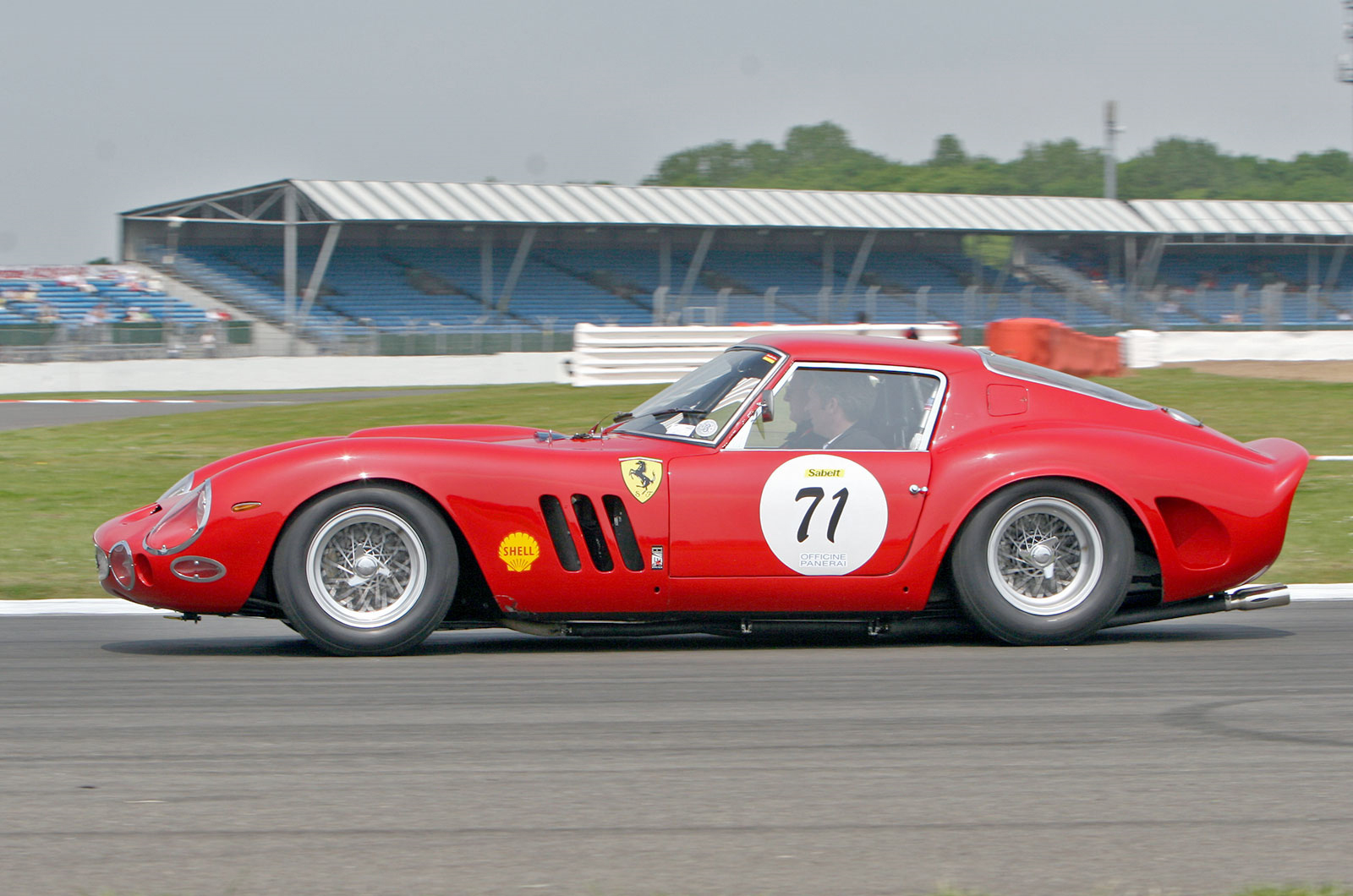
Ferrari 250 GTO

Built to race, the regulations said that at least 100 examples of the 250 GTO had to be built, but just 39 were actually delivered. Now these front-engined 300-hp V12s are among the most valuable collectors’ cars on the planet; one recently sold for $38.1 million (£29.5 million), and we didn’t get to drive one until 2012.We said: “The GTO is every bit as good as its reputation suggests... It is perhaps more important to decide whether it deserves its place as the brightest jewel in Ferrari’s impressively bling crown. Of those that have crossed my path and can be driven on the public road, it does, and by a greater margin than I could have possibly imagined”.


Ferrari 246 GT (1969)
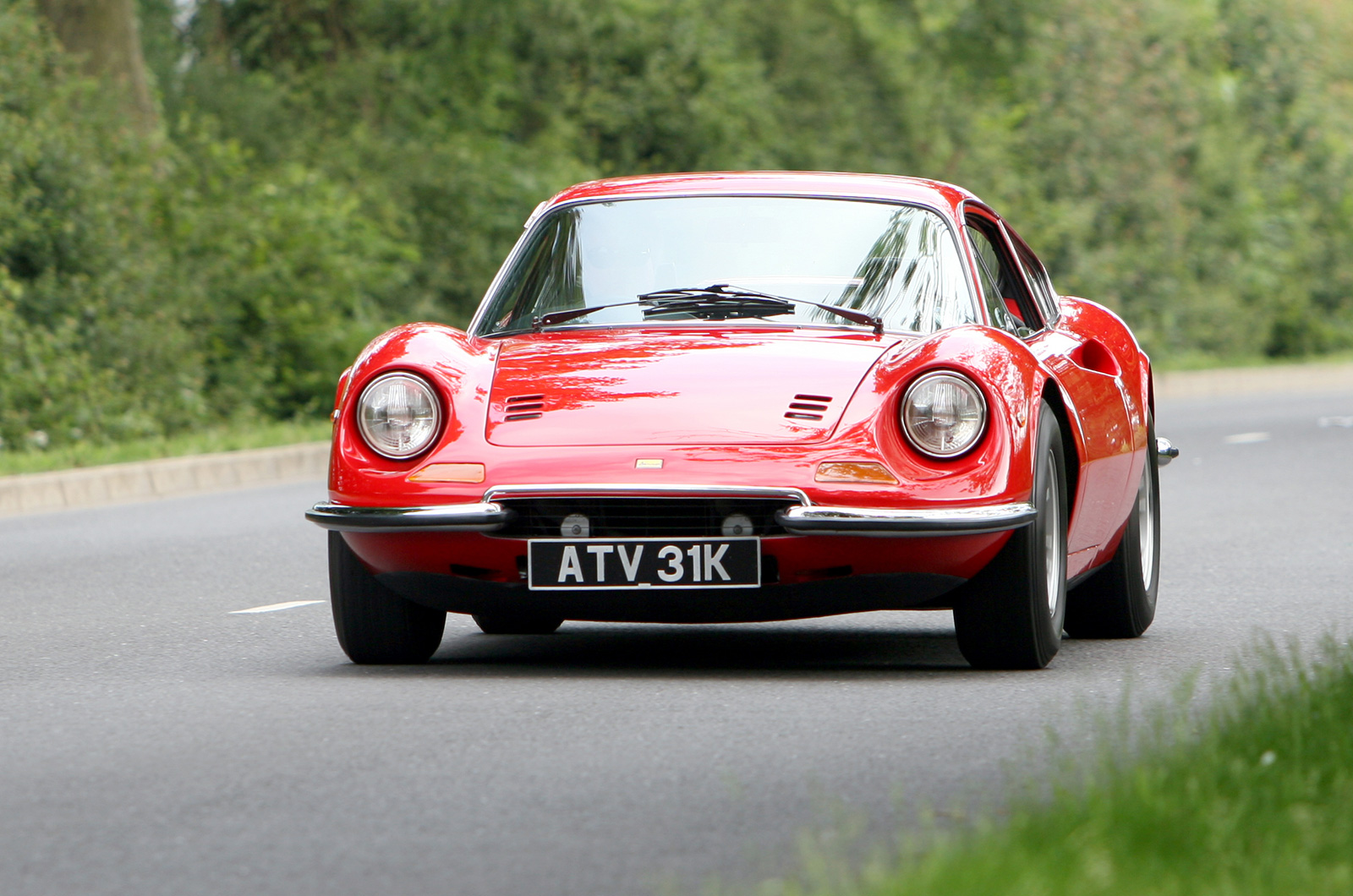
Ferrari 246 GT (1969)

Enzo Ferrari reckoned engines should sit in a car’s nose, so when his company built its first mid-engined sportscar it didn’t carry any prancing horse badges. Instead it was simply badged Dino, the nickname of his late son Alfredo, who had died in 1956 aged just 24. It was powered by a 2.4-litre V6, producing 192-hpWe said: “Few of its competitors can match its nimbleness, precision and looks, and even fewer are such an exhilarating and exuberant thrill to drive. The whole car seems to have been conceived and put together by people fully aware of the way it is meant to be driven. It does not deserve to go to any other sort of owner”.


Ferrari 365 GTB/4 ‘Daytona’ (1968)
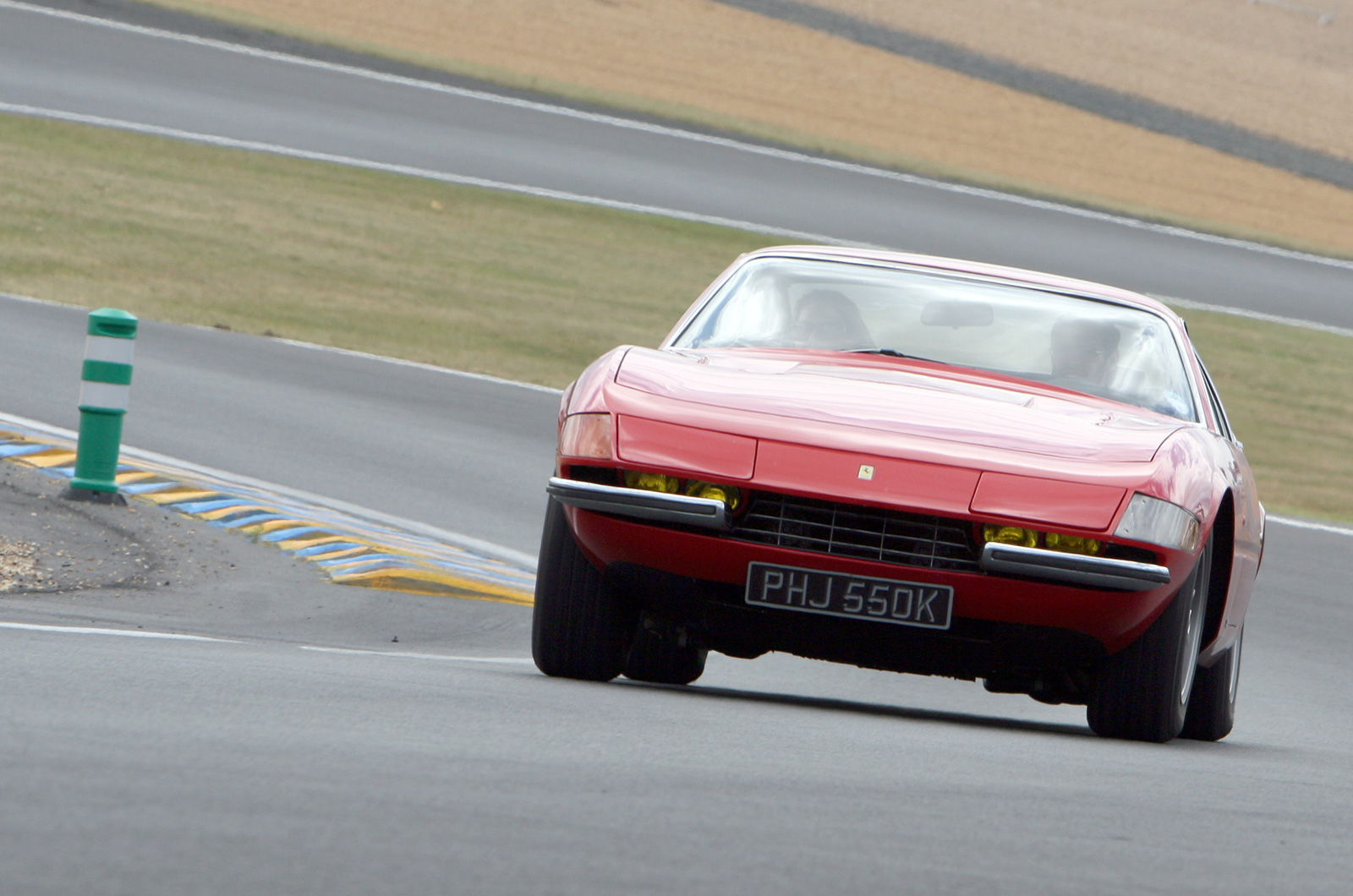
Ferrari 365 GTB/4 ‘Daytona’ (1968)

Ferrari introduced the 365 GTB/4 ‘Daytona’ in 1968, two years after the Lamborghini Miura made its debut with its mid-mounted V12. As such the 4.4-litre GT may have seemed like a dinosaur, but it was still a glorious machine, producing 352-hp and capable of 174mph.We said: “In addition to being possibly the world’s fastest production car, this Ferrari is an eminently practical vehicle. It is safe and solid, one can see out of it and one can carry one’s luggage in it. It would be presumptious of me to predict that it will become a classic – it is already that”.

Advertisement

Read our review

Car review

Can the turbocharged successor to the 458 raise the bar again, or have upstarts like the McLaren 650S and Honda NSX beaten it to the punch?

Back to top

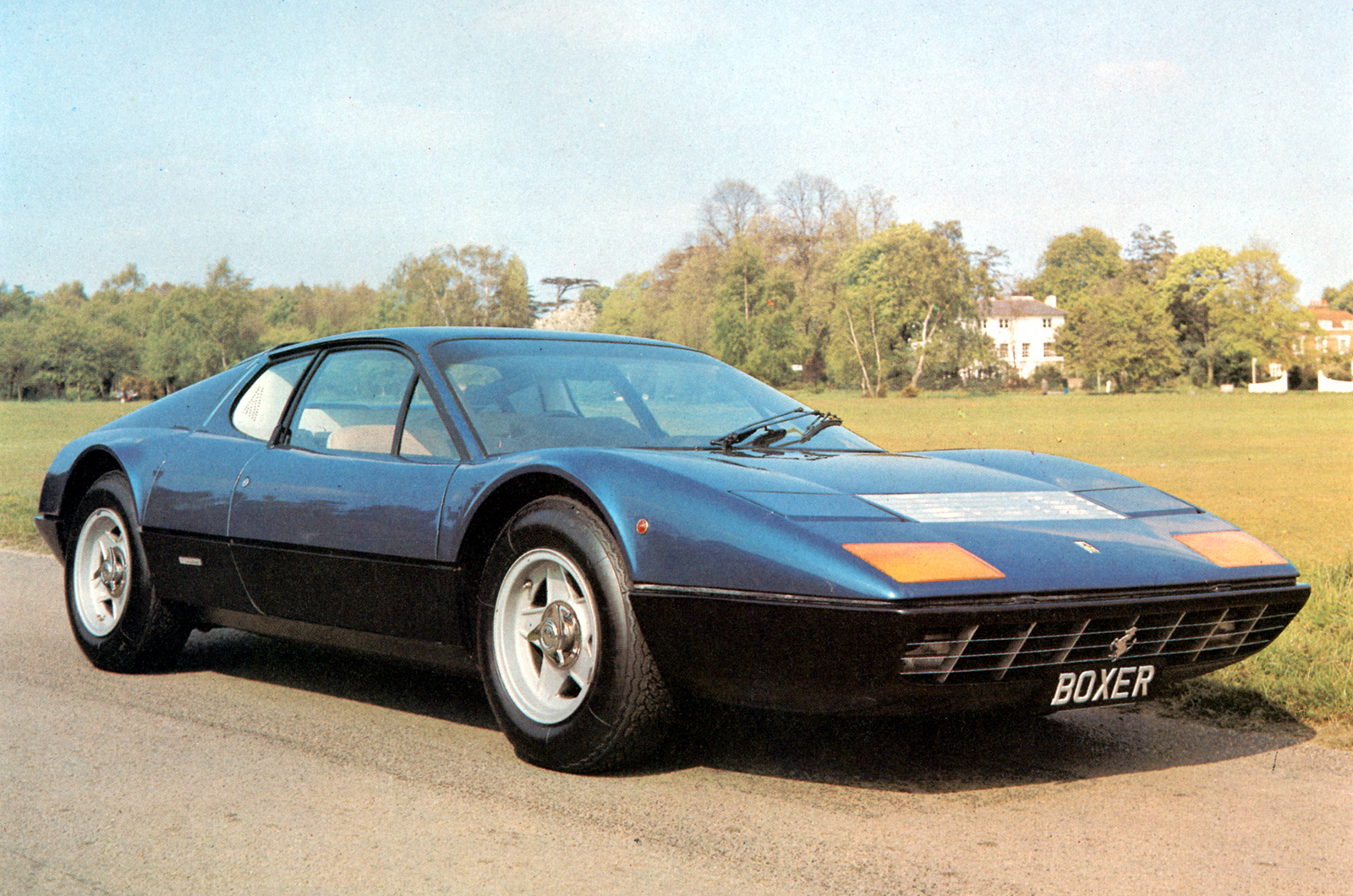
Ferrari 365 GT4 ‘Boxer’ (1974)

Ferrari 365 GT4 ‘Boxer’ (1974)

Top-level supercars were expected to wear their engines in the middle by the time the Boxer arrived in 1974. The 365 also ushered in a new era for Ferrari, which swapped from a V12 to a flat-12, to lower the centre of gravity. It produced 380-hp and went up to 188mph.We said: “So far as performance is concerned, any comment from me is superfluous. Without doubt, this is one of the fastest cars in production today: possibly the fastest. Has it managed to oust the Daytona from its pinnacle? Frankly, I don’t think so, if only because of its reduced practicality. Then, I must confess to feeling more at home in a front-engined car”.


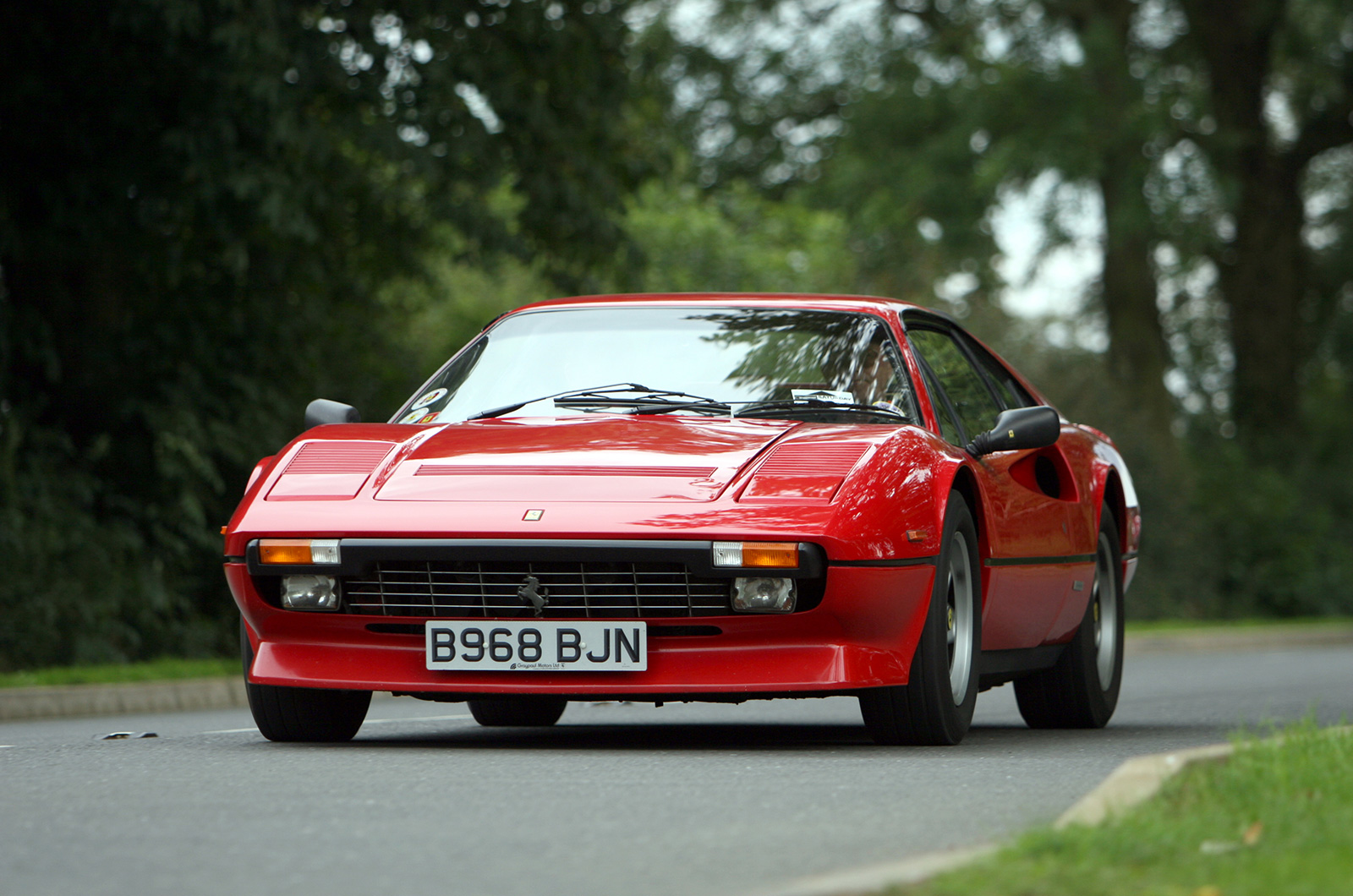
Ferrari 308 GTB (1976)

Ferrari 308 GTB (1976)

Ferrari’s first mid-engined V8 was the 308 GT4, designed by Bertone to seat four. It looked awkward then and it still does – but the antidote was the gorgeous 308 GTB, introduced in 1976. The first cars featured glassfibre bodyshells but production switched to steel in 1977.
Engines produced 252-hp in Europe, but emission controls reduced this to 237-hp in the US.We said: “All round, one is lost in admiration for the superb quality of the mechanical engineering, the standard of finish of the body and interior details, and the all-round efficiency. It is the best Ferrari we have yet driven”.


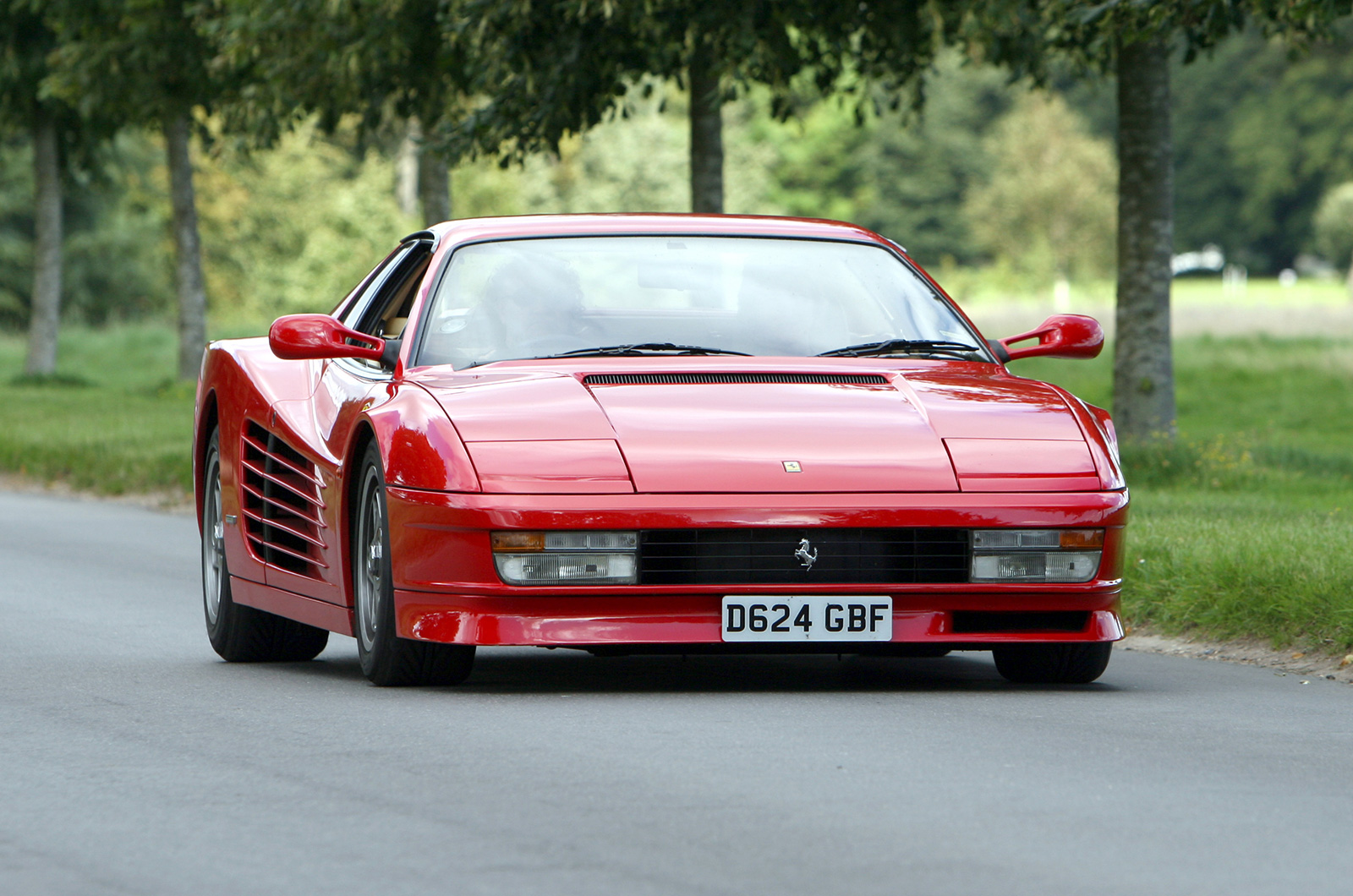
Ferrari Testarossa (1984)

Ferrari Testarossa (1984)

The Testarossa was pure eighties excess – it represented shoulder pads on wheels with its massive girth and those eye-popping strakes down its flanks. Marking a radical change of direction in Ferrari design, the mid-engined flat-12 cylinder 390-hp Testarossa would go on to sire the 512 TR and F512M.We said: “The Testarossa may not be the fastest or best handling of its breed but it emphatically remains one of the world’s truly great cars, powered by a mighty and charismatic engine likely to be remembered as one of the finest”.


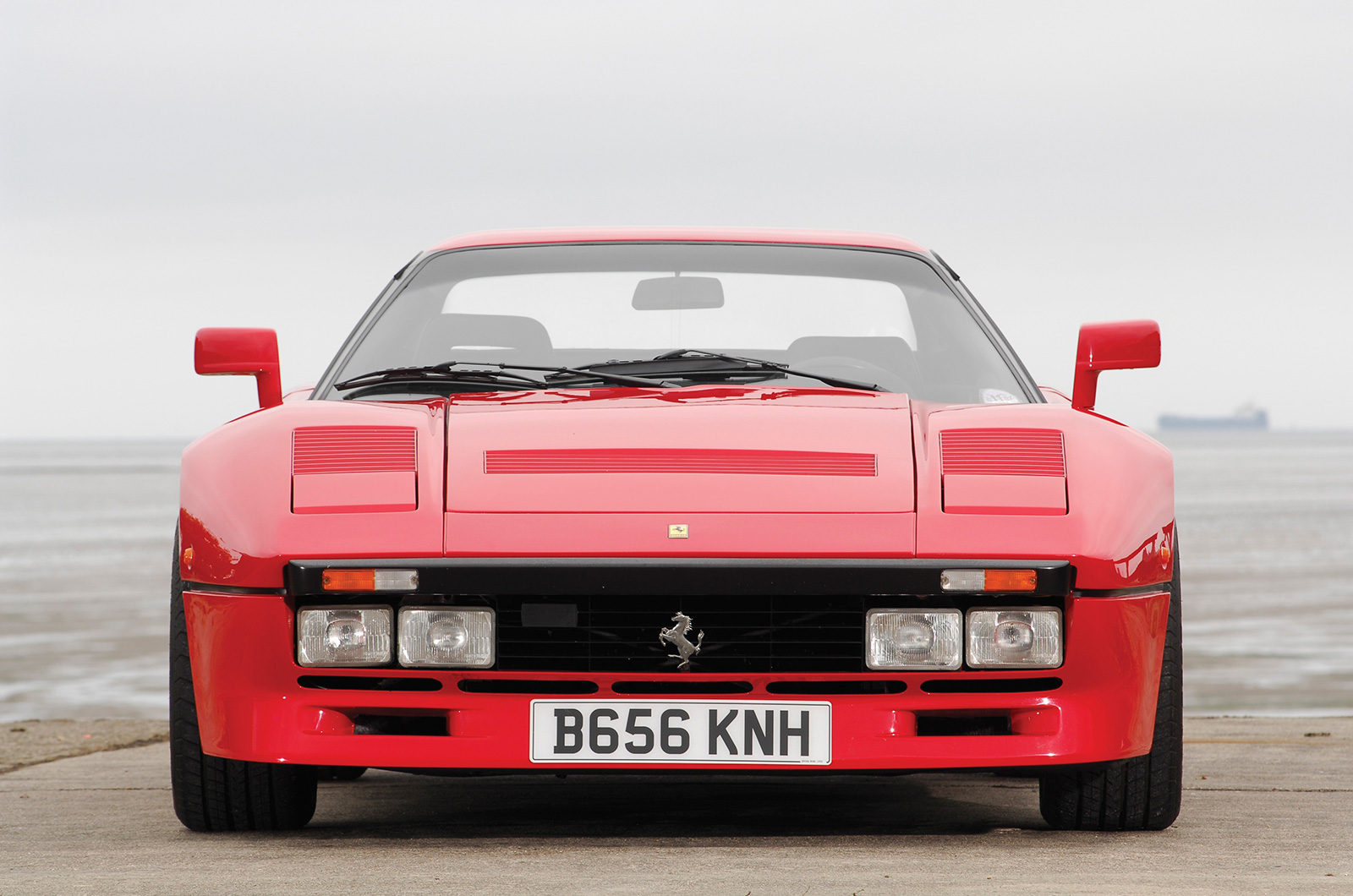
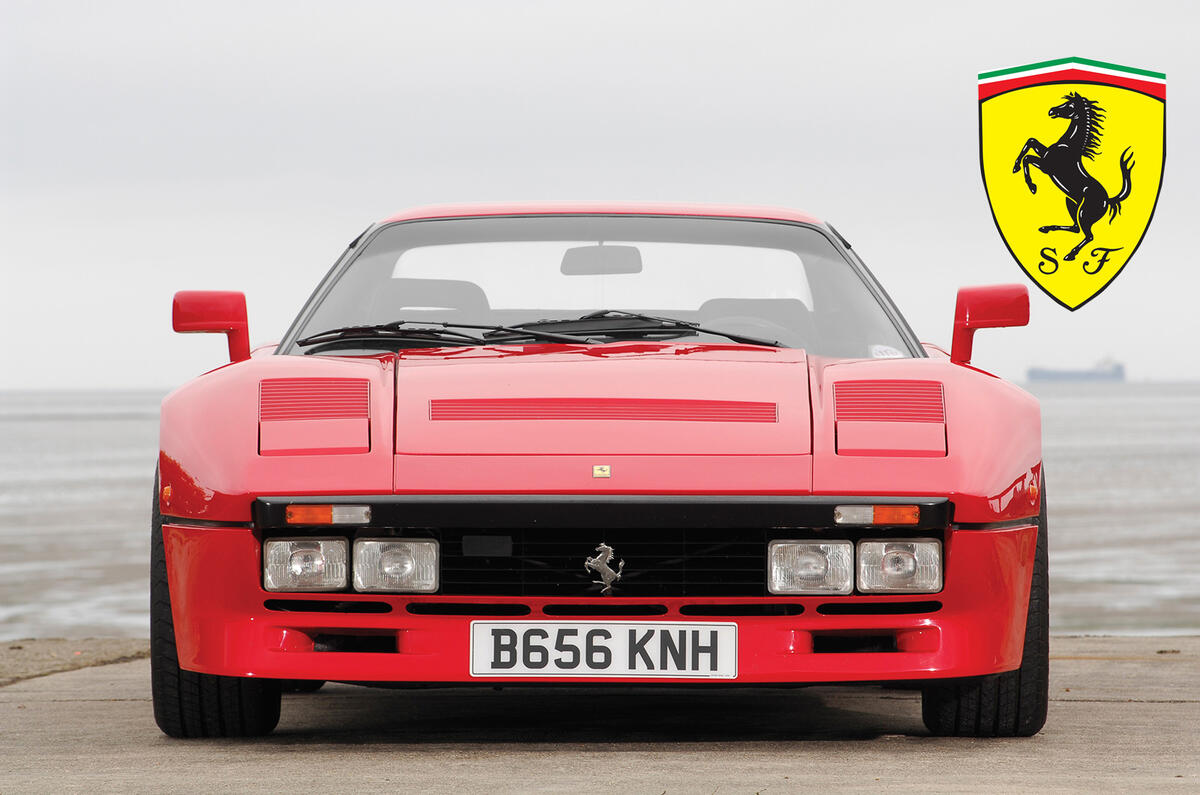
Ferrari 288 GTO (1984)

Ferrari 288 GTO (1984)

The 288 GTO featured a 2.9-litre mid-engined twin-turbo V8, generating 400-hp, a 0-62mph time of 5.0 seconds, off to a top speed of 189mph. It was in such demand that Ferrari didn’t even have a press demonstrator for us to try when it arrived in 1984. It would be another three years before we’d get the chance to put one through its paces, when we drove Niki Lauda’s car from Bologna to Salzburg.We said: “To drive the car at a reasonably civilised pace is not difficult but thrilling. Nothing is irritating, nothing is frightening. You never have the feeling you are dealing with a cross, hysterical machine which was only built to discourage you. The GTO is the spirit of a Ferrari”.

Back to top

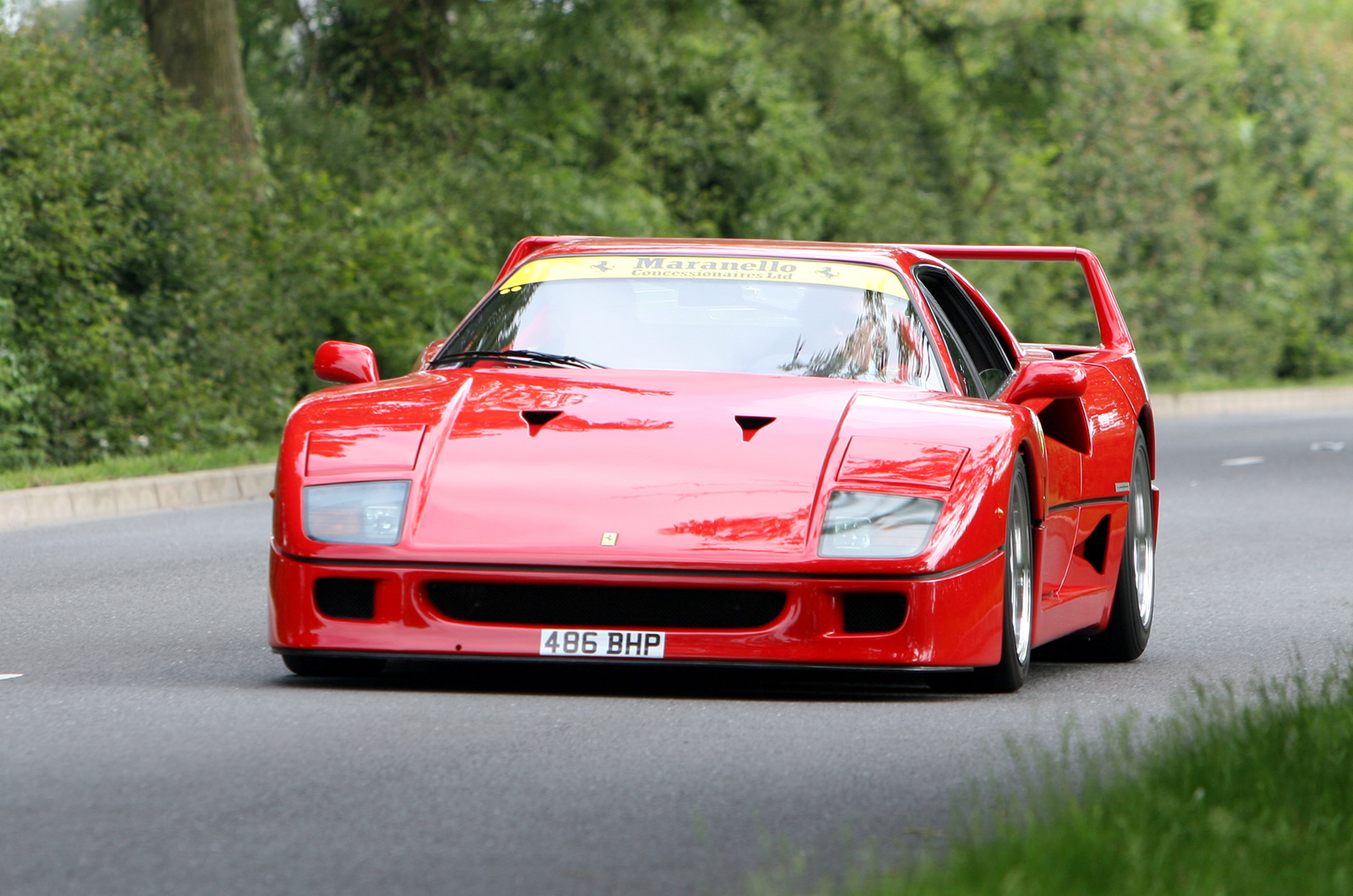
Ferrari F40 (1987)

Ferrari F40 (1987)

It weighed little more than a Golf GTi but it featured a twin-turbo V8 that put out a massive 478bhp and 425lb ft of torque. The F40 could hardly help but be thrilling.We said: “On a smooth road it is a scintillatingly fast car that is docile and charming in its nature; a car that is demanding but not difficult to drive, blessed as it is with massive grip and, even more importantly, superb balance and manners”.


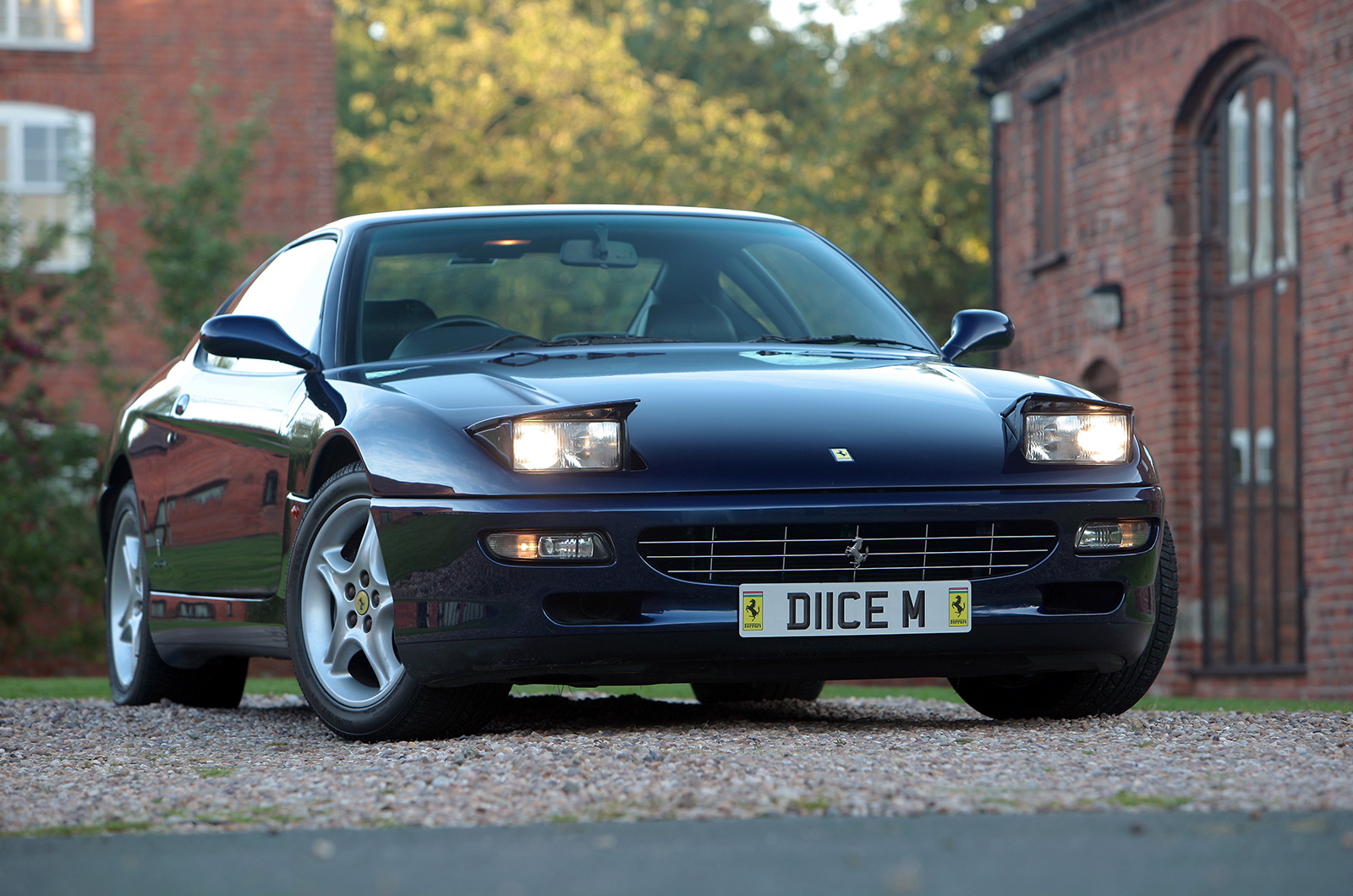
Ferrari 456 GT (1992)

Ferrari 456 GT (1992)

Launching a hugely expensive grand tourer into a recession isn’t something many car makers could pull off, but the magic of the prancing horse ensured the front-engined 5.5-litre V12 456 GT would be another hit for its maker. It produced 436-hp and its 188mph top seed made it the world's fastest four-seater car in its day.We said: “In the 456, Ferrari has rediscovered, even redefined, the GT class in a car that delivers incredible refinement with levels of performance, handling, roadholding and, not least, all the excitement you could ever anticipate”.


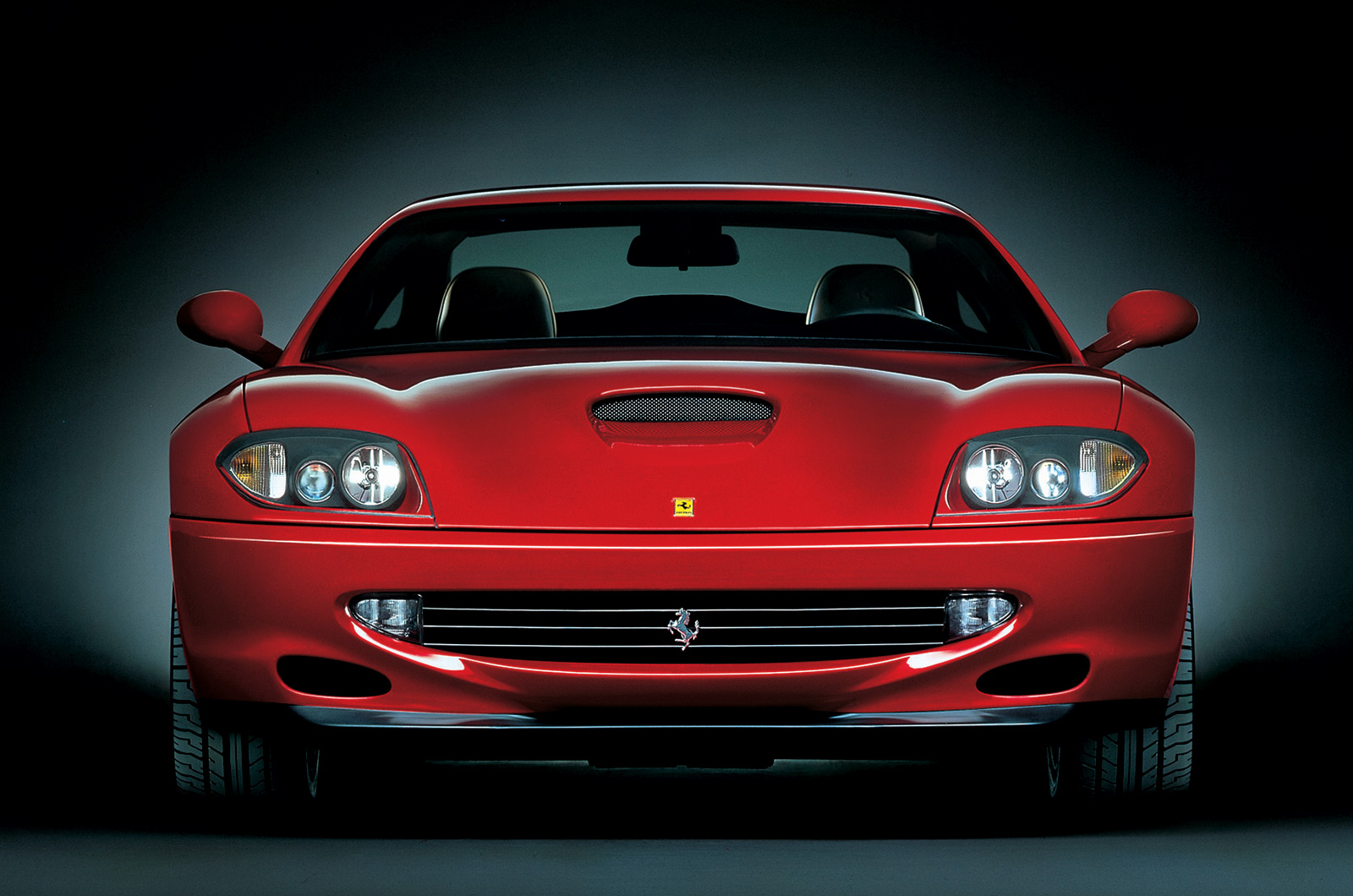
Ferrari 550 Maranello (1997)

Ferrari 550 Maranello (1997)

After more than two decades of mid-mounted flat-12s, Ferrari returned to a front-engined V12 for its flagship model, with the arrival of the 478-hp 550 Maranello in 1997. This would be developed to become the 575M – which in our view represented a retrograde step.We said: “For driving – and trying to judge against its time – I’d rate the 550M well ahead of the Daytona. The Daytona, for all of its speed and beauty, showed that a mid-engined successor was necessary. The 550 shows that it is not”.


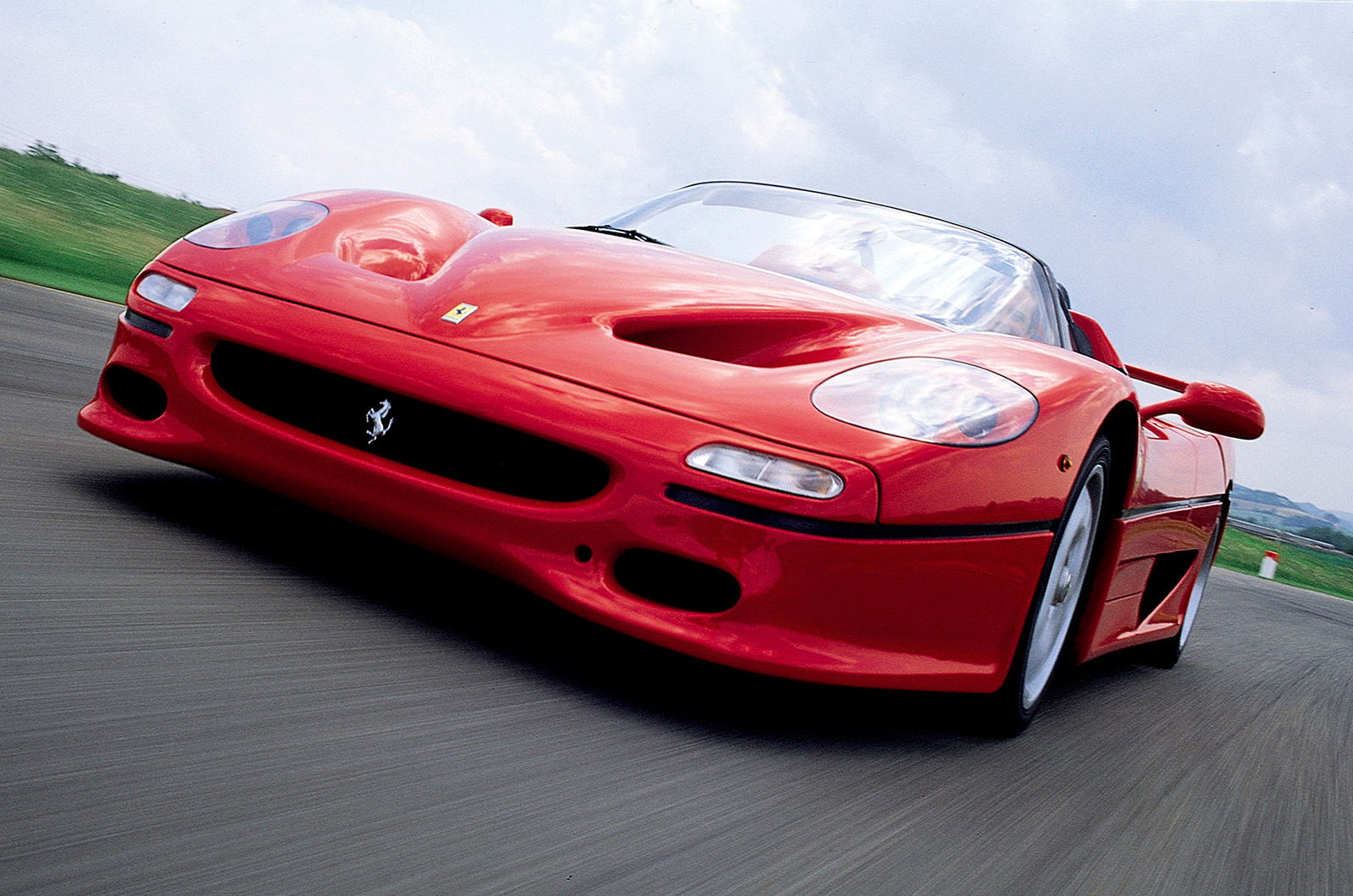
Ferrari f50 (1995)

Ferrari f50 (1995)

Coming up with a sequel to the F40 was always going to be tough, but instead of coming up with more of the same, Ferrari went in a different direction. It featured a 513-hp 4.7-litre mid-engined naturally aspirated 60-valve V12 derived from the 3.5-litre V12 used in the 1990 Ferrari 641 Formula 1 car. It was less frenetic than the F40 but still ludicrously fast, delivering 0-60mph in 3.8-sec and a top speed of 202mph.We said: “The glory of the F50 is that it can embody the grand prix experience while still being the 200mph model that any half-competent driver can truly punt with huge pleasure and complete confidence”.

Back to top

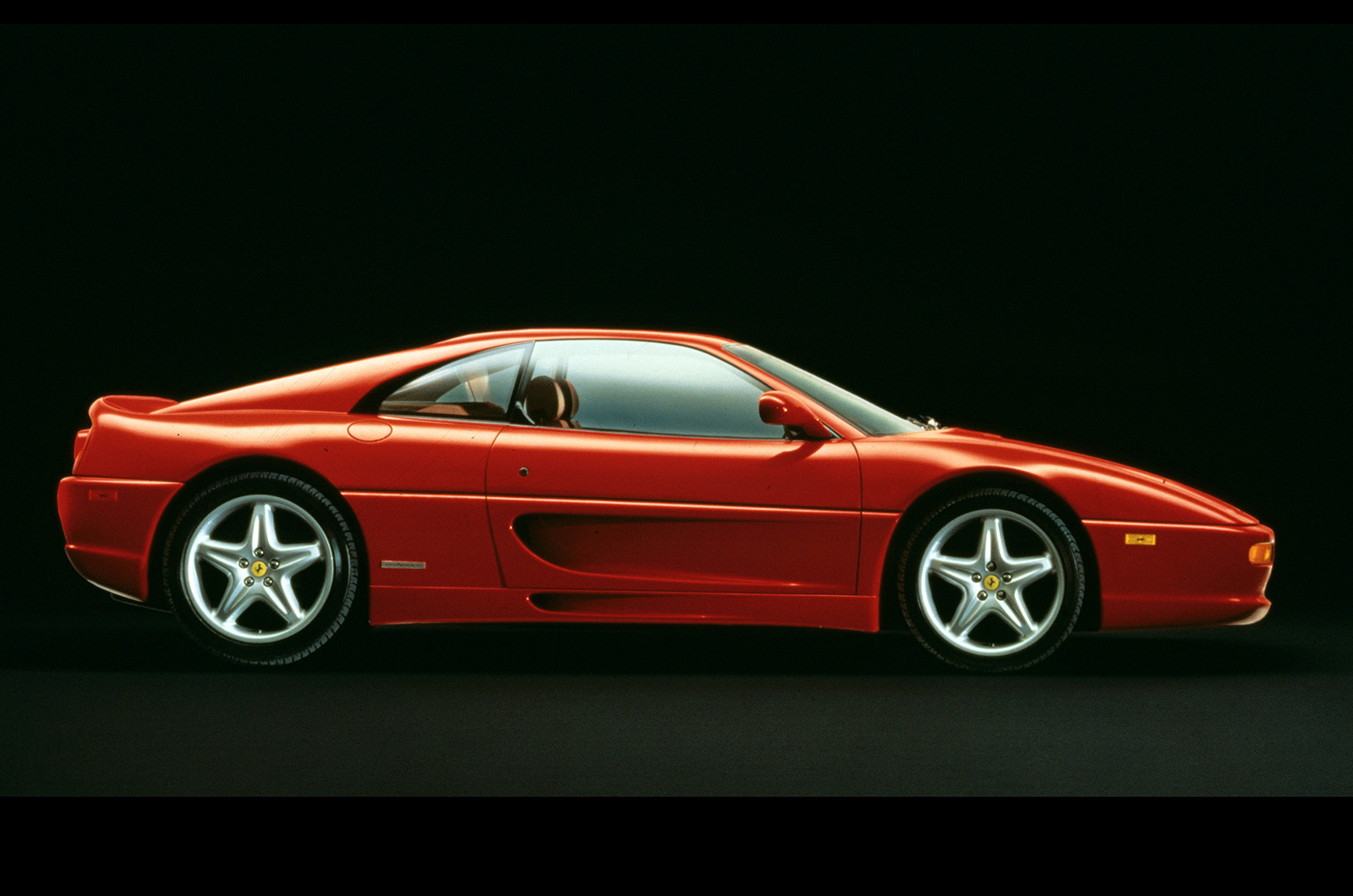
Ferrari F355 (1994)

Ferrari F355 (1994)

We didn’t like the 348 all that much, so when it was replaced by the F355 in 1994 we hoped that Ferrari had come up with something special. Those hopes weren’t misplaced; a 375-hp V8 with five valves per cylinder was just the start of a delicious package.We said: “It’s flawed for sure, but when was any Ferrari ever perfect? What matters most is that it’s a fine car. If, like me, you worried that Ferrari might be losing its grip, the F355 is here to tell you otherwise. Ferrari is back and every motoring enthusiast should thank heaven for that”.


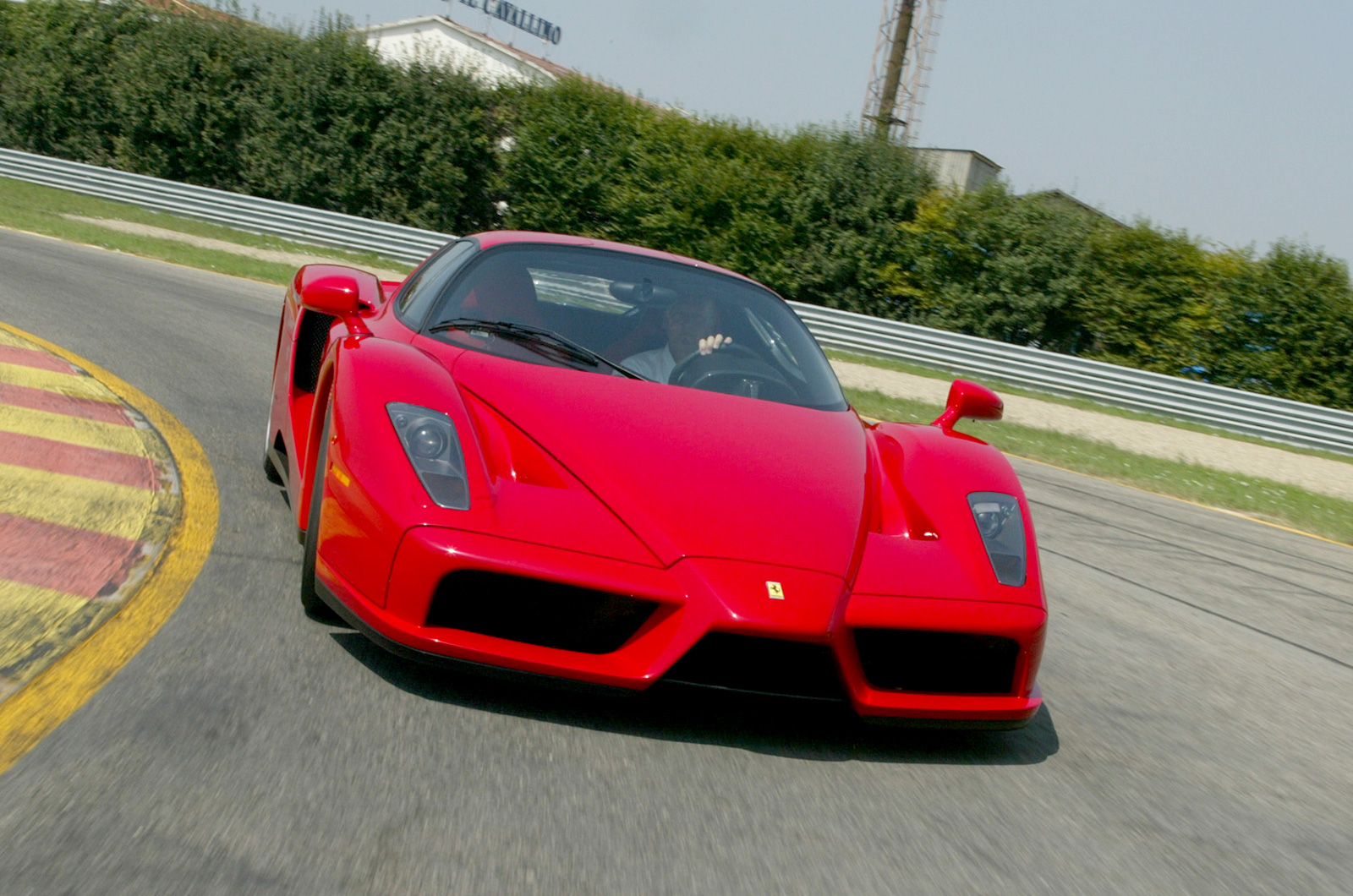
Ferrari Enzo (2002)

Ferrari Enzo (2002)

Any car to wear such an illustrious name had to be pretty spectacular and the mid-engined 6.0-litre 660bhp V12 Enzo didn’t disappoint. The first production car to be fitted with ceramic brakes, the Enzo’s development benefited heavily from Michael Schumacher’s involvement.We said: “The engine power doesn’t feel enormous because there’s no real second step to the punch. Great gobfuls of torque from low down mean the acceleration is constant all the way: constantly awesome that is”.


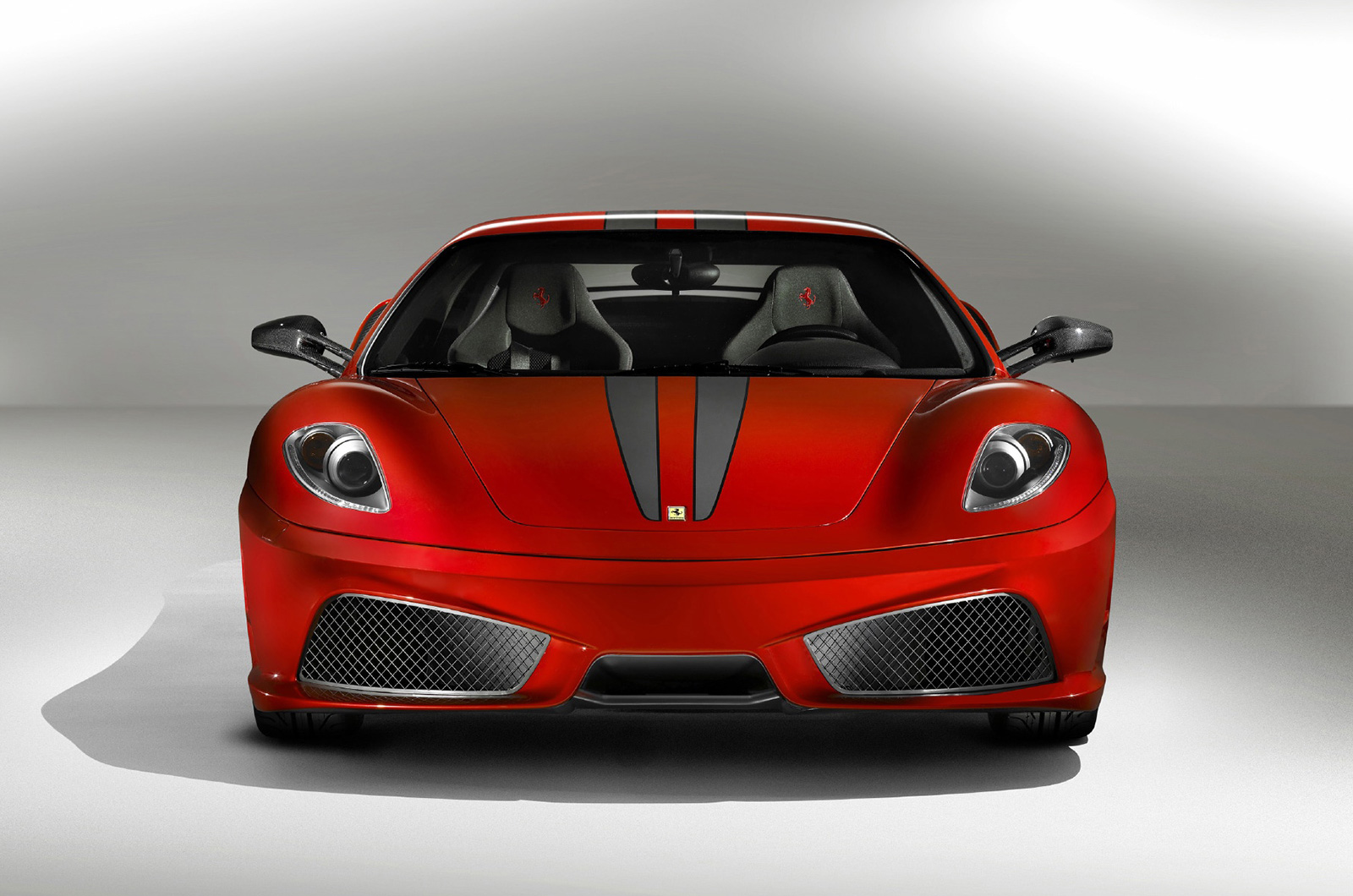
430 Scuderia (2007)

430 Scuderia (2007)

The F430 represented a bigger leap over the 360M than we expected – especially as the two cars looked so similar. But the Scuderia took things to a whole new level, with F1 tech turning the F430 into one of the best cars we’d ever driven; it was 100kg lighter than the F430, but had 20 more horses, to 510-hp.We said: “Even if they don’t win the F1 driver’s championship this year, 2007 will be remembered as a vintage year for the company because of this car”.


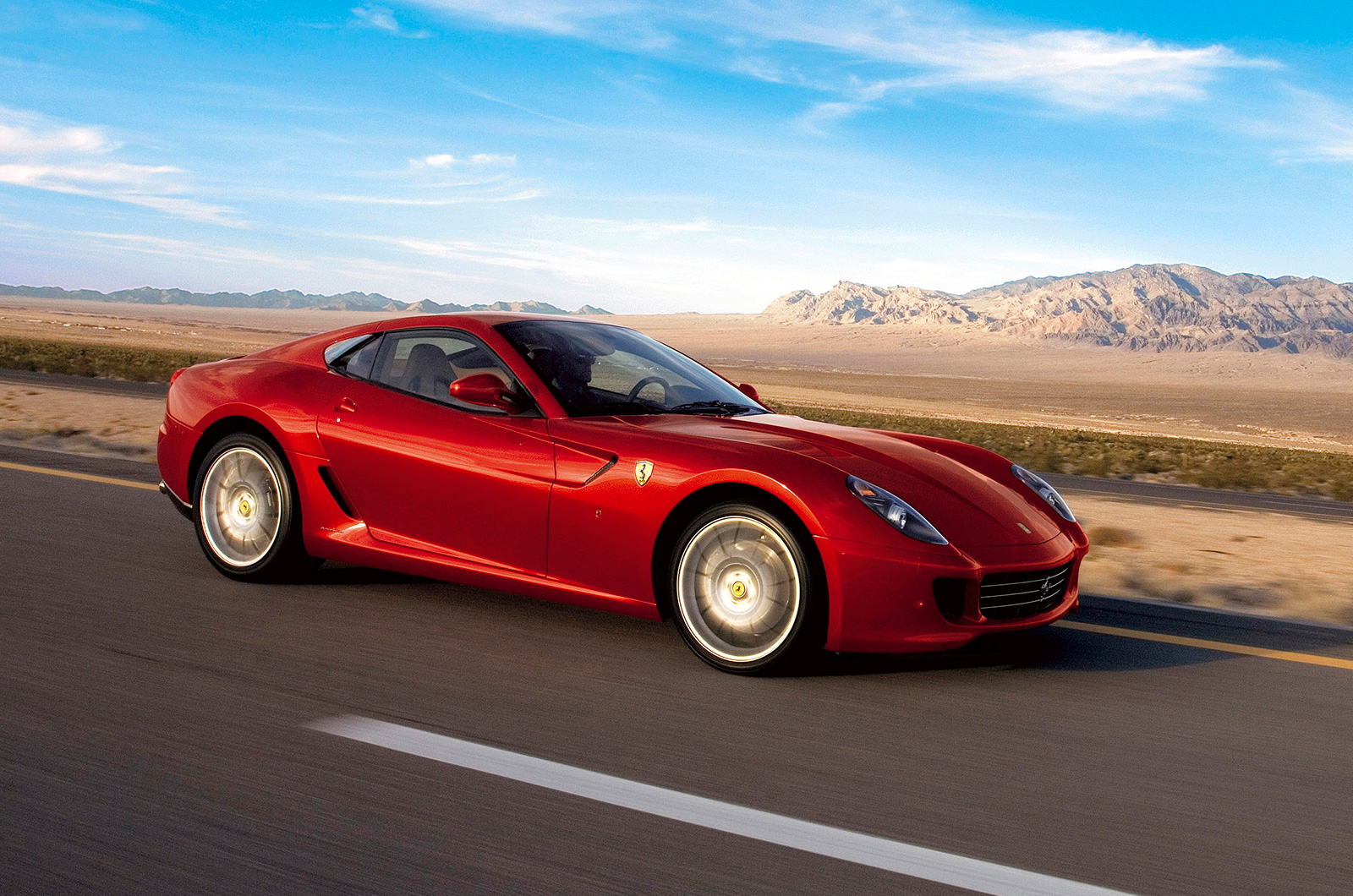
Ferrari 599 GTB (2006)

Ferrari 599 GTB (2006)

Ferrari took criticism of the 575M to heart and came up with a 612-hp V12 GT so magnificent that we couldn’t help but be blown away by it.We said: “There are faster cars on sale, more expensive and more glamorous machines, but the Ferrari 599 GTB Fiorano is currently the most complete GT ever conceived.


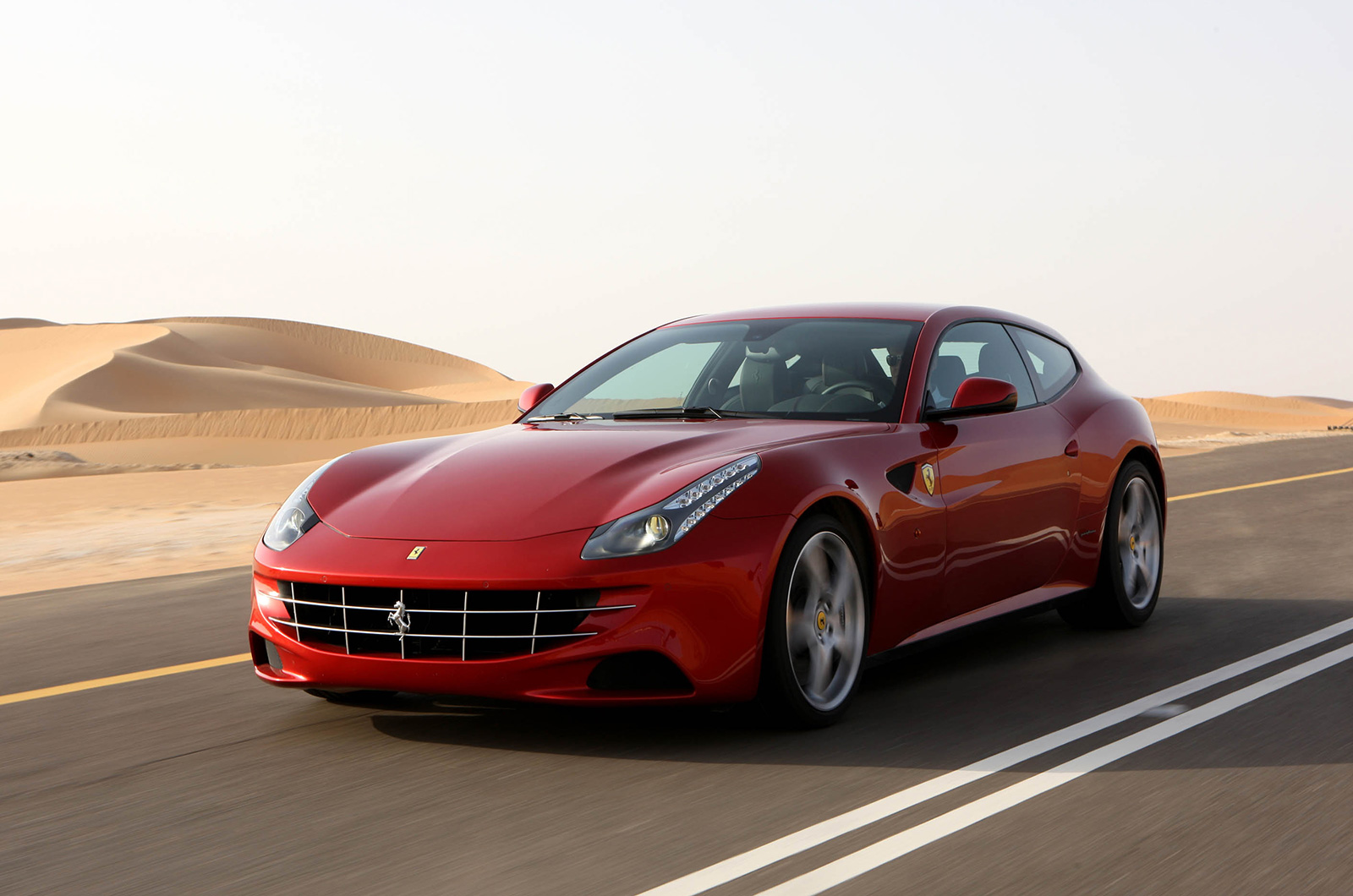
Ferrari FF (2011)

Ferrari FF (2011)

Back to top

A four-wheel drive shooting brake with Ferrari badges? What fresh madness is this? Actually – and unsurprisingly – this 6.3-litre V12 grand tourer worked pretty well. And when the FF morphed into the GTC4Lusso it became even better.We said: “For some the FF may be too big, too heavy, and with its four-wheel-drive safety catch, even too conservative to offer a proper Ferrari fix. Others may find it too noisy and punishingly raw for high-end grand touring. But for those in-between, those willing to compromise slightly at either end and also not yield to inclement weather, the FF could be the compelling purchase of a lifetime.”


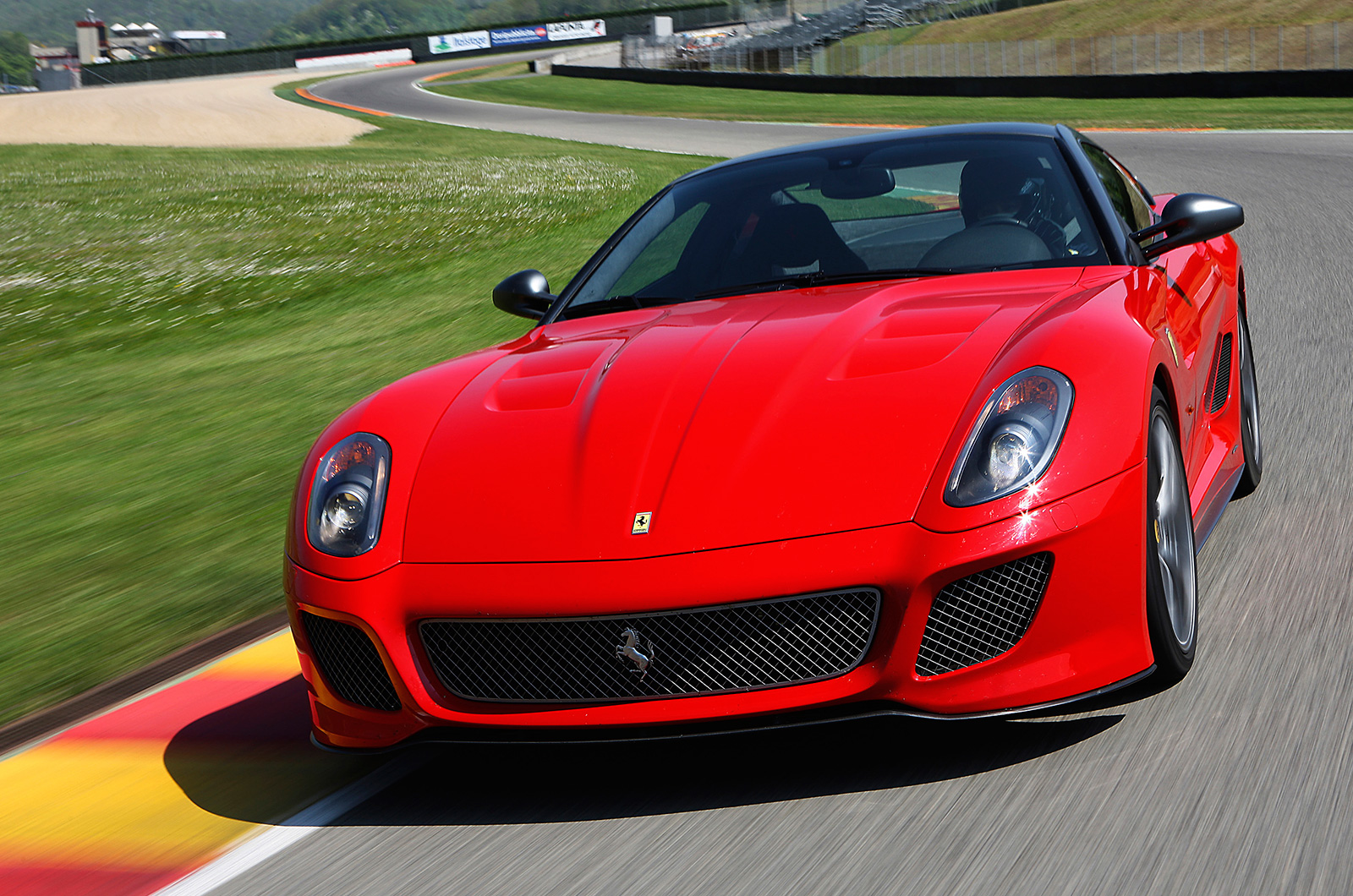
Ferrari 599 GTO (2011)

Ferrari 599 GTO (2011)

The 599 GTB may have been astonishingly good but that didn’t stop Ferrari from developing it into something worthy of the hallowed GTO badge – for only the third time in its history. 661-hp is on offer, able to deliver a top speed of 208mph.We said: “This is a genuine landmark car for Ferrari, and as such it deserves all the success it has already achieved. It’s also a bona fide addition to the GTO family, make absolutely no mistake about that”.


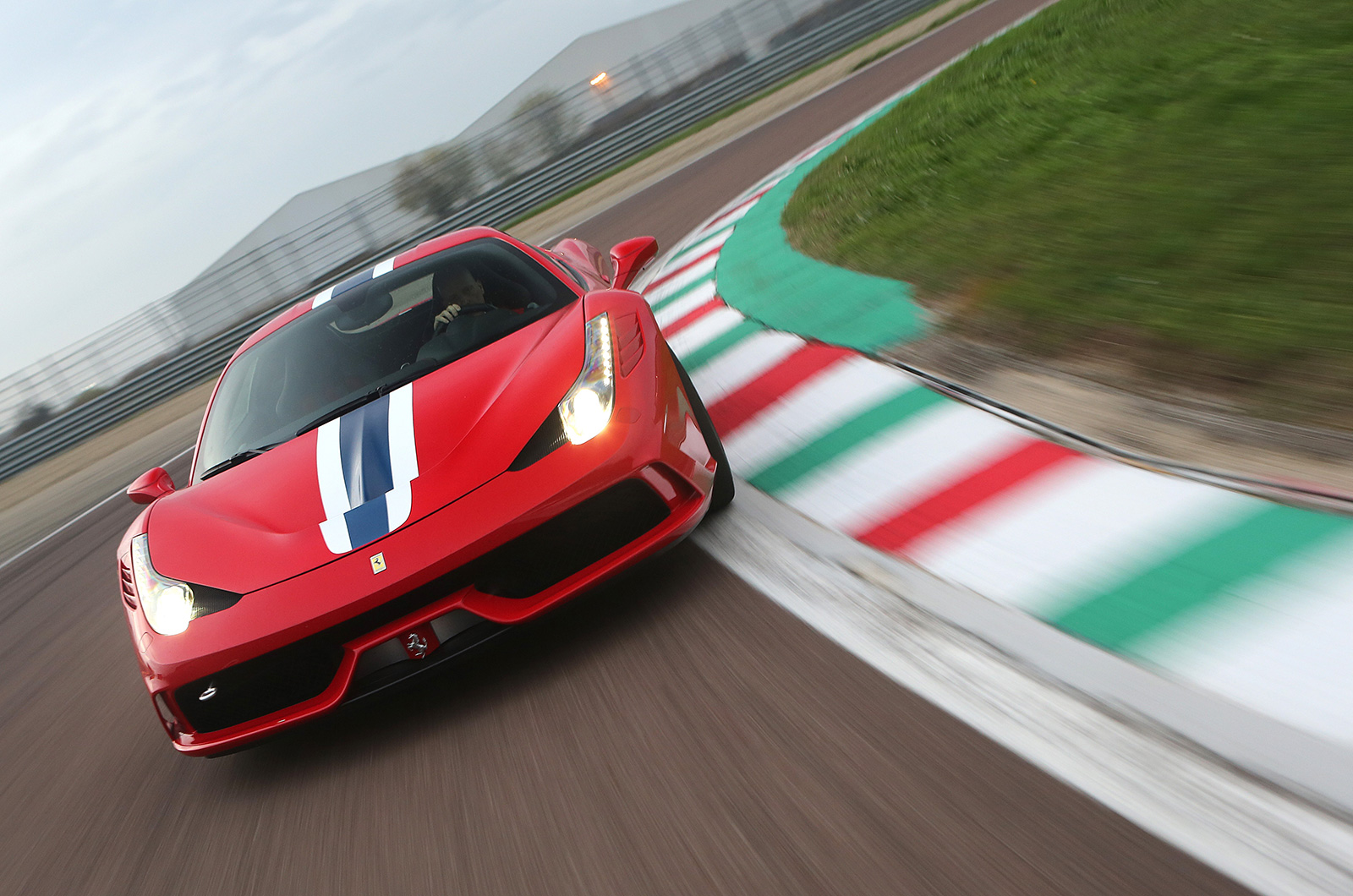
Ferrari 458 Speciale (2013)

Ferrari 458 Speciale (2013)

With the regular 458 Italia it was clear that Ferrari’s mid-engined V8s were no longer junior supercars. By the time Ferrari had turned the Italia into the 597-hp Speciale it had become one of the best supercars ever created – at any price.We said: “The mid-engined Ferrari supercar has reached a turning point, it strikes us – and there may never be a better one for purist thrill-seekers than the one you see here”.


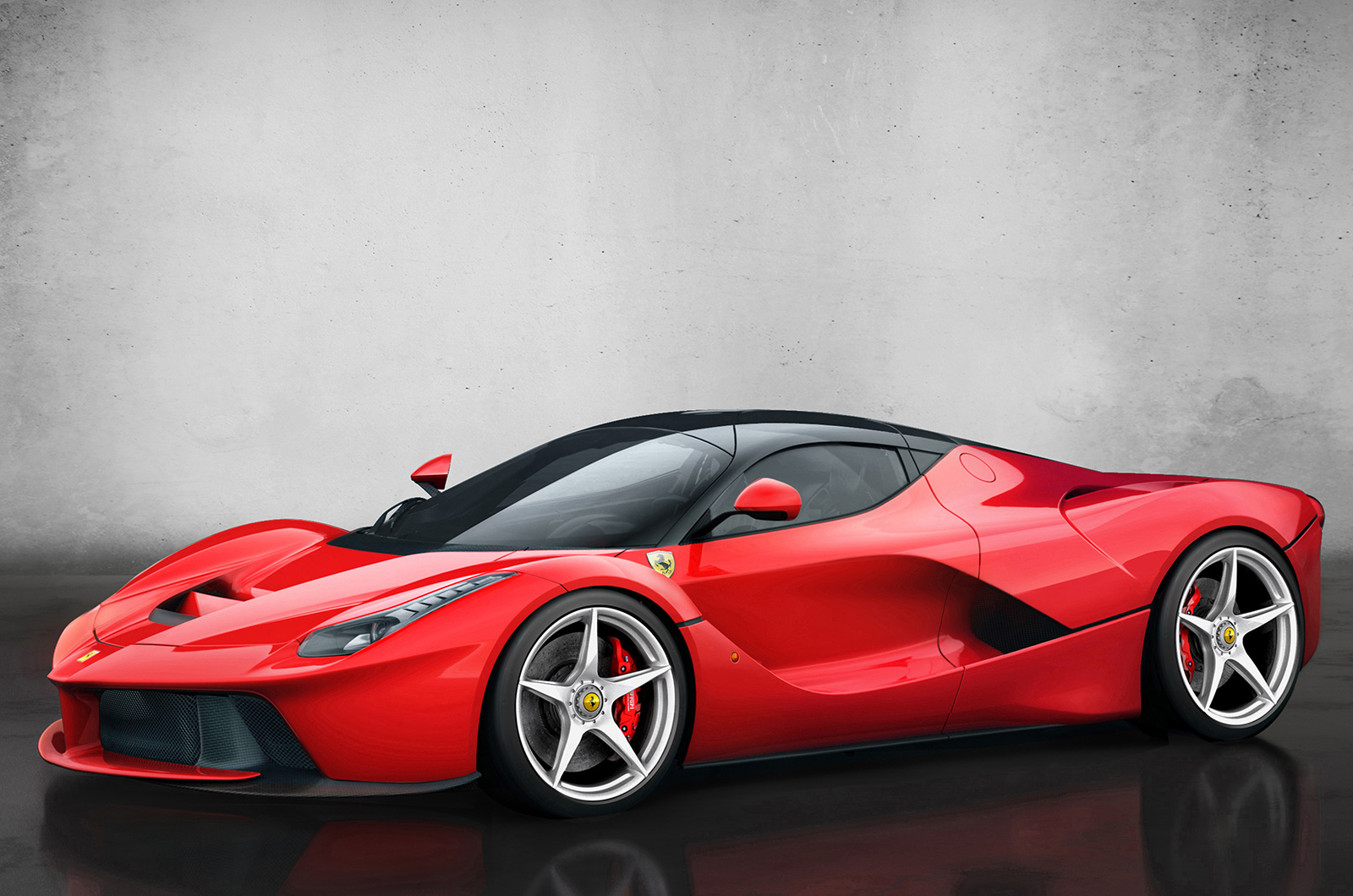
Ferrari LaFerrari (2013)

Ferrari LaFerrari (2013)

Introduced in 2013, just 500 examples of the LaFerrari were built – and only Ferrari’s most important clients were given the opportunity to buy one. The first ever mild hybrid from Ferrari, the 6.3-litre V12 delivers 800-hp, supplemented by a 163-hp KERS unit.We said: “In many ways LaFerrari feels as natural and easy to drive as a 458 Italia. Its responses may be massive, its grip vast and its performance envelope borderline insane, but it also feels surprisingly, well, normal in the way it drives”.

Back to top

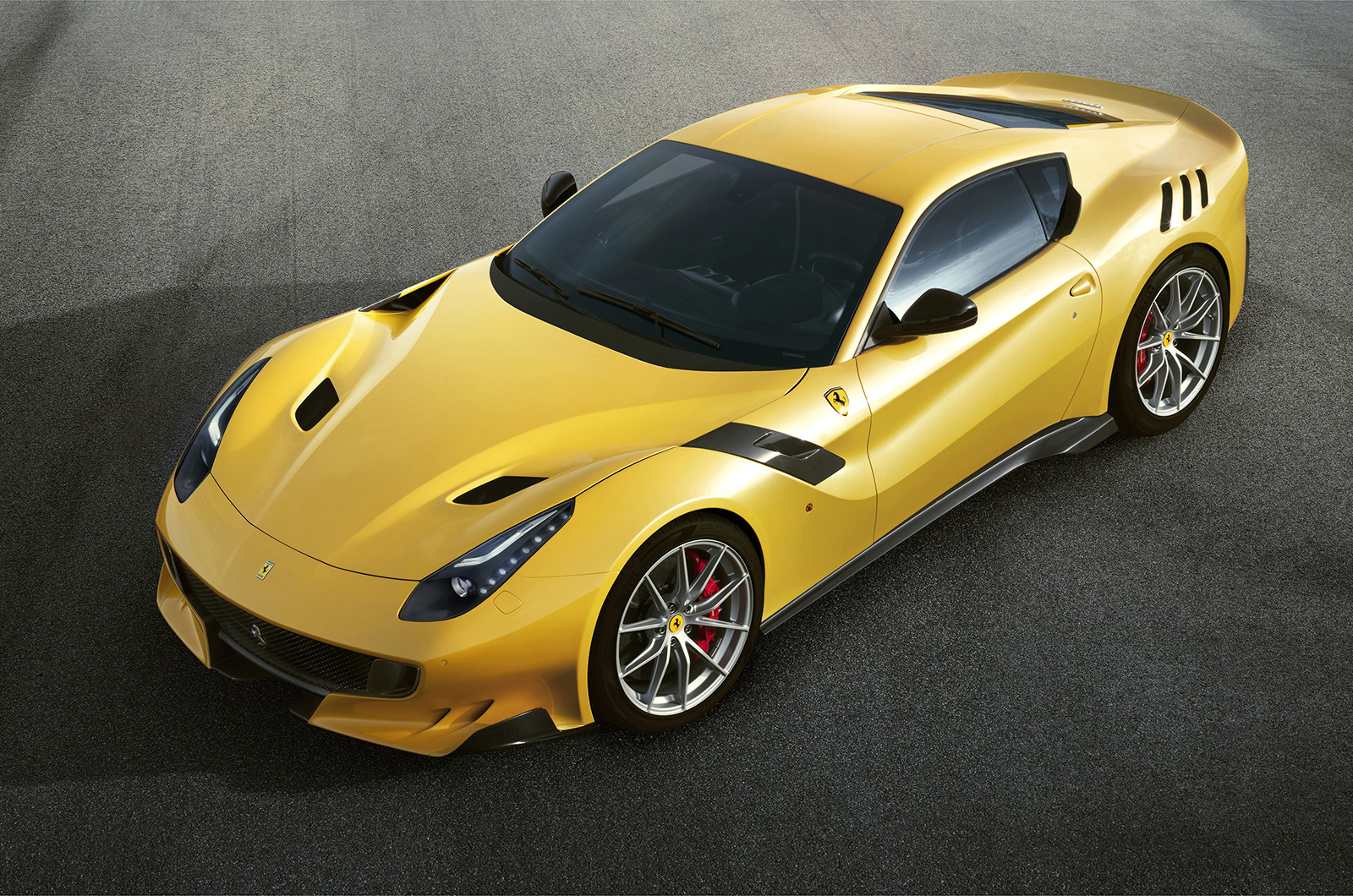
Ferrari F12 TdF (2016)

Ferrari F12 TdF (2016)

In standard form the F12 was deeply special, so when Ferrari cut the kerb weight by 110kg and squeezed an extra 40bhp from the 6.3-litre V12 (now 770bhp) the results were always going to be worth writing home about.We said: “With more familiarity you learn to anticipate the F12tdf’s characteristics, drive with lighter, more fingertippy touches and smaller inputs, and then it becomes a deeply rewarding thing. But it’s not a car – like the docile 488 GTB is – that you can just enjoy easily”.


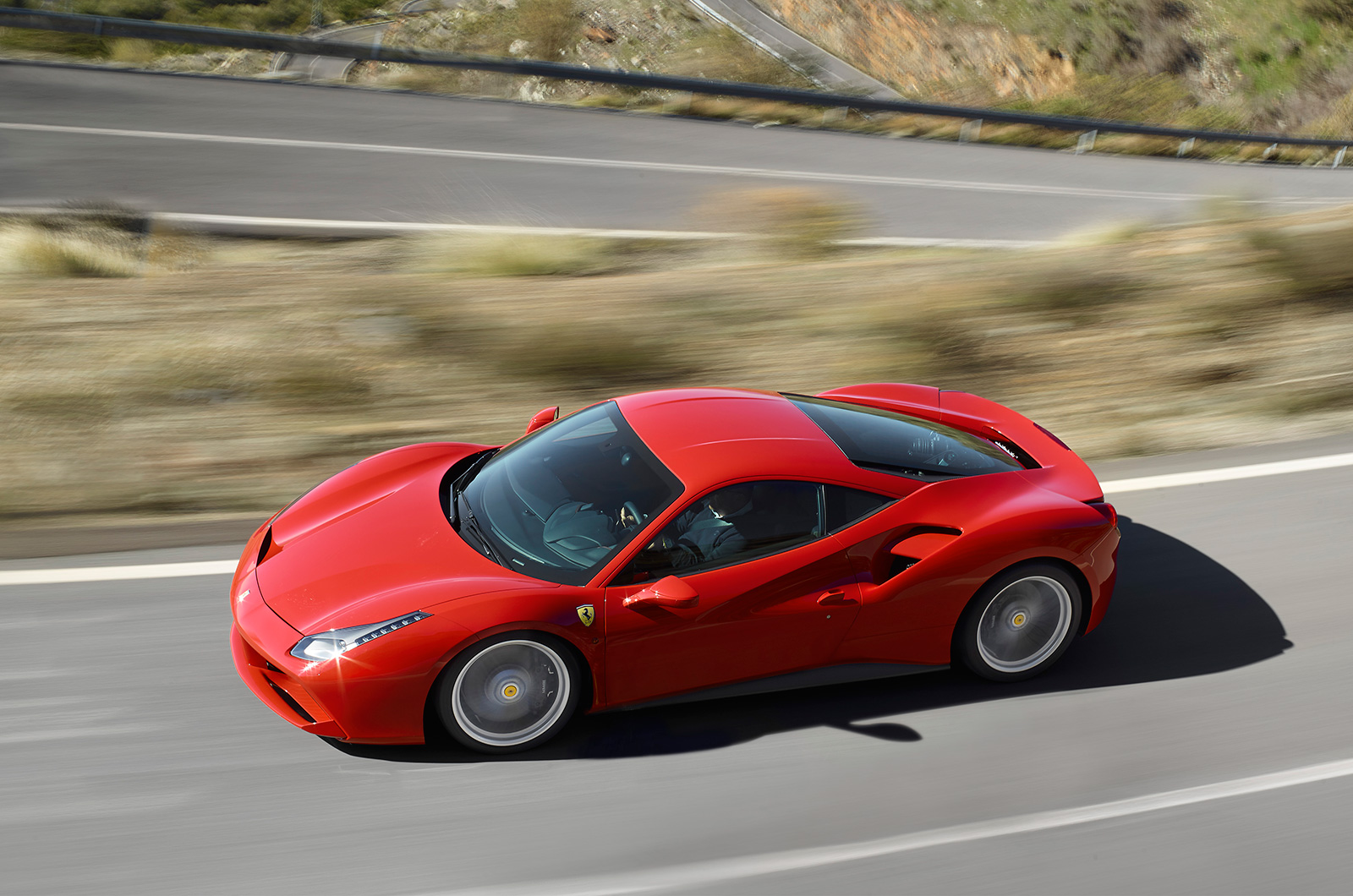
Ferrari 488 GTB

Ferrari 488 GTB

Ferrari’s seventh-generation V8-powered mid-engined supercar appeared in 2016 and went on to be crowned Autocar’s Best Driver’s Car that year. We needed some convincing that a turbocharged 3.9-litre engine could replace the 458’s brilliant normally aspirated 4.5-litre unit. We needn’t have worried...We said: “When the 458 arrived we were taken aback by what a step-change it was from the F430. While using ostensibly the 458’s platform and some familiar components, Ferrari has done it again”.


Join our WhatsApp community and be the first to read about the latest news and reviews wowing the car world. Our community is the best, easiest and most direct place to tap into the minds of Autocar, and if you join you’ll also be treated to unique WhatsApp content. You can leave at any time after joining - check our full privacy policy here.