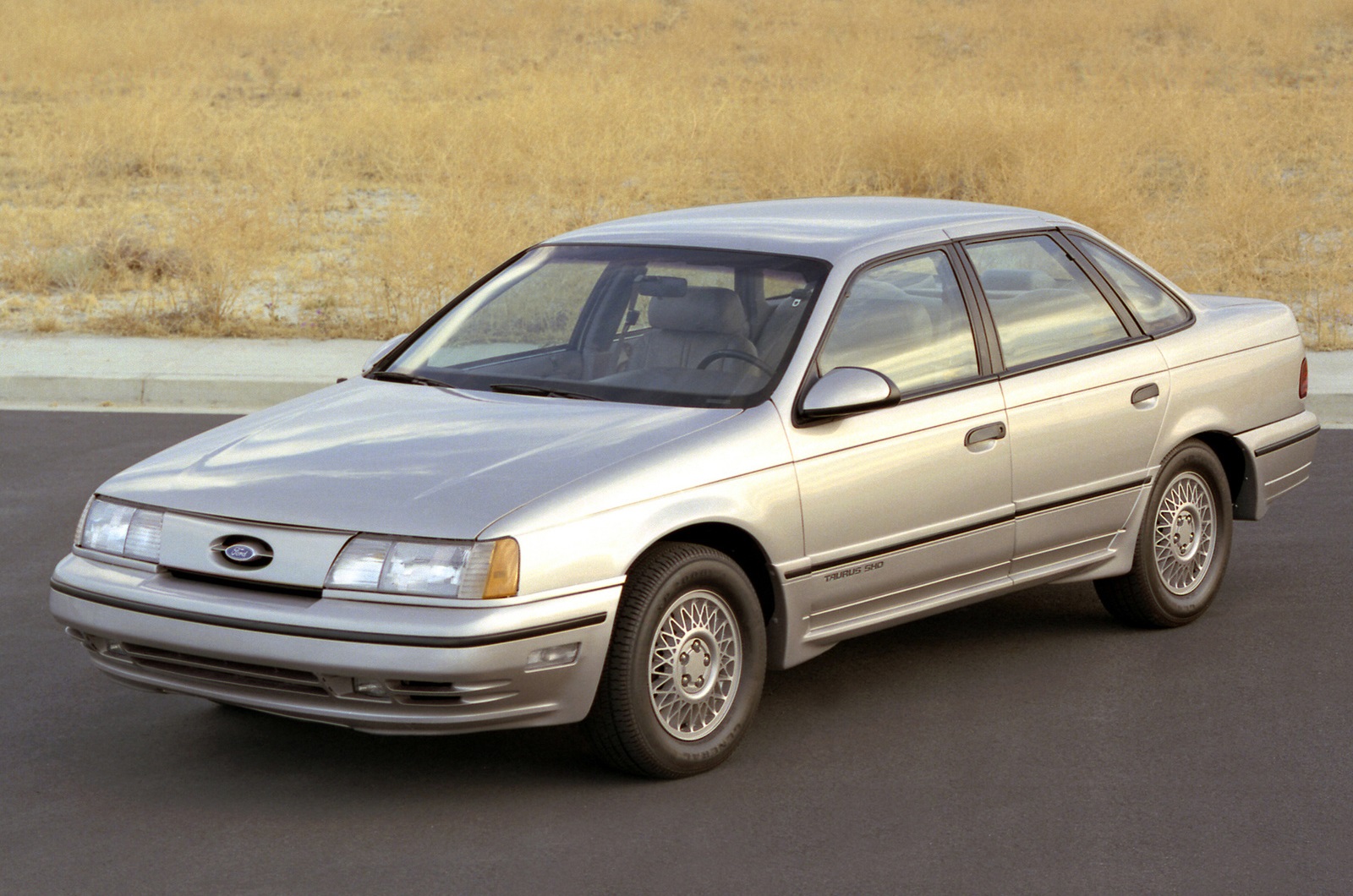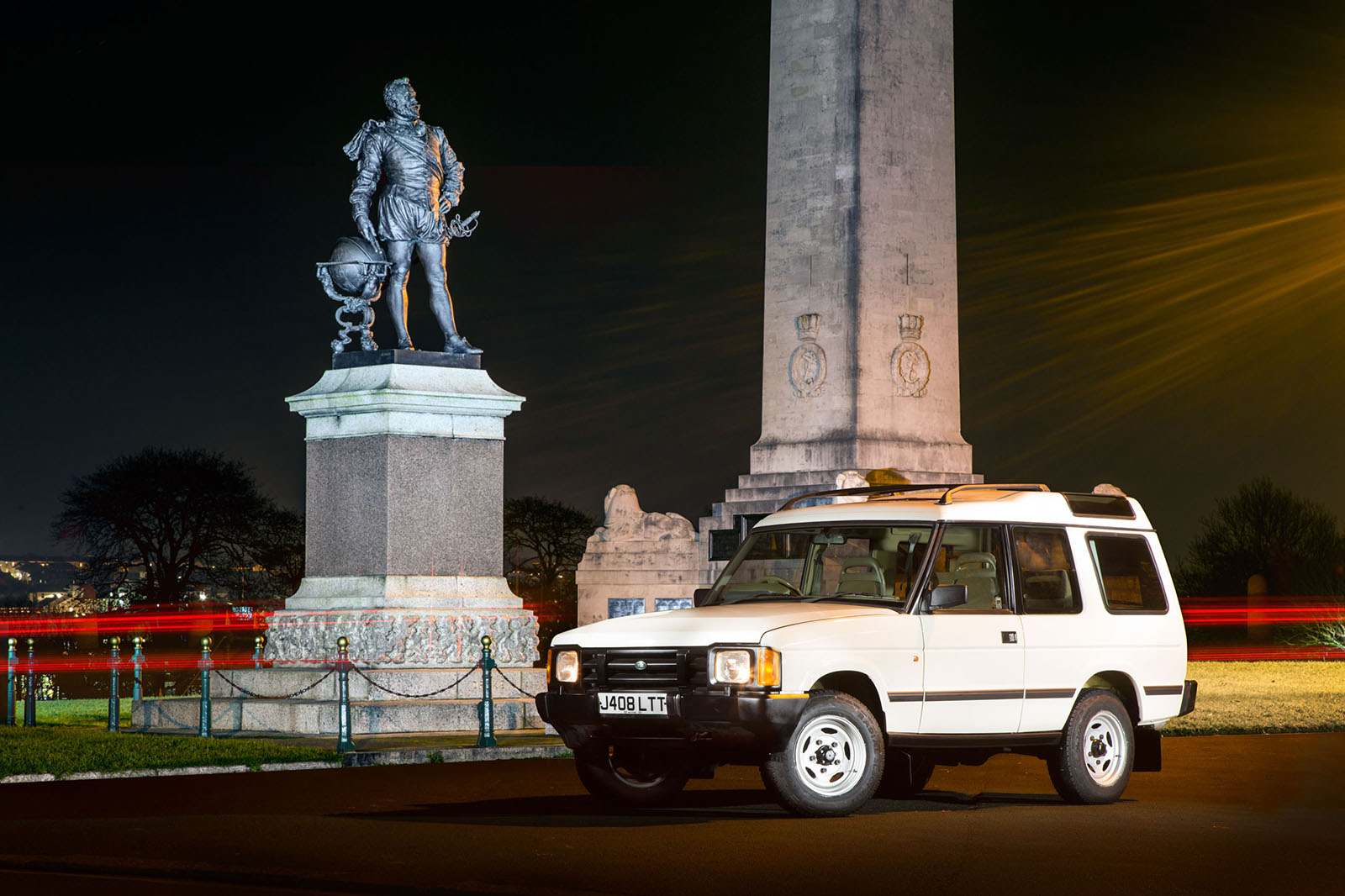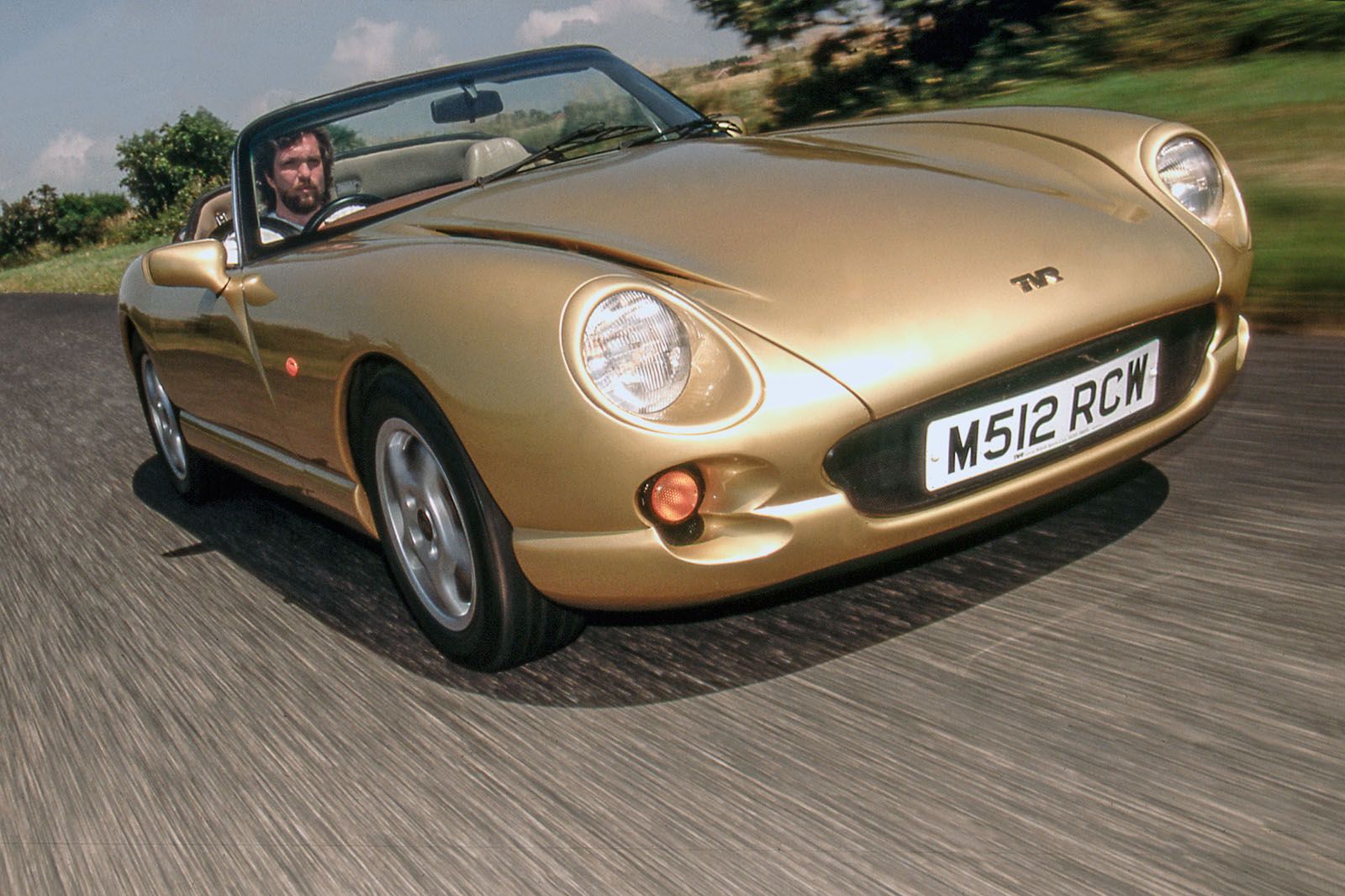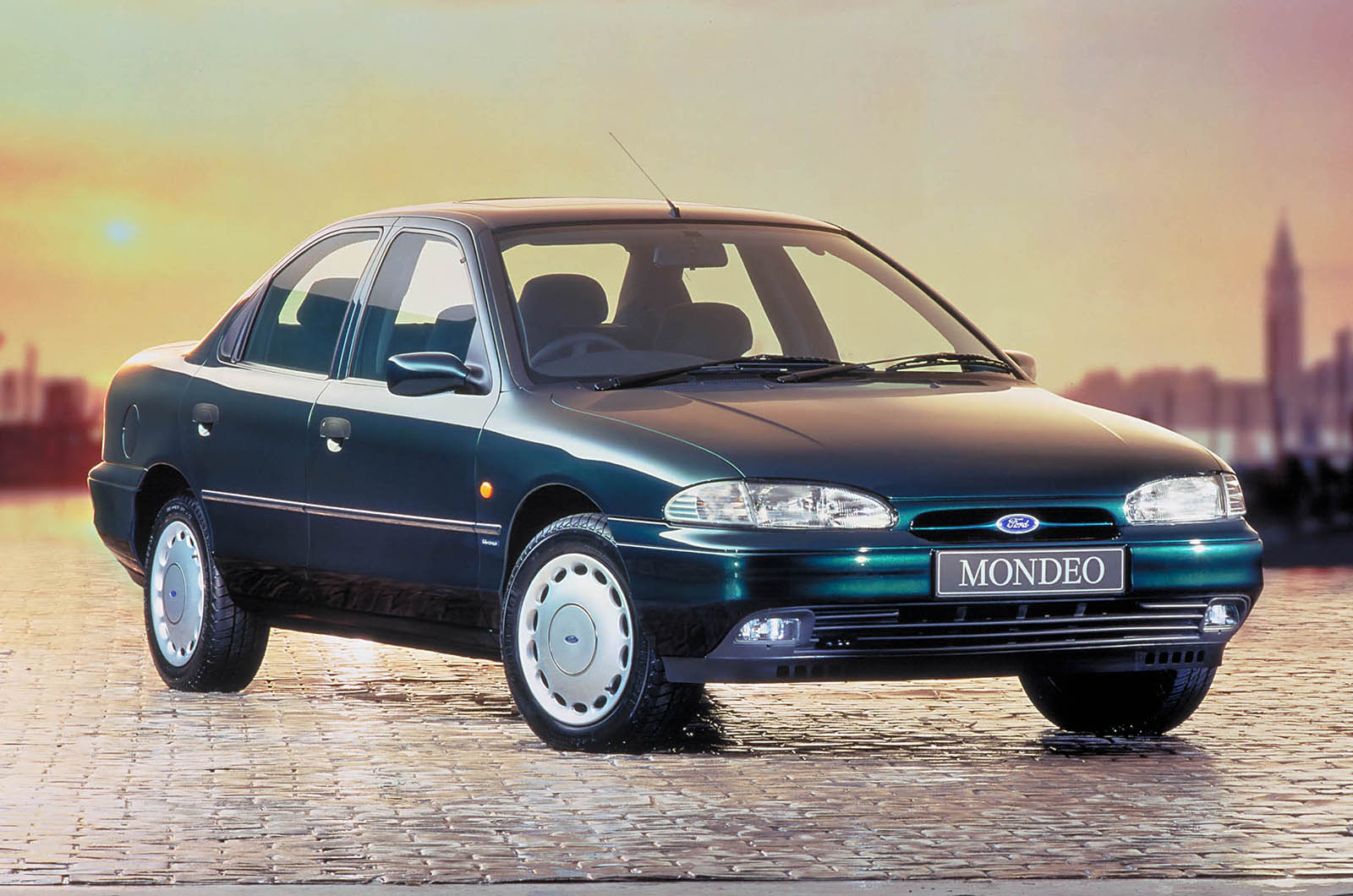

Many car companies have come perilously close to the edge of financial ruin or reputational death only for a single model to save the day.
Some of those cars have attained legendary status, while others have become staples of our motoring landscape.
The roles these cars played in saving their respective manufacturers from bankruptcy, obscurity, mundanity or all three cannot be understated. Here, we name those cars and mark their importance in date order.
Bentley MkVI (1946)
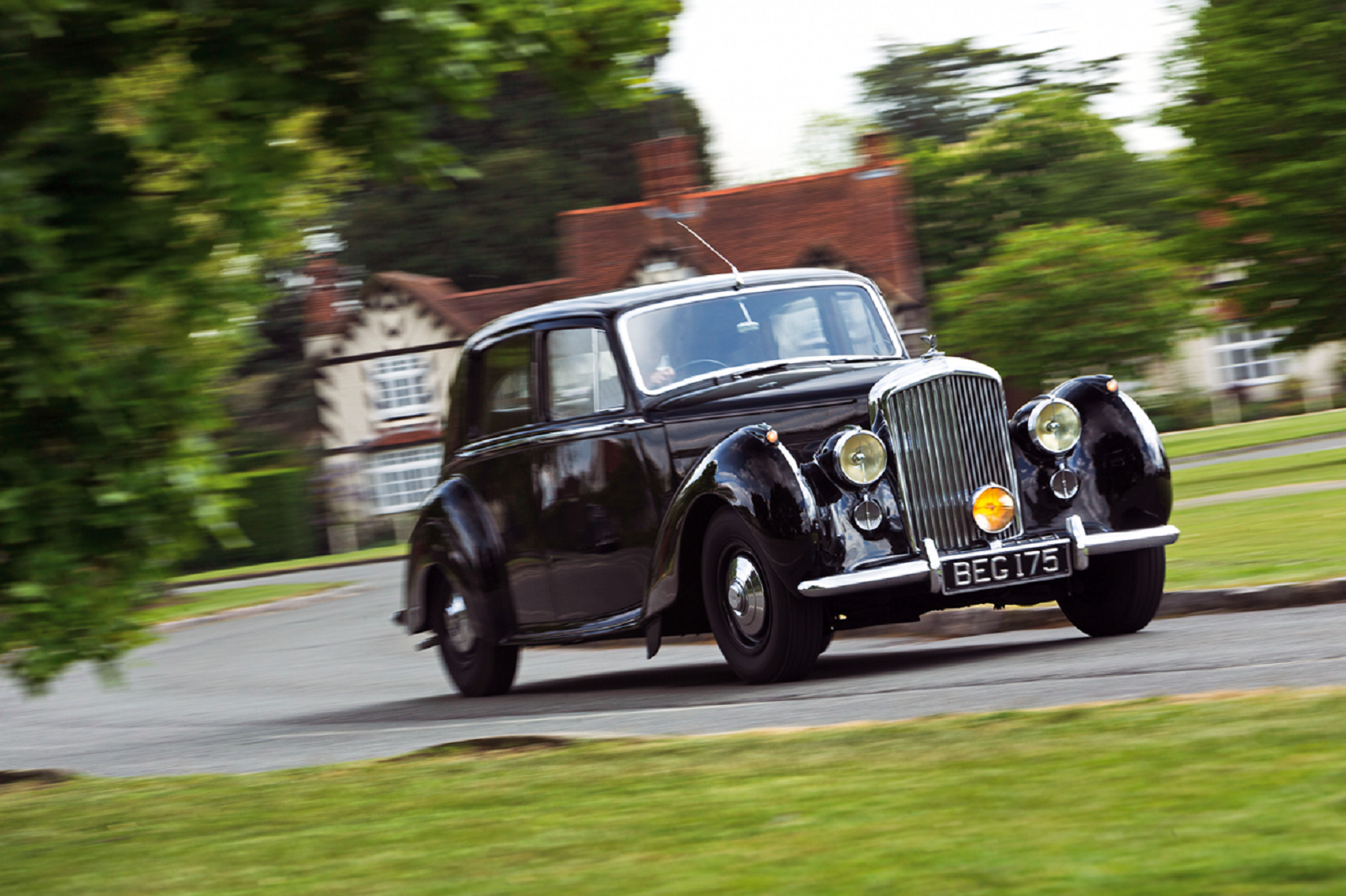
Immediately after the Second World War, luxury cars were not high on the priority list for many, assuming you could afford or get hold of a new car in the UK. However, the Bentley MkVI accounted for this and was the first car offered by its parent Rolls-Royce with a standardised body rather than providing a chassis to a coachbuilder.
Known as the Standard Steel saloon, the MkVI was restrained and elegant to suit the times. It and its Rolls-Royce Dawn sister were also quite advanced thanks to independent front suspension, servo brakes and a centralised chassis lubrication system. The Bentley sold in far greater numbers, with 5201 examples made to 760 for the Dawn, and this is what provided much needed funds for Rolls-Royce to develop much-needed new models.
Volkswagen Beetle (1948)
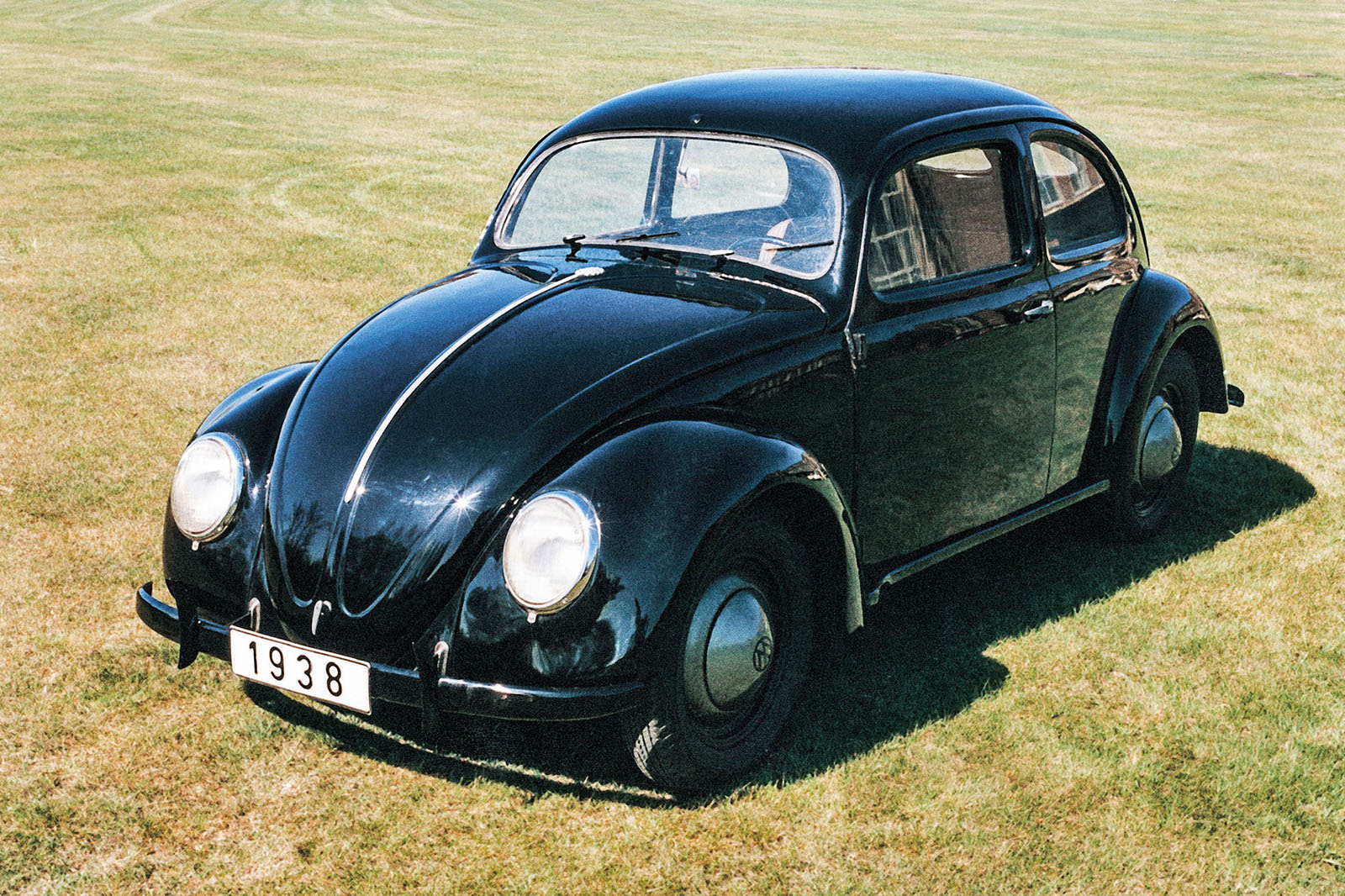
The Beetle saved Volkswagen and Major Ivan Hirst saved the Beetle. He cleared the factory, restarted the production lines and convinced the British Army to buy 20,000 of these unusual little cars. This was the Type 1 that set the mould for all subsequent air-cooled Beetles with a rear-mounted flat-four engine.
Sales increased gradually to begin with until factory director Heinz Nordhoff began to expand the sales network. Soon, cars were flying out of the factory and the one millionth was made in 1955. The money from these sales put Volkswagen on a firm footing and set it on track to become the global giant we now know. In total, 21,529,464 Beetles of all types were made in factories from Germany to Australia, Belgium to Brazil, and as far flung as Malaysia, Nigeria and even Ireland. The last were built in Mexico in 2003. Today, Volkswagen is the world's largest vehicle producer, with 10.83 million produced in 2018.
1949 Ford (1948)
Ford, along with its competitors, had a big problem at the end of World War Two. Nearly all of its US assembly lines had been turned over to cranking out aeroplanes, tanks, military trucks, jeeps and much else during the war – but now the government didn’t need most of this anymore, while demobbed soldiers came home needing cars. Ford started making cars again, but all were based on pre-war designs, which were looking dated.
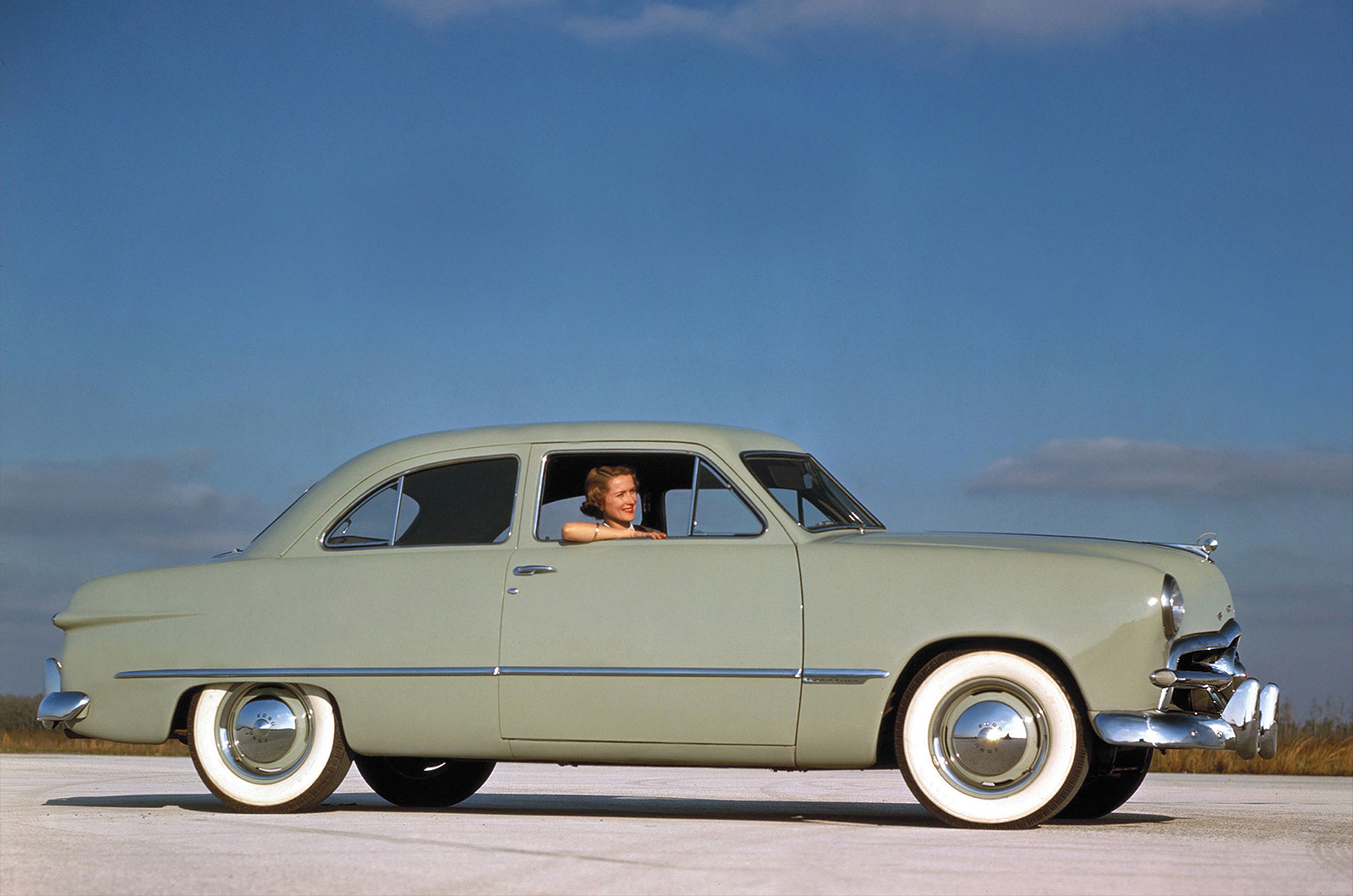
Henry Ford II was a grandson of the founder and became the company’s boss in 1945, at the age of just 28. He put together a crack team of engineers and business analysts and they took the all-new 1949 model from concept to production in just 19 months, and became the first of Detroit’s Big Three to make an all-new car after the war. 100,000 orders were placed on the day it was unveiled in June 1948. It featured a variety of bodystyles including a coupe (pictured), and power came from either a 3.7-litre straight-six or 3.9-litre V8; its front suspension was independent, with a new steering setup.