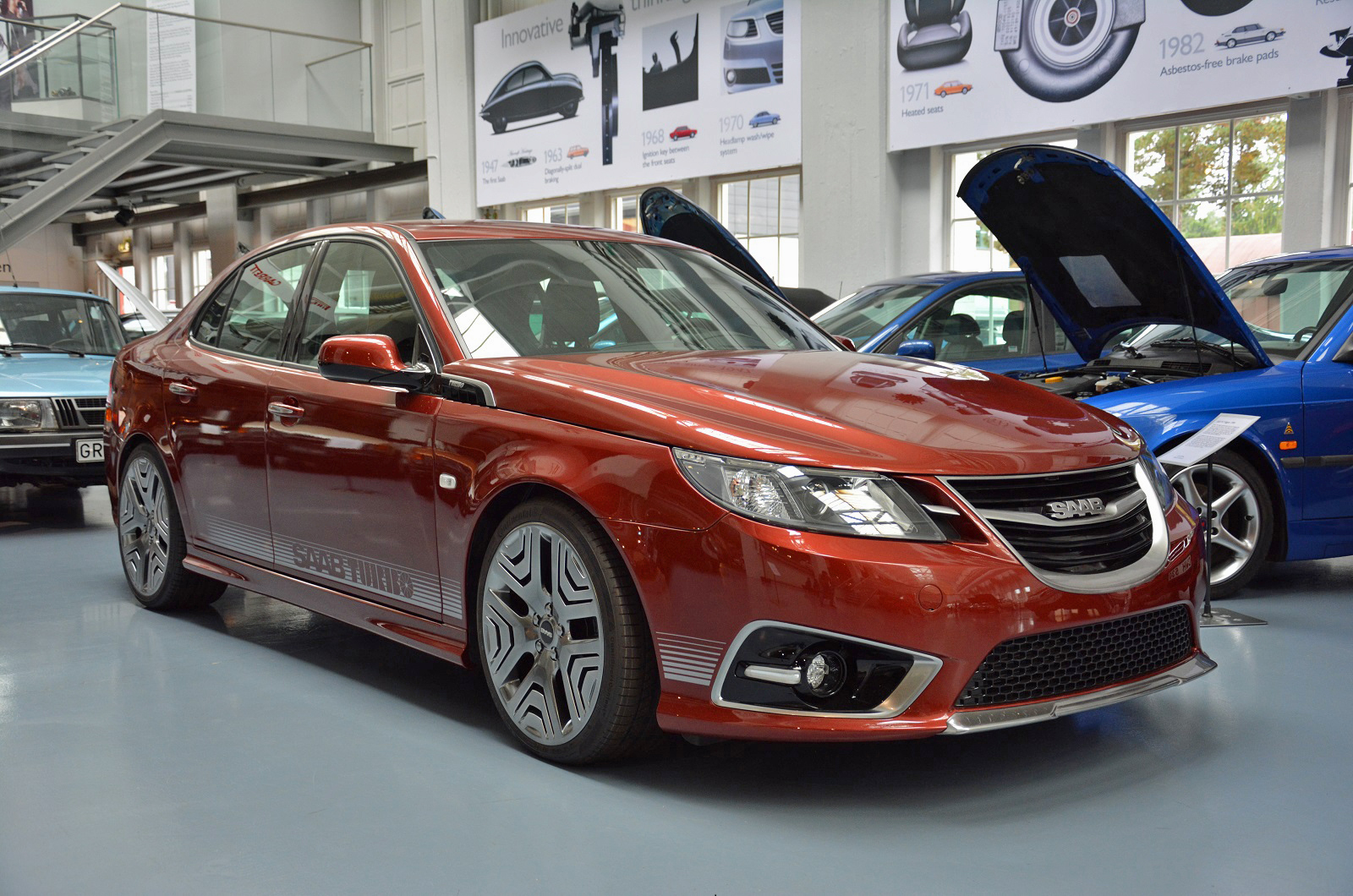

We shouldn't take the Saab museum for granted.
The Swedish Enforcement Authority seized the entire collection in September 2011 and announced plans to auction it off one car at a time to pay Saab's creditors. Trollhättan (Saab’s home town), defense company Saab AB and the Wallenberg Memorial Trust invested millions of dollars to keep the cars under one roof and save the museum, ensuring future generations can discover the illustrious past of one of the automotive industry’s most respected underdogs.
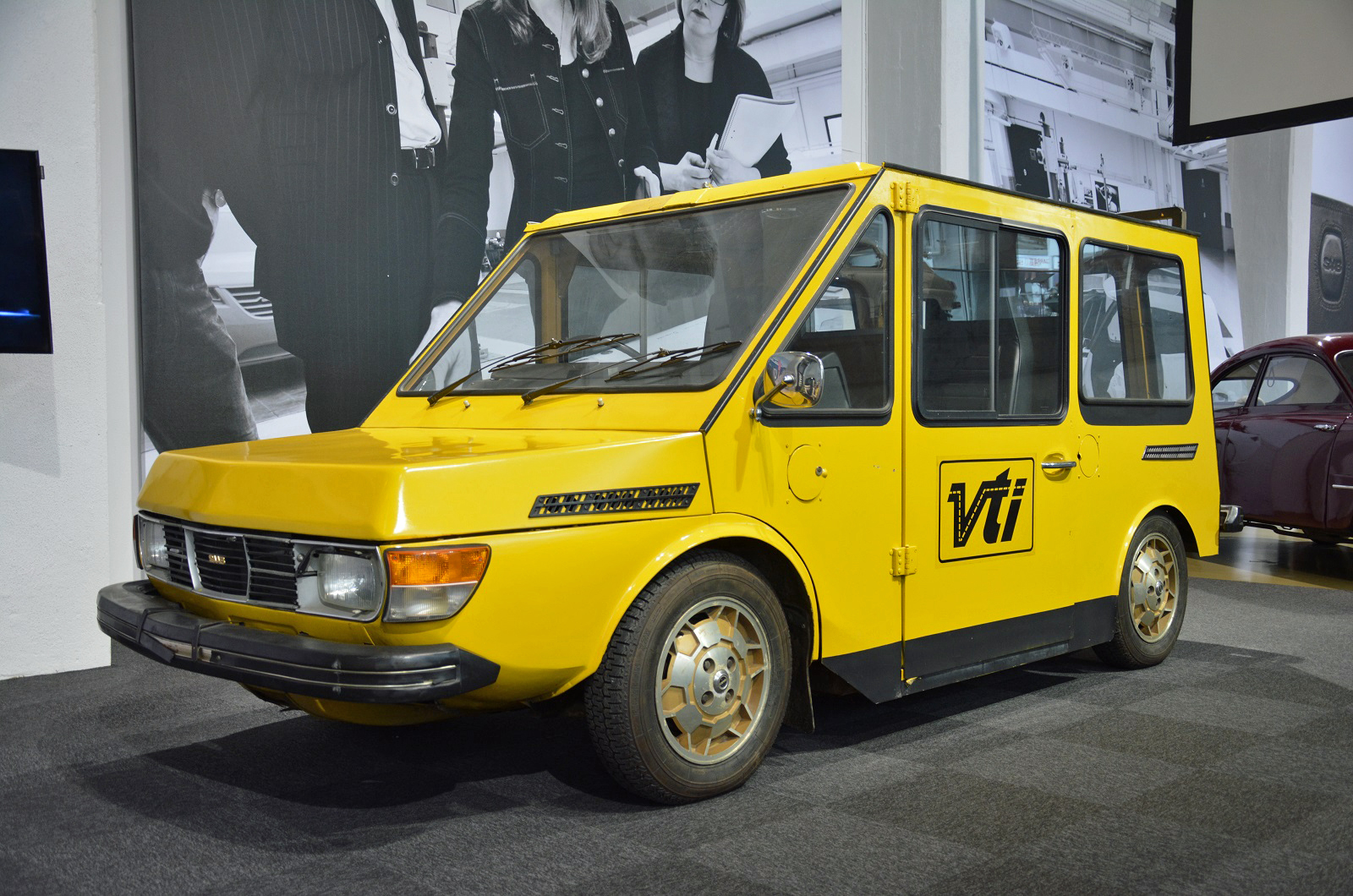
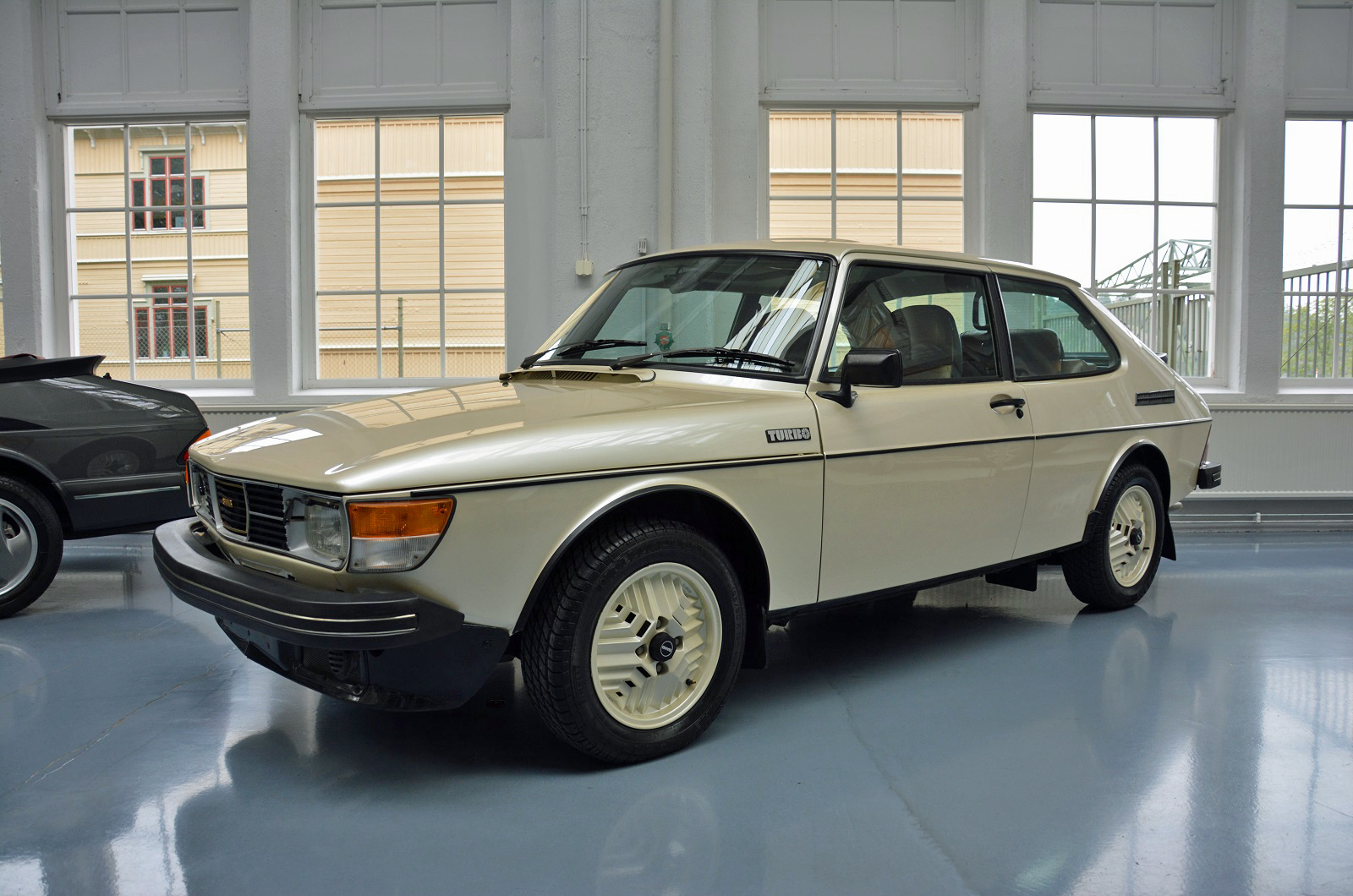
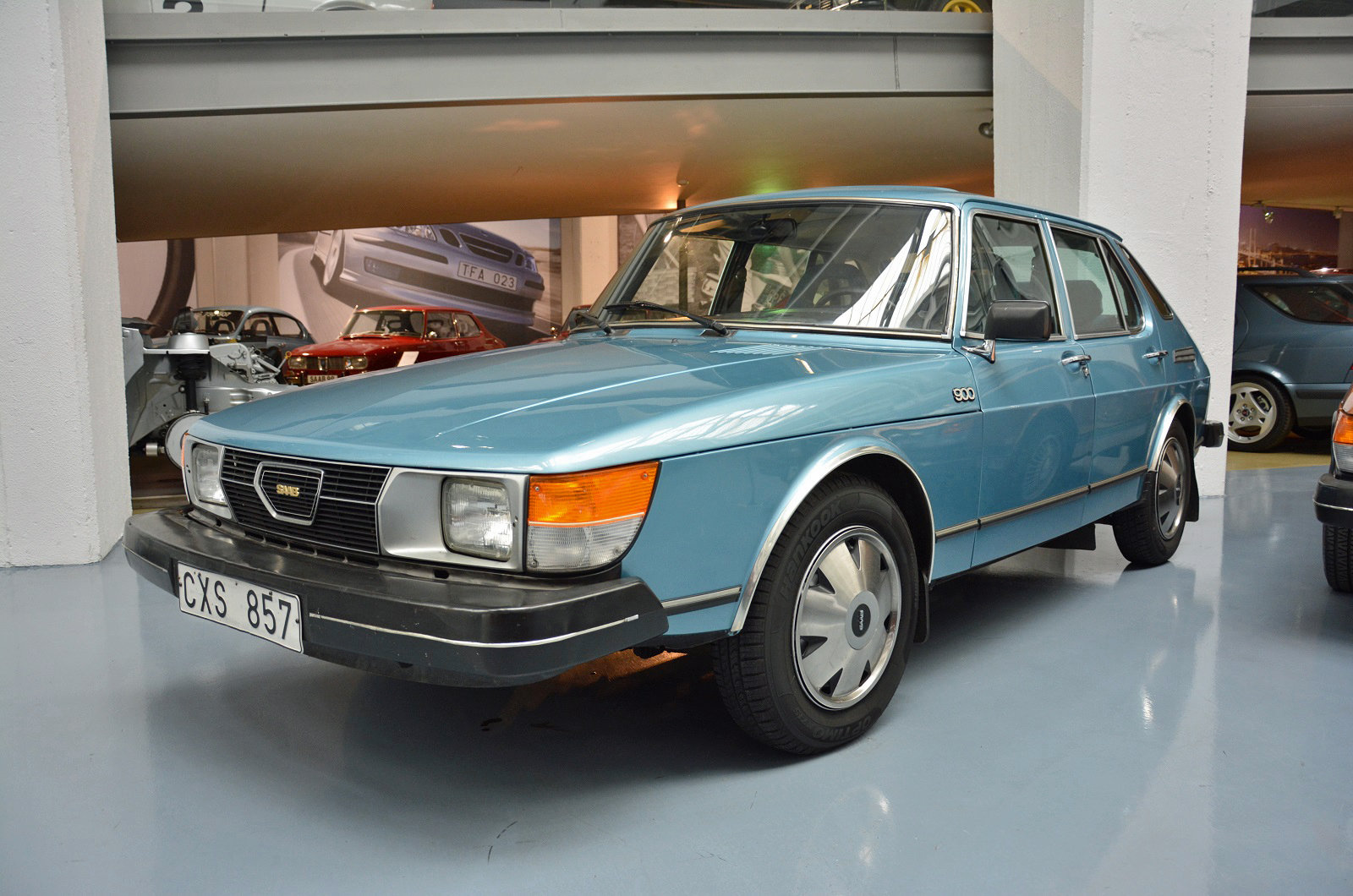
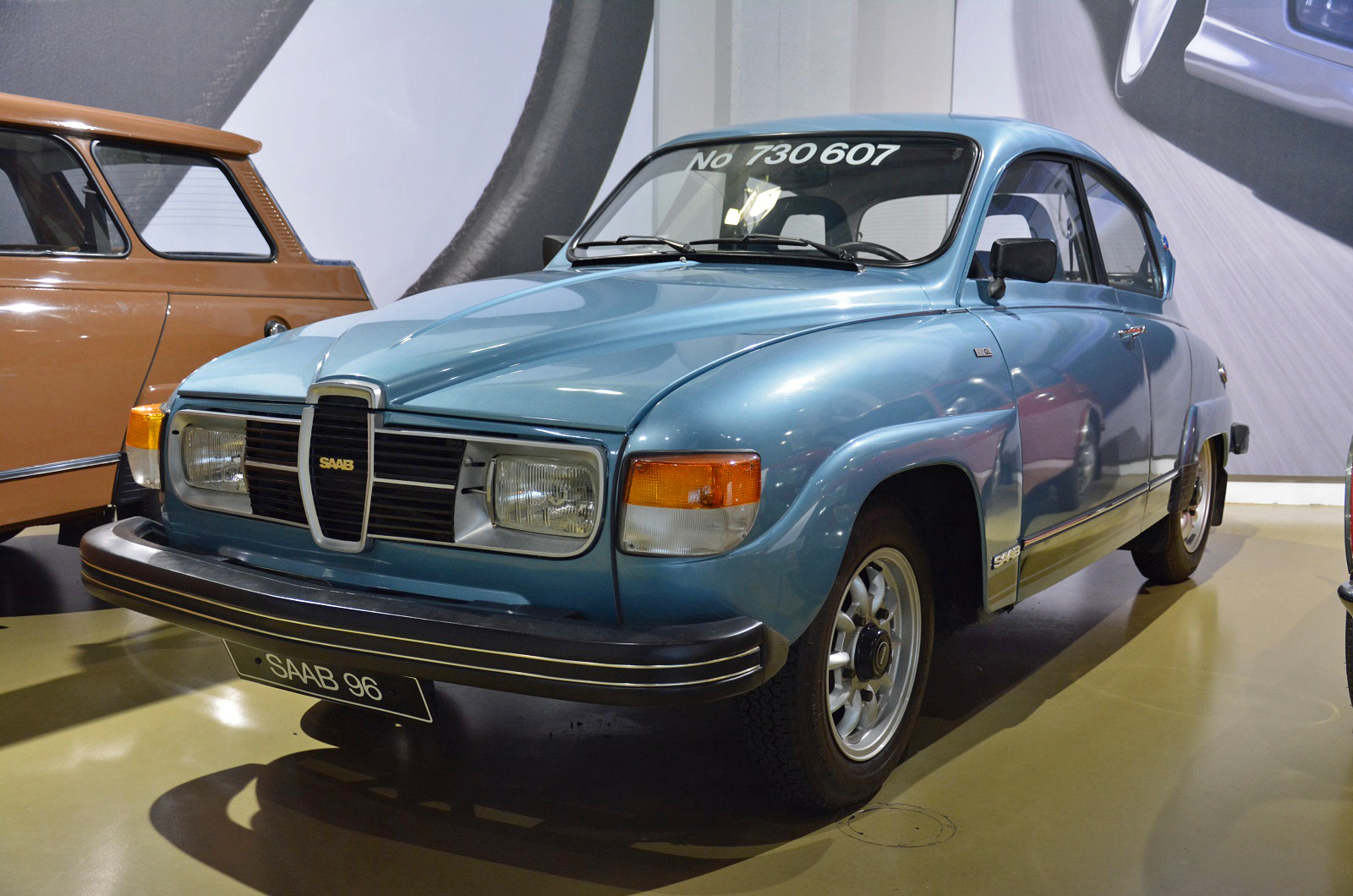
From the oldest 900 left to a Corvette-powered SUV, here are some of the gems and hidden treasures displayed in the Saab museum:
92 (1950)
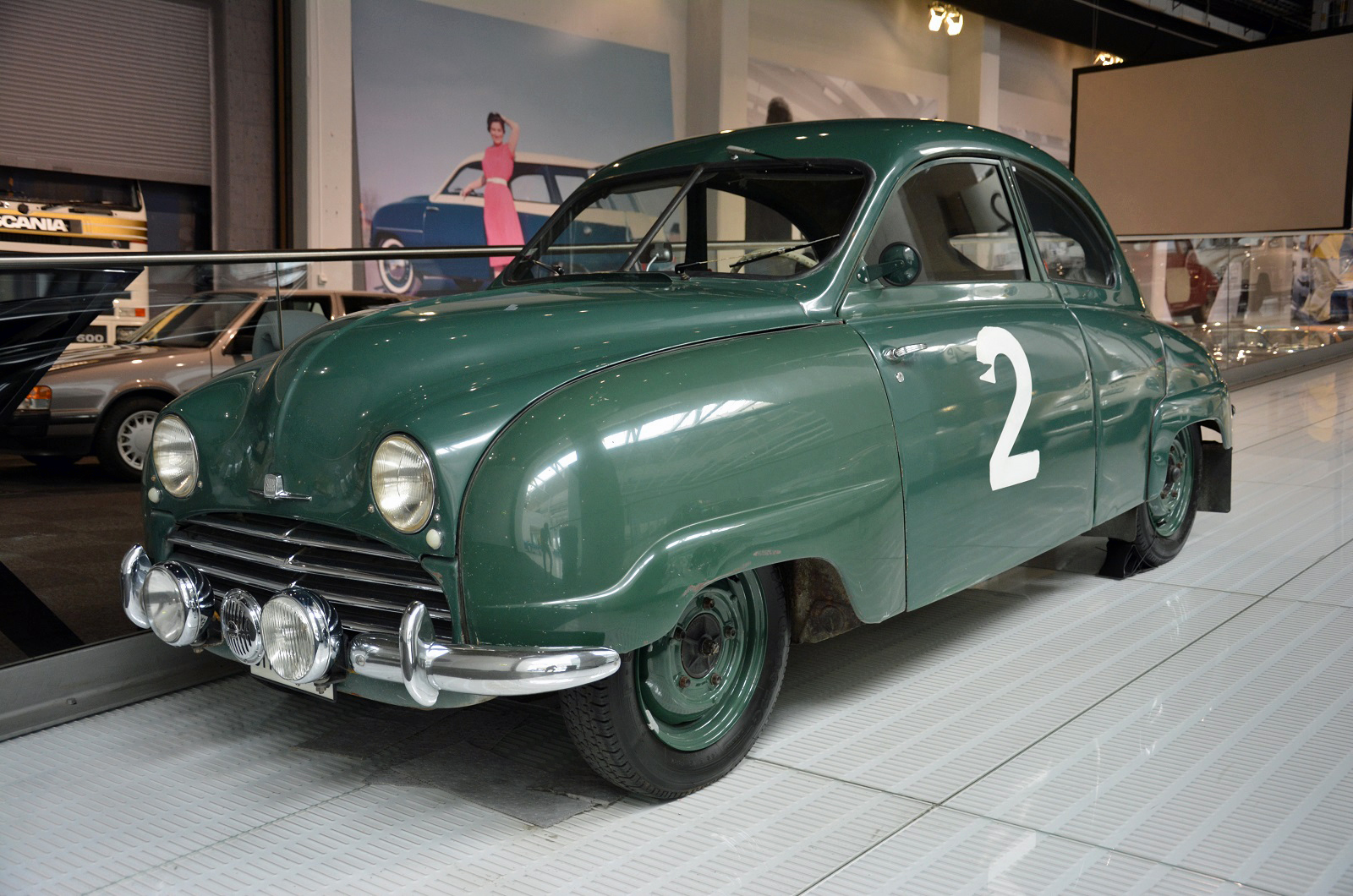
Saab made its first series-produced car, the 92, in 1950. It came with a two-cylinder two-stroke engine that sent 25hp to the front wheels through a three-speed manual transmission with a free-wheeling function. Front-wheel drive and a surprisingly aerodynamic design inspired by aviation made the 92 one of the most cutting-edge cars in its segment. The basic design lasted until 1980.
Sonett (1956)
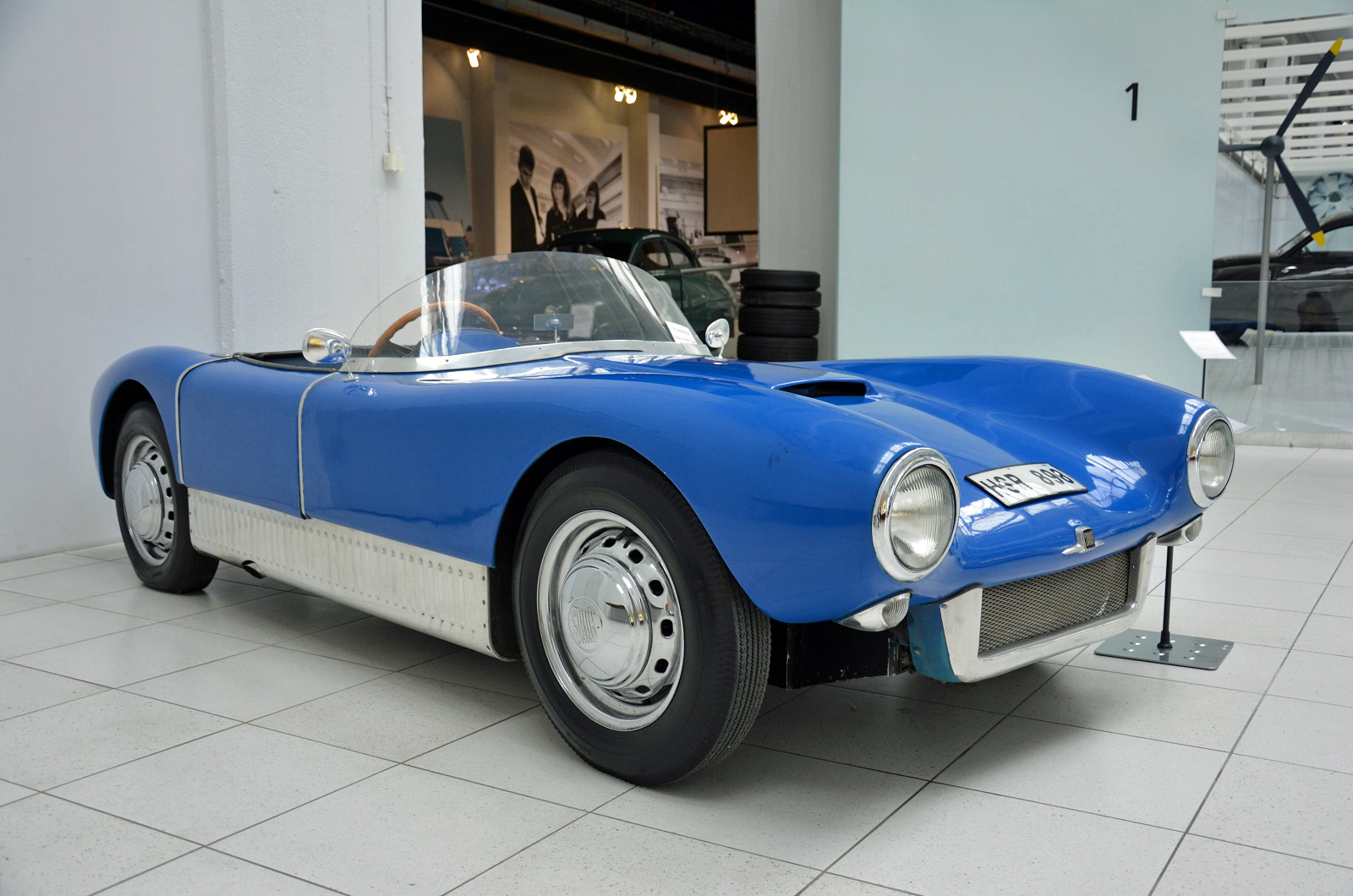
It didn’t take long for Saab to venture into the world of sports cars. Rolf Mellde, one of the firm’s engine developers, built the first Sonett in a barn with help from friends and fellow engineers. Saab planned to make 2000 units and wanted to race the car across Europe but new regulations allowed the firm to compete with a modified production car instead. Saab happily took this more cost-effective route and canned the Sonett project.
The blue example pictured here is the fifth of six Sonetts made. It’s powered by a two-stroke three-cylinder engine tuned to deliver 57hp. Saab notes the production variant would have also offered a less powerful engine for buyers seeking a touring roadster, not an all-out sports car.
Monstret (1959)
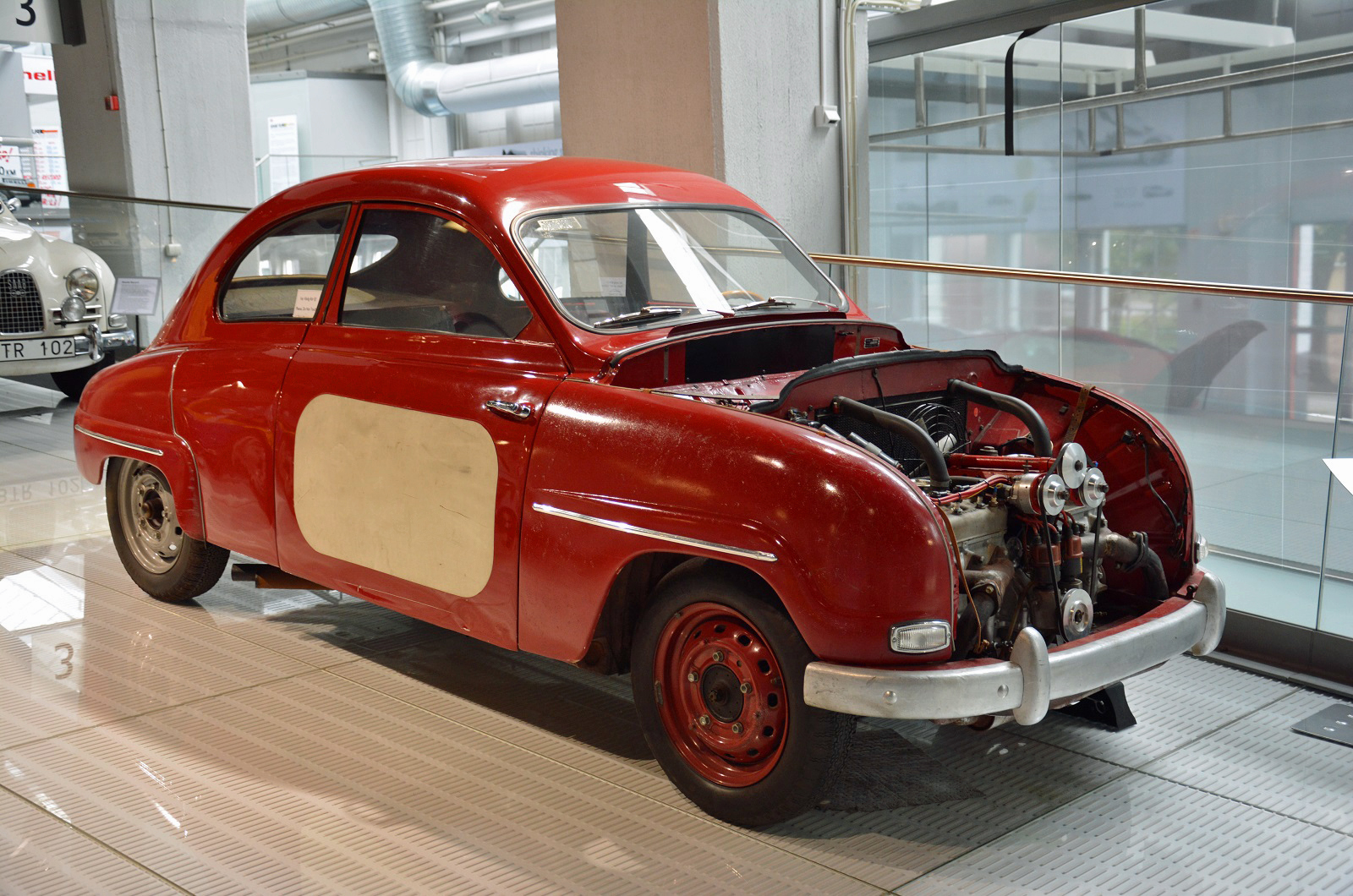
Saab’s quest for rally domination led it to fuse a pair of three-cylinder engines to create a two-stroke straight-six. Engineers shoe-horned the 138hp six transversally in an otherwise stock-looking 93. To add context, the 93 sold to regular motorists in 1959 shipped with a 33hp engine.
Monstret (1959)
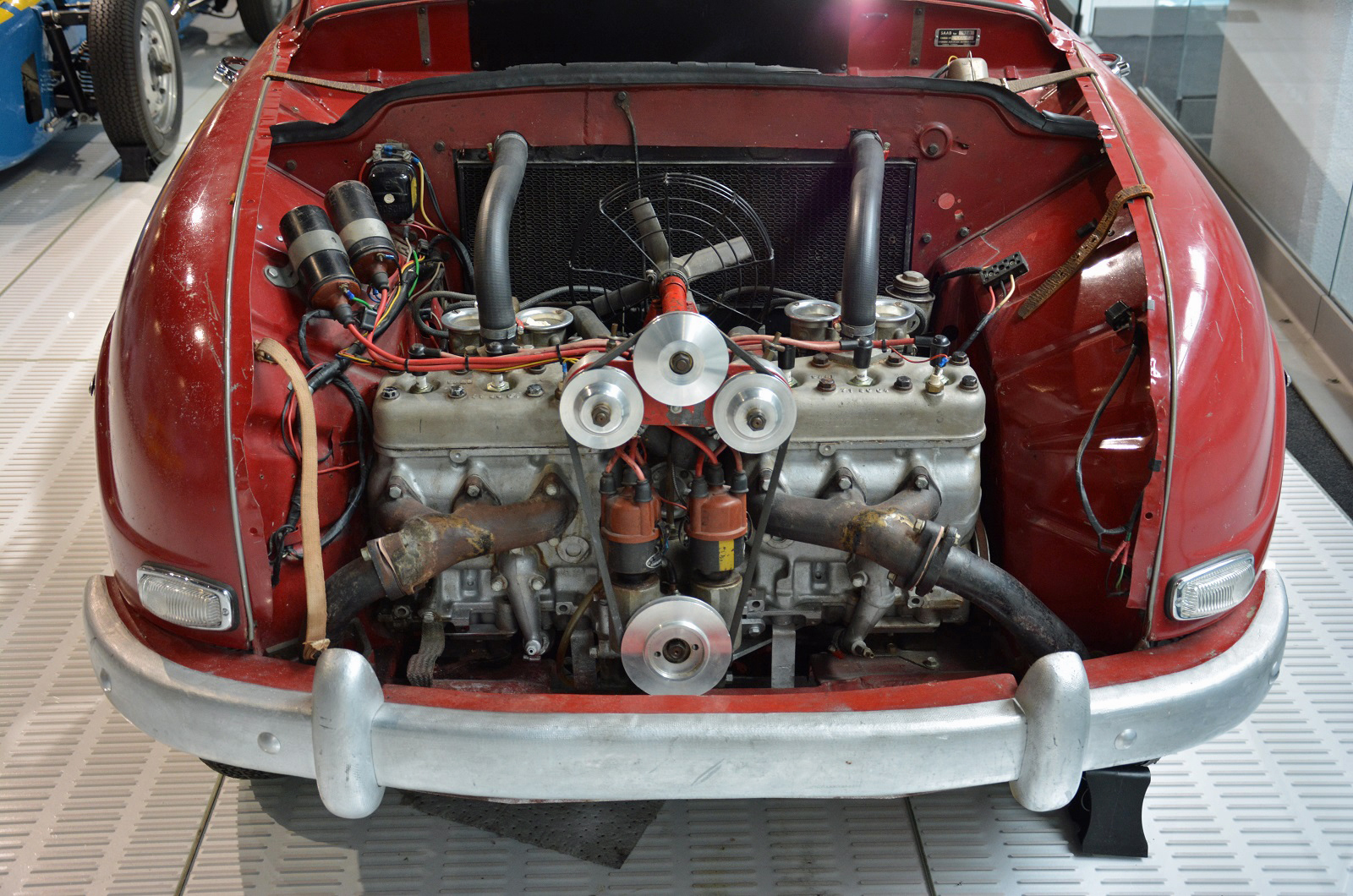
Saab thoroughly overlooked regulations during the development process. It couldn’t find a competition series willing to give its bonkers prototype a spot on the starting grid so the twin-engined 93 never raced. It must have left quite an impression on the firm’s intrepid test drivers, however, because it earned the nickname Monstret – ‘monster’ in Swedish.
Sonett II (1966)
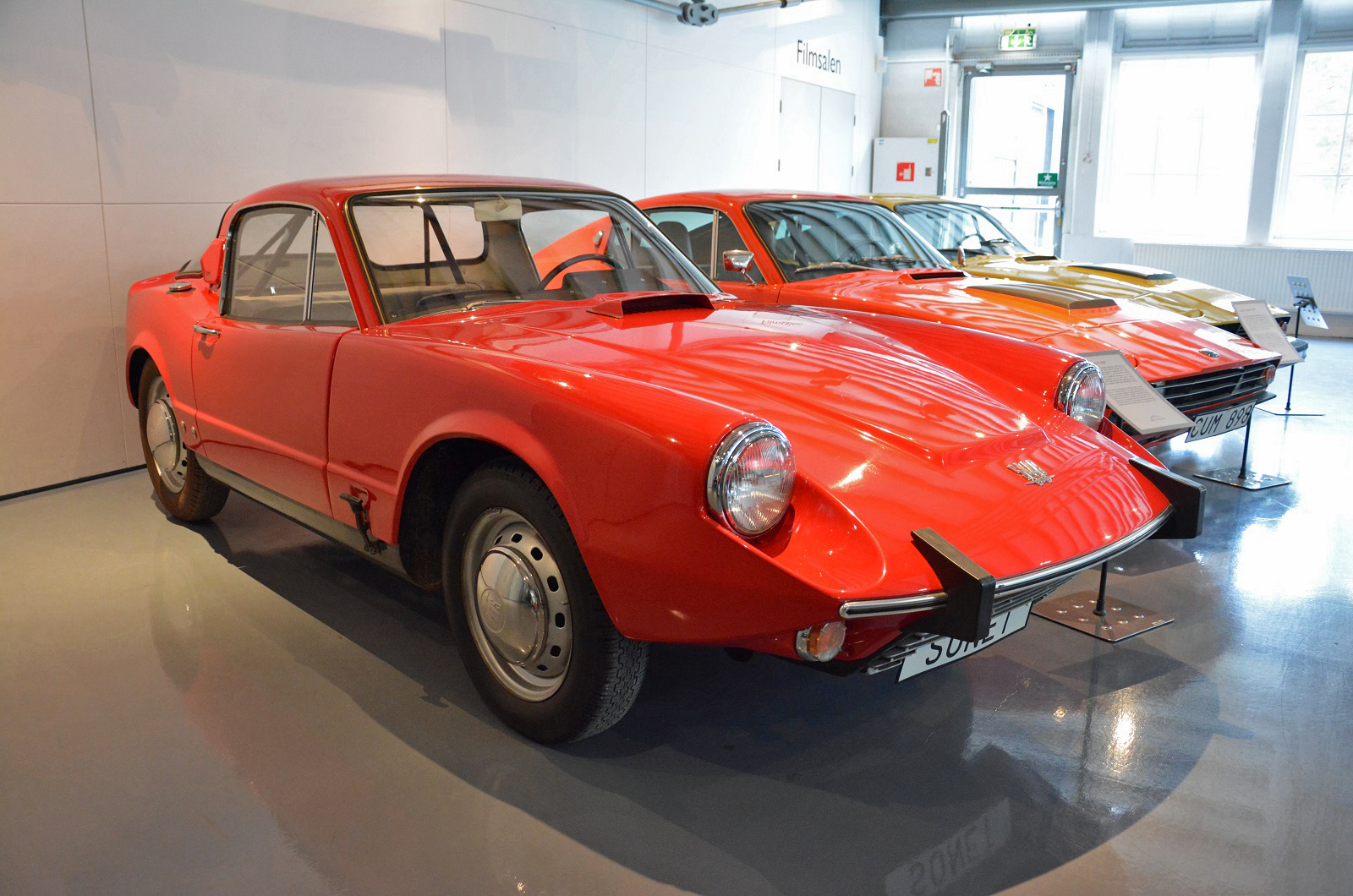
Saab introduced its first coupe, the Sonett II, in 1966. Engineers followed roughly the same recipe as when they created the original Sonett a decade earlier: they took an existing chassis, installed a high-performance engine and dropped a plastic body over it.
Early on, the Sonett II used a 60hp three-cylinder engine from the Monte Carlo 850. Saab made 258 examples in this configuration before replacing the two-stroke triple with a V4 in 1967.
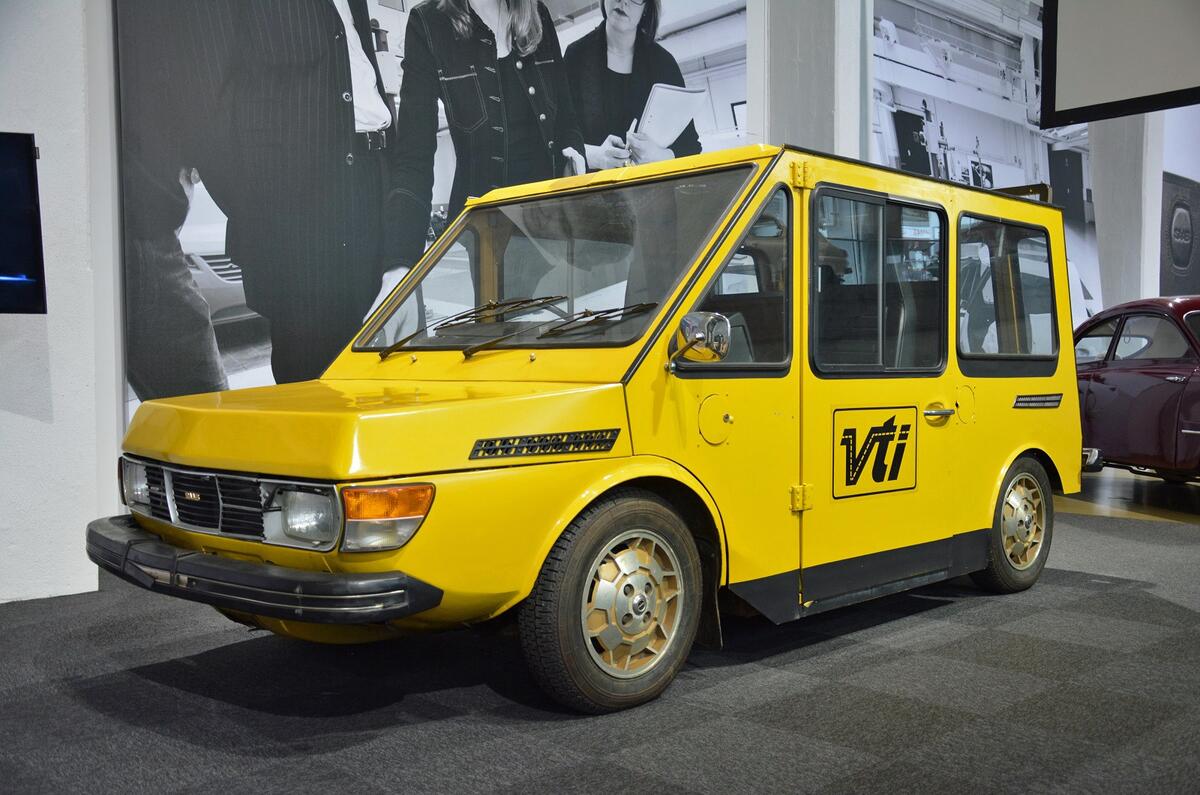
99 electric van (1976)