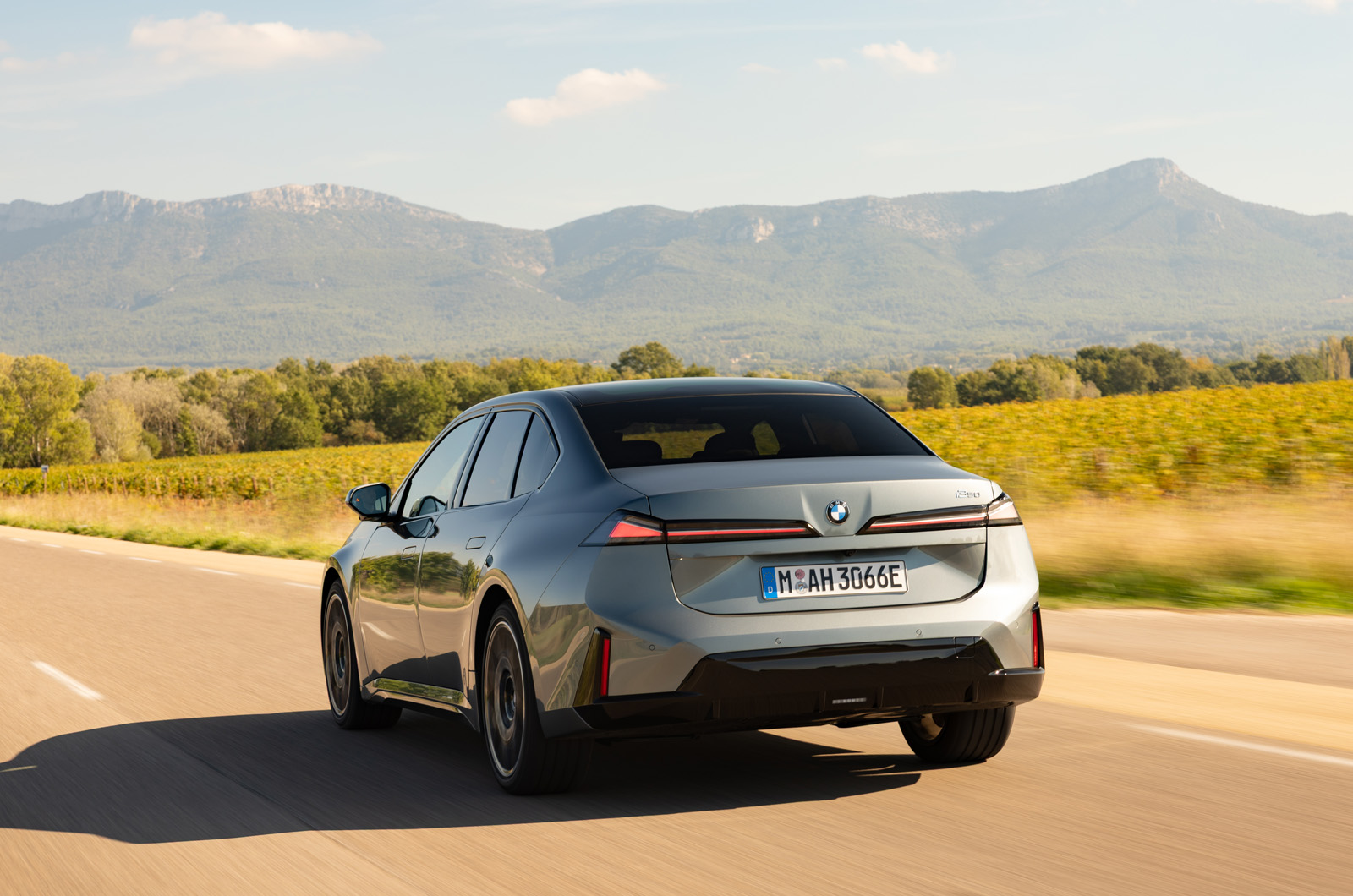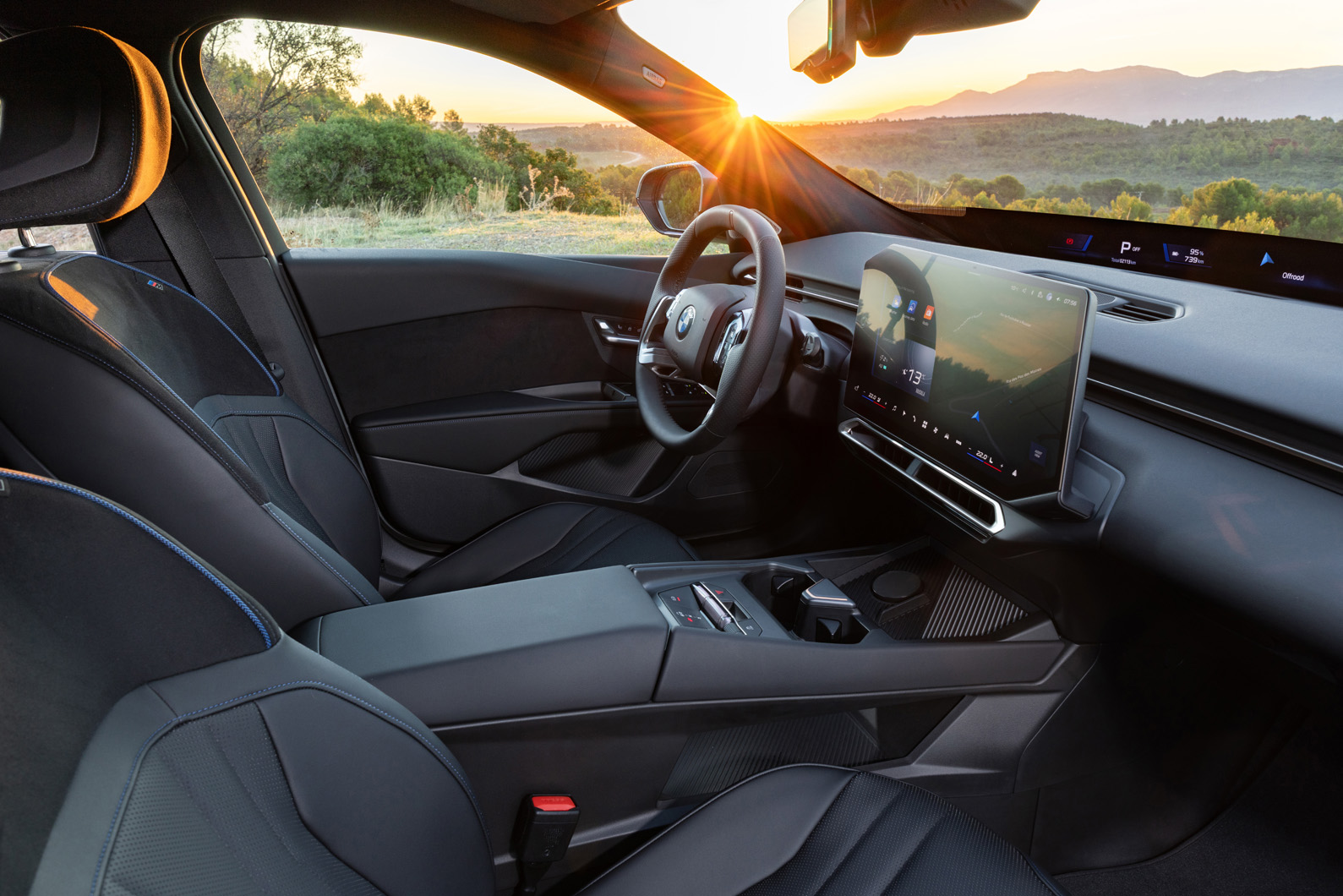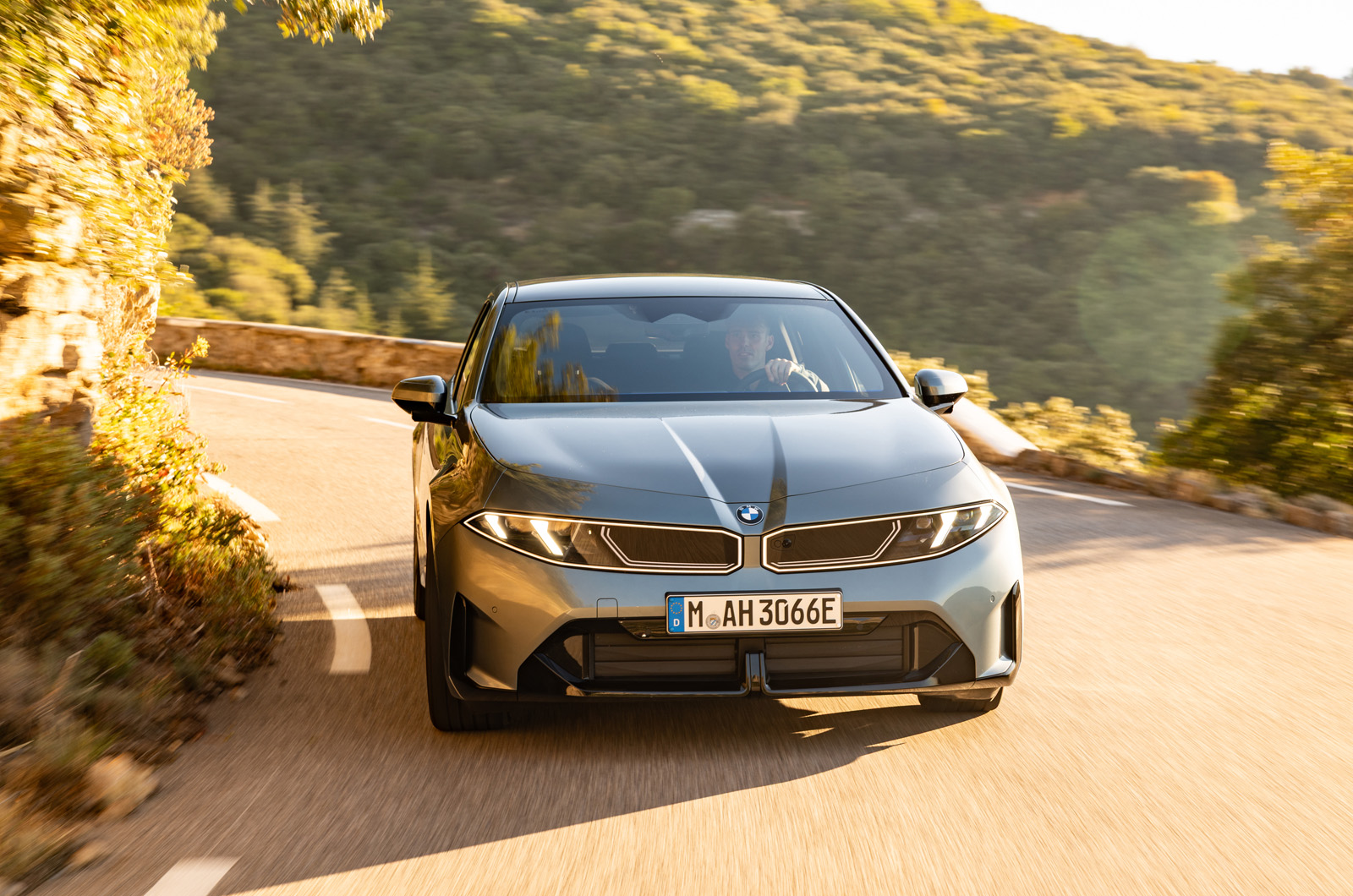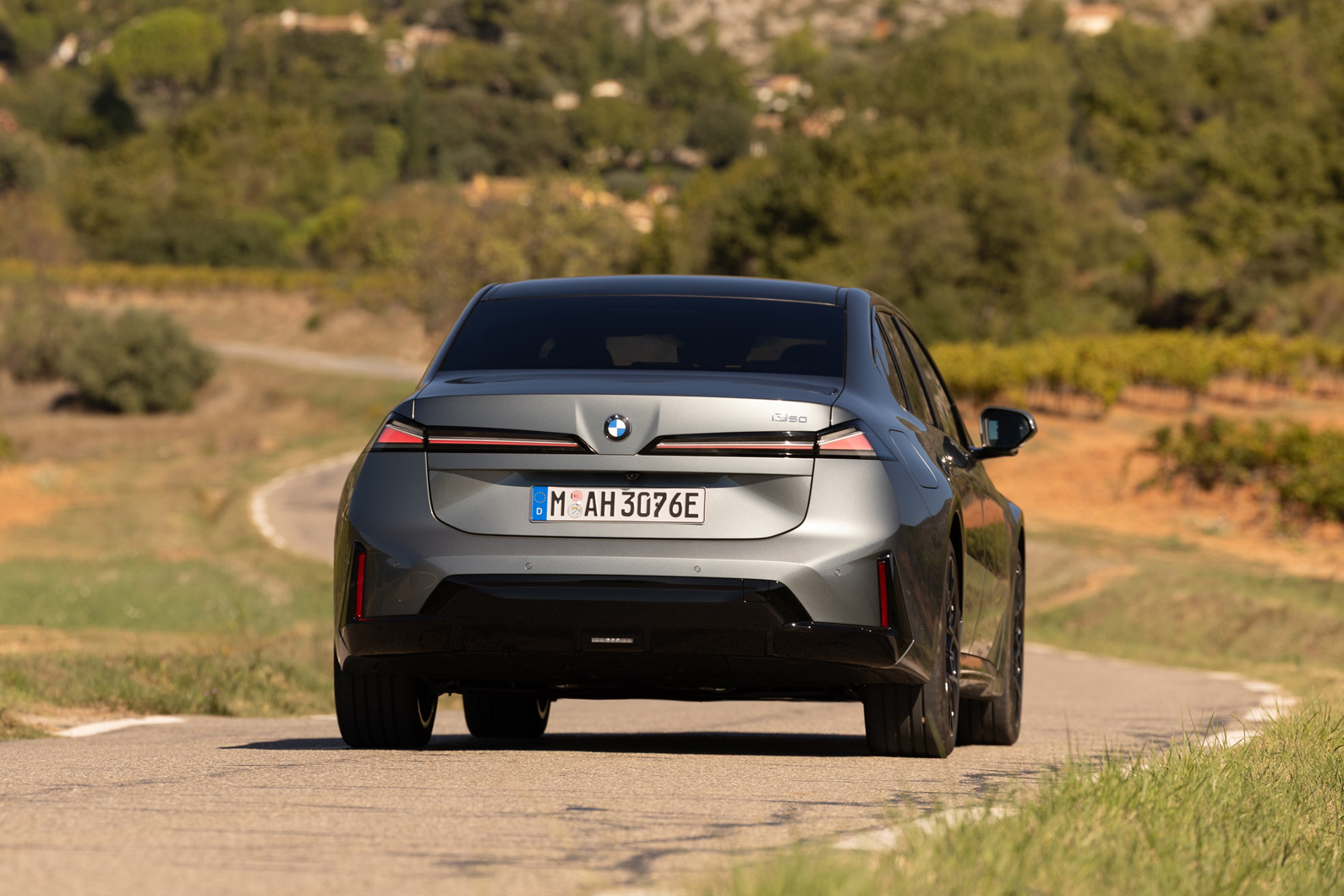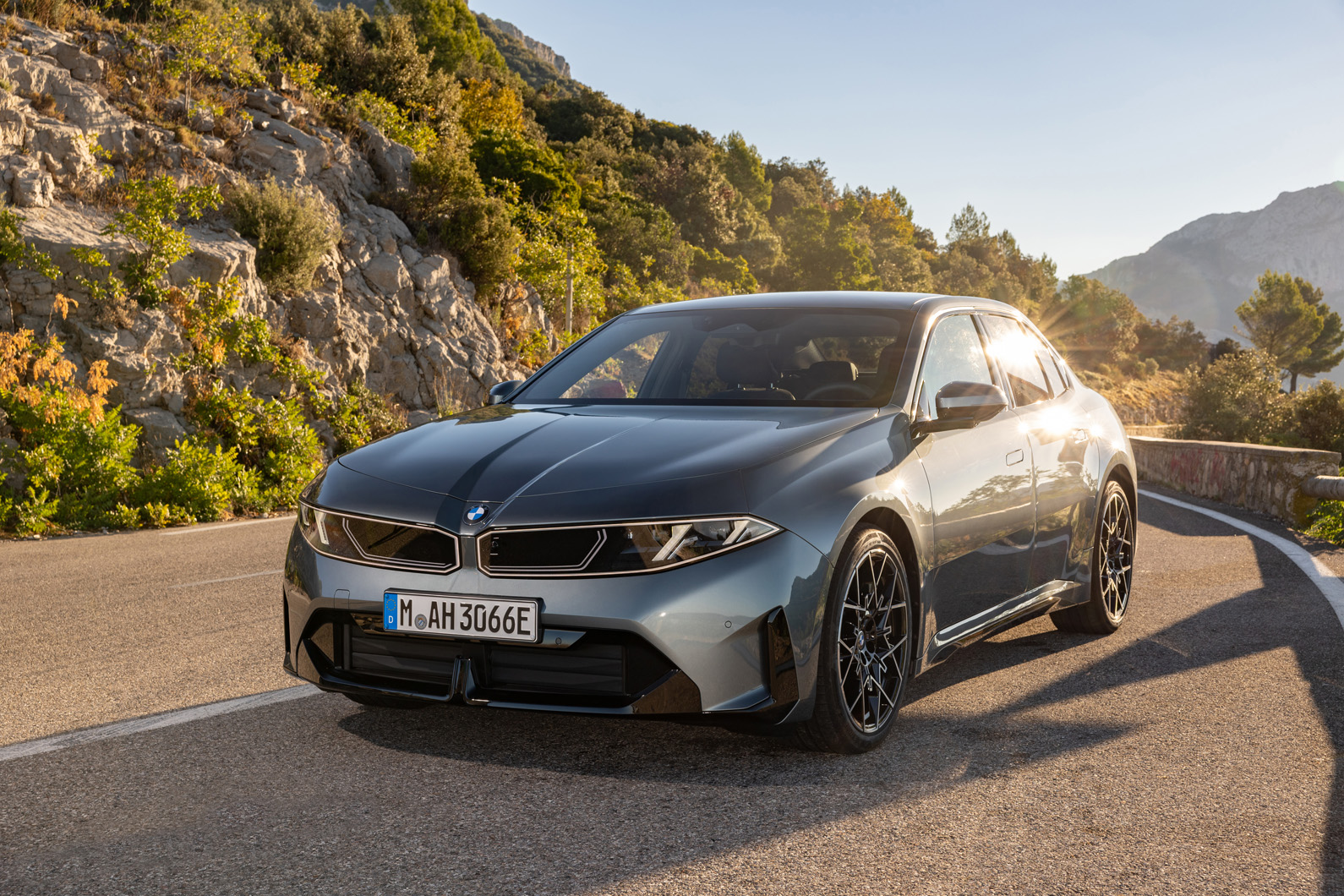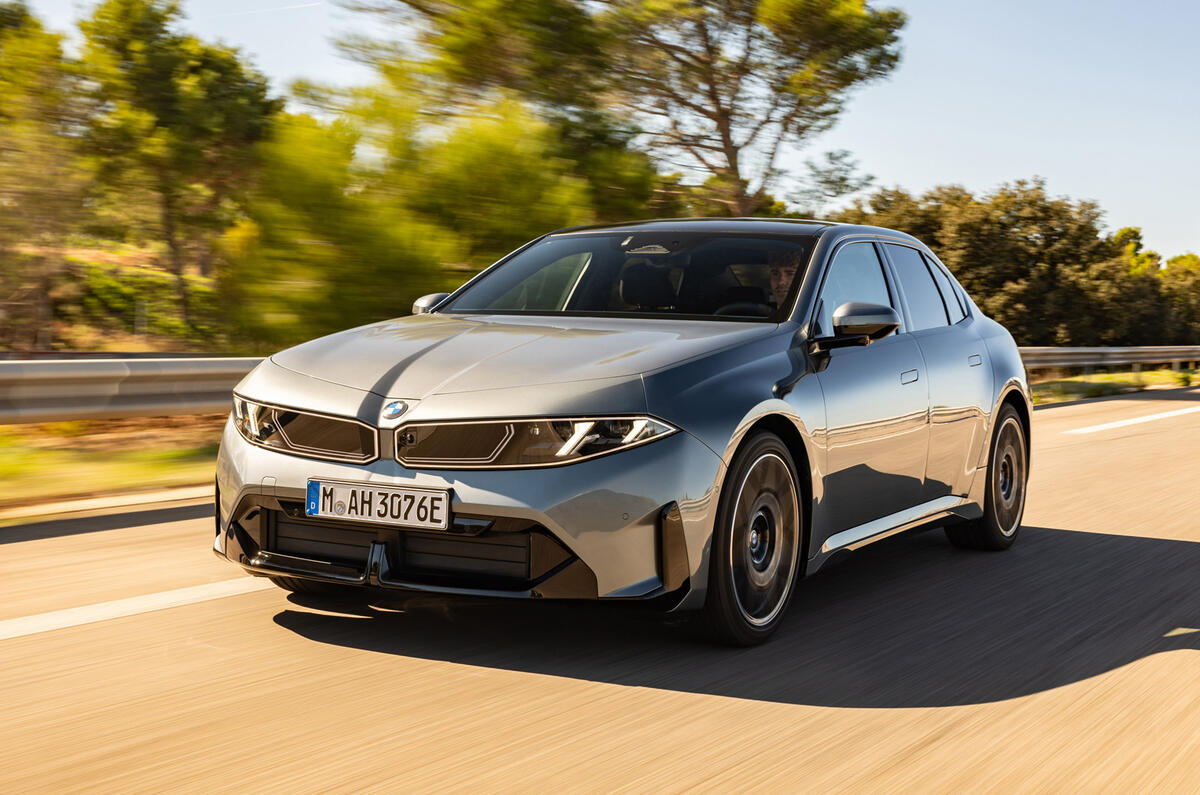
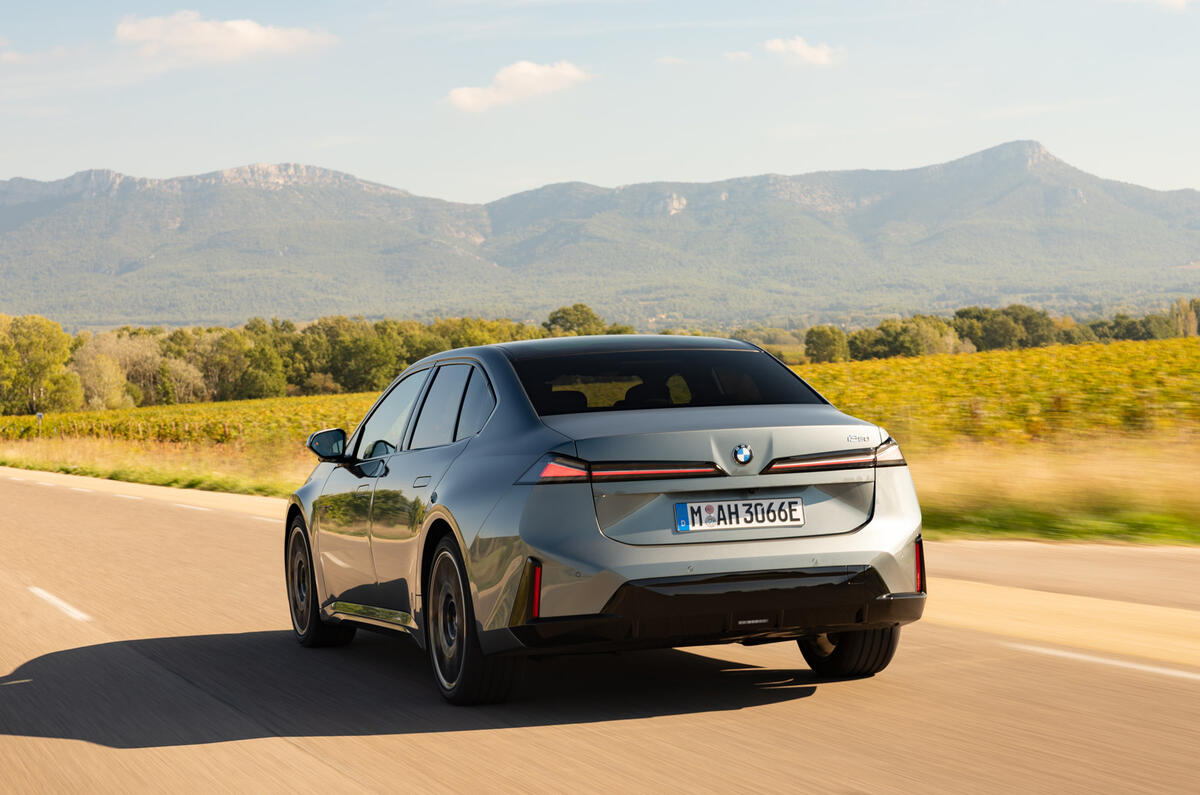
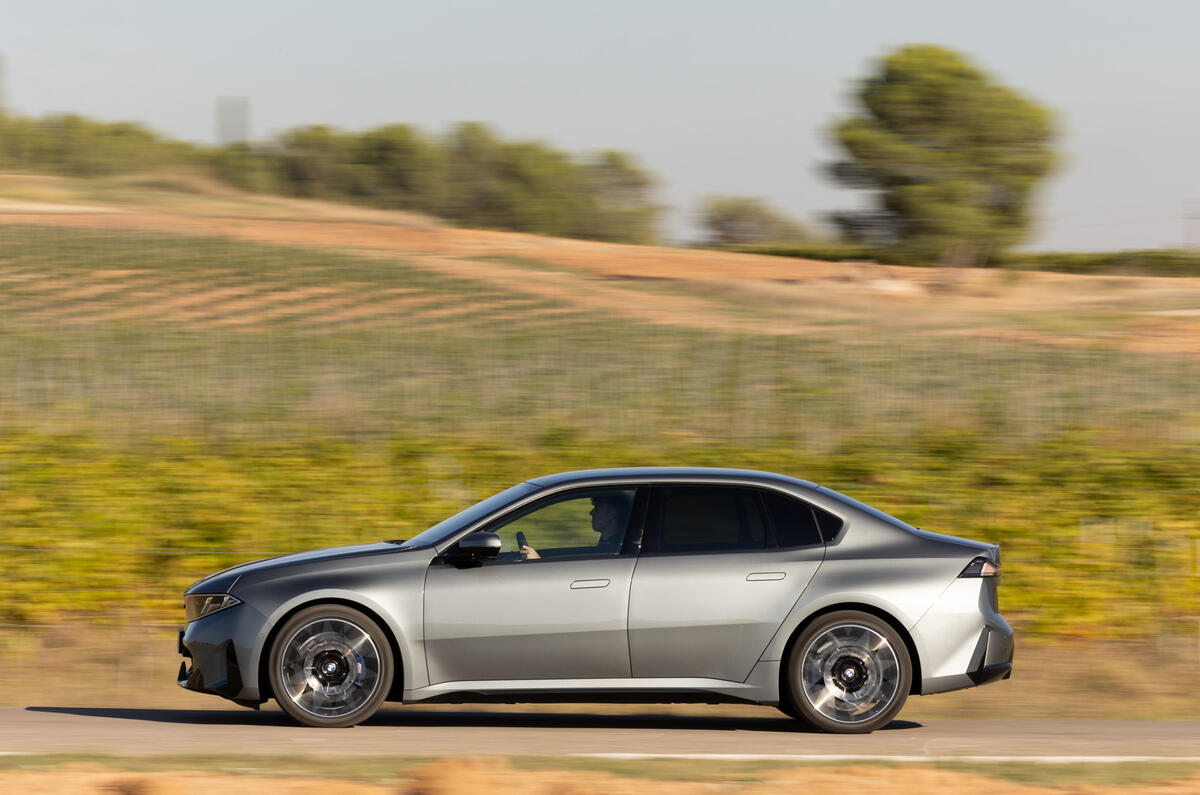

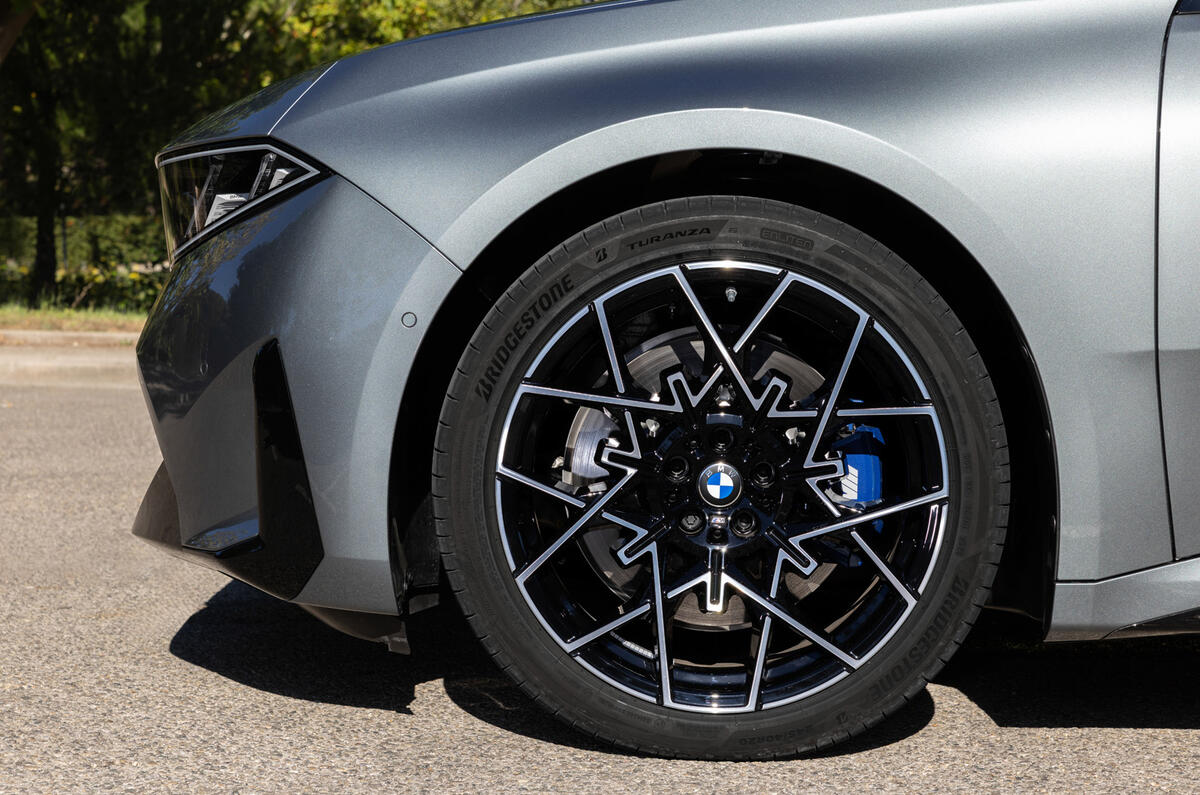
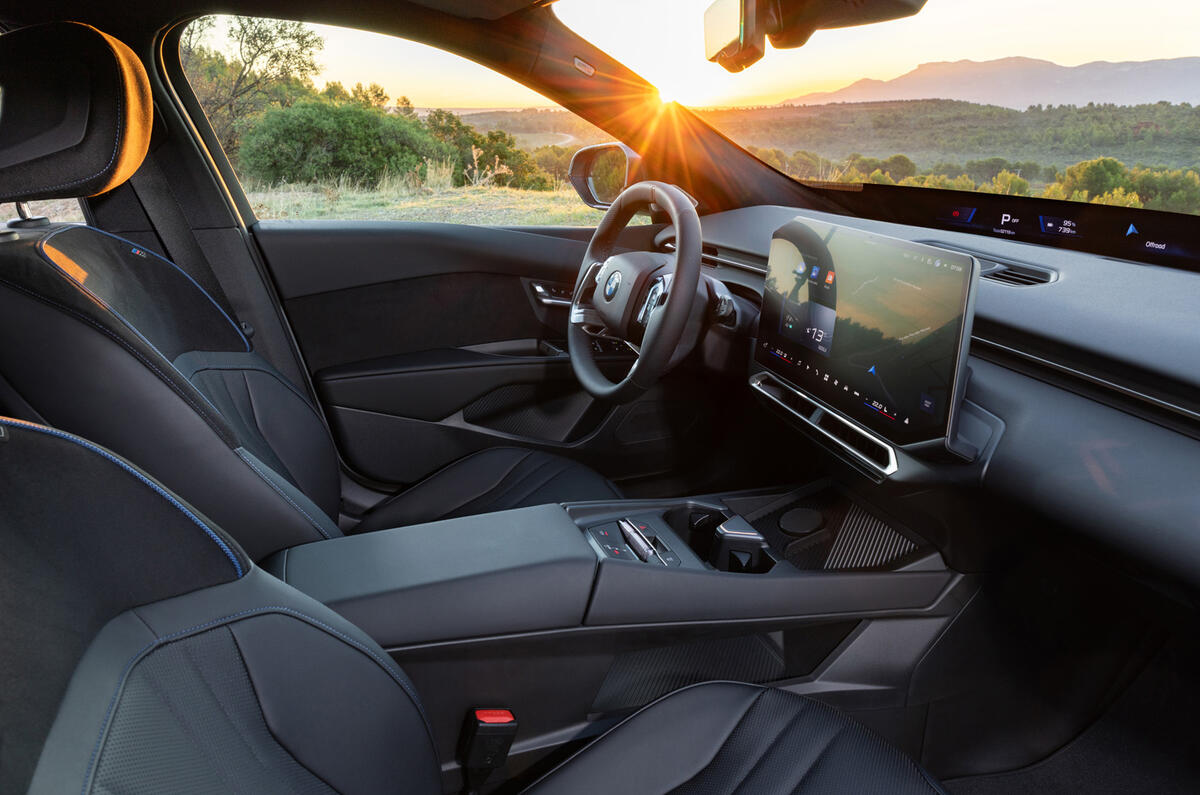
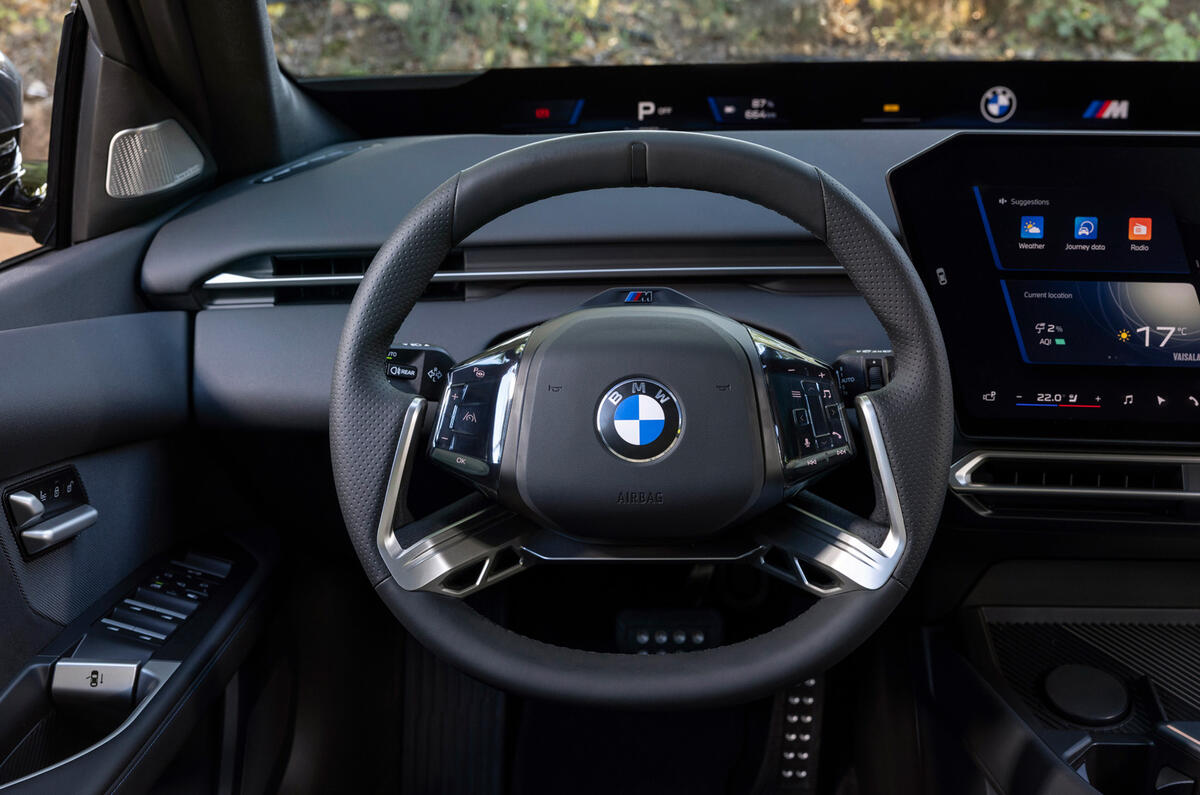
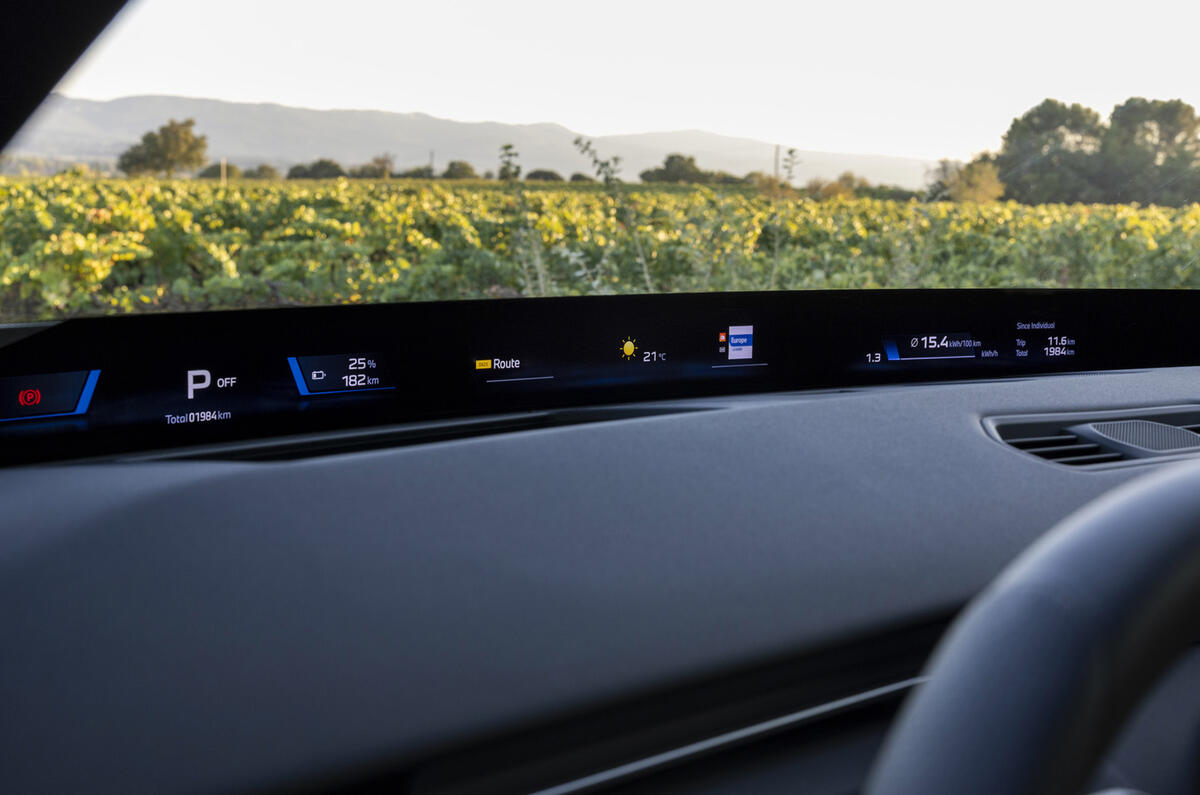
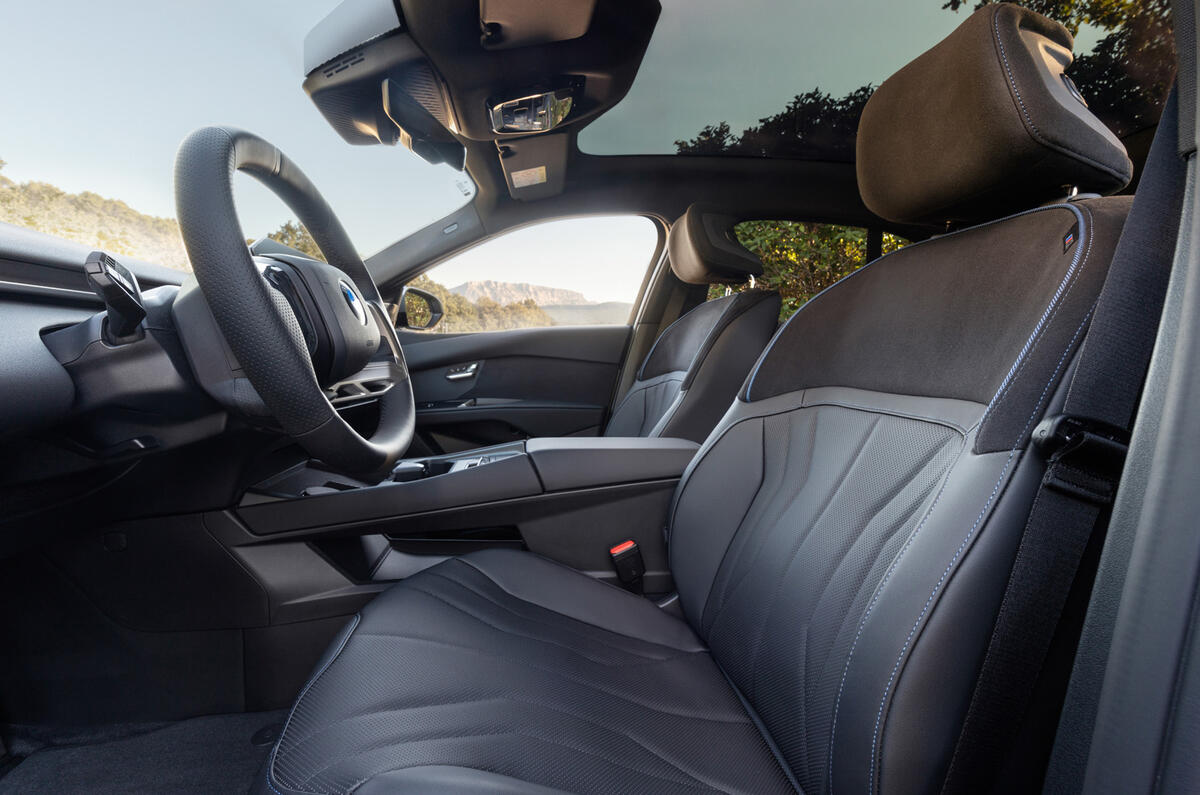
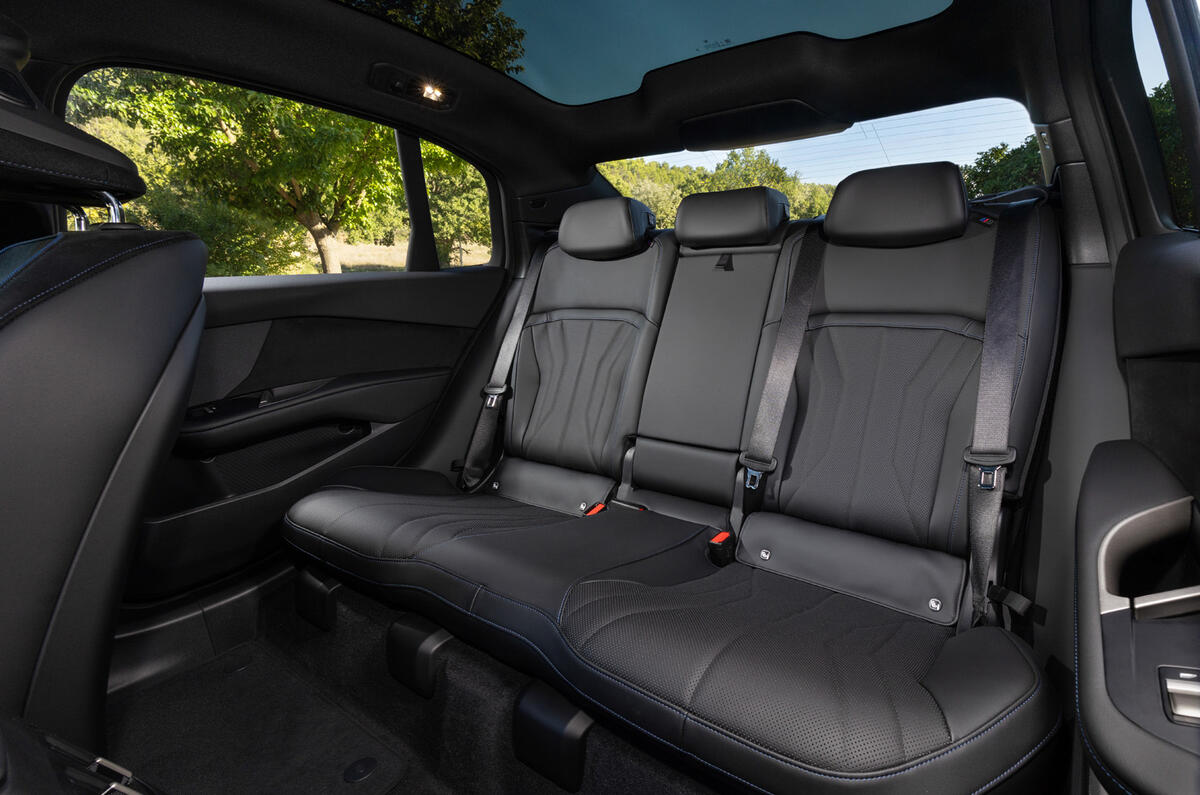
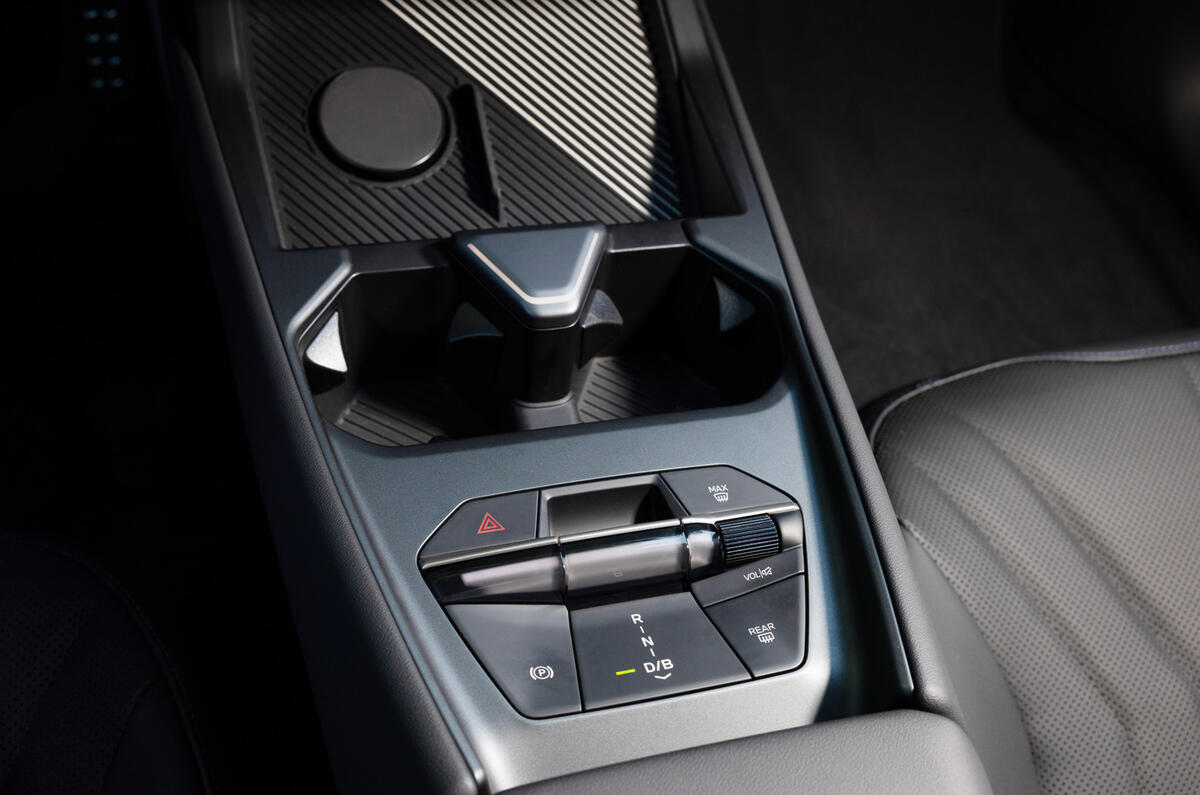
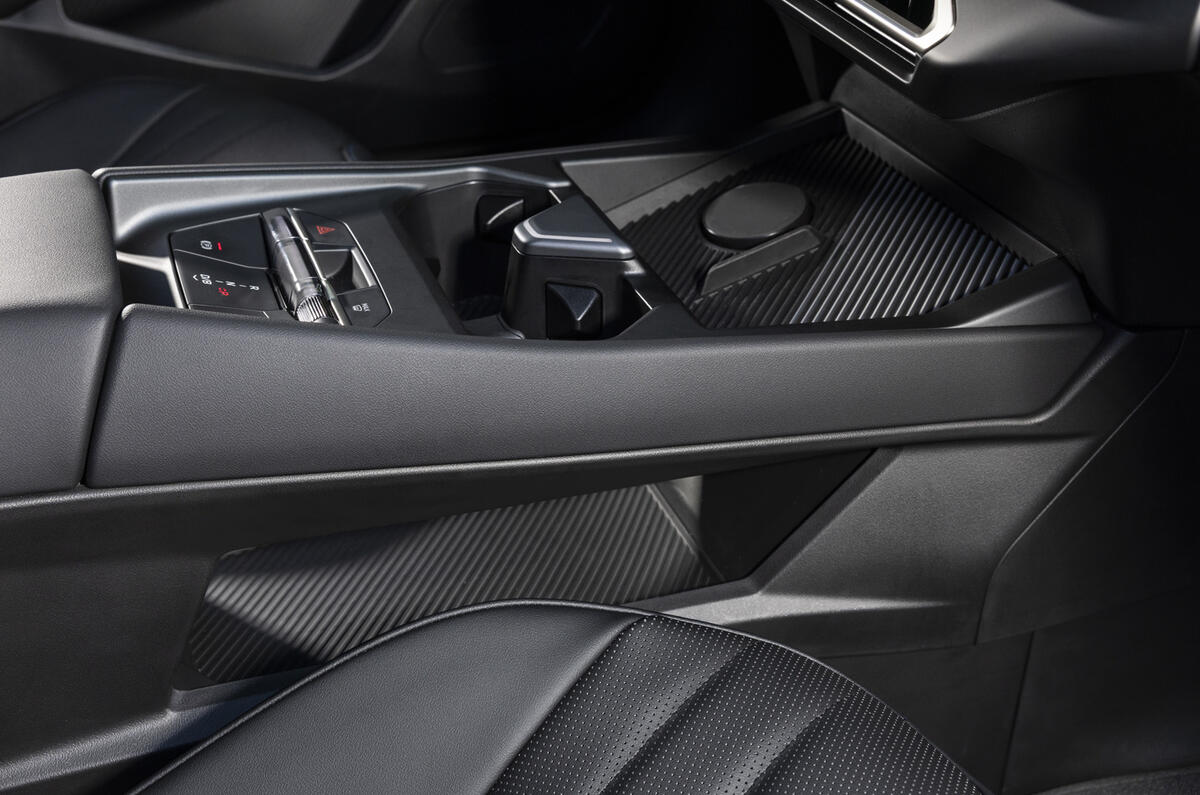
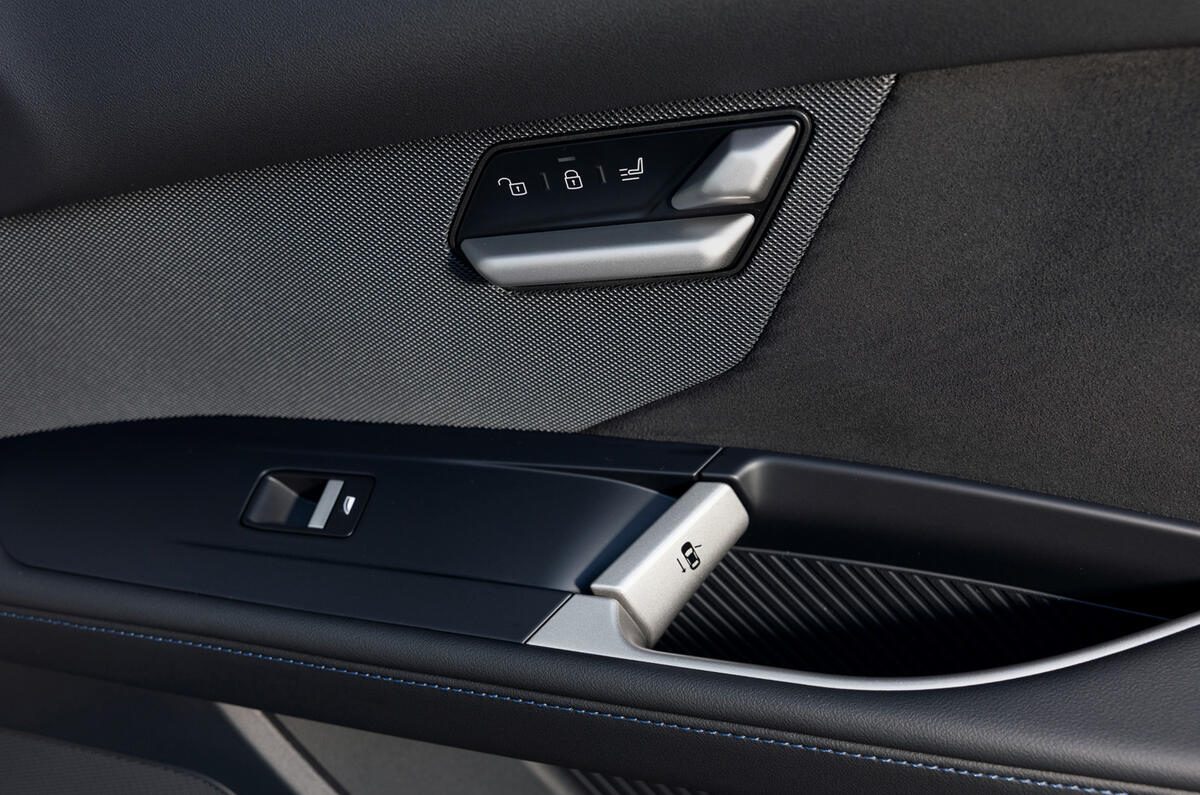
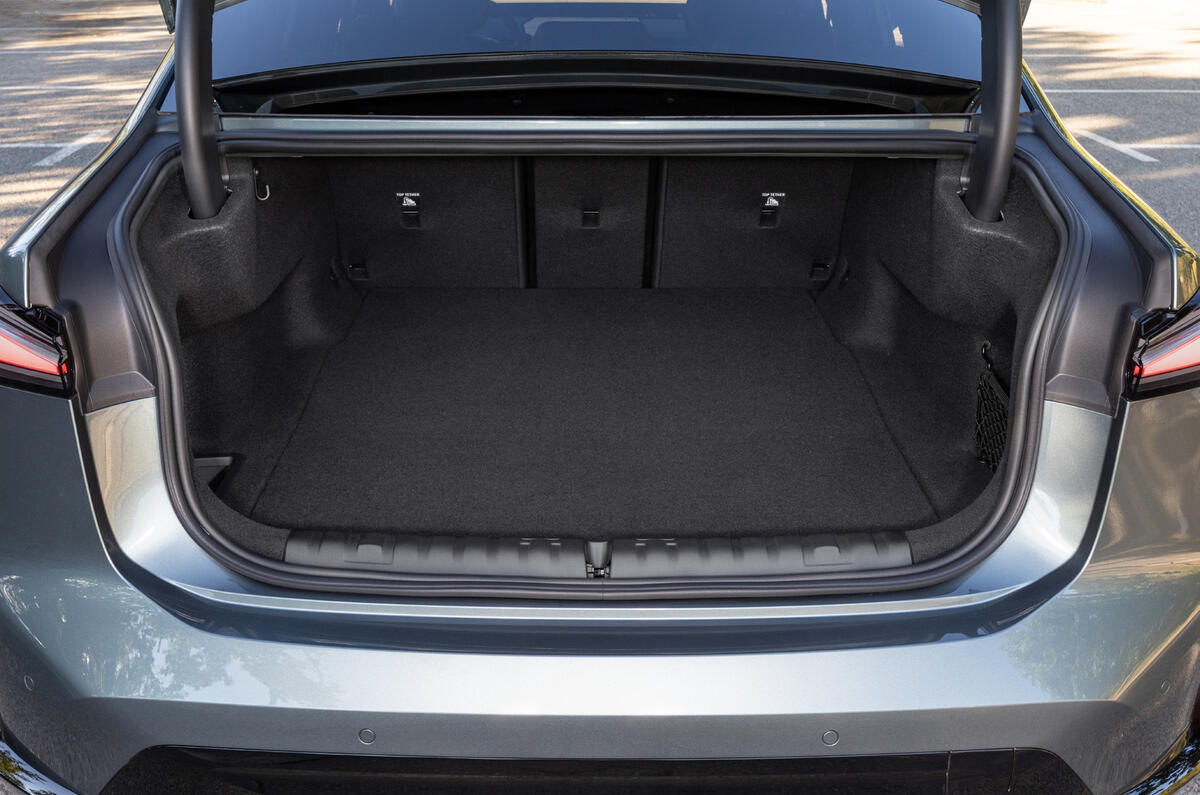
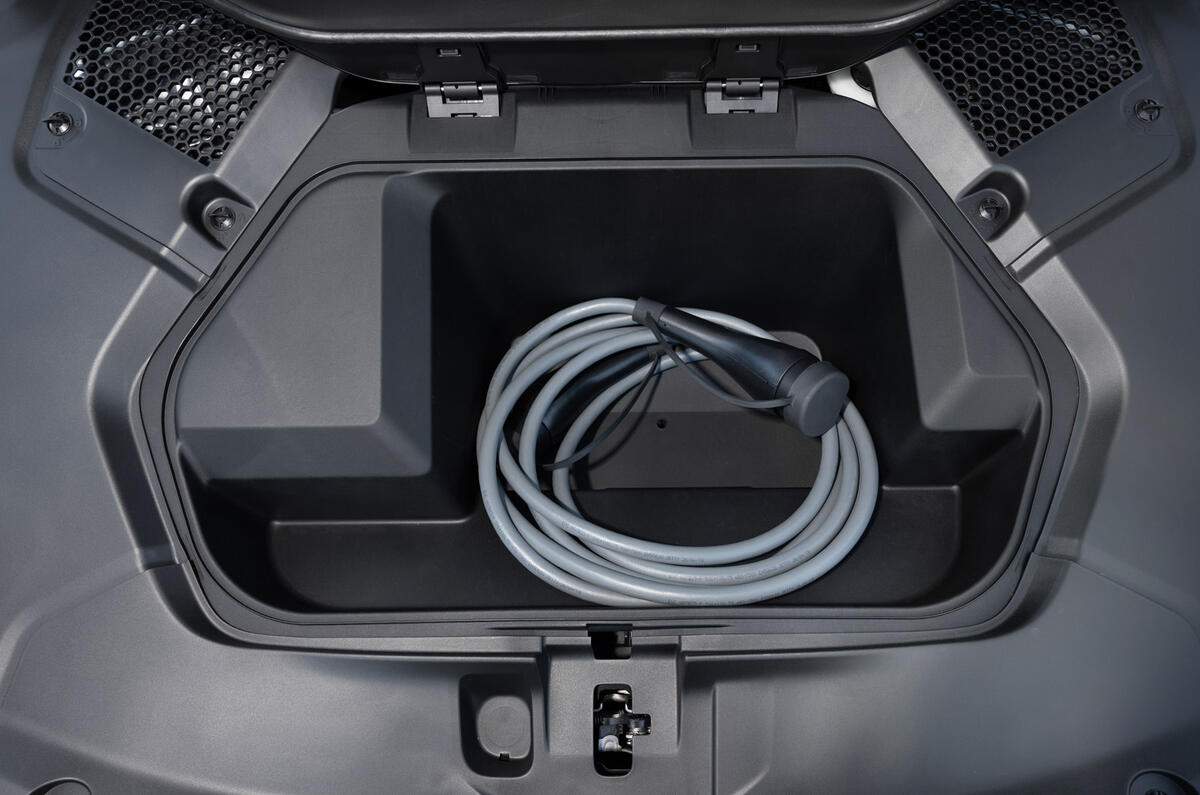
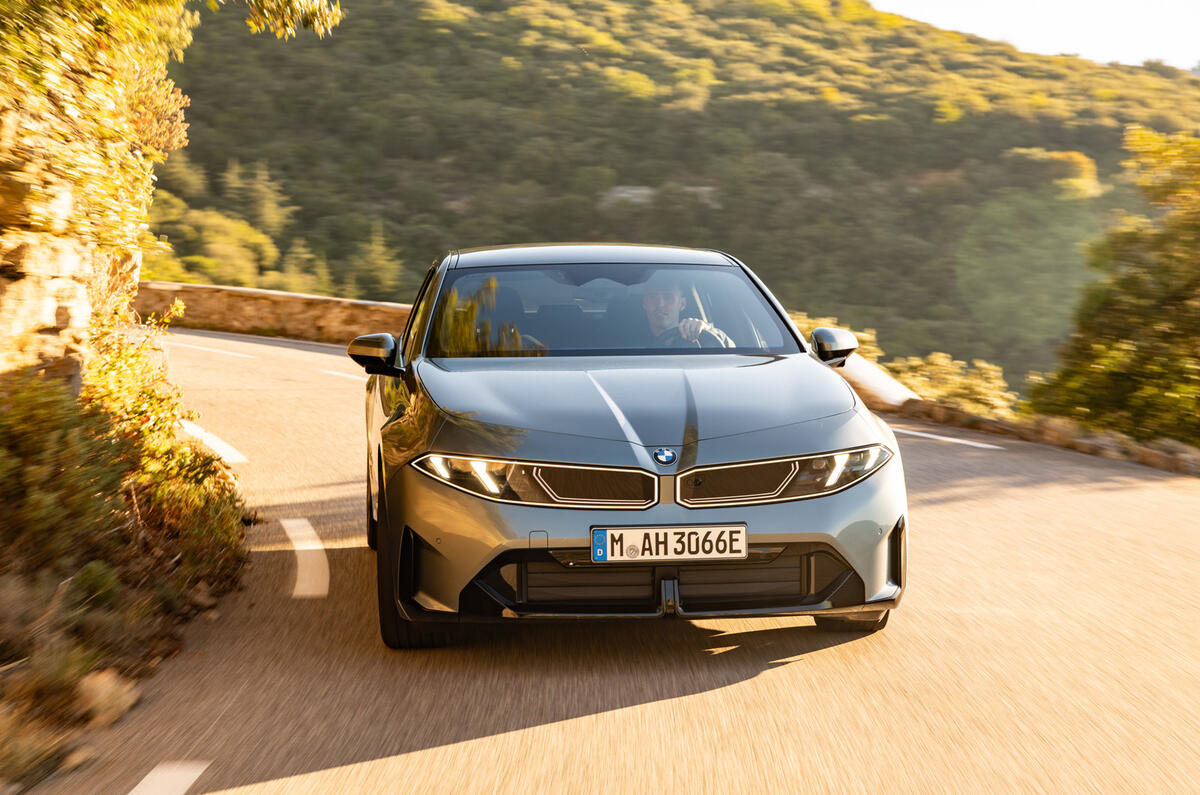
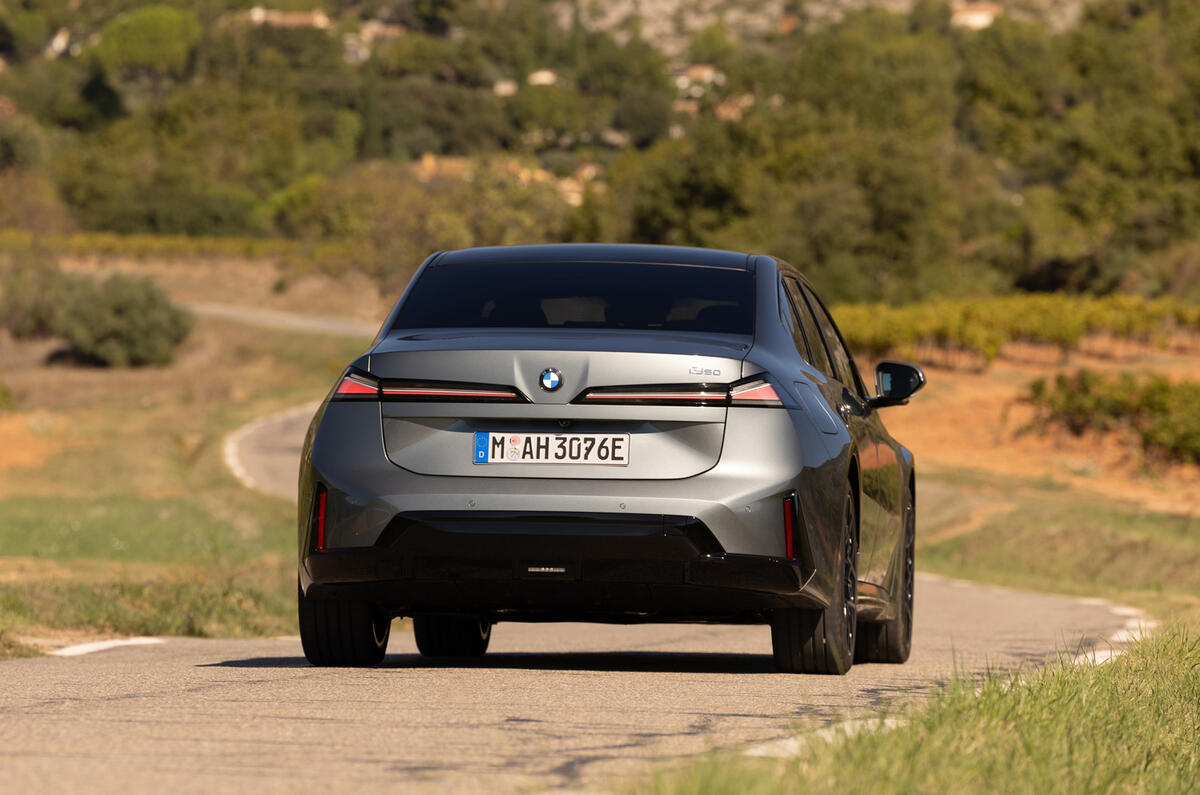
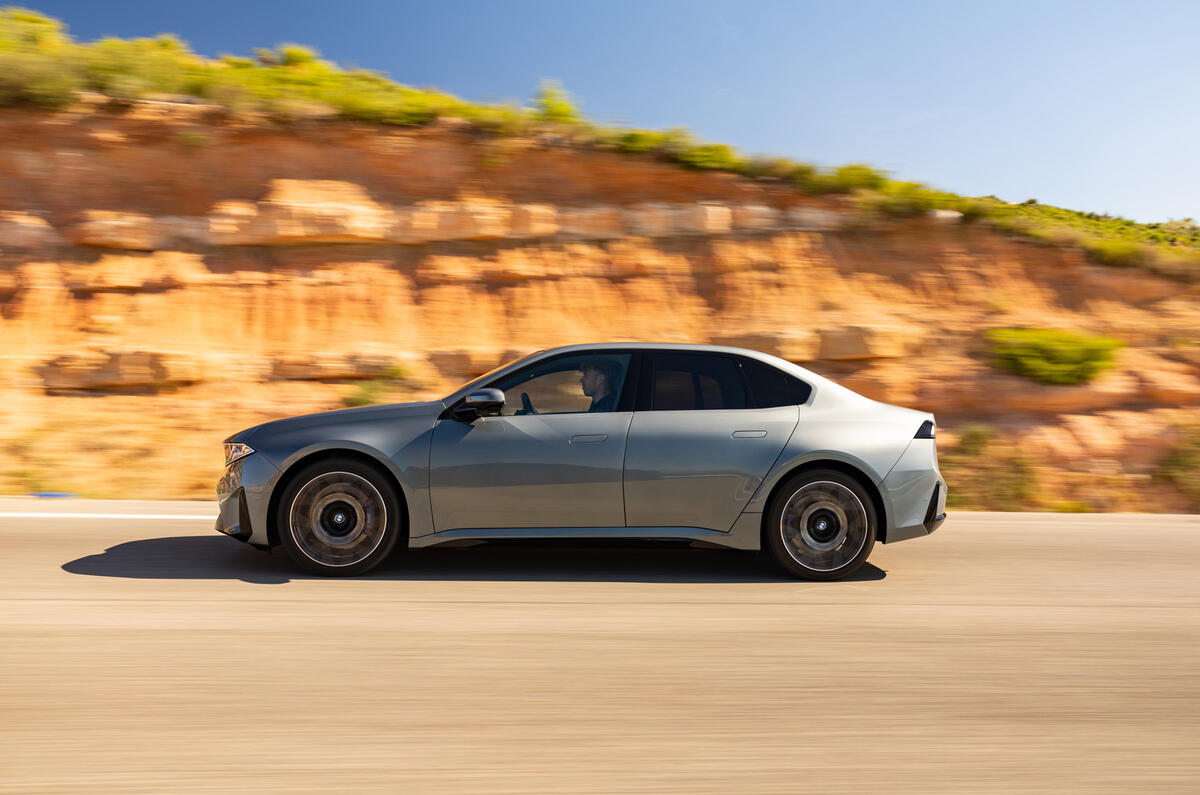
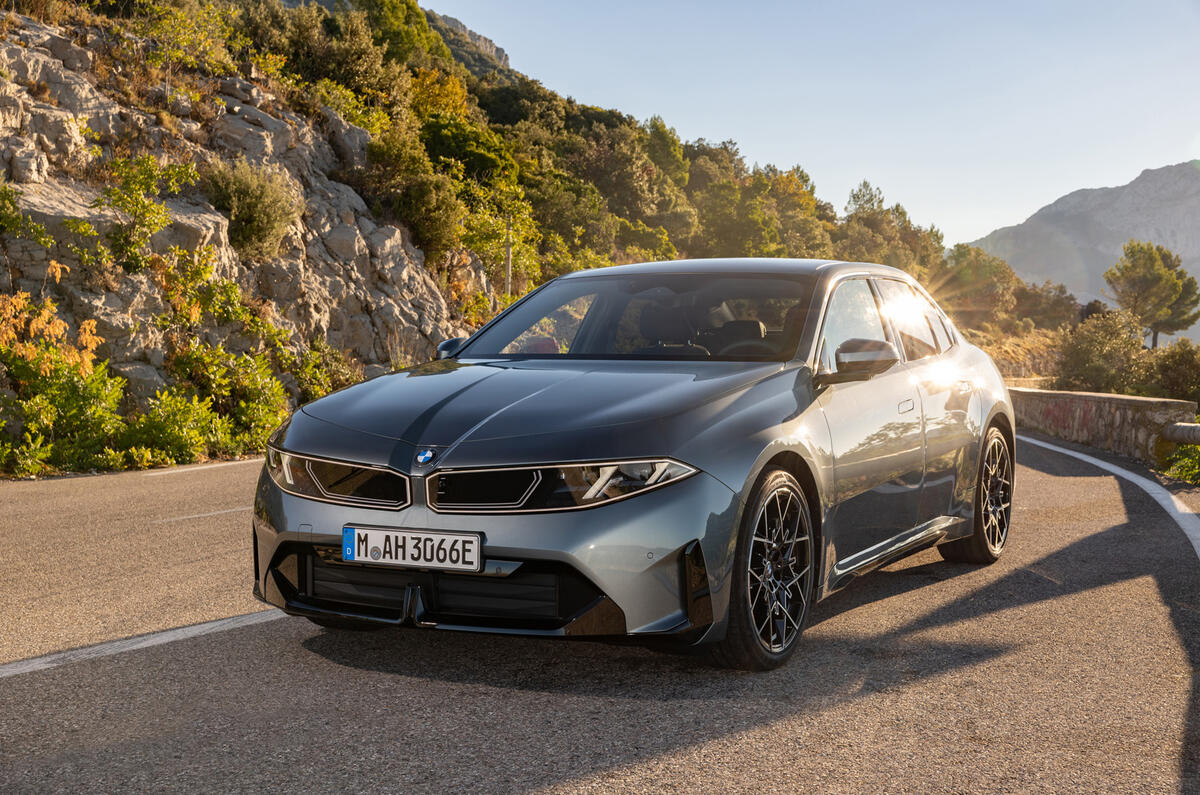
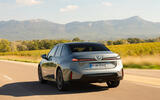
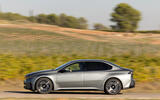

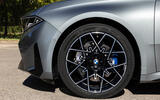





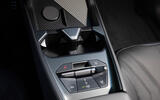


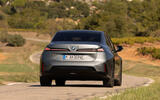



BMW has launched its new ICE 3 Series and electric i3 together, because presenting a united front is important. This EV is ostensibly an excellent new car – probably the best way to have electric motoring in a compact executive saloon package, even if in terms of driving dynamics and fun it’s outshone by its ICE sibling.
But the i3 will have to convince most people not to buy a 3.0-litre straight six but something else with no engine. As you'll read, it will tread those paths much more easily.
New BMW i3 cars in stock

Verdict
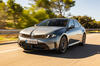
Model tested:
BMW i3
BMW i3 has impressive range and dynamics and could be set to become the segment's defining car
Good
Long range
Good performance
Bad
Screen functionality
Some testers thought driving position too high