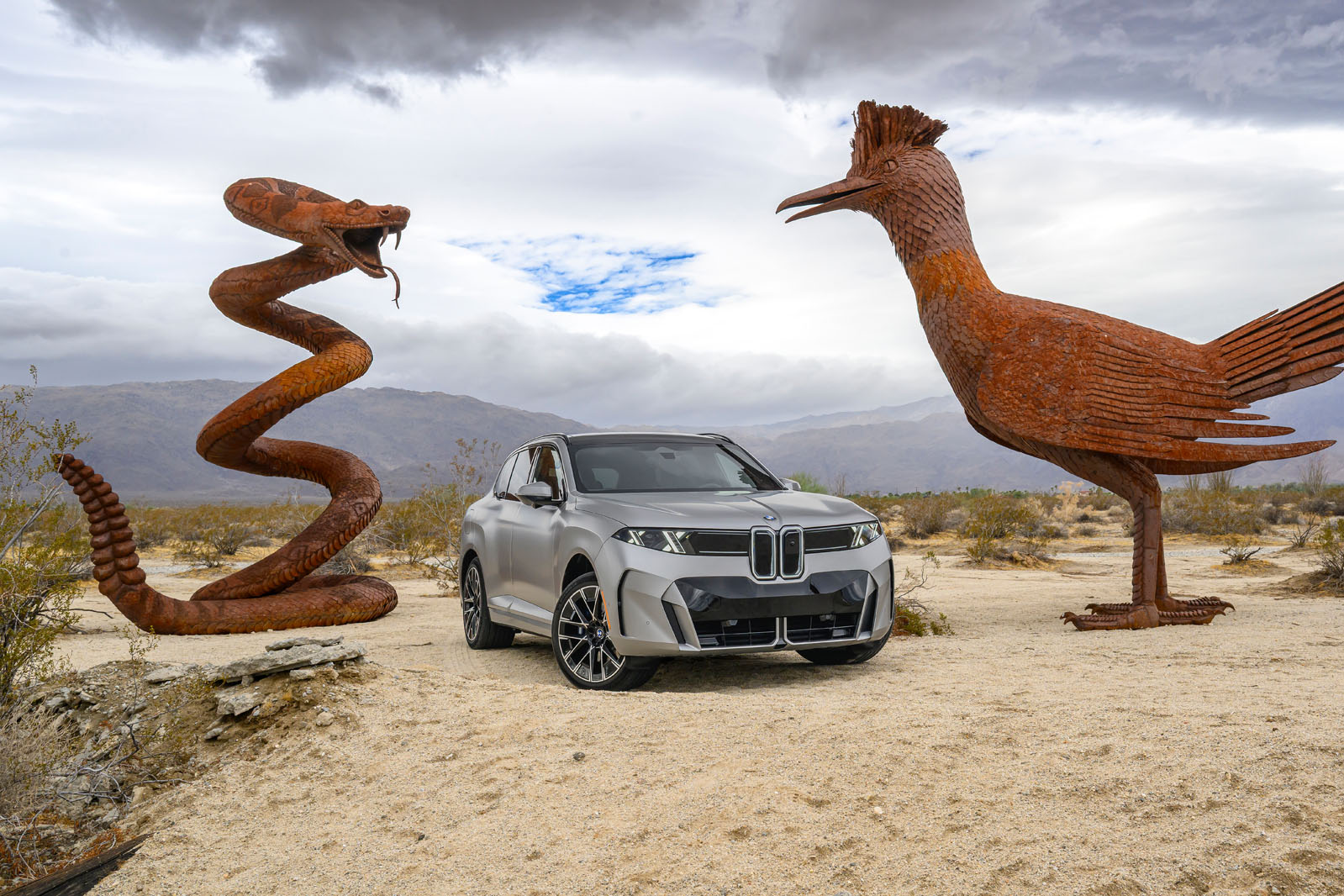
Long-running X5 SUV is electrified with Neue Klasse design and tech – plus a truly enormous battery

Find BMW iX5 deals
Other Services
Sell your car
84% get more money with

It seems that with the new X5, BMW is going for the record for most power sources available in one car. It will at some point be available with mild-hybrid petrol, mild-hybrid diesel, plug-in hybrid, battery-electric and even hydrogen fuel cell drivetrains.

At a time when EV mandates and subsidies come and go and consumers can’t decide whether diesel really is the devil’s work, BMW isn't taking any chances and is just giving us everything as part of it being powertrain-agnostic, it says.

The G65-generation X5 is due in the UK next spring, and while we’ve driven prototypes of various powertrains, we’ve now also tried the all-new electric iX5 as a finished thing.

What is effectively the tall 5 Series has been around since 1999, when it made its debut as what BMW claims was the world’s first ‘SAV’, or sports activity vehicle, because it was fun to drive when the 4x4s around it were not.

It has proven sufficiently dynamically satisfying that BMW has gone on to sell more than three million of them throughout the generations. And the SUV-ification of the world means that in some markets it outsells the 5 Series.

This car, though, is in most ways, bigger than ever. And in few key areas, much, much greater...

Advertisement

DESIGN & STYLING

BMW iX5 review 2026 070

With the smaller iX3 and mechanically unrelated X3, it seemed as if BMW was done sharing platforms between EVs and ICE cars. The benefits are obvious: batteries and motors are a very different shape from engines and gearboxes. But with the new X5, BMW is firmly choosing flexibility again.

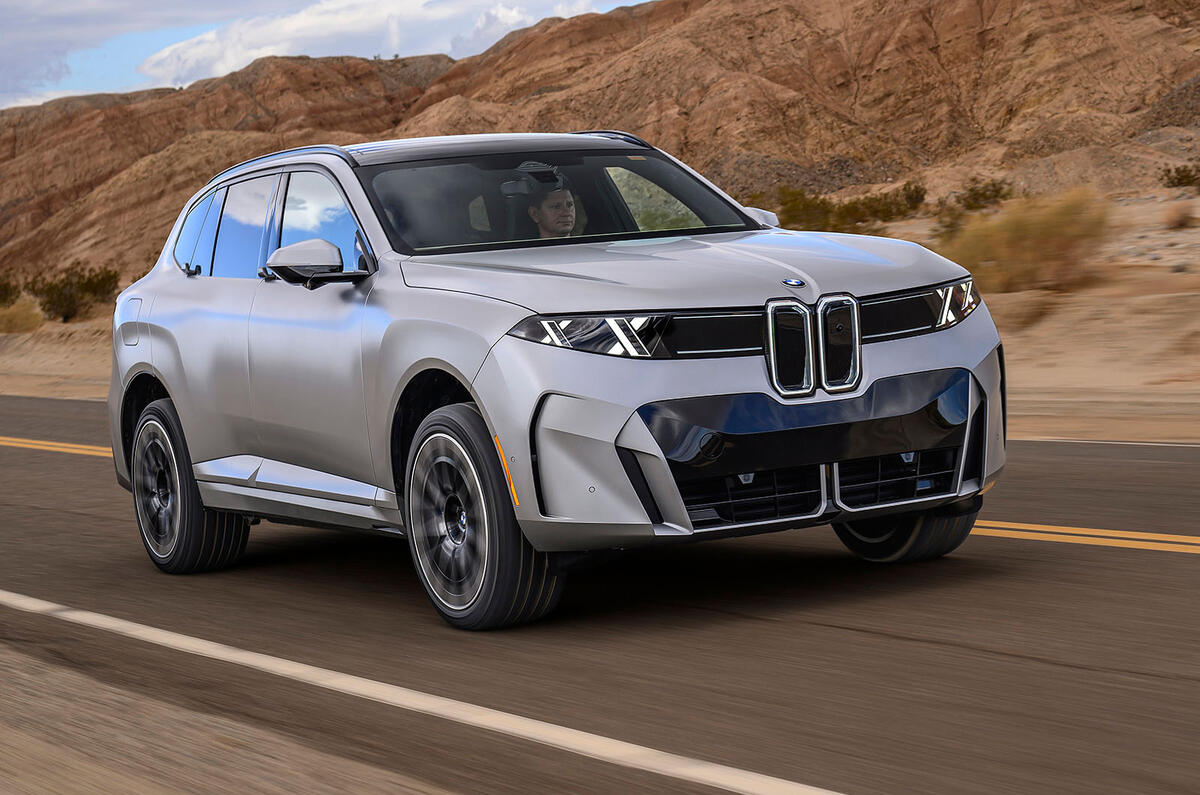
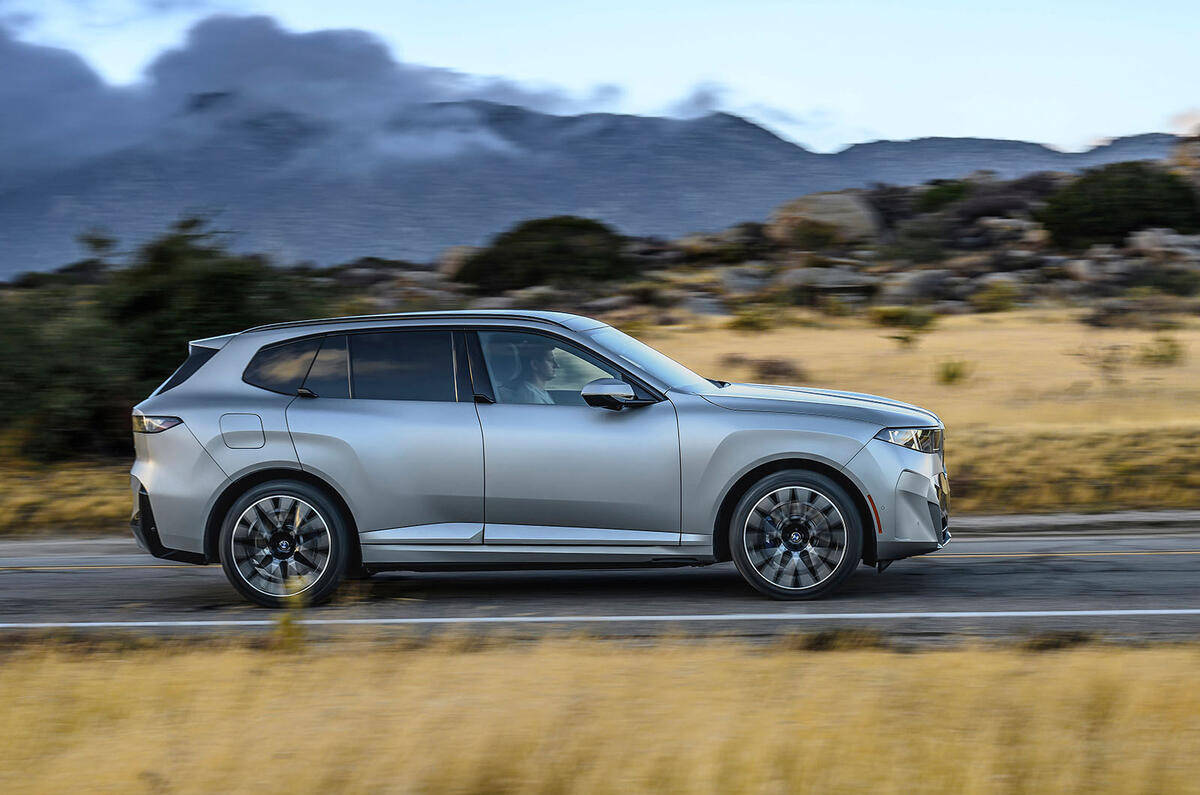
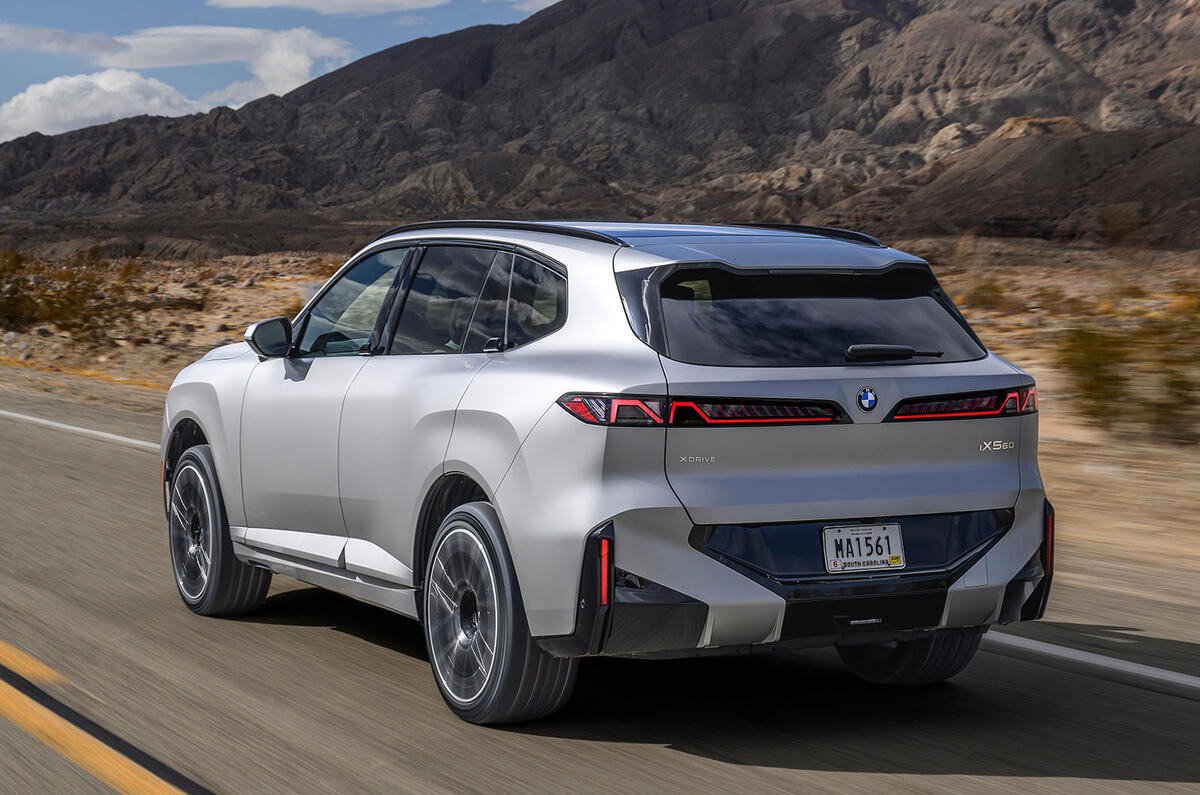
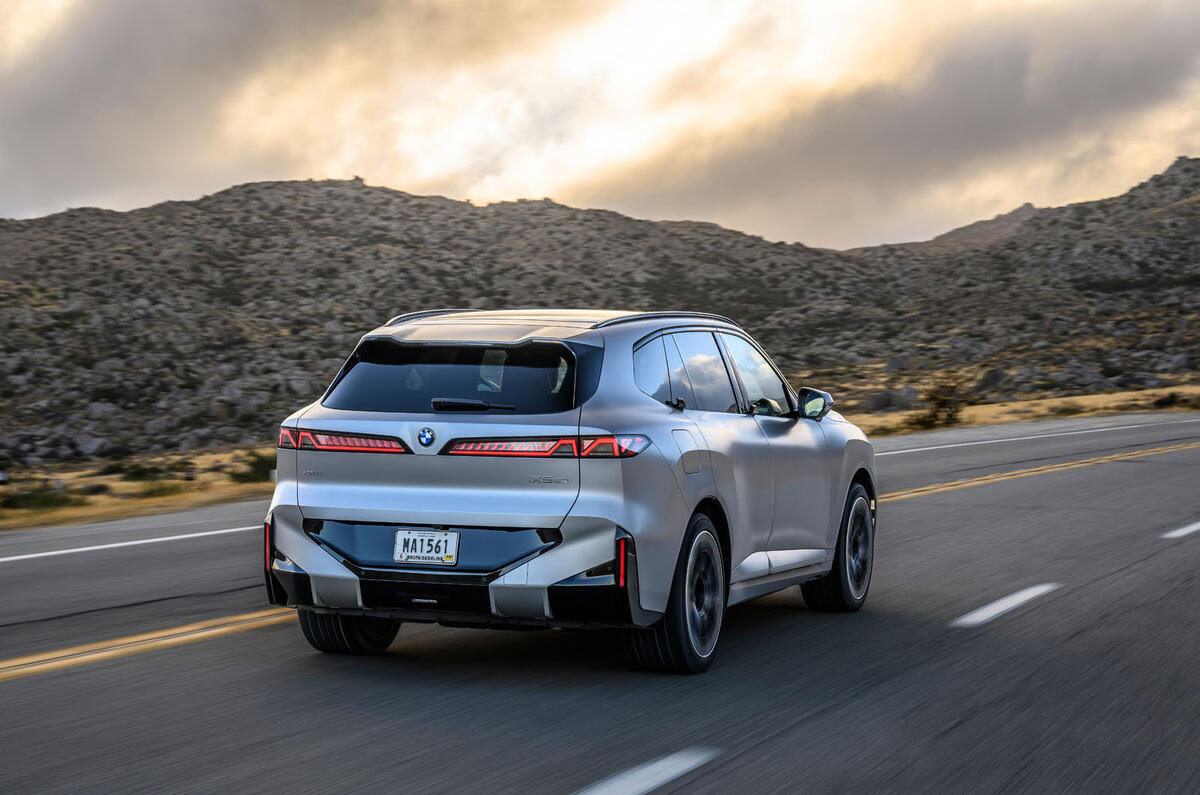
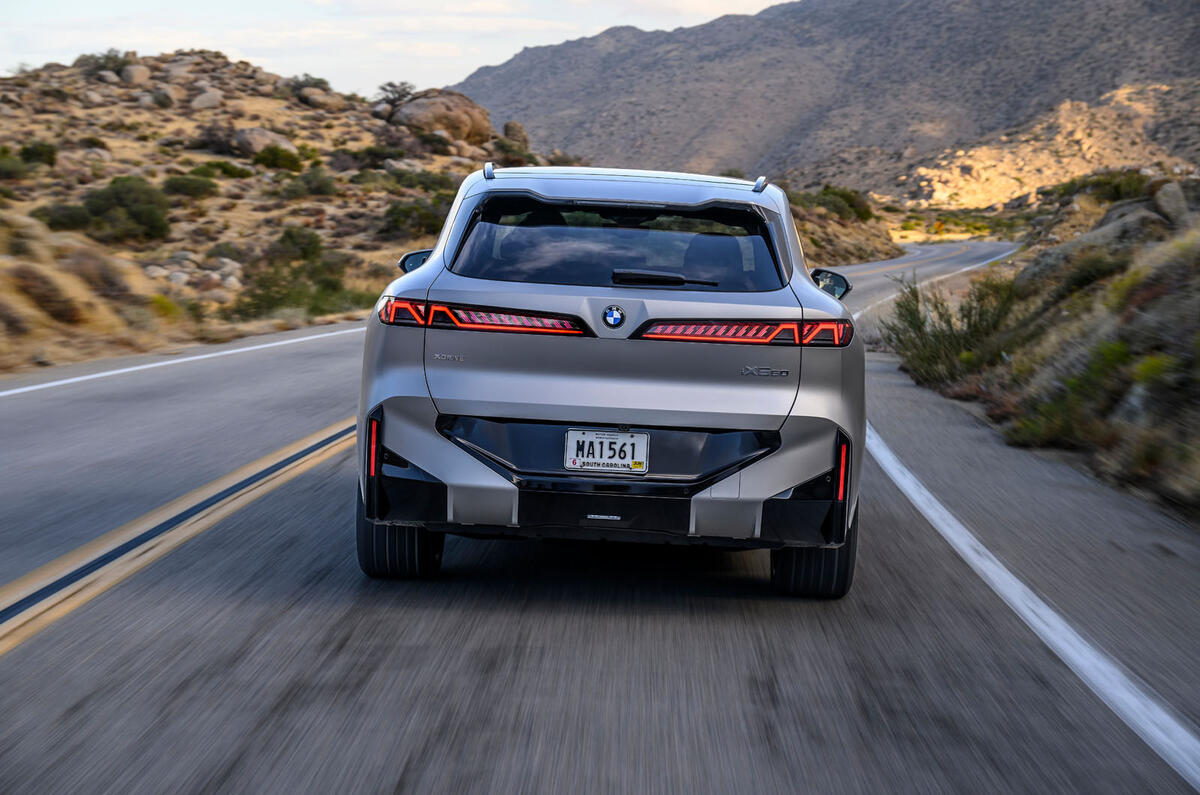
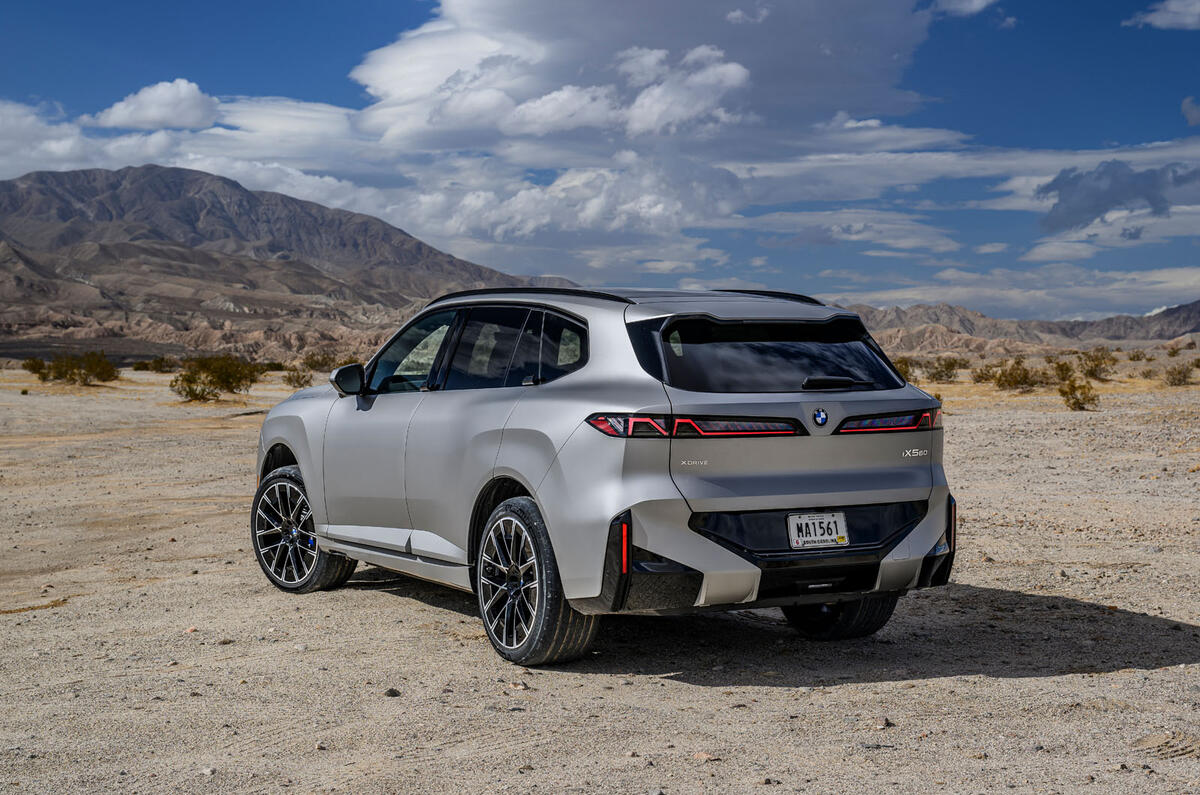
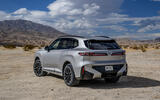
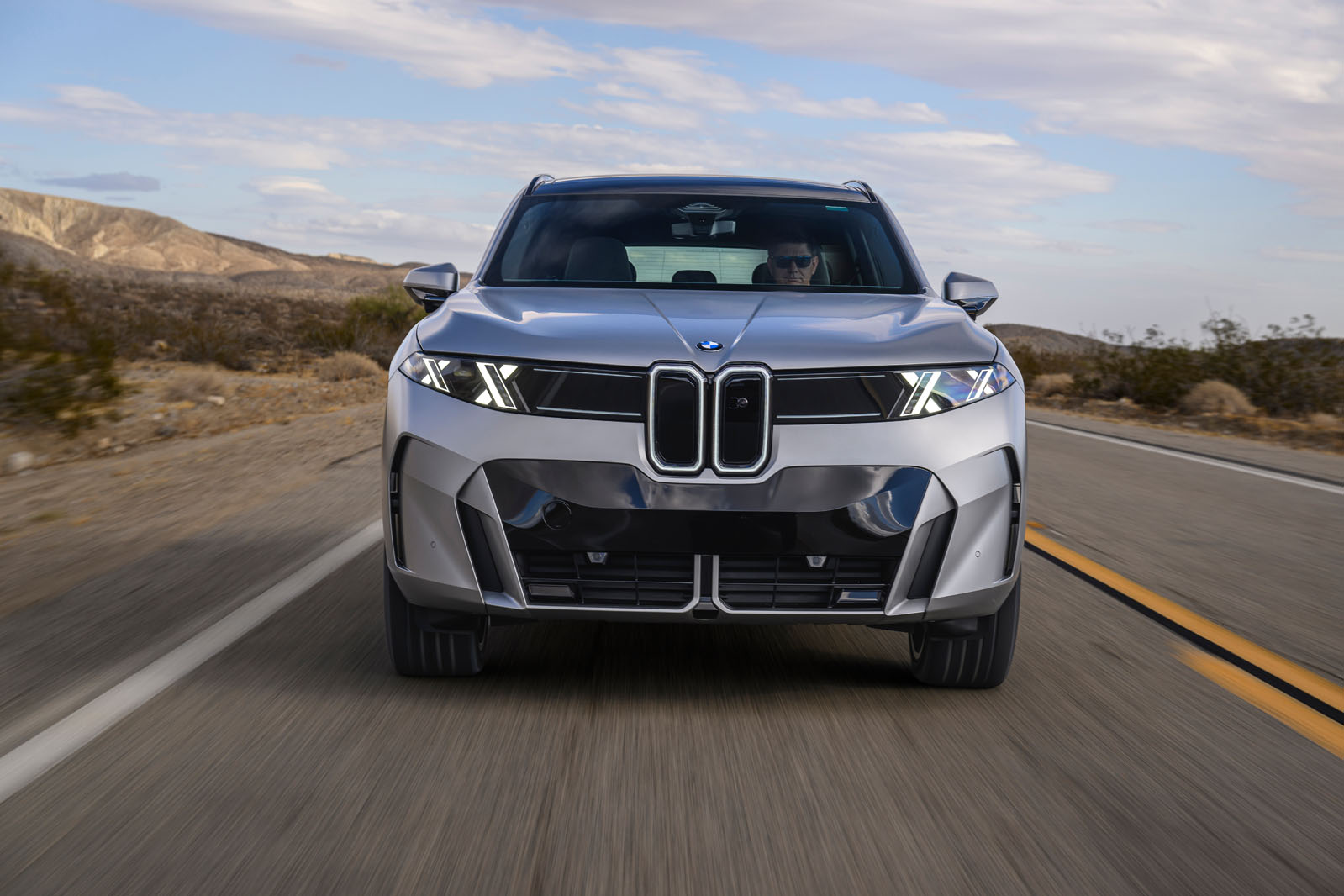
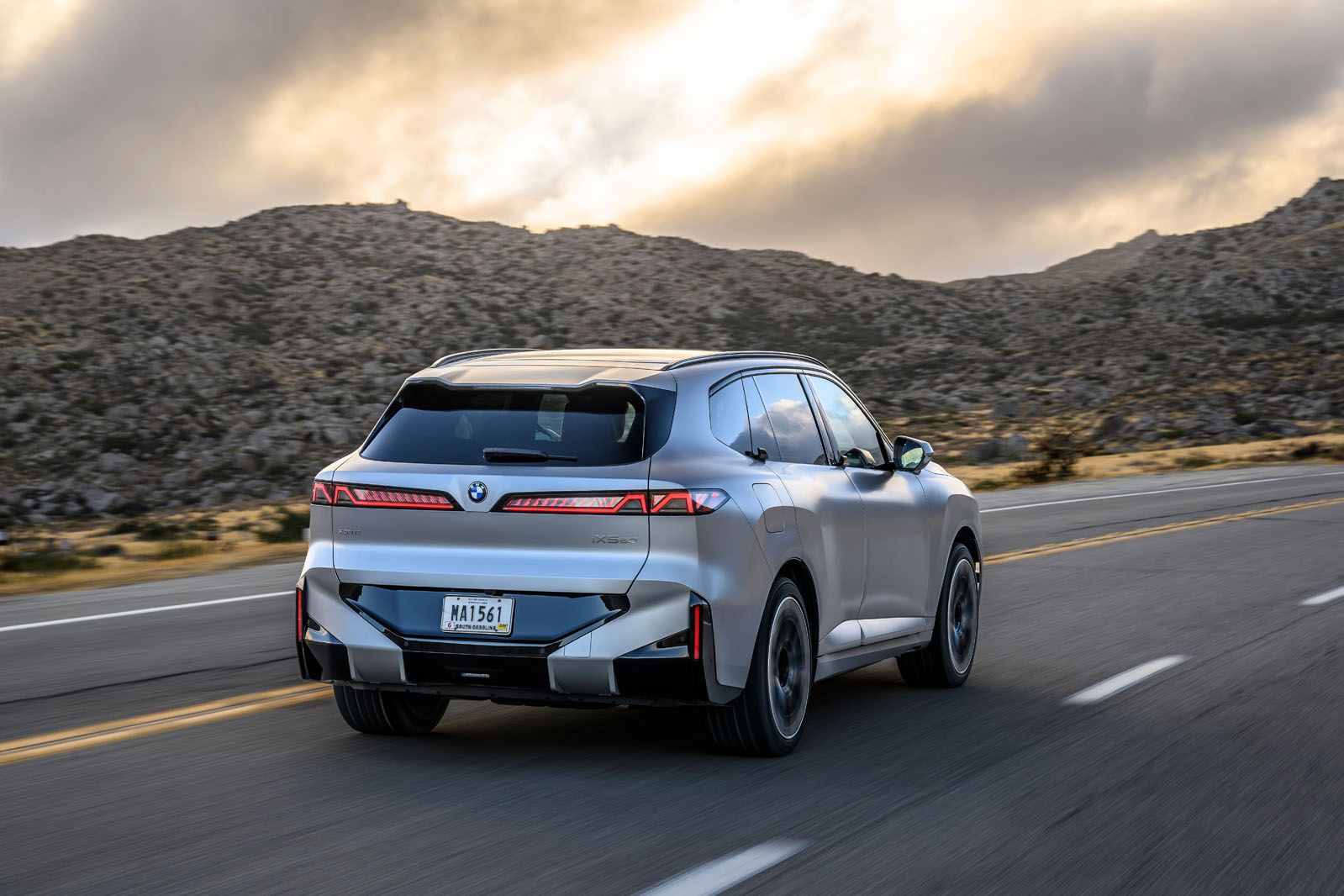
All models are 4.99m long, 2.0m wide across the body and 1.75m high, or about normal for what would be considered a mid-size SUV in its biggest market, the US, where it’s built.

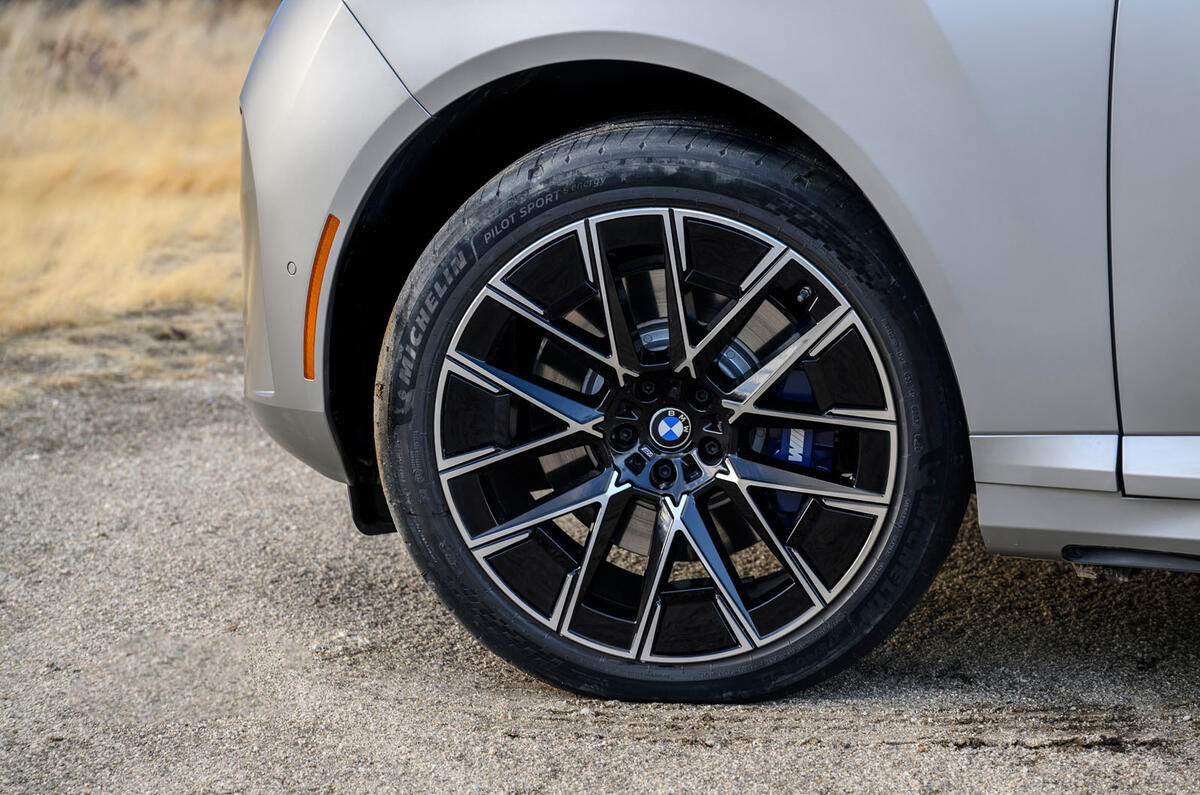
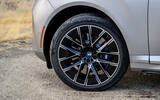
The iX5 uses a brand-new tyre from Michelin: the Pilot Sport 5 Efficiency. The engineers are very happy with its blend of handling and rolling resistance, which is extremely important for range.

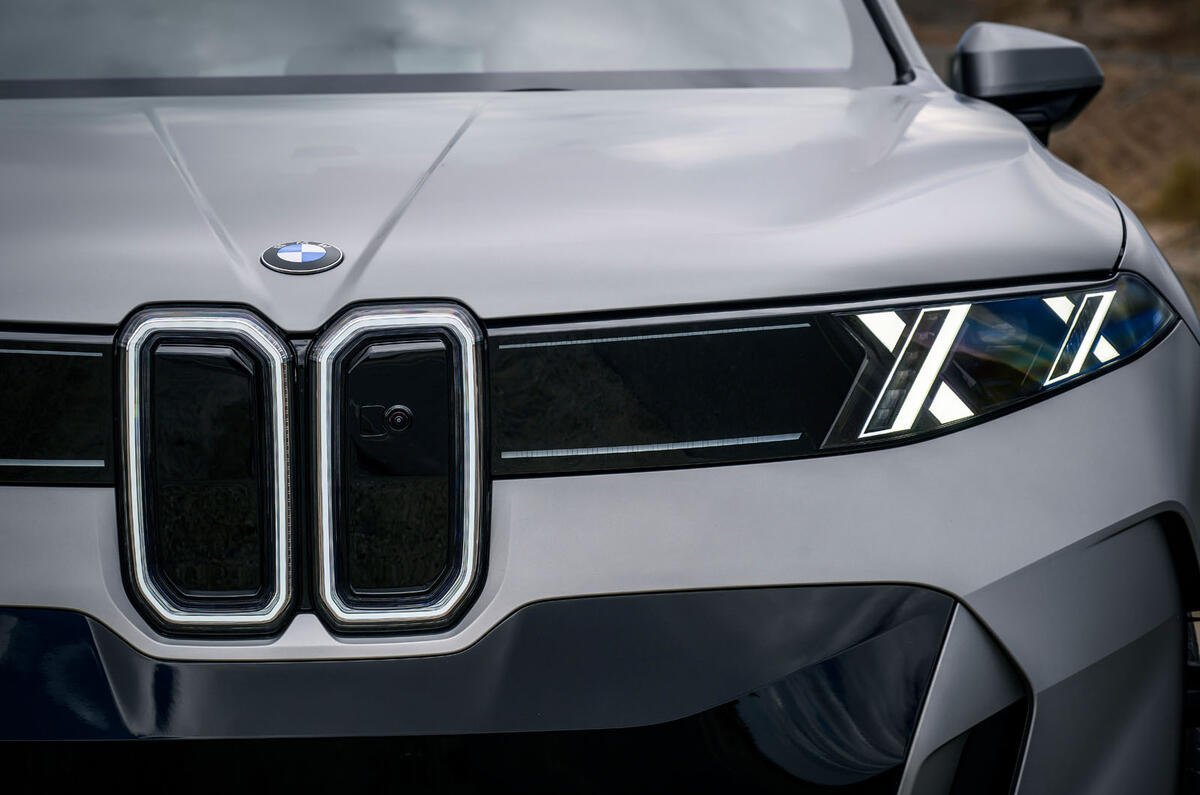
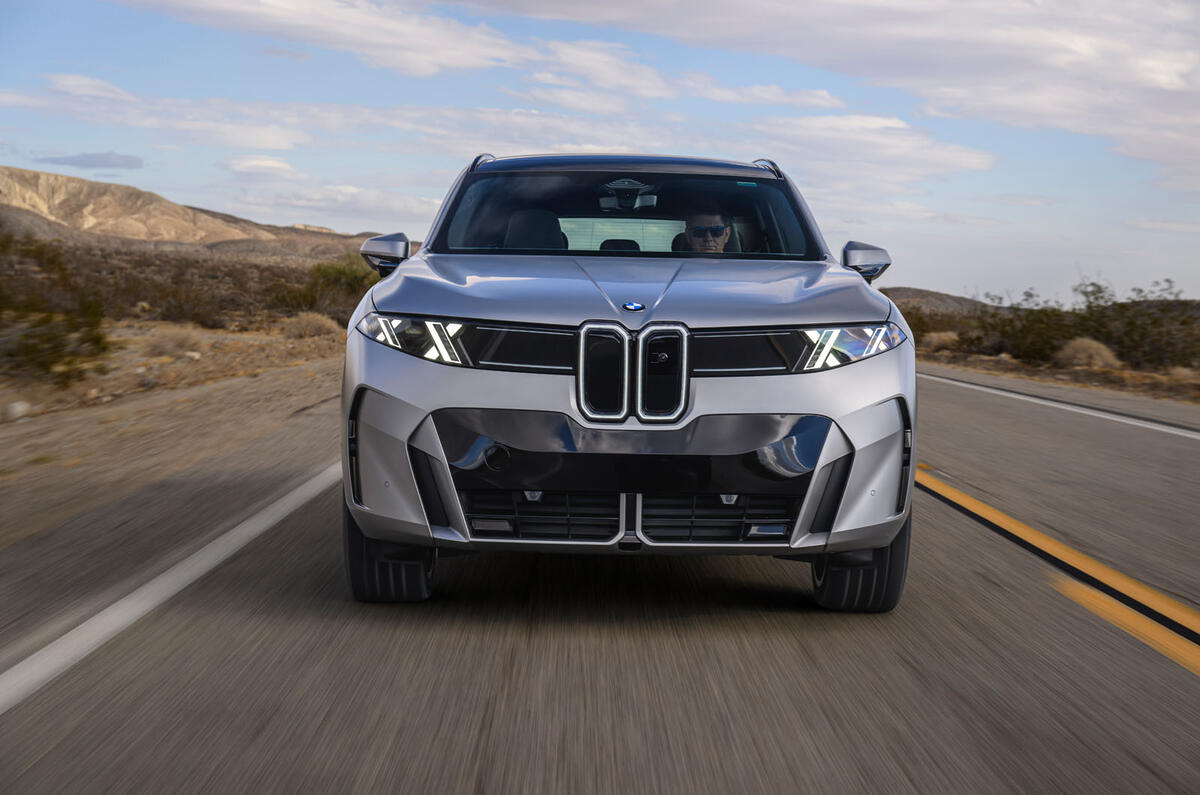
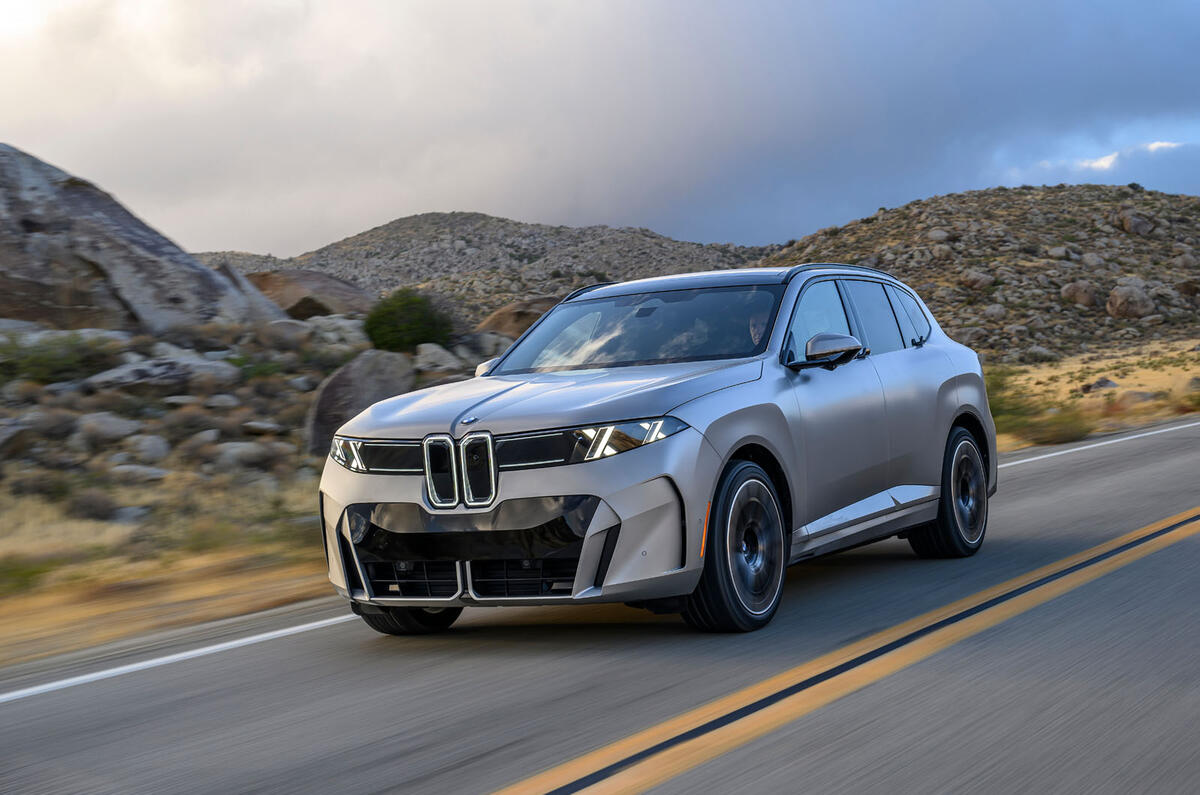
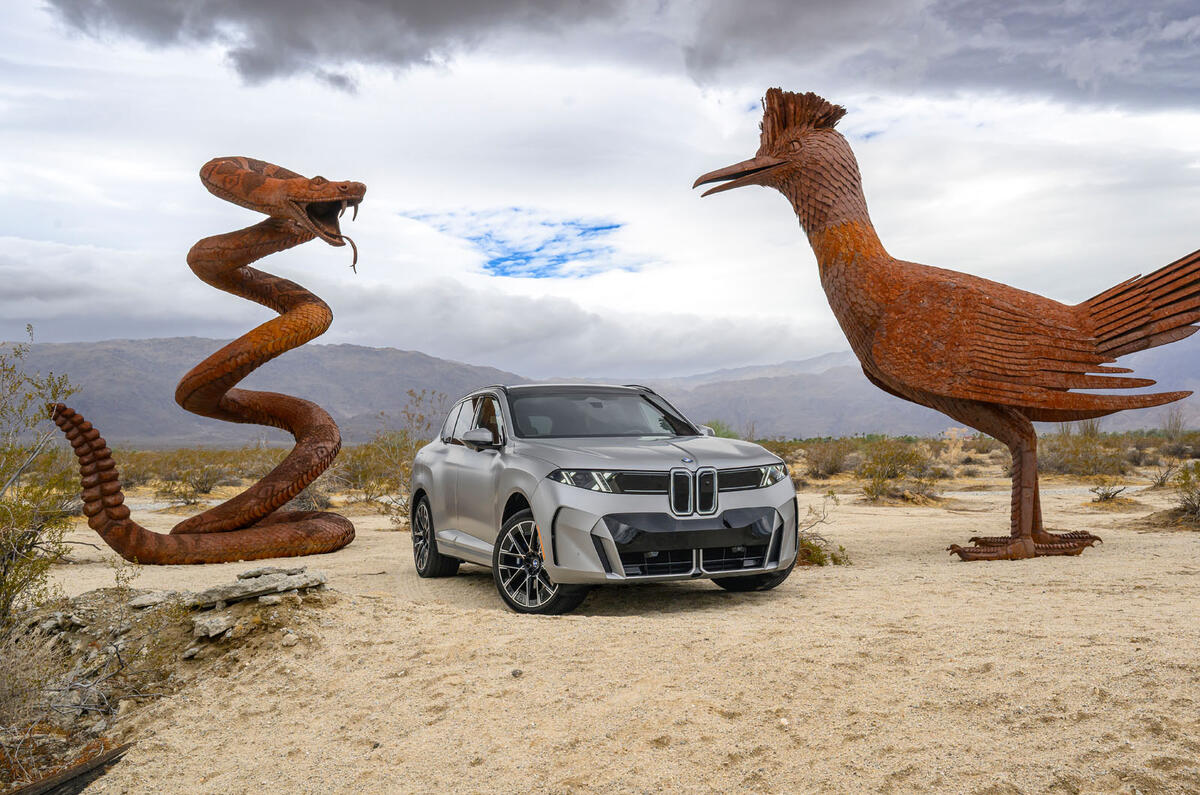
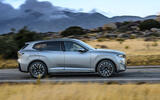
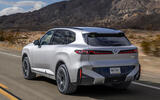
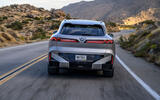
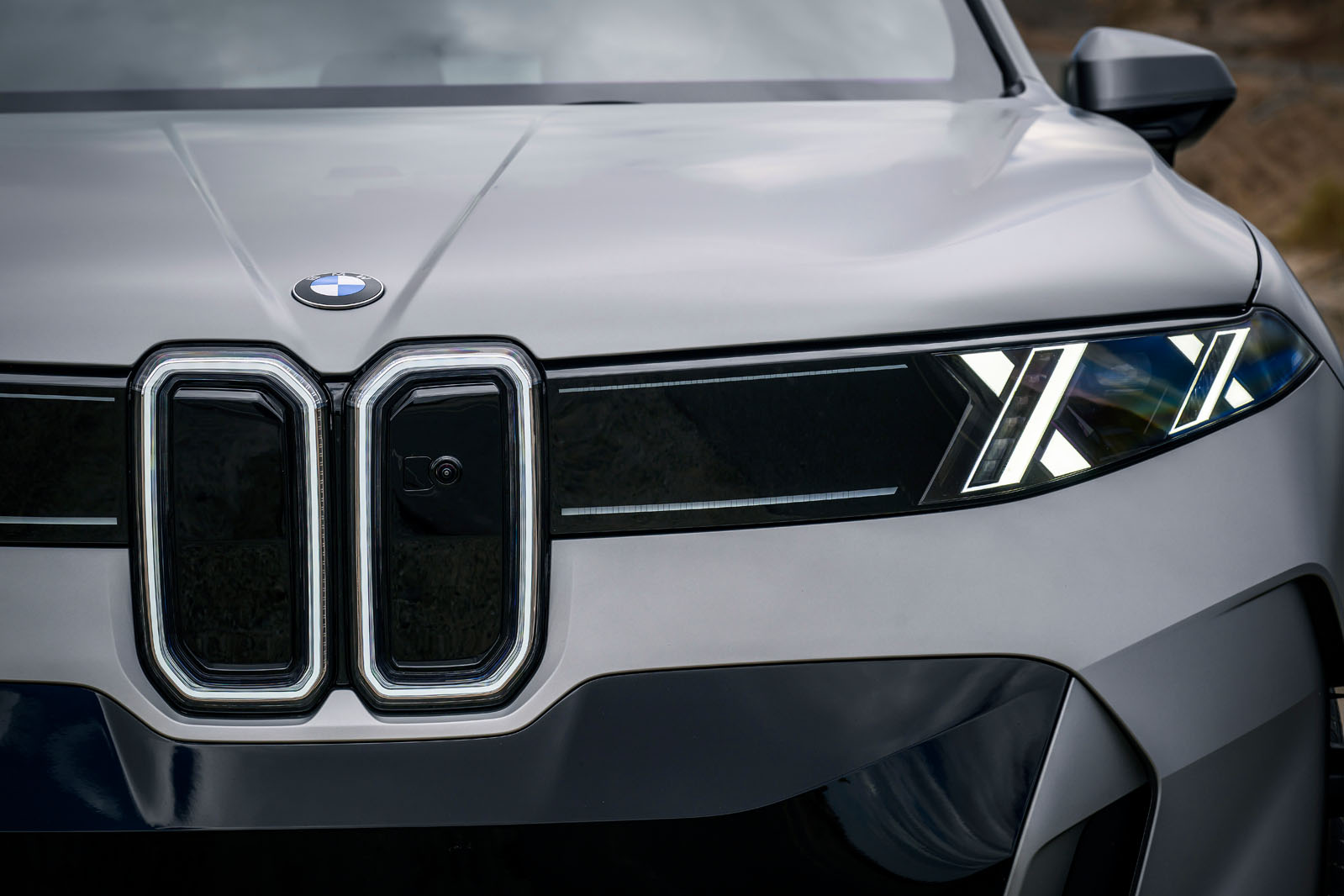
On the outside it has some Neue Klasse features like the funky front grille and a Los Angeles drainage canal pressed into the bonnet. It’s a five-seater with no third-row option, nor a split tailgate.

All versions can come down the same production line with largely the same dashboards, bodies, trim etc. If EV demand falters, BMW won’t be stuck with an idle factory and imperilled suppliers; and if EV demand picks up, it can just send a few more down the line.

The idea that sharing with the ICE versions would create an inferior EV would seem to be quickly dispelled by a look at the preliminary spec sheet. The CLAR platform that underpins the X5 was designed for both ICE and EV power, as seen in cars like the 5 Series and 7 Series, and that’s now being taken to new heights, courtesy of some new bits and pieces that were introduced with the Neue Klasse iX3.

The headline figure here is the battery’s 141kWh usable capacity. That’s the biggest of any car offered in Europe by a distance – and brings with it great range and great weight.

For the iX5, the CLAR platform’s electricals have been upgraded to 800V, as is expected in this segment, with batteries and motors coming from BMW’s sixth-generation eDrive toolkit.

That means it switches to cylindrical cells like the iX3, albeit ones that are both taller and bigger in diameter in order to achieve that mammoth capacity.

They get assembled straight into a pack rather than sub-divided into modules, which then lives in the floor of the car, with the power electronics put in a compartment on top for easier access.

The engineers say it was a big challenge to keep the overall height of the pack (and therefore the cabin floor) low in order to avoid that awkward double-decker feeling of some EVs. This wasn’t a goal accomplished by one quotable technology, instead a process of finding a millimetre here and a millimetre there.

The other big thing was keeping the weight down, but don’t get too excited. I don’t really want to single out BMW for attention here, because it’s not going to be the only electric SUV maker trying to keep its cars’ kerb weights under three tonnes. The new Range Rover Electric is a similar weight to this new iX5, and honestly what’s a few bags of sugar between friends? But the new iX5 weighs 2825kg.

To keep all that weight under control, the iX5 always gets air suspension on both axles (optional on some other variants). Engineers seem pretty happy with the advances they have made here. The big improvement is on the rear axle, where the air spring and damper have been divorced. Don’t worry, it’s amicable.

This has two big benefits: the first is spring rate. Previously, the damper would effectively take up space inside the airbag. Now that they’re separate, the airbag’s internal volume is bigger, so it can be softer if necessary. After all, a larger volume of air can compress more. The control can come from the adaptive damper, which is mounted further outboard, where it gets to use more lever effect on the suspension arms and therefore work better, thus giving a better balance of ride and handling.

The front suspension (double-wishbone, albeit with a split lower wishbone) is more or less the same as before, but then most of the hard work is done by the rear suspension. Another improvement is that the rear anti-roll bar has been relocated to where it can have the ideal lever effect, making it more effective.

If you want to go even further with chassis technology, you can optionally specify active anti-roll bars and four-wheel steering. The latter does ‘only’ about 3.5deg, rather than the 10deg you see on some Mercedes-Benz models, because the engineers want the X5 to feel like a BMW, not a forklift.

INTERIOR

BMW iX5 review 2026 073

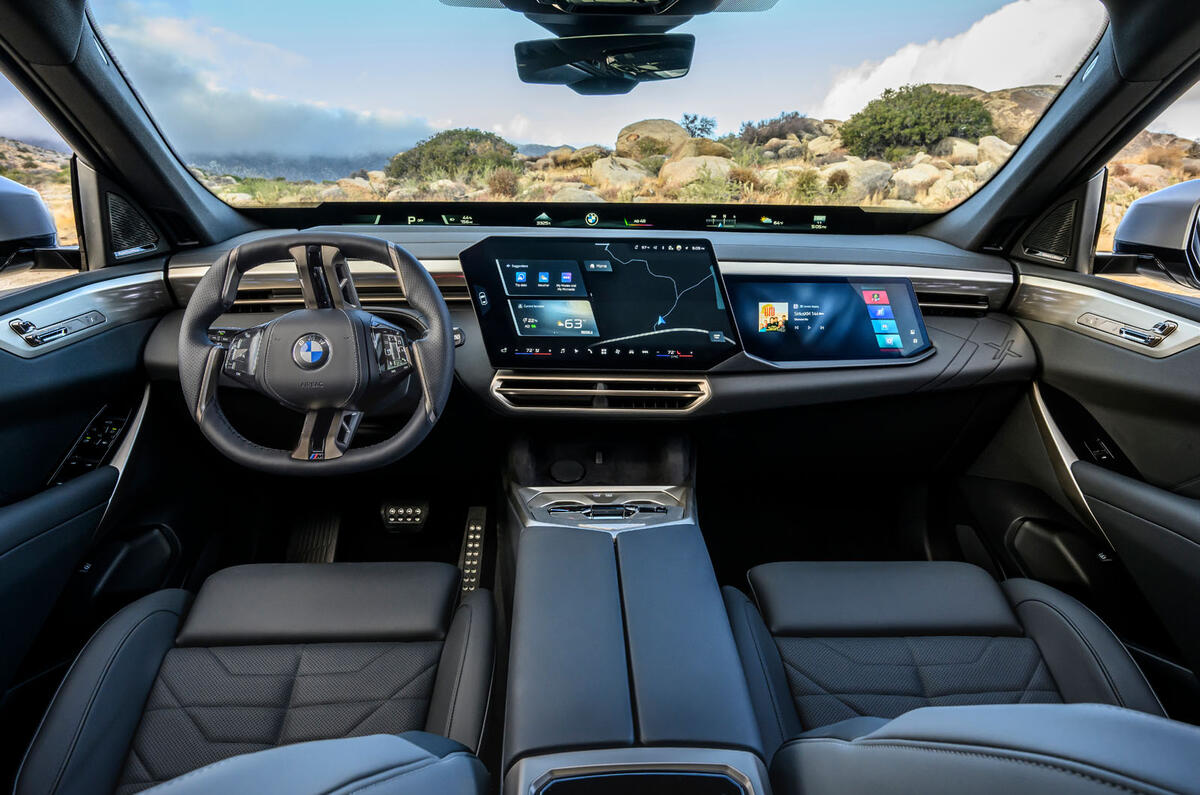
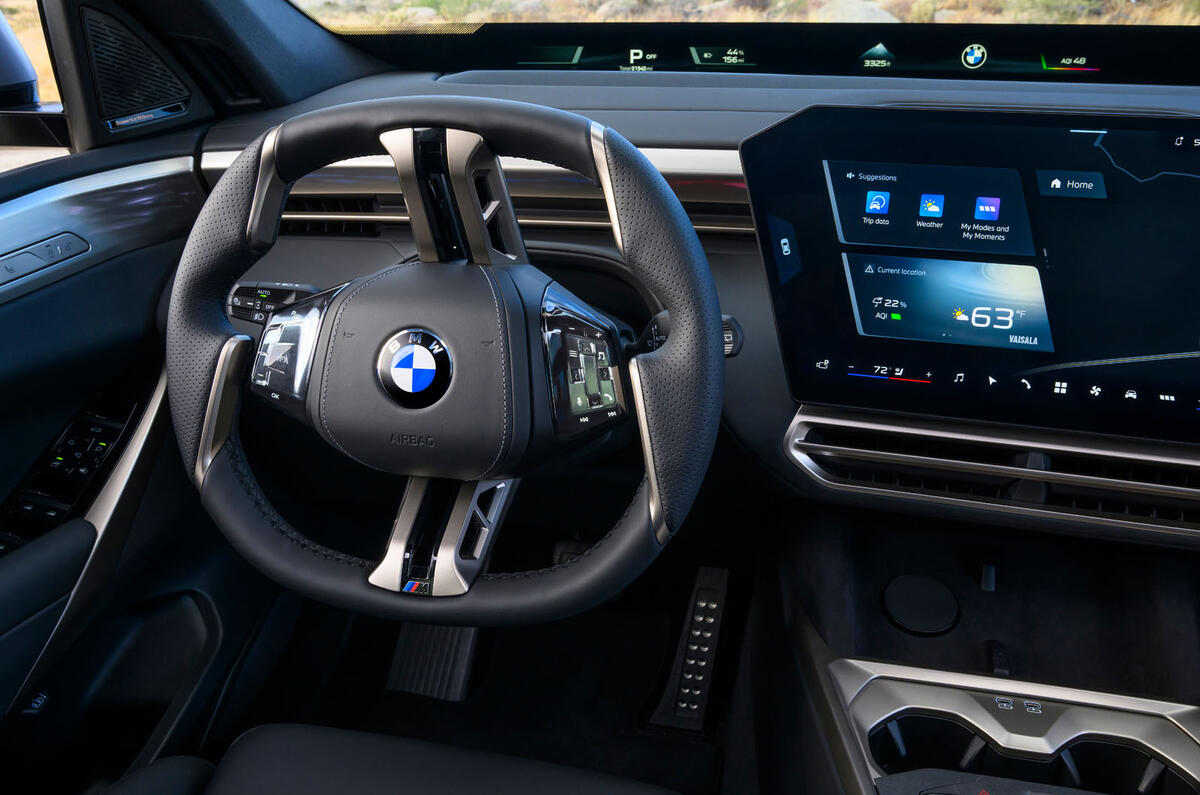
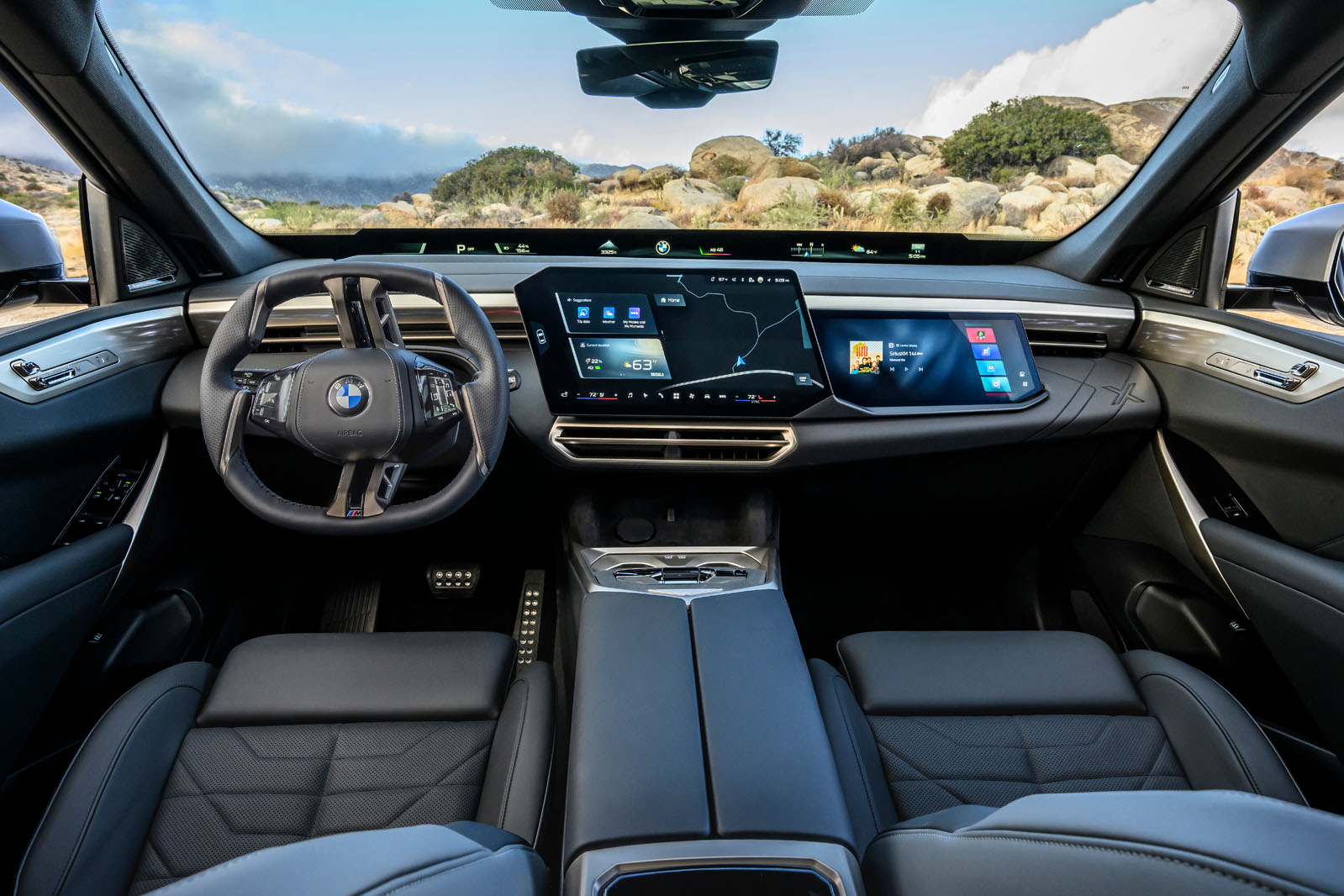
Inside, as with the new i7, there are cues from BMW’s Neue Klasse models, including the weird steering wheel options and the excellent Panoramic iDrive array that ranges across the bottom of the windscreen.

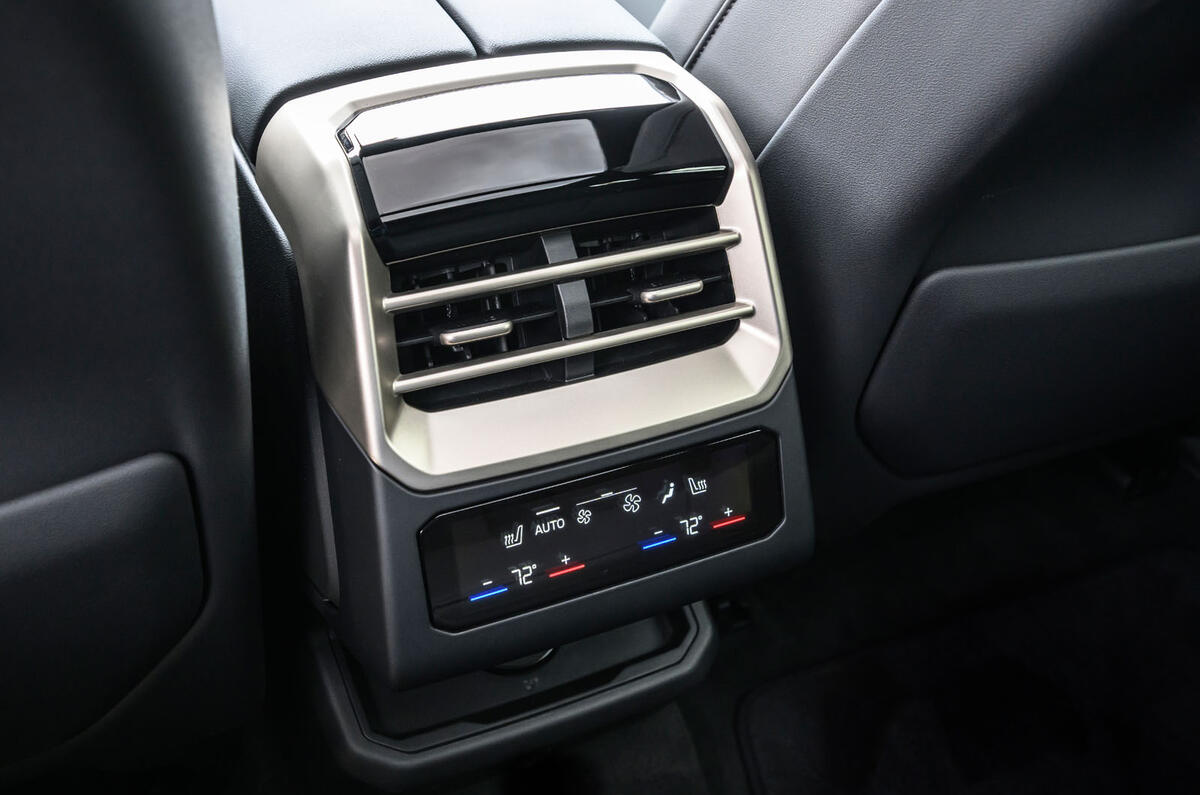
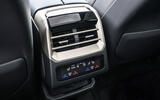
There's also the latest generation of BMW's software and control set-up, which could use more real buttons and fewer touchscreen controls. Did anyone really want for air vents to be remote controlled?

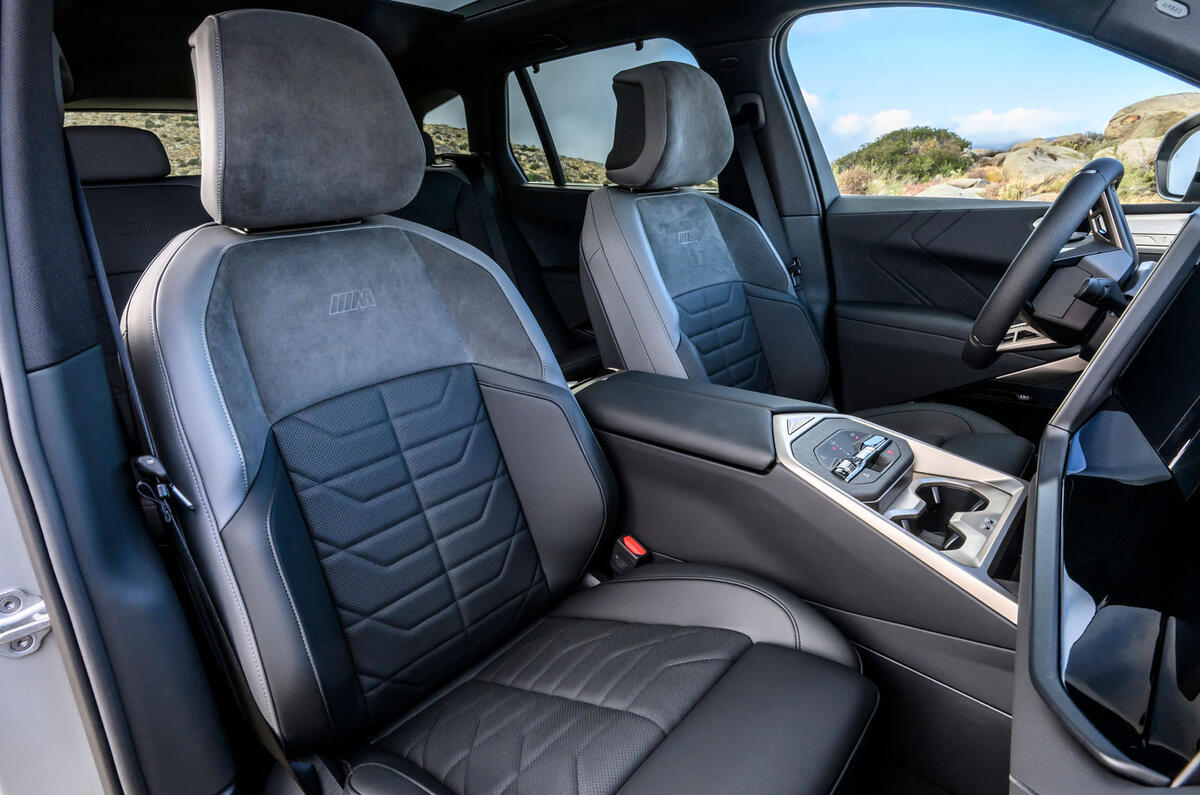
One of the cars I drove had very nice cigar brown leather that looked as if it had patina, like a vintage couch. I saw a couple of other interesting colours too. Well done to BMW for offering them, even if most buyers will just choose black.

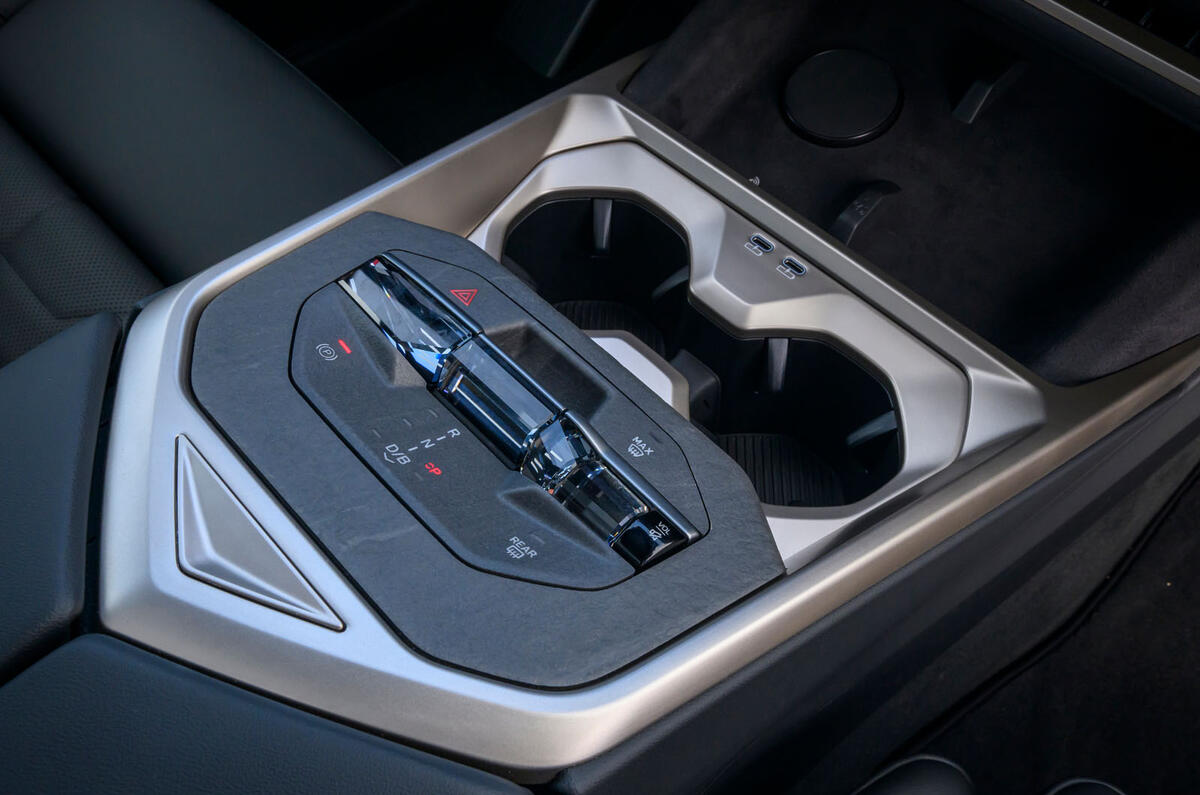
Often during our drive we wanted the old iDrive rotary controller on the transmission tunnel to make a return. More than once we wondered how useful it would be to have that programmable array of buttons that used to live next to the (also missed) heating controls.

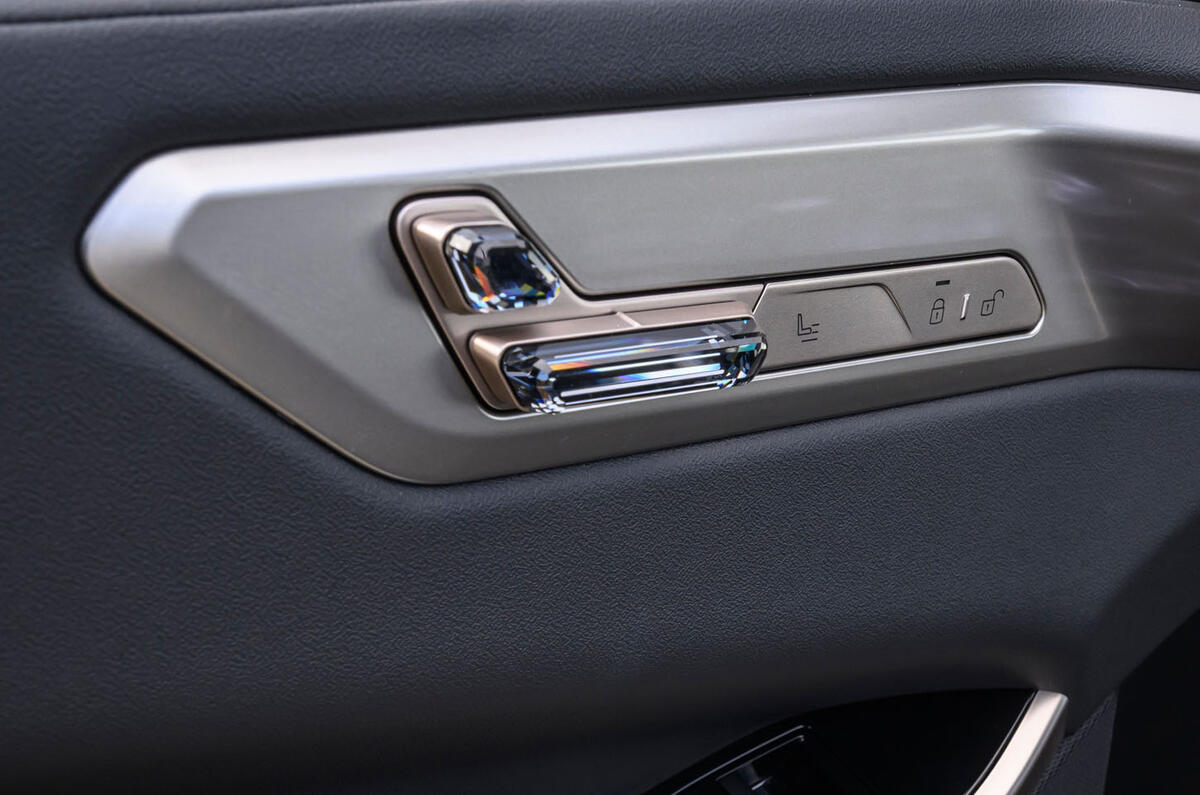
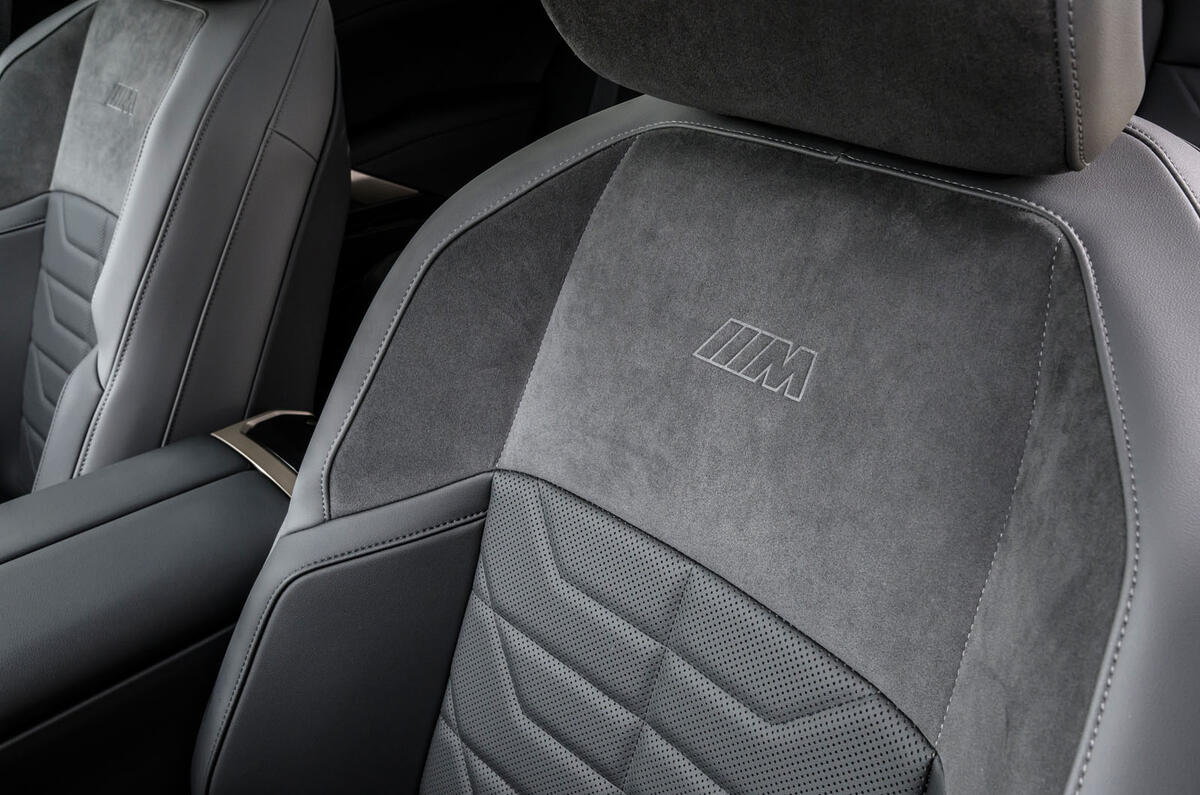
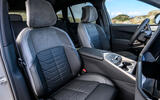
But fit and finish and material feel are great, certainly up to this class and we don’t think you would baulk too much at a class above.

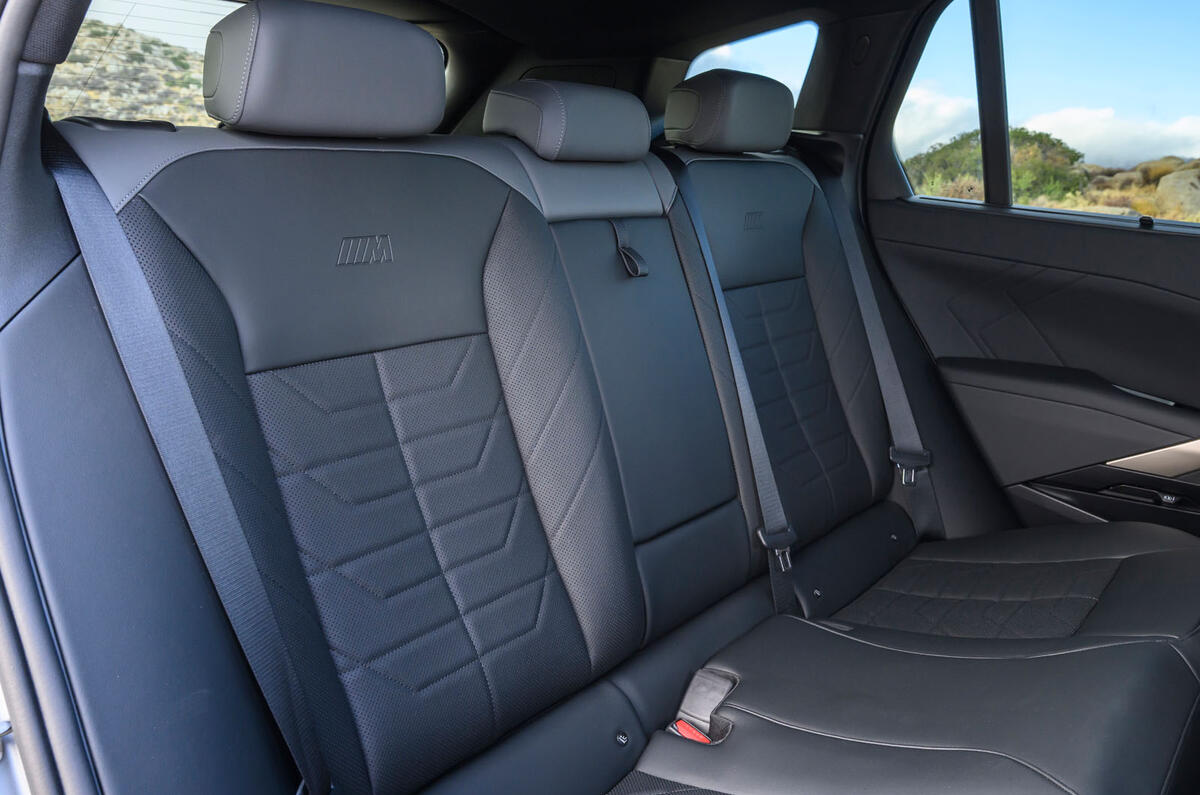
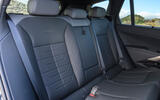
The X5 is roomy enough all around. The seats are outstandingly comfortable and supportive and will go surprisingly low if you want them to. The cabin floor doesn’t seem excessively high.

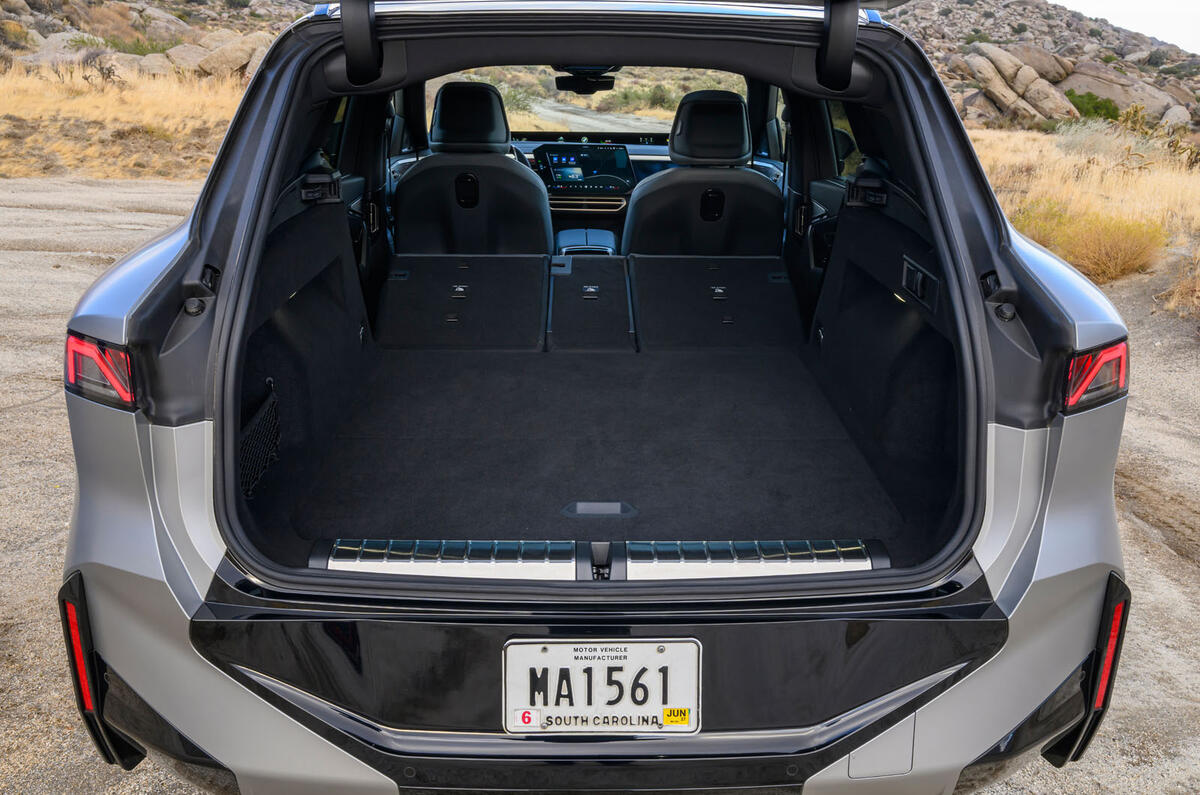
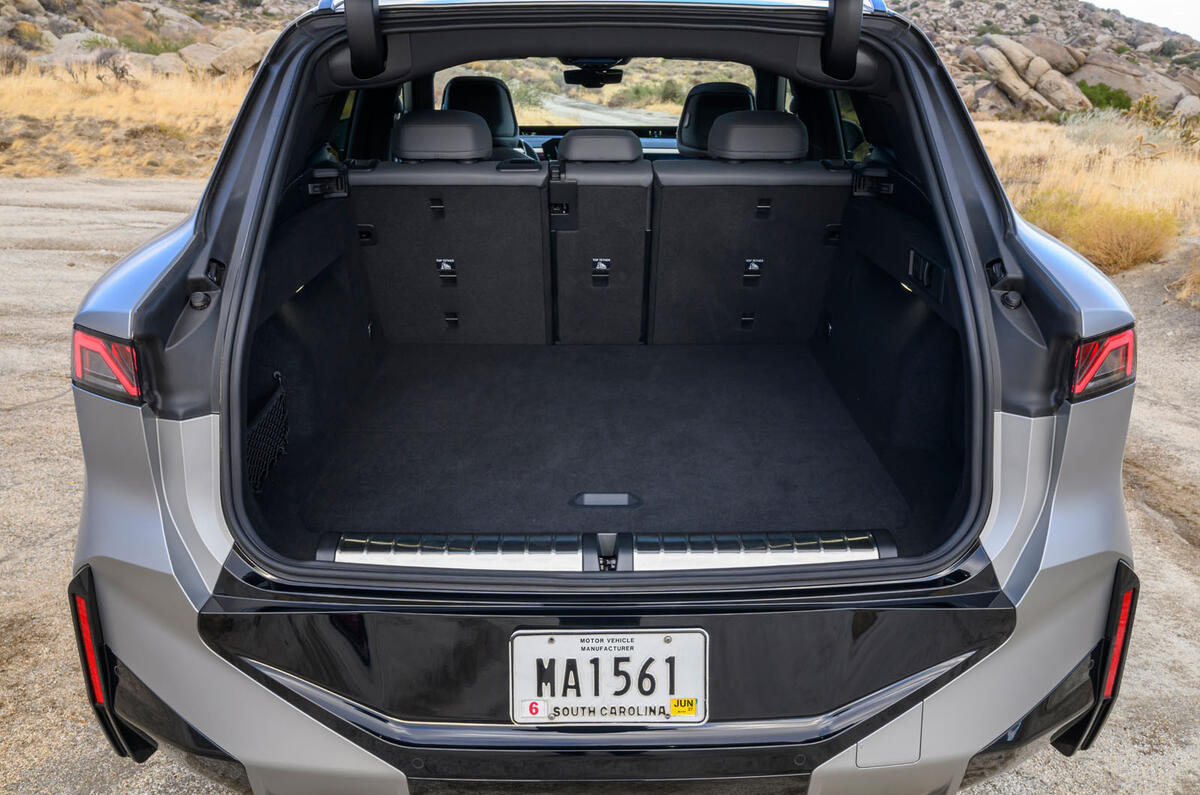
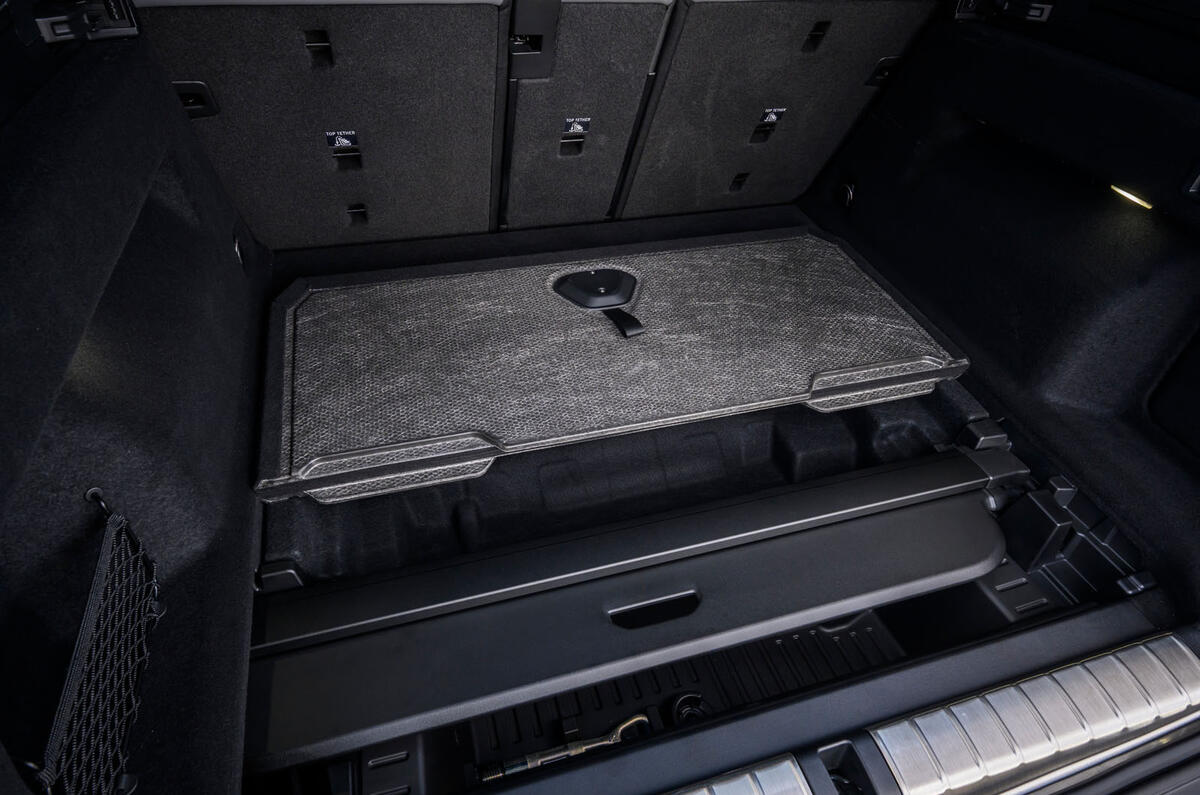
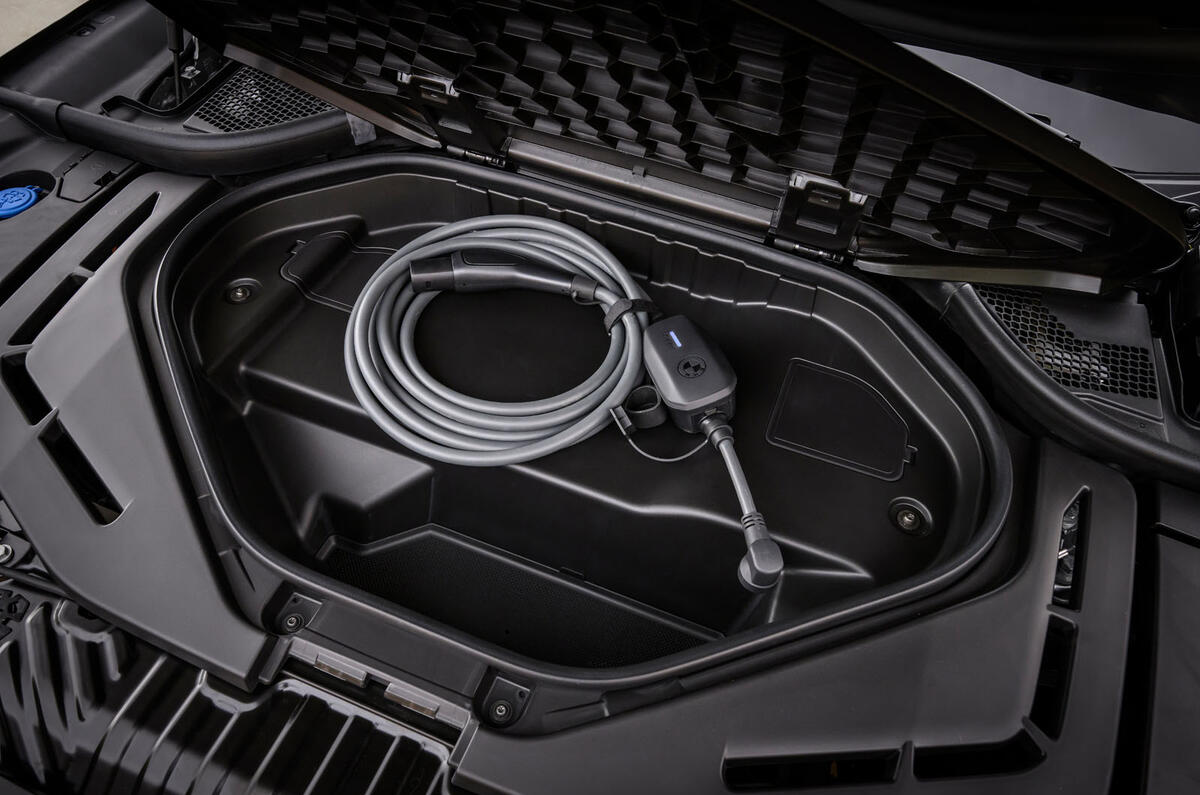
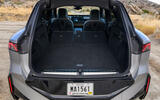
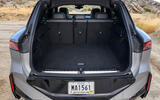
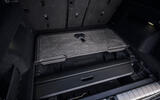
There’s a 655-1850 litre boot, plus a 53-litre frunk (for charging cables, we suppose).

ENGINES & PERFORMANCE

BMW iX5 review 2026 085

To the drive, then, and if you’re looking a reminder of why this ostensibly conventional large car – even an electric one – weighs what it does, bear in mind it has that 141kWh (usable) of 800V nickel-manganese-cobalt cells beneath the cabin floor, with a peak charging rate of 460kW.

It’s a three-quarter tonne pack that gives the iX5 a range of 400-525 miles, depending on spec. The final homologated ranges are still TBC, but we saw a realistic 460-plus miles on the road.

Pulling the gear selector to B engages the one-pedal drive mode, which is smooth and easy to modulate.

Power comes from a separately excited synchronous motor at the rear making 325bhp and 369lb ft of torque and an asynchronous one at the front making 245bhp and 225lb ft, for totals of 570bhp and 594lb ft, rear-biased to retain the rear-biased BMW sporty style.

In our crazy world of overpowered EVs, that doesn’t even sound particularly generous, and nor does a 0-62mph time of 4.6sec. Still, it’s perfectly appropriate for this sort of car.

On a variety of roads in pre-production form and finished in the US we found the iX5 nicely, effortlessly brisk, as you would want from a sporting luxury SUV, without being neck-snapping for the sake of it.
There will be an M-flavoured version with even more poke in due course if you’re after that sort of thing.
The drivability is familiar from the other BMW EVs: there’s nothing weird going on like wonky power curves or two-speed gearboxes; both pedals are progressive; and there’s a choice of adaptive, low, medium, high and one-pedal regenerative braking but sadly no true freewheeling mode.

Coming to a stop and setting off from rest, though, there is some excellent tuning going on: you could come to a smooth halt without passengers realising you had.

RIDE & HANDLING

BMW iX5 review 2026 087

There's only so much dynamism you can put into a 2.8-tonne SUV, even one fitted with BMW's Adaptive Chassis Control Professional option, which includes active roll mitigation and rear-wheel steering.

Comfort is good, as you might expect. It would take a minor tremor to unsettle a car of this size, so it rolls over lumps and bumps with great absorbency. But body control is fine too – better than it ought to be, I suppose. And at least the centre of gravity ought to be relatively low, so it turns adequately enough, albeit not with the vigour that earlier X5s did.

The steering is progressive, well weighted and sufficiently precise to make this big car easy to place, even if you’re going quickly. It’s not bursting with feel and feedback, but if you pour the car into a corner, you can feel the body adopting a little roll and staying there, the steering weighting up pleasingly as it does.

Get on the power hard and the rear bias to the drivetrain is obvious in the poised way that it drives out of a corner.  We also tried petrol X5 (which won't come to the UK) on air springs but without the roll control or rear steering, and it felt nose-heavy. So there are modern miracles that hardware and chassis tuning can achieve to make the iX5 at least a capable and willing companion, even if it is a distance from being the ultimate driving machine.

VERDICT

BMW iX5 review 2026 090

This is the first iX5 that BMW has made, and it will indirectly replace the iX. They will briefly be sold alongside each other for continuity, but there don't seem loads of reasons to still buy the iX instead (some ergonomic advantages excepted).

That says less about the iX, which is a car that we still like a lot for its range and comfort, and more about the iX5, which just takes those things to another level.

Perhaps unusually – especially given battery costs – the EV will be the cheapest X5 when right-hand drive models arrive spring 2027, priced from £85,375. The 3.0-litre diesel will start at £85,885 and the PHEVs will span £86,870 to £101,775.

The range of the EV is so good that we wonder how attractive the PHEVs will be. Either way, the iX5 is a big, comfortable and capable SUV/SAV.

Illya Verpraet

Illya Verpraet Road Tester Autocar
Title: Road Tester

As a road tester, Illya drives everything from superminis to supercars, and writes reviews and comparison tests, while also managing the magazine’s Drives section. Much of his time is spent wrangling the data logger and wielding the tape measure to gather the data for Autocar’s in-depth instrumented road tests.

He loves cars that are fun and usable on the road – whether piston-powered or electric – or just cars that are very fit for purpose. When not in test cars, he drives an R53-generation Mini Cooper S or a 1990 BMW 325i Touring.

Matt Prior

Matt Prior
Title: Editor-at-large

Matt is Autocar’s lead features writer and presenter, is the main face of Autocar’s YouTube channel, presents the My Week In Cars podcast and has written his weekly column, Tester’s Notes, since 2013.

Matt is an automotive engineer who has been writing and talking about cars since 1997. He joined Autocar in 2005 as deputy road test editor, prior to which he was road test editor and world rally editor for Channel 4’s automotive website, 4Car. 

Into all things engineering and automotive from any era, Matt is as comfortable regularly contributing to sibling titles Move Electric and Classic & Sports Car as he is writing for Autocar. He has a racing licence, and some malfunctioning classic cars and motorbikes.