

6

Chinese brand continues range expansion with big, plug-in hybrid estate to rival Skoda Superb

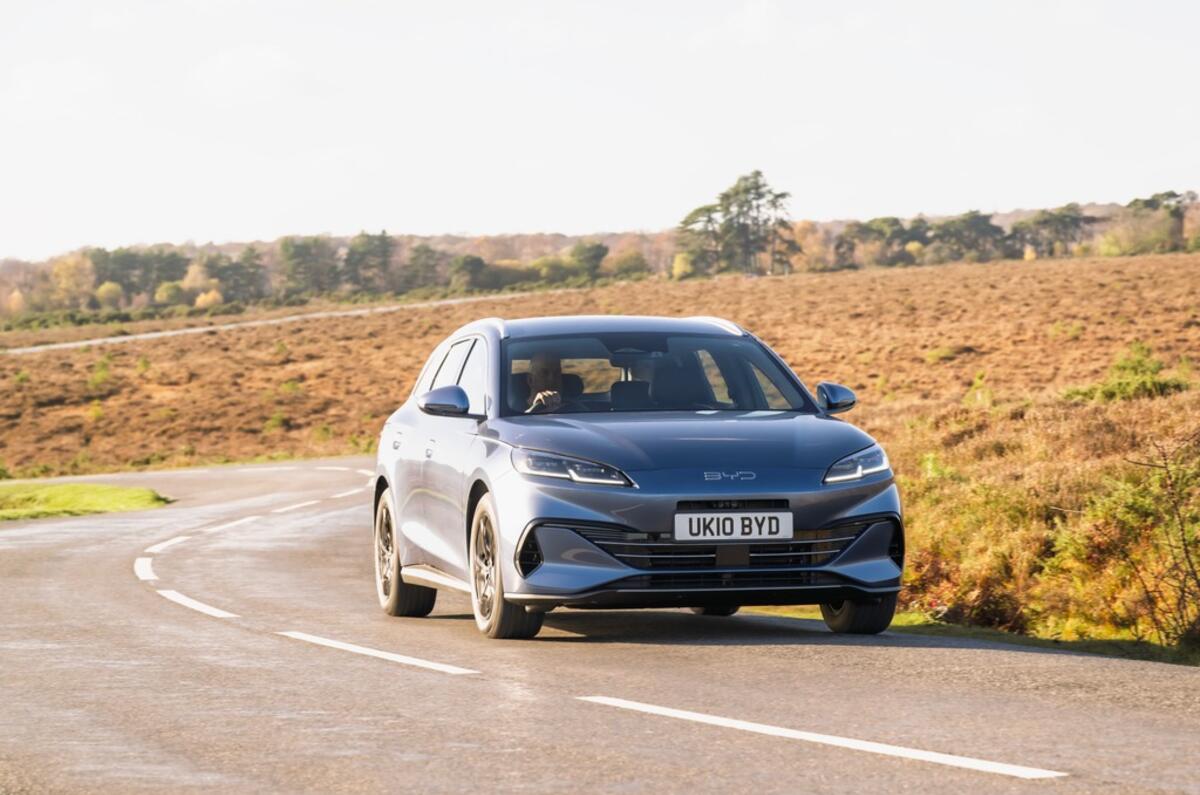
Volvo may be wavering, but BMW, Audi, Peugeot and a bunch of others still believe estate cars are worth doing, even if it’s only the European market that’s really interested. Now BYD is joining the fold with the Skoda Superb-sized Seal 6.

As ever, BYD’s naming isn’t the most straightforward. The Seal 6 doesn’t share anything with the BYD Seal saloon that we know already. Whereas that is a natively rear-driven EV, the Seal 6 is always a front-driven plug-in hybrid. As such, it’s much more closely related to the BYD Seal U SUV, which likewise uses the DM-i powertrain.

DM-i stands for Dual Mode Intelligent, because BYD’s PHEV system is quite different to the one in the Superb, or most other PHEVs for that matter. Whereas that is fundamentally a petrol car with a massive battery and an electric motor in the gearbox, BYD PHEVs are closer in concept to a range-extender EV, with electric motor providing the motive force and the ICE powering a generator to keep the cells topped up.

Advertisement

DESIGN & STYLING

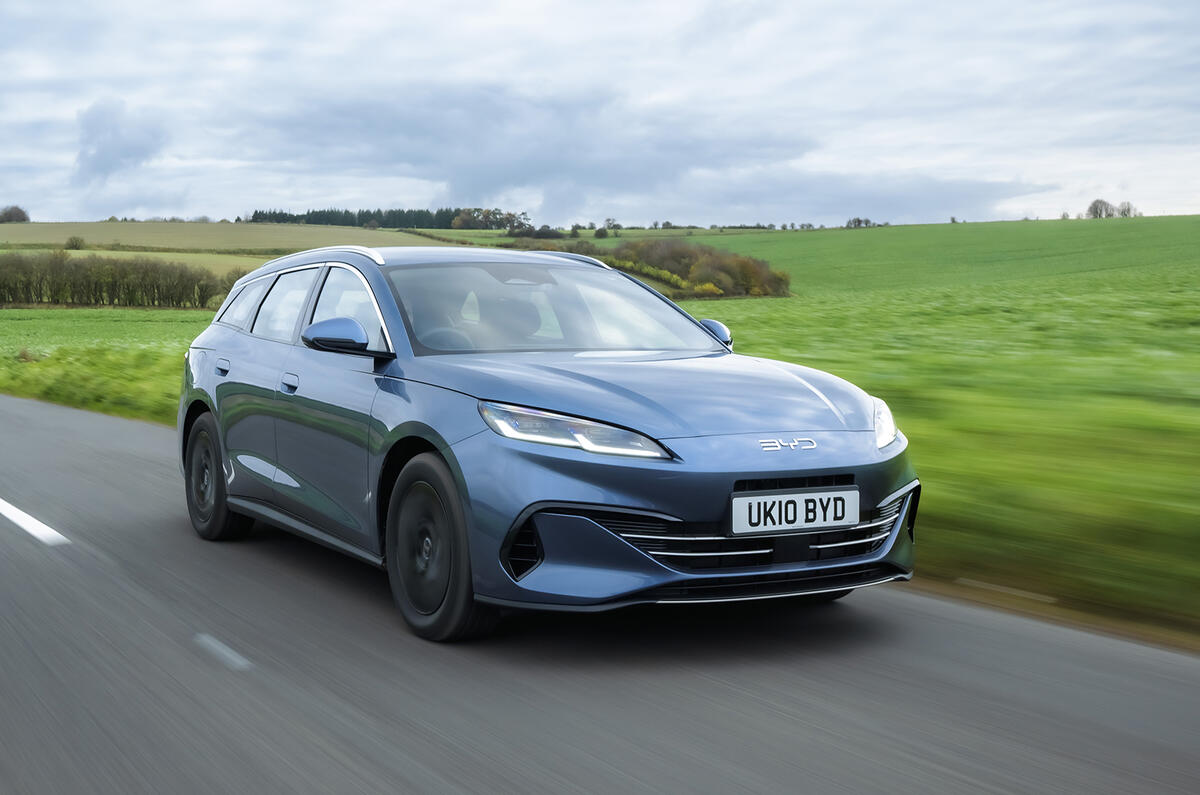
BYD Seal 6 DM i review 2025 014

The drive battery in the floor (BYD’s own ‘Blade’ unit with lithium-iron-phosphate chemistry) is a similar size to the one in the Superb, at 19kWh, but the balance between motor and engine is the other way around.

Although it’s referred to as a PHEV, it’s actually more of a range-extender, with a 97bhp 1.5-litre petrol driving a generator for a 194bhp electric motor that drives the front wheels.

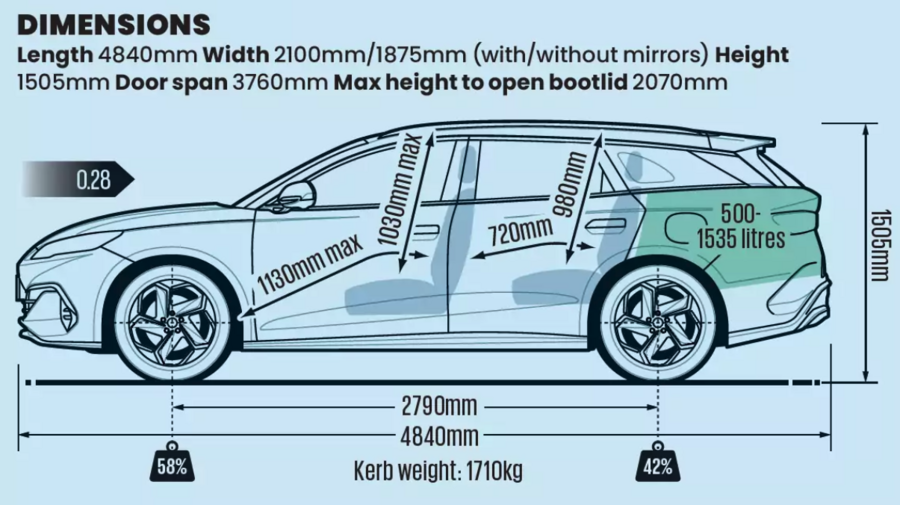
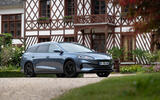
The Seal 6's size is deceptive. Even after driving it, I would have put it as a rival for the estate versions of the Skoda Octavia (4698mm length), but at 4840mm it's closer to the Skoda Superb (4902mm).

In top-end Comfort guise, the two can join forces in extremis to deliver a combined 209bhp, while a 19kWh battery carries the car a claimed 65 miles on electricity alone. 

There's also an entry-level Boost version that features the same powertrain that has been pegged to 184bhp and gets a smaller 10.1kWh battery for a shorter EV range of 31 miles (and a higher BIK tax rating: 18% plays 9% for the Comfort). 

Both feature the same ‘dual modes’ functionality that allows the Seal 6 to operate primarily as a series hybrid (aka a range-extender) but is able to switch to parallel hybrid operation. Most of the time, the electric motor does all the grunt work, giving the car an EV feel on the move.

Compare that with the Volkswagen Group's PHEV system, which uses a traditional six-ratio automatic transmission to get similar performance out of a much weaker electric motor and petrol engine that's only slightly more powerful. 

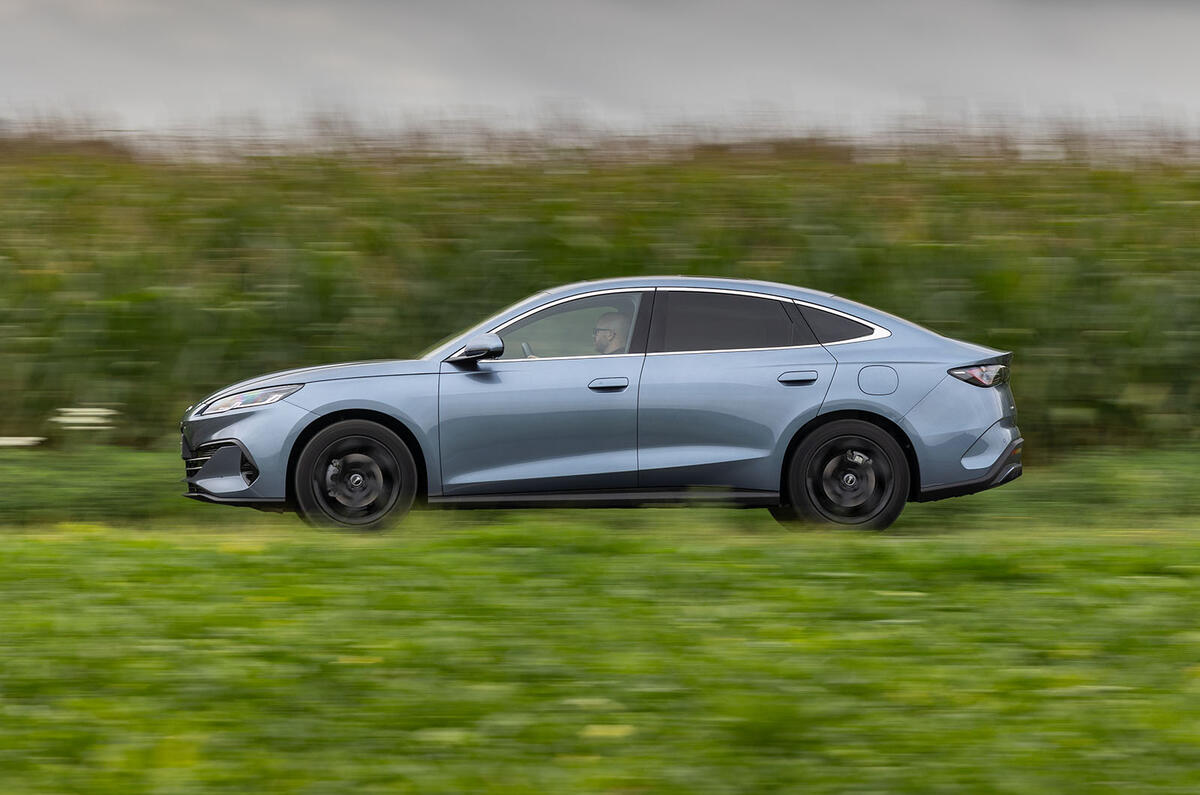
At 4840mm long in both estate and saloon form, the Seal 6 is comparable with the Volkswagen Passat and a size up from the Peugeot 308 or Seat Leon.

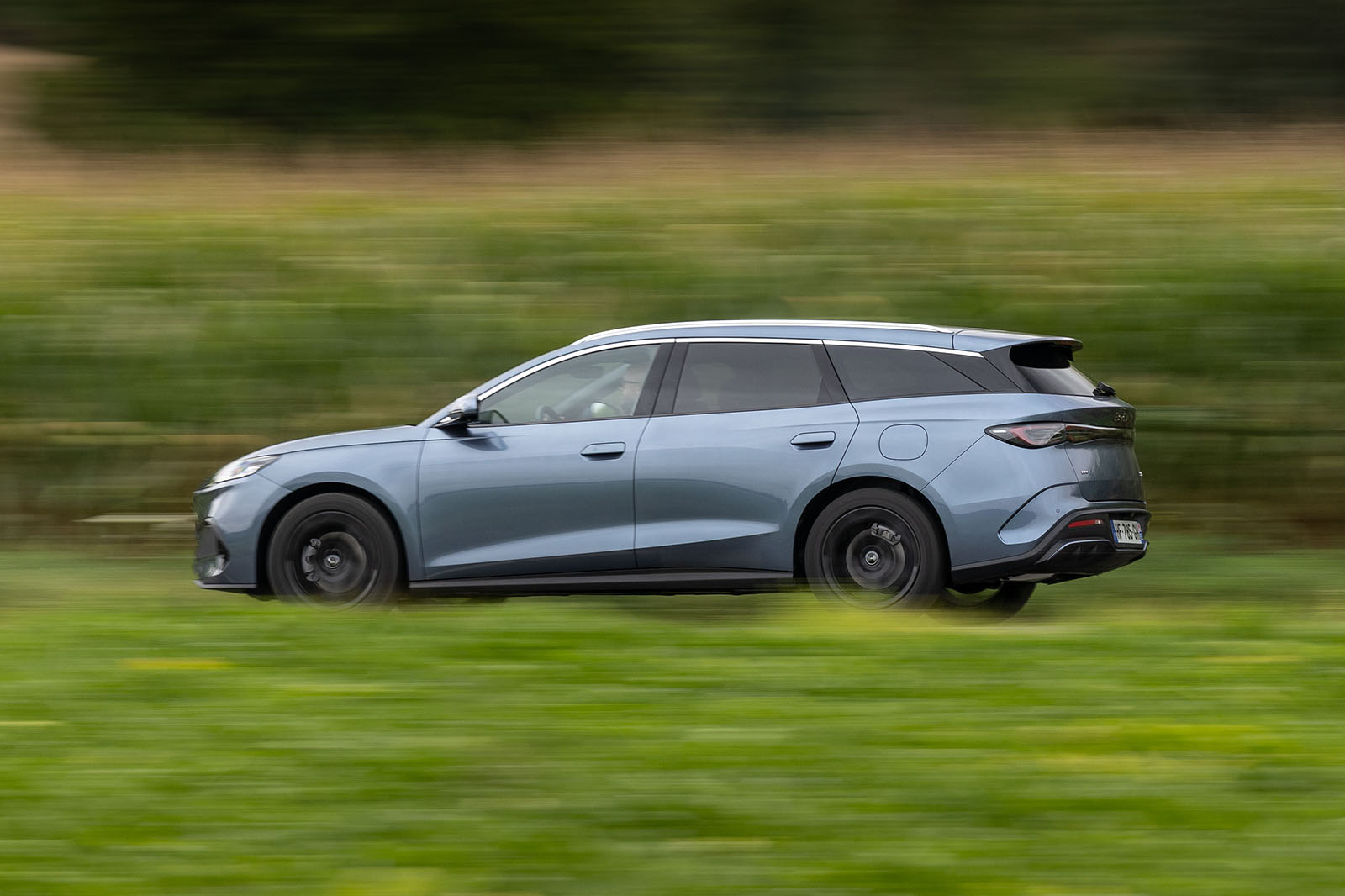
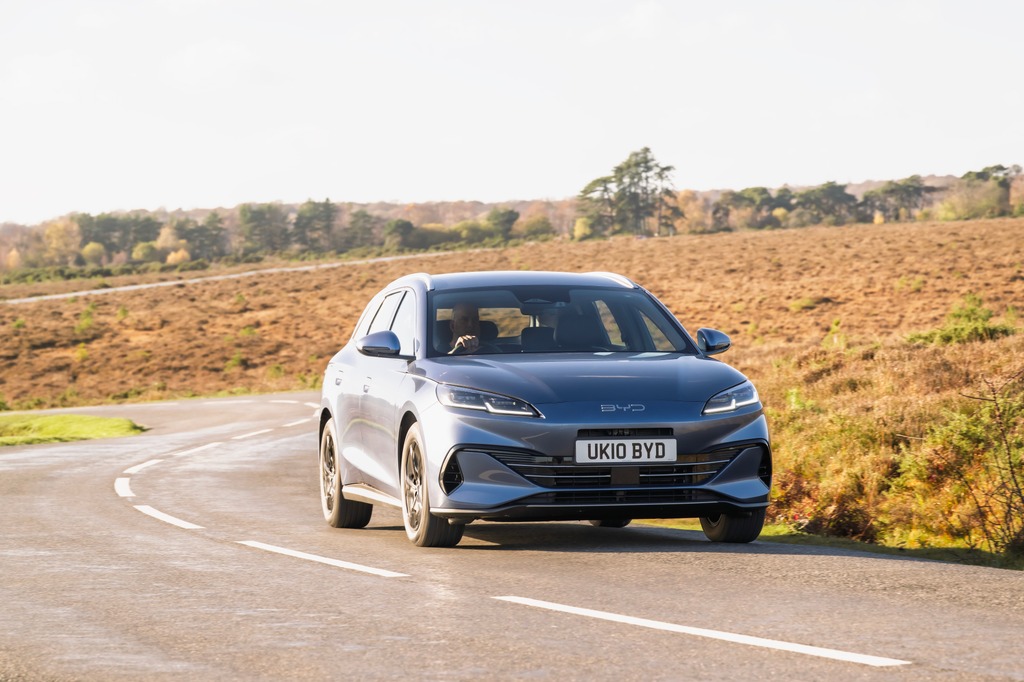
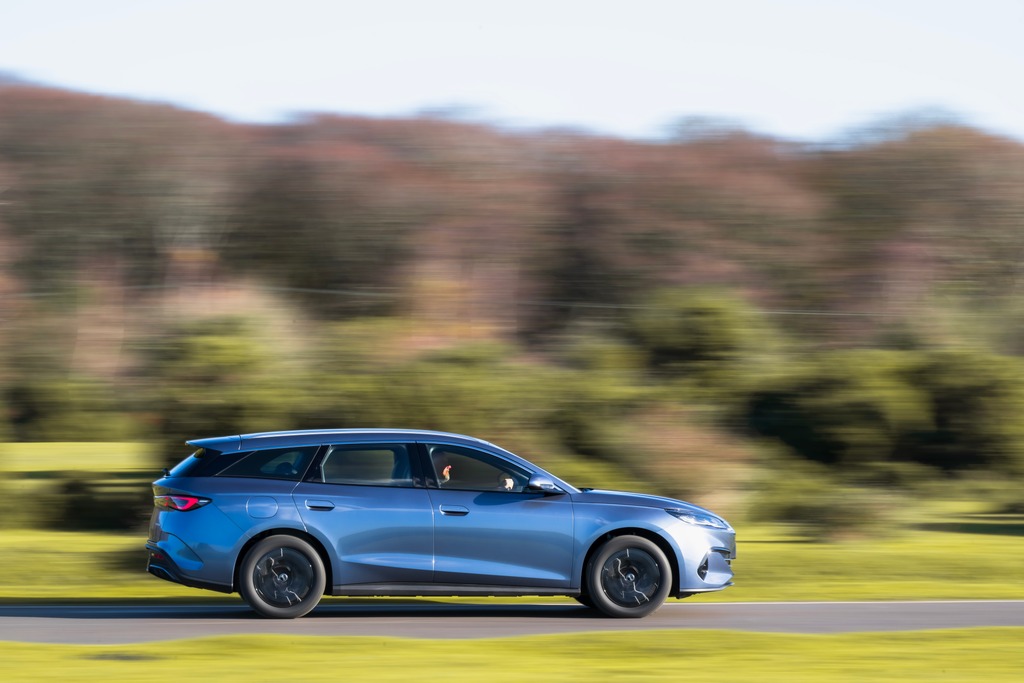
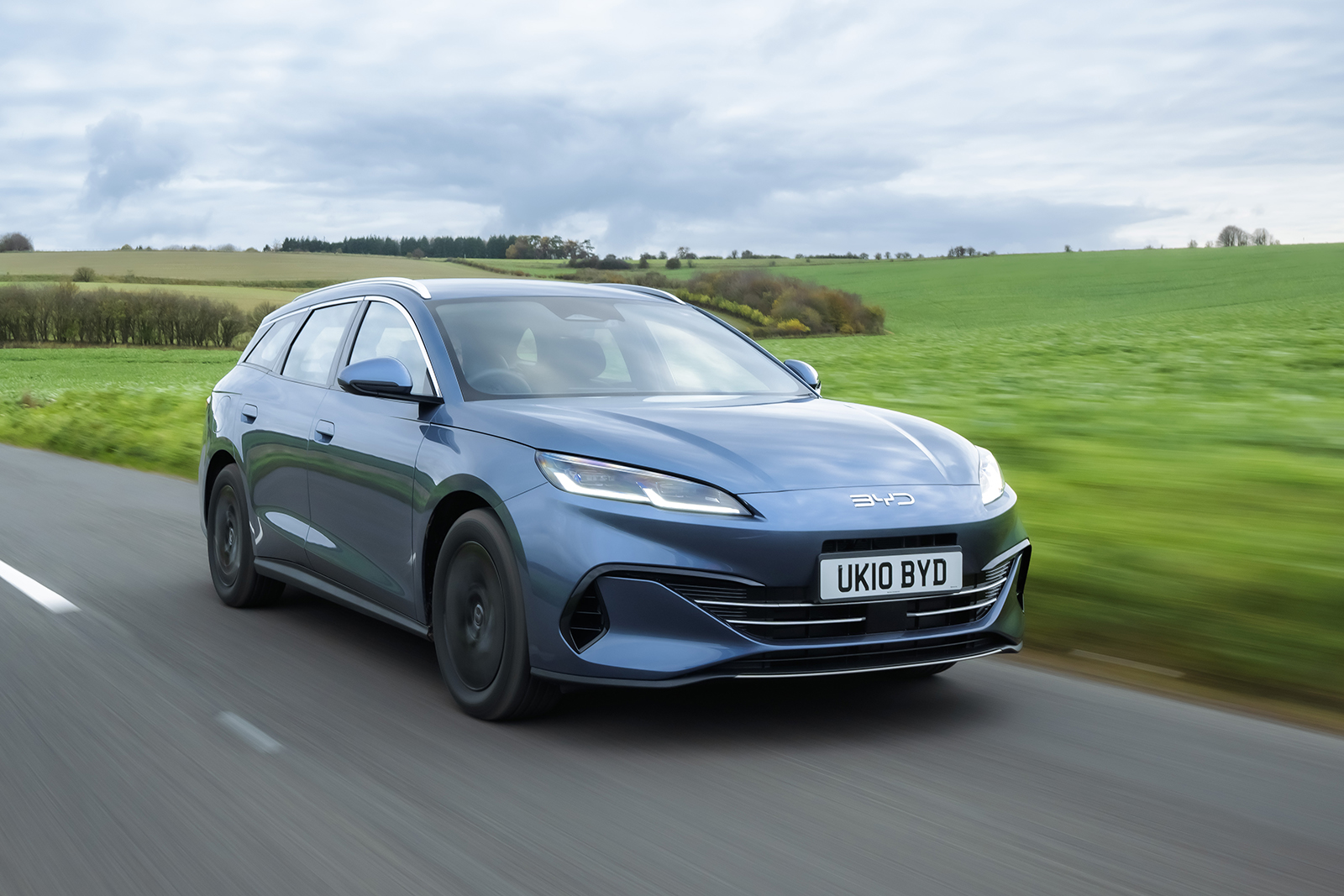
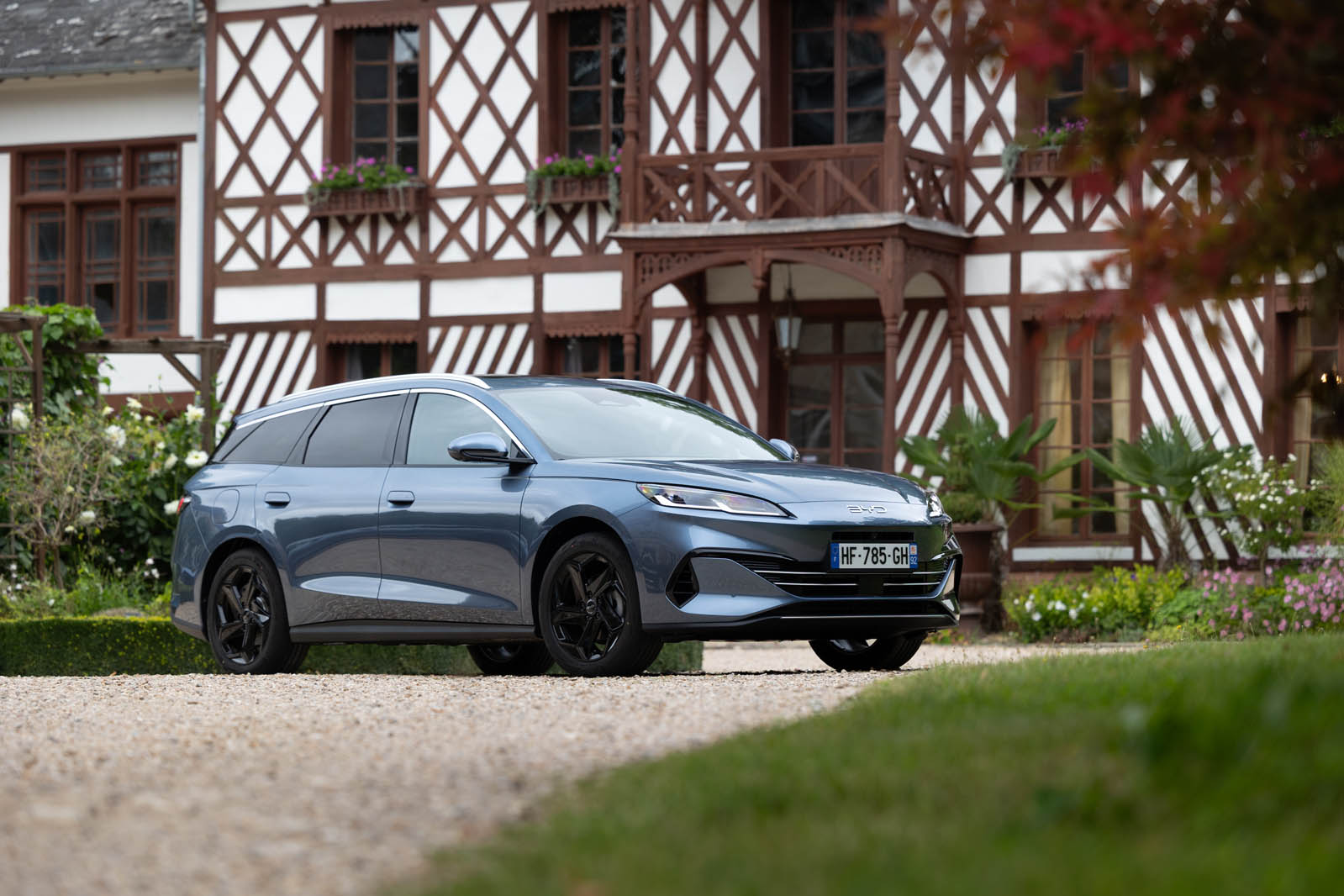
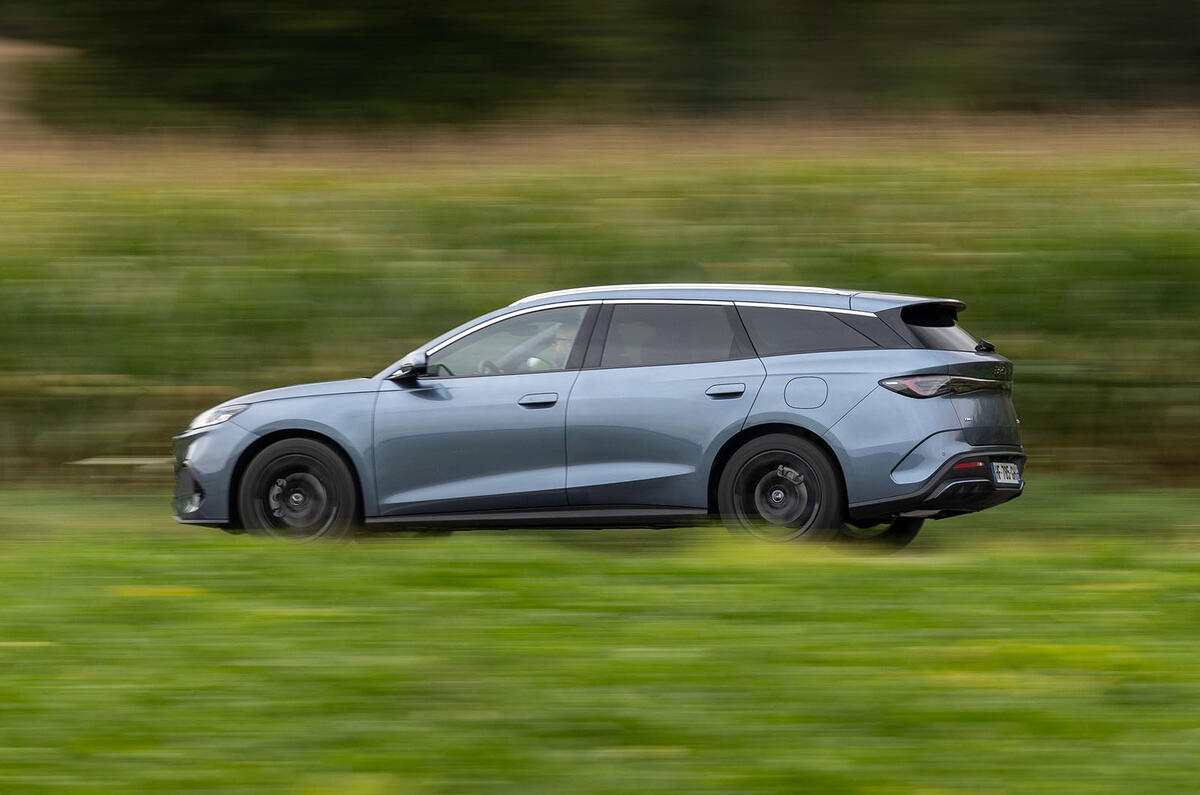
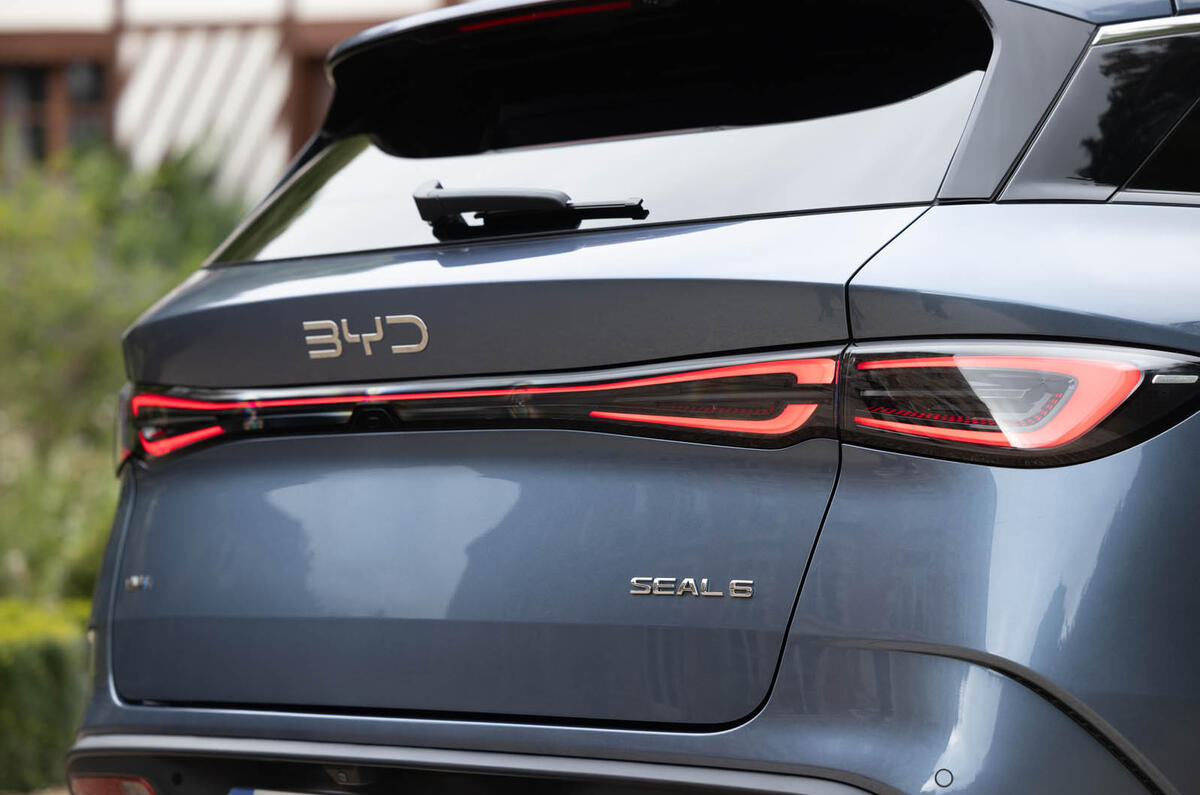
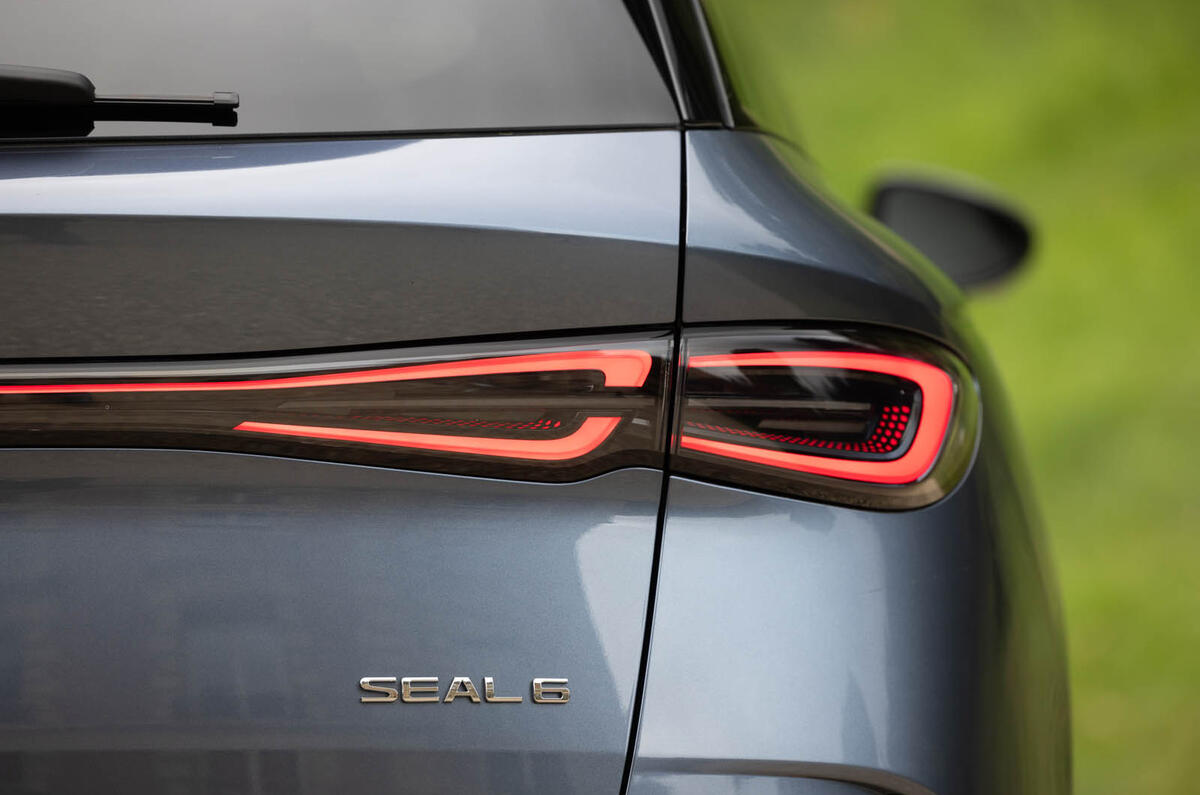
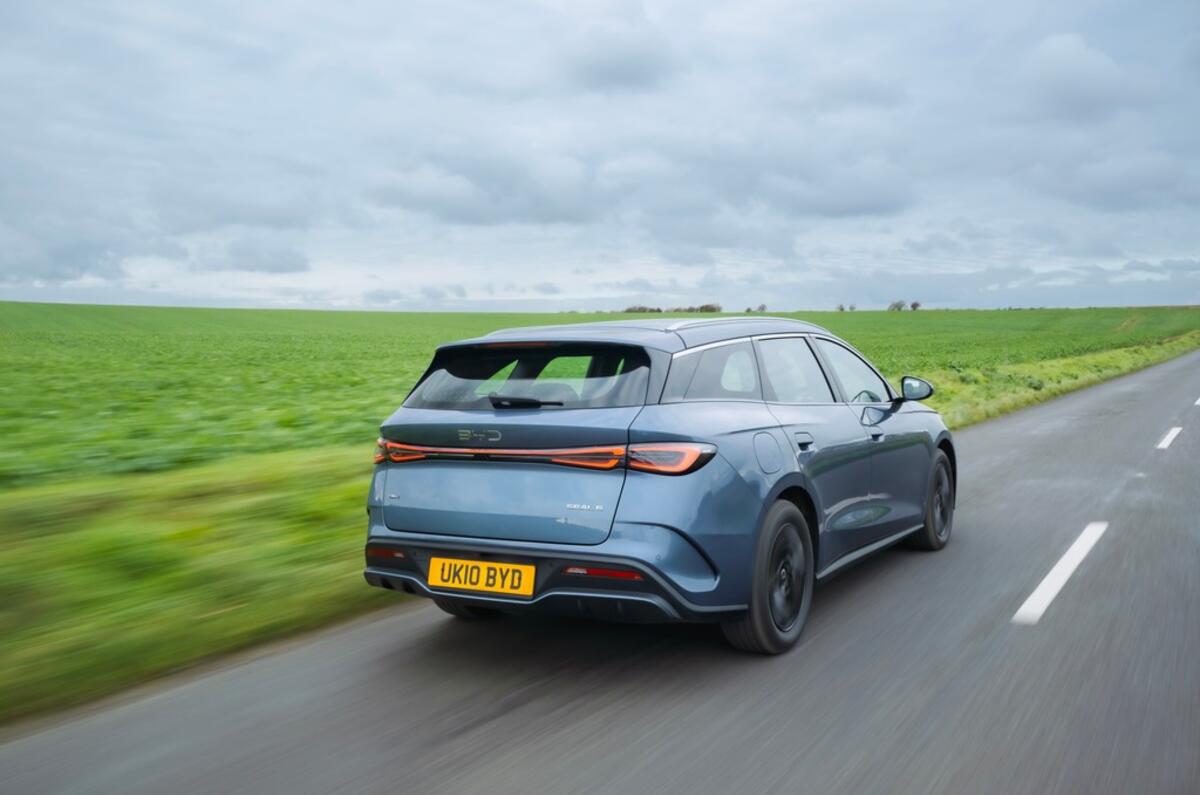
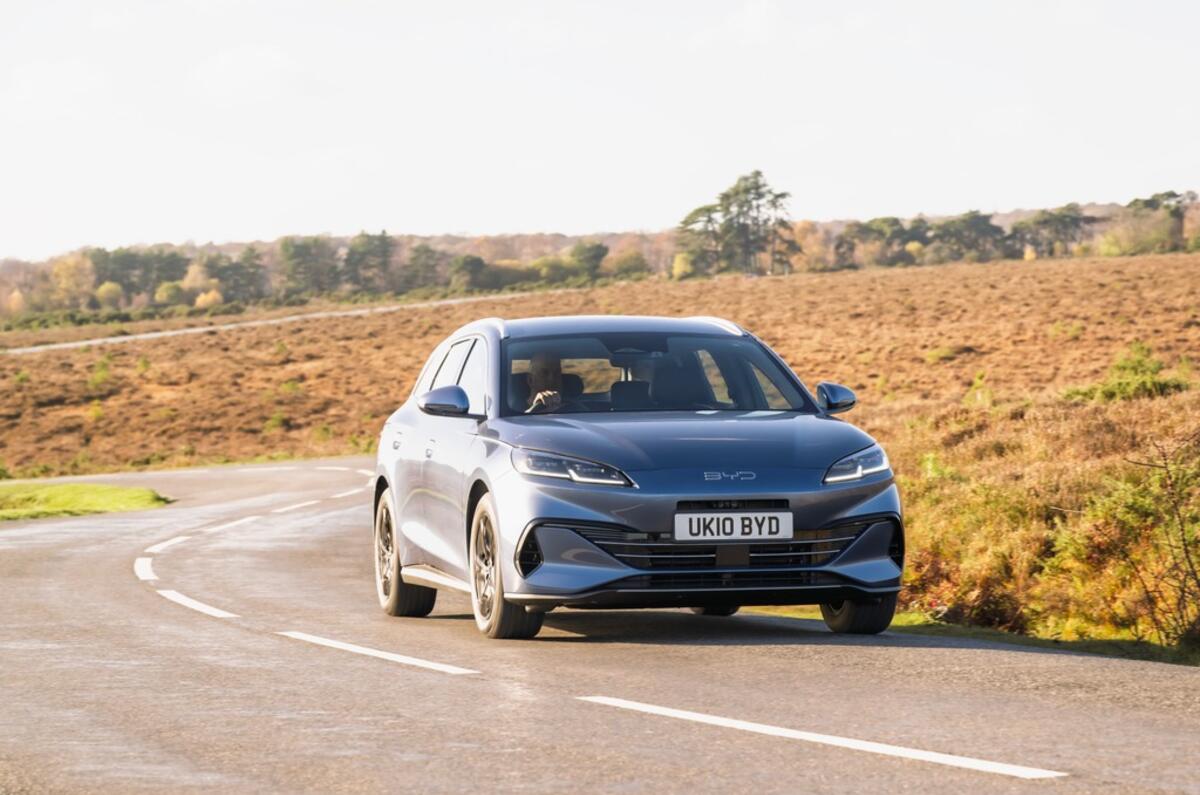
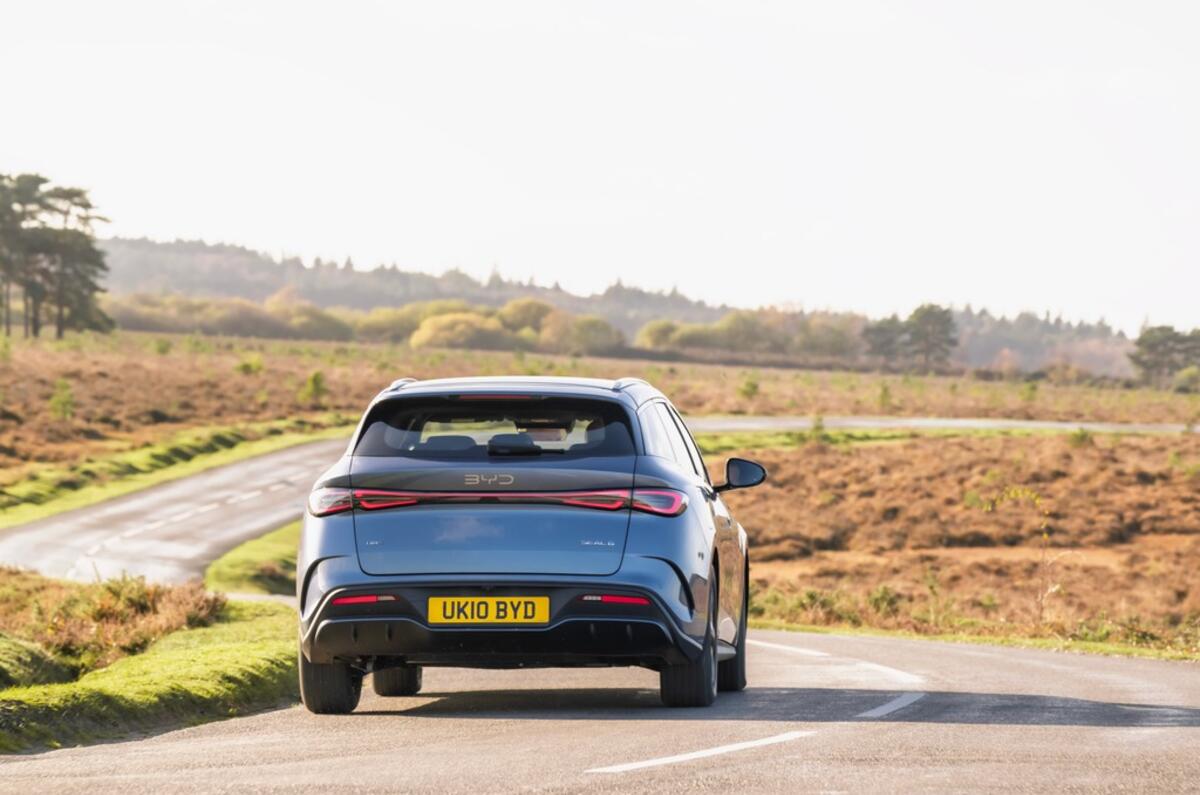
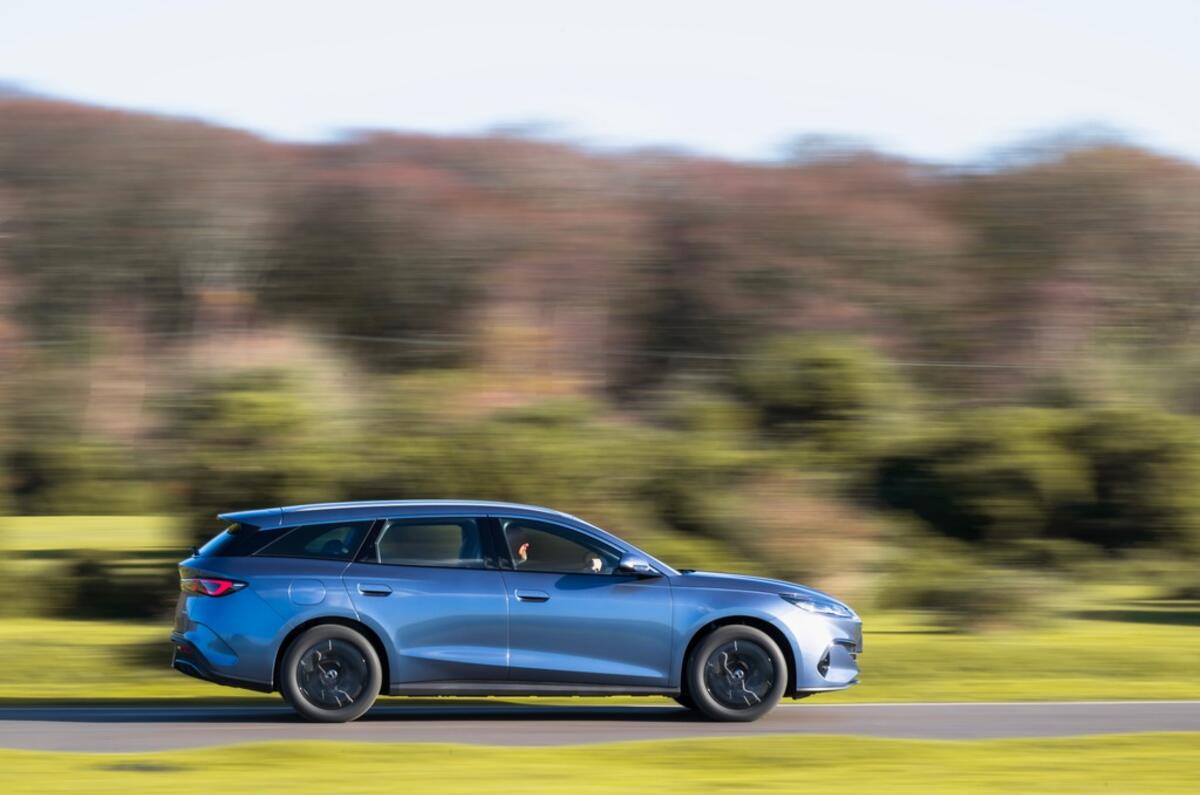
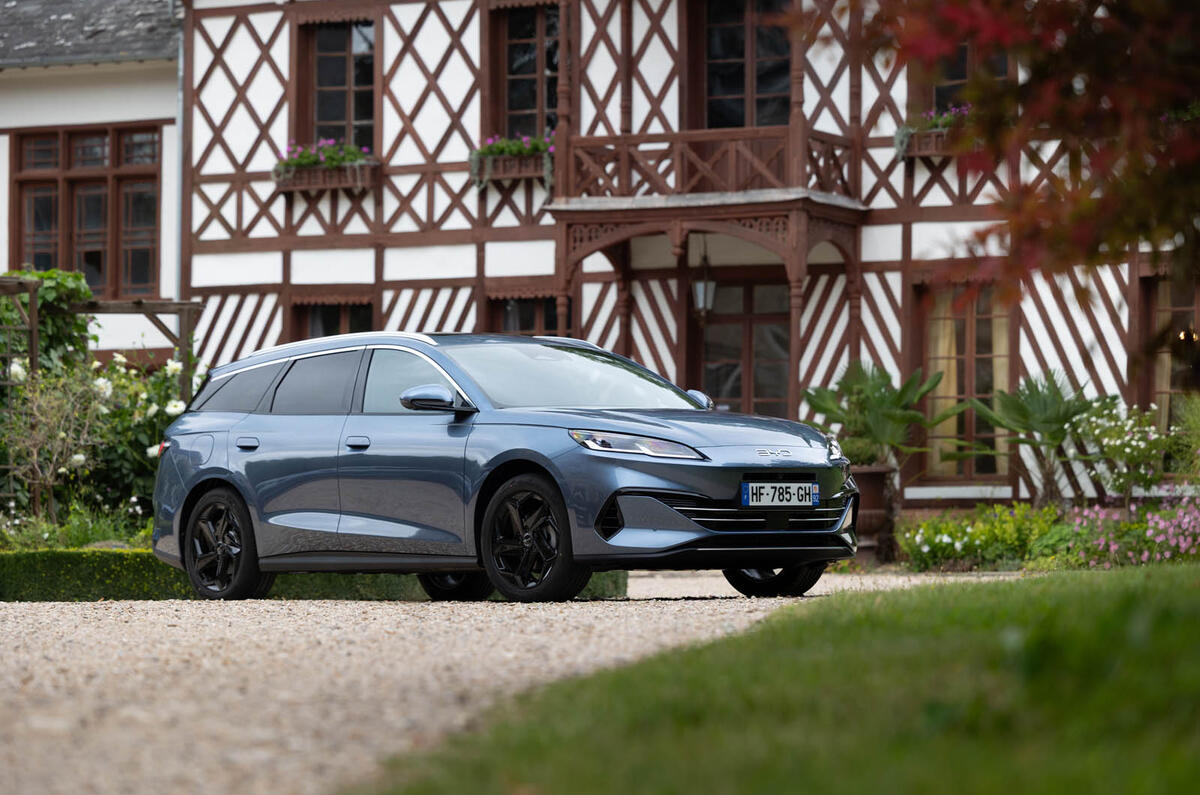
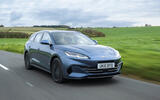
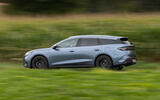
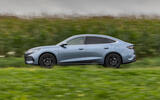
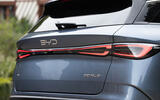
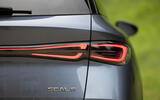
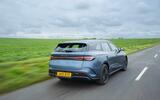
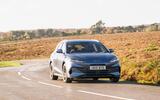
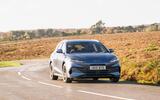
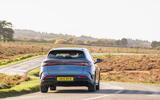
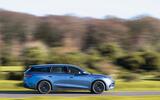
Lacking the electric Seal's big-wheeled stance, the Seal 6’s exterior design is like most BYDs in that it’s wholly inoffensive but also bland and forgettable.

INTERIOR

BYD SEAL 6 Touring interior

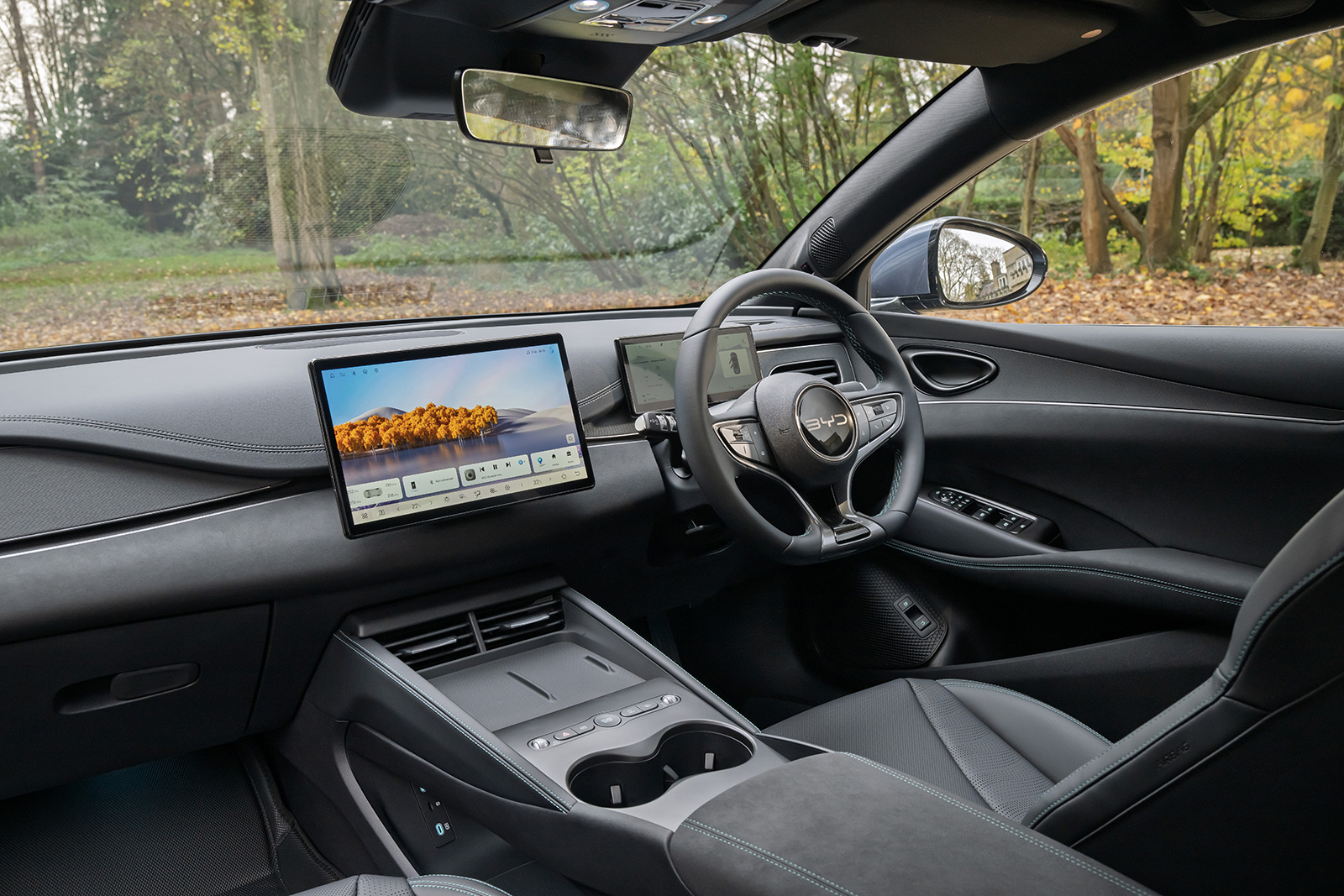
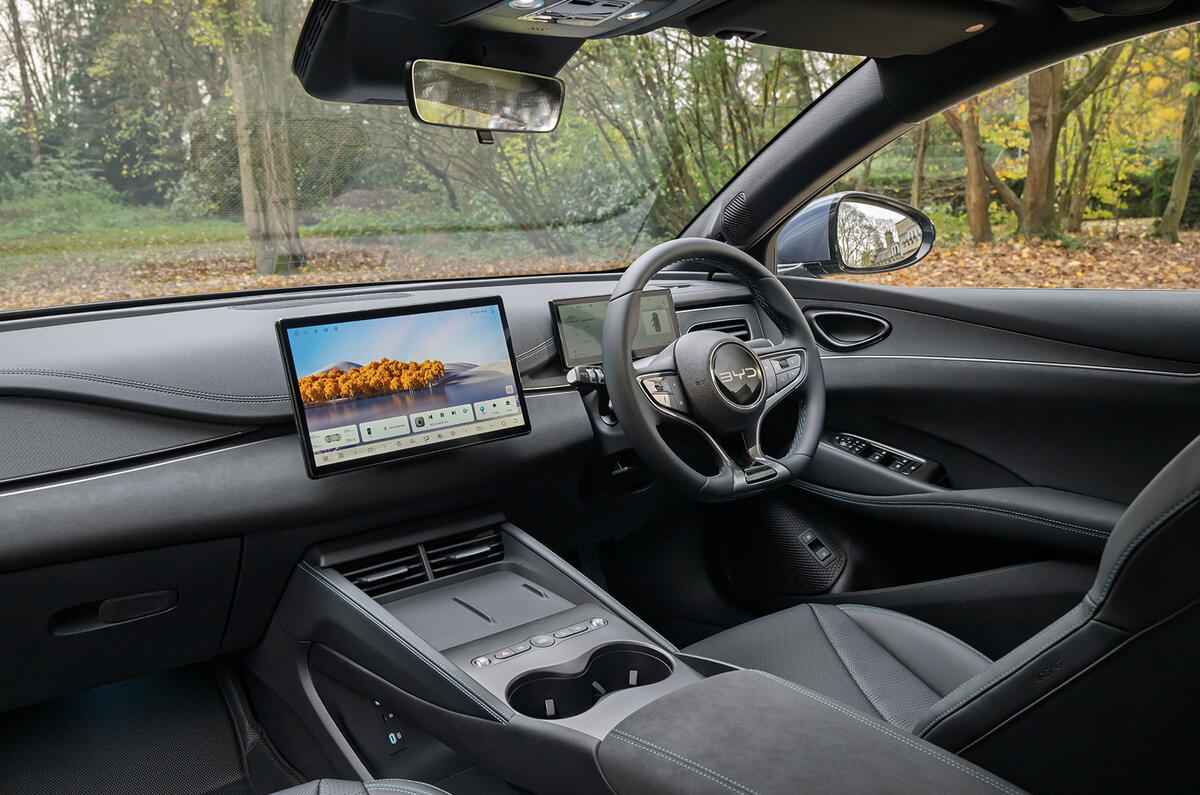
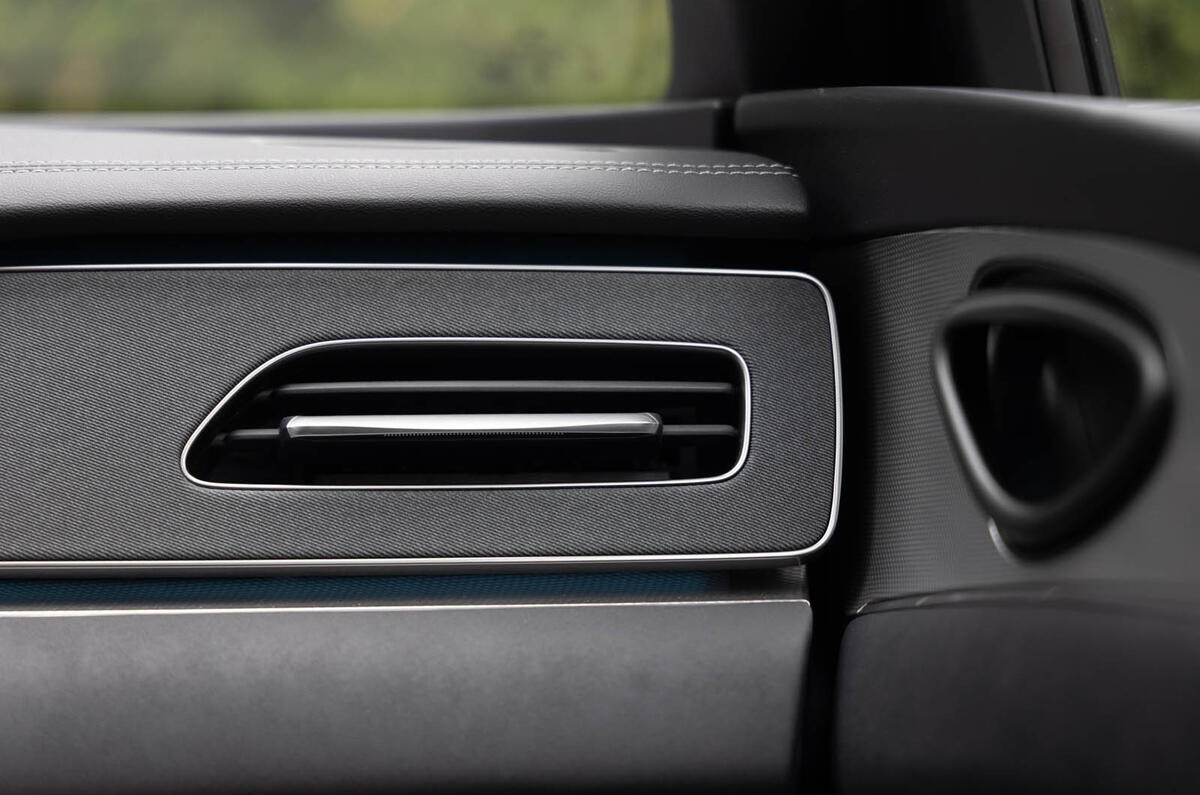
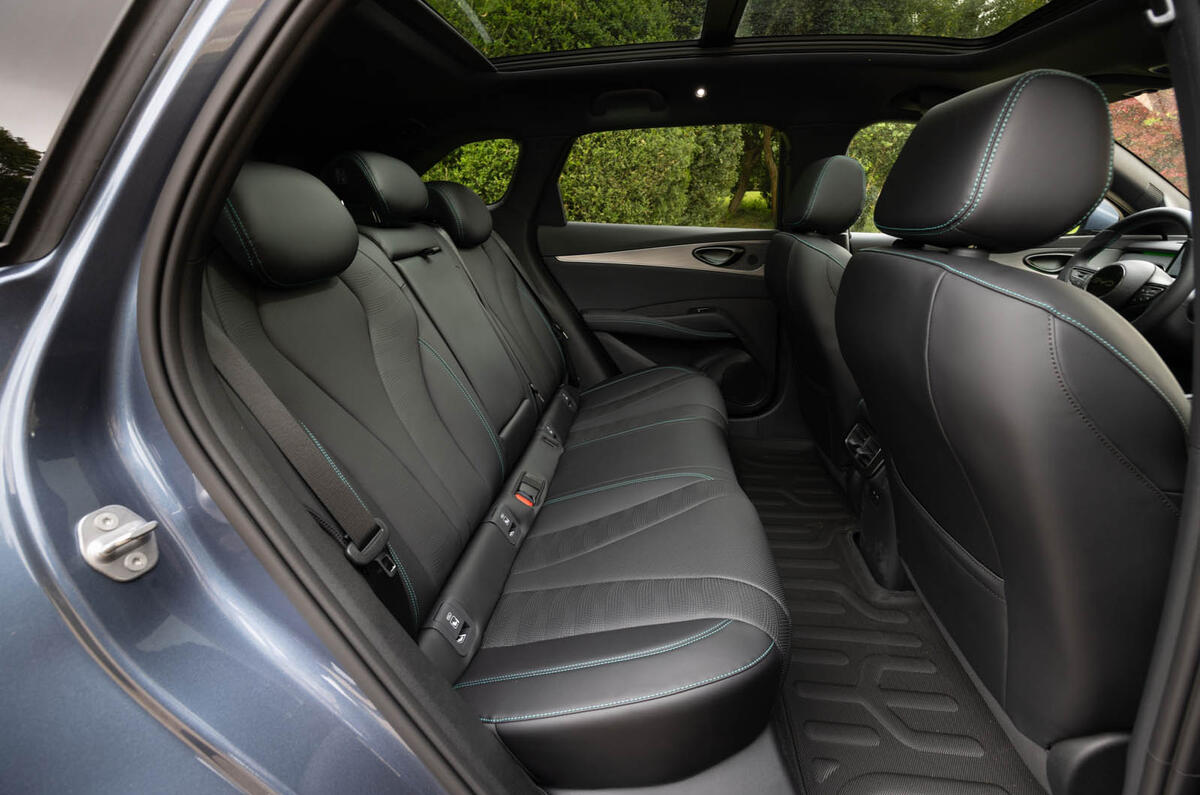
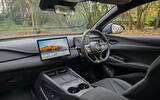
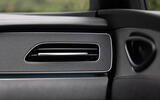
Much the same applies to the interior. BYD used to offer zany colours, but in the Seal 6 it’s a sea of very synthetic-feeling faux black leather. There are a few neat touches, like the ridged rubber material on the dash trim, and mercifully there's next to no gloss black plastic, but none of it is very memorable.

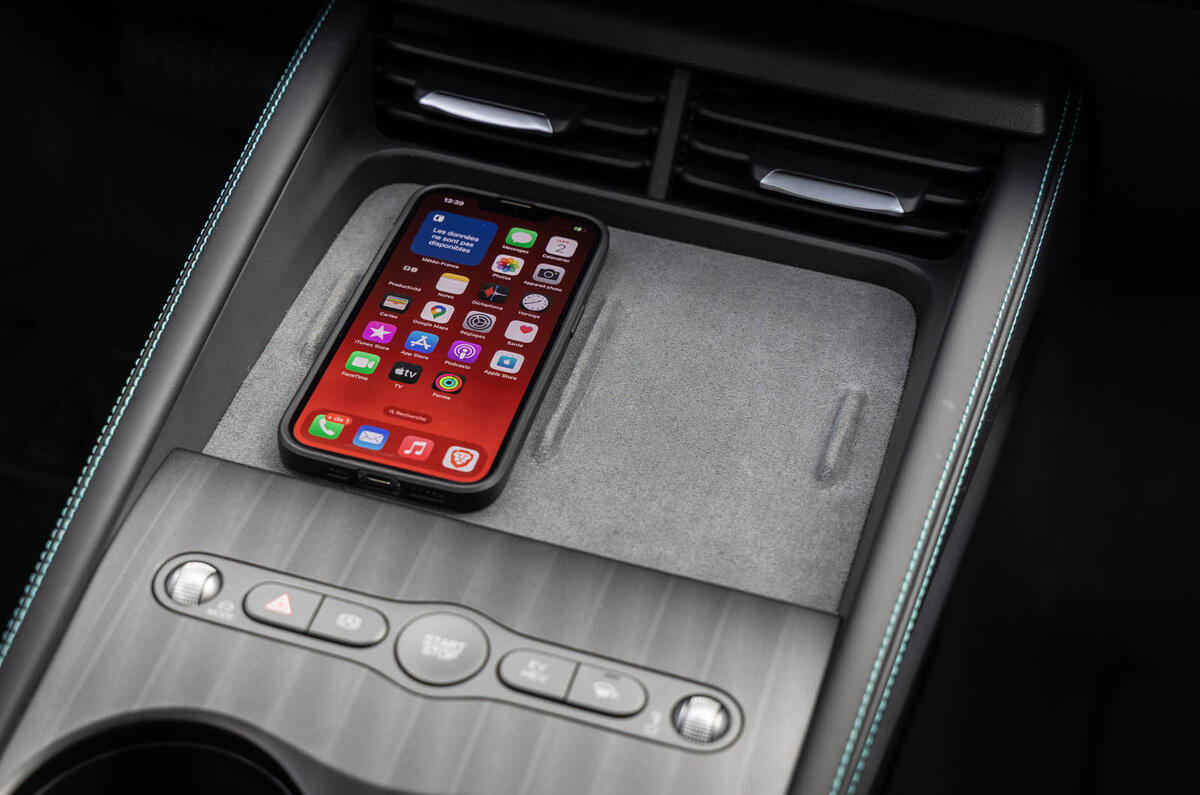
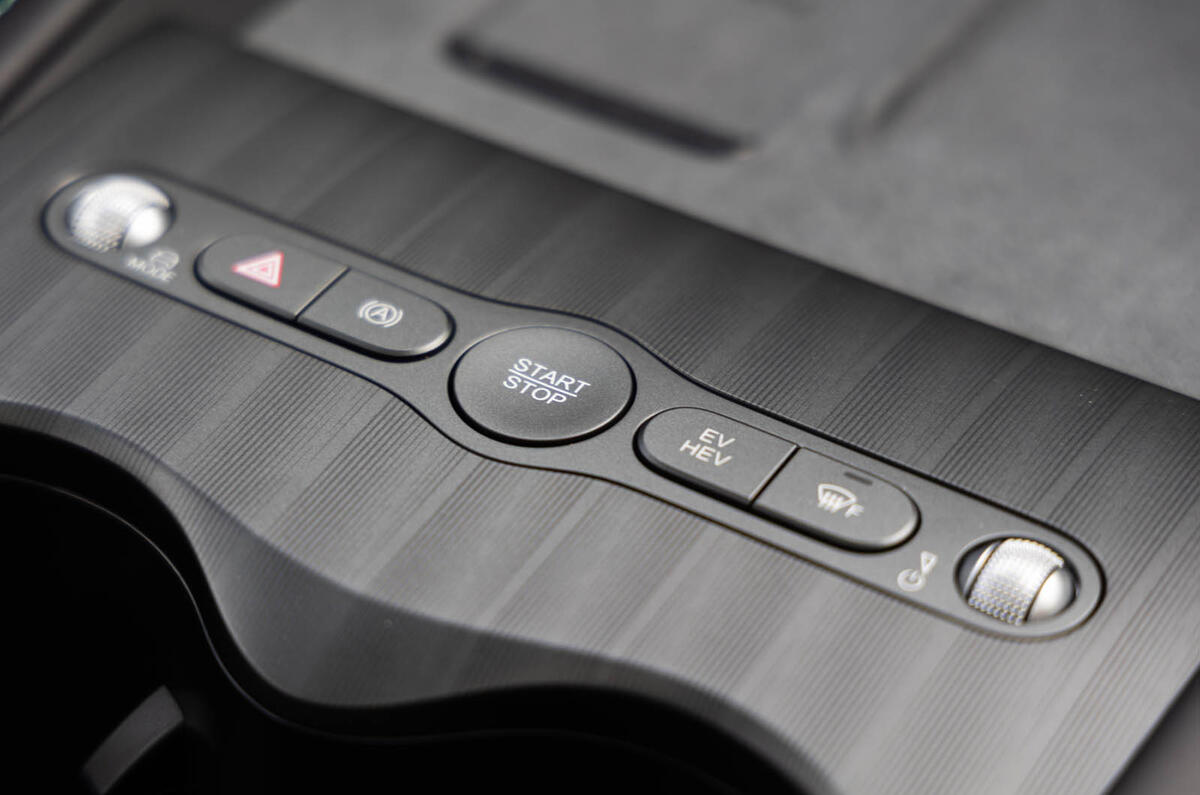
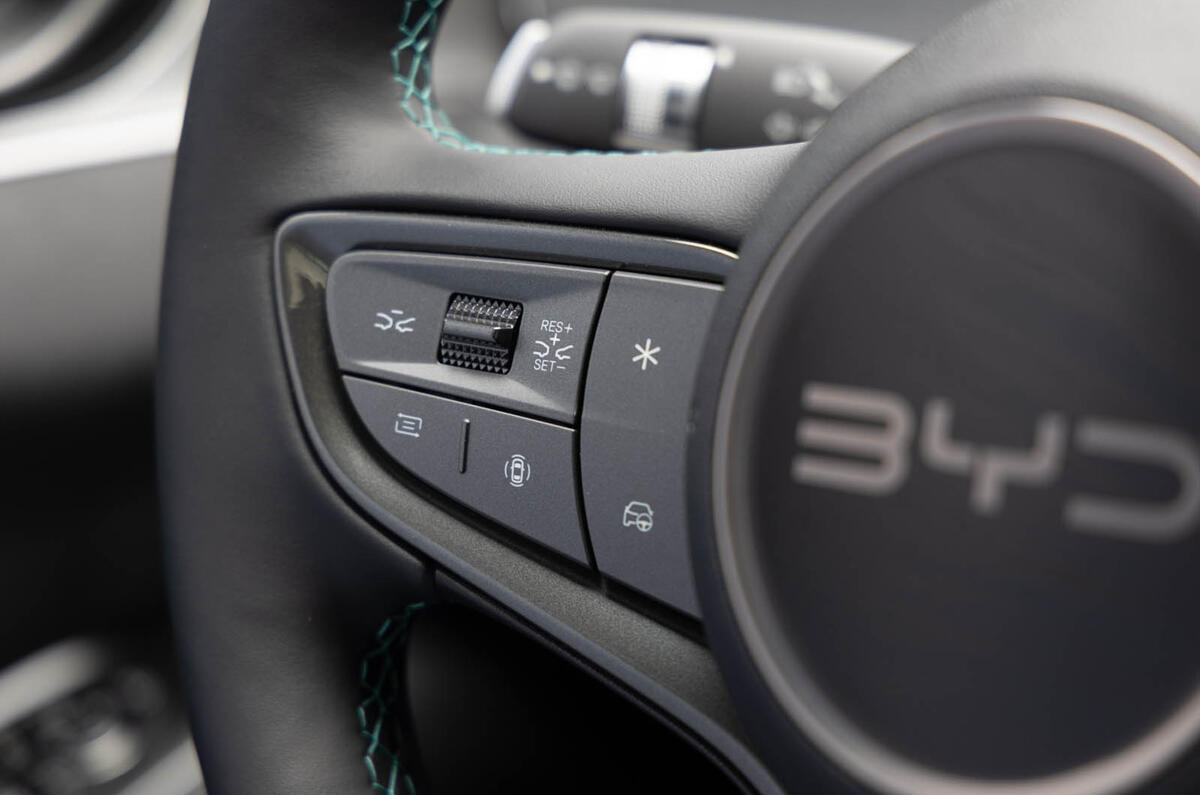
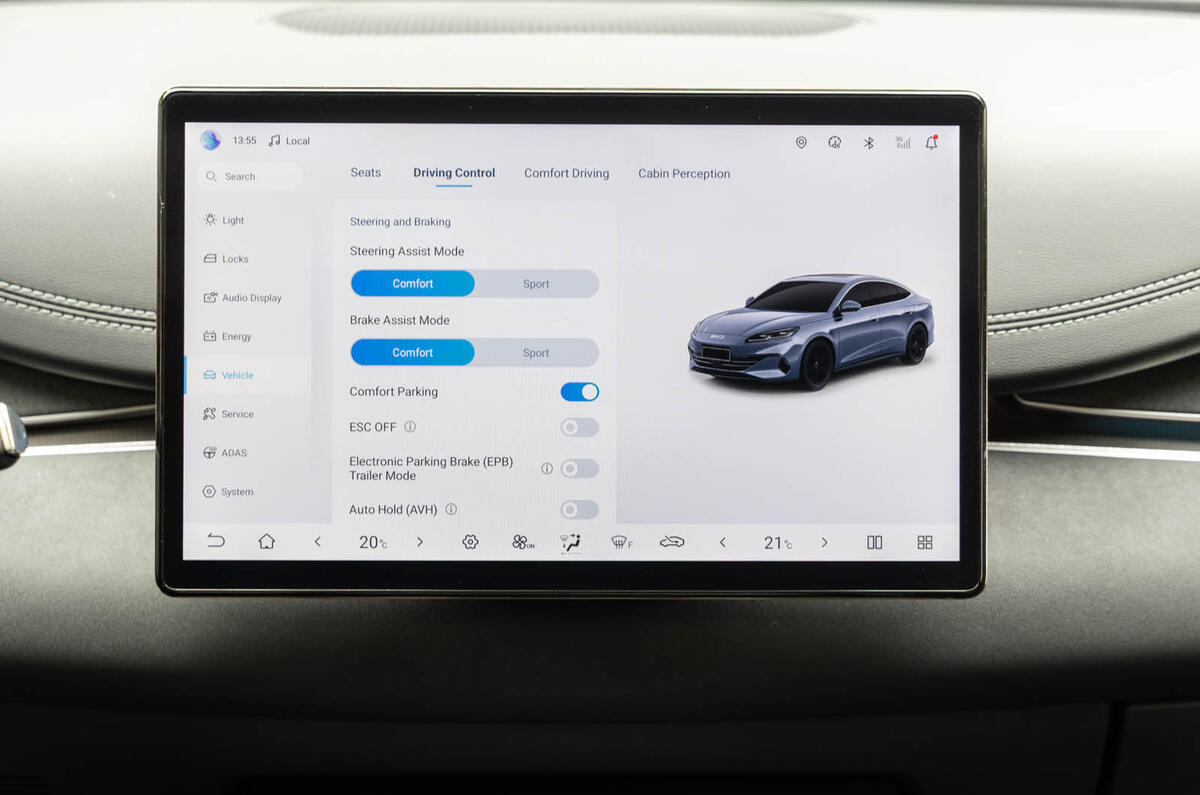
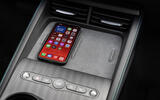
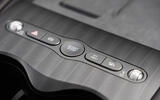
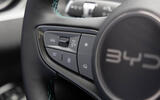
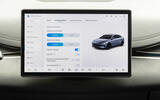
BYD has a strange philosophy when it comes to buttons. There are a few sensibly chosen ones in the centre console and a bunch more on the steering wheel, but you still have to dive deep into the touchscreen for certain essential functions, like the lights and the heated seats. The steering wheel has two user-configurable buttons, which sounds great, but you can’t actually set them to do anything useful.

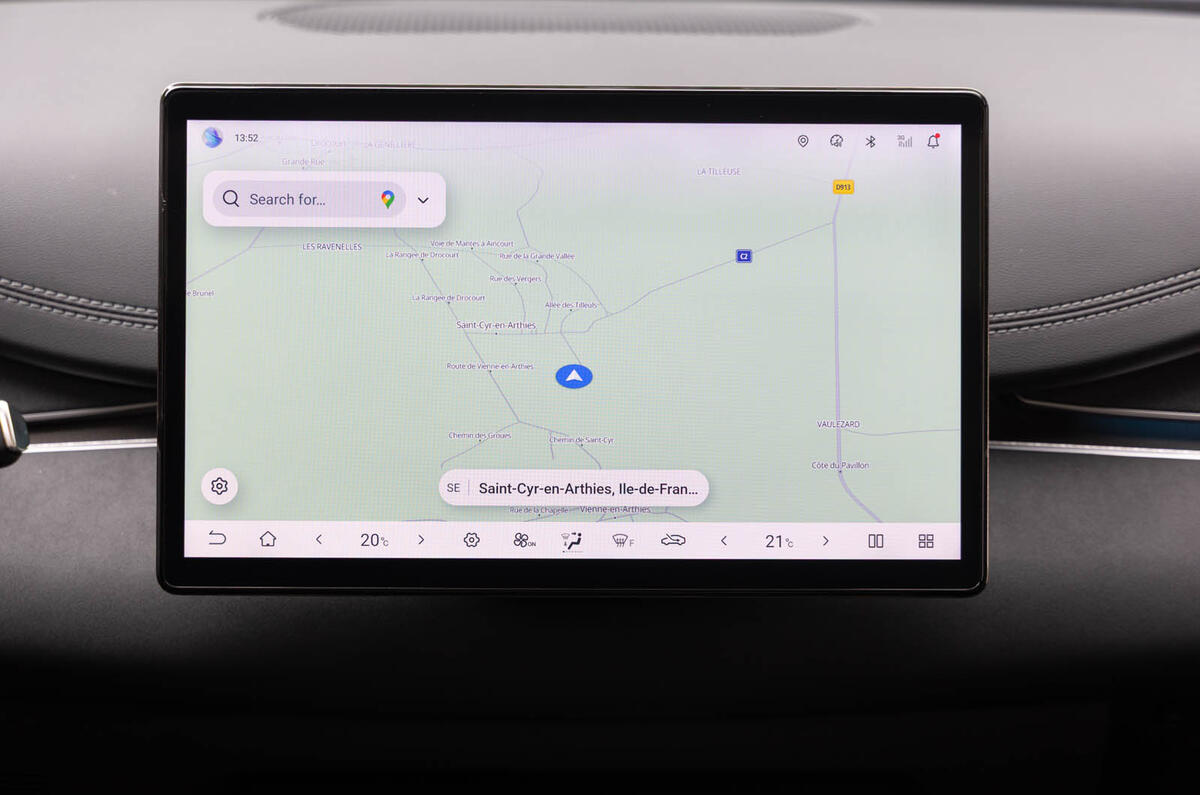
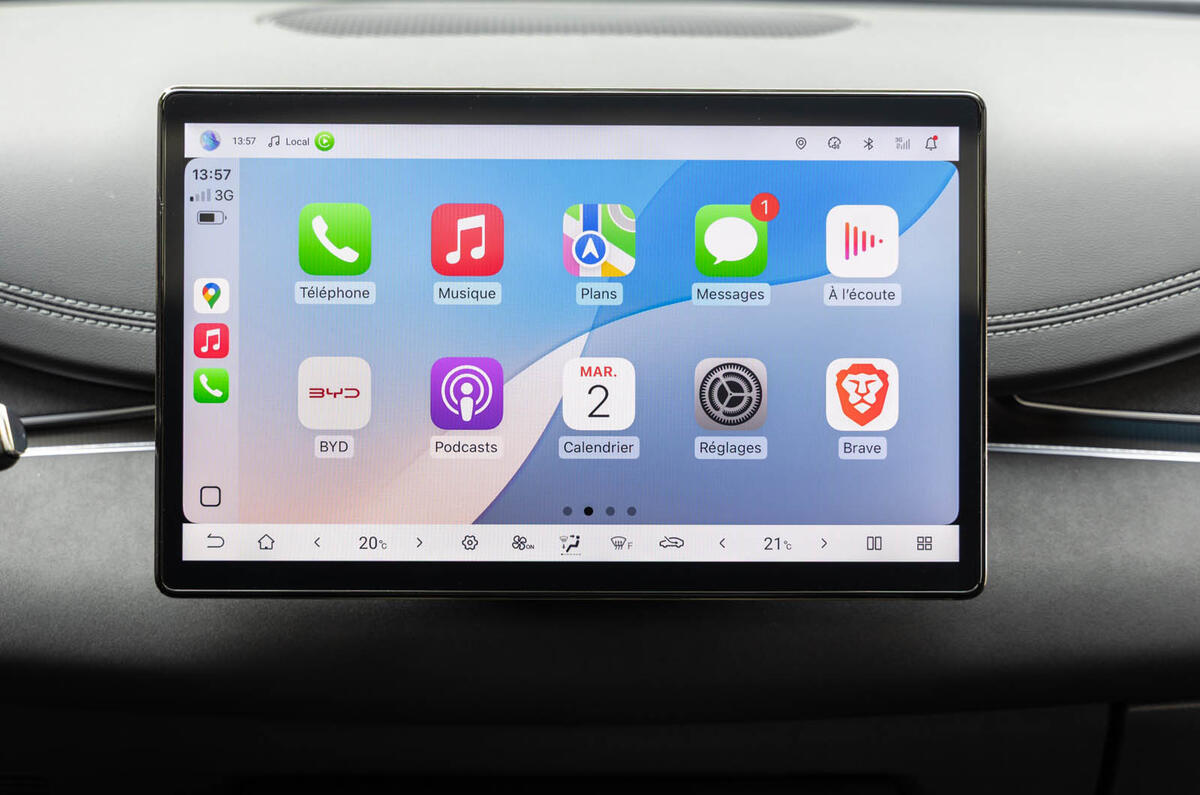
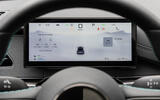
The only difference between Comfort Lite and Comfort trims is the touchscreen size: 12.8in versus 15.6in. I drove the Comfort Lite and thought the screen was big enough without being too overbearing.

At least the centre touchscreen works better than in the last BYDs I drove. It’s the first one that can’t rotate – a gimmick that I can’t imagine many people will miss. When you use Apple CarPlay, the main shortcut bars remain, and there’s a configurable pull-down menu that gives you quick access to certain settings and lets you quickly disable the worst of the ADAS.

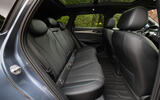
While the Seal 6 is almost as big on the outside as the Superb, it’s nowhere near as accommodating inside. The front seats sorely lack lumbar and thigh support and there’s less head and knee room in the back.

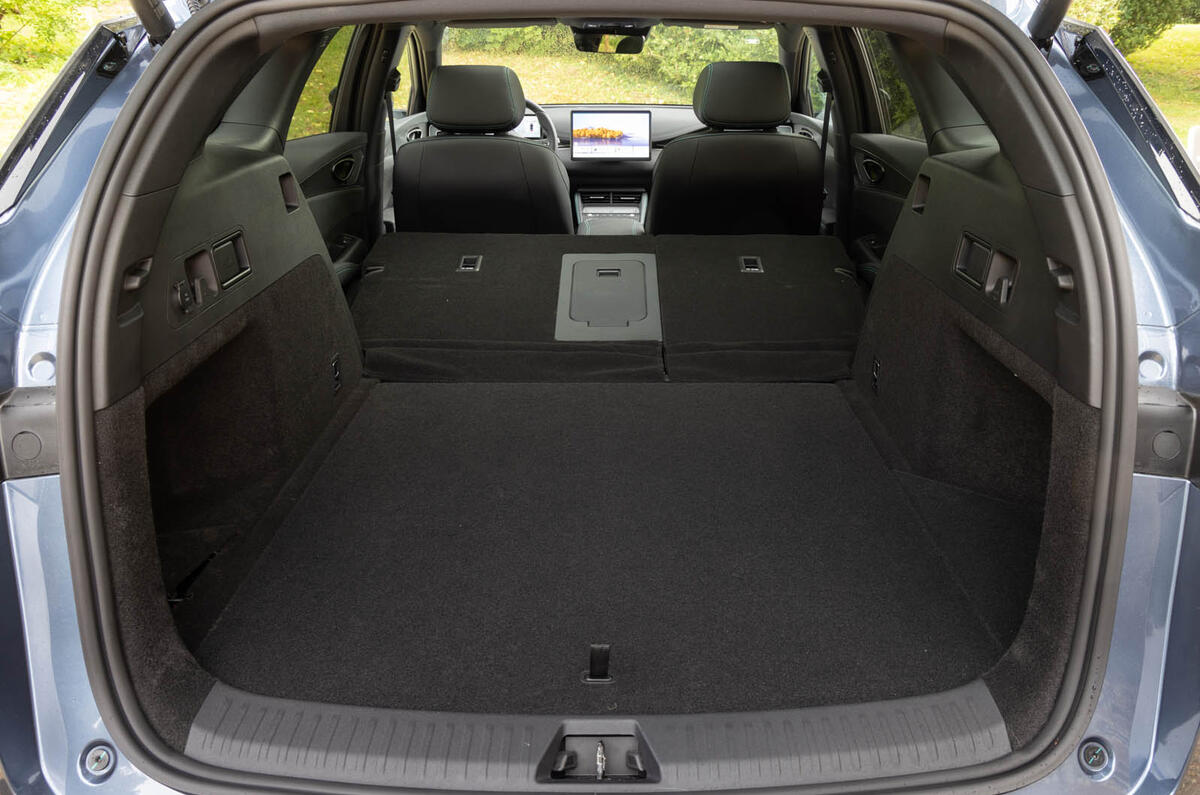
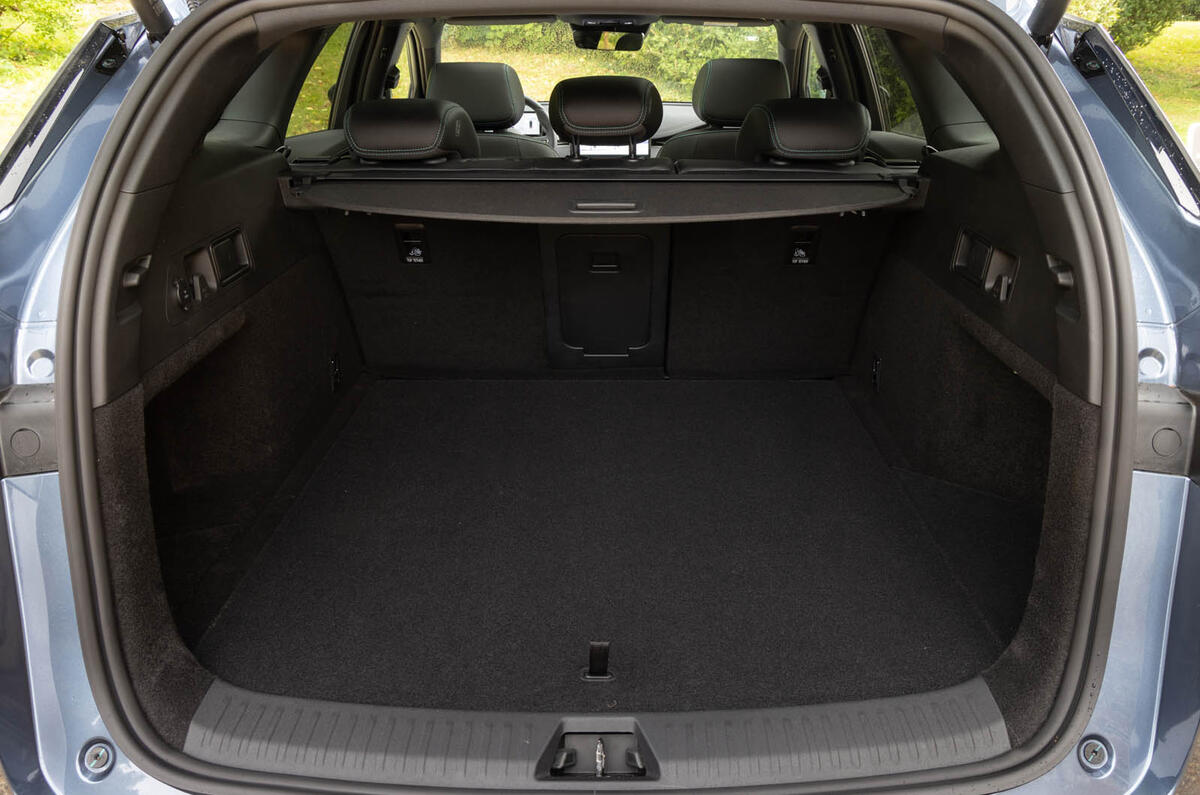
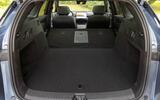
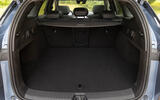
The boot is quite competitive, however, at 500 litres (compared with 510 in the Superb PHEV), and it has both a flat floor and a pair of handles to fold down the rear seats.

ENGINES & PERFORMANCE

BYD SEAL 6 Touring  057

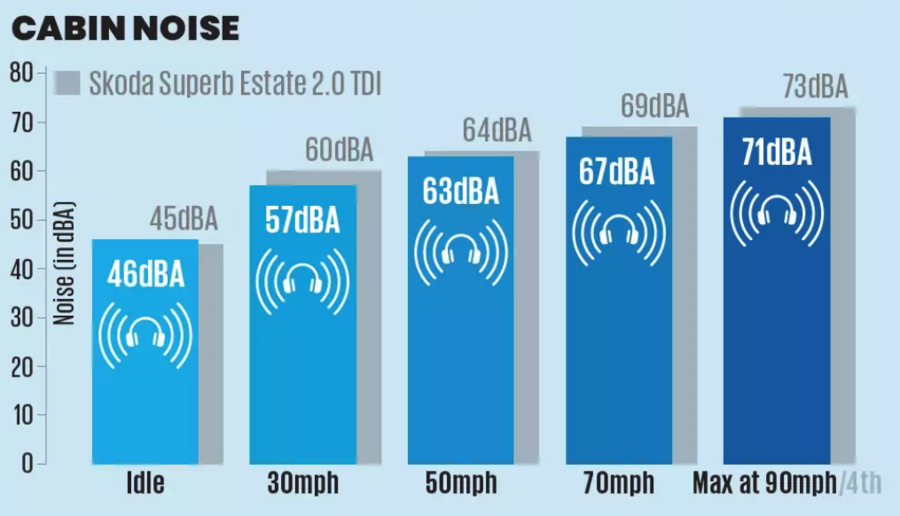
The powertrain is the Seal 6’s greatest asset because it works so smoothly. Unlike most PHEVs, it really does feel like an EV in EV mode, because it has such a powerful motor and therefore doesn't feel underpowered.

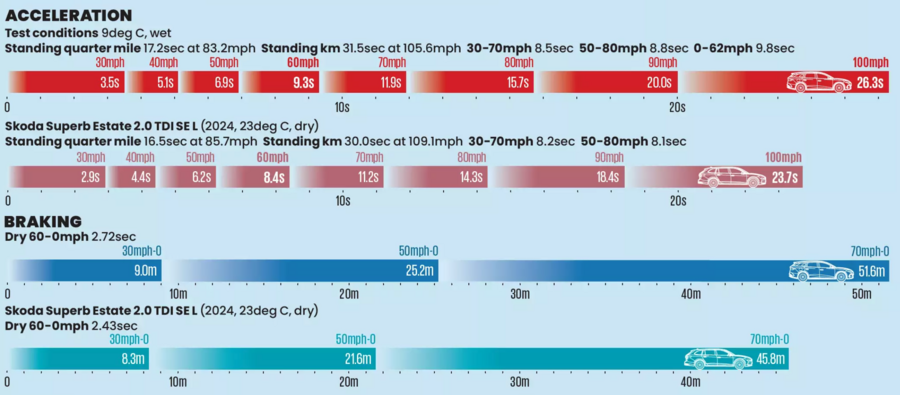
Both the Comfort and Boost models feel largely the same and, if anything, the 100kg lighter Boost feels a fraction more responsive, despite its claimed 8.9sec 0-62mph time being four tenths slower.

BYD calls its 1.5-litre petrol engine the Xiaoyun and claims it has a thermal efficiency of 43%, which is very good if true.

Both suffer from the same dull throttle response in Normal mode, with Sport required to sharpen things up.

At full throttle the engine will kick it, but even then it's remarkably muted.

In Hybrid mode it feels largely the same, just with the engine humming almost imperceptibly in the background to stop the charge from running out too soon.

Even when the battery is flat, you don’t lose much performance, and the engine doesn’t get excessively noisy.

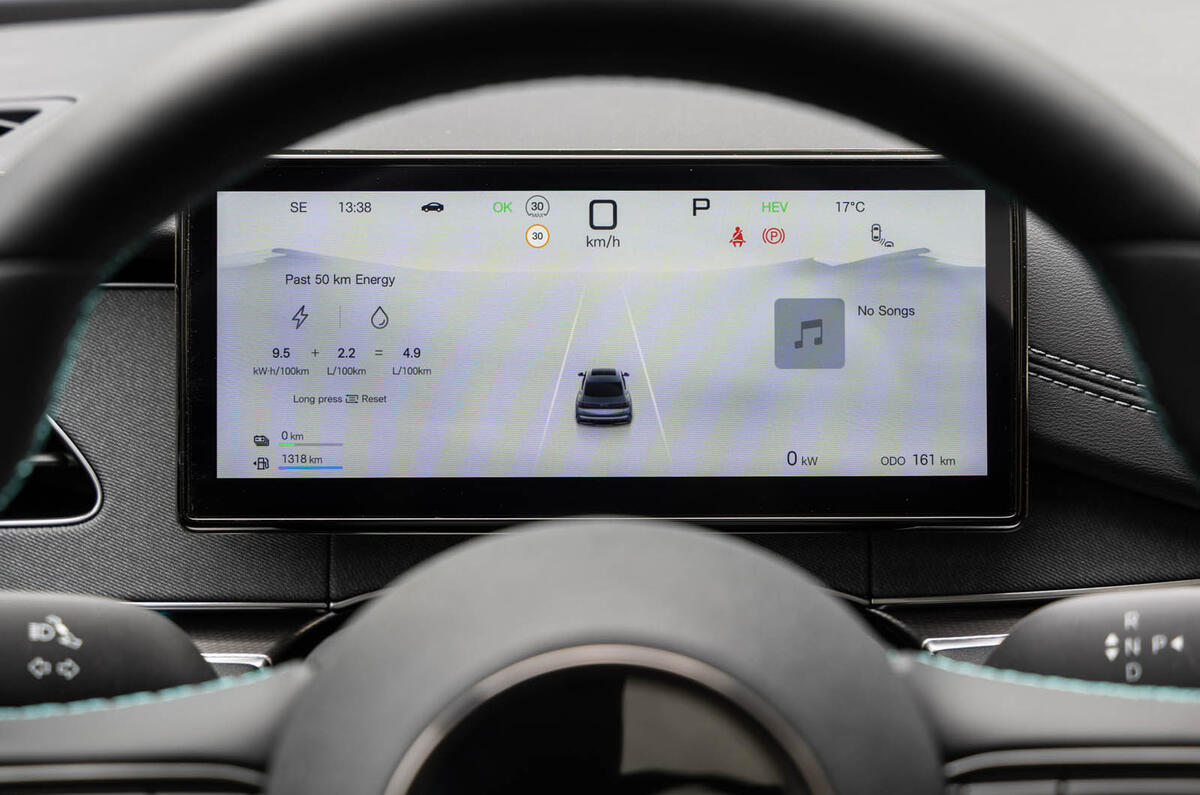
Deceleration is well managed too. Although the regenerative braking is very mild when you lift off the accelerator, the brake pedal is progressive and offers up to 50kW of regeneration, if the instrument cluster is to be believed.

RIDE & HANDLING

BYD SEAL 6 Touring  044

While the powertrain is smooth and refinend, the rest of the car trails class standards for relaxing refinement. The suspension is quiet enough, but it feels leaden and lumpy over urban imperfections, while on the motorway there's constant fidget on all but the smoothest and freshest Tarmac.

Surprisingly, the Boost’s 17in wheels offer no advantage over the Comfort’s 18s in terms of ride restfulness.

On the plus side, the sharp initial response of the brake pedal gives way to good progression and stopping power.

You might forgive this stiff-legged progress if it translated into quick-witted and even-keeled handling but, well, it doesn’t. The steering is decently weighted and accurate, and in most circumstances the Seal 6 diligently follows your intended line, but there’s little in the way of dynamic sparkle. Moreover, hit a few compressions mid-corner and the brittleness gives way to a little heave and wallow. 

And while the standard Hankook tyres delivered good grip in the dry, on tighter damp corners it was far too easy to push the car into understeer, which transitioned to lazy oversteer as you snapped the throttle closed - all before the ESP could be stirred from its slumber. Under lighter loadings, it's as if the stiffness in the suspension is causing the car to skitter over the surface. Pile headlong into a wet roundabout and you’ll need your wits about you.

Ultimately, the 308 and Volkswagen Golf are on another level, never mind the Superb or any of the premium stuff.

The lane keeping assistance and speed limit warning on the Seal 6 aren’t the worst we've tried and are relatively easy to disable, but the driver attention monitor is typically overzealous and irritating.

We haven't had the opportunity to thoroughly test the adaptive cruise control.

MPG & RUNNING COSTS

BYD SEAL 6 Touring

BYD will offer UK customers the Seal 6 in three trims: Boost, Comfort Lite and Comfort.

The Boost has a smaller, 10.1kWh battery and just 181bhp. That gives it just 31 miles of electric range and the resulting 60g/km of CO2 output means it doesn’t qualify for particularly cheap company car tax.

The version with the larger battery can charge at only 6.6kW on AC power, whereas many rivals support 11kW. It can DC fast-charge at 26kW, though.

The Comfort models get the bigger, 19.0kWh battery and extra power. That gives them 62 miles of electric range, so they should attract just 9% tax. The Superb PHEV gets 10 miles more out of a similarly sized battery, though.

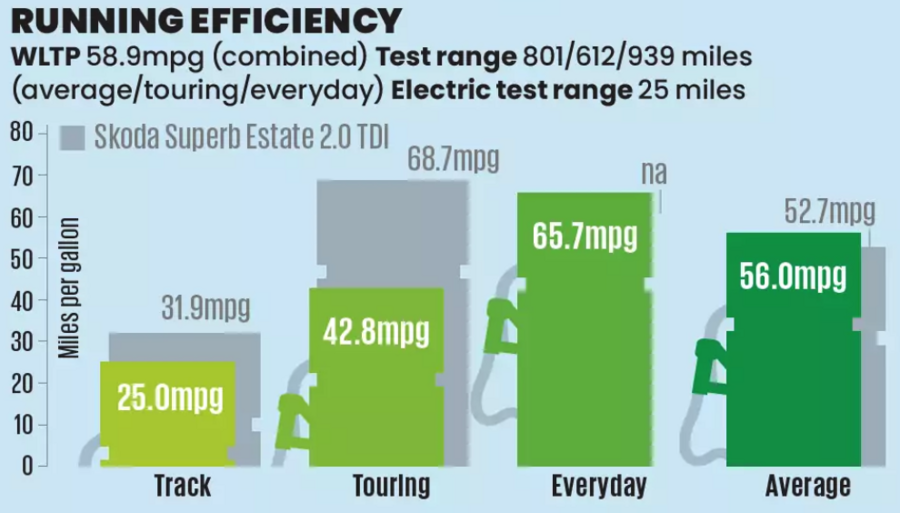
We still need to spend more time in it to get an accurate idea of real-world range and electric efficiency. With the battery depleted, around 50mpg seems realistic, which is very good.

Prices start at just £33,990 for the Boost saloon, while a modest £1000 uplift gets you the keys to an estate. The glitzier Comfort versions command another £3000, but spec an equivalent mainstream rival, even one from the class below, to the same level and you could easily spend another £10,000 over either version of the Seal 6.

Then there are the low-interest and -deposit finance deals, which will put either version on your drive for less than £400 a month - a figure that's maybe tempting enough to overlook the car's rough dynamic edges.

VERDICT

6
BYD Seal static

Quite simply, the Seal 6 is nowhere near as good as the Superb, but it’s also nowhere near as expensive. Once you’ve specced the Skoda to a similar level of equipment, it’s easily £10,000 more.

The Seal 6 is also cheaper than a PHEV Golf, Leon or 308, despite being a much bigger car. At that sort of money, you can cut it a lot of slack.

If you don’t need the space, a Golf is still the nicer car, because it has much more mature ride, handling and ADAS, is easier to use and has a better infotainment system. The Seal 6 isn’t miles off, though, the smoothness of the powertrain is genuinely impressive and its vital PHEV stats are competitive enough.

However, there are some glaring dynamic flaws, such as the brittle ride and the occassionaly sketchy wet-road characteristics.

Is that enough to stop us recommending the BYD? Well, if you value driving pleasure, then yes. But if you want a comprehensively-equipped, neatly finished and frugal family car at a fraction of the price of rivals, then it deserves a look. You pays your money....

Illya Verpraet

Illya Verpraet Road Tester Autocar
Title: Road Tester

As a road tester, Illya drives everything from superminis to supercars, and writes reviews and comparison tests, while also managing the magazine’s Drives section. Much of his time is spent wrangling the data logger and wielding the tape measure to gather the data for Autocar’s in-depth instrumented road tests.

He loves cars that are fun and usable on the road – whether piston-powered or electric – or just cars that are very fit for purpose. When not in test cars, he drives an R53-generation Mini Cooper S or a 1990 BMW 325i Touring.

James Disdale

James Disdale
Title: Special correspondent

James is a special correspondent for Autocar, which means he turns his hand to pretty much anything, including delivering first drive verdicts, gathering together group tests, formulating features and keeping Autocar.co.uk topped-up with the latest news and reviews. He also co-hosts the odd podcast and occasional video with Autocar’s esteemed Editor-at-large, Matt Prior.

For more than a decade and a half James has been writing about cars, in which time he has driven pretty much everything from humble hatchbacks to the highest of high performance machines. Having started his automotive career on, ahem, another weekly automotive magazine, he rose through the ranks and spent many years running that title’s road test desk. This was followed by a stint doing the same job for monthly title, evo, before starting a freelance career in 2019. The less said about his wilderness, post-university years selling mobile phones and insurance, the better.