
You will have noticed this, but I'll say it anyway: aren't cars expensive these days? Rarely a press loan goes by without a friend spitting out their coffee when I tell them how much that week's test car costs to buy.
As I write, I'm waiting for a Volkswagen Golf GTE to be delivered, and if I tell my housemate this mid-sized warm hatch costs £45,000, I think she might explode. Luckily, Dacia hasn't caught the high-price fever that seems to be spreading among car makers. Since relaunching here in 2013, the firm has kept one eye on the depths of the average car buyer's pocket.
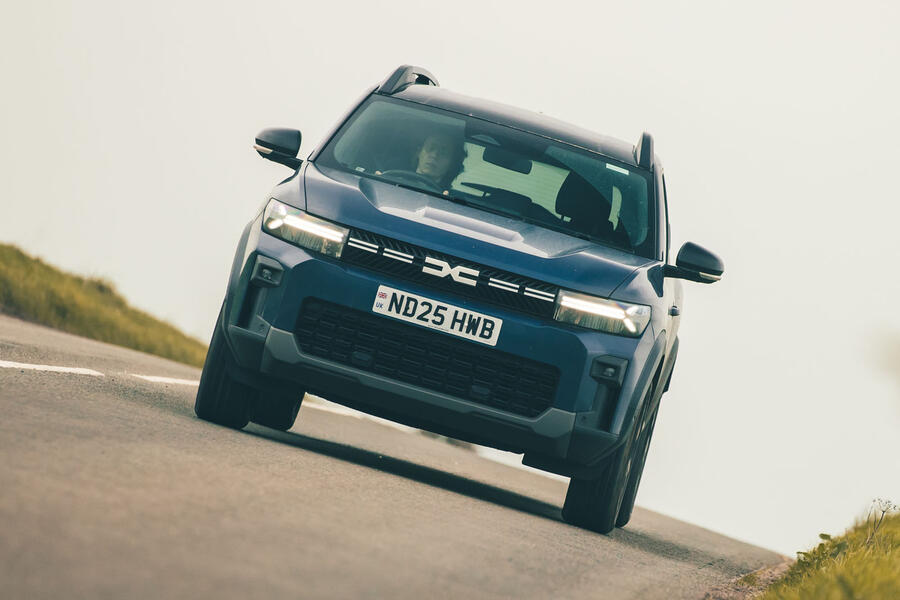
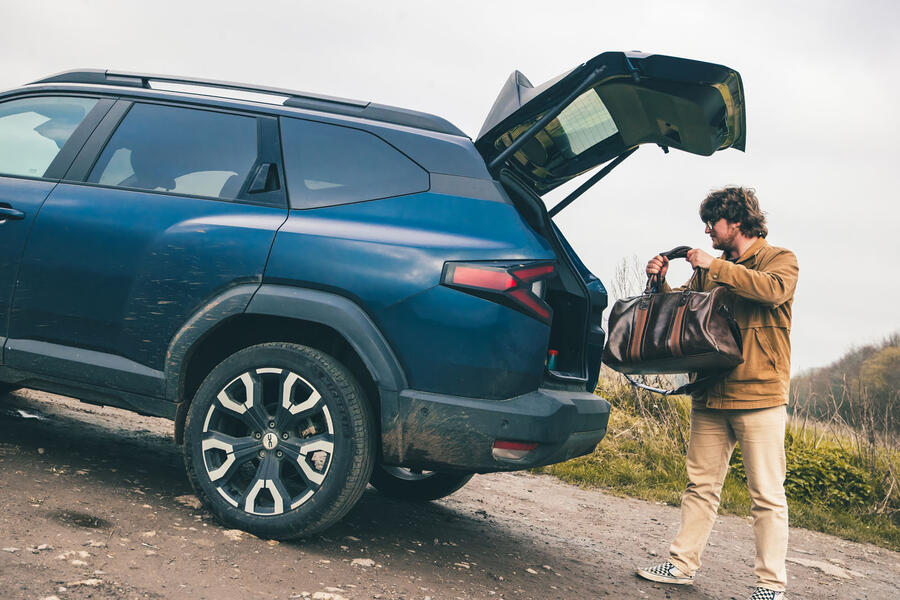
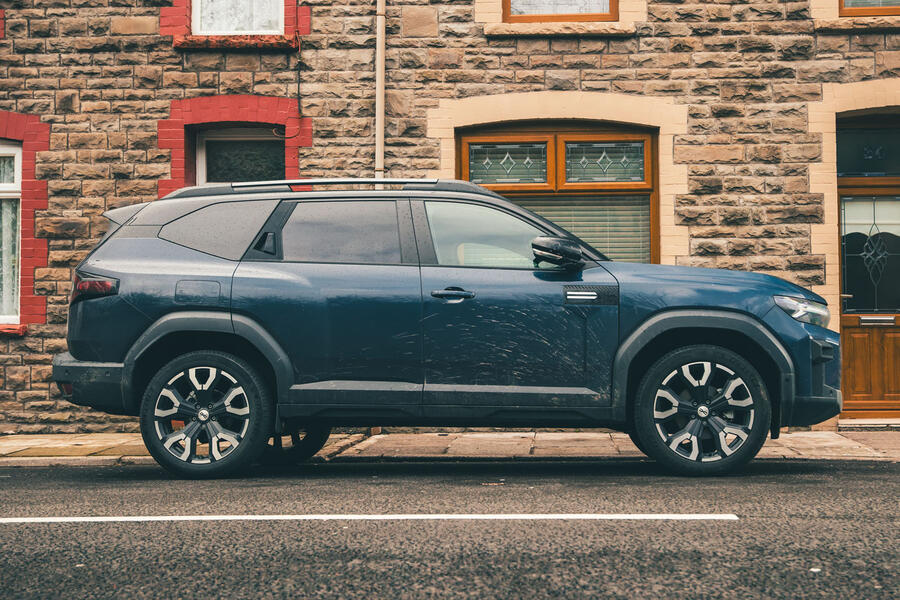
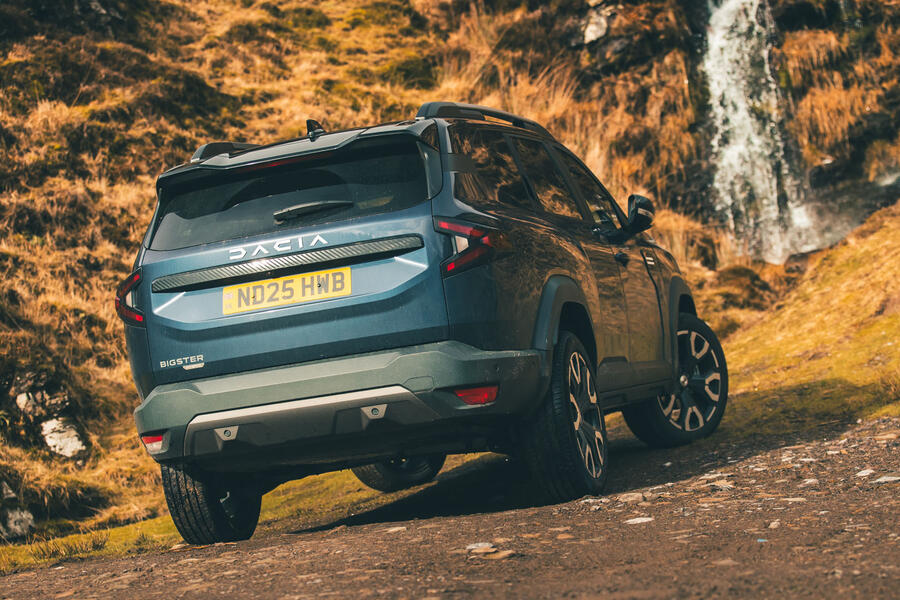
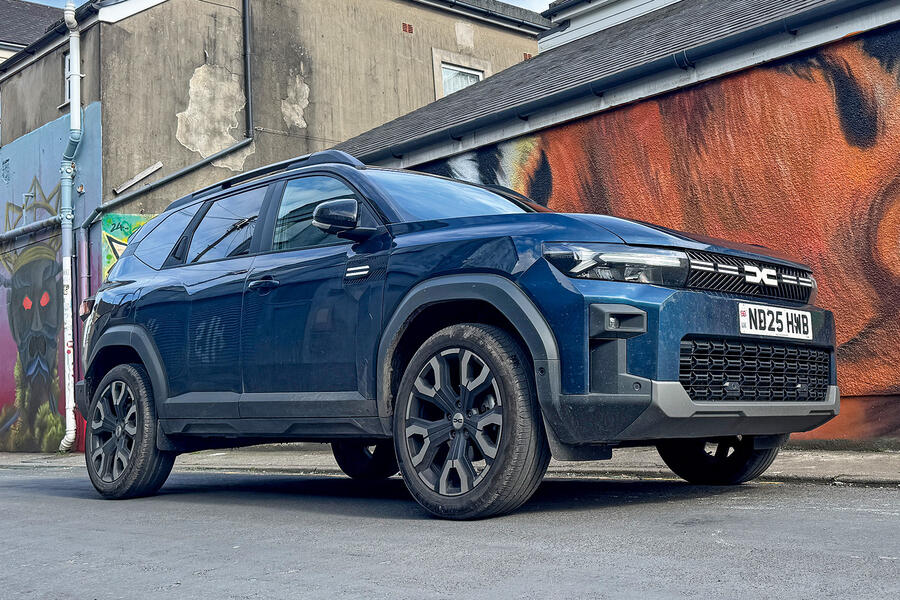
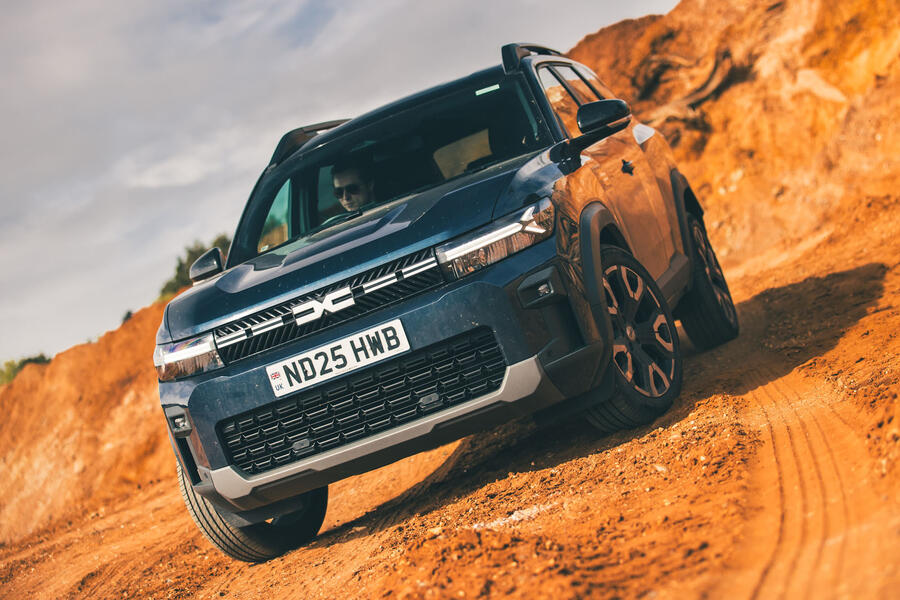
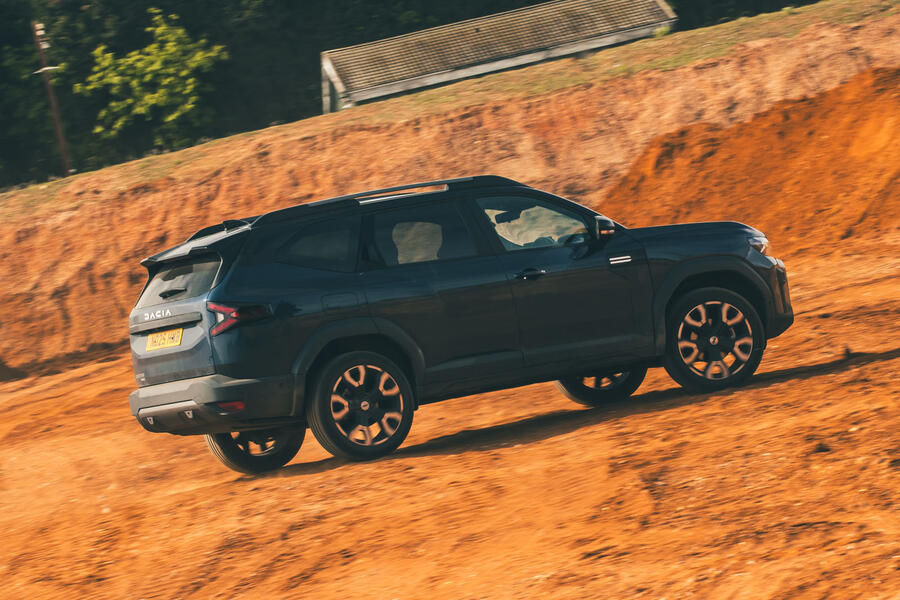
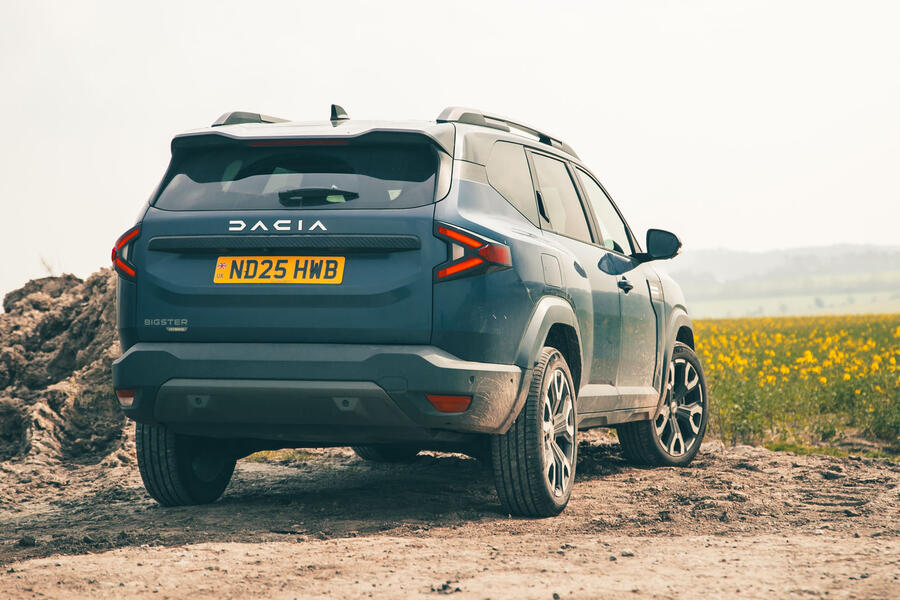
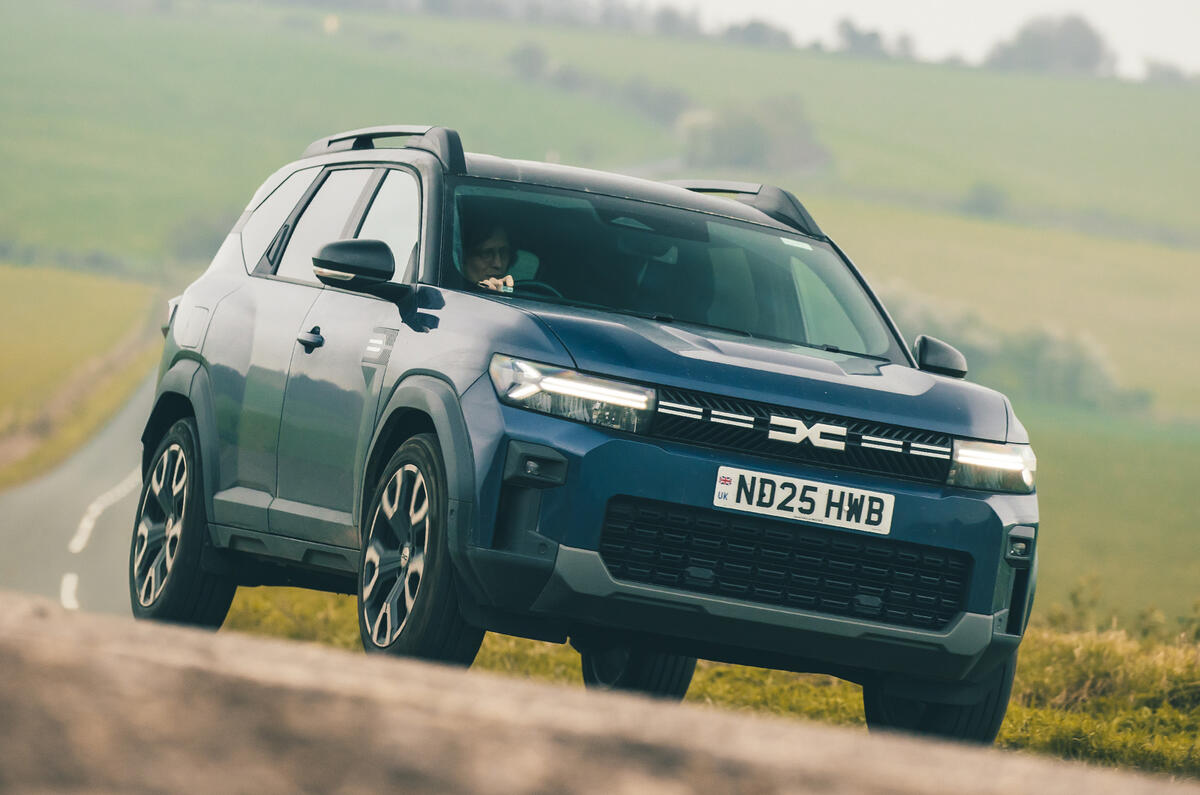
The Bigster, then, is Dacia's latest attempt to be the Martin Lewis of the motoring world. Amusing name aside – it's the sort of word that could fast-track you into an HR meeting if you used it at work – it's a serious proposition. It's essentially a Duster that's been stretched both lengthways and upwards, still using that wonderfully versatile CMF-B platform that underpins all Dacias.
In fact, that's one of the main reasons why Dacias are so cheap: they're all extremely similar from the beltline down, using a lot of tried and tested (or, if you're feeling unkind, 'old') parts from across the Renault Group. And cheap it is.
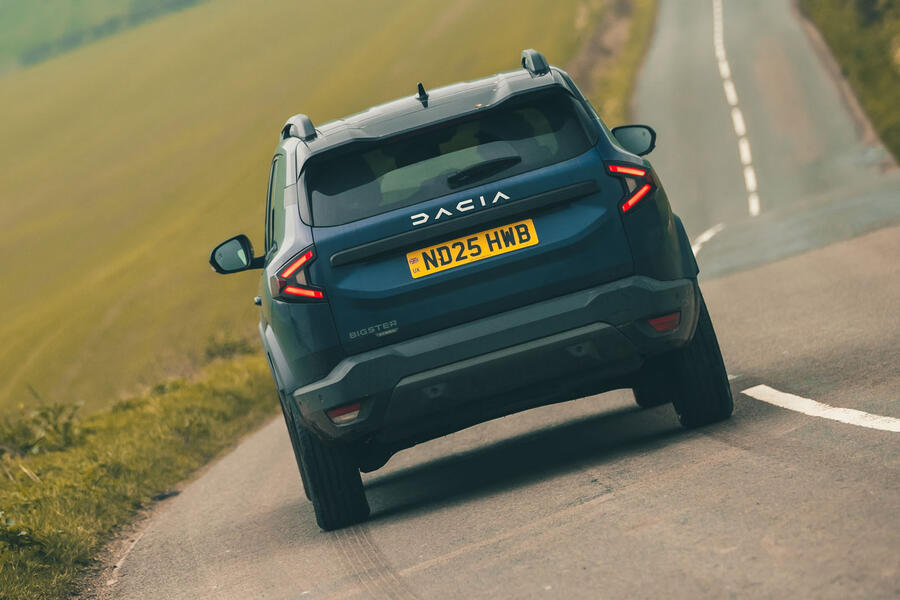
No version of the Bigster will set you back more than £30,000 in standard guise, which is amazing when you look at its rivals. Nissan Qashqai? It starts at £30k for a base-spec model. Kia Sportage? Same price again for the lowliest of low trims. Skoda Kodiaq? That starts at £5k more. In fact, you can get a Bigster from just £25,000, which is Vauxhall Astra money.
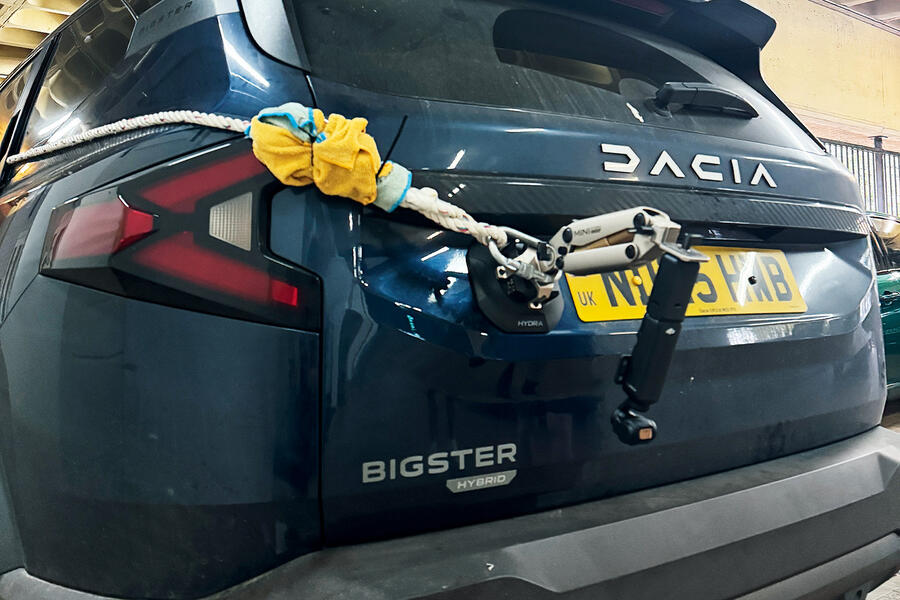
Ours is a mid-range Journey model, priced at a smidge over £30,000 with its optional extras and the latest 1.8-litre hybrid powertrain. The four-cylinder engine makes 106bhp and 129lb ft, with the electric motor – powered by a 1.4kWh battery - adding another 50bhp and 151lb ft, all of which gives a 0-62mph time of 9.4sec.