


From £32,2006

Swish-looking family hatchback gets new looks, new name and option of electric powertrain

You've got to feel for DS on some level. For the best part of a decade and a half, it has been slowly trying to cultivate its image as an upmarket alternative to established premium brands, leaning into the distinctive style and innovative engineering of the 1950s Citroën saloon that inspired its name.

This softly-softly approach has clearly been inspired by Lexus, which openly admitted it would take decades to convince people that it was more than just a purveyor of posh Toyotas. Problem is, the Japanese firm's business model was formulated in the late 1980s, and the automotive landscape has changed massively since then.

DS now has just three models in its line-up: the No3, No4 and No8.

In a time when new brands appear on an almost weekly basis, and almost every one of them is trying the premium schtick, DS has struggled to make itself heard. Even so, bosses are persisting, claiming that company is now entering its third act with a completely refreshed line-up of cars that it claims finally represent the true essence of the brand. 

At the top of the range is the bold No8, a big electric coupé-crossover that has executive car royalty in its its sights. Yet it's this DS No4 that's argulably the most important addition as it will be the big seller - although that's a relative term. Previously called simply the DS 4, it has been DS's most popular model since it launched in 2021, albeit with just 2629 sales.

Such low volumes make you wonder why DS remains committed to the UK, even if this is still its fifth-best-selling market – but CEO Xavier Peugeot insists the brand is profitable and hopes its new line-up will help it become an influential player in Europe.
Advertisement
Back to top

But how is DS going to achieve this when hatchback rivals are selling tens of thousands each year? Well, the brand is pinning its hopes on the No4's fresh look and, for the first time, the option of an electric powertrain, which we’re testing here.

DESIGN & STYLING

4
DS n04 E Tense review 2025 003

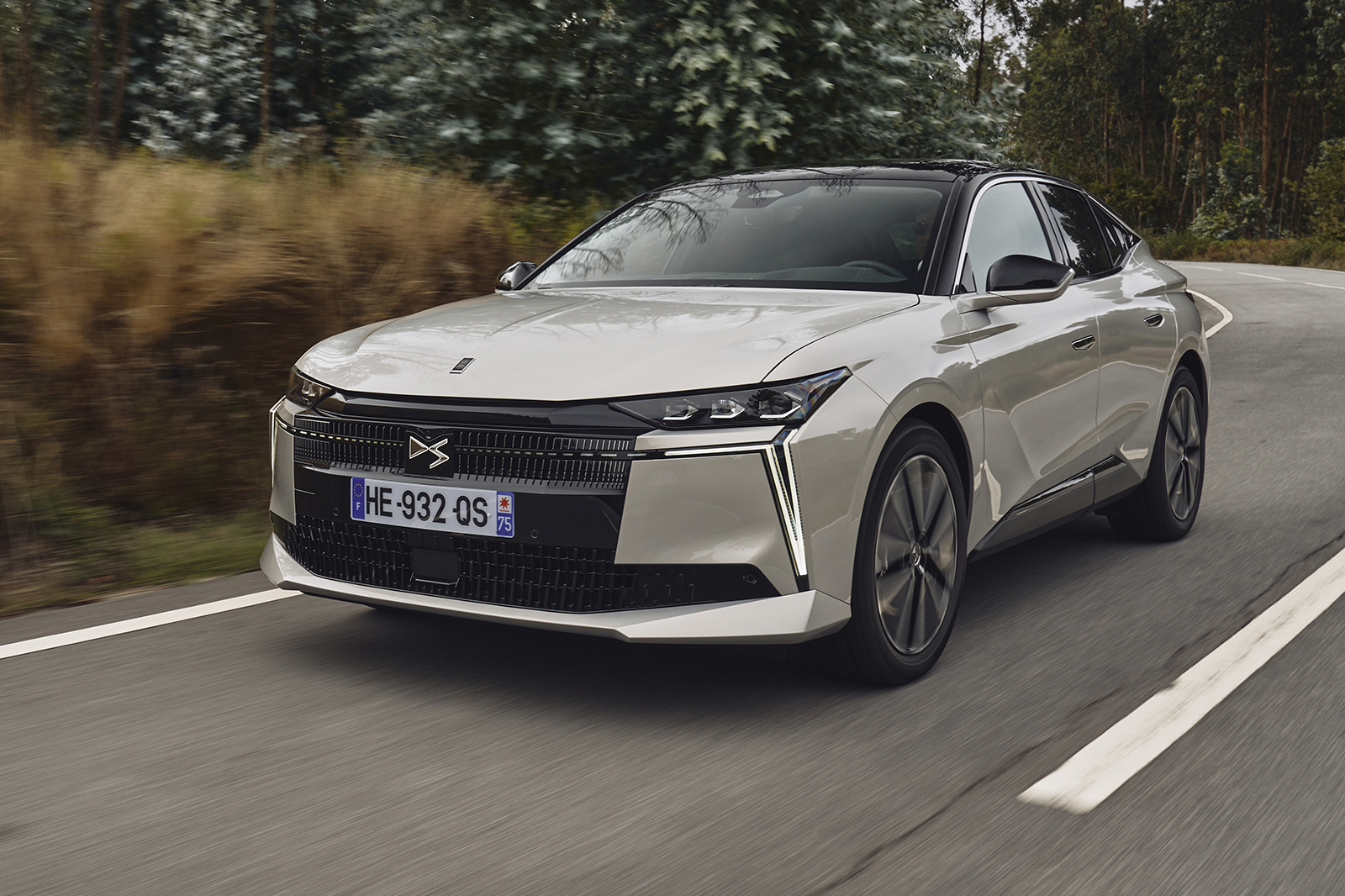
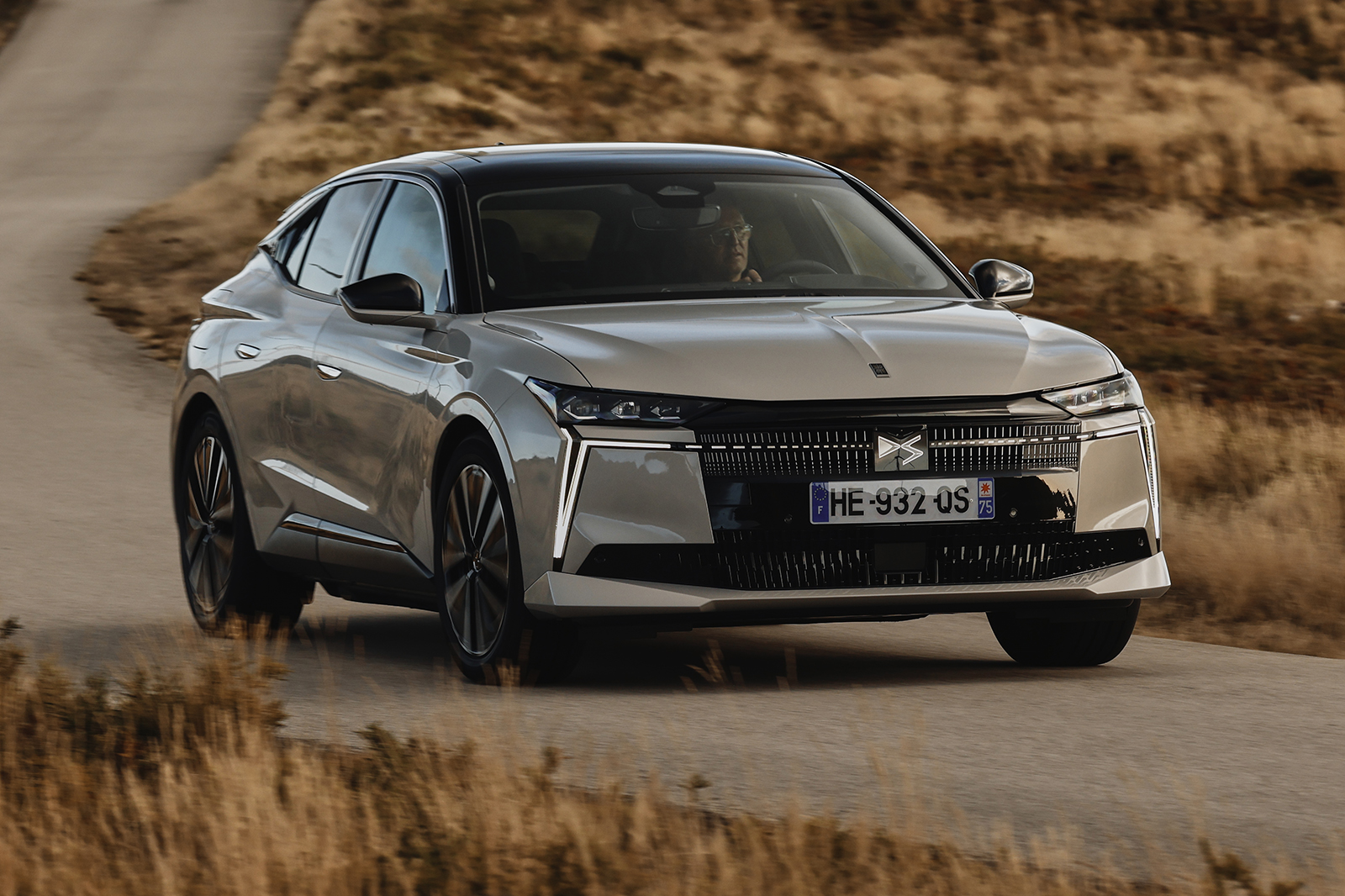
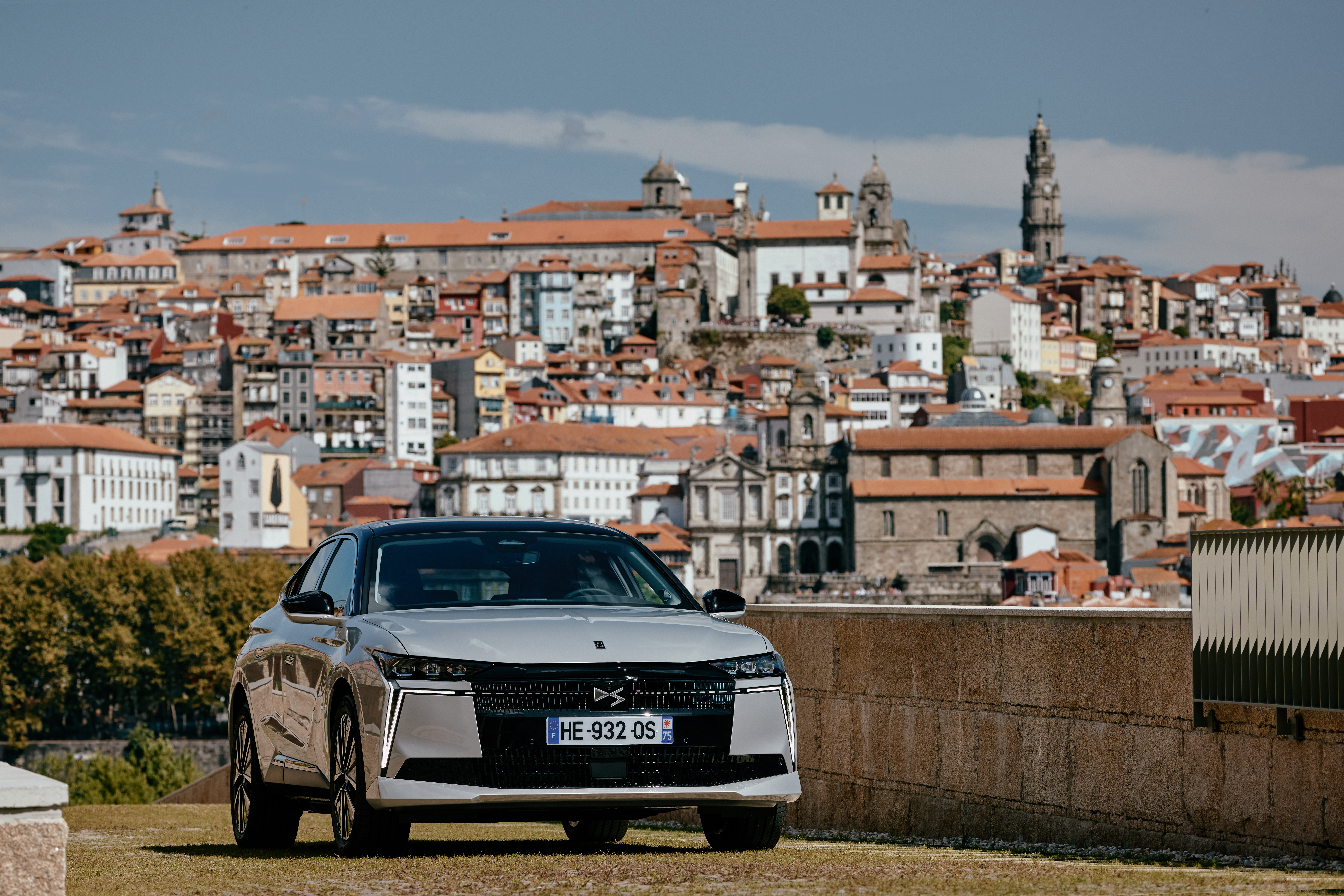
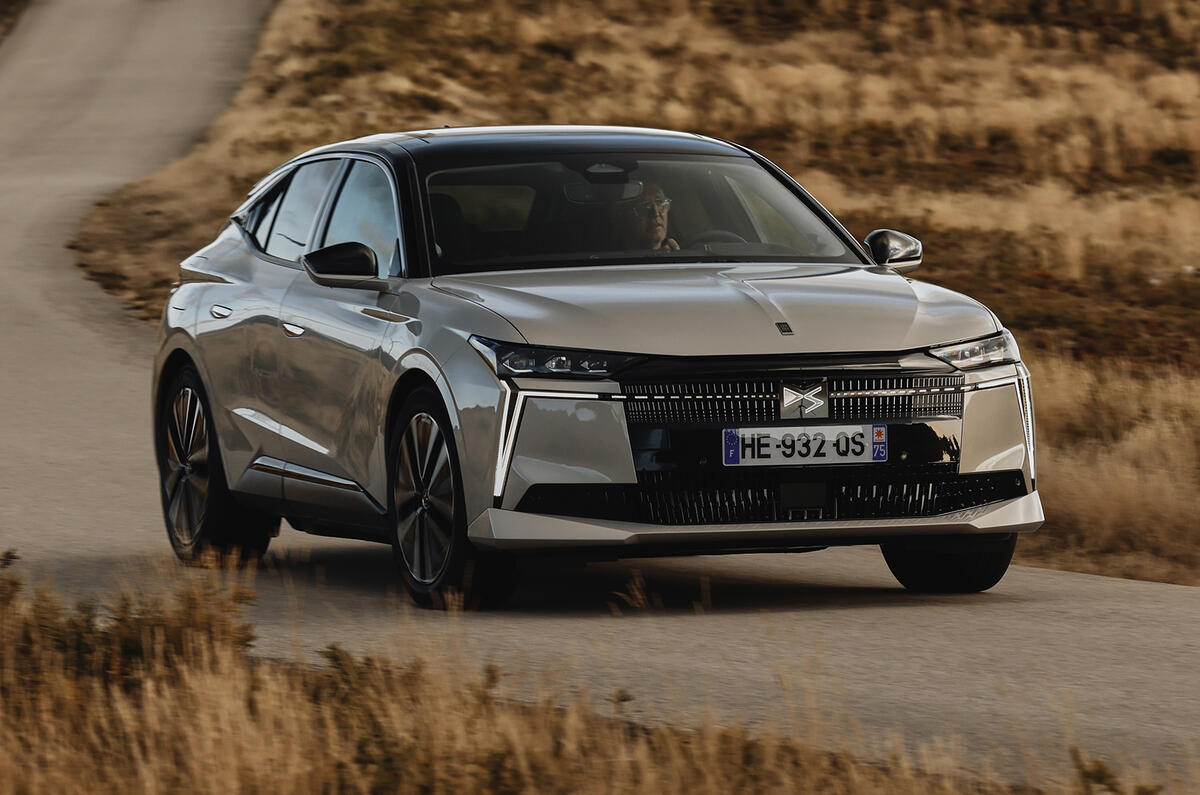
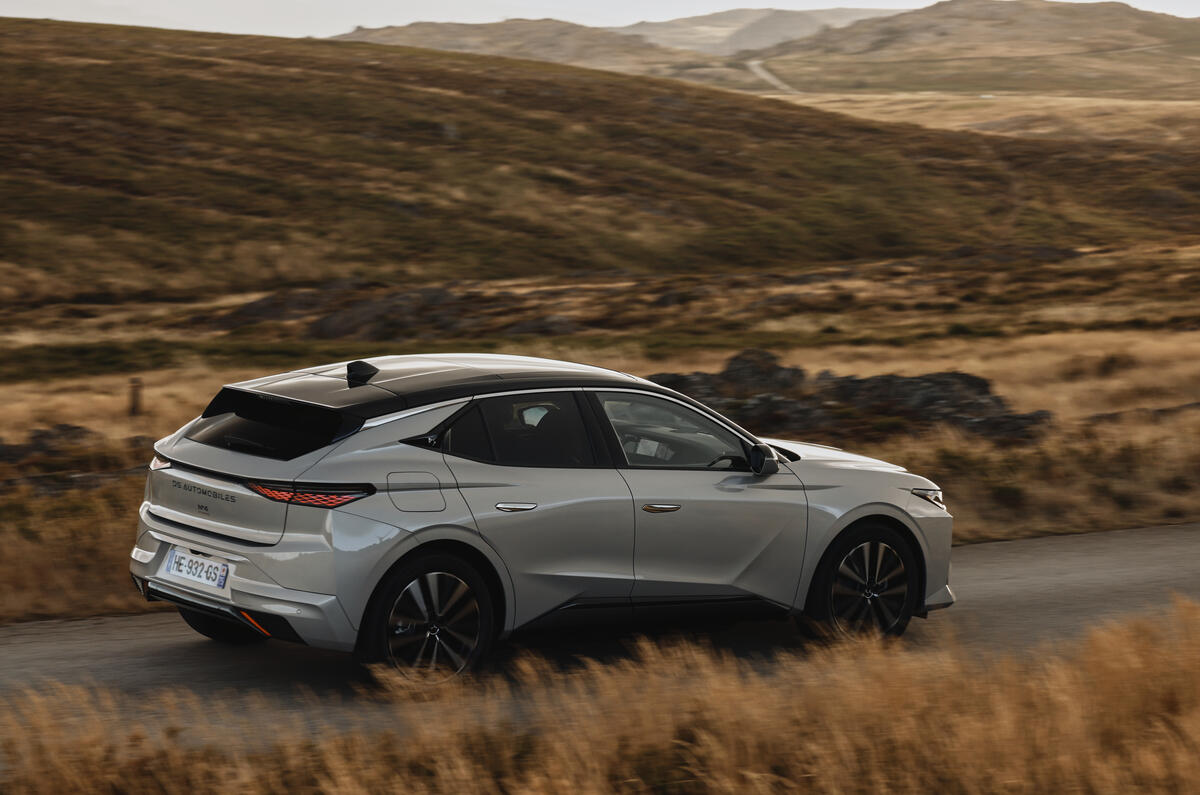
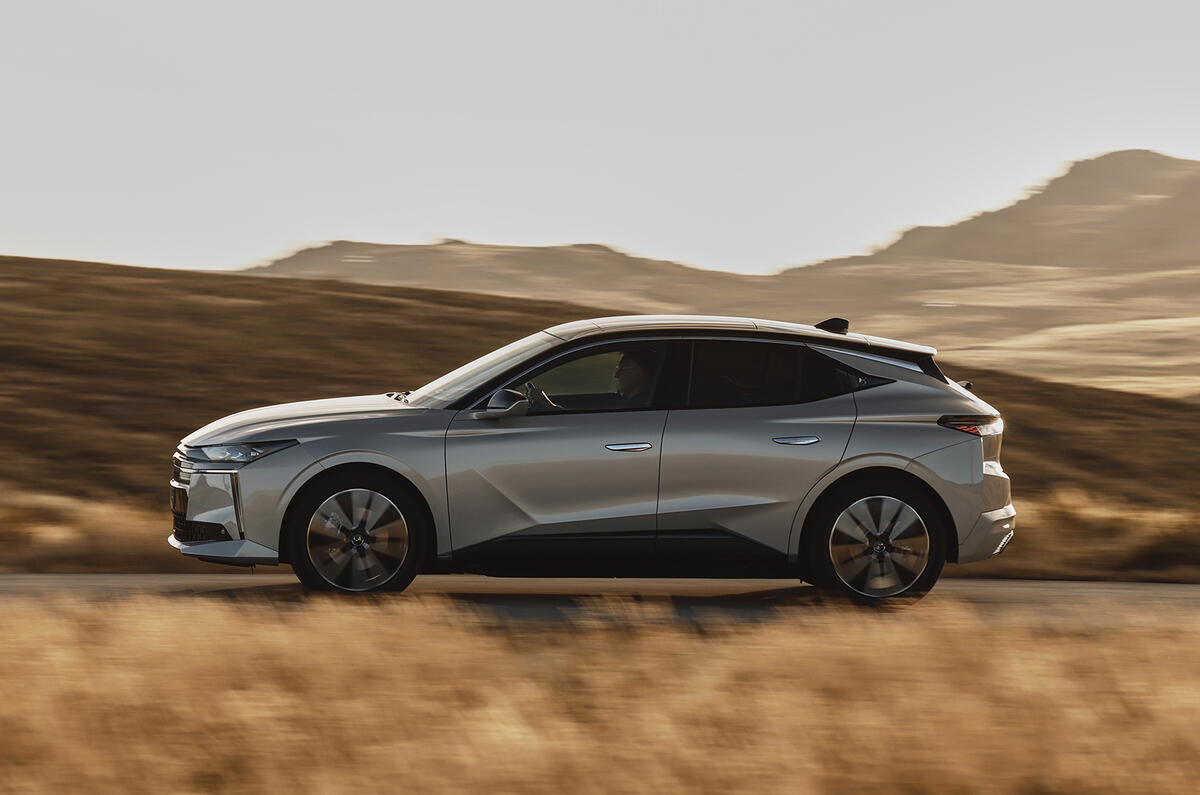
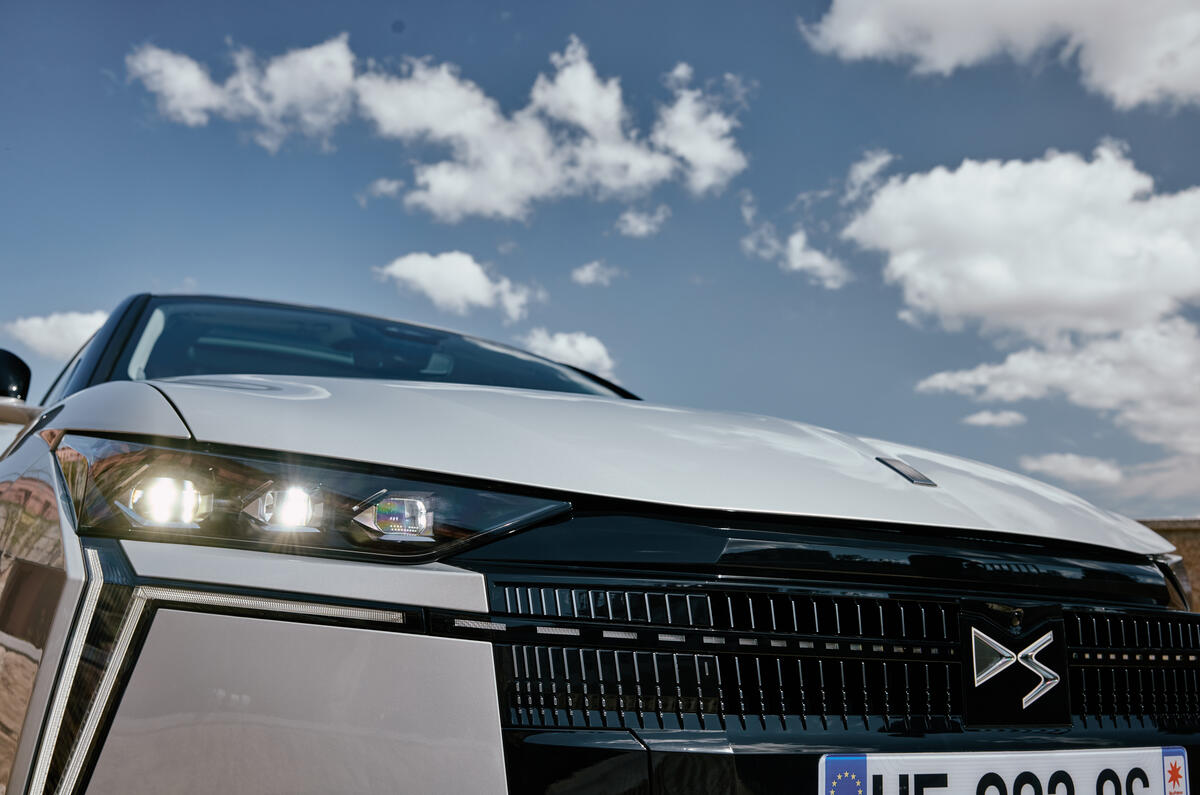
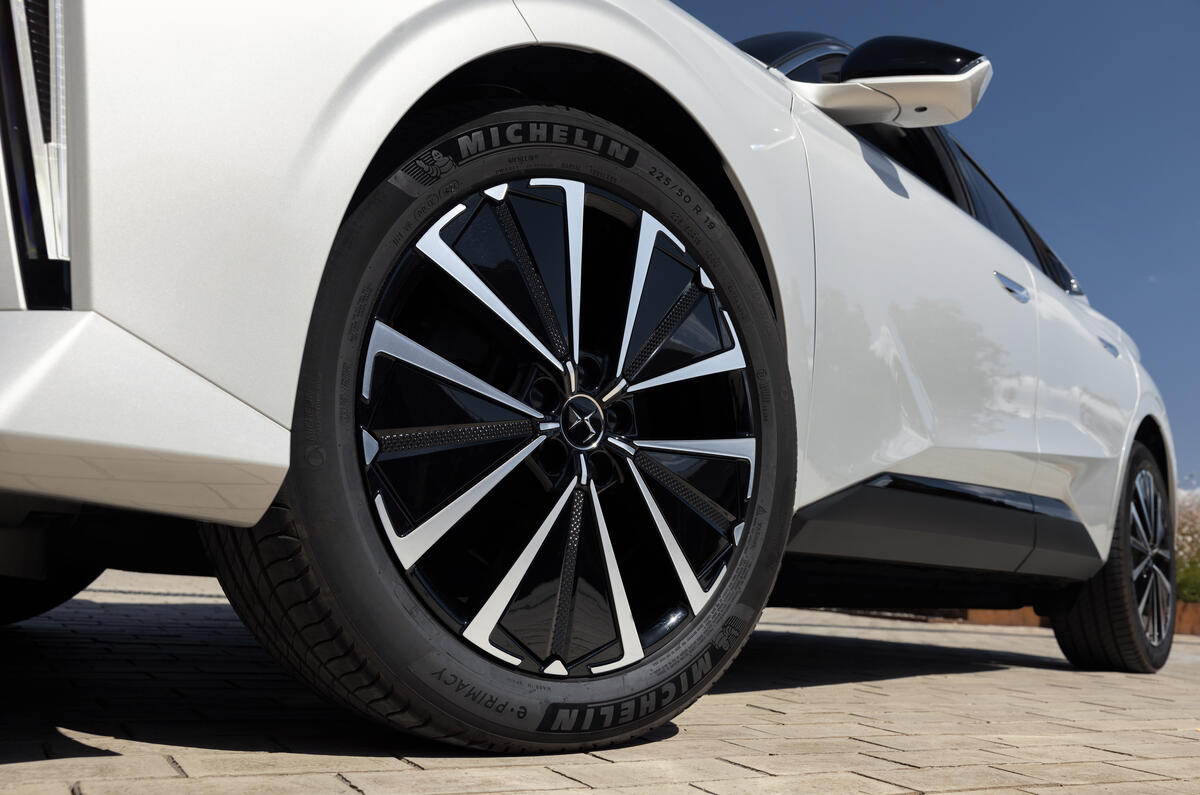
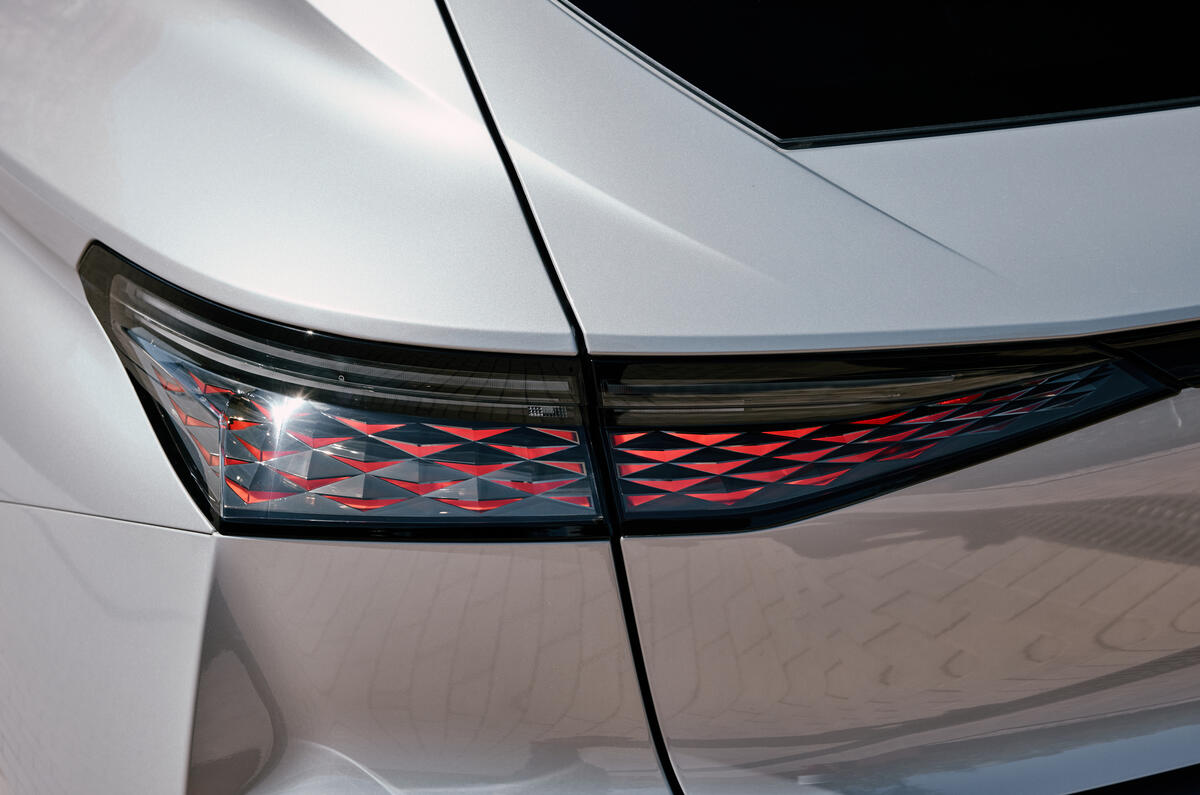
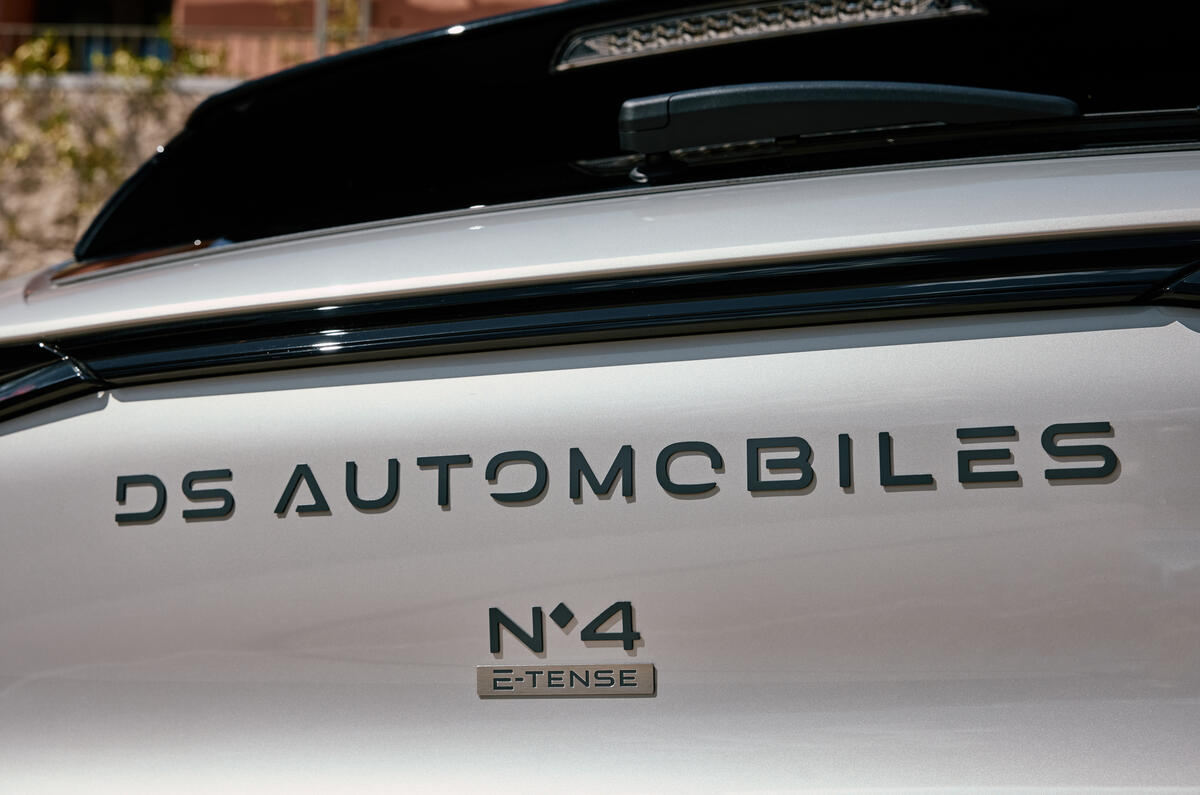
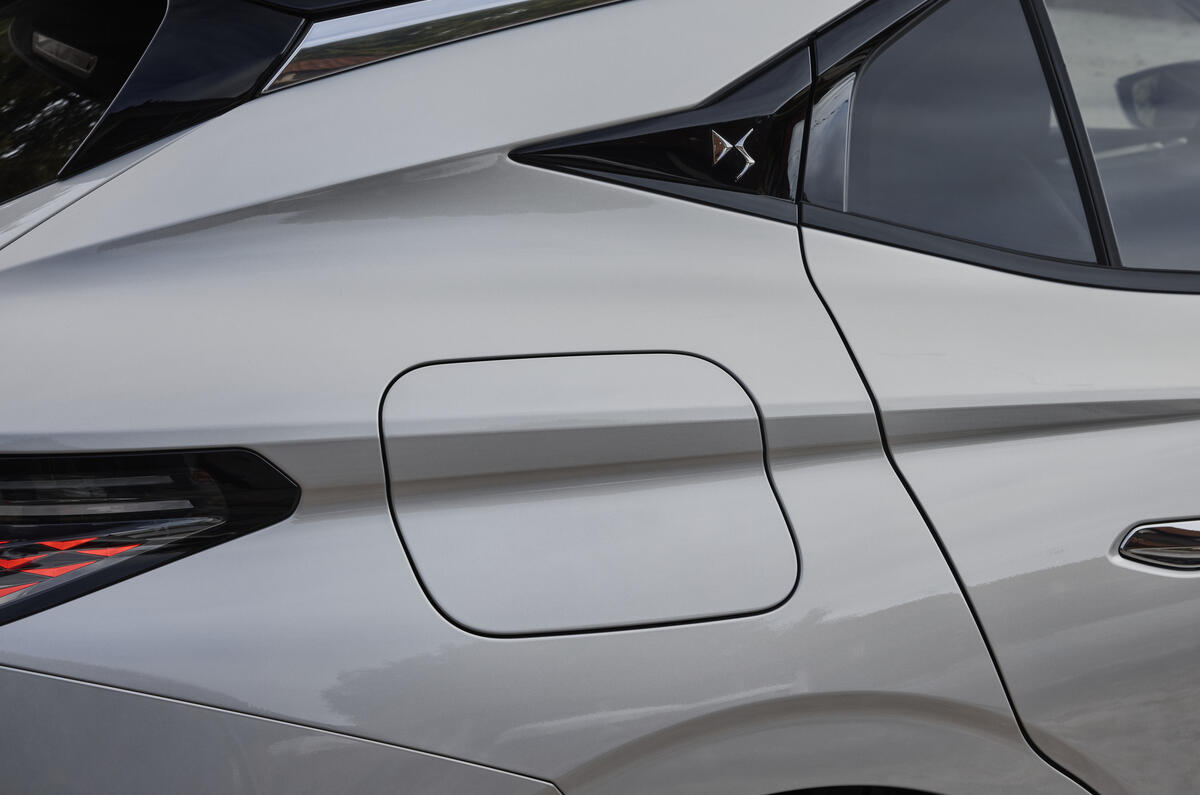
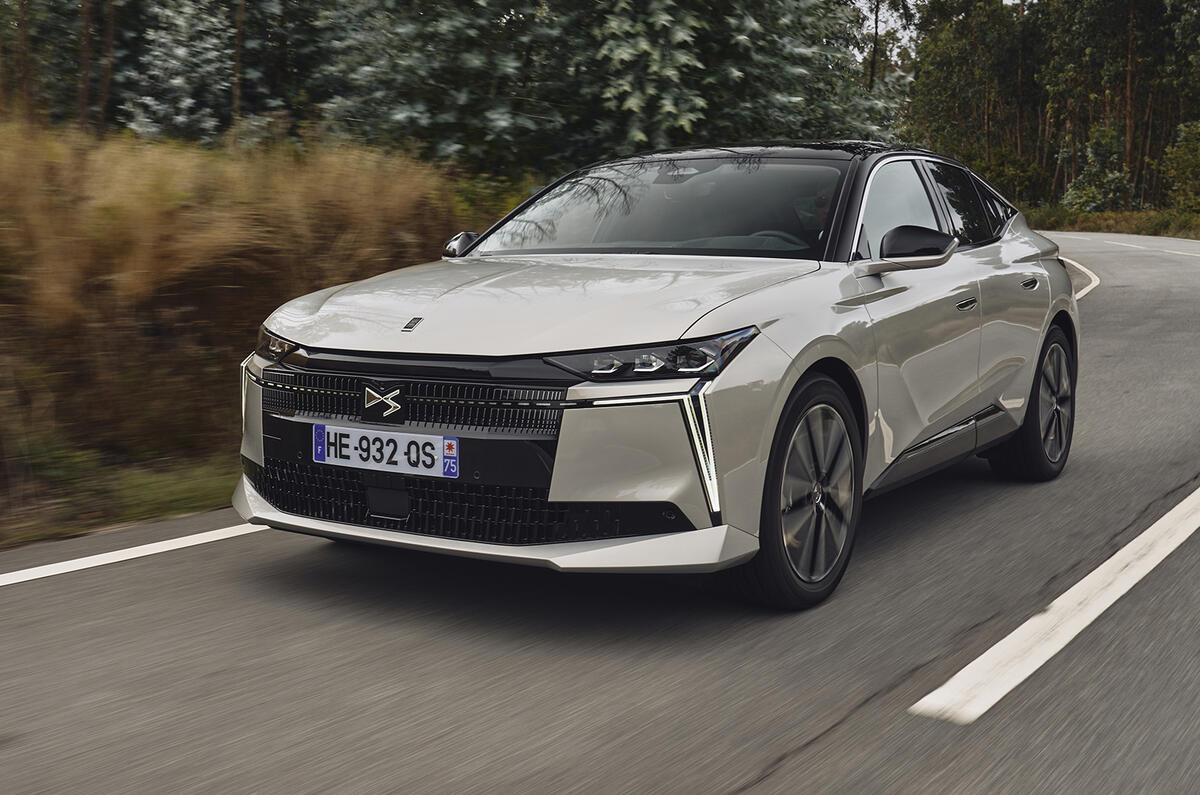
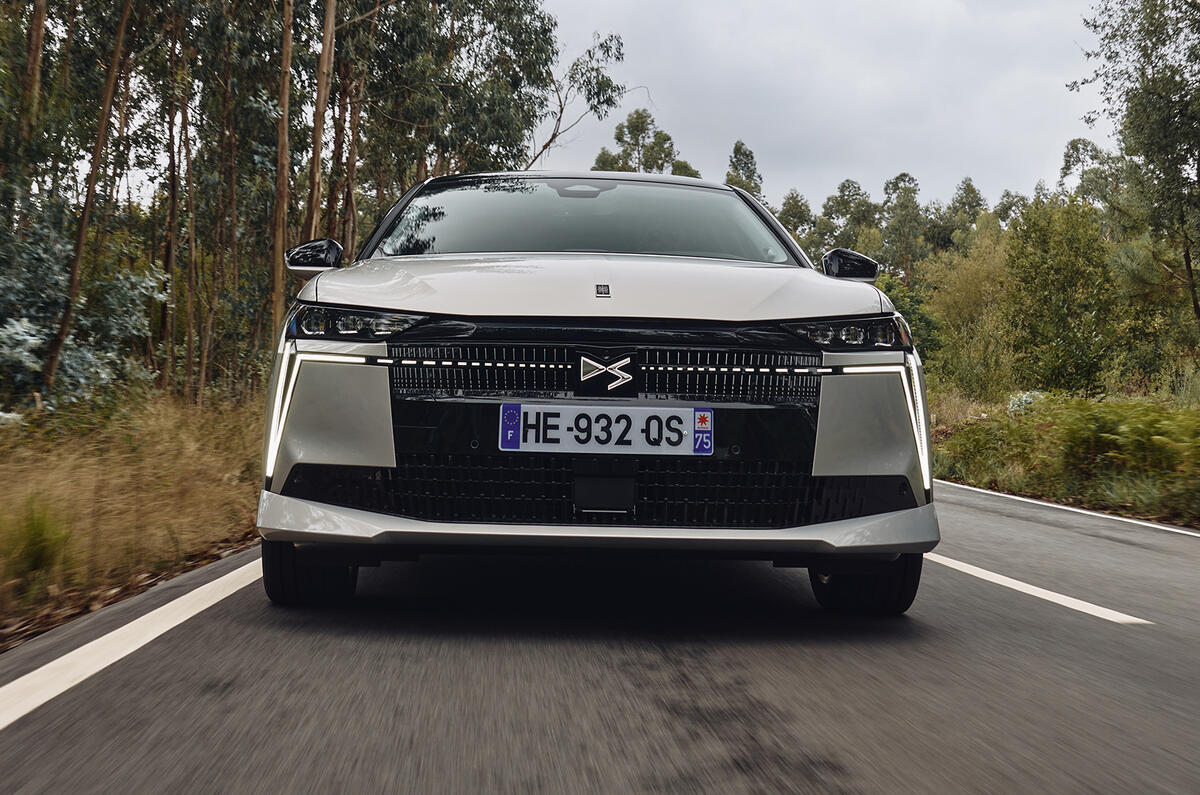
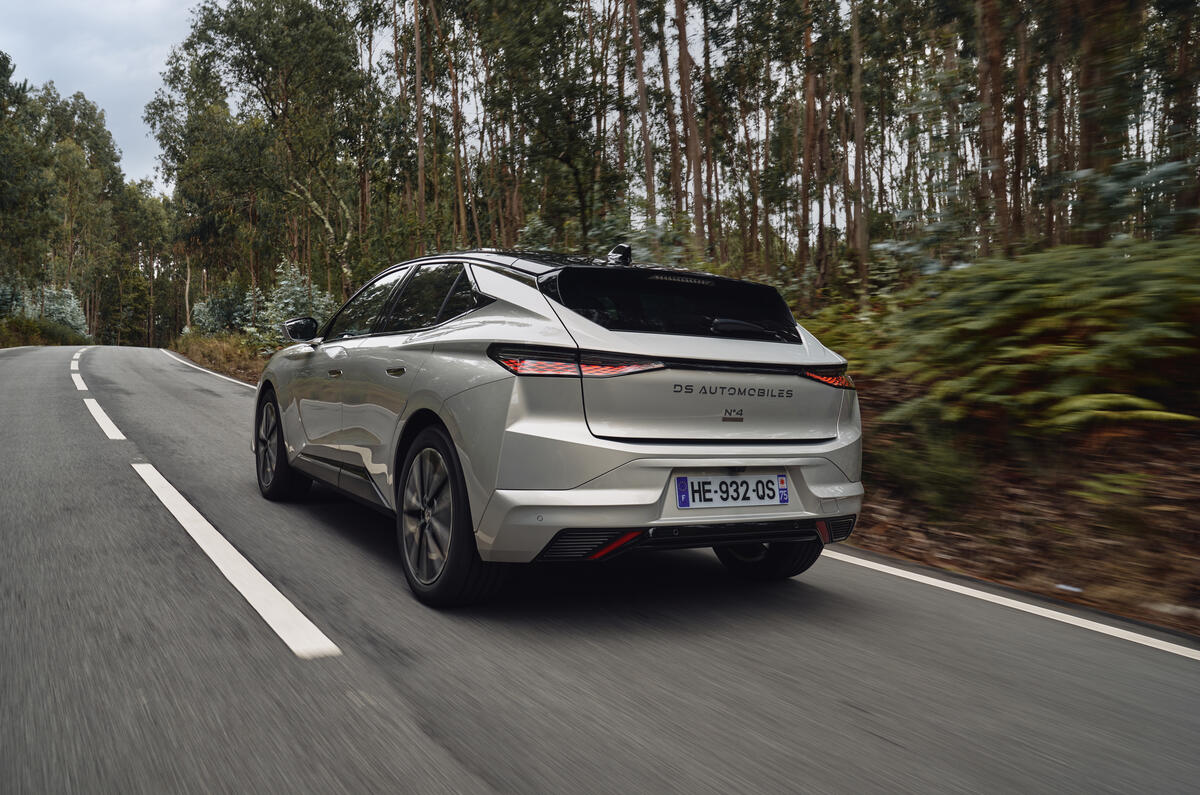
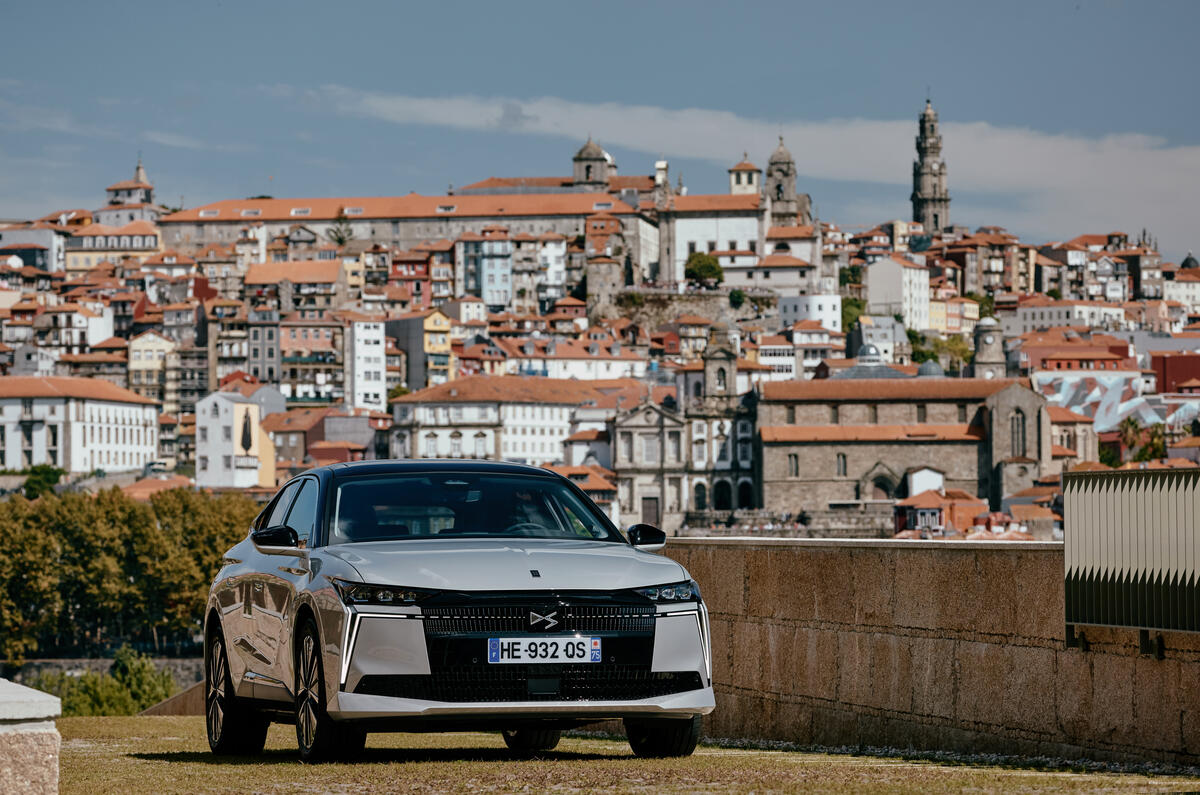
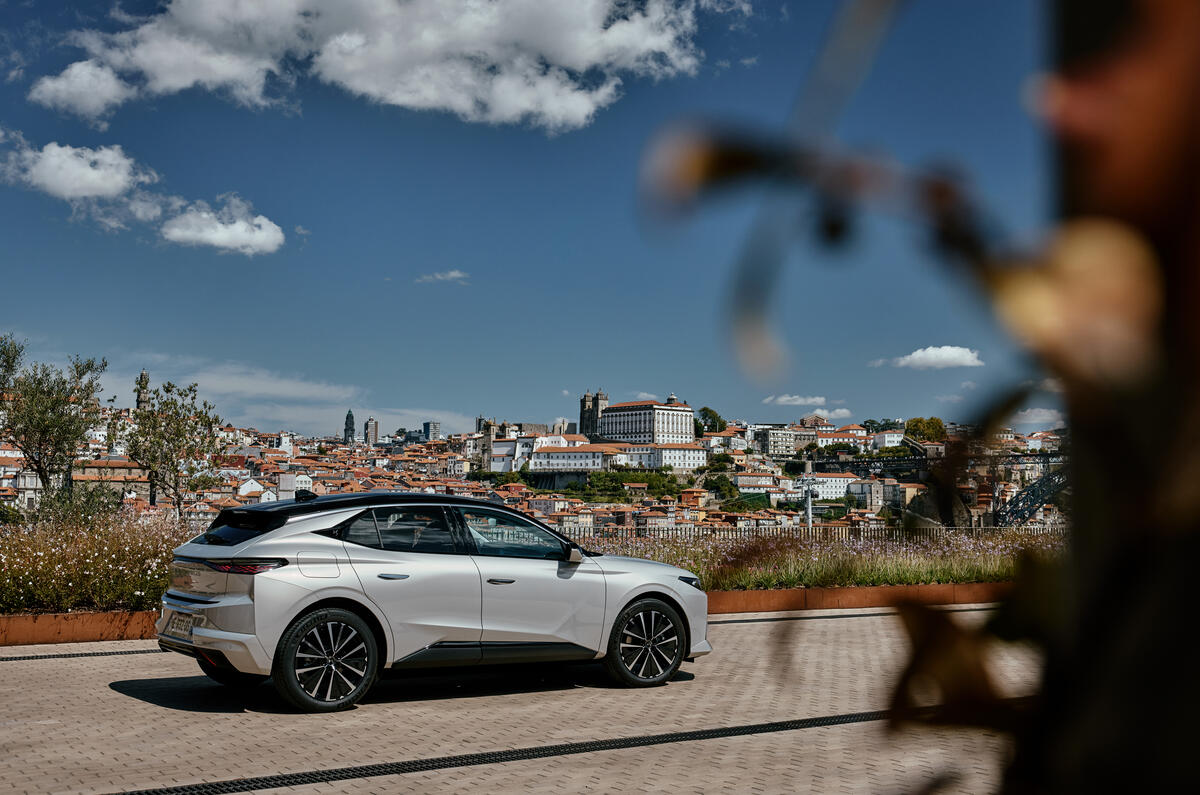
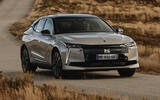
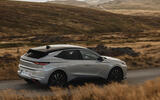
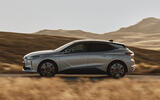
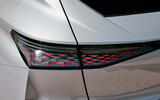
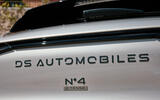
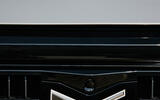
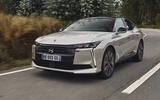
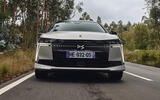
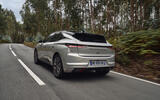
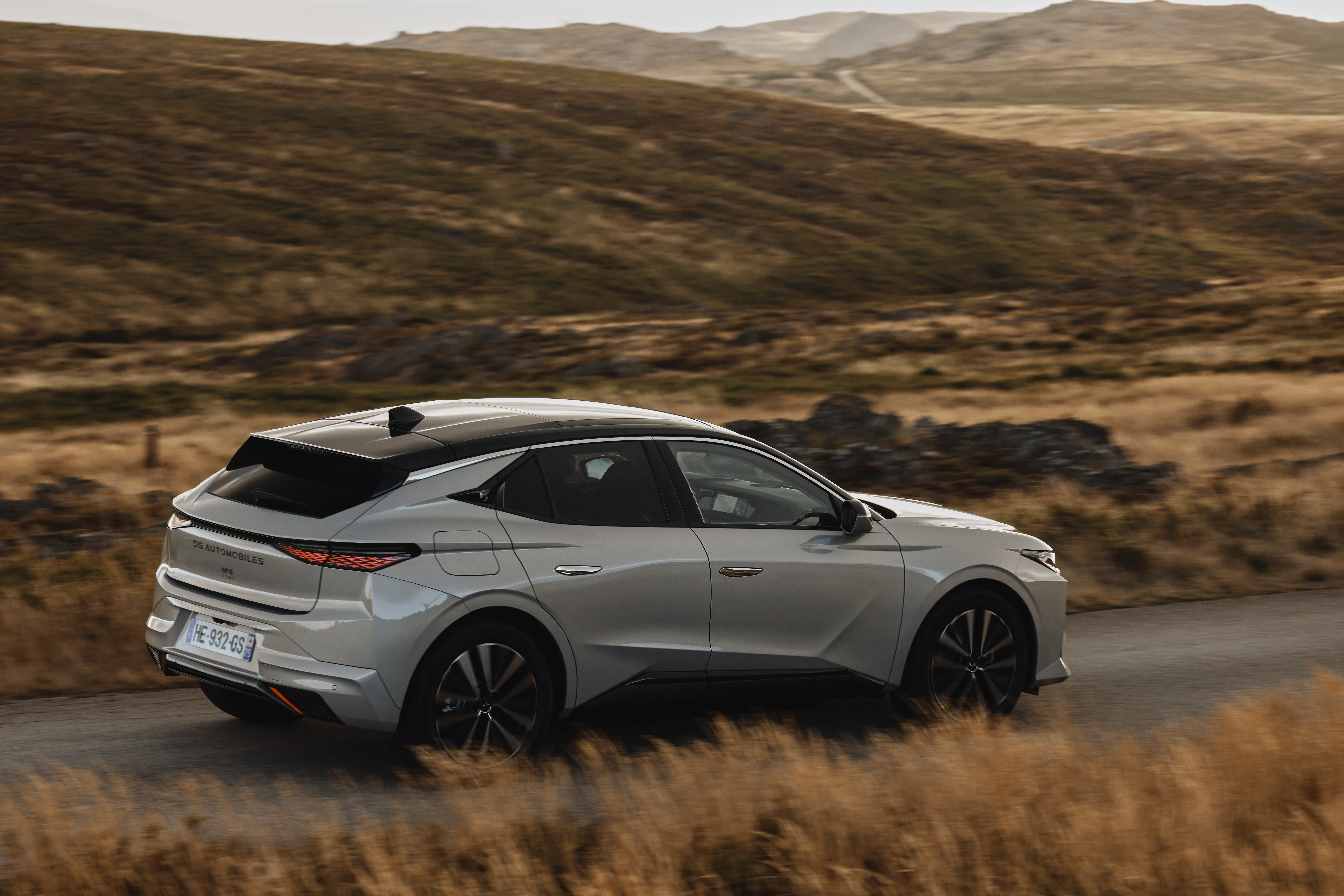
Visually, the newcomer takes its cues from the larger No8, with similarly angular nose job and the availability of the now de rigueur illuminated grille treatment. At the rear it gets a prominent ‘DS Automobiles’ script, instead of a simple DS logo, plus there are reprofiled bumpers and revised LED light treatments. Overall it’s a distinctive machine among a sea of 'me-too' compact crossovers. 

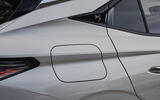
The electric No4 E-Tense rides on the same Stellantis EMP2 platform as the Peugeot e-308 but gets a larger 58.3kWh battery (total) and a more powerful front-mounted electric motor that makes 210bhp and 253lb ft of torque. It can therefore travel further than its cousin, offering up to 279 miles of range.

At 4400mm long, 1830mm wide and 1490mm tall, the No4 is longer, taller and wider than the Audi A3 and BMW 1 Series.

Morever, engineers have worked hard to give the revised model the calm and cosseting character that the DS name evokes, improving refinement through extra sound-proofing and acoustic glass.

The suspension has been subtly revised to deliver a more comfortable ride while also sharpening the handling (doesn't everyone claim that?), plus there's a 10mm drop in ride height over other versions (there are also hybrid and PHEV powertrain options) that helps reduce aerodyanic drag.

Like other DS models, the No4 features a revised and simplified trim line-up that runs to Pallas, Pallas+ and Étoile models, each of which is available with separate option packs that are tailored around enhanced tech or comfort.

INTERIOR

6
DS n04 E Tense review 2025 010

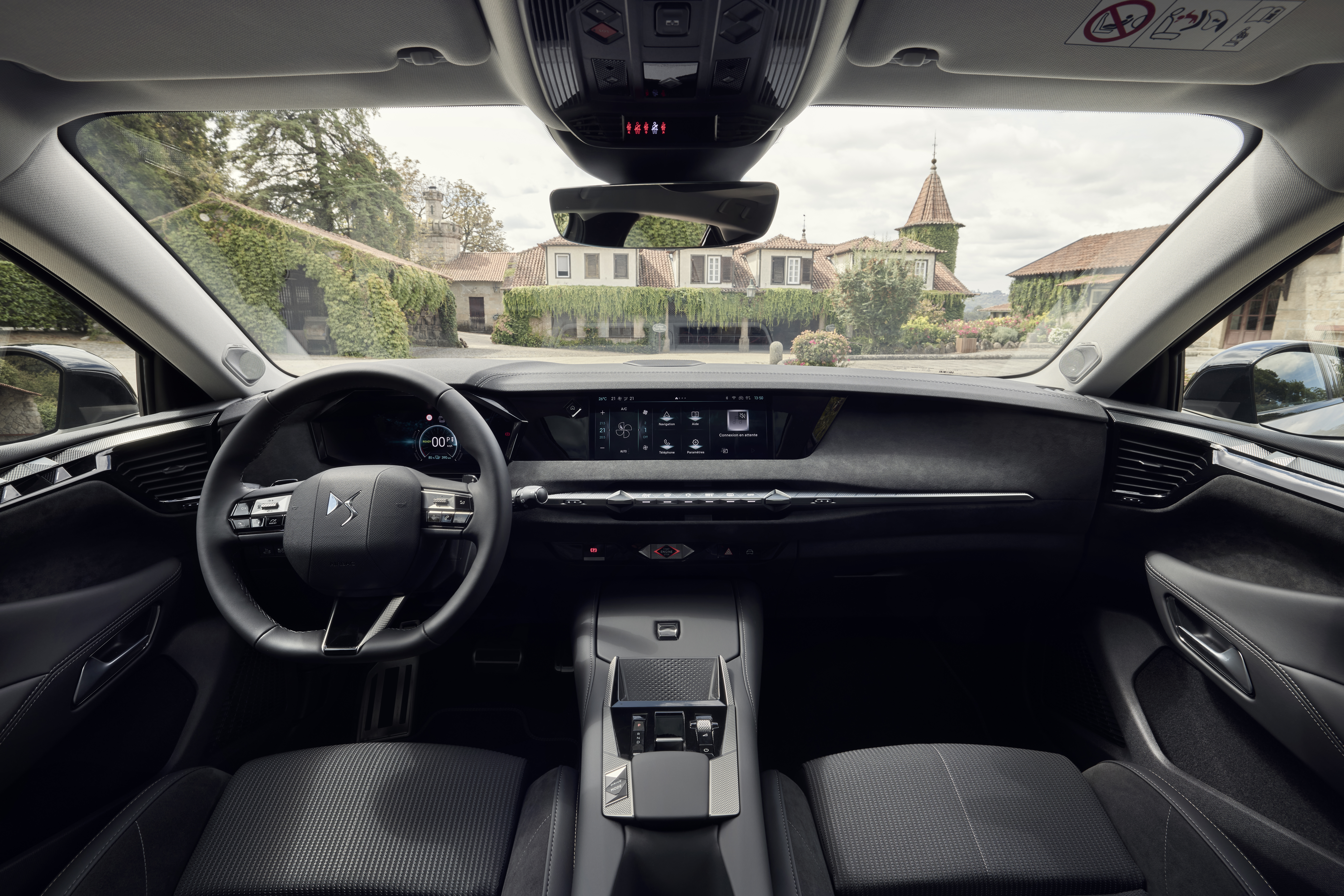
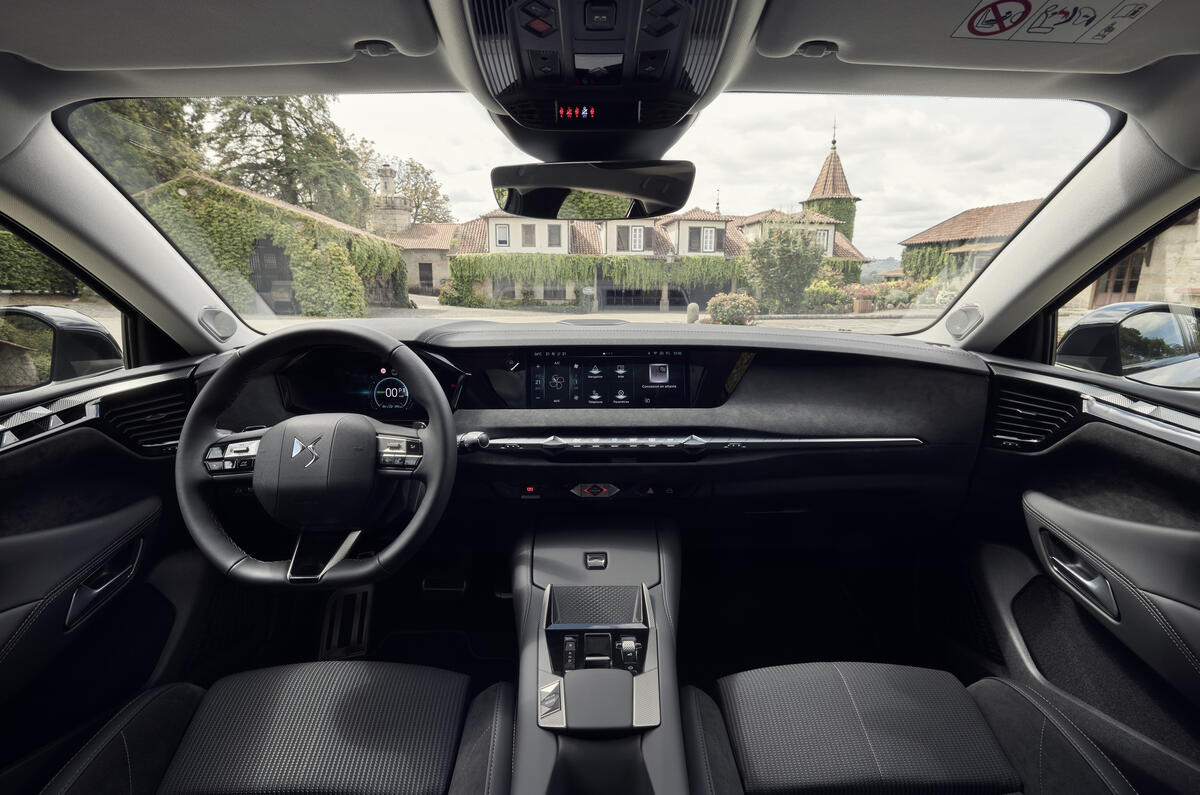
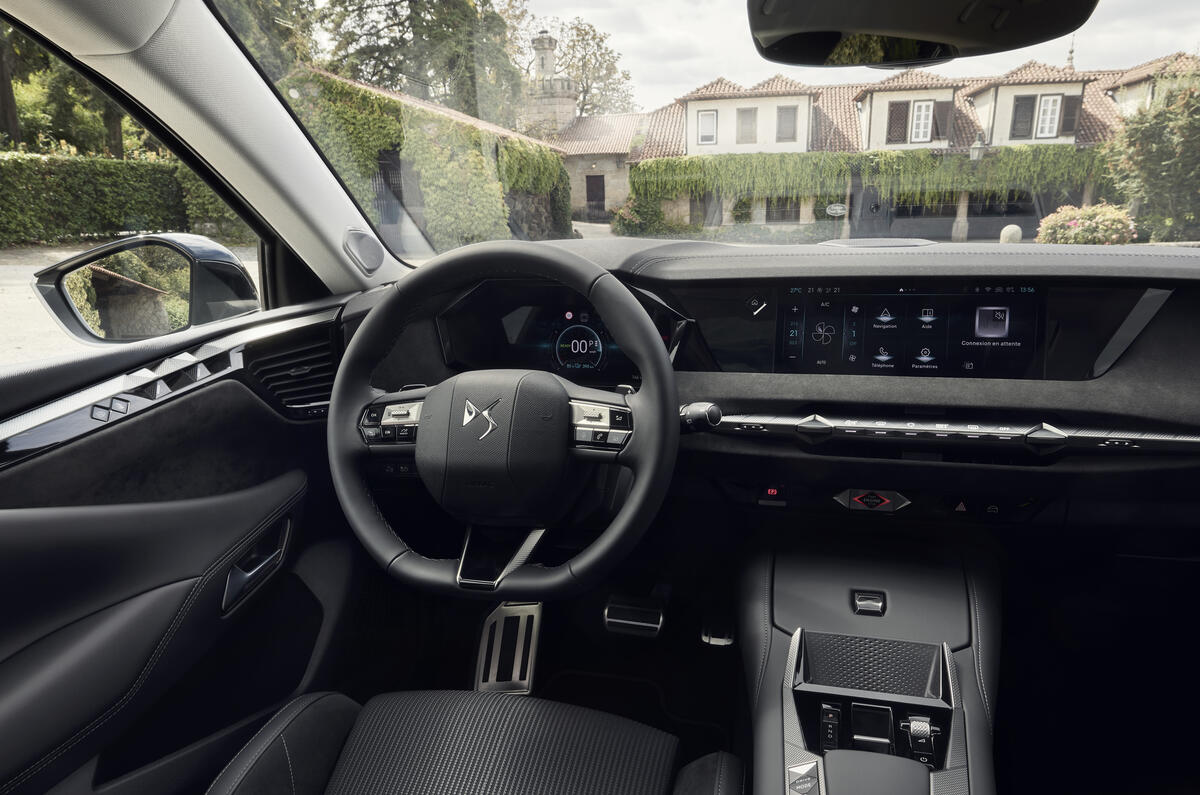
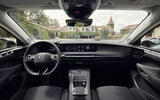
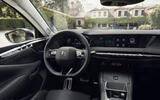
There are fewer changes inside, which means the same avant garde architecture, extensive use of rich materials and slightly cramped rear accommodation.

Still, the fit and finish is good, and we liked the patch of leather affixed to the centre console where you rest your knee. There's also the distinctive 'watchstrap' leather trim option for the seats, which do lift the cabin beyond that of some sober-suited rivals. 

The diamond motifs of the pre-facelift model remain, and while they’re a bit of a gimmick, they do add a touch of premium feel.

You also now get a 10.25in digital instrument cluster (up from 7.0in) and a 10.0in central touchscreen. Both are graphically strong, but while the infotainment software is well configured, it can be sluggish.

And while we often praise cars for having physical switchgear, the row of buttons below the touchscreen are poor, as they offer limited functionality. None of them can be used to adjust the temperature, fan speed or turn on the heated seats, meaning you need to delve into the screen's sub-menus to complete even the simplest tasks. Sigh.

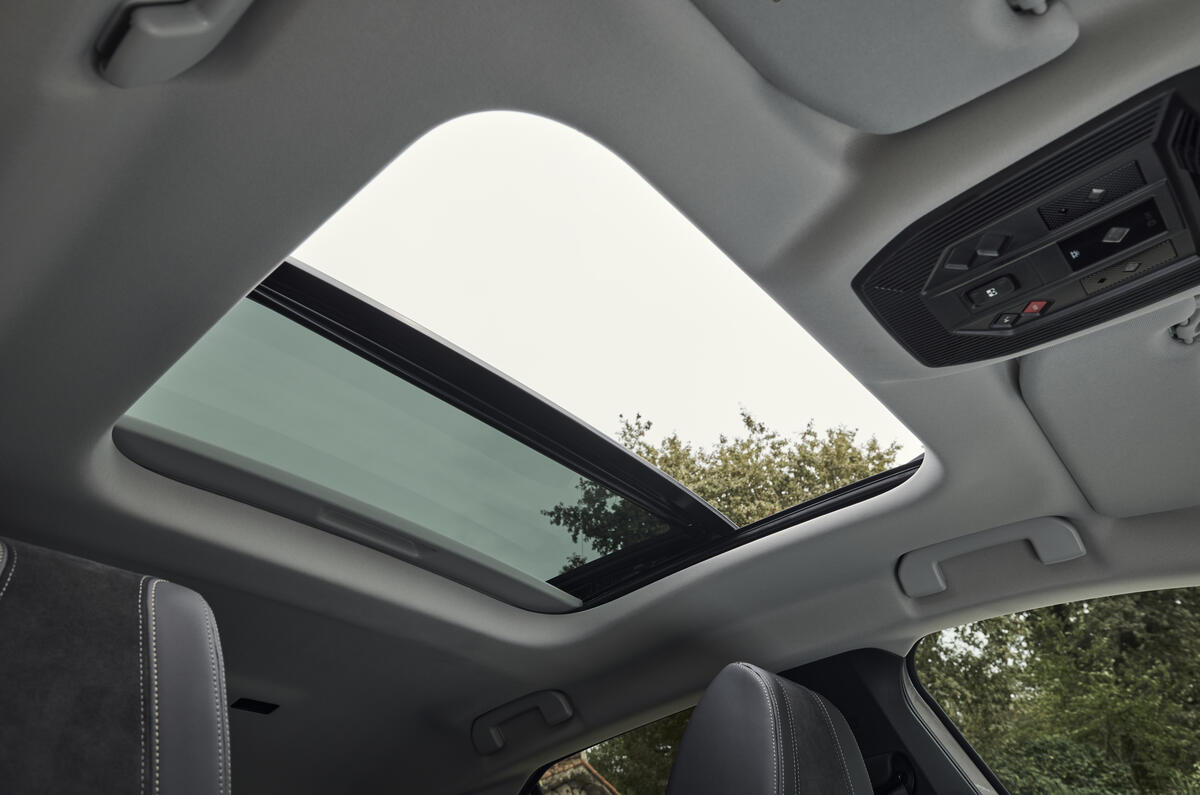
And while DS likes to boast about the No4’s generous proportions, rear accommodation isn’t great by class standards. Even average height occupants will feel a little hemmed in, with just about adequate head or leg room, while taller passengers will need to slouch to avoid their head making contact with the roofline.

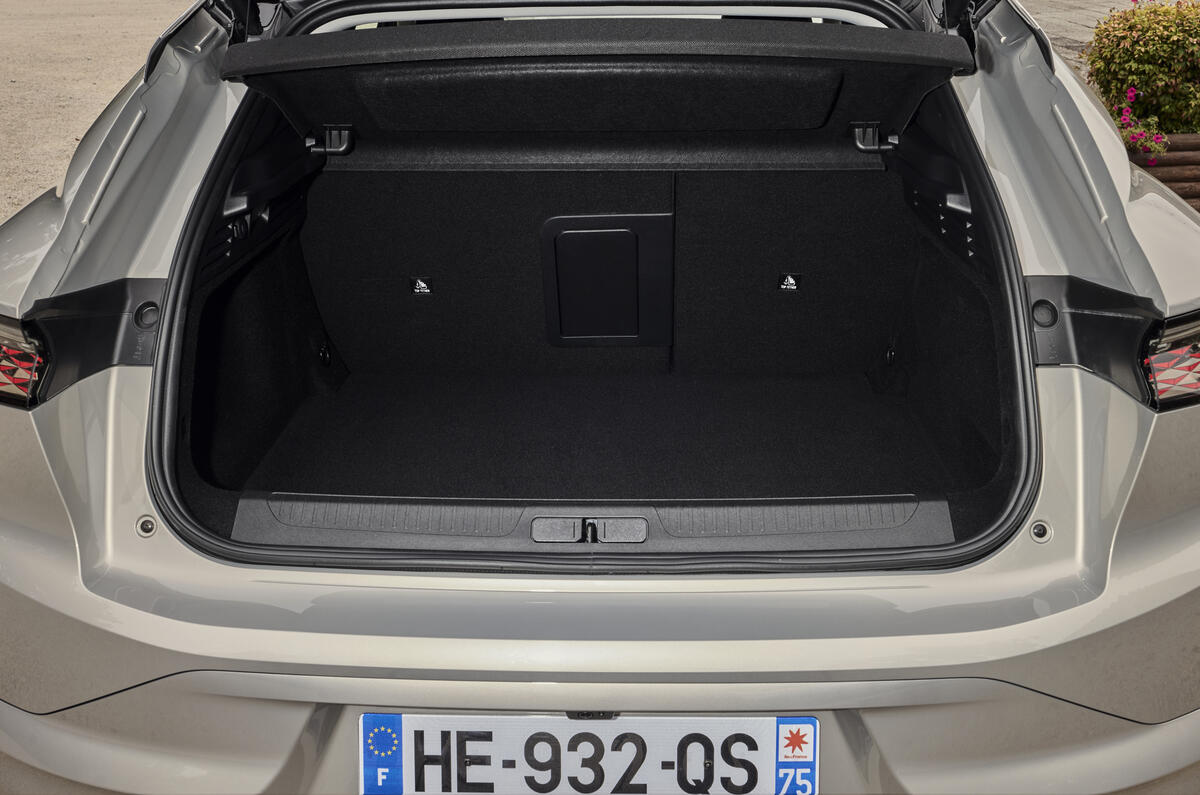
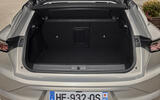
You do, however, get 430 litres of boot space, which is a fair bit more than in the Cupra Born. There's also some space under the boot floor for storing charging cables.

ENGINES & PERFORMANCE

6
DS n04 E Tense review 2025 014

As DS prioritises comfort over performance, it’s no surprise that the No4 isn’t a particularly quick EV. Even so, it will be brisk enough for most daily driving scenarios.

The 0-62mph sprint is achieved in 7.1sec, which makes it slower than the entry-level Born (6.7sec) but quicker than the Volkswagen ID 3 (7.6sec).

There are three drive modes to choose from: Eco, Normal and Sport. But even in Sport mode the No4 E-Tense feels sluggish.

The No4 builds speed in a linear fashion as opposed to the Born’s zippier acceleration from standstill. Pulling away from a junction spiritedly still generates plenty of tyre squeal, which is a bit unrefined for a premium hatchback, but take things a little steadier and it accelerates with a quiet, unruffled drama.

As with many Stellantis EVs, you can adjust the regenerative brakes using paddles behind the steering wheel. They’re pretty aggressive in the highest setting, and the brake pedal had more feel when the regen was switched off. There's also no true one-pedal driving option, meaning you always need to keep a foot hovering over the left pedal in anticpation for any sudden stop.

RIDE & HANDLING

5
DS n04 E Tense review 2025 016

Given DS's claimed comfort credentials, the No4 isn’t as plushly suspended as you would expect. There’s an underlying firmness (no doubt to cope with the EV’s near 1800kg kerb weight) to progress, although the dampers round-off the worst impacts and road noise is impressively muted.

The No4 handles faithfully, feels decently poised and clings on gamely, but there’s little in the way of driver engagement. The steering is precise enough for casual driving, but there’s lots of dead weight at the centre and its absence of feedback makes it feel very remote.

Road roar isn't too invasive, but there's a bit too much wind whistle on the motorway.

Grip is acceptable and body lean becomes excessive only if you push beyond reason. Ultimately, it's hobbled by that kerb weight that comes in just a couple of hundred kilograms short of two tons, which means it can feel a little at sea during quick changes if direction.

Is this a bad thing? Well, DS would claim that easy-going refinement is the order of the day and that drivers seeking synapse-firing thrills in the twisties should look elsewhere. Even so, the fluid-riding and crisp handling Peugeot 308 that sits on the same platform demonstrates that that these two goals shouldn't be mutually exclusive.

MPG & RUNNING COSTS

7
DS n04 E Tense review 2025 001

Pricing starts at £36,995 for the Pallas model, which gets dual-zone climate control and adaptive cruise control, while the £39,160 Pallas+ gets the all-important heat pump and keyless entry. Crucially, all models qualify for a £1500 grant from the UK government, which makes the Pallas and Pallas+ more palatable options finacially.

However, like the larger No8, the No4 makes less sense the further up the range you go. While the flagship Étoile gets features such as a 360deg camera and Alcantara trim, its £41,860 asking price before the grant makes it dearer than rivals like the Born and Renault Megane, which offer a similar range and as much kit. 

The No4 can officially travel up to 280 miles on a charge, which isn't exceptional but neither is it poor. On our vared UK test route, which took in traffic, twisting back roads and some multi-lane running, we saw a decent efficiency figure of 4.0mpkWh, which translates to a realistic range of around 230 miles.

VERDICT

DS n04 E Tense review 2025 017

Style seems to outweigh substance here. Despite being comfortable, relaxing and easy to drive, the No4 E-Tense feels like a missed opportunity that's unlikely to challenge key rivals from Germany.

Of course, elements of the car live up to its premium billing: the interior has genuine upmarket appeal and it feels like the sort of car that you could make easy progress in should you cover long distances. Which makes the infotaiment and ergonomic flaws even harder to forgive.

That said, the EV is argulably the most convincing of the No4 models, the car's refinement and easy-going attitude suiting the smooth and silent powertrain treatment. Sure, it's not much fun to drive, but if you want a fuss-free way to get from A to B in as much style as possible, it's not without merit (provided you're not planning to carry adult passengers often).

Ultimately, the No4 is hobbled by the fact it's not really an all-new car like the larger No8. Despite DS's claims that it's entering a new era that will finally show the world what it has been aiming for all this time, this entry-level model feels like a warmed-over relic from its past.

It's not unlikable, but it's hard to look past rivals that do a better job.

Sam Phillips

Sam Phillips
Title: Staff Writer

Sam joined the Autocar team in summer 2024 and has been a contributor since 2021. He is tasked with writing used reviews and first drives as well as updating top 10s and evergreen content on the Autocar website. 

He previously led sister-title Move Electric, which covers the entire spectrum of electric vehicles, from cars to boats – and even trucks. He is an expert in new car news, used cars, electric cars, microbility, classic cars and motorsport. 

Sam graduated from Nottingham Trent University in 2021 with a BA in Journalism. In his final year he produced an in-depth feature on the automotive industry’s transition to electric cars and interviewed a number of leading experts to assess our readiness for the impending ban on the sale of petrol and diesel cars.

James Disdale

James Disdale
Title: Special correspondent

James is a special correspondent for Autocar, which means he turns his hand to pretty much anything, including delivering first drive verdicts, gathering together group tests, formulating features and keeping Autocar.co.uk topped-up with the latest news and reviews. He also co-hosts the odd podcast and occasional video with Autocar’s esteemed Editor-at-large, Matt Prior.

For more than a decade and a half James has been writing about cars, in which time he has driven pretty much everything from humble hatchbacks to the highest of high performance machines. Having started his automotive career on, ahem, another weekly automotive magazine, he rose through the ranks and spent many years running that title’s road test desk. This was followed by a stint doing the same job for monthly title, evo, before starting a freelance career in 2019. The less said about his wilderness, post-university years selling mobile phones and insurance, the better.