












Like almost every ‘legacy’ car maker, Hyundai is feeling the pinch at the moment. One of the automotive industry’s success stories over the past few decades (alongside sibling brand Kia), the Korean firm experienced a small slump in global profits in the first half of this year in the wake of geopolitical turmoil and the onslaught of ambitious Chinese brands.
Despite the dip in income, the brand’s big cheeses are predicting that normal service will resume sooner rather than later. This confidence is backed by an ambitious plan to increase total production by 1.3 million by 2030 – a number that requires Hyundai to launch or facelift 100 models by 2030. Go big or go home, as they say.
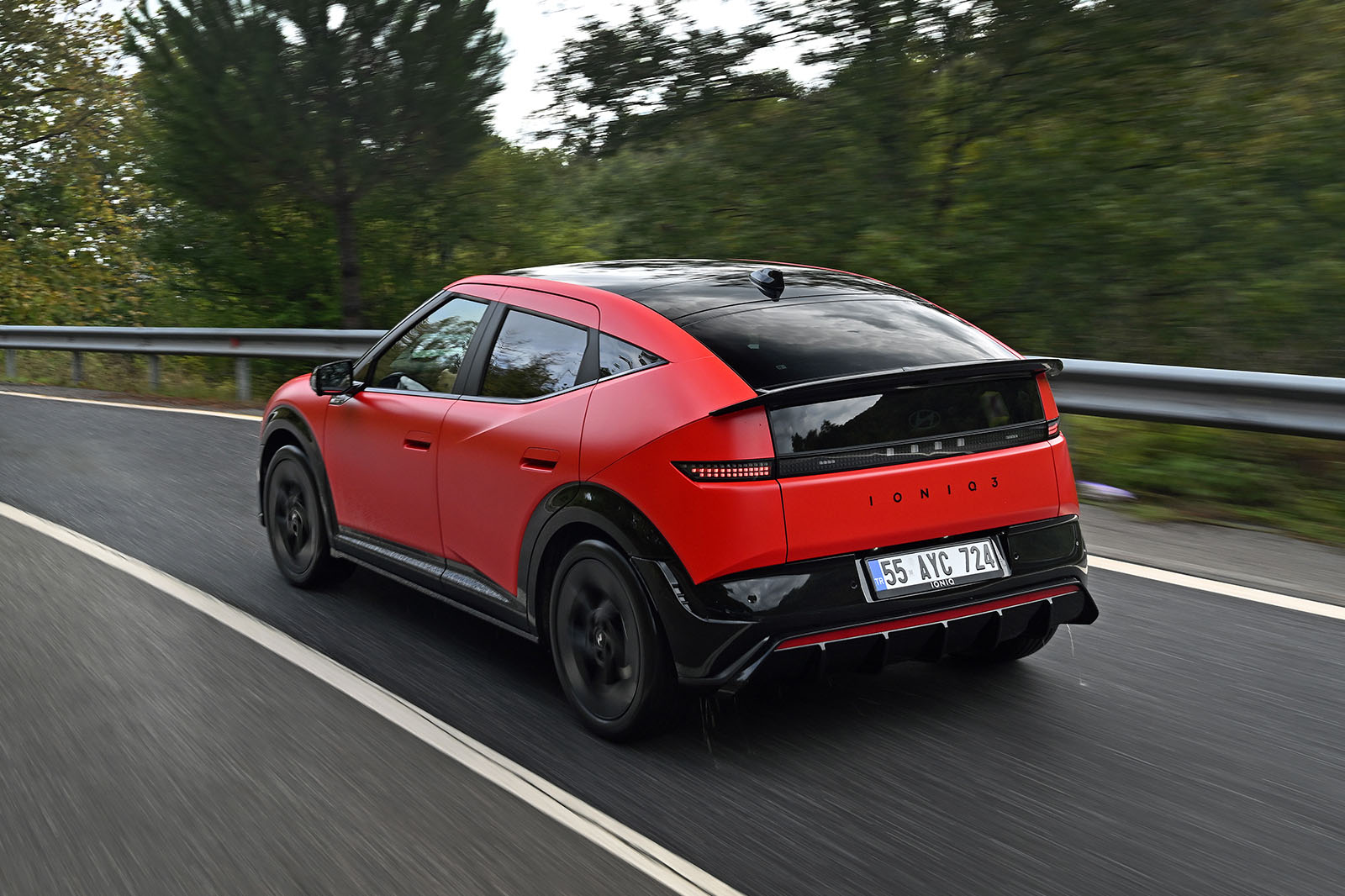
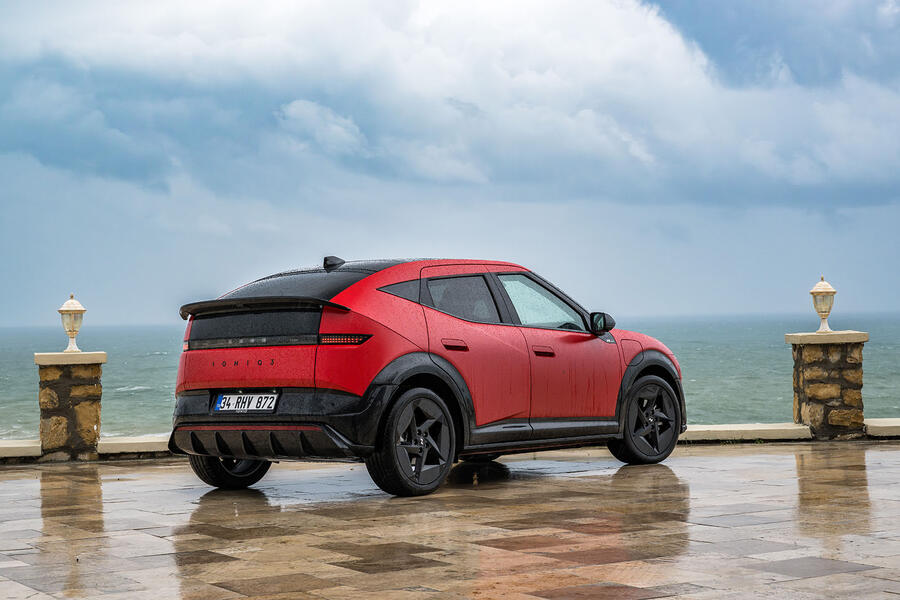
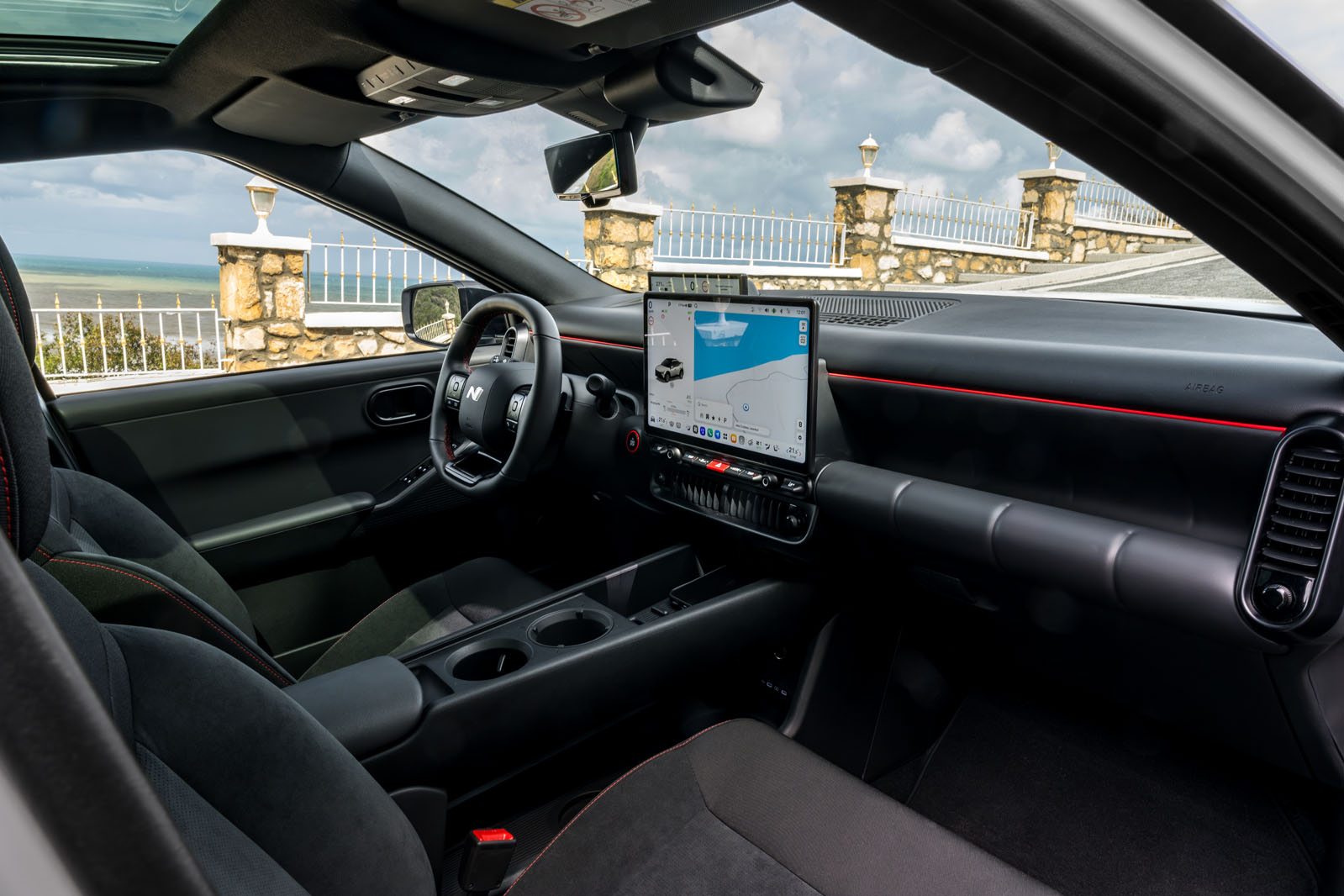
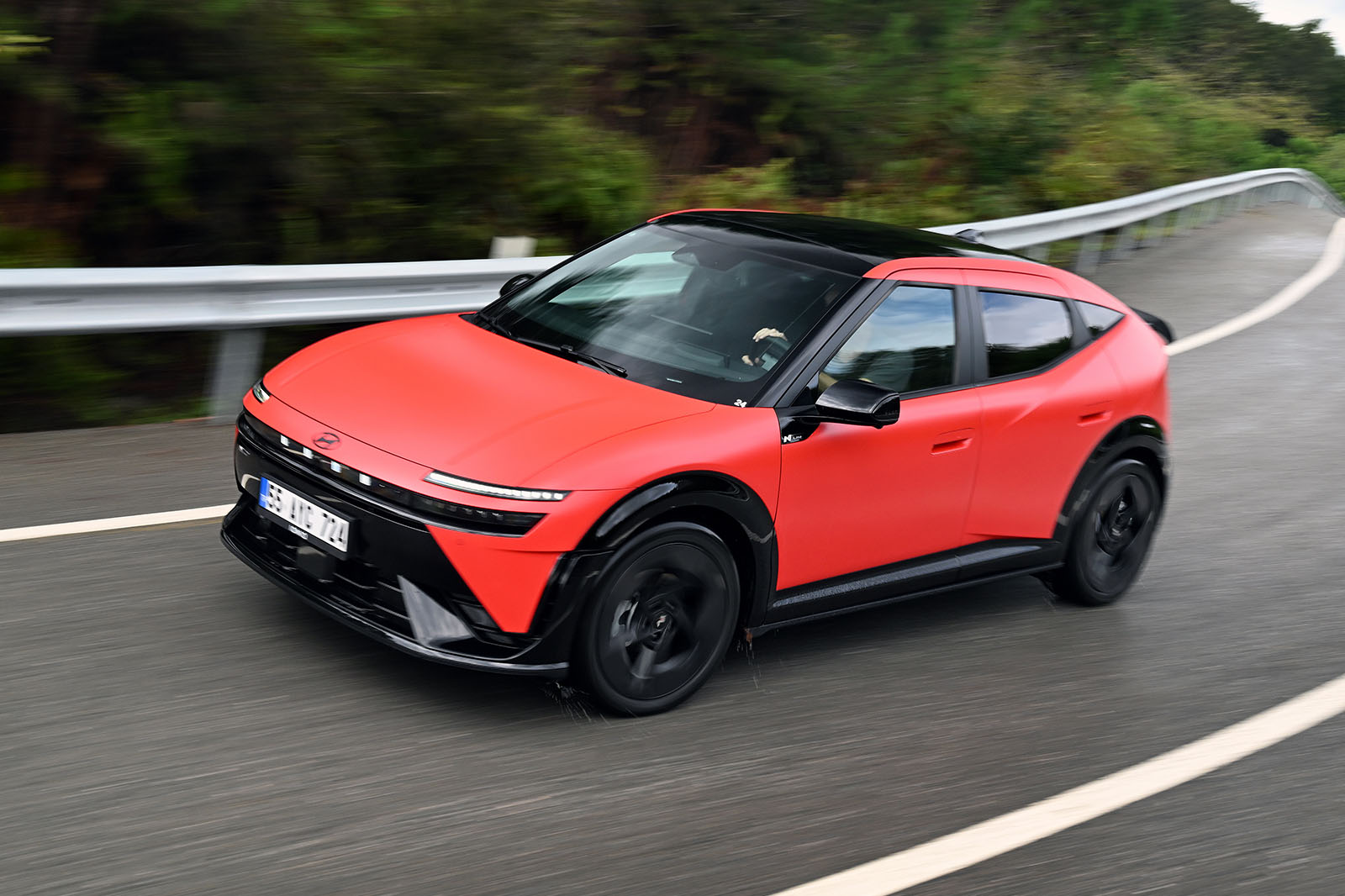
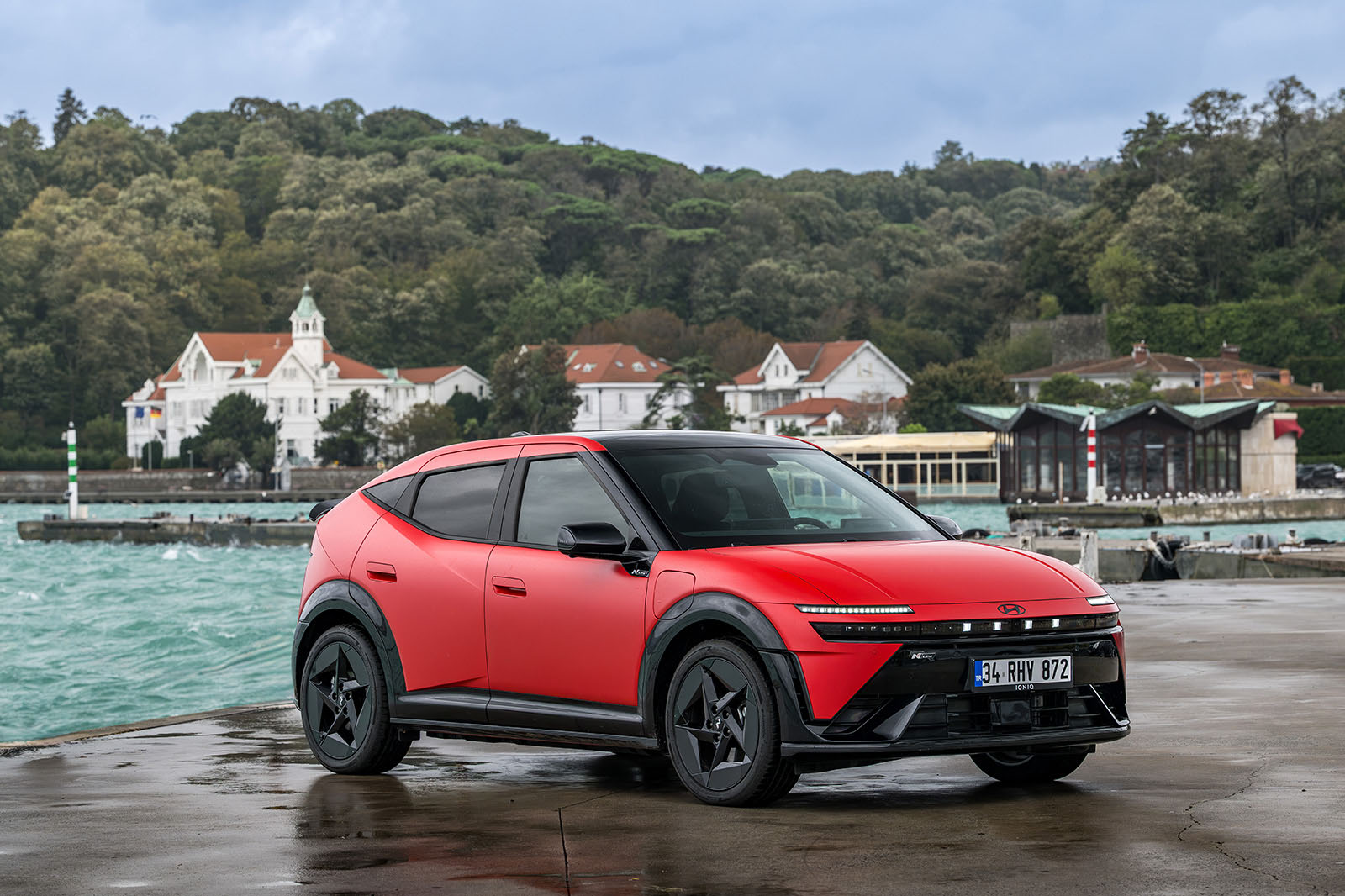
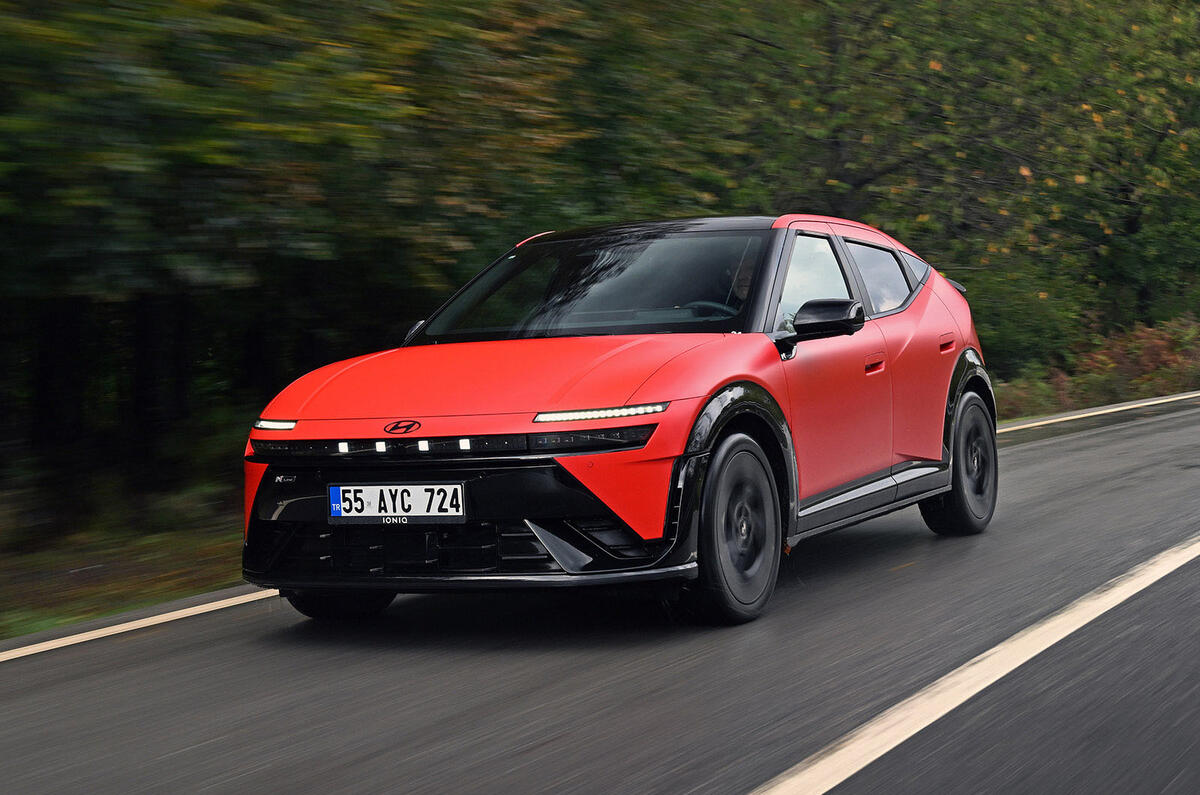
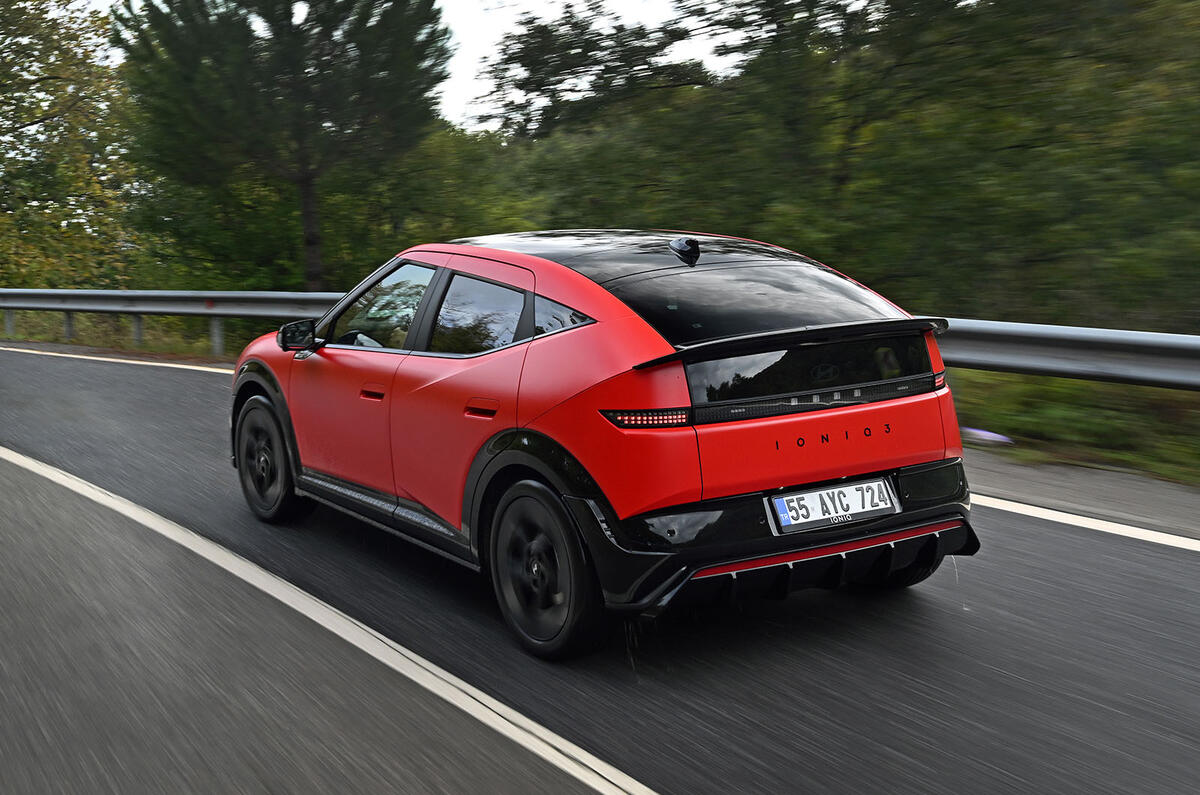
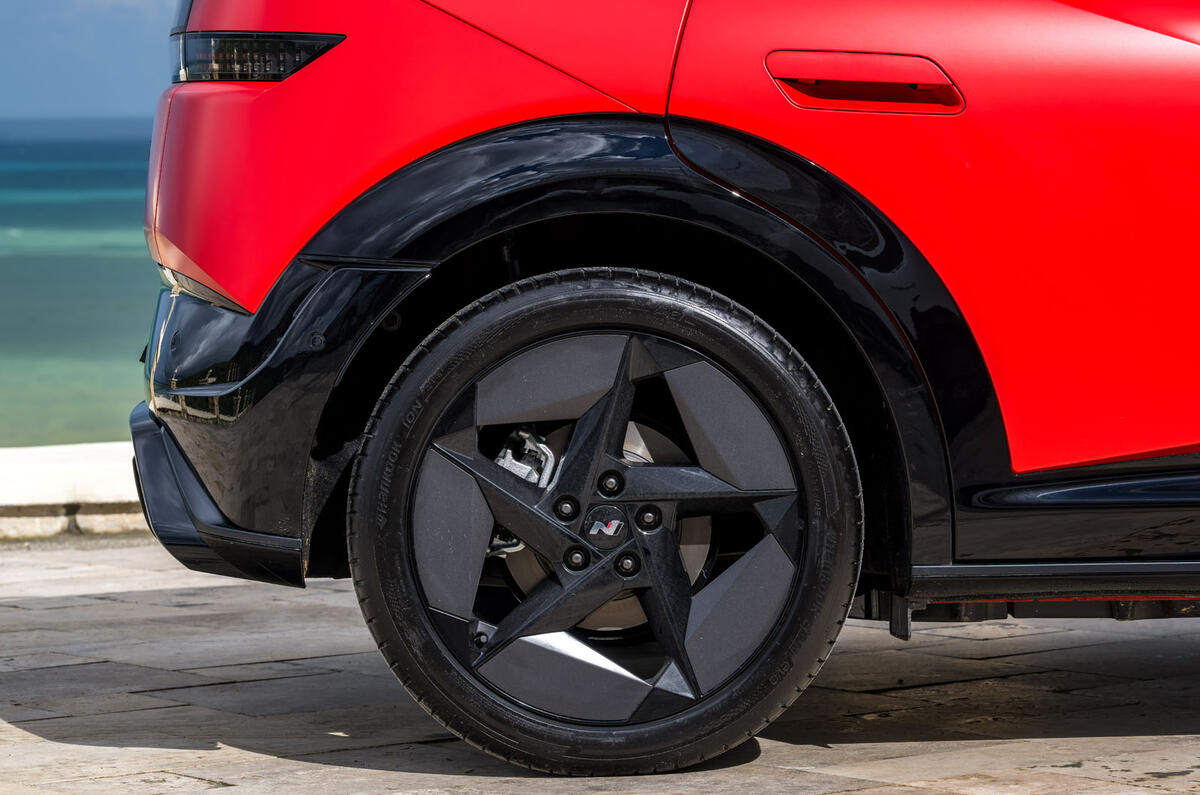
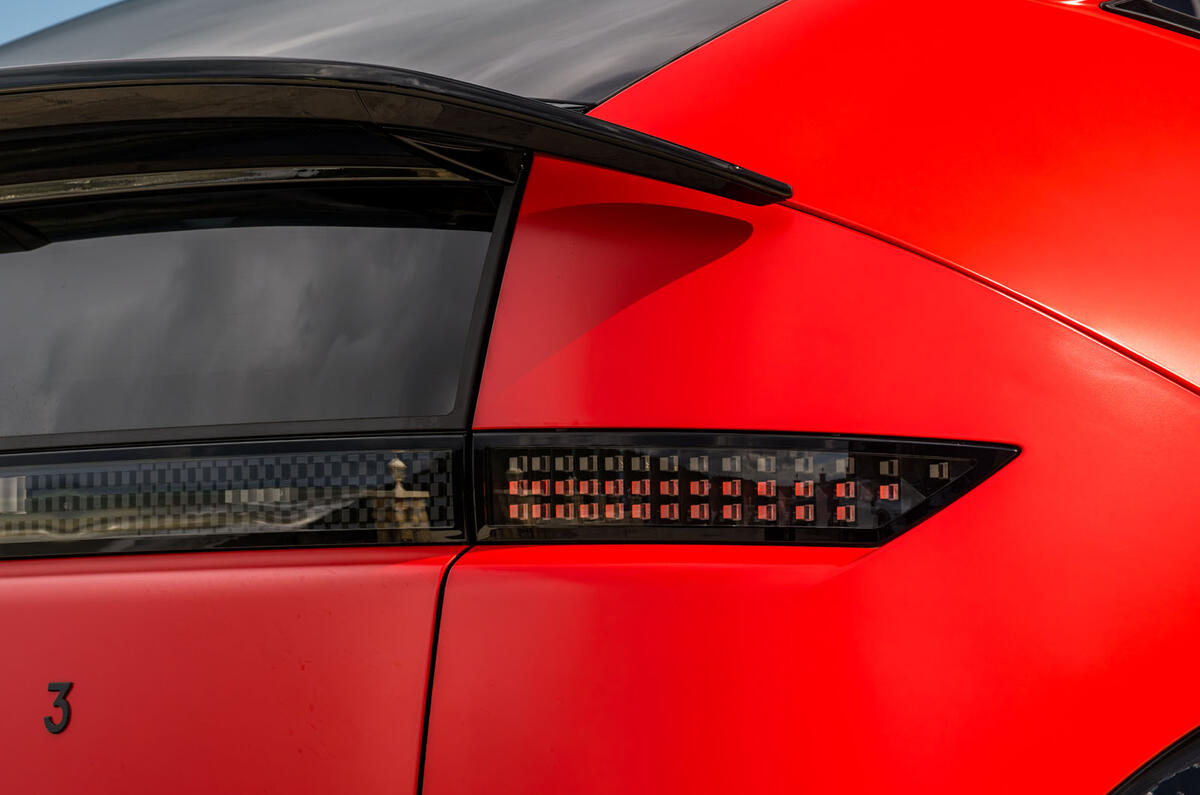
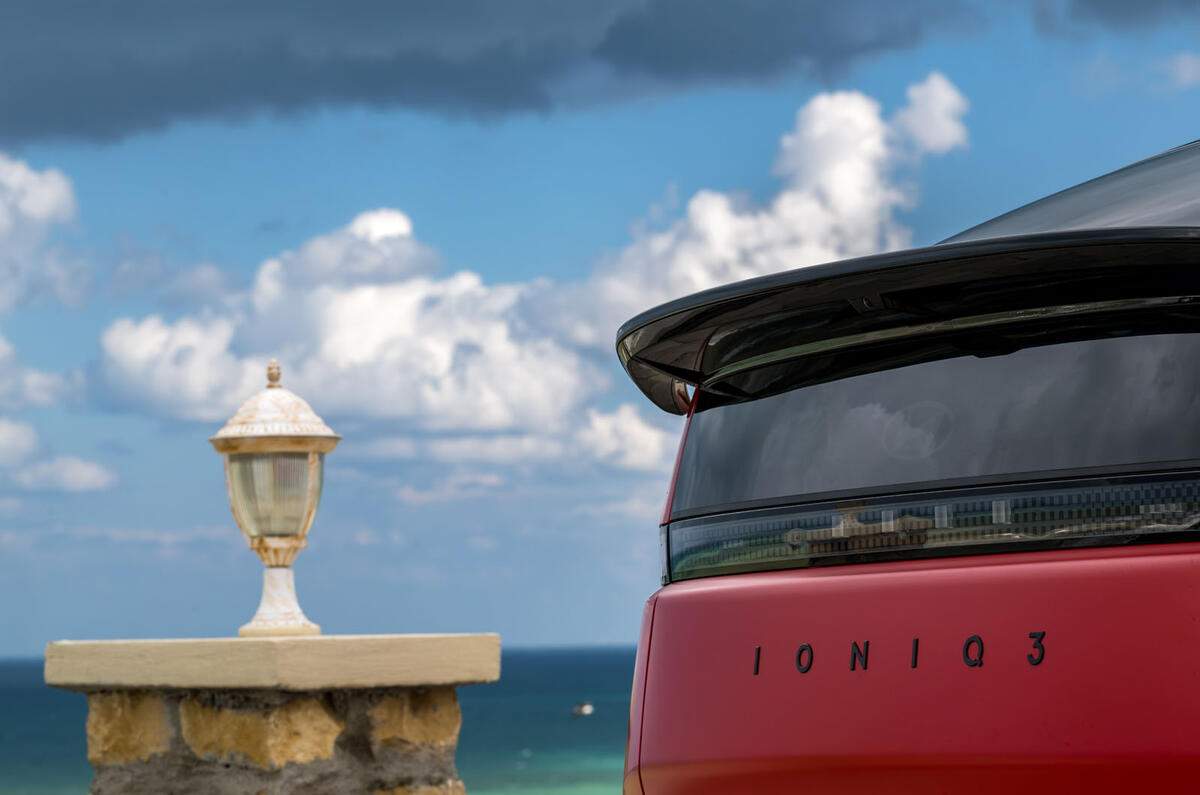
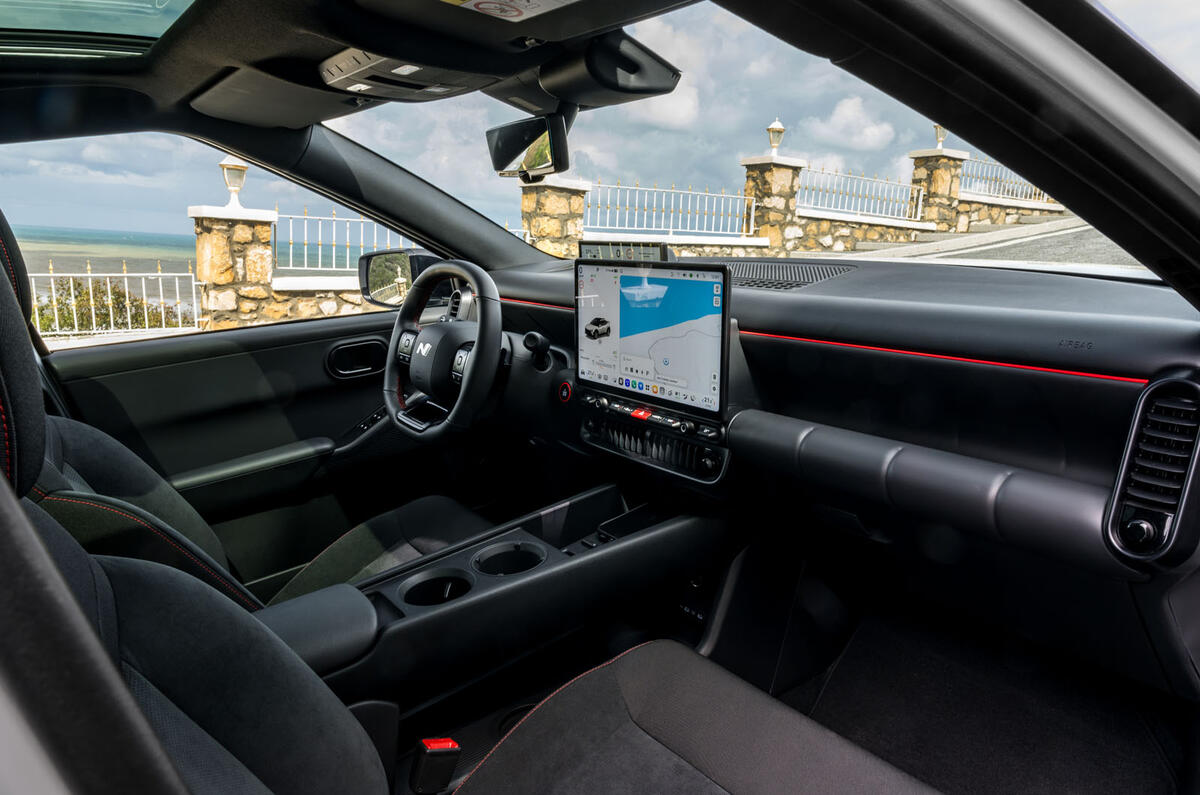
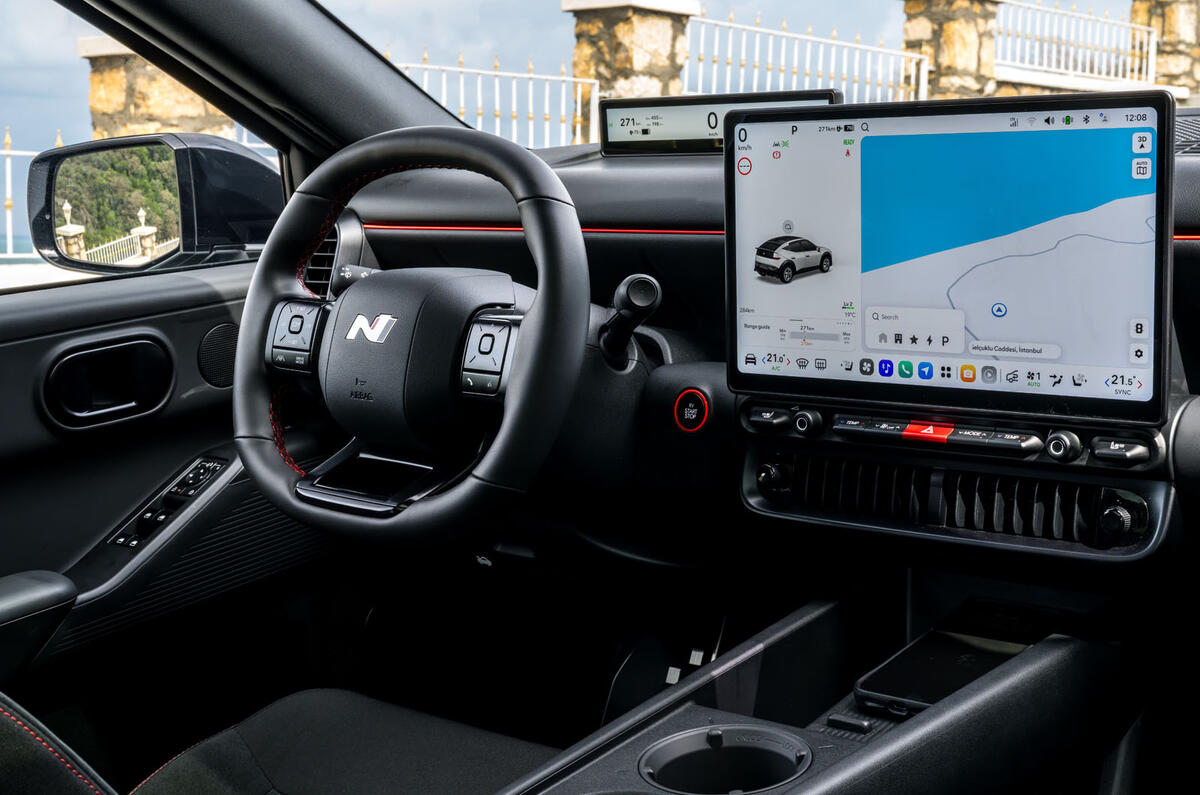
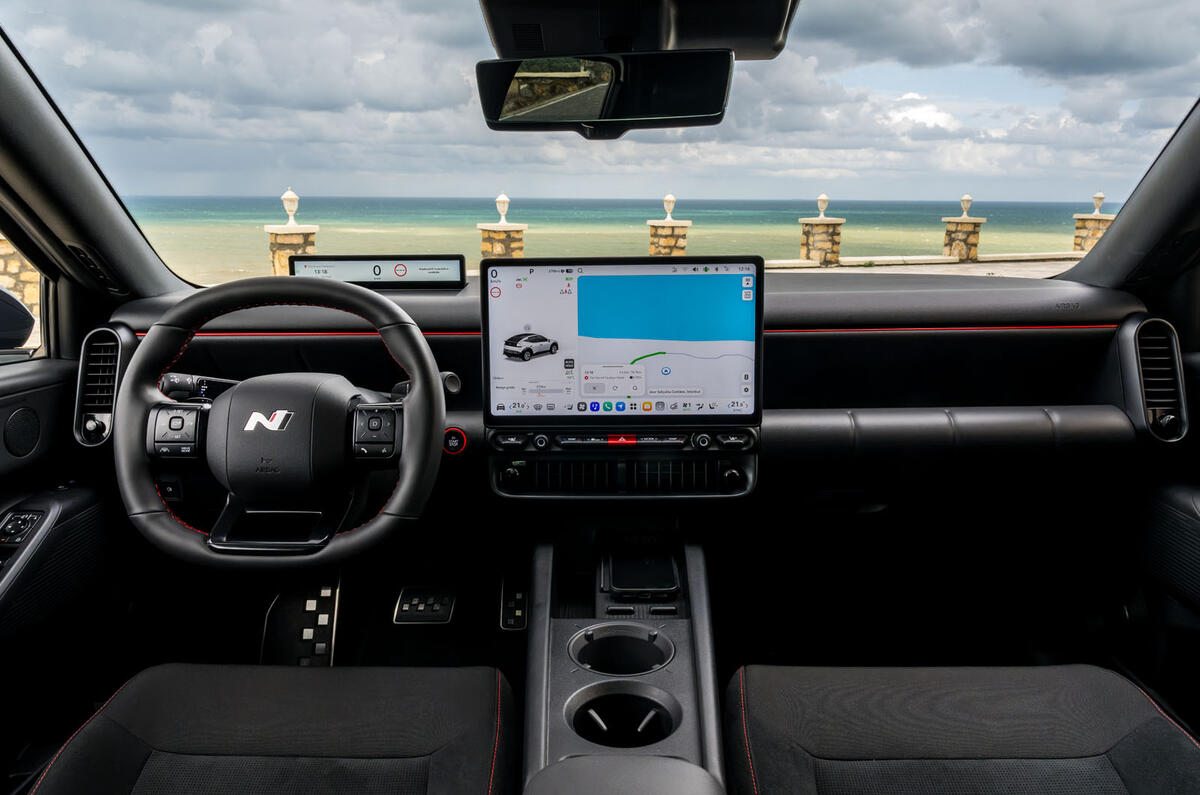
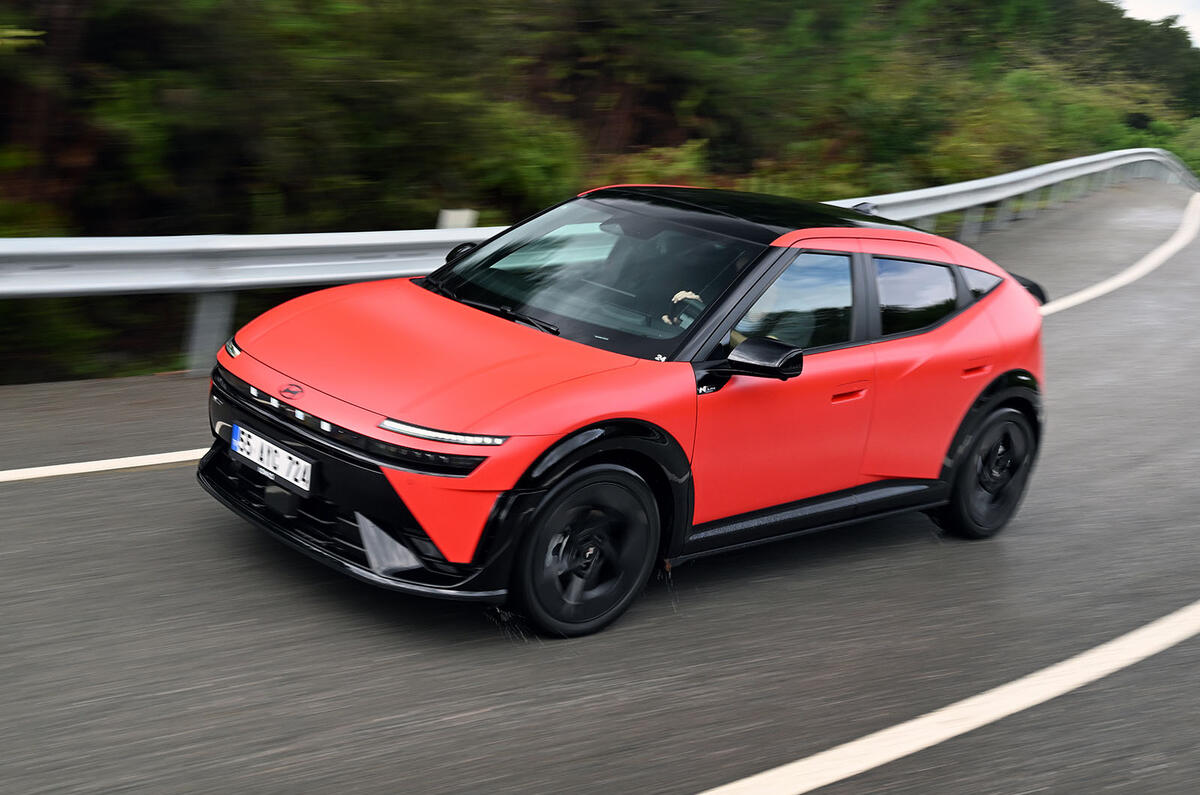
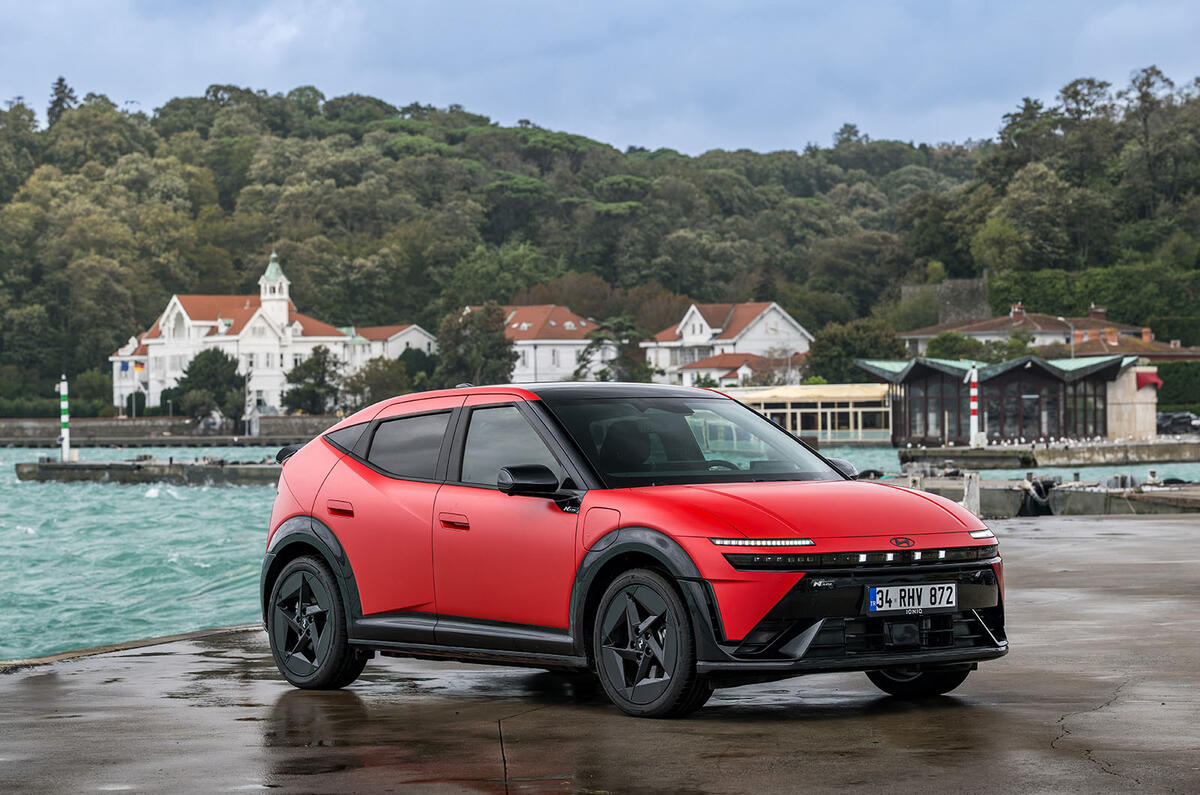
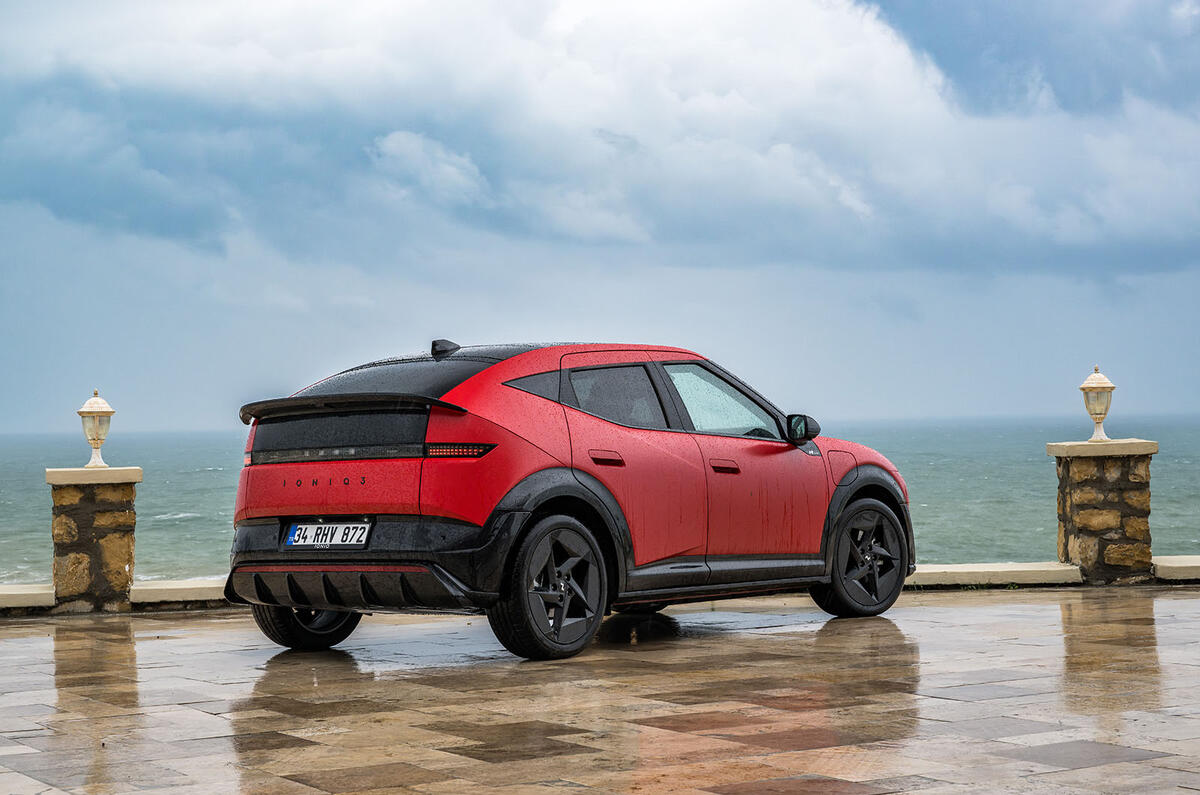
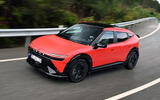
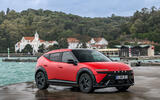
A total of 41 of those new releases will be landing on European shores, and the latest is the Hyundai Ioniq 3. An entry-level addition to Hyundai’s burgeoning electric sub-brand, this B-segment hatchback is also arguably one of its most important arrivals to date.
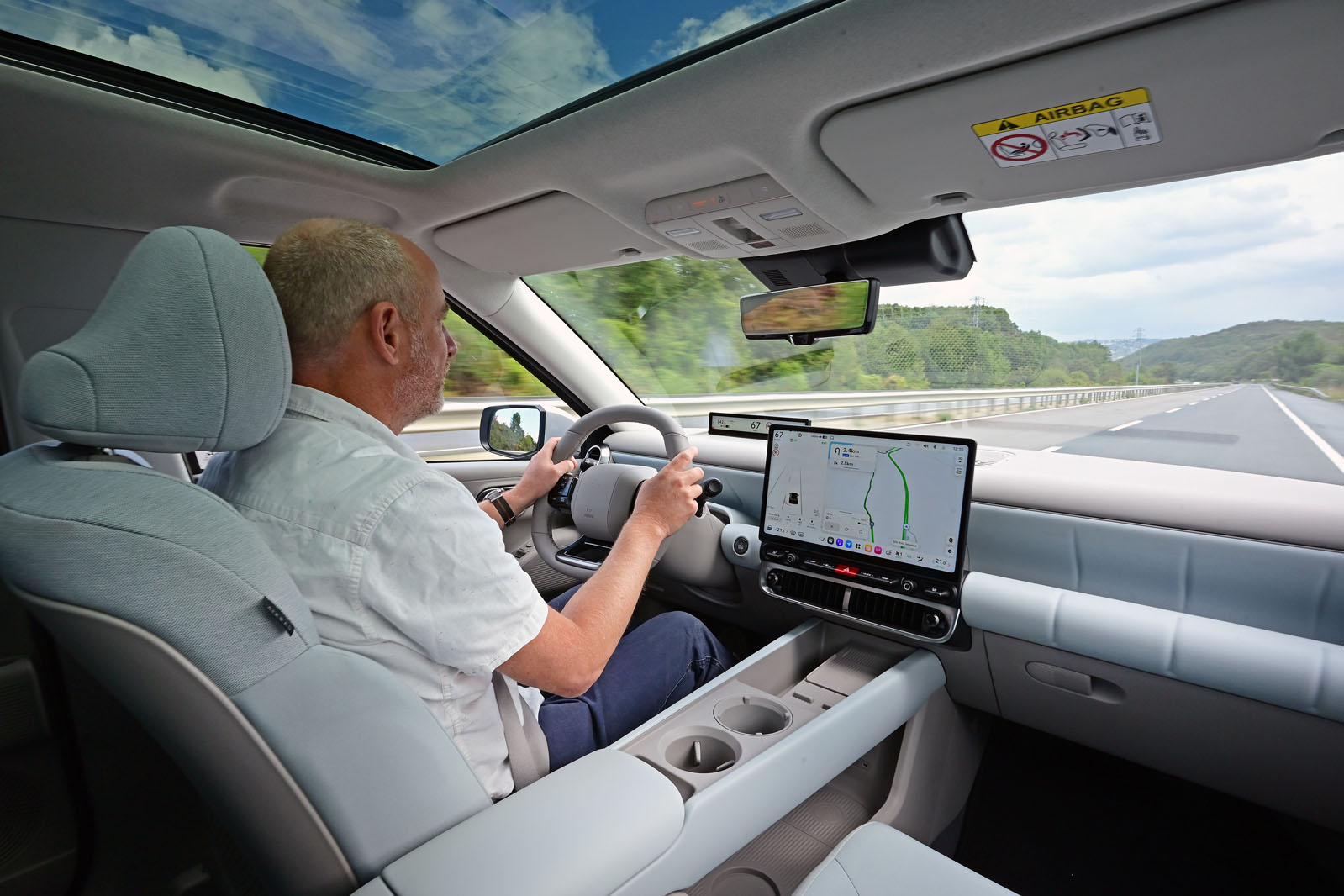
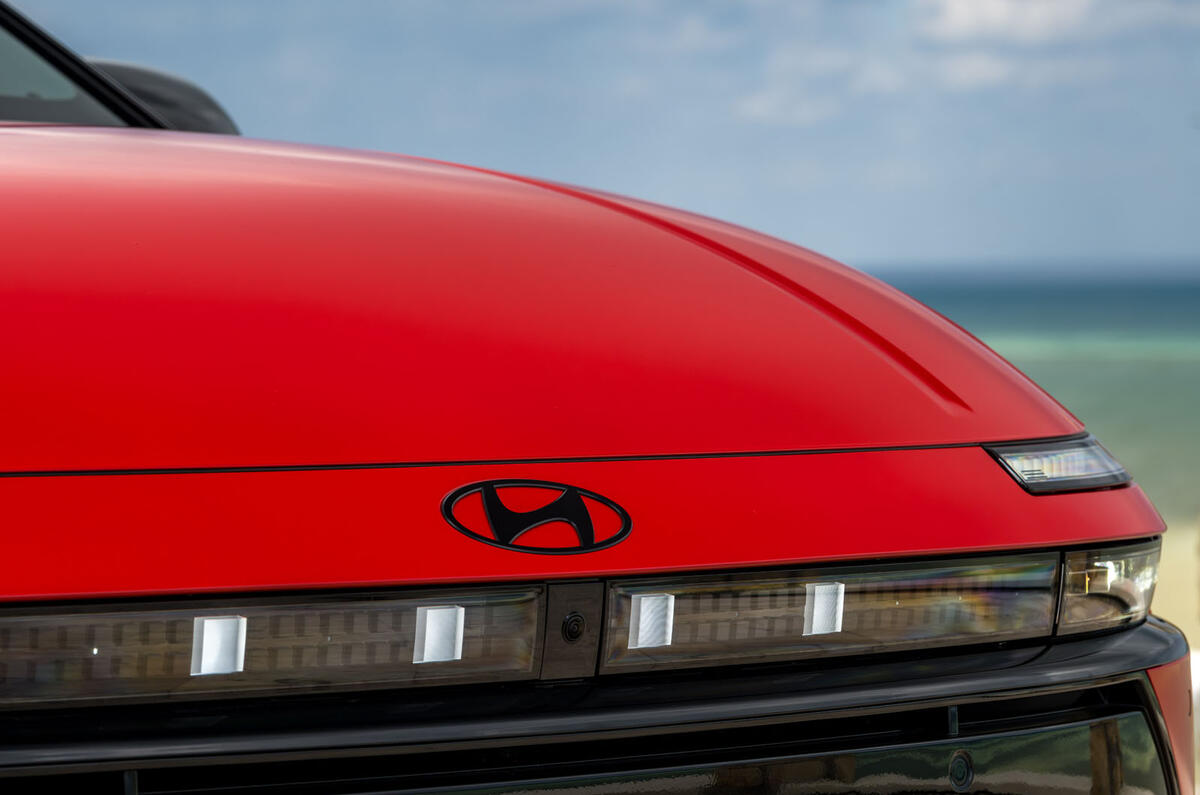
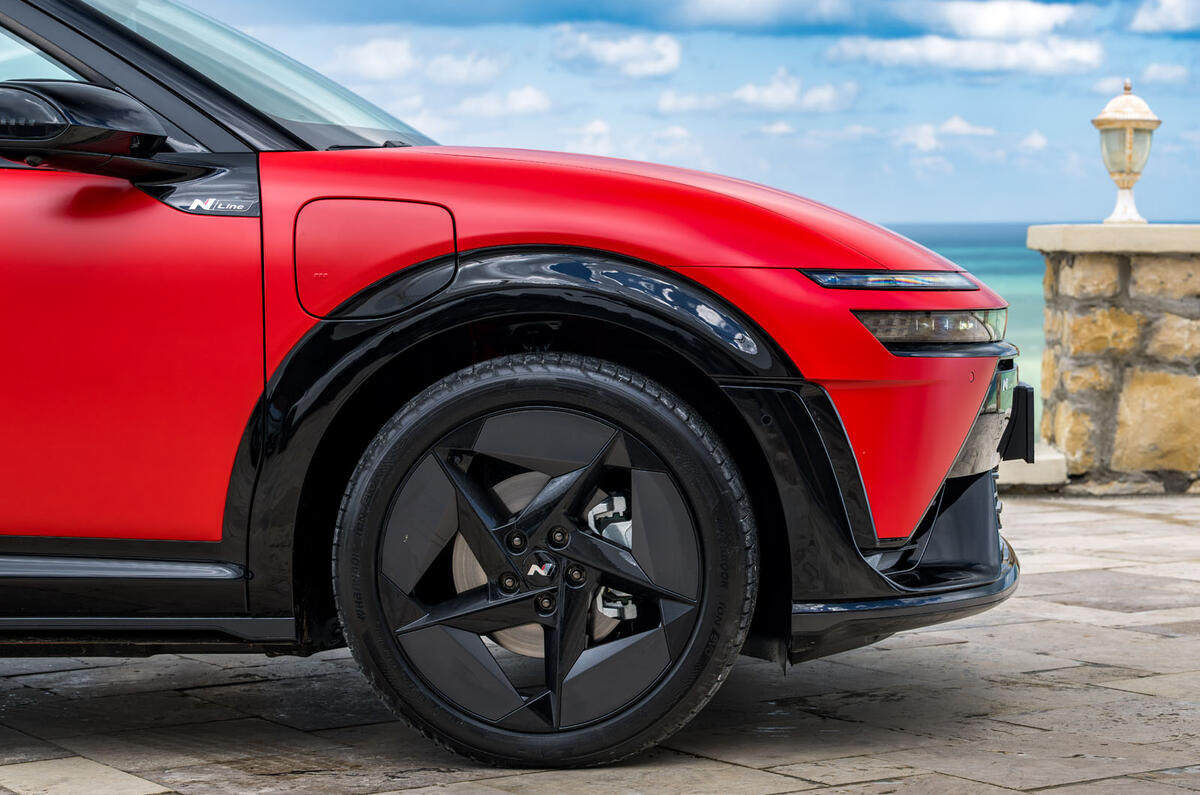
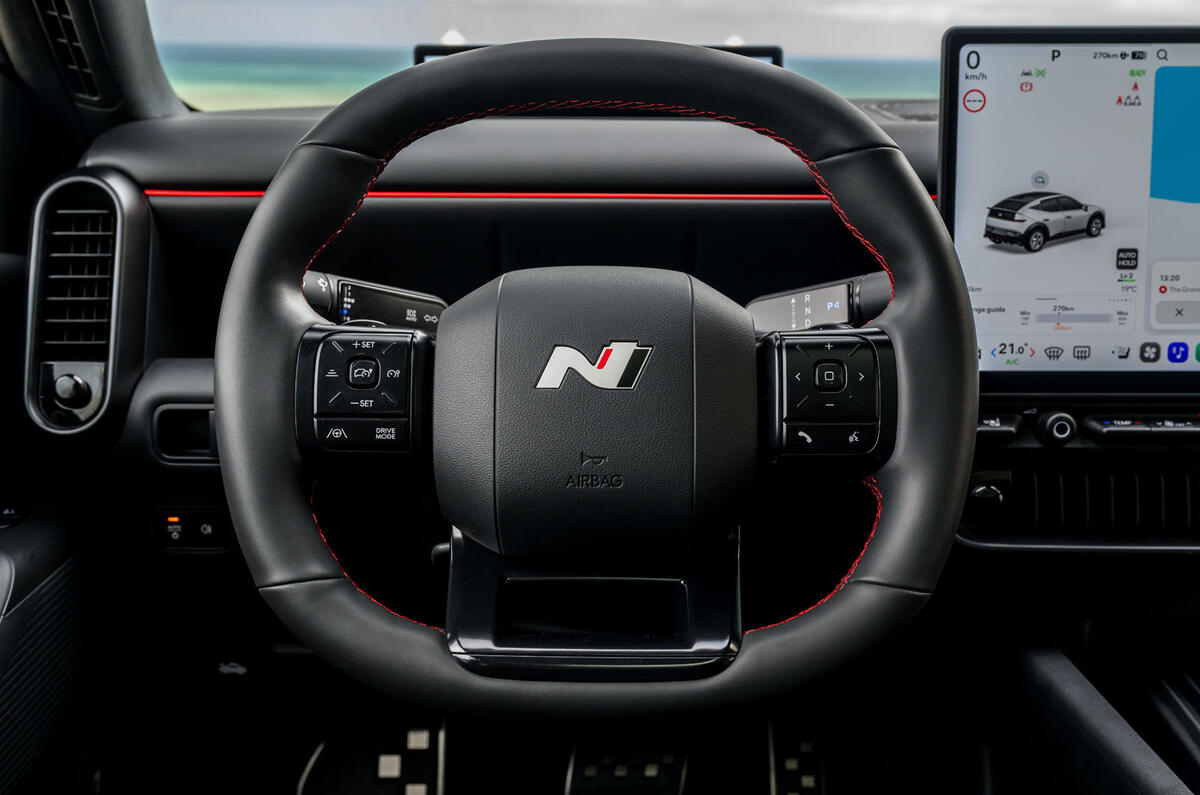
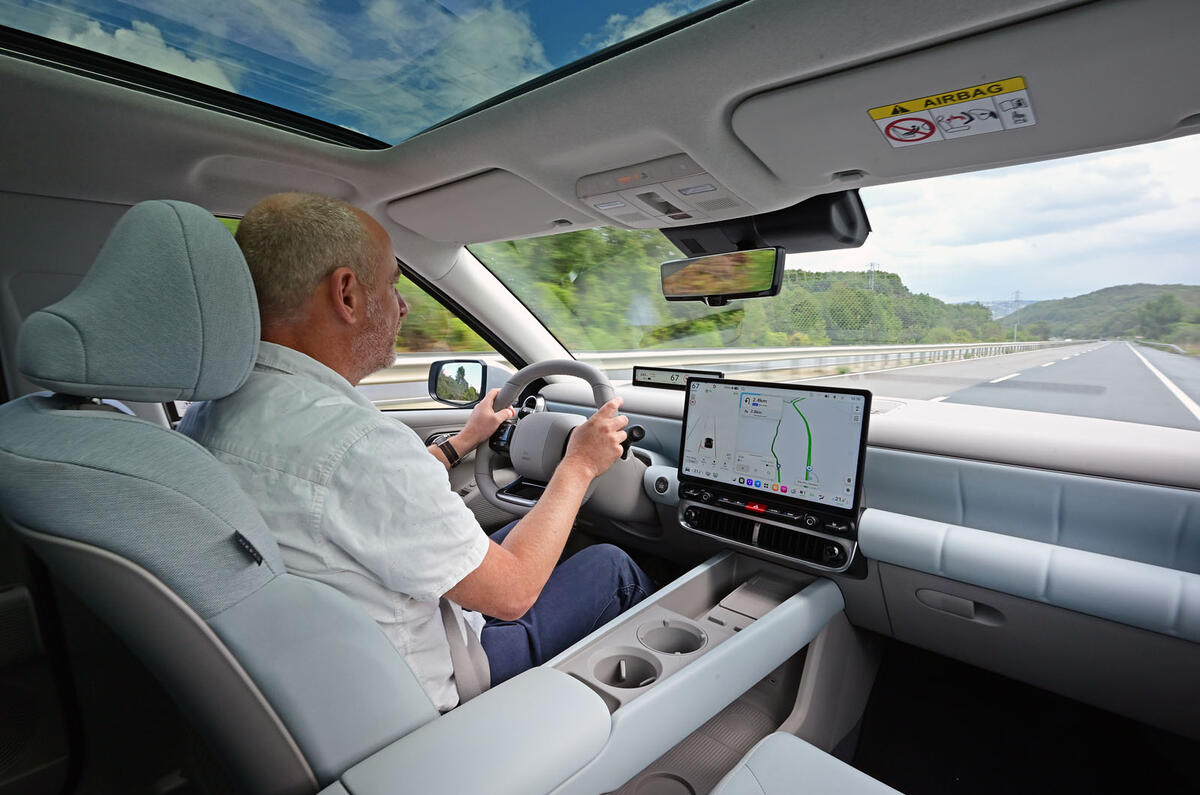
Packing a decent range, especially in bigger-battery guise, distinctive looks and a claimed focus on driver satisfaction, the Ioniq 3 is charged with capturing a new generation of EV customers.
Then there’s the pricing. Yours for an attention-grabbing £18,495 (after the full £3750 Electric Car Grant from the UK government), the newcomer is perfectly placed to do battle with cut-price Chinese upstarts.
Moreover, the eye-catching Ioniq 3 very usefully undercuts a new wave of European rivals, such as the Renault 5, Cupra Raval and Volkswagen ID Polo.