From £26,4957

Jeeps entry-level EV is goes under the knife for a mid-life refresh. Does it take it to the top of the class?

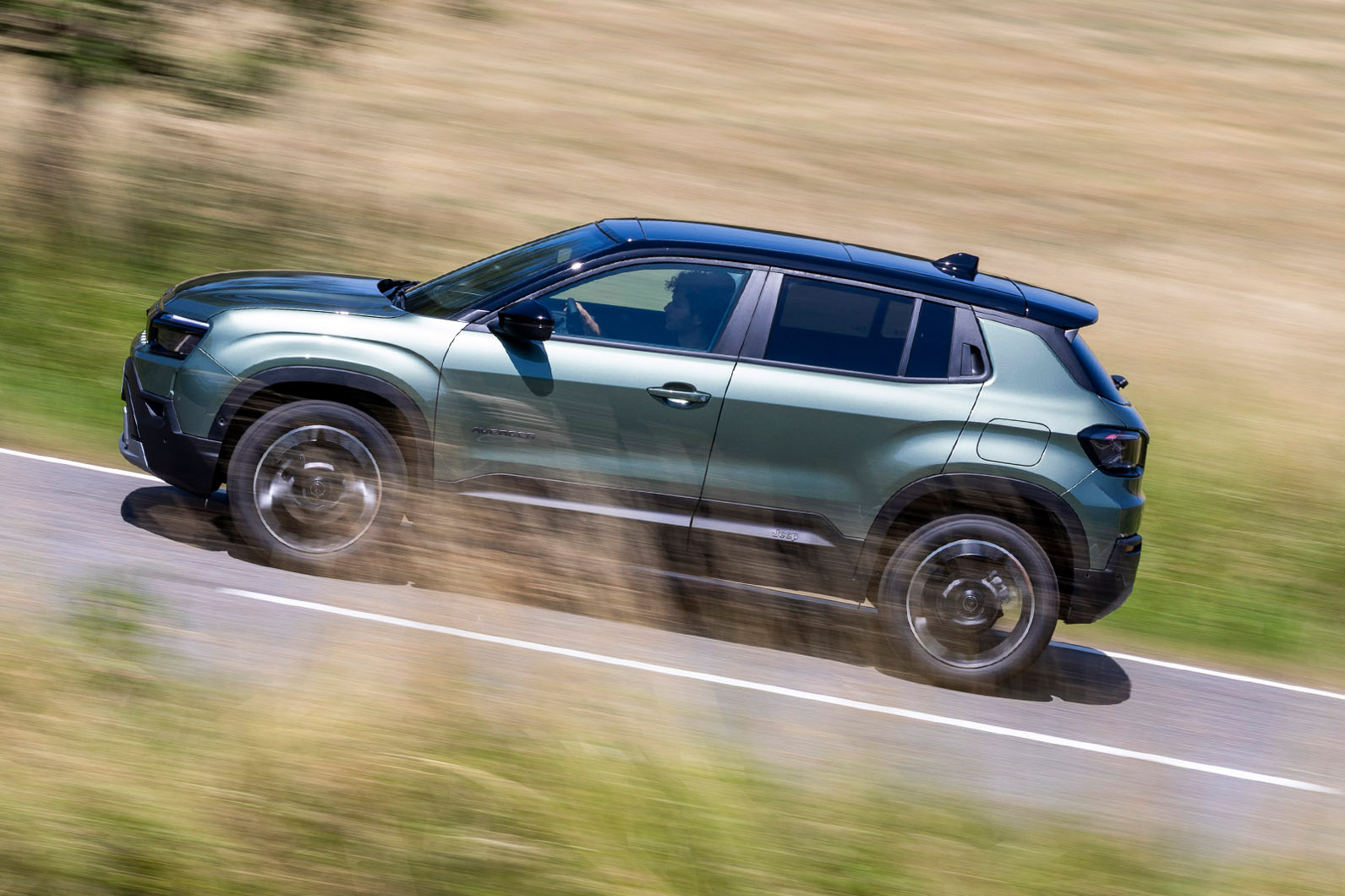
There were those that were sceptical there could be such a thing as a small Jeep, and an electrically powered two-wheel-drive one at that. Yet the Avenger has proved a runaway European hit for the American brand, and its mix of rugged looks, easy-going character and efficient running costs have attracted a a whole new demographic

To maintain interest in its big seller, Jeep has treated the model to a mid-life update that keeps things fresh without diluting the winning formula. Subtly revised looks and an interior that has been sprinkled with some enhanced premium appeal are the most obvious changes, while tweaks to the EV versions' innards run to the addition of V2L capability.

The visual updates also include the petrol, hybrid and 4x4 versions, which you can read about here. However, for this review we’ll concentrate on the all-electric model, which is perhaps one of the most important new models the firm has launched in a while

For starters, the Avenger broke new ground in terms of footprint. Discount the original Willys, which dates from 1940, and the Avenger is the most compact Jeep yet conceived. (The 61bhp hero of World War II is about an arm’s length shorter.)

Advertisement
Back to top

You should also know that behind the signature seven-slot grille, the short overhangs and the bevelled proportions, the Avenger has about as much in common with the beloved Jeep Wrangler as it does the Vauxhall Corsa, with which this pint-sized new Jeep shares a platform.

Given all of the above, it's only natural to wonder whether this is a real Jeep at all.

So long as the Avenger achieves its aim, Stellantis, parent company to Jeep and 13 other makes, won’t care what the purists think. This car was tasked with redefining Jeep in Europe and invigorating limp sales figures propped up only by lingering popularity in Italy. When it was launched the brand's bosses claimed it was “the right car at the right time” – and sales figures that run to 280,000 and counting (across all powertrains, although 60% of those sold are electrified) proves they were right.

Mining such a popular sector presents the Jeep with no shortage of rivals, of course. Ford, Renault, Smart and a host of good-value Chinese and South Korean brands now swim in the compact crossover pool. And that's before you consider closely related rivals from the same Stellantis stable, such as the Fiat 600e and Peugeot e2008.

For now there are three trim levels: Summit, Skyview and 85th Anniversary (which celebrates the brand's, erm, 85th birthday), with prices for the latter starting at just over £33,000 before any Government plug-in grants are taken into consideration.


RELIABILITY


DESIGN & STYLING

7
Jeep Avenger 4xe EV review 2026 002

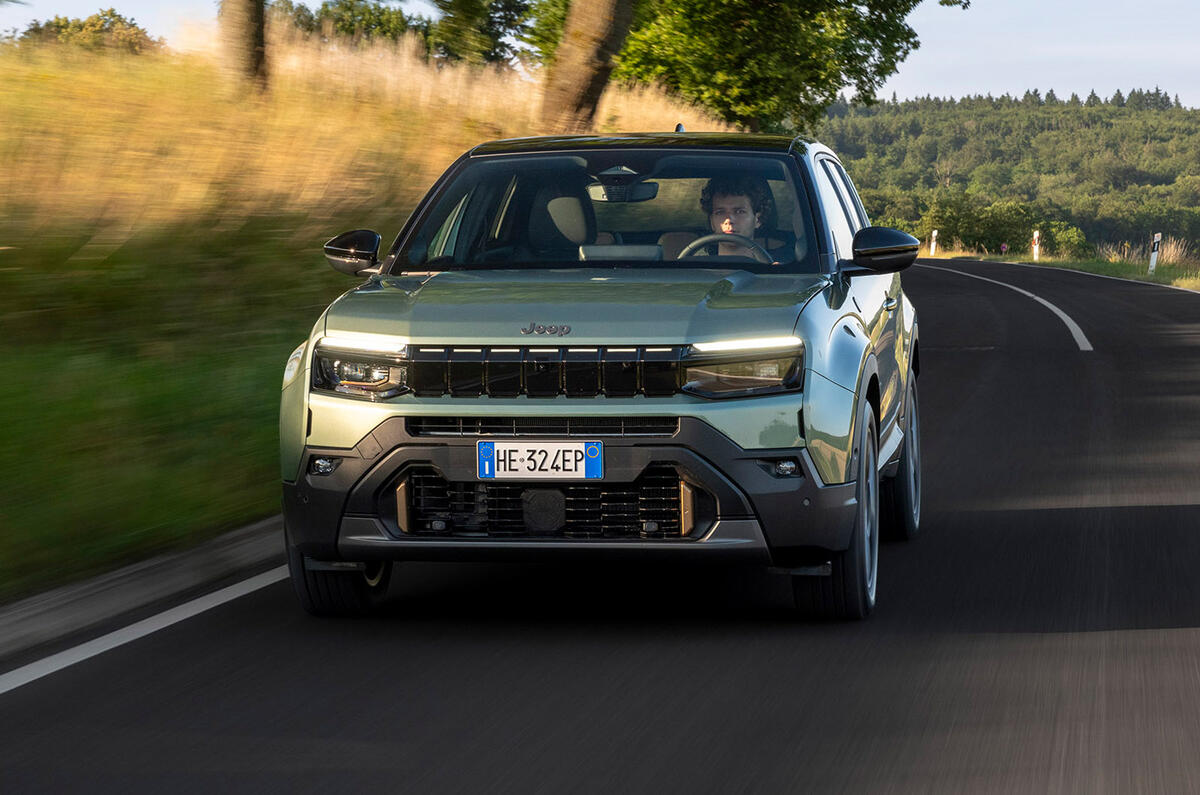
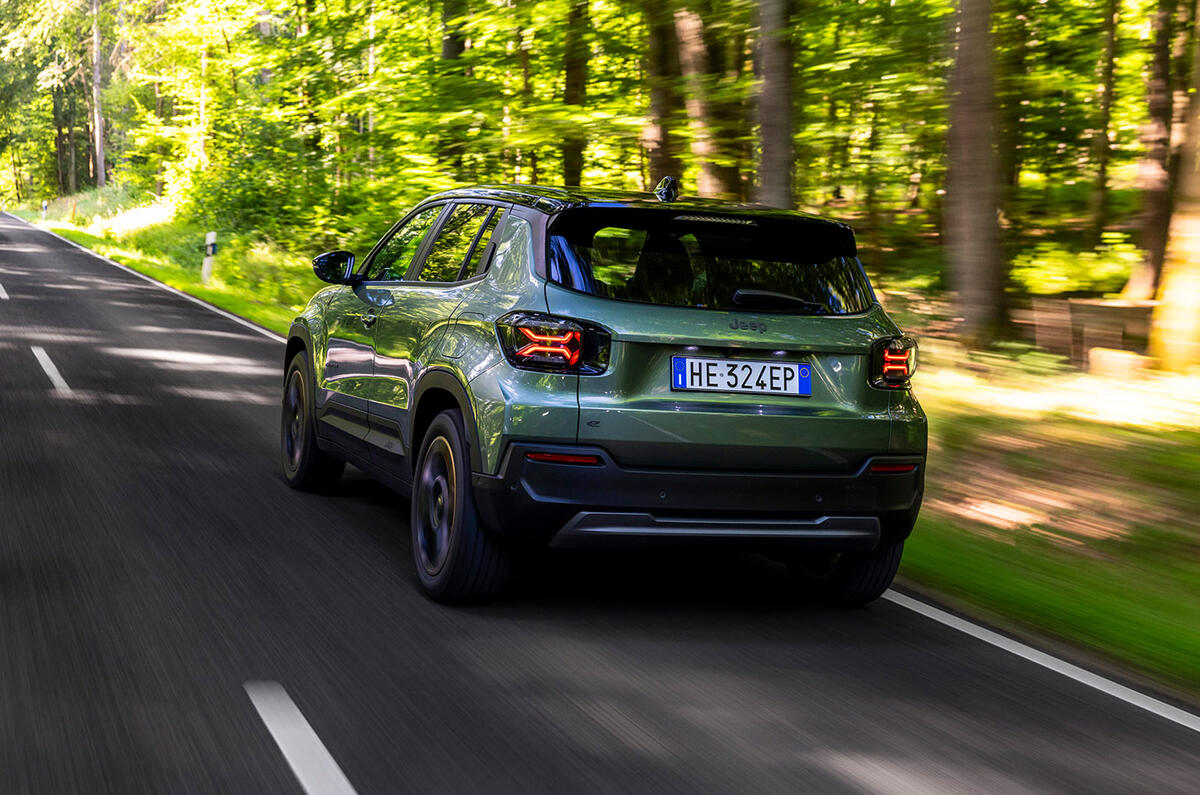
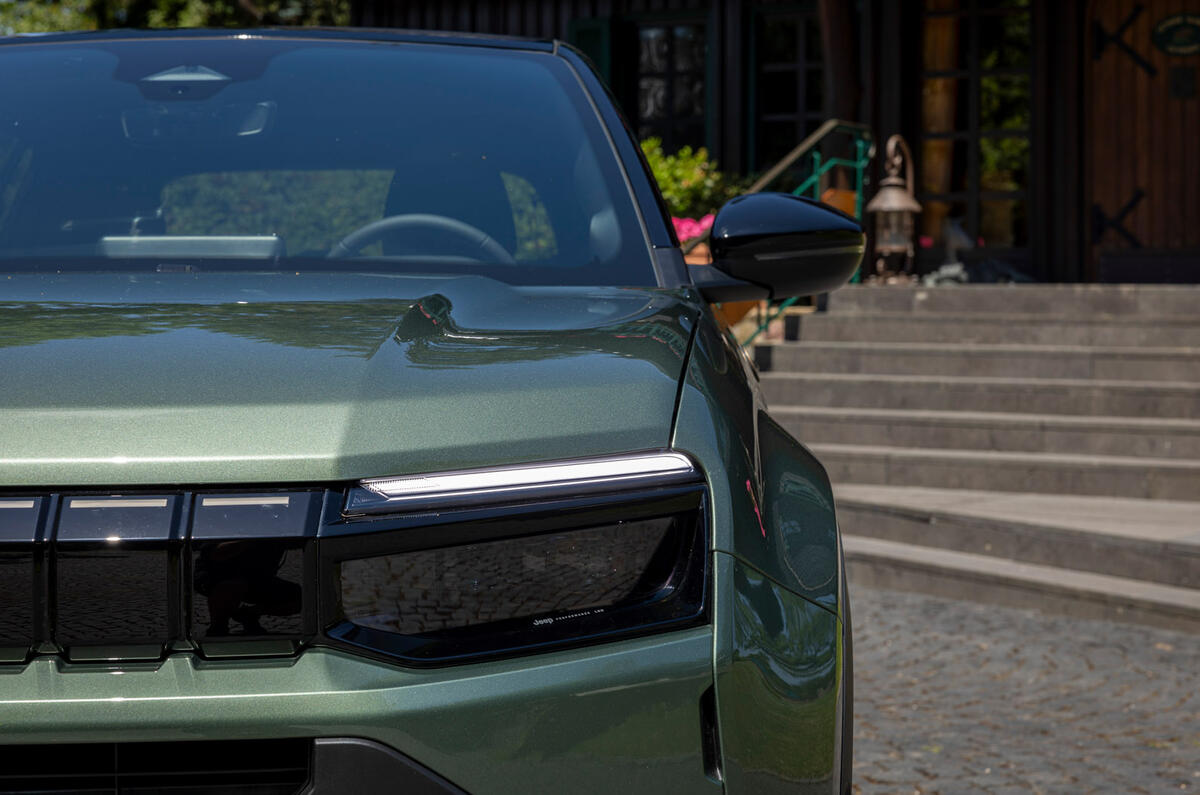
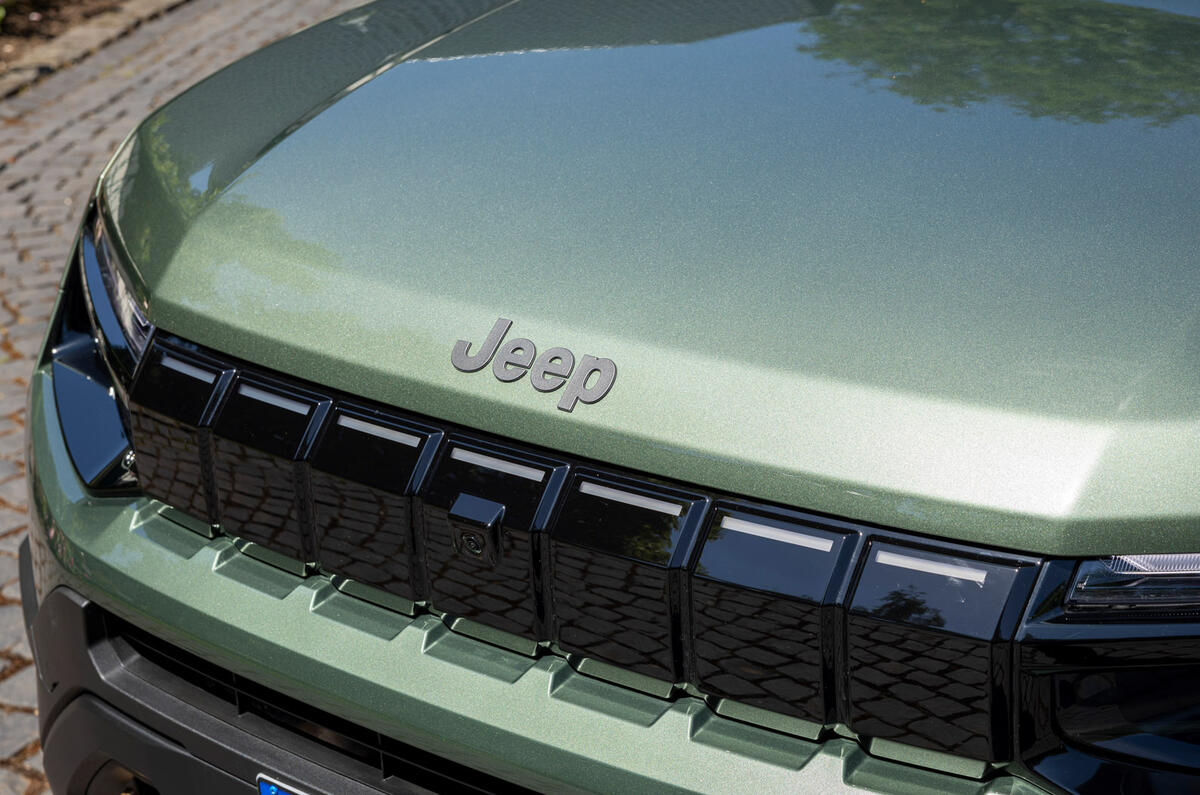
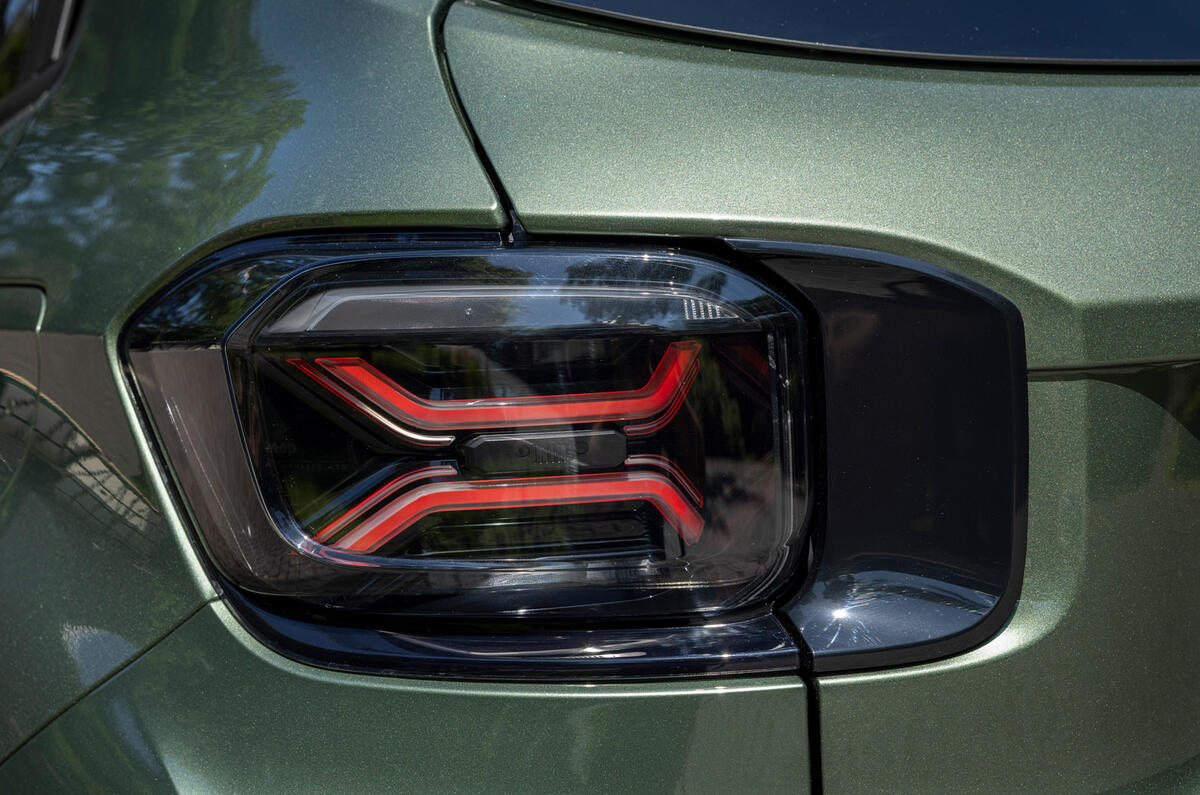
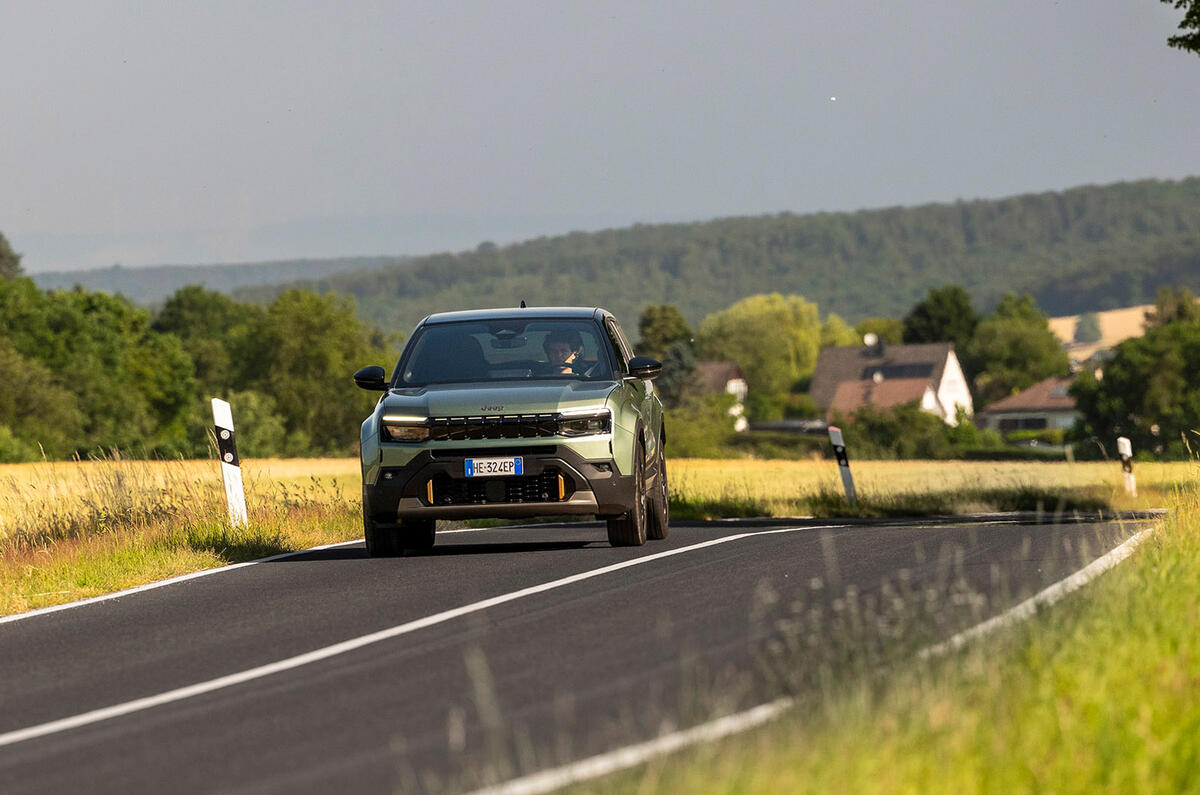
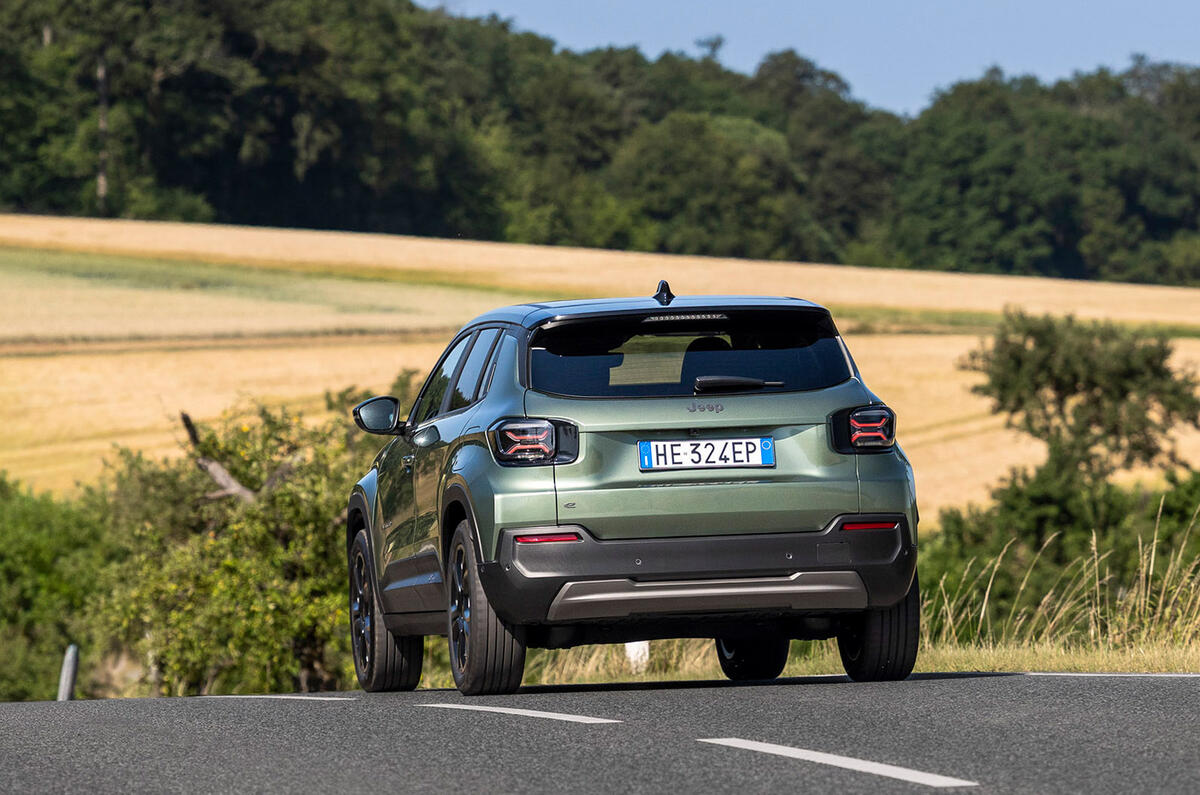
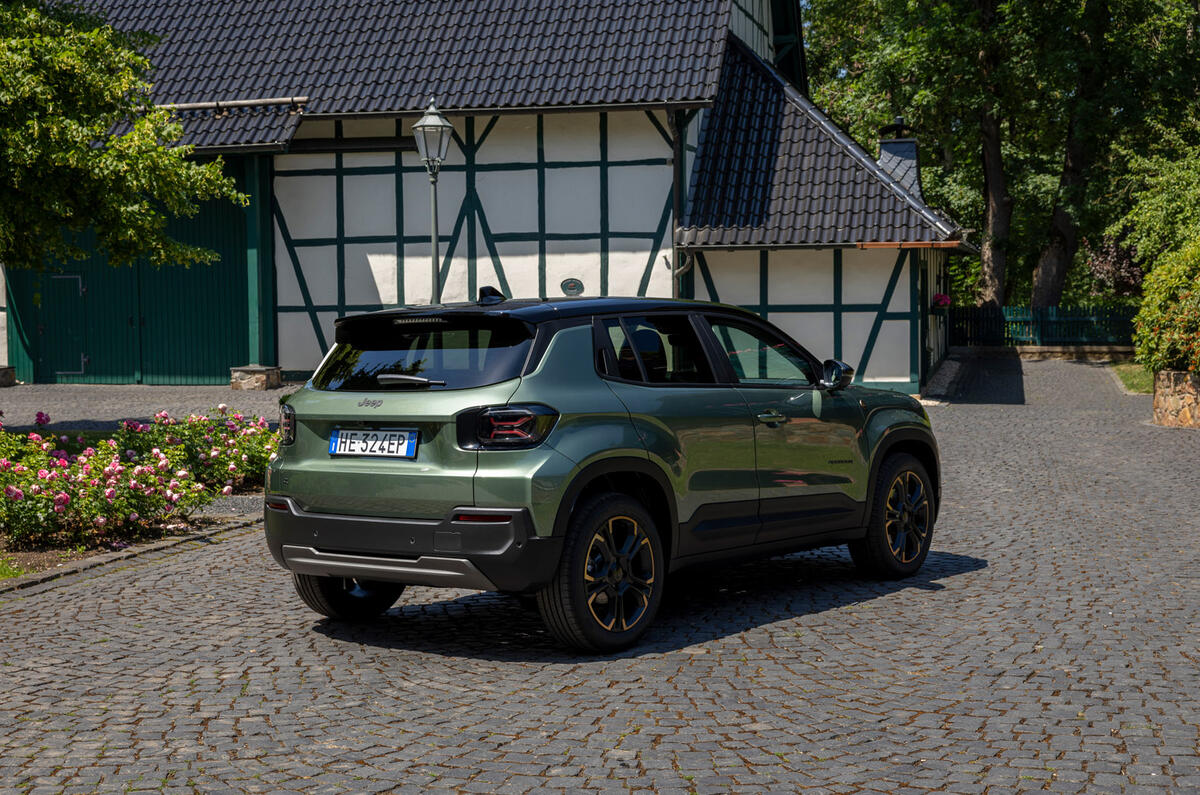
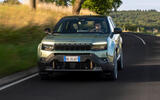
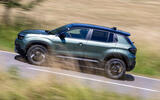
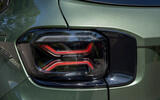
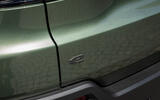
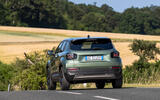
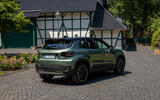
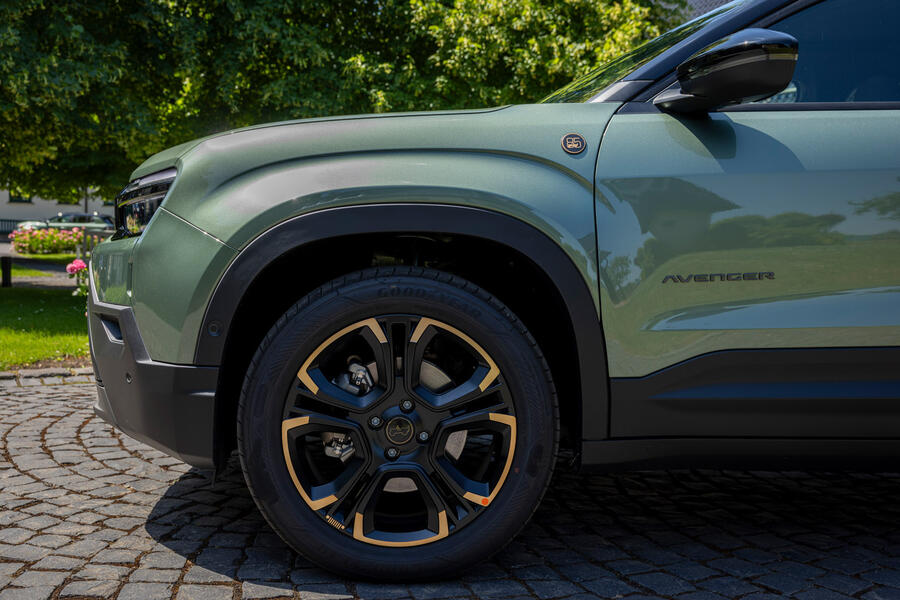
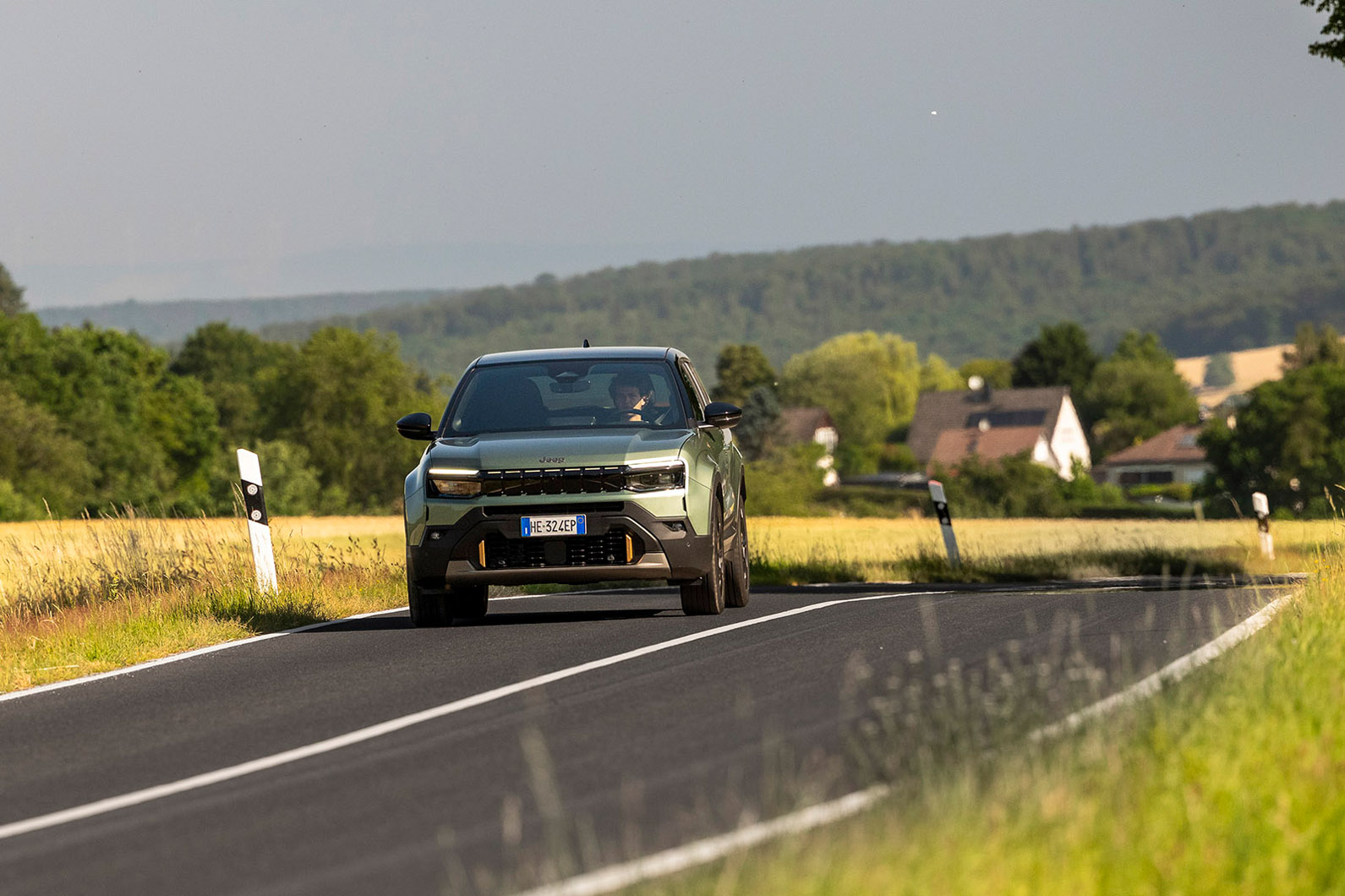
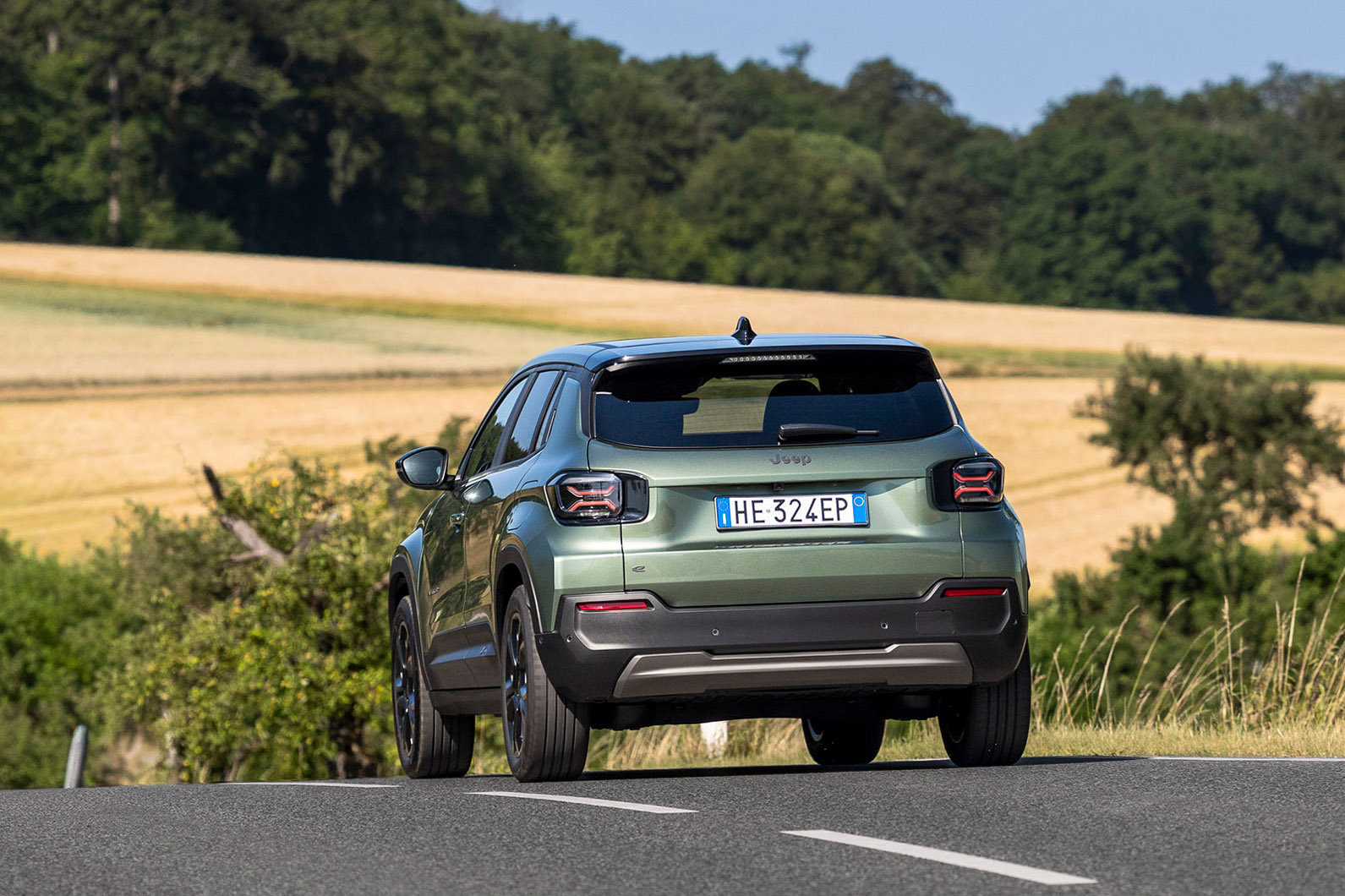
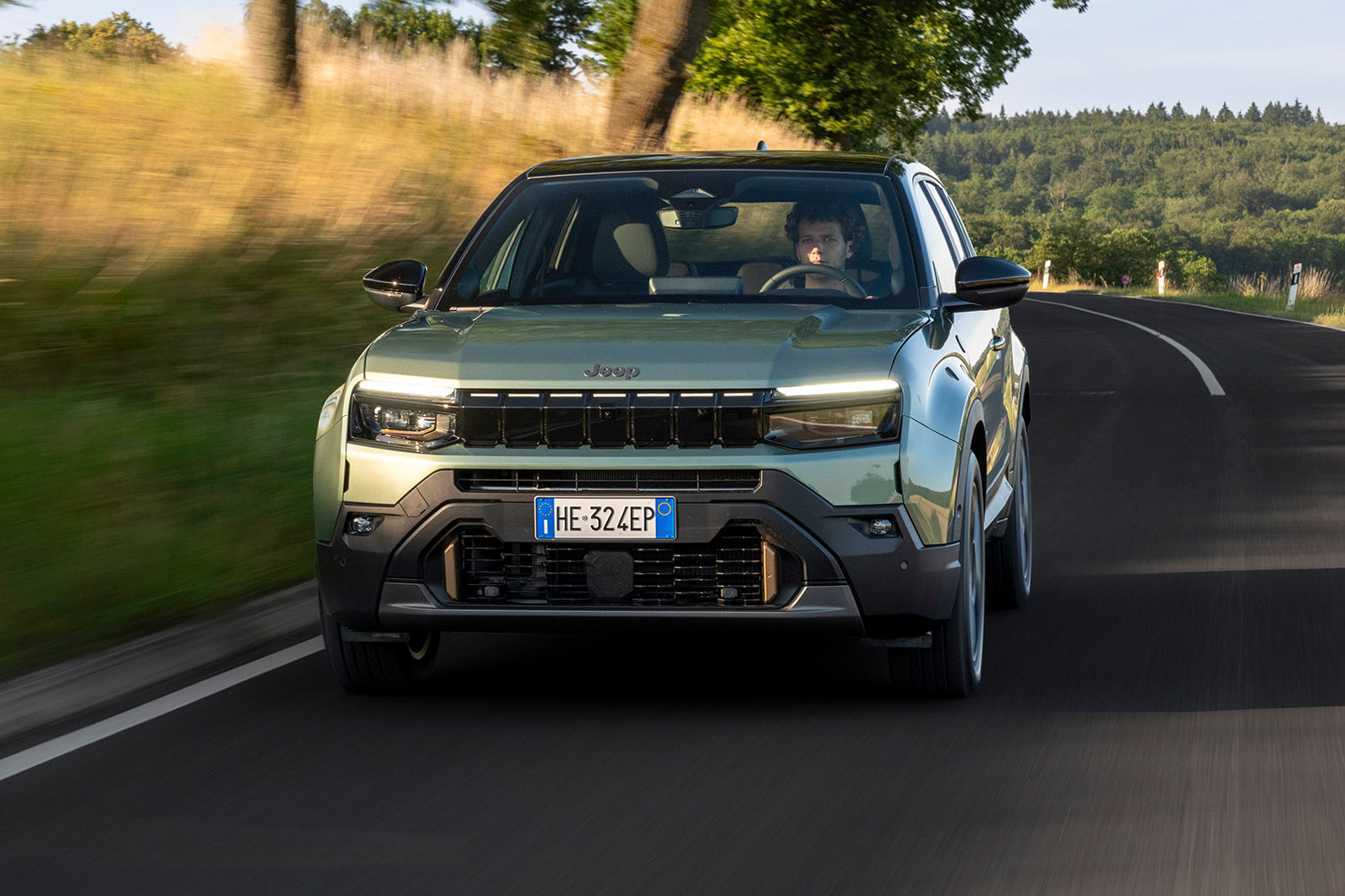
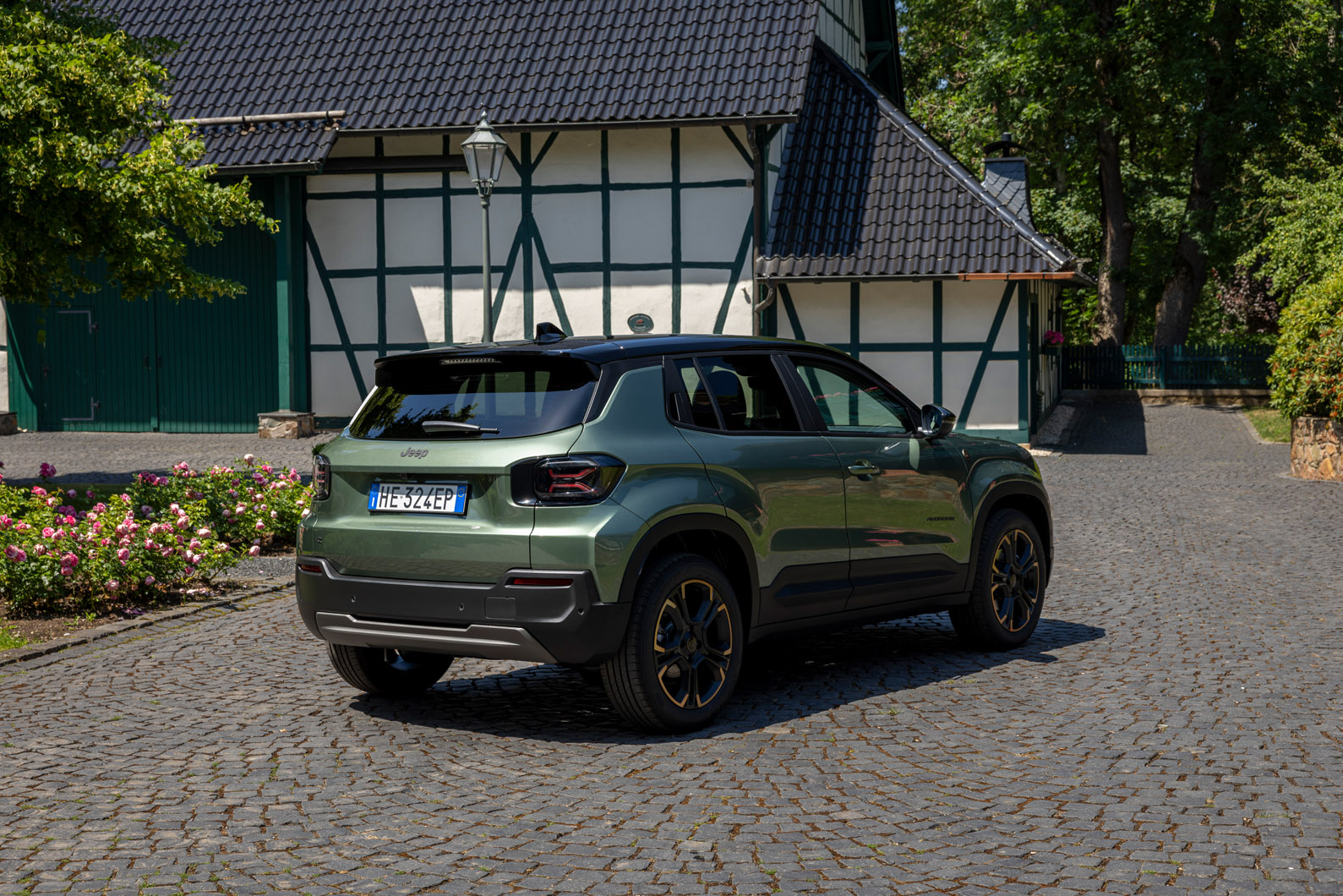
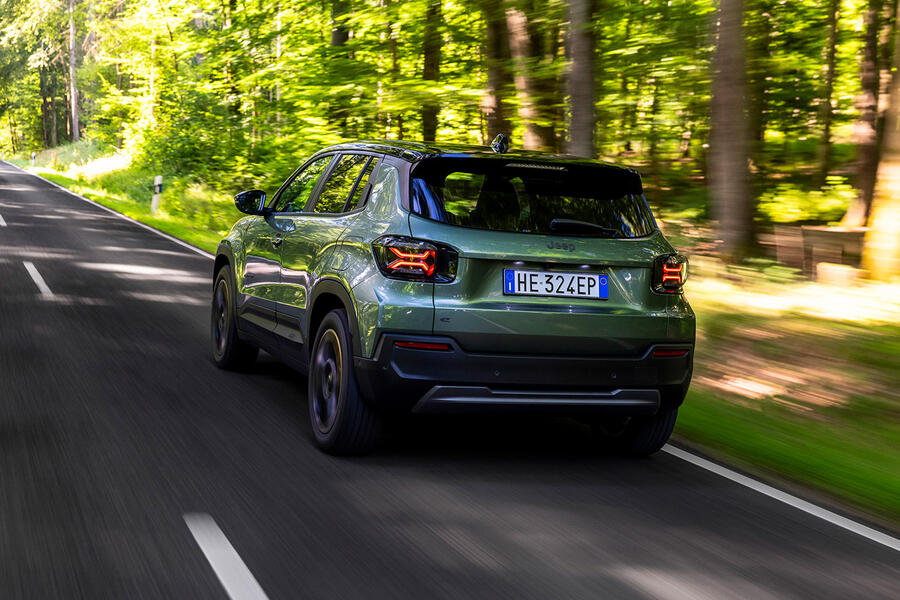
The Avenger’s mid-life makeover is fairly subtle, meaning you'll need to be a serious Jeep-botherer to notice the changes. Essentially there are reprofiled bumpers front and rear, plus a smattering of new wheel designs. Oh, and all editions now get a natty illuminated version of the trademark seven bar front grille.

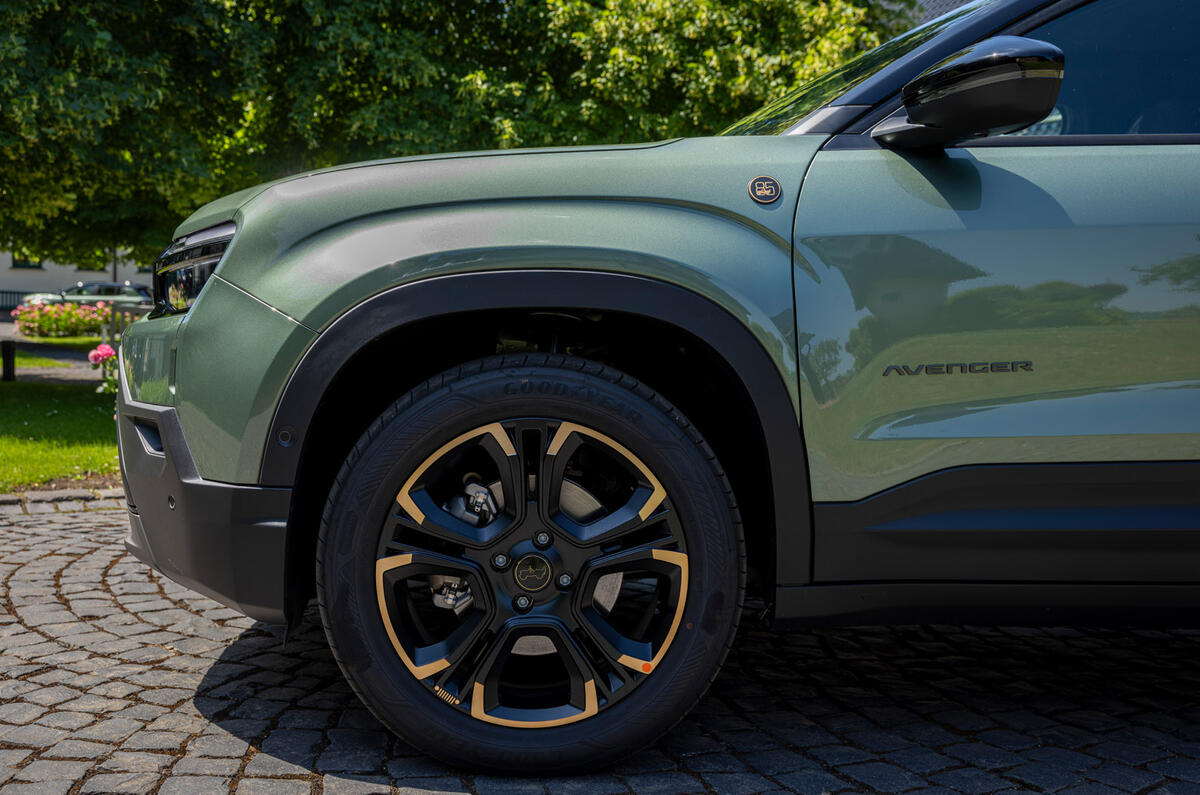
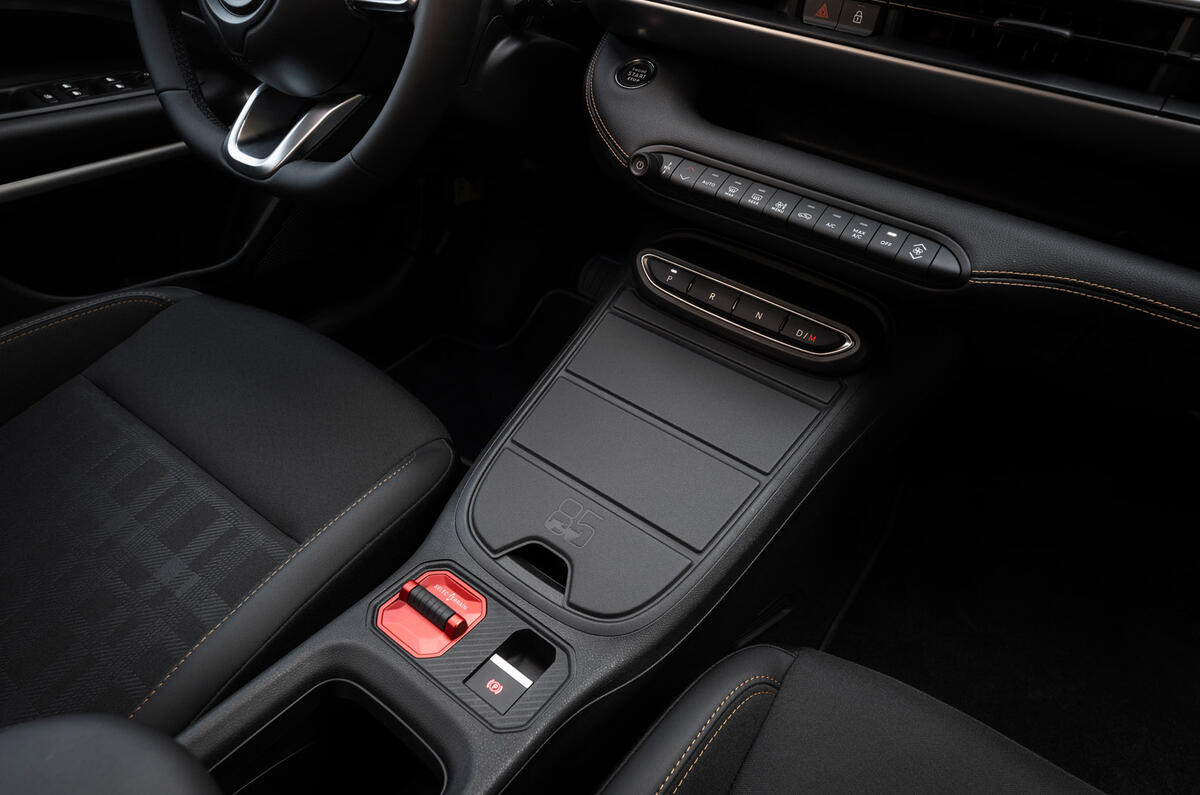
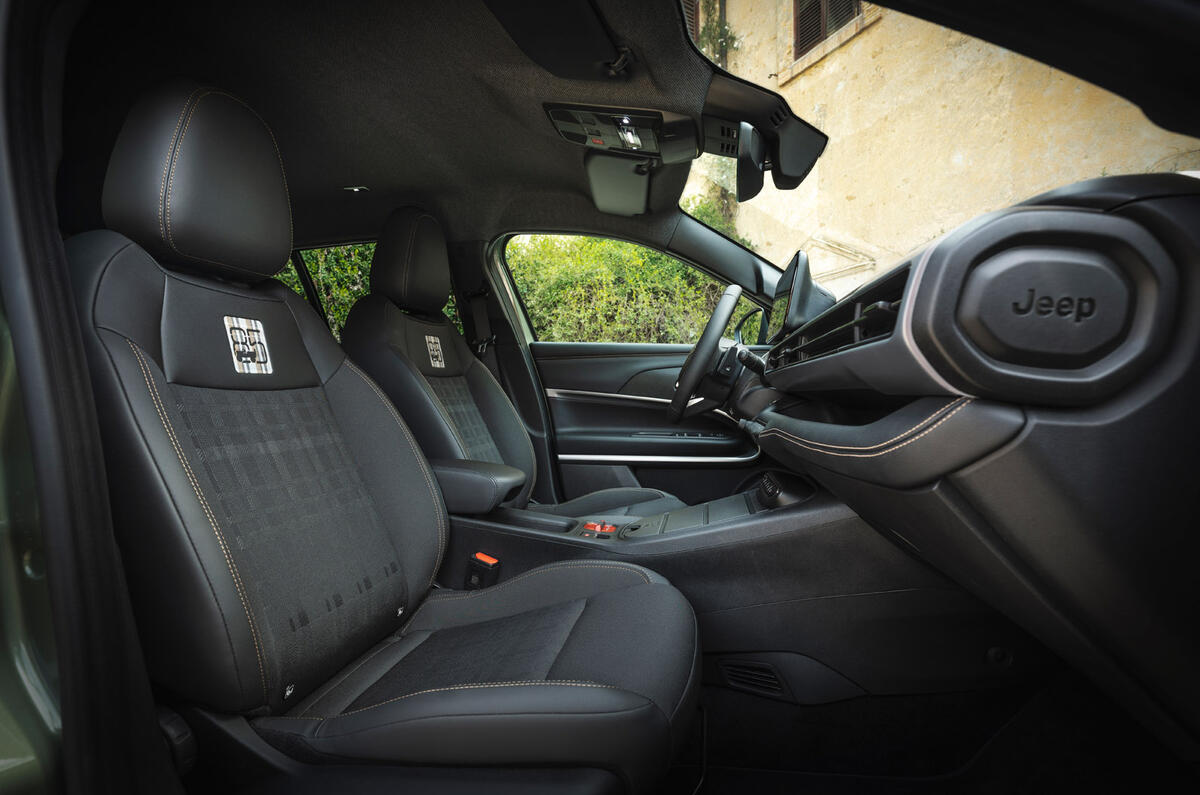
Speaking of the 85th Anniversary, it’s identified by its celebratory gold trim inserts and bespoke badging on the outside, plus a tartan interior fabric that takes its inspiration from classic picnic blankets. 

Functional upgrades run to the option of LED matrix headlamps and a repositioning of the ADAS radar and parking camera to the front grille, protecting it more effectively from low speed collisions and when off-roading, not that you're likely to be doing much of that in this two-wheel drive version.

Built at Stellantis’s Tychy plant in Poland, the Avenger is underpinned by – and indeed was the first vehicle to use – Stellantis’s new e-CMP2 modular platform, which has been rolled out across other small EVs in the group’s empire, such as the Citroën ë-C4, DS 3 E-Tense, Vauxhall’s electric Corsa and Mokka models, and the Peugeot e-2008.

For the Avenger, designers have addedsmall overhangs (so important in achieving that chunky, four-square aesthetic) at no cost to energy absorption in the event of an impact.

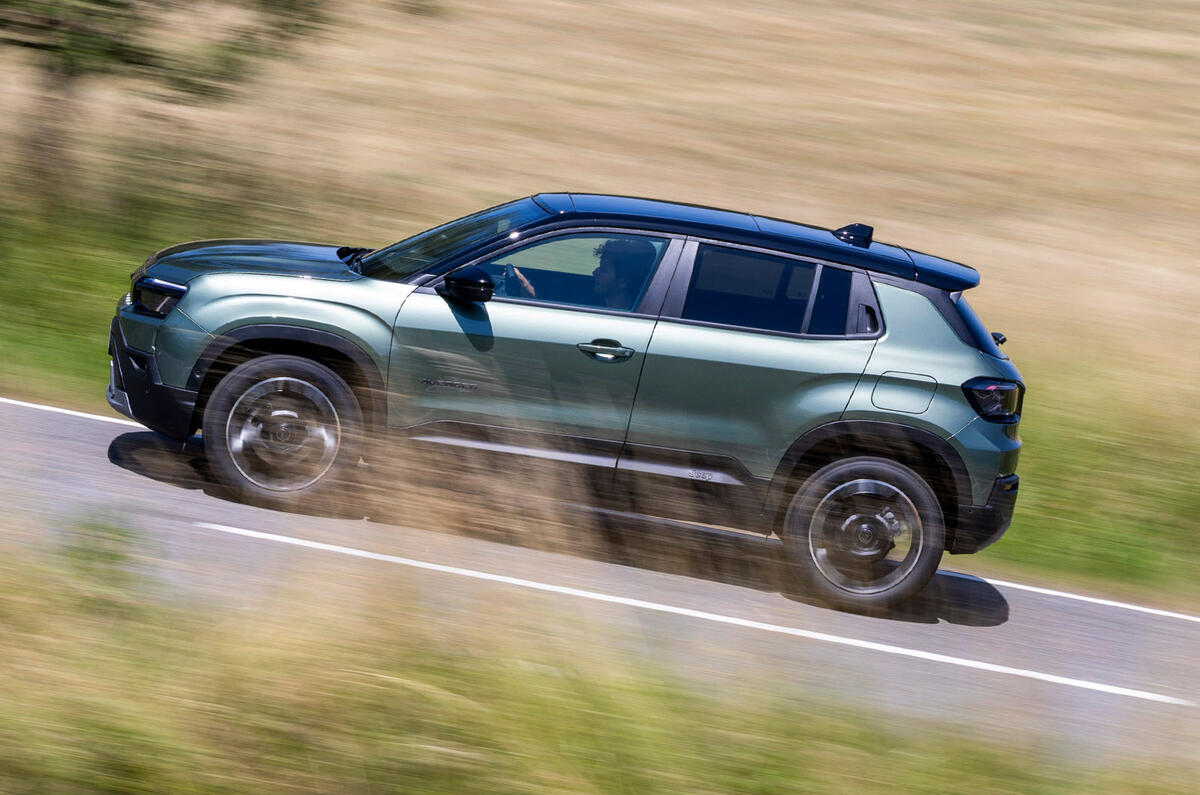
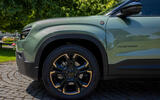
Wheel travel has also been improved, with  extra capacity of tyre width. Our Avenger 85th Anniversary, riding on fine-looking 18in wheels that neatly fill the car’s squared-off arches, wears 215-section rubber all round.

Meanwhile, the passive suspension is by MacPherson struts at the front and a torsion beam at the rear – typical for Stellantis products of this type.

The Avenger’s front-mounted separately excited synchronous motor made its world debut in this car. This was the first unit supplied by eMotors, a joint venture between Stellantis and Japanese specialist Nidec. It’s said to be more efficient than its precursor and makes figures of 154bhp and 192lb ft.

These figures sound reasonably potent for a car of this size, although they look less impressive when you take into account the Avenger’s kerb weight, which is predictably bloated by the 54kWh drive battery.

Weighing 1601kg on our scales, the Avenger isn’t embarrassingly hefty and it has a usefully low centre of gravity, but it’s worth noting that the 1.2-litre petrol model has a claimed weight of just 1182kg.

Off-road notes

The Avenger’s designers have injected some tough-guy personality into the car’s exterior but rock rails and locking diffs have been left firmly on the shelf.

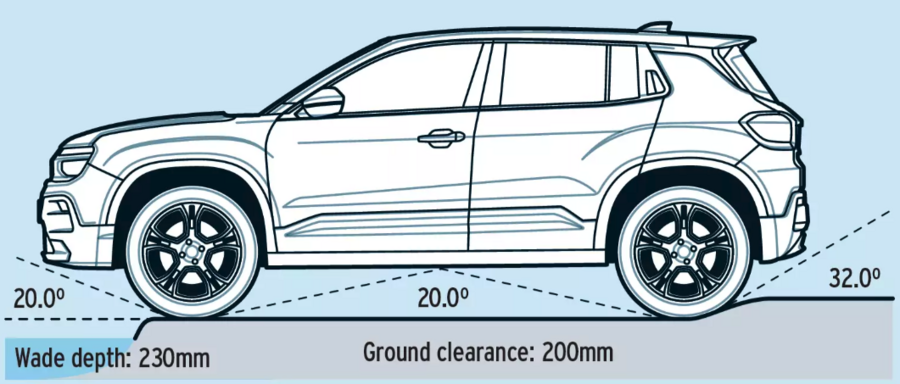
Unlike the Wrangler, the Avenger is not Trail Rated – Jeep’s moniker for cars signed off on the infamously brutal Rubicon Trail. This car should, however, get you quite a bit farther down a dirt track than your typical compact EV.

For one thing, while its geometries are no rival for something like a Suzuki Jimny, its short overhangs, good ground clearance and short wheelbase mean approach, departure and breakover angles are generous.

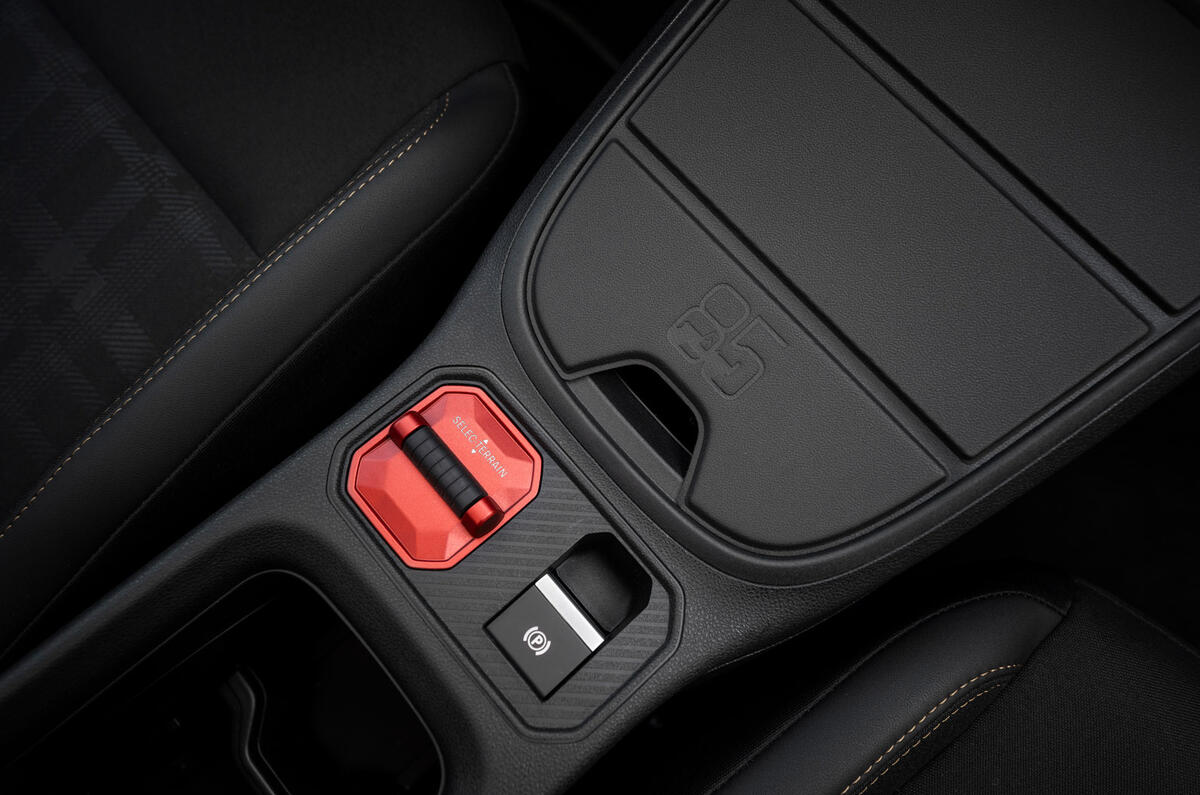
The Avenger also sports a Selec-Terrain system with modes for snow, mud and sand. There are, of course, limits to how the ESP and traction control systems alone can maximise capability on these surfaces, but they ought to make a tricky situation a little less tricky – although you'll need to ditch the EV's energy efficient rubber for more serious mud+snow boots to make the most of the systems' effectiveness.


INTERIOR

Jeep Avenger 4xe EV review 2026 009

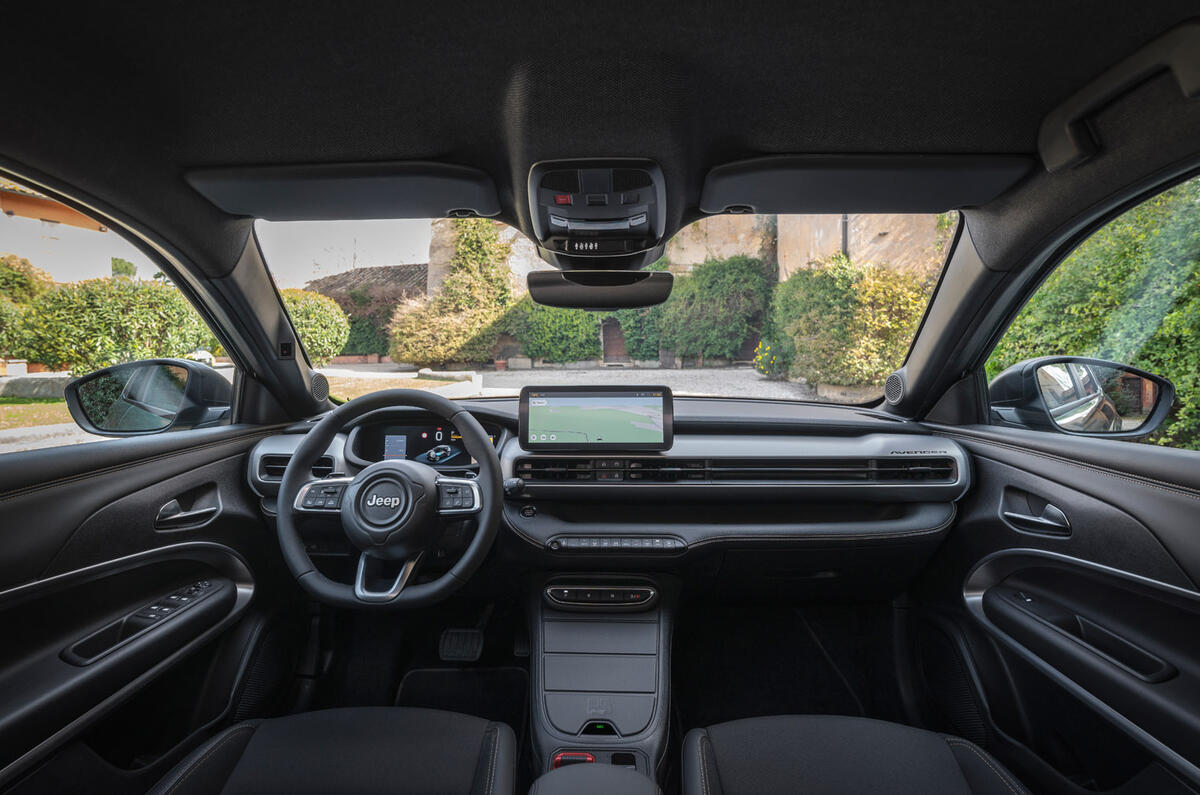
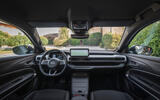
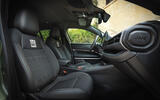
The Avenger is quite clever in the way it shapes your perceptions. The car can hardly be described as a ‘proper’ off-roader in mechanical terms, yet when you first slide aboard it does give quite a convincing impression of something tough and capable, a little like the Suzuki Jimny always has.

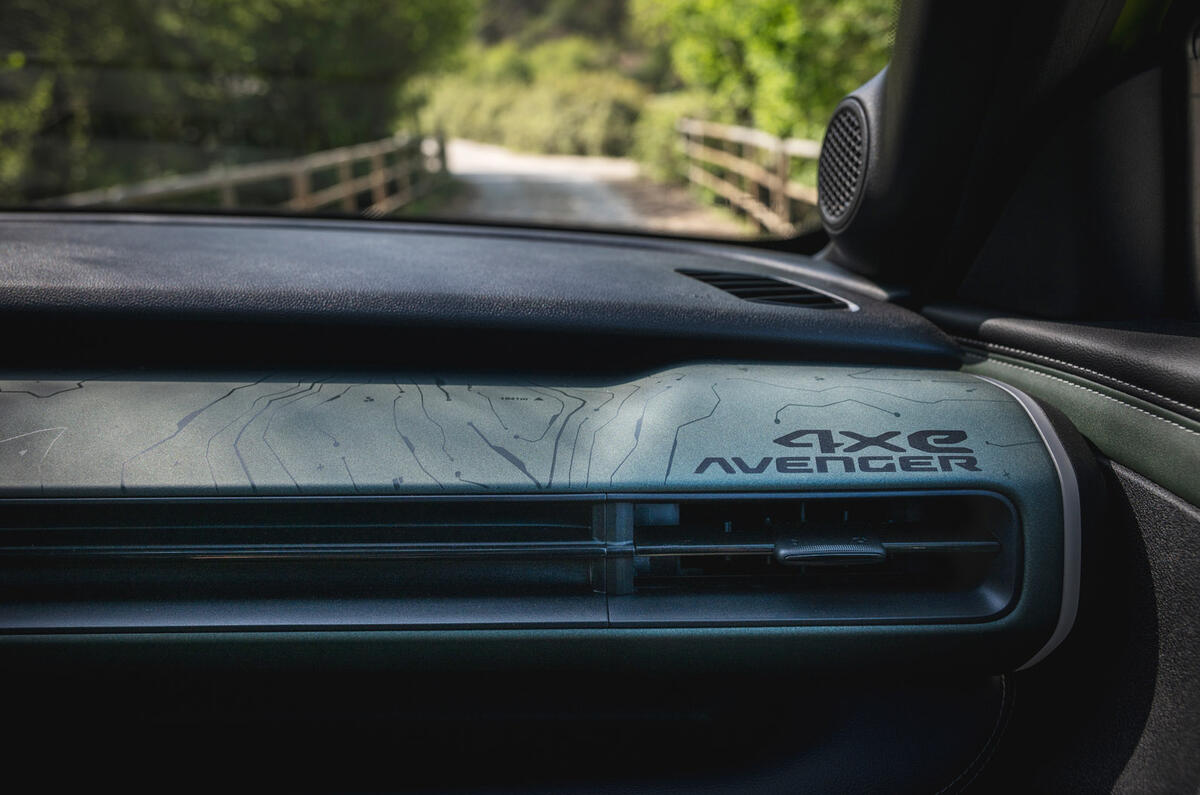
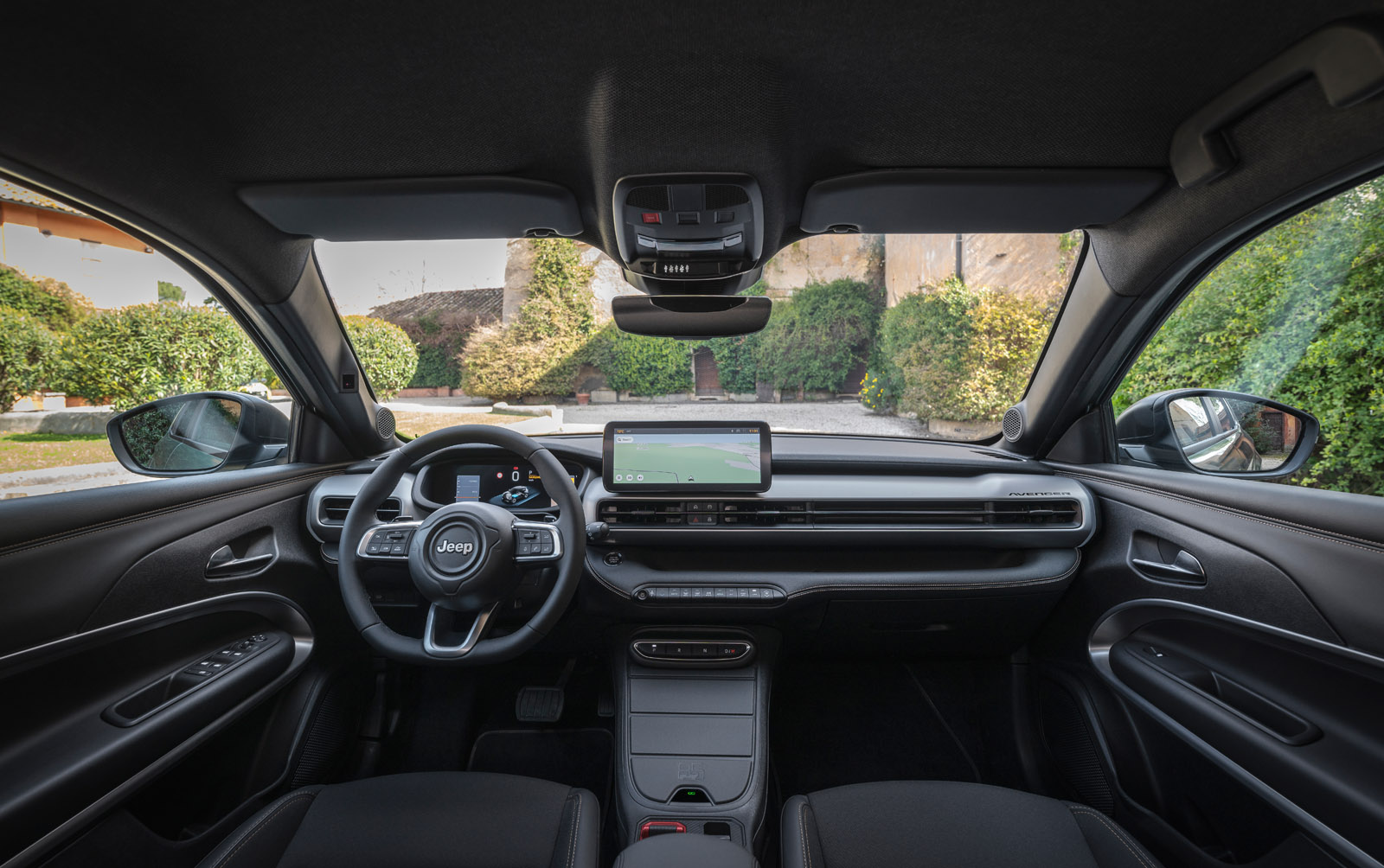
The scuttle feels high and the roofline low, with the broad, flat bonnet lapping up against the base of the windscreen. The steering wheel is small and neat, the switchgear is utilitarian and the digital displays are only as large as they need to be.

The body-coloured dashboard bar not only brightens the cabin but also adds to the sense of ruggedness, in some way bringing the exterior design inside

There is plenty of adjustability in the driving position, but your fundamental posture is one of being perched up, with a commanding view forward, even if you are not in fact especially far off the ground. It all contrives to make the Avenger feel interesting and faintly adventure-ready.
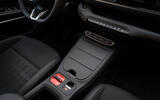
Storage is strong, too. There is a deep cubby in the centre console, the door pockets are of a good size and there’s an extremely useful shelf that spans half the width of the dashboard. It’s great for keeping oddments within easy reach, instead of having to ferret around blindly in the usual storage spots.

This cabin is certainly built to a price, though. There is a fair amount of hard plastic in here, and the inside of the Avenger can feel drab if you don’t have the yellow dashboard bar to enliven it. However, the recent updates extend to padded and double-stitched trim inserts for the dash top and door trims, and these add a little extra premium appeal.

The Cupra Born, Smart #1 and BYD Atto 3 all feel considerably more plush, and the ergonomics aren’t especially impressive anywhere other than the Jeep's front row.

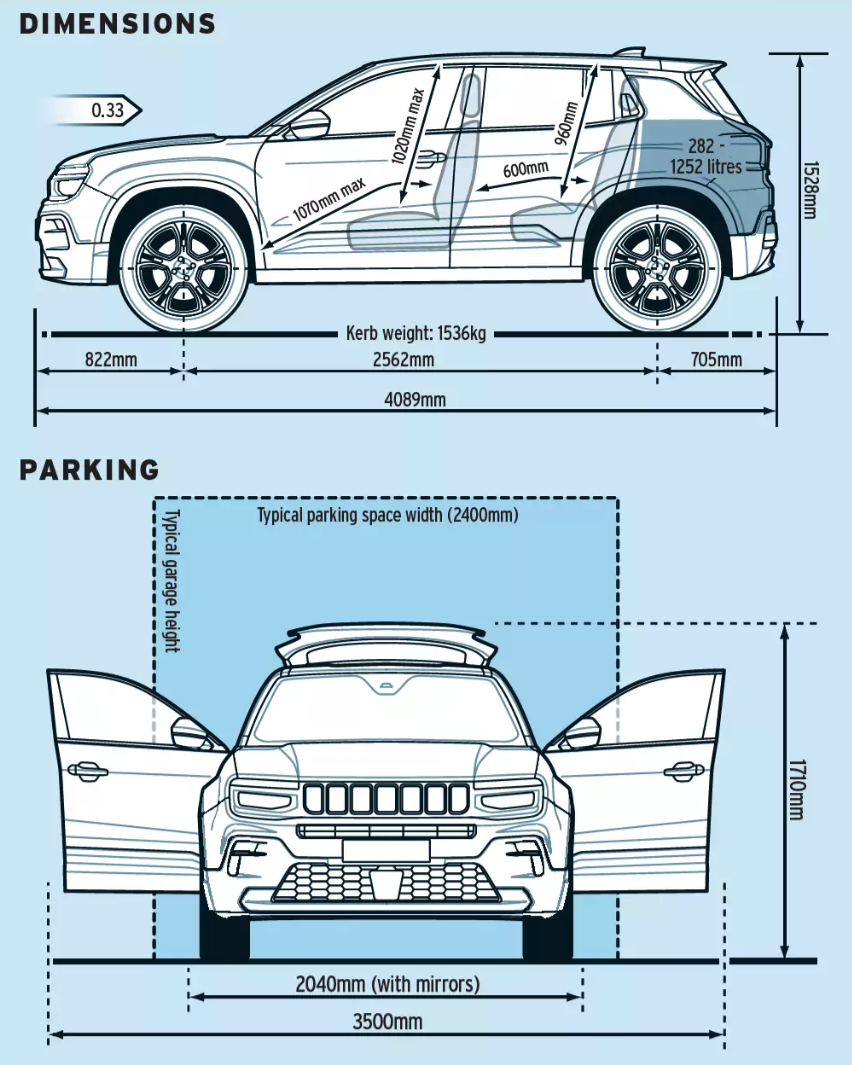
Rear leg room is among the least generous in the class, and boot space is adequate for a B-segment car but also falls some way short of that offered by rivals from Peugeot and Kia.

Multimedia system
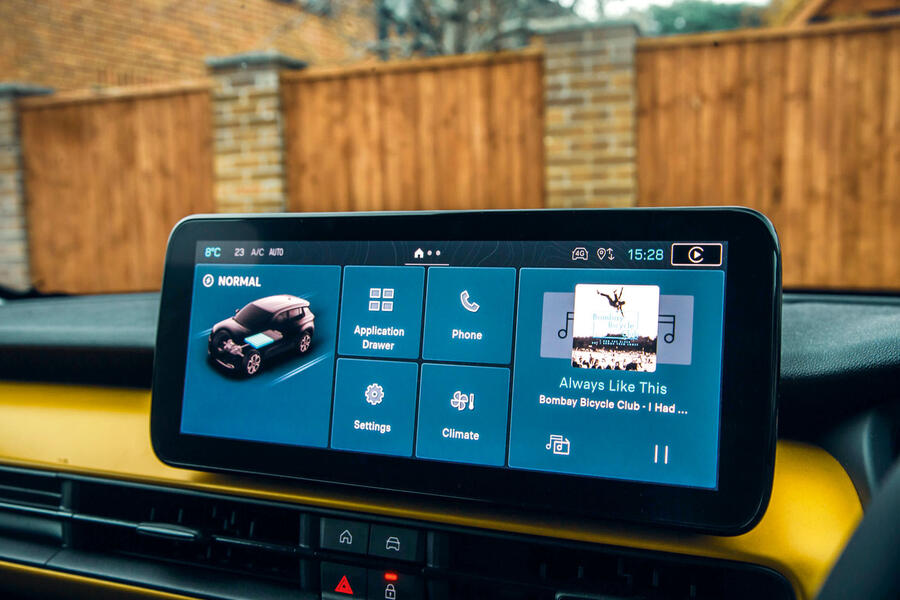
All versions of the Avenger get a 10.25in infotainment unit that sits within easy reach on top of the dash. It is easily configurable and gives the driver the ability to flick between readouts for navigation, efficiency and media using buttons on the steering wheel. 

The central touchscreen is decently crisp in its graphics. It is the same one found in numerous other Stellantis-built cars – everything from the Fiat 500 to the Maserati MC20, in fact. It’s high-mounted but unintrusive and offers Apple CarPlay and Android Auto connectivity, both of which are integrated well. As part of the car's refresh, in-built navigation is now included: it is linked to the car to offer routes that take into account the car's battery levels and nearby chargers.

As well as the usual functions, this display is also used to access climate controls and ADAS. The latter features a physical shortcut button just below the screen, allowing quick and easy tailoring of the most intrusive systems.

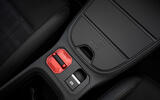
You will find two USB ports in the, but there’s only one in the back. Don’t expect too much from the six-speaker sound system, either.

 

ENGINES & PERFORMANCE

6
Jeep Avenger 4xe EV review 2026 016

While Jeep has tweaked the exterior and tinkered with the interior of the all-electric Avenger, mechanically it has been left alone (unlike its petrol and hybrid siblings). As a result, it drives and feels much like the pre-facelift example we subjected to our instrumented road test in 2024.

Nearly 200lb ft of immediately available torque and efficiency-optimised tyres (in this case from Goodyear) could very easily translate into traction problems, particularly on a damp surface (as was the case when we performance-tested the car).

But the Avenger doesn’t suffer from any such issues because, as well as powering the drive motor, its nickel-manganese-cobalt battery pack essentially doubles up as an additional traction control device.

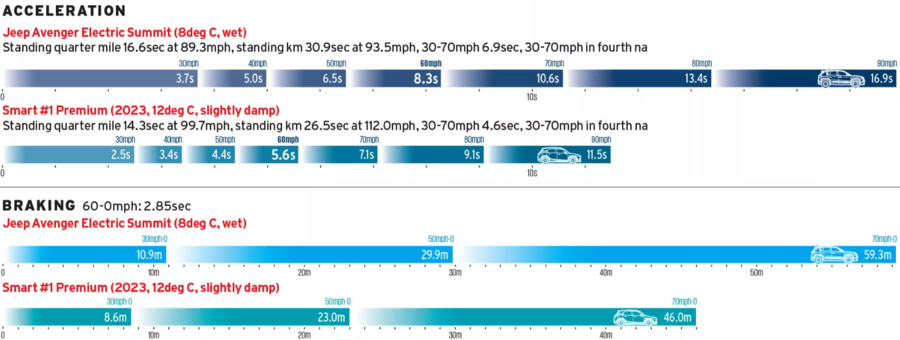
As we'll shortly discover, this car hides its considerable kerb weight well in handling terms, but when it comes to straight-line performance, the extra weight of the battery has a clear effect. Accelerator response itself is good: it is appreciably immediate in the default driving mode and hardens into something satisfyingly sharp when you move into Sport, but progress thereafter is steady, as shown by our recorded 8.3sec 0-60mph time.

By comparison, the MG 4 EV recorded 7.1sec and the Smart #1 a mere 5.6sec. Yes, those rivals are notably more powerful than the Jeep, but they’re also even heavier – and they are no more expensive when comparably equipped. The MG 4 is conspicuously cheaper, in fact.


It feels as though the Avenger should be quicker, and while it is possible that cold test conditions hampered its performance, even the official 0-62mph time is a stately 9.0sec. Those in search of effortless overtaking prowess should look elsewhere.

Meanwhile, braking suffers from a somewhat springy pedal feel, although this is not uncommon among EVs from less premium brands. The Avenger does at least have a well-calibrated regenerative braking mode (marked ‘B’ on the strips of drive mode selection buttons).


RIDE & HANDLING

7
Jeep Avenger 4xe EV review 2026 017

There’s little reason to dwell on the Avenger’s handling credentials. The nutshell is that this car moves with surprising neatness and accuracy, but the driving experience pulls up short of generating anything in the way of real entertainment.

The reason its composure can be chalked up as ‘surprising’ is because, due to the floor-mounted battery pack, the centre of gravity is simply much lower than the bodywork suggests.

There is a satisfying feeling of alertness to the way the Avenger changes direction, and it is nicely balanced. Both traits are recognisable from modern small Peugeots built on the same platform, and they give this little Jeep a good degree of ‘fun-loving city-car’ feel, despite the beefy stance.

The steering is also geared sensibly and makes the Avenger an intuitive companion even on tortuous routes, despite the rack's conspicuous lack of feel and a rubbery quality to the way it moves through those initial degrees either side of dead ahead.

Mostly, though, the Avenger should be praised for its easy drivability: it is happy to be either flowed or hustled on any road, which is all you can reasonably ask of a small electric crossover masquerading as a 4x4. However, drive the lighter petrol and hybrid versions and it reminds you of how much extra weight the EV carries over the entry-level petrol (340kg to be precise) and how much this extra avoir du pois affects the car's responses.

Comfort & Isolation

As we have established, there is very little wrong with the driving position in the Avenger, although several testers noted the absence of adjustable lumbar support and the somewhat flat seats, which lack much bolstering.

In this respect, there are worse culprits among  the Jeep’s numerous competitors, not least the Smart #1, although others do noticeably better, such as the Cupra Born and, to a lesser degree, the MG 4. These cars are better long-distance options, not least because they also offer a more recumbent posture.

Nevertheless, in terms of ride quality, the Avenger rolls along smooth roads mostly without a care in the world. It doesn’t have the choppy vertical control that tall cars with short wheelbases sometimes show, yet neither does it roll languidly in corners.

On an uneven road there is a level of head-toss as the comparatively basic suspension struggles to isolate one side of the car from the other, but most roads don’t pose serious problems in this respect, and when they do, there’s no compact crossover that isn’t vulnerable to this effect.

So the Avenger is, on good roads and particularly when driving at a decent pace, easy company indeed. Problems arise when speeds drop off and the road surface deteriorates. Or, in other words, the precise conditions in which your typical Avenger is likely to find itself in this country.

This car struggles to absorb short, sharp suspension inputs, particularly at the back axle. Ride quality can sometimes feel plain crashy, which is likely to be a direct trade-off for the composure with which the Avenger dispatches good, smooth roads.

In terms of acoustic isolation, the Avenger is average. It is not notably loud or quiet and therefore probably deserves some credit for the way in which its blocky dimensions don’t obviously translate into wind roar, as you would naturally expect.

According to our microphones, the car is fractionally louder at all speeds than the globular-looking Smart  #1, but it is considerably quieter than the larger and more expensive, and now discountinued, Honda e:Ny1.

MPG & RUNNING COSTS

7
Jeep Avenger 4xe EV review 2026 001

In terms of price, the Avenger looks like relatively good value, especially in current entry guise - the £34,000 85th Anniversary. It puts it on a par with models such as the MG ZS, Kia Niro EV and the closely related Peugeot e-2008.

All Avengers are fitted with a heat pump, which should help maintain both charging speed and driving range in cooler conditions. However, a test average of 3.4mpkWh translates to a real-world range of around 170 miles, versus the claimed 249 miles. We have, in previous tests, clawed more than 220 miles out of the Avenger on a single charge and in challenging conditions, but this requires ever-judicious use of the accelerator.

By comparision, during its road test the Smart #1 returned almost 230 miles, with its bigger battery and better efficiency.

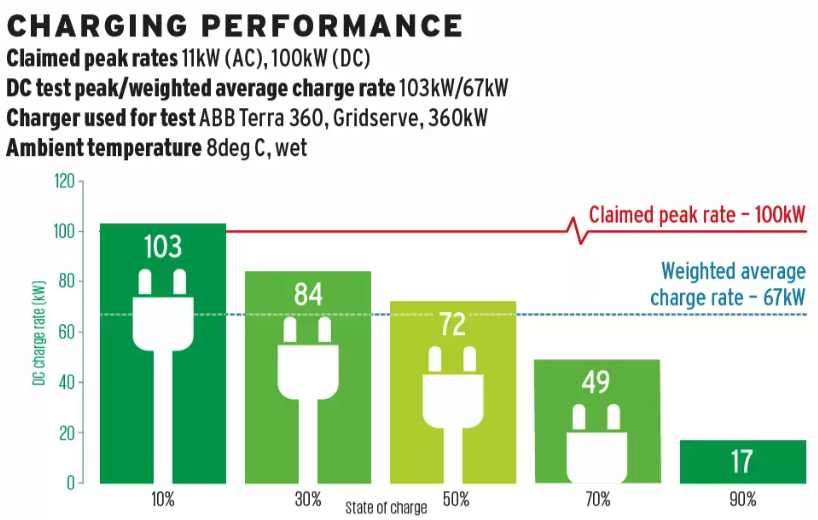
Anybody planning on using their Avenger in a manner requiring the use of public charging stations should also note the car’s 100kW maximum charging rate, which is slower than some rivals’.

In practice, we found that the rate dropped off to below around 80kW quite quickly, so don’t expect speedy pit stops during longer journeys. 

It's worth noting that as part of its facelift, Jeep has introduced V2L capability. Using a dealer-purchased accessory, the Avenger can be used to charge devices at up to 3.6kW.


LONG-TERM REPORTS


VERDICT

7
Jeep Avenger 4xe EV review 2026 018

The Avenger's sales succes has helped transform Jeep's fortunes, leading to it commiting to a six-car line-up in Europe by 2030. In fact, its showroom star has shone so brightly that bosses clearly didn't want to mess with what they felt was a winning formula when it came to the facelift.

As a result, the electric version remains likeable enough for most of its smaller flaws – limited rear visibility and leg room – to be easily forgiven. It has character, is fun to be around and in general works well as a small but versatile EV.

The reason it doesn’t score more highly here concerns ride quality. The Avenger could go a little farther, charge a little faster and have more interior space, but it is broadly competitive in these respects. It is the sometimes crashy ride on less than perfect road surfaces, and at lower speeds, that is harder to swallow, and it is this that undermines the package somewhat. As a result, it remains surprising that the suspension was one area that was left largely untouched come update time.


How we tested the Jeep Avenger Electric


James Disdale

James Disdale
Title: Special correspondent

James is a special correspondent for Autocar, which means he turns his hand to pretty much anything, including delivering first drive verdicts, gathering together group tests, formulating features and keeping Autocar.co.uk topped-up with the latest news and reviews. He also co-hosts the odd podcast and occasional video with Autocar’s esteemed Editor-at-large, Matt Prior.

For more than a decade and a half James has been writing about cars, in which time he has driven pretty much everything from humble hatchbacks to the highest of high performance machines. Having started his automotive career on, ahem, another weekly automotive magazine, he rose through the ranks and spent many years running that title’s road test desk. This was followed by a stint doing the same job for monthly title, evo, before starting a freelance career in 2019. The less said about his wilderness, post-university years selling mobile phones and insurance, the better.

Richard Lane

Richard Lane
Title: Deputy road test editor

Richard is Autocar's deputy road test editor. He previously worked at Evo magazine. His role involves travelling far and wide to be among the first to drive new cars. That or heading up to Nuneaton, to fix telemetry gear to test cars at MIRA proving ground and see how faithfully they meet their makers' claims. 
He's also a feature-writer for the magazine, a columnist, and can be often found on Autocar's YouTube channel. 

Highlights at Autocar include a class win while driving a Bowler Defender in the British Cross Country Championship, riding shotgun with a flat-out Walter Röhrl, and setting the magazine's fastest road-test lap-time to date at the wheel of a Ferrari 296 GTB. Nursing a stricken Jeep up 2950ft to the top of a deserted Grossglockner Pass is also in the mix.