6

Mazda enlists Chinese help to finally build a long-range EV – can it take the fight to Tesla?

This week’s road test subject may feel like the kind of car that exemplifies 2026. Because even when you think you’re about to read about a familiar family saloon whose provenance can be depended on, what is lying in wait might in fact be another Chinese-built newcomer.

The new electric Mazda 6e proves as much. And the next couple of thousand words should help to answer whether the car’s new origins – not Yamaguchi, Japan, but the factory in Nanjing, China, that Mazda established in a joint venture with Changan nearly 20 years ago – represent a bold and positive step forward for a mid-sized family saloon that Autocar has always liked and rated, or something else altogether.

It would be easy to describe the 6e as Mazda’s first proper crack at an electric passenger car. Easy, that is, but in many ways not actually true, as we will go on to explain.  But it certainly looks that way.

The MX-30 of 2020 was very likeable and quite unusual, of course, but with only 124 miles of range it was just not very credible. The 6e flips the scales. It comes to the UK market about nine months after continental European sales began in 2025, with the performance, efficiency, range and price to give some serious competition to the Tesla Model 3.

It isn’t quirky, alternative or obscure. Instead it clearly aims to be about as mainstream, conventional and competitive as it’s possible for a mid-sized electric car to be. 

So just how much room for ‘Mazdaness’ is leftover within this handsome-looking electric saloon?

Advertisement
Back to top

DESIGN & STYLING

7
Mazda 6e review 2026 002

After years of typically iconoclastic rejection of a large-scale commitment to EVs, then, Mazda is finally placing its big electric bet. The 6e becomes its first global car of many to be produced at the repurposed Changan Mazda ‘global electric vehicle export hub’ in Nanjing.

It is ostensibly an export version of the Chinese-market Mazda EZ-6, with the related CX-6e having the same relationship with the domestic-market EZ-60. Both cars are based on Changan’s EPA1 platform – just like the Changan Deepal S07 crossover, which quietly impressed our road test jury about six months ago.

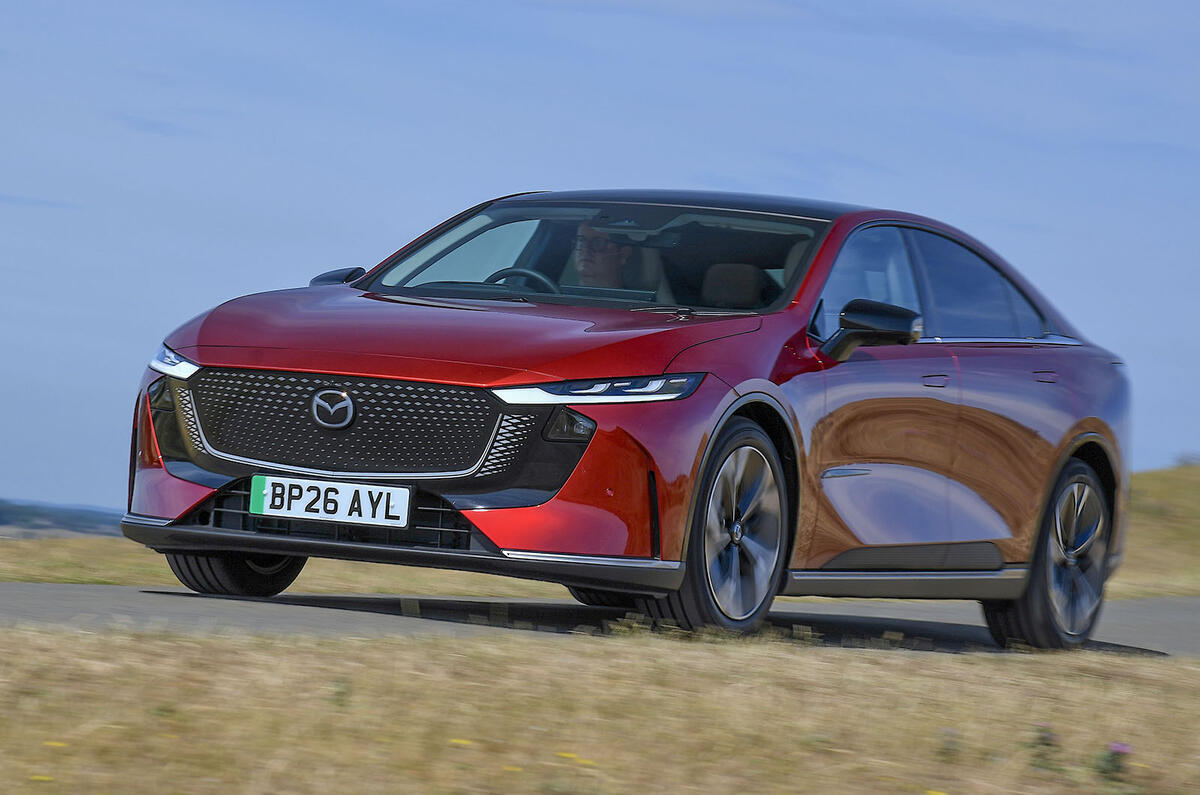
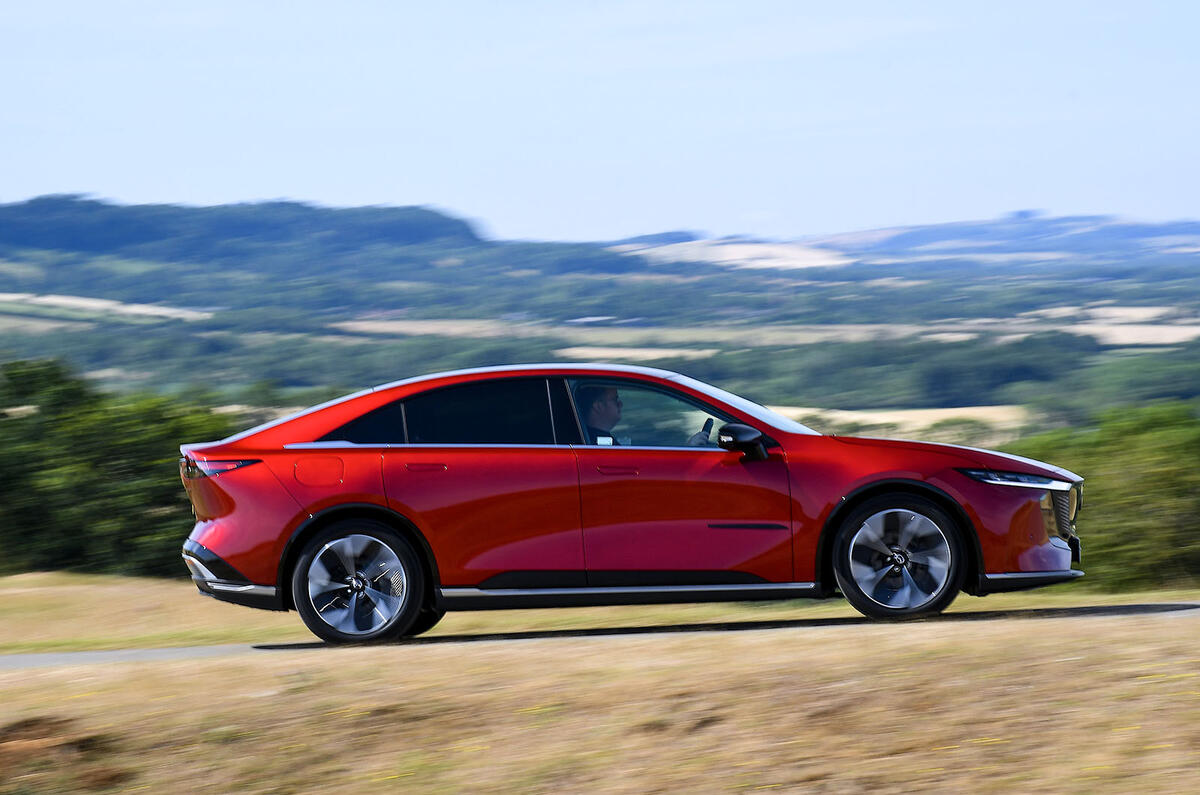
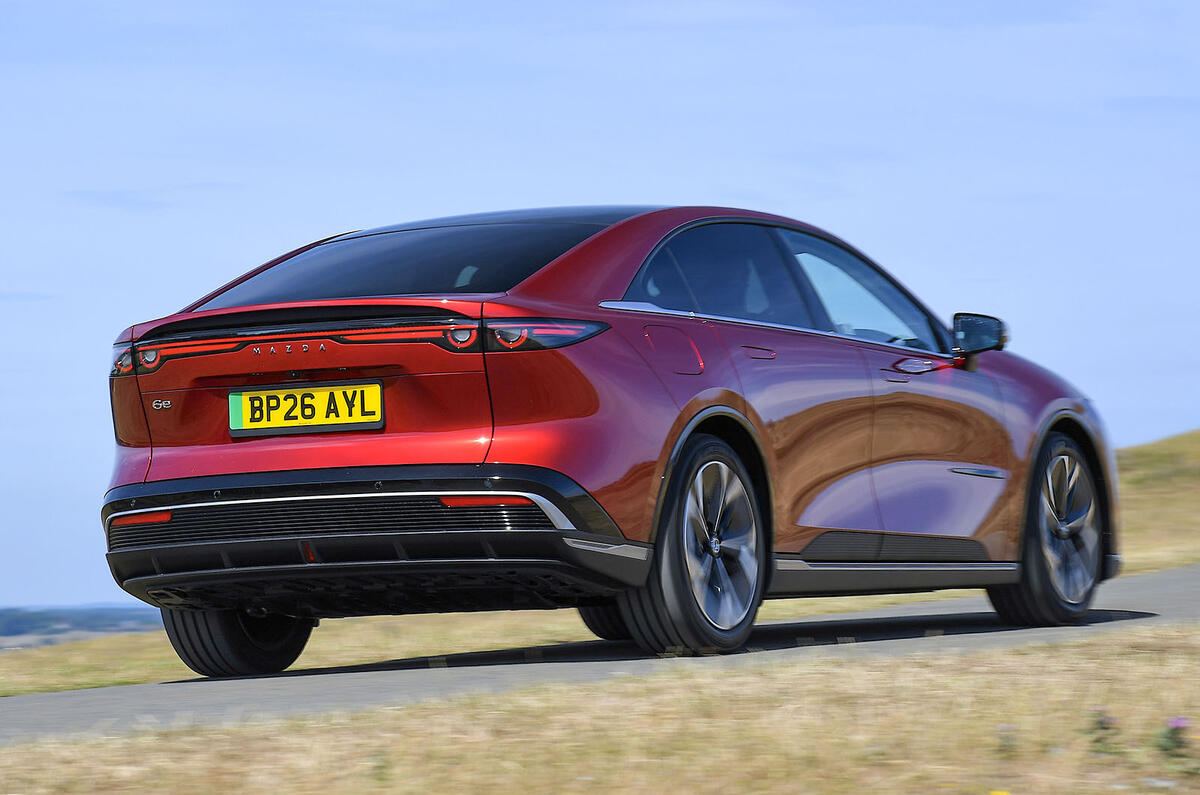
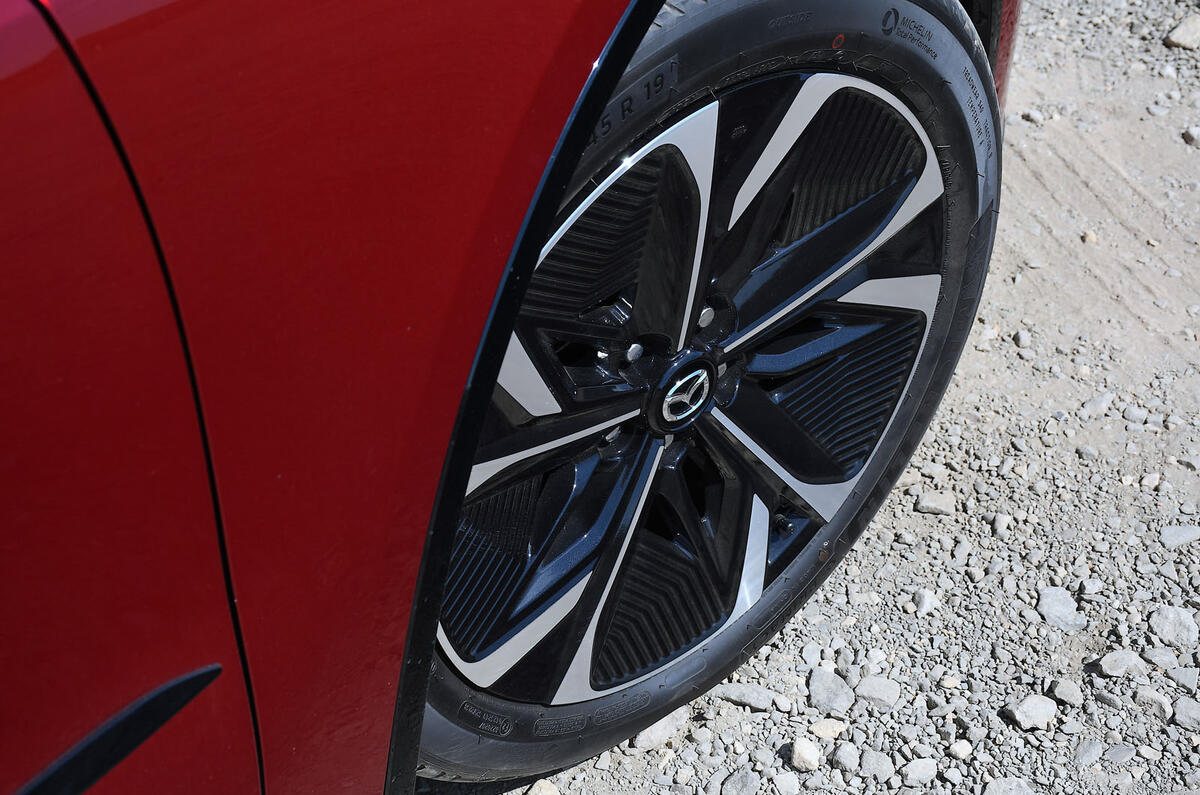
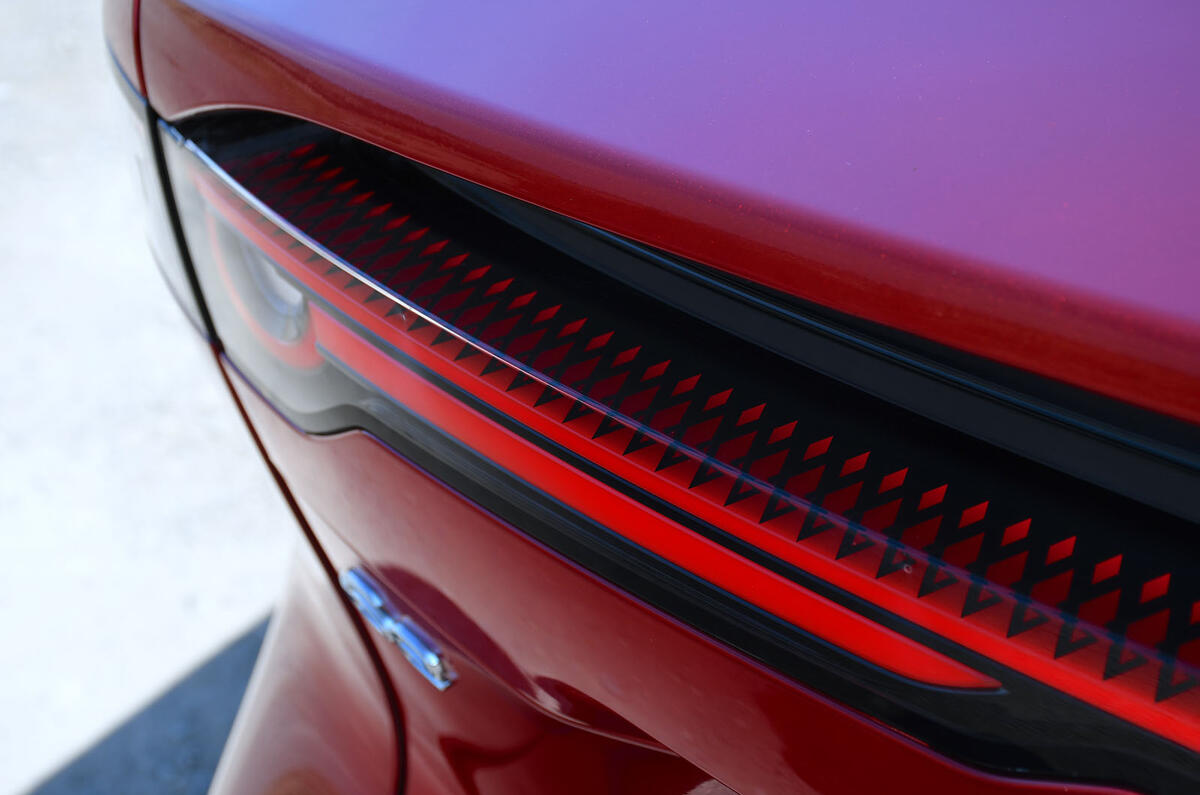
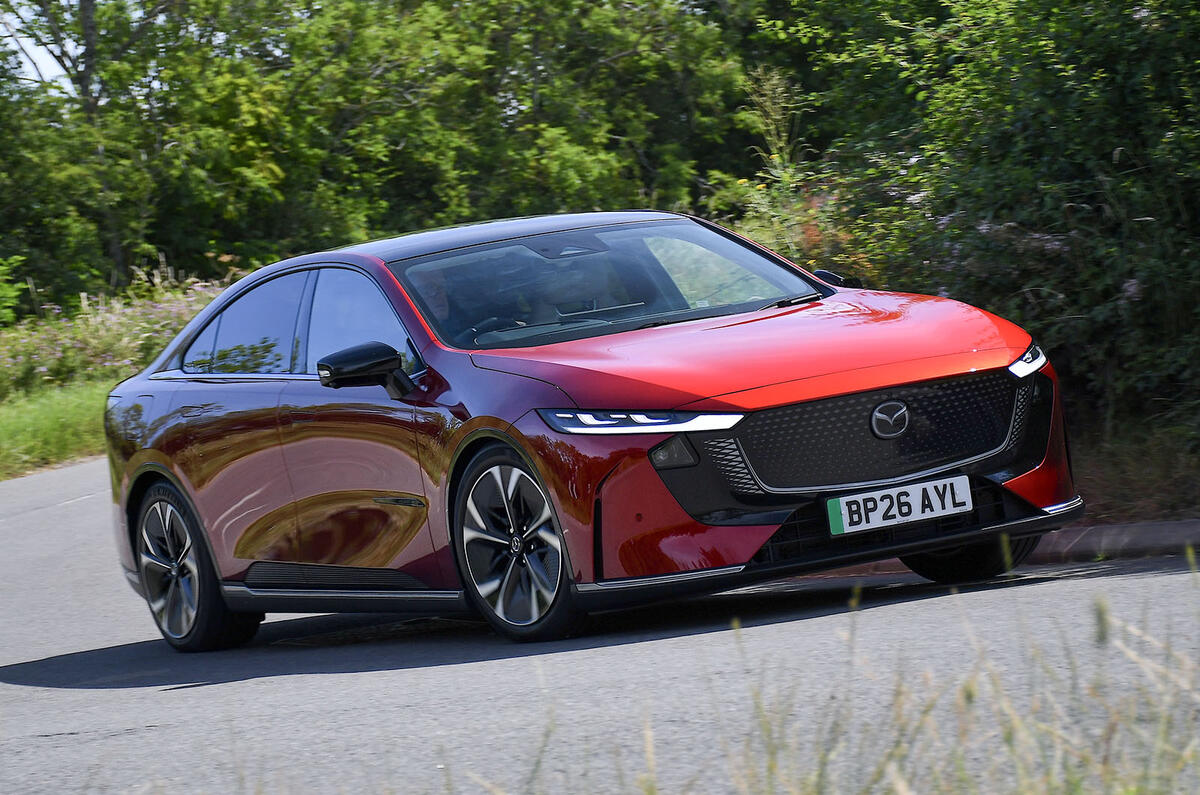
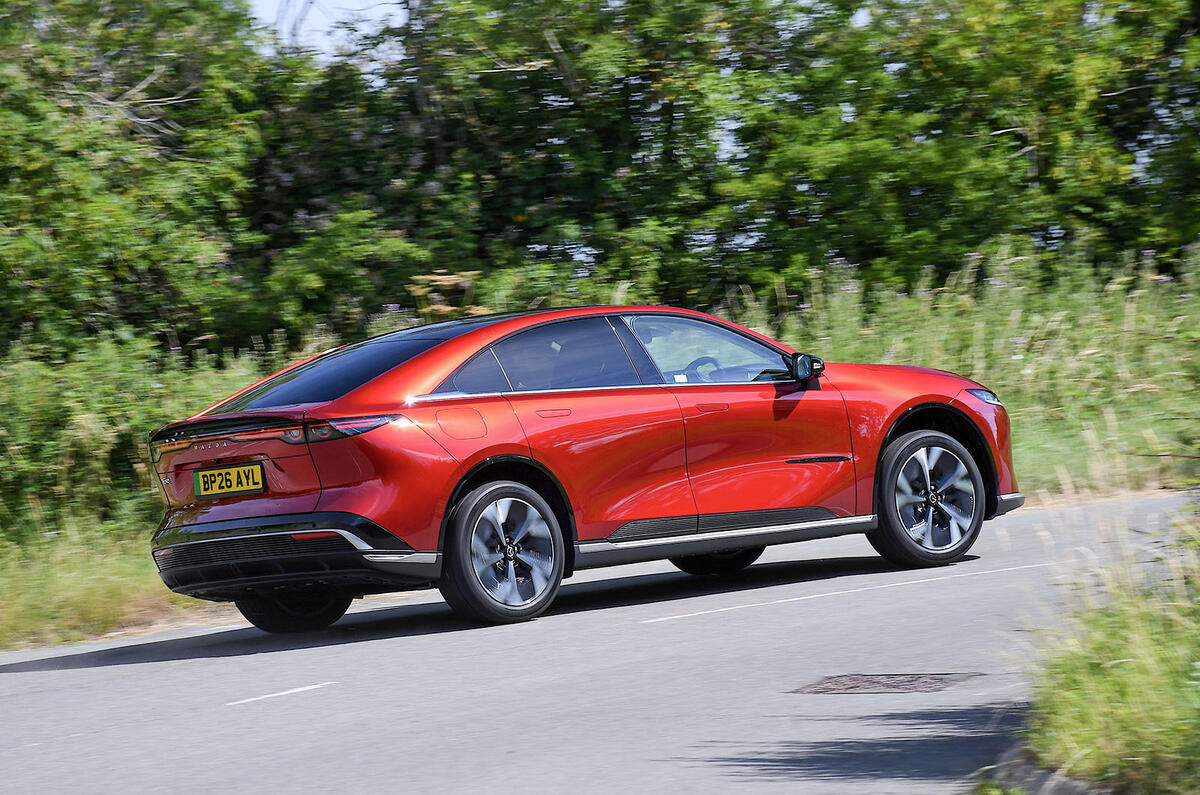
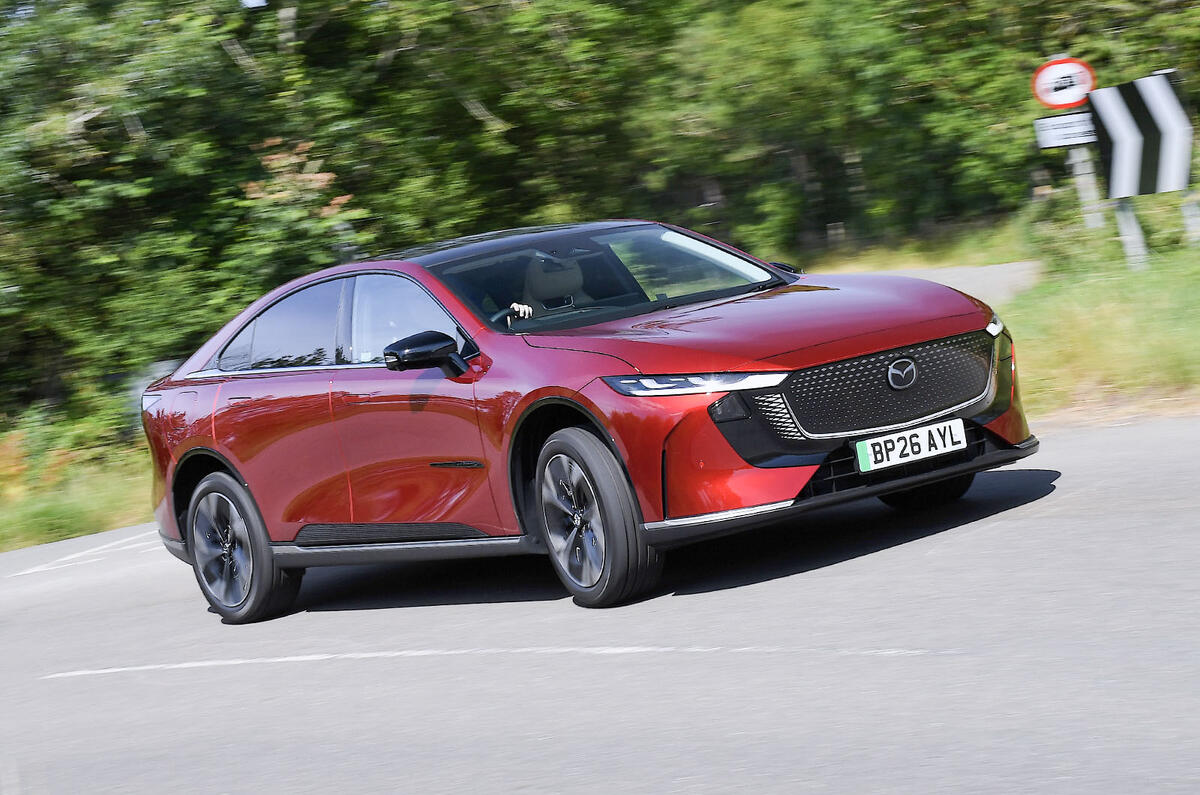
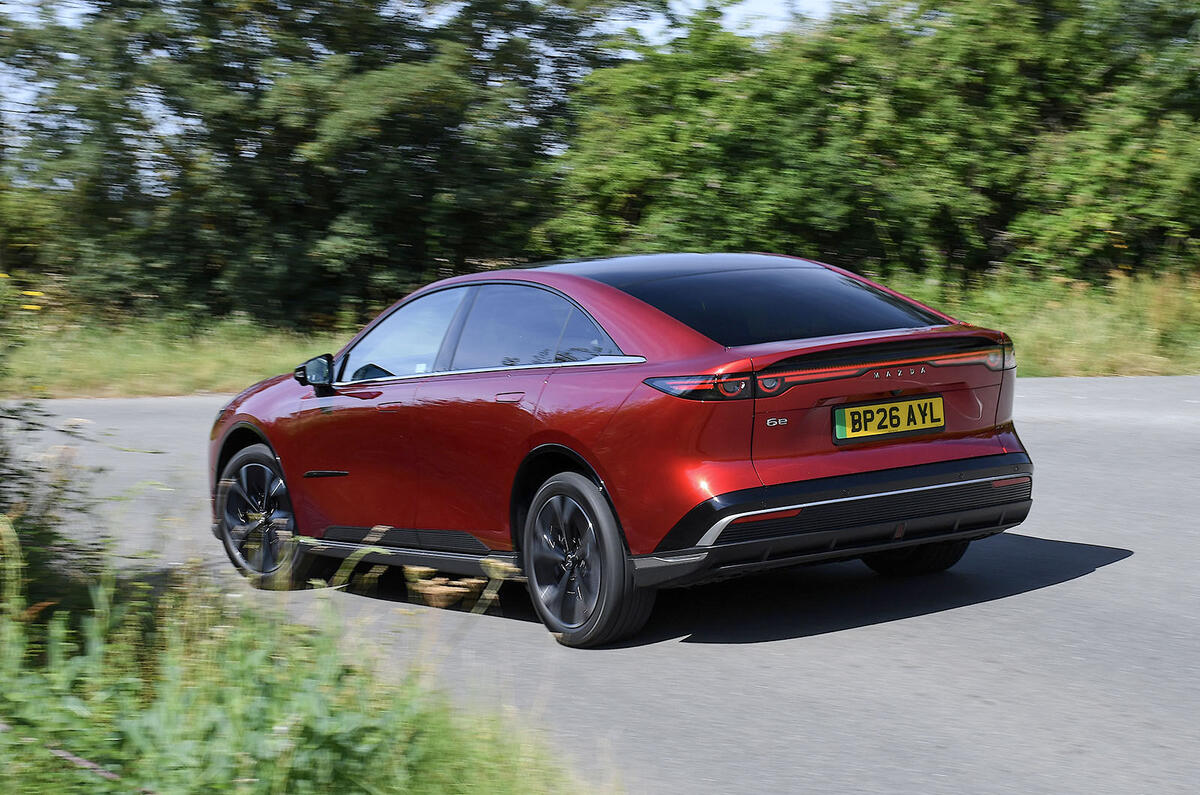
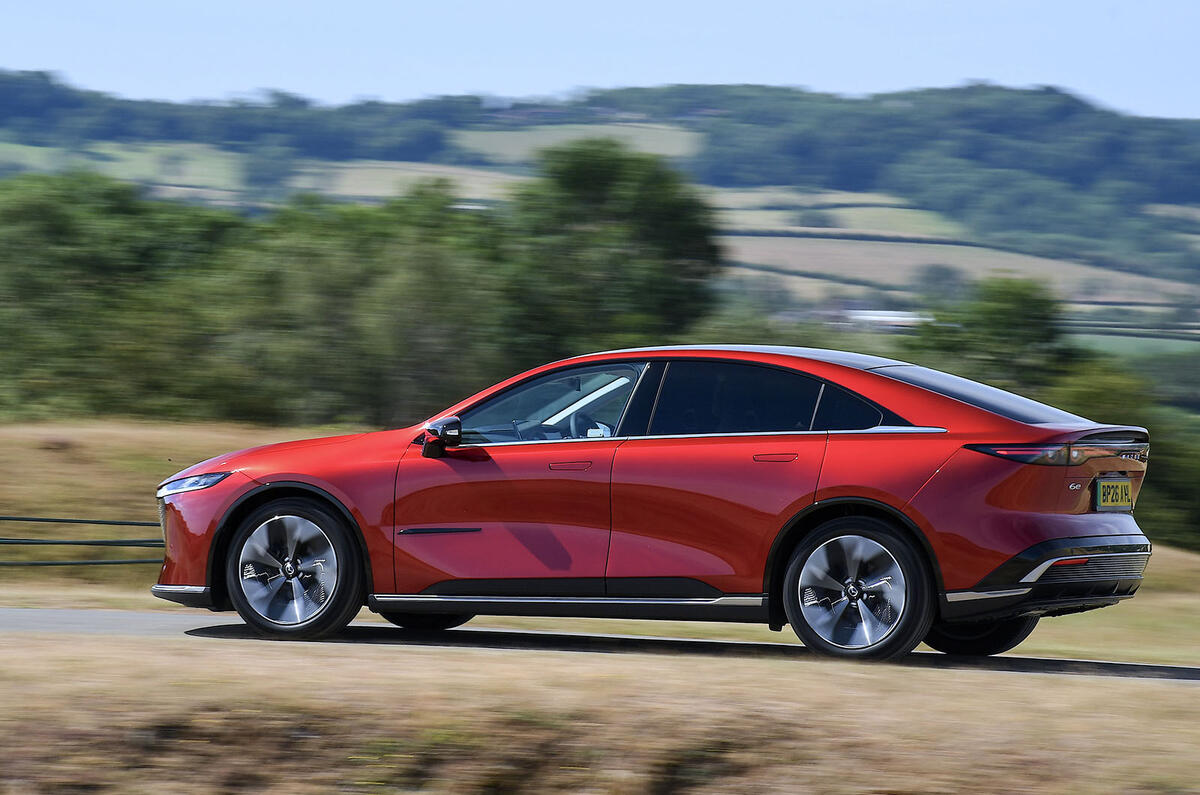
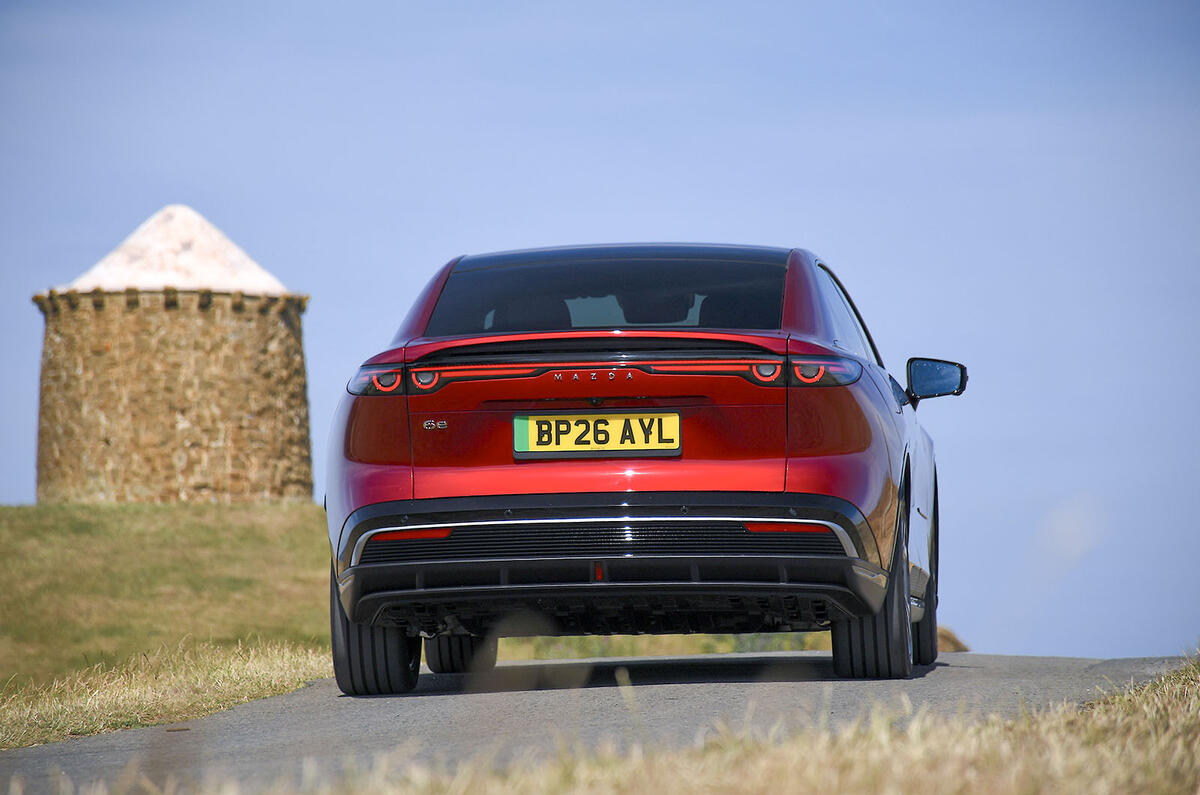
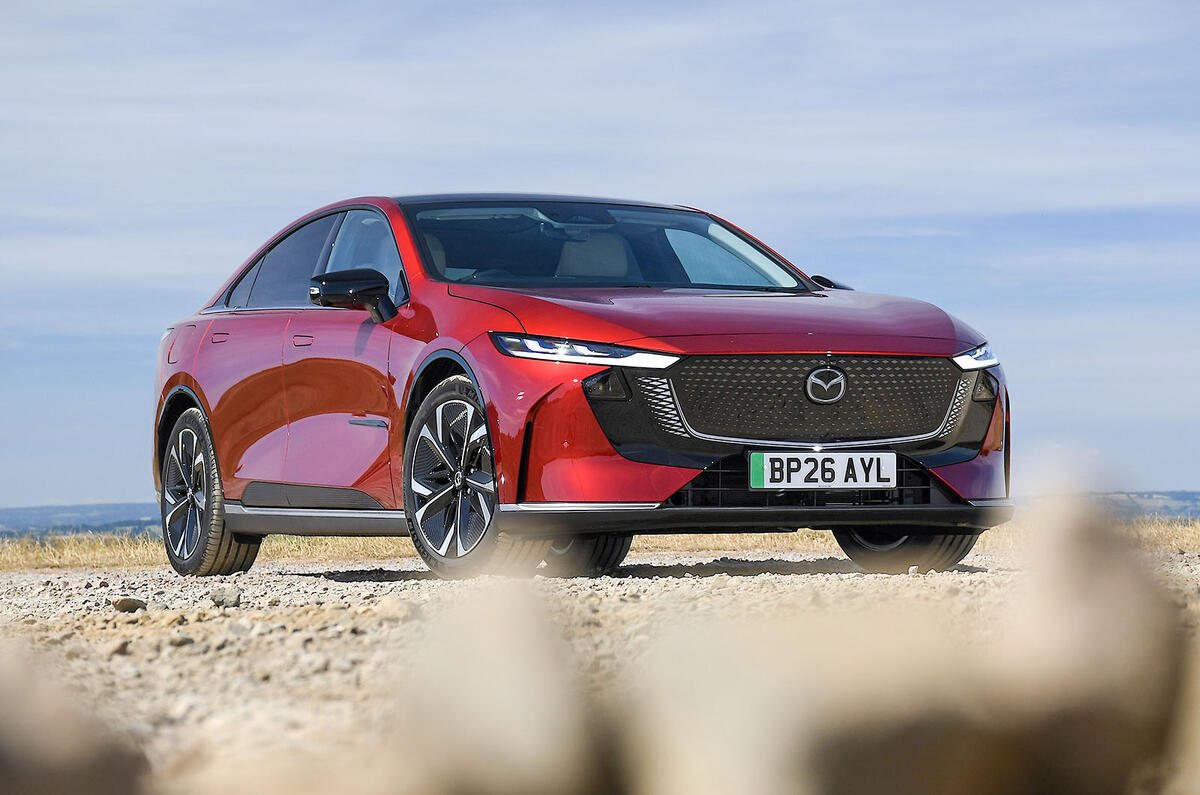
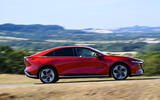
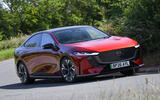
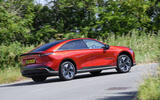
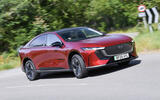
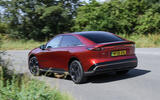
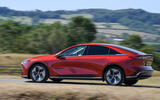
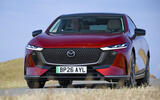
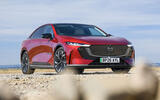
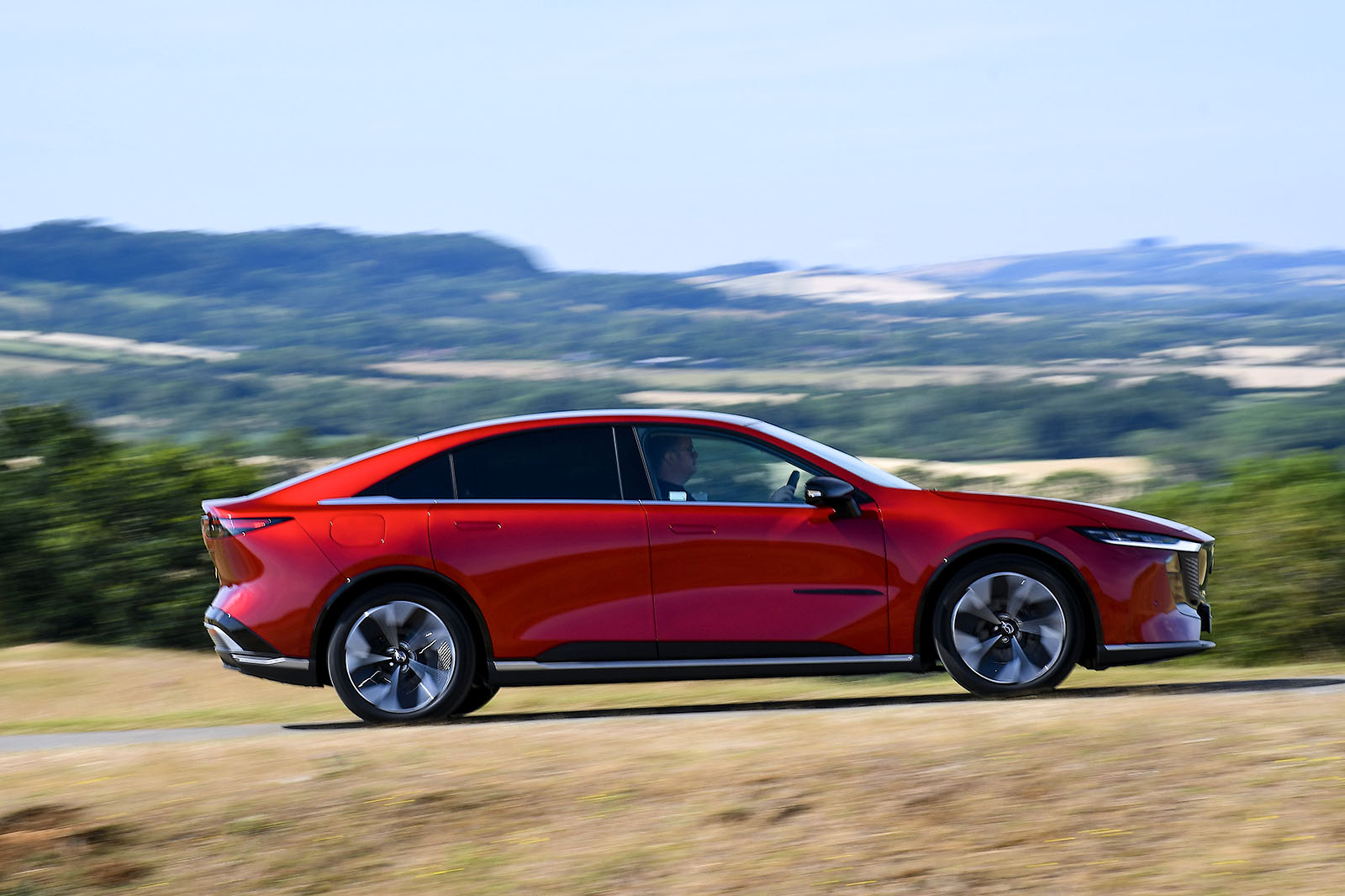
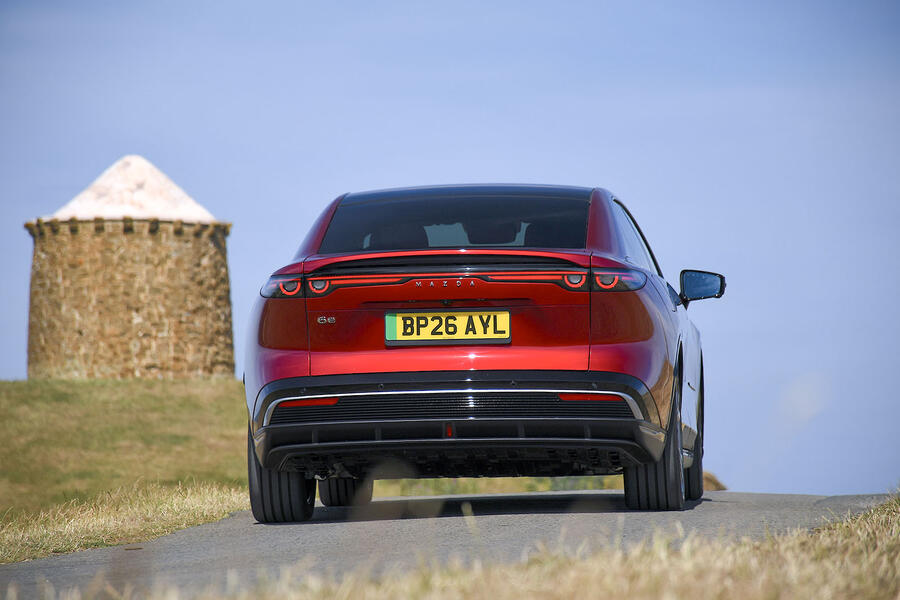
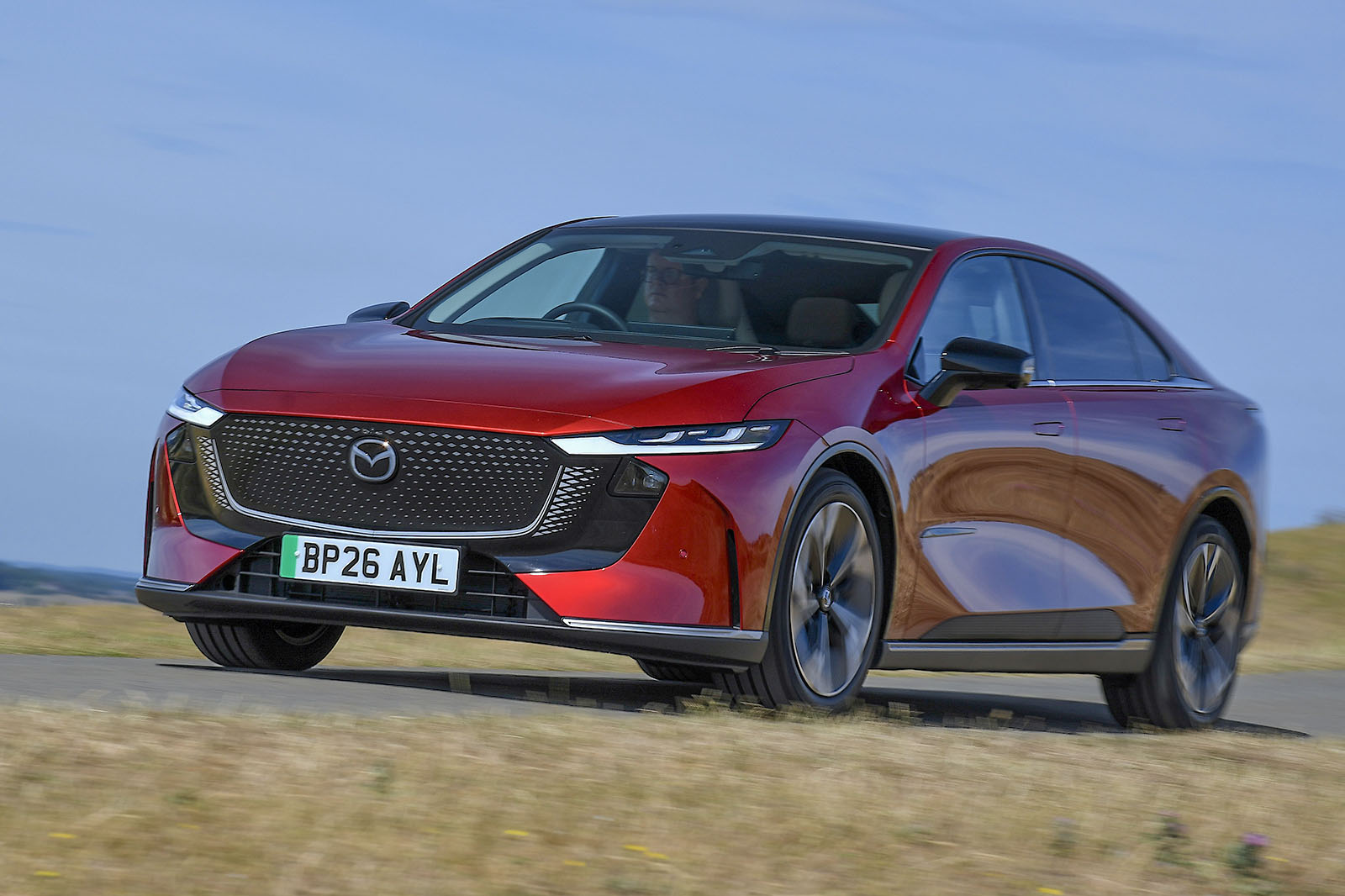
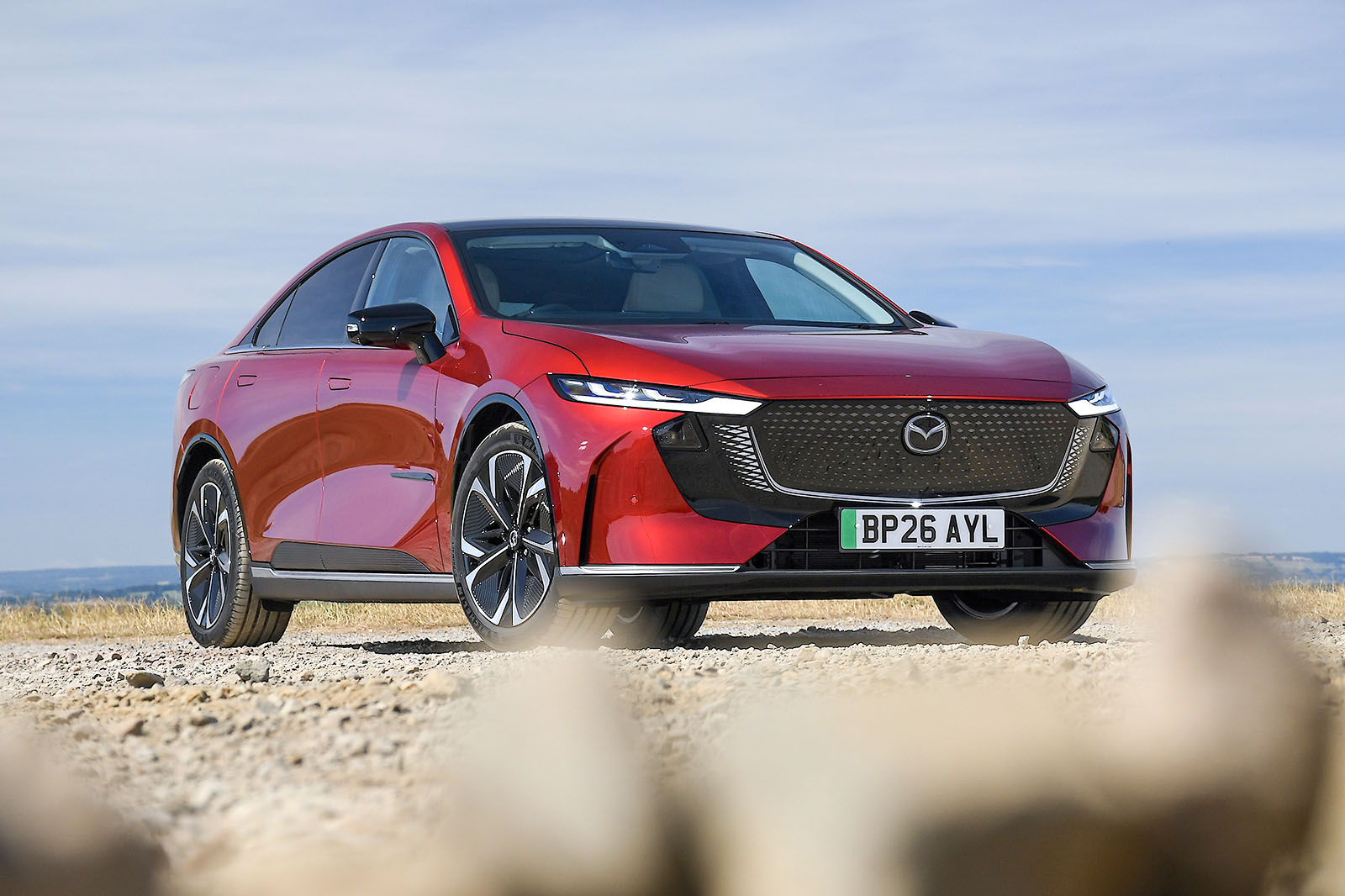
Mazda’s ‘Kodo’ design language shapes the 6e’s flanks to catch the light just so as it moves. Unfortunately, they did it well enough to show the slightly mismatched panel fit of the front and rear doors in our photos.

The longer-term plan is for up to £1 billion in investment to be poured into Mazda’s Chinese factory by 2030, and for the cars that follow these to therefore benefit from new platform and production technology, and greater scale as demand grows, but also from China’s low battery production costs. Mazda is, in a way, reversing into a viable long-term strategy for EVs here – using existing joint-venture technology for the short term, putting one foot in the water to begin with, and investing in the clean-sheet, truly global stuff to be ready by the end of the decade.

So what does all that mean for the Mazda 6e now? Most obviously, a move away from three model generations of combustion-engined cars in favour of electric motors - but there are other technical departures too.

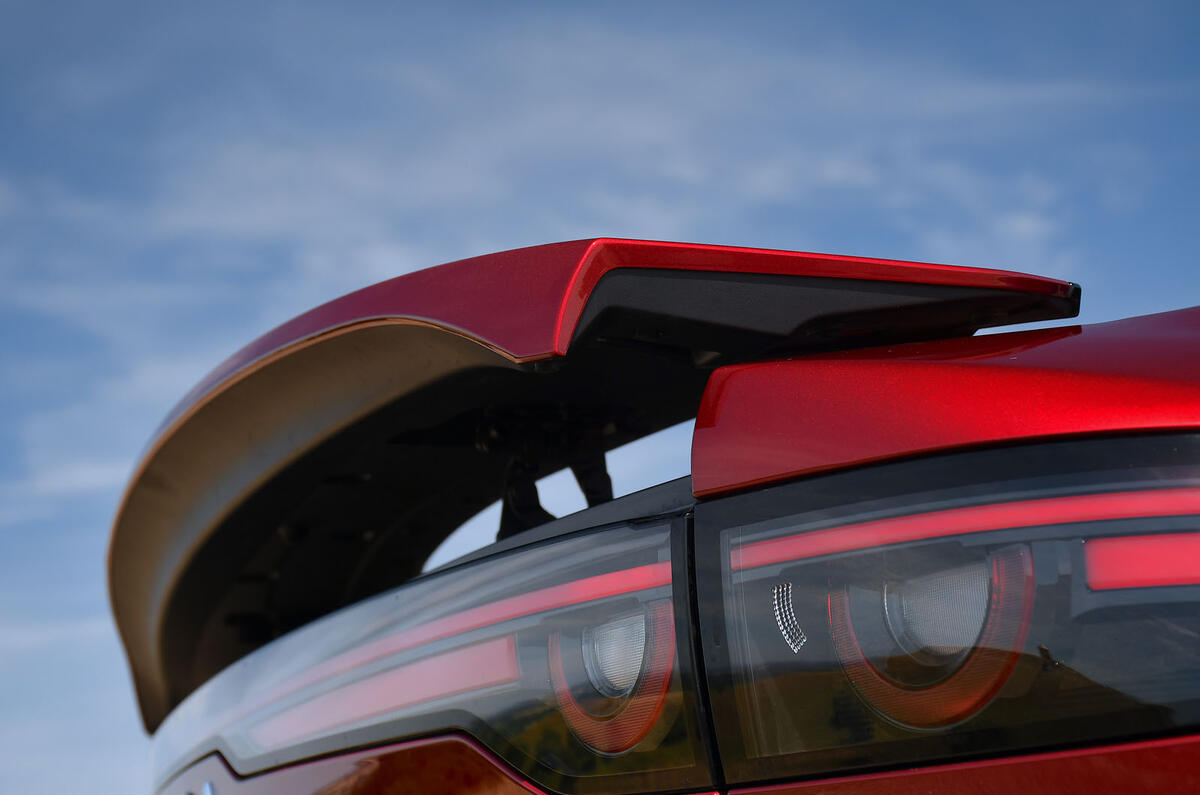
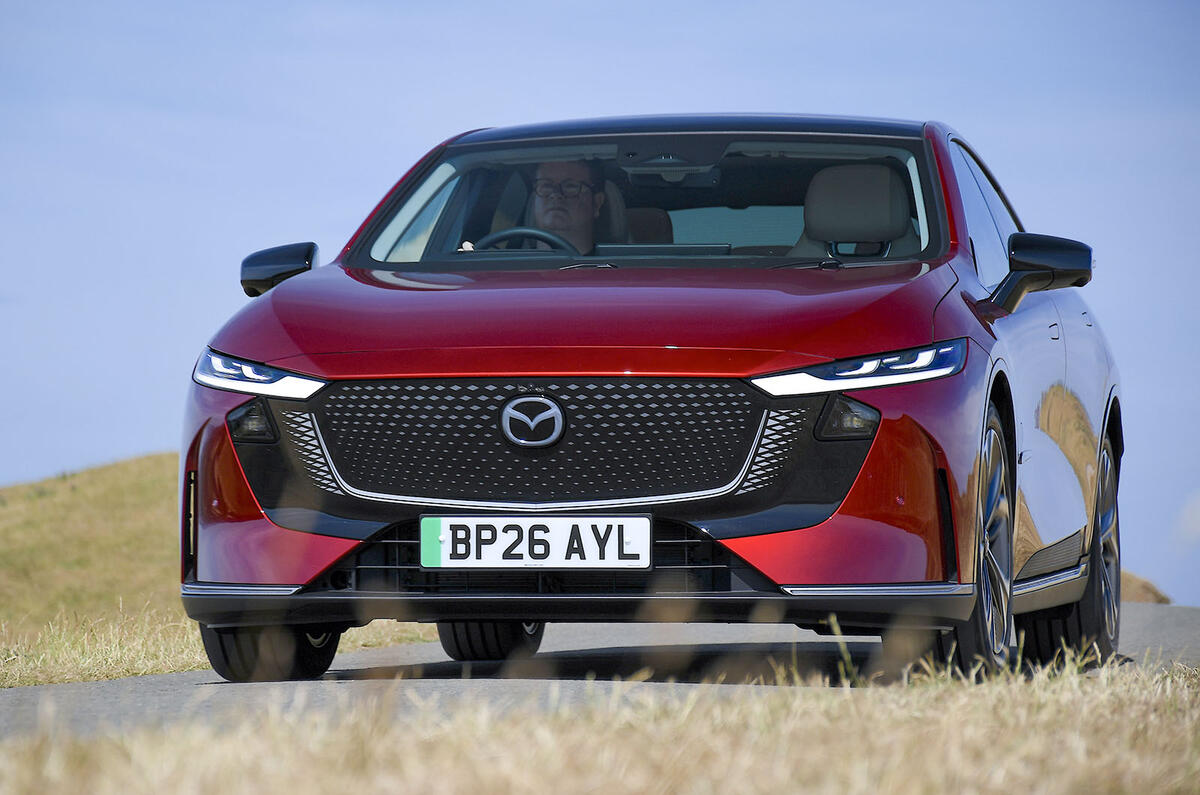
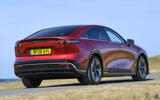
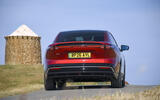
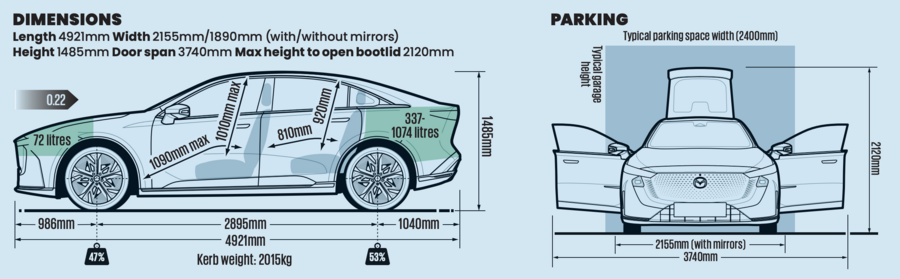
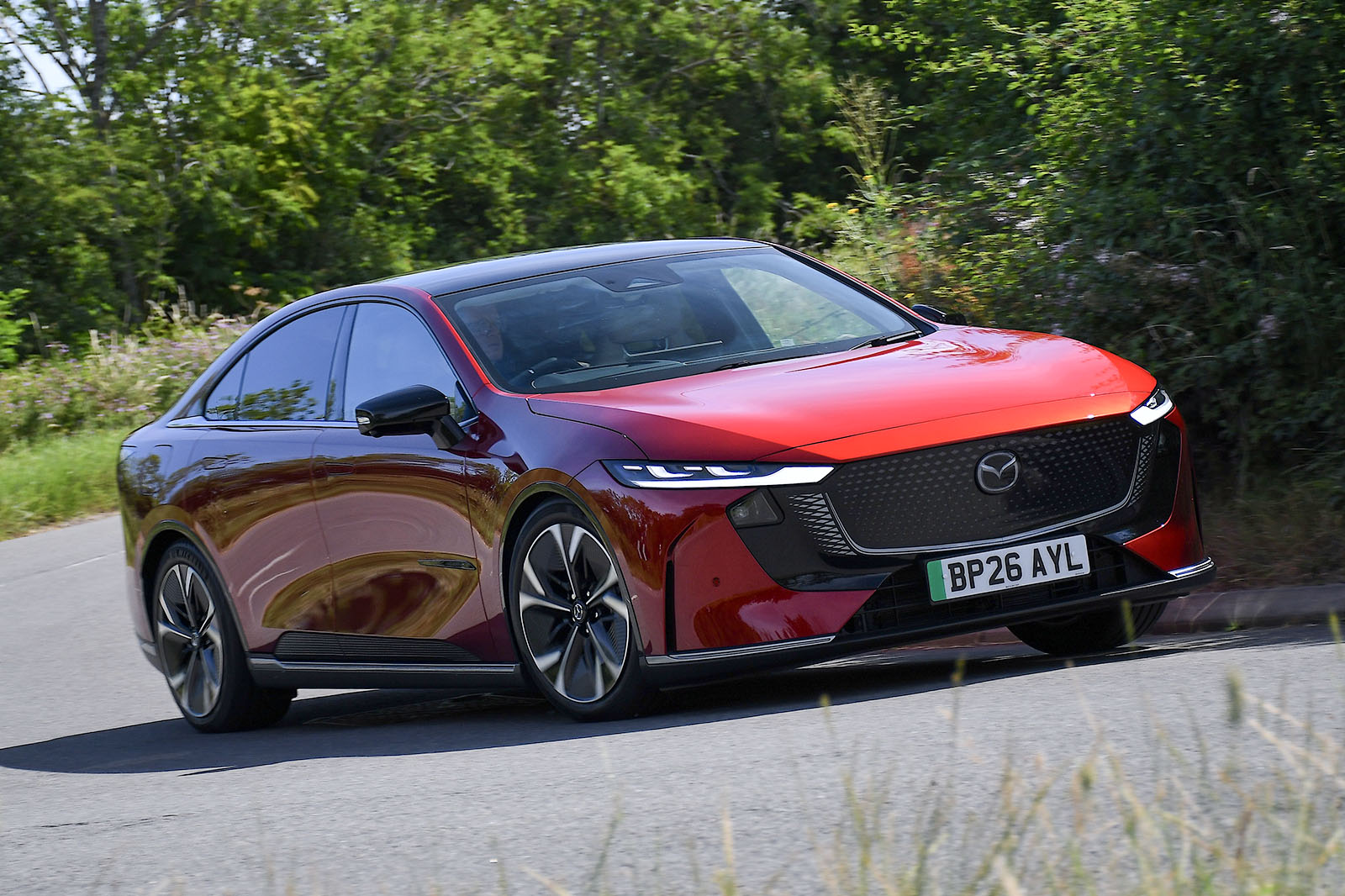
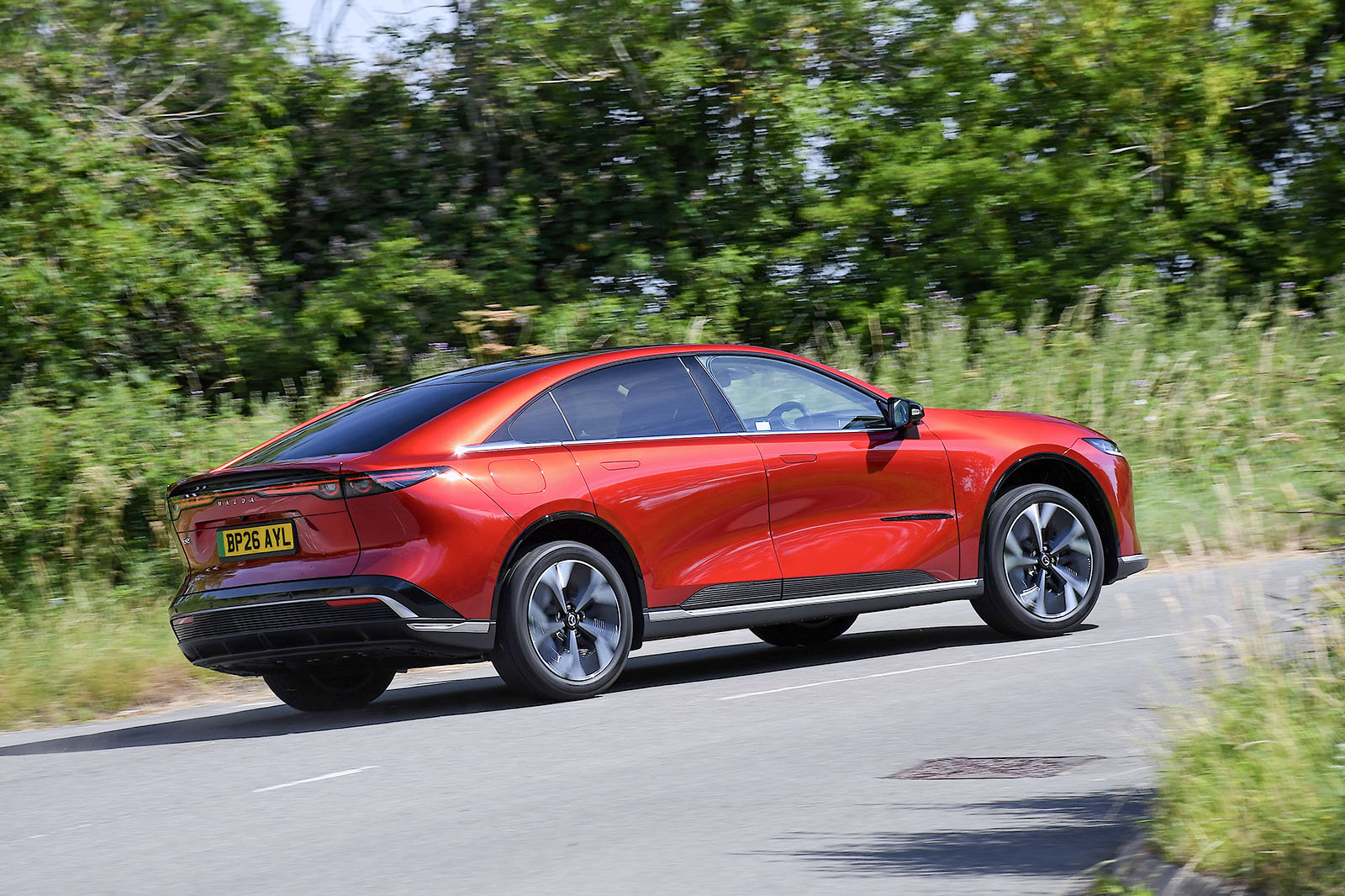
The new car may not look large, its refined design and good proportions certainly being a tribute to a Mazda design team with plenty of credit in the bank already. It is, however, slightly longer than the third-generation 6 was when it went off sale in the UK in 2023; although it looks like a saloon, it is actually a liftback hatch; and, unlike all of those ICE-powered predecessors, it’s driven by its rear axle, not its front one.

Mazda has always preferred to position its cars towards the sporty and dynamic end of any particular market class, and the 6e clearly reflects this – and not just in its drive layout. The electric motor makes 214lb ft of torque and 255bhp, which is more power than most of its direct competitors have. 

It isn’t particularly light by the standards of its peers, being about 250kg heavier than a Tesla Model 3 Rear-Wheel Drive and 100kg more than a Kia EV4 Fastback. But it can, at least, claim more battery capacity than the Tesla (and about the same as the Kia), with a 78kWh lithium-iron-phosphate pack carried under the cabin floor, almost all of which – because of its LFP chemistry – can be made usable capacity.

INTERIOR

5
Mazda 6e review 2026 008

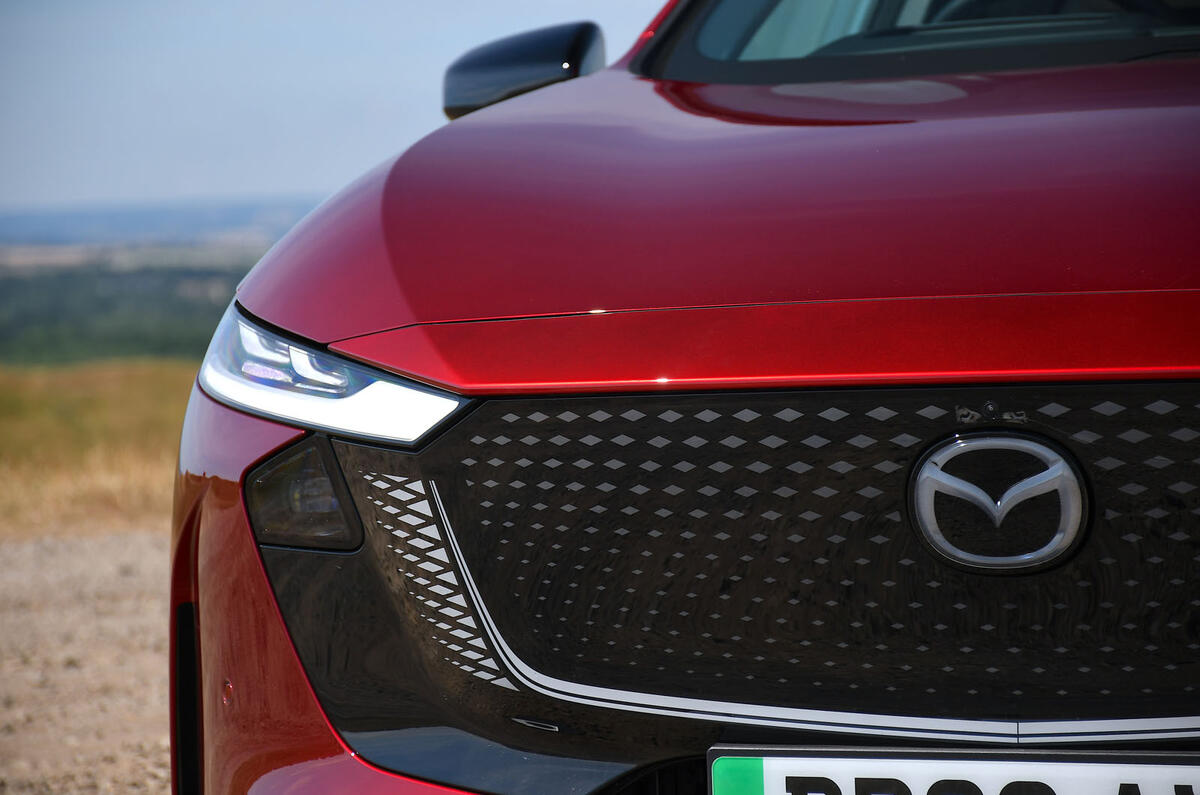
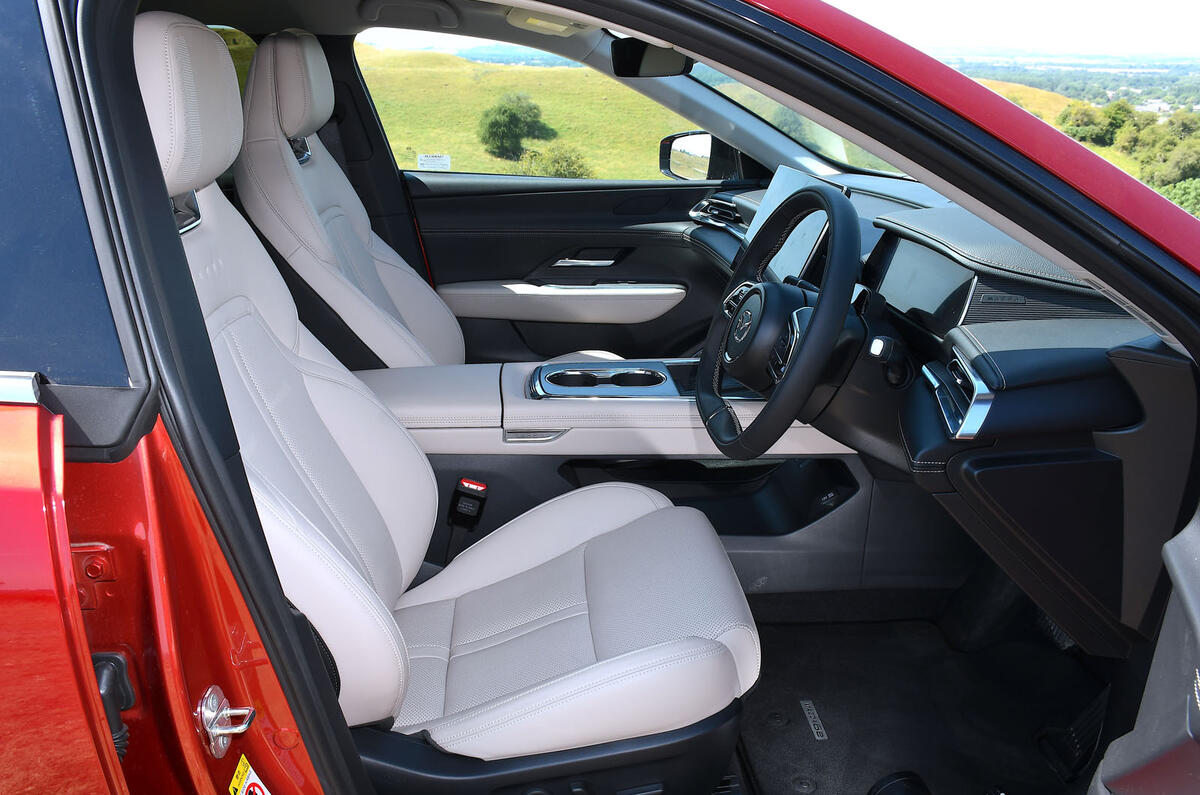
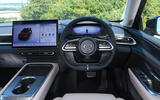
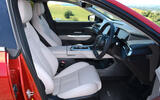
It’s certainly fair to record that the 6e looks the part: recognisably like a Mazda from without, and neat, smart and stylish enough to stand out in a traffic queue or supermarket car park. Once inside, however, much less looks and feels familiar.

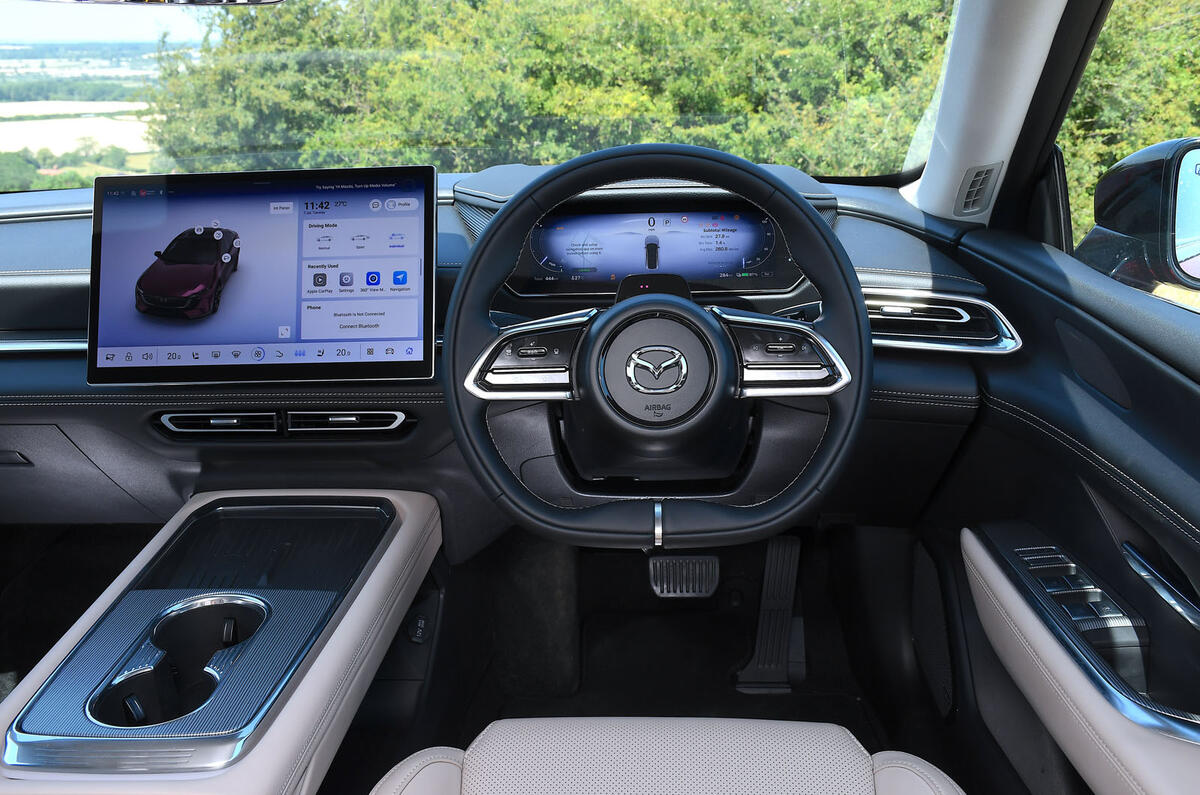
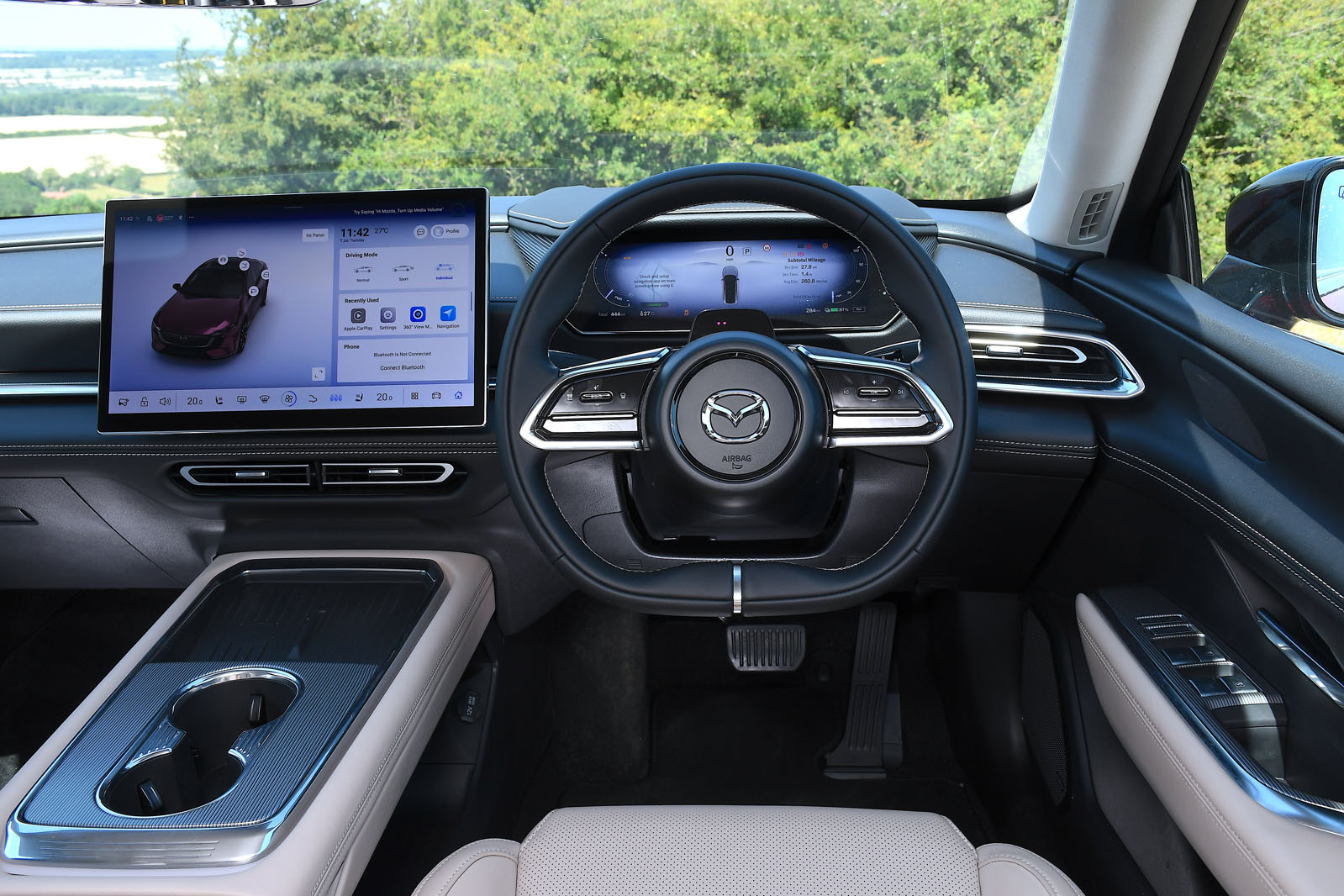
You sit quite high and bent-legged at the wheel, in a position that feels some way from ideal – which is strange in itself from a company that has spent so long refining the driving positions of its cars, and has seldom erred in that respect.

Cover up the Mazda badge and the dash could be from any number of medium-sized Chinese EVs. Predictable, under the circumstances, but surely brands like this should work harder to stand out from rivals.

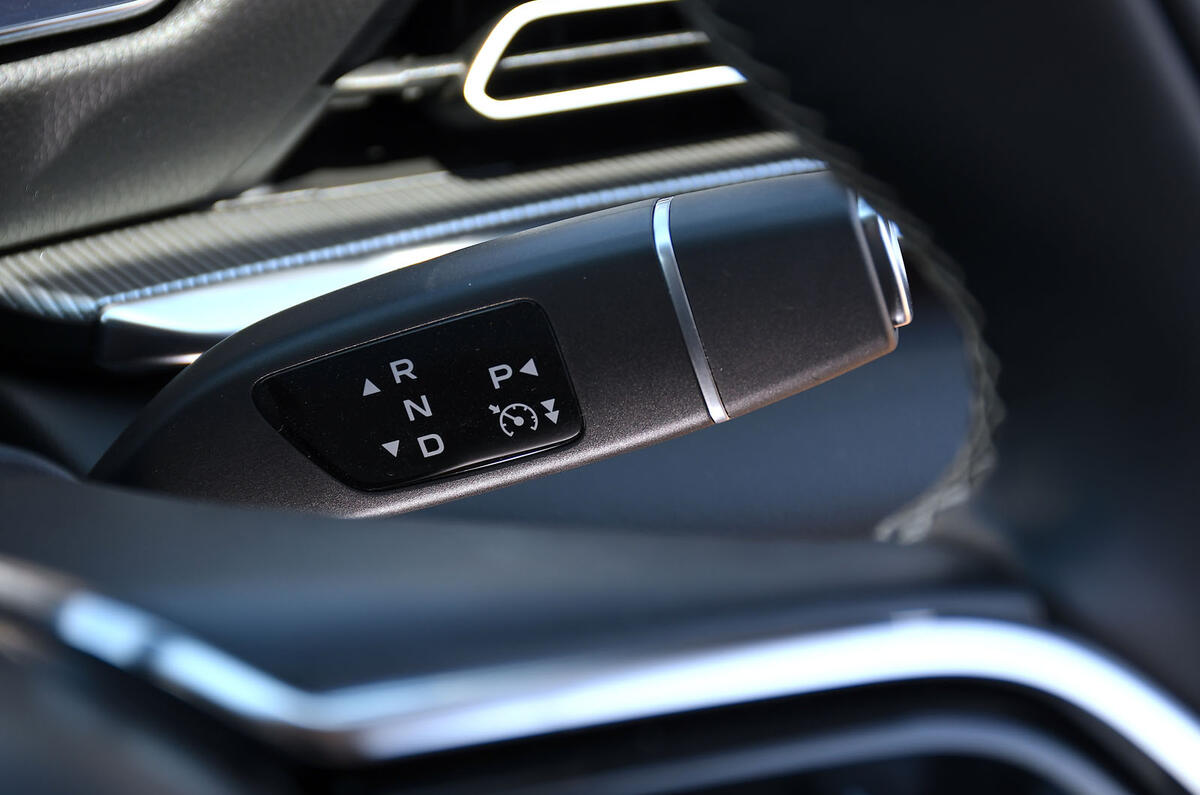
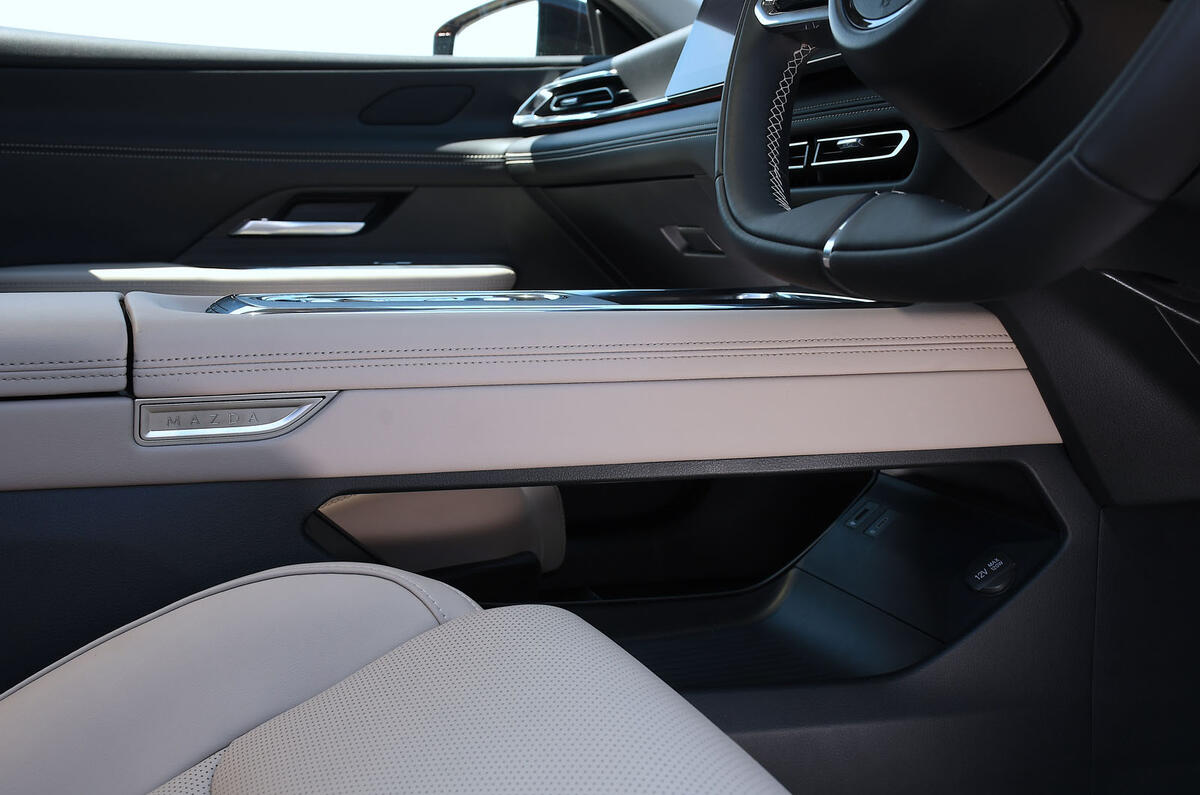
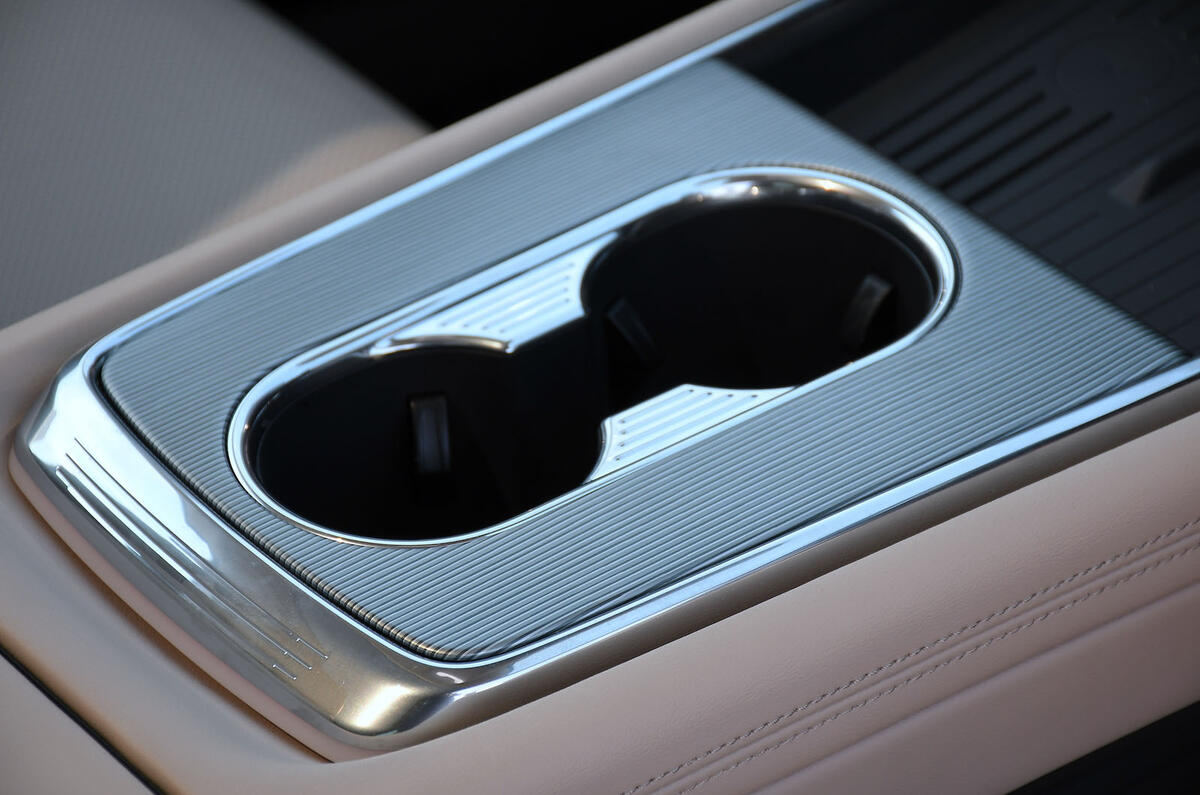
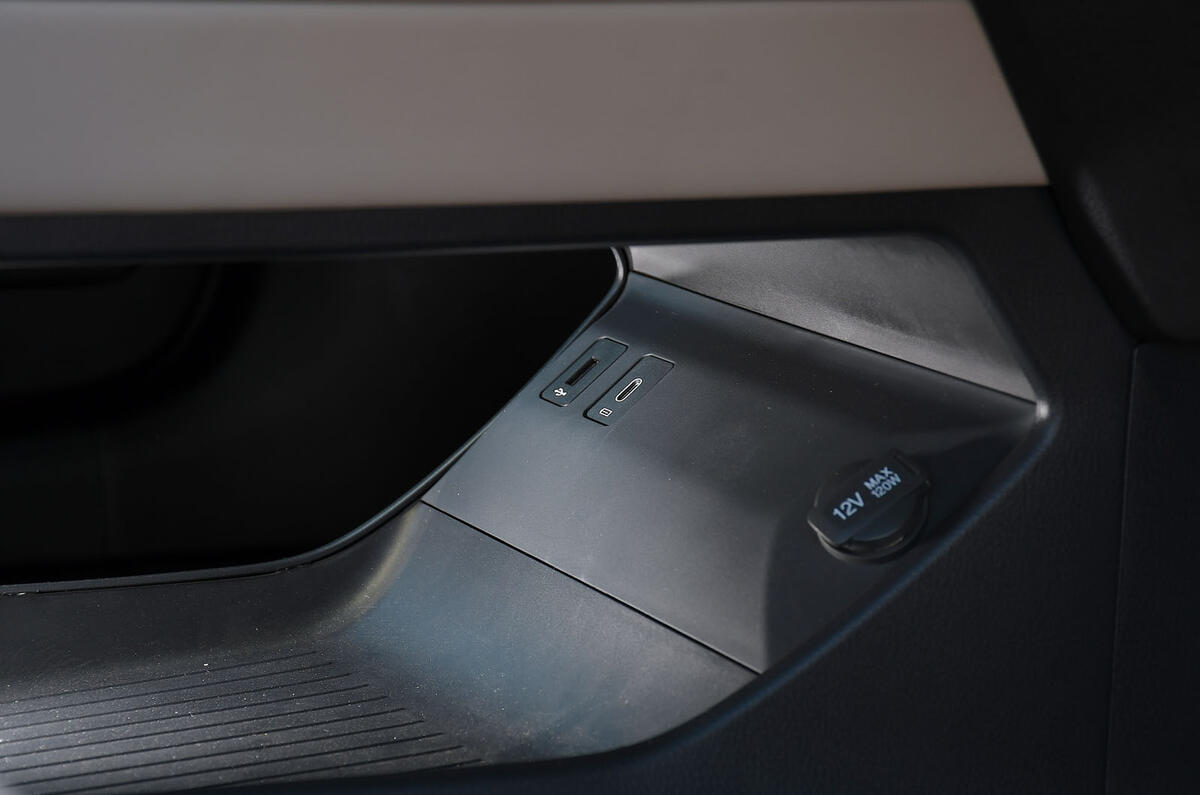
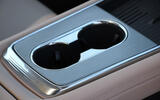
You survey an interior layout that’s very sparsely populated with secondary controls. The column-shifter drive selector wand leaves the centre console almost completely vacant, save for a pair of cupholders and matching wireless phone charging pads. Otherwise, there are no fixed, physical mirror-adjustment, headlight or wiper controls (apart from a wash-wipe button), there’s no manual override for the automatic handbrake and there’s no separate cursor controller for the multimedia display.

This, let’s not forget, from the company that perseveres to this day with separate cursor controllers in other models, and not very long ago even deactivated direct touchscreen control of its multimedia systems entirely while driving in some cases, such was its conviction about the best route to avoid driver distraction. In the 6e – in a volte-face of conspicuous and incriminating proportions – most interaction is carried out directly via your finger on the touchscreen.
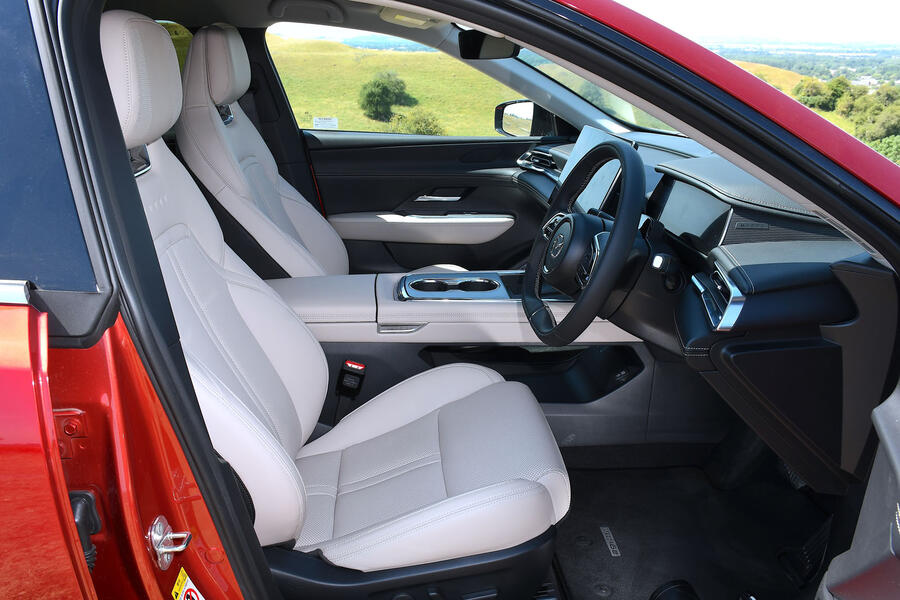
It doesn’t take much to call to mind the understated but pervading sense of material quality of, say, a Mazda 3 or CX-30. These cars shunned glitzy, chintzy trims and finishes in favour of really solid-, hefty- and tactile-feeling moulded buttons and switches, and an eerily consistent impression of quality in almost every moulding and grain.

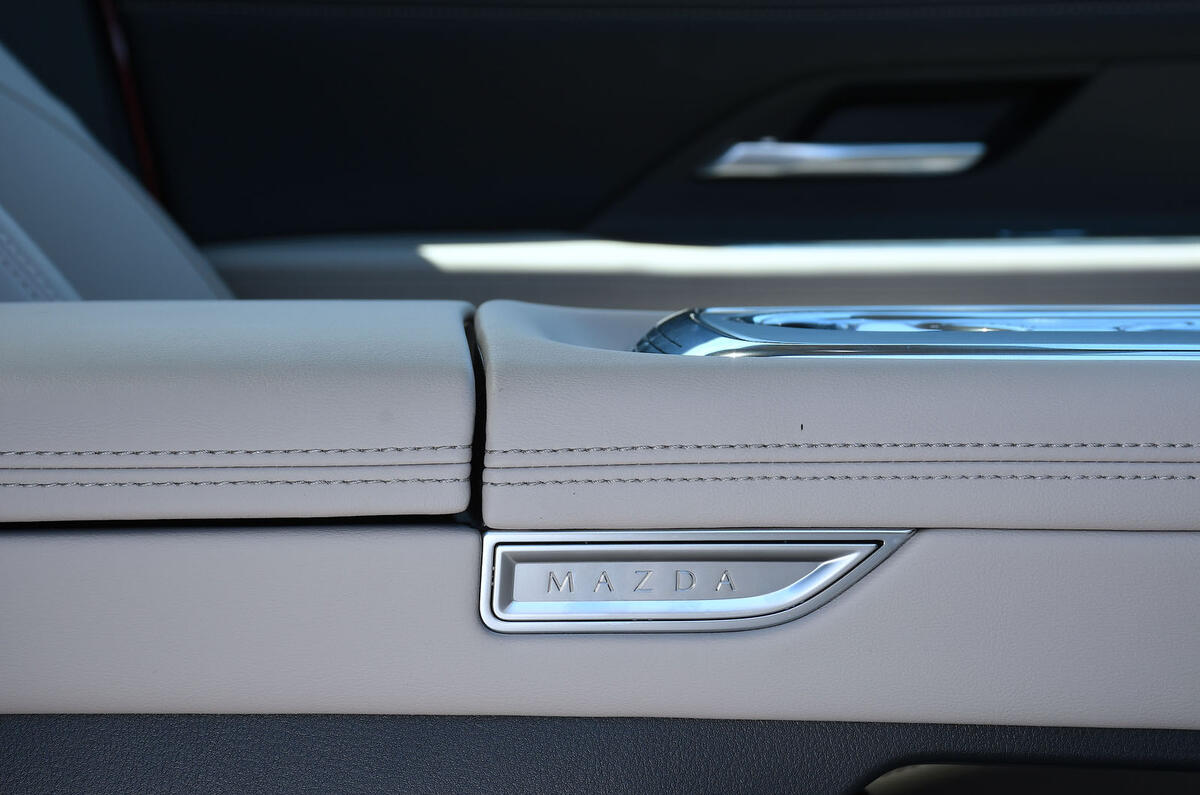
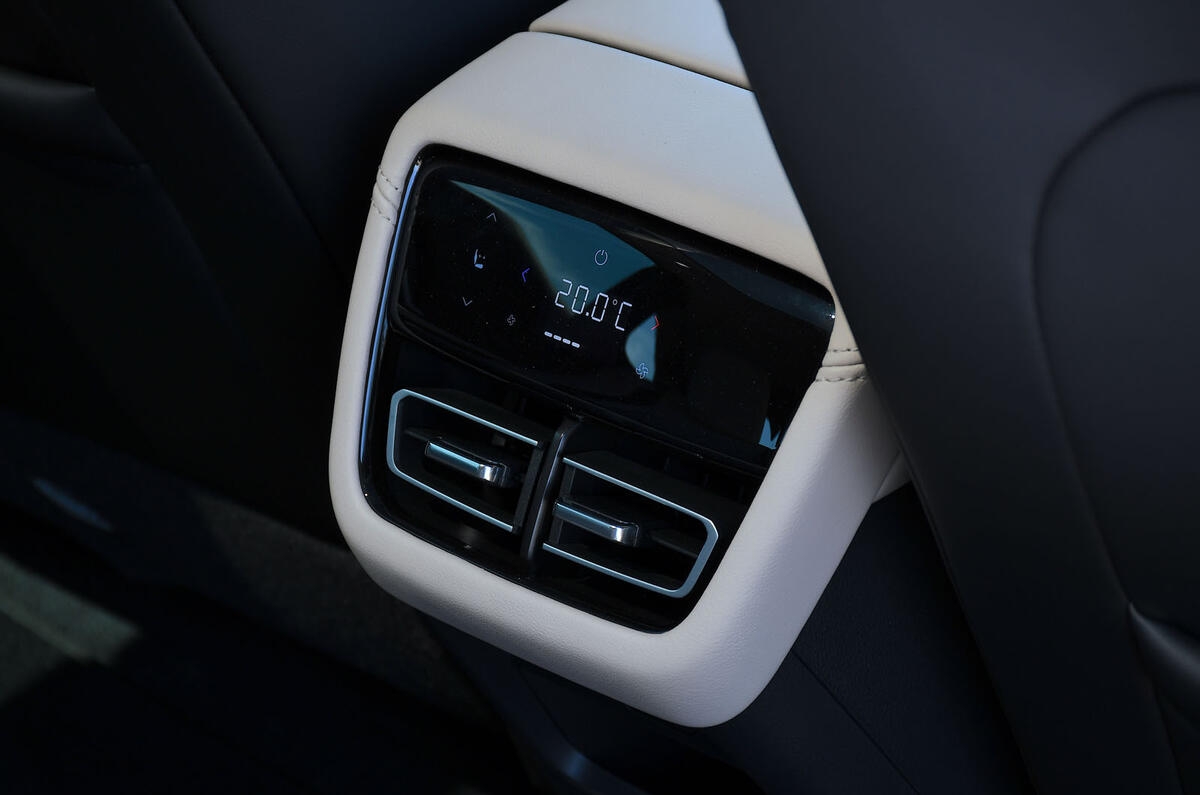
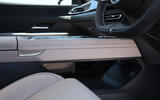
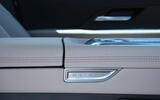
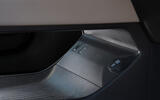
The 6e isn’t from the same world at all. Our lower-tier Takumi model had only synthetic leather seats and matching dashboard upholstery (Takumi Plus cars get nappa leather and suede) but plenty of glossy, satin chrome trims, from steering wheel to door consoles. There’s plenty of glossy black plastic on the car’s steering wheel spokes, too. But none of it stands up to tactile examination very well. The air vents feel flimsy and cheap, other plastics smudgy and wobbly, and nothing strikes you as possessing much in the way of substance.

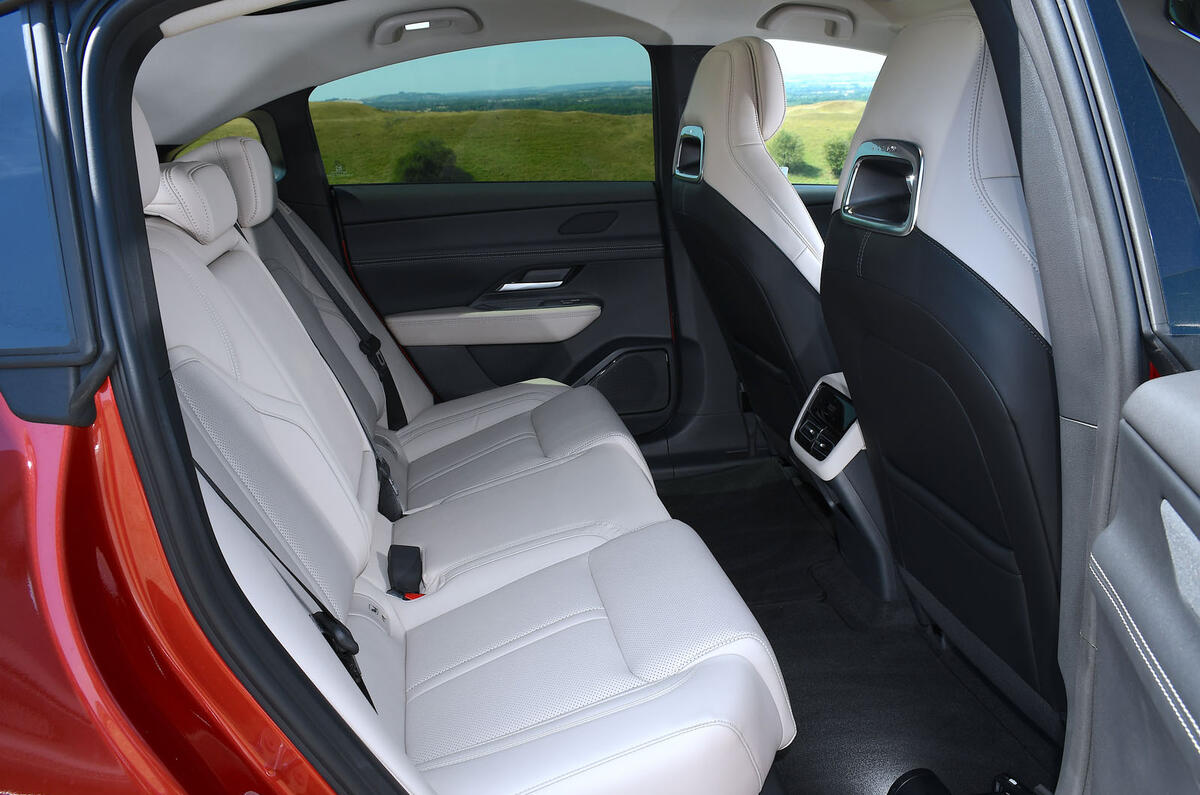
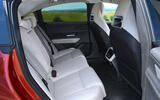
The glass roof certainly creates a bright and airy ambience, extending as it does all the way behind the heads of rear passengers, although you only get a roller blind for it with Takumi Plus models. Without one, the glass can loom a little too close for comfort to the heads of taller adults.

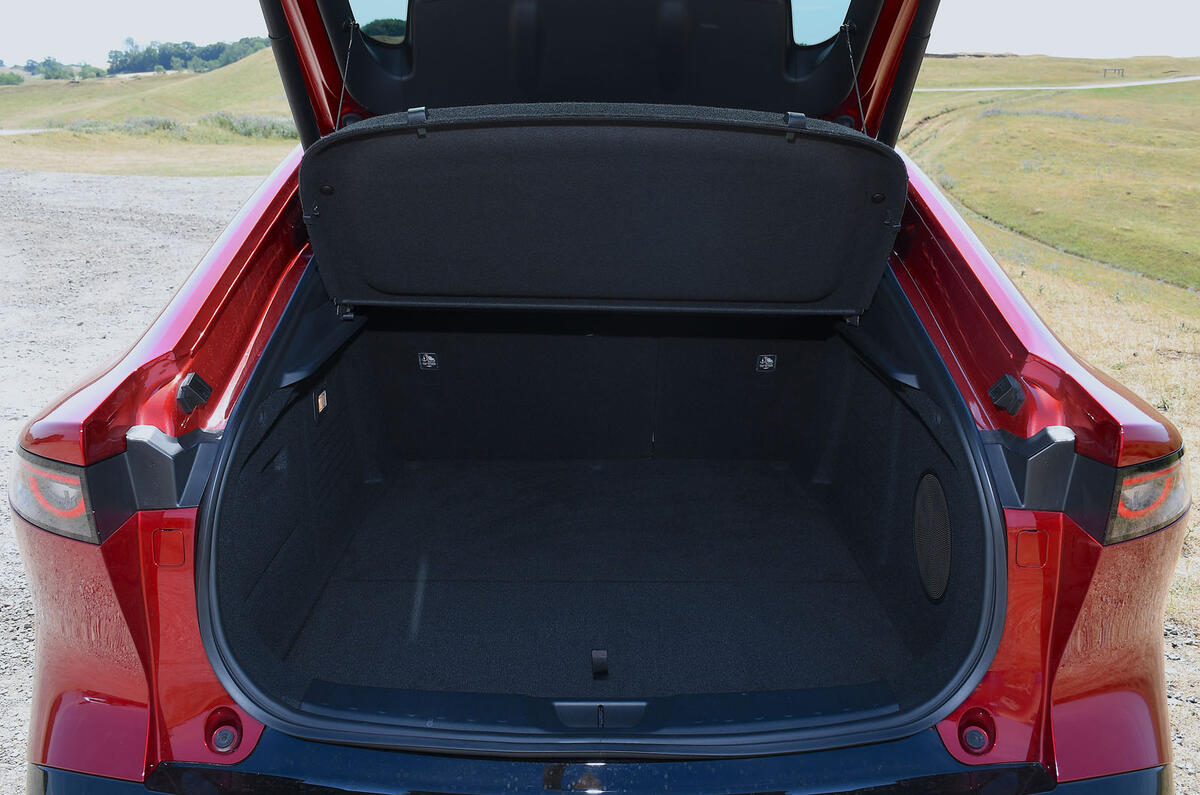
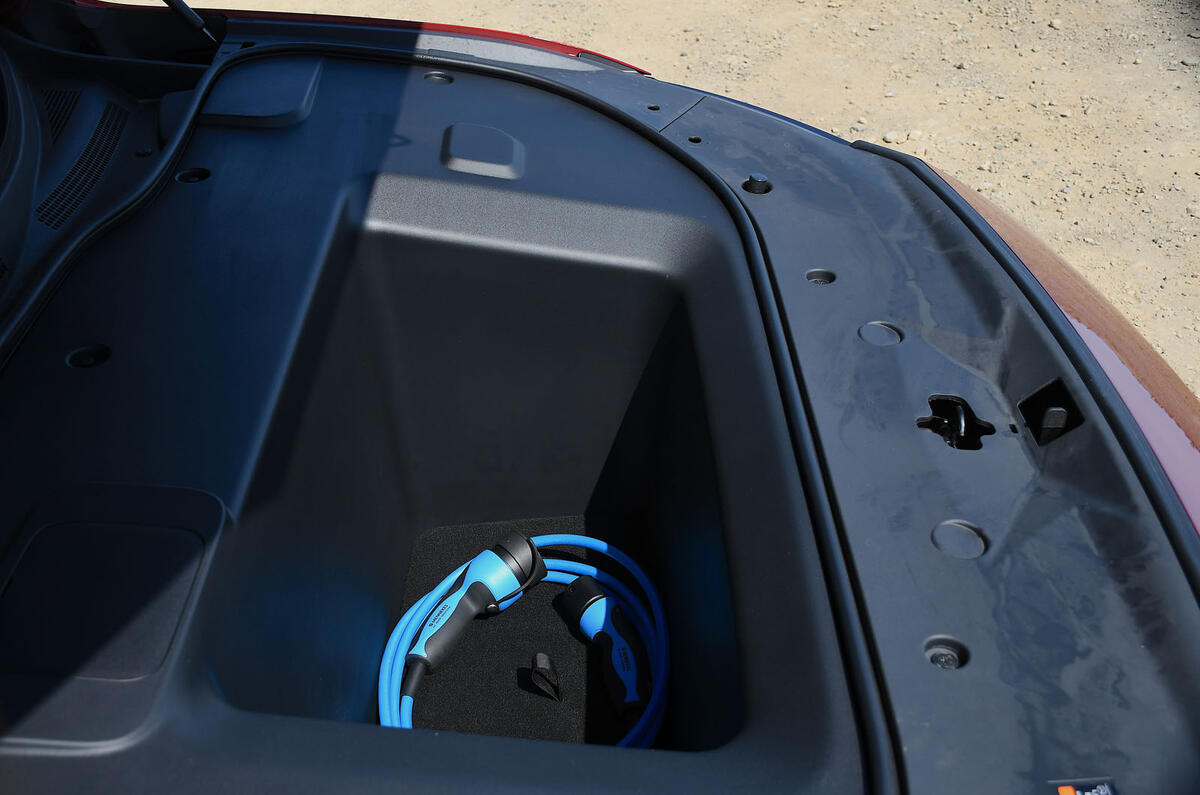
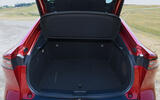
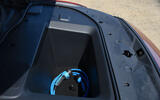
Boot space under the car’s hatchback rear end doesn’t look like much on paper, at 337 litres to the window line; but the ability to easily load the cargo area to the roof makes all the difference, and will probably give the 6e all the practical space it needs. A useful, quite deep 72-litre frunk is great for separately storing dirty footwear and your charging cable, although Mazda, like so many, forgot to put a remote release for it on the car’s key fob.

Multimedia - 2.5 stars

The layout and structure of the 6e’s 14.6in touchscreen multimedia display reminded us, perhaps inevitably, of the one in the Changan Deepal S07, but didn’t actually impress us as much. 

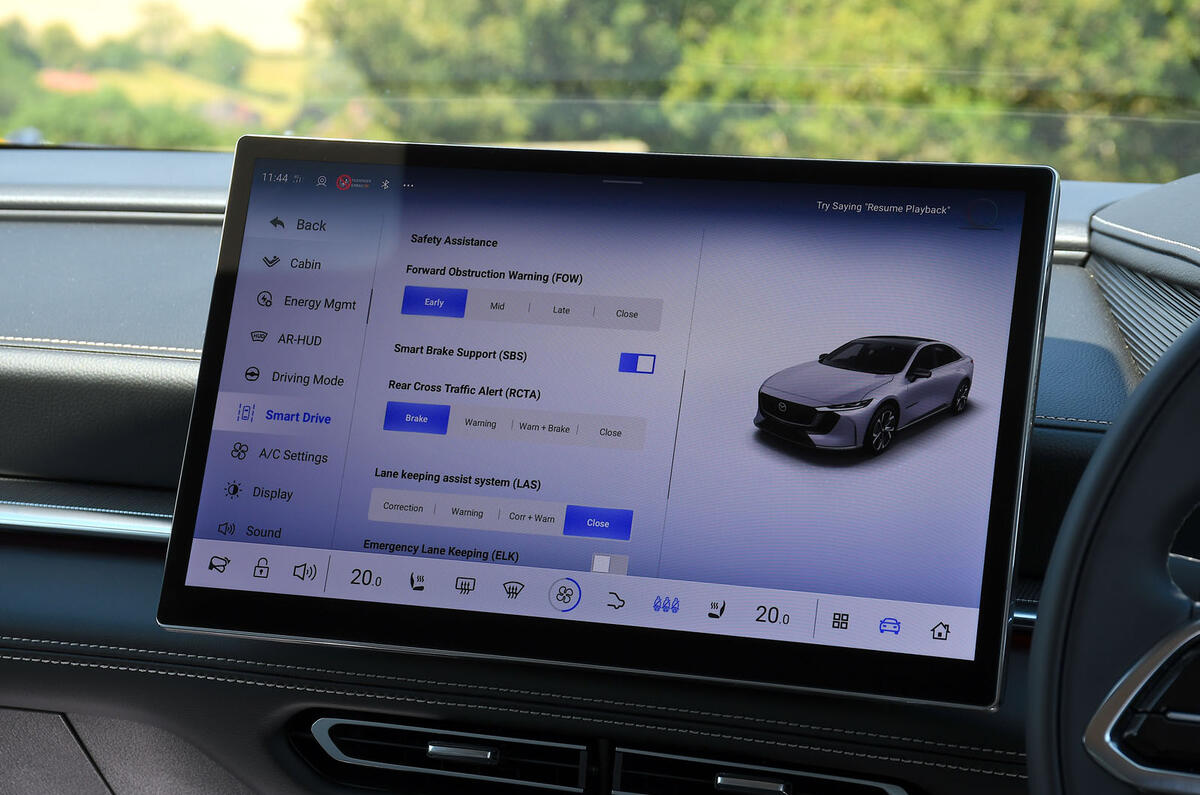
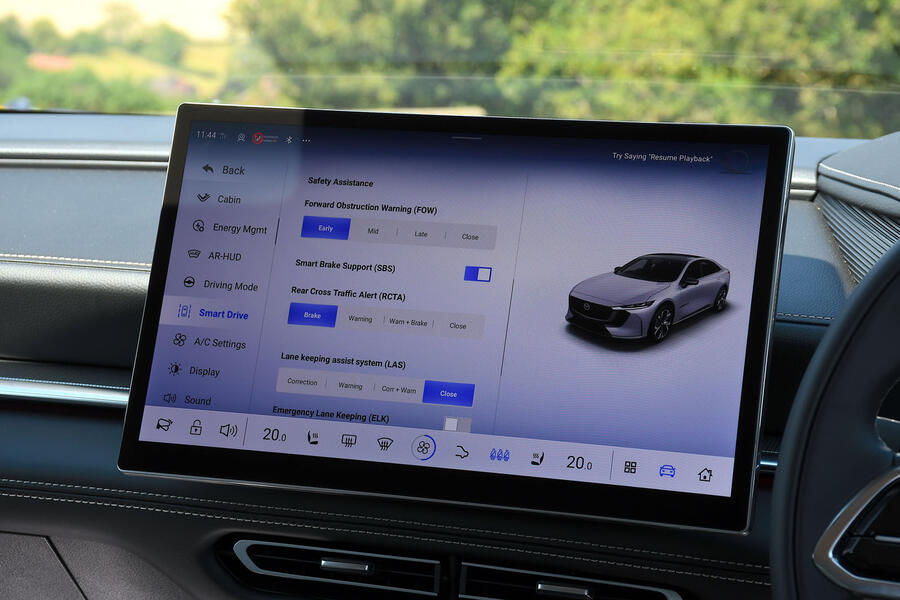
Usability is pretty distracting. Although Mazda claims that the functions on its bottom shortcut bar are driver-selectable, we couldn’t find a way to achieve this. Some ADAS functions can be assigned to a ‘widget’ panel on the home screen, but with not enough choice for our liking.

And so you have to dive quite deeply into the touchscreen menus every time you want to adjust the car’s settings, or disable its more irksome active safety features before every departure. There’s a lot of secondary pressing and scrolling involved. And, although the 6e does have a couple of star-marked shortcut keys on the steering spokes, the choice of functions you can select here is annoyingly slim too – and, unlike the S07, the keys can’t be set separately for short-  and long-press operation (which cleverly doubles their usefulness in the 6e’s sister car).

Is this system a good reason to depart from Mazda’s previous philosophy on physical controls and touchscreen usability? Not by our estimation. Not even a little bit.

ENGINES & PERFORMANCE

6
Mazda 6e review 2026 020

The 6e has about the simplest control regime an EV can get: a steering wheel, two pedals and a column shifter – but no regen paddles, and a driving mode button that you could quite easily take for a cruise control master switch and overlook. If this is supposed to be an electric car for people who enjoy driving, and like to feel invested and in control of what their car is doing, it doesn’t really seem that way on first acquaintance.

Select Sport mode and the car has quite strong performance, although it doesn’t take off and cover the first 20 yards with much of a sense of urgency. Rather, the motor feeds in torque progressively as the car moves off, even in Sport mode, and performance feels assured but not particularly exciting.

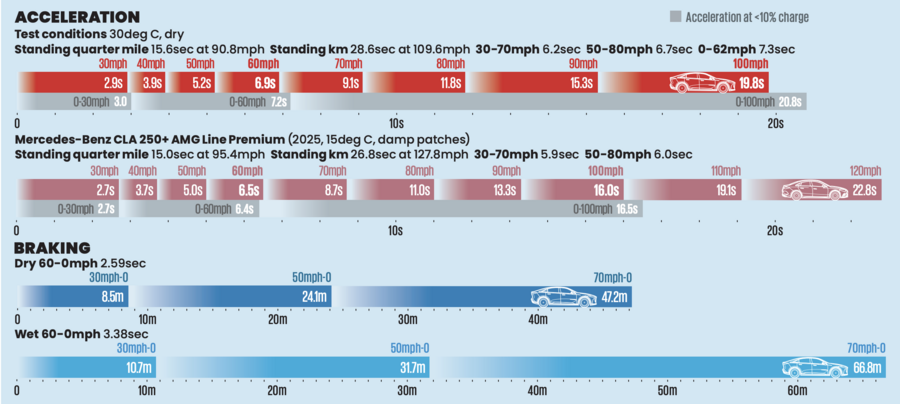
The car’s numbers are creditable enough: 0-60mph in a shade under seven seconds, and 0-62mph in 7.3sec (exactly as advertised). The motor’s balance of power and torque allows it to keep working fairly well at higher speeds: with 50-80mph (our motorway overtaking performance benchmark) needing 6.7sec (Kia EV4: 6.9sec, Hyundai Ioniq 6: 6.3sec, Skoda Elroq 85: 4.9sec). The car is quick enough to feel assured, but not so energetic as to feel much different from the electric norm – and plenty of similarly priced, mid-market EVs are quicker.
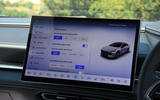
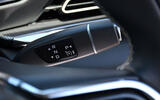
Drivability is likewise respectable, although it’s not helped by the fact that regen has to be managed via the drive modes (Sport makes for lots of it, Comfort less), via a menu on the touchscreen display, or by assigning one of the star shortcut keys to the job (which allows you to cycle through the presets but not pick one specifically). A brand like Mazda, which has always served interested drivers well, ought to do better.

We were also a little surprised at the 6e’s wet-surface stopping distances, which extended all the way to nearly 67 metres from 70mph. That’s quite poor even for an EV running efficiency-targeting tyres, and we noted the 6e’s rearwards weight distribution unsettling the chassis slightly during testing, giving the ABS and ESC work to do to restore stability at the same time as slowing the car

RIDE & HANDLING

6
Mazda 6e review 2026 021

Mazda’s UK-market press material for the 6e makes no direct mention of the car’s Changan connection, you may not be surprised to read. It does reference the efforts expended by the company’s European R&D centre, in Oberursel, Germany, to fine-tune the car’s powertrain, suspension and steering to meet European tastes, however.

Without testing a ‘Changan’ Mazda EZ-6, of course, it’s impossible to know how transformative these efforts ultimately were. But we certainly can say that the finished 6e is left feeling a little dynamically overwrought. Competent enough but not really convincingly sporty – or ‘Mazda’ – and a bit disappointing in some particular areas.

We are used to Mazda passenger cars that meet a sporting handling brief in a fairly sophisticated way. With tactile, weighty, positive steering that’s more enticing than the class average; taut but painstakingly well-tuned body control that relies on progressive damper response as much as outright lateral or vertical stiffness to set it apart; and handling that’s balanced and agile, but also natural and intuitive.

Though it sets out with some intent and has some entertaining moments, the 6e doesn’t really come up to the mark in any of those respects. Its steering is medium-paced, but light and uncommunicative in its default setting; heavier, but no more forthcoming, in Sport.

Its ride is firm-feeling, and a little restive, under-damped and under-isolated both in and out of town. The suspension maintains level body control when cornering, but tends to fuss and pitch a little over more challenging roads; it struggles to maintain good wheel control over smaller urban lumps and bumps; and it misses the sense of close connection with the road surface that a Mazda usually provides by simply feeling too busy and excitable. 

The car is, of course, rear-wheel drive, and also has that slightly rearwards weight distribution (47:53), and there are certainly times when it’s made more engaging to drive because of those factors – although they are fleeting. The firm suspension springs and anti-roll bars do make for fairly crisp handling response; the stability control system can be fully deactivated; and so, if you drive it in the right way, the 6e will indeed push its rear axle gently wide as it corners, and flirt with some sports car handling verve.

But, truth be told, it feels like a bit of an act when it happens, and it doesn’t serve to meaningfully enrich what is a pretty sterile and uninvolving driving experience – by Mazda’s usual standards, especially.

MPG & RUNNING COSTS

8
Mazda 6e review 2026 001

Value is the trump card that, Mazda will be hoping, comes to the aid of the 6e. Although an entry-grade Tesla Model 3 RWD is slightly cheaper at list price (and Tesla also tends to offer appealing trade-in and finance deals, of course), it’s only a base model – in grey and without Tesla’s Autopilot ADAS tech – that you would have to be prepared to accept for the same price as the Takumi-grade 6e.

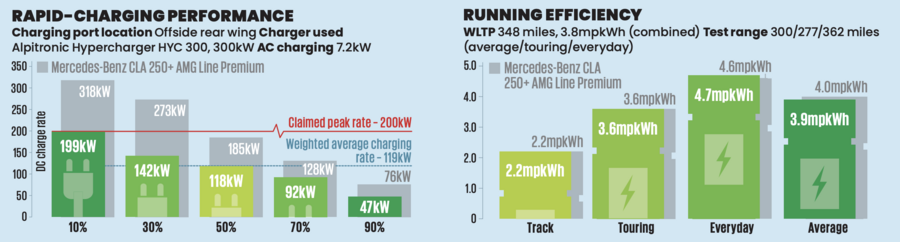
The Mazda also offers better on-paper range than either the Tesla or Mercedes’ entry-rung CLA 200. The car’s test performance suggests it would put almost 280 miles between charges on the motorway, and more like 360 miles in everyday urban use, and both are fairly strong results for the price (Kia EV4: 242 and 312 miles respectively).

The 6e sets quite a good standard for outright efficiency, the 3.6mpkWh it hit on our touring test edging a Hyundai Ioniq 6 (3.5mpkWh) and easily beating a Kia EV4 (3.1mpkWh). A weighted average rapid-charging test result of 119kW is equally creditable.

VERDICT

6
Mazda 6e review 2026 027

The Mazda 6e might well be precisely the car its maker needs. After the likeable but flawed MX-30, the firm has to prove it can make EVs that stand up to scrutiny and that owners can take seriously. And the 6e is a usable, efficient, good-value option that should succeed where the MX-30 failed.

The car starts off well by looking the part. But when you drive and interact with the 6e, the plain truth – that it’s something of a stopgap, ‘half-Mazda’ option made to plug a hole in the product planners’ schedule – becomes hard to ignore.

From its ergonomic design to its secondary control layout, its multimedia usability, its tactile material cabin quality and ultimately its driving dynamics, the 6e falls short of Hiroshima’s modern standards, and by margins significant enough that you can’t imagine Mazda regulars will fail to notice.

Matt Saunders

Matt Saunders Autocar
Title: Road test editor

As Autocar’s chief car tester and reviewer, it’s Matt’s job to ensure the quality, objectivity, relevance and rigour of the entirety of Autocar’s reviews output, as well contributing a great many detailed road tests, group tests and drive reviews himself.

Matt has been an Autocar staffer since the autumn of 2003, and has been lucky enough to work alongside some of the magazine’s best-known writers and contributors over that time. He served as staff writer, features editor, assistant editor and digital editor, before joining the road test desk in 2011.

Since then he’s driven, measured, lap-timed, figured, and reported on cars as varied as the Bugatti Veyron, Rolls-Royce PhantomTesla RoadsterAriel Hipercar, Tata Nano, McLaren SennaRenault Twizy and Toyota Mirai. Among his wider personal highlights of the job have been covering Sebastien Loeb’s record-breaking run at Pikes Peak in 2013; doing 190mph on derestricted German autobahn in a Brabus Rocket; and driving McLaren’s legendary ‘XP5’ F1 prototype. His own car is a trusty Mazda CX-5.