








8

Back to basics supercar is back, and basic: a beefy turbo engine meets a manual gearbox

Find Noble M500 full test: Manual, V6 supercar is an analogue whirlwind deals
Other Services
Sell your car
84% get more money with

When defining the long-awaited Noble M500, it’s possibly more impactful to list what it lacks rather than what it has.

Features notably absent from this lightweight coupé include any form of electronic stability control or torque vectoring, airbags, a driven front axle, an automatic gearbox, anti-lock braking and, finally, need we even say it, driver assistance systems. You won’t even hear a chime to tell you to put your seatbelt on – perhaps because Noble Automotive believes that anybody who can be trusted with fully 413bhp per tonne paired with a wheelbase only a tad longer than that of a Volkswagen Polo has a degree of situational awareness.

We will get to the full technical rundown in a moment, but conceptually this successor to the lauded M600 of 2009 is an old-school driver’s car – one that asks more than average from its owner, in order to reward them more richly for getting things right. It’s the only flavour of car Noble Automotive, still based at a small unit in Leicestershire and concerned with truly tiny production volumes, has ever shown any desire to make, all the way back to the M10 of 1999.

The carbonfibre-bodied M600, with its McLaren F1-rivalling speed, £200k asking price (£320k if you adjust for inflation) and cult status, casts a long shadow. But at £180k before options and with two fewer cylinders, as well as a glassfibre body, the new M500 is positioned differently. Boss Peter Boutwood says that rather than outright performance clout and expensive materials, its appeal lies in rarity, personalisation and a dynamic purity few if any mass-market rivals can even come close to matching.
Advertisement
Back to top

What we will now discover is the extent of that appeal and whether the latest Noble can stand up to less expensive – but perhaps less captivating – alternatives from the household-name manufacturers.

DESIGN & STYLING

8
02 Noble M500 RT rear corner

What do a late-noughties German supercar and a modern American performance pick-up truck have to do with a niche sports car from the Midlands?

Rather a lot, as it turns out. The M500’s Graziano-supplied six-speed transaxle is the same one used for the original Audi R8. At the heart of the car, meanwhile, sits an Ecoboost 3.5-litre V6, which you will also find in the Ford F-150 Raptor (and isn’t entirely unrelated to the engine in the Ford GT supercar).

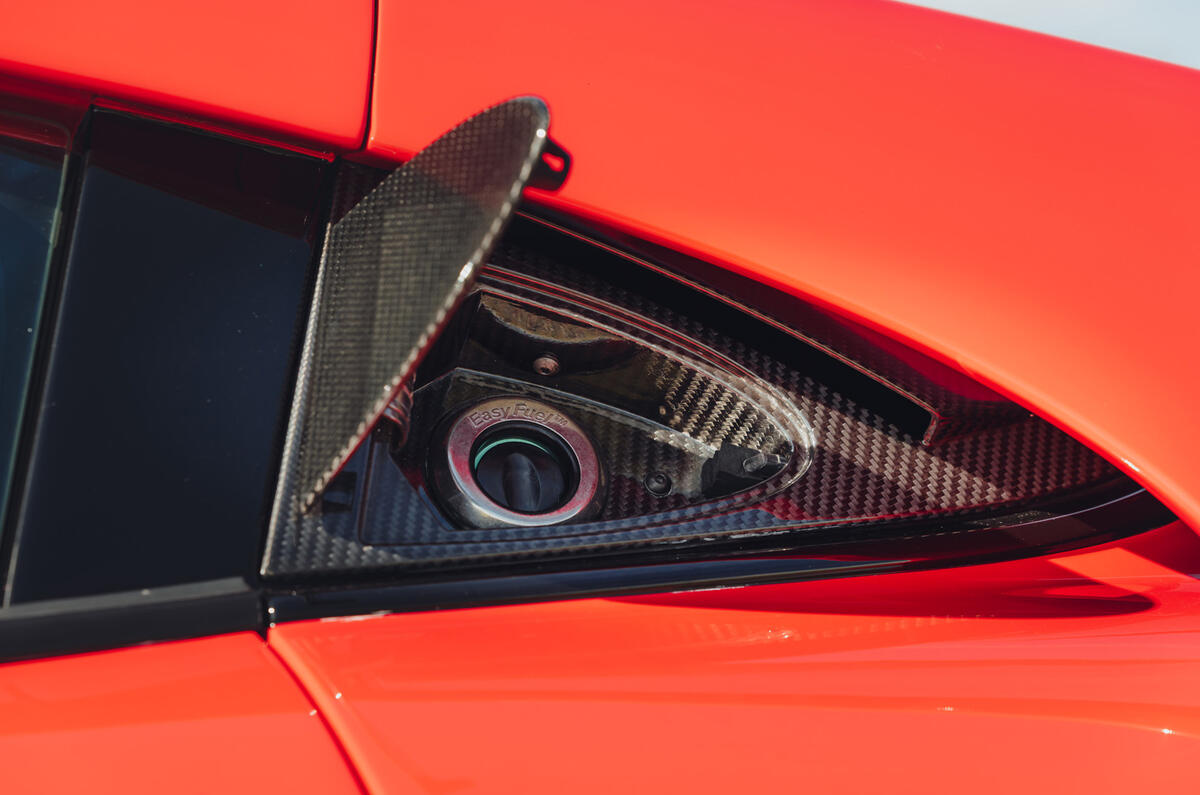
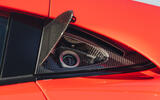
It took me a while to find the filler. It’s rather ingeniously integrated into the nook of the C-pillar, hidden behind a little carbonfibre flap, leaving the rear flanks unsullied.

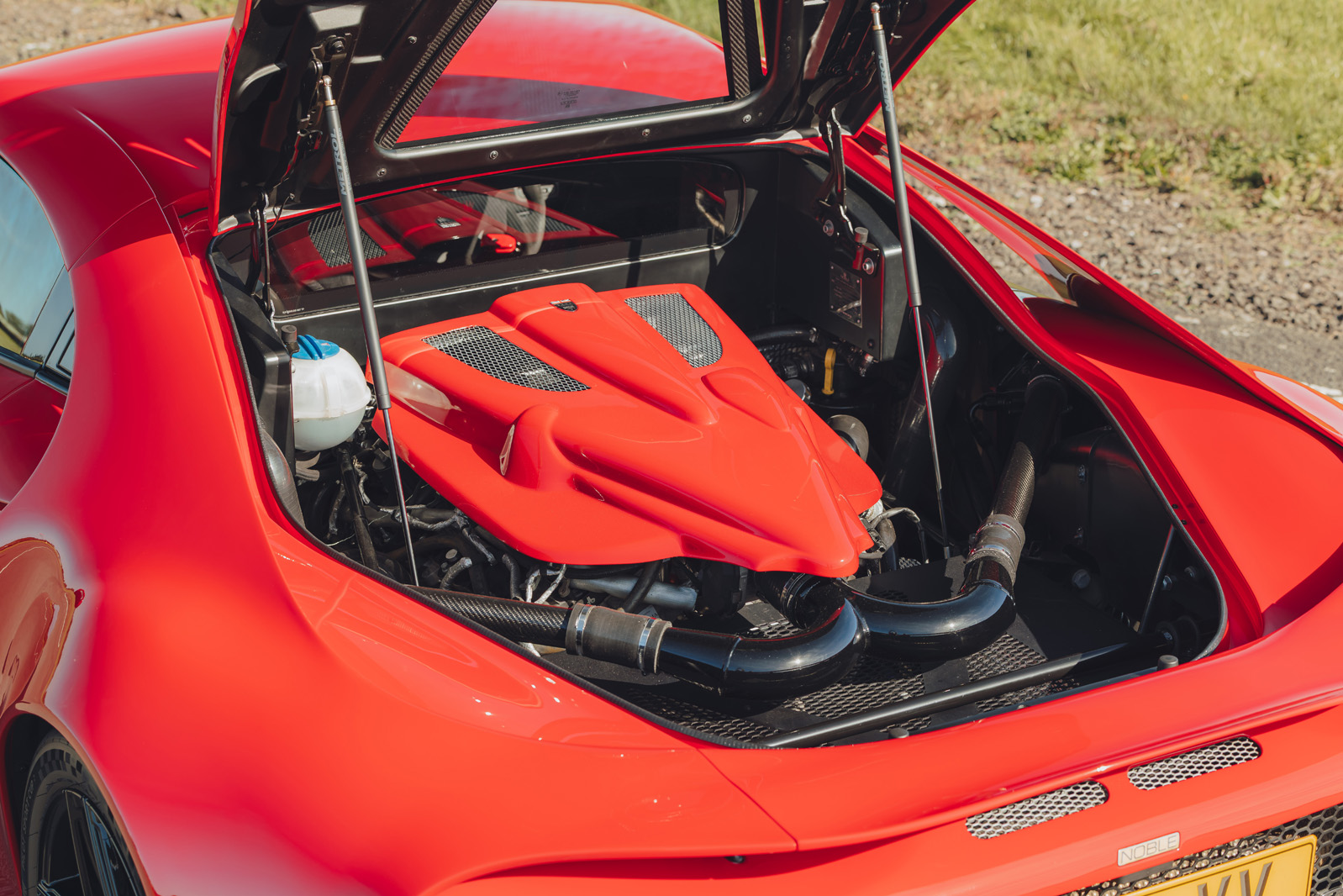
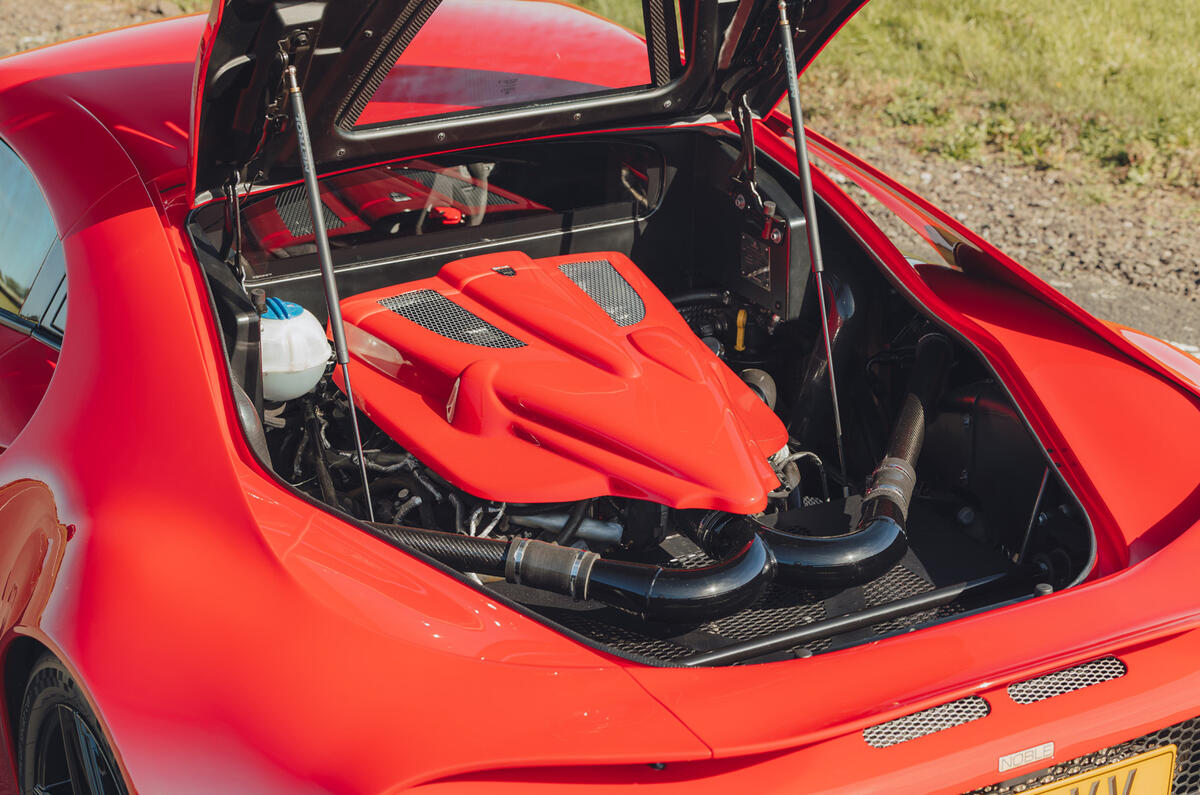
The two elements are married by a bespoke flywheel housing and together they meet Euro 6 homologation requirements, despite outputs of 541bhp and a conspicuously healthy 574lb ft. While earlier prototypes used an open differential, in this car drive is put to the rear wheels via a Torsen limited-slip differential.

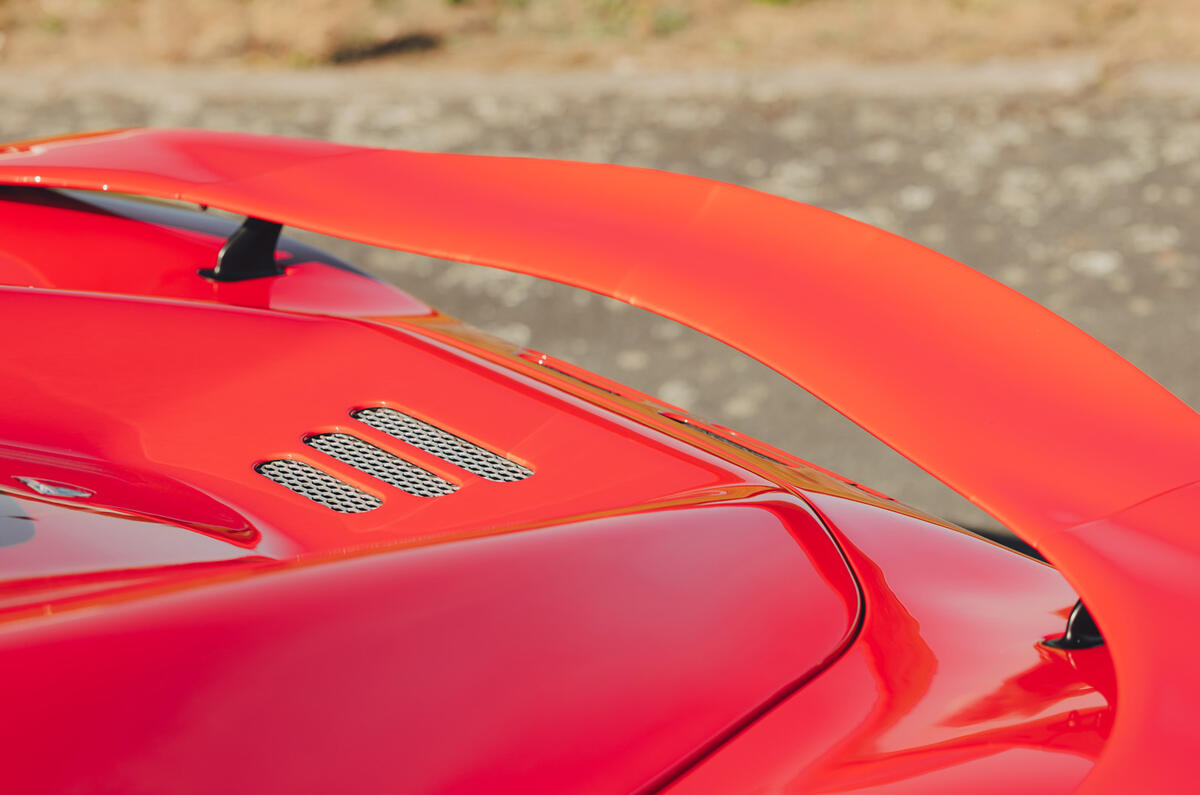
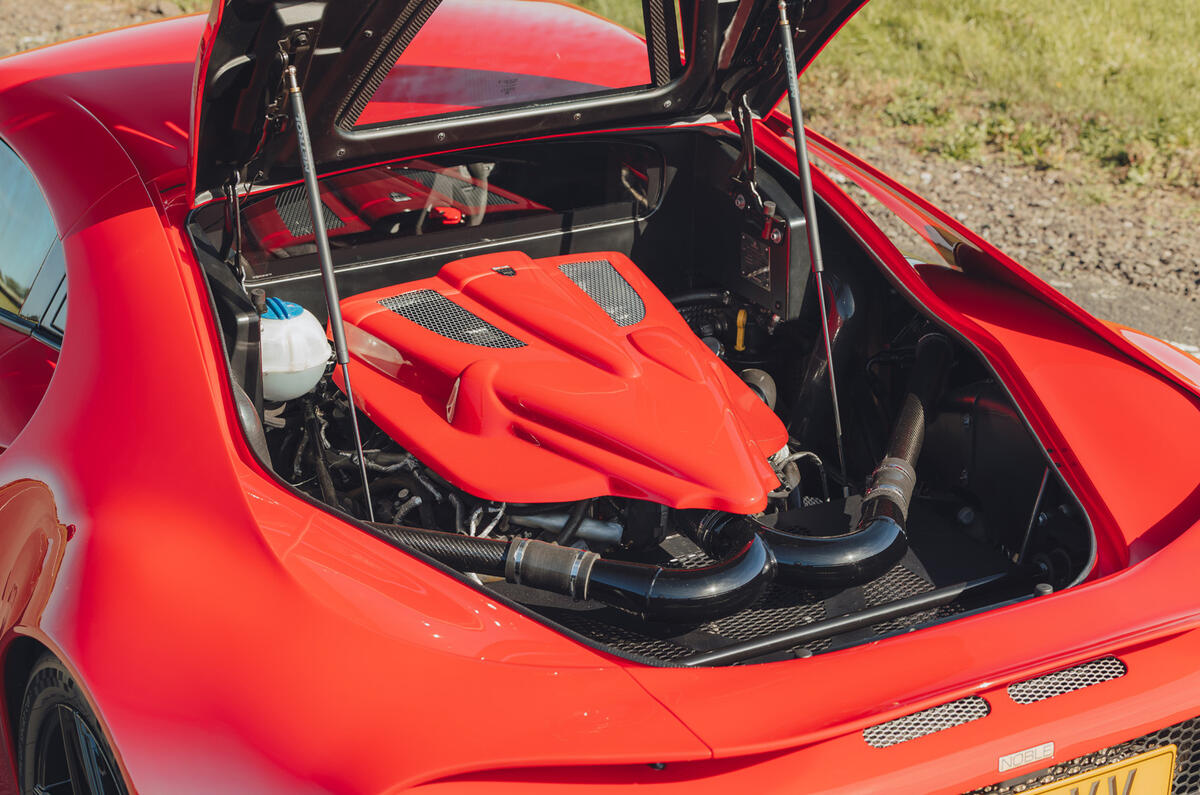
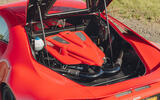
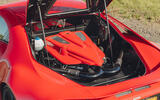
The internals of the twin-turbocharged V6 are unchanged from Ford’s assembly in Ohio, but the electronics operate via an ECU from Norfolk-based SCS. The bay, containing a colour-coded engine cover, is visible through the glass rear hatch, supercar-style.

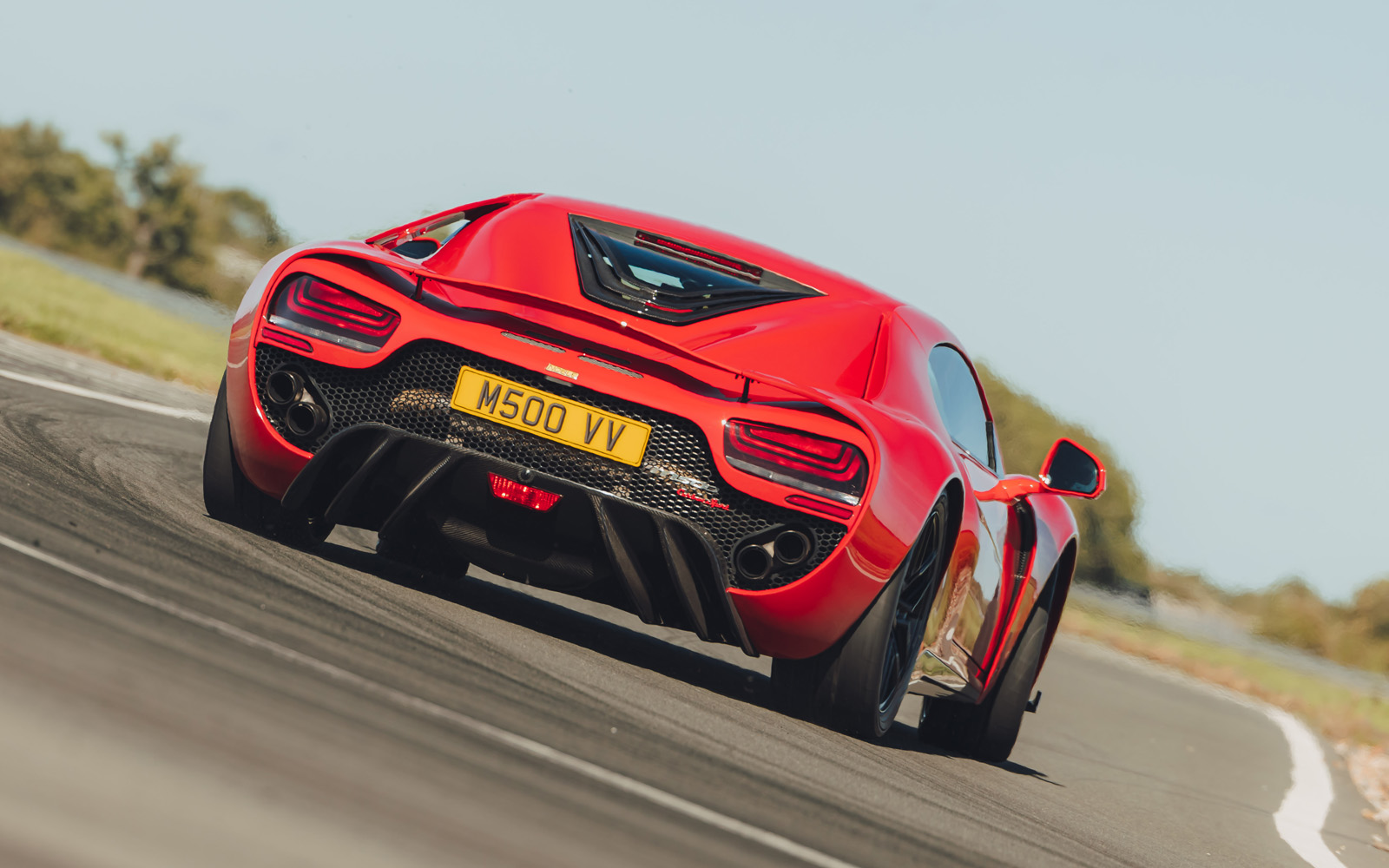
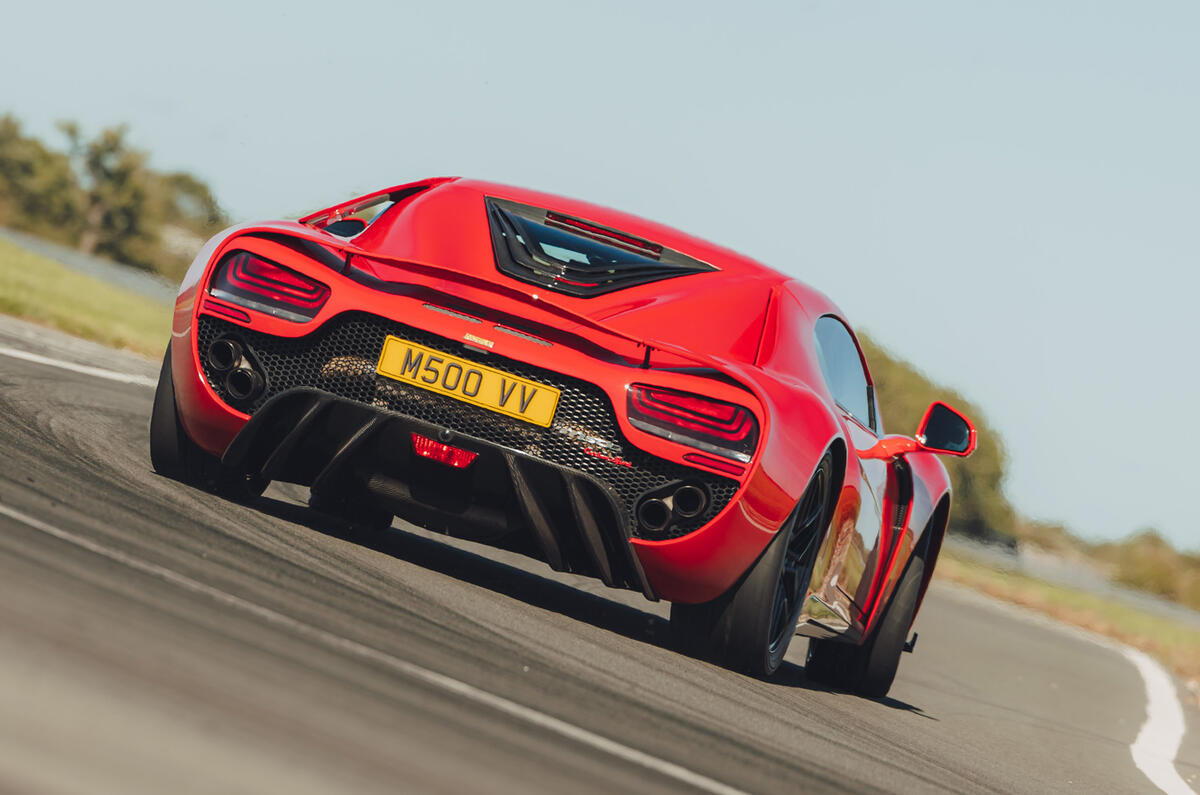
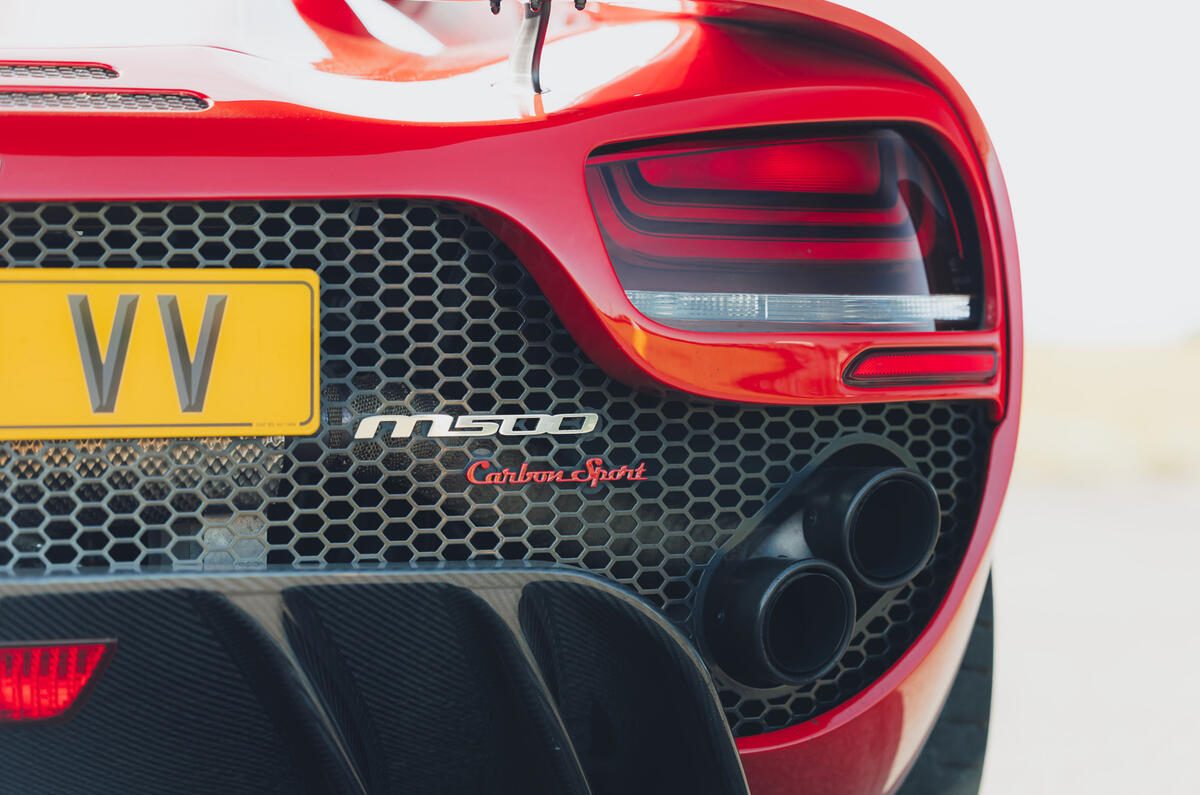
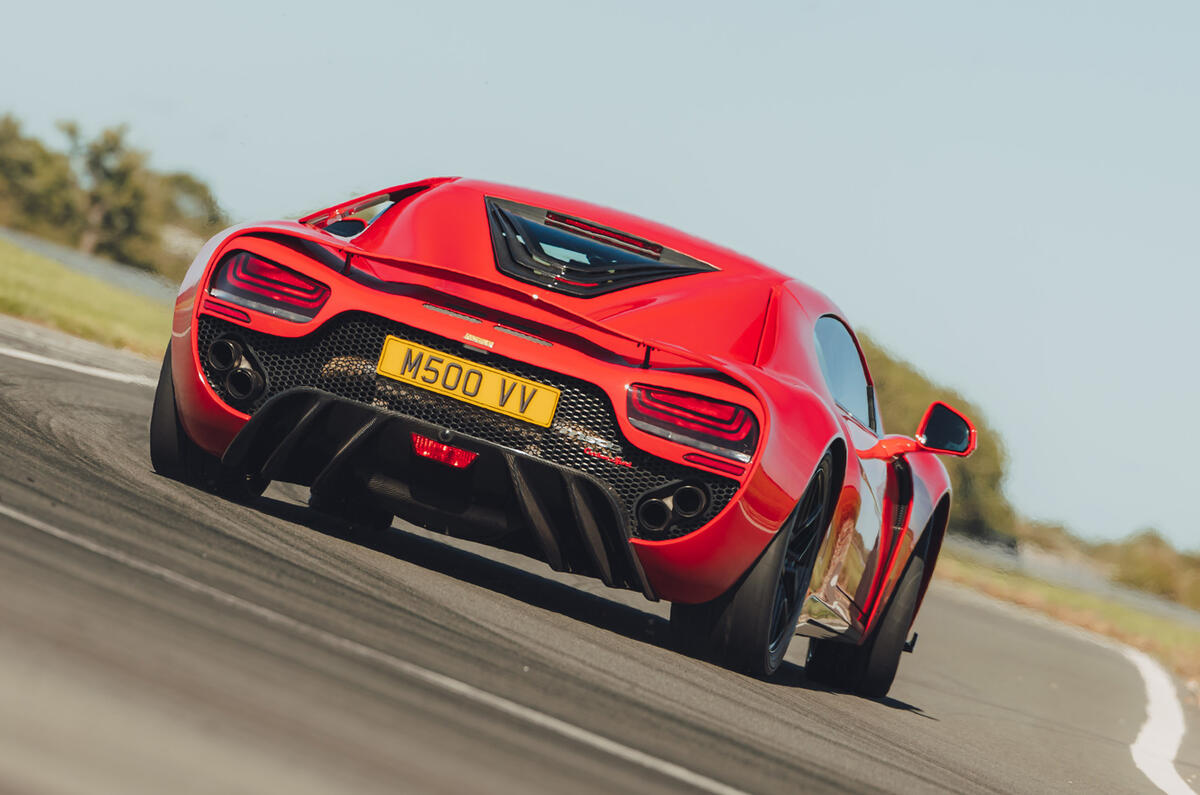
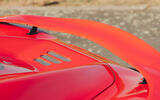
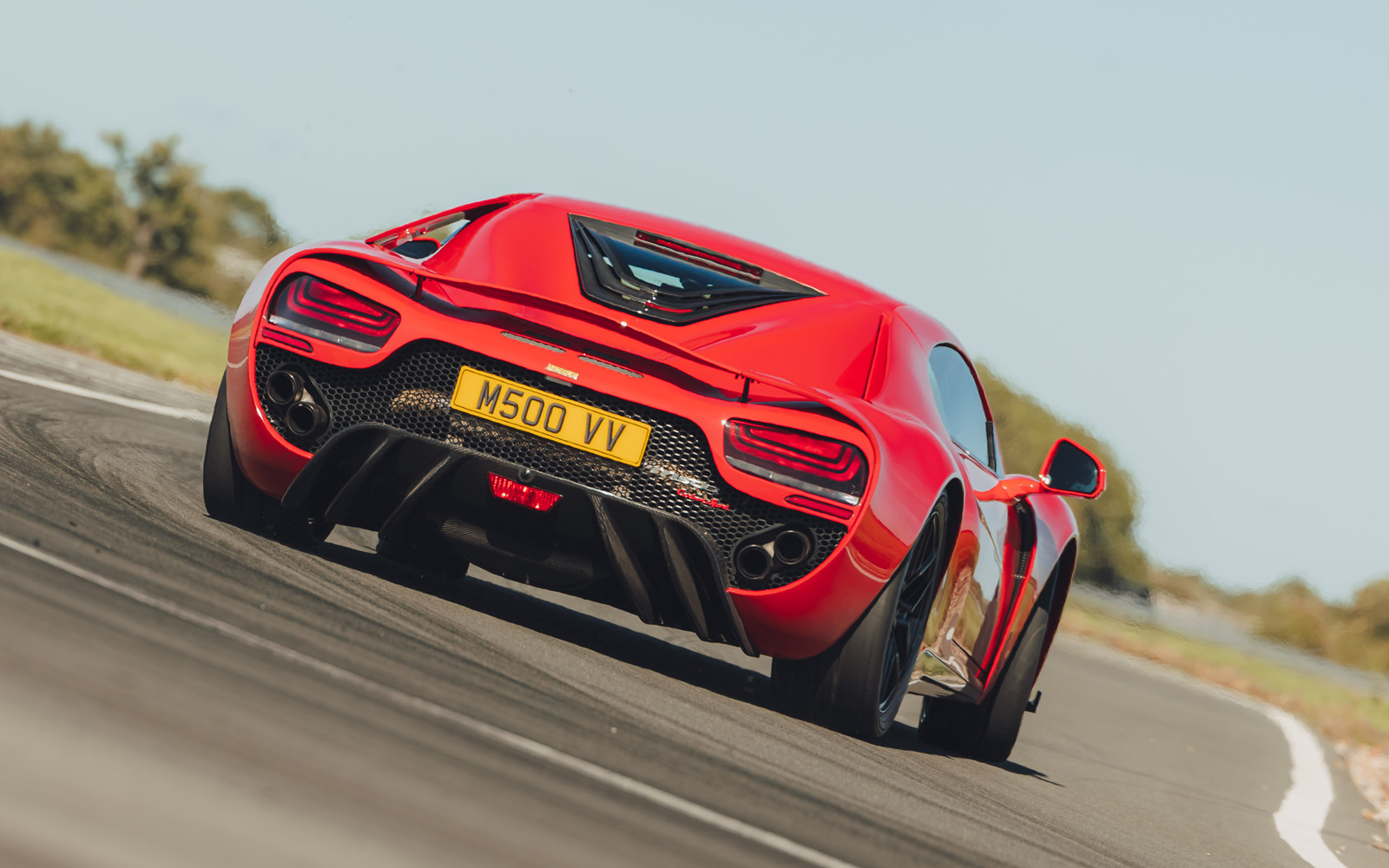
Open it up and you will find an agreeable lack of plastic cladding to hide the ancillaries, as well as the ‘W’ of an audacious inlet tract partly made in carbonfibre. From the back of the block it’s only a short stretch to the rear bumper, with its Bugatti Chiron-esque design and stacked exhaust tips bookending a sizeable carbonfibre diffuser replete with wickedly curved blades. Note also the dramatic spoiler flick and the Citroën C4 Spacetourer tail-lights.

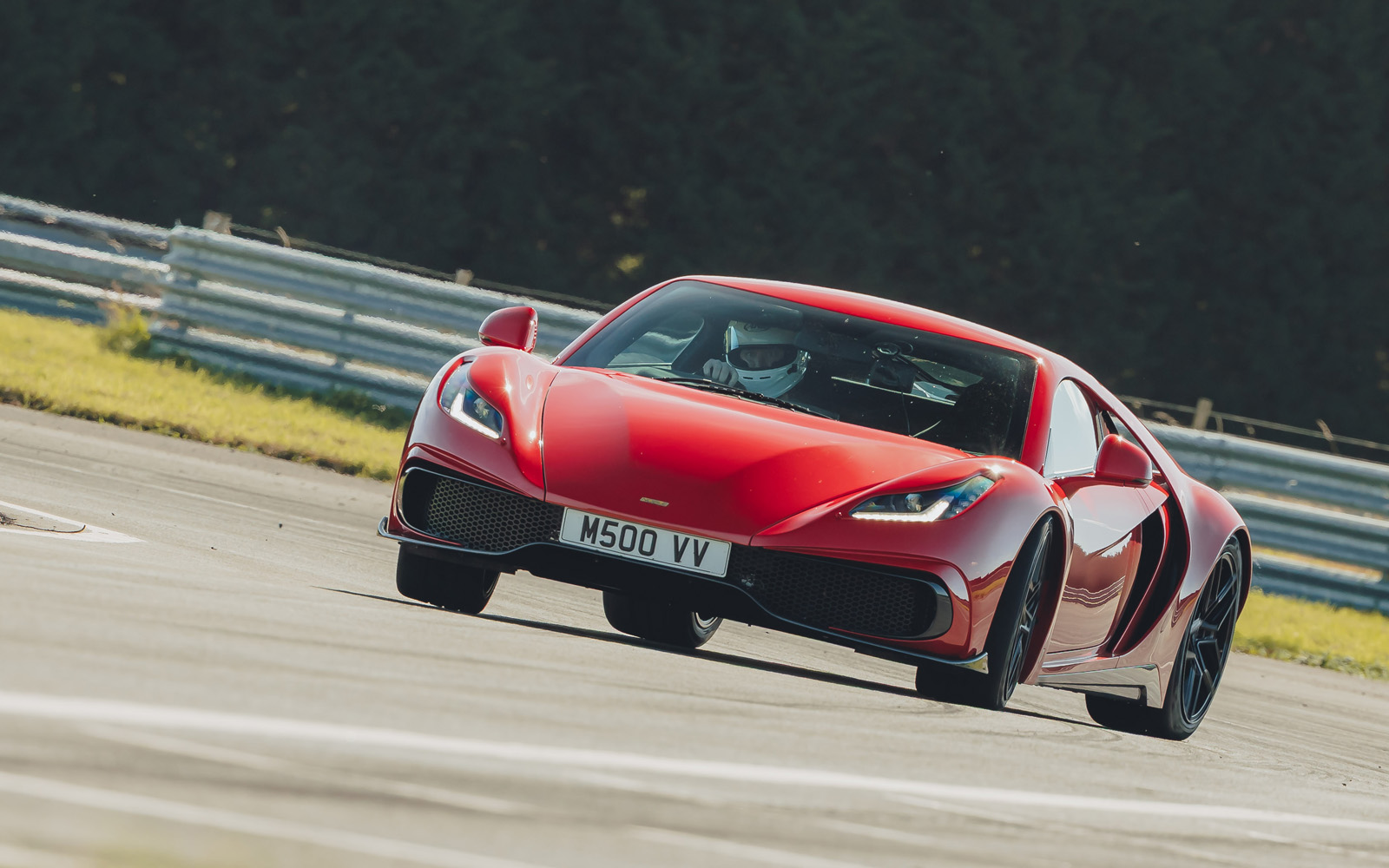
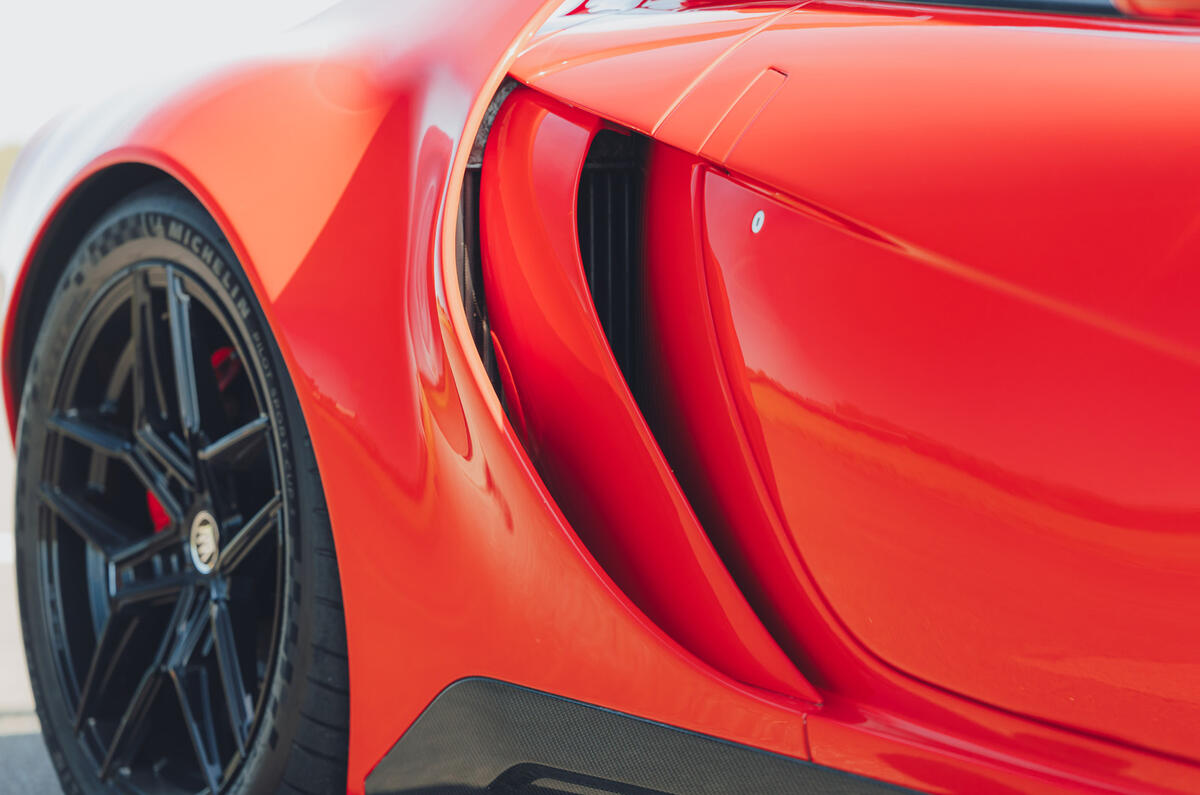
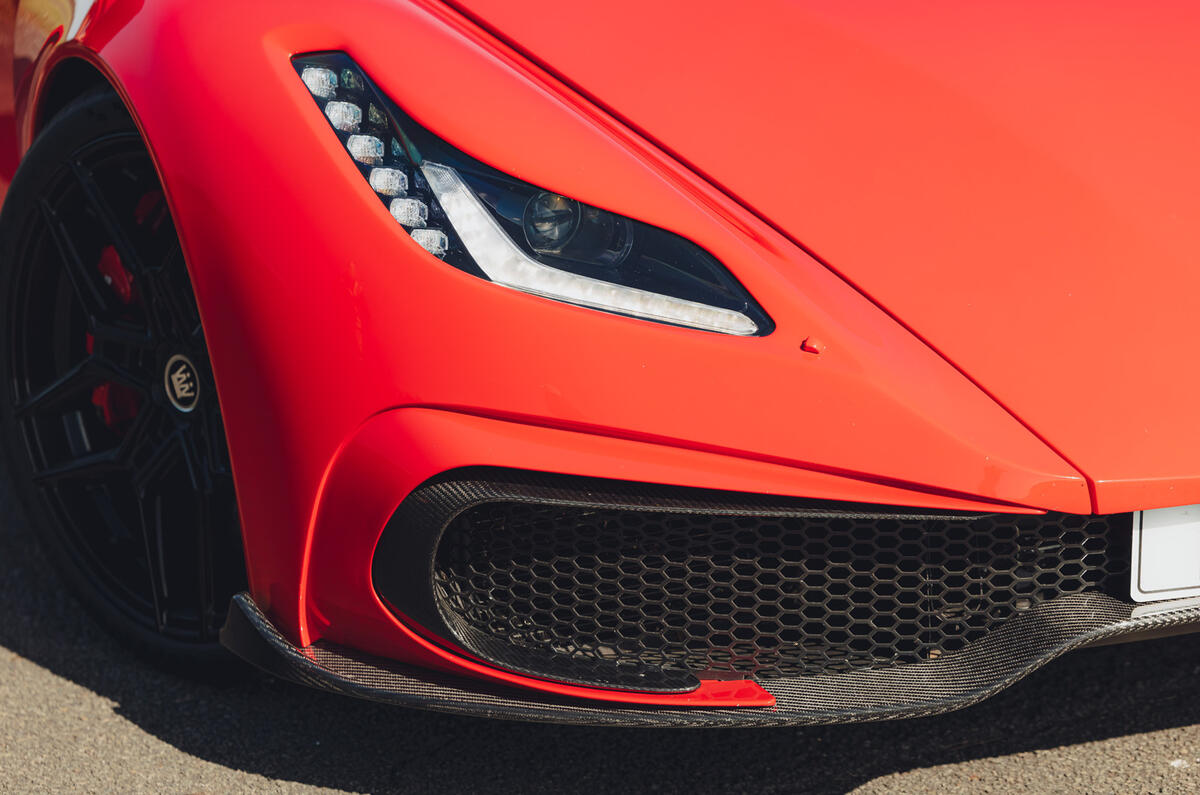
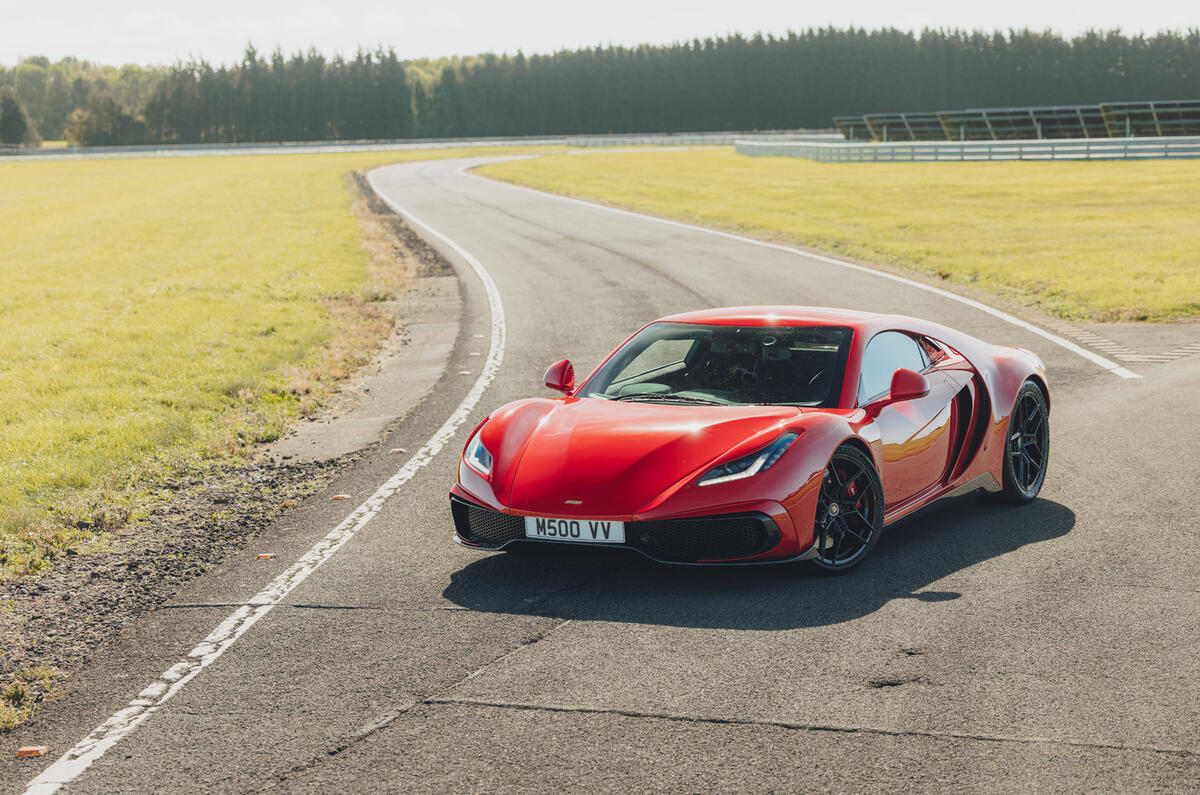
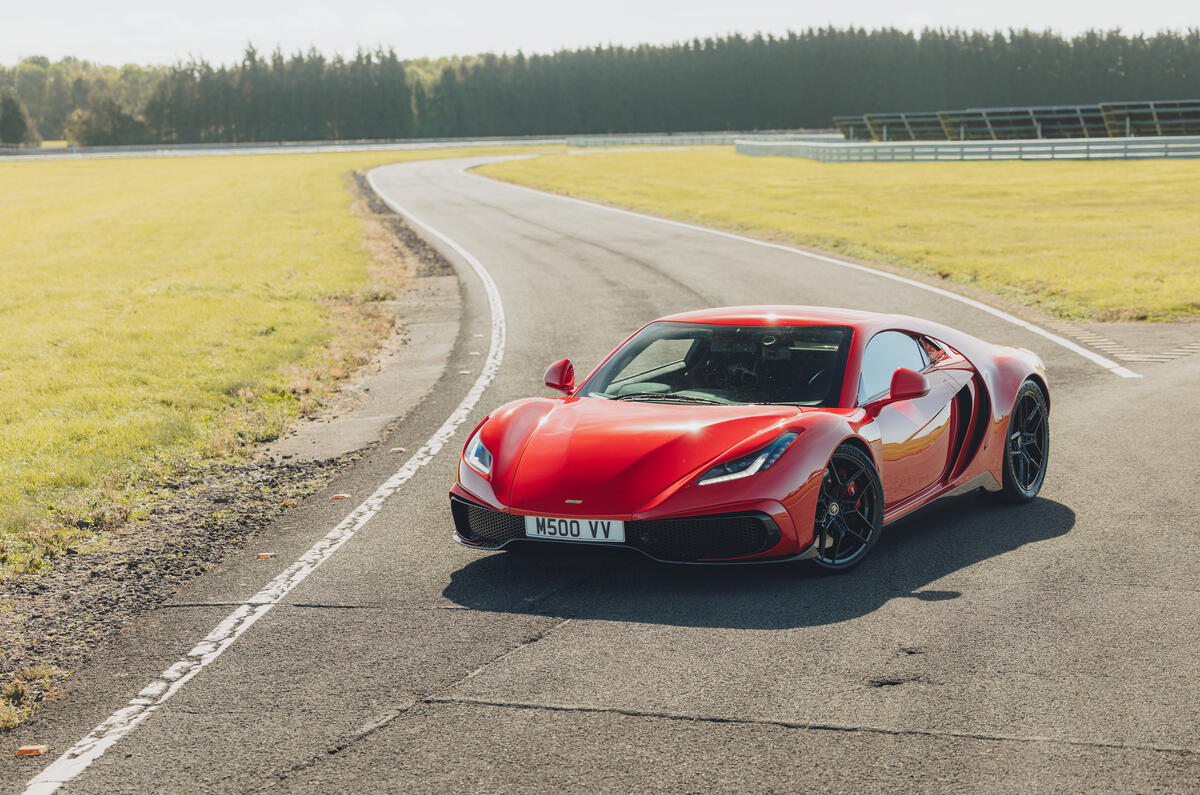
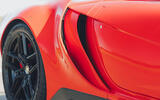
The front of the car is no less striking. With Noble putting these cars through Individual Vehicle Approval and therefore avoiding the straitjacket of today’s impact safety regulations, Boutwood (not only the MD but also the designer) has been able to set the M500’s nose ferociously low. In fact, for what isn’t an especially low-riding car, in the metal the M500 really does seem to hug the ground – an effect heightened by the staggered wheels, which fill the arches as snugly as on any Porsche 911 GT3 RS.

Underneath that glassfibre body is a steel spaceframe that’s about “70% M600”, although the M500 has lower sills than its predecessor, for easier entry, and wider tracks. The double-wishbone suspension layout is carried over too, here controlled by passive Bilstein dampers and Eibach springs. And it really is barely any more complicated than that, folks.

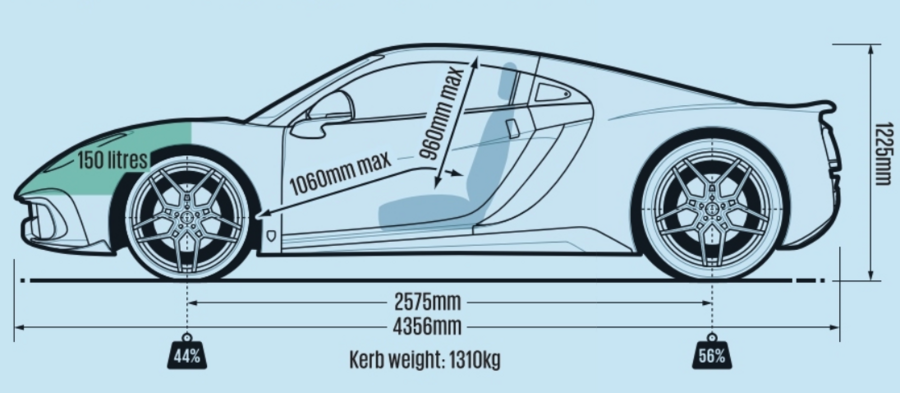
The upshot of all this is a claimed kerb weight of 1310kg. In reality, and with its 70-litre tank full, our test car trod the scales at 1403kg, with a distribution of 44:56 front to rear. For context, that’s 99kg heavier than the larger but carbon-bodied M600. Equally, it’s 90kg lighter than the Lotus Emira V6 SE that we tested in 2025 and 31kg lighter than the Porsche 718 Cayman GT4 RS. Impressively, the M500 also distributes its mass more evenly than either of those other cars.

In the realm of specialised mid-engined cars you could feasibly use every day, only the four-cylinder Alpine A110 R (1094kg) and the nearby-made Wells Vertige (963kg) have trod our scales more lightly.

INTERIOR

6
06 Noble M500 RT interior

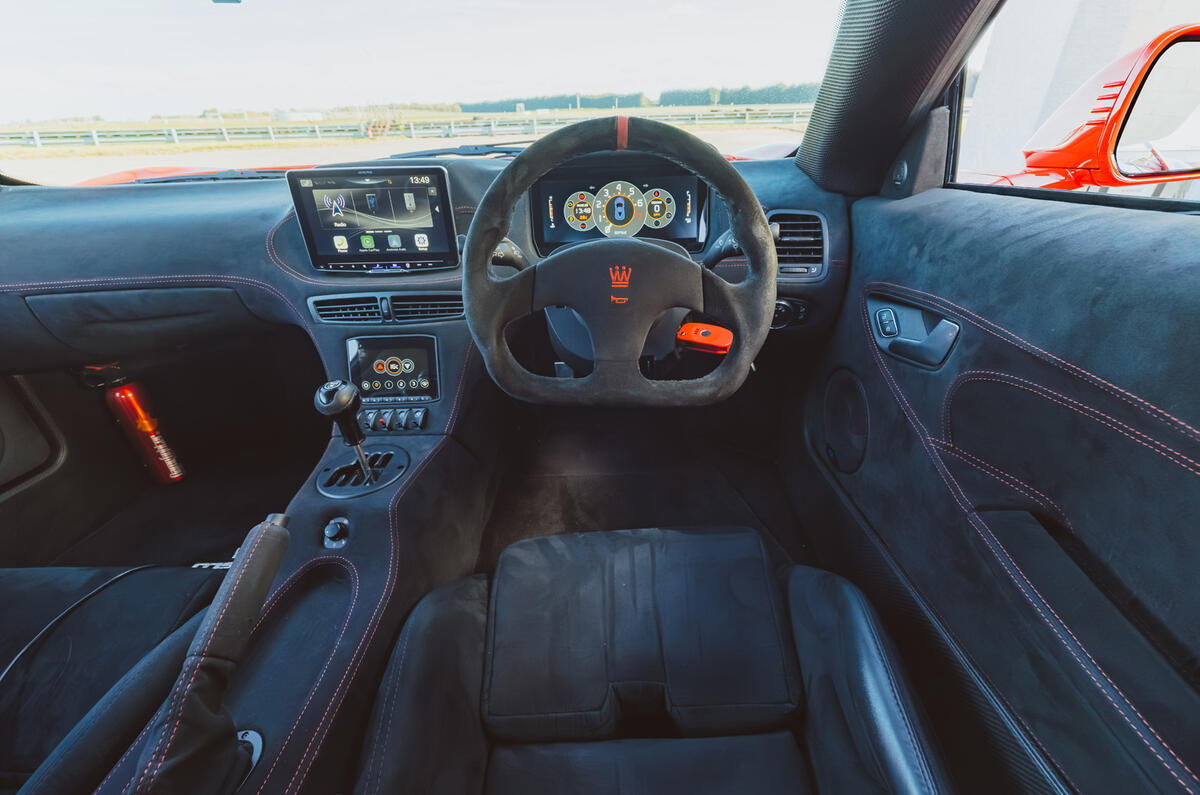
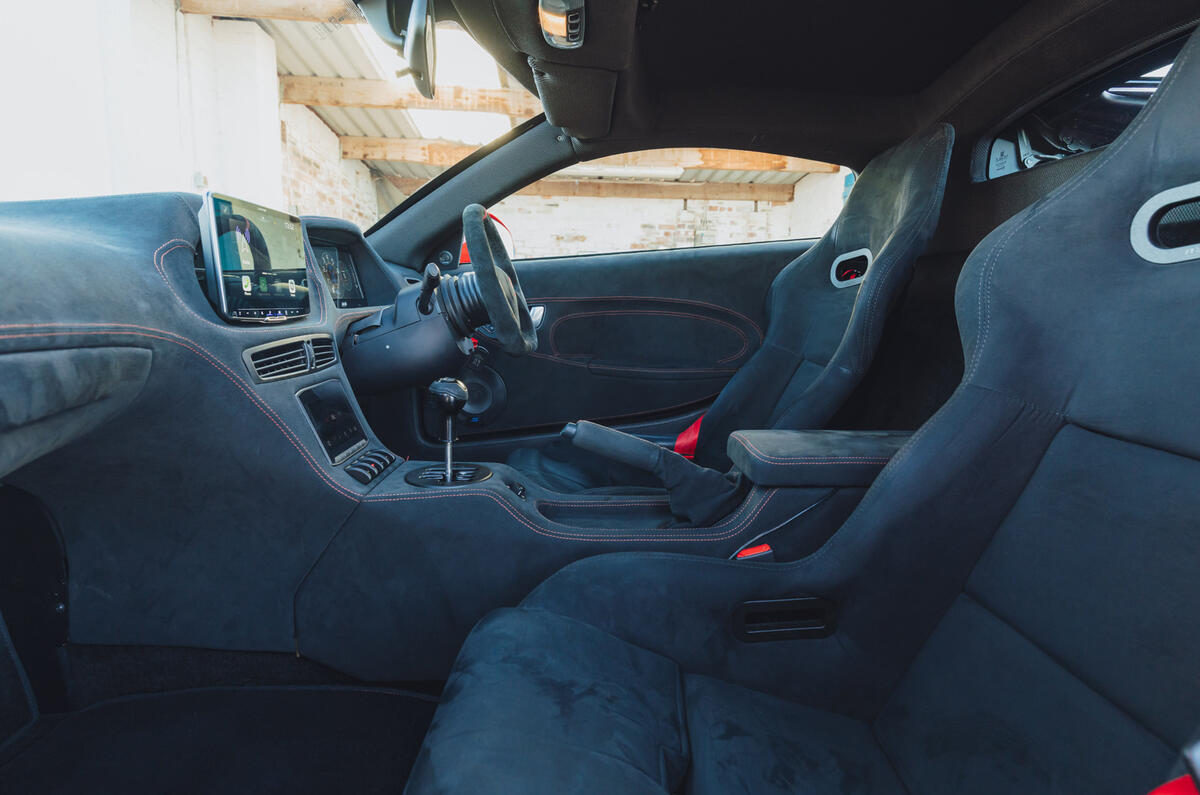
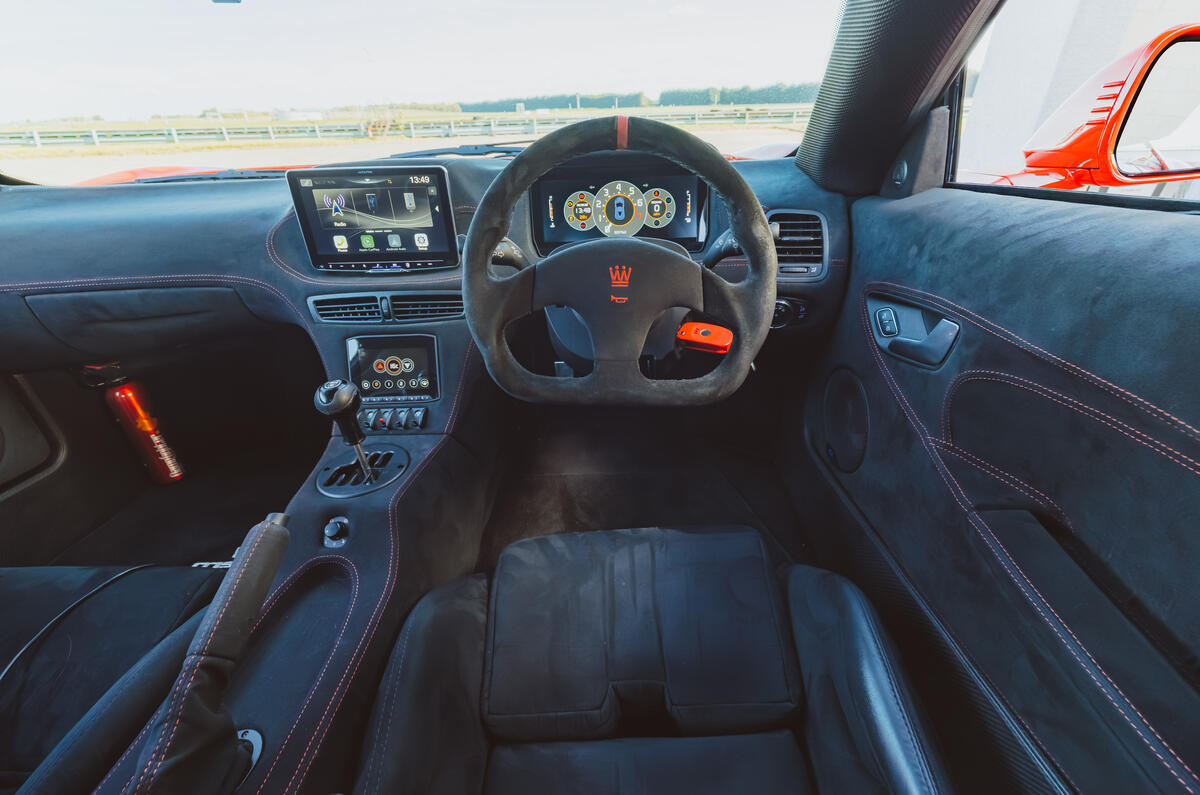
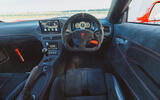
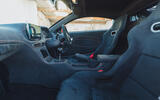
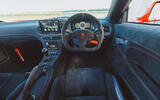
The cockpit of the M600 had carbon inserts and two-tone leather, plus the trigger guard and toggle from a Tornado attack jet for the traction control. With the exception of its snickety open-gate gearshift, the M500 is less flamboyant, giving its driver little more than the necessities: pedals, wheel, seats, gearlever, fire extinguisher and a tiny array of switchgear alongside three unshowy digital displays.

The black Alcantara trim and flat-bottomed steering wheel rim of our test car underline a sense of driver focus that is rare nowadays (even if the reality is that it wasn’t entirely deliberate: the M500 project came about on a notably tighter budget than the M600 had). Certainly it’s an environment that feels designed to fulfil a purpose rather than entice or delight.

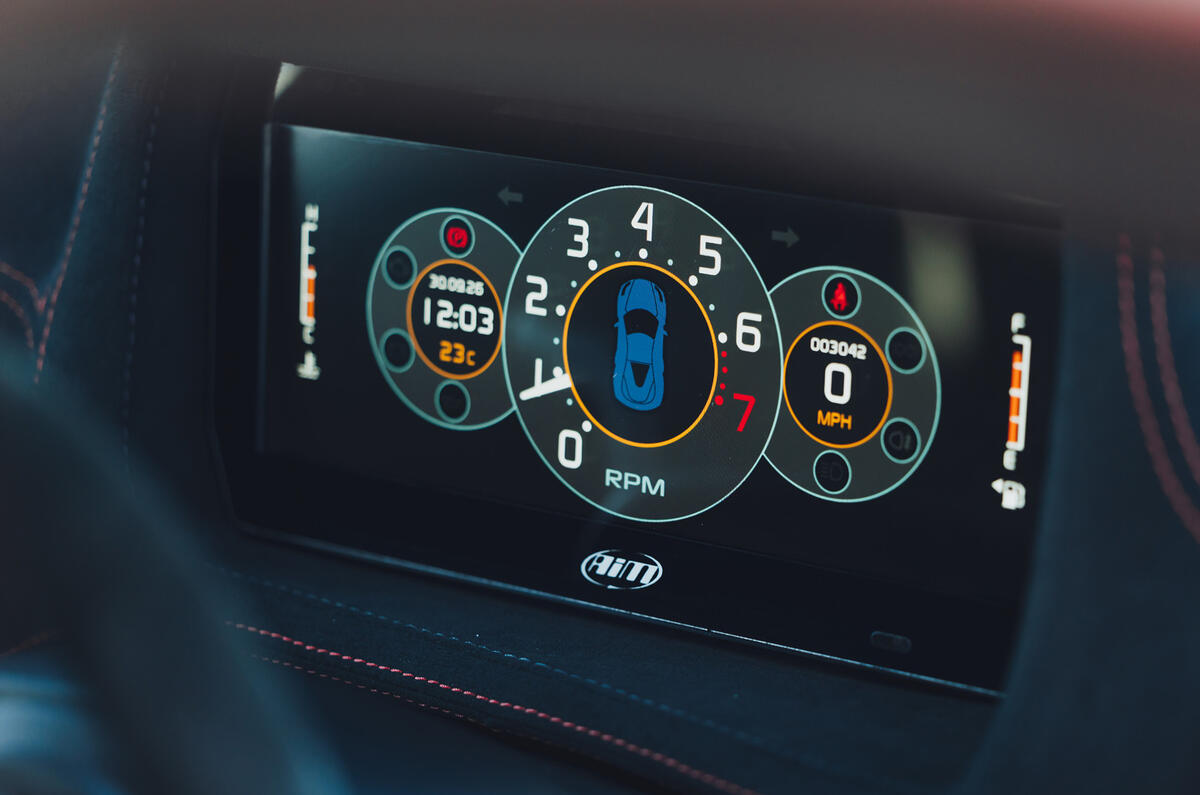
The M500 swaps the analogue dials and turned aluminium mount of the M600 for a purely digital affair provided by Aim. The rev counter does now sit front and centre, mind.

And it does a reasonably good job. The driving position is ever so slightly angled inwards and the pedal box is a touch cramped, but otherwise this is a comfortable and supportive cockpit and one that connects you to the machine.

Visibility is fine as it stands and ought to improve when Noble gets around to thinning the rafter-sized header rail. Plans are afoot to drop the hip point a little too, although we would rather Noble prioritise adding generous reach adjustment for the steering column, in order to accommodate taller drivers.

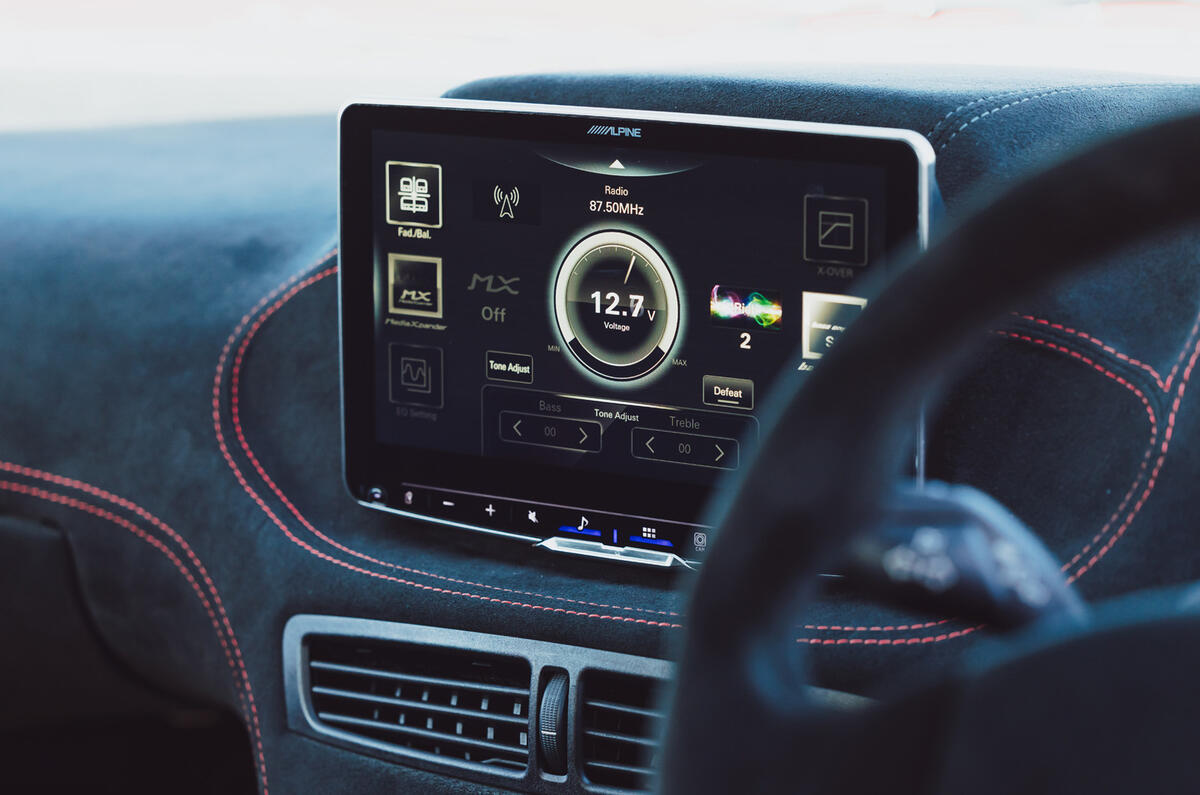
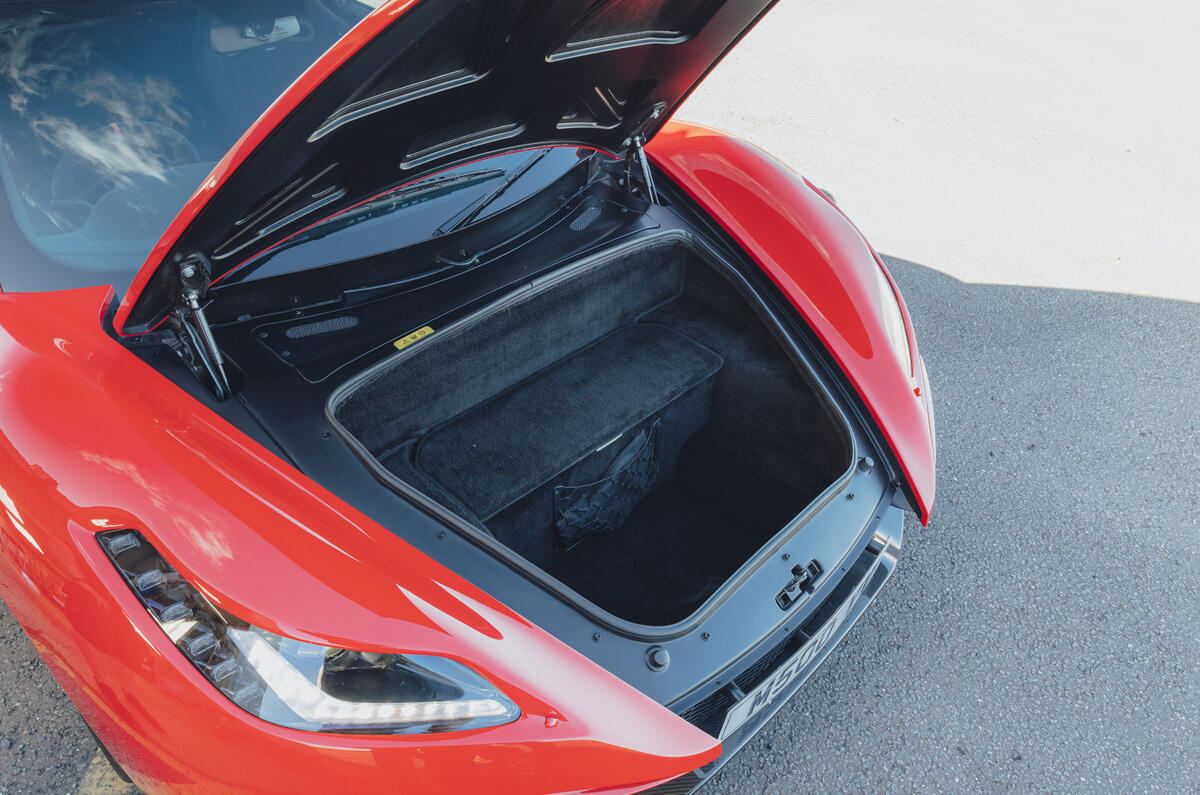
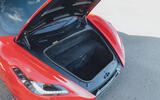
There’s a frunk that will suffice for weekends away (even if the 12V battery eats into the cavity) and the cockpit’s adequately premium-feeling Alpine infotainment system features Apple CarPlay and Android Auto. You will also find a 12V socket, USB ports and a small cubby under the armrest – useful, as there’s no oddment storage in the door cards. There are no glaring omissions in terms of functionality, then, and the ergonomics are generally fine.

Where the M500 may struggle is in its low-volume feel. The Emira, for instance, feels notably plusher, let alone something like a 911. Some will find imperfectly aligned contrast stitching part of Noble’s artisanal charm but others won’t.


ENGINES & PERFORMANCE

8
05 Noble M500 RT engine

Raw numbers don’t convey the intensity of the M500’s performance, which isn’t dissimilar to that of the Ferrari F40. The two have a comparable power-to-weight ratio, after all – and, crucially, engines for which peak boost goes off like a bomb at around 4500rpm.

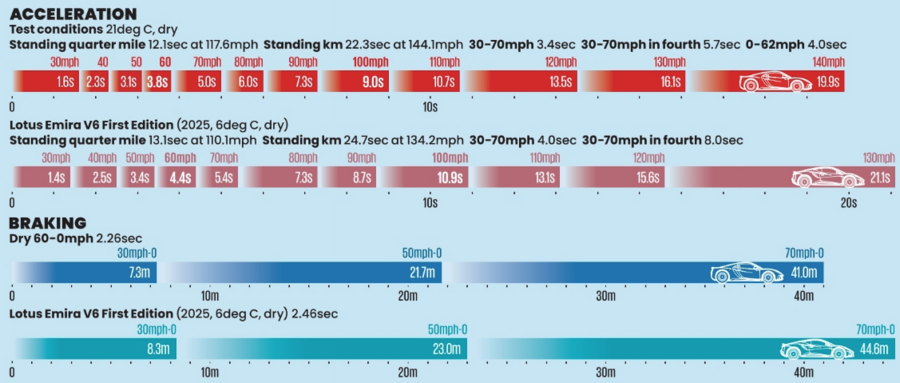
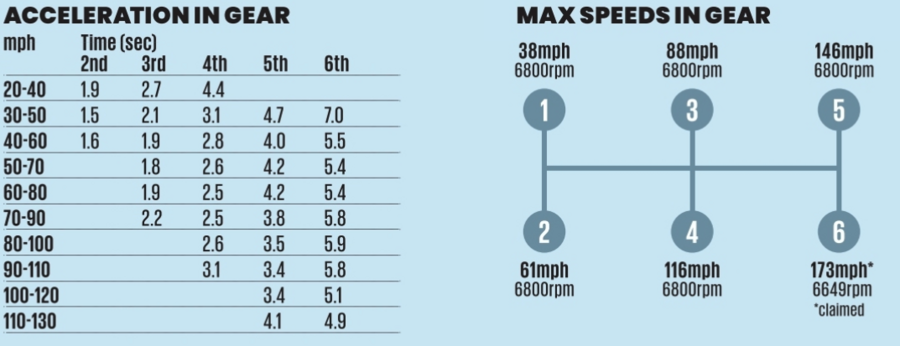
If the Noble’s as-tested 0-60mph time of 3.8sec looks a little ordinary (what ridiculous times we live in), it’s only because this is an awkward car in which to achieve a perfect launch. Feed in the clutch off boost and you will bog down as the 295-section rear tyres fail to relinquish their limpet-like grip; drop the medium-weighted clutch with the turbos spooled up and you will rip that same rubber into over-rotation with casual violence.

Even if you do execute an ideal getaway, modulating this engine such that you keep the back axle just a touch below the threshold of wheelspin through second gear is like safely catching a falling knife.In the end, 3.8sec was indeed our best time, but the process was more exciting than doing the same thing in any launch control-aided, sub-3.0sec supercar.

The M500 is in general a machine that ensures you’re kept busy and engaged. The ratios are closely stacked and the engine, once boosting, will tear its way to the 6800rpm redline in rampant fashion. Consider the 2.2sec needed to cover 70-90mph in third gear, versus 2.9sec for the Emira V6.

Fortunately the gearbox is a delightful throwback to simpler times and is a delight to use. The knob has an aftermarket look to it that doesn’t belong in such an expensive car, but the action is exceptionally positive when drawing itself home, with a tactility that never becomes a chore. It’s also superbly accurate: we didn’t miss a shift during the entire, frenzied telemetry element of the test.Nor, for that matter, did we get so much as a whiff of clutch. This powertrain seems every bit as tough as its burly exhaust rasp suggests.

Across the board, the M500’s roll-on acceleration is stronger than any credible sub-1500kg alternative, and that includes the manual 911 GT3, which can’t quite live with the Noble’s torque. What’s more, for all its full-throttle drama, on part-throttle the delivery is reasonably linear and so gearing up and stroking the M500 along on a public road brings no hassle.

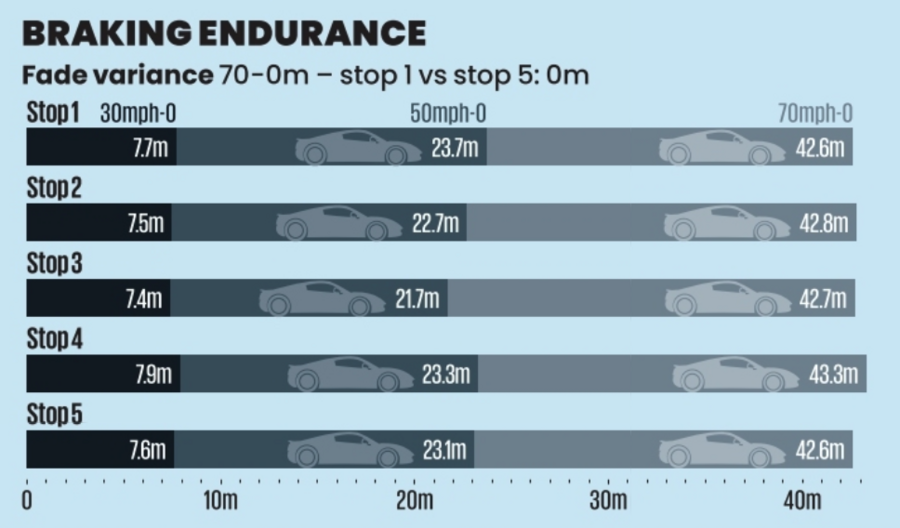
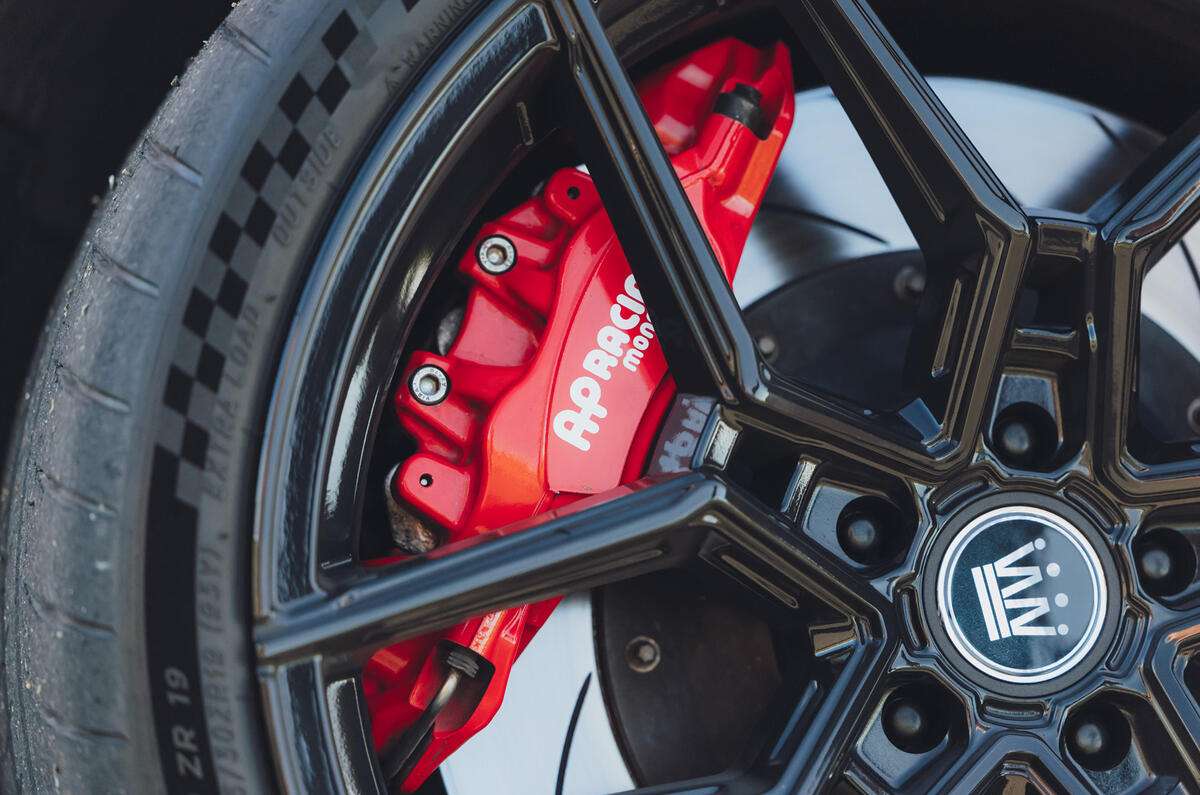
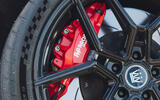
As for braking, performance is also strong. With its AP Racing four-piston calipers and grooved cast-iron discs, our test car’s best stop of 41.0m from 70mph again got the better of the Emira V6 (44.6m, albeit in cooler conditions).

However, the bigger question is whether it’s acceptable in 2026 for a near-£200k sports car designed with a certain seniority and breadth in mind to not feature anti-lock braking. Yes, there is an enjoyable purity to the pedal feel, but we would rather have all-condition consistency without lock-ups.

Overall, this is a powertrain that makes a virtue of pairing forced induction with three pedals. It’s anachronistic but scintillating.

RIDE & HANDLING

9
02 Noble M500 RT rear corner

There’s a profoundly refreshing sense of natural agility about the M500. Given the short wheelbase and generous tracks, the contact patch is unusually four-square. Combined with the relatively low kerb weight, the result is a stable car that takes crests and troughs utterly in its stride, and that jinks through direction changes with stunning ease. The flavour of this set-up, with what feels like soft springing controlled by more resolute damping, is reminiscent of the M600, and nearly two decades hasn’t lessened the appeal a jot.

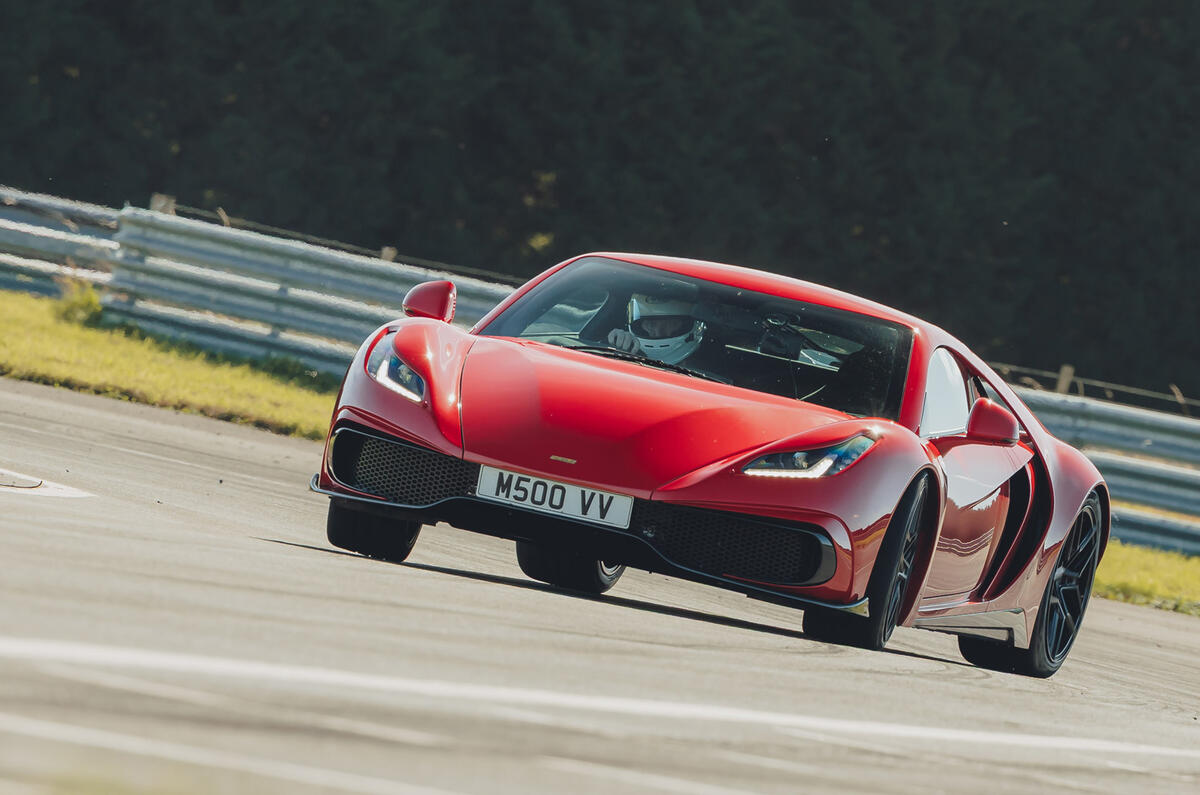
The M500 also has good throttle-adjustability. The semi-slick Cup 2 tyres mean you’re unlikely to tease the tail out of line on a dry road, but the car is responsive to the position of the right-hand pedal even well within the limits of grip. Put some lateral load through the spaceframe and wishbones and you can trim your line with a judicious lift of the throttle or open your line up by feeding in drive. It’s very Lotus, although the M500 may actually be more malleable in this respect than the Emira – and it’s certainly more sensitive than any 911.

The steering rack, meanwhile, has been changed since the M600’s days. This new one, sourced from the last Audi A4, is around 2.3 turns lock to lock, but on the road it keeps all of the things that made the M600’s so good. It has a benign response and feel, weighting up nicely as cornering forces build and giving you plenty of clues as to what the front wheels are up to.

There is a degree of kickback on corrugations and the like in the road surface, but this is as you would expect, given the levels of transparency. The more pressing issue is that the low-speed over-assistance drops away markedly at 30mph, in an all too noticeable step. It’s a small gripe, but were it smoothed out, the M500 really would feel so natural at all times.

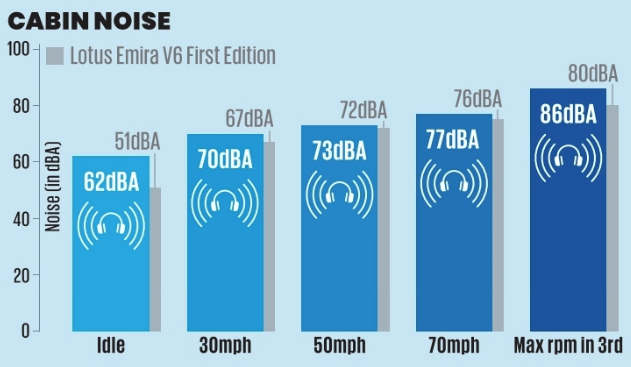
The trade-off is that the M500 is the noisiest car among its rivals. When you have a dagger between your teeth, the pneumatic hisses and gulps from this powertrain can be very entertaining indeed. But our recorded 73dBA at a 50mph trundle, a combination of tyre, road and exhaust boom, makes the M500 louder than the Emira V6 (72dBA) and 911 Carrera S (a comparatively whispering 67dBA). At motorway speeds that rises to 77dBA, at which point conversation, if not impossible, comes a bit strained. At least you will be comfortable, since the ride quality is impressive.

Track notes

Were you to buy an M500 and not drive it on track, you would be missing out. With such a robust and easy-shifting gearbox and pedals so suitable for rev-matched shifts, this is a car that wants to be thrashed, while the engine’s boosty delivery is pretty addictive but can’t be fully uncorked on a public road.

Given space to play, what was subtle adjustability on the road graduates to being something more effusive and theatrical. With the Torsen differential at the back and serious stability at the front axle, the M500 can be aggressively trailed into corners on the brakes and goaded into a quick but easily controllable flash of mid-bend rotation before being caught with the quick steering. On the other tyre that Noble offers, the Michelin Pilot Sport 4S, the dynamics surely would be even more flamboyant.

Of course, you don’t get the sensational elasticity and precision of a world-class naturally aspirated engine, so driving the M500 on the limit is always more animalistic than it is cerebral, but there is something a bit Group C about it all, and that’s not something at which you turn your nose up. In a similar vein, high-speed stability is intrinsic to this chassis.

To this you can add reasonably low wear and tear on consumables, thanks to the light weight and the low-maintenance engine.

MPG & RUNNING COSTS

6
01 Noble M500 RT front corner

Since an asking price of £150k was announced in 2022, inflation has risen sharply, and Boutwood admits the margins on the M500 are now exceedingly thin. Today the M500 costs £180k or £222k in Carbon Sport form, with the front splitter, sills, C-pillar quarterlights, engine deck and diffuser made in carbonfibre rather than glassfibre.

Yes, the M500 is expensive: twice the price of the Emira V6 and even in its basic guise costing more than the 911 GT3 with Weissach Package. In fact, the Carbon Sport is a match for the McLaren Artura, which is one of the few cars that can go toe to toe with the M500 in terms of raw mechanical transparency and communication.

I re-read our M600 road test from 2009 (courtesy of Messrs Sutcliffe, Corstorphine and Prior). It includes a tester’s note about economy figures not taken on account of the test car’s non-functioning odometer. The same is true of this M500. All part of the charm…

In the end, the M500 is likely to be considered only by those with existing collections of cars and by those who are prepared to buy into Noble’s artisanal, rare, British-built appeal. It was the same with the M600; fewer than 30 were made. 

VERDICT

8
16 Noble M500 RT static

This is a verdict of two halves, and how much weight you apply to either side will be personal.

One half is that the M500 is surely among the most enlivening driver’s cars we will test this year. It has fluid handling and an outrageous turbo engine that ensures every time you slide the key into the barrel a memorable experience follows. Added appeal derives from the fact that the car is right-sized for the UK, has serious kerbside presence and is destined to be an extremely rare sight.

In the other half, its low-volume pricing brings some sensational alternatives into play: cars like the Porsche 911 GT3 and McLaren Artura. Against them, and even frankly against the Lotus Emira, it can’t compete in terms of usability, cabin quality or dynamic polish. Then there’s the lack of ABS.

Is it still worth considering for the thrills? We’d say so.

Richard Lane

Richard Lane
Title: Deputy road test editor

Richard is Autocar's deputy road test editor. He previously worked at Evo magazine. His role involves travelling far and wide to be among the first to drive new cars. That or heading up to Nuneaton, to fix telemetry gear to test cars at MIRA proving ground and see how faithfully they meet their makers' claims. 

He's also a feature-writer for the magazine, a columnist, and can be often found on Autocar's YouTube channel. 

Highlights at Autocar include a class win while driving a Bowler Defender in the British Cross Country Championship, riding shotgun with a flat-out Walter Röhrl, and setting the magazine's fastest road-test lap-time to date at the wheel of a Ferrari 296 GTB. Nursing a stricken Jeep up 2950ft to the top of a deserted Grossglockner Pass is also in the mix.