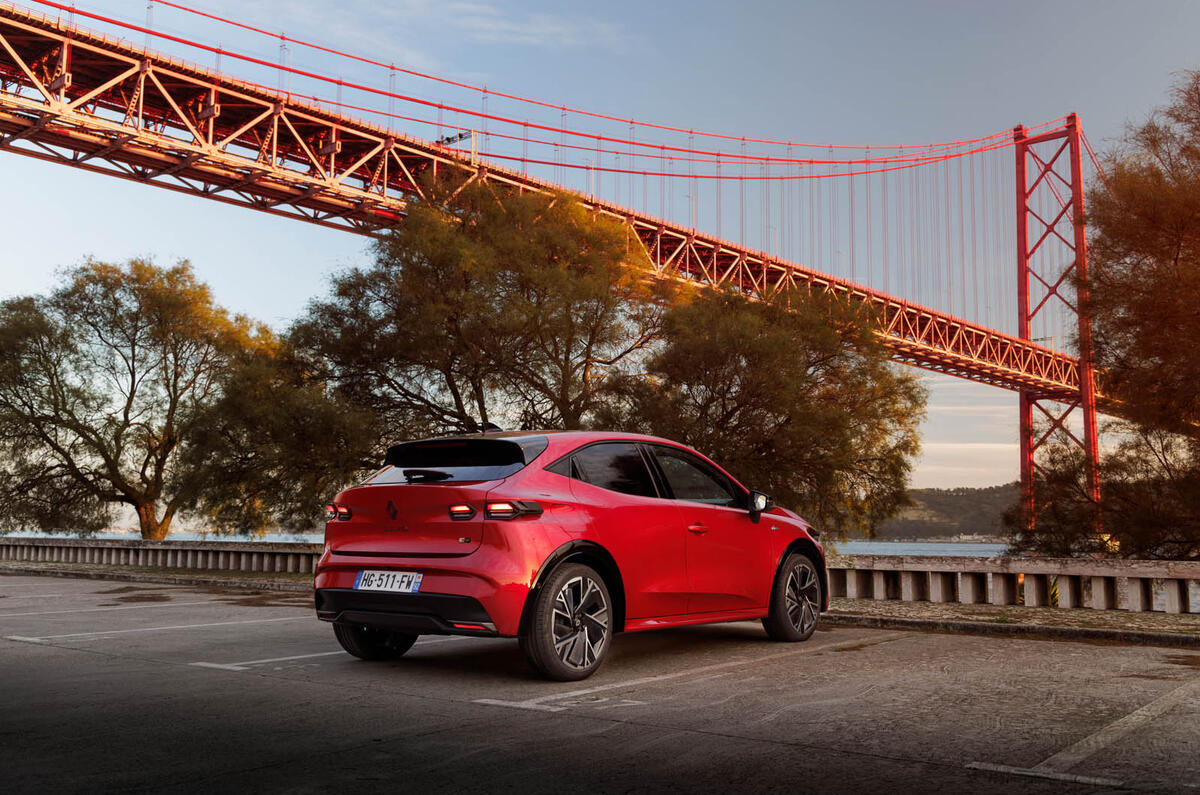













Supermini class-leader gets regenerated with bigger body, snouty face, latest hybrid powertrain and more

Find Renault Clio deals
Other Services
Sell your car
84% get more money with

With the Ford Fiesta culled and Renault surely being satisfied by the success of the electro-revived 5, one wonders if the venerable Clio suddenly finds itself on thin ice.

Renault insists not. “Clio is Renault,” intoned executives at the launch of the new sixth-generation version in Portugal. Then again, in many European markets Fiesta was Ford, until it abruptly wasn’t. These are dangerous times for small ICE cars.

But let’s not get ahead of ourselves. For now there is a new Clio. It will go on sale in mainland Europe next year and arrive here only in 2027. Renault puts this unusual delay squarely on the UK government and its inconsistent communications concerning its zero-emissions vehicle mandate. 

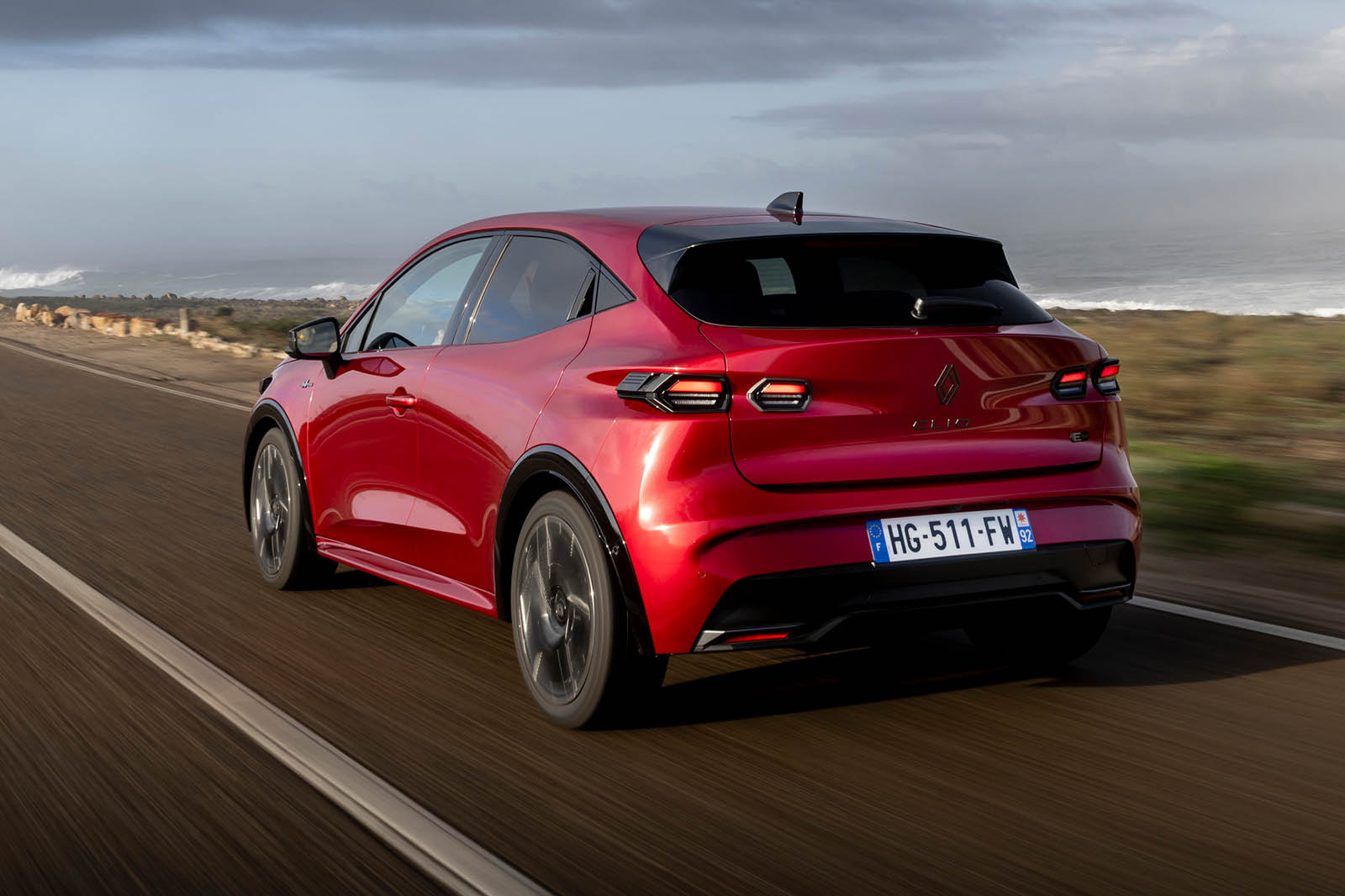
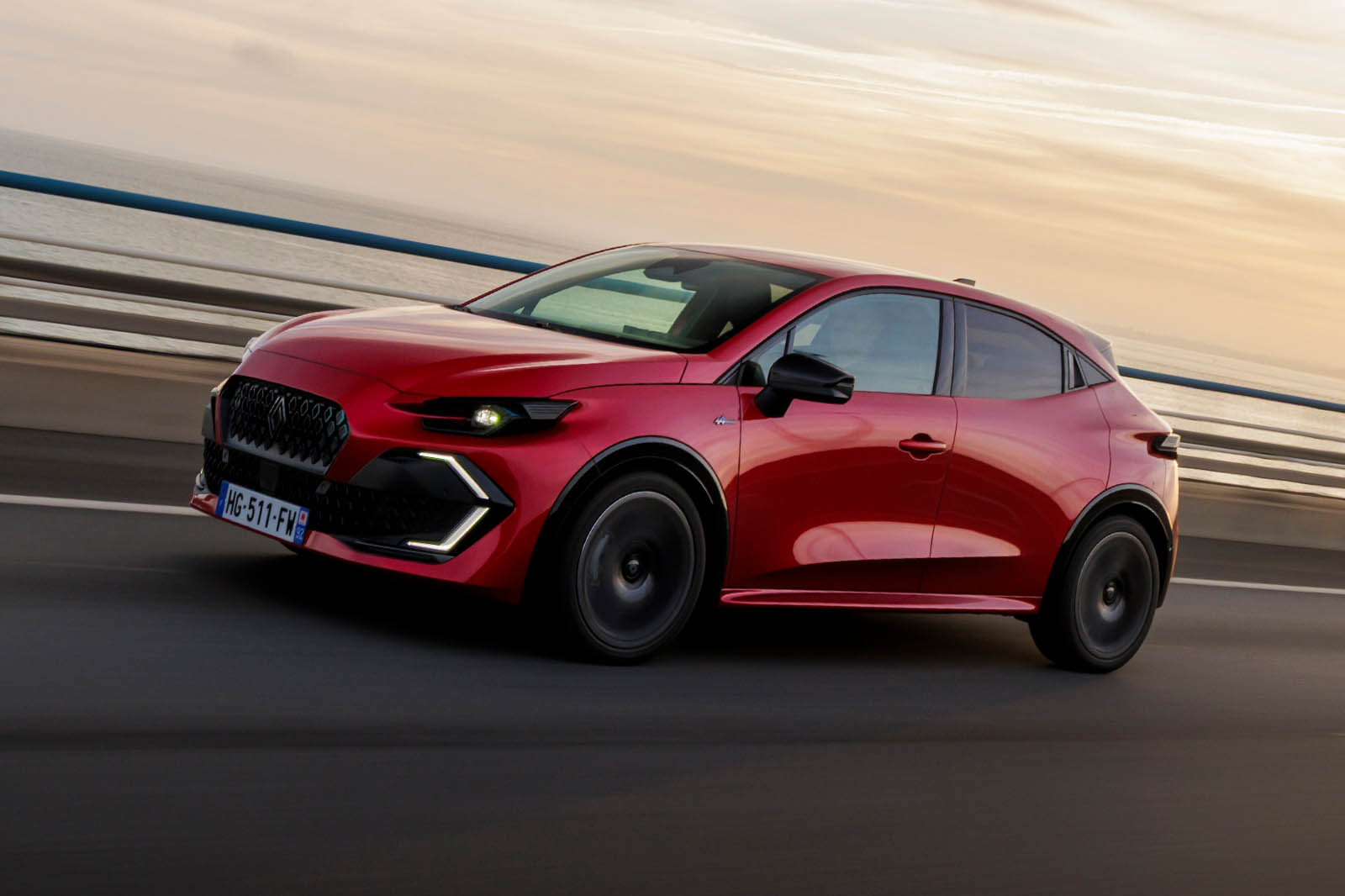
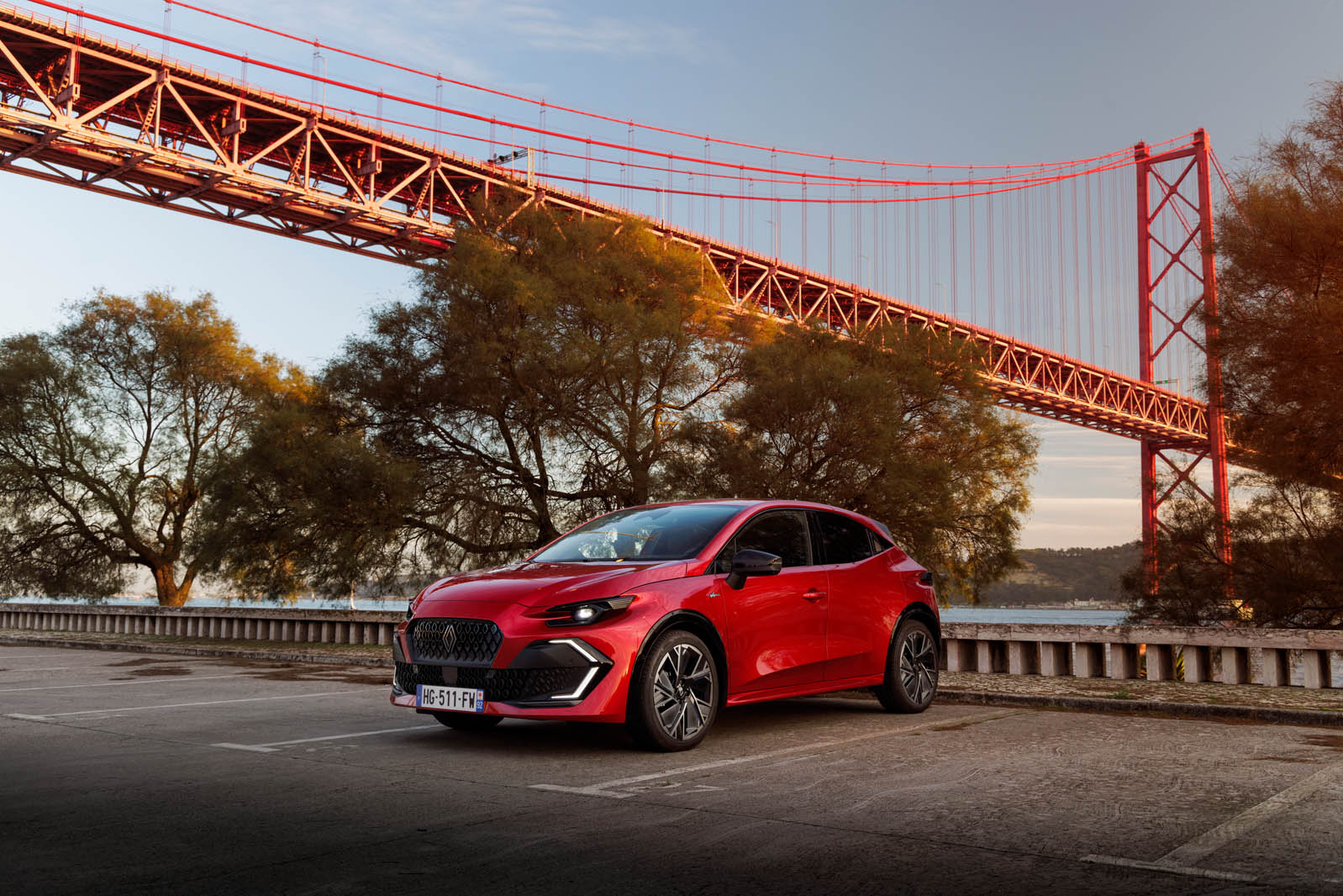
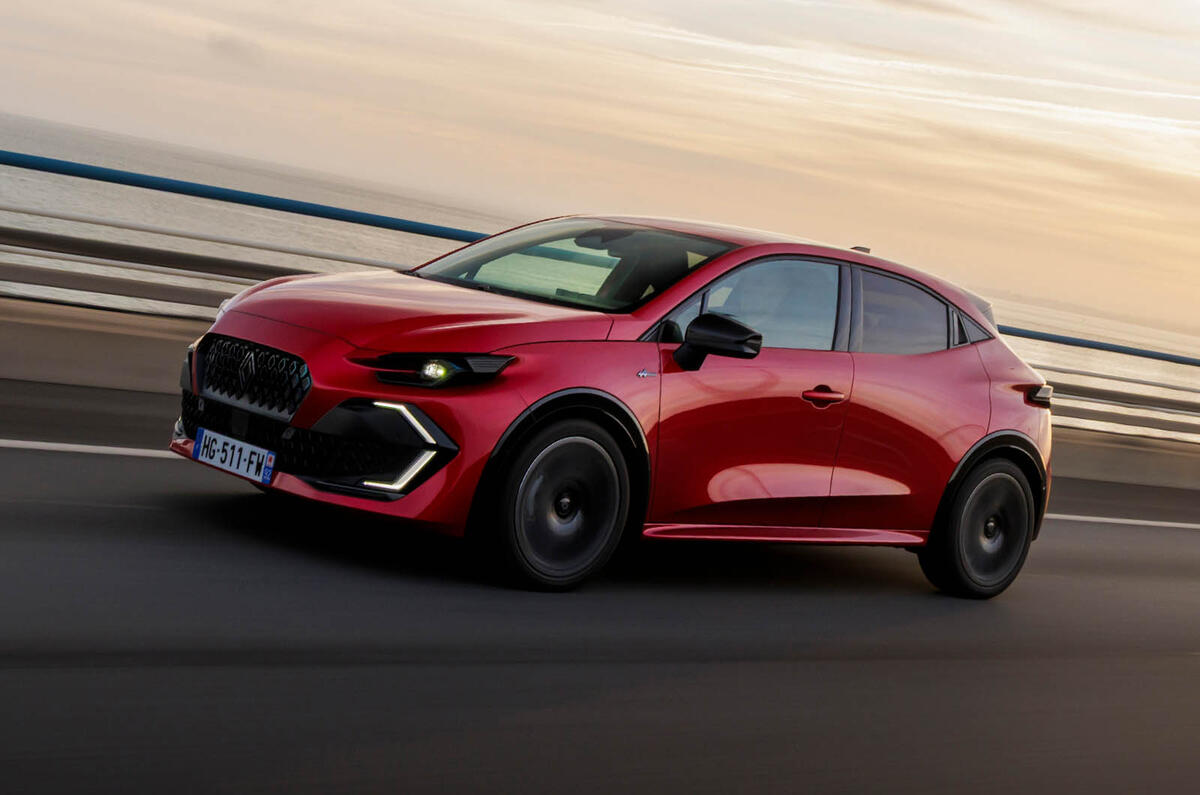
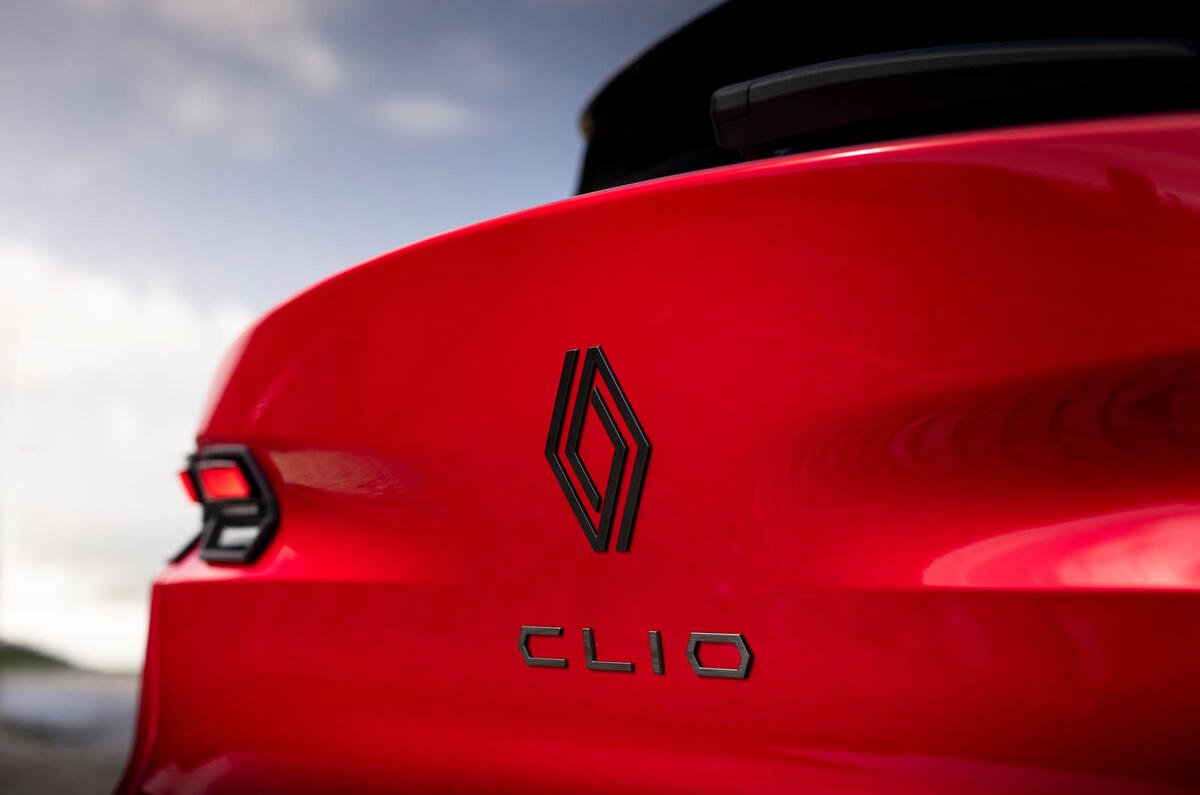
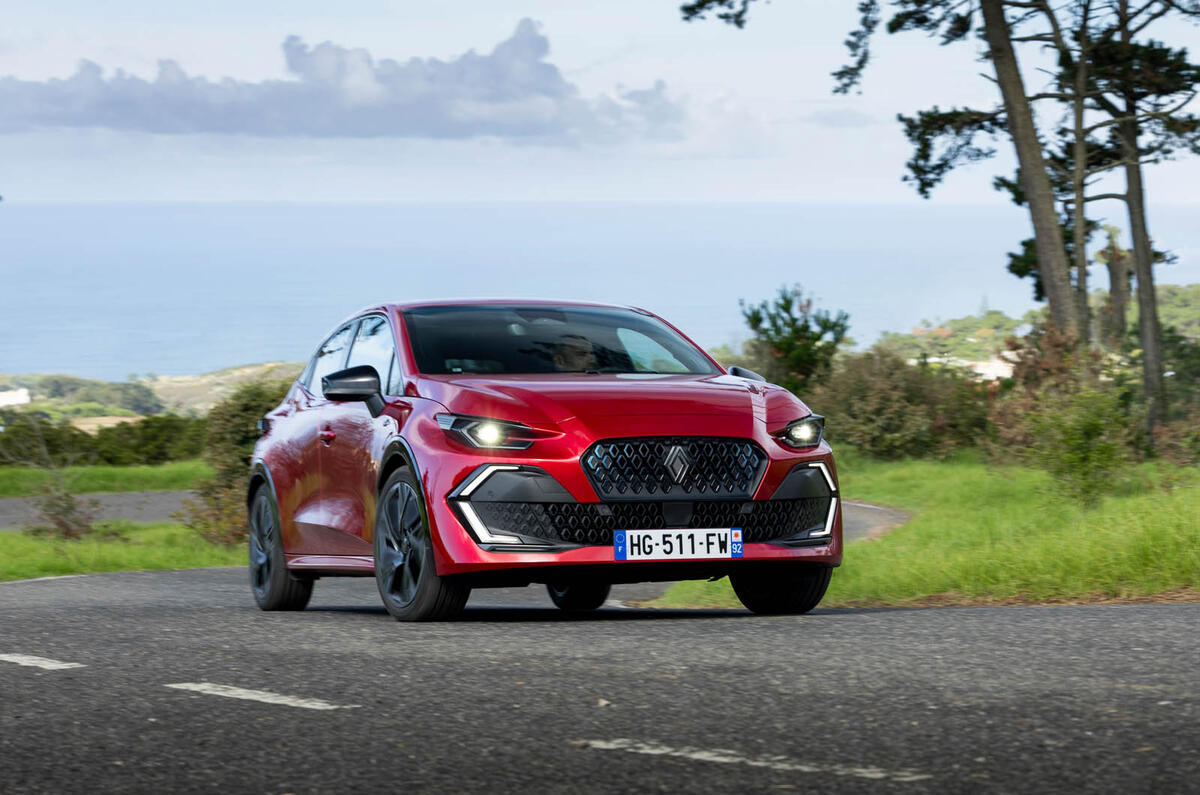
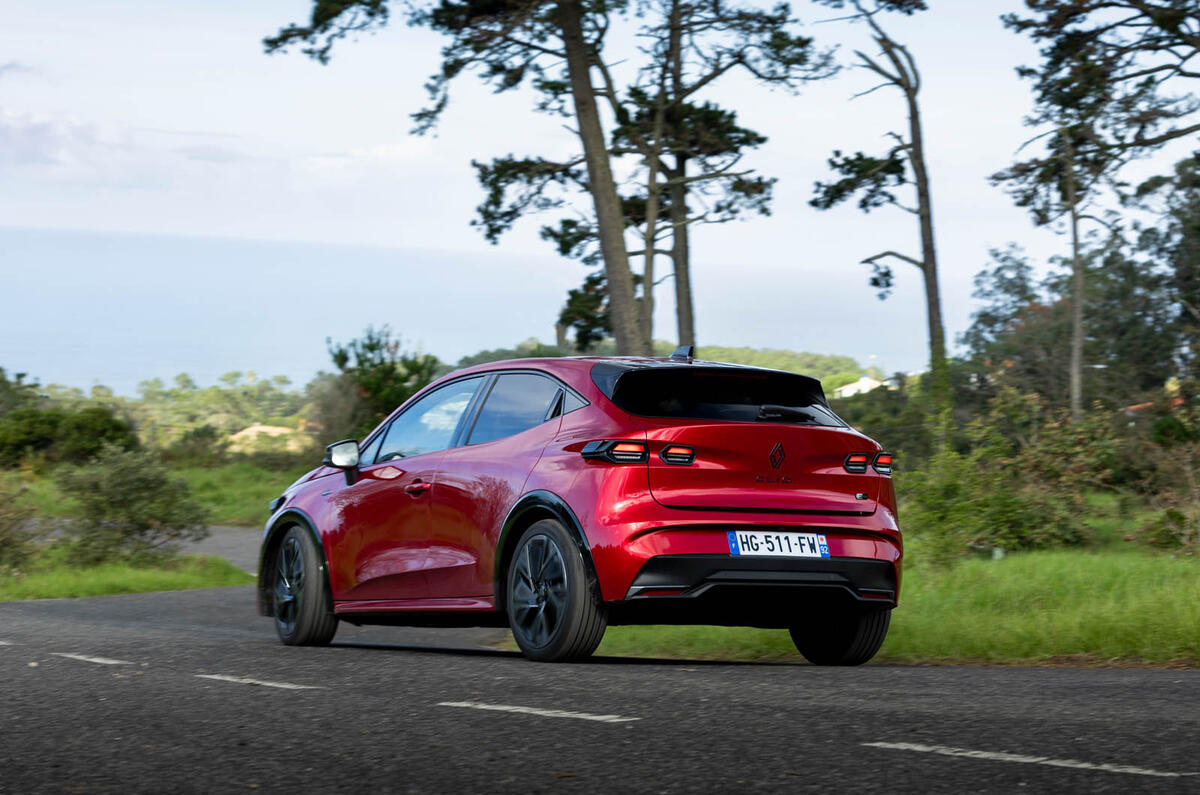
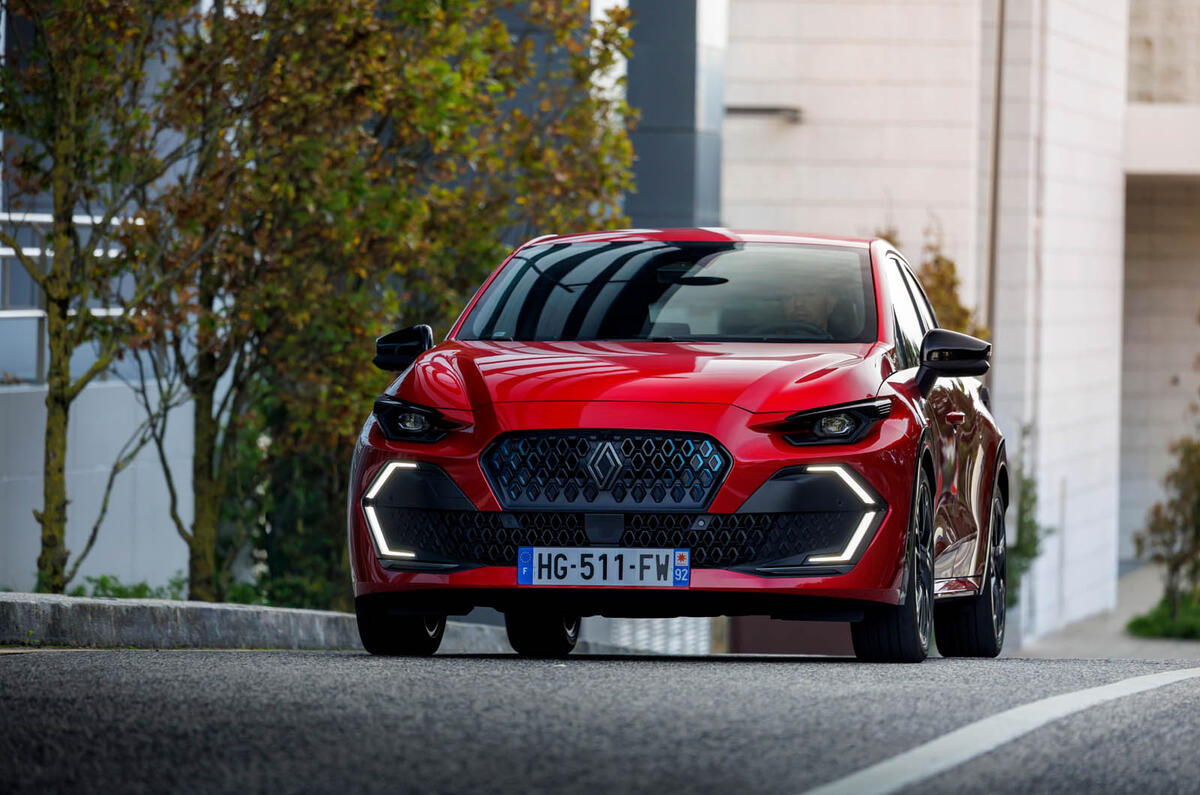
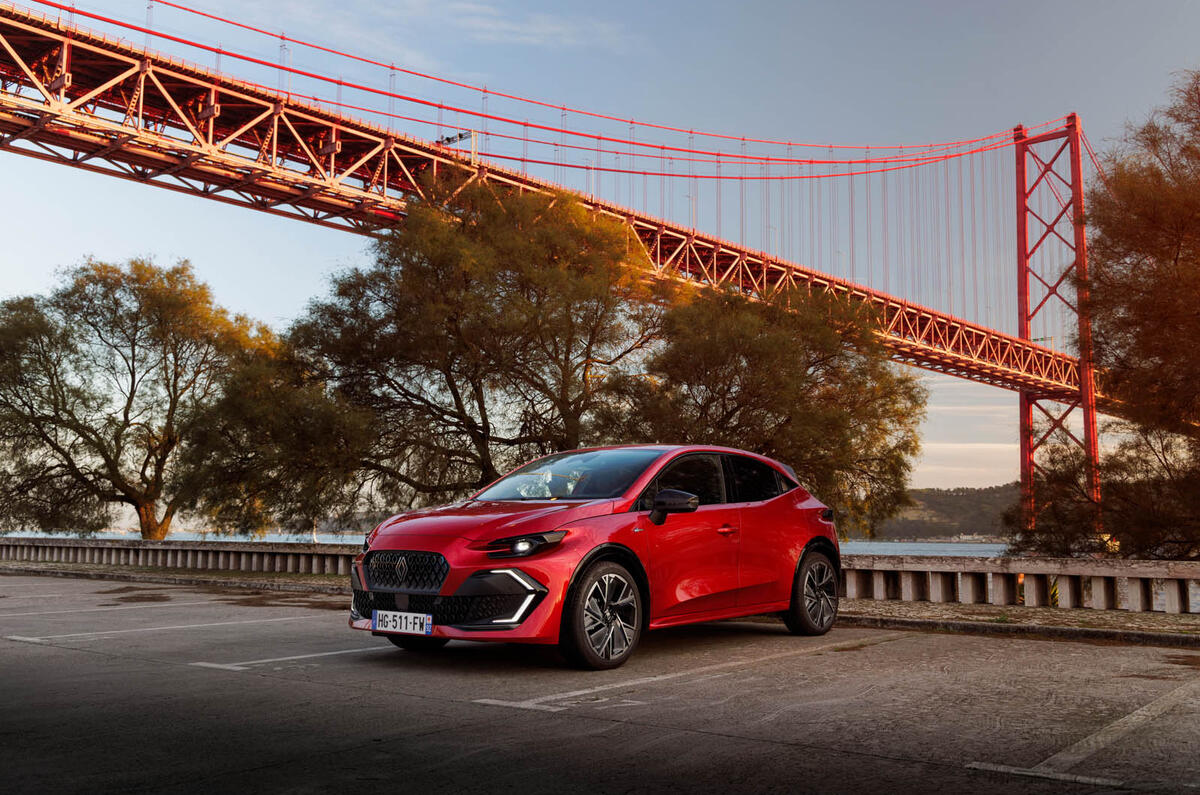
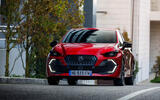
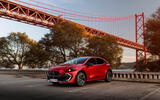
As for the car itself, the design has been overhauled, which is to say it has been wrenched in an angrier direction from the elegant template that Laurens van den Acker laid down with the Mk5 Clio in 2012. It also carries the biggest engine of any Clio since the RS hot hatch of 2009, more on which shortly.

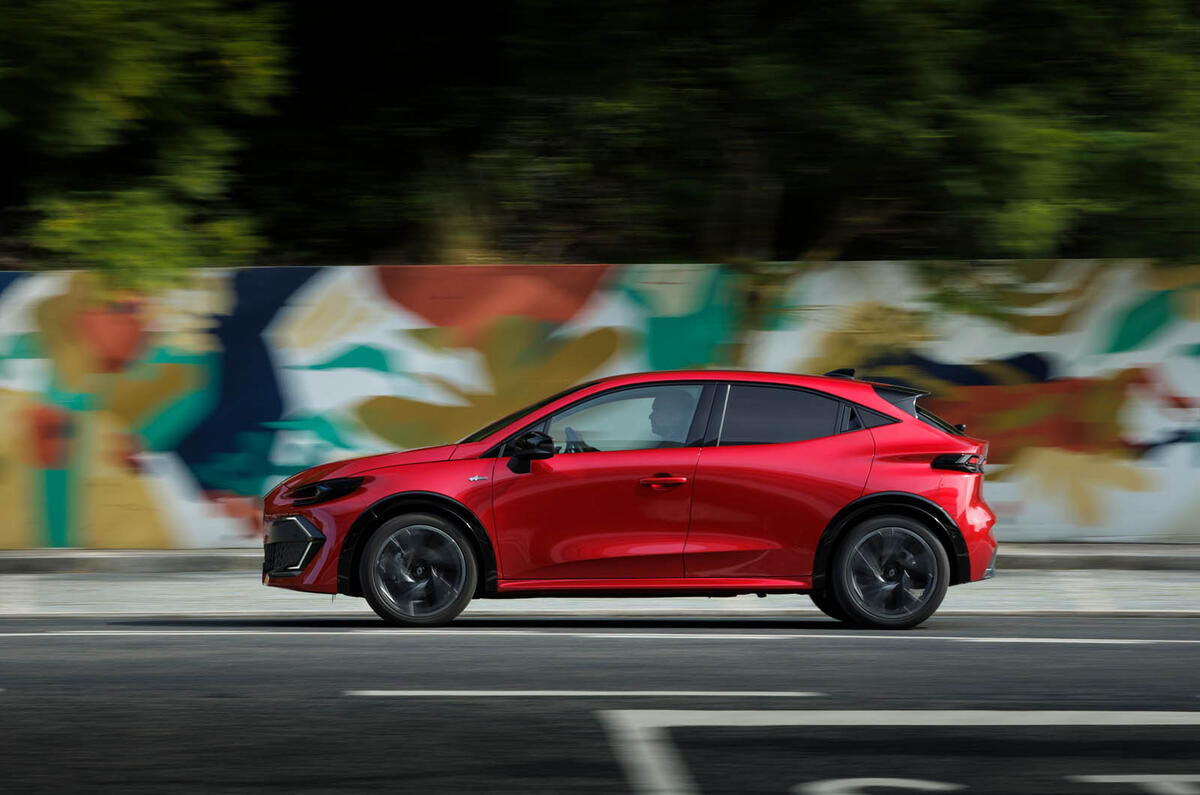
And it almost goes without saying that this new, sixth-generation car is the largest Clio ever. One day cars will begin to get smaller, but not yet. The truth is that the Mk6 is the same size as the very first Mégane, so the Clio has in three decades grown to fit the segment it once understudied.

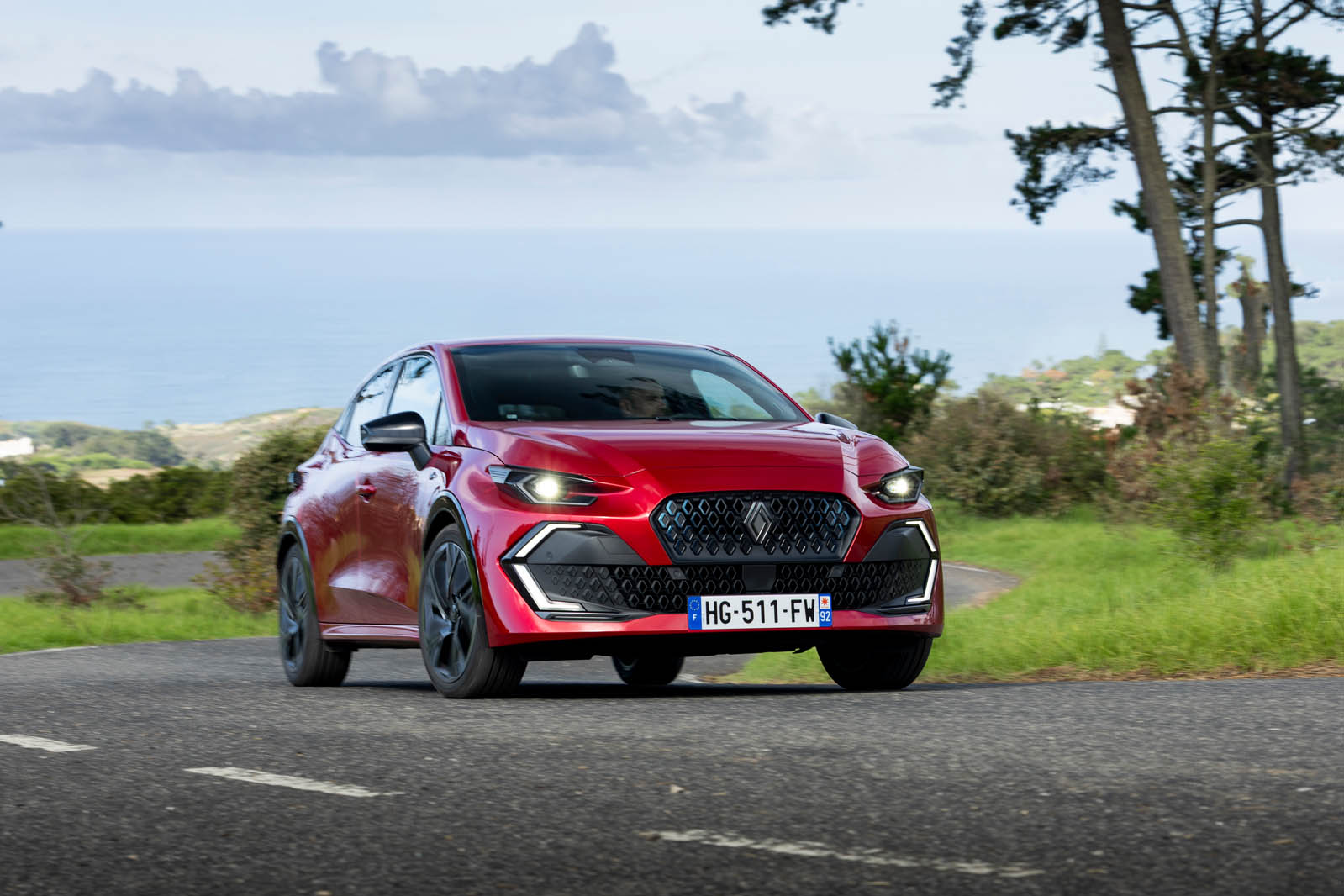
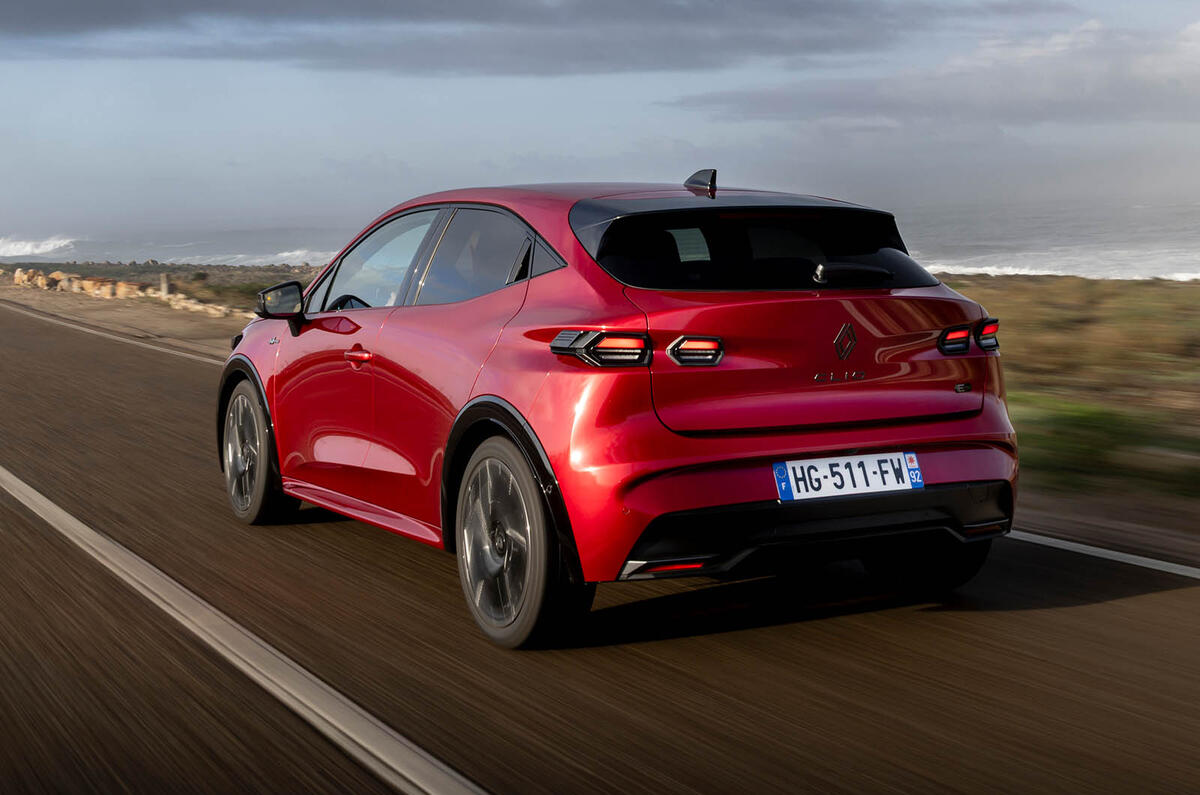
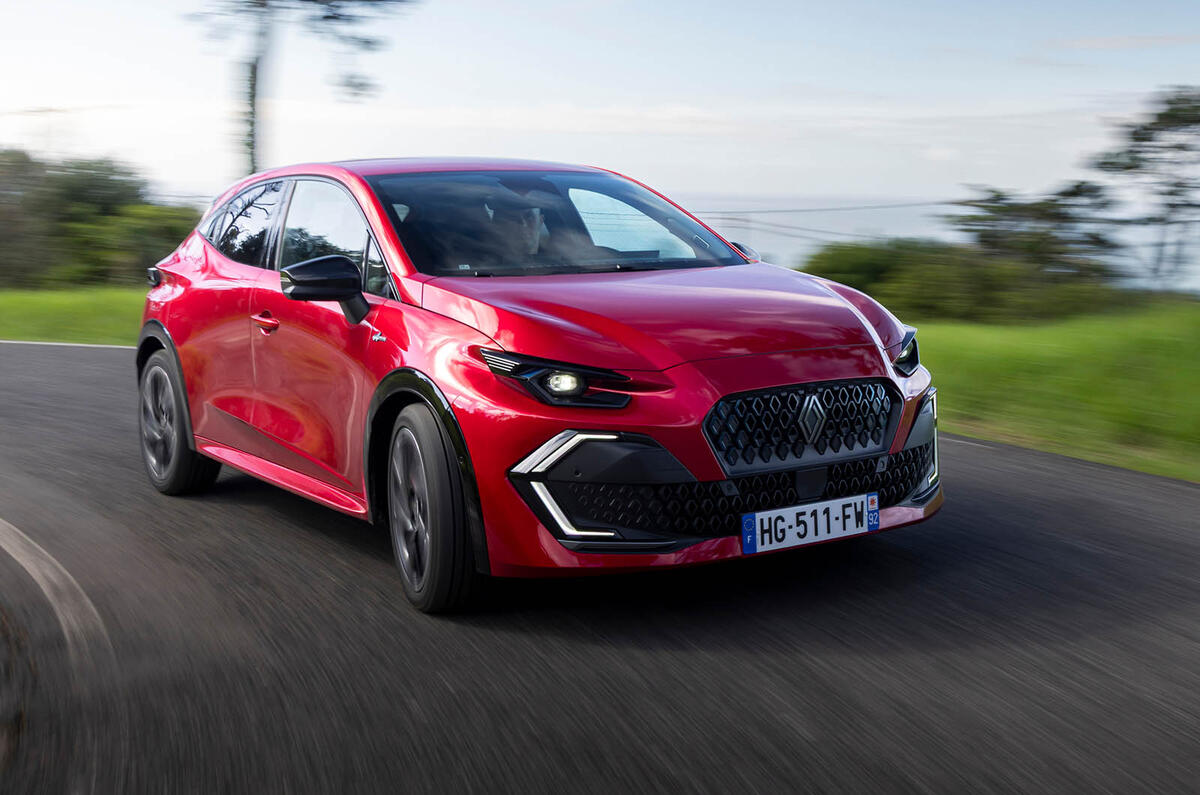
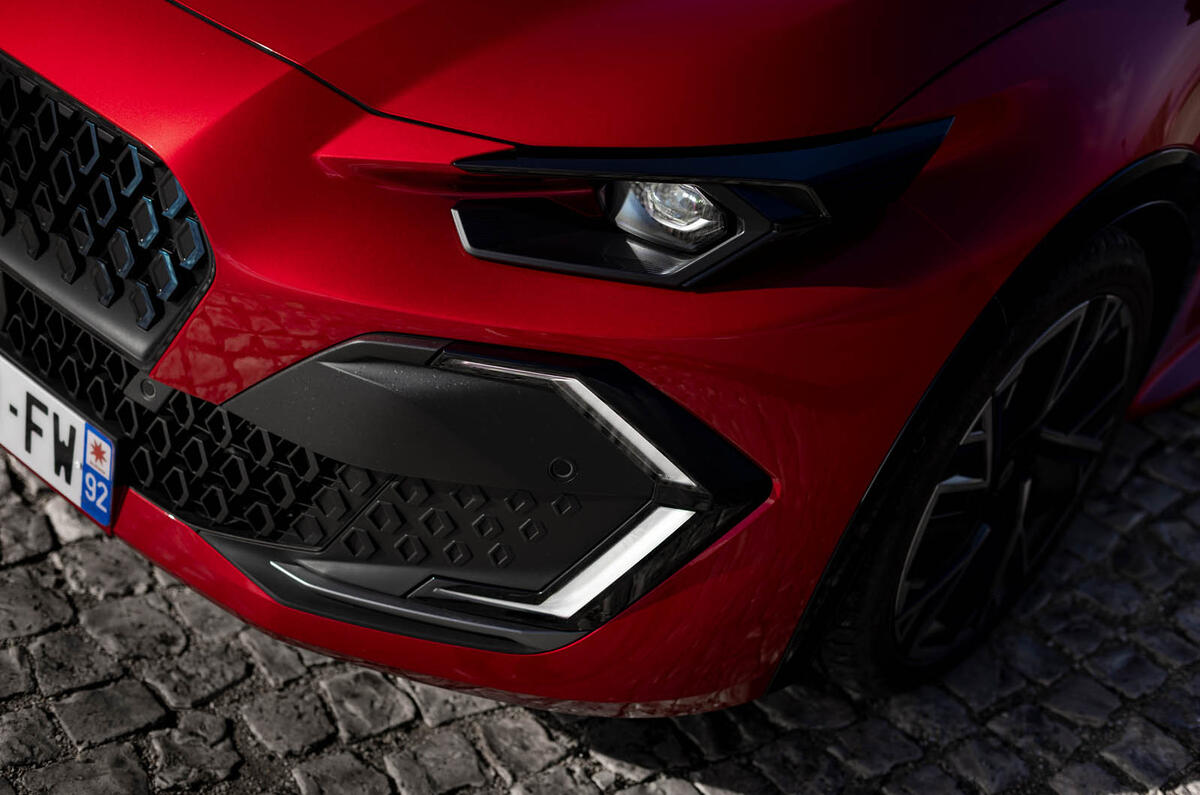
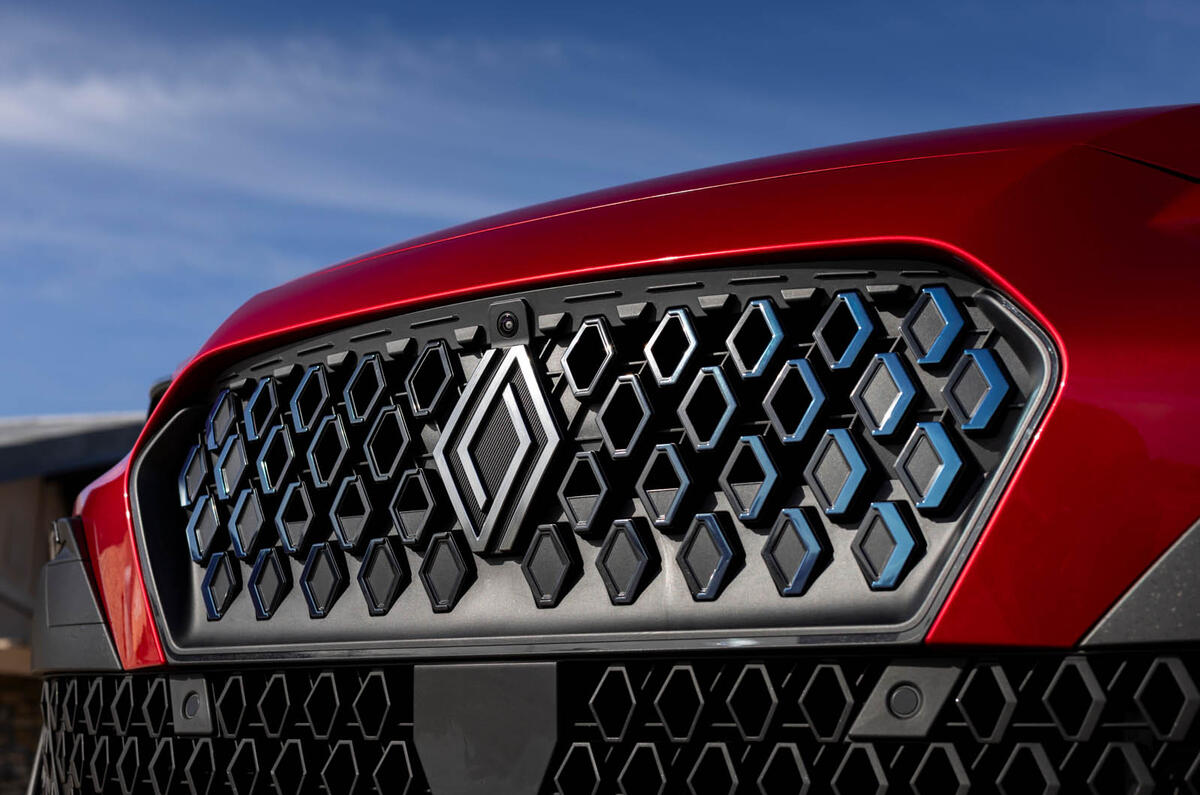
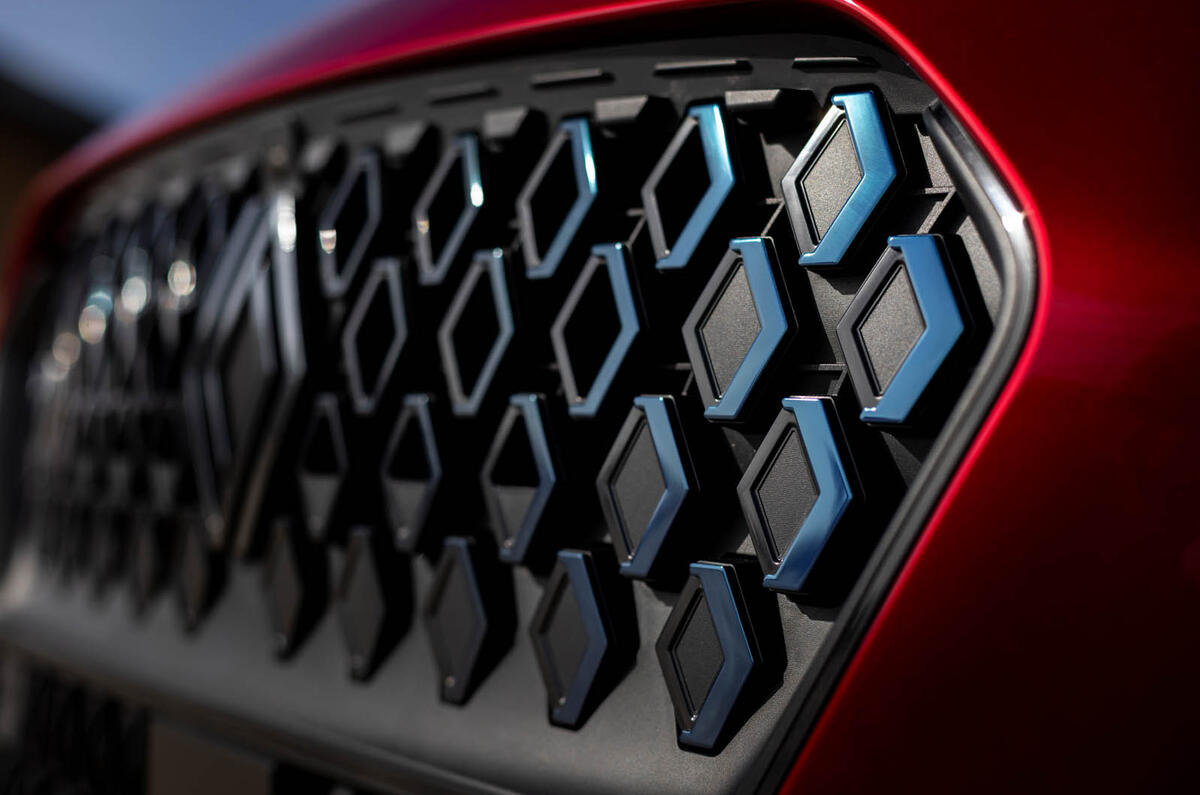
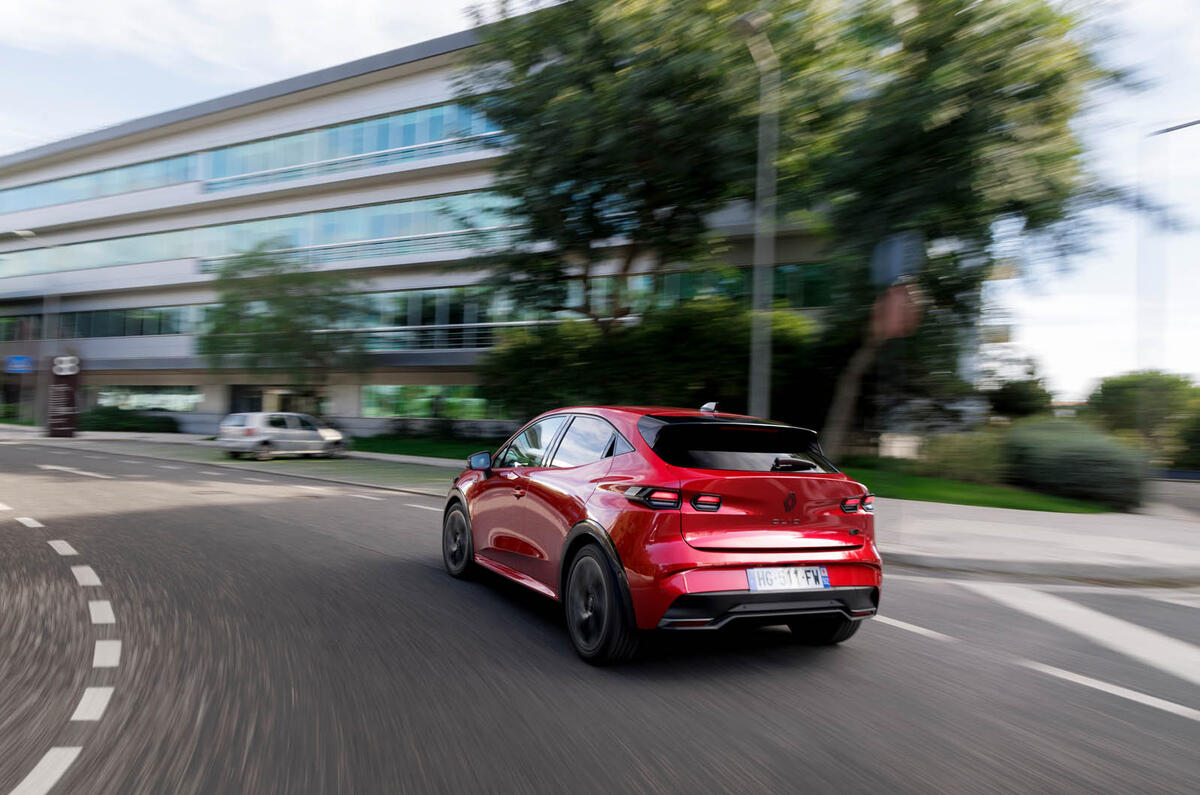
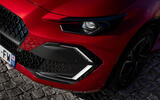
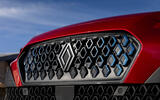
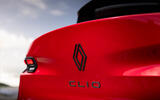
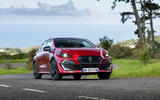
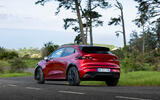
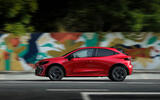
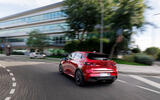
There are changes everywhere you look, not least in the more sculpted tail, the new front grille (rather BMW 4 Series, no?) and the trapezoidal LED tusks. However, in the main, this is a reassuringly familiar proposition in name, nature and mechanical make-up.

Advertisement
Back to top

DESIGN & STYLING

Renault Clio 2025 review 003

Underneath the new body (67mm longer and 39mm wider than before), the Clio sits on the same CMF-B platform as before, so it’s still related to the Nissan Juke, various other Renaults and their Mitsubishi clones.

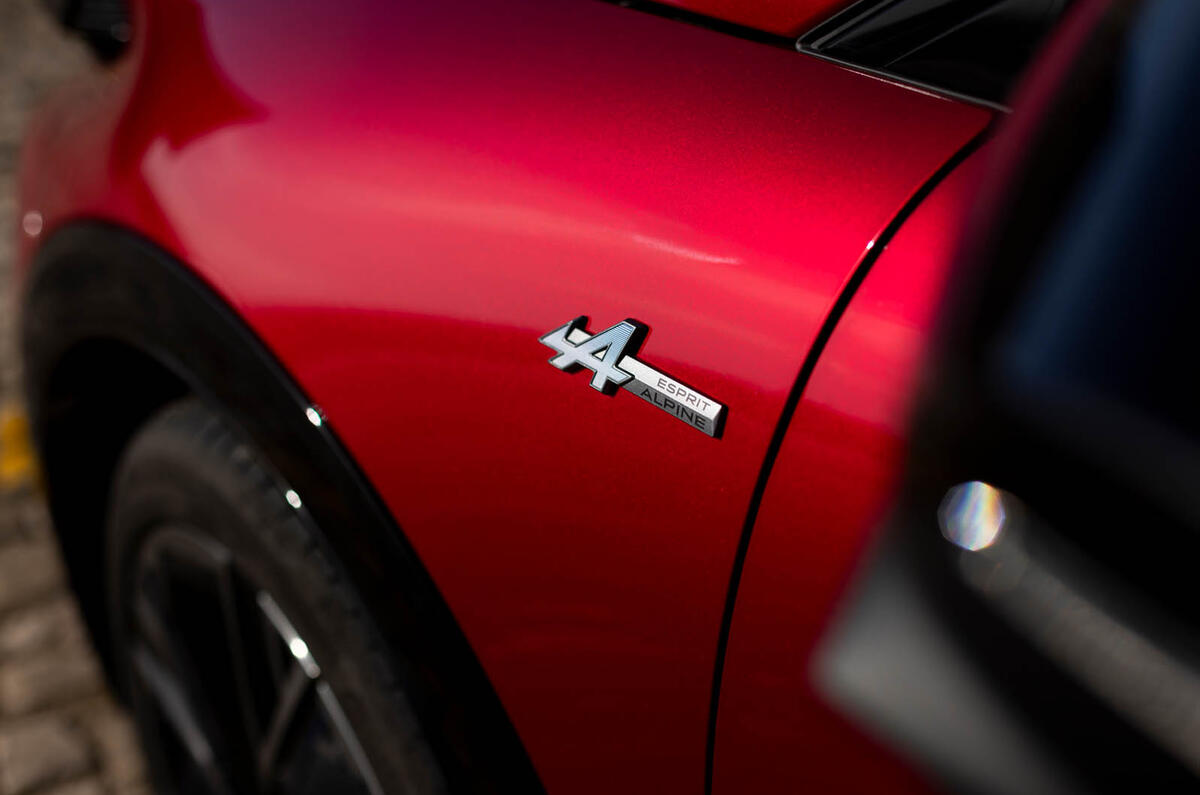
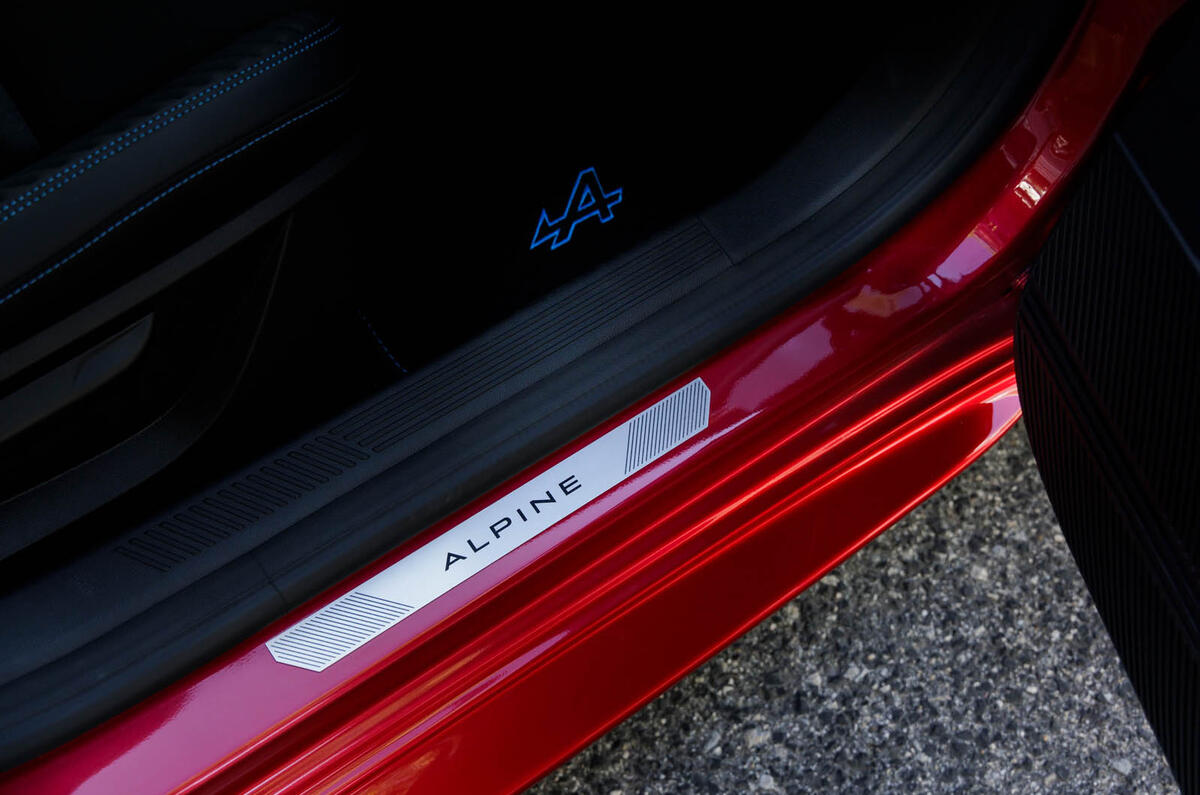
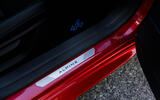
The only notable evolution in chassis terms is the option of 18in wheels, which are new for the Clio and, because of the bigger body, can be fitted without sacrificing sidewall height compared with the 17s. They’re standard on top-line Esprit Alpine trim.

Otherwise it’s the usual passive dampers and coil springs, with front MacPherson struts leading a torsion-beam rear. Renault says it has tuned all versions of the Clio, with their differing weights, to handle identically, so don’t think paying more for an Alpine-badged derivative will get you added juiciness in the handling.

The drivelines are similarly familiar. The Clio comes with a revised version of the existing three-cylinder TCe engine, making 114bhp (up 25bhp). Or you can have a spruced-up version of the current E-Tech full-hybrid powertrain, with output rising 15bhp to 158bhp.

The latter is responsible for the uplift in displacement. Where the combustion element of the E-Tech powertrain currently takes the form of a naturally aspirated 1.6-litre four-pot, here it swells to 1.8 litres. It’s the same powertrain found in the Dacia Bigster, albeit with some electronic and exhaust tuning for a touch more power. It gives the Clio decent poke and results in an 8.3sec 0-62mph time – a second quicker than before.

There’s also a dual-fuel version with an official range of around 900 miles (so London to Budapest non-stop in what amounts to a little-ish commuter hatch), but it won’t be sold in the UK, presumably due to the limited availability of LPG here. 

The hybrid powertain justifies some unpacking. It's housed up front except for the 36kg, briefcase-sized battery pack beneath the boot floor. It's made by Horse Powertrain, a joint venture between Renault and Geely, at Bursa in Turkey and Valladolid in Spain. 

The 1.8-litre engine is Euro 7-compliant, weighs just 100kg and makes 109bhp. It also has an impressive thermal efficiency of 40.5%. Compared with the current 1.6-litre engine, fuel injection is also direct (rather than indirect) and works at 350bar. This has been crucial in reducing emissions and consumption by about 7%.

This engine feeds a clutchless four-speed dog gearbox (shifts are generally but not infallibly smooth), itself mated to a two-speed transaxle onto which the 49bhp drive motor is mounted. There is no synchronisation; instead the second motor, a 20bhp starter-generator atop the gearbox, handles the smooth transfer of ratios.

Taken as one, the system is complex and can sometimes seem to have a mind of its own, but there’s no questioning its performance or efficiency.

INTERIOR

Renault Clio 2025 review 011

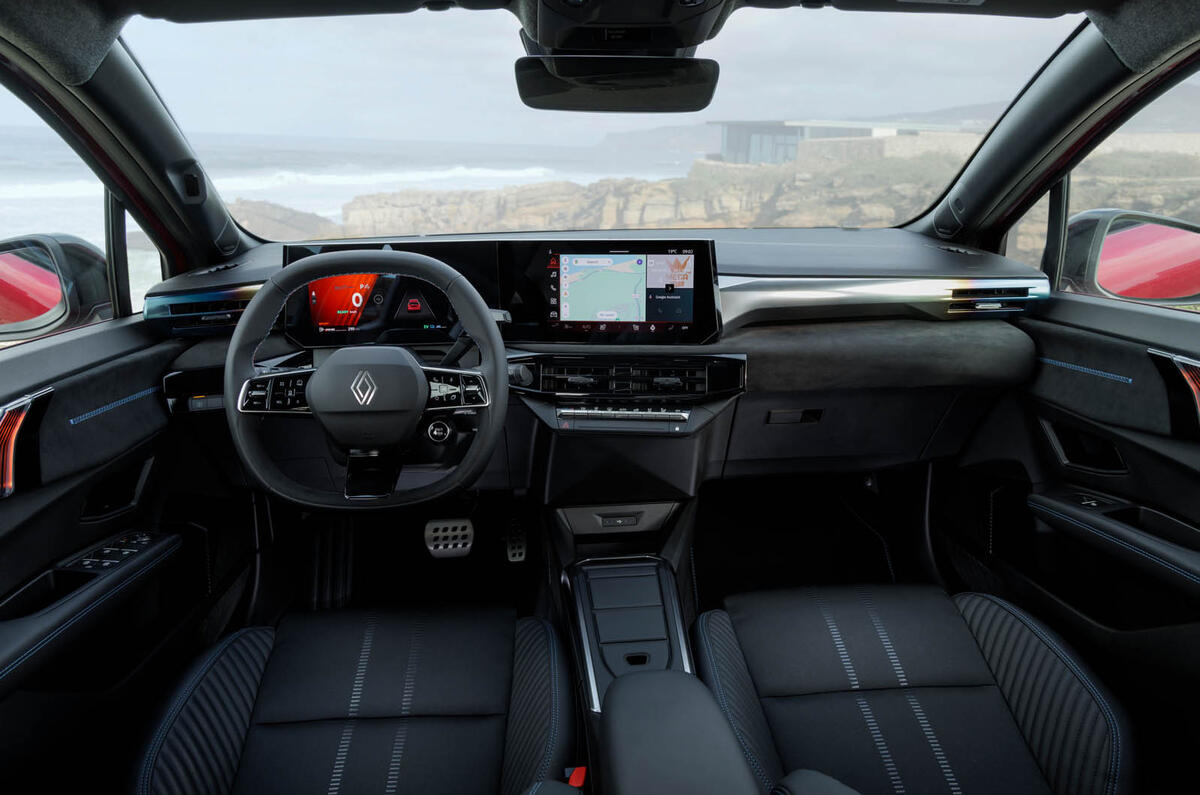
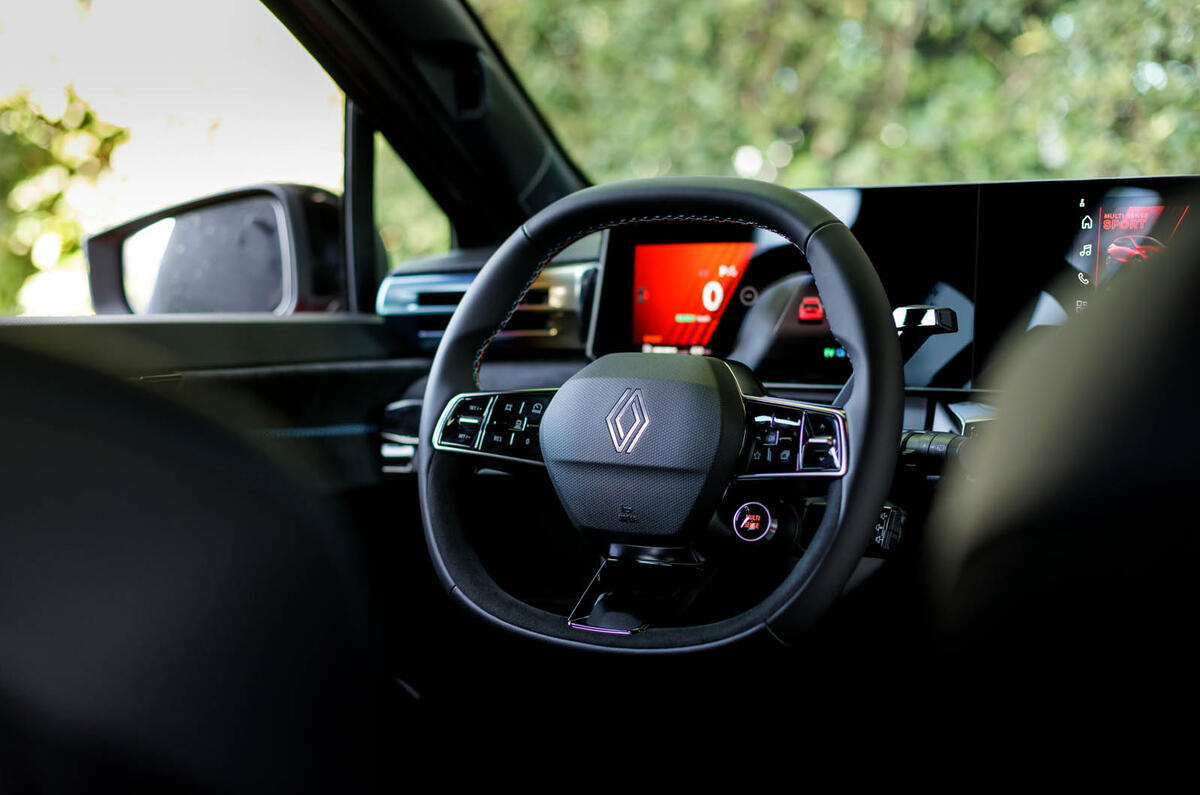
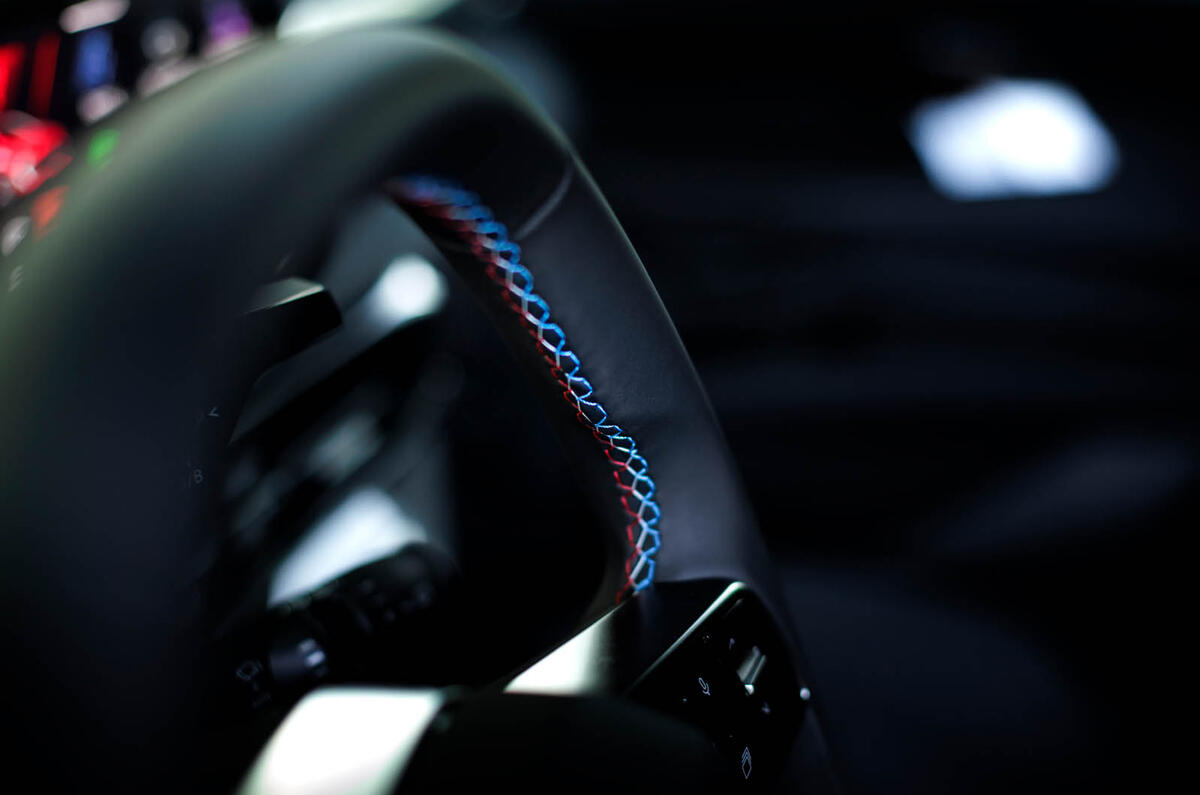
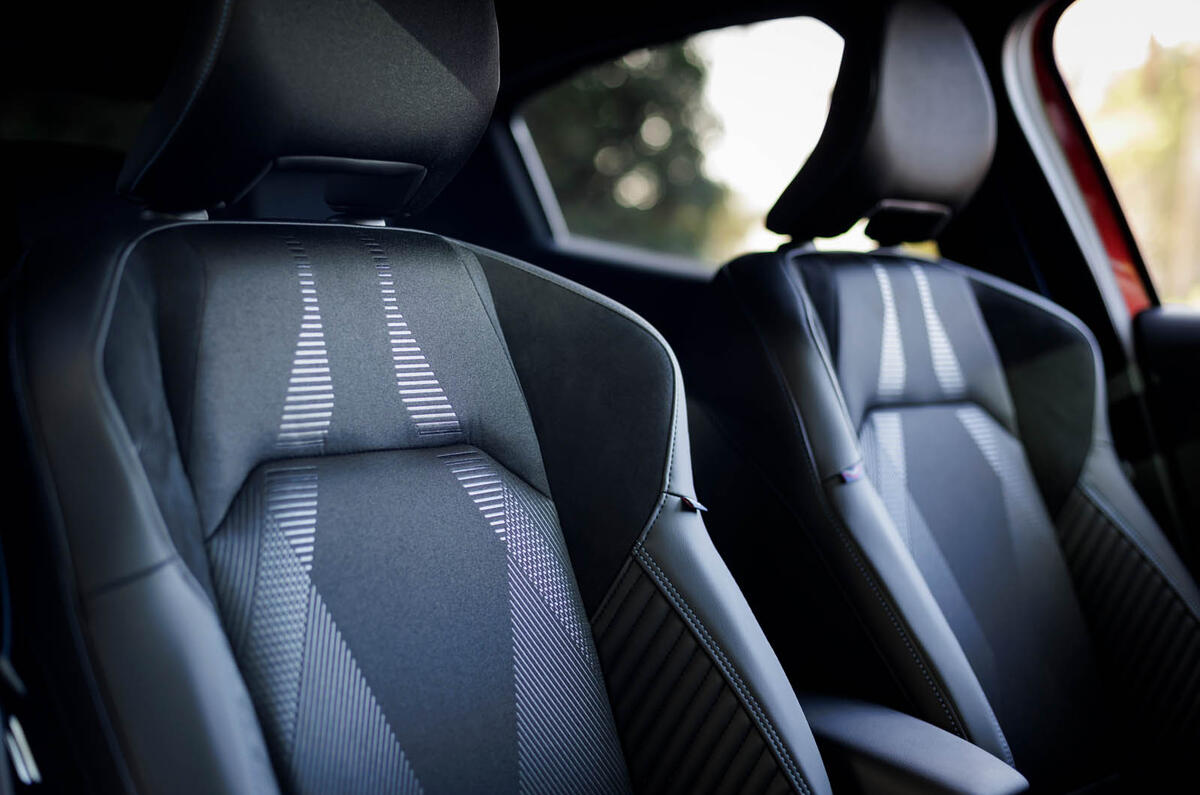
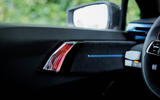
The cabin continues the leap originally made in 2019 by the current Clio, the changes being incremental. There are some interesting new materials but no great uplift in quality, which remains split between surprisingly hard plastics (dash and door bins) and the class-defying plushness of the steering wheel and its associated switchgear.

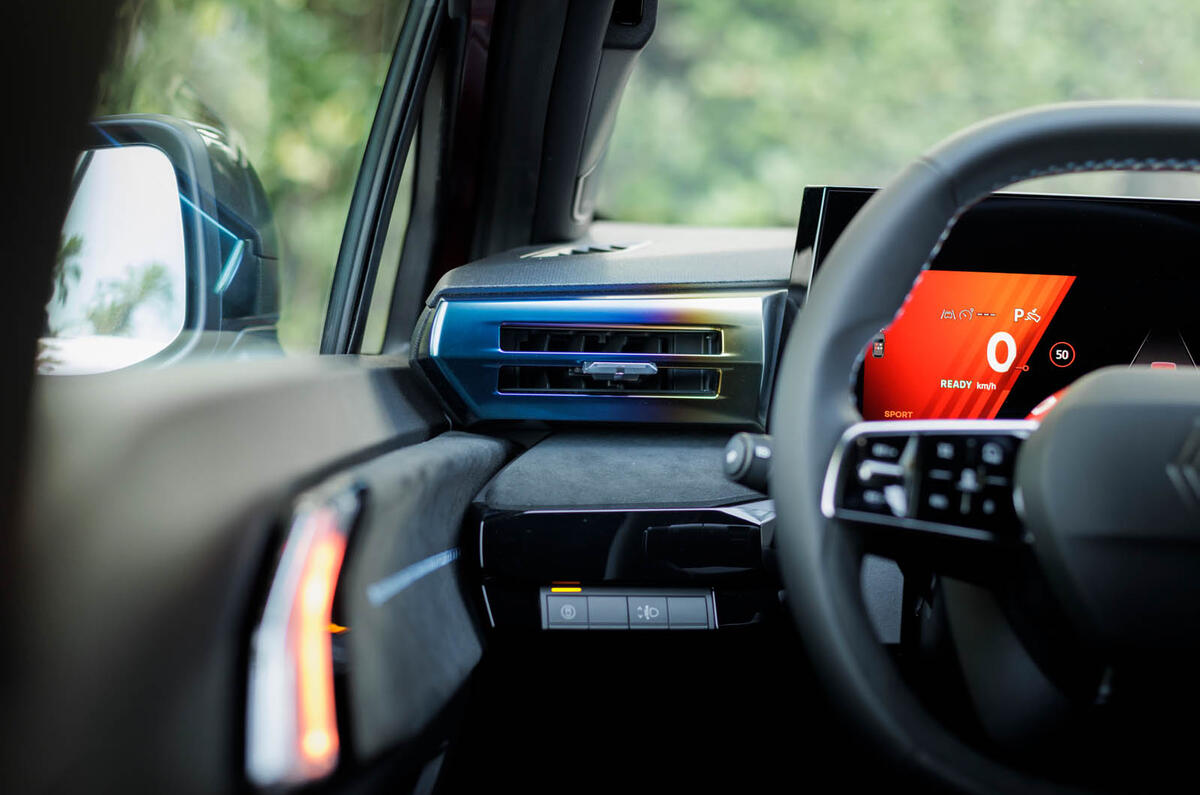
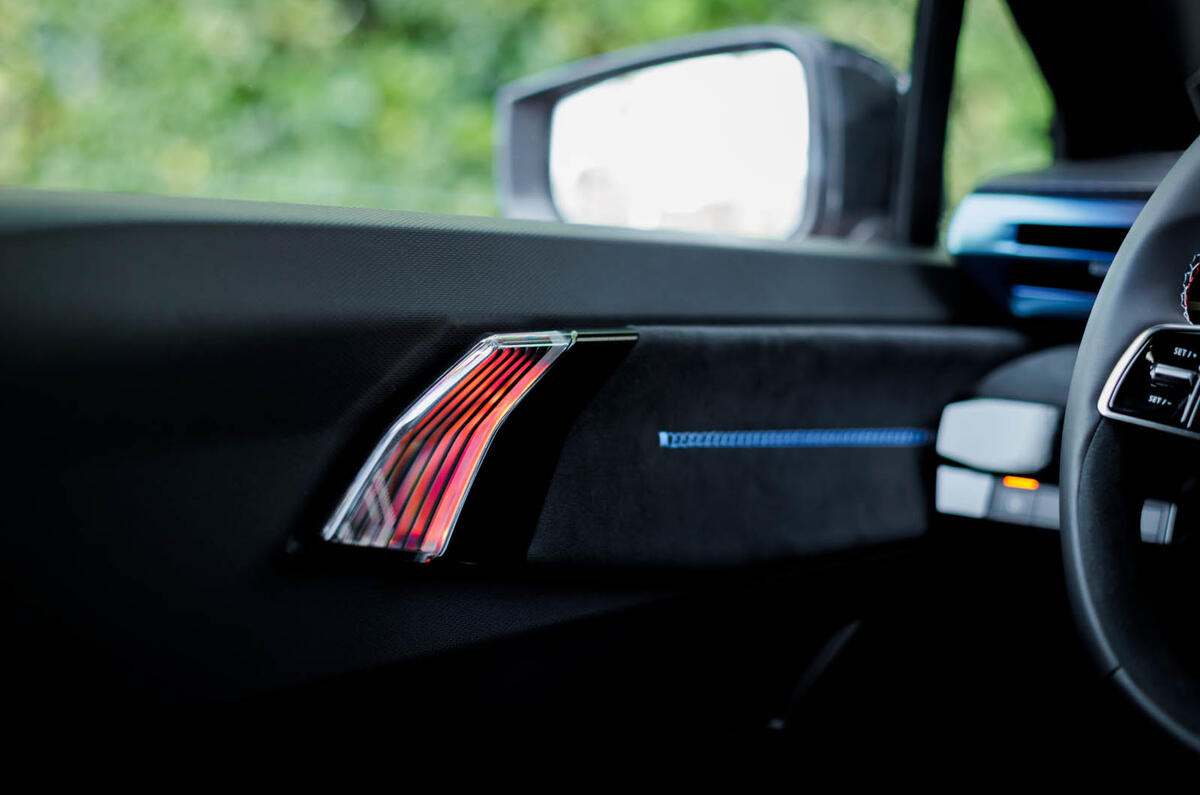
It’s a pleasant enough place and the highest trim level brings with it swathes of Alcantara and metal-effect veneer for the dash, although it’s all quite greyscale. The refreshingly light upholstery accents you can have in the current car seem to have been sidelined in the effort to make the Clio feel more ‘sporty’. Admittedly the new one does come with many colours for the customisable ambient lighting, but where is the joy and playfulness you get in the 5 and the 4?

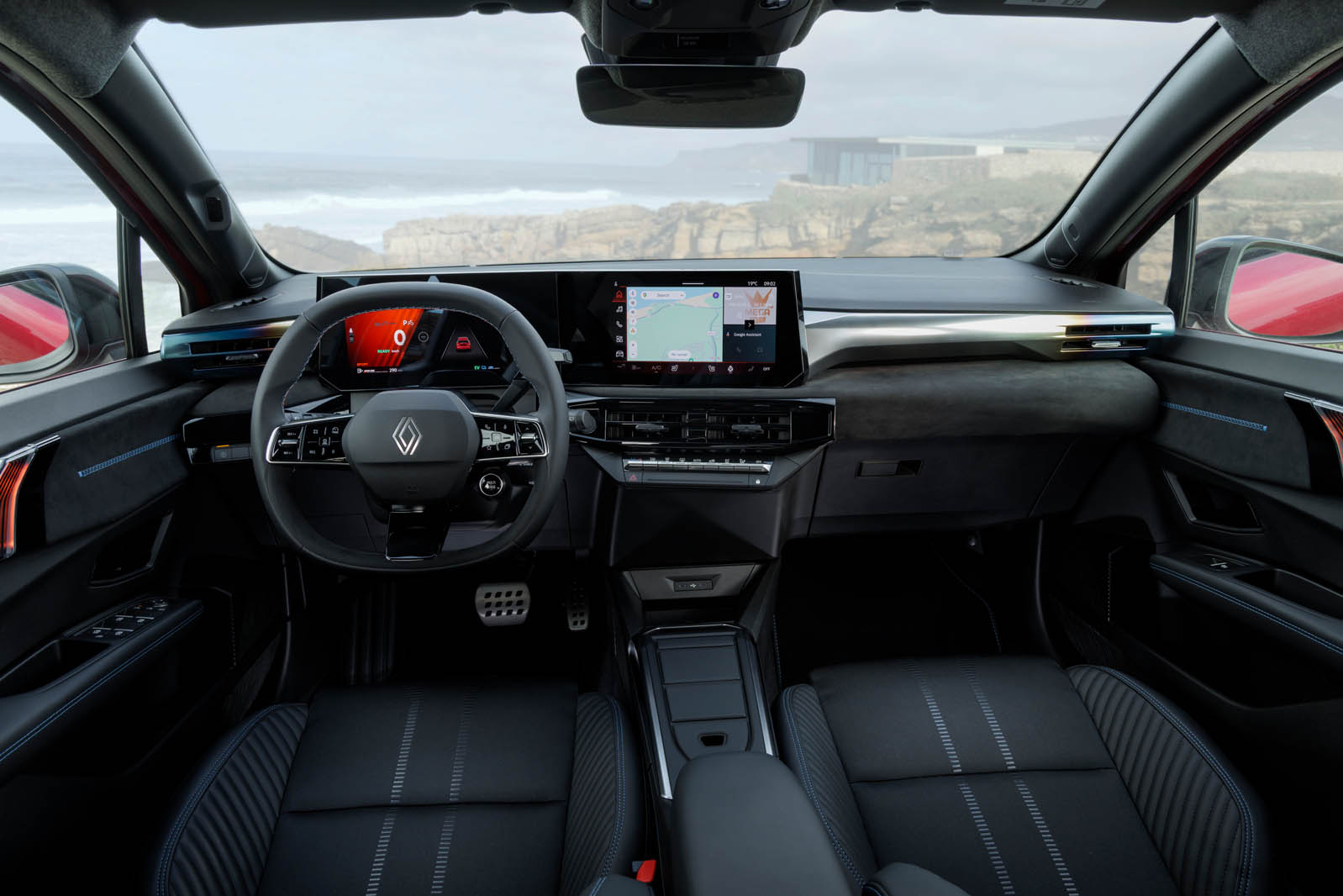
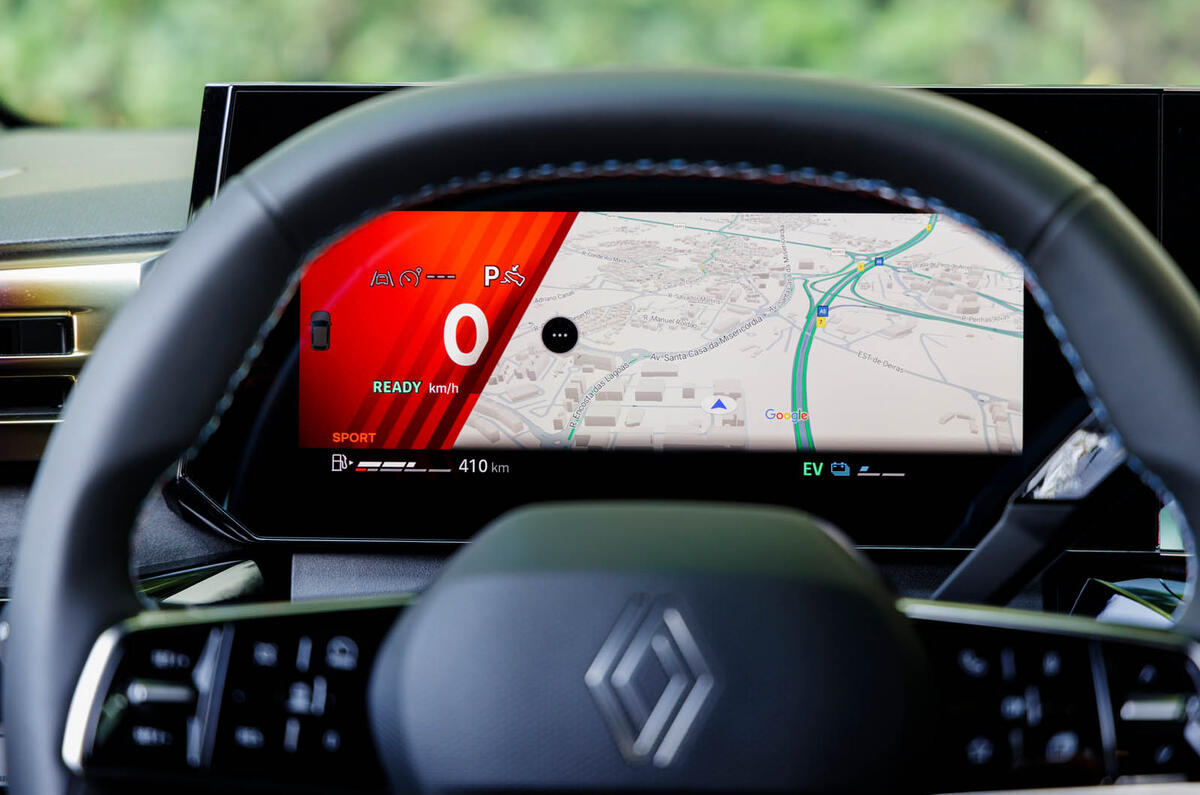
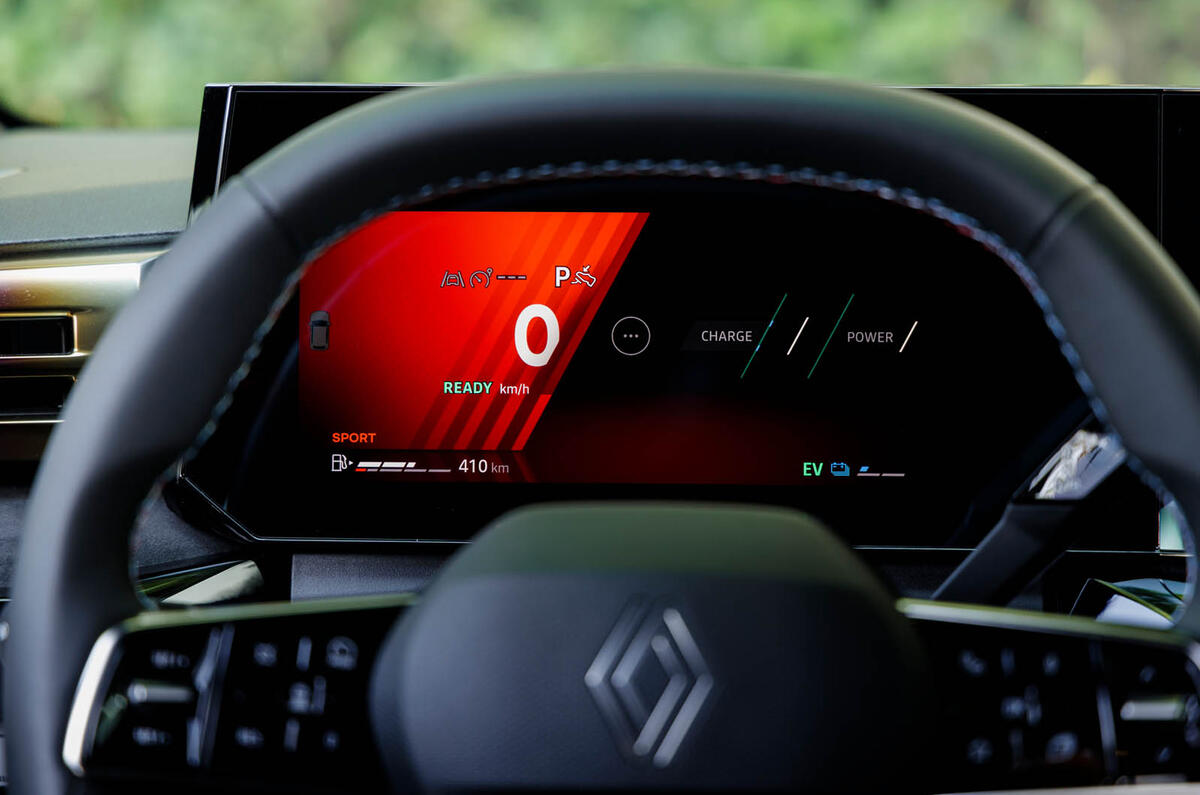
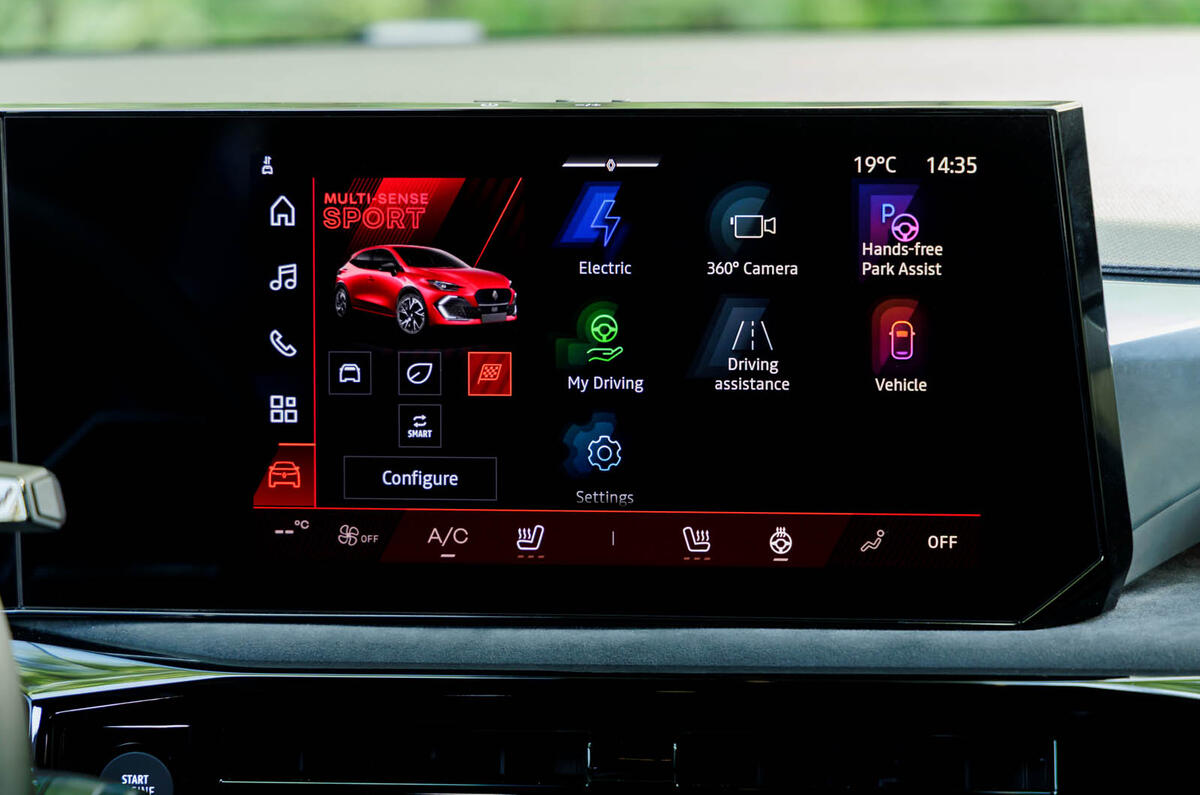
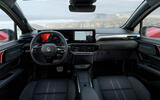
The most notable interior change concerns the digital array. The current Clio's portrait-oriented central touchscreen and hooded instrument binnacle are gone – merged, as is now fashionable, into a single angled unit, containing two crisp 10in displays. It’s a bit domineering but inoffensive from an ergonomic standpoint.

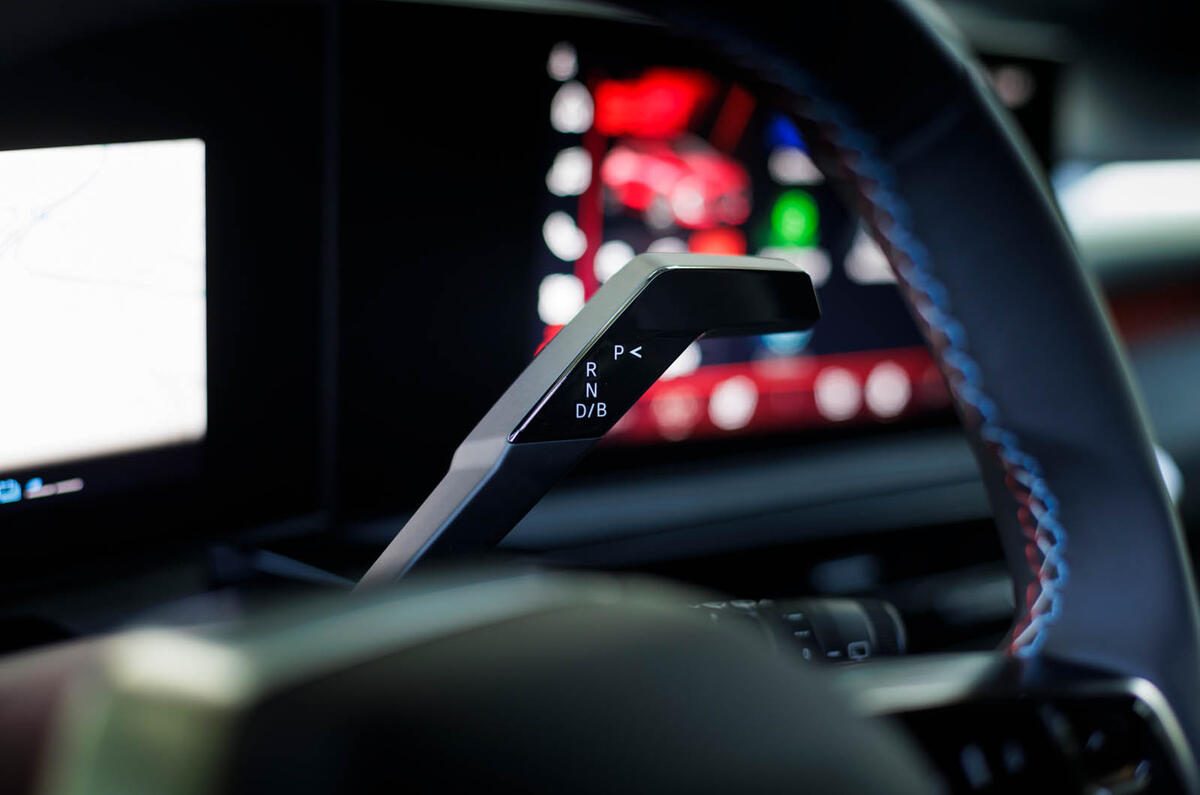
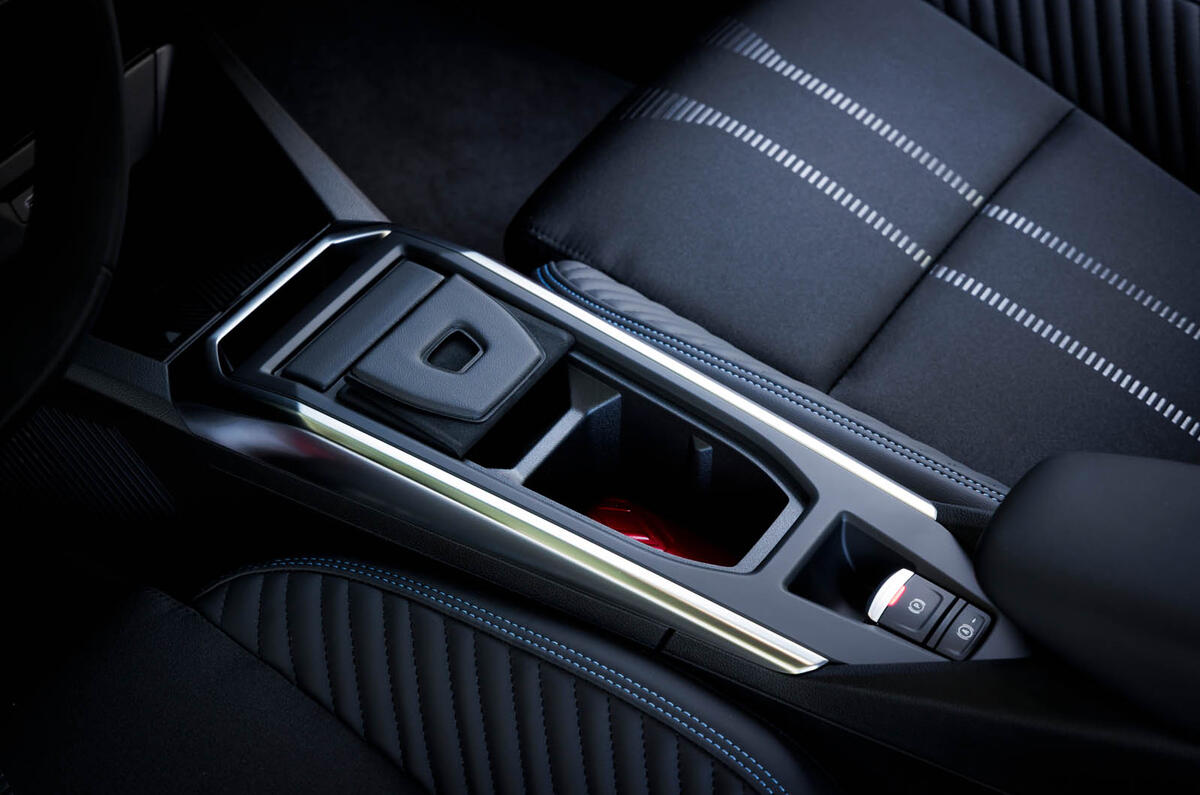
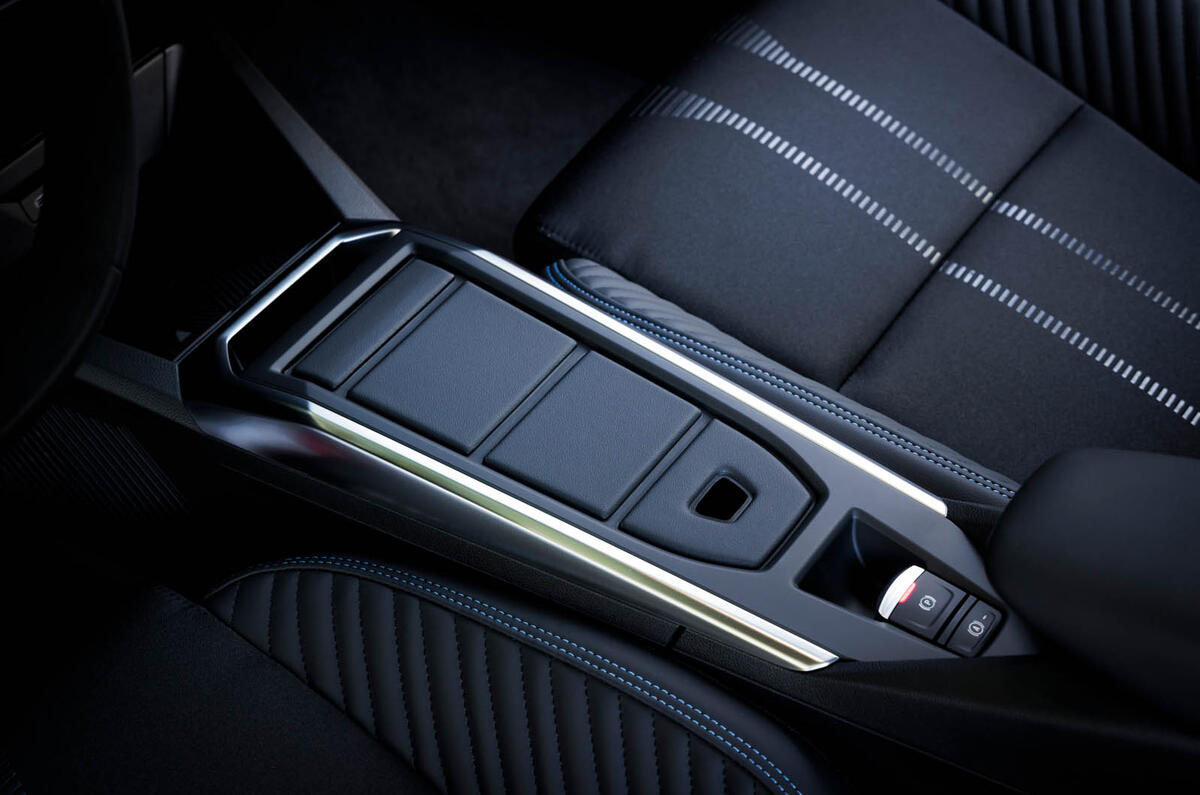
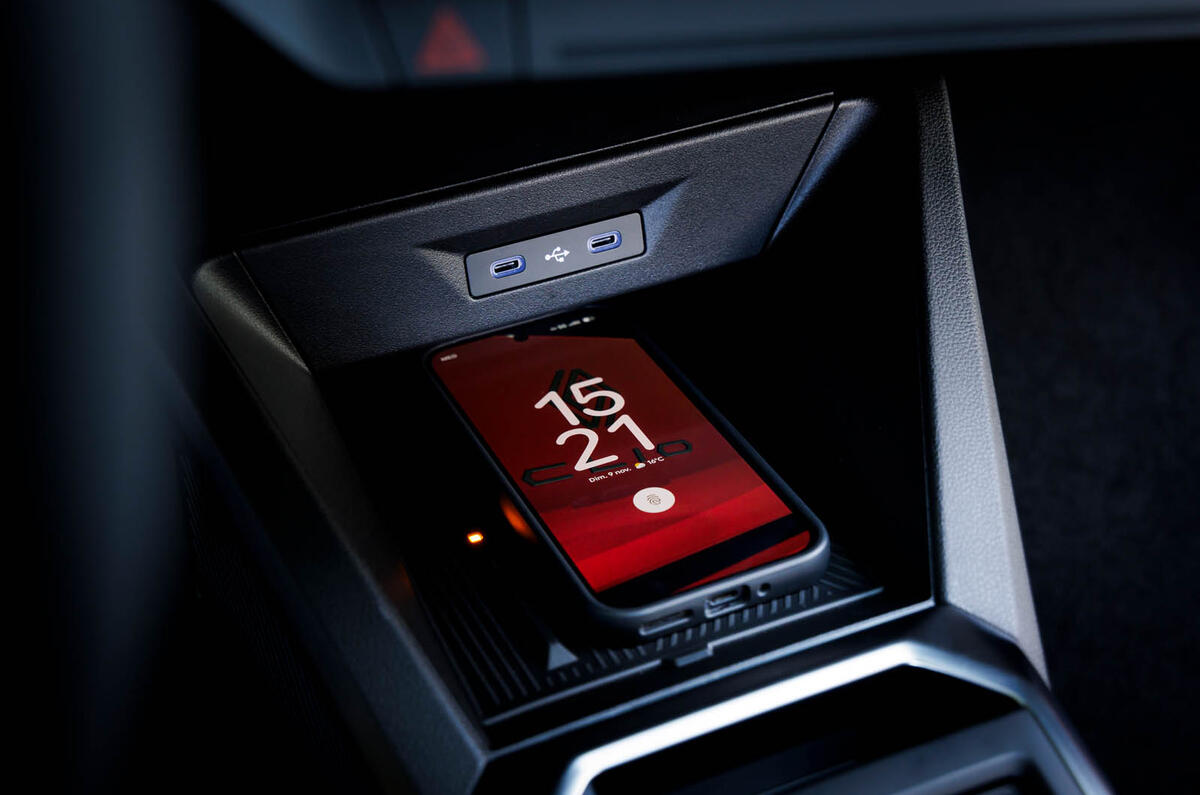
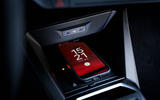
Predictably the major ventilation controls have been moved onto this display (previously you used large rotary dials to make adjustments), to the detriment of usability. However, in losing the portrait display and moving the gear selector to the steering column, Mercedes-style, the Clio gains useful storage cubbies in the centre console, with two USB-C ports fitted as standard.

The bigger news is that Google is now built into Renault’s OpenR Link multimedia system. The main benefit of this is the integration of Google Maps, plus 100 or so other partner-developed apps available via the Google Play store.

At the car’s launch in Portugal, those executives seemed particularly excited about Gemini, Google’s AI assistant. It will allow complex voice commands with a conversational flow and can switch languages seamlessly when required. How it grapples with the famously varied regional accents of the British Isles remains to be seen.

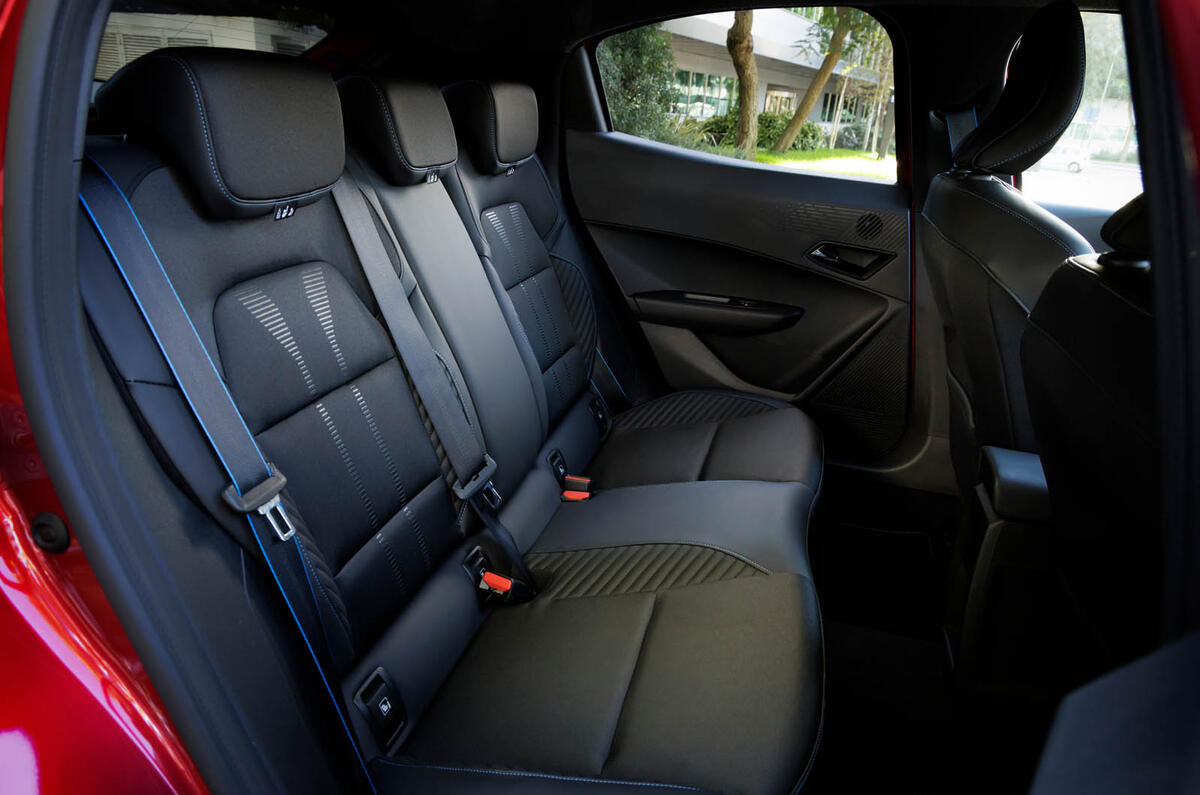
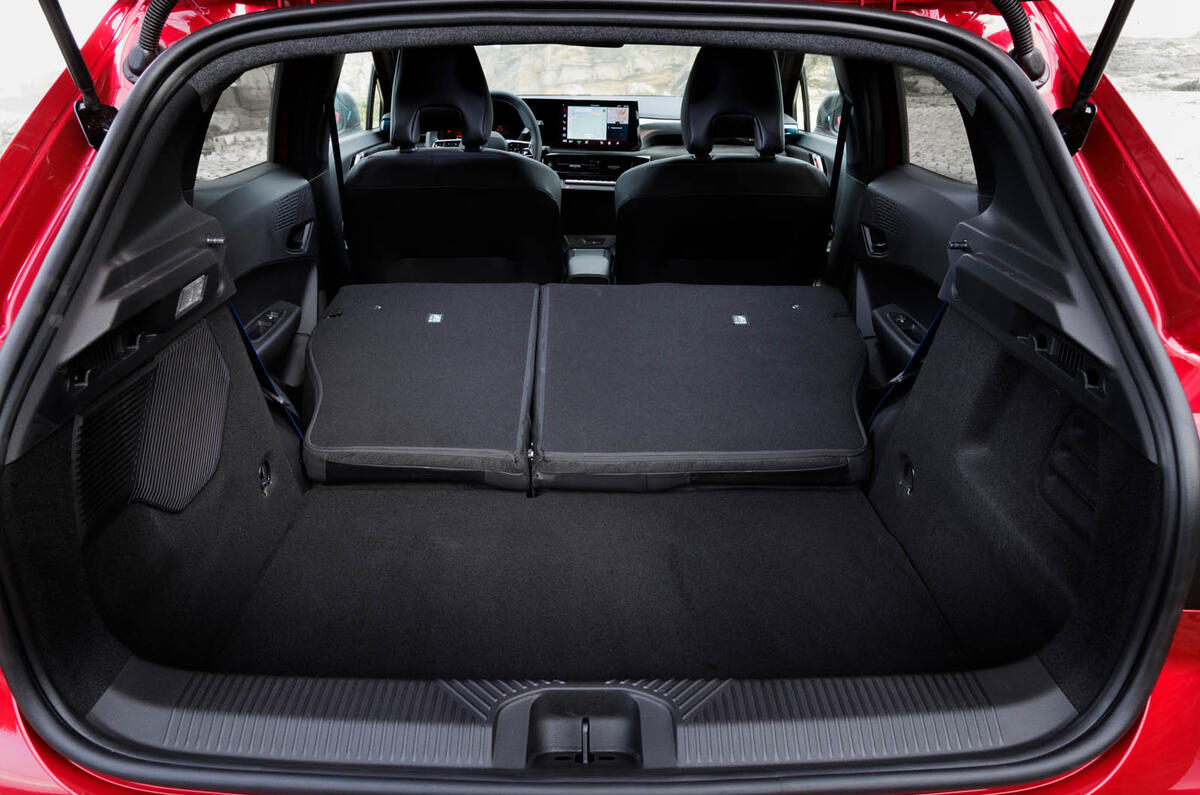
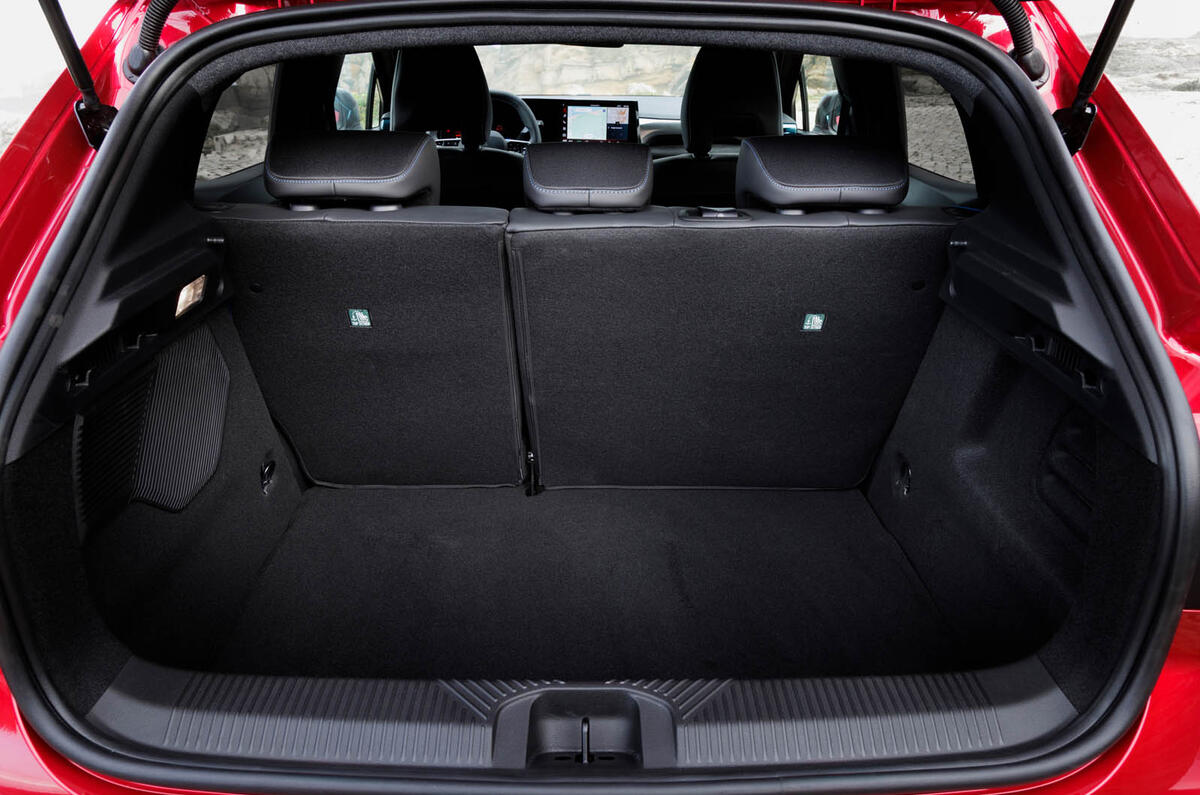
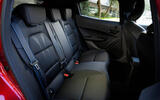
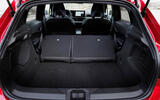
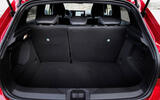
Elsewhere, the Clio gains a touch of rear leg room, due to a fractional increase in wheelbase. While the rear bench is reasonably well sculpted for comfort, head room is conspicuously poor. The height of the boot sill has also been usefully lowered by 40mm. In the pure-petrol car you get 391 litres of capacity – comparable with cars in the class above. But the hybrid, as tested here, makes do with only 309 litres on account of its small drive battery.

That makes this Clio less capacious than the shorter 5 and similarly sized 4, which should make for some interesting buying decisions among Renault loyalists.

ENGINES & PERFORMANCE

Renault Clio 2025 review 028

For those loyalists, the driving experience might help break any potential deadlock. The Clio’s handling is tidy and balanced – it is ‘correct’ – but lacks the verve found in the 5, despite the fact that the steering rack has been given a subtle injection of speed. In terms of the quiet driving satisfaction that superminis can deliver, the Clio is better than average but probably now trails the surprisingly eager Toyota Yaris, in a role reversal that few would have predicted.

It’s fine in day-to-day driving, being generally pliant, but the brittleness of the current Clio when subjected to short, sharp shocks hasn’t been ameliorated. Note that our test car’s 18in wheels almost certainly didn’t help and that in the UK it’s likely that Techno trim will get you 16s. Trading visual impact for an uplift in ride quality is, as ever, advisable for anyone who mostly cares about how the car feels to drive.

There’s a new Smart driving mode that adapts mostly between Eco and Sport, depending on your driving style. In fairness it's a good idea, and it works really well

The engine of the E-Tech powertrain remains something of an enigma. Electrical assistance makes tip-in response very fine indeed, and the 49bhp drive motor isn’t so insipid that its propulsive efforts peter out after an initial stab of force, as is often the case. The hybrid system also comes good on its promise of reverting to electric-only mode at low speeds, through villages and the like. It helps that the battery capacity is 16% larger than before.

This is also a quick car in real-world use. You do have to floor it to get the best from this powertrain, but 20mph increments are easily dusted off by class standards. It can be sensationally efficient too: a thoroughly mixed test route yielded 65mpg, then a suburban route returned just over 80mpg.

At the same time, this powertrain is far more effective than it is enjoyable. The new 1.8 seems smoother than the old 1.6 but still has something of an agricultural grumble about it, especially when it bursts into life because you’ve dipped into the accelerator. It’s complex too: two motors and two gearboxes in the driveline make for 15 gear combinations, with the engine driving the wheels, charging the battery or both.

Most of the time its machinations won’t concern you, and under little throttle it all works subtlety – but it can do perplexing things, like noisily fire up the engine when you’ve just come to a stop, only to then turn it off as you pull away under purely electric power.

MPG & RUNNING COSTS

Renault Clio 2025 review 002

There's no question that the E-Tech powertrain is capable of sensational efficiency, and that its ability to generate and retain electric charge to defies the tiny size of the battery pack. It's a bit spooky.

In terms of specification there will be three trim levels: Evolution, Techno and top-spec Esprit Alpine. For now we only have French-market specification to go off, but it's likely that Evolution will have 16in wheels and go without kit such as the rearview camera, built-in Google functionality and wireless phone charging. Most UK buyers will opt for Techno.


VERDICT

Renault Clio 2025 review 033

We will return to this car in 2027, when you will stand a chance of being able to buy one. Of course, key rivals (notably the Yaris and Peugeot 208) might also have evolved by then. And we don't yet have a steer on potential UK pricing, so a verdict is difficult to pronounce.

However, on the basis of this test, the Clio would seem future-proofed in terms of efficiency, its digital array and equipment (there are no fewer than 29 ADAS programmes!). It should represent a lot of hatchback for the money – but it's perhaps also a little light on the intangible va-va-voom that made previous iterations of the Clio fun to be around.

Richard Lane

Richard Lane
Title: Deputy road test editor

Richard is Autocar's deputy road test editor. He previously worked at Evo magazine. His role involves travelling far and wide to be among the first to drive new cars. That or heading up to Nuneaton, to fix telemetry gear to test cars at MIRA proving ground and see how faithfully they meet their makers' claims. 

He's also a feature-writer for the magazine, a columnist, and can be often found on Autocar's YouTube channel. 

Highlights at Autocar include a class win while driving a Bowler Defender in the British Cross Country Championship, riding shotgun with a flat-out Walter Röhrl, and setting the magazine's fastest road-test lap-time to date at the wheel of a Ferrari 296 GTB. Nursing a stricken Jeep up 2950ft to the top of a deserted Grossglockner Pass is also in the mix.