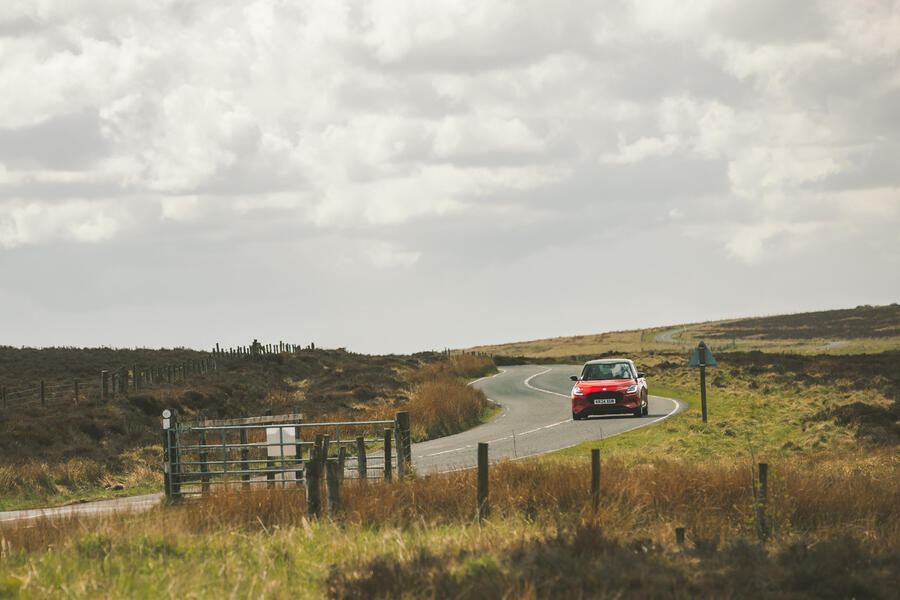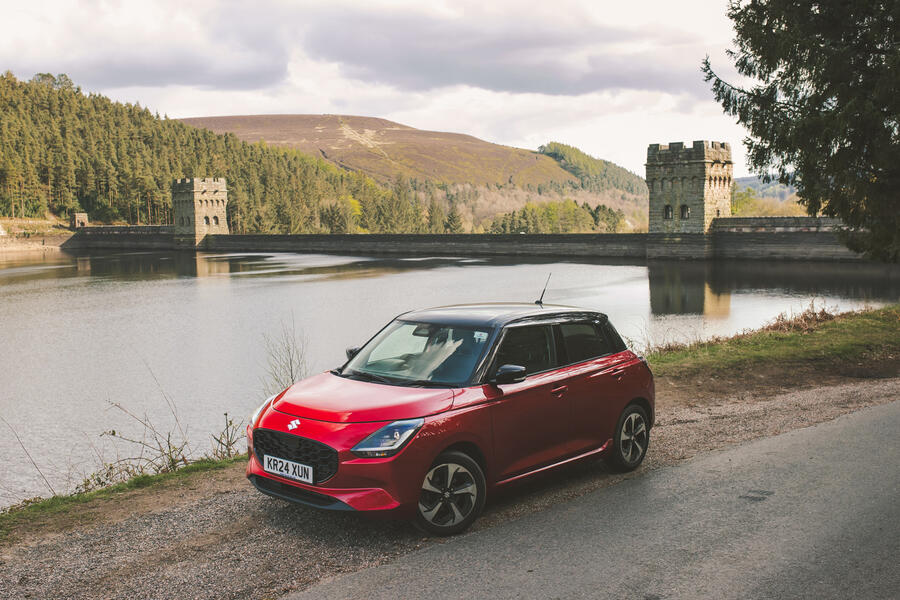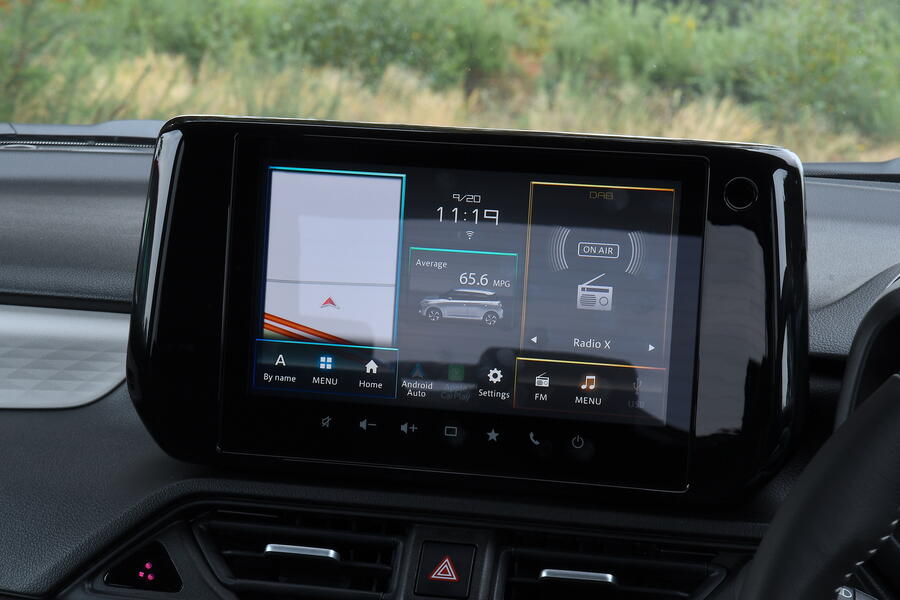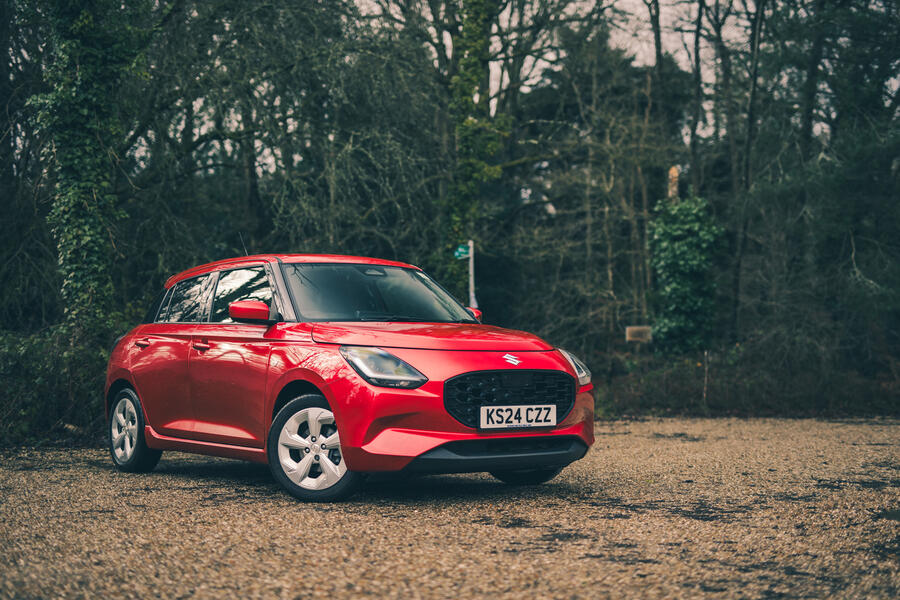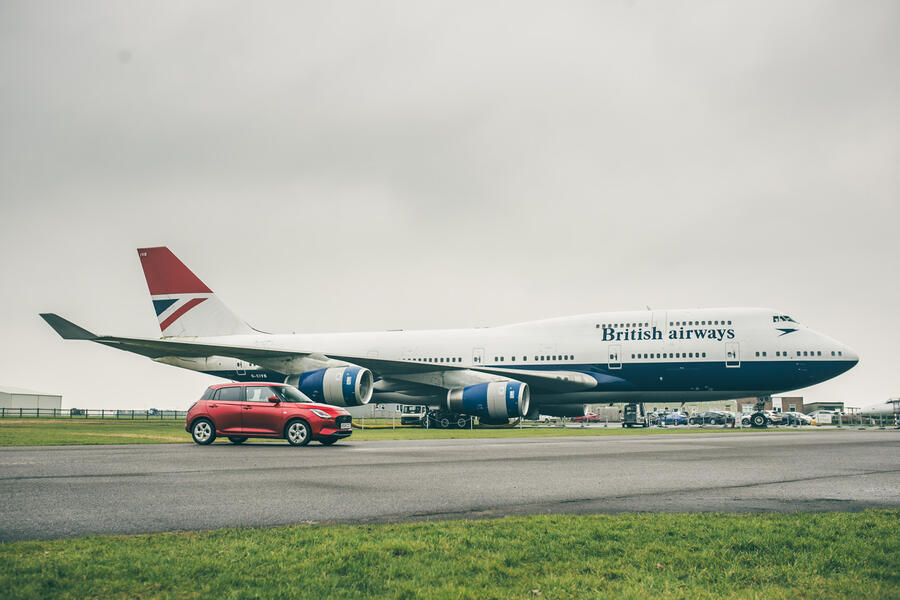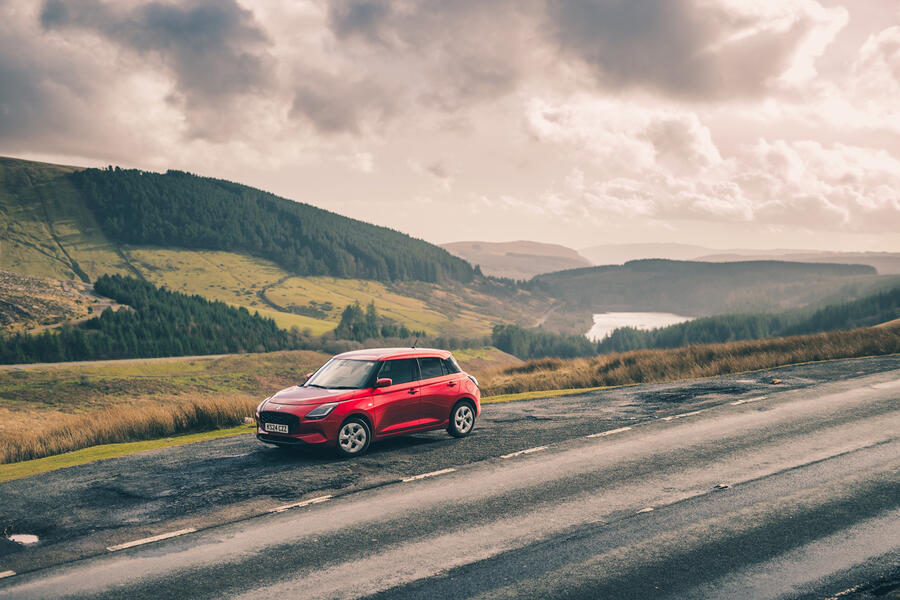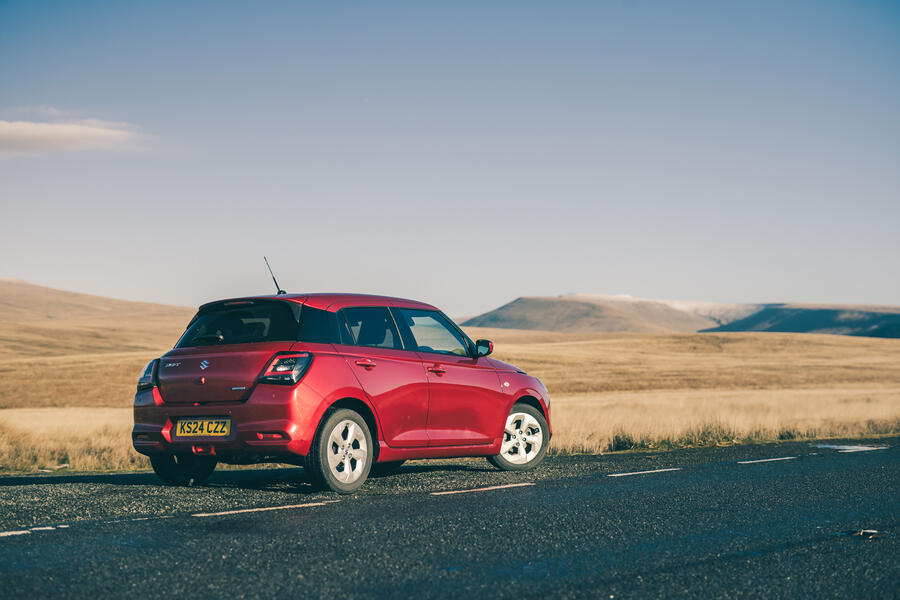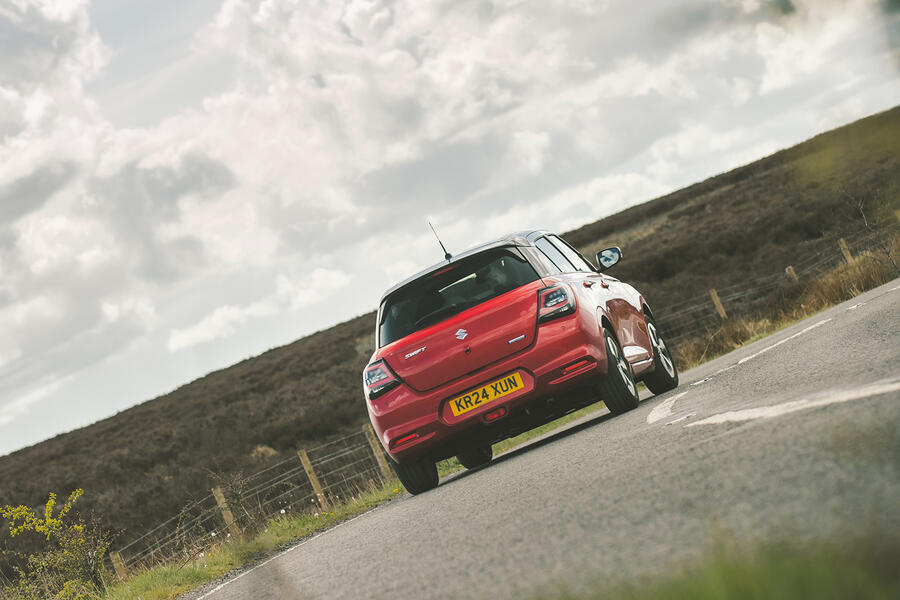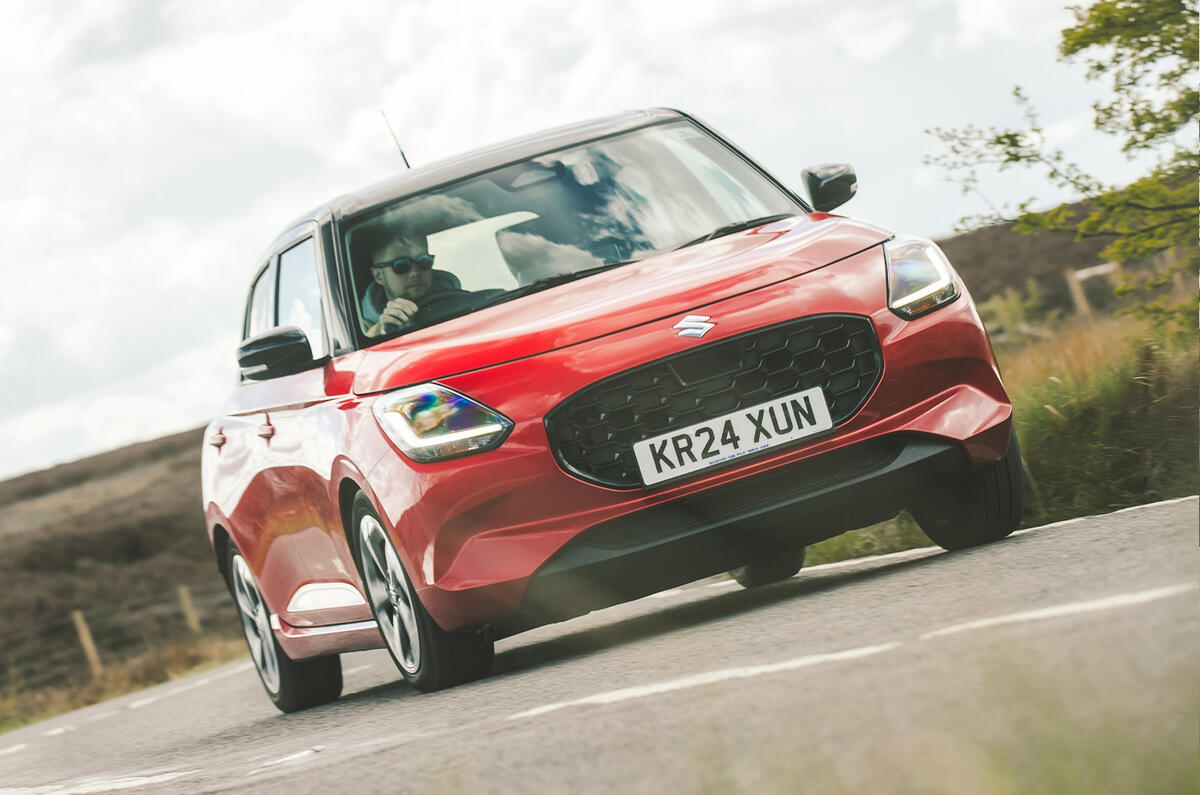

If there was one adjective to describe the vast majority of contemporary cars, it would surely be ‘overcomplicated’ – with ‘big’, ‘heavy’ and ‘expensive’ jostling for position not far behind.
There are myriad reasons for this – safety regulations and consumer buying trends among them – and they’ve been discussed at great length before. But the long and the short of it is that there are relatively few small, light cars compared with 15 years ago.
In fact, if you leave out featherweight track specials from firms such as Radical, Caterham and GMA, or quadricycles such as the Citroën Ami or Mobilize Duo, there are just five sub-tonne cars on sale today: the Toyota Aygo X, the Dacia Spring, Hyundai and Kia’s i10 and Picanto siblings, and this, the 984kg Suzuki Swift.
It’s easy to forget just how long the Swift name has been on the UK scene. We first heard it in 1984 as the export name for the Suzuki Cultus, a three-cylinder, ultra-low-cost hatchback.
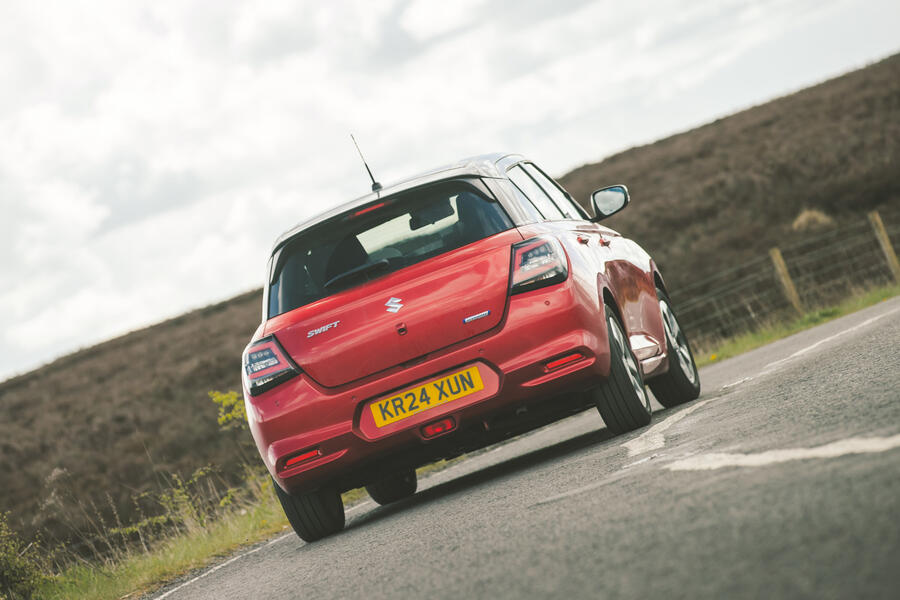
The model proved to be an immediate hit, being sold all over the world under no fewer than nine different names, and in 1988 it was replaced by a second-generation model that took the nameplate all the way through to 2003.
The Swift as we know it today was revealed a year later. It differed somewhat from its predecessor not only by being more concerned with presenting itself as a sporty, stylish supermini rather than simply the most accessible form of motoring around, but also by focusing its aim squarely on Europe.
Four-cylinder engines replaced the rough threepots of the previous generation and it sat on an all-new, albeit heavier, chassis – and we loved it. With its exceptionally well-balanced mix of ride comfort and cheekiness, the Swift always managed to be among the more fun hatches.