

From £26,8257

Plug-in hybrid version of British family stalwart gets a fresh look and a longer electric-only range

Find Vauxhall Astra deals
Other Services
Sell your car
84% get more money with

When price is largely removed as a factor, choosing a powertrain becomes a matter of personal preference and use case – putting the power in the buyer's hands.

That's what Vauxhall has done with the revamped Astra for this mid-life facelift: the hybrid, plug-in hybrid and electric versions of the Volkswagen Golf rival all start at the same price, regardless whether you choose the hatchback or Sports Tourer estate body.

Given the industry trend, that might prompt many buyers to look towards the EV, which we've reviewed separately, but there are plenty of buyers who aren't ready to make that leap yet, for all manner of reasons. And for those reasons, the PHEV version feels like it could be the sweet spot in the line-up for many, offering genuinely useful real-world electric running with the convenience of a combustion engine.

Advertisement

DESIGN & STYLING

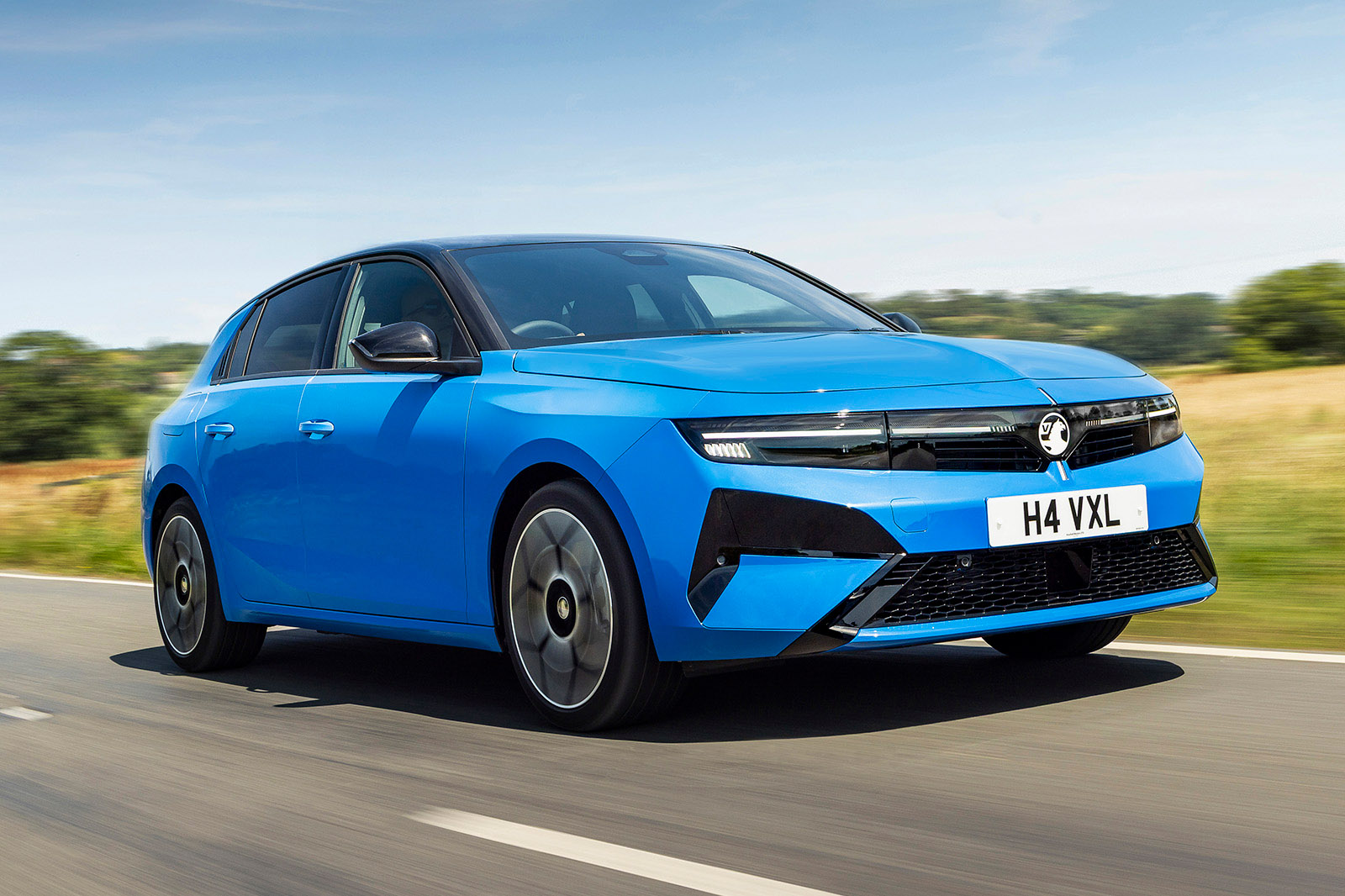
Vauxhall Astra review 2026 002

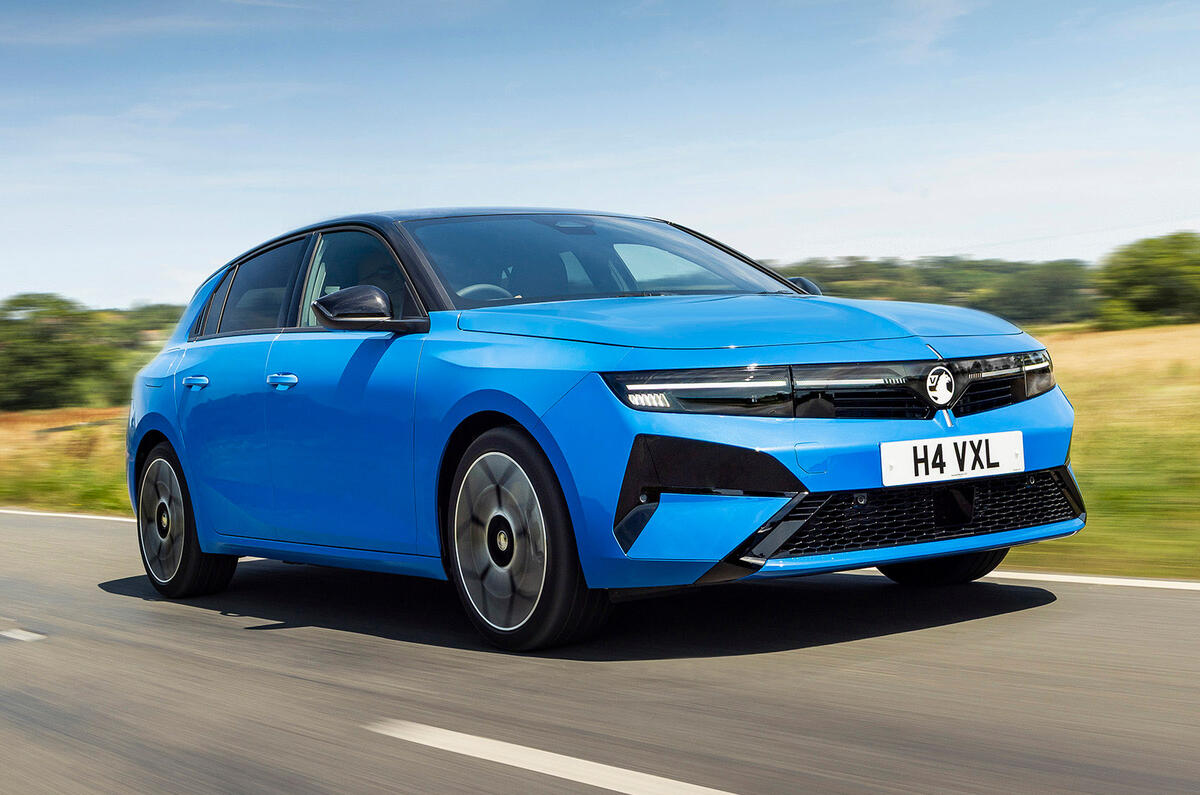
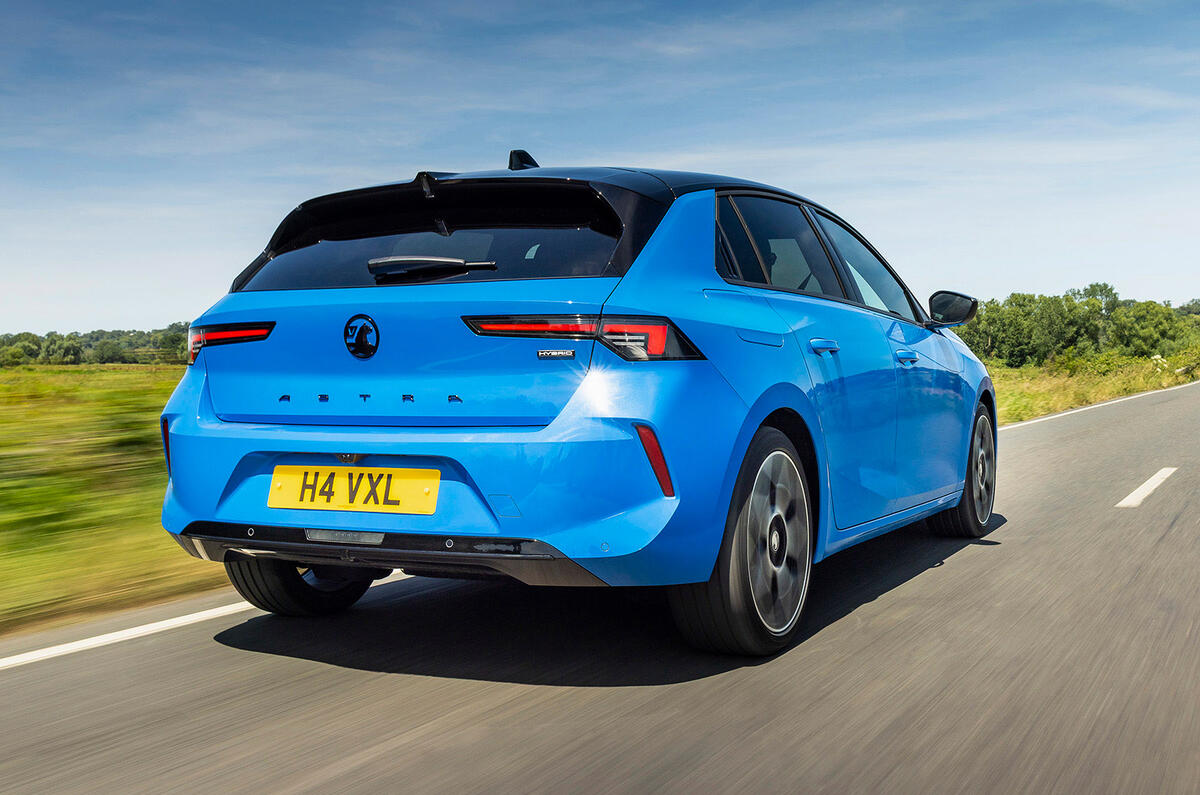
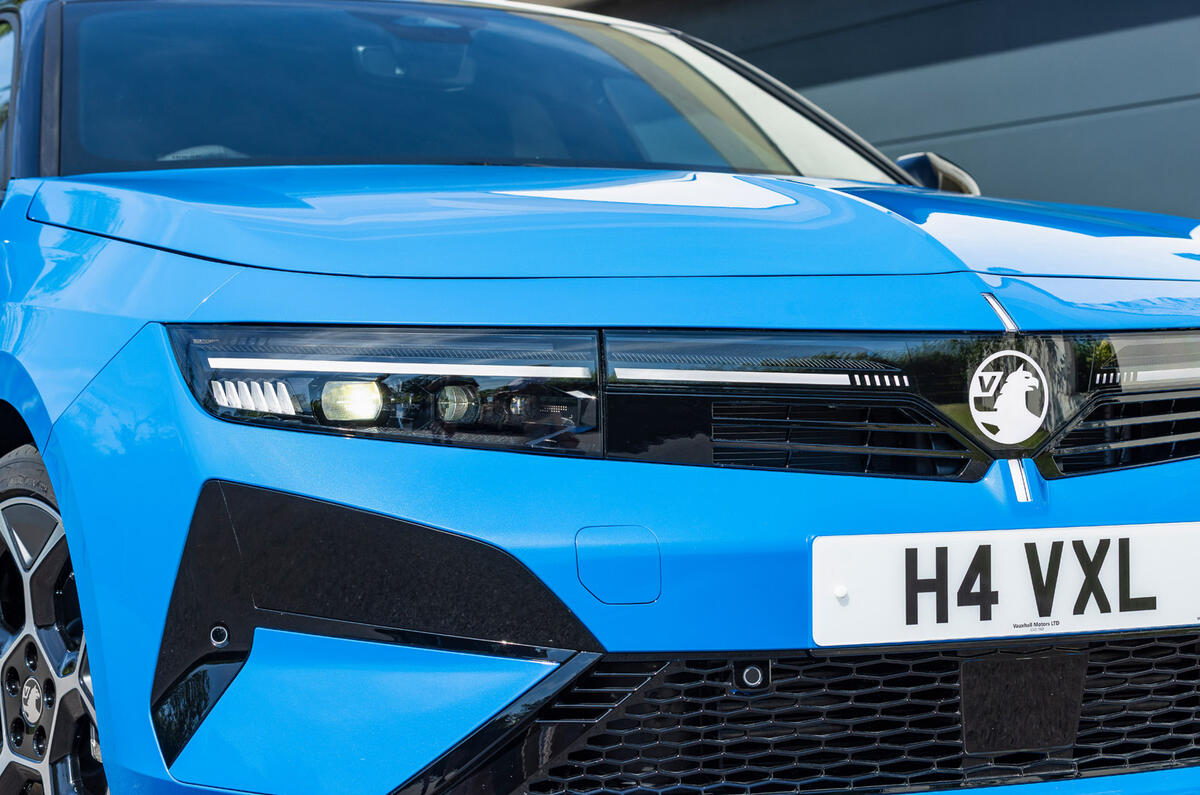
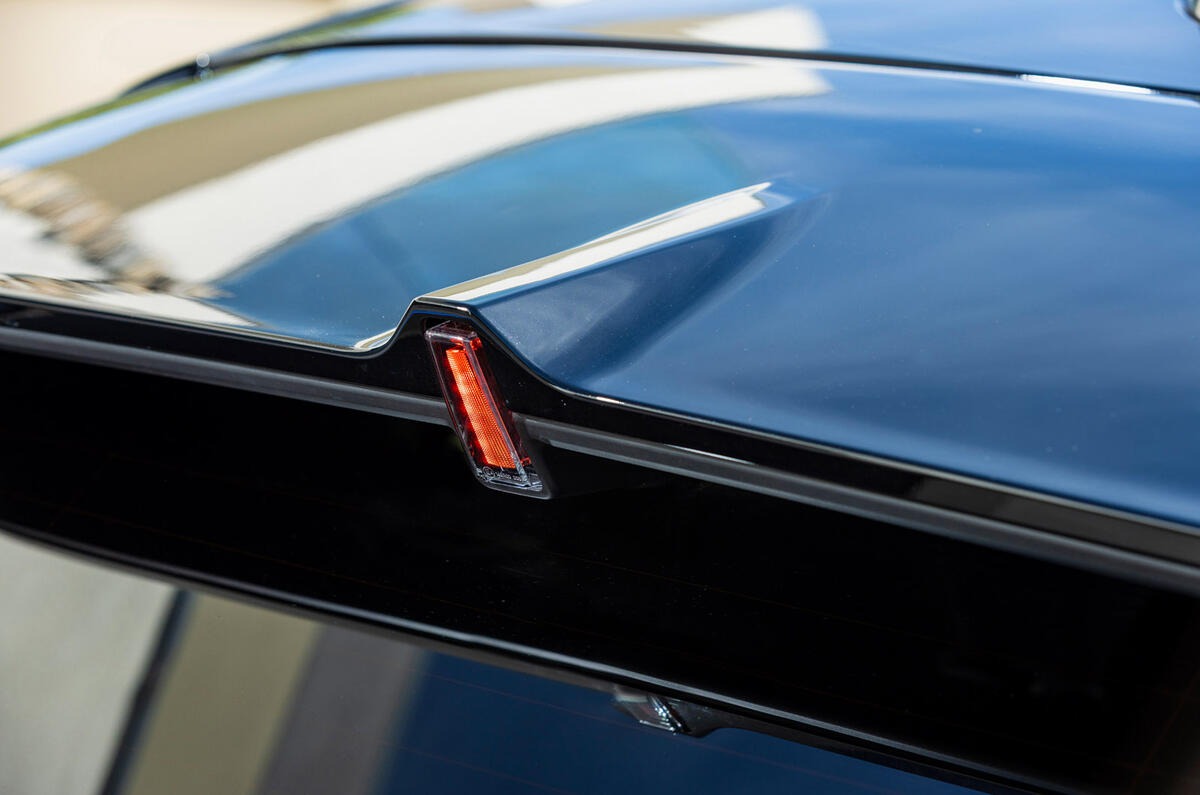
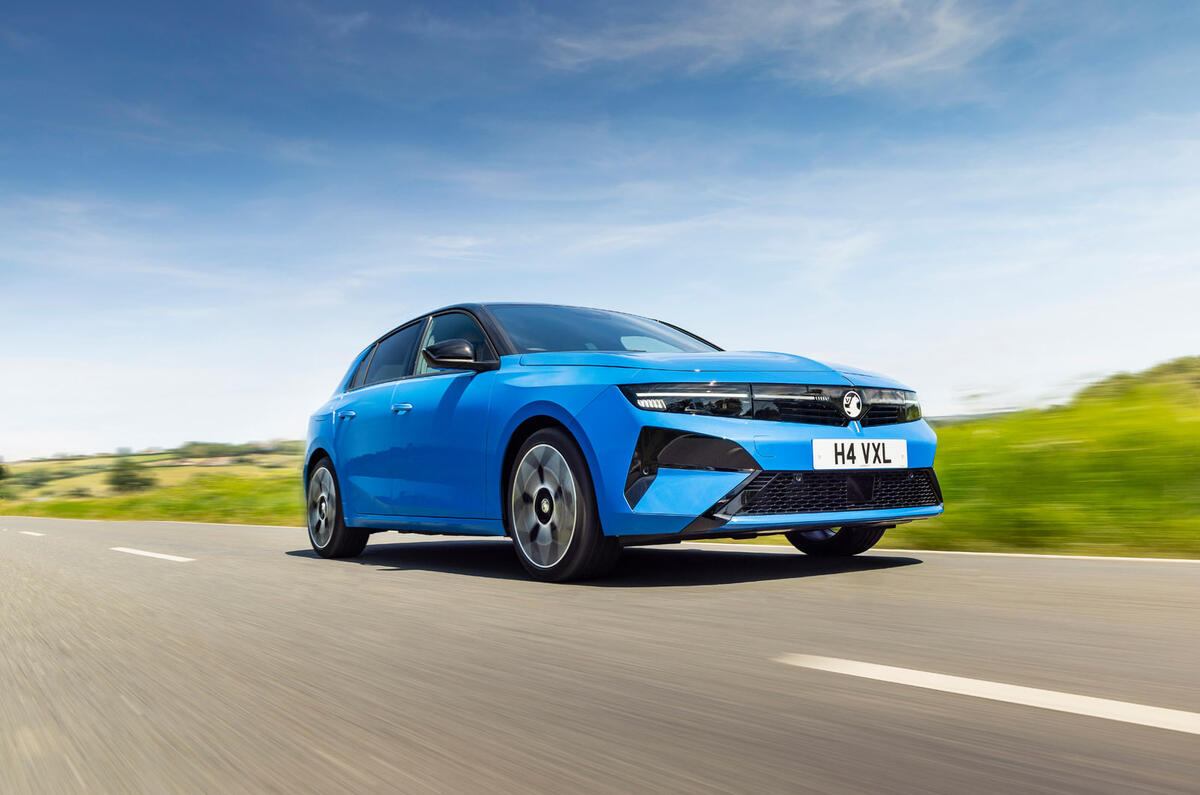
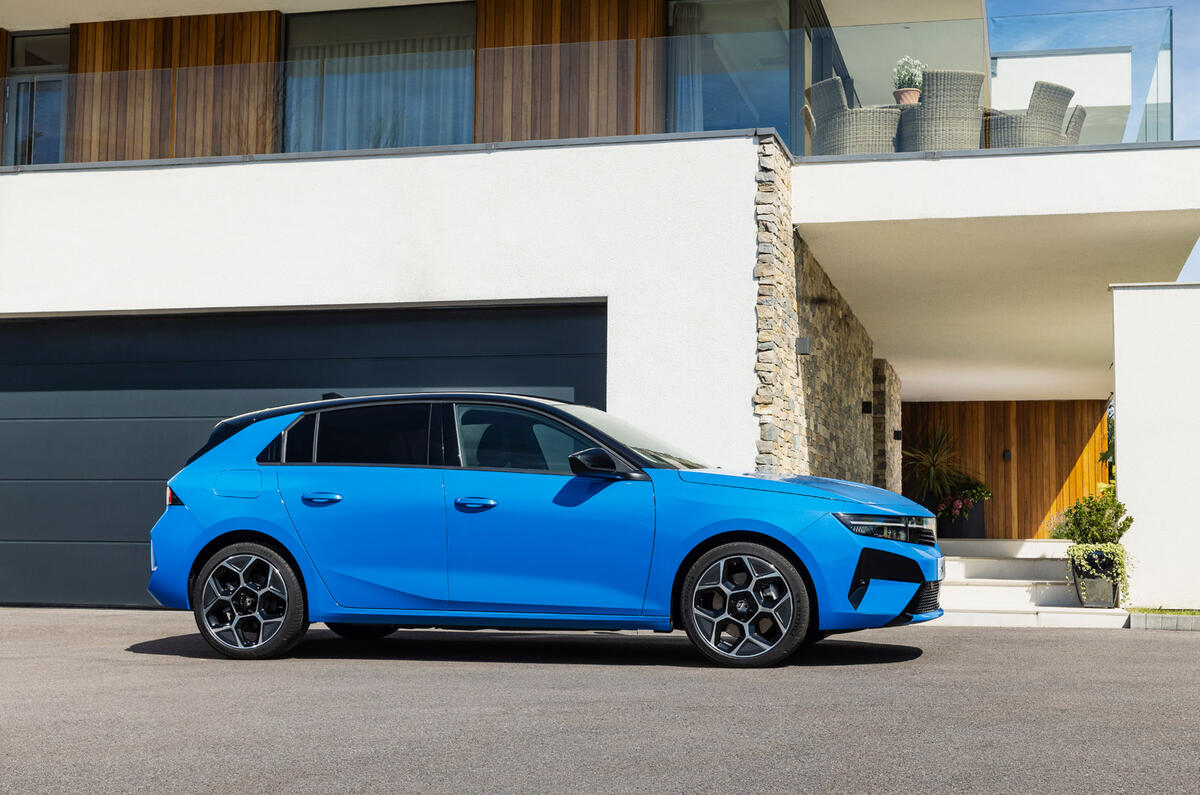
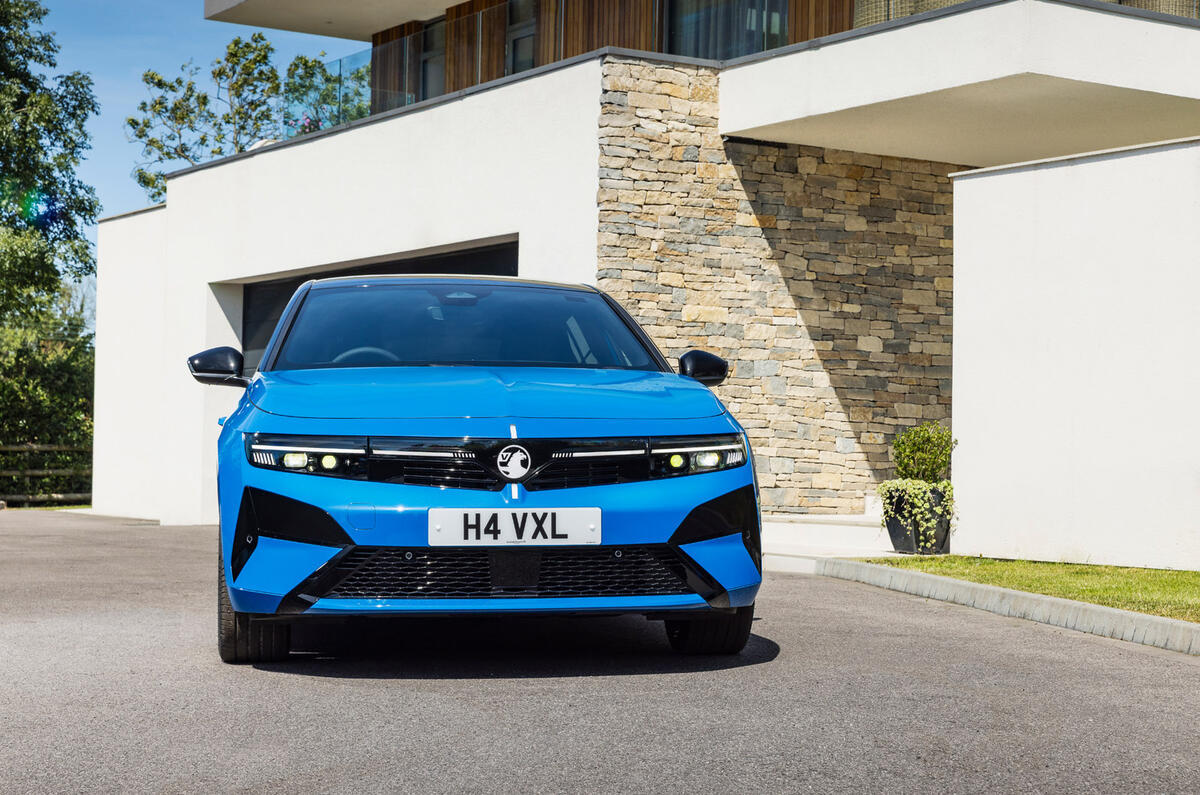
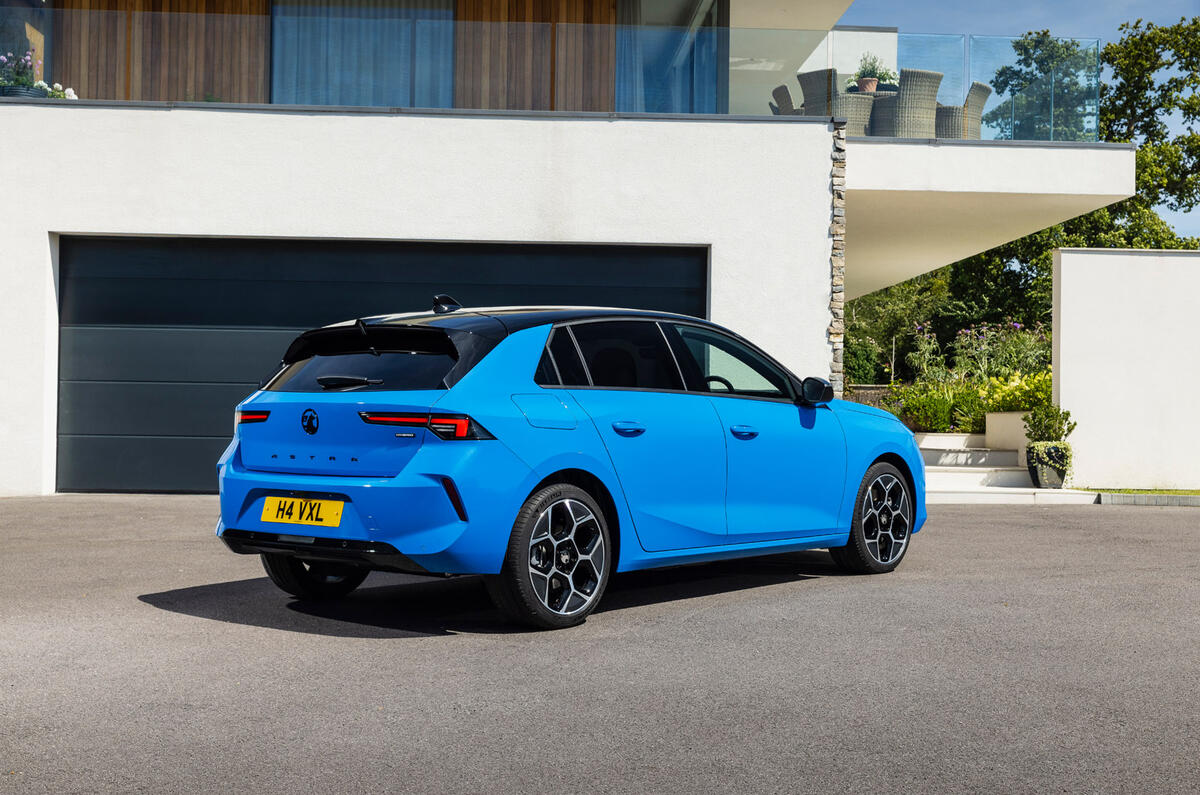
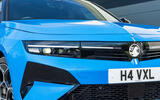
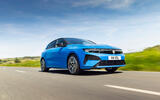
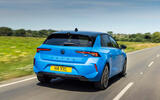
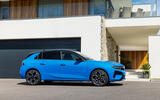
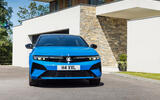
The eighth-generation Astra has received a minor but noticeable styling update for 2026, with a narrower 'Vizor' front grille that features an illuminated griffin badge. We will let you decide if that's a good thing or not.

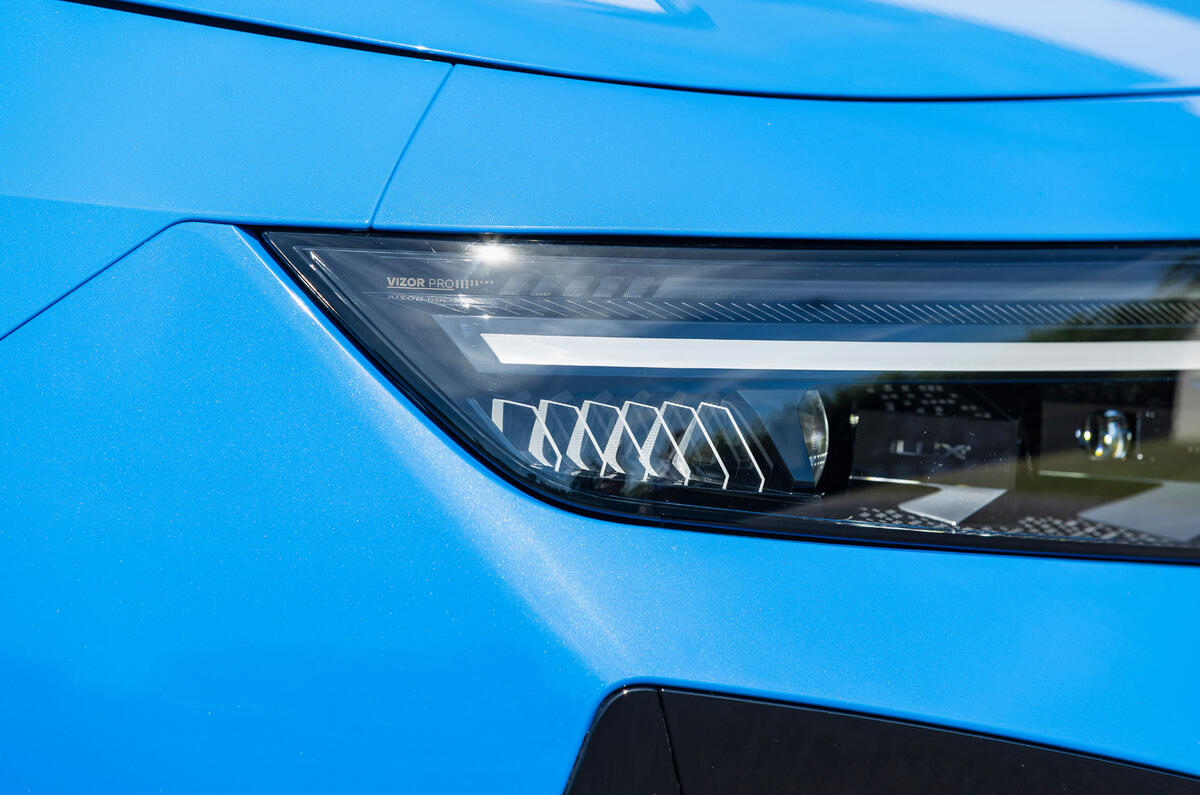
There's also a new 'Compass' motif that links the LED headlights and the bonnet crease, a design detail only previously seen on the Vauxhall Experimental concept car of 2023.

If you're looking for an Astra with a combustion engine, you have three options. The entry point to the range is a 1.2-litre turbocharged pure-petrol car, which offers 128bhp and either a manual (coming later) or automatic gearbox. Its starting price is £27,495, while every other Astra variant starts from £29,995.

The hybrid uses the same engine, tuned for 138bhp and married to a 48V 21bhp electric motor, giving a total system output of 143bhp.

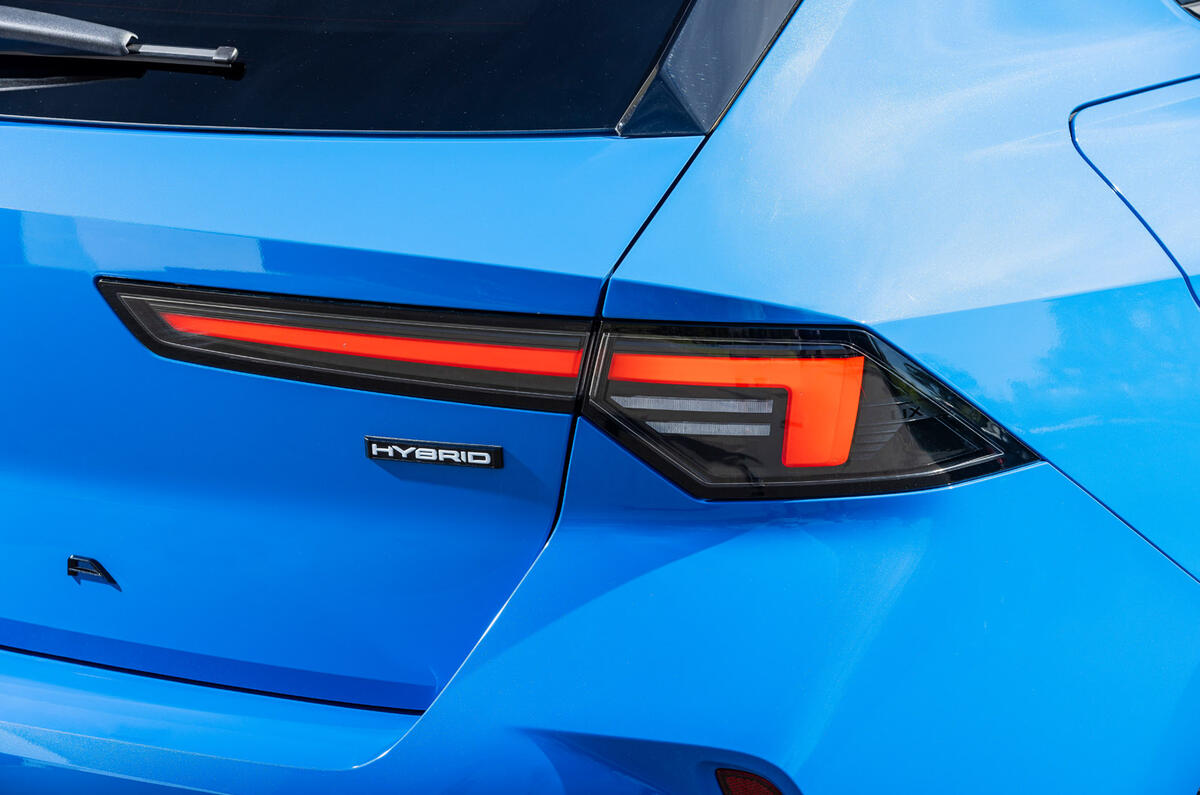
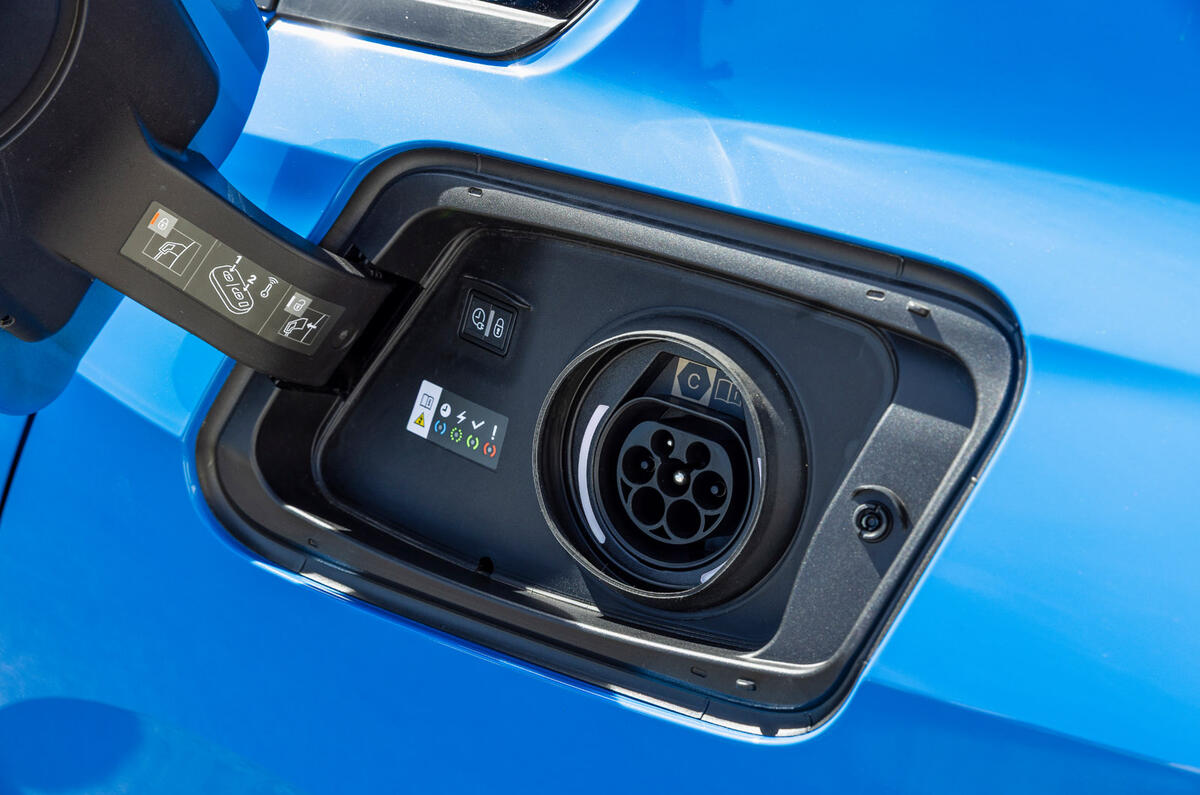
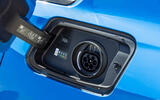
The focus of this review is on the plug-in hybrid. For this update, the 1.6-litre petrol engine is unchanged, but Vauxhall has upgraded the battery from 12.7 to 17.2kWh, increasing the electric-only range from 35 to 52 miles. The electric motor is more powerful too, lifting total output from 178 to 192bhp.

INTERIOR

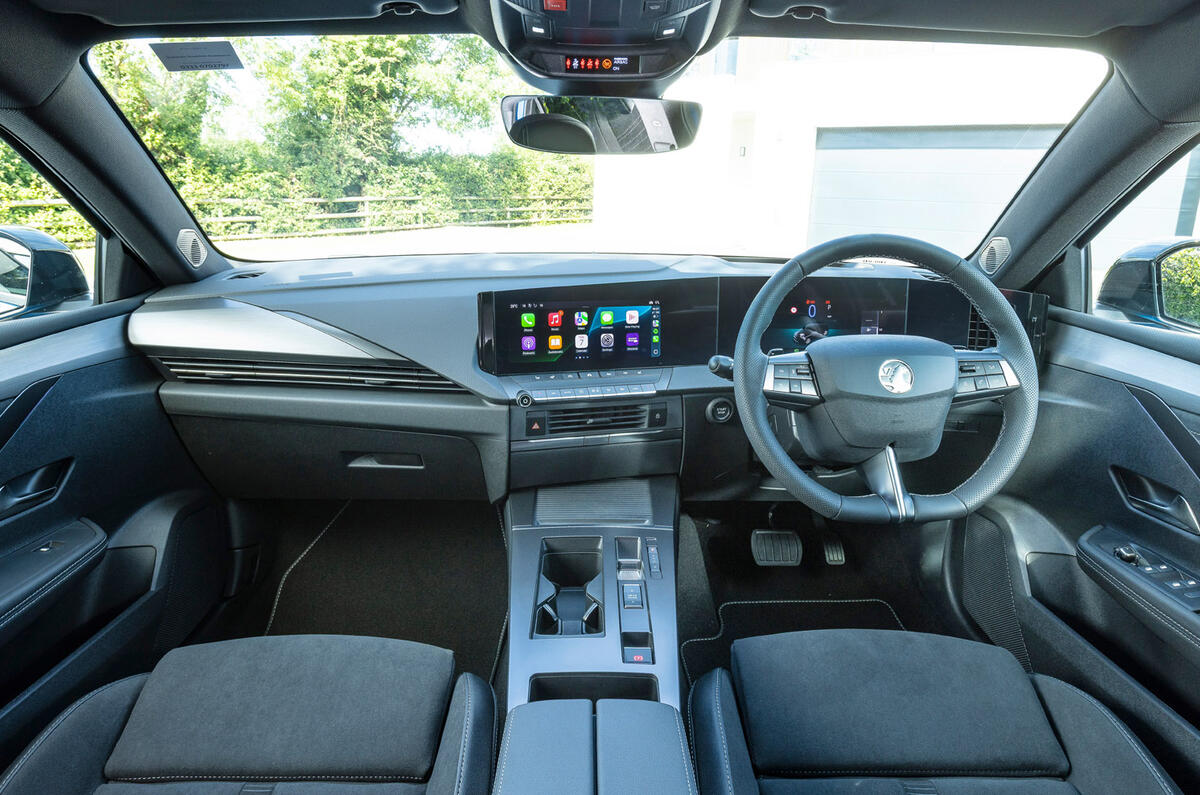
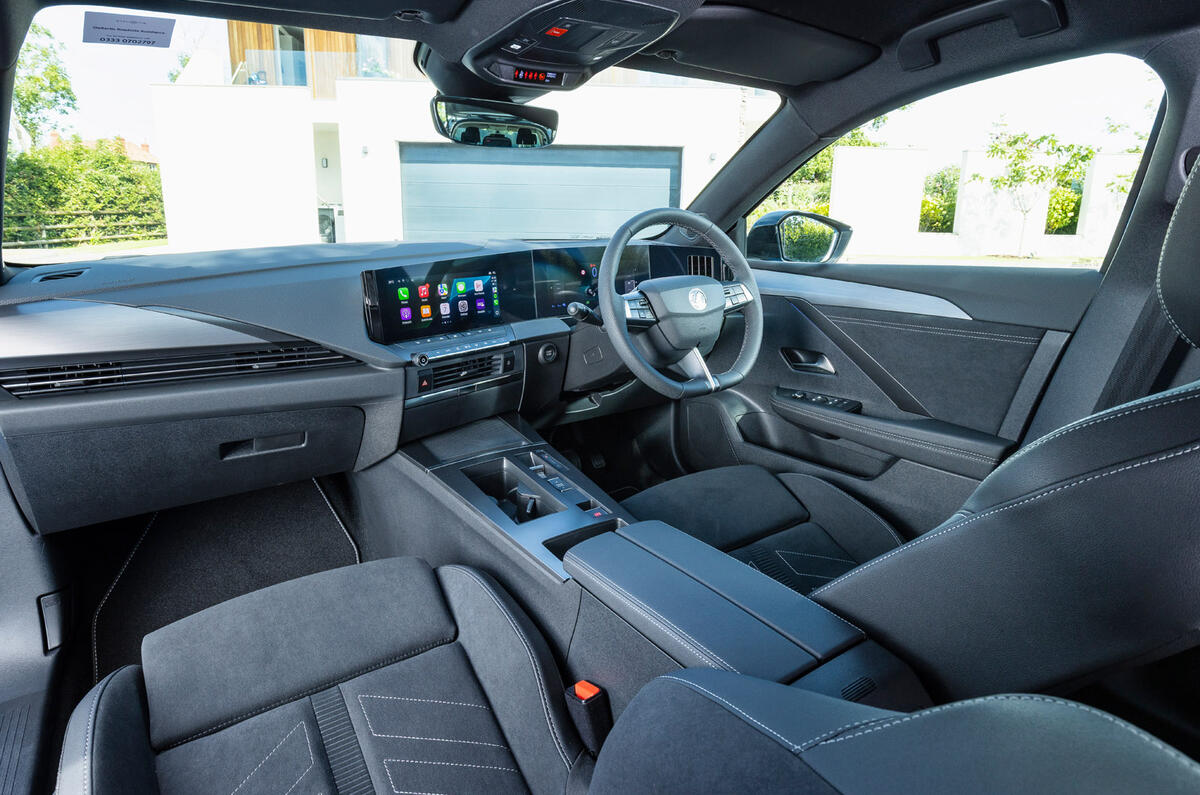
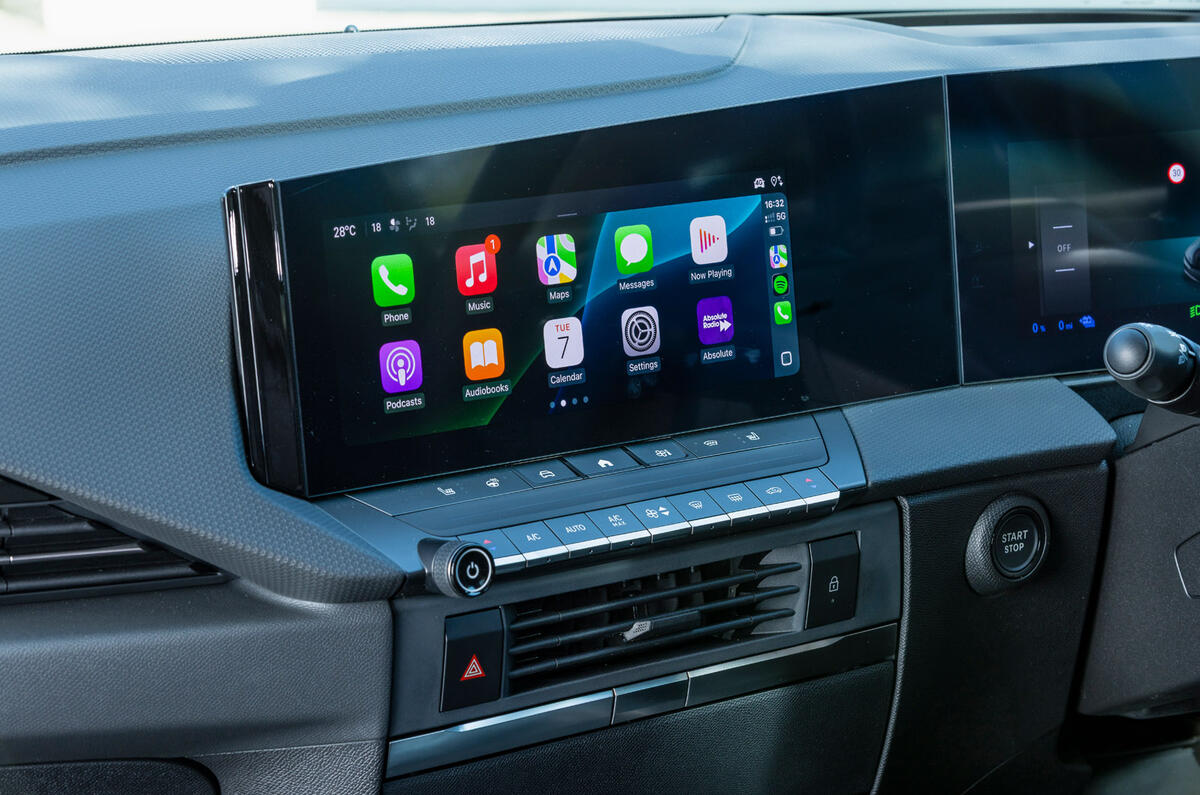
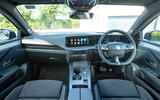
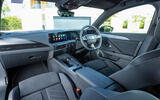
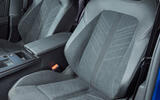
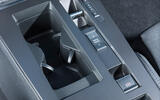
The Astra’s interior is good: the digital panels’ graphics are easy to understand, the infotainment software is responsive to inputs and sensibly laid out and you get proper switches for the climate controls.

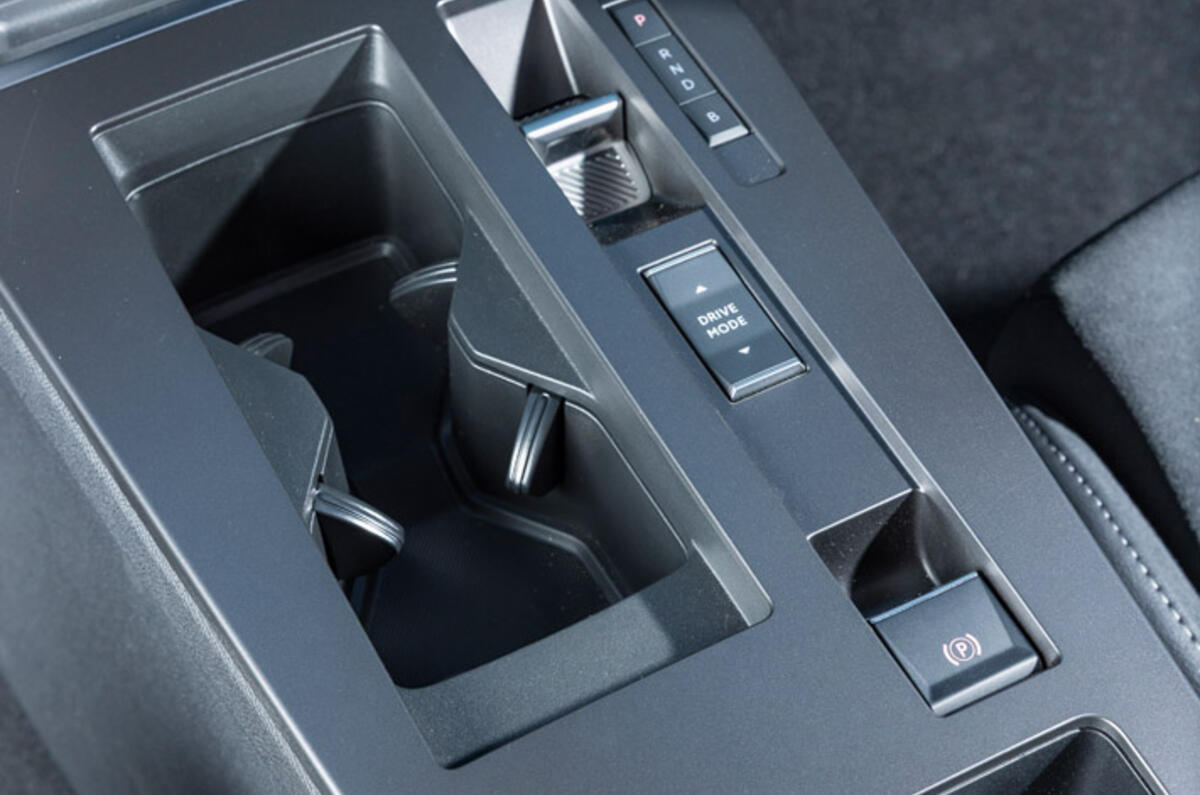
Very little has changed for this mid-life update, save for making the centre console material a touch less prone to glare.

The steering wheel has gained a pair of paddles that allow you to take control of gearchanges. However, the gearbox is overeager to override your inputs and change up earlier than you might like or prevent early downchanges intended to allow engine braking.

I was also disappointed that the paddles can’t be used to adjust the strength of the regenerative braking if you put the PHEV into electric-only mode; this feels like an oversight.

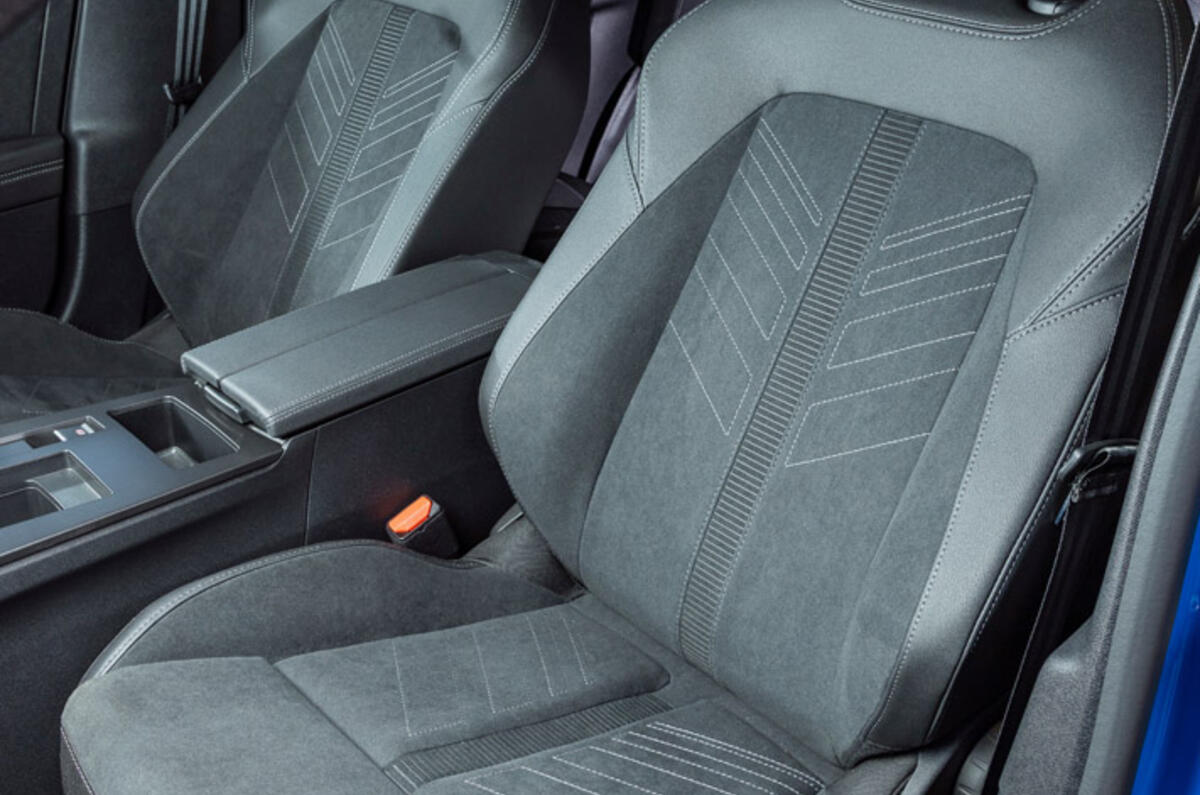
Still, for usability, the Astra is ahead of anything from the Volkswagen Group. That makes it all the more a shame that it’s a bit drab to sit in. There's nothing particularly wrong, it just doesn't have much in the way of excitement to offer.

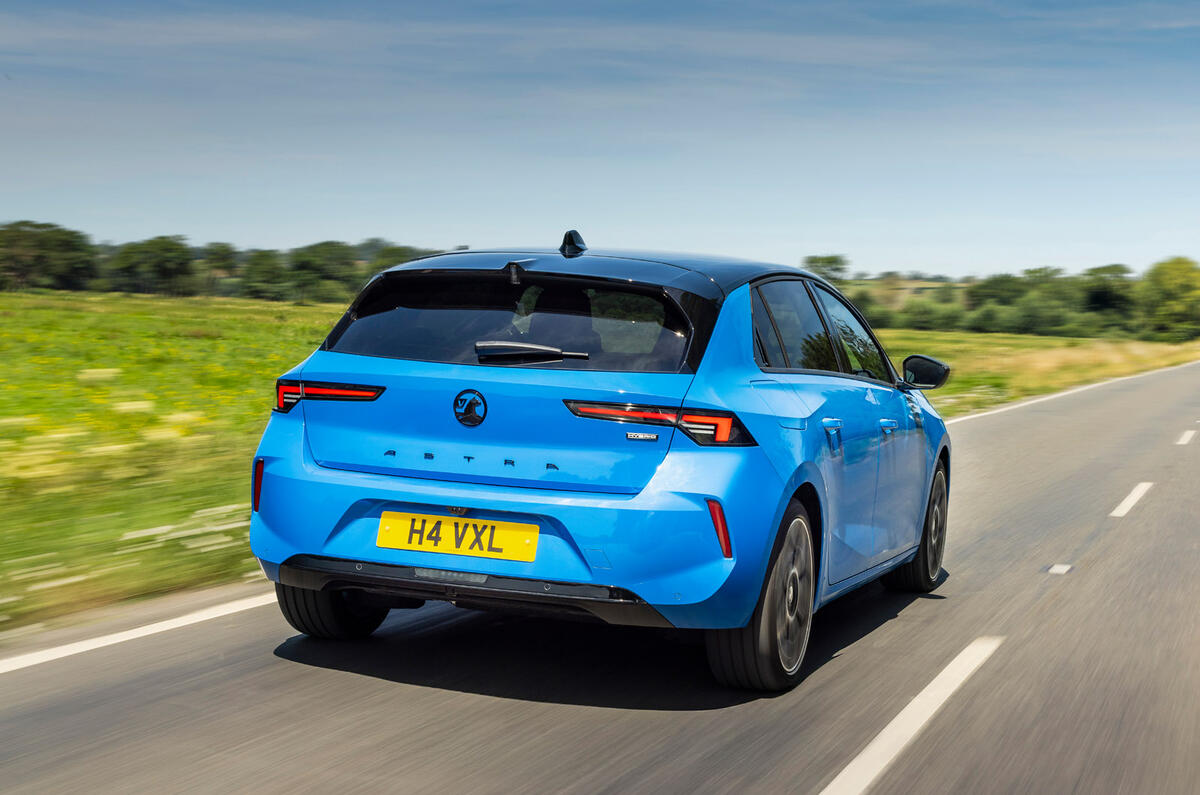
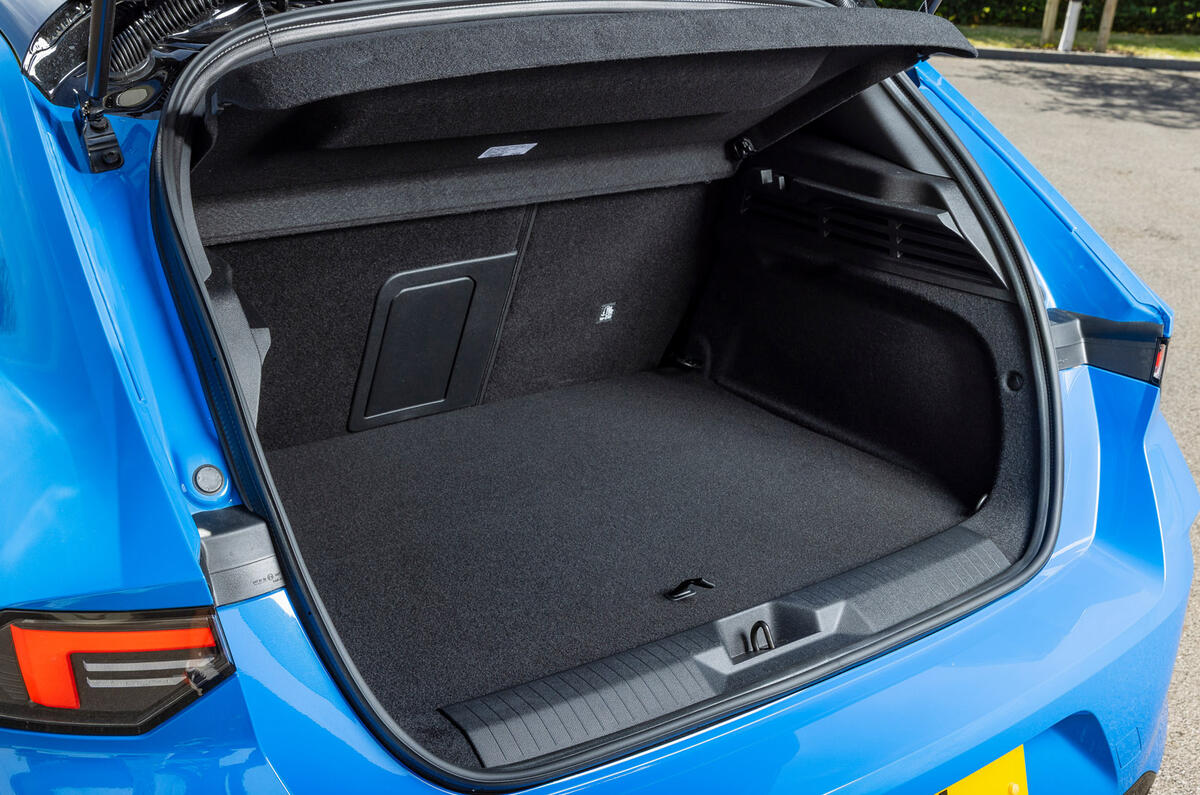
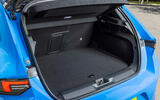
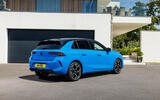
There's a decent amount of space in the boot, and even more if you pick the Sports Tourer estate body. That said, if you are considering the PHEV, it's worth bearing in mind that its 310-litre boot (in hatchback form) is smaller than those of the petrol (422 litres), hybrid (ditto) and electric (352 litres) versions.

ENGINES & PERFORMANCE

With the battery charged, the PHEV can drive largely on electric power, and it feels as smooth as its EV sibling.

If you demand more from the throttle pedal, the engine will soon kick in seamlessly, and the extra torque (265lb ft) compared with the EV allows for more urgent progress. 

It possesses good body control through tighter bends and, provided you’re not being silly, there’s plenty of grip. The front wheels can scrabble a little if you floor it from a standstill, but this isn’t the kind of car that encourages such behaviour.

Indeed, the Astra isn’t so much fun as it is satisfying to push; it’s a good ‘flow’ car, handling intuitively and fostering a sense of trust when you’re preoccupied by hazard perception on unfamiliar routes.

The only major trade-offs if you go for the PHEV are a noticeable amount more fidget over brittle road surfaces (although it's still within acceptable levels) and that reduced boot space.

It handles better than the EV too, with a touch more feel and verve. The ride is a little less composed, perhaps because the weight isn’t spread as evenly throughout the car as it is in the EV.

But again, it’s all very agreeable for a family hatchback or estate.

MPG & RUNNING COSTS

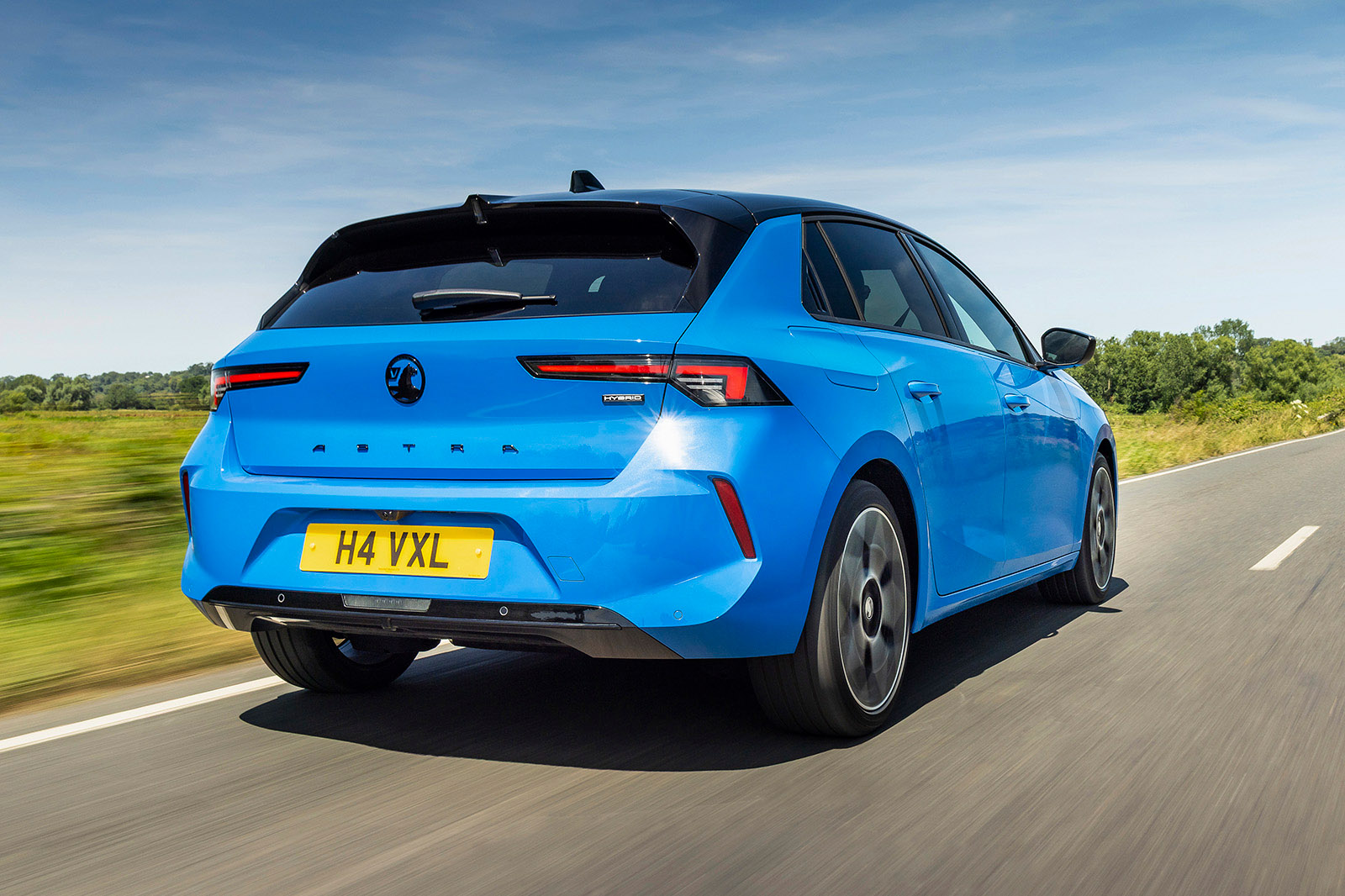
Vauxhall Astra review 2026 001

On a relatively urban test route I managed to average 122mpg, which is close to the official figure, although you will need to keep the battery topped up to match that.

Still, it looked like 50mpg would be possible running on the combustion engine alone.

Either way, the Astra makes an interesting proposition on price alone, given every variant has almost the same entry ticket. The PHEV is reasonably affordable, although it is undercut by a number of Chinese rivals.

VERDICT

These upgrades have made the Astra PHEV a more convincing and rounded proposition and one that could appeal to many still uncertain in this transition period. The ability to conduct largely electric miles on short, urban trips but have the back-up of combustion power could be very welcome.

We've yet to test the facelifted petrol or hybrid Astra in the UK, but they add further welcome options to the Astra's line-up. At a time when many long-running mass-market hatchbacks and estates are disappearing from sale, the Astra is becoming even more relevant.

That said, it isn’t as rounded as the Volkswagen Golf, and the 'eHybrid' PHEV version of that car offers more electric-range (88 miles) for not that much extra outlay. 

Charlie Martin

Charlie Martin Autocar
Title: Senior Staff Writer

Charlie plays a leading role in Autocar's coverage of new car launches and industry events. He’s also a regular contributor to its reviews and social media channels, creating content for Instagram, Tiktok, Facebook and Twitter.

Charlie joined Autocar in July 2022 after a nine-month stint as an apprentice with sister publication What Car?, during which he acquired his gold-standard NCTJ diploma with the Press Association.

He is the proud owner of a Mk4 Mazda MX-5 but still feels pangs of guilt over selling his first car, a Fiat Panda 100HP.

James Attwood

James Attwood, digital editor
Title: Associate editor

James is Autocar’s associate editor, and has more than 20 years of experience of working in automotive and motorsport journalism. He has been in his current role since September 2024, and helps lead Autocar's features and new sections, while regularly interviewing some of the biggest names in the industry. Oh, and he once helped make Volkswagen currywurst. Really.

Before first joining Autocar in 2017, James spent more than a decade in motorsport journalist, working on Autosport, autosport.com, F1 Racing and Motorsport News, covering everything from club rallying to top-level international events. He also spent 18 months running Move Electric, Haymarket's e-mobility title, where he developed knowledge of the e-bike and e-scooter markets.