From £40,0006

Mid-sized electric SUV from China majors on space, technology, charging speed and value for money

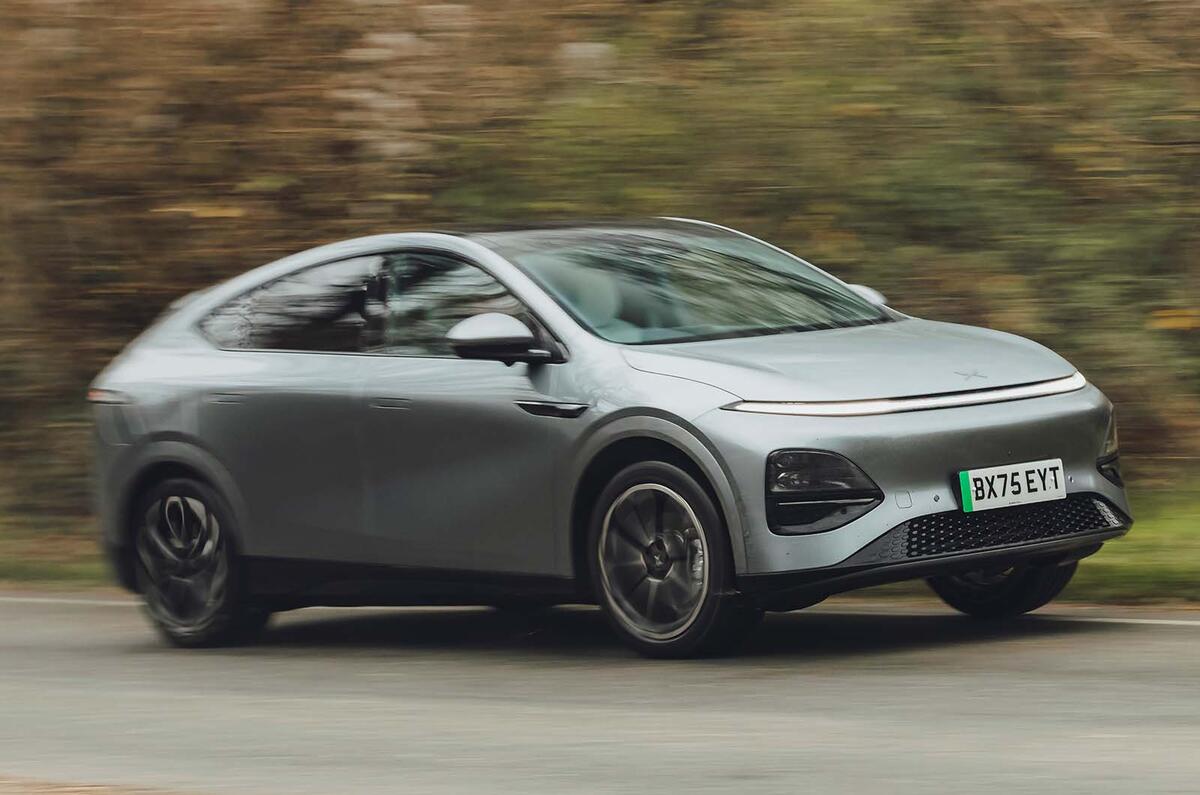
Xpeng arrived in the with the Xpeng G6 as recently as February 2025, but it has already given the electric crossover an update.

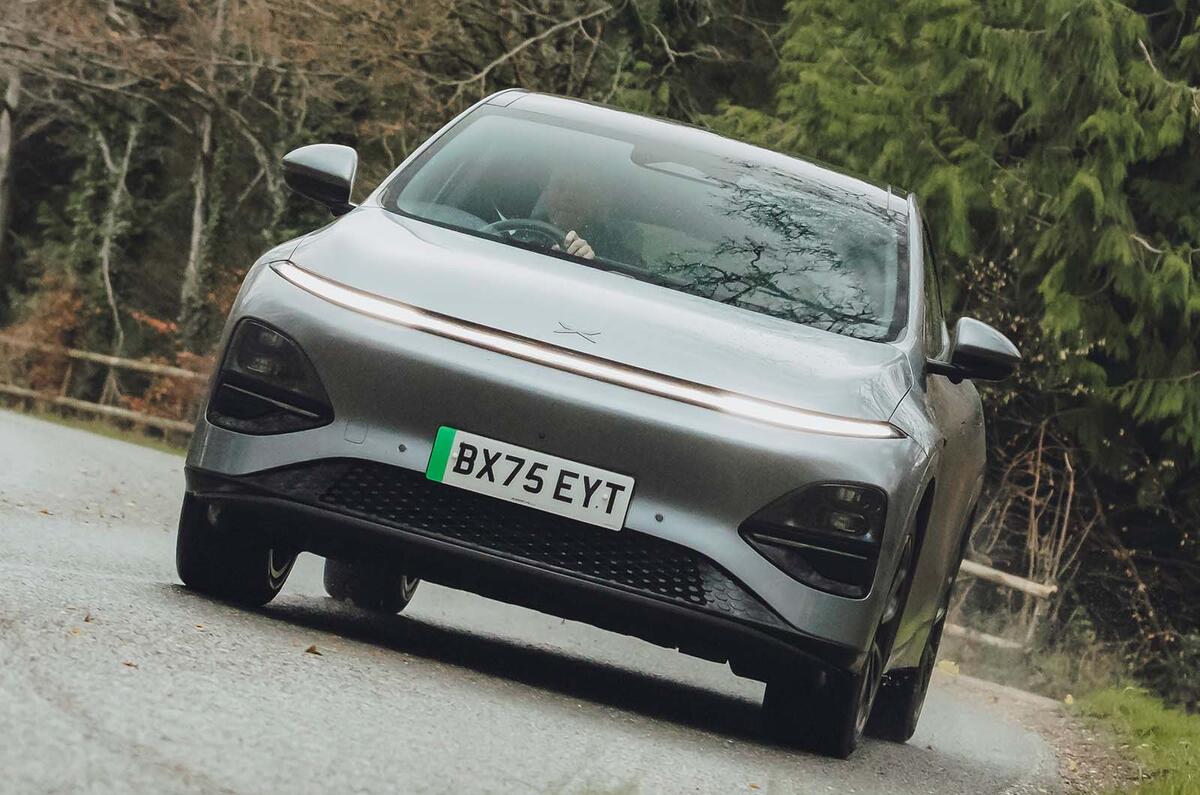
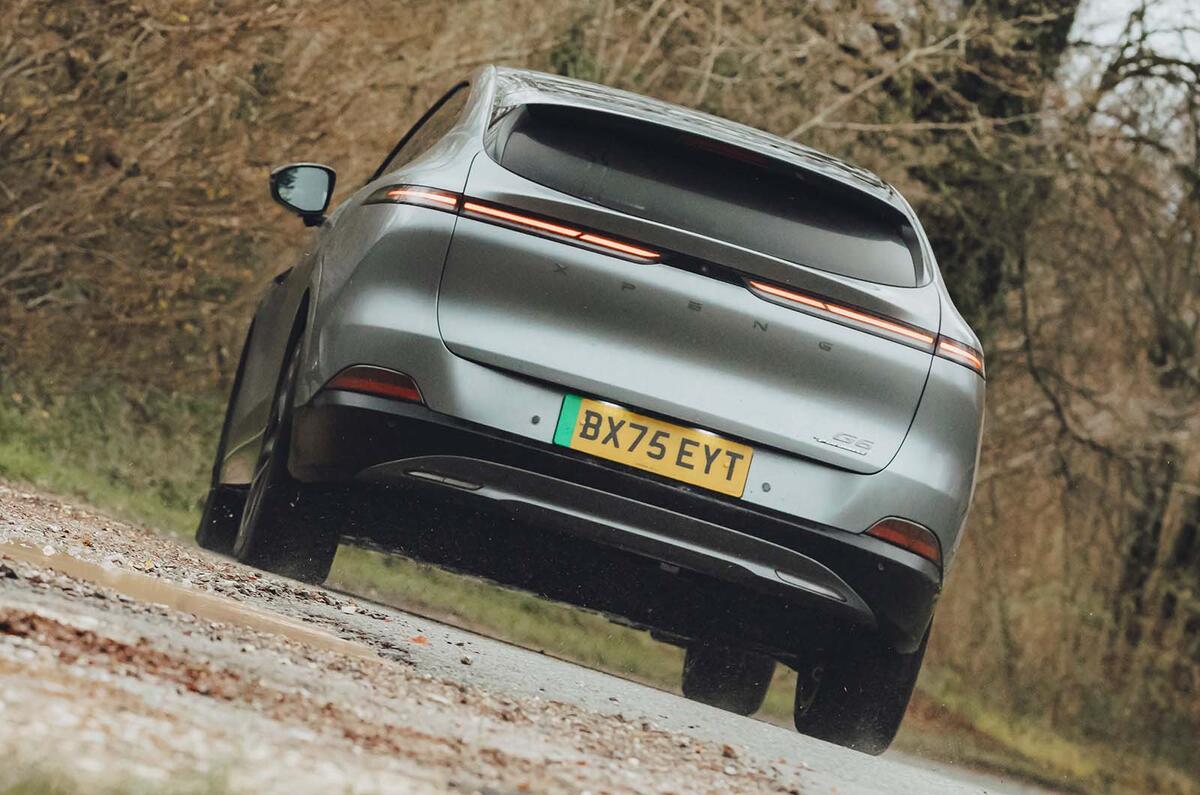
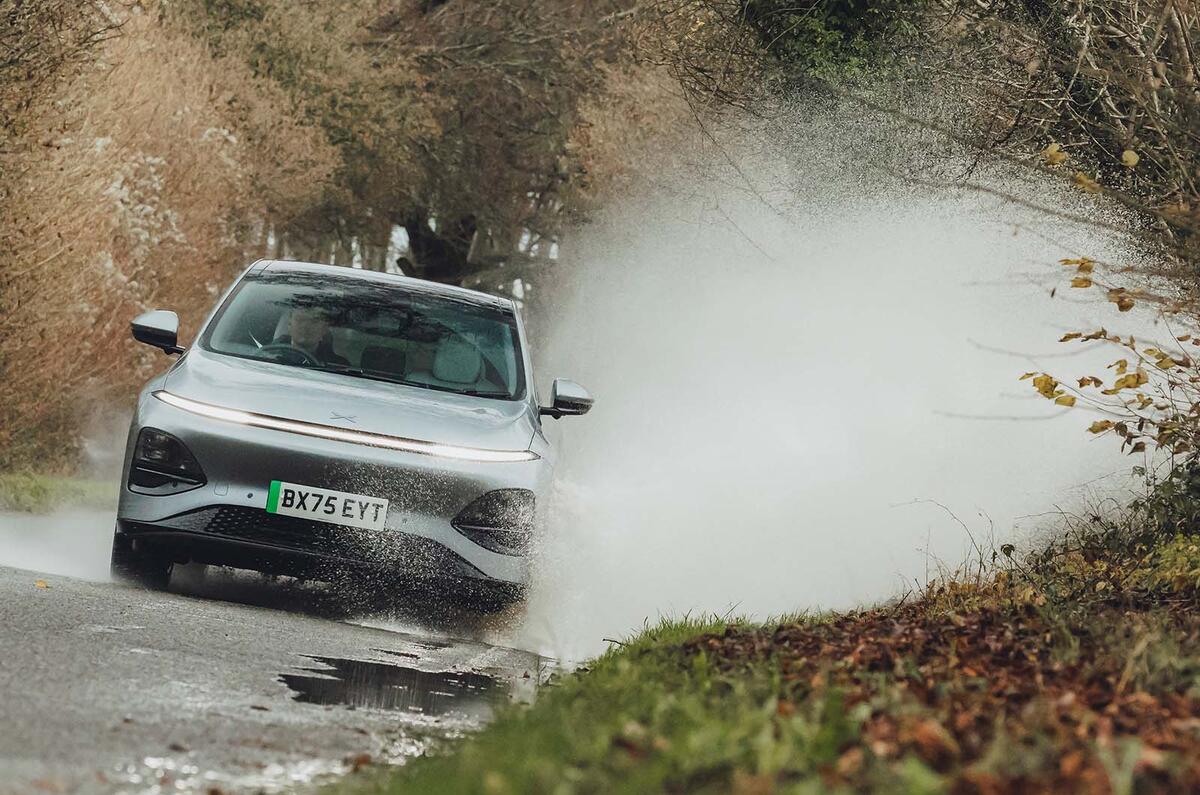
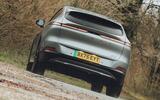
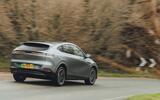
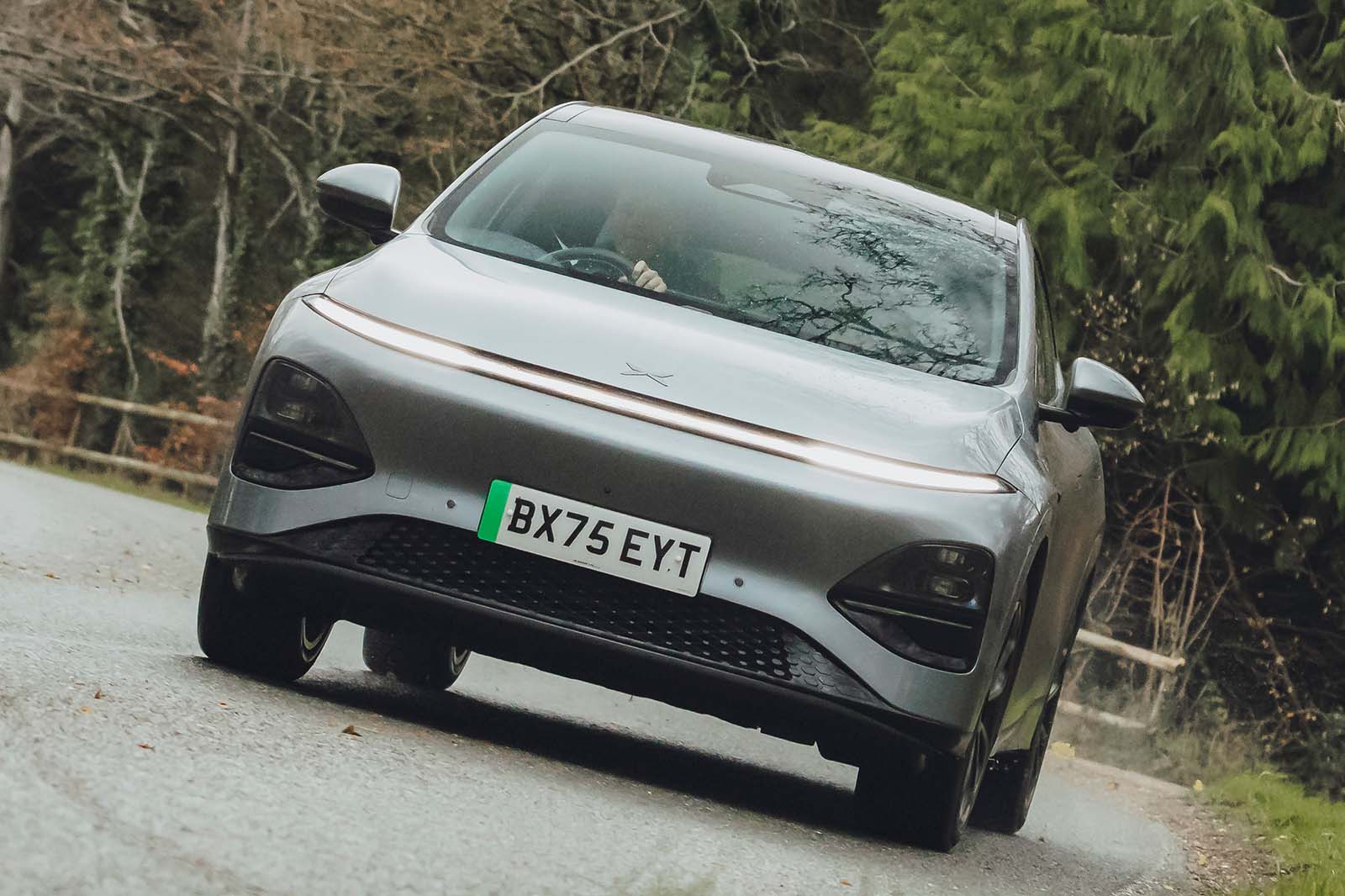
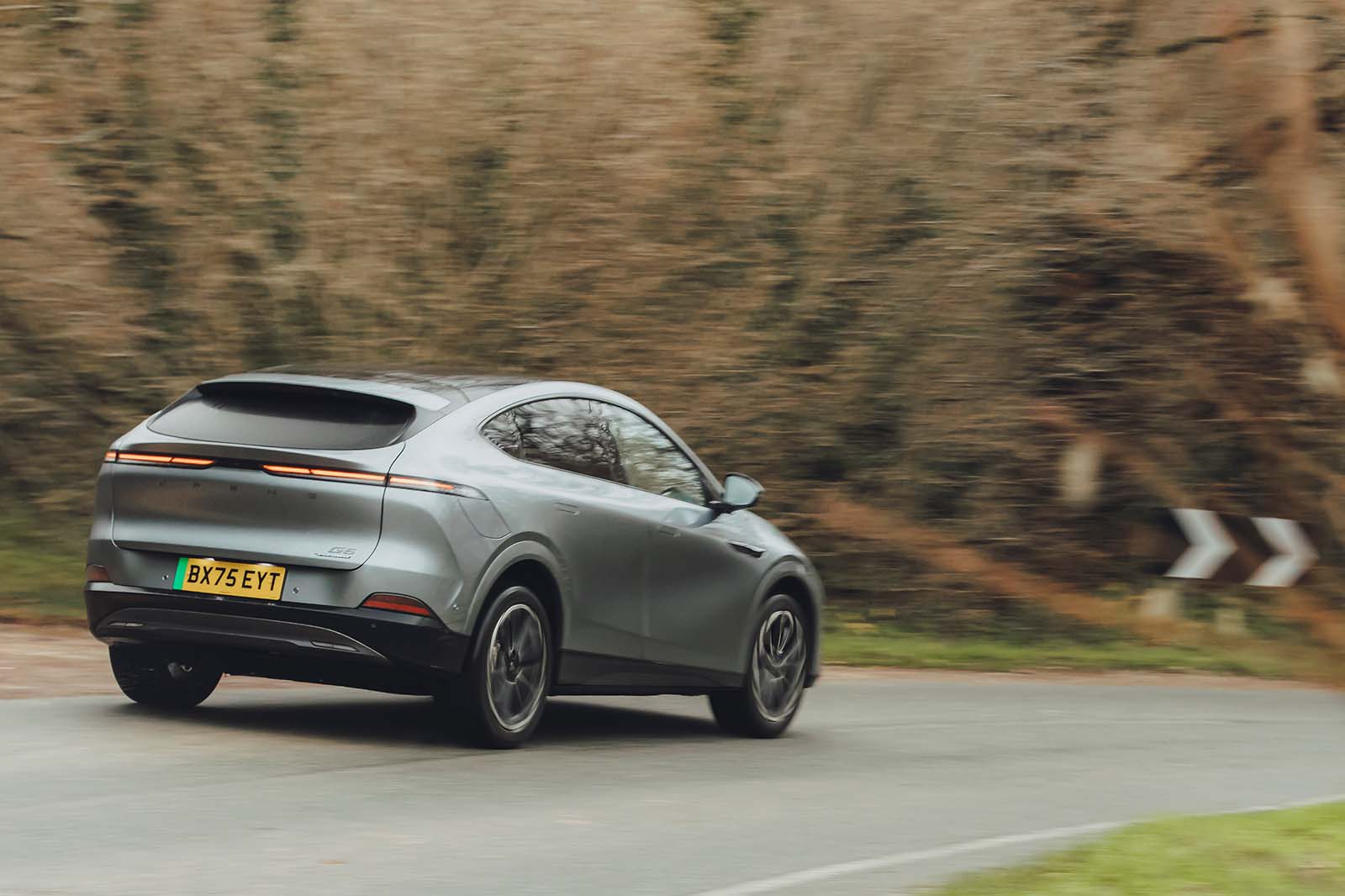
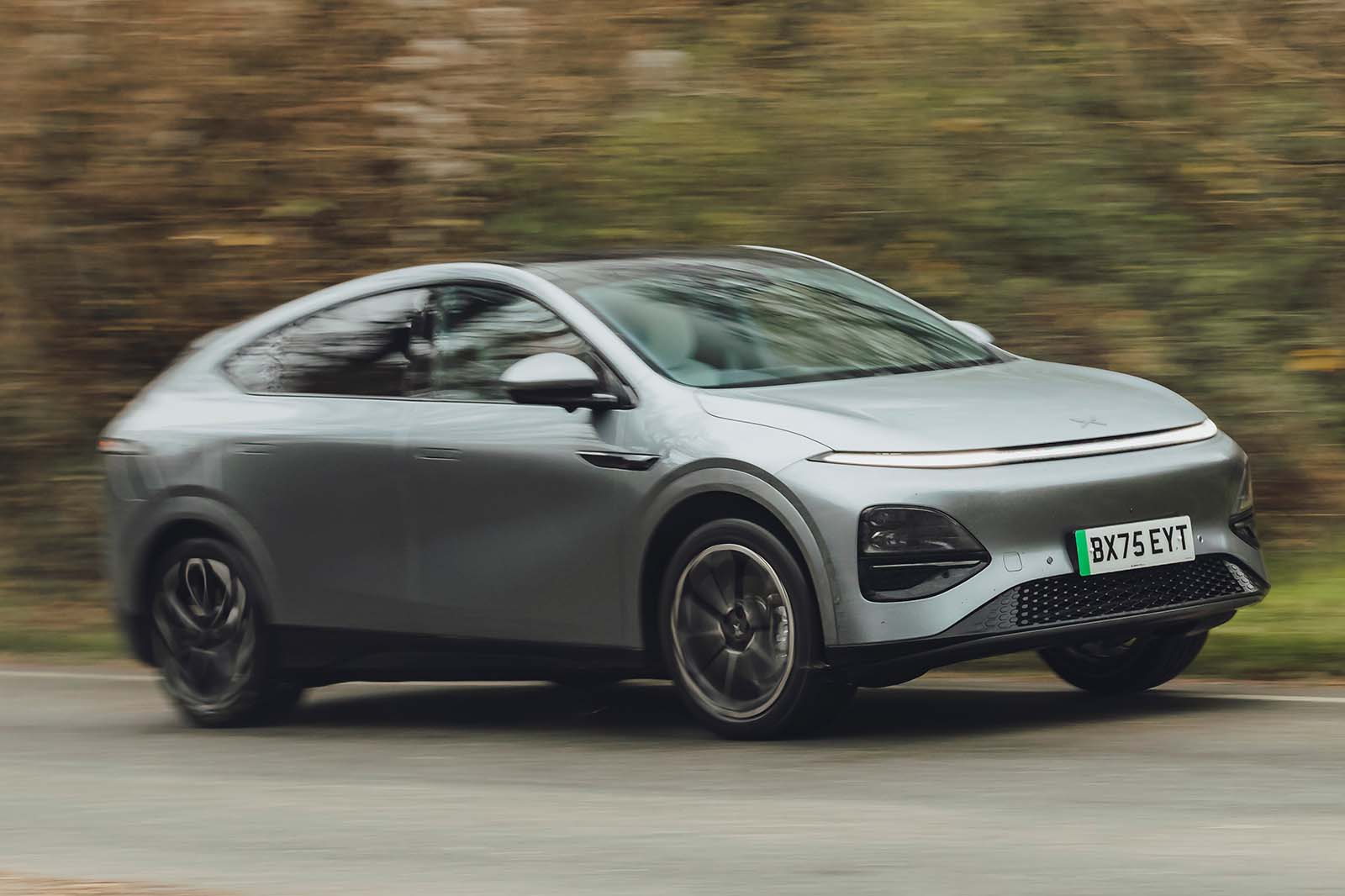
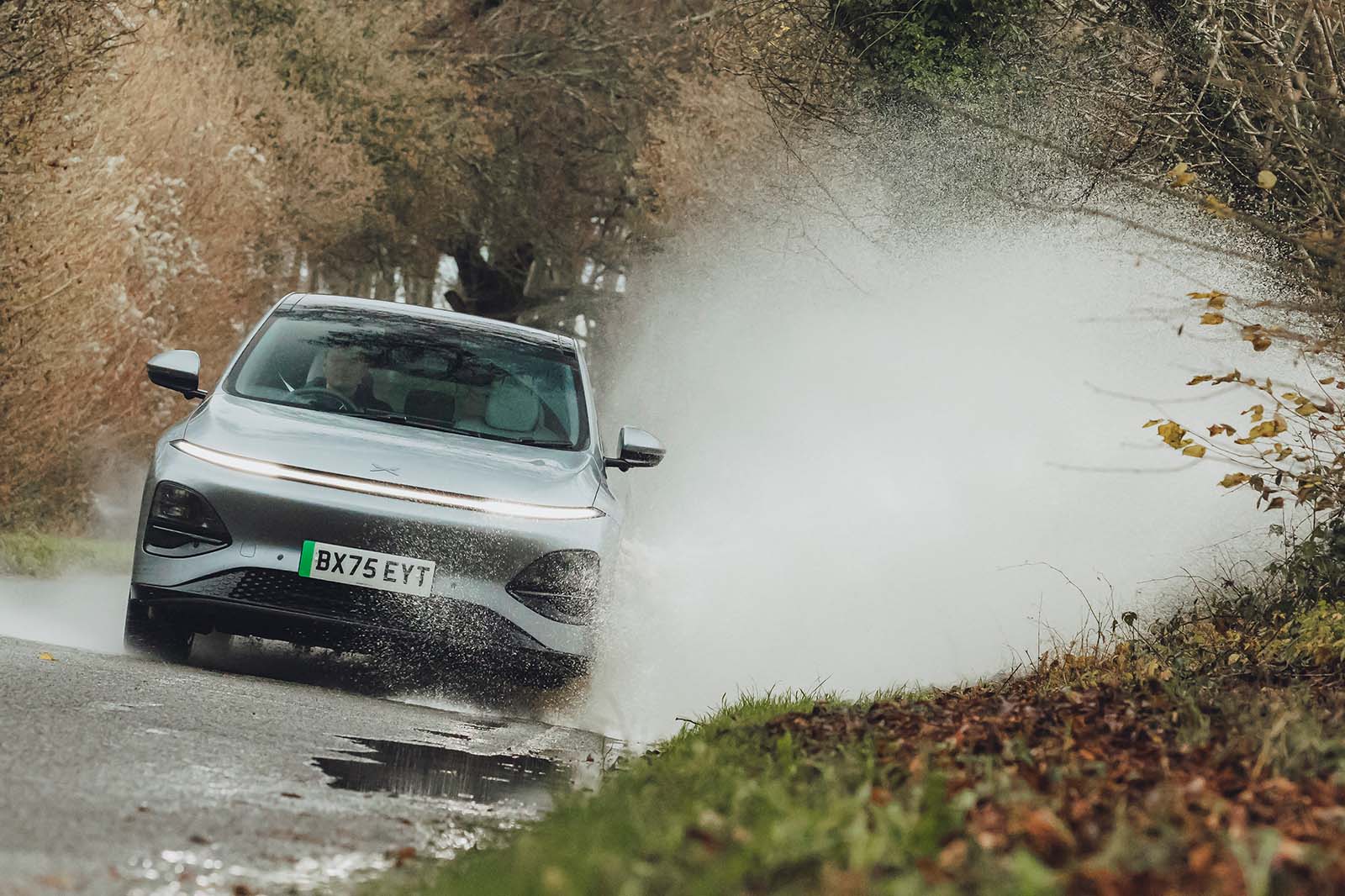
There’s a new full-width lightbar up front, the rear’s design has been tweaked slightly for a more coupé-ish silhouette, there are some new paint colours and the interior now benefits from a digital rear-view mirror and ambient lighting. 

It's a curious car: simultaneously slightly anonymous yet odd.

The most significant change, however, has been to the battery. Gone is the 87.5kWh nickel-manganese-cobalt (NMC) pack and in its place is a smaller 80.8kWh lithium-iron-phosphate (LFP) battery. 

This not only eliminates the use of more expensive and less sustainable materials but has also given the G6 a real party trick: it can now charge at 451kW, which is good enough for a 10-80% fill in just 12 minutes. 

Advertisement

DESIGN & STYLING

Xpeng G6 Performance FD 2025   ME 20

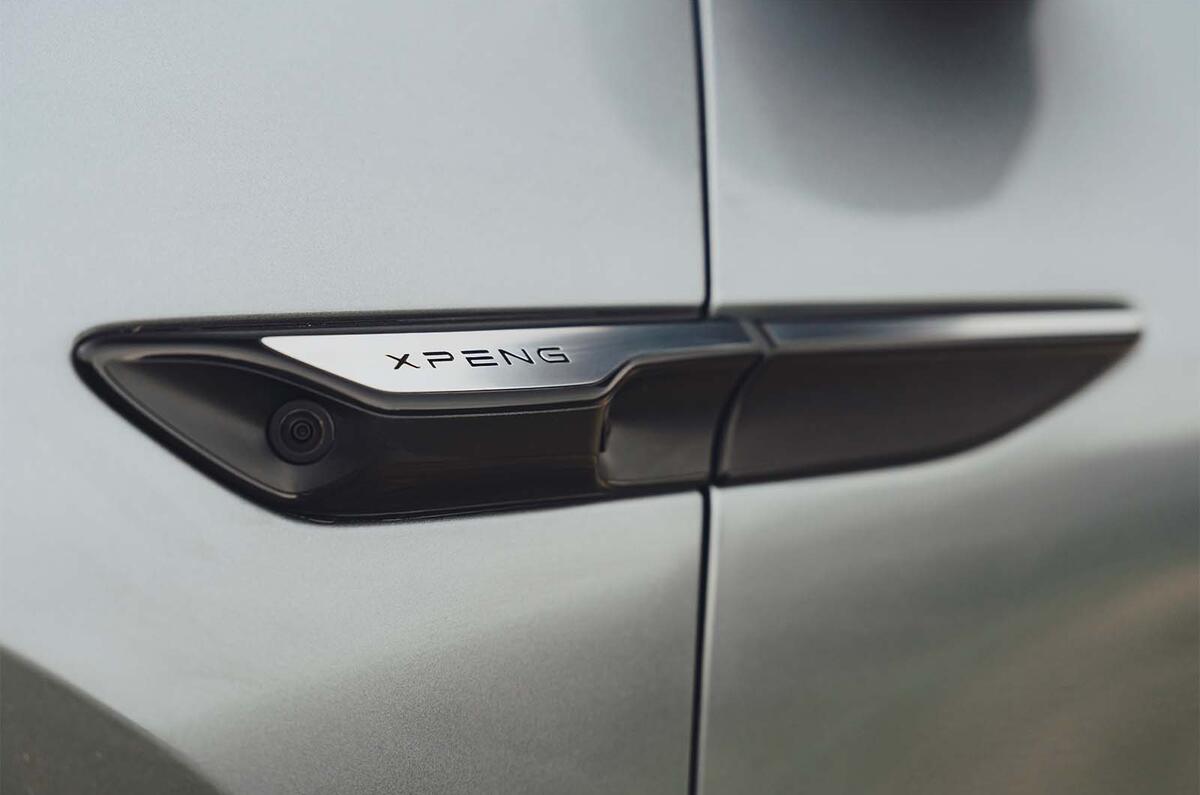
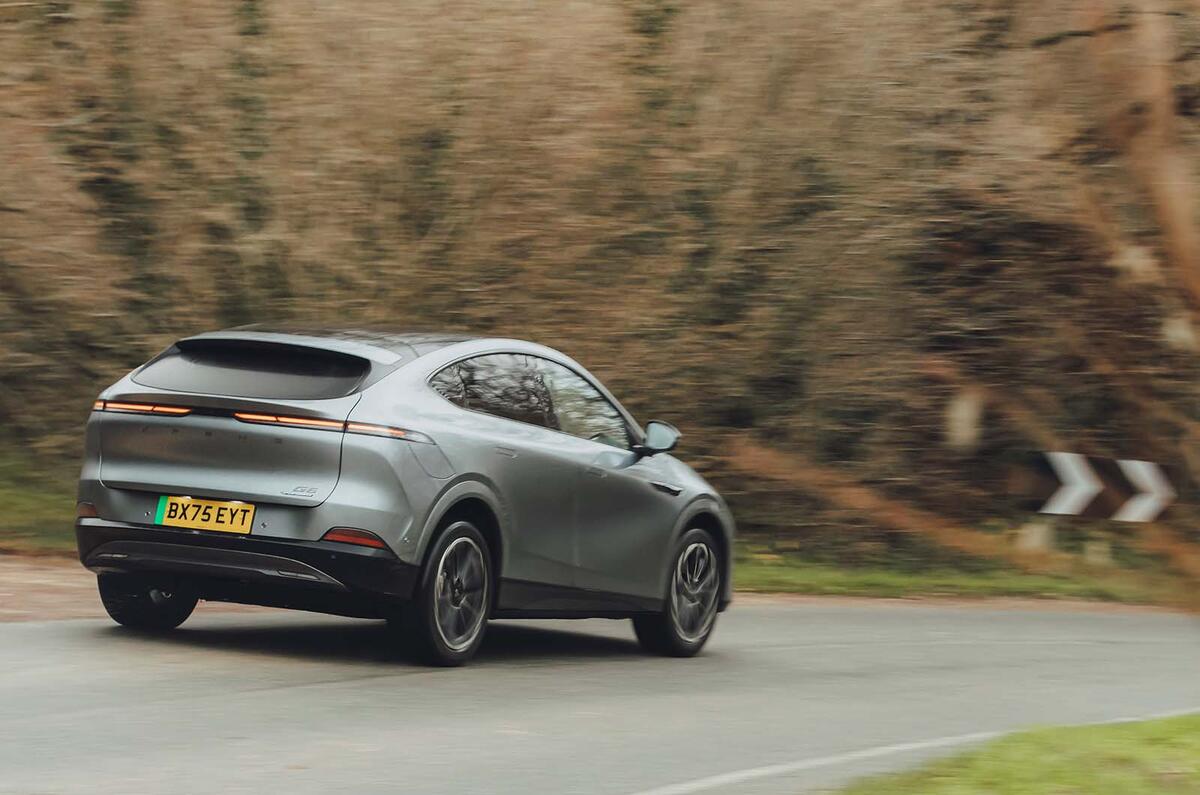
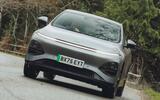
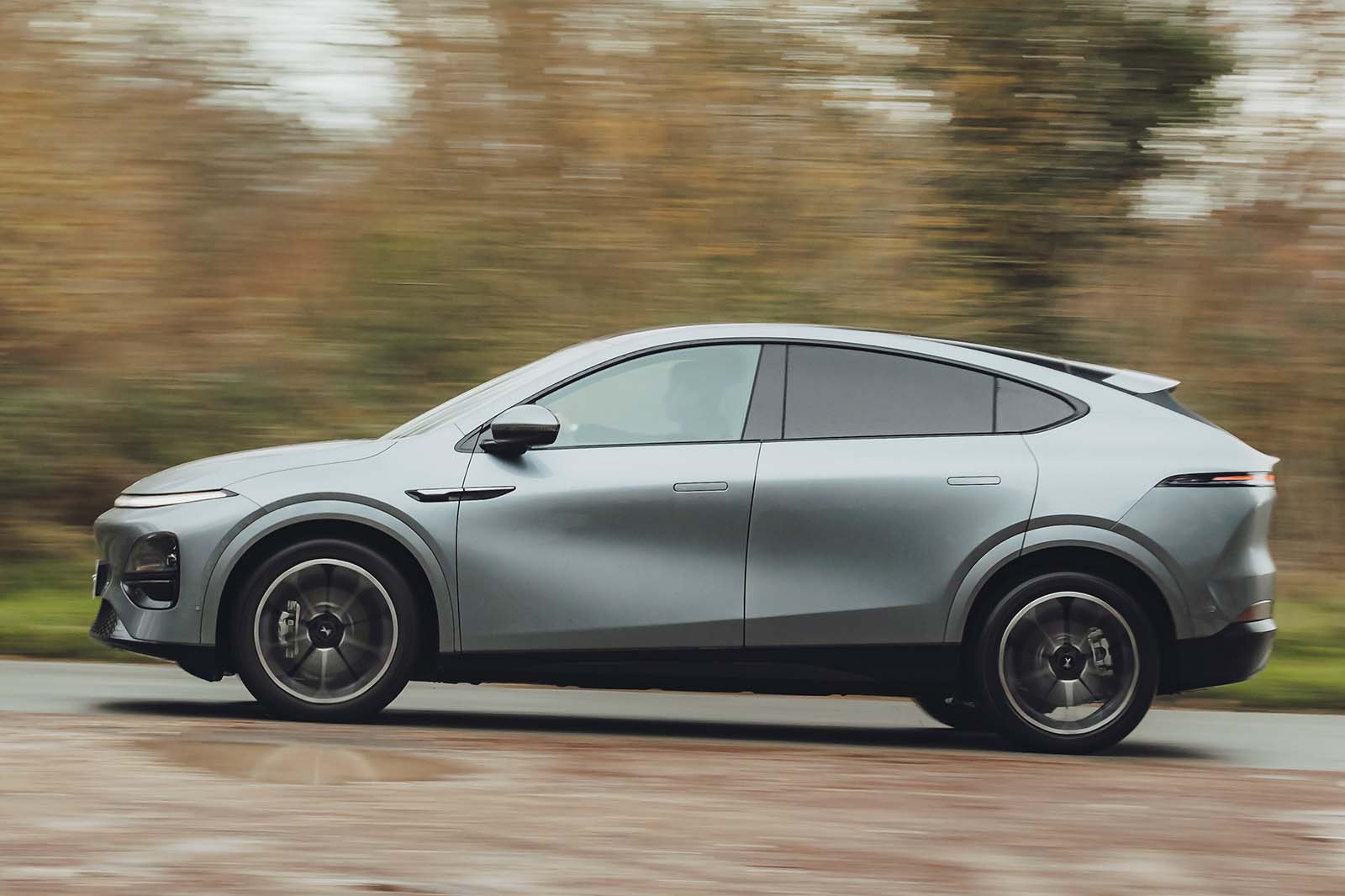
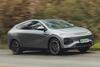
The G6 looks like a slightly naive mix of the progressive and derivative. Its ‘robot face’ look is clearly intended to outwardly manifest the technologically avant-garde philosophy within, but just how successfully it manages to do that seems very open to question.

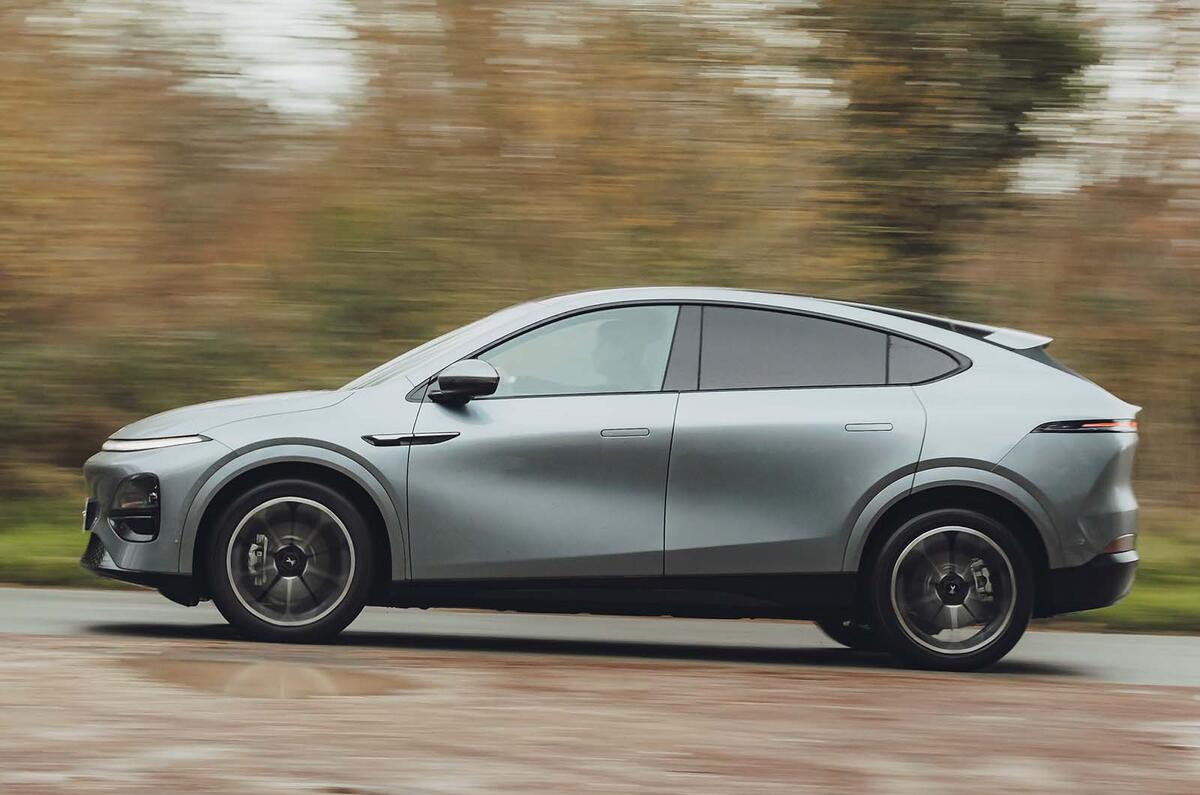
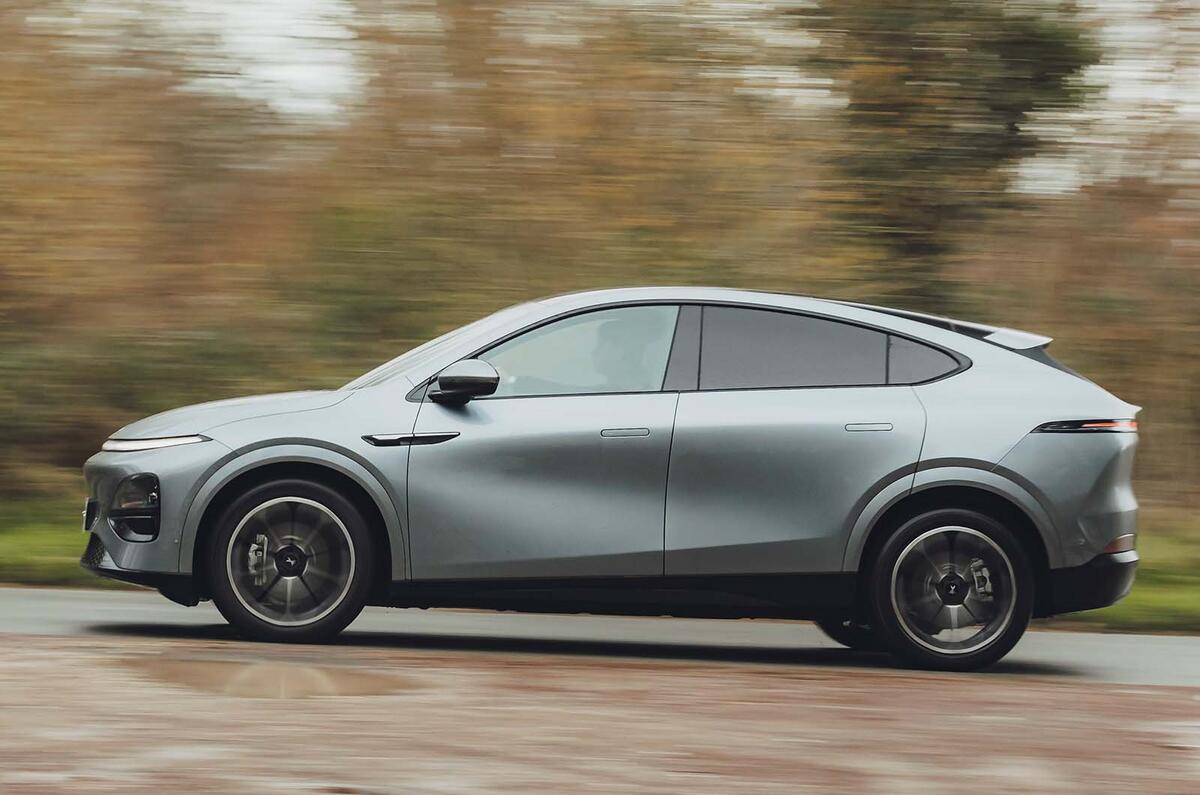
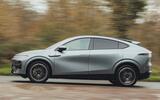
The curving roofline and distinctive silhouette are certainly quite bold and ought to better identify the car. And yet, overall, it’s hard to see much of anything here but a mix of design cues appropriated from Tesla and Mercedes-Benz. 

A curving roofline, which peaks just above the driver’s head, gives the G6 an unusual profile. It’s a relatively tall car, but the dark-coloured sills hide that quite well.

The car sits on Xpeng’s SEPA2.0 platform, which is made up of a mixed-metal chassis of aluminium and steel, reinforced by a stressed underfloor battery pack. It has an aluminium body, an 800V electrical architecture (with a silicon-carbide power inverter) and what Xpeng calls its ‘full scenario’ XPilot 2.5 driver assistance technology package, which is made up of a network of 29 cameras, radar transceivers and ultrasonic sensors, whose output is monitored and processed by a special Nvidia processor - the same stuff found in its robots and flying ‘cars’

At present, there are three different versions of the G6 to choose from. Opening the line-up is the revised RWD Standard Range model, which has a 68.5kWh LFP battery (up from 65kWh previously) for a 292-mile range. Its peak charging speed is 382kW. The RWD Long Range has been fitted with the new 80.8kWh LFP battery for a range of up to 326 miles. Joining the line-up is the new 80.8kWh AWD Performance, a dual-motor, four-wheel-drive offering that makes 480bhp and 486lb ft of torque.

INTERIOR

Xpeng G6 Performance FD 2025   ME 1

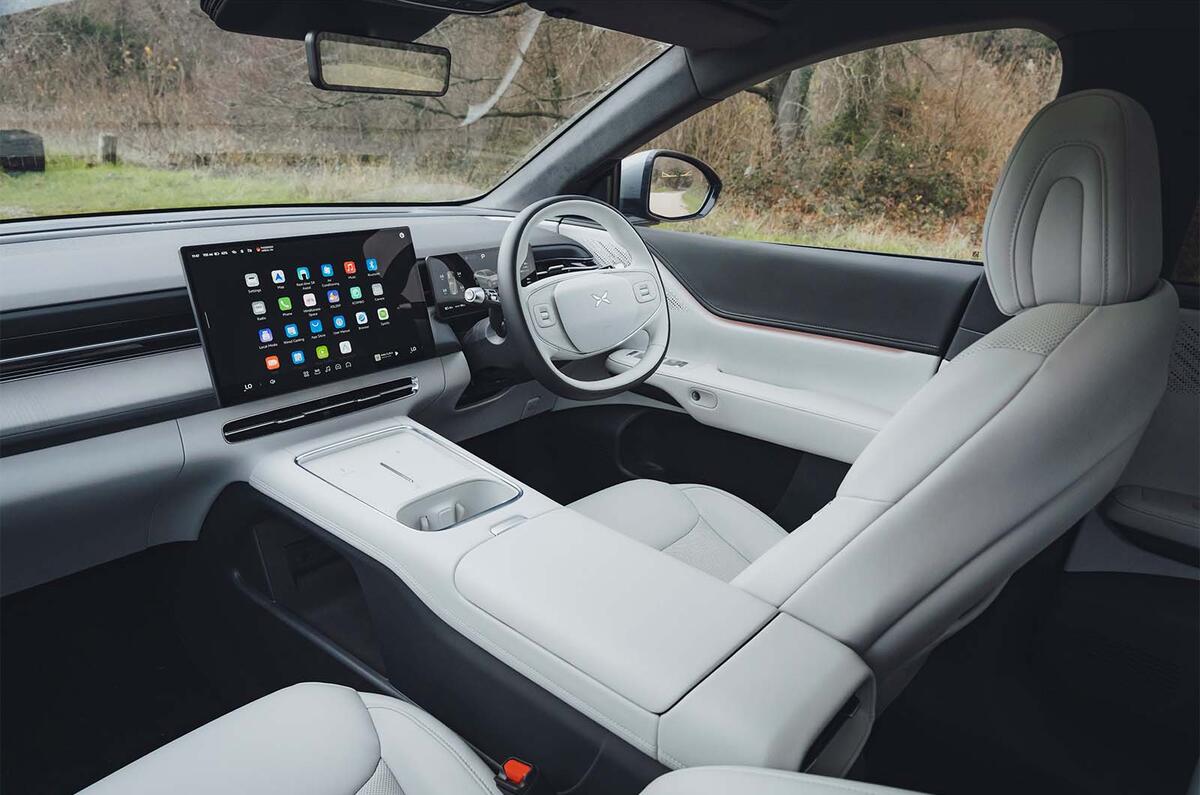
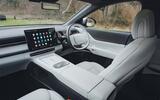
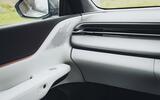
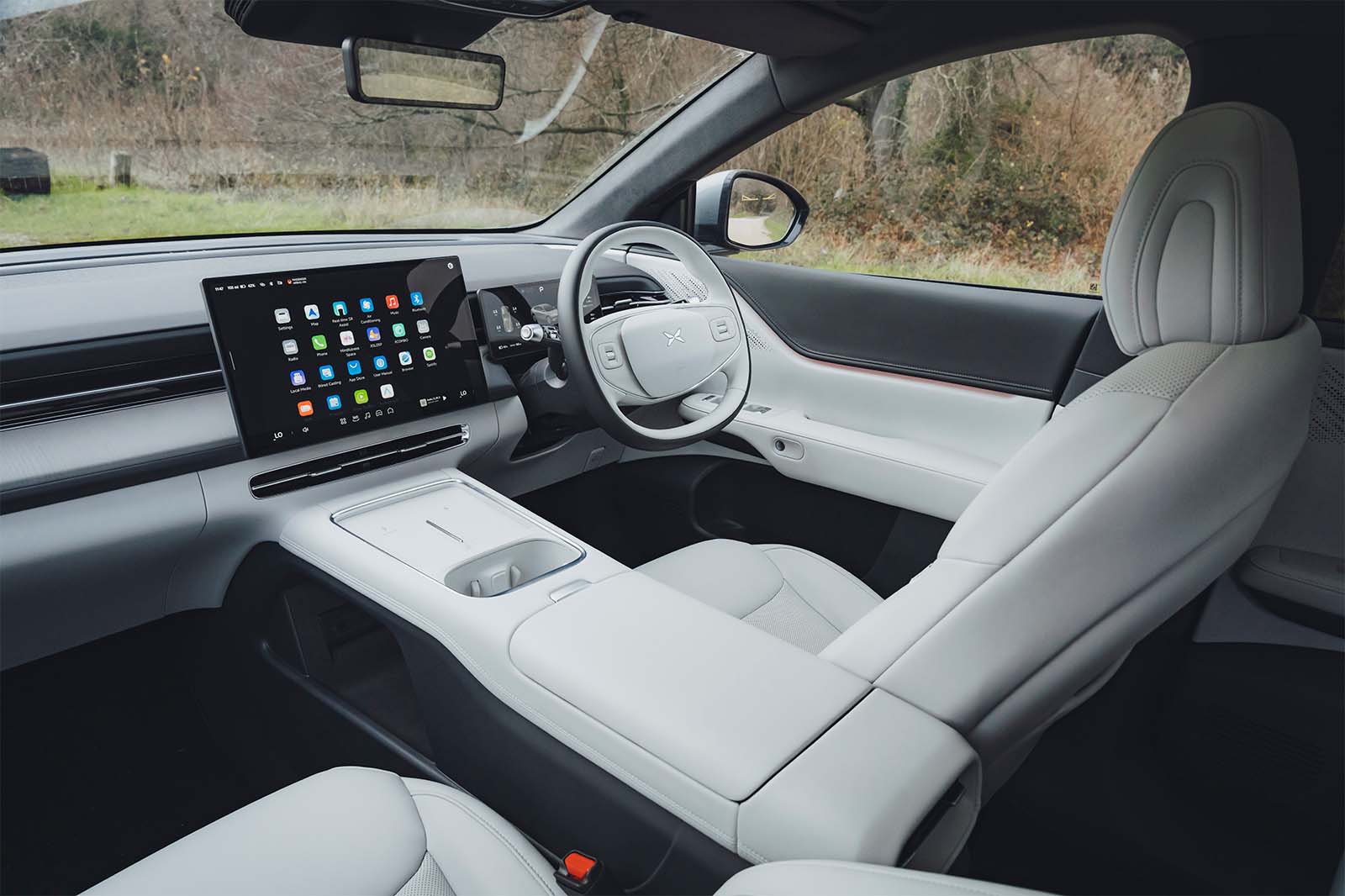
The G6 feels a bit bathtub-like to sit in, because the plunging bonnet and bodysides are hidden from view from the driver’s seat behind quite a high beltline and scuttle. This, combined with the effect of that rakish roofline at the rear, makes for quite an enveloping ambience, which it builds on to modestly luxurious effect in at least one respect.

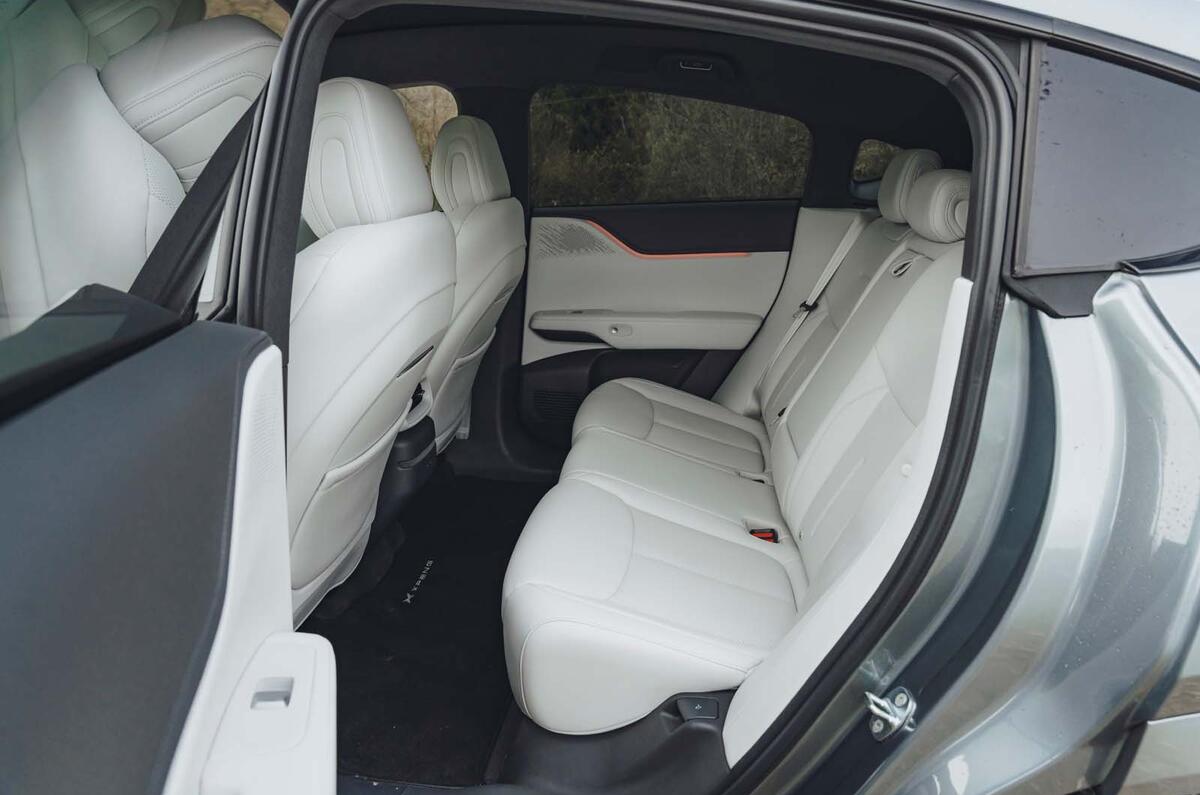
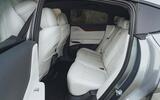
This is quite a big car for the price – around 200mm longer than the Peugeot e-3008 and more than 100mm longer than the Skoda Enyaq. Most generous is second-row passenger space: even taller adults will find room to stretch out on the back seats, which don’t seem to suffer from the ‘high floor syndrome’ that affects so many electric cars. They also recline quite a long way.

The lack of physical buttons rears its head when on the move. I had to give up on adjusting the wing mirrors, because the driver monitoring system scolded me for looking at the screen for too long.

Digital technology aside, though, the G6’s interior doesn’t feel particularly premium in feel, and yet it neither is it hard or diminished by the use of cheap materials.

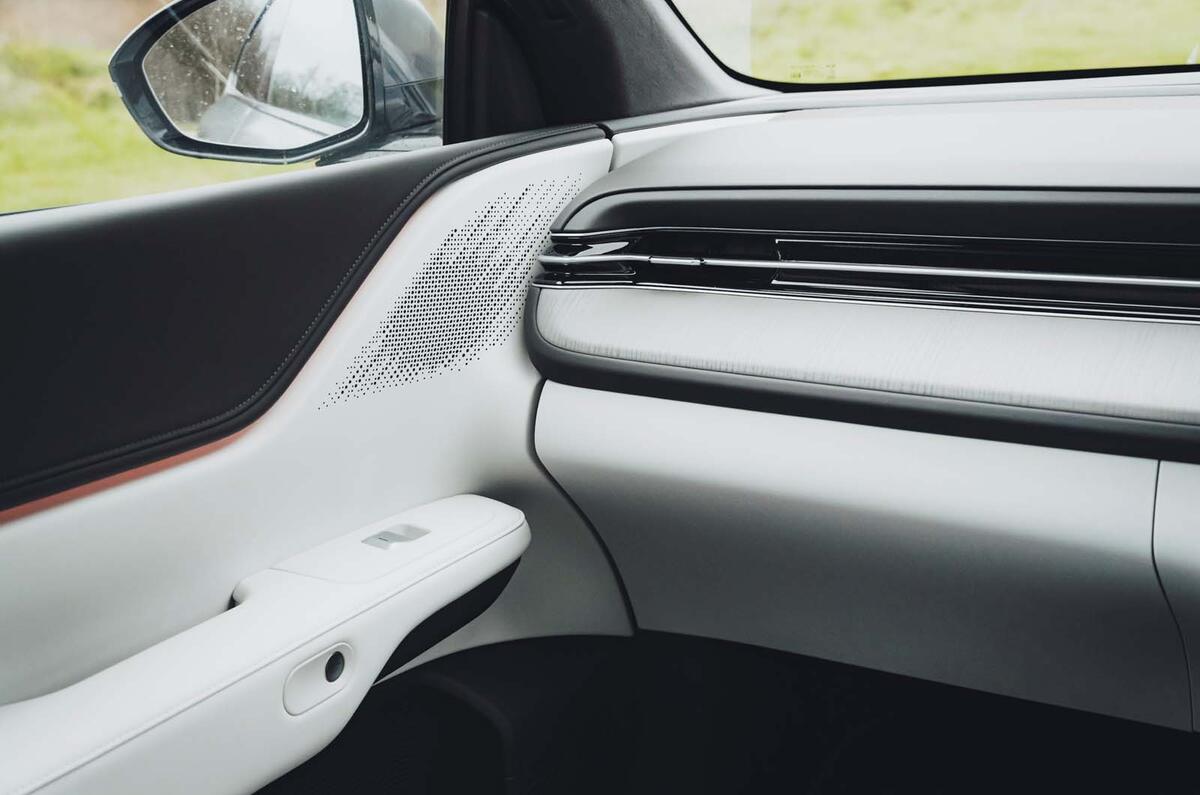
Perceived quality throughout the cabin is good: interrogate key touch points on the doors, dash and centre console and you’ll be pleasantly surprised. Materially it feels plusher than an MG and on par with a BYD

Up front, there’s a slightly anonymous look to the dashboard and primary controls, but that’s mostly because there are so few features to look at here – and what is there isn’t very originally themed. 

The Standard Range car’s use of stain chrome switchgear and decorative trim against the charcoal grey of mouldings and cloth puts you in mind of a mid-level Mercedes business saloon, while the layout of a dominant central touchscreen, and so little elsewhere, is clearly from the Tesla playbook.

That being said, the brighter-coloured Nappa leather seats and imitation wood trim across the dashboard of the AWD Performance model is far less austere and agreeably appointed.

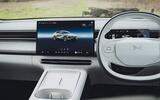
Unlike in a Tesla, the G6 does have an instrument display, but no head-up display, and it does have a ‘column shifter’ drive selector and an indicator stalk. The ‘thumb’ button consoles on the steering wheel spokes, meanwhile, double up to change door mirror position and adjust the motorised steering column, in a similar way to a Tesla, once the right touchscreen menu is selected. It’s not the most seamless process and makes adjusting certain functions far harder when driving. 

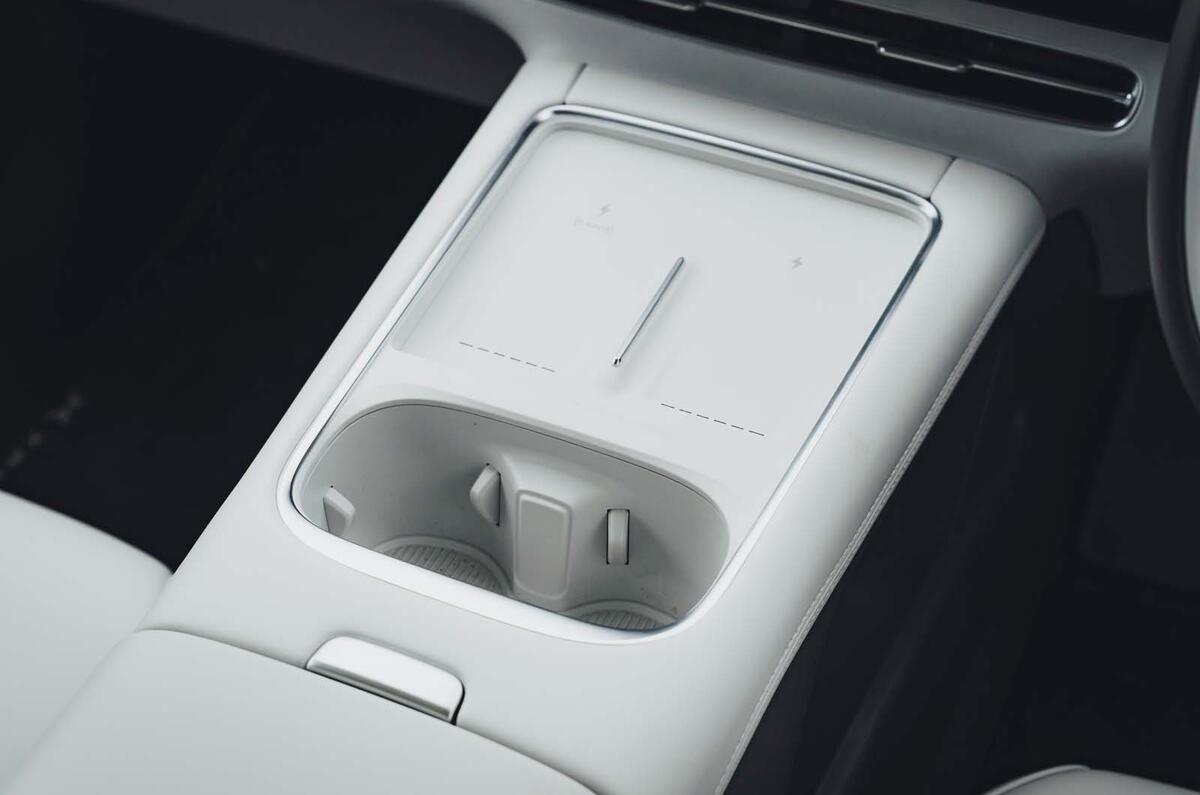
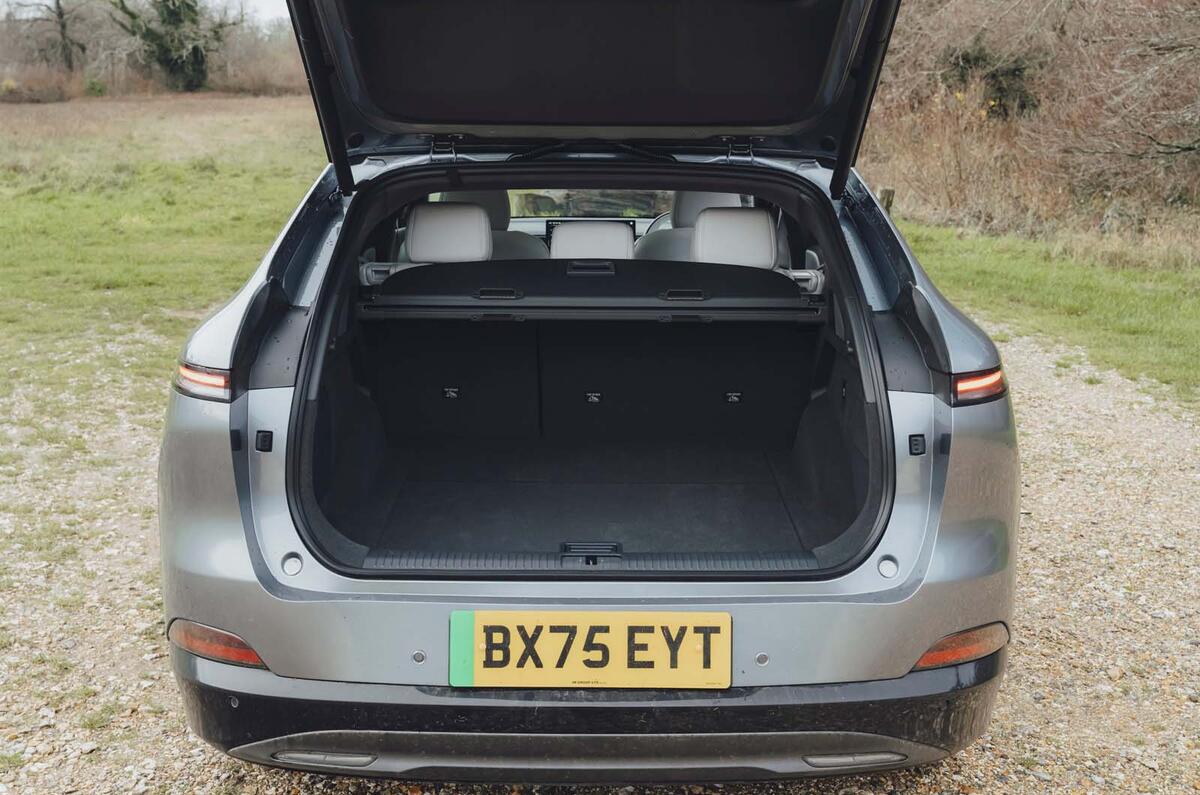
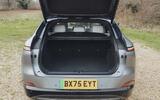
There’s quite a bit of cabin storage in the front row, between a deep armrest cubby and the space below the floating centre console. However, while the boot is advertised at a voluminous-sounding 571 litres, its outright space is clearly shallower than in some squarer-bodied SUV rivals, and it might not be suited to carrying the very bulkiest of loads.

Multimedia

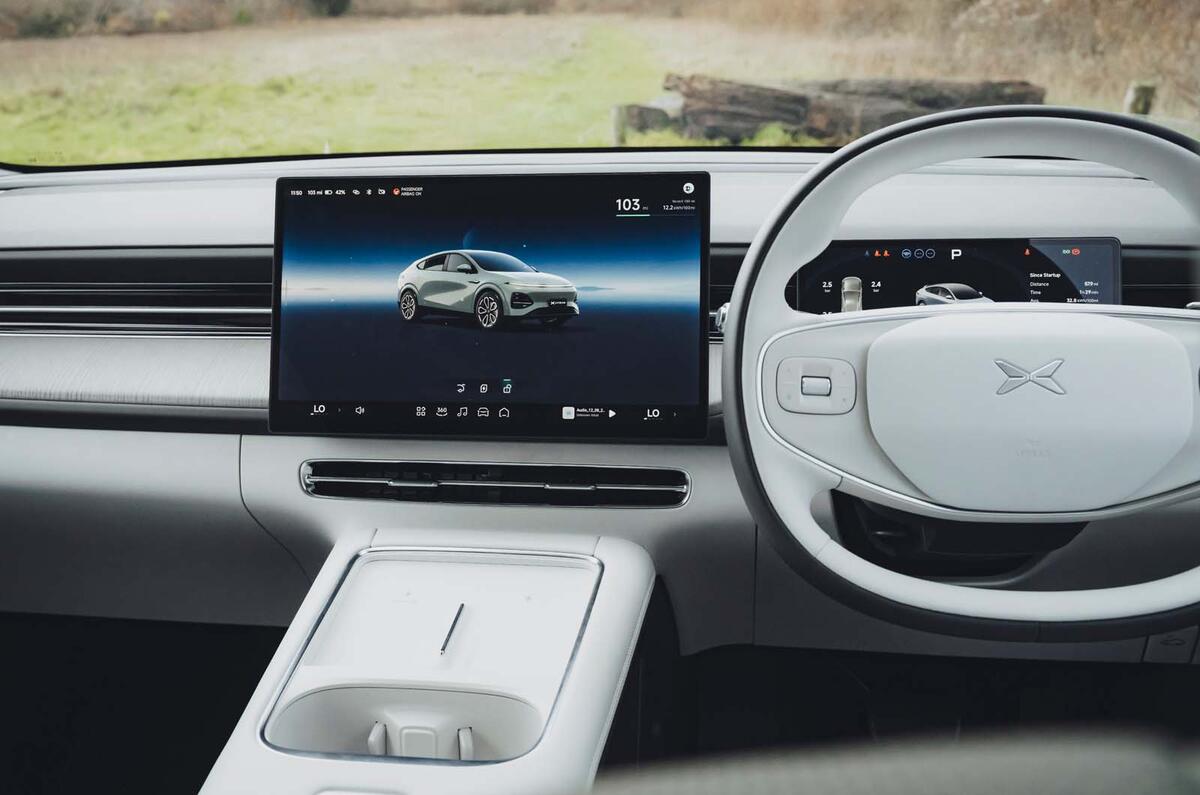
The G6’s 15.6in landscape-oriented touchscreen has very little back-up from permanent physical controls. As a result, like so many infotainment screens we’ve criticised, it must provide heater and ventilation controls, audio system controls, trip computer information and more – and all at a fairly distantly stretched arm’s length from the driver.

Admittedly, the heating, cooling and fan speed can be adjusted by the thumb buttons – unless the cruise control is selected. If that’s in use, you need to use the touchscreen to control the HVAC.

It’s generally well-configured, but there are a fair few menus to hop between. That the lower shortcut nav bar makes the icons on it a little too small for easy at-a-glance identification is a more minor annoyance.

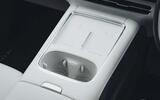
The system includes wireless smartphone mirroring for Apple CarPlay and Android Auto as standard. The twin, air-conditioning-cooled, 50W wireless smartphone charging pads are really great, too, working perfectly to keep your device topped up.

ENGINES & PERFORMANCE

Xpeng G6 Performance FD 2025   ME 24

The RWD Standard Range model’s performance level is more than sufficient for daily driving, and its power delivery is as linear and straightforward as that of any electric rival.
This is clearly a car designed to make life as easy, comfortable and safe as possible for you, but with little regard for how much you might enjoy driving it. There’s no pretence of dynamism or sportiness of the sort that Tesla typically – but not exclusively – trades in among specialist EV makers.

There is a launch mode for maximum attack. I imagine most people would use it once.

The car has enough potency to feel brisk from low speeds and to get single-carriageway driving done fairly authoritatively when it needs to.

The AWD Performance model is pretty unmemorable to drive. There’s greater punch from the additional motor on the front axle and the 4.1sec sprint to 60mph is handled in a progressive manner; but for a car with just shy of 500bhp, it isn’t an exhilarating performance SUV, and it lacks the whip-crack accelerative nature of the Model Y Performance.

That being said, the brakes are strong and intuitive and you can change the brake feel and throttle sensitivity via the touchscreen. 

The absence of paddles for manual control of regenerative braking counts a little against the car on drivability. As with so many things, there’s a toggle for it on the touchscreen and, as with others, it’s buried several menu layers deep from the home screen.

RIDE & HANDLING

Xpeng G6 Performance FD 2025   ME 32

The one aspect of the G6’s character that Xpeng doesn’t seem to have appropriated from a certain other maker of EVs is how it drives. 

Be it in Standard or AWD Performance form, the G6’s ride feels medium-soft, with a fairly gentle gait out of town – a little like a mid-sized, mid-range Volvo or Volkswagen. 

The lane keeping assistance really leaves you alone, but the adaptive cruise control needs a bit of work.

You can adjust the weight of the car’s steering, though the directness of the fairly large wheel is always medium-slow, in line with the car’s fairly lengthy wheelbase, and a sense of filtered disconnection from the front wheels is ever-present. 

So the G6 isn’t very agile and we found that a lighter control weight suited it better and made it feel at least more coherent to drive. The AWD Performance model has its own Sport mode, but opt for this and the steering becomes inconsistent and leaden, its artificial feel further limiting your connection to the front wheels. 

Soft certainly doesn’t mean settled when it comes to the close body control and ride composure. Xpeng chose a multi-valve passive damper from Sachs, which behaves a little like a frequency-selective shock – albeit one apparently in need of some further fine-tuning. The ride feels a little wooden, sharp and under-isolated over high-frequency bumps like drain covers, as if the suspension is freezing a little. Then it becomes too permissive over longer-wave ones, allowing the body to pitch and heave a little at higher speeds on the motorway, undermining its cruising comfort. 

The car controls lateral movement better and certainly wouldn’t run out of grip or be short of stability on the road, particularly in AWD form. At the limit of grip, you can begin to feel the influence of the rearwards weight distribution as the car pushes into roll-understeer.

Assisted driving

The G6’s assisted driving technology is advertised as one of its key selling points so ought to be a real strong suit for it, but we’re not particularly impressed.

The lane keeping assistance system is tied to the adaptive cruise control. The latter works fairly smoothly but the former struggles with inconsistent lane markings and drops in and out with annoying frequency anywhere other than on perfectly marked motorway.

The active-dipping headlights must use the same cameras and image processors as the various other ADAS functions – and even they struggle to spot cars that you’re following beyond a fairly close distance and all too often switch to full beam when they shouldn’t.

However, we have no criticisms of the autonomous emergency braking system, which, through the instrumentation screen, seemed to have a very complete picture of any potential hazards in its immediate surroundings during our test and never triggered unnecessarily.

MPG & RUNNING COSTS

Xpeng G6 Performance FD 2025   ME 23

Xpeng says the AWD Performance model can be charged at up to 451kW, so a 10-80% charge takes just 12 minutes.

We ran our test car down to 17% before hooking it up to a 400kW MFG charger to assess this claim. In just 12 minutes the battery was boosted back up to 80%, reaching a peak charging speed of 372kW. That’s pretty rapid for a car with an 80.8kWh battery, but it’s worth noting that ultra-rapid chargers with speeds of more than 400kW are a rare find in the UK at present, and charging via a home wallbox charger is substantially cheaper: our short charge cost £44.

That ultra-rapid charging capability is handy, but realistically, how often are you going to rely on the public charging network when charging at home is much much cheaper?

While the G6's charging speeds are worthy of credit, it isn't a particularly efficient EV, and that rapid charge didn’t amass much by way of range. Before it was charged, it had a range of 42 miles, but once replenished to 80% it was showing just 200 miles – a reasonable shortfall compared with the official WLTP range of 316 miles. 

Just 200 miles of range for £49,990 isn’t what we would call value for money.

Looking at the rest of the G6 line-up, the RWD Standard Range does undercut the equivalent Model Y by £2000, but it can’t match the Tesla for range or indeed value. 

The RWD Long Range can muster only 323 miles of range for £44,990; the Model Y Long Range RWD costs £4000 more but offers 387 miles of range. 

VERDICT

Xpeng G6 Performance FD 2025   ME 35

The first time you see an G6 on UK roads, you might need two or three takes to recognise it. Visually, it’s anonymous and derivative and serves to prove that when Chinese car designers seek to make a class-leading car, they tend to copy the best that’s on the market, rather than try to surpass it. 

However, to dismiss this car out of hand as a second-rate Tesla tribute act would be to overlook some clear and fairly convincing rational qualities. The G6 is spacious, quite versatile, comfortable, fairly well-appointed, efficient, fast-charging and, above all else, strong value for money – as long as you choose your derivative wisely. 

This update makes this G6 even more effective. It needs another one to be as good as the Tesla Model Y, though.

If it is to be this Chinese SUV over its rivals, the RWD Long Range car is probably your best bet. The AWD Performance might offer ultra-fast charging speeds, but it fails to yield enough by way of range, efficiency and sporting feel to justify its higher price. 

To drive, the G6 is quite ordinary. But if the digitally dominated operating concept doesn’t irritate you and the design doesn’t either, there are good, sensible reasons to consider it.

Murray Scullion

Murray Scullion
Title: Digital editor

Murray has been a journalist for more than a decade. During that time he’s written for magazines, newspapers and websites, but he now finds himself as Autocar’s digital editor.

He leads the output of the website and contributes to all other digital aspects, including the social media channels, podcasts and videos. During his time he has reviewed cars ranging from £50 - £500,000, including Austin Allegros and Ferrari 812 Superfasts. He has also interviewed F1 megastars, knows his PCPs from his HPs and has written, researched and experimented with behavioural surplus and driverless technology.

Murray graduated from the University of Derby with a BA in Journalism in 2014 and has previously written for Classic Car Weekly, Modern Classics Magazine, buyacar.co.uk, parkers.co.uk and CAR Magazine, as well as carmagazine.co.uk.

Sam Phillips

Sam Phillips
Title: Staff Writer

Sam joined the Autocar team in summer 2024 and has been a contributor since 2021. He is tasked with writing used reviews and first drives as well as updating top 10s and evergreen content on the Autocar website. 

He previously led sister-title Move Electric, which covers the entire spectrum of electric vehicles, from cars to boats – and even trucks. He is an expert in new car news, used cars, electric cars, microbility, classic cars and motorsport. 

Sam graduated from Nottingham Trent University in 2021 with a BA in Journalism. In his final year he produced an in-depth feature on the automotive industry’s transition to electric cars and interviewed a number of leading experts to assess our readiness for the impending ban on the sale of petrol and diesel cars.

Matt Saunders

Matt Saunders Autocar
Title: Road test editor

As Autocar’s chief car tester and reviewer, it’s Matt’s job to ensure the quality, objectivity, relevance and rigour of the entirety of Autocar’s reviews output, as well contributing a great many detailed road tests, group tests and drive reviews himself.

Matt has been an Autocar staffer since the autumn of 2003, and has been lucky enough to work alongside some of the magazine’s best-known writers and contributors over that time. He served as staff writer, features editor, assistant editor and digital editor, before joining the road test desk in 2011.

Since then he’s driven, measured, lap-timed, figured, and reported on cars as varied as the Bugatti Veyron, Rolls-Royce PhantomTesla RoadsterAriel Hipercar, Tata Nano, McLaren SennaRenault Twizy and Toyota Mirai. Among his wider personal highlights of the job have been covering Sebastien Loeb’s record-breaking run at Pikes Peak in 2013; doing 190mph on derestricted German autobahn in a Brabus Rocket; and driving McLaren’s legendary ‘XP5’ F1 prototype. His own car is a trusty Mazda CX-5.