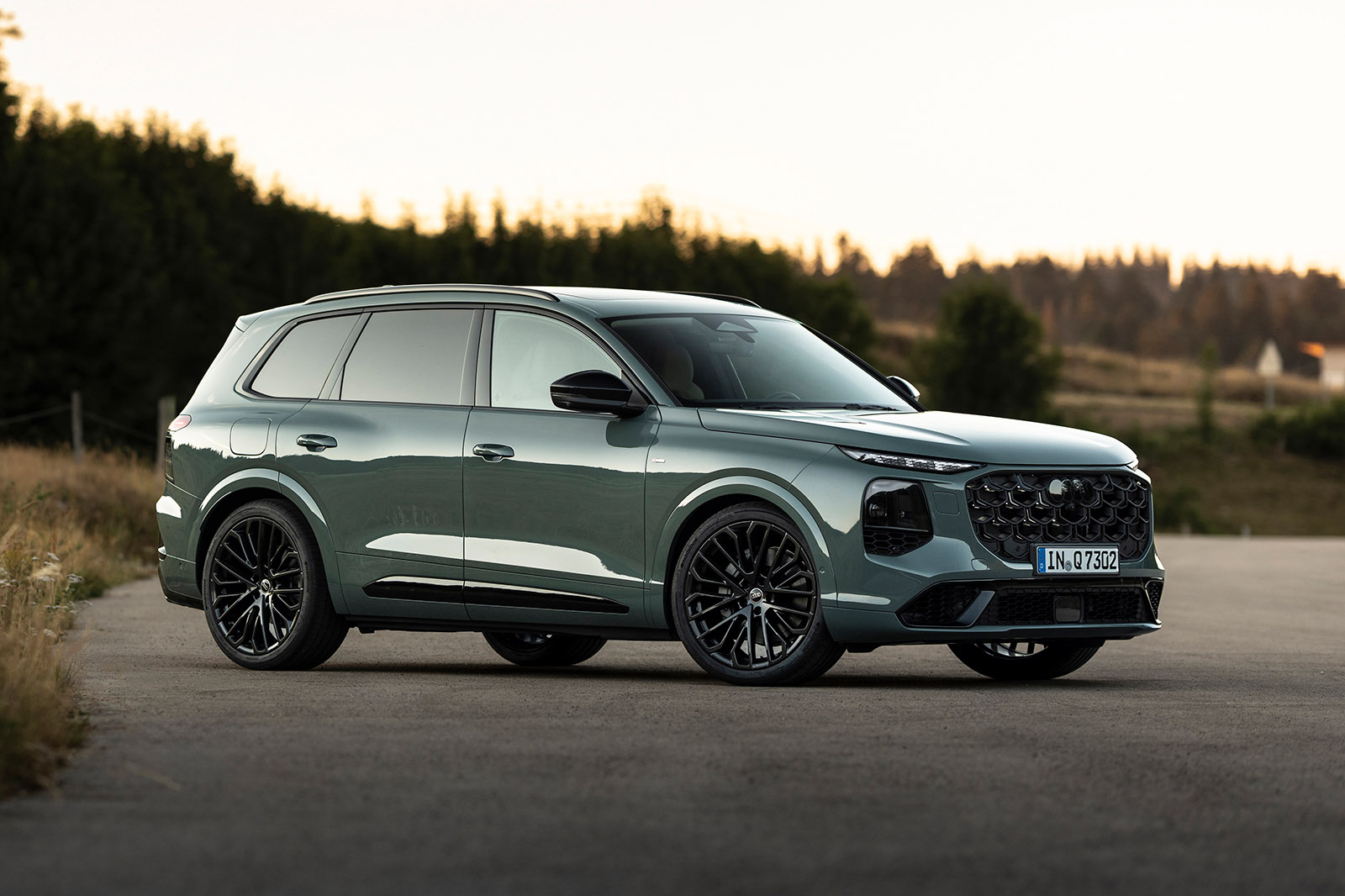
The third-generation Audi Q7 gets more tech, more luxury and more practicality

Find Audi Q7 deals
Other Services
Sell your car
84% get more money with

The Audi Q7 doesn’t need an introduction, does it? It’s been around since 2006, and it is to seven-seat SUVs what Hovis is to bread. Well… maybe the posh Hovis, anyway.

This new, third generation looks to be a well-hewn evolution. It sits on the new PPC platform - which is a heavy evolution of the MLB Evo platform that underpinned the previous Q7, Bentley Bentayga and many more. Petrol and plug-in hybrid powertrains will join the range in the first half of 2027, but the Q7 launches in the UK with the 48v mild hybrid, 3.0-litre turbodiesel V6 that I drove out in France.

Advertisement

DESIGN & STYLING

Audi Q7 2026 002

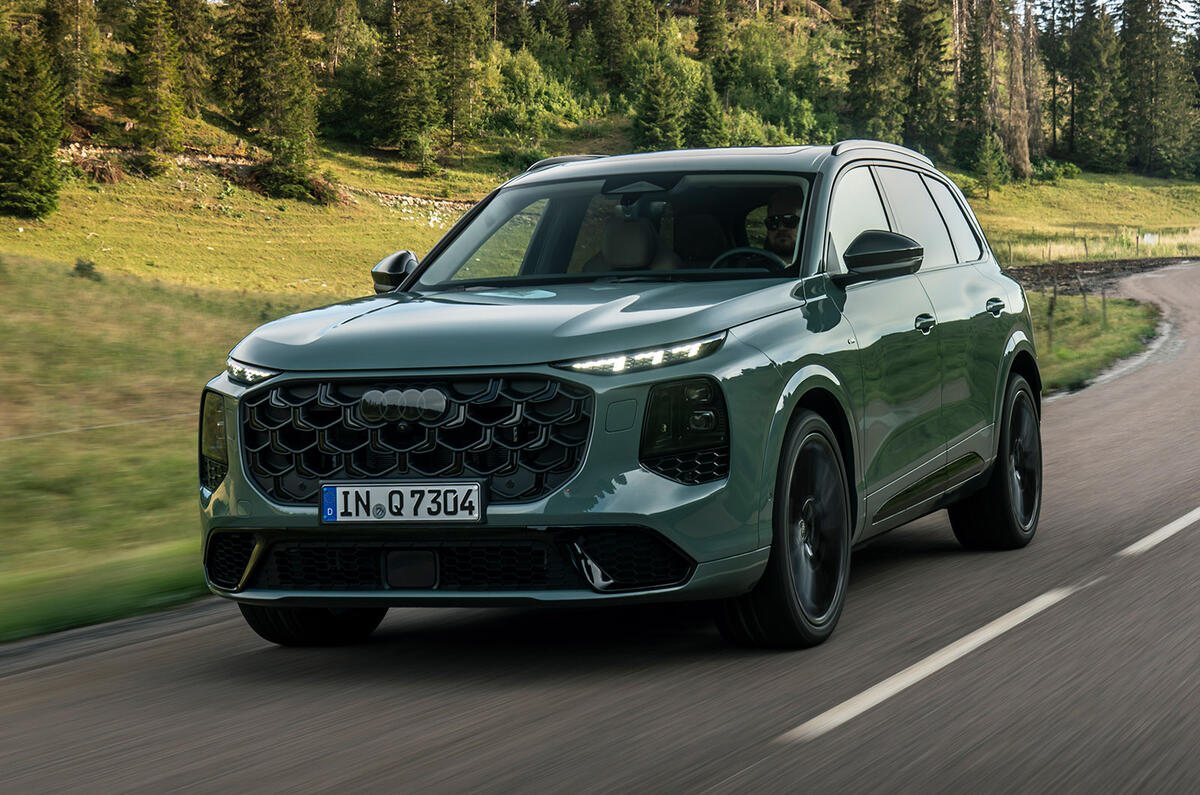
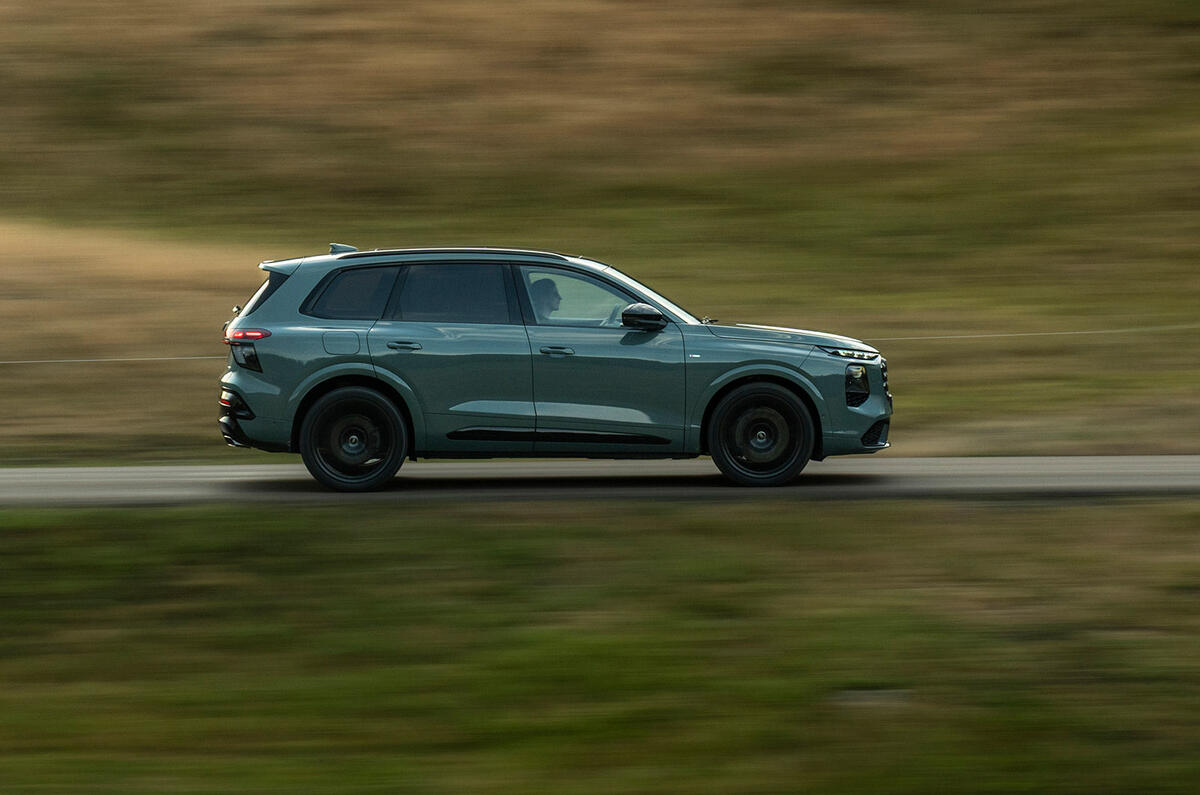
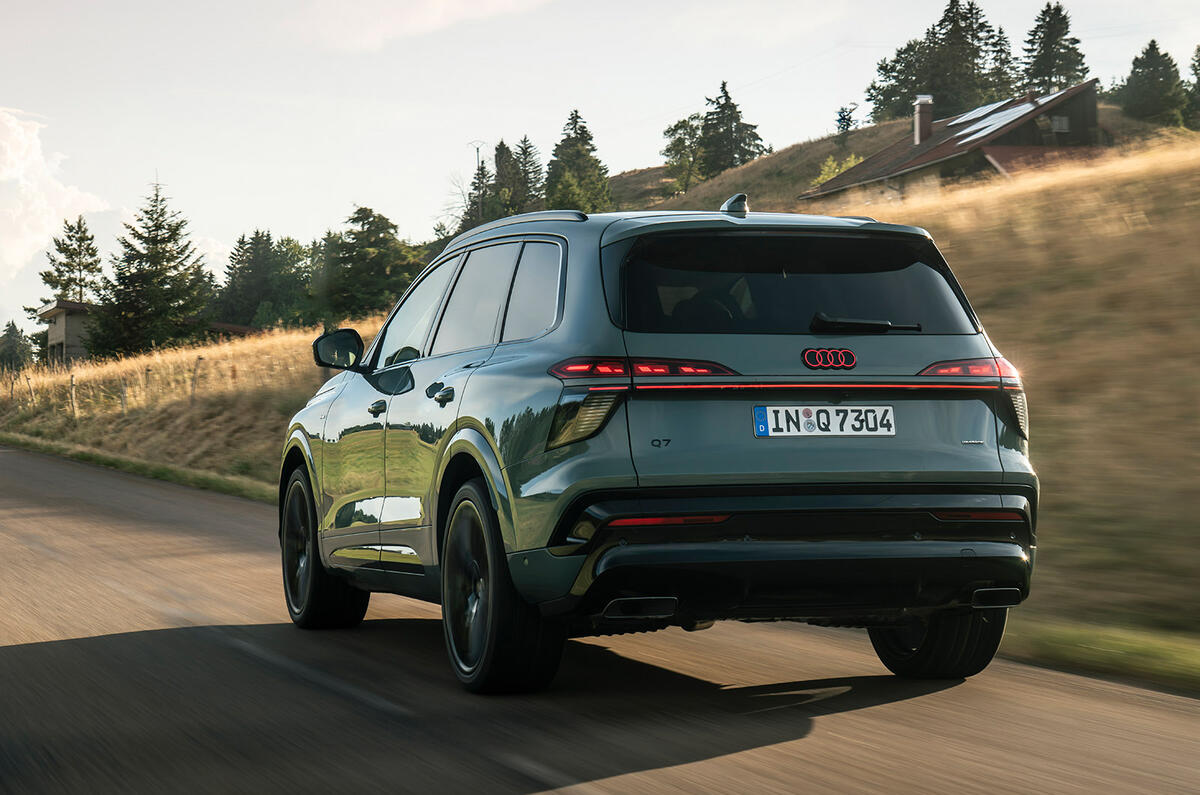
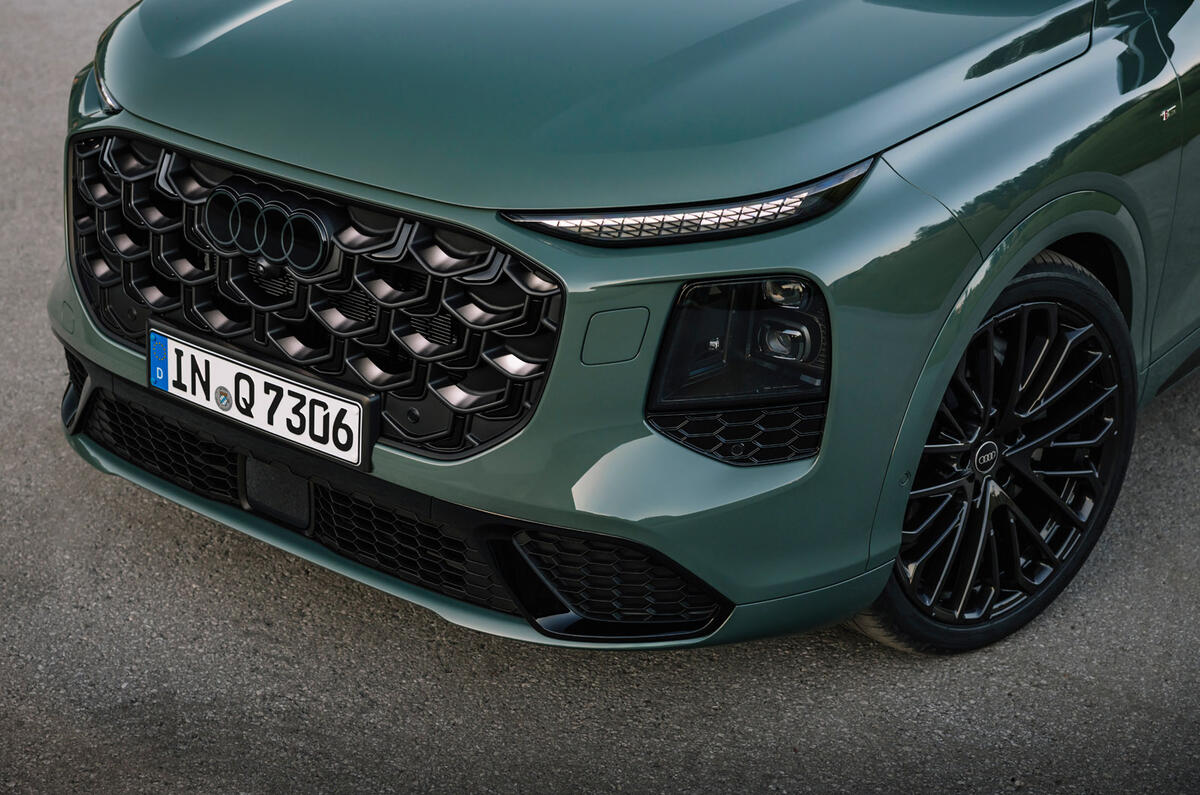
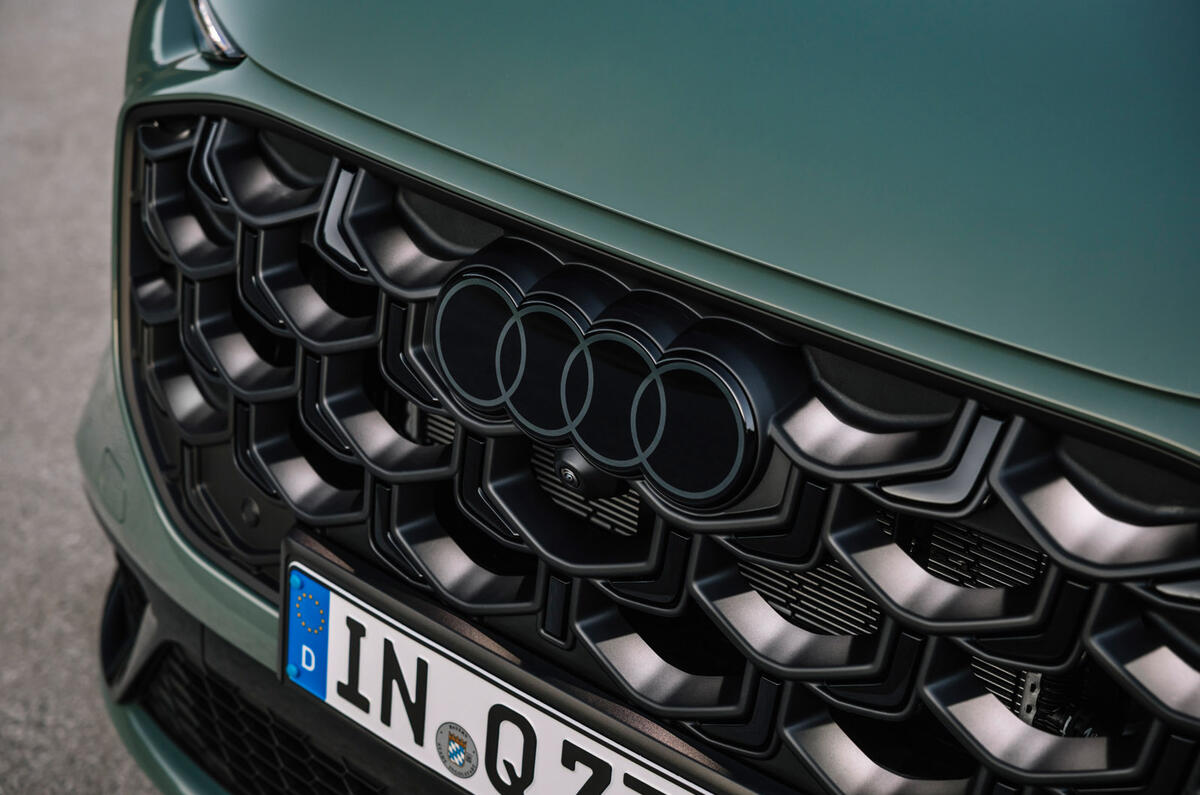
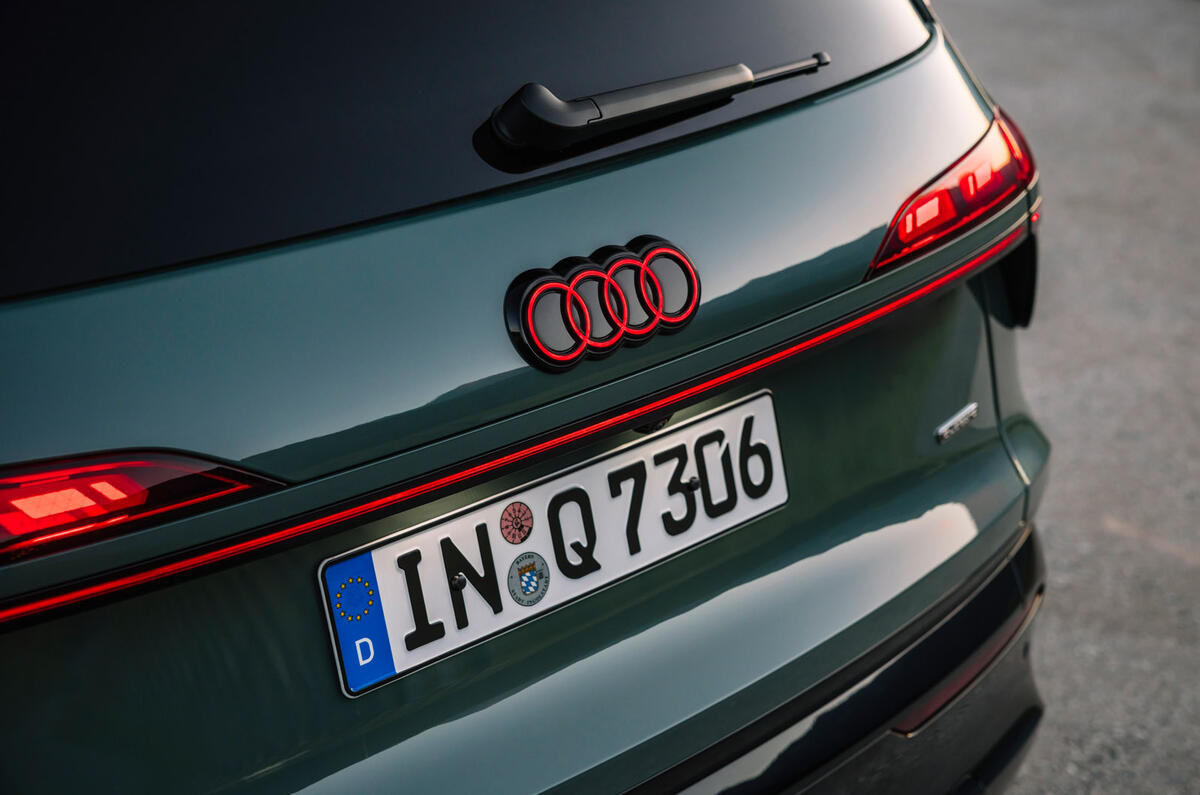
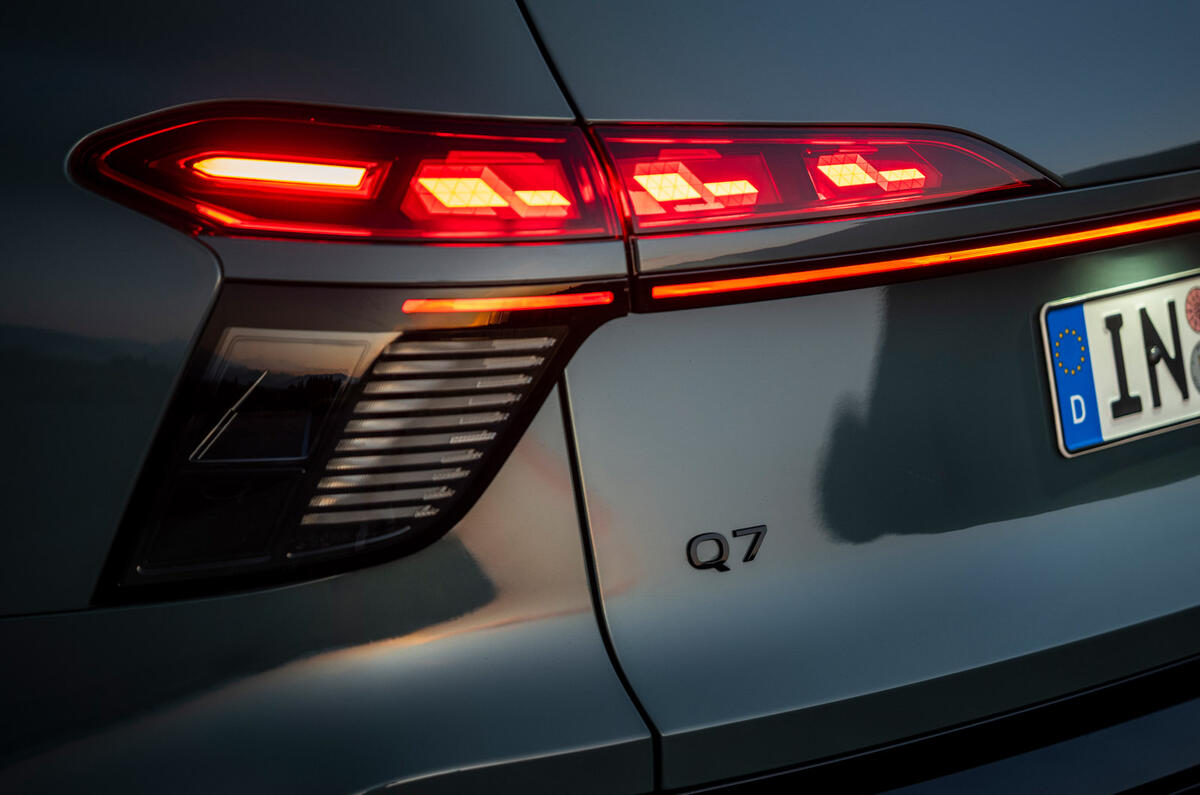
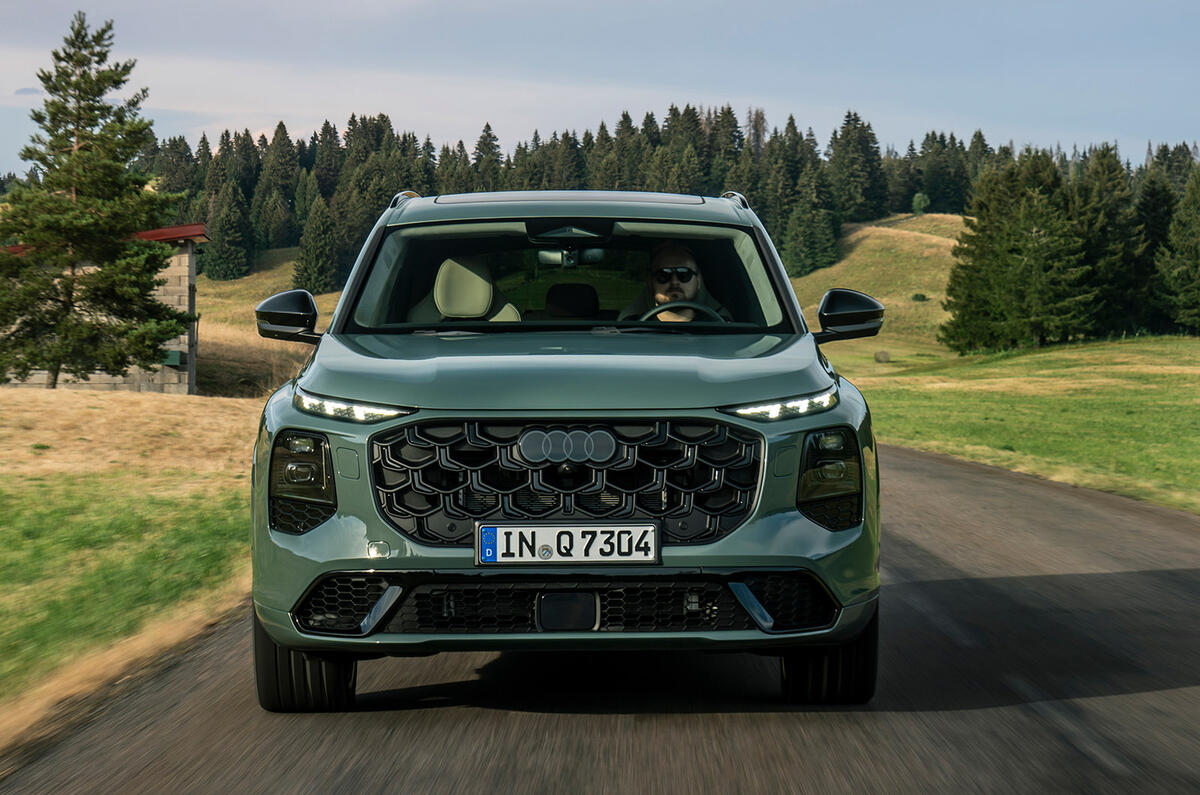
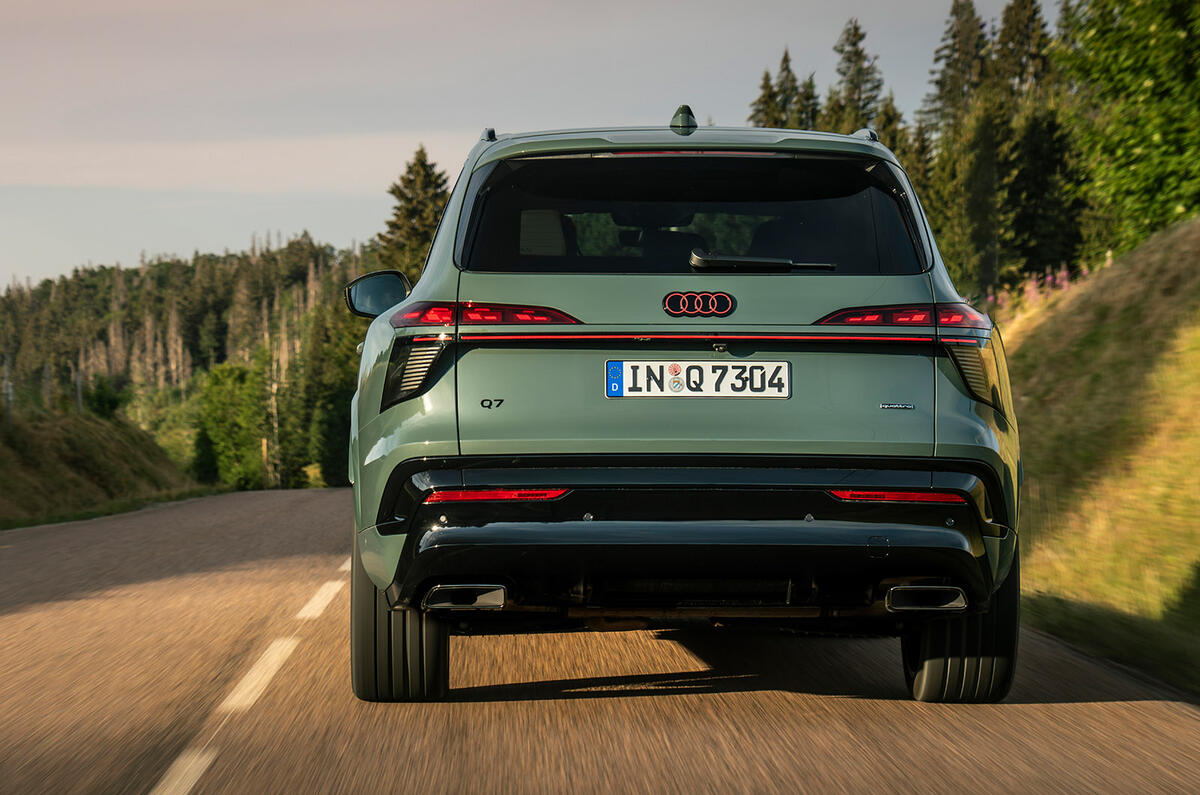
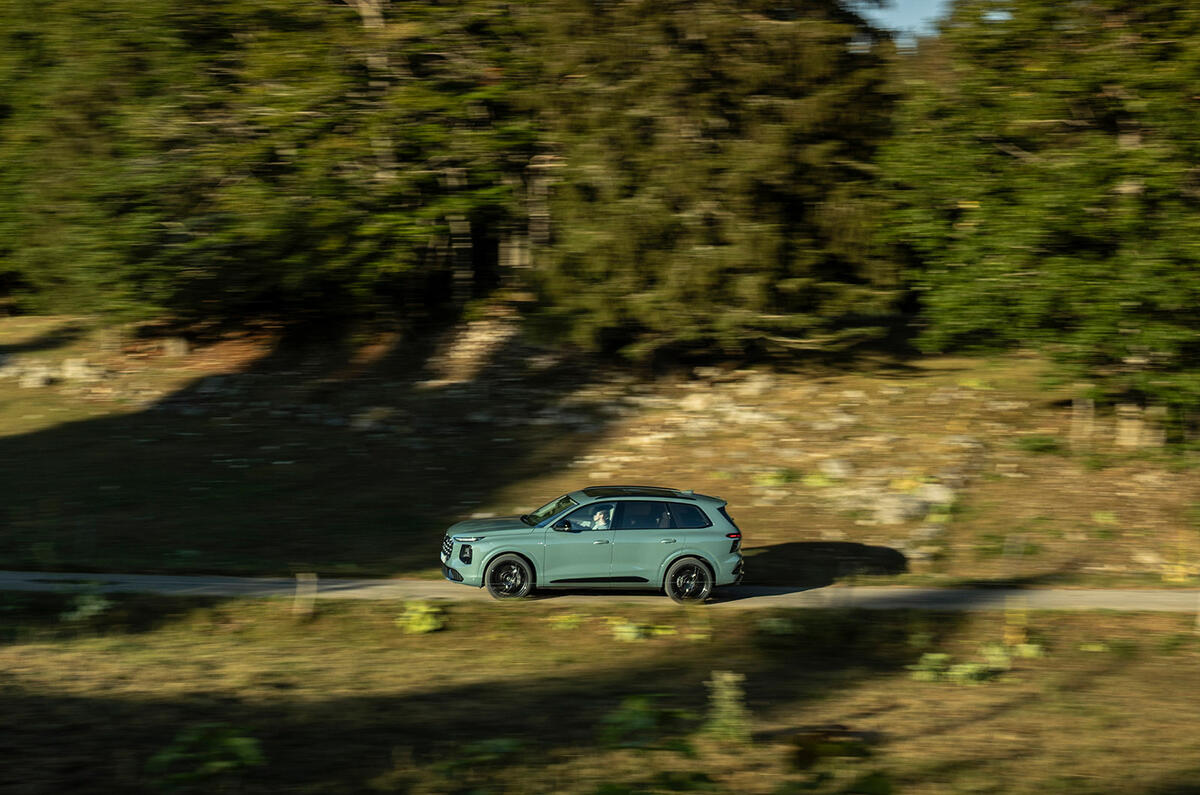
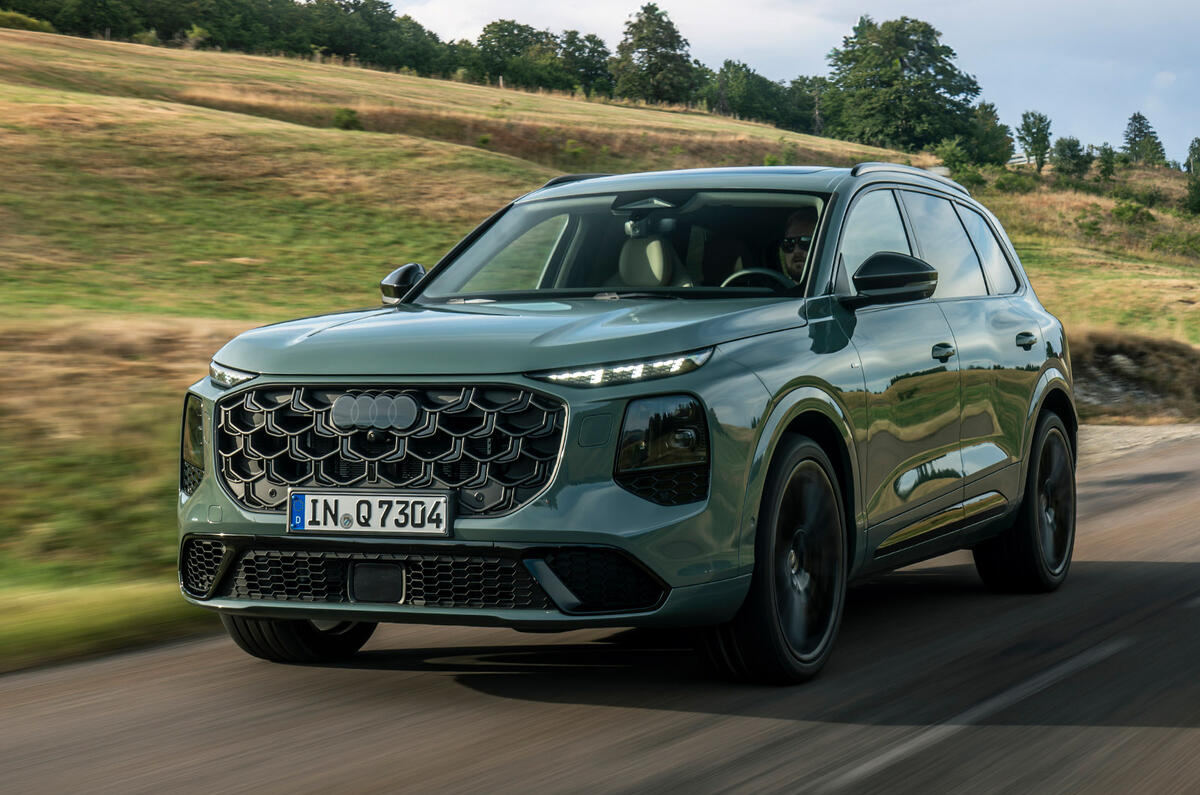
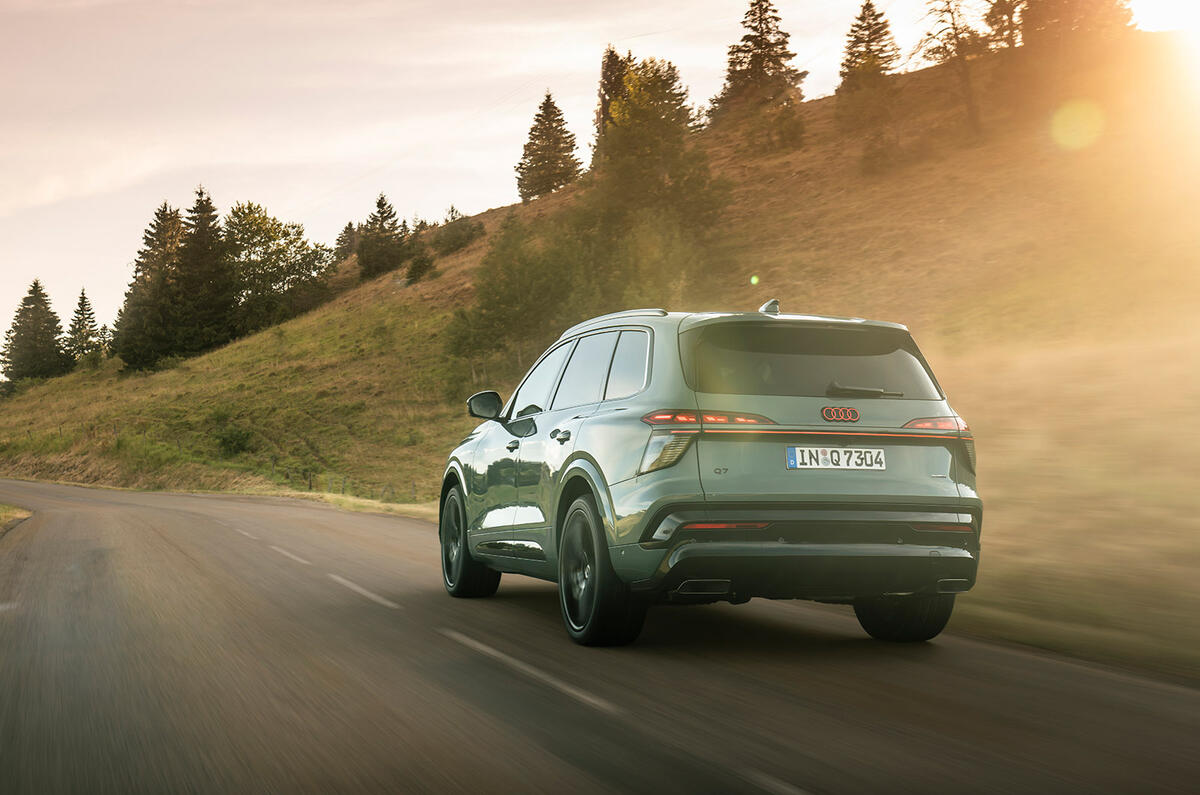
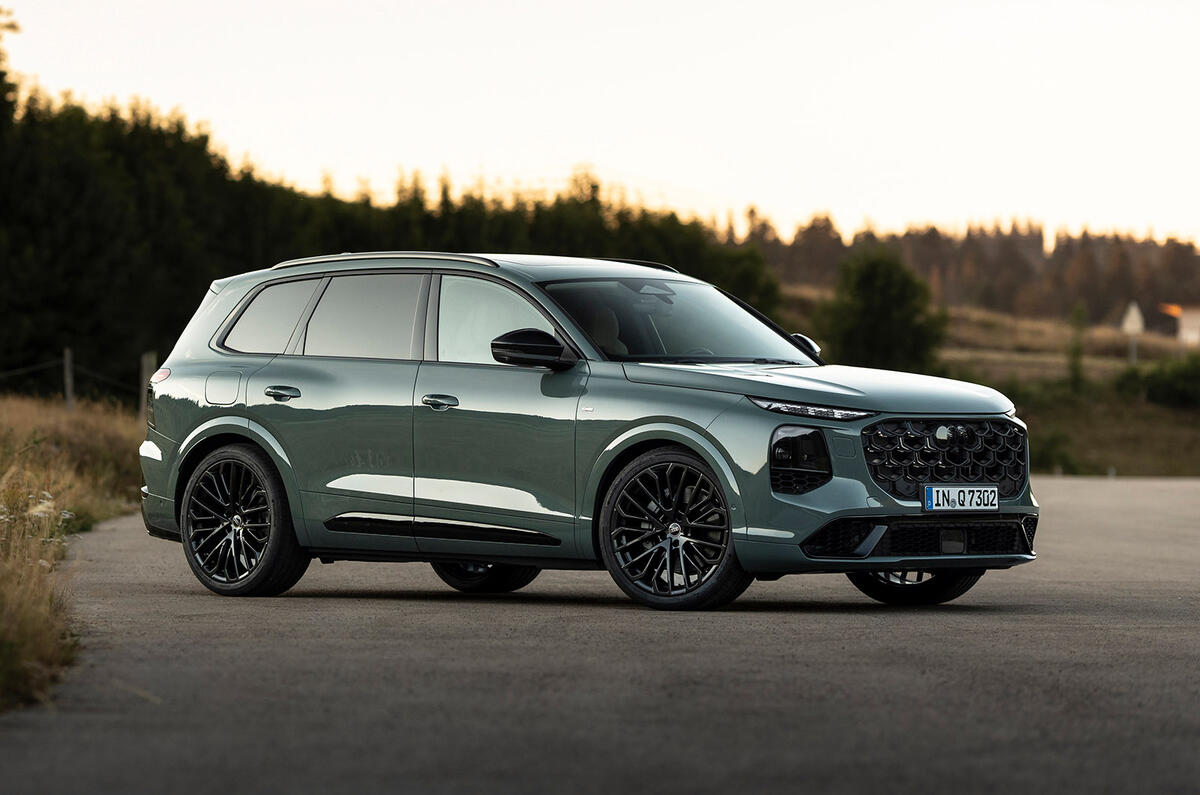
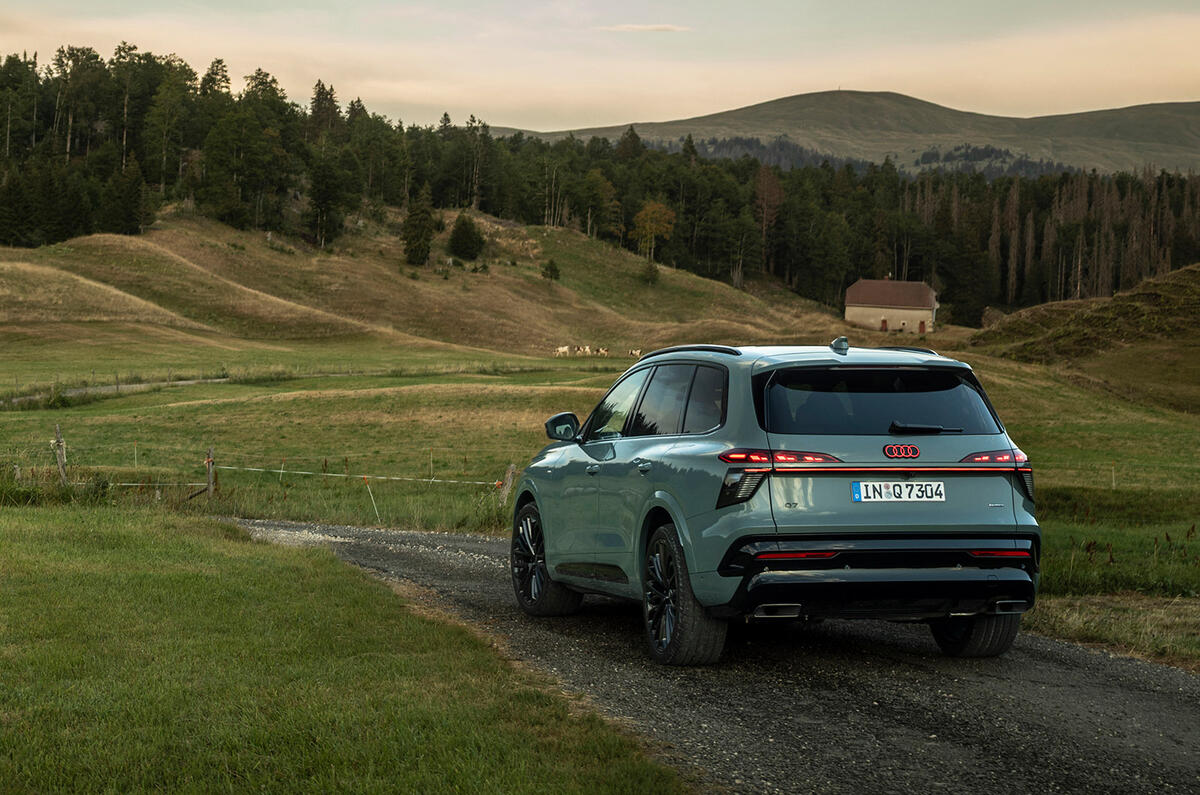
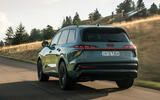
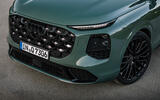
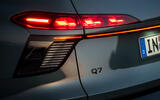
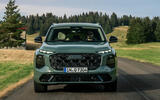
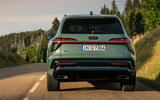
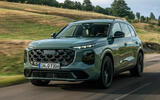
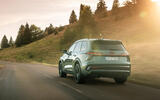
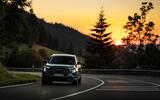
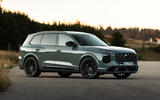
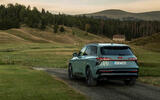
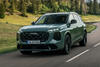
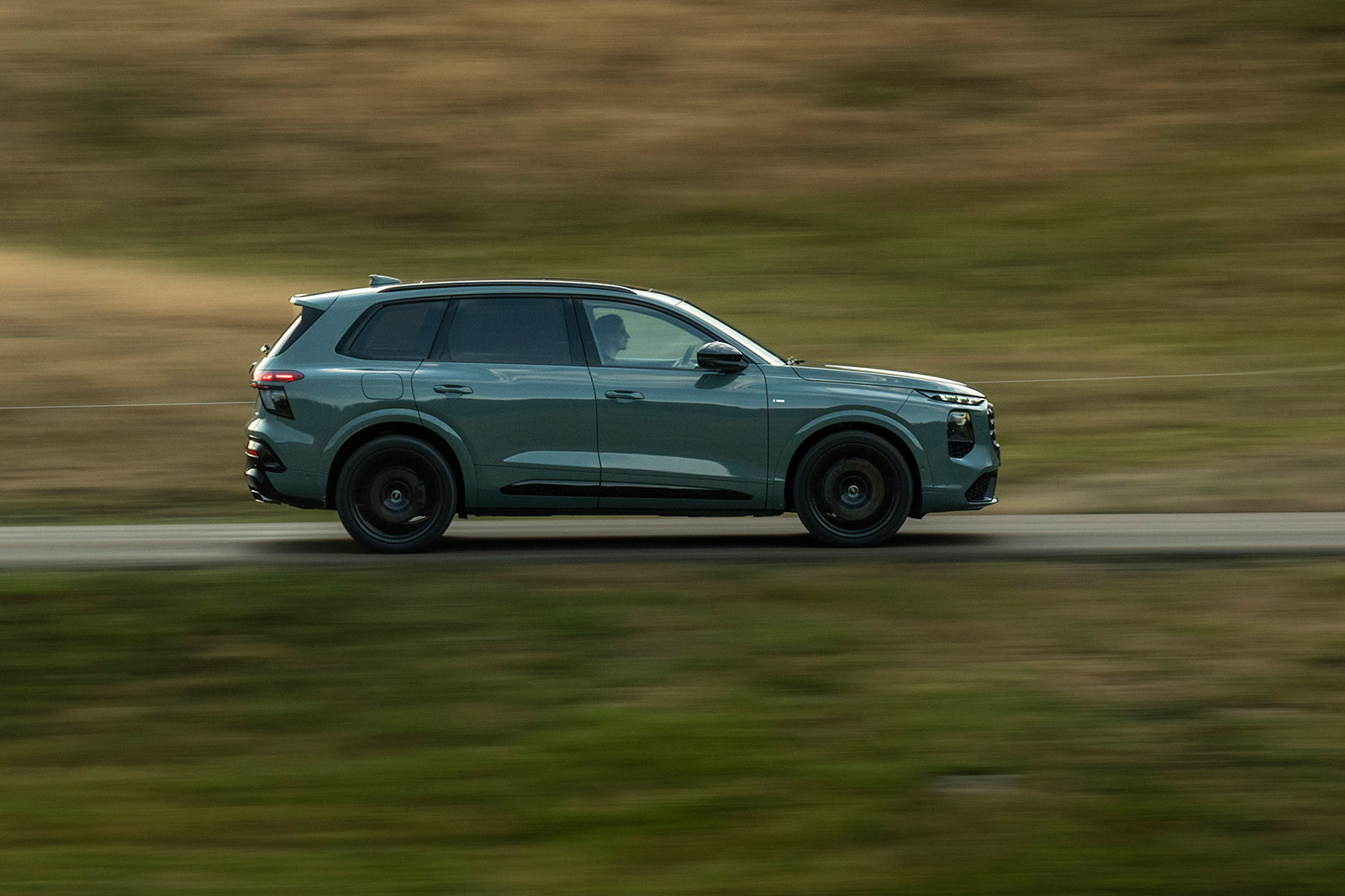
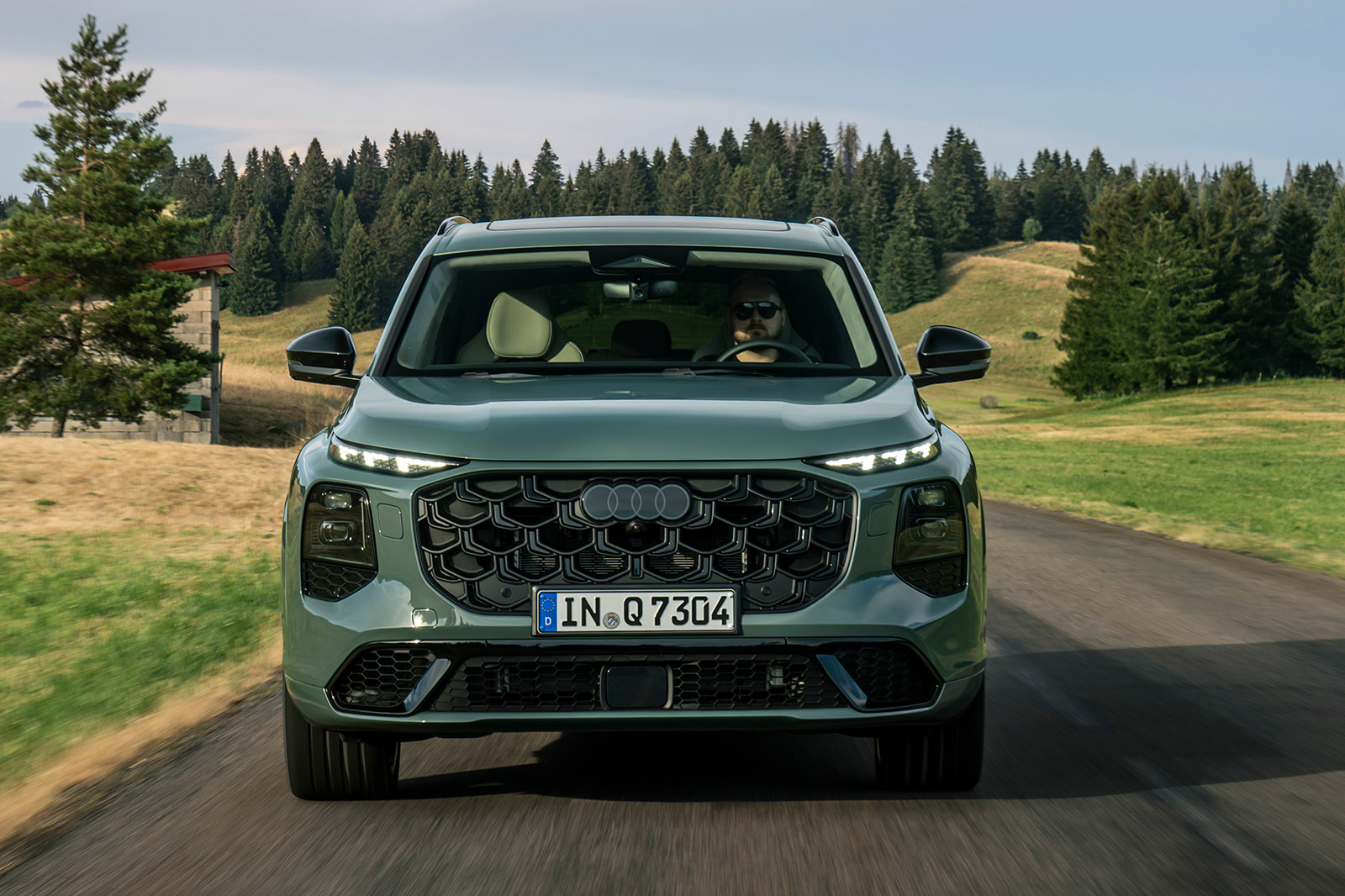
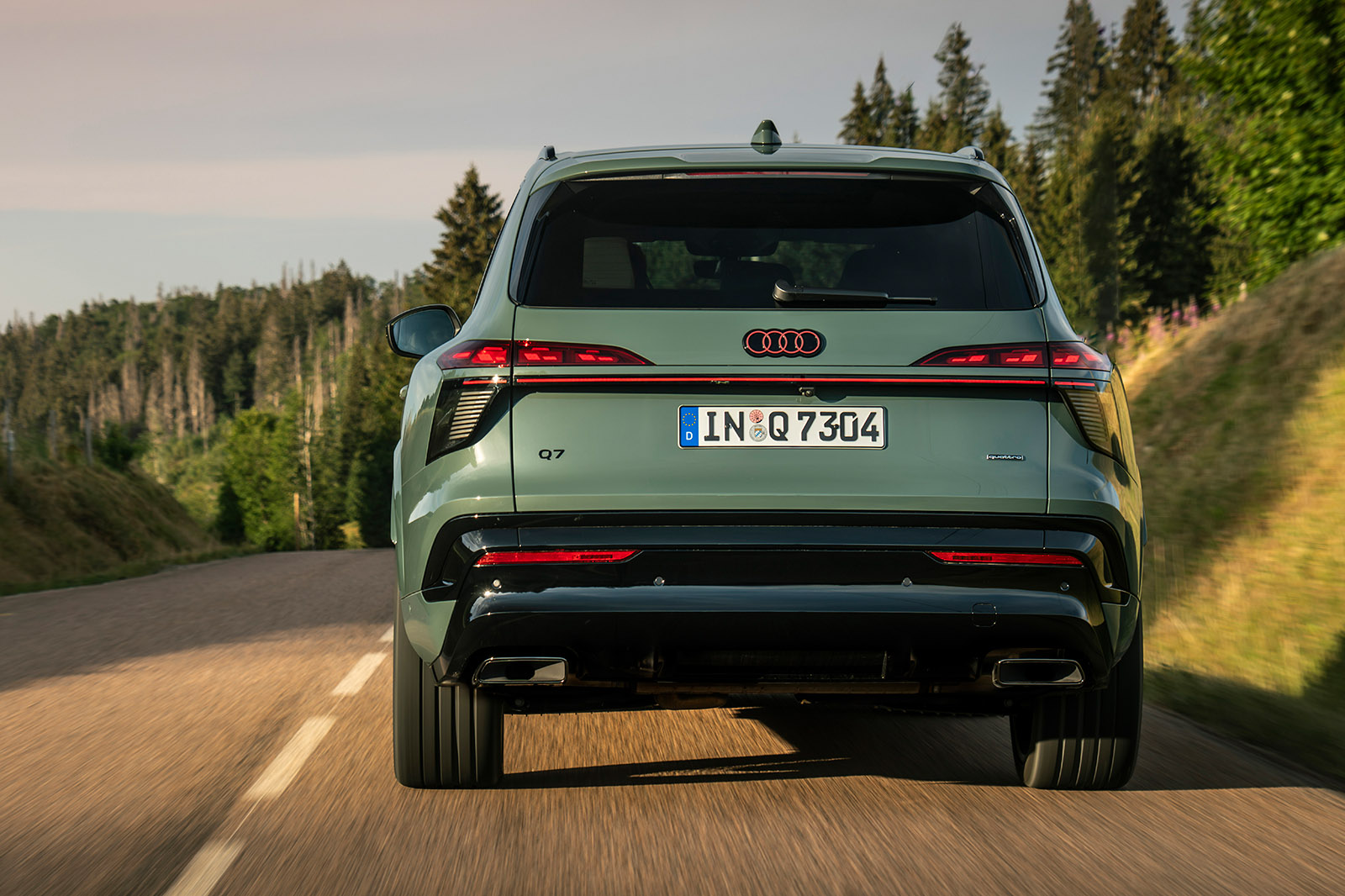
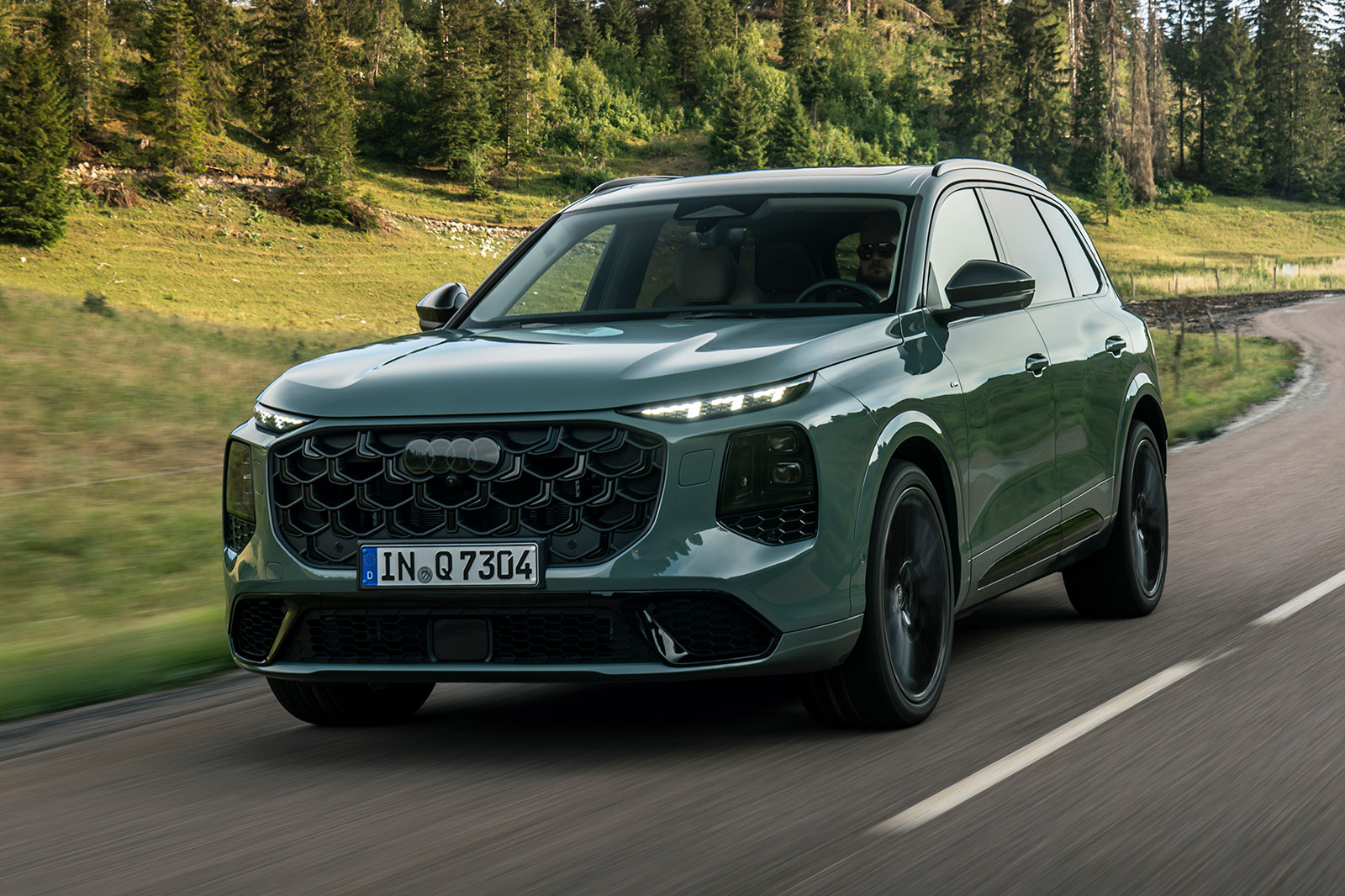
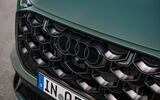
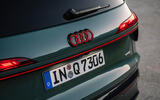
I’m not sure on the styling of the new Audi Q7, to be honest. It’s taken on the brand’s recent design language, Audi also tells us that it’s made this new generation more SUV-ish than before. Which is impressive, as it has always been very SUV-ish anyway, if you ask me. Clearly not enough for customers, so this 5056mm long Q7 is now blockier, with a bluffer front end and a more upright bootlid giving it a squared-off stance as well as freeing up more room for third-row occupants. 

D’you know what? You can make your own minds up on the new Q7’s styling. Just remember that over 1.3m units have been sold over the last twenty years, and Europe only accounted for 18% of them. The USA accounts for nearly half, and China nearly a quarter. So it’s not hard to figure out which markets Audi is – quite rightly – prioritising.  

INTERIOR

Audi Q7 2026 009

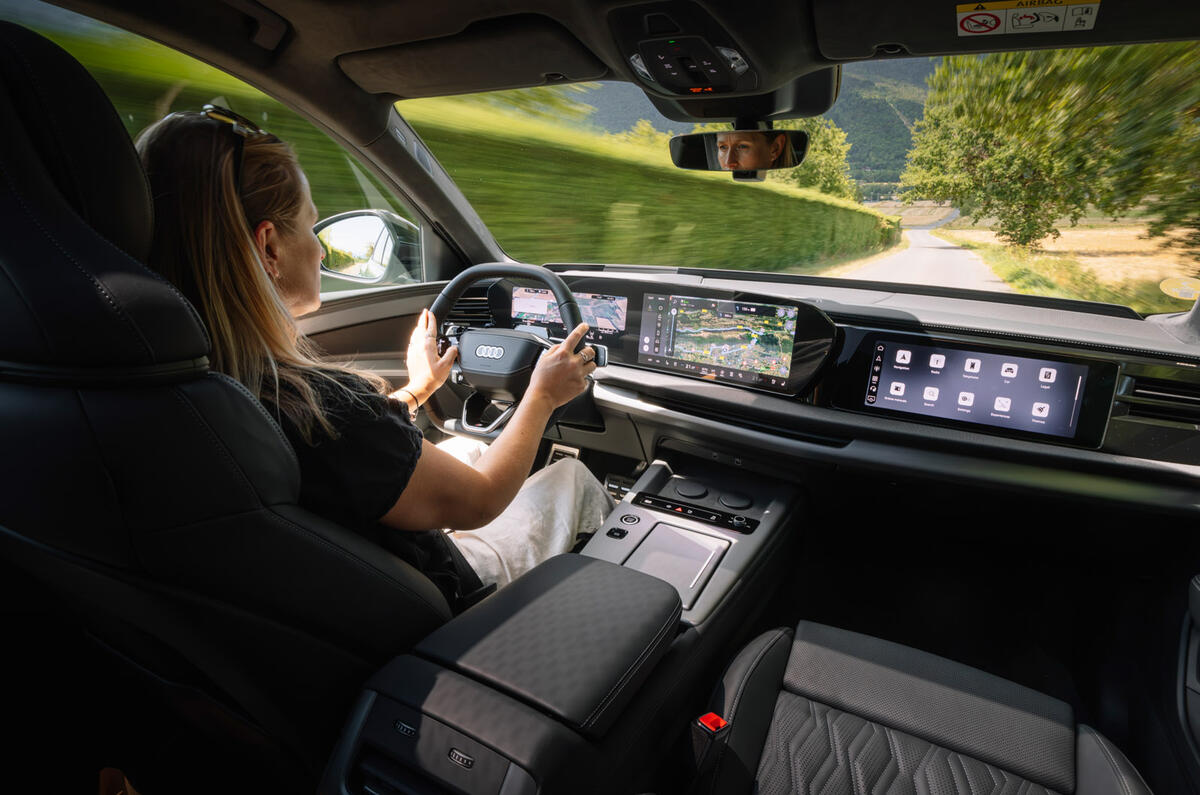
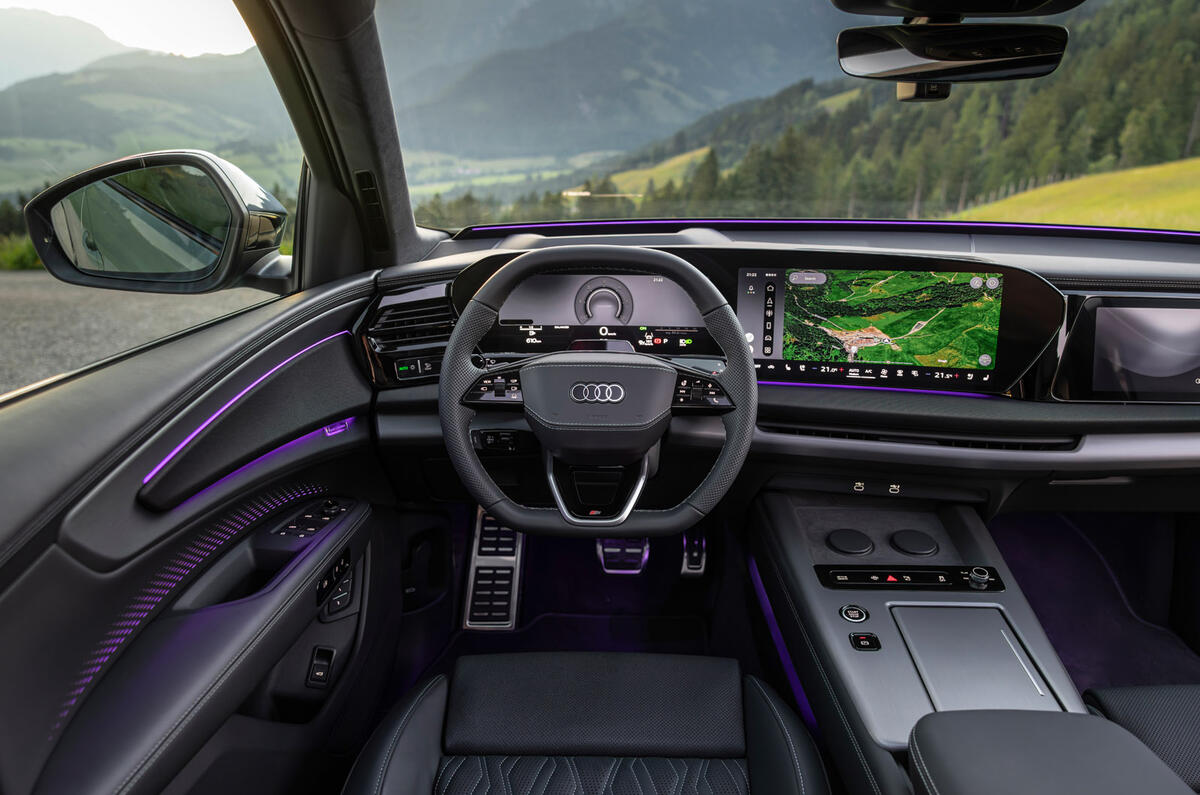
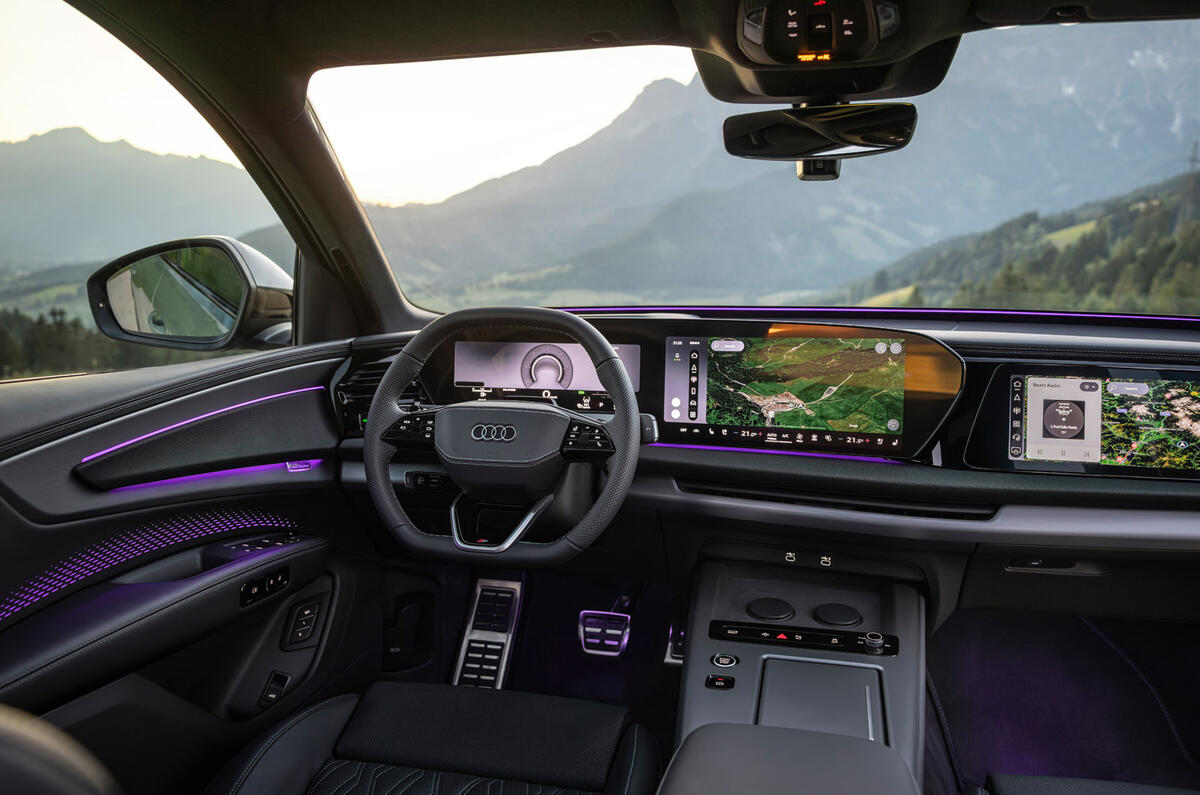
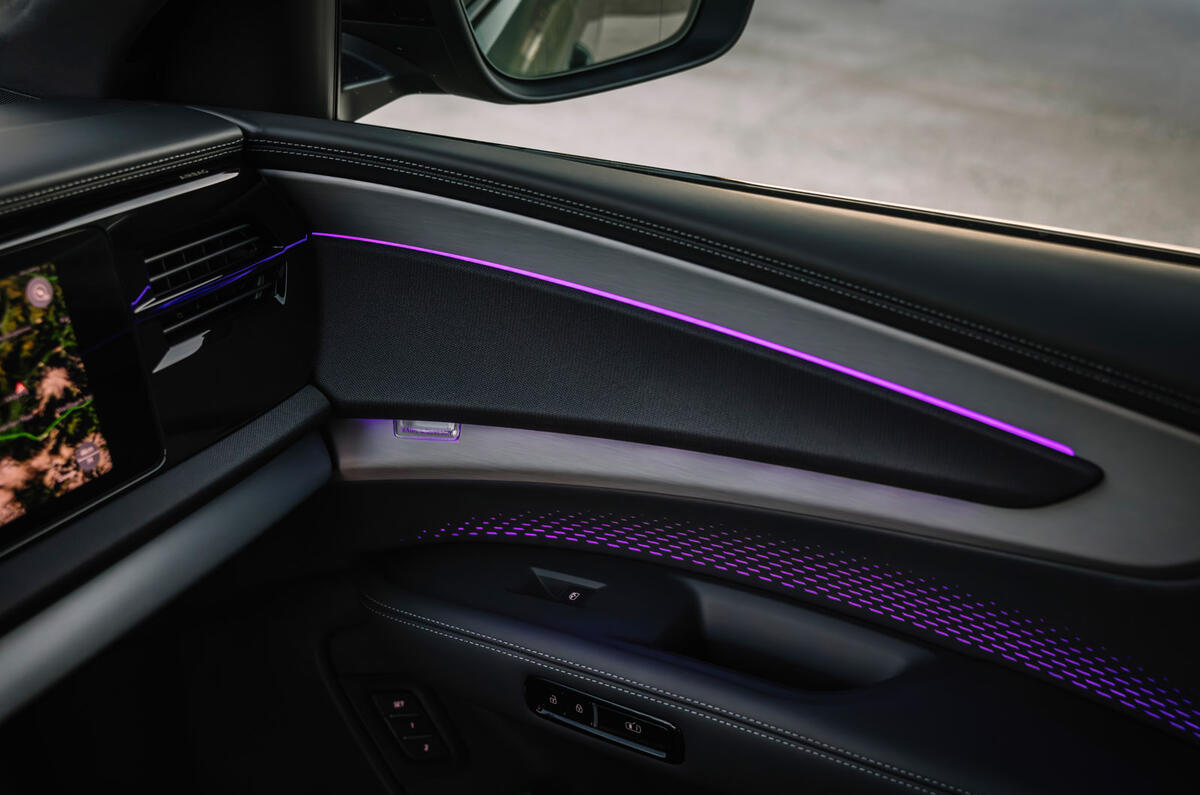
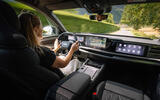
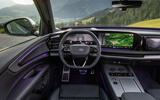
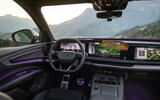
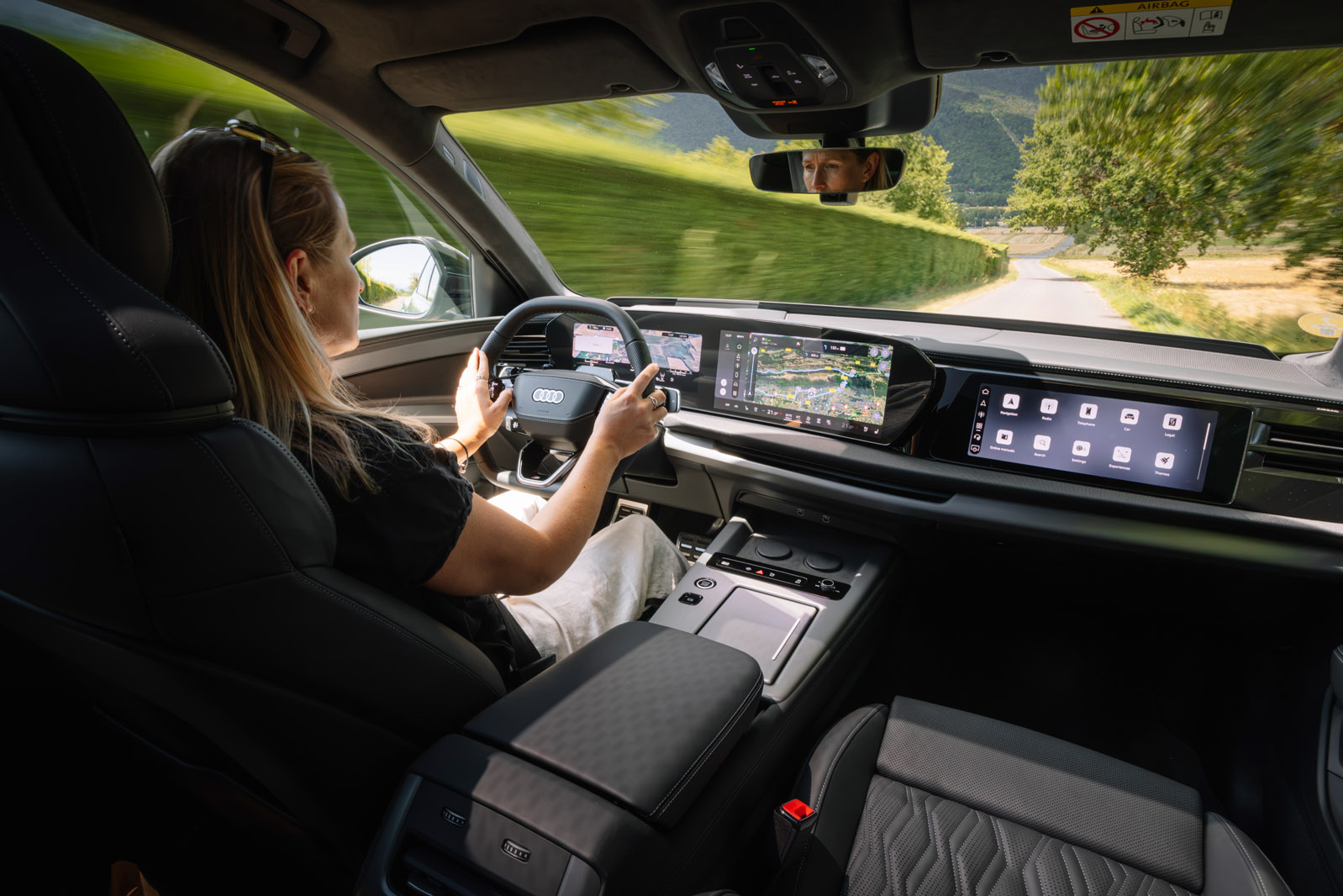
Moving on, inside the new Q7 you’re greeted with a single-piece curved screen that houses a slim digital readout behind the wheel and a 14.5in central touchscreen nearly all of the controls. Unfortunately, that includes your climate and your fan directions. We’ll forgive the temperature adjustment being in there because it is permanently visible, and the AI-enabled voice control was also hard to fault when it came to temperature requests. But I’m not forgiving the in-screen fan-direction controls.

There’s also a 12.3-inch passenger touchscreen on every Q7, for full-width screenage. It’s a matter of opinion as to whether this is a good- or bad thing. We’re not fans of the trend for passenger screens, but you’ll pay a lot extra to get one on many  of the Q7’s rivals.

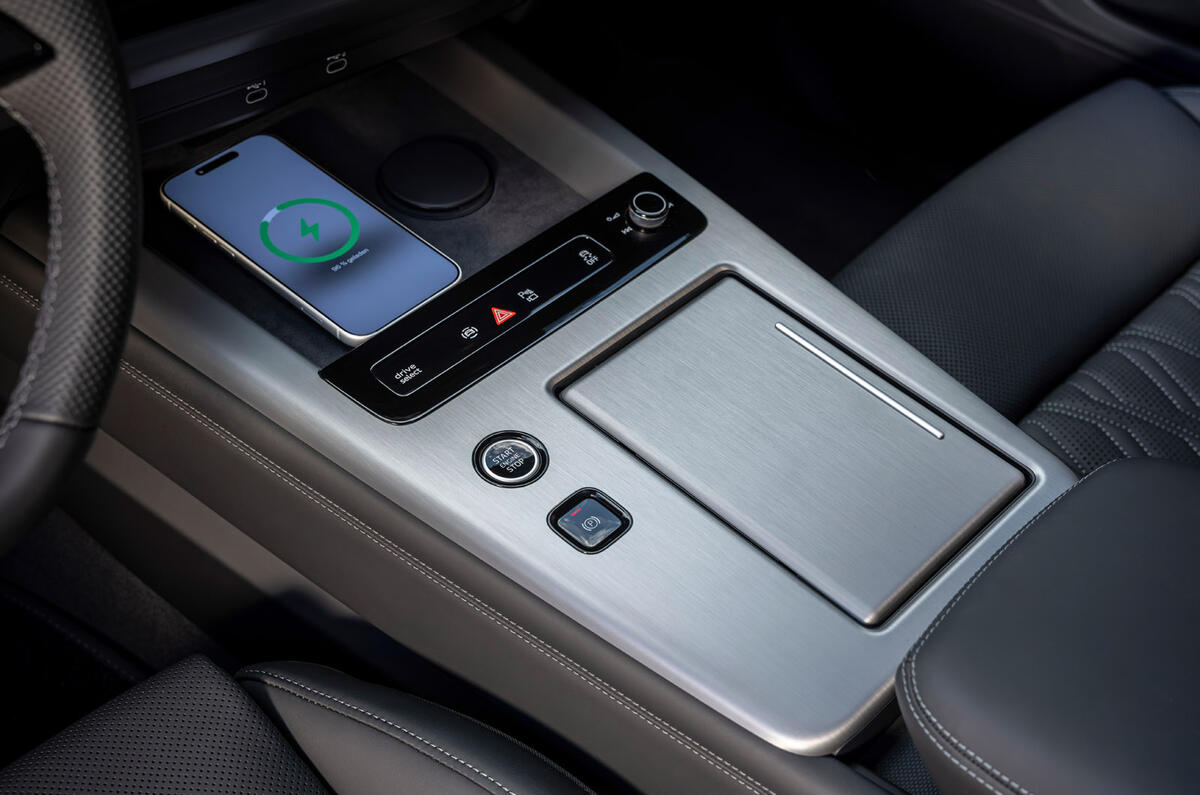
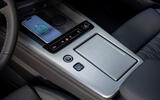
The Q7 gets two MagSafe wireless phone charging pads up front, so your phone is held firmly in place and charges reliably. Genius. Can’t help wondering why has it taken so long to get these into modern cars?

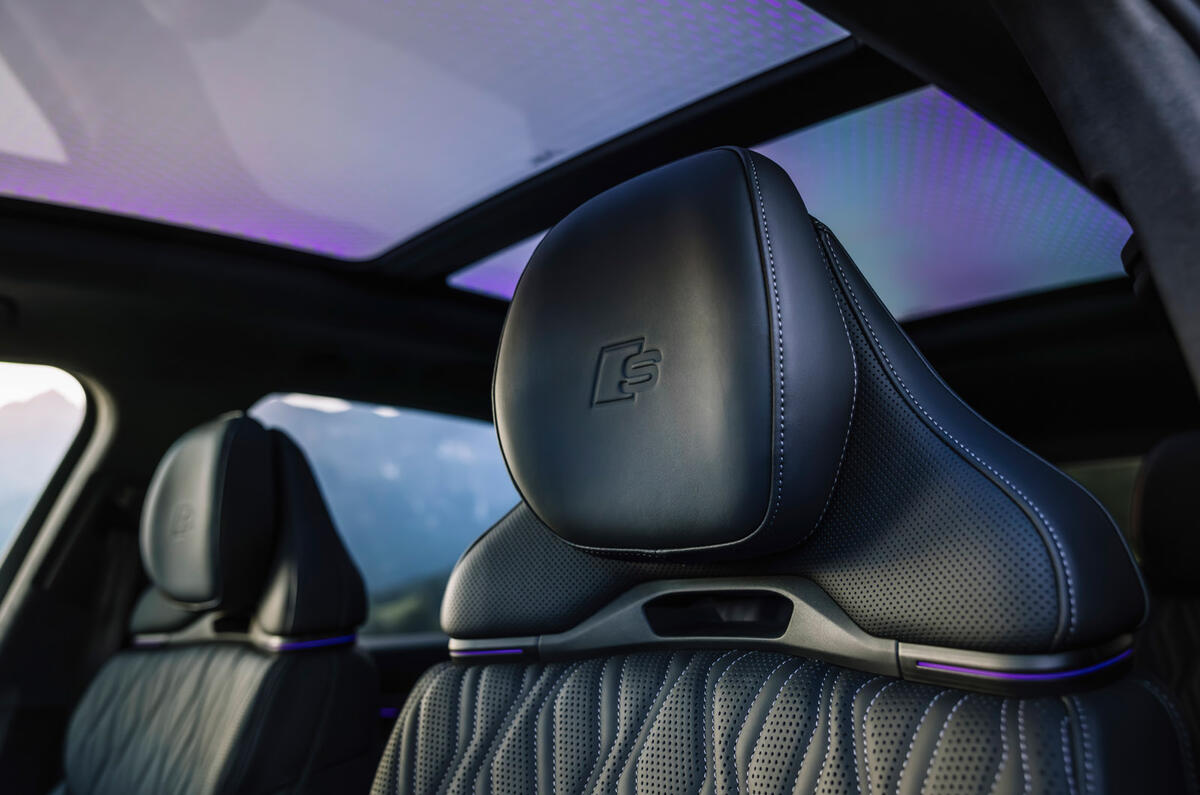
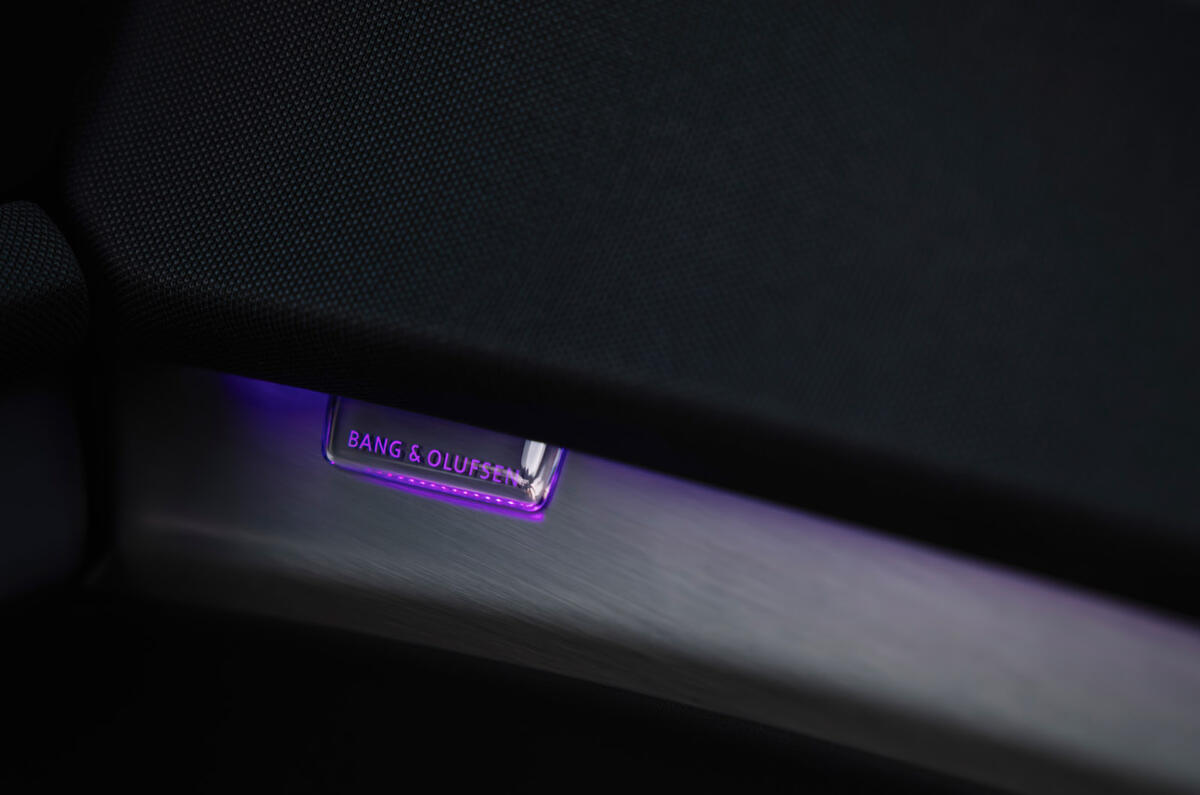
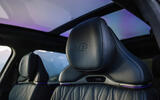
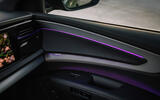
Otherwise, it’s a smart cabin with some nice touches, and it’s particularly classy with the Scandi-esque light wood trim. The standard panoramic roof can be opened, and is optionally available with lighting and configurable opacity. Not sure what happens in these ultra-plush SUVs when they need to become even more luxurious in a few years. Retractable chandelier?

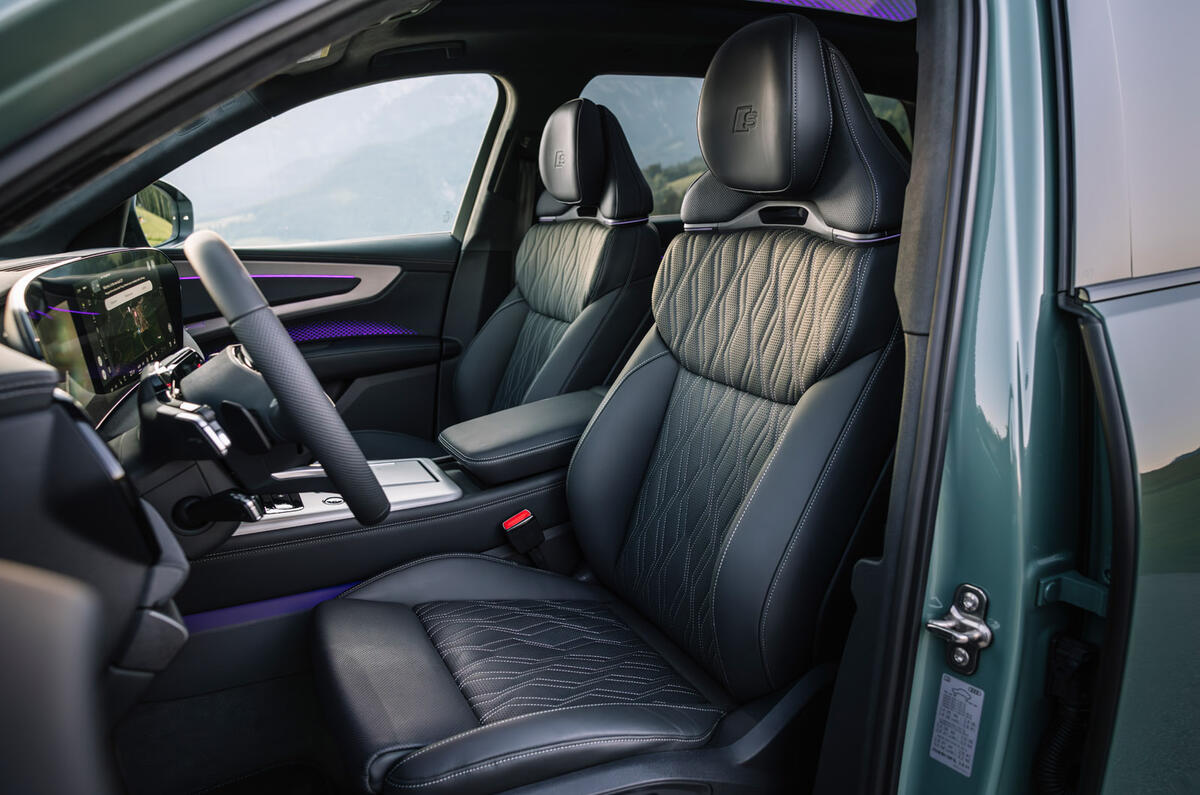
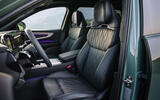
While the perceived quality around the dash is very good, it still feels a smidge behind the lustre and detailing of the latest BMW models; There’s just too much gloss black plastic around the upper dash and screen area, in the Q7. But the Audi is a comfortable place – especially if you’ve got the excellent massage seats that feature on all but entry-level S Line.

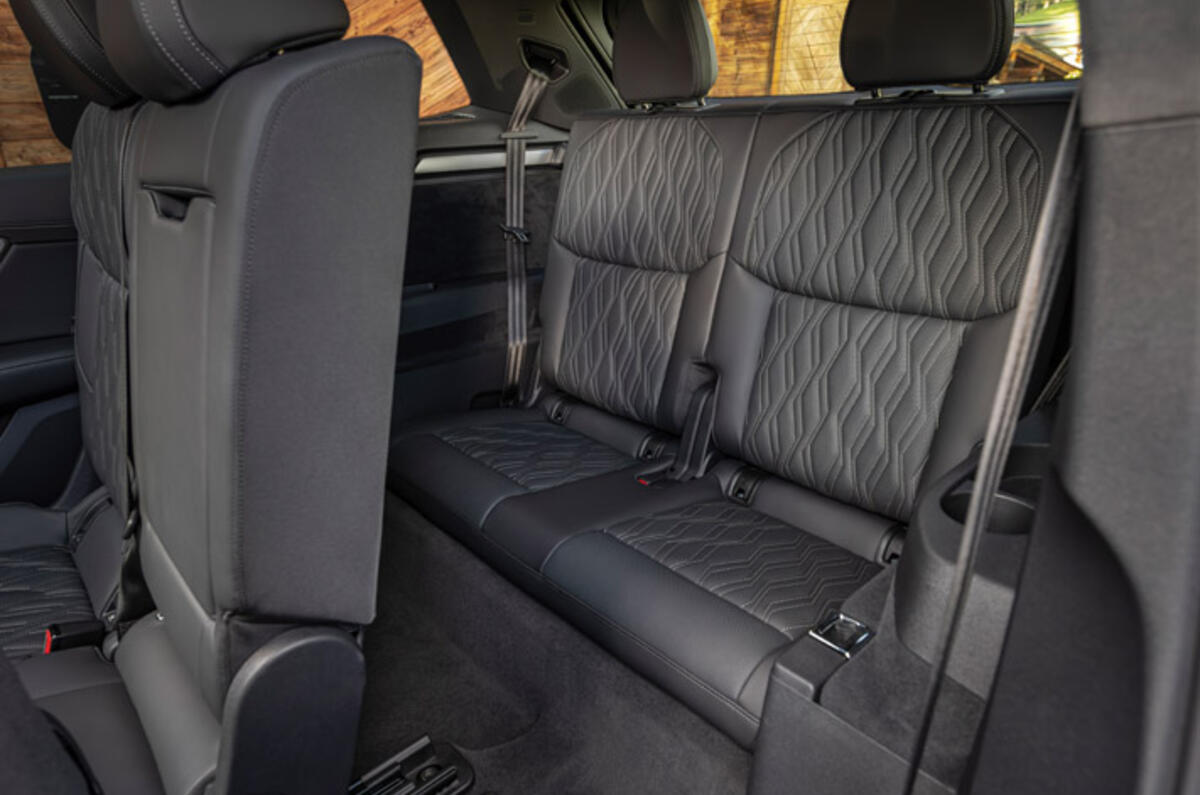
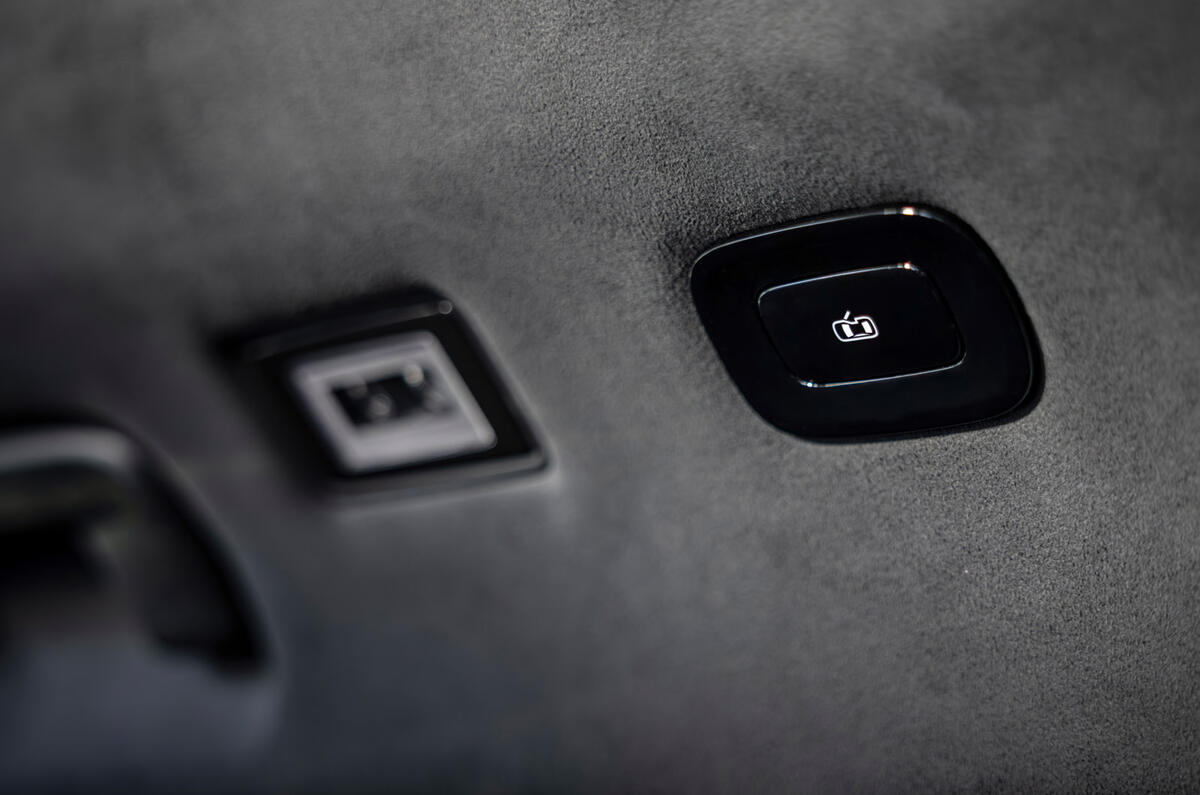
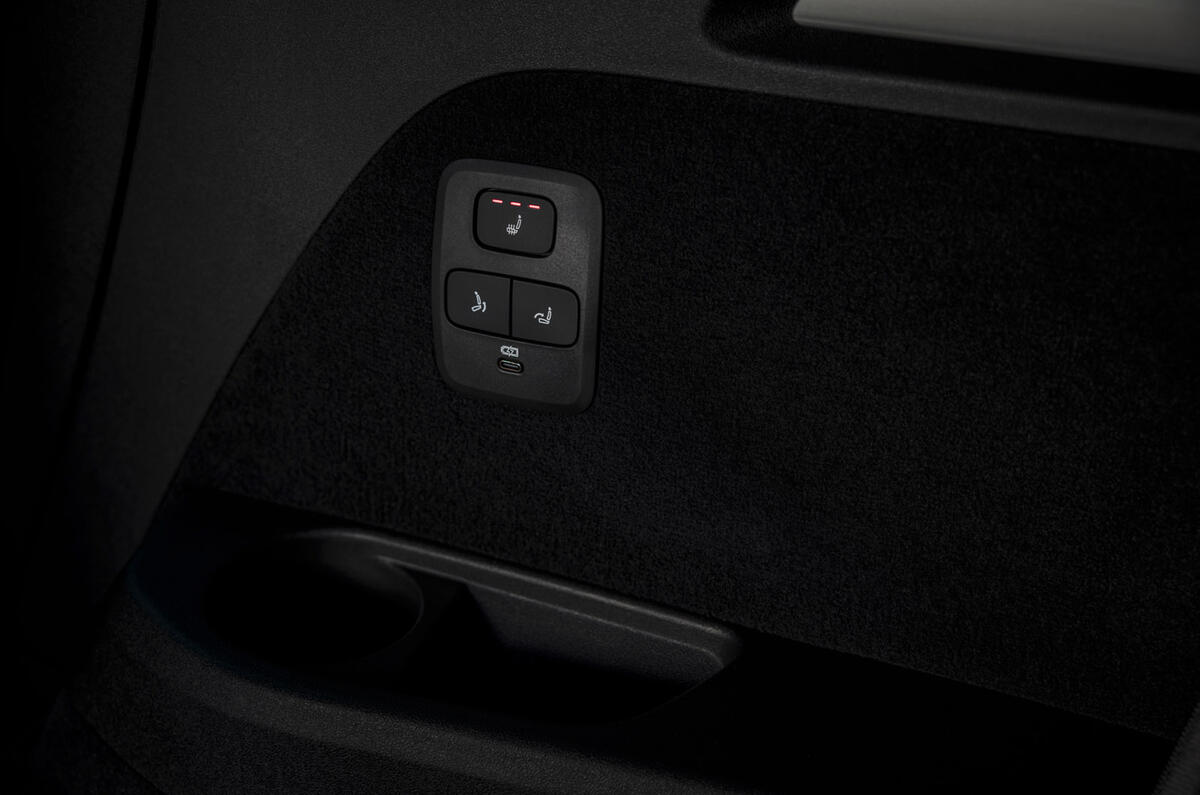
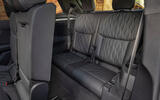
The practicality stuff has been carefully thought out. The middle row is very spacious and flexible, with sliding seats, climate control and charging ports. Space in the third row has also improved so that an average-sized adult can now sit back there in modest comfort. It still feels like your knees are closer to your shoulders than is ideal, but it’s not bad, and kids will be fine even on long journeys – especially as they get USB-C charging ports in the third row, and the windows let in a decent amount of light.

There aren’t any air vents back there, though. As the owner of dogs and children, I’d give up the passenger touchscreen for third-row vents in a heartbeat.

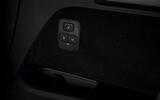
Cleverly, the middle outer seats lift and tip forward for access to the third row without folding, which is clever as it means you can leave a fixed car seat in place and still get into the rearmost seats. There are also six Isofix points, so this promises to be a great car for anyone with lots of small people.

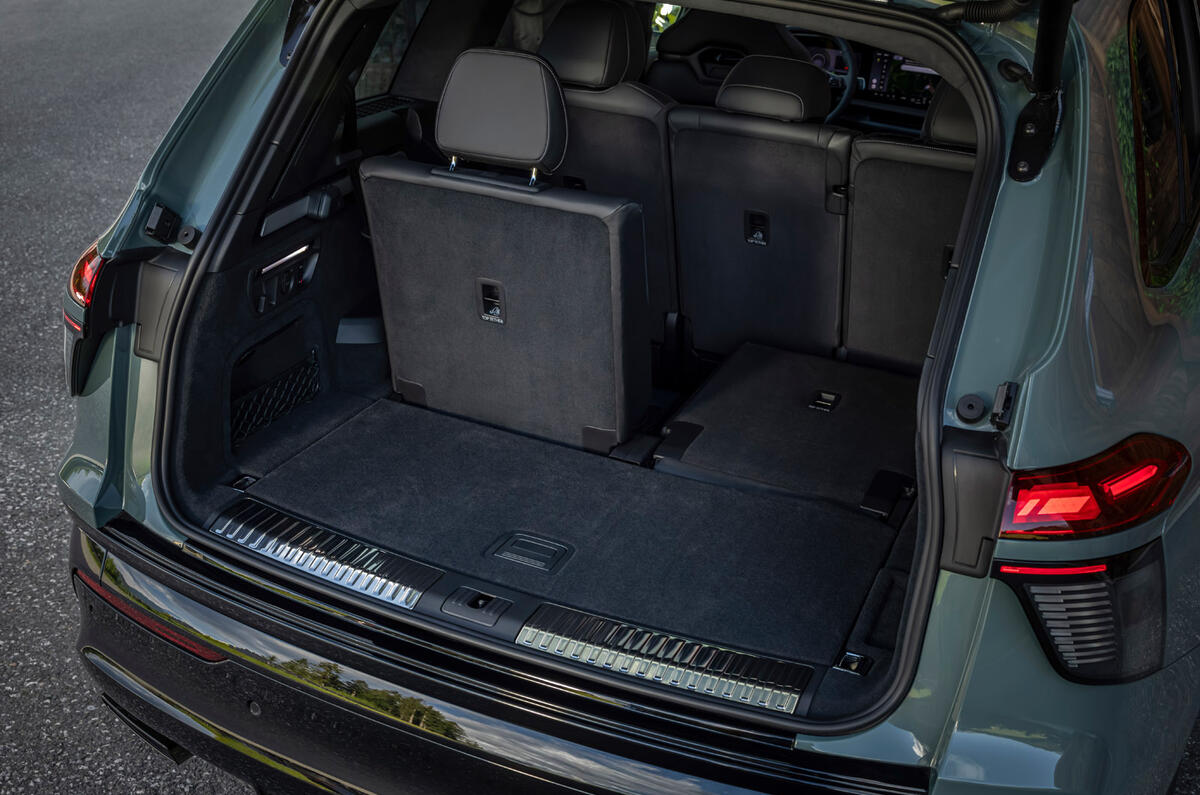
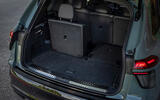
Boot space is very decent, with 210-litres behind the third row and 722-litres in five-seat mode, so you’ll get a lightweight buggy in, even with all the seats in use. And there’s a cubby beneath the boot floor for the loadbay cover.

ENGINES & PERFORMANCE

Audi Q7 2026 022

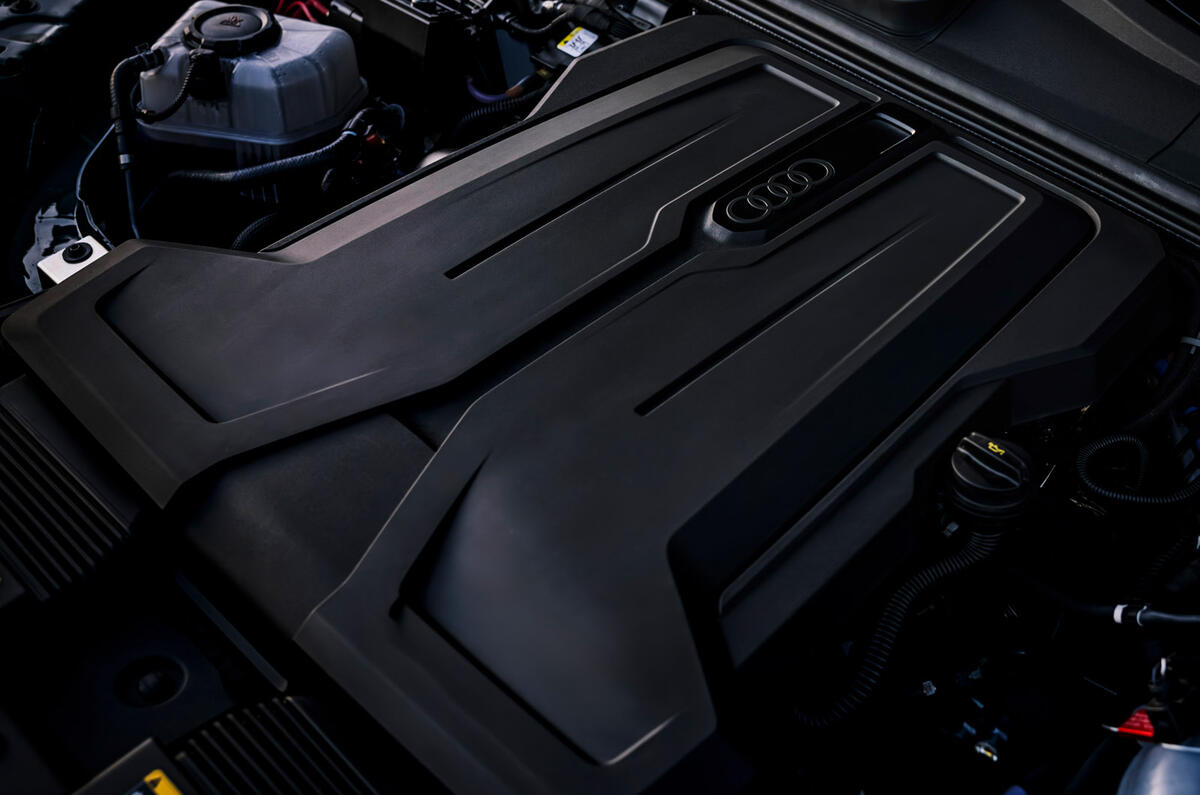
It’s not often, these days, that a diesel engine is the headliner – but the Q7 launches in the UK with the 48v mild hybrid, 3.0-litre turbodiesel V6 that I drove out in France, and will be followed next year by petrol and plug-in hybrid variants.

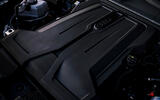
Complete with quattro four-wheel drive and an eight-speed torque-converter Tiptronic gearbox, it also gets an electric compressor that spools up to power the turbo in order to reduce lag. Standard adaptive air suspension and all-wheel steering across the range are also highlights of this new Q7 which has, inevitably, inched up market to become even more of a luxury offering – to better rival the BMW X7, Mercedes GLE, Land Rover Defender and Volvo XC90.

The diesel Audi Q7 gets a huge 3.5-tonne towing capacity, which will make this a popular choice with equine and caravanning fans alike.

It’s exactly the composed, poker-faced character that you’d expect, in the way it drives. And I mean that in a good way. It feels like an unassailable force as it carves down the road.

The diesel engine is impressively hushed and doesn’t intrude unless you accelerate hard, and while you do notice the 48v system switching to pure electric power for brief periods, it’s a smooth transition.

Naturally, there’s plentiful acceleration if you want it, and the torque converter gearbox slurs through shifts smoothly, although there are moments when it hangs onto the guttural high revs for a bit too long - even in the efficiency or comfort-focussed drive modes.

There’s the option of flapping through gears manually, and naturally there’s a Sport mode that tightens everything up. Do that, and the 295bhp, 465lb ft diesel delivers swift responses and makes the Q7 feel satisfyingly muscular, without being too fast for its own good. At 6.5sec to 62mph, I’d say this is about the ideal performance for a big car like this. Torquey, smooth, not stupidly fast… Nice.

RIDE & HANDLING

Audi Q7 2026 023

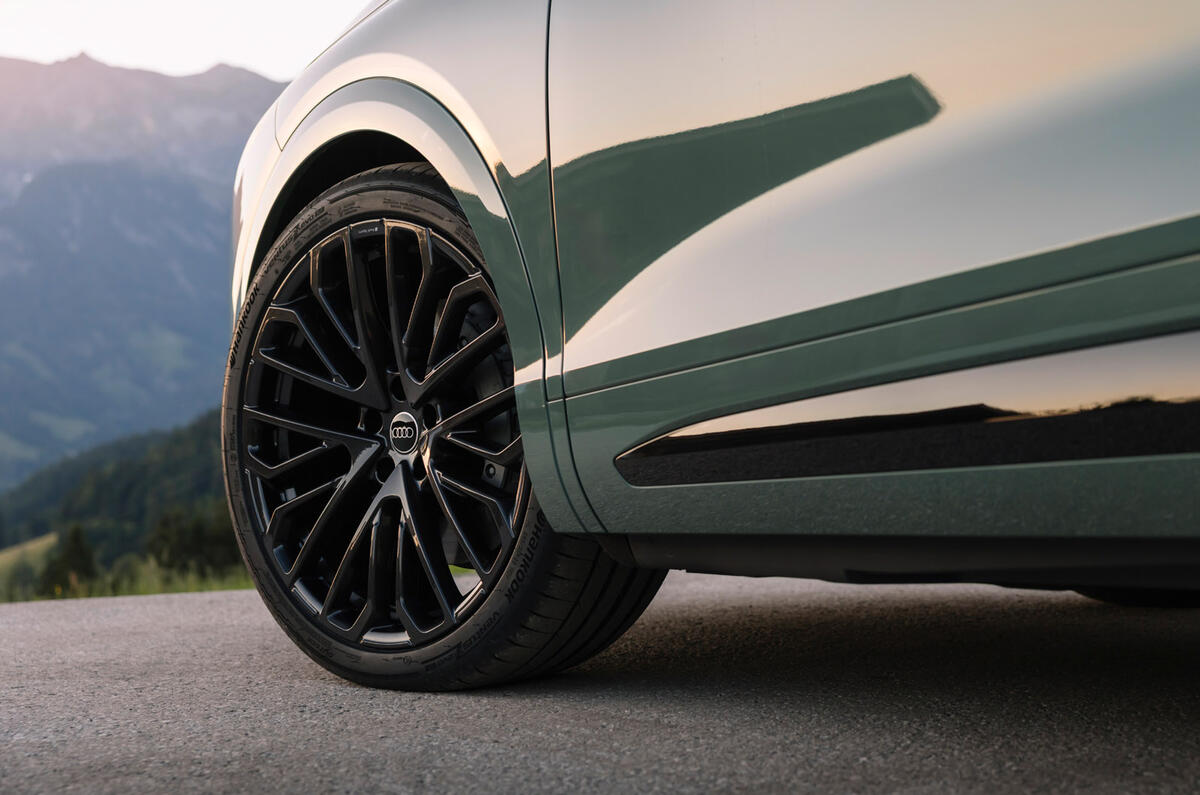
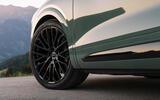
Adaptive air suspension is standard on every Audi Q7 – another feature that some rivals charge extra for. Even on the enormous 23-inch alloys and Hankook rubber of our test car, it rode well in most situations. There was still a bit of shudder and thump over bigger intrusions at urban speeds, but at higher speeds it settles well. The steering is predictable and accurate, too, if fairly devoid of much sense of feedback.

The quattro four-wheel drive now comes with a limited-slip diff, and the standard four-wheel steer avoids feeling nervous, and just makes the Q7 feel wieldy around a car park, despite its size. Which it is, given the 10.95m turning circle (down from 12.5 metres, if it didn’t have rear-wheel steering).

A standard limited slip-diff and four-wheel steer help to give this Q7 better off-road chops than previous Q7s, according to Audi. I suspect most owners will just be grateful for the impressive parking manoeuvrability.

Basically, this is a heavy car, and while it’s neutral and fairly implacable in faster stuff it’s still more in its zone when you’re enjoying the refinement and confidence on the motorway. Or looking down on all the other parents on the school run, and thanking Ingolstadt for the standard four-wheel steer, air suspension and 360-degree parking camera.

MPG & RUNNING COSTS

Audi Q7 2026 001

It's a good thing that the Q7's standard equipment is generous – including leather, electrically adjustable seats, matrix LED headlights, adaptive cruise and semi-autonomous mode, powered boot and all the screens even on ‘base’ S-Line – because it ain’t cheap. This diesel model starts from just under £82,000 and stretches up to over £100,000.

Still, the GLE and X7 are probably the closest rivals, and they’re similarly priced (or more expensive, in the BMW’s case) so the Audi stacks up well when you factor in all the standard kit. And provided you ignore the lower price of older rivals like the Volvo XC90 and Defender.
VERDICT

Audi Q7 2026 029

Audi has done a good job with the evolution of the Q7. Yes, there are frustrations with the interface, and the styling may not be to European tastes. But the practicality, equipment, comfort and tech all make it hugely compelling.

It's a brave move to launch with only a diesel option in the UK, but this powertrain is slick, muscular and no doubt more efficient than the forthcoming petrol alternatives, and there are buyers out there - especially those who may want to tow heavy trailers - that it will be ideal for. Plus, the PHEV and mild-hybrid petrol engines arrive in early 2027, so it's not a long wait.
Touchscreen-dependance aside, the new Audi Q7 is exactly the practical-yet-plush seven seater that buyers will be looking for.

Vicky Parrott

Vicky Parrott

Vicky Parrott has been a motoring journalist since 2006, when she eventually did so much work experience at Autocar that it felt obliged to give her a job.

After that, she spent seven years as a features and news writer, video presenter and road tester for Autocar, before becoming deputy road test editor for What Car? in 2013. After five years with What Car?, Vicky spent a couple of years as associate editor of DrivingElectric and then embarked on a freelance career that has seen her return to writing for Autocar and What Car? as well as for The Daily Telegraph and many others.

Vicky has been a Car of the Year juror since 2020, and the proud owner of a 1992 Mercedes-Benz 300-SL 24V since 2017. She aspires to own an Alpine A110 and a Porsche Taycan Cross Turismo.