8

World’s best-selling car gets tougher look and new plug-in hybrid drivetrain with more power and electric range

Find Toyota RAV4: new PHEV nails the family SUV brief deals
New car deals
Nearly-new car deals
From £38,999
Other Services
Sell your car
84% get more money with

The sixth-generation Toyota RAV4 impressed us when we drove it in range-topping GR Sport trim overseas, but where does the tough-looking newcomer sit in the plug-in hybrid SUV ranks now that we've tested it in the UK?

Starting from just over £44,000, the RAV4 is priced competitively against its closest rivals from the Volkswagen Group: only marginally dearer than the longer Skoda Kodiaq iV (£44,110) and Volkswagen Tiguan eHybrid (£41,875). Our higher-spec Excel test car crept just over the £50,000 mark, making it roughly £8000 more than the equivalent Tiguan.

While the Volkswagen Group has moved PHEV technology into new territory by offering more than 70 miles of electric-only driving, Toyota hasn't been resting on its laurels. In its cheapest, front-wheel-drive form, the RAV4 scores an EV range of up to 83 miles, comfortably eclipsing its European competitors.

Advertisement

DESIGN & STYLING

8
Toyota Rav4 review 2026 030

The previous-generation RAV4 was the world’s best-selling car in 2025, and with this new version Toyota is doubling down on sensibleness and common sense. 

In the UK, the standard hybrid model was taking less than 20% of total sales, so Toyota has dropped it from the line-up, focusing instead on maximising the potential of its plug-in hybrid powertrain.

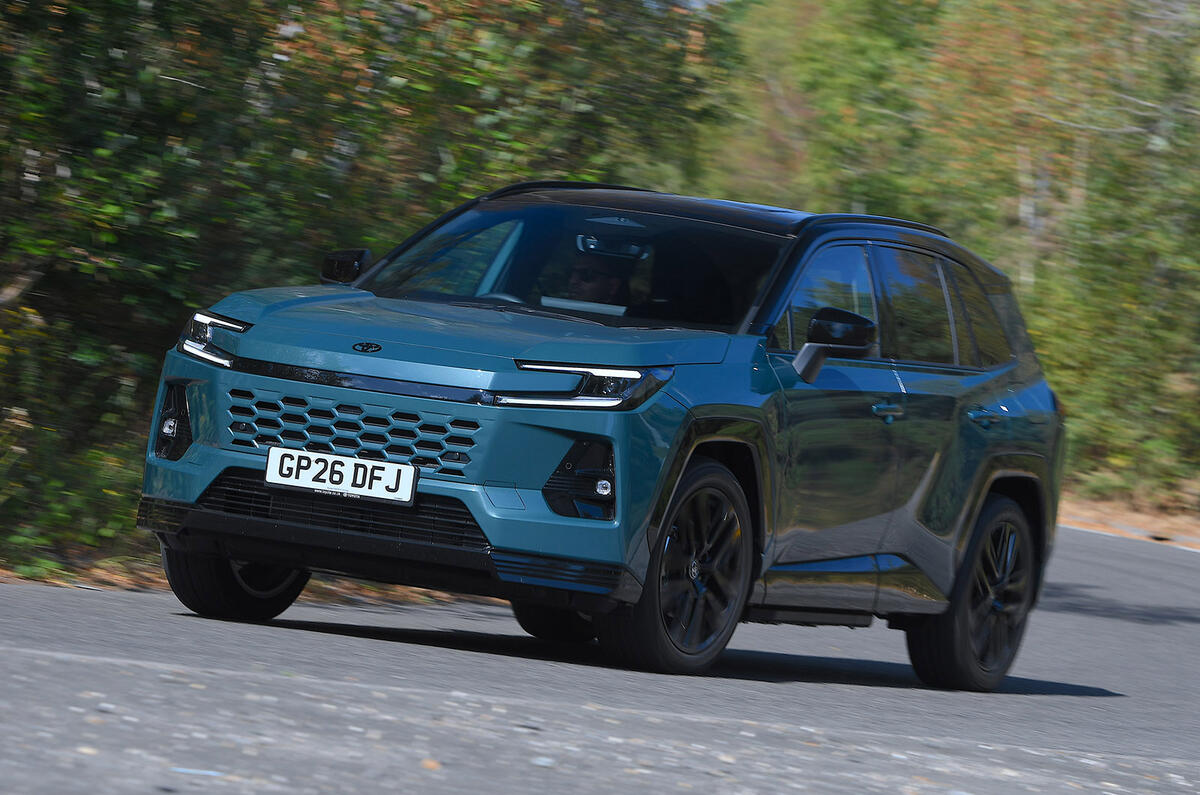
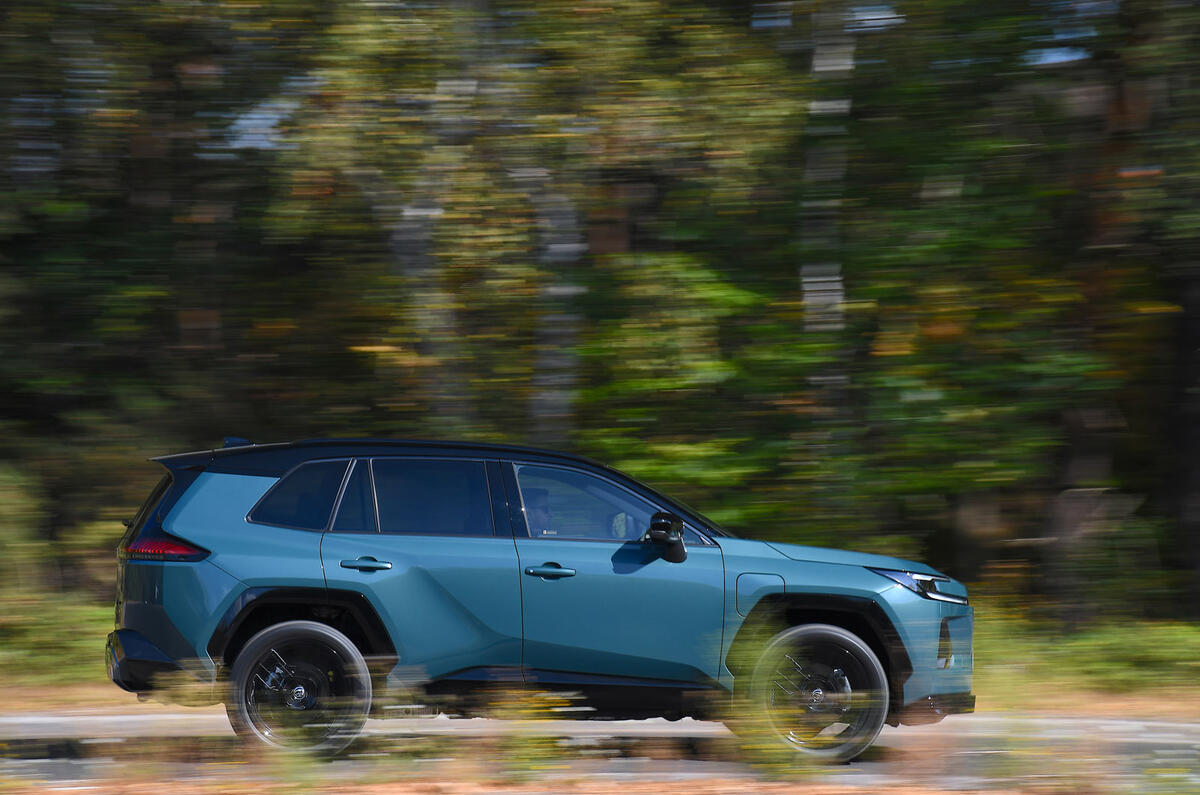
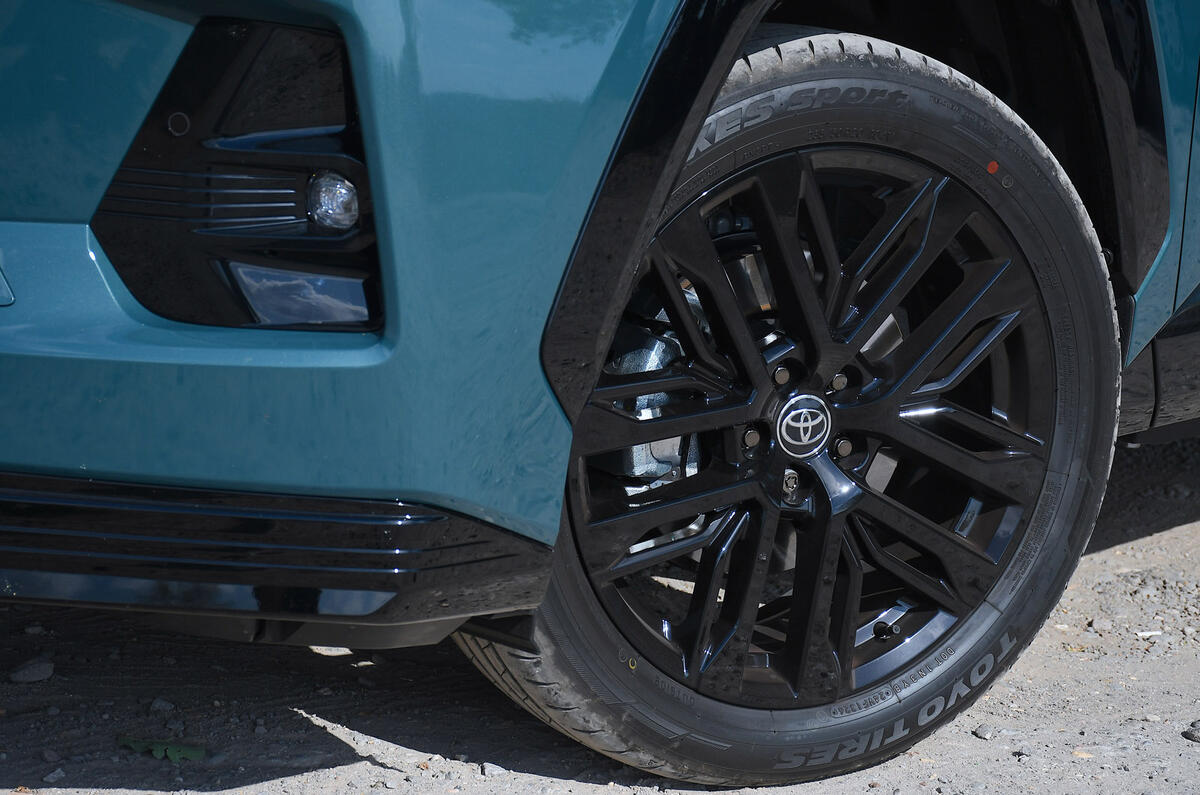
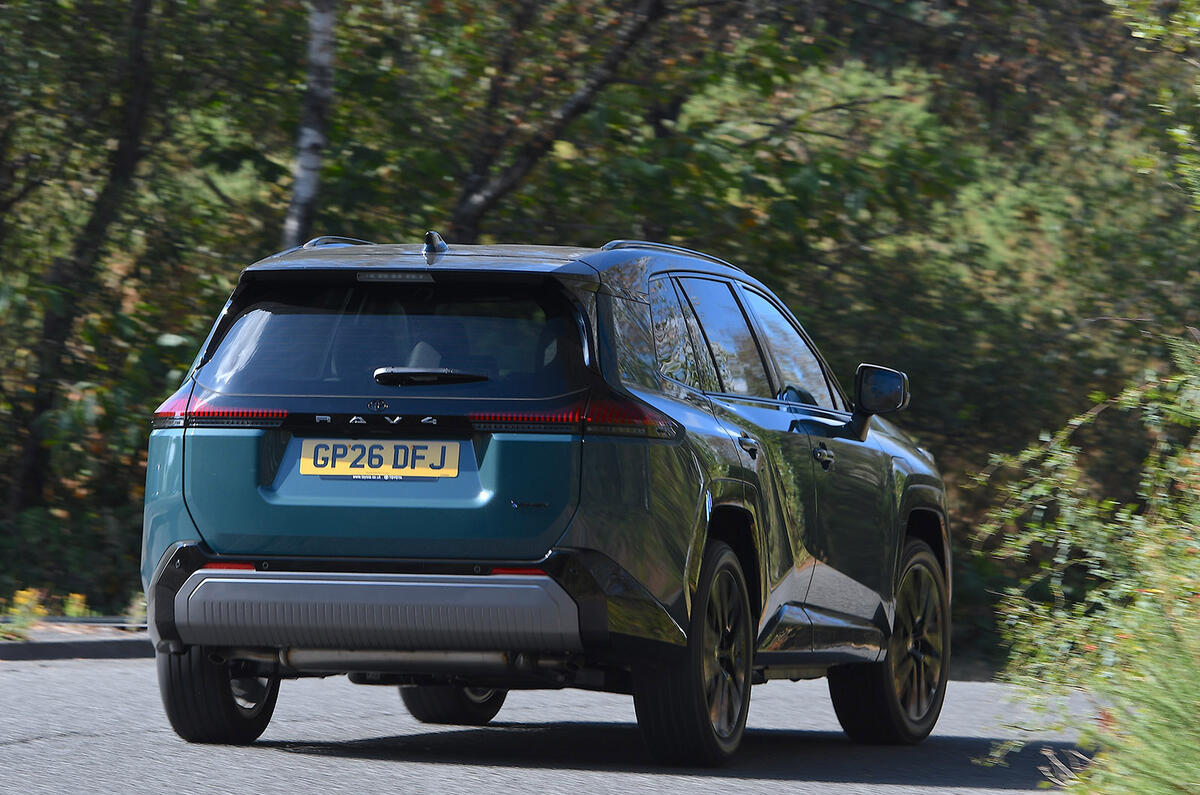
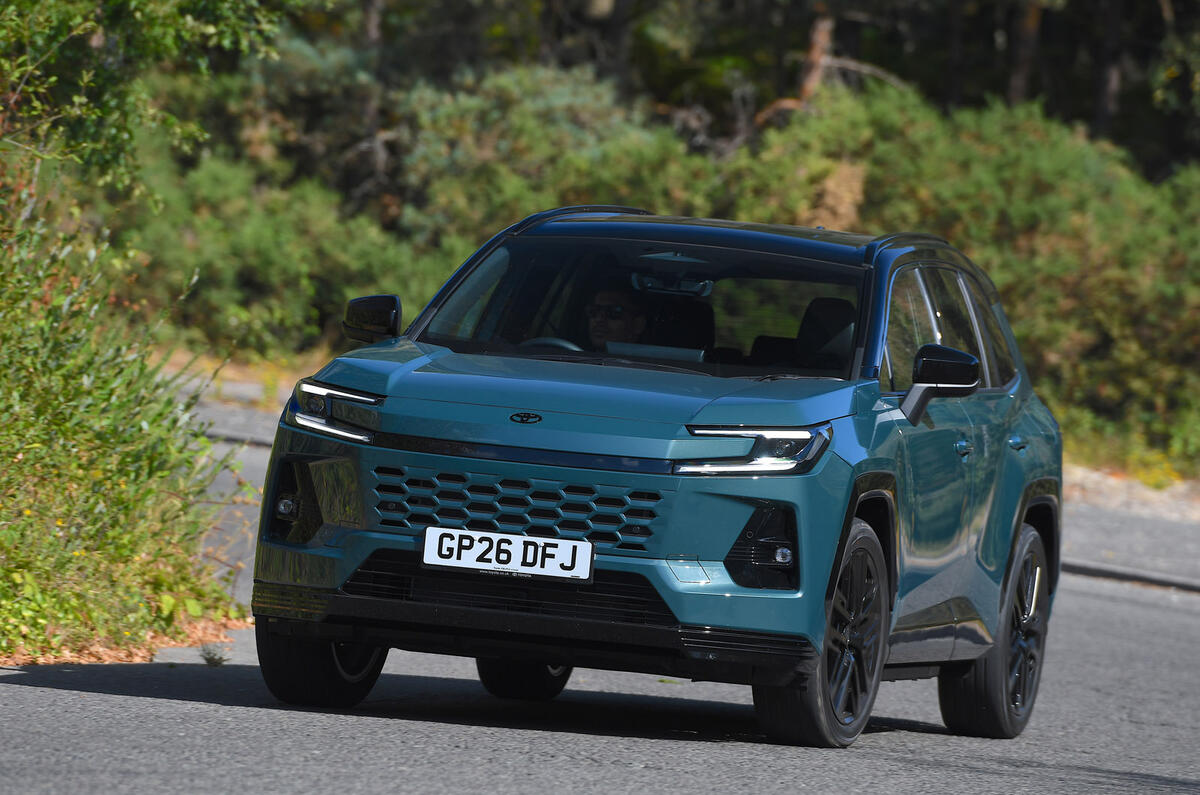
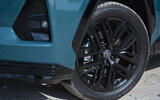
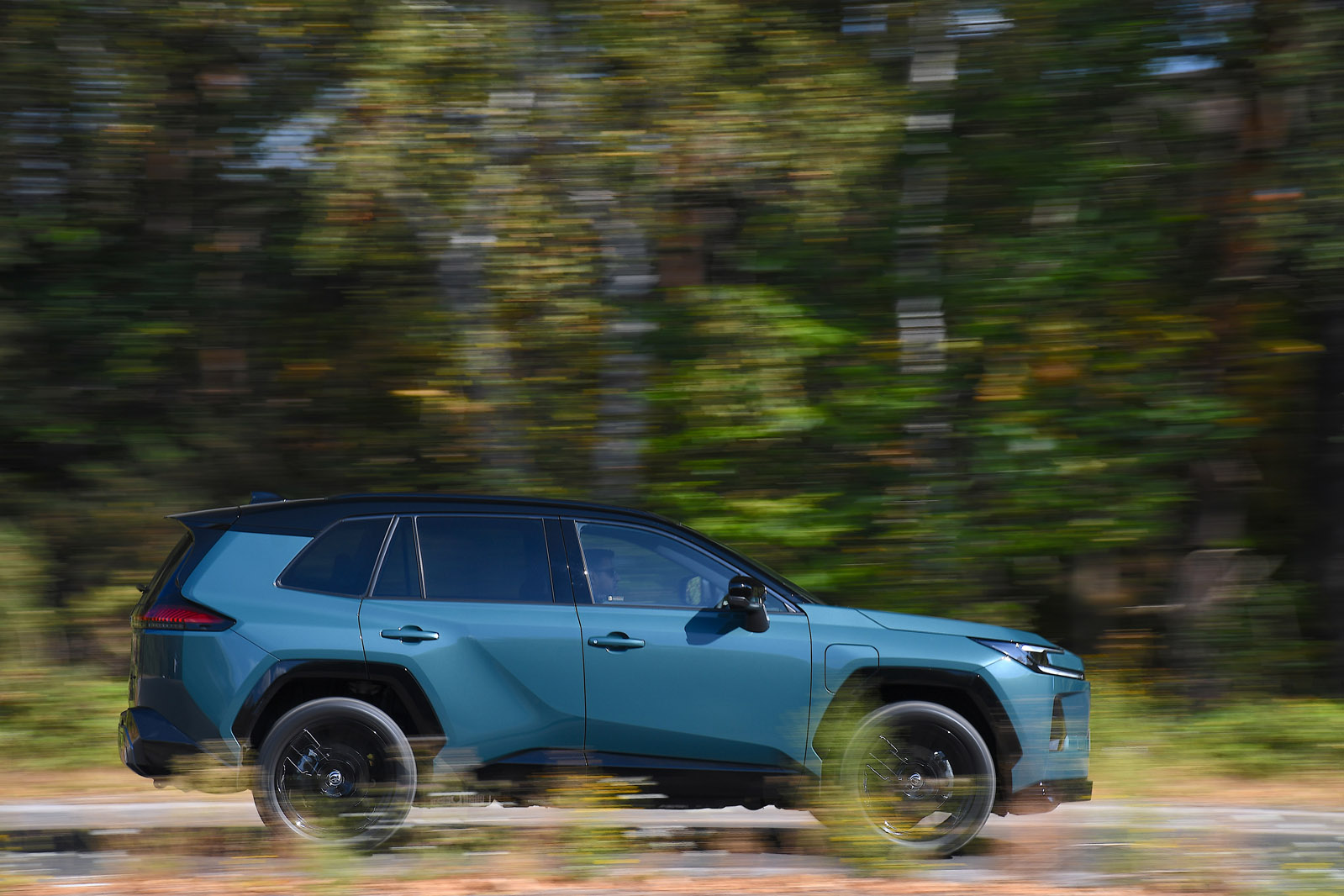
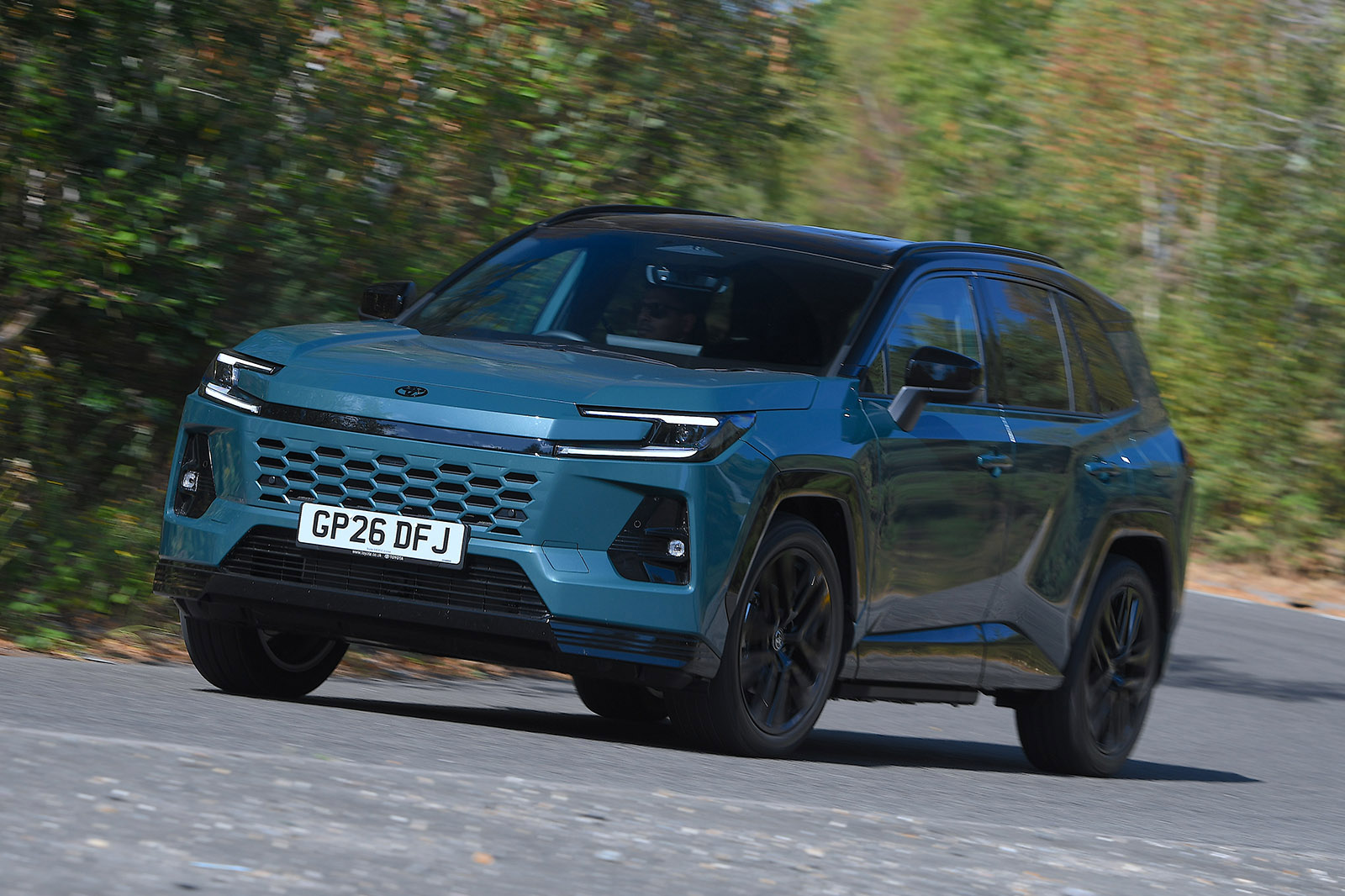
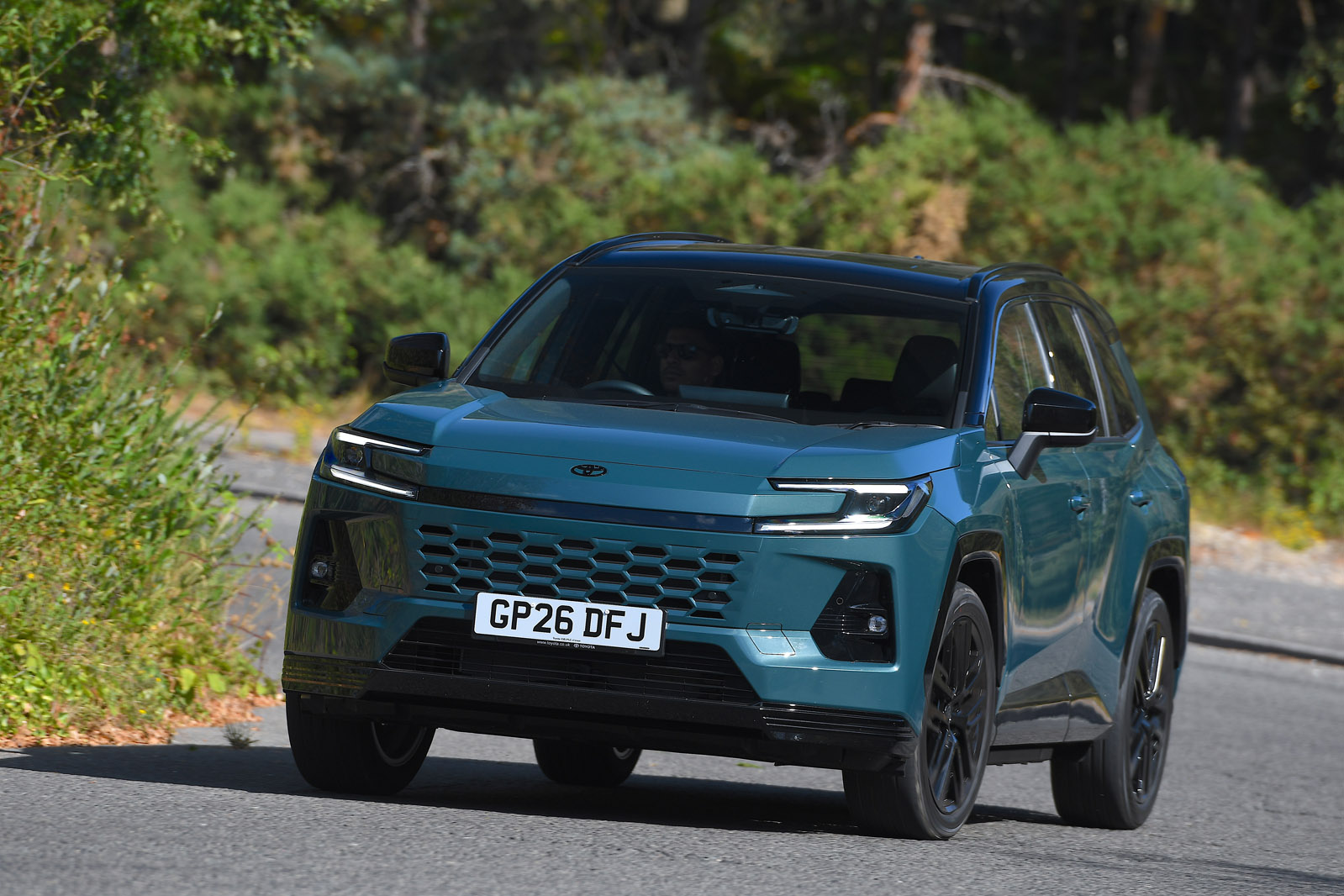
With wheels ranging from 18in to 20in, a high ride height and a flat roofline, it's clearly styled to project a serious off-roader vibe.

While the previous PHEV was offered exclusively with four-wheel drive, Toyota has now introduced a front-wheel-drive version too.

The Japanese brand has managed to eke more electric range out of the RAV4 by fitting a larger (22.7kWh) lithium ion battery, which is paired with a naturally aspirated 2.5-litre four-cylinder petrol engine and a more powerful electric motor integrated into the e-CVT transaxle.

The entry-level front-wheel-drive Icon model promises a range of up to 85 miles, but the Excel variant can only travel up to 78 miles on electric power – altough this is still a major step over its predecessor's 48-mile limit.

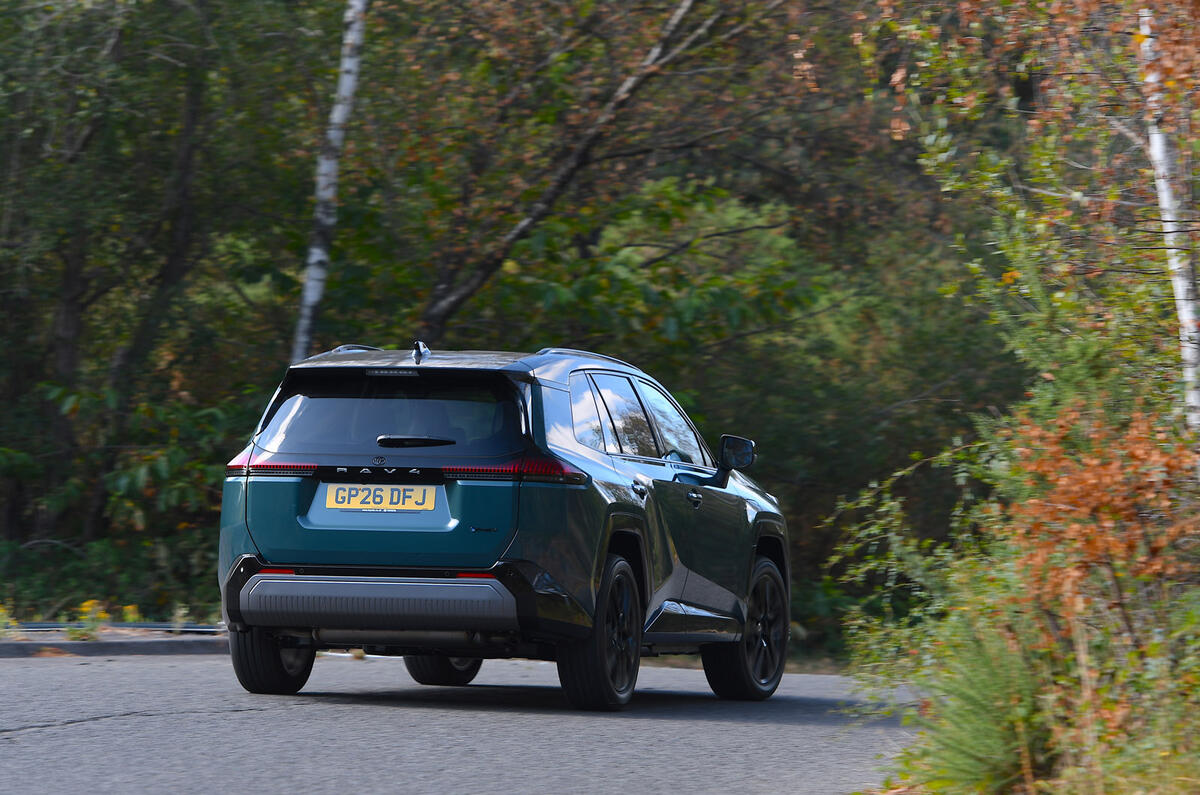
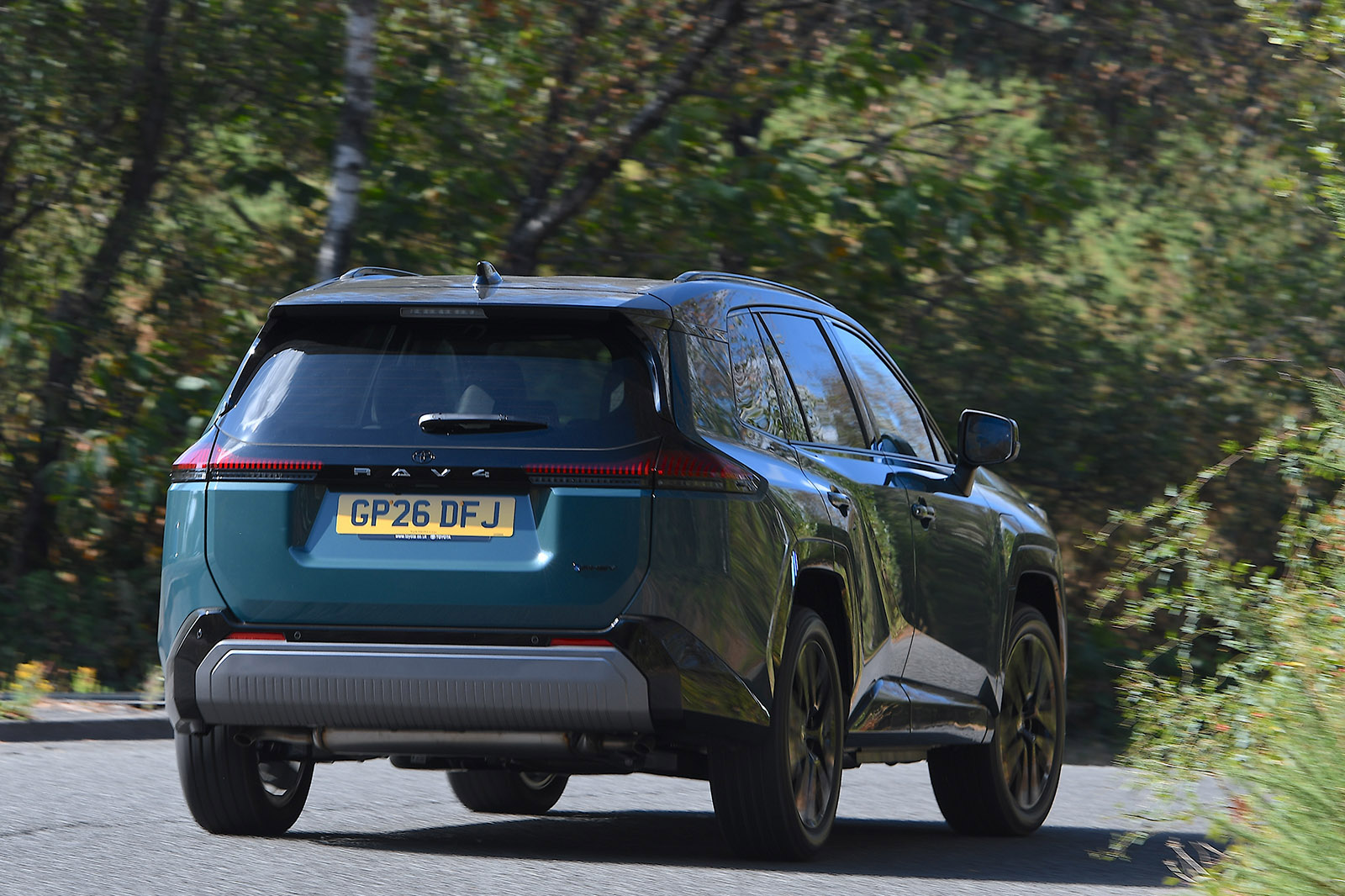
Riding on the same TNGA-K platform, the RAV4 retains the same dimensions as the outgoing car, measuring 4600mm long, 1860mm wide and 1680mm tall. However, Toyota claims to have made some improvements to the RAV4’s packaging.

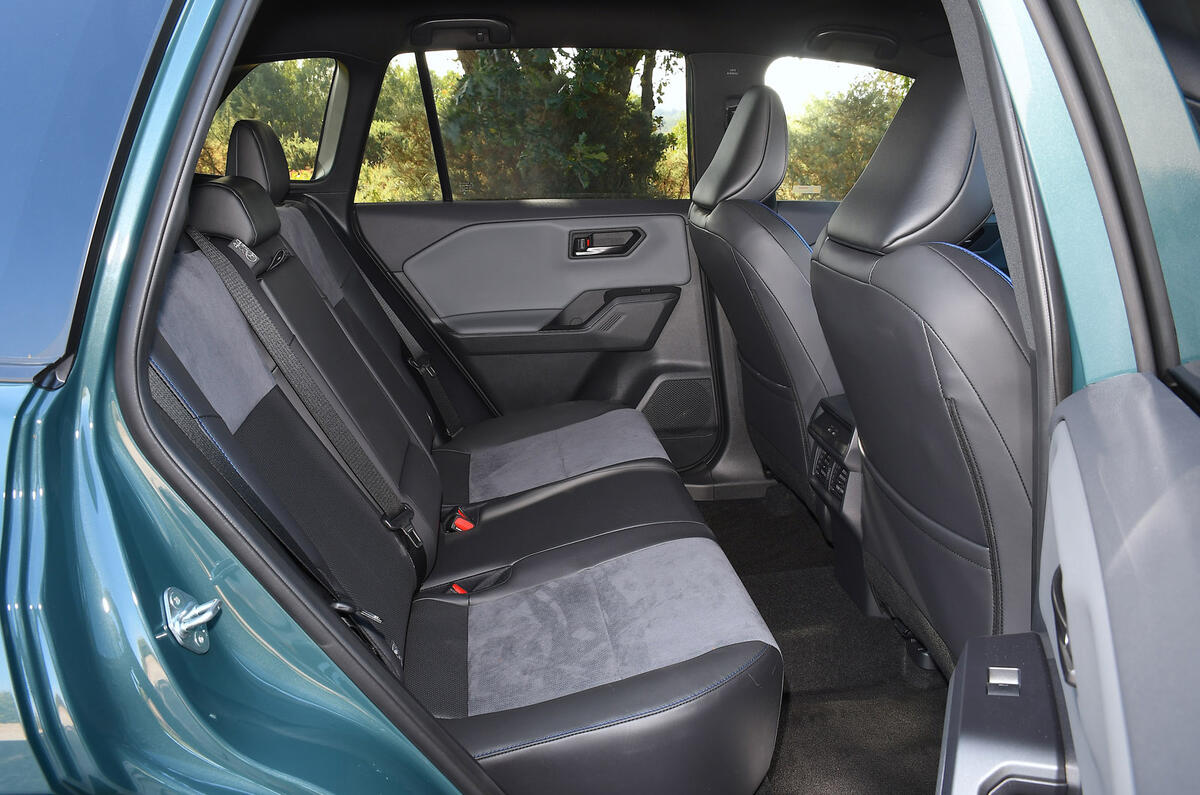
The rear seating area has been revised to increase boot space, while the battery has been relocated from the boot to the floor to lower the centre of gravity and increase body rigidity. 

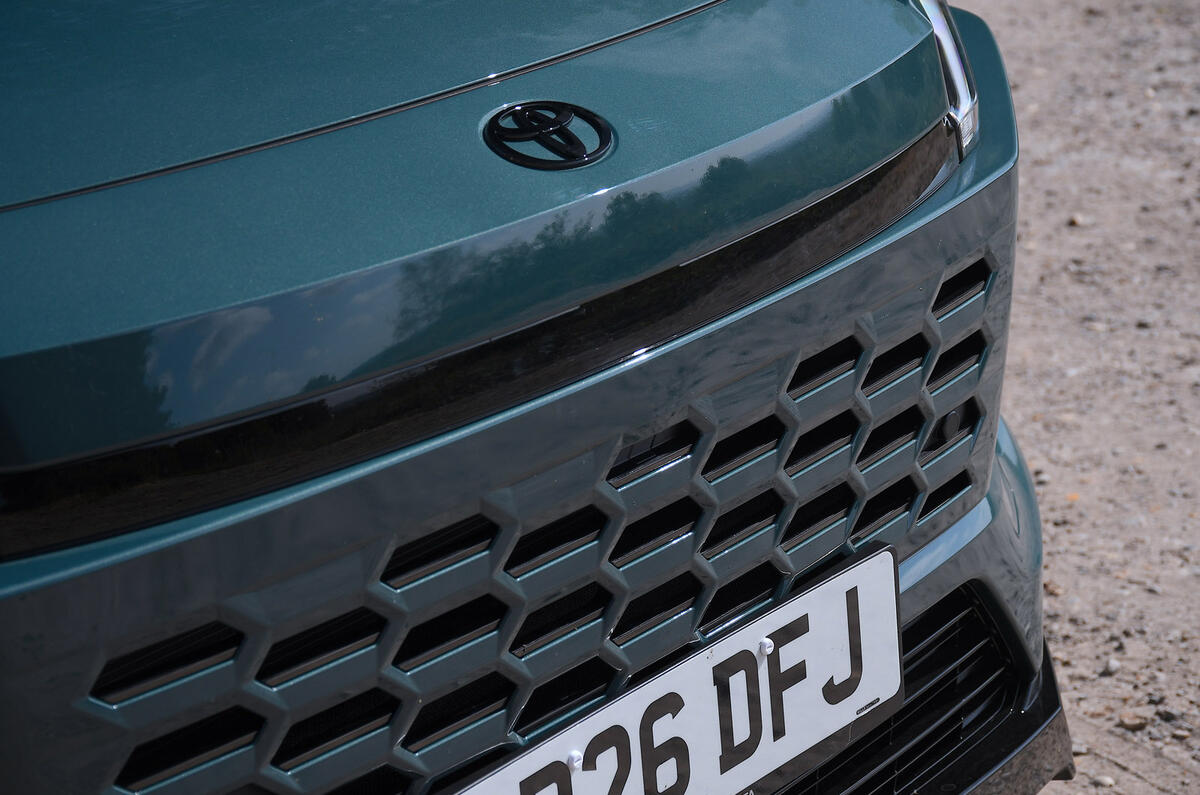
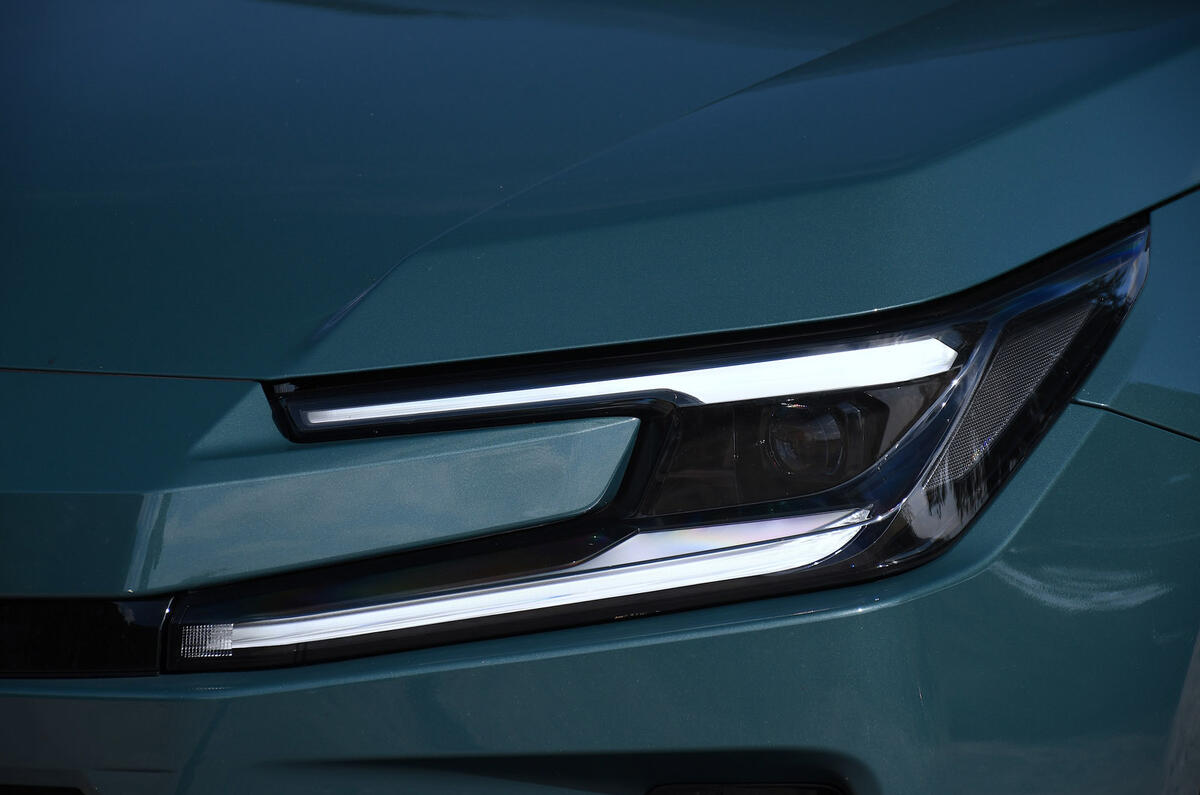
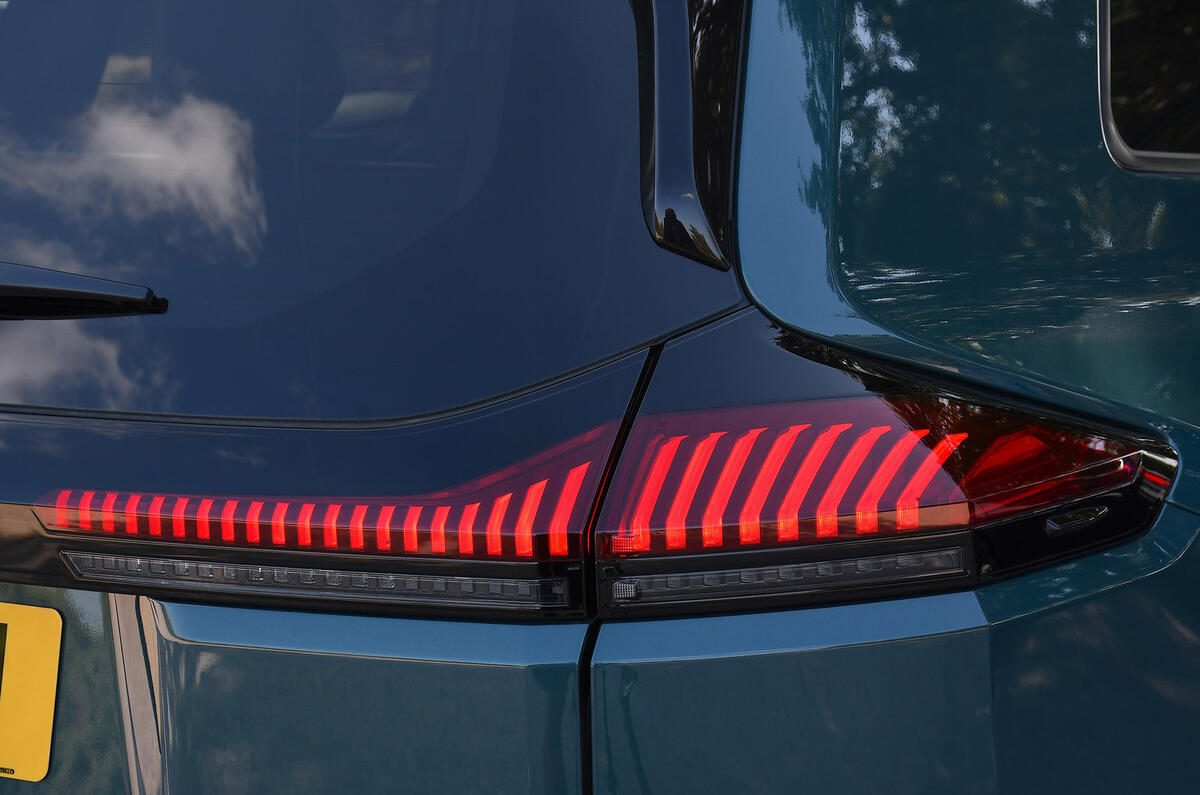
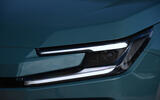
The front end has been restyled to align with Toyota's latest design language, the hexagonal mesh grille being the most notable new feature. It retains the rugged aesthetic of its predecessor but now leans more heavily on the chunky looks of the larger Land Cruiser 4x4. 

Icon is the base specification, featuring heated front seats and a heated steering wheel. Design adds 20in wheels and bi-tone paint. Excel introduces the option of four-wheel drive and gains leather upholstery and a head-up display. GR Sport then gets you lightweight 20in alloys (saving 2kg per wheel), a tuned chassis and dedicated GR styling elements on the grille, steering wheel and front seats.

INTERIOR

7
Toyota Rav4 review 2026 036

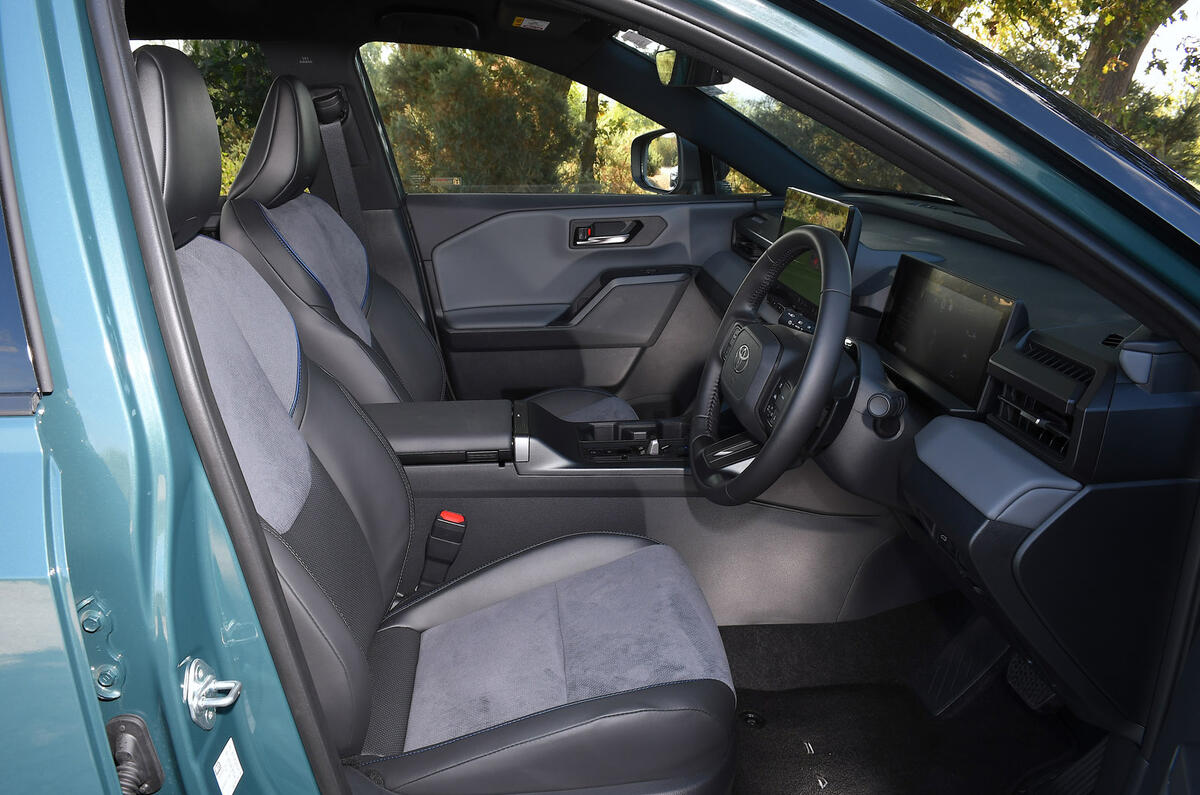
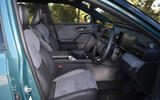
Clearly Toyota wants the RAV4 to be accessible and usable every day, as this theme continues when you step inside the cabin. 

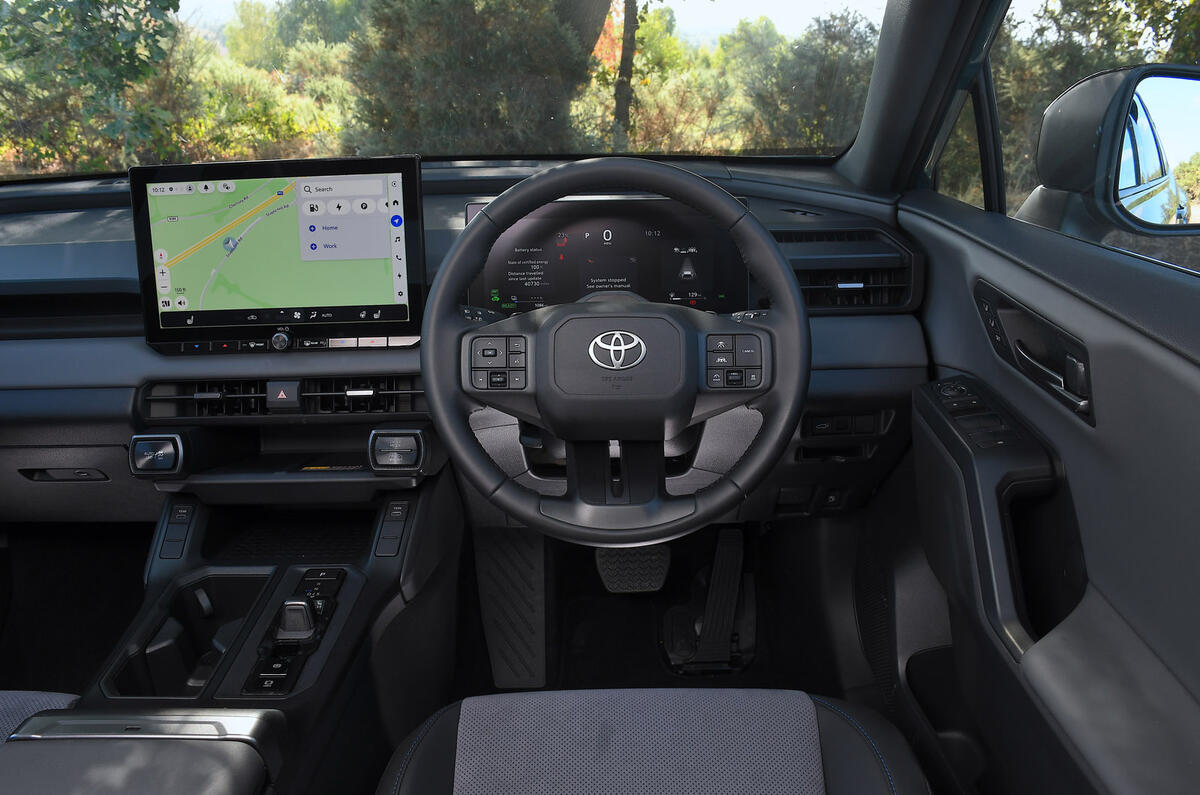
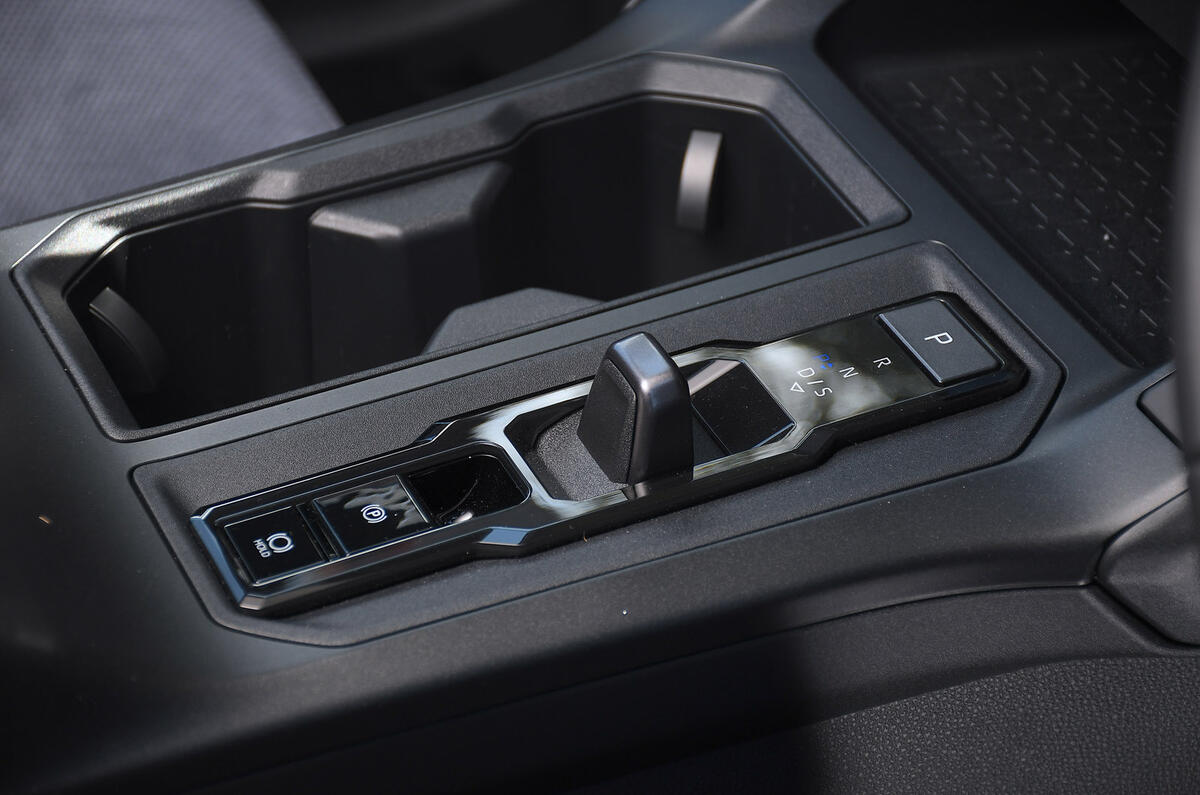
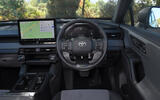
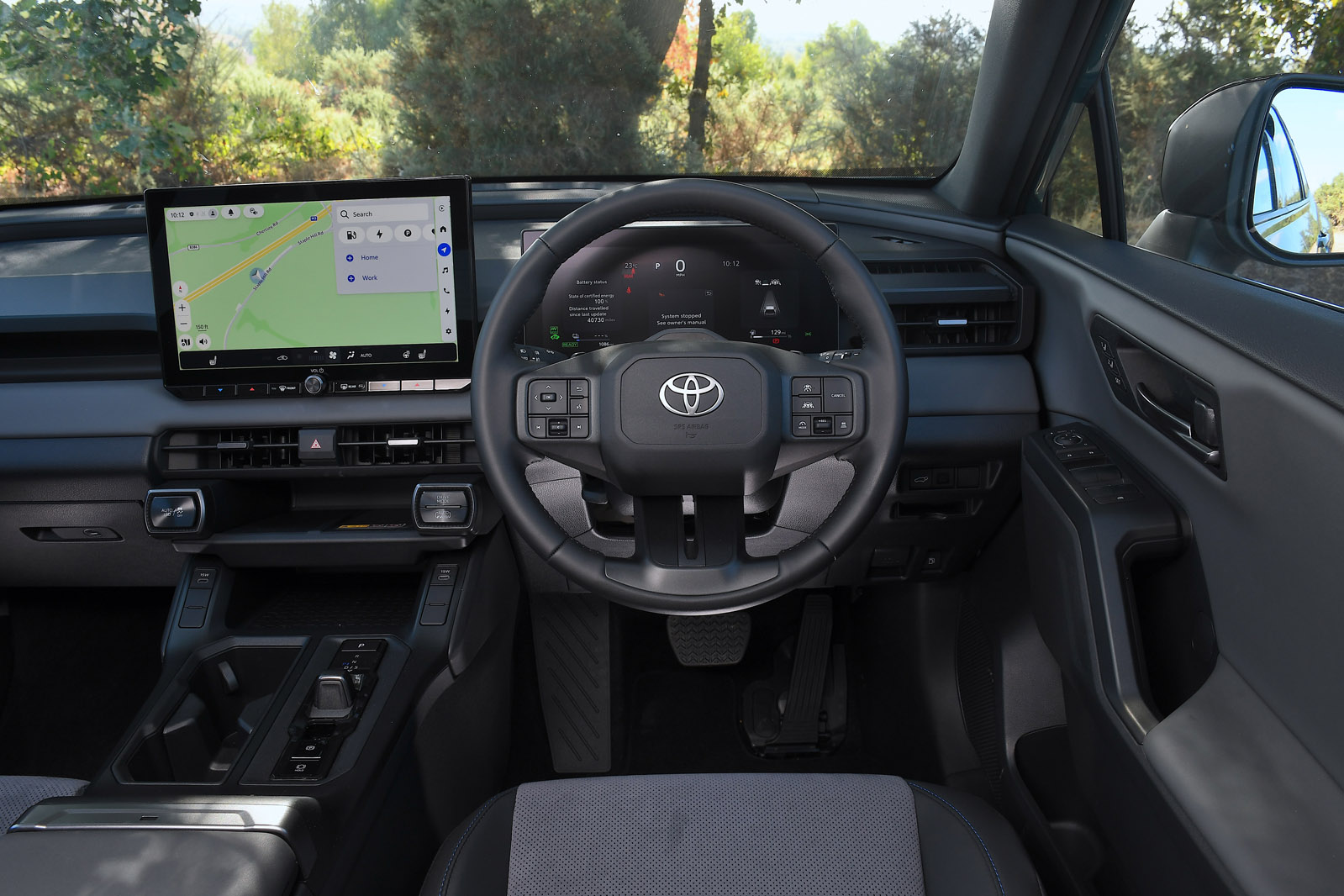
It's somewhat ordinary in appearance and perceived quality isn't particularly high, with lots of hard plastics covering the dash, doors and centre console. There's little upmarket appeal. Some fittings like the armrest lid feel flimsy, too, but overall the cabin strikes a good balance between robustness and usability.

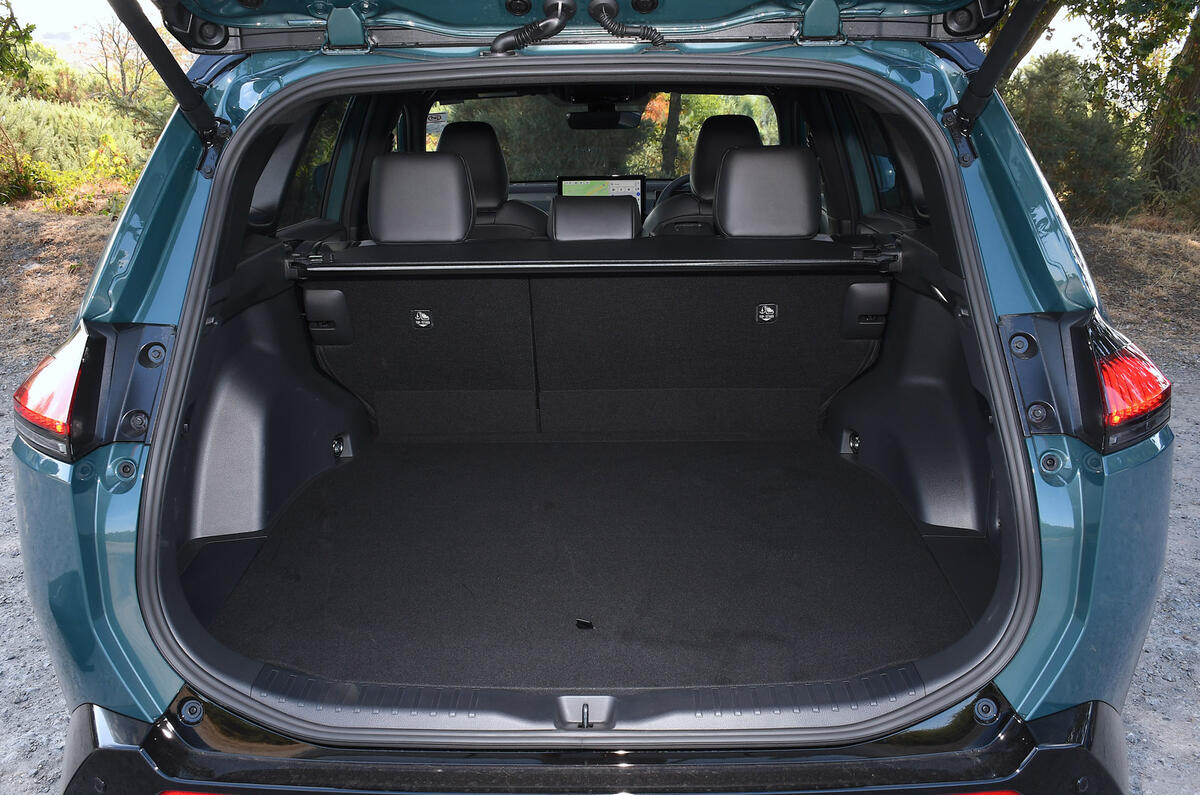
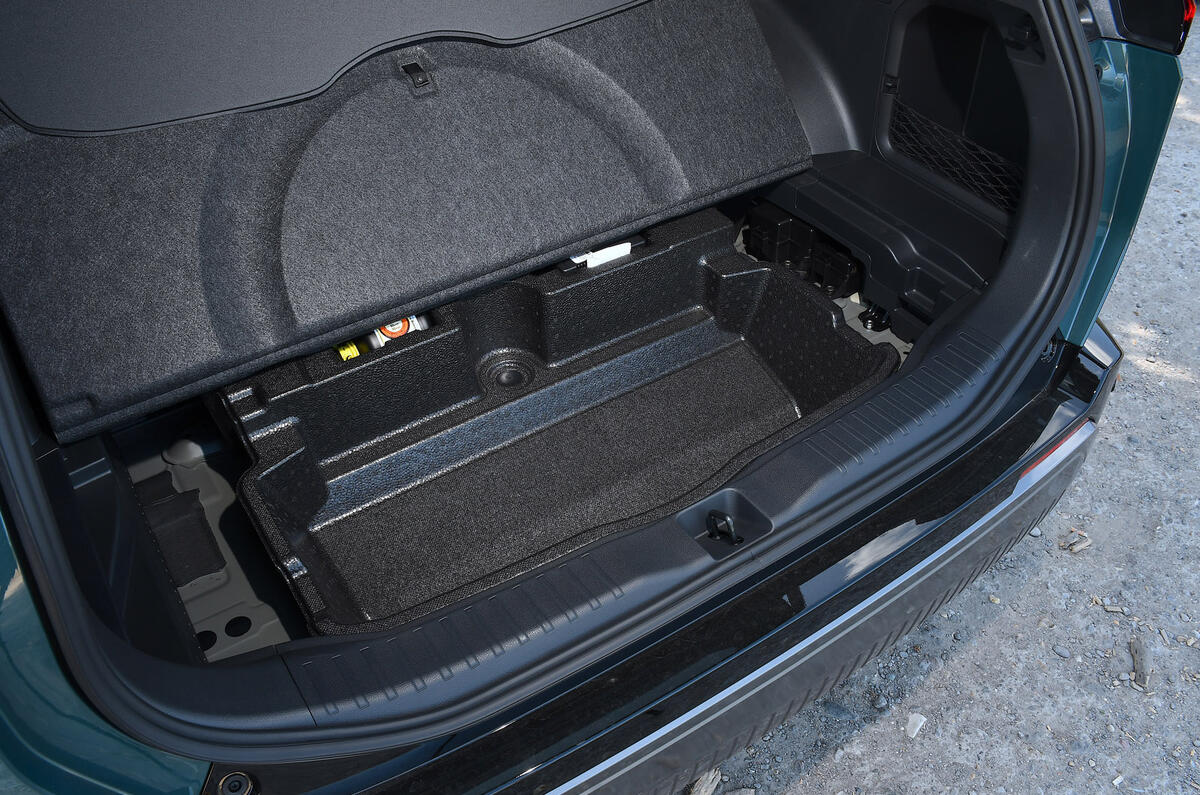
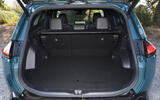
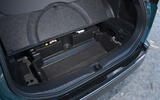
I'm a bit confused why there's still a slight loading lip when the battery has been moved out of the boot. The underfloor well is handy for storing charging cables, but it's a shame the floor isn't entirely flat.

This is a car that needs to withstand people, paws and paraphernalia, and mostly the cabin feels like it has been built to last.

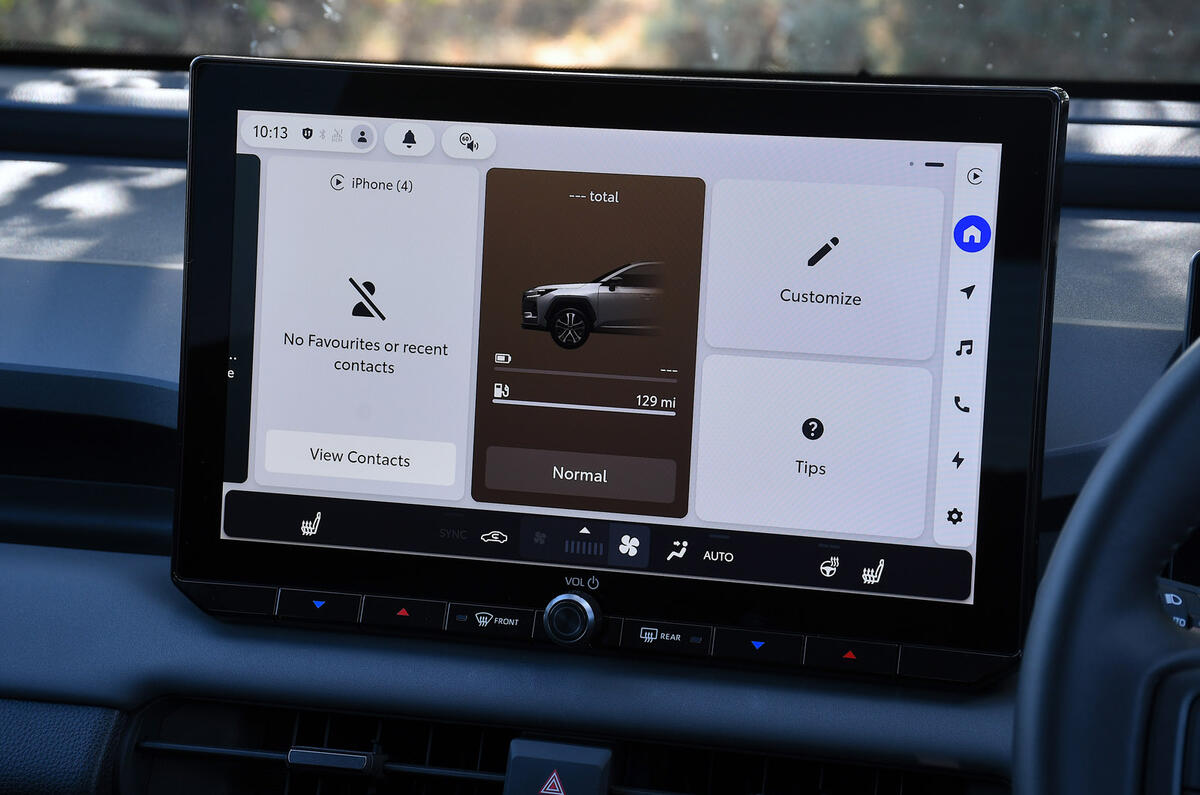
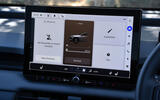
The new 12.9in touchscreen runs Toyota's latest infotainment software, which impresses with its quick responses, menu layout and general ease of use.

Turning off the ADAS via the screen is a welcome touch, but it's not without its quirks. The driver attention monitor is particularly infuriating, and made more annoying by its inability to be turned off while driving. 

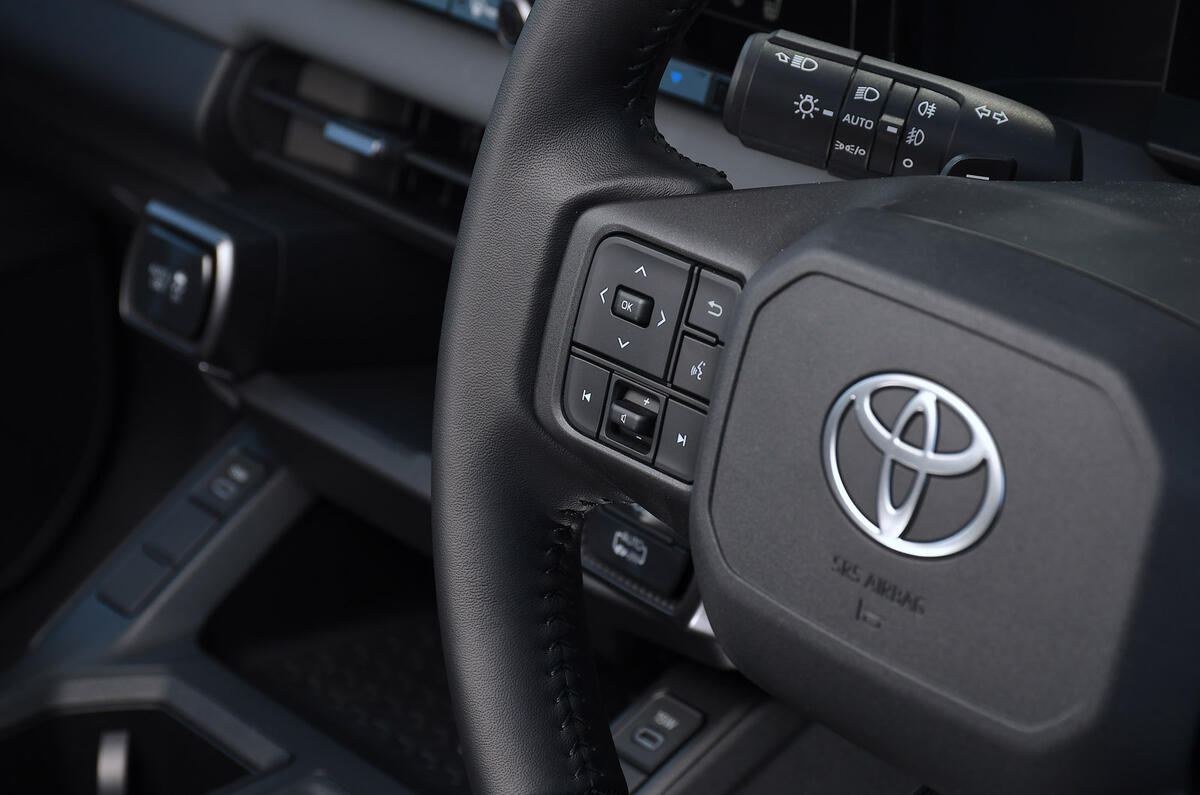
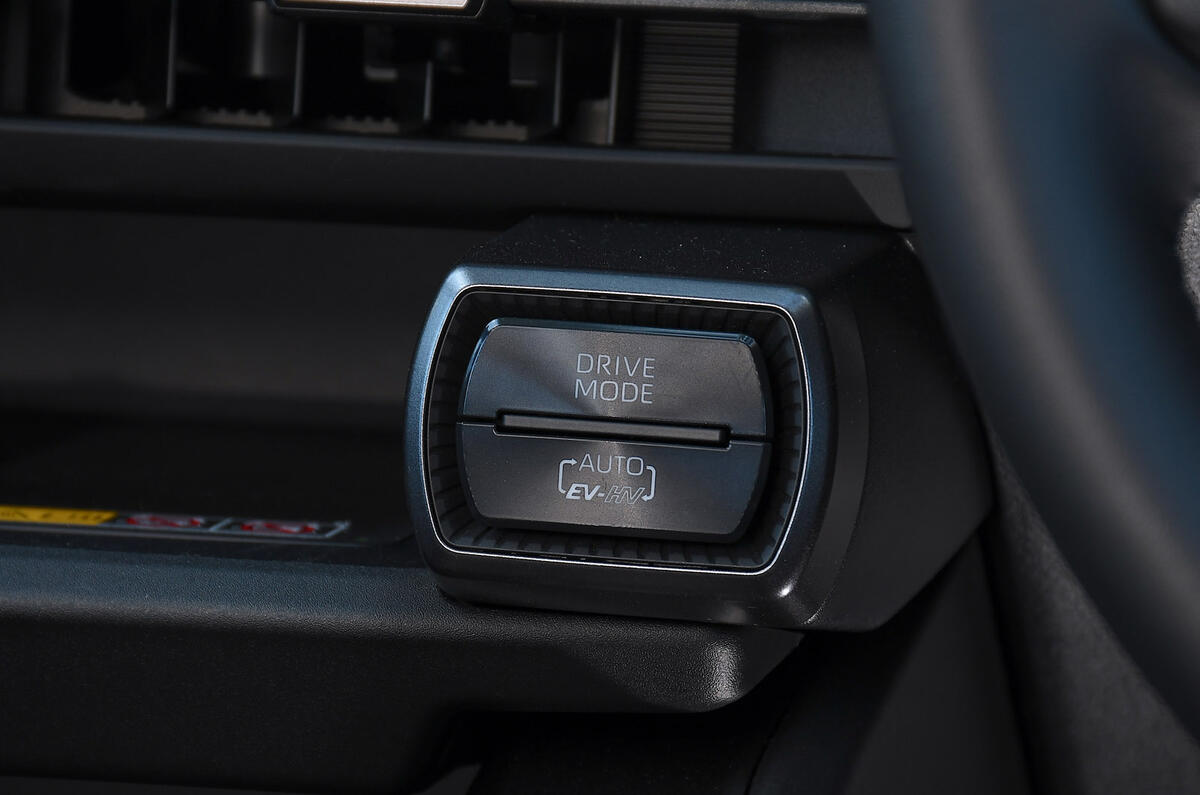
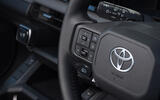
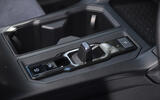
Pleasingly, there's some physical switchgear for secondary controls, such as the door mirrors and drive modes, and there’s a handy row of buttons for the climate control directly.

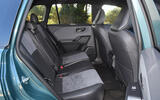
You won't hear any complaints from taller passengers in the back, thanks to spacious rear quarters. However, the 446-litre boot lags behind the Tiguan PHEV's, which has a capacity of up to 490 litres.

ENGINES & PERFORMANCE

7

This FWD car makes 268bhp for a claimed 7.5sec 0-62mph time. In EV mode, there's more than enough pep for nipping around town, but accelerate on a motorway slip road and it can feel slightly staid. 

With the motor and engine working in unison, the RAV4 feels punchier. Step-off from standstill is more responsive and roll-on acceleration is effortless, thanks to a healthy chunk of electric torque.

The e-CVT is generally refined, although it still suffers from at least some of the dreaded rubber-band effect. Keep your foot pinned and it gets pretty vocal when you ask for more power, but it never becomes excessively harsh, and it makes for an efficient cruiser. 

The 4WD car makes 305bhp and can officially cover the 0-62mph sprint in just under 6.0sec, but during our testing it felt quicker than its quoted figure. 

On the motorway, we could detect only a small amount of wind noise; road roar was kept well at bay. 

RIDE & HANDLING

7
Toyota Rav4 review 2026 048

Stick its nose into a corner and the RAV4 maintains good body control; it leans more willingly through faster bends, but it's composed for a tall family SUV.

While the steering is light and lacking in feedback, it's still precise and accurate, and it feels better judged than that of Chinese rivals like the Leapmotor C10.

It's easy to thread around town but lacks any real incisiveness to inspire confidence on a challenging B-road.

The ride is generally pliant and cushioned, ironing out pronounced lumps and bumps well. It can feel a touch unsettled on pockmarked rural back roads and there's a slight fidget to the ride at higher speeds on the motorway. 

You will also notice a bit of head toss at slower speeds around town, but overall it feels more supple and assured than the Tiguan. 

It's clear, then, that the RAV4 has been tuned to optimise comfort over driver appeal. 

The GR Sport version may not have any more power, but it does have bespoke suspension tuning. There's a high-performance front damper, a reinforced rear suspension brace and a dedicated suspension tune.

Compared with the regular RAV4, it's tightened to the point that it improves close body control but keeps the ride soft overall.

MPG & RUNNING COSTS

9
Toyota Rav4 review 2026 029

Hooked up to a 180kW rapid charger, our RAV4 took 40 minutes to charge from 0-80%, peaking just under its maximum DC charging speed of 50kW.

Charging at home using an 11kW AC device – which is twice as fast as the old PHEV supported – will take roughly three hours. 

Most people in the UK could conceivably do all their commute using just electric power.

Fully charged, my test car indicated an electric range of 74 miles – just four miles short of its quoted figure.

On a 95-mile round trip, the RAV4 proved to be very efficient. On the 47-mile outward leg, which included predominantly motorway driving, its trip computer indicated 3.7mpkWh, validating the full-battery range estimate. The remaining 37 miles of EV range soon ran dry on the return leg, with the RAV4 operating in standard hybrid mode.

On an empty battery, it typically returned around 50-55mpg, which isn't too bad for an SUV lugging a load of dead weight around.

VERDICT

8
Toyota Rav4 review 2026 052

It wasn’t that long ago when PHEVs with small batteries offered measly electric ranges and felt devoid of common sense. With little miles to cover on electric power, you would deplete the battery quickly then have to lug it around using a petrol engine.

But PHEVs have taken big strides in terms of electric range and efficiency, and the latest models have redefined what’s possible, promising an electric range that makes them far more usable both as a daily and an all-rounder. 

The FWD models are cheaper and more economical. Buy them rather than the 4WD models unless you'll be heading off road.

Indeed, there’s plenty of choice, but the likeable new RAV4 has all the credentials to challenge the PHEV SUV elite. 

Yes, the interior is a bit plain and lacking in material richness and it could be more exciting to drive. However, with its strong real-world economy, generous cabin space, long-distance comfort and everyday usability, it presents a compelling case for any family car buyer looking to lower their running costs.

Sam Phillips

Sam Phillips
Title: Senior Staff Writer

Sam joined the Autocar team in summer 2024 and has been a contributor since 2021. He is tasked with writing used reviews and first drives as well as updating top 10s and evergreen content on the Autocar website. 

He previously led sister-title Move Electric, which covers the entire spectrum of electric vehicles, from cars to boats – and even trucks. He is an expert in new car news, used cars, electric cars, microbility, classic cars and motorsport. 
Sam graduated from Nottingham Trent University in 2021 with a BA in Journalism. In his final year he produced an in-depth feature on the automotive industry’s transition to electric cars and interviewed a number of leading experts to assess our readiness for the impending ban on the sale of petrol and diesel cars.