Currently reading: Top 10: Most important aircraft of the Vietnam War

Top 10: Most important aircraft of the Vietnam War

The Vietnam War was a vast calamity that cost millions of lives.

In the chaos of the air war, MiGs and Phantom fighters duelled for supremacy, while B-52 bombers and other types smashed vast areas to pieces; more bombs were dropped than in the entire Second World War. The dense jungle and mountains made air mobility vital, and helicopter transport, notably the ‘Huey’, came of age. Amid the napalm and jet noise, a new form of air warfare was born. Here are the Most Important Aircraft of the Vietnam War.


10: Douglas A-4 Skyhawk
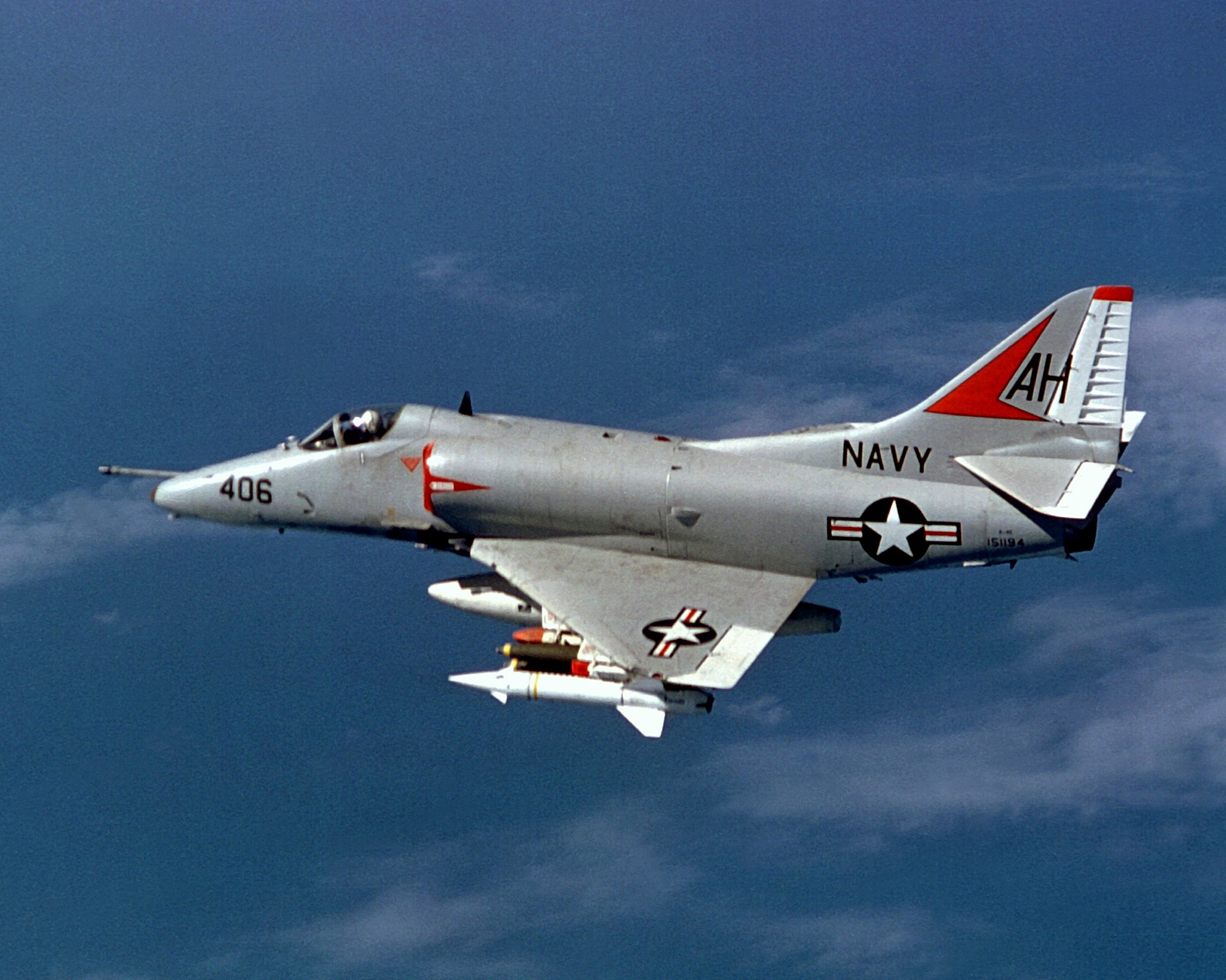
 Douglas A-4 Skyhawk

The A-4 Skyhawk was designed by Ed Heinemann, a legendary aircraft designer at Douglas Aircraft Company. The plucky Douglas A-4 Skyhawk bucked the trend of ever larger combat aircraft and proved capable of punching far above its weight.  The A-4 Skyhawk was a carrier-capable attack aircraft that became a core part of US Navy and Marine Corps air operations in Vietnam.

Though lightweight, the A-4 could carry a relatively large payload of bombs, rockets, and guided missiles. It was used in a wide range of missions, including close air support, interdiction, and strike operations. It demonstrated exceptional versatility, reliability and toughness.


10: Douglas A-4 Skyhawk
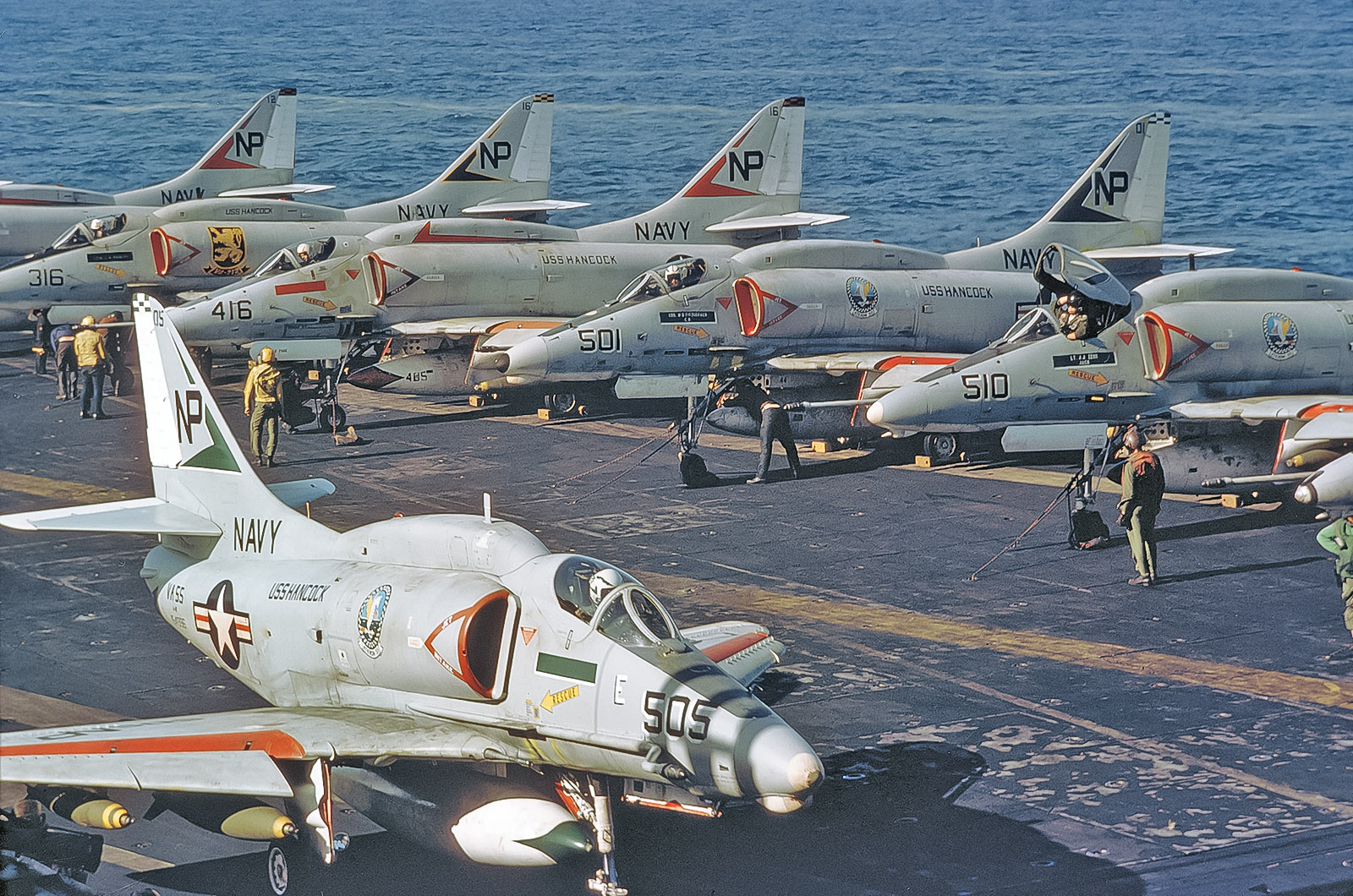
 Douglas A-4 Skyhawk

The Skyhawk was also used in dangerous suppression of enemy air defence (SEAD) missions, attacking radar and missile sites. Its compact design made it harder to detect and target. Pilots appreciated its excellent agility, especially when flying low or evading groundfire or fighters.

The A-4's reputation for toughness, ease of maintenance, and flexibility made it one of the most valuable aircraft of the war. The Skyhawk's performance proved that a simple, well-designed aircraft could make a huge impact. Another carrier aircraft worthy of mention is the A-6 Intruder attack aircraft.


9: Boeing B-52 Stratofortress
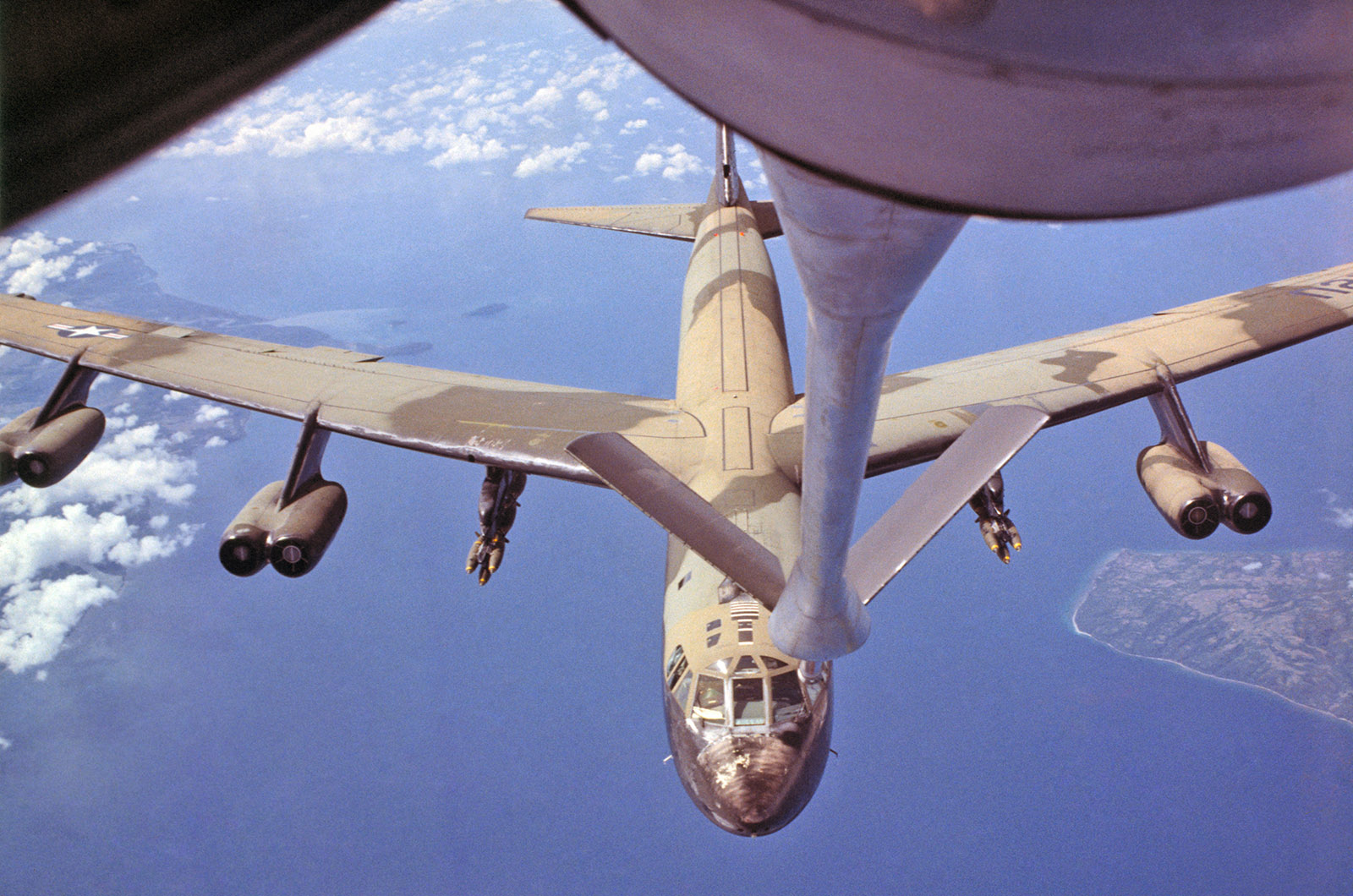
 Boeing B-52 Stratofortress

The Boeing B-52 Stratofortress was (and remains) an eight-engine heavy bomber used by the US Air Force. These bombers conducted massive carpet-bombing missions targeting North Vietnamese bases, supply lines, and troop concentrations, leveraging their long-range and heavy payload capacity.

The B-52’s massive bombload made them central to campaigns like Operation Rolling Thunder. Their high altitude and heavy armour allowed them to survive intense anti-aircraft fire, though 31 B-52s were still lost to surface-to-air missiles, enemy fighters, and accidents during the war.


9: Boeing B-52 Stratofortress
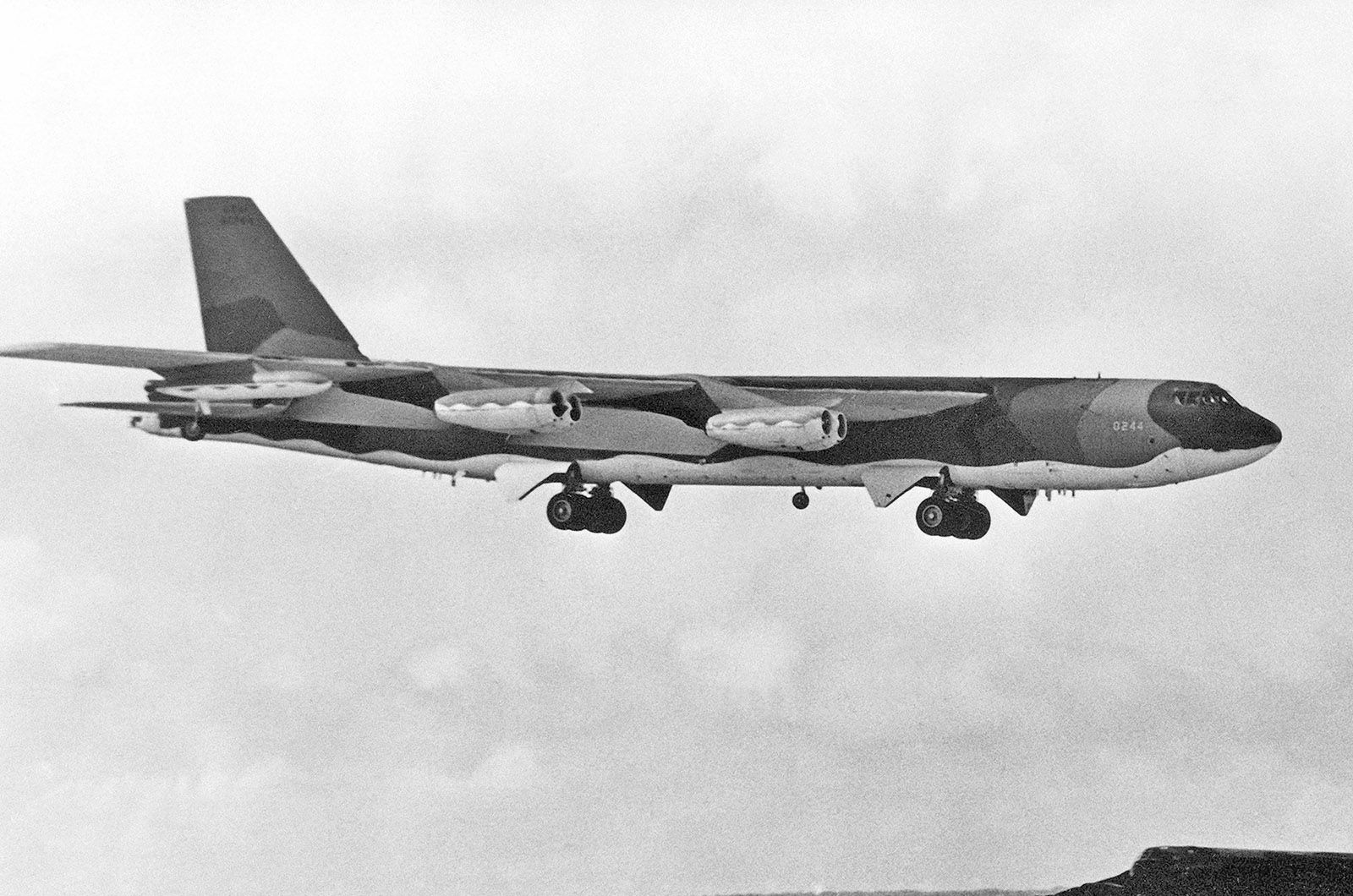
 Boeing B-52 Stratofortress

Back to top

The controversial B-52 bombings caused widespread devastation. Entire villages were destroyed, forests flattened, and civilian casualties were tragically high. The relentless bombing campaigns left deep physical and psychological scars across Vietnam, demonstrating the immense destructive power of aerial warfare.

The B-52’s excellent survivability had much to do with the experience Boeing gained in developing, building, and studying the combat performance of the B-17 Flying Fortress and B-29 Superfortress bombers during the Second World War. Despite design work beginning in the 1940s, the B-52 remains in operational service today. 76 still operate, and are scheduled to operate until the 2050s.


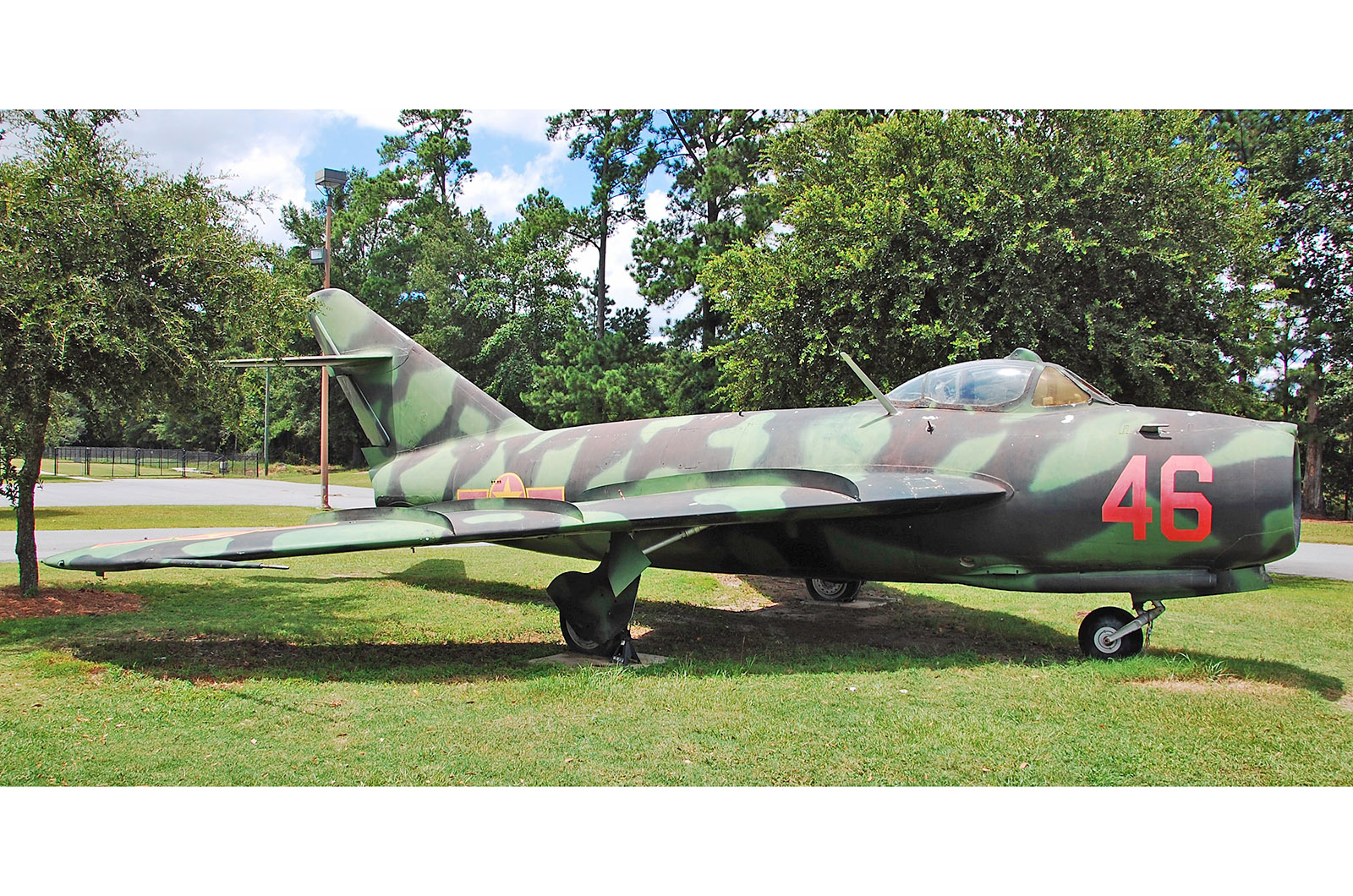
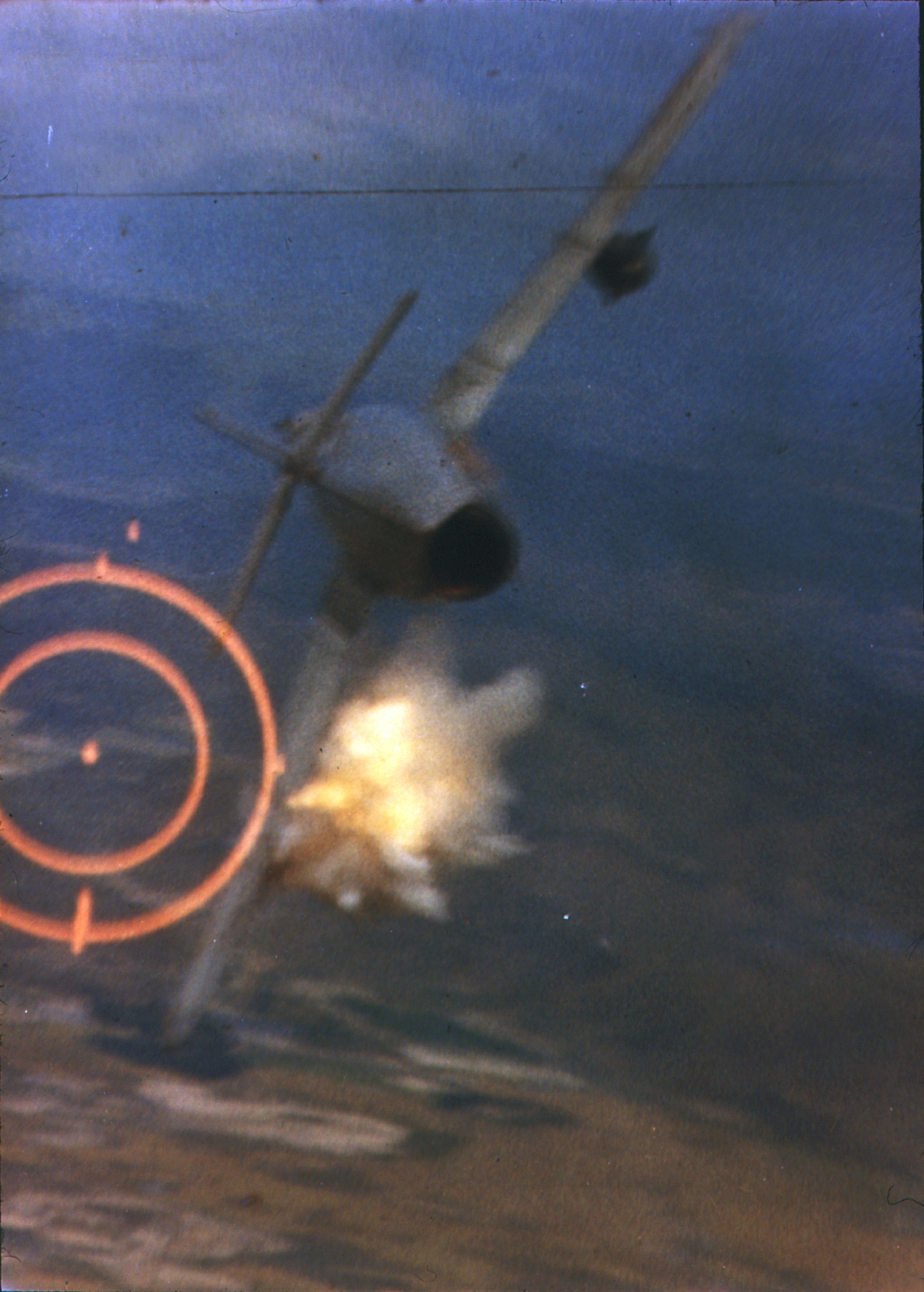
8: Mikoyan-Gurevich MiG-17' Fresco'

 Mikoyan-Gurevich MiG-17' Fresco'

The Mikoyan-Gurevich MiG-17 was a Soviet fighter introduced in the early 1950s, further improving and rectifying the excellent, but flawed, MiG-15. The MiG-17 featured an afterburner, refined aerodynamics, including a new wing with greater sweep, which enhanced speed and climb performance compared to its predecessor.

Though slower than US aircraft like the F-4 and F-105, the MiG-17 enjoyed exceptional manoeuvrability and a high turn rate. This allowed it to outturn American fighters, making it very effective in close-range dogfights against faster but less agile opponents.


8: Mikoyan-Gurevich MiG-17

 Mikoyan-Gurevich MiG-17

The MiG-17's armament typically included one powerful 37mm- and two 23mm cannons, delivering astonishing firepower. North Vietnamese pilots used the MiG-17's agility and heavy guns to ambush and engage larger US aircraft, taking advantage of surprise and terrain for hit-and-run attacks.

During the Vietnam War, the MiG-17 scored about 87 confirmed kills (though this is much debated). Its success showed that agility and manoeuvrability could challenge newer, higher technology jets like the F-4 Phantom. Despite being older, the MiG-17 remained a persistent threat.


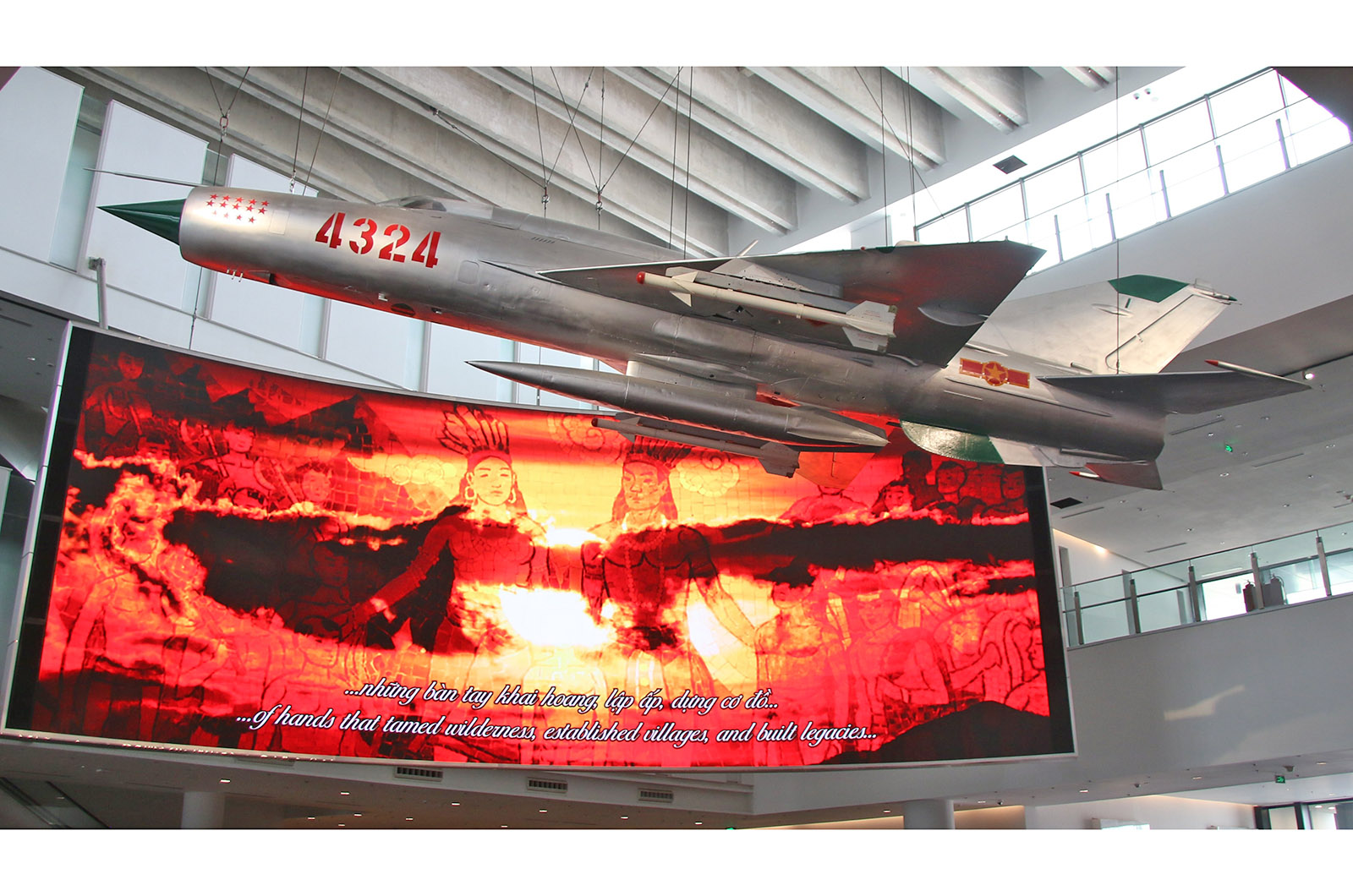
7: Mikoyan-Gurevich MiG-21' Fishbed'

 Mikoyan-Gurevich MiG-21' Fishbed'

The Mikoyan-Gurevich MiG-21 was a Soviet supersonic jet fighter introduced in the late 1950s. With its tailed-delta configuration and powerful engine, it could reach Mach 2 (twice the speed of sound). Made in vast numbers, the MiG-21 was the most widely exported fighter of the Cold War.

Back to top

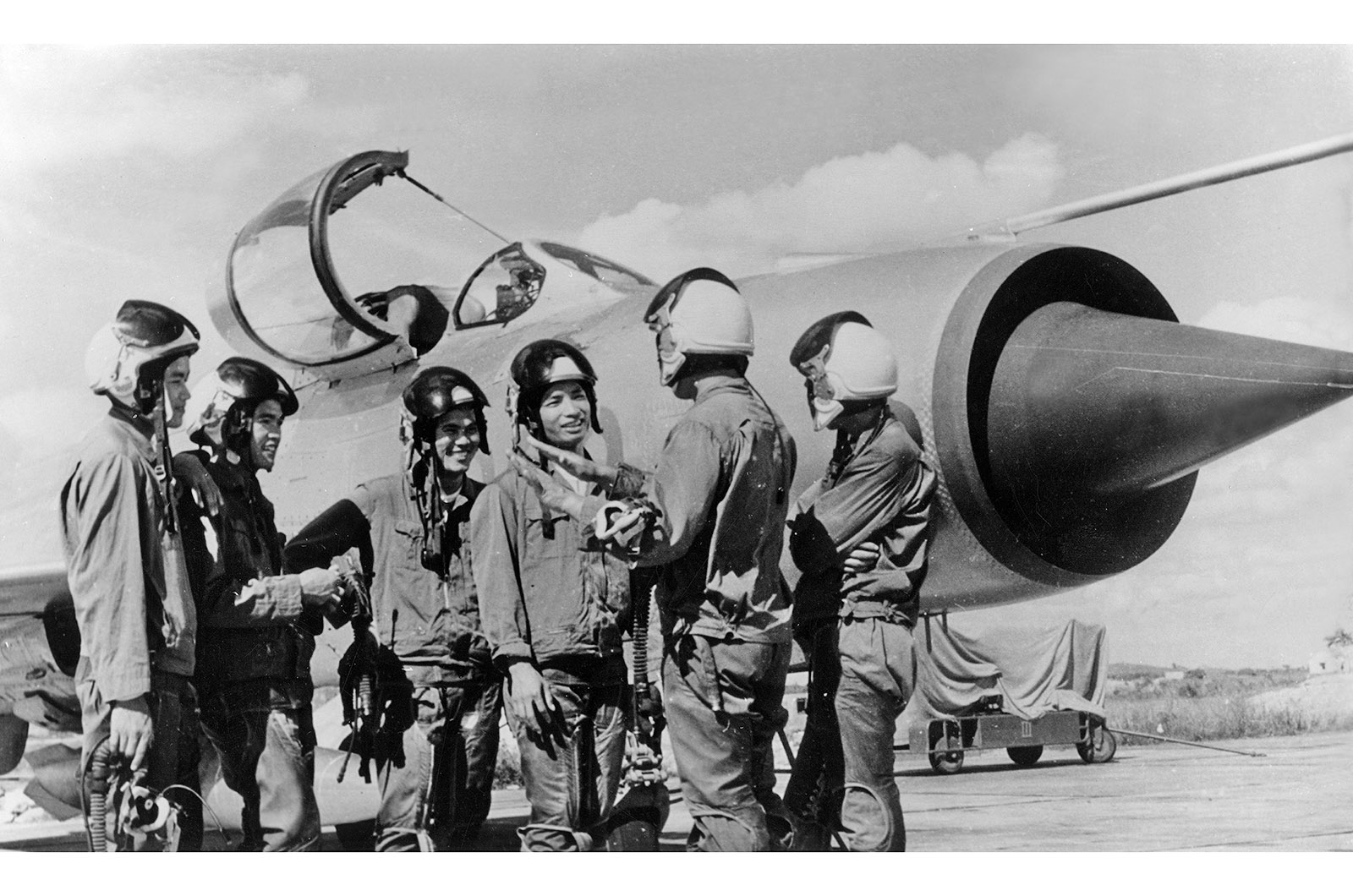
In the Vietnam War, the MiG-21 was vital for the North Vietnamese Air Force (NVAF). It challenged American air superiority by serving as a fast, agile interceptor and was used with effective hit-and-run tactics. Its small size and speed made it hard to detect and counter.


7: Mikoyan-Gurevich MiG-21' Fishbed'

 Mikoyan-Gurevich MiG-21' Fishbed'

In air combat, the MiG-21 achieved notable victories over US planes like the F-4 Phantom. NVAF pilots relied on a combination of ground-controlled Soviet-style interception, surprise attacks, and local terrain knowledge. The MiG-21 played a key role in air defence, often using small formations and ambush tactics to shoot down enemy aircraft.

Vietnamese MiG-21s are credited with about 103 confirmed aerial kills (though kill claims from both sides are disputed), mainly against US fighters such as the F-4 Phantom II, F-105 Thunderchief, F-8 Crusader, and A-4 Skyhawk. The MiG-21 was an effective interceptor, flown by aces that included Nguyễn Văn Cốc with nine kills.


6: North American RA-5C Vigilante

 North American RA-5C Vigilante

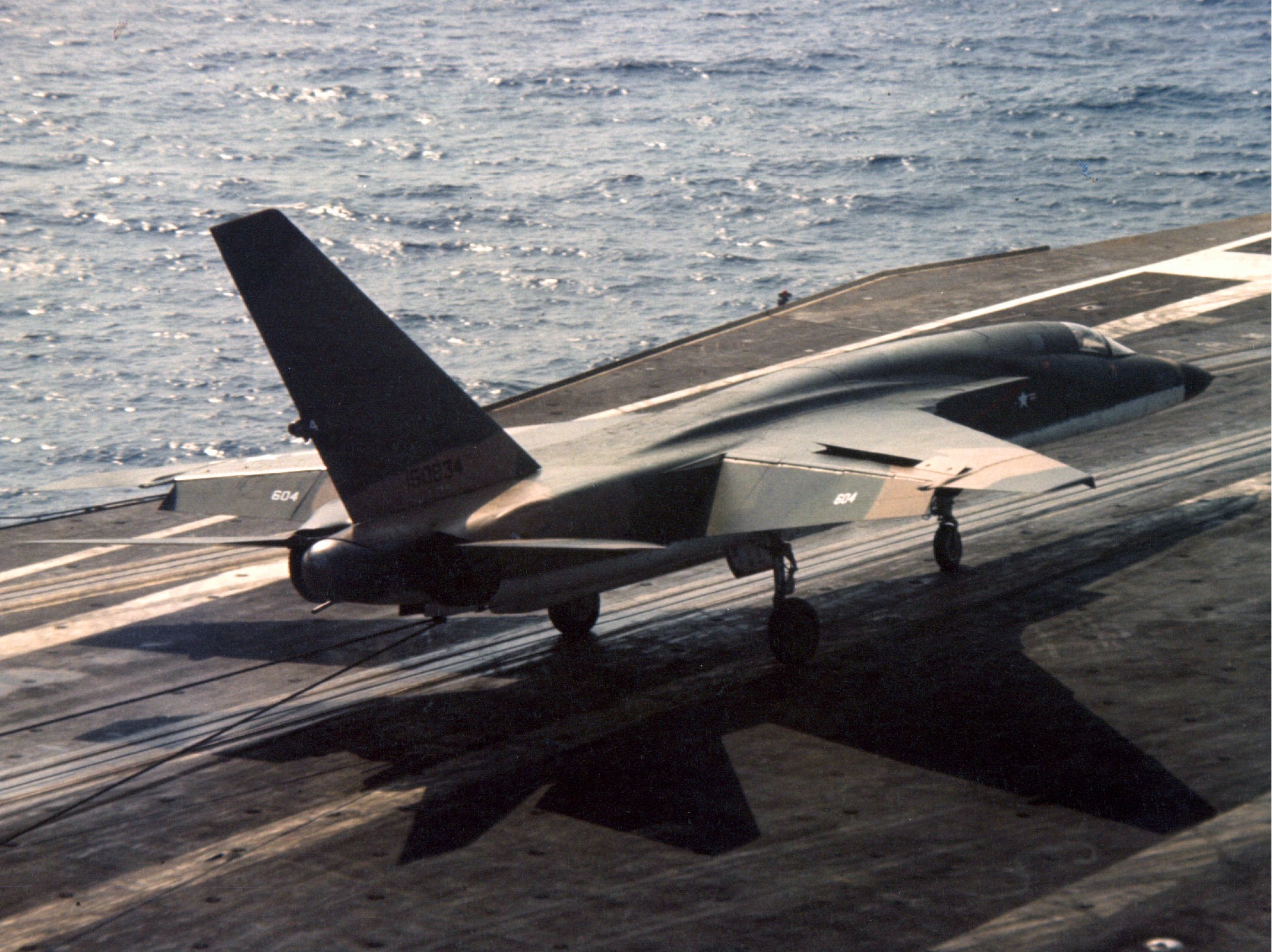
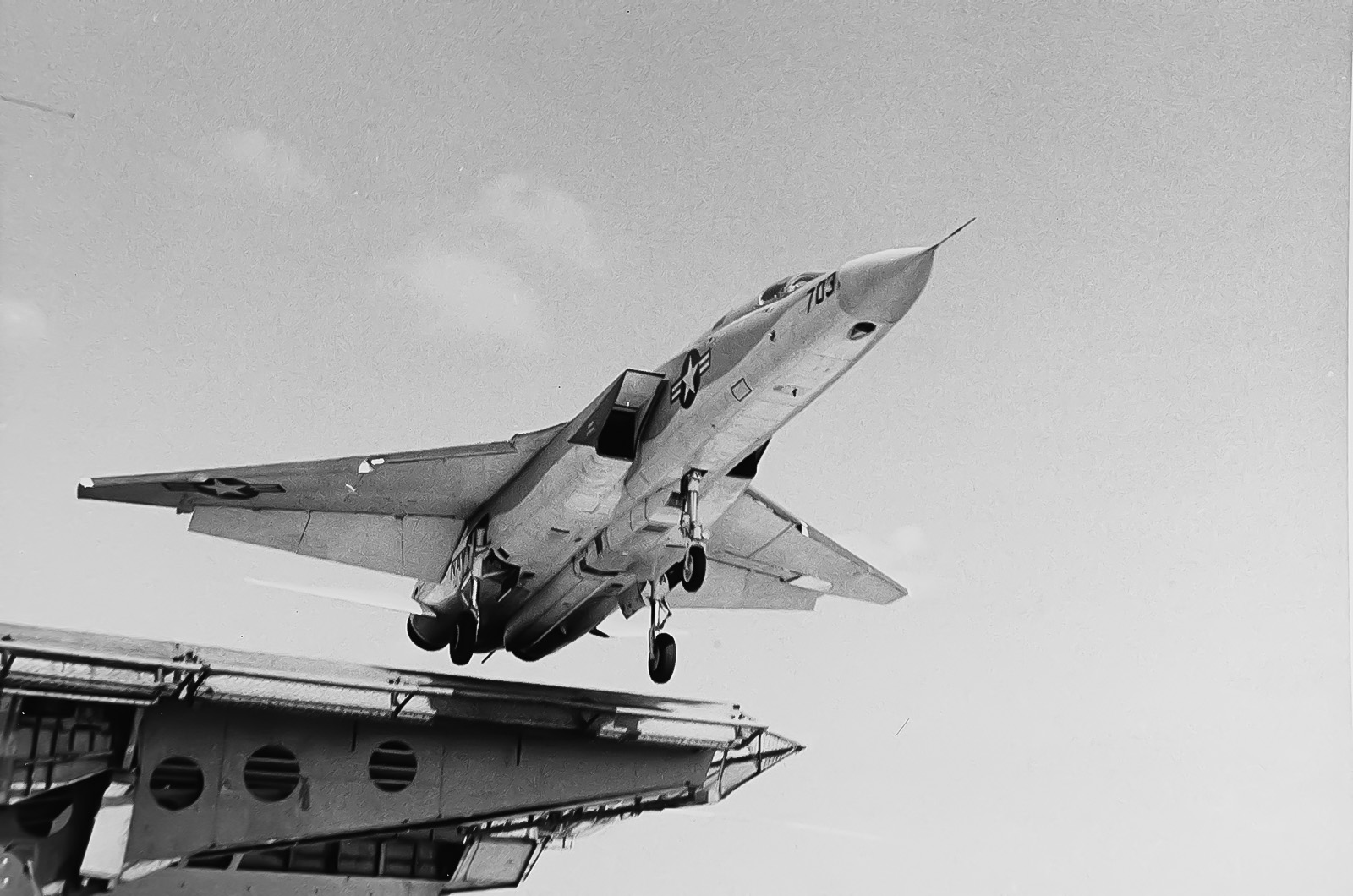
The beautiful North American A-5 Vigilante, originally designed as a supersonic nuclear bomber for the US Navy, became a vital asset in the Vietnam War as a fast, reconnaissance aircraft. Re-designated the RA-5C, it carried advanced sensors and cameras, offering unparalleled intelligence gathering on enemy positions deep inside hostile territory.

Its role in post-strike and pre-strike reconnaissance made it one of the most essential assets in planning and evaluating air missions. Vigilante crews flew dangerous missions at high speeds over North Vietnam's most heavily defended areas. Their intelligence often determined target accuracy, mission success, and pilot survival for strike packages.


6: North American A-5 Vigilante

 North American A-5 Vigilante

The Vigilante's blistering performance—Mach 2+ speed, high altitude capability, and excellent acceleration—allowed it to outrun most threats. Its sleek design and afterburning twin engines gave it both range and speed. Despite its superiority, it had a relatively high loss rates, but much of this was due to the nature of its mission and tactics.

Back to top

Yet its contributions to battlefield awareness, strike effectiveness, and overall air campaign planning made it one of the most strategically significant aircraft of the entire war, despite it having performed fewer sorties than aircraft like the A-6.


5: Lockheed AC-130 Spectre (and other fixed-wing gunships and transports)

 Lockheed AC-130 Spectre (and other fixed-wing gunships and transports)

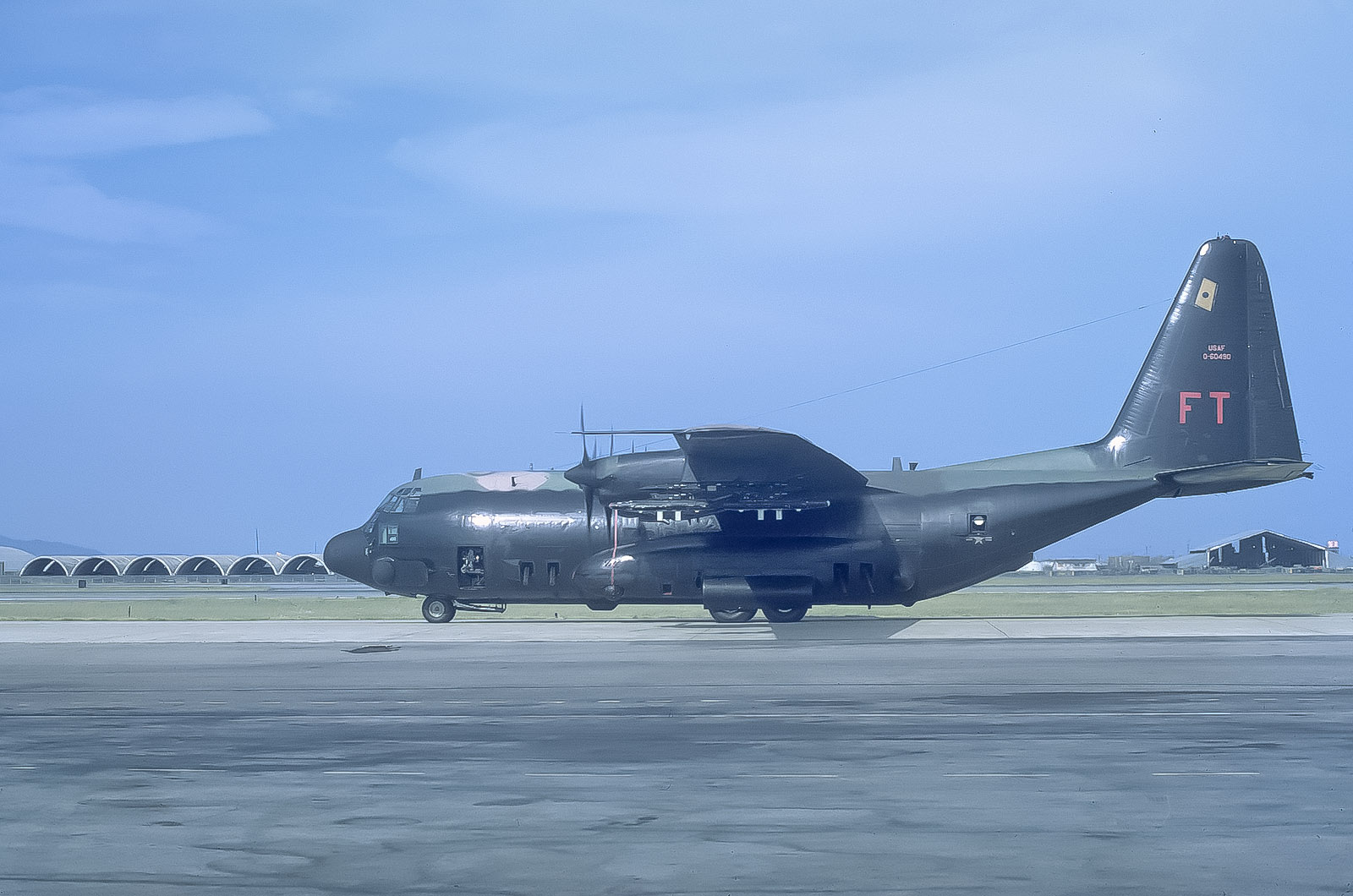
Before the AC-130, earlier gunships like the AC-47 "Spooky" and AC-119 (see next image) provided valuable fire support, but lacked the range, firepower, and advanced targeting systems needed for evolving battlefield demands. The AC-130 was a modified C-130 Hercules developed to deliver greater precision and destructiveness during nighttime operations over dense Vietnamese terrain.

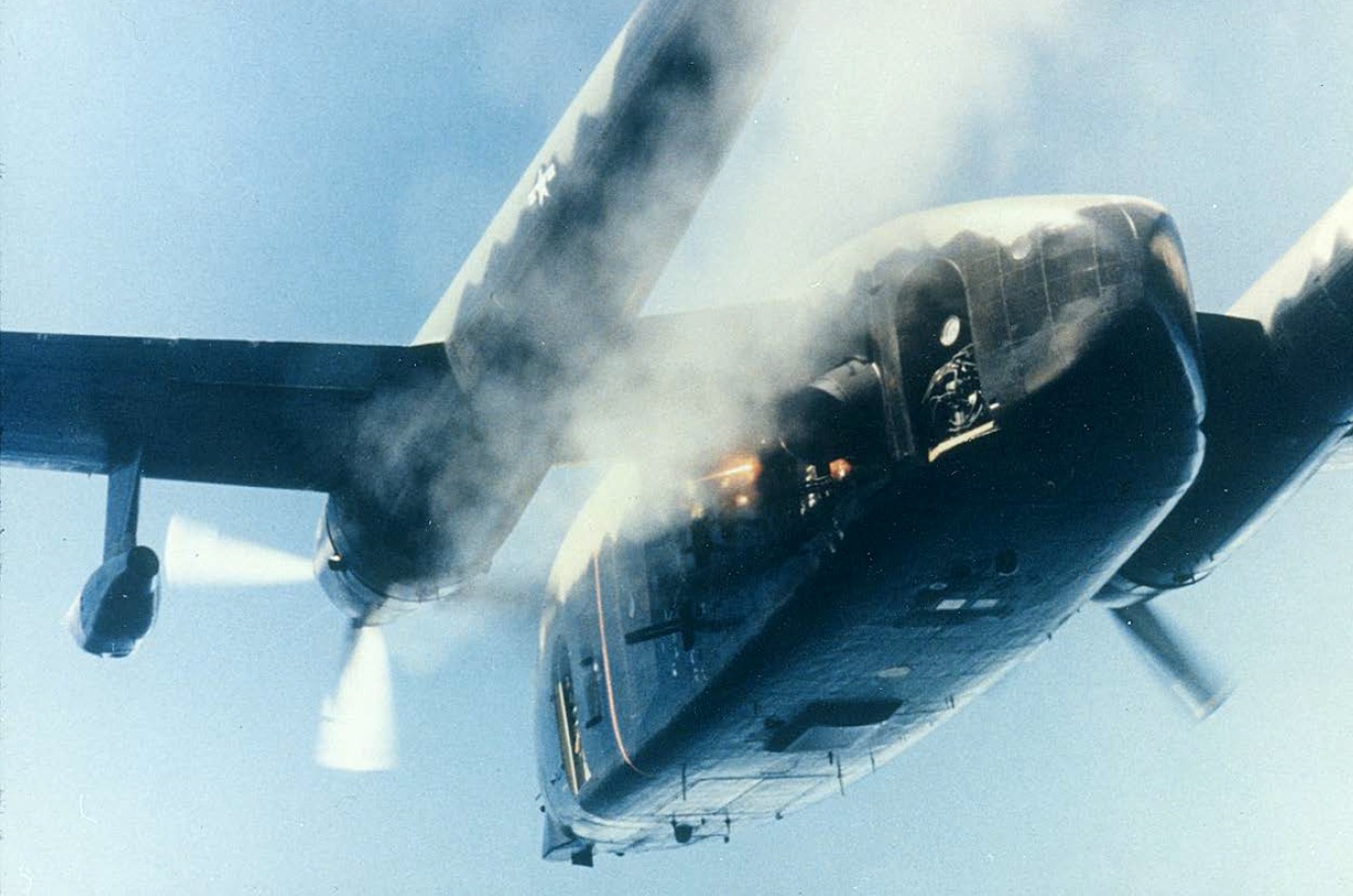
Equipped with a ferocious arsenal of massive side-firing guns and sensors, the AC-130 could orbit a target and deliver sustained, pinpoint fire. Its awe-inspiring ability to loiter for hours and strike with terrifying accuracy made it exceptional for protecting outposts, interdicting supply routes, and supporting troops in contact—all crucial in Vietnam's unconventional warfare.


5: Lockheed AC-130 Spectre (and other gunships and transports)

 Lockheed AC-130 Spectre (and other gunships and transports)

Building on the success of the AC-47 and AC-119 (pictured here), the AC-130 was far more potent. Infrared sensors, low-light TV cameras, and fire control computers gave it an edge in night operations. It identified and eliminated enemy convoys on the Ho Chi Minh Trail, a key supply route.

The AC-130’s overwhelming firepower and near-constant night presence made it feared by enemy forces. As a transport aircraft, the C-130 Hercules was also essential. Other important aircraft in this class included the Lockheed C-141 Starlifter and the Fairchild C-123 Provider, which supported logistics and troop movement throughout the war.


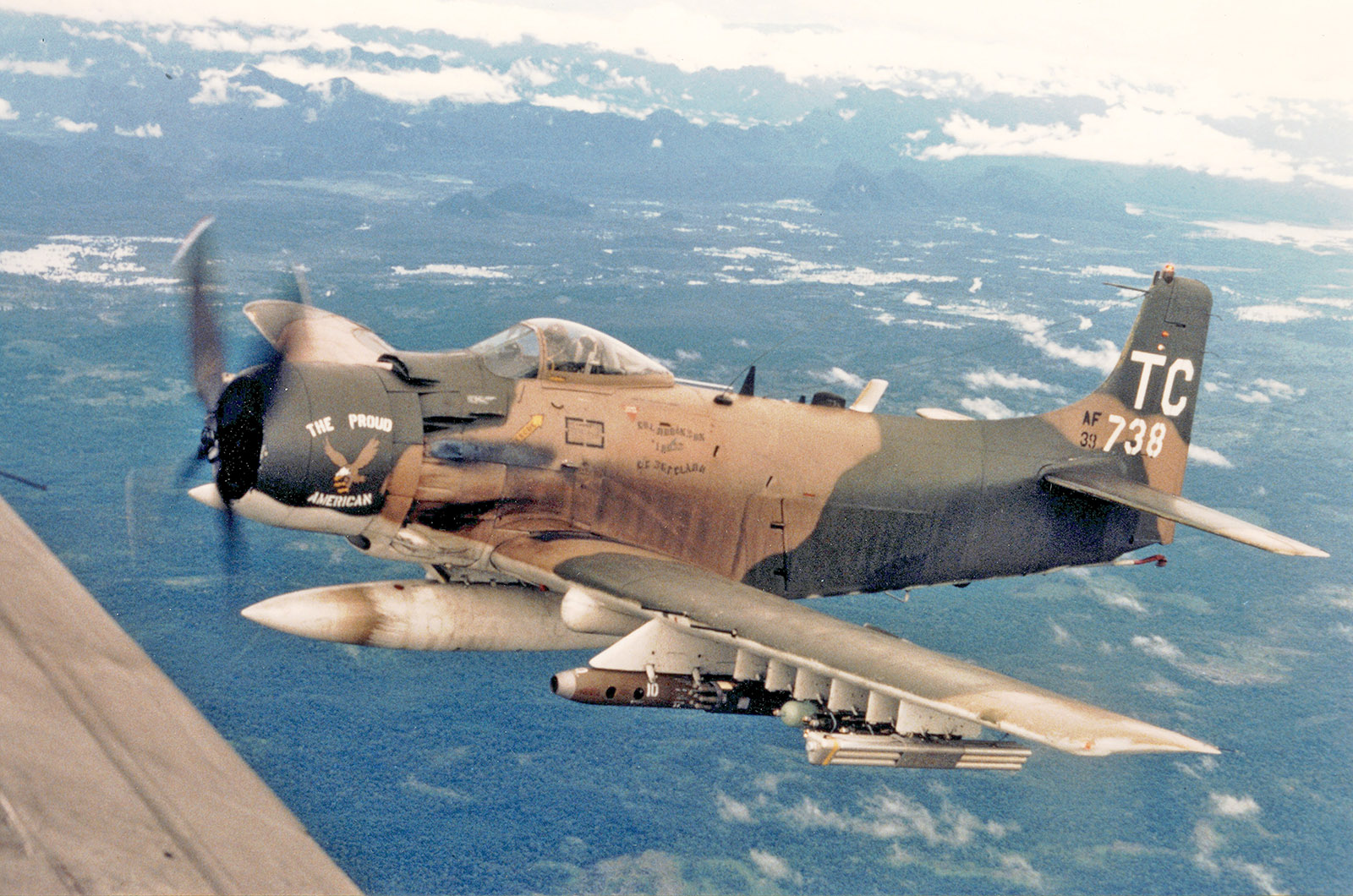
4: Douglas A-1 Skyraider/ O-1 Bird Dog and O-2 Skymaster

 Douglas A-1 Skyraider/ O-1 Bird Dog and O-2 Skymaster

The Skyraider was essential in Close Air Support and Combat Search and Rescue missions, particularly in the "Sandy" role. Flying low to locate downed pilots, it would protect rescue helicopters from enemy fire. Its ability to take damage and still return safely made it a dependable guardian in some of the war's most dangerous operations.

Back to top

Though it was a piston-engine aircraft in the jet age, the rugged A-1 proved its worth time and time again. It demonstrated that loiter time, firepower, and reliability often mattered more than speed, cementing its reputation as one of the most important aircraft of the Vietnam War. It was fondly known as the ‘Spad’.


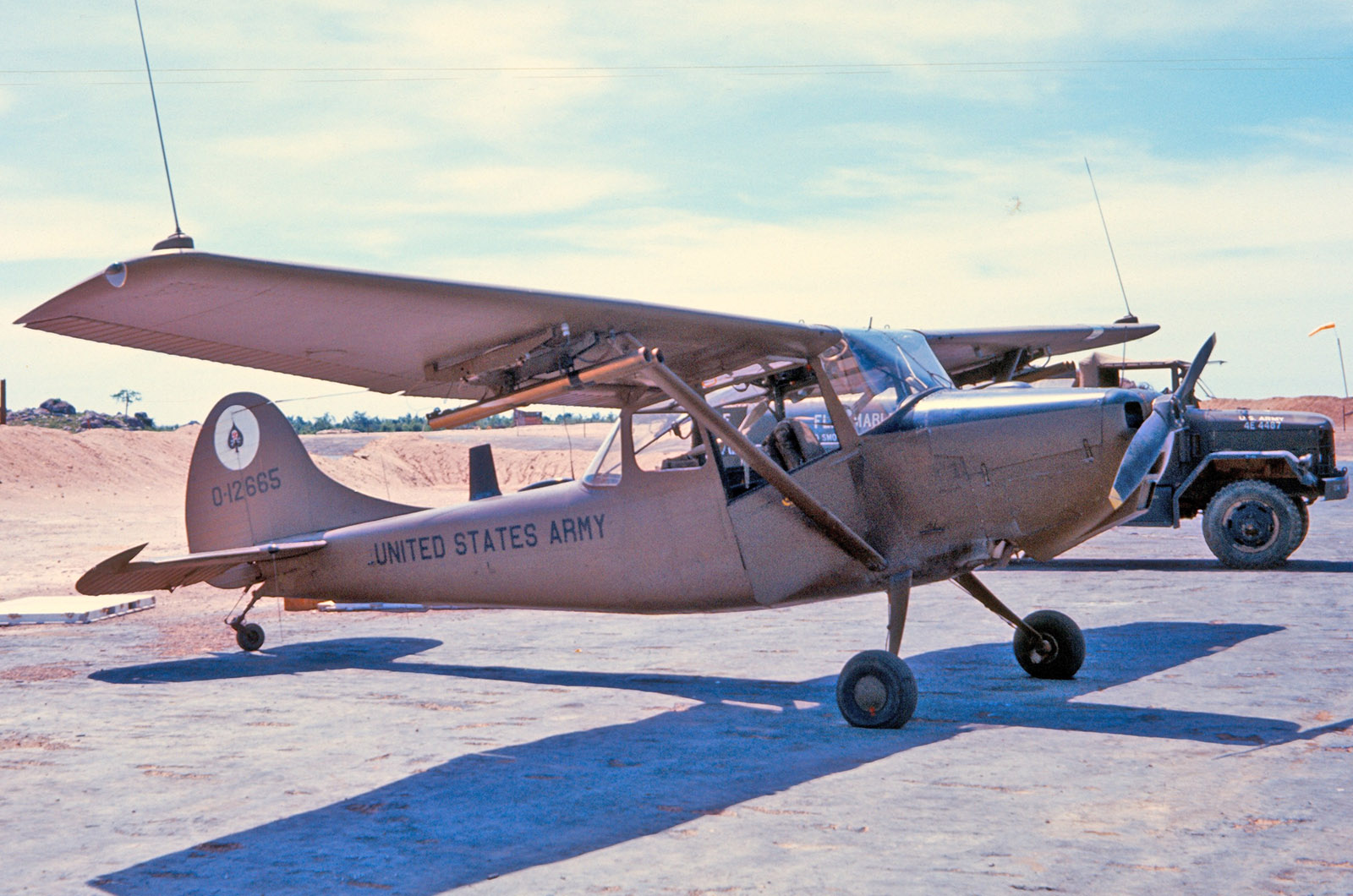
4: Cessna O-1 Bird Dog and O-2 Skymaster

 Cessna O-1 Bird Dog and O-2 Skymaster

Do not be fooled by the humble appearance; the O-1 Bird Dog (pictured) and O-2 Skymaster served as critical forward air control (FAC) aircraft in Vietnam. Flying low and slow, these planes directed airstrikes and artillery, identified enemy positions, and marked targets with smoke rockets. Their ability to observe and communicate directly saved countless lives on the ground.

Although small and slow, the Bird Dog and Skymaster were incredibly effective. They bridged communication gaps, spotted threats invisible from higher altitudes, and made airpower far more accurate. Their role as the eyes and voice above the battlefield made them irreplaceable assets in Vietnam's unforgiving and complex combat environment.


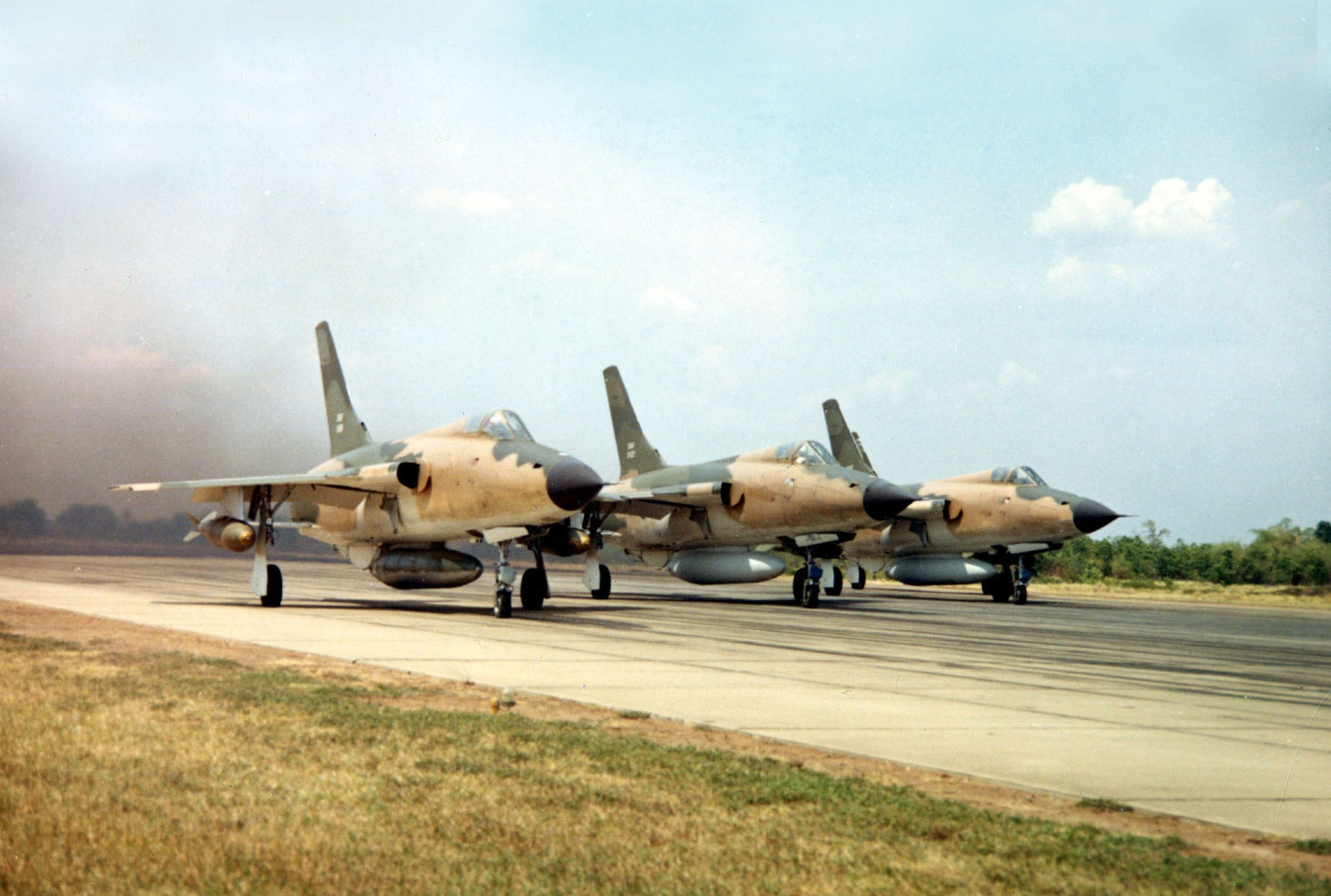
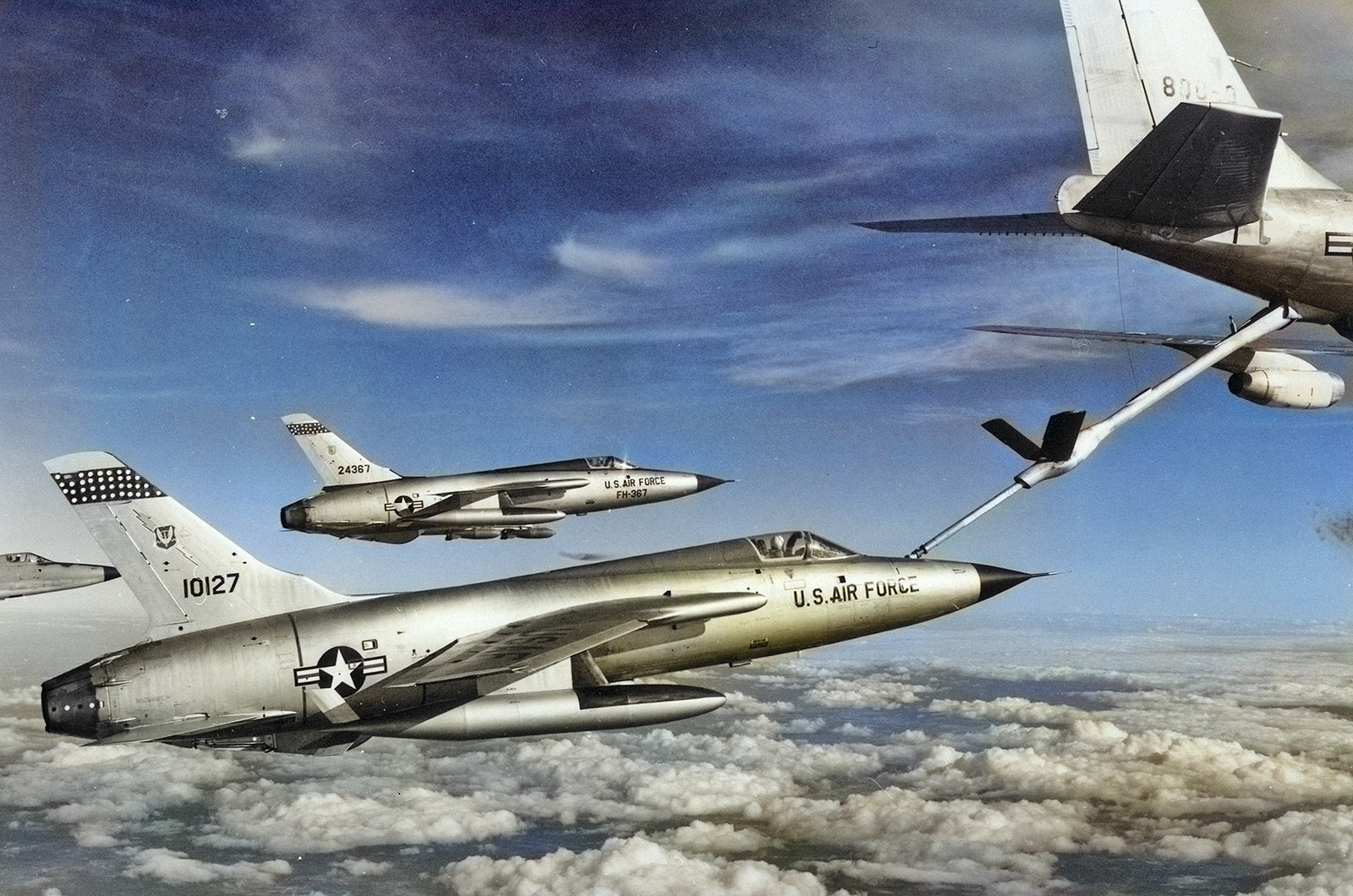
3: Republic F-105 Thunderchief

 Republic F-105 Thunderchief

The Republic company had created the P-47 Thunderbolt in the Second World War, a formidable machine that was the biggest single-engine fighter of the war. In the Cold War, Republic took the same approach in creating the heaviest single-engine jet fighter-bomber, the spectacular F-105.

The F-105 Thunderchief, nicknamed "Thud," played a critical role in the Vietnam War as a high-speed fighter-bomber. It conducted the majority of early strike missions over North Vietnam, especially during Operation Rolling Thunder.


3: Republic F-105 Thunderchief

 Republic F-105 Thunderchief

In air-to-air combat, the F-105 managed to score 27.5 confirmed aerial victories, mostly against MiG-17s and MiG-21s. However, it also suffered significant losses—at least 320 were lost in combat, primarily due to intense anti-aircraft fire and surface-to-air missiles. Its missions, which included defence suppression, required flying directly into the most heavily defended airspace in the world at the time.

Back to top

Powered by a single Pratt & Whitney J75 engine, the F-105 could exceed Mach 2 at altitude. Though eventually supplanted by the F-4 Phantom II, the Thud earned a reputation as a tough and reliable warhorse. The F-105 was the workhorse of the United States Air Force. Despite many early misgivings, the F-105 developed a reputation for toughness and reliability.


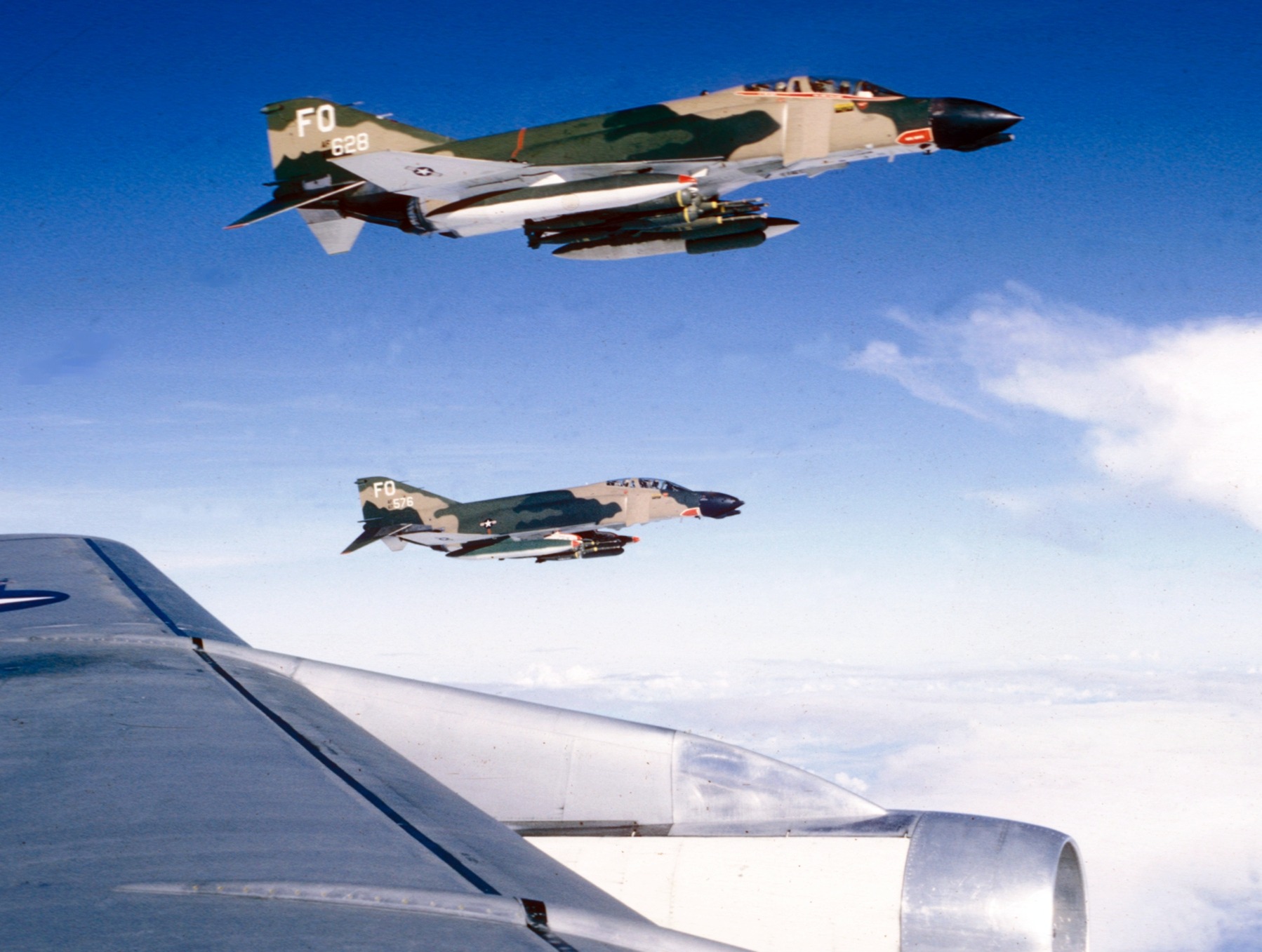
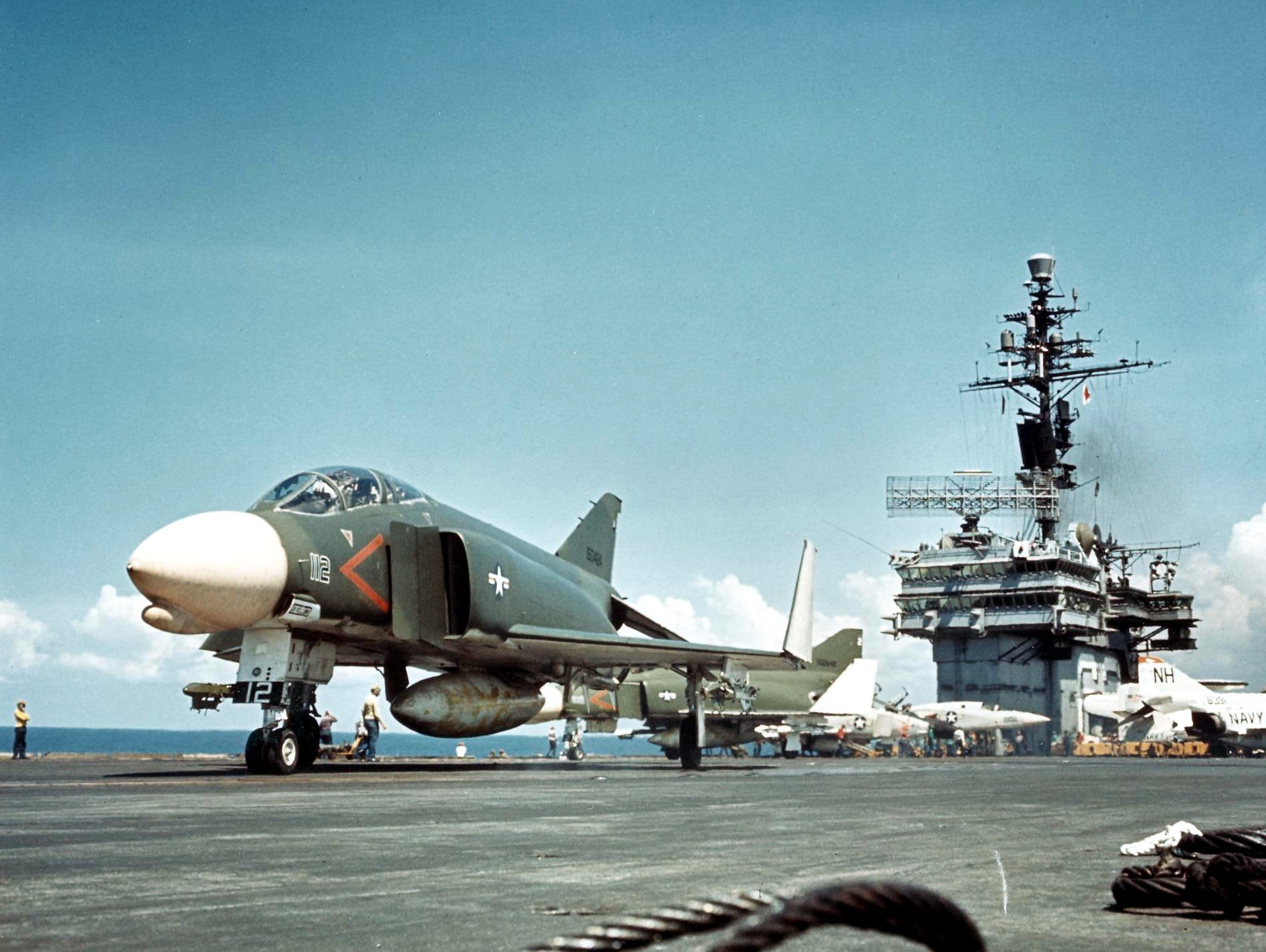
2: McDonnell Douglas F-4 Phantom II

 McDonnell Douglas F-4 Phantom II

The F-4 Phantom was a critical asset during the Vietnam War, serving as a versatile and powerful multirole aircraft. Originally designed as a fleet defence interceptor, it evolved into a key player for the US Air Force, Navy, and Marine Corps. Its adaptability made it indispensable in varied combat scenarios.

Equipped with twin engines and capable of flying at over Mach 2, the F-4 excelled in both air-to-air and air-to-ground missions. It carried a wide array of weapons, from missiles to bombs, allowing it to strike targets with precision. Its speed, payload, and durability made it unmatched in contested airspace.


2: McDonnell Douglas F-4 Phantom II

 McDonnell Douglas F-4 Phantom II

One of the F-4's most vital roles was air superiority. It was often used to escort bombers and engage enemy MiGs in dogfights. The Phantom's advanced radar and missile systems helped US forces challenge North Vietnamese aircraft and limit their freedom of movement in the skies.

The F-4 also contributed heavily to ground support, reconnaissance and the ‘Wild Weasel’ defence suppression role. It flew thousands of sorties, delivering vital support to troops on the ground and gathering crucial intelligence. Its performance in Vietnam shaped future fighter design and cemented its legacy as one of the most influential aircraft of the Cold War era.


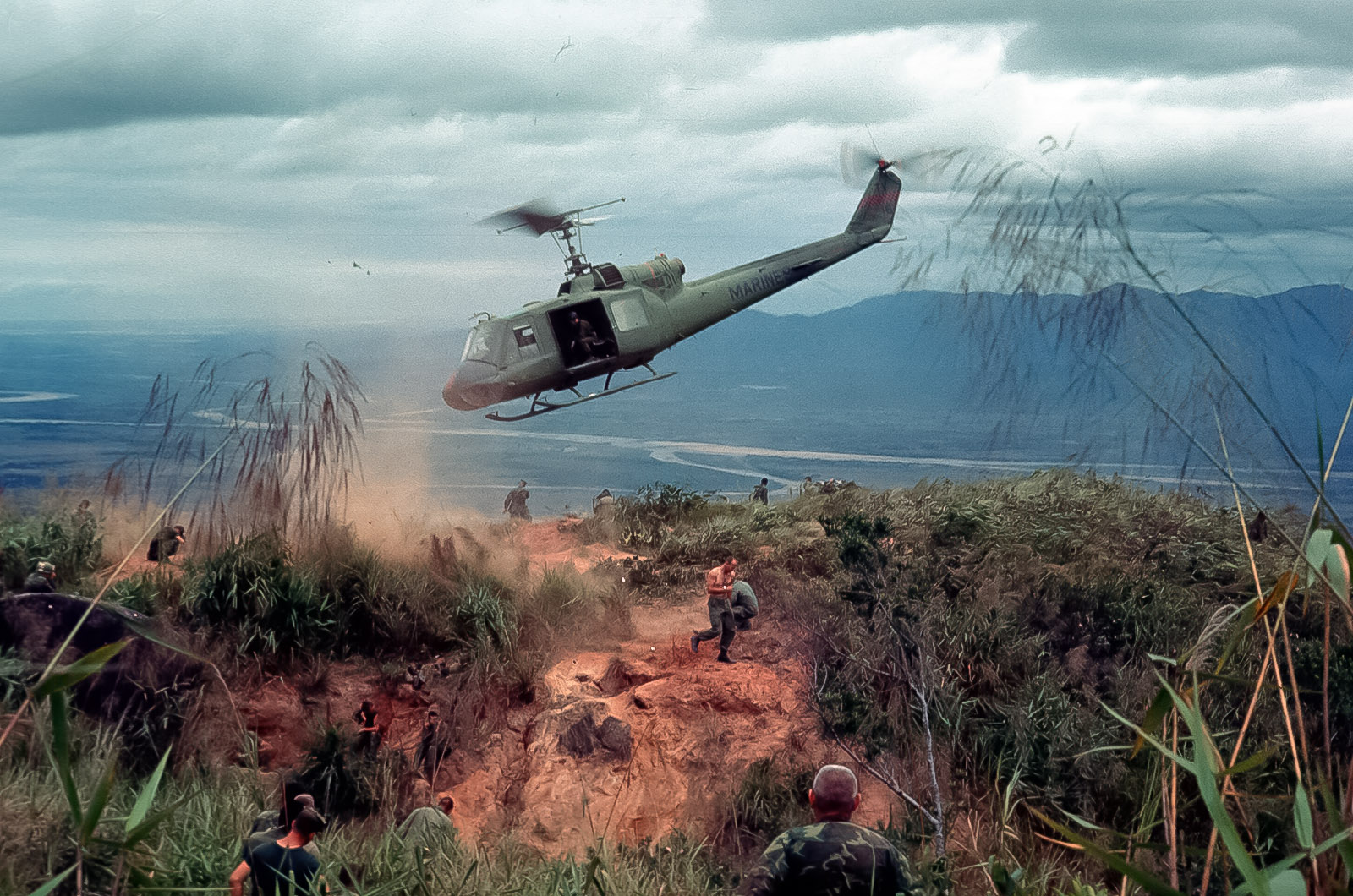
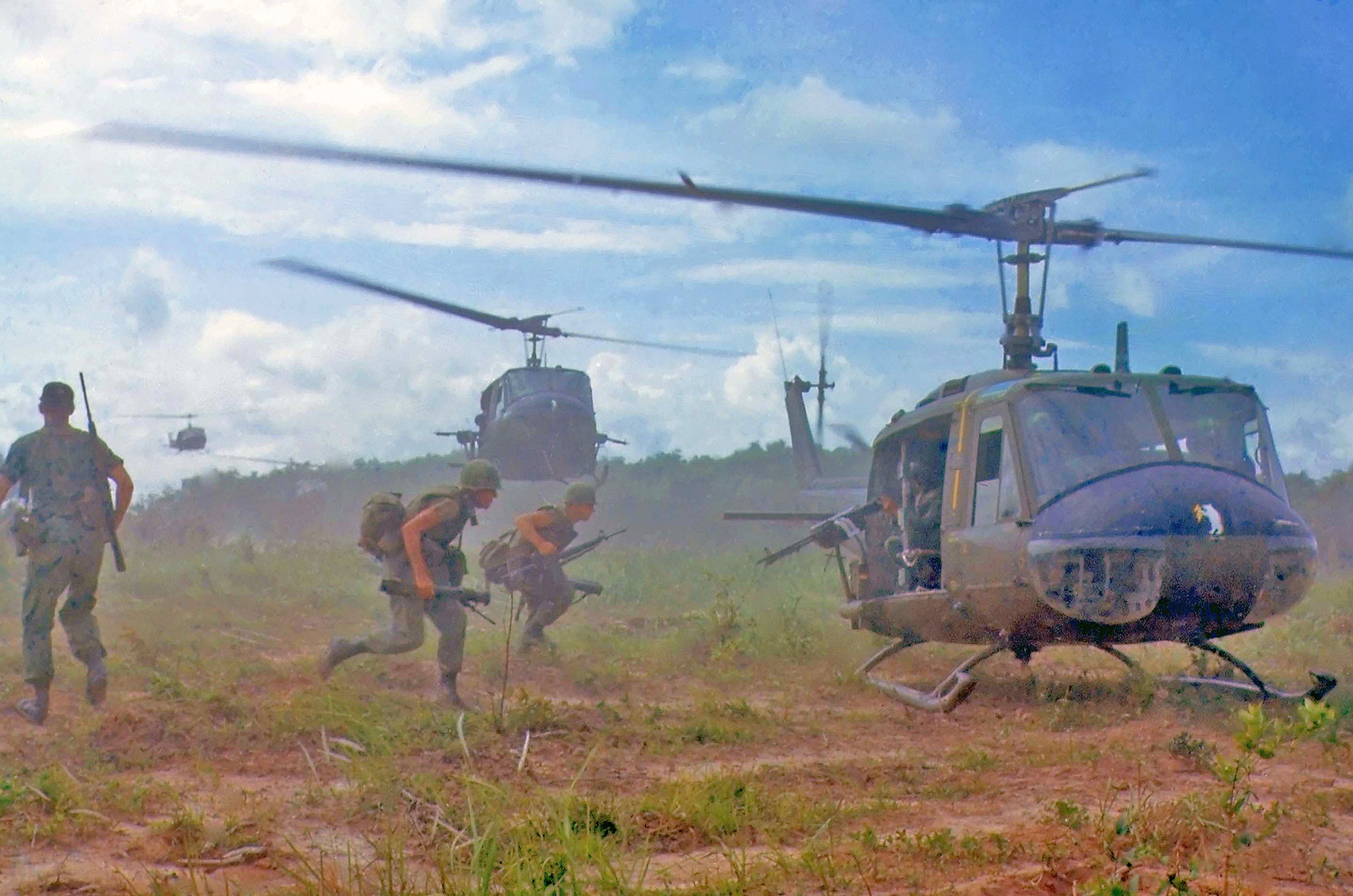
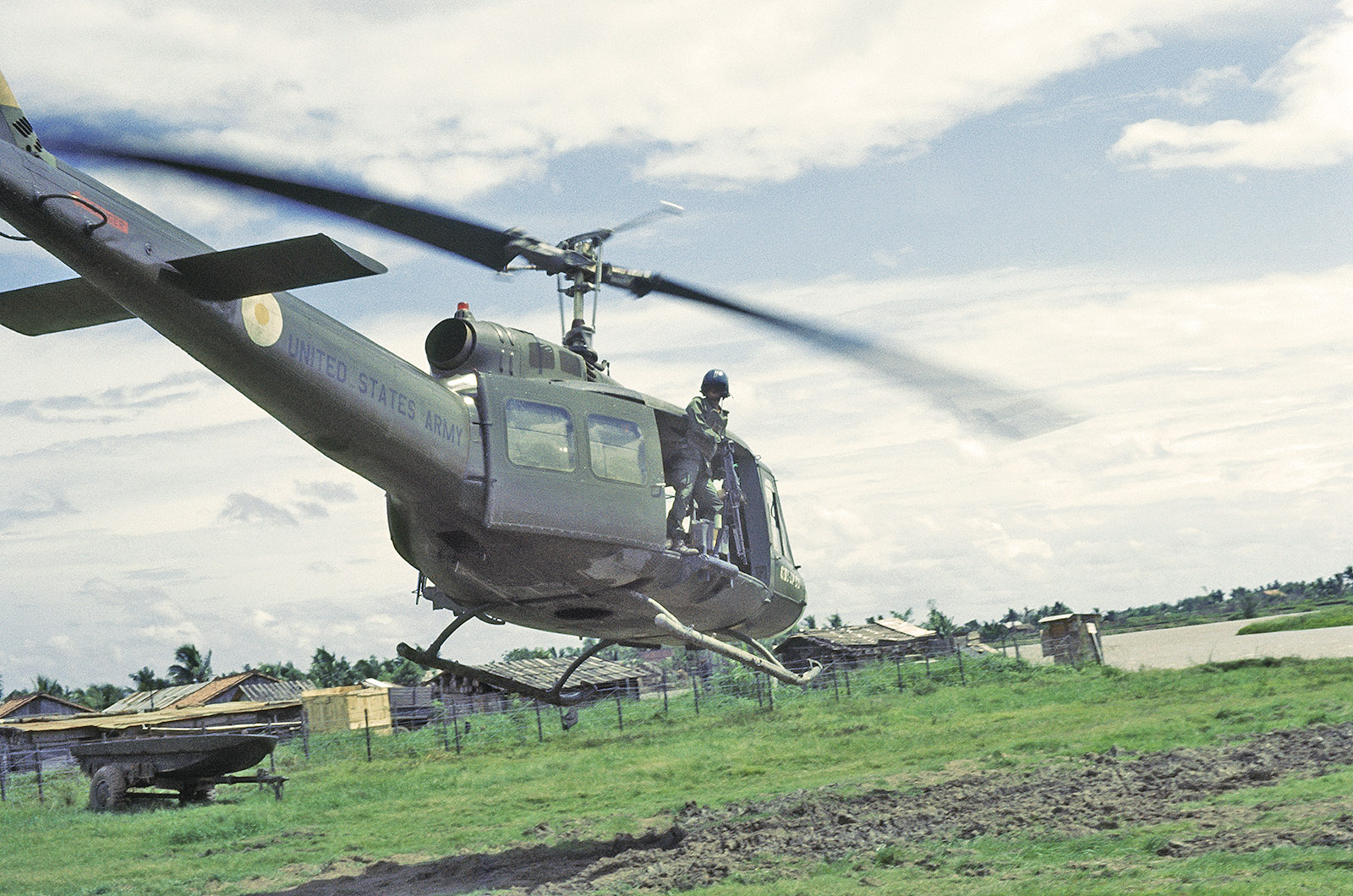
1: Bell UH-1 Iroquois ("Huey")

 Bell UH-1 Iroquois ("Huey")

The defining image of the US involvement in the Vietnam War was the UH-1 Iroquois helicopter. It is popularly known as the "Huey"; this is because its original military designation was HU-1. The "HU" was pronounced "hoo-ee", which evolved into the nickname "Huey".

Back to top

The Vietnam War transformed helicopter tactical transport, building on earlier innovations by the French in Indochina, the British in Malaya, and US use in Korea. The French and British developed heliborne tactics for counterinsurgency. In Vietnam, the US refined these methods—using helicopters like the UH-1 "Huey"—to revolutionise modern airmobile warfare.


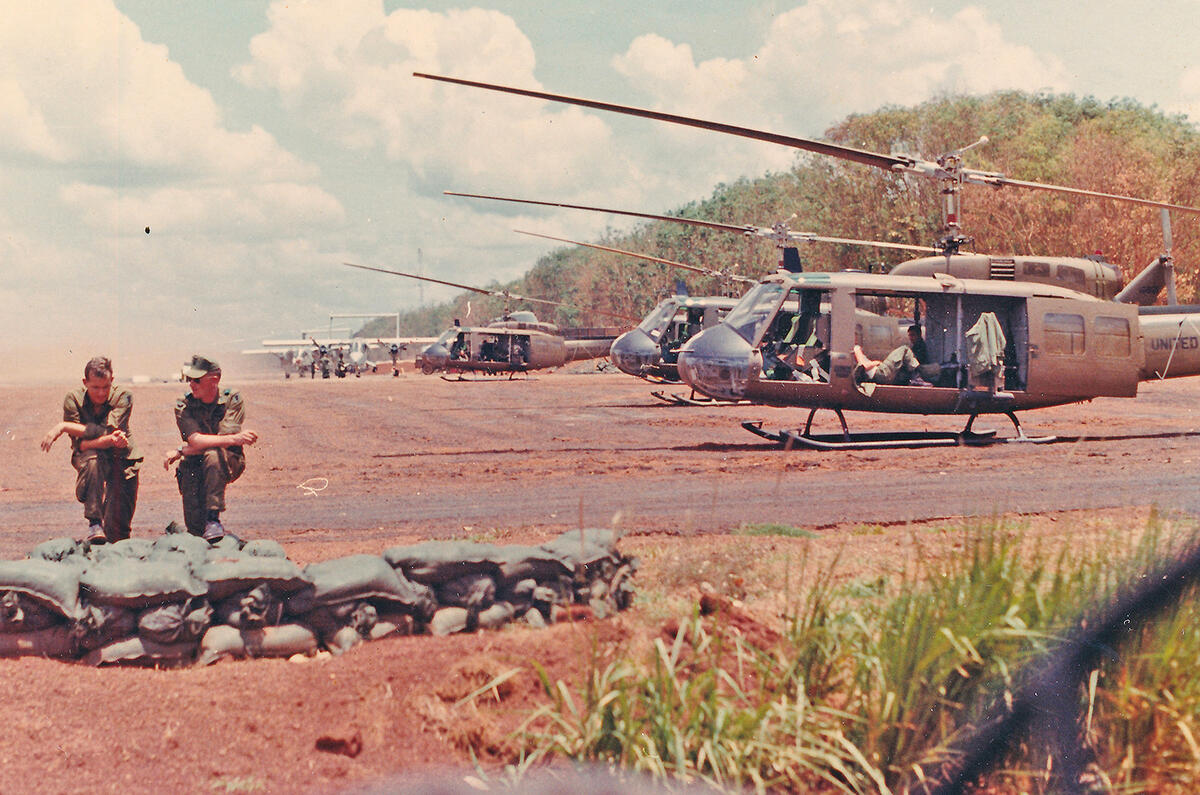
1: Bell UH-1 Iroquois ("Huey")

 Bell UH-1 Iroquois ("Huey")

The UH-1 "Huey" was used in Vietnam for troop transport, medevac, supply delivery, command and control, and close air support. Its versatility, speed, manoeuvrability, and ability to operate in rugged terrain made it ideal. The Huey's adaptability and reliability under fire made it a cornerstone of US helicopter warfare. Countless lives were saved by the much-loved Huey.

Over 7000 UH-1 helicopters were deployed in the Vietnam War. Approximately 3000 were lost due to enemy fire, accidents, and mechanical failure. Many were shot down by small arms, anti-aircraft guns, or during risky medevac and combat missions, highlighting both the Huey's heavy use and the dangers it faced.


1: Bell UH-1 Iroquois ("Huey")

 Bell UH-1 Iroquois ("Huey")

The UH-1 disproved critics who were sceptical of the helicopter's place in warfare, and it also birthed the attack helicopter. The sleek AH-1 Cobra, the first attack helicopter in the modern sense of the word, was based on the UH-1 and was used to great effect in the war. It was very fast and well-armed.

Other important helicopters of the war included the CH-47, CH-34, CH-53, OH-6 Cayuse, CH-54, SH-3 and HH-3E (and the Mi-4 for the North Vietnamese). The tiny Hiller OH-23 Raven is worthy of a mention for its role in limiting the My Lai Massacre.

If you enjoyed this story, please click the Follow button above to see more like it from Autocar

Photo Licence: https://creativecommons.org/licenses/by/4.0/deed.en


Join our WhatsApp community and be the first to read about the latest news and reviews wowing the car world. Our community is the best, easiest and most direct place to tap into the minds of Autocar, and if you join you’ll also be treated to unique WhatsApp content. You can leave at any time after joining - check our full privacy policy here.

Add a comment…