


The de Havilland Mosquito was the “Wooden Wonder”—outrageously fast, and formidable.
But it wasn’t the only aircraft fashioned from timber. In an age when aluminium promised the future, war forced designers to turn back to wood: abundant, adaptable, yet flawed. Here are 10 Wooden Wonders & Misfits of the Second World War.
10: Messerschmitt Me 321/323 Gigant
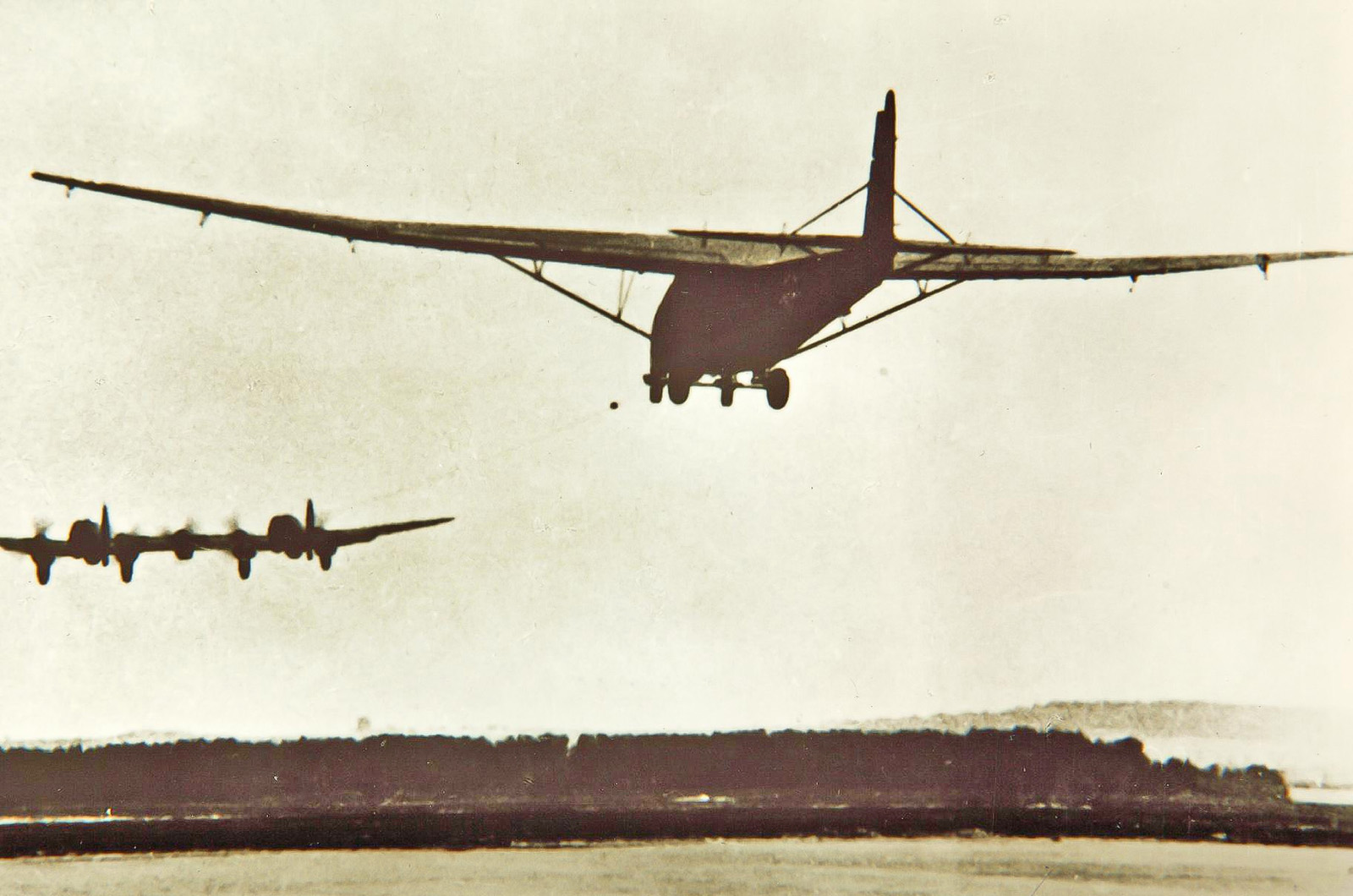
The planned German invasion of Britain required the swift delivery of tanks, guns and men across the English Channel, prompting a call for a massive glider. Built in weeks, the Messerschmitt Me 321 was then the world’s second-largest aircraft. The massive Me 321 used wood to conserve scarce metals, easing production despite shortages.
It immediately became apparent that it was exceptionally difficult to launch the enormous machine – it had a wingspan as wide as today’s B-52. The initial tow aircraft, the Junkers Ju 90, was too weak; using three Messerschmitt Bf 110s at once was attempted, but it proved to be tricky and extremely dangerous.
10: Messerschmitt Me 321/323
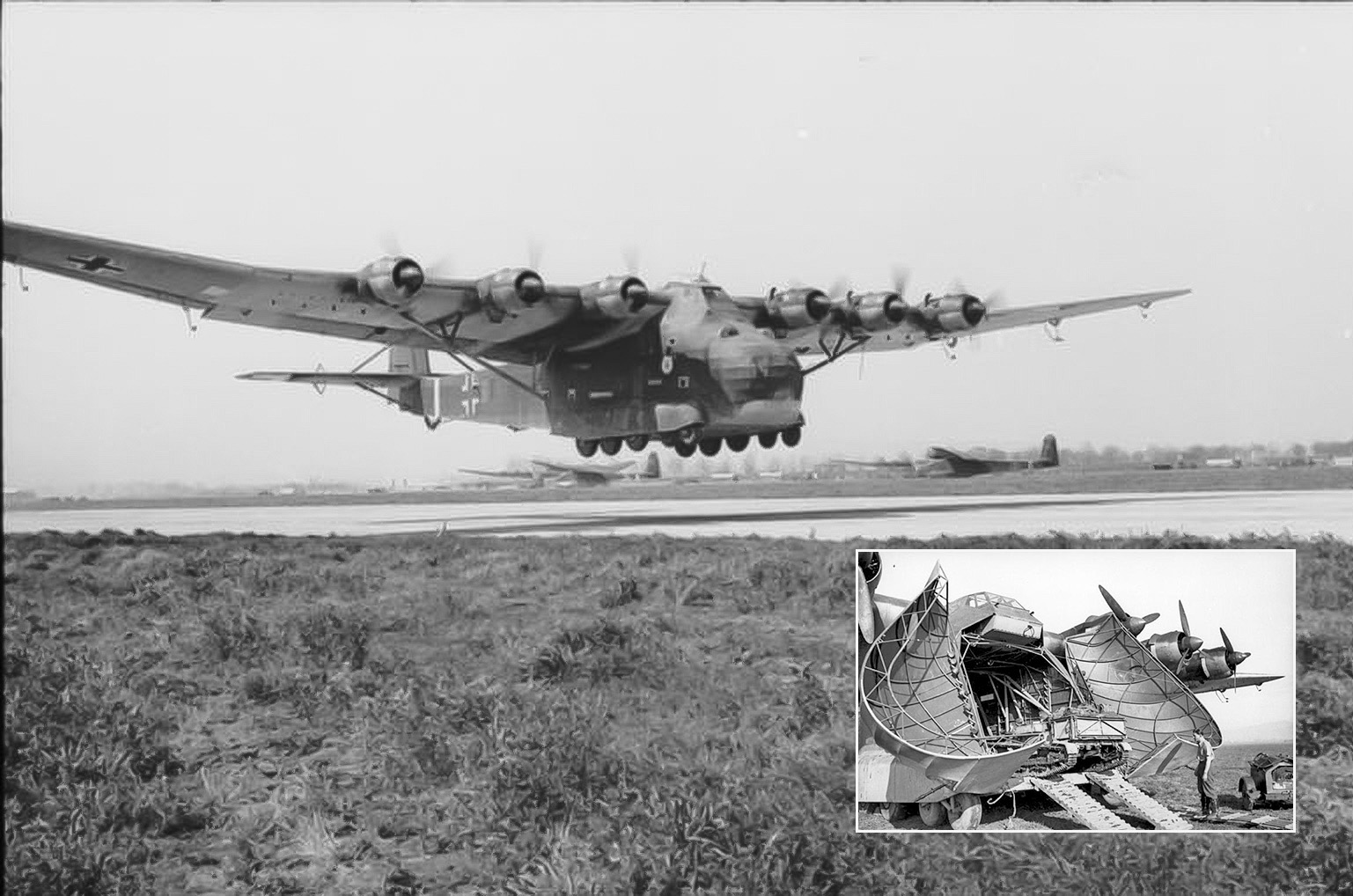
Although the arrival of the twin Heinkel He 111Z tow aircraft (essentially two He 111s joined at the wing – see previous picture) eased the issue somewhat, a more straightforward solution was to convert the transport glider into a powered aircraft. The Me 323 emerged with six 1140-hp (850kW) Gnome-Rhône 14N 14-cylinder piston engines.
Though slaughtered whenever it met enemy fighters (not unusual for a transport aircraft), the Messerschmitt Me 323 is the ‘father’ of modern transport aircraft in many ways. The clamshell nose that opened to load or deliver outsize loads easily foreshadowed a new breed of transport aircraft with large nose or rear doors, as did the multi-wheel undercarriage.
9: Supermarine Walrus
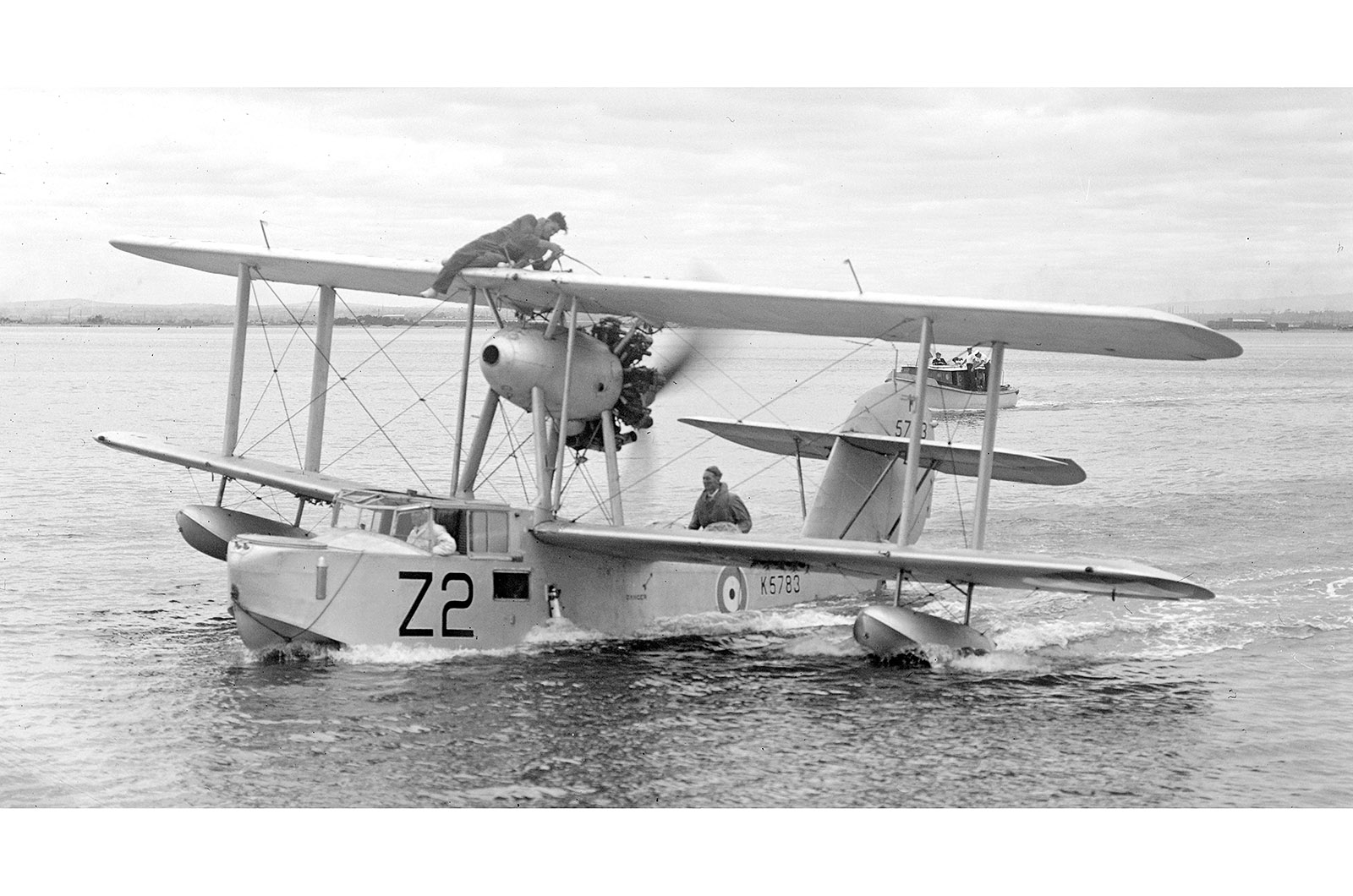
As the Walrus was an amphibious flying boat intended for catapult launch from battleships, designer RJ Mitchell built it like one. The Walrus was astonishingly robust, a fact demonstrated in several wheel-up landings. These incidents were learned from, and the Walrus became one of the first aircraft to have an automatic undercarriage position indicator (a horn would also sound should a pilot fail to notice).
The Supermarine Walrus had a metal hull to start with, but then Supermarine switched to wood in the Mk.II to free up materials for more essential types. There aren’t many aircraft types that make that seemingly backwards progression.
9: Supermarine Walrus
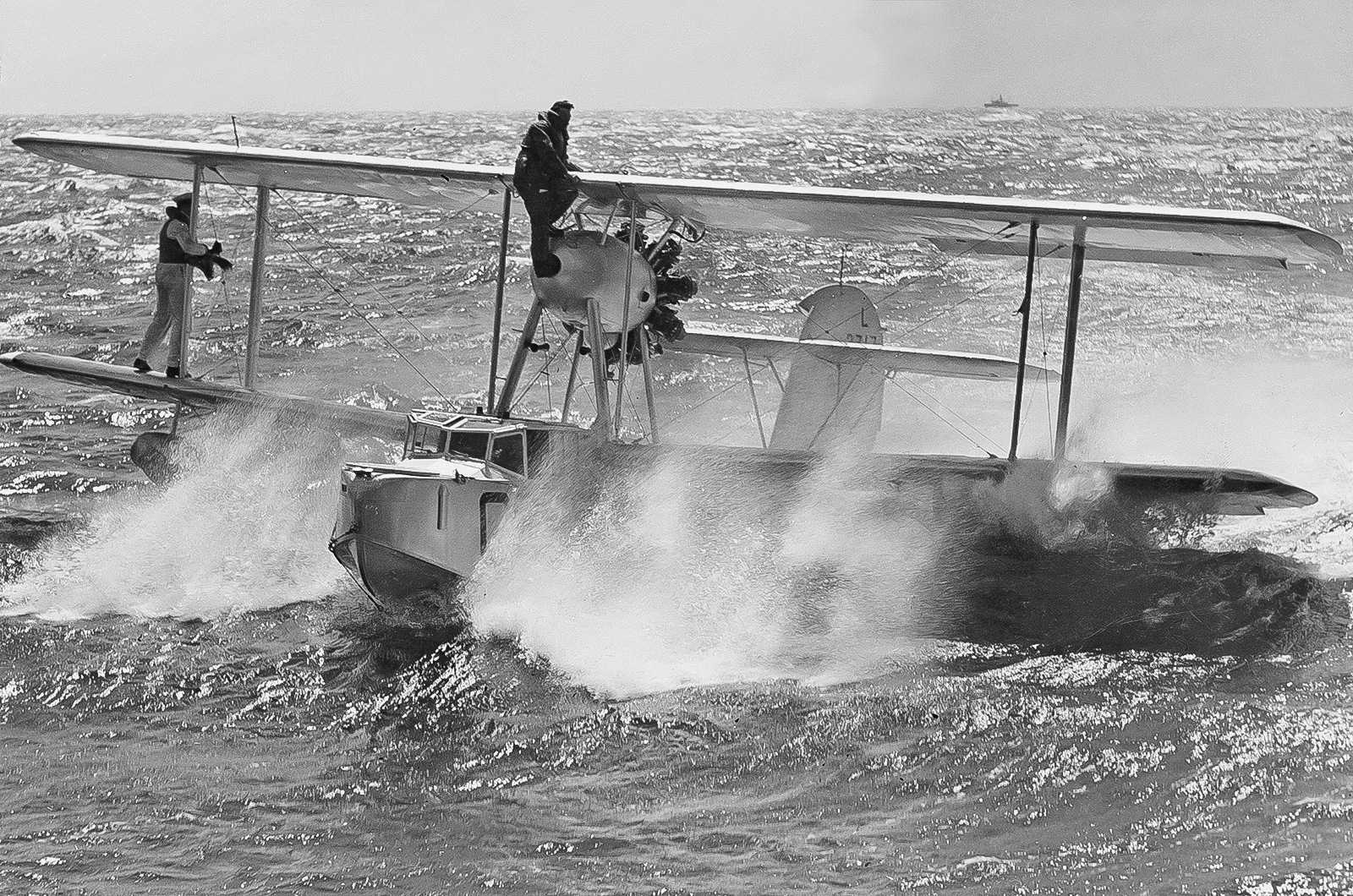
It did vital work in the roles of fleet gunnery spotting and observation. After catapult launch, it was recovered from the water by crane. The small bomb load proved enough to sink a U-boat. But just as the Walrus was not quite a pure aeroplane, it was not quite a warrior. When the better, faster and meaner came along, it was given over to air-sea rescue. It found its true calling in saving, not killing.
For the half-drowned, who know hypothermia isn’t far off, a Walrus meant a blanket, a thermos of hot tea laced with rum; it was life. And when the weight of ten Americans from a ditched B-17 couldn’t be flown, the pilot just pointed the bow towards England, and taxied home by water. Not bad for an aircraft that can be looped.





Add your comment