
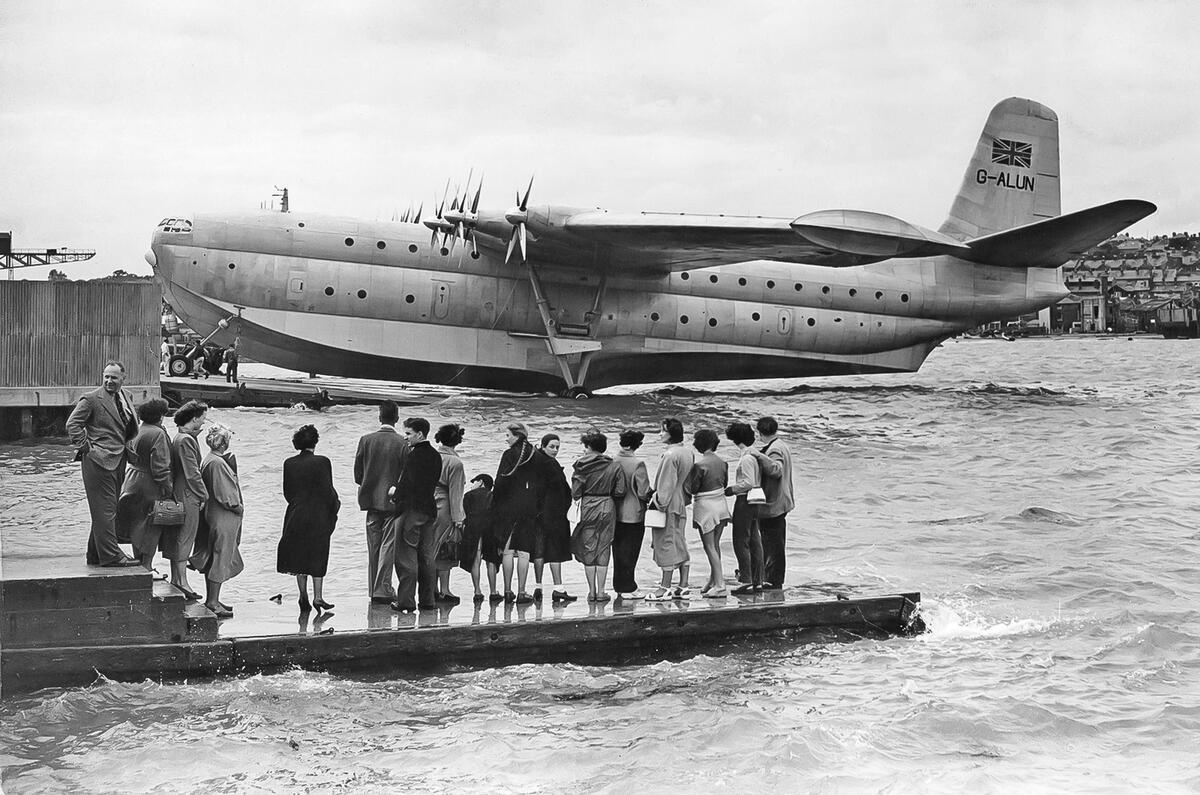

Don’t get us wrong, modern airliners are wonderfully safe, and we wouldn’t change them for the world.
Still, for character, charisma and sometimes outlandish engineering genius, we can’t help but wish that (most) of the following airliners had entered service. Here are 10 Cancelled Airliners So Cool We Wish They Had Happened:
10: Burnelli CBY-3 Loadmaster
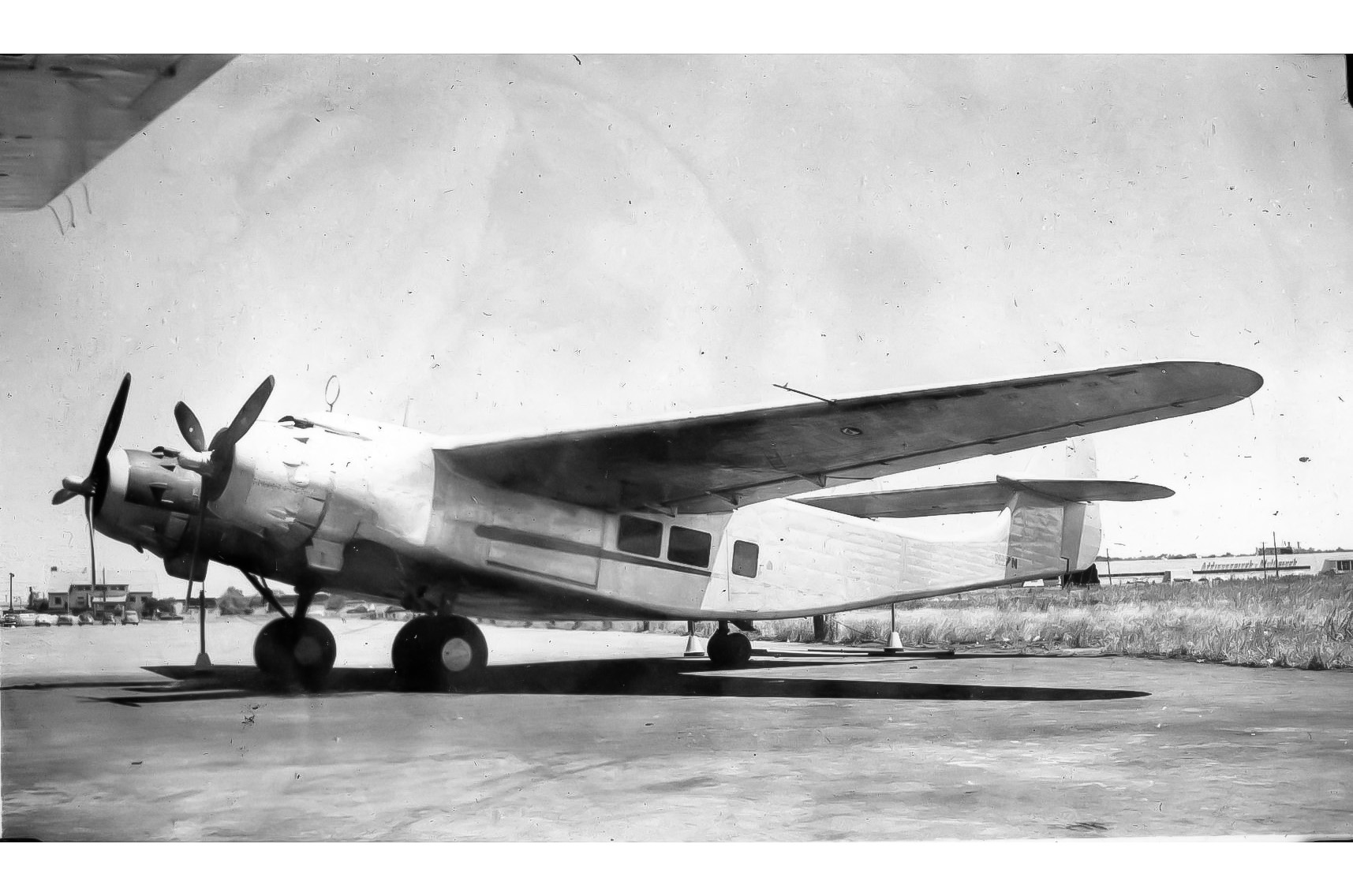
The pleasingly leftfield CBY-3 Loadmaster, designed by Vincent Burnelli and built in Canada in 1944, was an unconventional transport aircraft that utilised his “lifting fuselage” design, where the body generated lift. Constructed by Canadian Car and Foundry, only one prototype was made, though it underwent extensive flight testing and evaluation.
The CBY-3 evolved from Burnelli’s earlier UB-14 design and was intended for bush operations in northern Canada. The project involved three partners: CanCar, Burnelli and New Zealand aviation entrepreneur Lowell Yerex, the “3” in its designation referring to their partnership. Despite successful trials, no production contract was secured, and ownership returned to Burnelli.
10: Burnelli CBY-3 Loadmaster
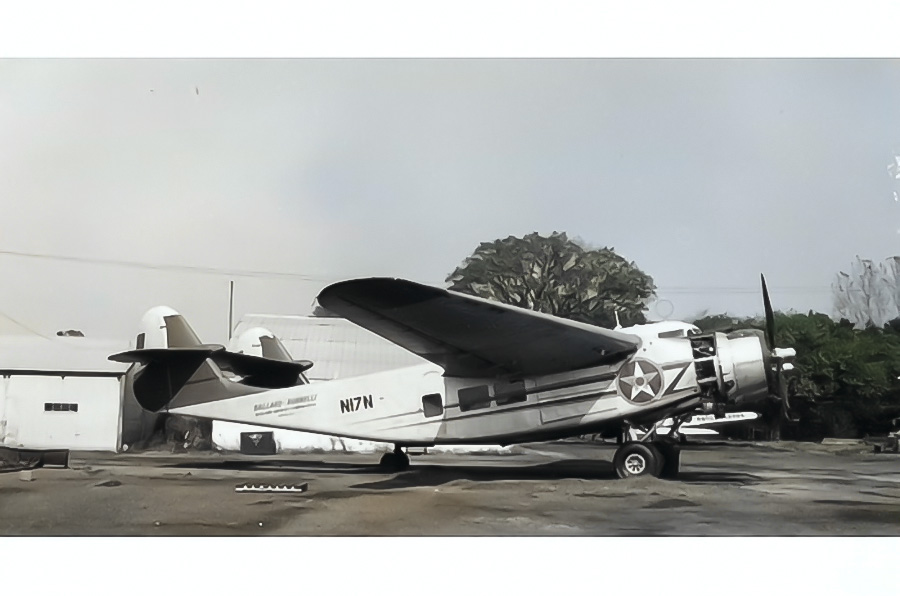
Registered initially as CF-BEL-X, the prototype attracted attention through demonstration flights and was later sold in the United States as N17N. In 1955, Burnelli planned to use the aircraft for an expedition to the North Pole, complete with 20 passengers, 41 sled dogs, and equipment, though this exciting venture did not proceed.
The Loadmaster flew commercially in Canada and South America, later operating in Venezuela before being refitted with Wright R-2600 engines. Its flying career ended in Baltimore. Since 1964, it has been preserved at the New England Air Museum (next to Bradley International Airport in Connecticut), restored and displayed indoors since 2020.
9: Avro Canada C102 Jetliner
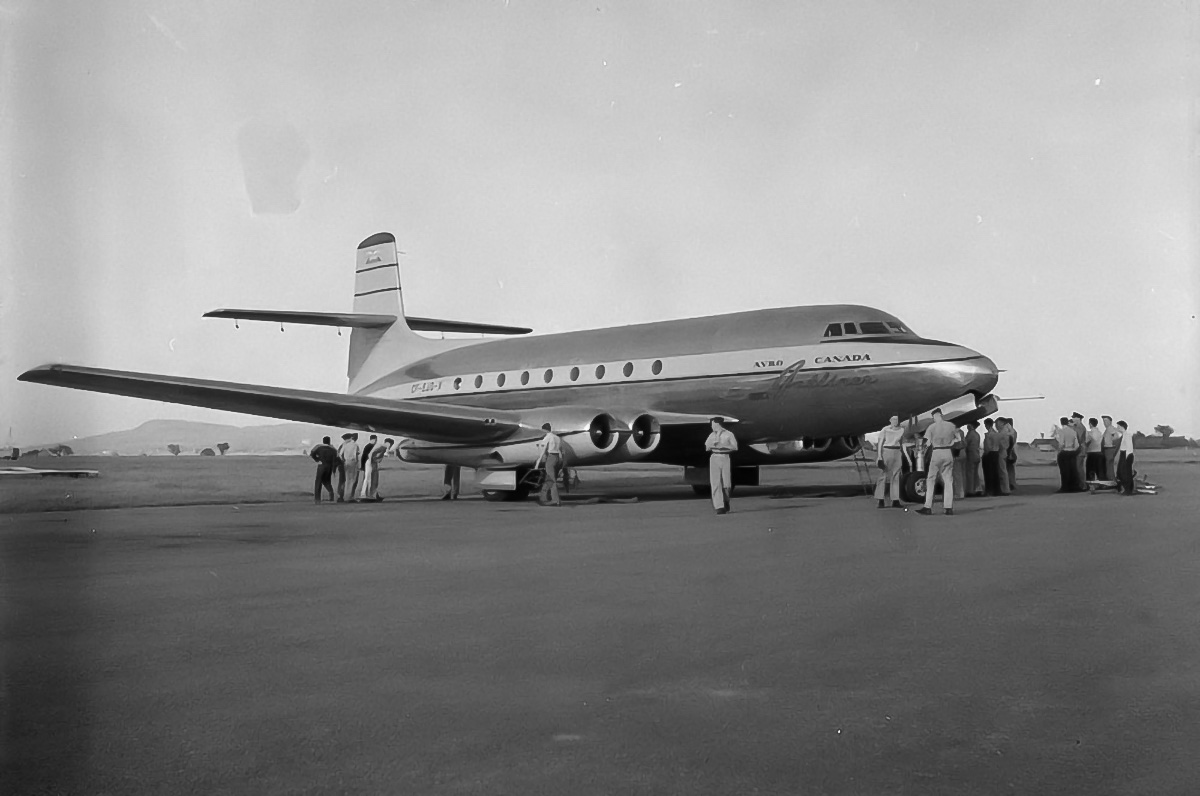
The C102 Jetliner, developed by Avro Canada in the late 1940s, was North America’s first jet-powered passenger aircraft. Completed before the British de Havilland Comet entered service, the C102 demonstrated that Canada could compete at the forefront of aerospace innovation. It marked a bold step in civilian jet aviation development.
Engineered with exceptional attention to aerodynamic efficiency, the C102 featured advanced pressurisation, a sleek design, and innovative systems. Its performance in test flights proved remarkable, outpacing many contemporary aircraft in speed and altitude. Engineers at Avro worked with limited resources yet created a technically superior machine for its time.
9: Avro Canada C102 Jetliner
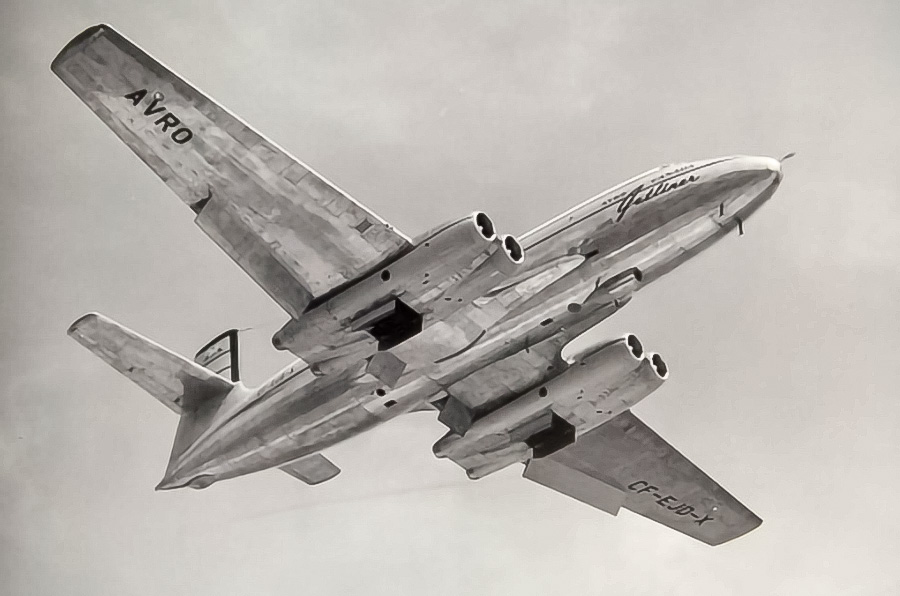
What made the Jetliner so significant wasn’t just its timing or technology—it was the ambition behind it. Canada, still building its industrial identity, dared to challenge larger aerospace powers. The project showed what Canada could achieve when given support and creative freedom in the high-technology sector.
Despite its cancellation, the C102’s influence endured. It shaped future Canadian aerospace projects and left a legacy in jet transport evolution. The aircraft also inspired a generation of engineers and designers, proving that world-class aviation engineering was possible outside the traditional centres of aircraft production. The Jetliner was proof of concept, not failure. In short, the C102 was a technical success but fell victim to political decisions. Just a single example was ever made.





Add your comment