
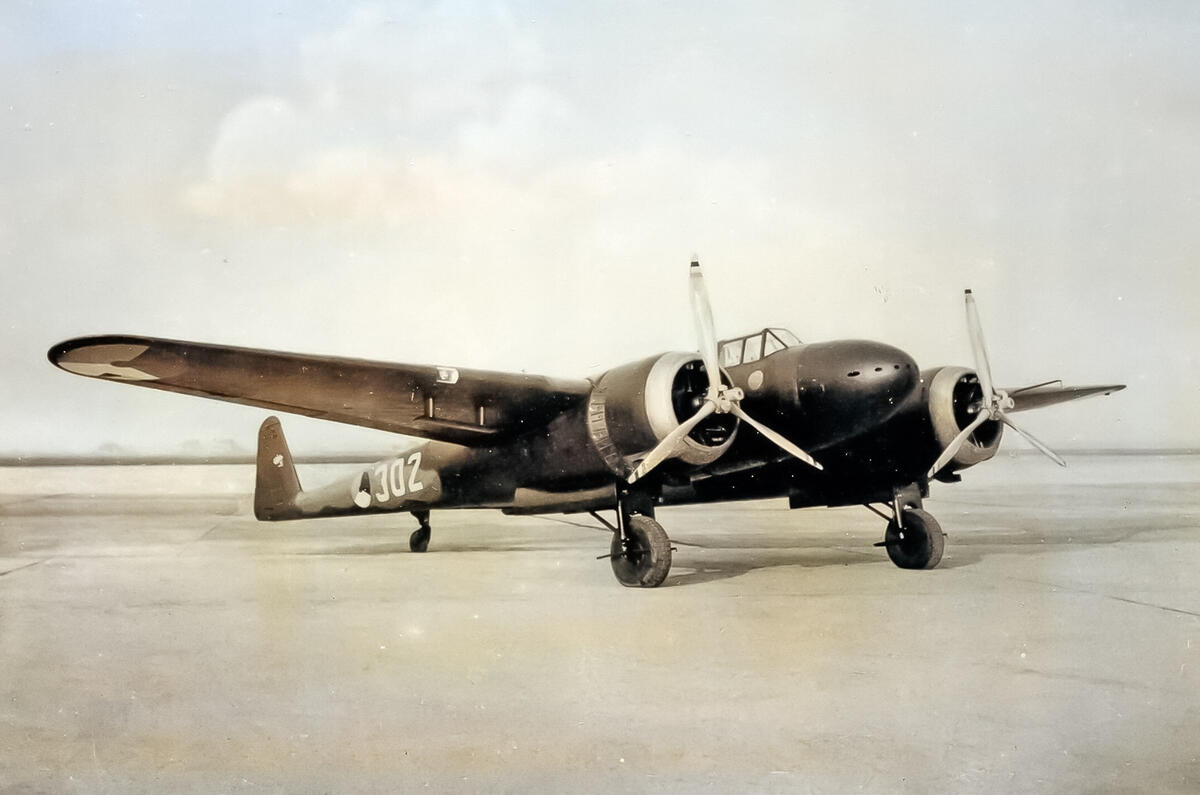

The Second World War’s most iconic fighter aircraft came from powerhouses like the US and Germany.
But smaller nations also built their own fighters, often out of necessity as global arms supplies ran dry. And some of these underdog creations proved surprisingly effective in battle. Here are ten of the most intriguing fighters from unexpected corners of the world—from Australia to Yugoslavia. Built in limited numbers, every one of them saw service, and almost all of these flew into combat.
10: CAC Boomerang
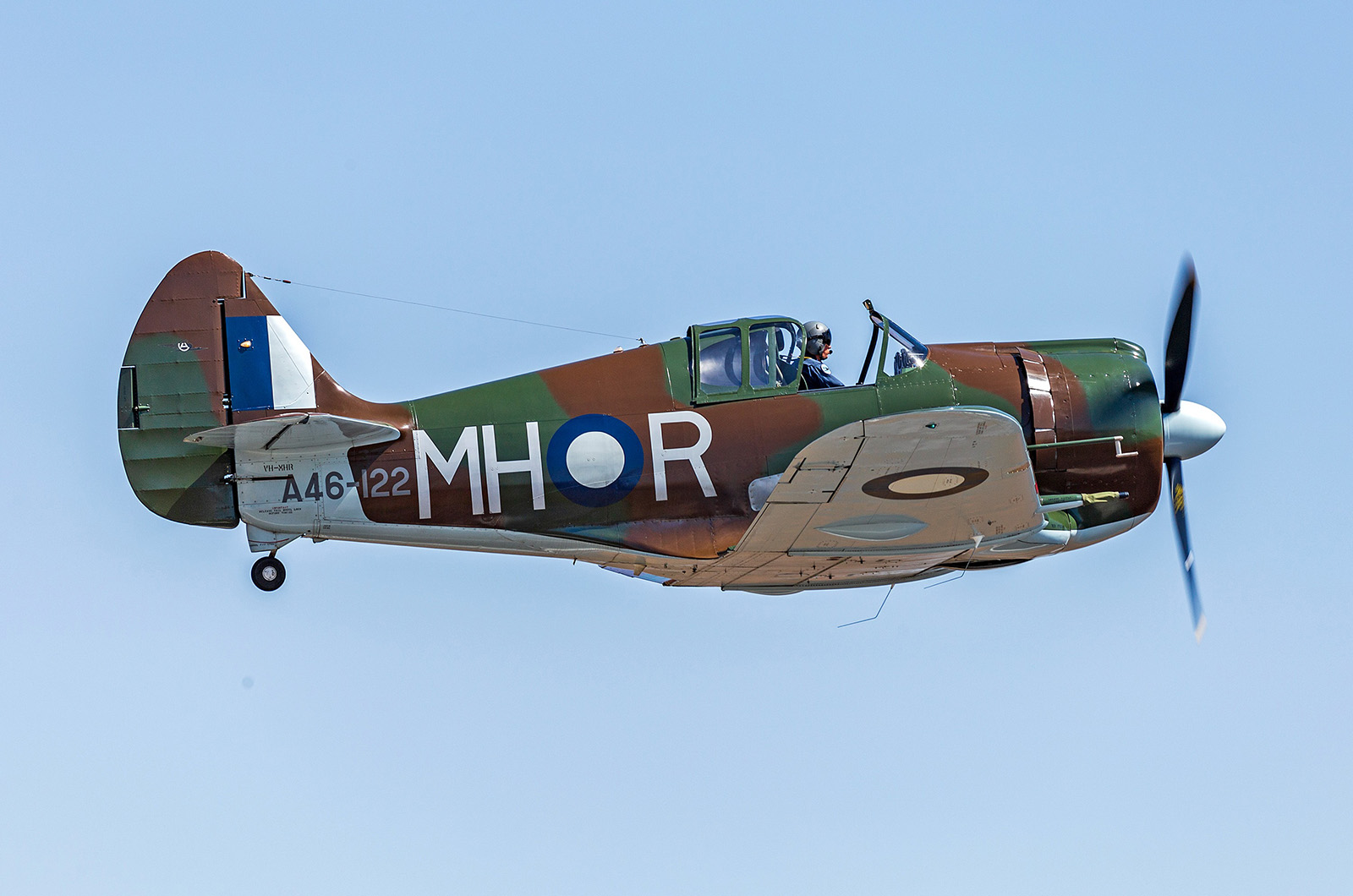
After Pearl Harbor, Australia found itself at war against Japan and at the end of a dangerously long supply chain leading back to the UK and the US. Fearing that deliveries of modern combat aircraft might diminish or cease altogether, Lawrence Wackett of the Commonwealth Aircraft Corporation proposed building a domestic fighter.
To expedite production, the aircraft was based on the general-purpose Wirraway (itself a derivative of the T-6 Texan/Harvard trainer) and used the Pratt & Whitney R-1830 Twin Wasp, then being manufactured in Sydney for the Beaufort torpedo bomber. The prototype Boomerang flew in May 1942, proving manoeuvrable and easy to fly.
10: CAC Boomerang
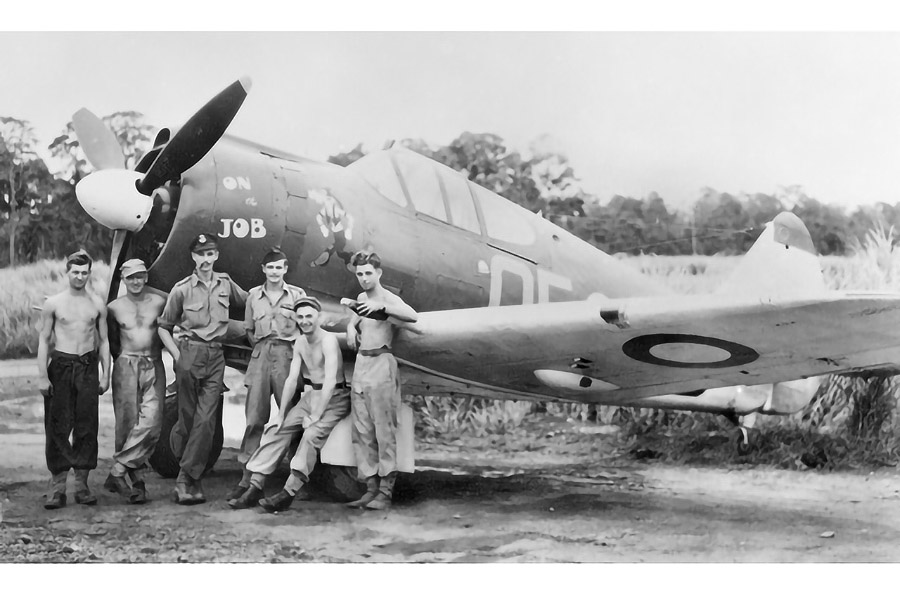
Unfortunately, the stubby fighter was slow by contemporary standards. It entered service in early 1943, and in encounters with Japanese bombers over the next few months, the Boomerang simply wasn’t fast enough to catch the enemy aircraft. During its combat life, the Boomerang didn’t shoot down any enemy planes.
Once transferred to the close support role, however, the Boomerang proved highly successful. Agile, well-armed and armoured, the Boomerang proved to be ideally suited to the campaign in the South West Pacific, where small, vicious, close-quarters actions fought by small formations of troops over a vague front were the norm.
9: Avia B.534
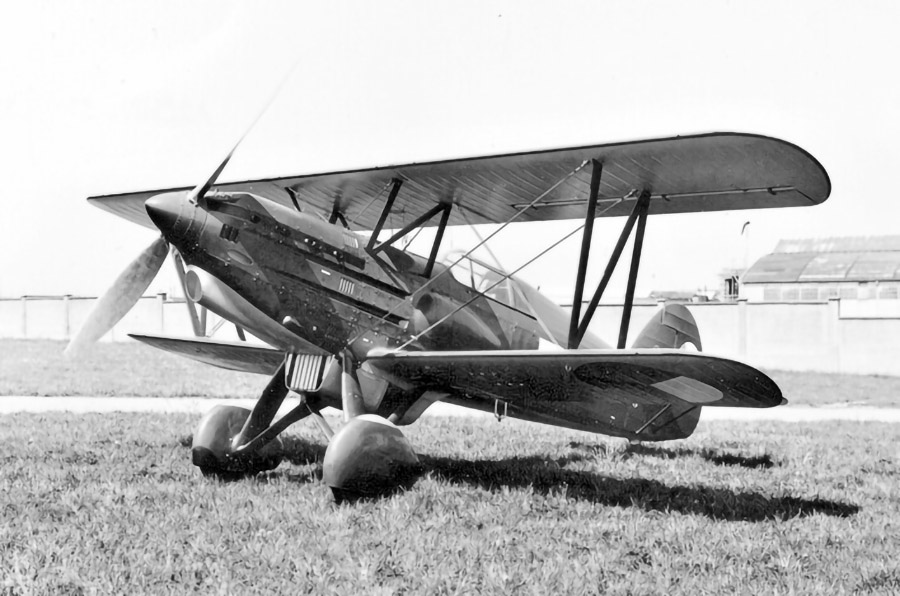
One of the finest combat biplanes ever built, Czechoslovakia’s B.534 was arguably the best fighter in the world when it entered service in 1933. Despite Czechoslovakia’s annexation by Germany in 1939, the now seemingly obsolescent B.534 saw widespread service with several nations in a variety of roles.
As well as the standard fighter with four machine guns on the fuselage sides, the Bk.534 variant deleted two of the machine guns and featured a 20mm cannon firing through the propeller spinner. Later aircraft featured a cut-down rear fuselage and bubble canopy, allowing 360-degree visibility from the cockpit.
Serving with Slovak units on the Eastern Front in 1941, B.534s scored a few victories over Soviet aircraft. However, three examples supported the anti-German Slovak National Uprising of 1944, and one of these downed a Hungarian Ju-52/3m transport, the last confirmed air-to-air victory achieved by a biplane fighter.
Germany utilised the B.534s it acquired in 1939 as an advanced trainer, glider and target tug, as well as testing it with an arrestor hook as a naval fighter for their planned carrier, *Graf Zeppelin*. Additionally, Bulgaria, Greece, and Yugoslavia all utilised B.534s in the fighter role.
8: VL Myrsky
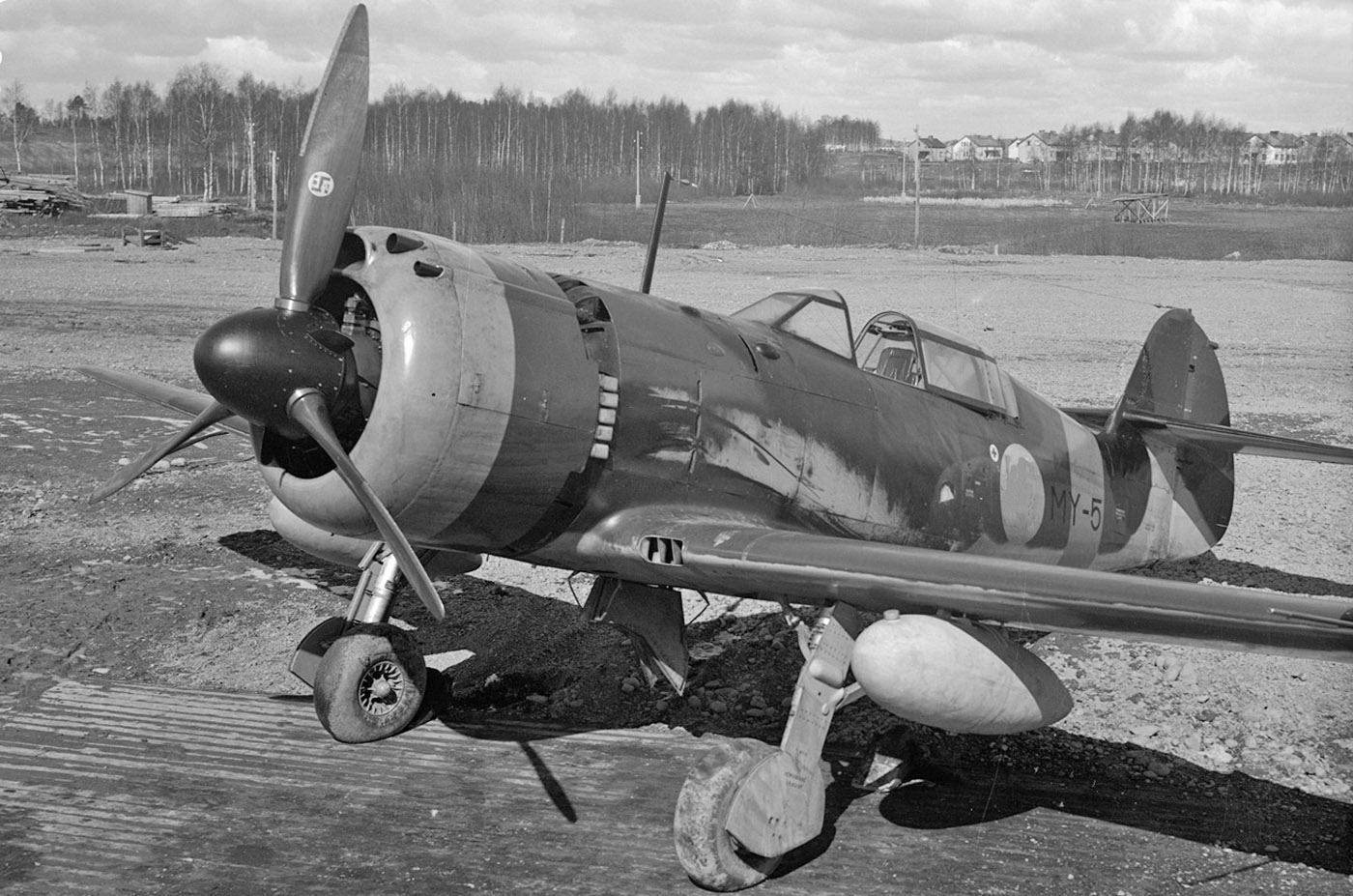
Following a similar process that led to the production of the Commonwealth Boomerang in Australia, the Finnish Myrsky was developed in response to concerns that the supply of foreign combat aircraft might become scarce in the event of war. The Finnish state aircraft factory Valtion Lentokonetehdas (VL) began designing the Myrsky (‘Storm’) in 1939.




Add your comment