
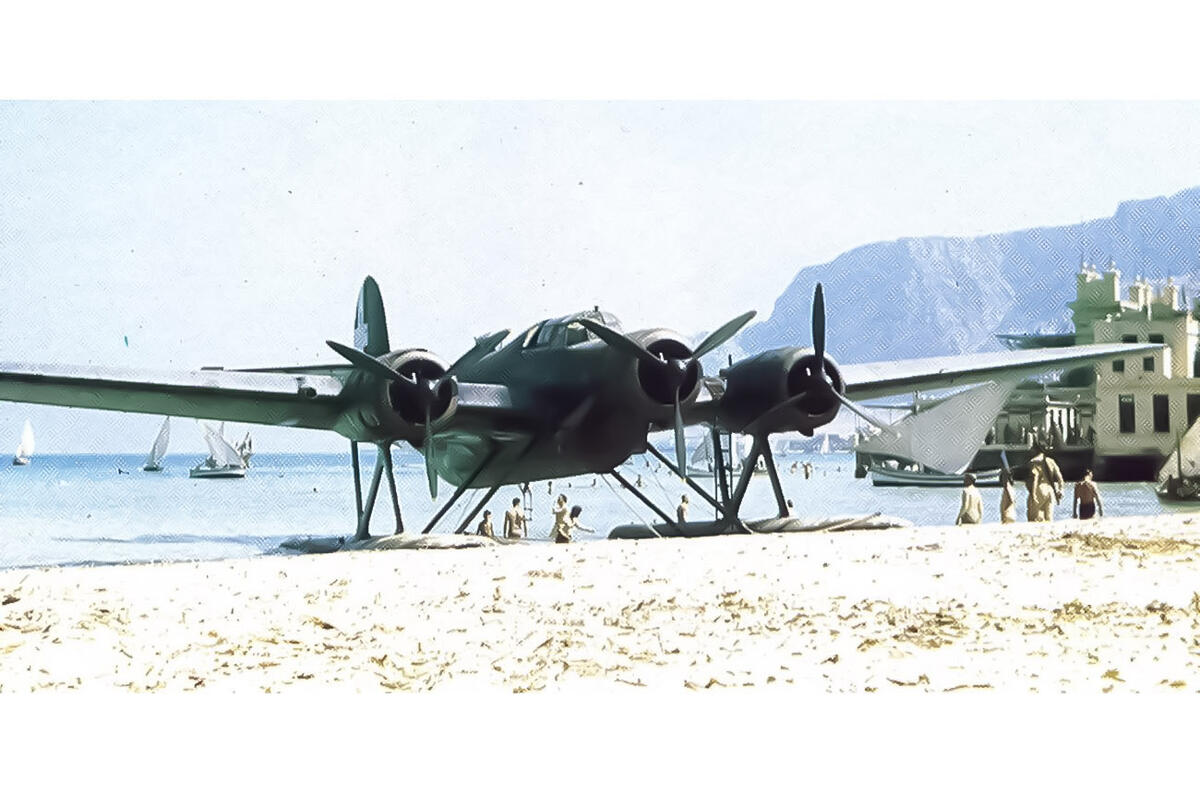

Often derided by their enemies and patronised by their major ally, the armed forces of Italy during the second world war have not been given the subsequent level of historical attention they deserve.
The Regia Aeronautica entered the war fresh from a very successful campaign in the Spanish Civil War where Italian aircraft had proved to be amongst the world’s best. Second World War Italian aircraft design was often brilliant but was dependent on Italian industrial output, which was not. Here is a totally subjective top ten of these relative rarities.
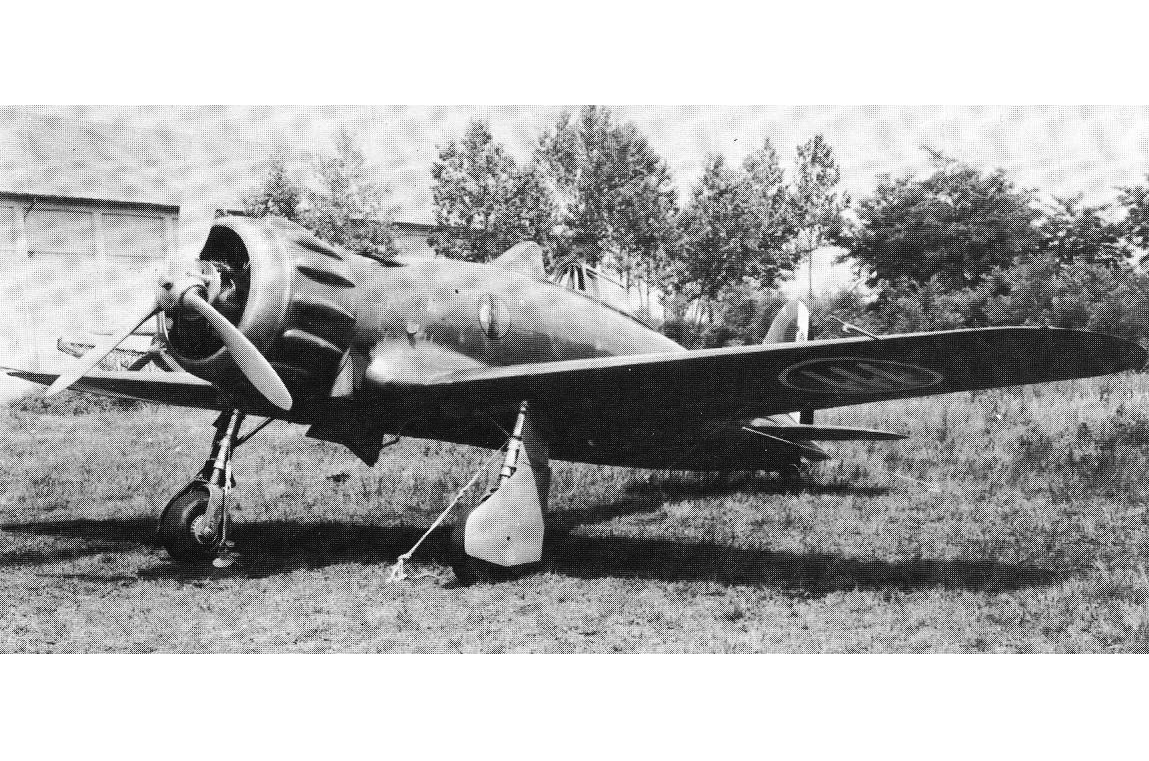
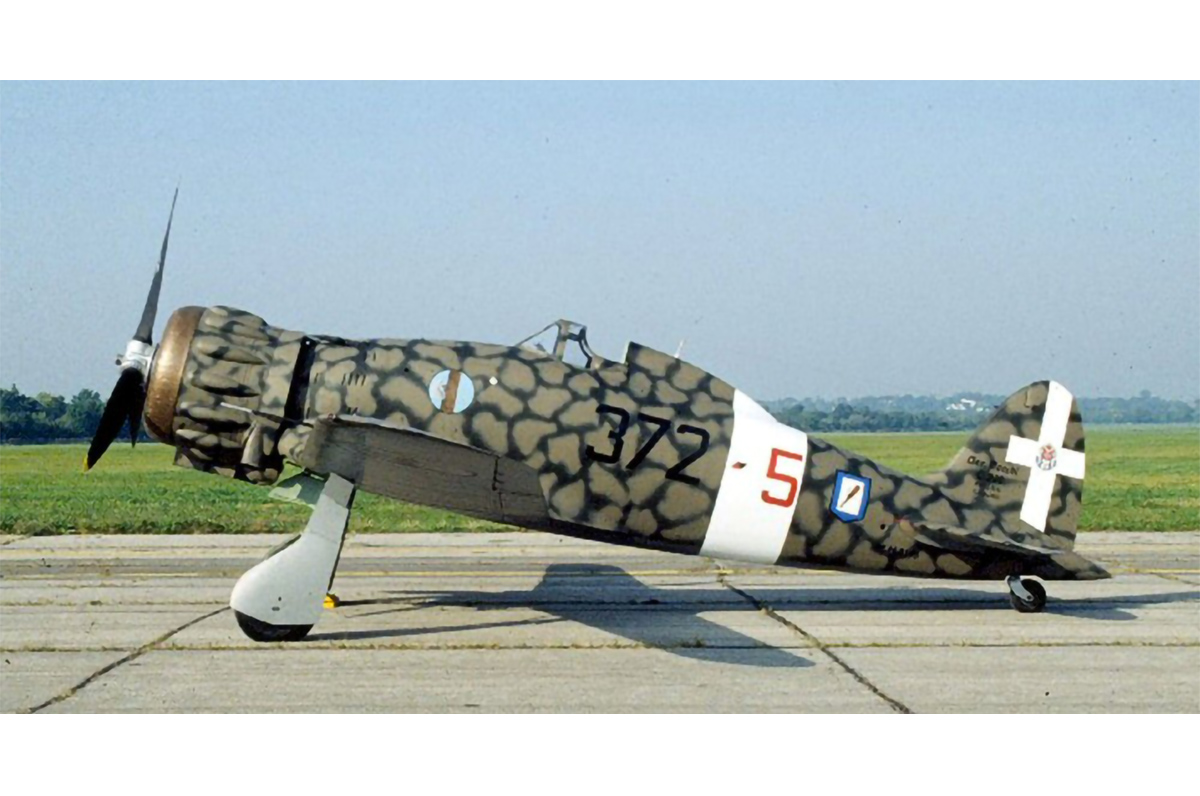
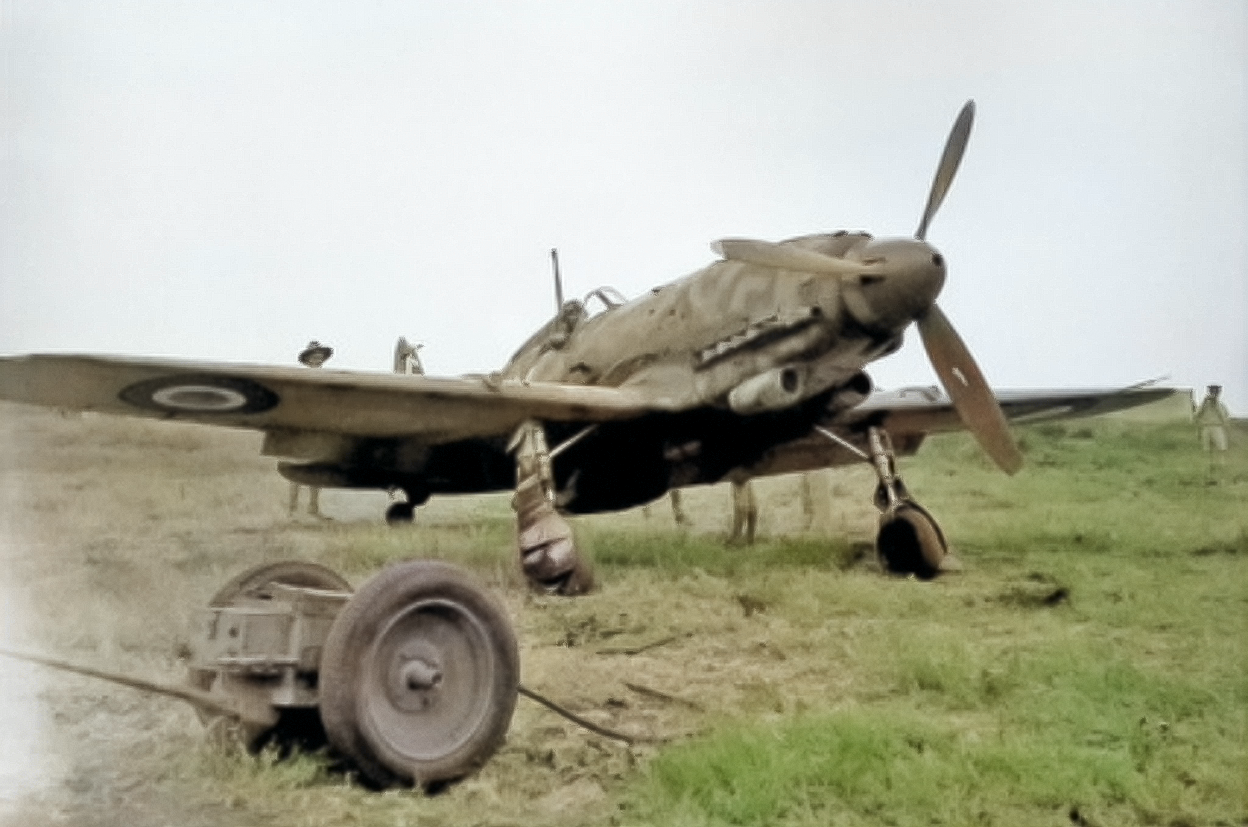
10: Fiat G.50 Freccia (‘Arrow’)
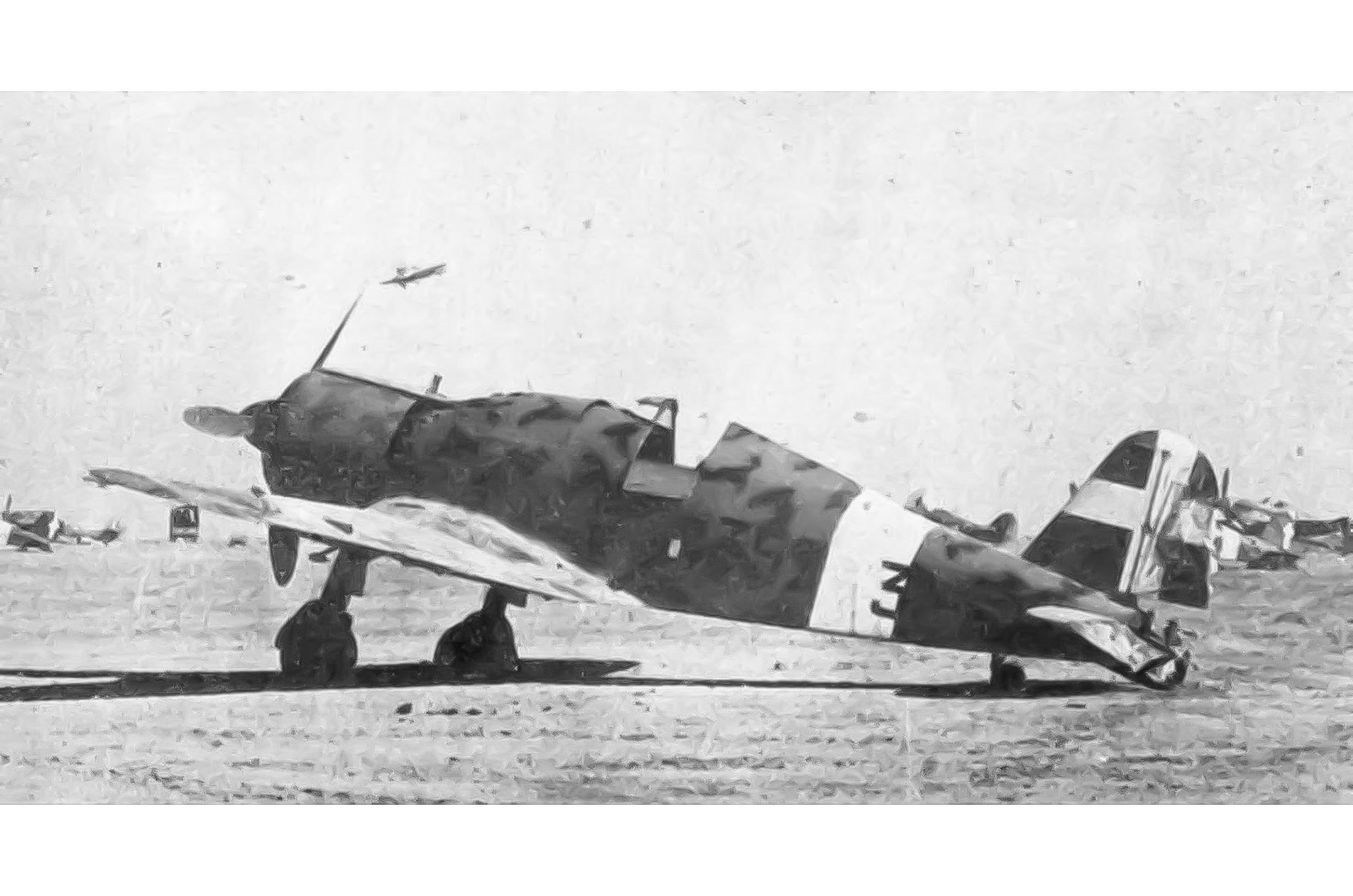
How many Italian fighters achieved a 33 to 1 kill-loss ratio during the Second World War? If your answer to the second question is ‘none’: well, you’re half right – as we shall see. Designed by Guiseppe Gabrielli, the Fiat G.50 was the first Italian monoplane fighter and fitted with such amazing novelties as a retractable undercarriage and an enclosed cockpit.
The enclosed canopy was discarded fairly rapidly, though not, as has often been suggested, due to the highly conservative nature of Italian fighter pilots but rather because it was virtually impossible to open in flight. Even the most forward-thinking and radical fighter pilot is generally in favour of the idea of escaping the aircraft if needed in a hurry.
10: Fiat G.50 Freccia (‘Arrow’)
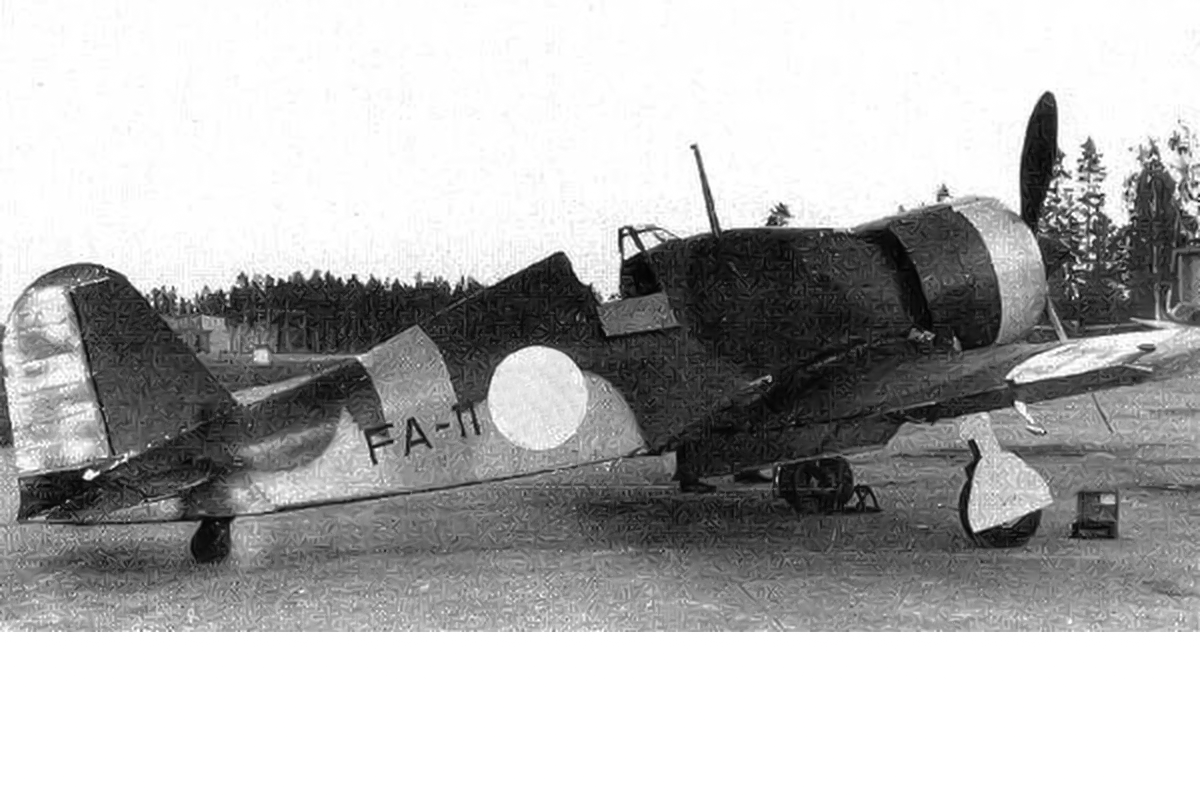
Unfortunately, for Italy, the amazing kill-to-loss ratio mentioned above was actually achieved by the Freccia in service with the Finns who operated 33 G.50s from the end of the Winter War, through the Continuation War and on until 1944 when these now quite old aircraft were withdrawn from the front line.
Finnish Fiat pilots shot down 99 Soviet aircraft for the loss of three of their own, one of the best ratios achieved by any single fighter type in the service of a specific air arm during the war. Despite this, Finnish pilots still preferred other fighters, not least as the open cockpit of the G.50 was not a comfortable place to be in Finnish winter.
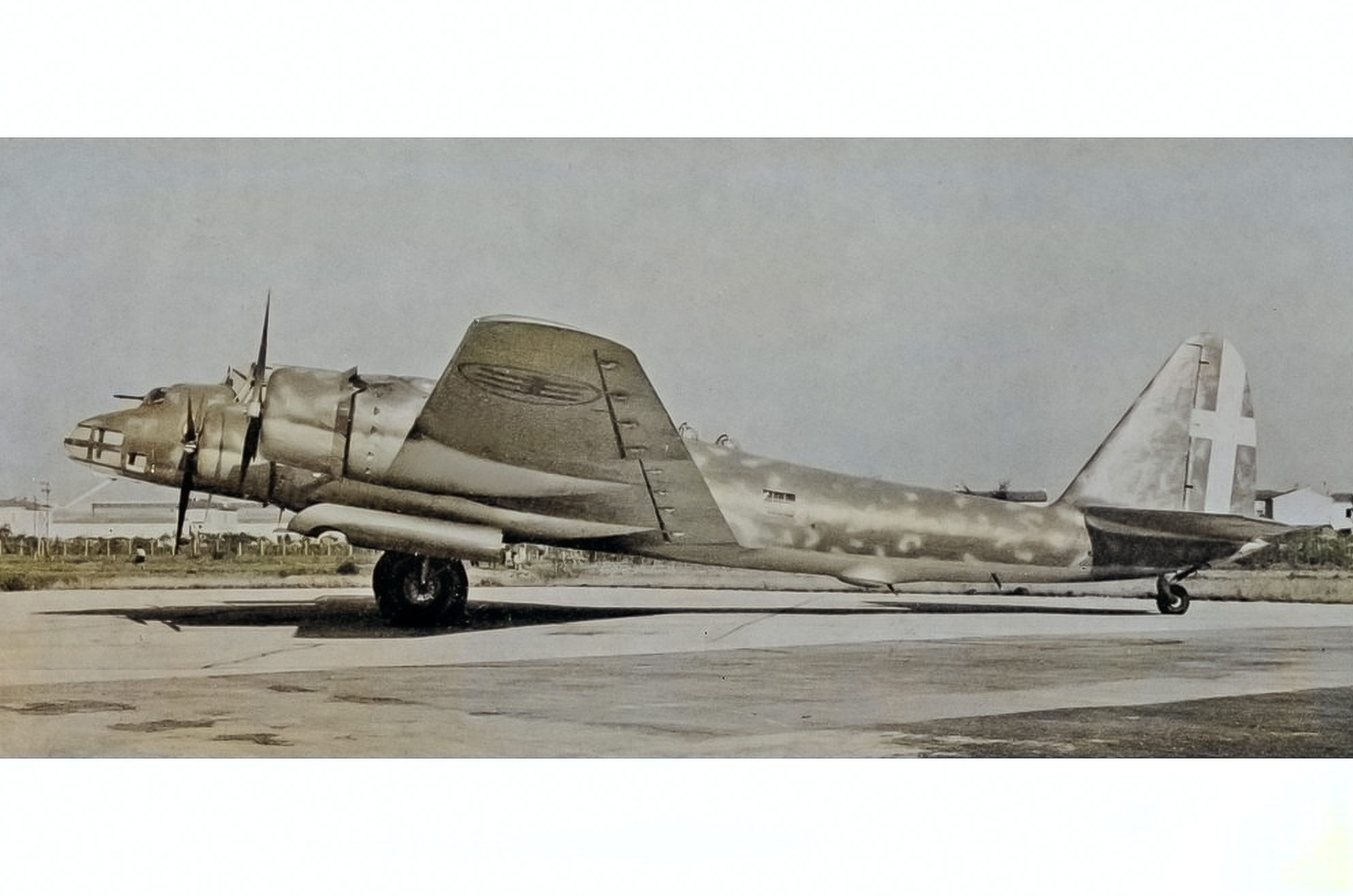
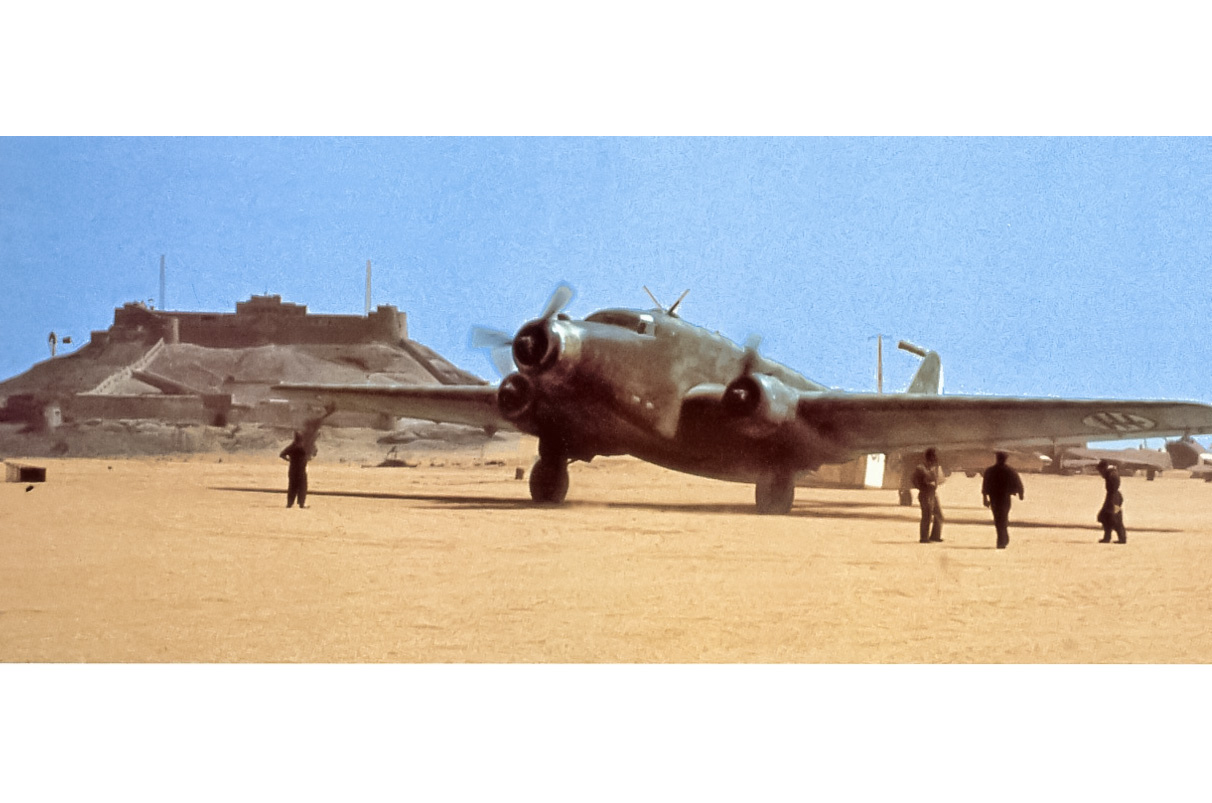
9: Savoia-Marchetti SM.79 Sparviero ('Sparrowhawk')
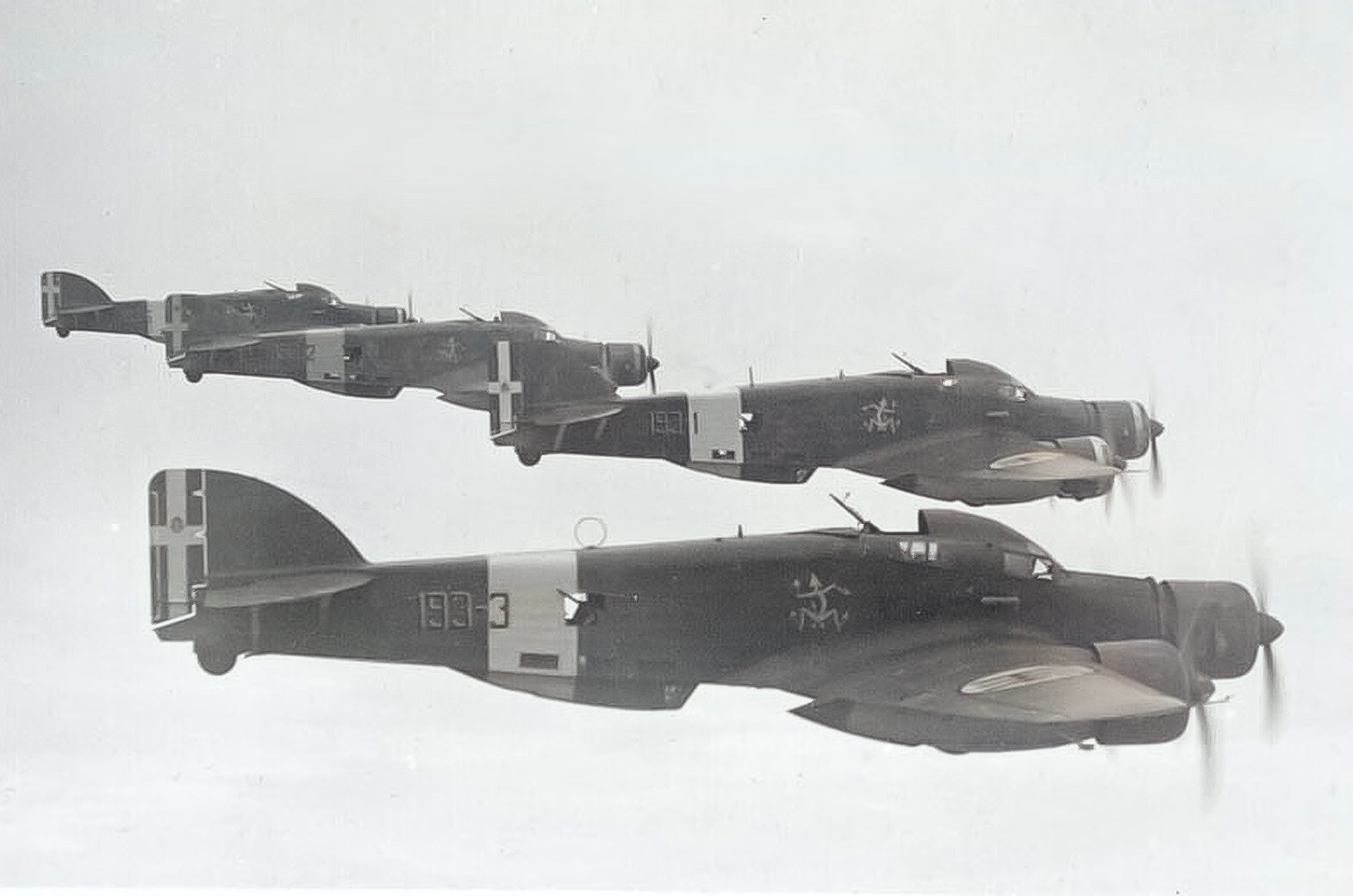
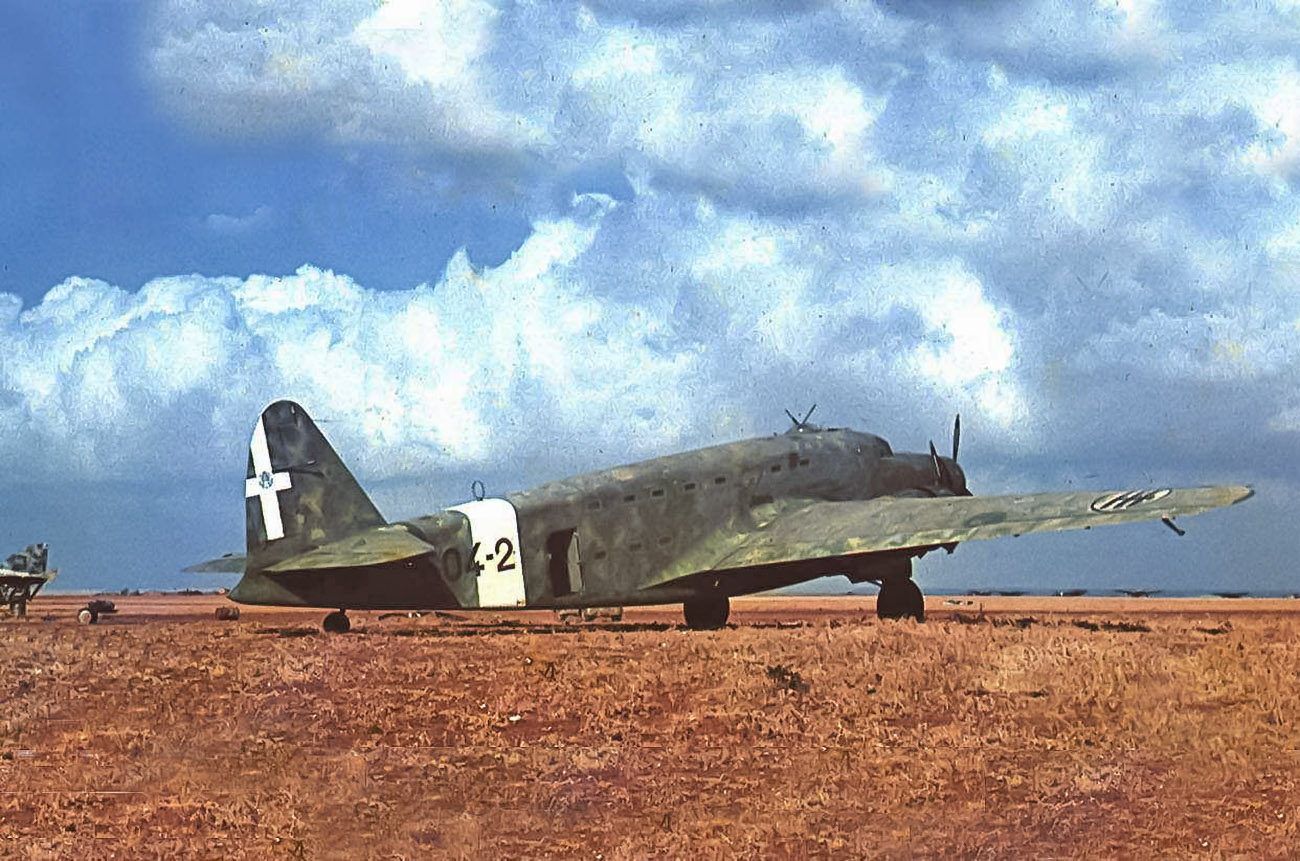
A bit of an oldie having first flown way back in 1934, the was one of aviation's great survivors. After setting a swathe of records in the mid 30s the SM.79 became likely the best bomber committed to the Spanish Civil War, outlived the aircraft specifically designed to replace it (the now obscure SM.84) and ended its war as the Axis' most potent torpedo bomber before relaxing into a surprisingly long post-war dotage.
The Sparviero defied expectation - although it has become aviation history's archetypal trimotor bomber, the wonderfully ugly Romanian-built SM.79JR was a twin (and the fastest of the lot). Although very fast by world standards during the conflict in Spain, the SM.79's primary attributes during the Second World War were its sturdy construction and excellent reliability.
9: Savoia-Marchetti SM.79 Sparviero
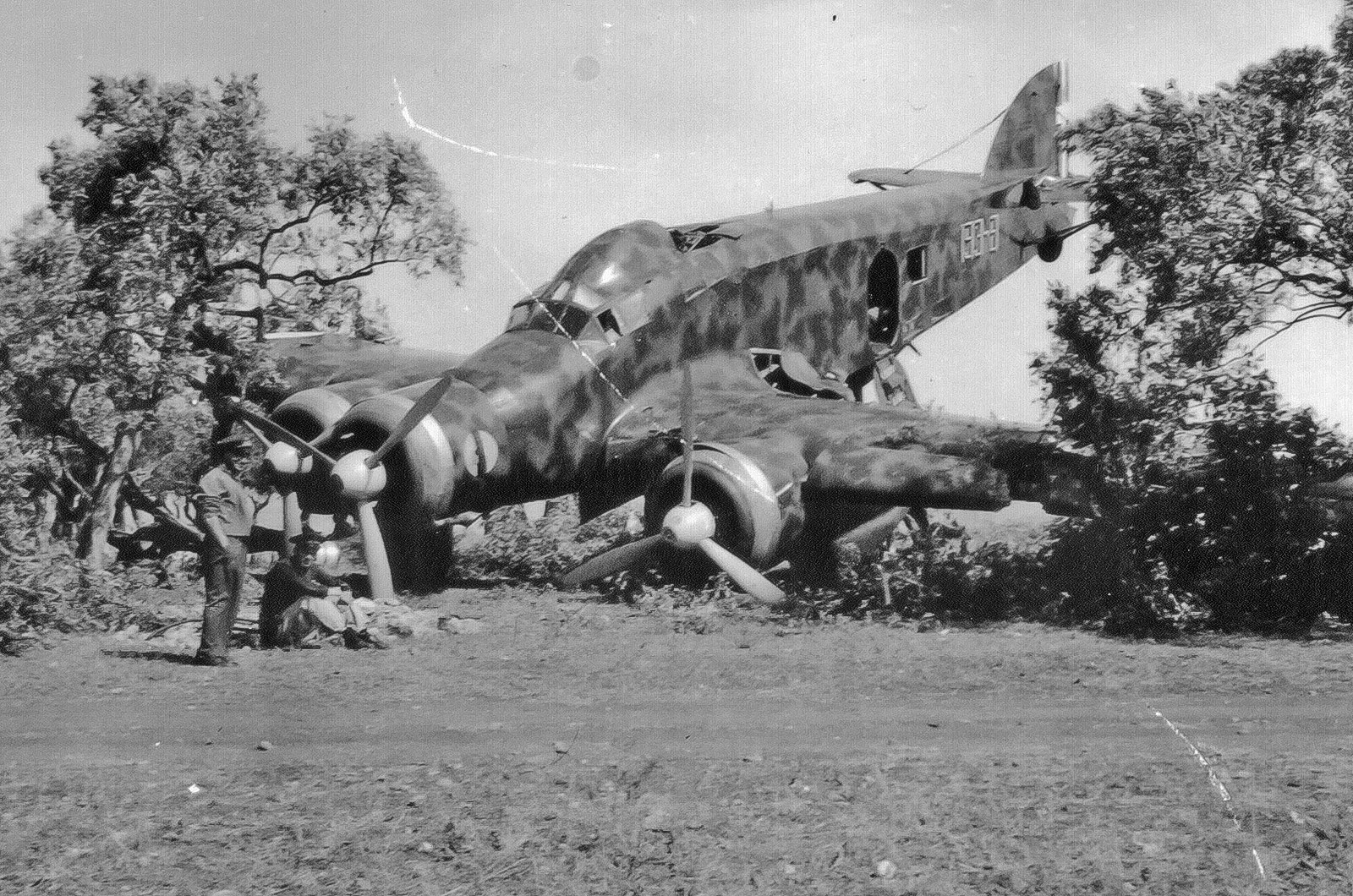
In action during the Spanish Civil War the Sparviero proved highly effective and more or less immune to interception, which was lucky as the Italians did not possess a fighter fast enough to escort it. Of the 100 or so aircraft committed to Spain only four were lost on operations.




Add your comment