
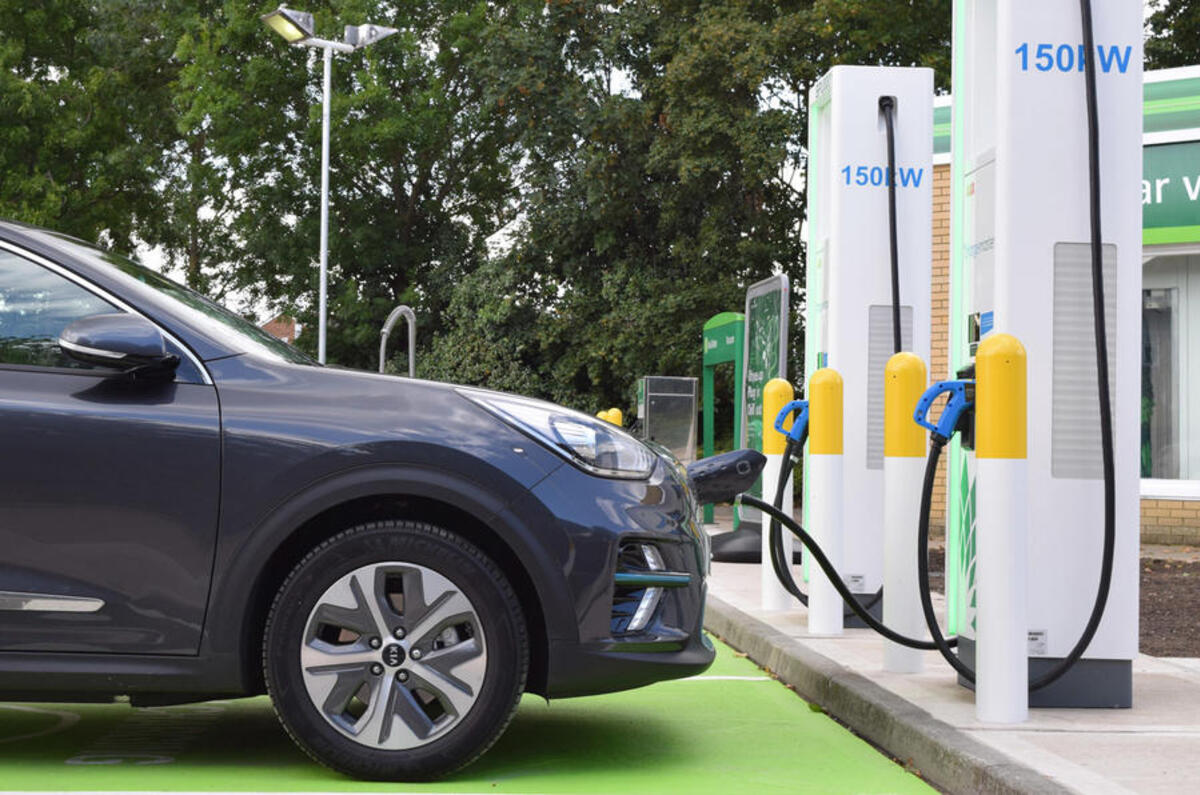
No pain, no gain, as the saying goes – but only the most thick-skinned would sleep well while running a company that provides public EV chargers.
Yes, there’s huge business potential ahead. The switch to 100% electrified car sales in 2030 and the gradual phasing out of ICE cars thereafter promises good profits. But right now, the industry is in transition, the multitude of start-ups having to grow up or be bought up; and the bigger players coming in facing frustrated users with high expectations and a united body of car makers applying pressure for better service.

Join the debate
Add your comment
The network might be capable of delivering the charge, but where is the electricity going to come from to power it Mr Holder?
A tangental point that I have seen highlighted by some EV gurus on YouTube is that there are vast differences between some EV car satnav systems for highlighting available charging points on motorways and major roads generally.
In general, Teslas ares strong on this. As a counterpoint, the newly launched BMW i4 seems weak on this.
The issue here is data quality for journey planning. I appreciate that tracking the installation and upgrade of public charging points across each country is a challenge right now, but some car makers do seem to be doing a better job than others.
The days of a couple of rapid chargers at the back of random retail parks or fast food joints being good enough are long gone. We need charging hubs with multiple rapid chargers on or near to highways and motorways. Lots of good work being done by Instavolt, Osprey and MFG but more is needed. The likes of BP letting the BP Pulse network decend into an unreliable mess isn't helping.