

You’ll have noticed, I hope, that despite lockdown the flow of car news and reviews hasn’t entirely stopped. There are good reasons for this.
For one, it’s still possible to source test cars from some car makers in Germany so our man on the spot, Greg Kable, has been as busy as possible driving and writing.
For another, the car industries of Korea and China are just starting to perk up again and this, along with the fact that we had a few tests and features in the pipeline, as it were, means we’ve got pretty watertight publishing plans reaching well into June. By that stage we calculate this virus thing might just about be abating. If not, as one colleague remarked recently in the 10am video meetings our team members now join from their homes, we’ll have to start testing Mini-badged fountain pens and Mercedes-Benz watches…
But there’s another reason why our mag and web pages are not simply displaying acres of white space. It’s because of the relatively cordial relationship that exists between the car industry and us. The two sides aren’t exactly matey: there will always be a degree of tension between a business that seeks to build a reputation by selling an expensive product in a very tough market, and another that takes licence to criticise it without fear or favour.
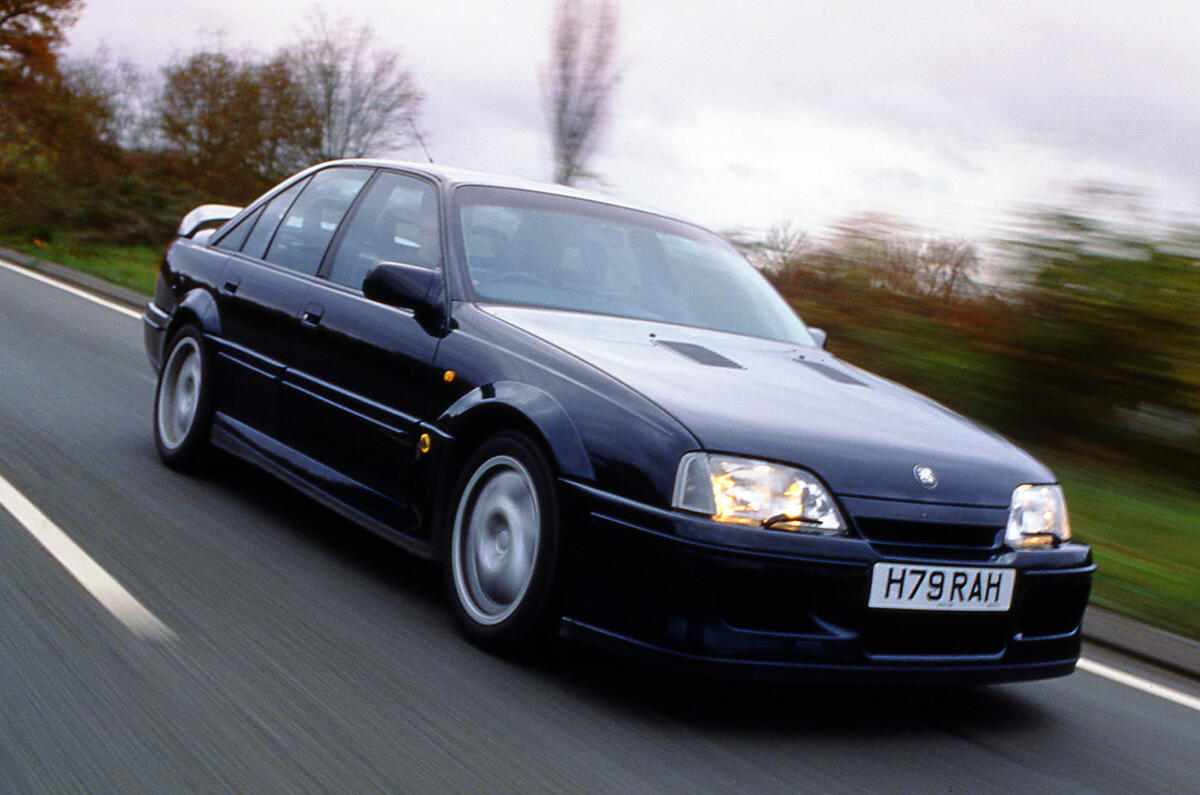
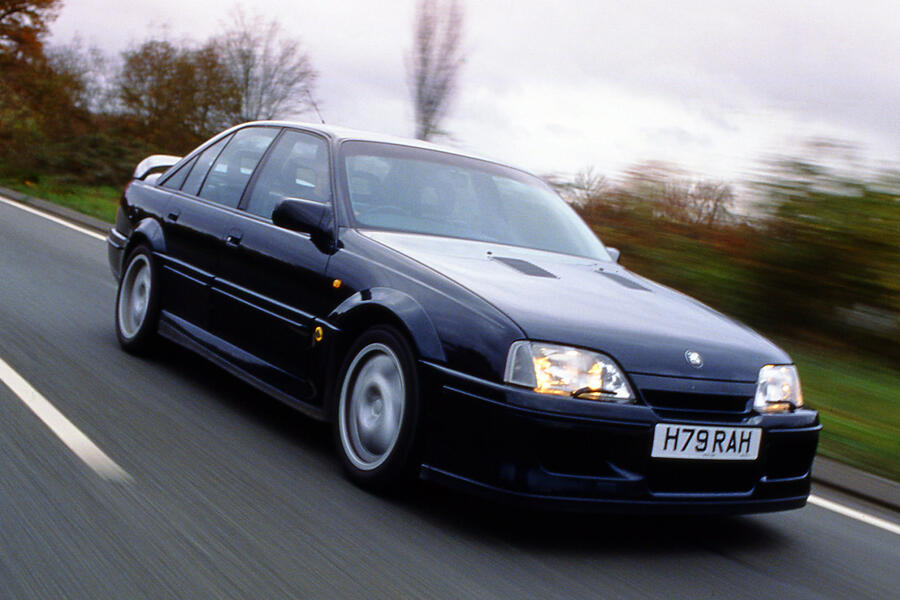
But right now, each appreciates the other’s position. Manufacturers want to keep their names prominent; media outlets need material. Vauxhall, for instance, has been issuing pictures and interesting snippets about its greatest cars. Others have been punting stories about anniversaries and technical advances and whatever else they can think of. It has been an interesting cooperative effort.
Even in good times the atmosphere between us is pretty good, for a few important reasons. Firstly, there’s too much competition in the motoring press these days for rabid critics simply to “go off on one”. The weight of opposition makes irrational criticism dead obvious, which in turn threatens the critic’s own reputation.
Car companies, and especially the press departments who are our first port of call, have a much greater understanding of the press’s role — which is to work for the reader first, last and always. Many are ex-journalists. If there’s a problem it’s often internal, between a company’s bigwigs and press types who are sometimes deemed “not to be able to control the press” in times of trouble. As if they could.
Cars are complex and will never be perfect, and those inside the companies who create them — engineers and designers — know this better than anyone. If a car attracts fair criticism, they’ve probably been expecting it, take it on the chin, and use it to convince high-ups to invest in putting things right at the facelift stage. Everyone knows (even if they don’t enjoy it) that criticism makes cars better.
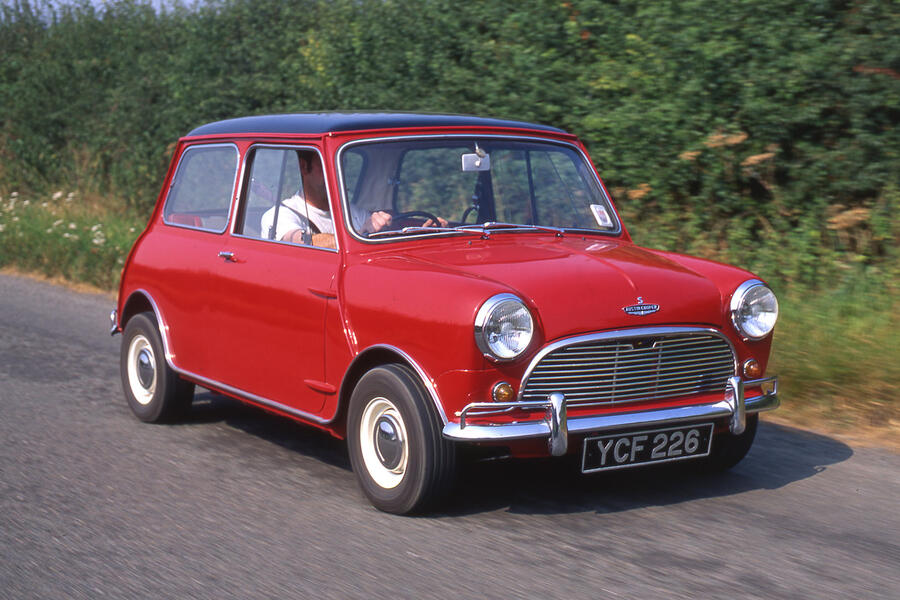
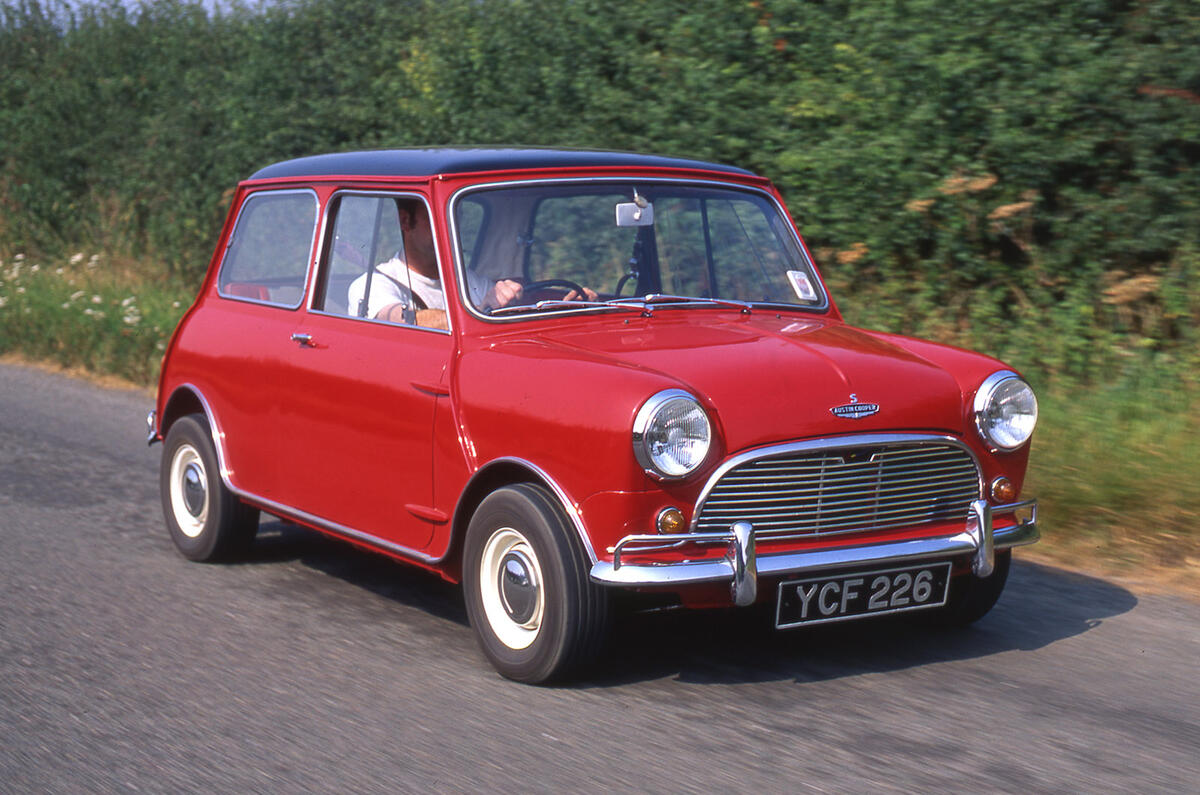
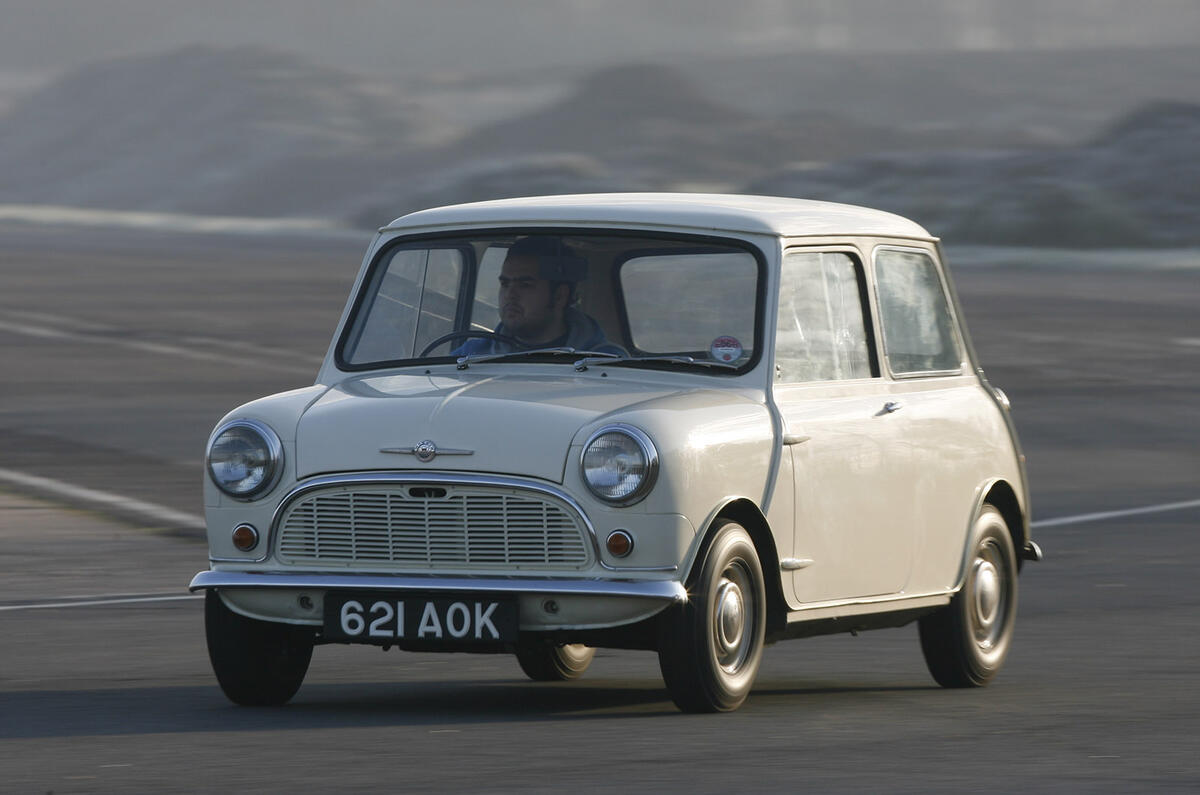
Cars may be complex, but they’re also built to ever higher standards. They deliver higher levels of durability, reliability and enjoyment than ever achieved before. Points of criticism are rarely as routinely serious as they once were. Consider the Mini: in the early days you’d drive your new car out of the showroom, through a puddle and it’d conk because water would penetrate the grille and douse the distributor. These days there’d be a scandal and a rapid recall. Back then it was a case of “they all do that, sir”. Owners learned to buy a rubber glove, cut holes in fingers for the ignition leads, squeeze it over the dizzy and drive on in the rain…

In days gone by, the car-v-press situation was heavily split. It could be much more adversarial and also far too cordial. On the cordial side, the daily newspapers and the older organs were populated by “gentlemen” who saw supporting car makers as a kind of patriotic duty. They wouldn't put it like this, but they often appeared to scorn the public, even approving of the fact that a new car’s first customers were the testers of its final prototypes. That spawned the notion of the “Friday car” and the idea that you shouldn’t buy a new car from early production.
The adversarial side of the press was inhabited by critics who understood that some of the industry’s output were deeply imperfect products that needed urgent improvement, and the only way to help that happen was to be extremely blunt about their shortcomings. The old-time car bosses’ view of the specialist press “we’re all part of one big industry” thankfully waned, and fair criticism gained traction.
But there were difficult times. I once promoted an angry, 18-month freeze between Rolls-Royce and the magazine for which I then worked by describing the latest Silver Something as “The Prince of Whales”, on the grounds that as a result of gross under-investment it wasn’t remotely fulfilling its duty to attempt, at least, to be The Best Car In The World.
The bigwigs at British Leyland were upset, too, when we wrote about the Triumph Spitfire as “A Triumph of Ignorance” on grounds that it had a crude swing-axle rear suspension that was apt to deposit anyone who drove it hard backwards through the hedge. Or in hospital. You were after all supposed to be able to drive a sports car hard. Even their advertising said so, unhindered at the time by bans on such suggestions. Eventually they changed the rear suspension, not greatly but enough.
Mind you, those were the olden days. Today’s cars hit a much higher standard. They’re not perfect and they’re still enormously different (provided you look well enough). Their results in the “fitness for purpose” test we apply to all cars still vary widely and their longer term ownership experiences are also very different. So though you’ll hear people say it, the suggestion that all cars are the same these days is the nonsense it always was. There’s still a best and a worst, and we’ll keep telling you about that.
Today, buying a new car has never been a safer thing to do — from the financial, life preservation and enjoyment points of view — which is why we fervently hope you’ll indulge what (if you’re like us) are your pent-up, lockdown dreams of owning a new car once this horrible interruption to our lives is over. There’s never been a better time.
READ MORE
90 years special: The history of Autocar's road test proceduresâ

Join the debate
Add your comment
Nostalgia
I remember my father in the early 70's telling me to never buy a car from its first two years production run. Still holds true today, but I do fear that in group comparison tests journos sometimes see any model older than two years as already at a disadvantage.
When you work all the time in an industry where you constantly experience new product , and often years before Joe Public casts an eye on it, you can become a little blase` .
Why not let the regular journos do the usually well executed job of detailing the technical bit on a group test as usual, and supplement it at the end with an opinion from a member of the public . They can put a perspective of someone who takes different things into account . I would suggest, real world pricing, including lease and PCP, and access to dealers/servicing as a start. Are differences in ride, handling, comfort, equipment etc, as important as some journalists think they are?
Notwithstanding all that diatribe above, I think generally you do a great job most of the time. Especially in these trying times. Keep entertaining and informing please.
" ....licence to criticise it
" ....licence to criticise it without fear or favour."
That one has passed me by...