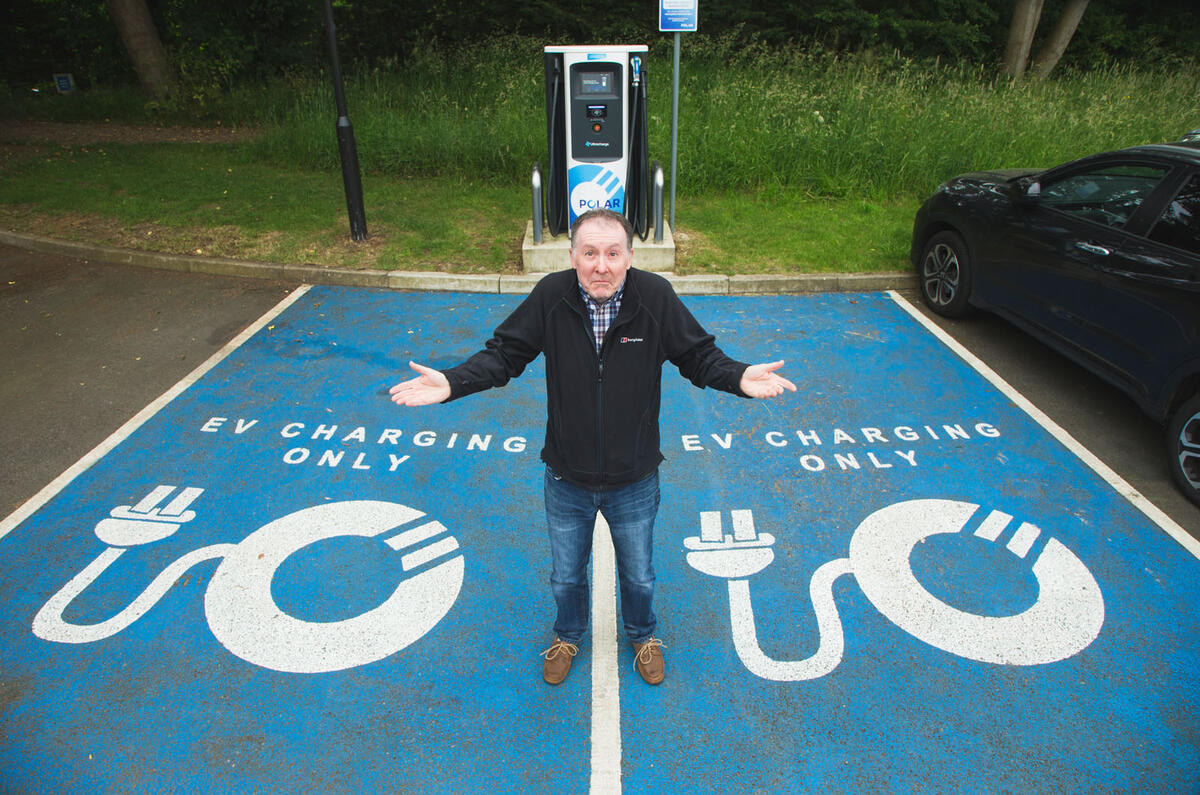
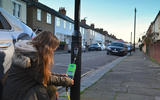
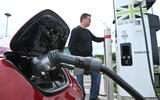


Charging an electric car is more straightforward than you’d think, and it’s getting easier all the time. It still takes a little planning compared to a traditional internal combustion engined machine, particularly on longer journeys, but as the charging network grows and the battery range of cars increases, you're less and less likely to be caught short.
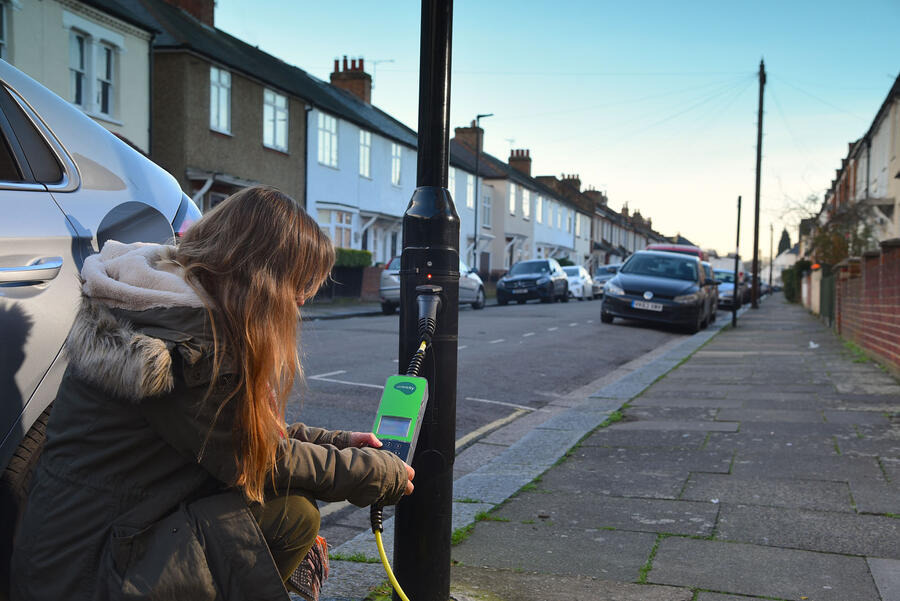
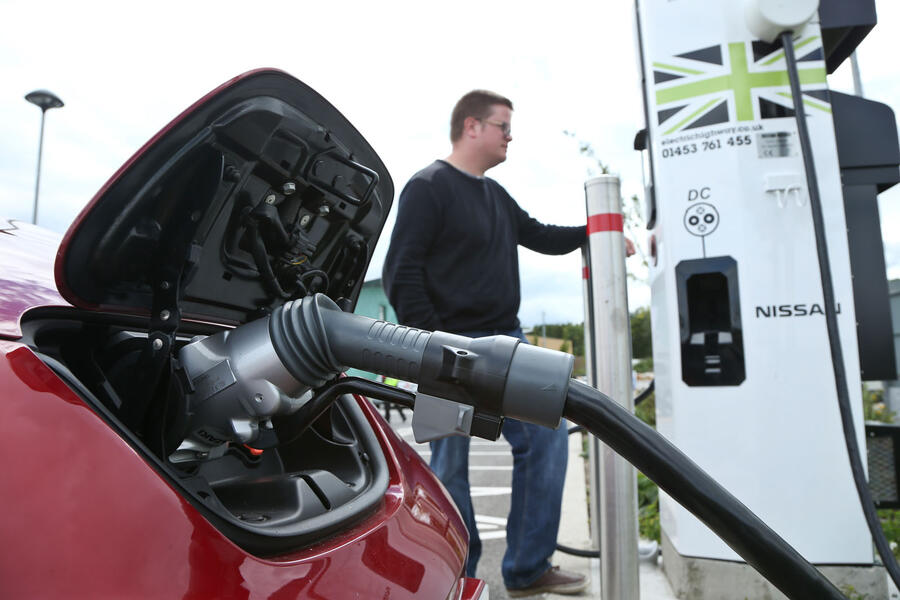
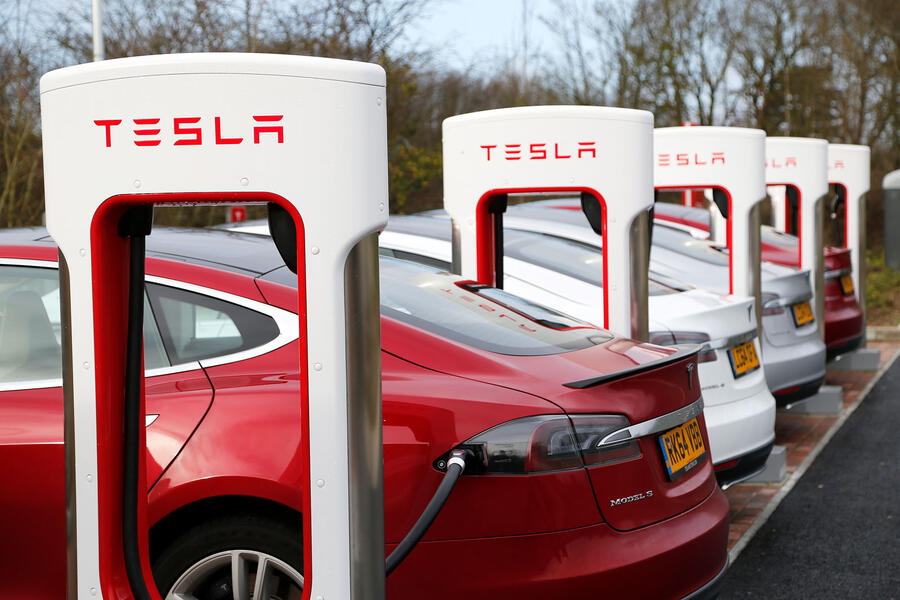
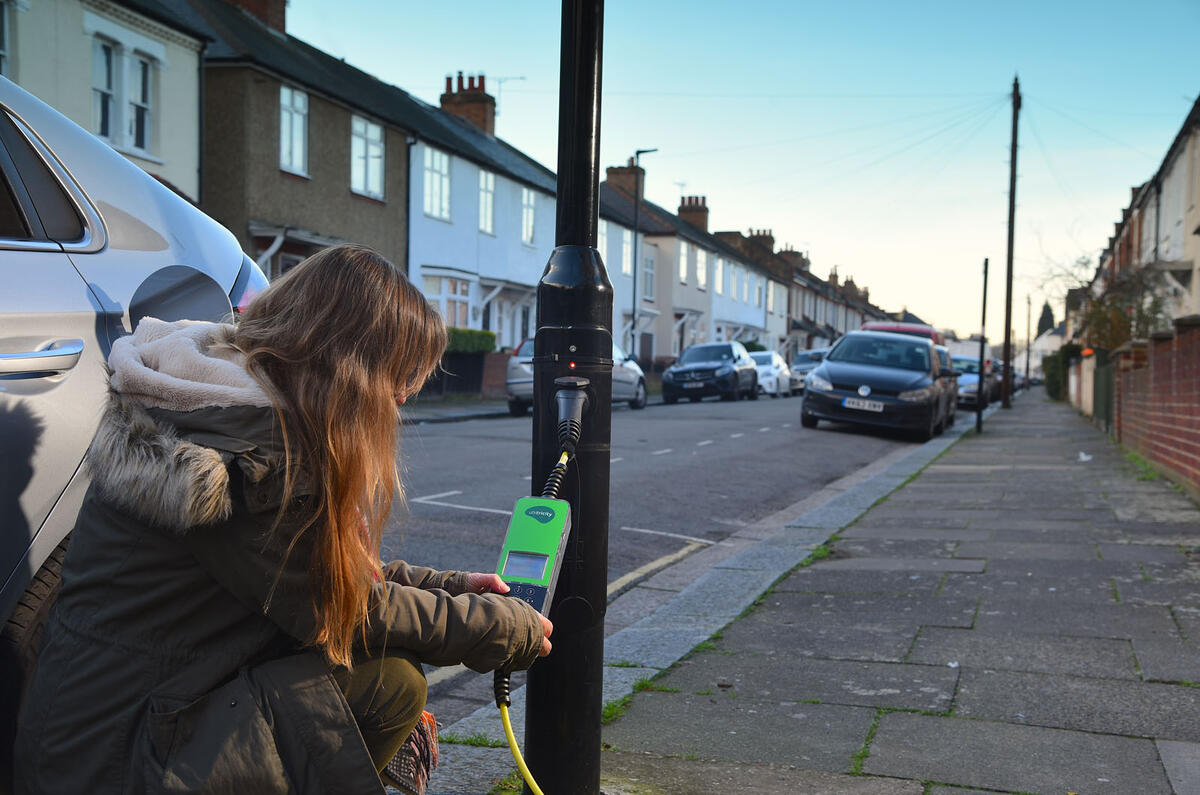
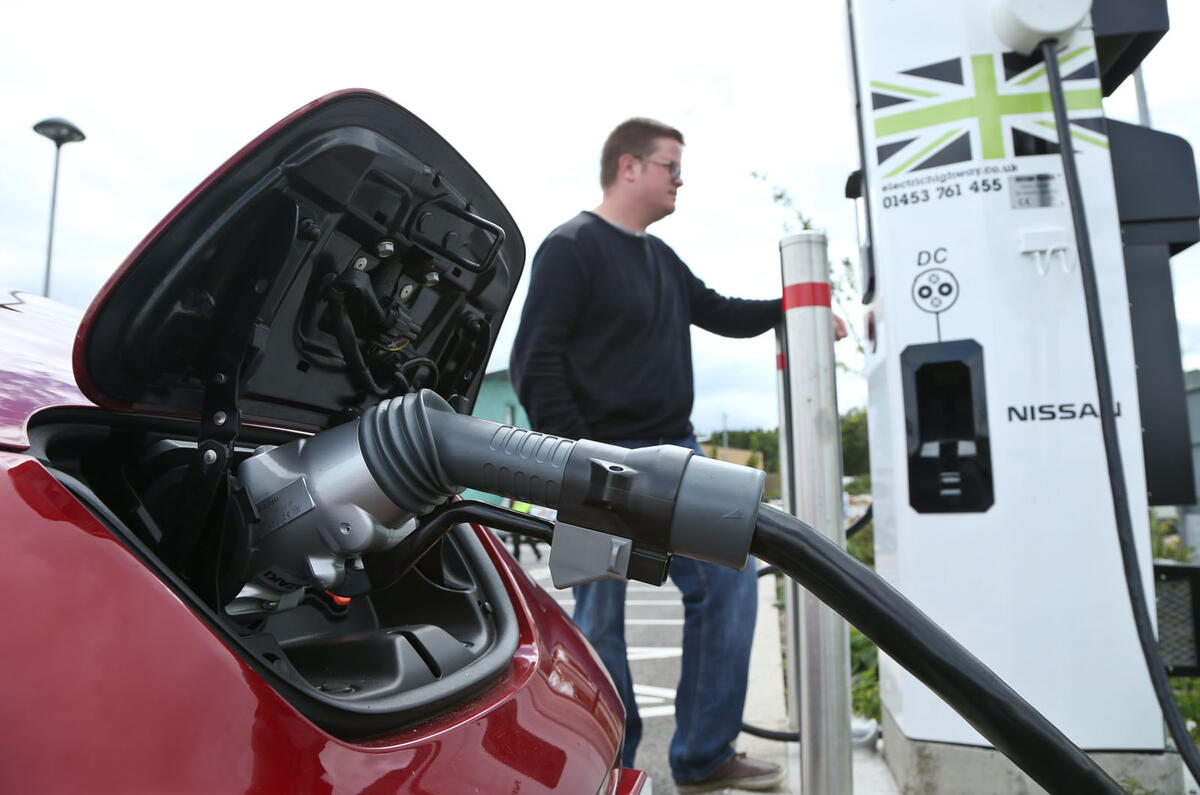
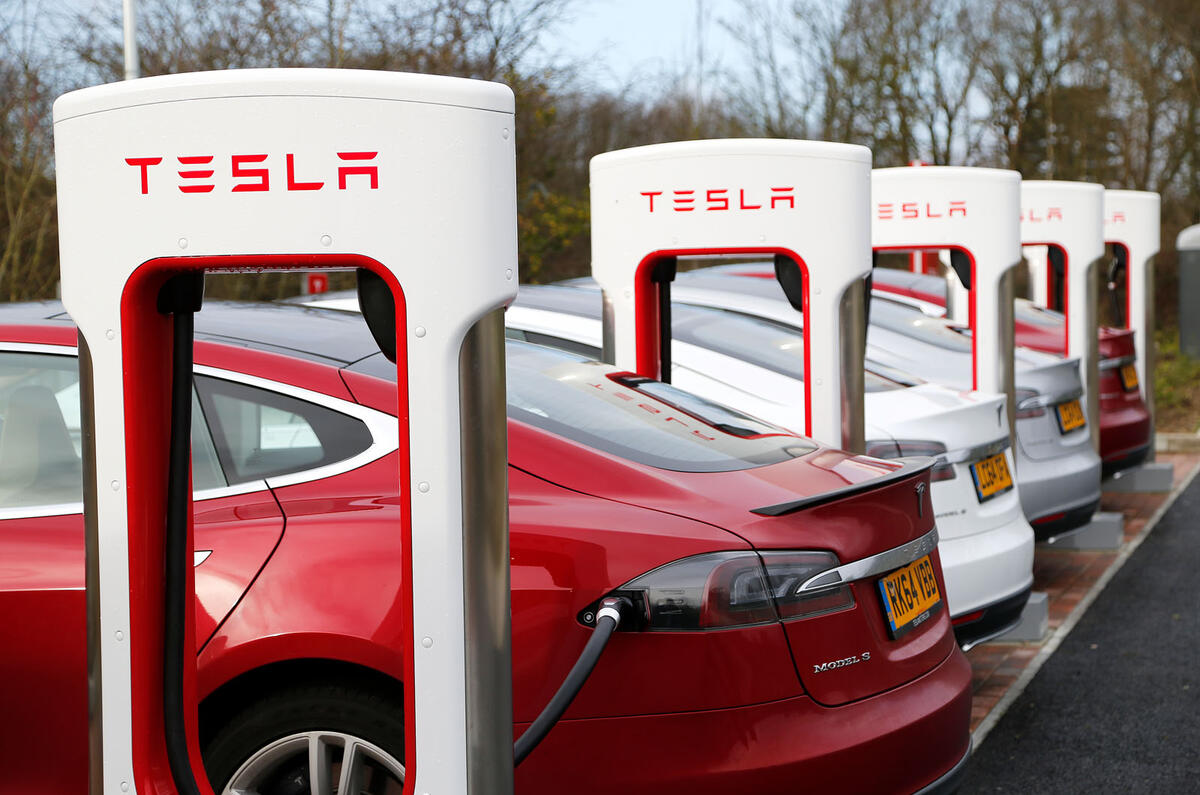
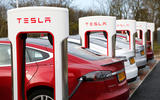
There are three main ways to charge your EV - at home, at work or using a public charging point either at the roadside or a service station. And of course if you run a Tesla, then there’s the firm’s dedicated Supercharger network that encompasses over 800 sites, from motorway services to numerous hotel car parks and shopping centres. Finding any of these chargers is fairly straightforward, with most EVs featuring sat-nav with sites plotted on, plus mobile phone apps such as ZapMap showing you where they are and who runs them. BP Pulse, Gridserve, Ionity and Shell Recharge are some of the best known providers.
NewMotion is another well-known provider and has been part of the Shell Group since 2017. Although it still exists, its customers are gradually being brought under the Shell Recharge Solutions banner. Effectively the service remains the same, with users able to access 3,000 charging points over 17 different networks across the UK, including Ionity rapid chargers as well as its own Shell Recharge stations. You can also use the service across Europe, increasing your available chargers to over 250,000 over 35 countries.
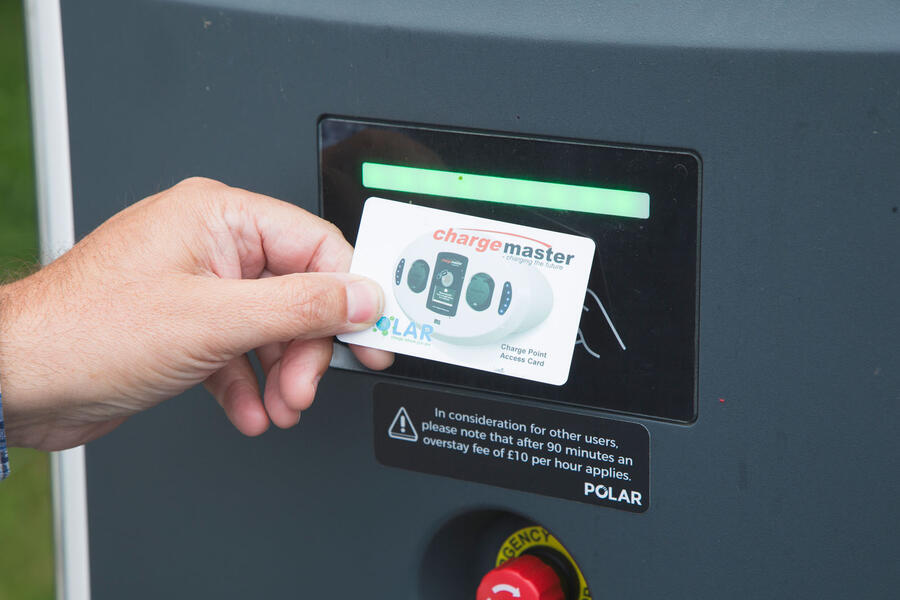
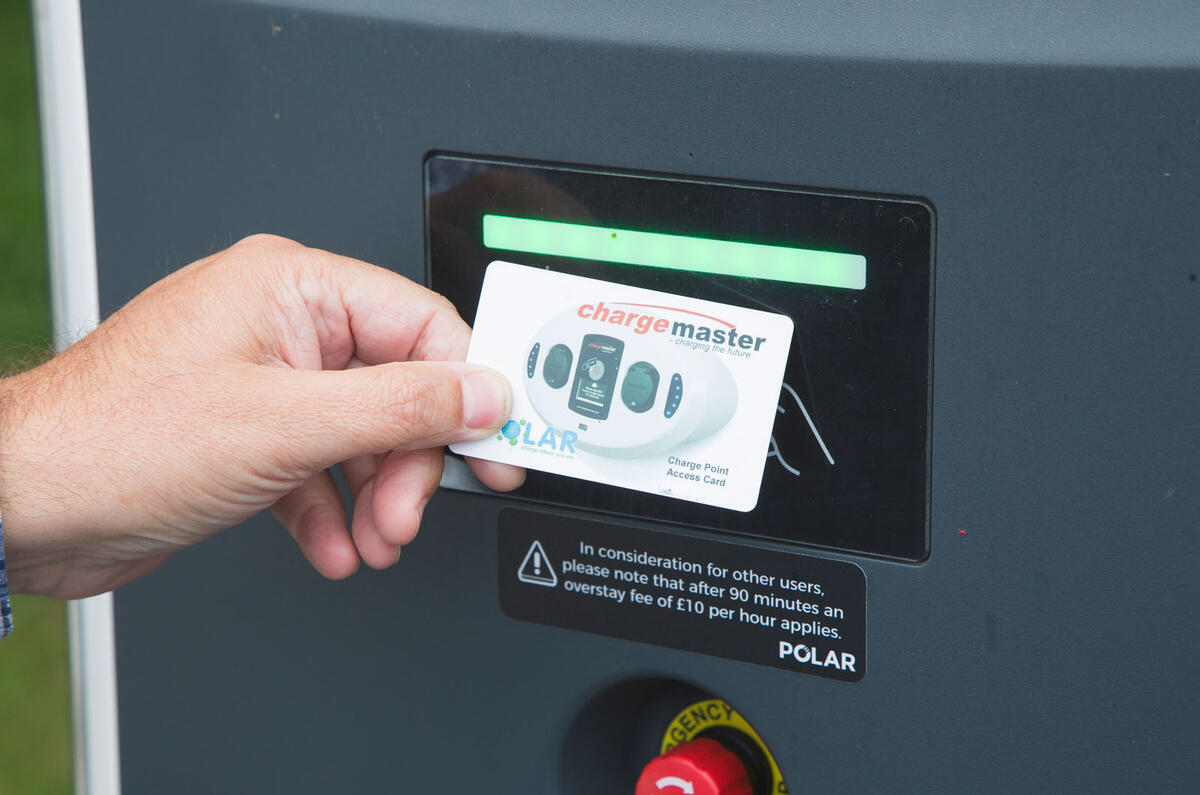
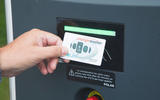
Public charging stations offer a range of ways to pay, often via a special card or payment app on your phone. That said, many chargers increasingly feature contactless technology, meaning you can pay with an ordinary debit or credit card. Legislation has also been enforced to allow "Ad-hoc access" without the need to pay a membership fee, or enter a long-term financial commitment, before being able to charge.
Ultimately, where and when you charge depends on how and where you use the car. However, if an EV fits in with your lifestyle it’s likely that most of your charging will be done at home overnight, with only short top-ups at public charging points when you’re out and about.
How long does it take to charge an electric car?
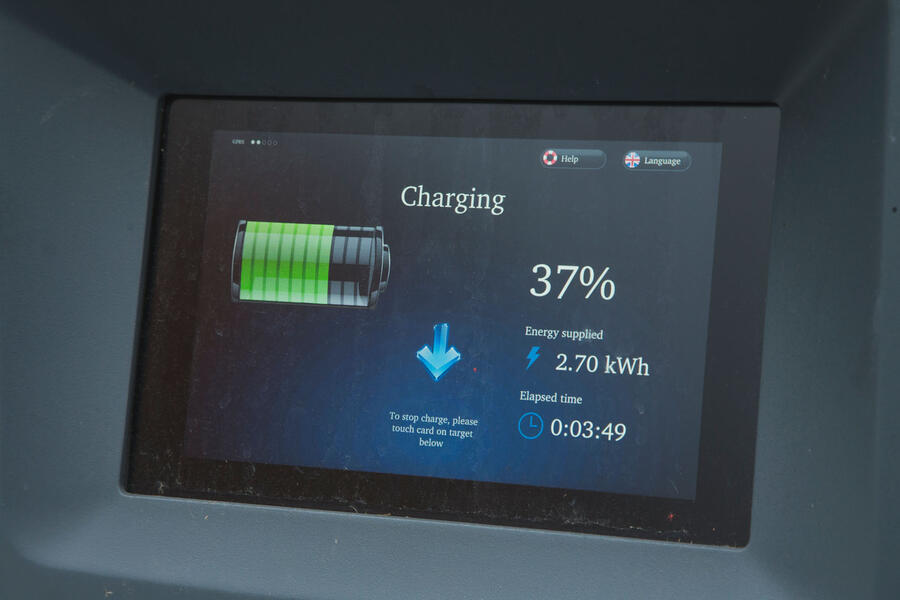
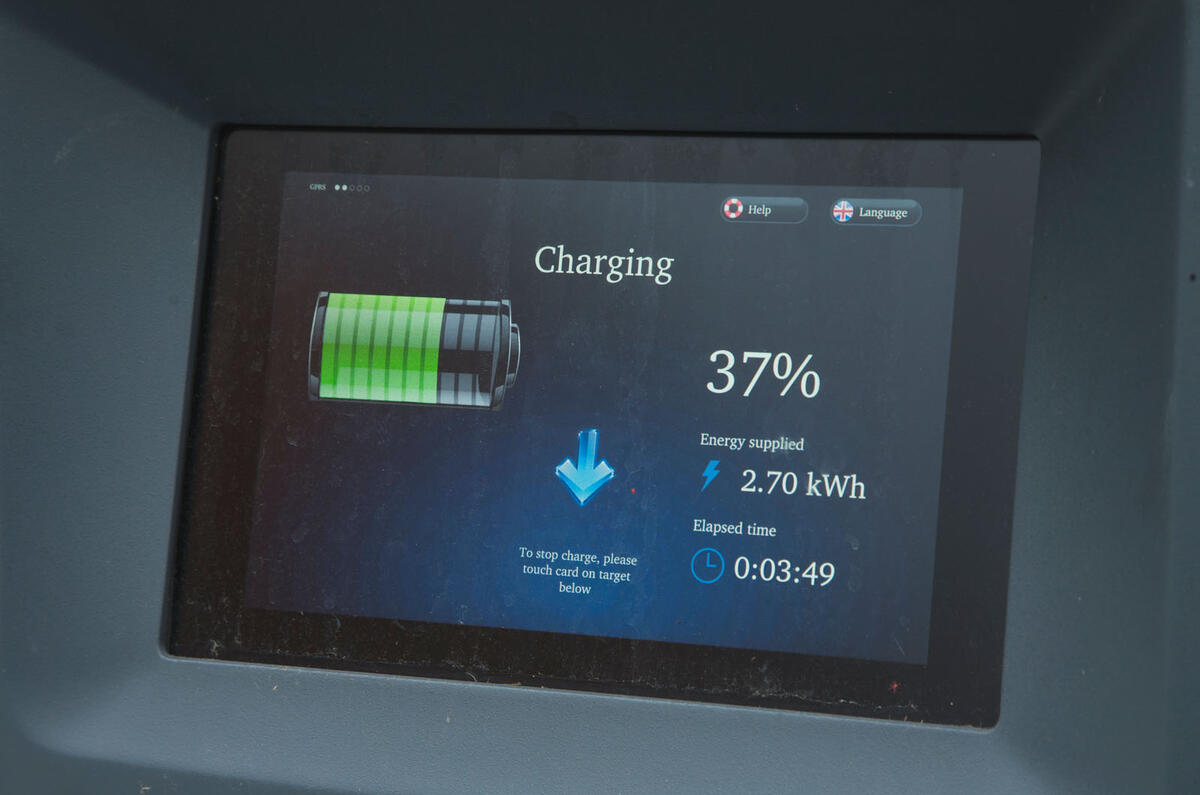
The length of time it takes to charge your car essentially comes down to three things - the size of the car’s battery, the amount of electrical current the car can handle and the speed of the charger. The size and power of the battery pack is expressed in kilowatt hours, or kWh, and the larger the number the bigger the battery, and the longer it’ll take to fully replenish the cells.