
Many key players across the global automotive industry have taken decisive action or been heavily impacted as a result of Russia’s invasion of Ukraine.
Several global manufacturers have halted deliveries to Russia, while others have been forced to paused production due to a lack of parts from Ukraine-based suppliers.
Among the manufacturers affected so far are Groupe Renault, BMW, Jaguar Land Rover, Stellantis and the Volkswagen Group.
Many have severed ties with partners in Russia, which is the eighth-largest automotive market in the world. Some 1,666,780 cars were sold in the country last year - more than in Canada, France or the UK.
Further issues arising from impacted supply chains are expected in the coming weeks. Meanwhile, companies including Ford and Skoda have committed to supporting Ukrainian workers affected by the war.
Here's what we know so far on how the outbreak of war is affecting individual manufacturers.
Aston Martin has paused sales of cars to Russia following its invasion of Ukraine. Both countries are small markets for the British firm, accounting for less than 1% of its overall sales in 2021.
In a statement, Aston Martin said: “As a global brand that exports products to both Ukraine and Russia, Aston Martin is closely monitoring the ongoing situation in Ukraine. Our primary concern is the safety and wellbeing of our partners and customers in Kyiv and their families, and we remain in close contact with our local dealer at this difficult time.
“Due to the operational impact of recent sanctions, Aston Martin is pausing sales and shipment of vehicles to Russia."
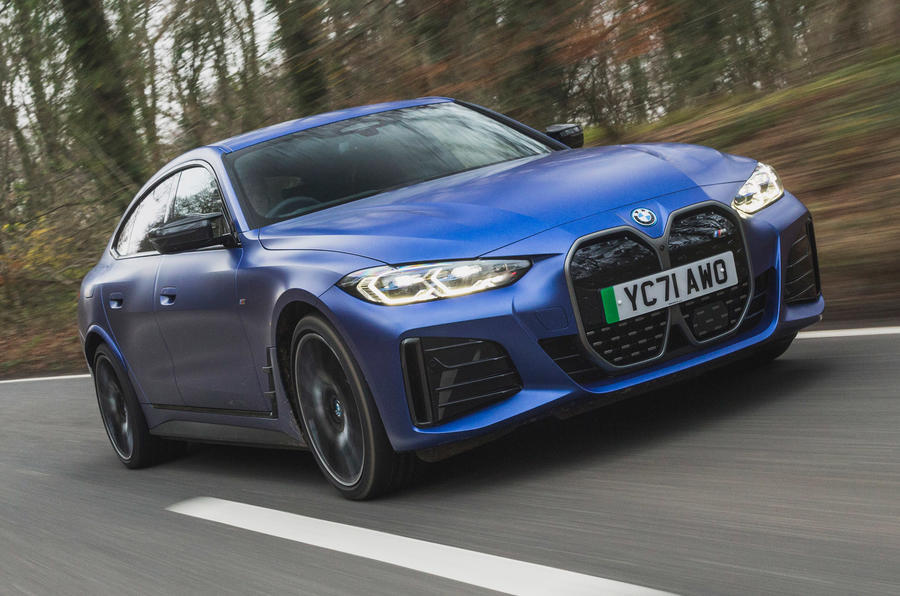
BMW has ramped up production at its Oxford and Swindon facilities next week, the firm said in a statement sent to Autocar.
BMW previously stopped production of BMW and Mini vehicles entirely in several factories around Europe because parts could not be delivered.
“The war in Ukraine has a significant impact on the country’s automotive supply industry. Our prime concern remains the safety and welfare of our suppliers,” said BMW.
“We are continuing to engage in intensive discussions with our suppliers. Together we are continually assessing the parts situation and defining measures to secure production in the best possible way to meet the continued high demand for customers.”